⚡ FLASH SALE: Get 60% OFF All Premium 3D & STL Models! ⚡

In the world of 3D modeling and visualization, few subjects captivate audiences as much as meticulously crafted automotive designs. Whether for game development, high-fidelity renderings, virtual reality experiences, or even product visualization, the realism of a 3D car model hinges critically on its textures. A stunning model with generic or poorly applied textures can fall flat, while a well-textured model can evoke emotion and believability. This is where Substance Painter shines as an indispensable tool for 3D artists. It has revolutionized the texturing pipeline, enabling artists to create stunning, physically accurate materials with unprecedented speed and control. This comprehensive guide will take you through the intricacies of leveraging Substance Painter to achieve photorealistic car textures, from understanding PBR principles to advanced techniques and optimization strategies. Prepare to elevate your automotive renders and game assets to an entirely new level of visual excellence.
Physically Based Rendering (PBR) is the cornerstone of modern 3D texturing, a methodology that aims to simulate how light interacts with surfaces in the real world. For automotive models, PBR is not just a trend; it’s a necessity for achieving the depth, sheen, and subtle imperfections that make a car truly believable. Understanding PBR principles is fundamental before diving into Substance Painter, as the software is built around this concept.
At its core, PBR relies on accurate representations of surface properties, ensuring energy conservation and realistic light reflection and absorption. Key properties include albedo (base color), metallic, roughness, and normal maps. The Albedo/Base Color map defines the intrinsic color of a surface without any lighting information, acting as the foundation for the material’s appearance. The Metallic map dictates whether a surface is a metal or a dielectric (non-metal). Metals reflect light differently, with their albedo acting as their “specular” color, while dielectrics have a white/grey specular color. The Roughness map is crucial, controlling the microscopic surface irregularities that scatter light. A low roughness value indicates a smooth, highly reflective surface (like polished chrome or a new car’s clear coat), while a high roughness value suggests a dull, matte, or diffused surface (like unpainted plastic or worn tires). Together, these maps create a nuanced interplay of light, offering a far more convincing visual than traditional texturing methods.
For automotive texturing, a standard set of PBR maps is typically employed, each contributing to the final look:
Each map is meticulously crafted in Substance Painter to define the specific characteristics of car paint, polished chrome, durable rubber, intricate glass, and various interior materials, ensuring every detail contributes to the overall photorealism.
Before importing your model into Substance Painter, proper preparation in your 3D modeling software (e.g., Blender, 3ds Max, Maya) is paramount. The foundation of great textures is clean, efficient geometry and meticulous UV mapping. Ensure your model has clean topology, ideally with quad-based meshes, and avoid Ngons where possible. This is especially important for smooth, curved car surfaces where surface deformation needs to be controlled. Good edge flow supports realistic reflections and deformations. When sourcing high-quality 3D car models from marketplaces like 88cars3d.com, you often find these essential foundations already in place, saving significant preparation time.
UV Unwrapping is perhaps the most critical preparation step. Each distinct part of the car (body, wheels, interior, glass, lights) should have its own set of UVs, ideally laid out in a way that minimizes distortion and maximizes texture space. Overlapping UVs should only be used intentionally for mirrored parts or decals. Material IDs, assigned in your modeling software, are incredibly useful as they allow Substance Painter to automatically create separate texture sets for different parts, streamlining the texturing process. Naming conventions for your mesh parts (e.g., ‘car_body’, ‘wheel_front_left’, ‘headlight_glass’) will also carry over, making organization within Substance Painter much easier.
Once your 3D car model is prepped, it’s time to bring it into Substance Painter and establish an efficient workflow. A systematic approach ensures that you leverage the software’s powerful features to their fullest potential, resulting in high-quality textures in a manageable timeframe.
The first step in Substance Painter is to import your 3D model, typically an FBX or OBJ file. After import, the crucial next phase is baking mesh maps. These maps extract critical surface information from your high-polygon model (or a detailed sculpt) and project it onto your lower-polygon render mesh, making it available for Substance Painter’s smart materials and generators. The essential maps to bake for a car model include:
Proper baking ensures that smart materials and generators react accurately to your model’s geometry, simulating realistic wear, dirt, and material transitions. Pay attention to cage settings during baking to avoid artifacts, especially with complex automotive geometry.
Substance Painter’s interface is designed for efficiency. Key areas include the 3D/2D Viewport for real-time visualization, the Texture Set List (where your material IDs appear), the Layer Stack (similar to Photoshop layers, but for PBR channels), and the Properties Panel for adjusting material settings. When starting a new project, select a document resolution (e.g., 2048×2048 or 4096×4096) appropriate for your target platform (game assets might use lower resolutions for performance, while high-end cinematic renders will demand higher). Choose the Metallic/Roughness PBR workflow, as it’s the industry standard for most modern renderers and game engines. Ensure your project is set up to handle the necessary texture channels for your car materials (Base Color, Height, Metallic, Normal, Roughness, Emissive).
Leveraging material IDs from your 3D modeling software is a game-changer. When you import your model, Substance Painter will automatically create a separate “Texture Set” for each unique material ID. This allows you to texture the car body, wheels, interior, glass, and other components independently within the same Substance Painter project. For example, your ‘Car_Body’ texture set will contain all the layers for the car paint, clear coat, and decals, while the ‘Wheel_Alloy’ texture set will focus on the metallic properties and surface details of the rims. This compartmentalization not only keeps your layer stack organized but also optimizes performance by allowing you to work on specific parts without affecting others. You can also manually create new fill layers and use a mask with color selection to isolate areas if you didn’t set up material IDs beforehand, though it’s less efficient.
This is where the artistry truly comes into play. Substance Painter offers an incredible toolkit for replicating the diverse range of materials found on a car, from the glossy sheen of the paint to the intricate details of tires and the reflective surfaces of chrome.
Car paint is one of the most challenging yet rewarding materials to create. It’s not just a flat color; it involves metallic flakes, clear coat reflections, and sometimes pearlescent shifts.
Remember that real car paint has imperfections. Adding subtle roughness variations, micro-scratches (via normal map details), and dust accumulation will enhance realism.
Beyond the primary car paint, every other surface contributes to the overall realism.
Substance Painter’s Smart Materials and Generators are powerful tools for accelerating your workflow and maintaining consistency. Smart Materials are pre-built material setups (layers, masks, generators) that can be dragged and dropped onto your model. They automatically adapt to your model’s baked maps (AO, Curvature, etc.) to apply realistic wear, dirt, or other effects. For example, a “Painted Metal” smart material can instantly give your car body a base paint coat with edge wear. You can then customize its parameters (color, roughness, wear intensity) to fit your specific design. Generators are procedural masks that create effects based on your mesh maps, like “Dirt,” “Edge Wear,” or “Grime.” By combining these, you can quickly achieve complex, realistic textures that would take hours to paint by hand, allowing you more time for artistic refinement.
Pushing the boundaries of realism in automotive texturing involves mastering advanced techniques that go beyond basic material creation. These methods allow you to add nuanced details, tell a story through wear and tear, and inject a higher degree of fidelity into your models.
Decals, such as logos, racing stripes, or warning labels, are critical for character and realism. In Substance Painter, decals are best applied using fill layers with alpha masks. Import your decal image as an alpha or color texture, then use a fill layer with a black mask. On this mask, paint with your decal alpha or use a “Projection” fill layer to precisely place the decal onto the car surface. For complex decals that wrap around curves, the “Planar” or “Tri-Planar” projection modes can be invaluable. Don’t forget to incorporate subtle roughness variations and normal map details into your decals to prevent them from looking like flat stickers; they should integrate naturally with the car paint. Imperfections like smudges, water spots, and dust are crucial for breaking up perfect surfaces. Use subtle grunge maps as masks for roughness or color layers, applying them sparingly to areas where they would naturally accumulate, such as under mirrors or around door handles. Layering these subtle imperfections helps create a lived-in, believable look.
A brand-new car is rarely perfect. Simulating realistic wear and tear adds immense character and history to your 3D models.
The key is to layer these effects and control their intensity, ensuring they look natural and tell a story about the car’s use and environment.
While Substance Painter comes with a vast library of assets, incorporating custom alphas, brushes, and textures allows for unparalleled creative control. You might need a specific tire tread pattern, a unique warning label, or a custom grunge texture. Simply import these assets into your Substance Painter project. Custom alphas can be used with the paint tool to stamp details like specific bolt heads, vent patterns, or unique grilles onto normal or height maps. Custom brushes, built from grayscale images, offer more flexibility for hand-painted details. For instance, you could create a custom brush for specific stitch patterns on interior leather or unique carbon fiber weave. Always ensure your custom assets are high-resolution and seamlessly tileable if intended for repetitive patterns to avoid visible seams or pixelation.
The beauty of a car model’s textures is only as good as its performance and compatibility with the target platform. Whether you’re developing for a high-end cinematic render, a real-time game, or an AR/VR experience, optimization is crucial.
For game development, texture optimization directly impacts performance.
Substance Painter provides export presets for these, allowing you to quickly combine your individual PBR maps into a single optimized texture.
For high-fidelity architectural visualization, product showcases, or cinematic renders, the focus shifts from real-time performance to maximum visual quality.
These emerging applications have unique requirements:
The final stage of the texturing pipeline is exporting your meticulously crafted maps from Substance Painter and correctly integrating them into your chosen 3D software or game engine. This step is crucial for ensuring that the visual fidelity you achieved in Substance Painter translates accurately to your final render or real-time application.
Substance Painter offers a robust export window with a wide array of pre-defined export presets for popular rendering engines and game engines. These presets automate the process of selecting the correct texture channels, file formats (PNG, TGA, JPG, EXR), and naming conventions for your target. For instance, there are presets for Arnold, V-Ray, Unity (HDRP/URP), Unreal Engine, Cycles, and more. When exporting, you can specify the output directory, file format, and the resolution for each texture set. If a specific preset doesn’t perfectly match your needs, you can easily create and save custom export configurations. This involves defining which maps go into which channels, allowing for highly specific texture packing (like the ORM/RMA maps mentioned earlier) or custom naming conventions required by your pipeline. Always double-check that your output templates align with the PBR workflow (Metallic/Roughness or Specular/Glossiness) of your target software.
Once exported, the PBR maps need to be connected to a suitable shader in your 3D modeling and rendering software. While the specifics vary slightly, the general principle remains consistent across popular platforms:
Ensure your color management settings are correct in your 3D software, especially for Base Color maps (sRGB) and non-color data maps like Normal, Metallic, and Roughness (Raw/Non-Color data) to prevent incorrect color interpretation and ensure accurate PBR representation.
Texturing is rarely a one-shot process. It’s a continuous iteration and refinement cycle. After exporting and integrating your textures, it’s crucial to render test scenes or view your model in the target game engine. Pay close attention to how light interacts with the materials, checking for any unexpected reflections, roughness inconsistencies, or normal map artifacts. Gather feedback from peers or art directors. Based on these observations, return to Substance Painter, make adjustments to your layers, masks, or material parameters, and re-export. This iterative feedback loop is essential for achieving the highest level of automotive realism and ensuring your textures look perfect in their final environment.
Mastering Substance Painter for car texturing is an invaluable skill for any 3D artist, game developer, or visualization professional aiming to achieve unparalleled automotive realism. We’ve journeyed through the fundamental principles of PBR, established a robust workflow within Substance Painter, delved into crafting intricate car paints and diverse materials, explored advanced techniques for adding realism through decals and wear, and discussed critical optimization strategies for various platforms. From understanding the science behind PBR to the meticulous detail of a clear coat or the subtle grunge on a tire, Substance Painter provides the tools to bring your 3D car models to life.
The key takeaways from this guide are the importance of a solid foundation (clean geometry and UVs), the power of PBR principles, the efficiency gained through smart materials and generators, and the necessity of optimization for target platforms. Continuous practice, experimentation, and a keen eye for real-world material observation will further refine your skills. Remember, the goal is not just to apply textures, but to tell a story about the vehicle, its history, and its environment through the intricate details on its surface.
To kickstart your journey into creating stunning automotive visuals, consider exploring the high-quality 3D car models available on platforms like 88cars3d.com. These models often come with optimized topology and UVs, providing a perfect canvas for you to apply your newfound Substance Painter skills and create breathtakingly realistic digital vehicles. Dive in, experiment, and transform your 3D car models into masterpieces of automotive realism!
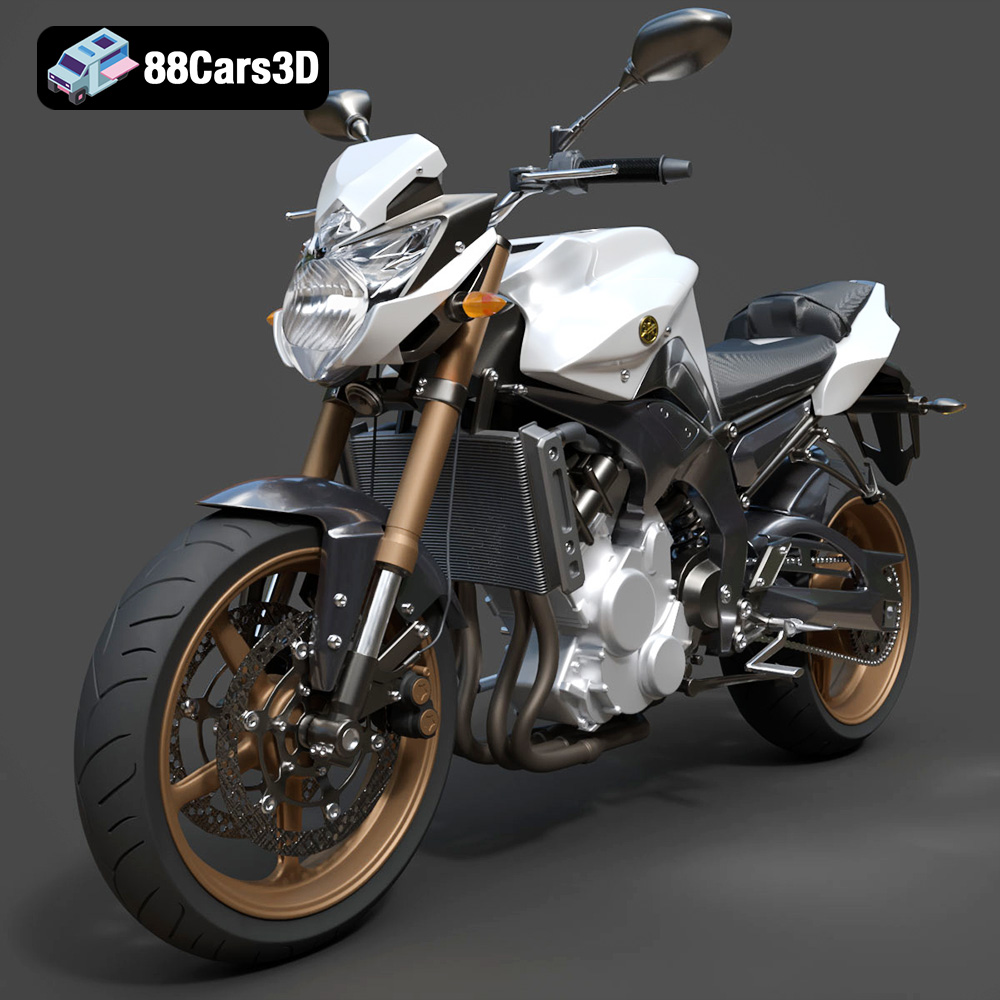
Texture: Yes
Material: Yes
Download the Yamaha FZ8 2011 3D Model featuring clean geometry, realistic detailing, and a fully modeled interior. Includes .blend, .fbx, .obj, .glb, .stl, .ply, .unreal, and .max formats for rendering, simulation, and game development.
Price: $19.99
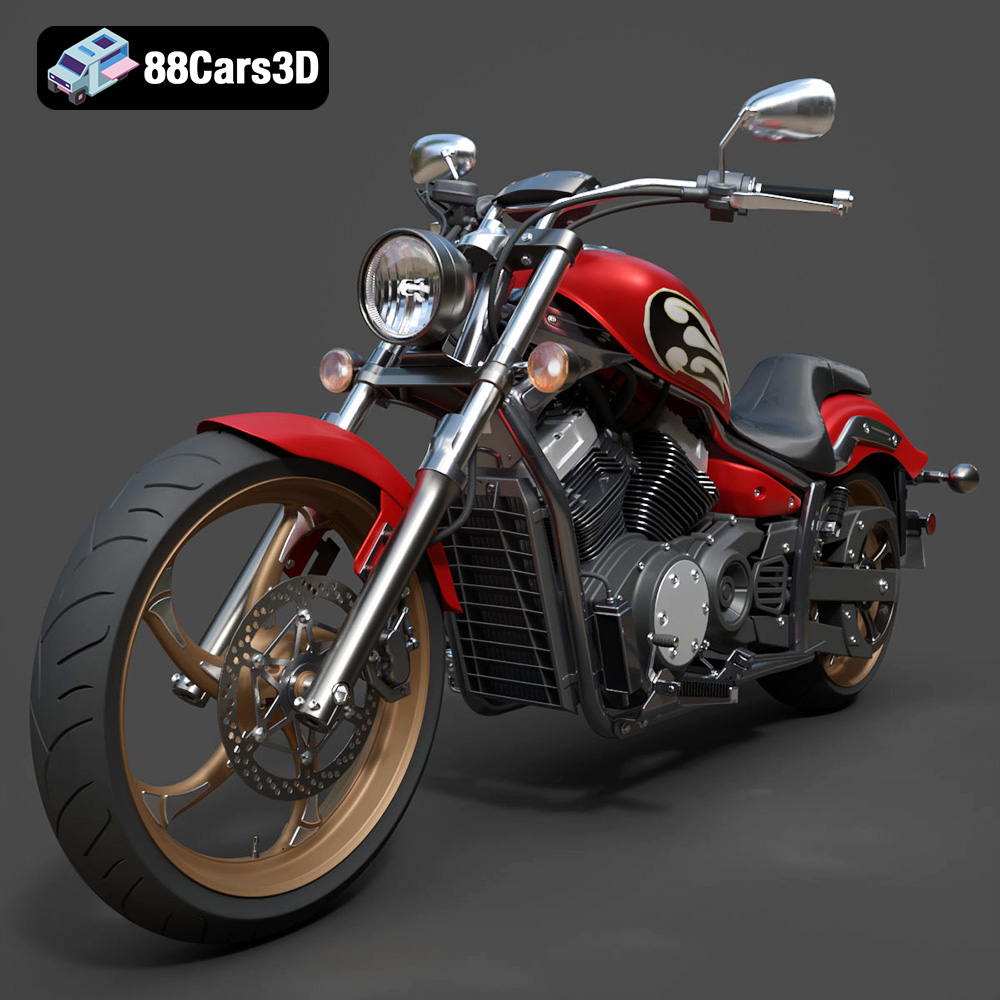
Texture: Yes
Material: Yes
Download the Yamaha Stryker 2012 3D Model featuring clean geometry, realistic detailing, and a fully modeled interior. Includes .blend, .fbx, .obj, .glb, .stl, .ply, .unreal, and .max formats for rendering, simulation, and game development.
Price: $19.99
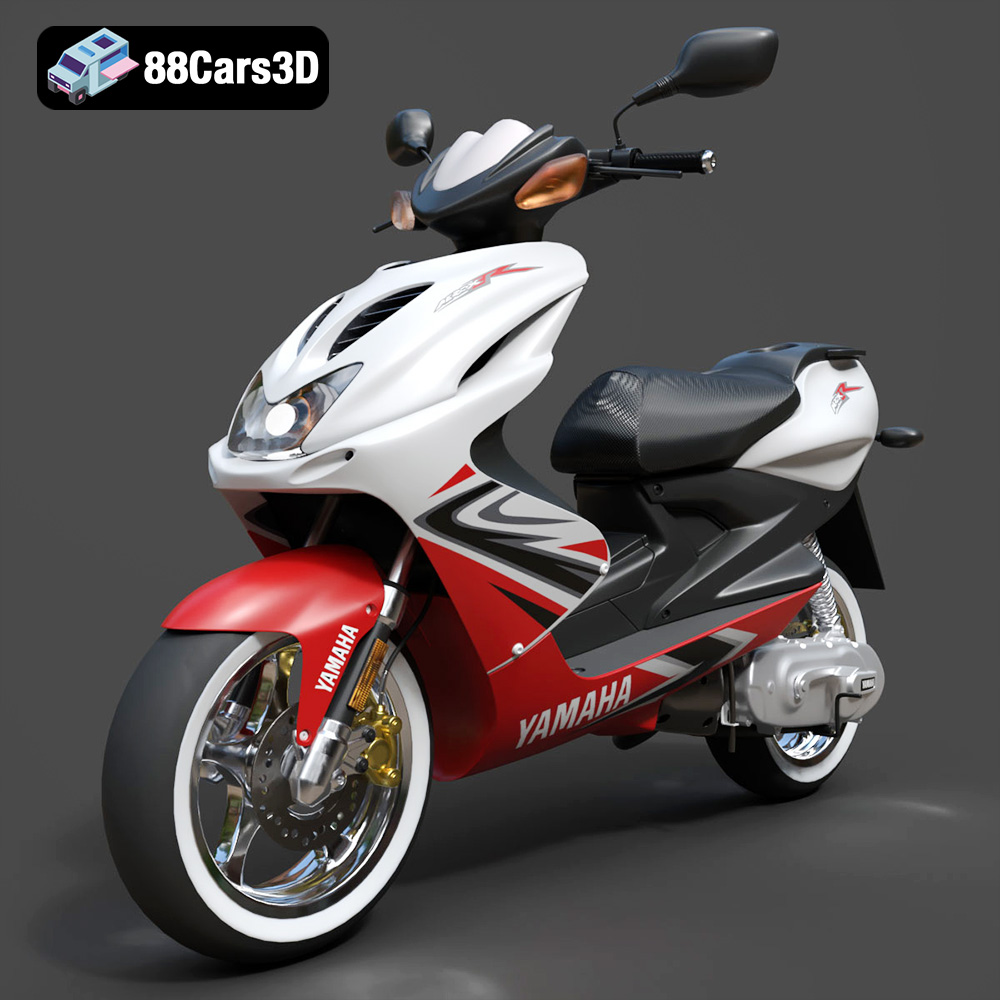
Texture: Yes
Material: Yes
Download the Yamaha Aerox R-002 2024 3D Model featuring clean geometry, realistic detailing, and a fully modeled interior. Includes .blend, .fbx, .obj, .glb, .stl, .ply, .unreal, and .max formats for rendering, simulation, and game development.
Price: $19.99
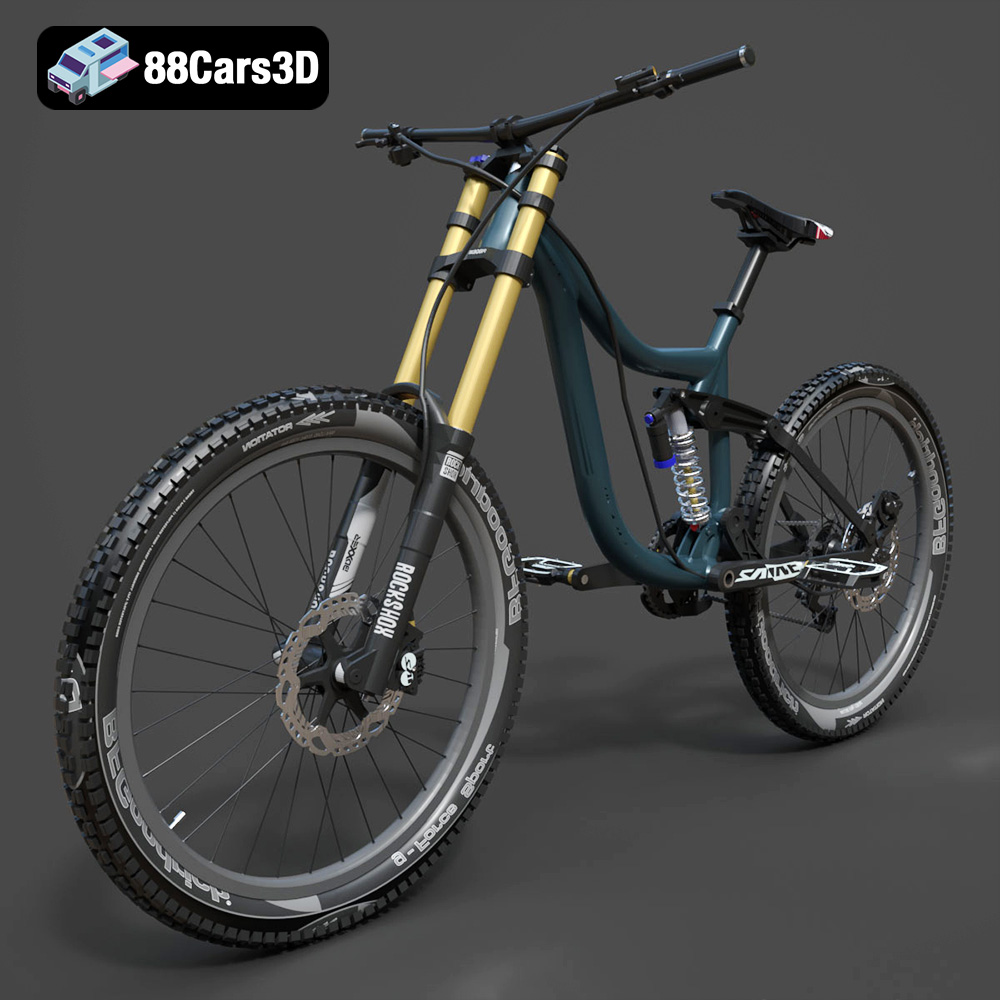
Texture: Yes
Material: Yes
Download the Mototsikly Downhill Bike-002 3D Model featuring clean geometry, realistic detailing, and precise mechanical components. Includes .blend, .fbx, .obj, .glb, .stl, .ply, .unreal, and .max formats for rendering, simulation, and game development.
Price: $19.99
Texture: Yes
Material: Yes
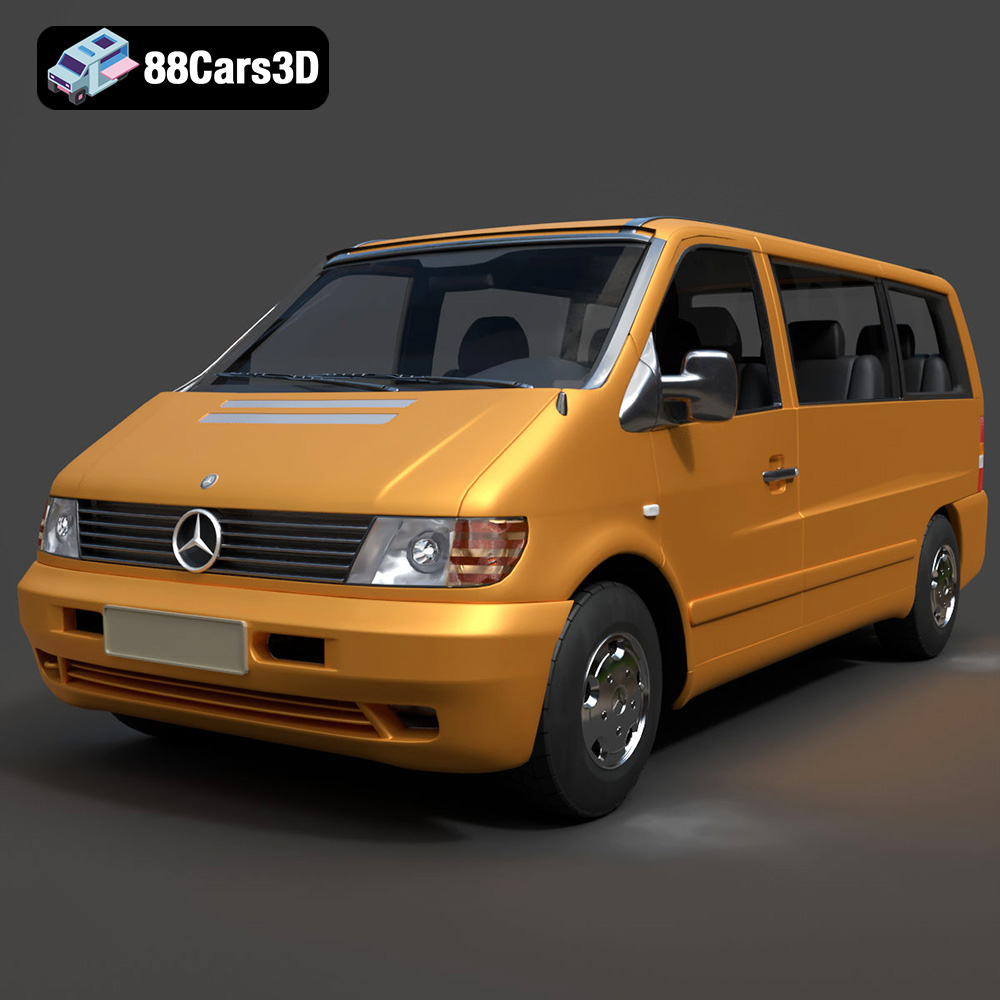
Download the Mercedes-Benz Vito Passenger Van 3D Model featuring clean geometry, realistic detailing, and a fully modeled interior. Includes .blend, .fbx, .obj, .glb, .stl, .ply, .unreal, and .max formats for rendering, simulation, and game development.
Price: $19.99
Texture: Yes
Material: Yes
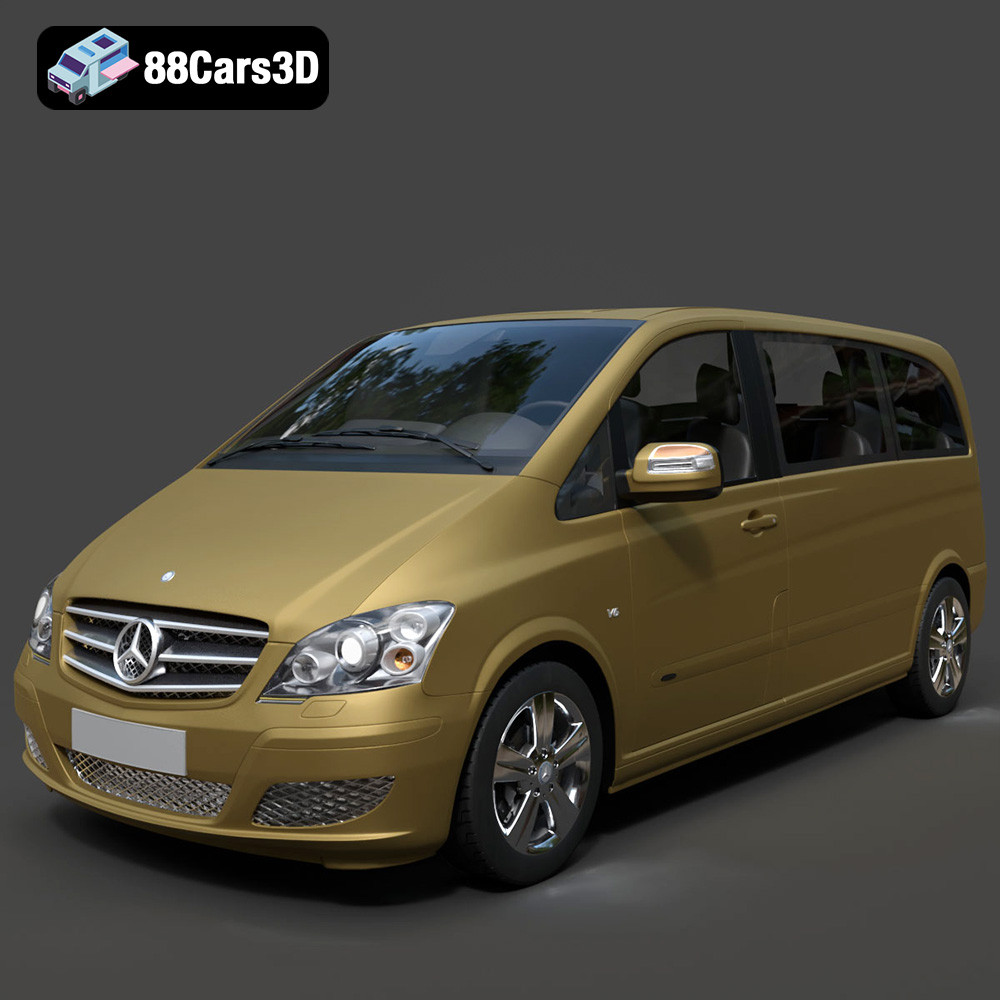
Download the Mercedes-Benz Viano 2010 3D Model featuring clean geometry, realistic detailing, and a fully modeled interior. Includes .blend, .fbx, .obj, .glb, .stl, .ply, .unreal, and .max formats for rendering, simulation, and game development.
Price: $19.99

Texture: Yes
Material: Yes
Download the Emt Avtobus 007 3D Model featuring clean geometry, realistic detailing, and a fully modeled interior. Includes .blend, .fbx, .obj, .glb, .stl, .ply, .unreal, and .max formats for rendering, simulation, and game development.
Price: $19.99
Texture: Yes
Material: Yes
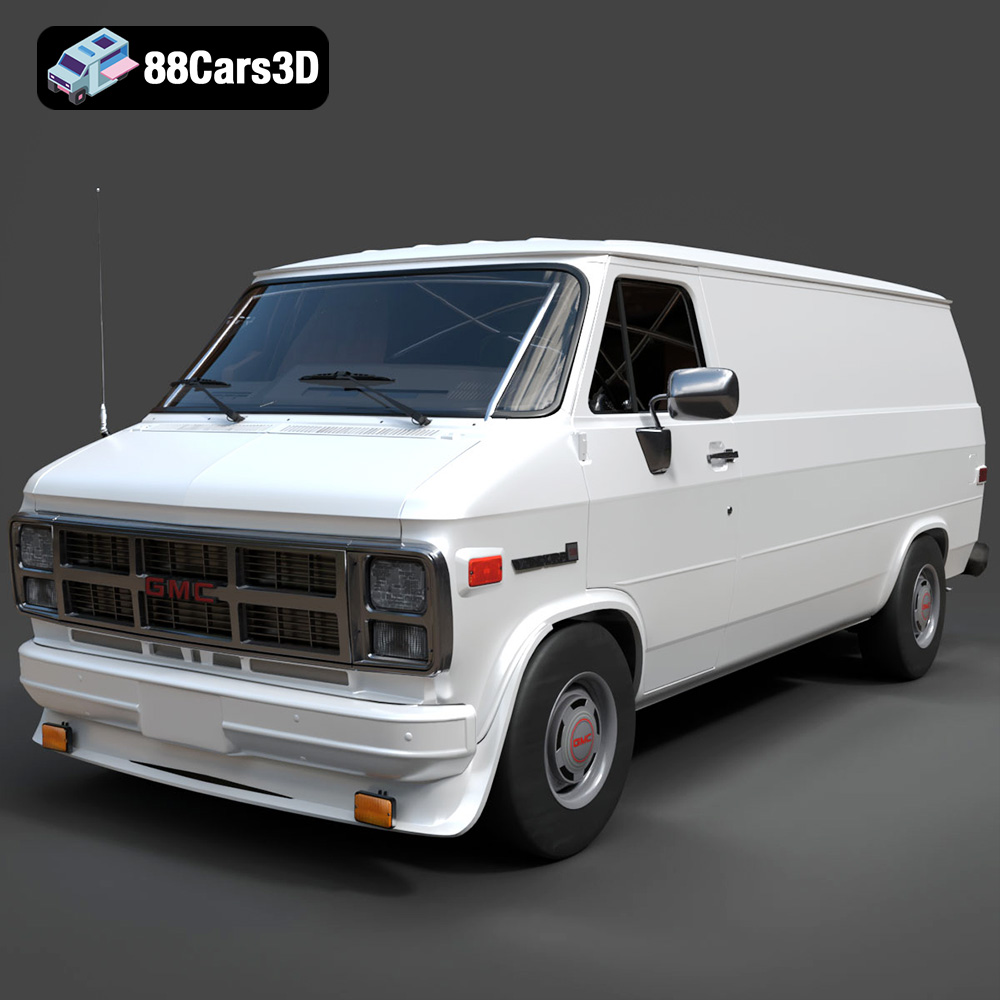
Download the GMC Vandura G-1500 1983 3D Model featuring clean geometry, realistic detailing, and a fully modeled interior. Includes .blend, .fbx, .obj, .glb, .stl, .ply, .unreal, and .max formats for rendering, simulation, and game development.
Price: $19.99
Texture: Yes
Material: Yes
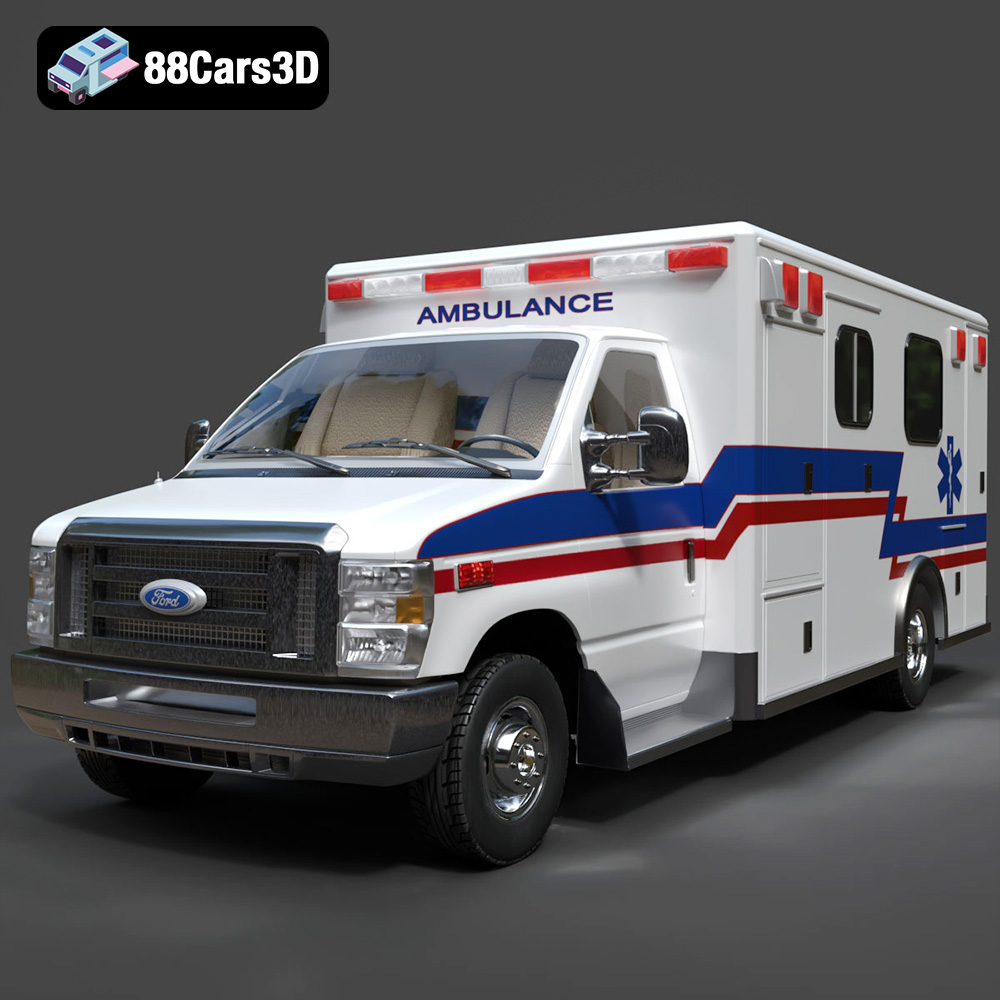
Download the Ford E-450 Ambulance 3D Model featuring clean geometry, realistic detailing, and a fully modeled interior. Includes .blend, .fbx, .obj, .glb, .stl, .ply, .unreal, and .max formats for rendering, simulation, and game development.
Price: $19.99

Texture: Yes
Material: Yes
Download the Fiat Ducato SWB-001 3D Model featuring clean geometry, realistic detailing, and a fully modeled interior. Includes .blend, .fbx, .obj, .glb, .stl, .ply, .unreal, and .max formats for rendering, simulation, and game development.
Price: $19.99

