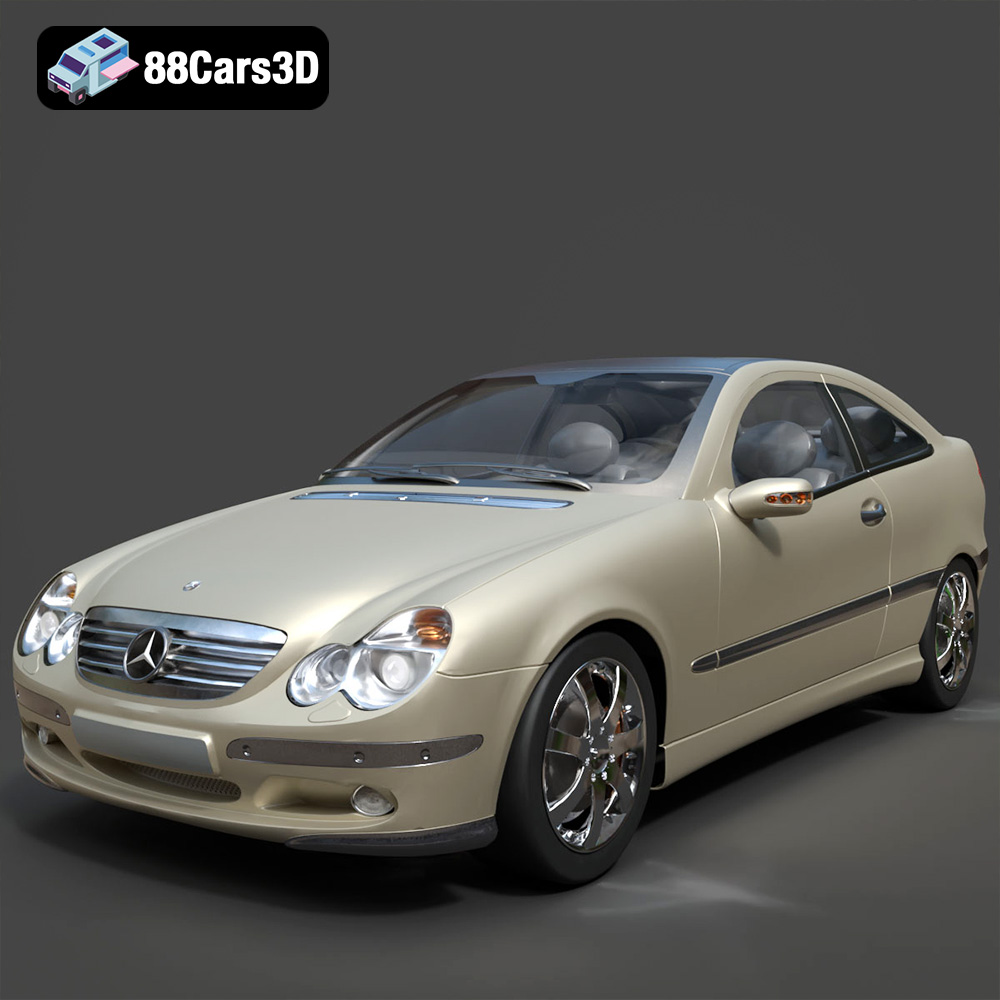
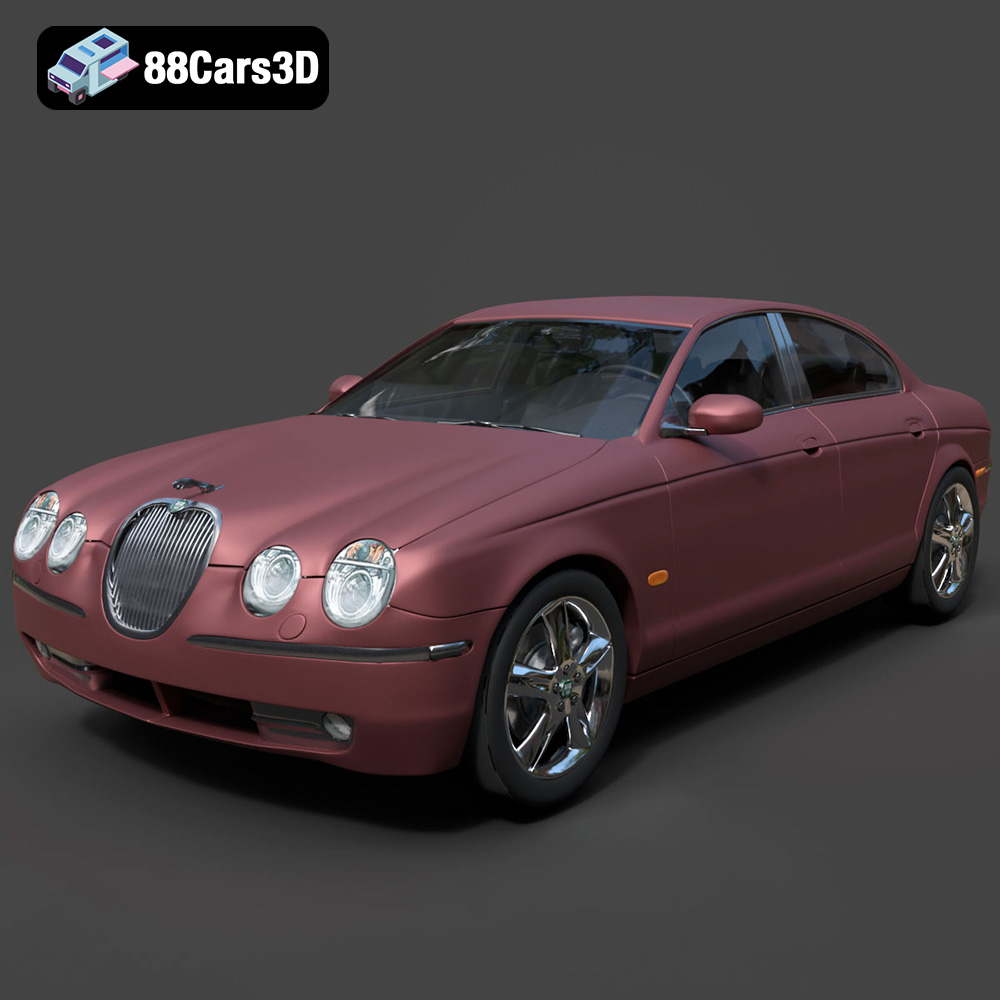
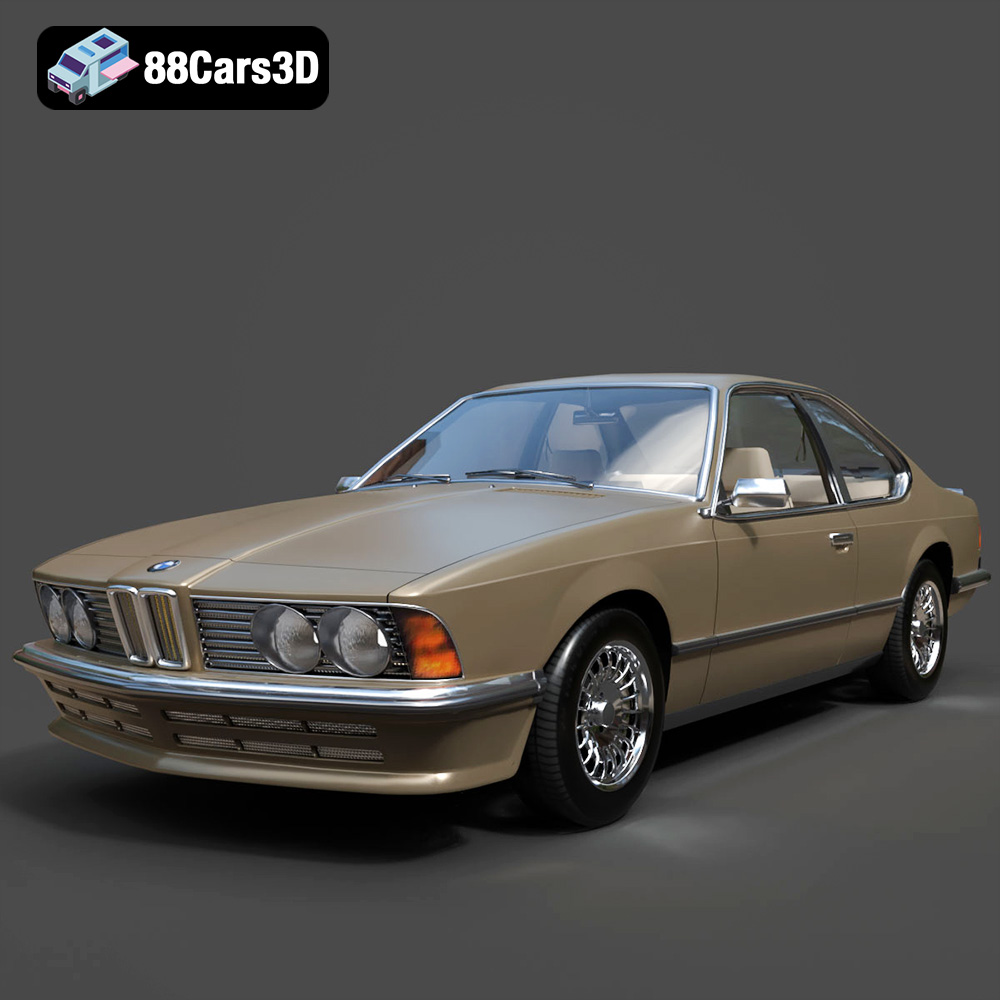
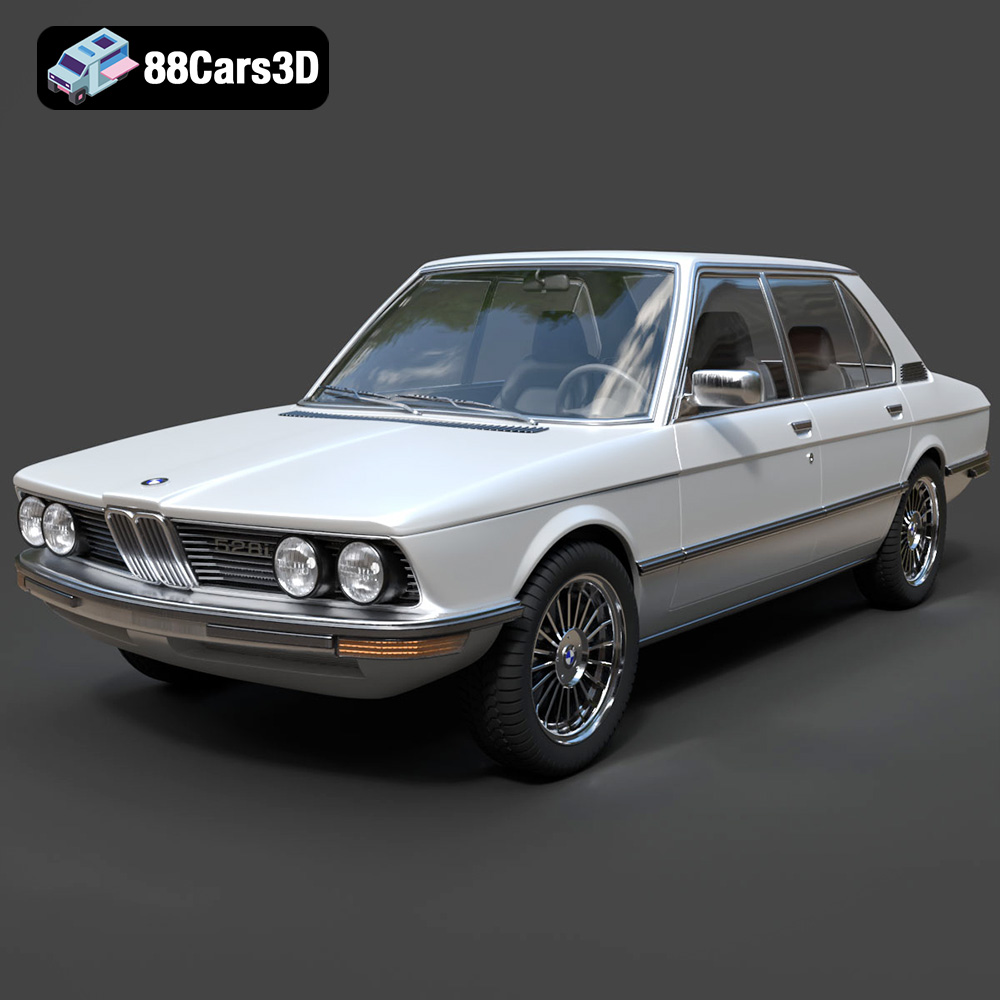
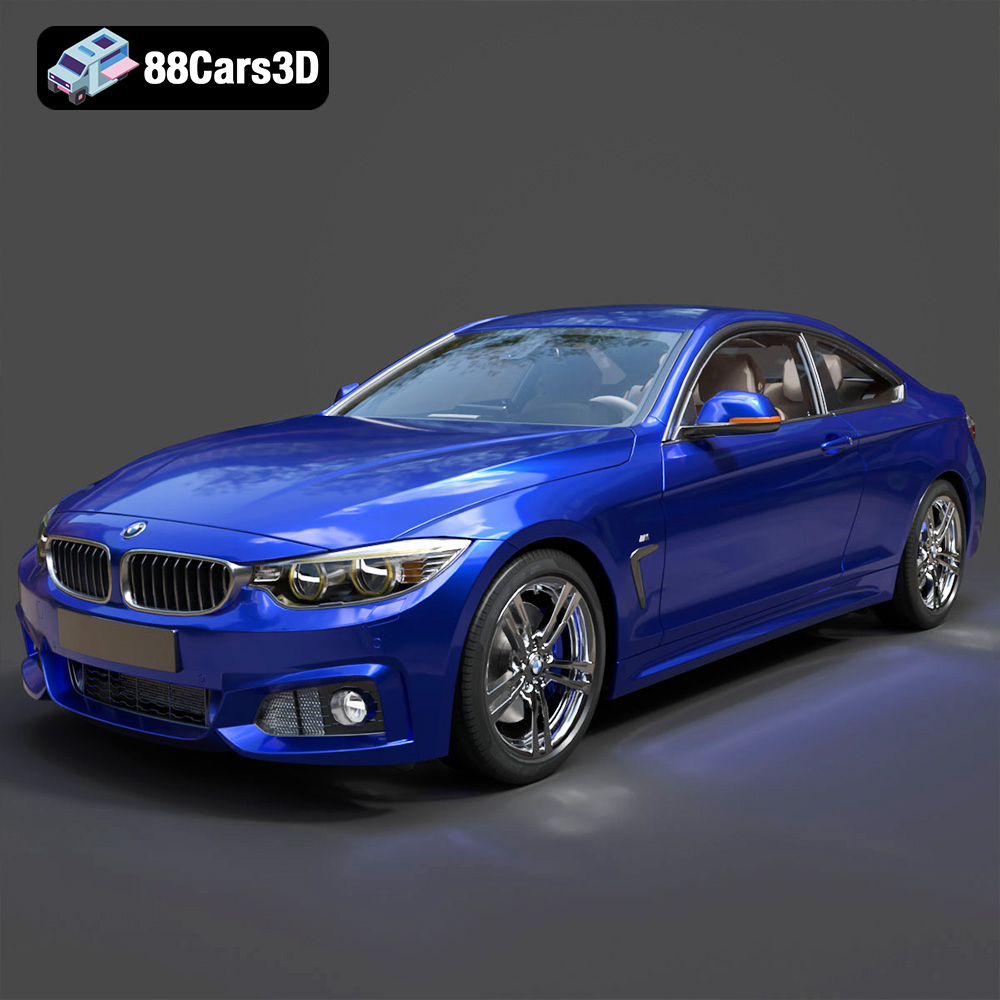
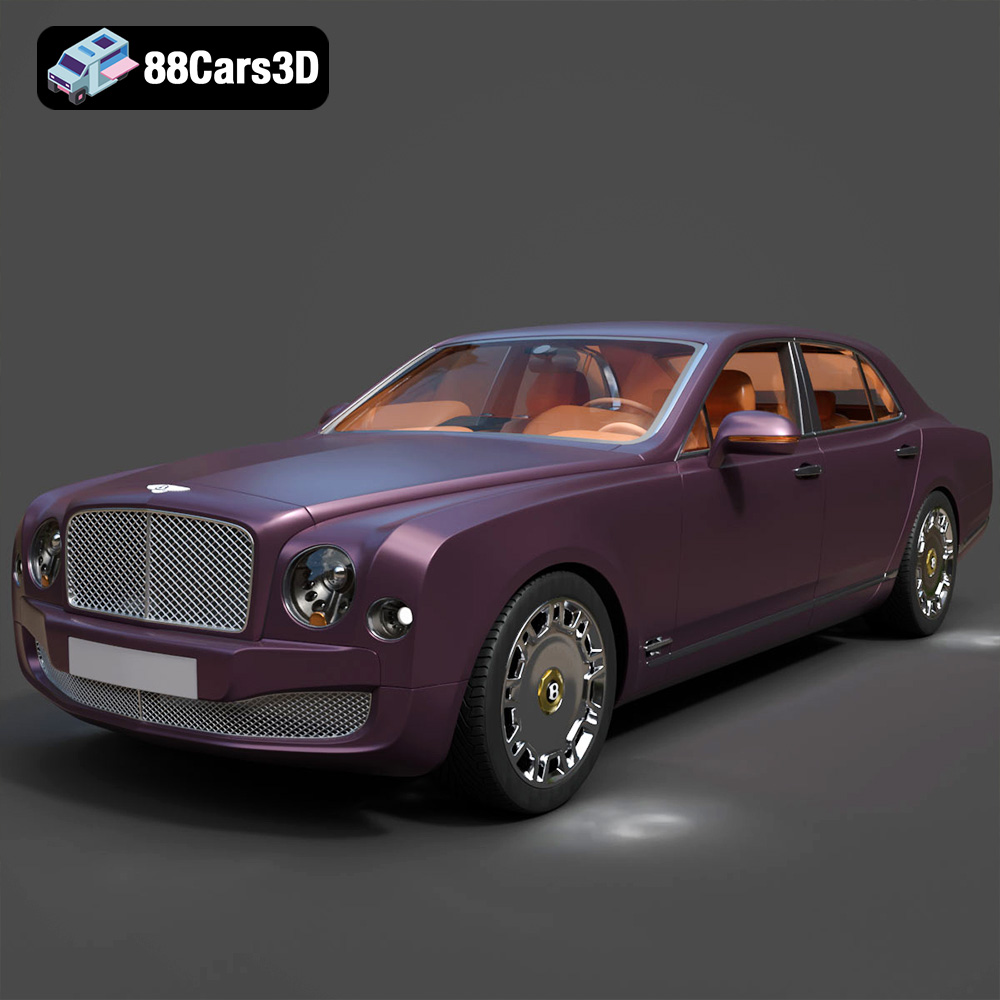
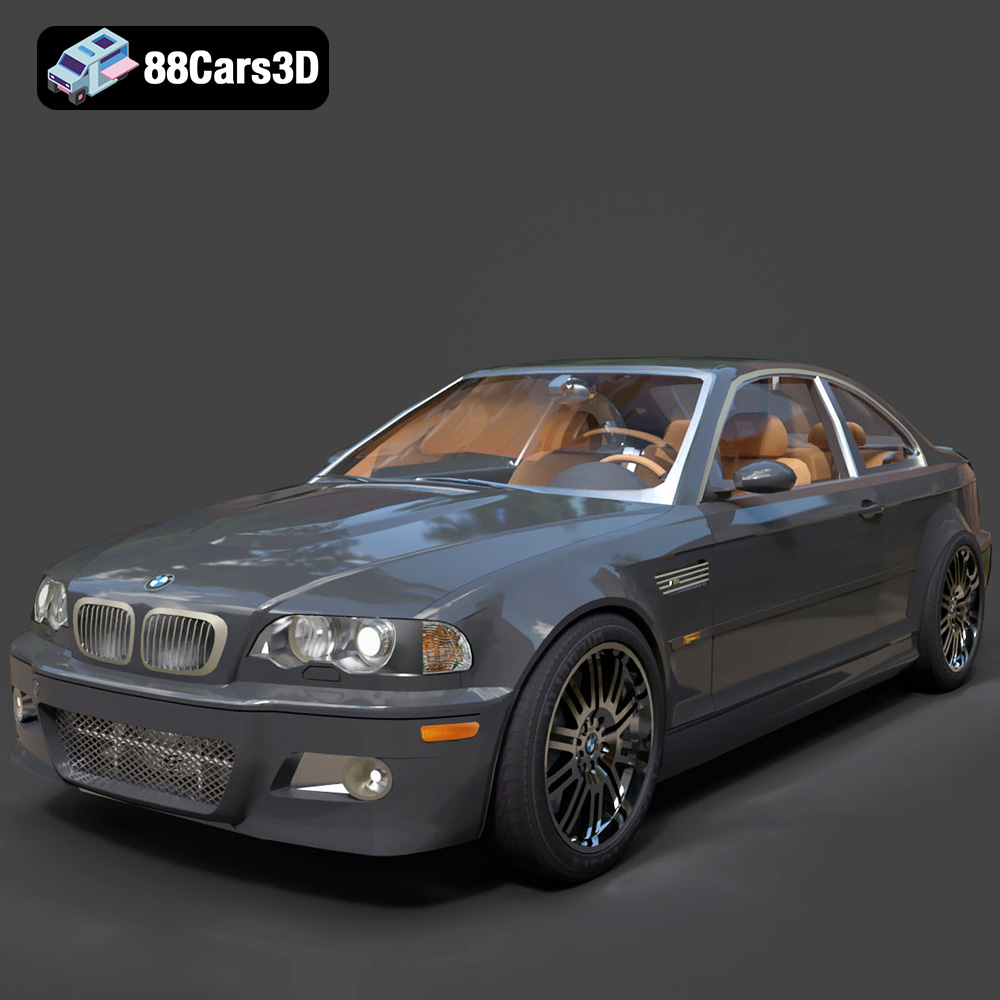
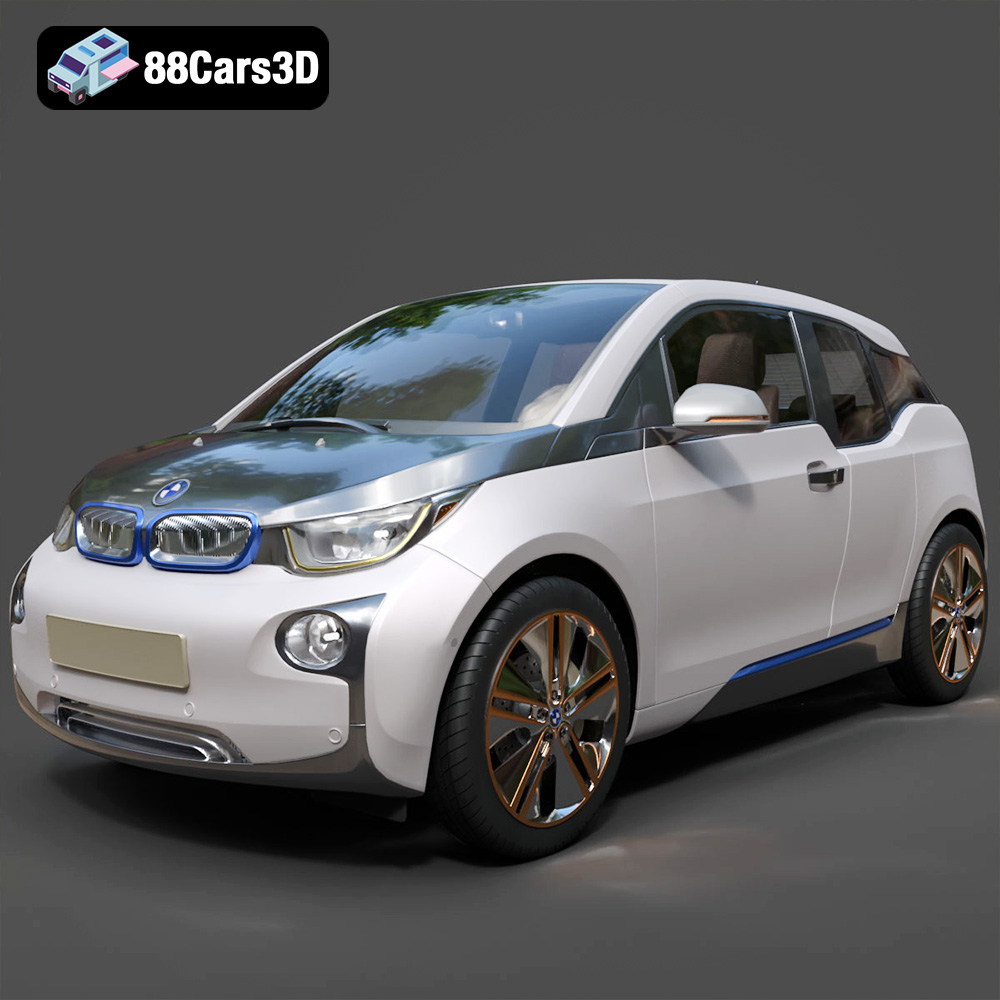
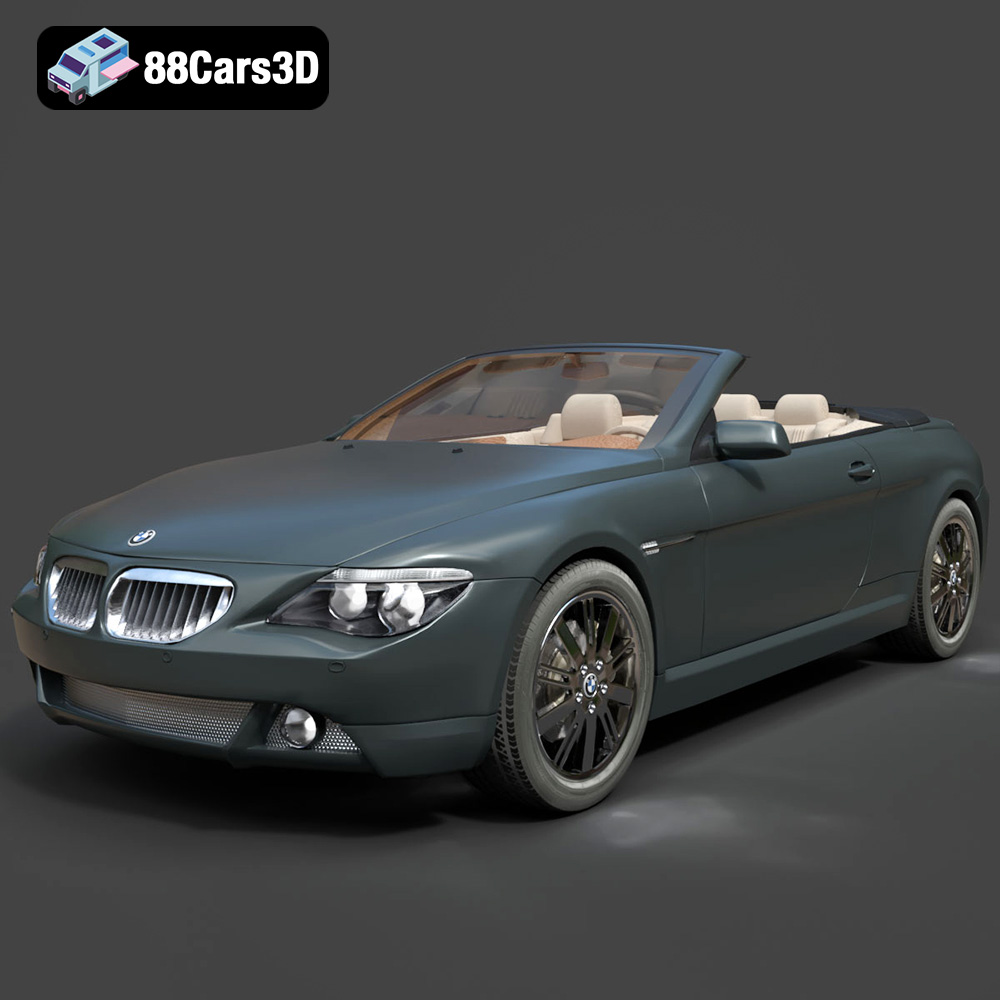
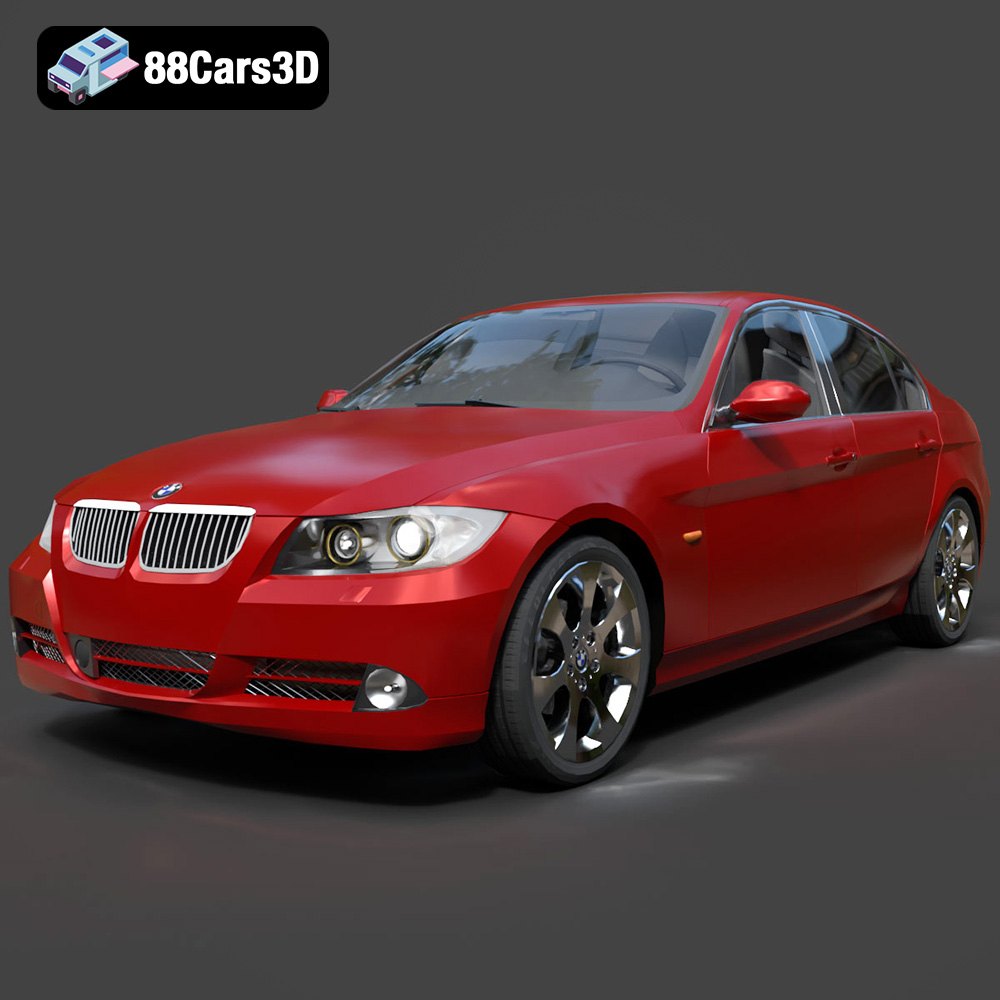
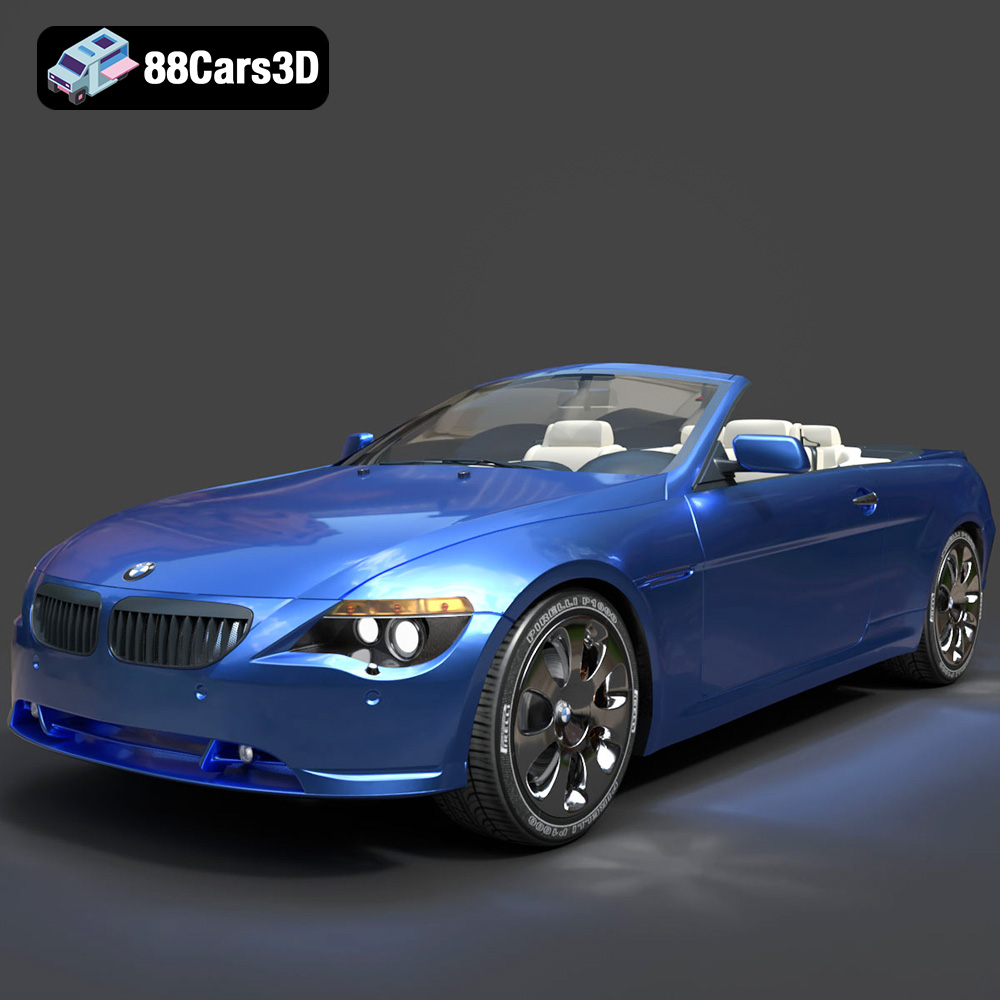
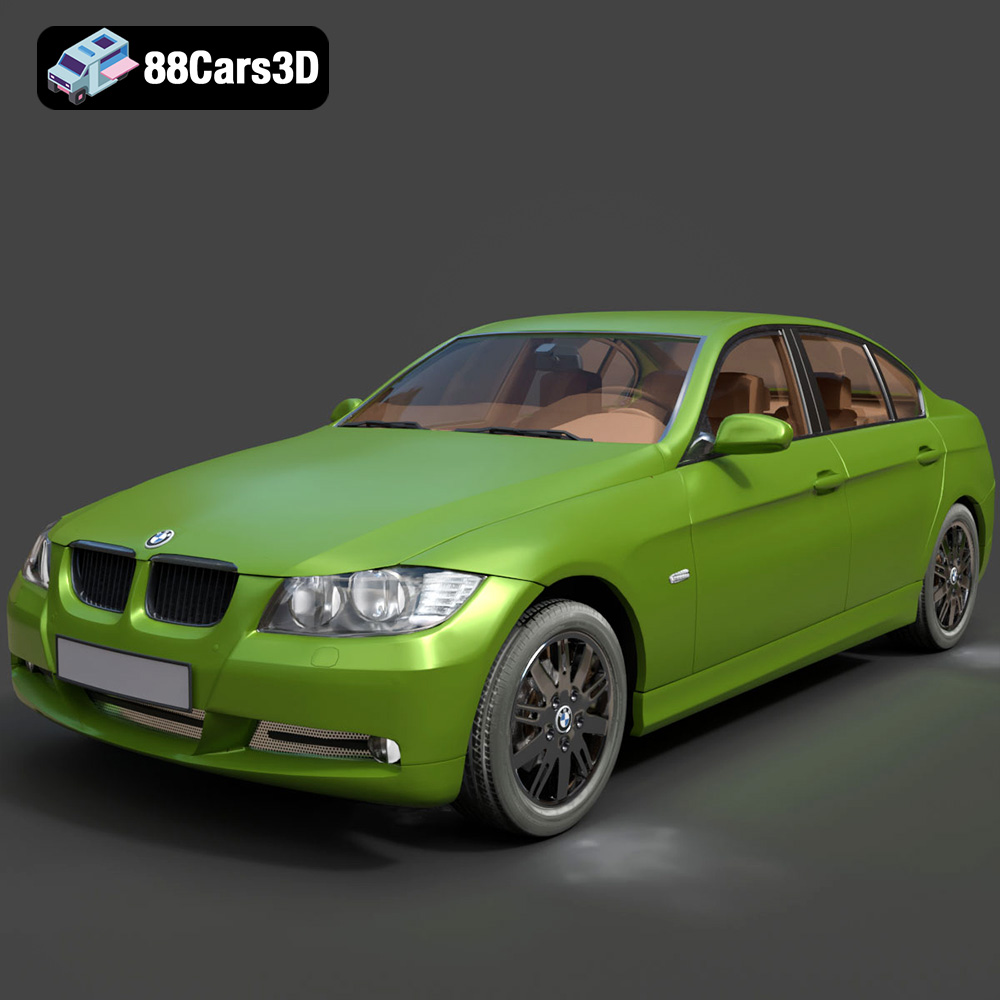
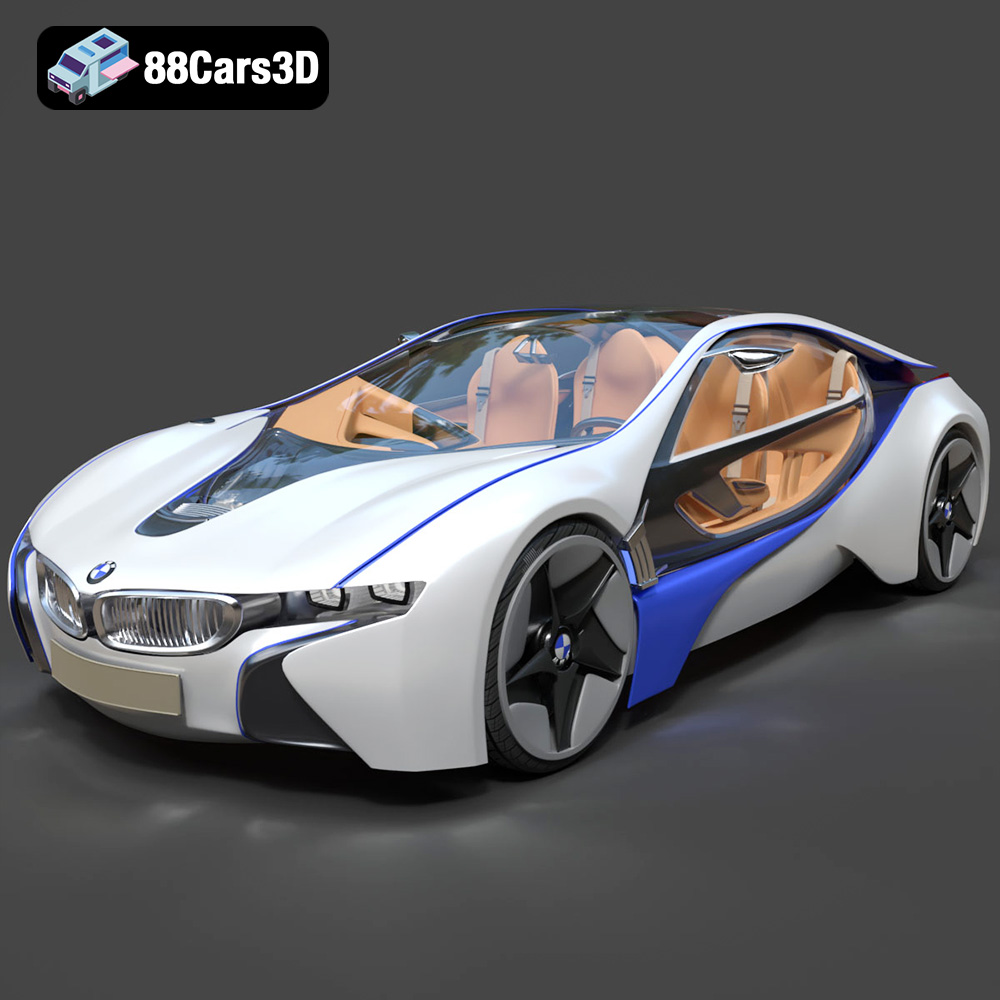
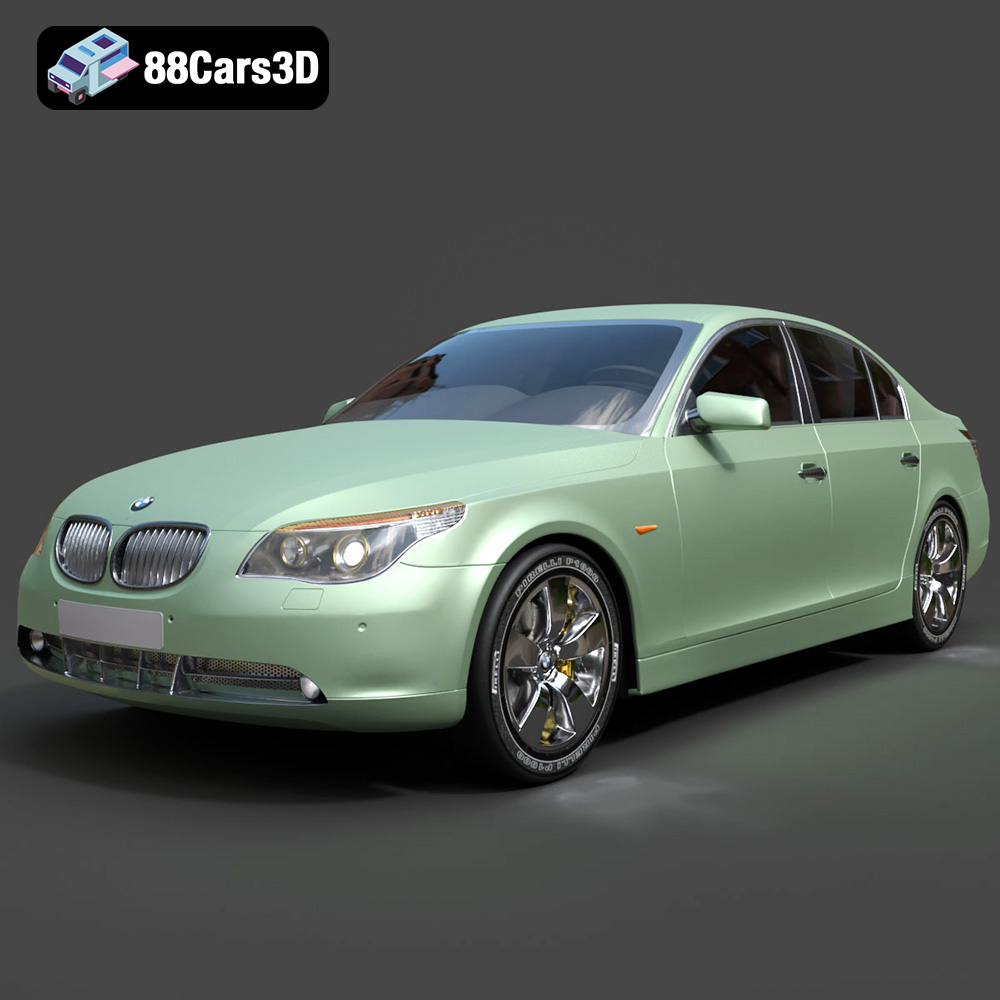
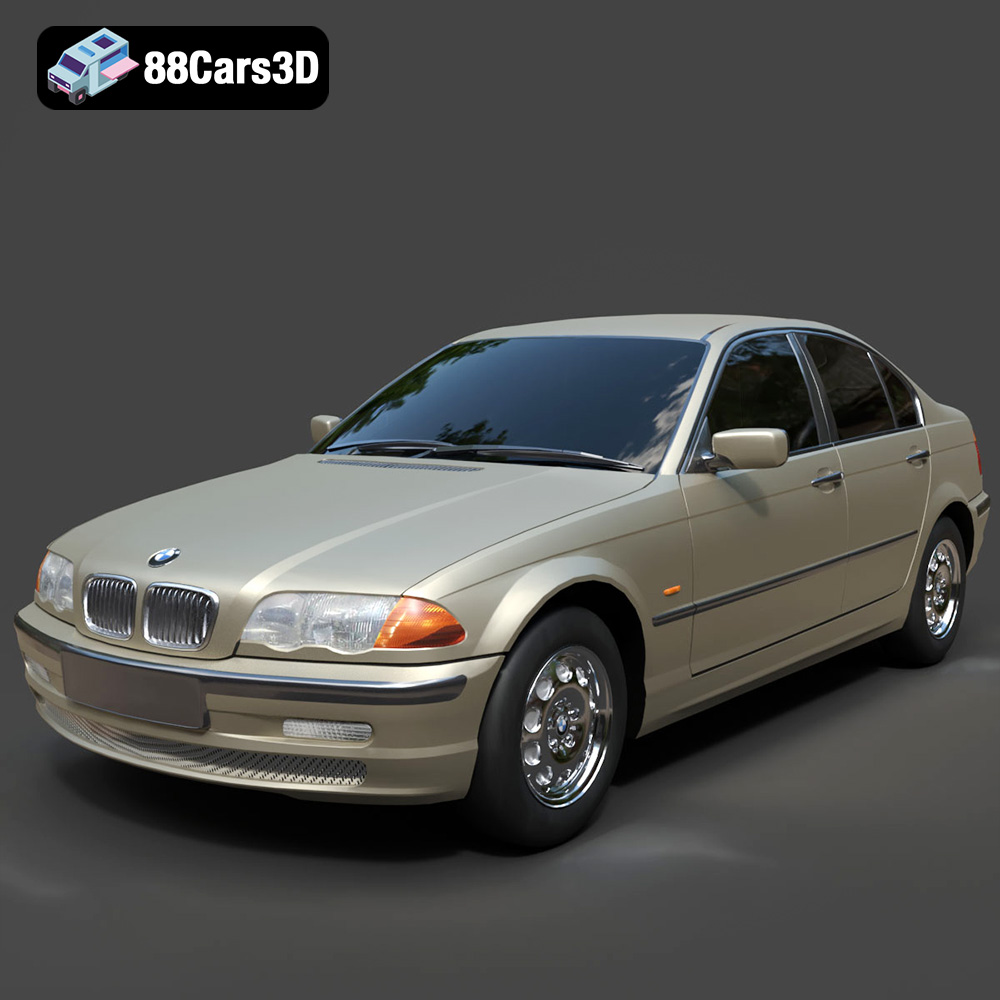
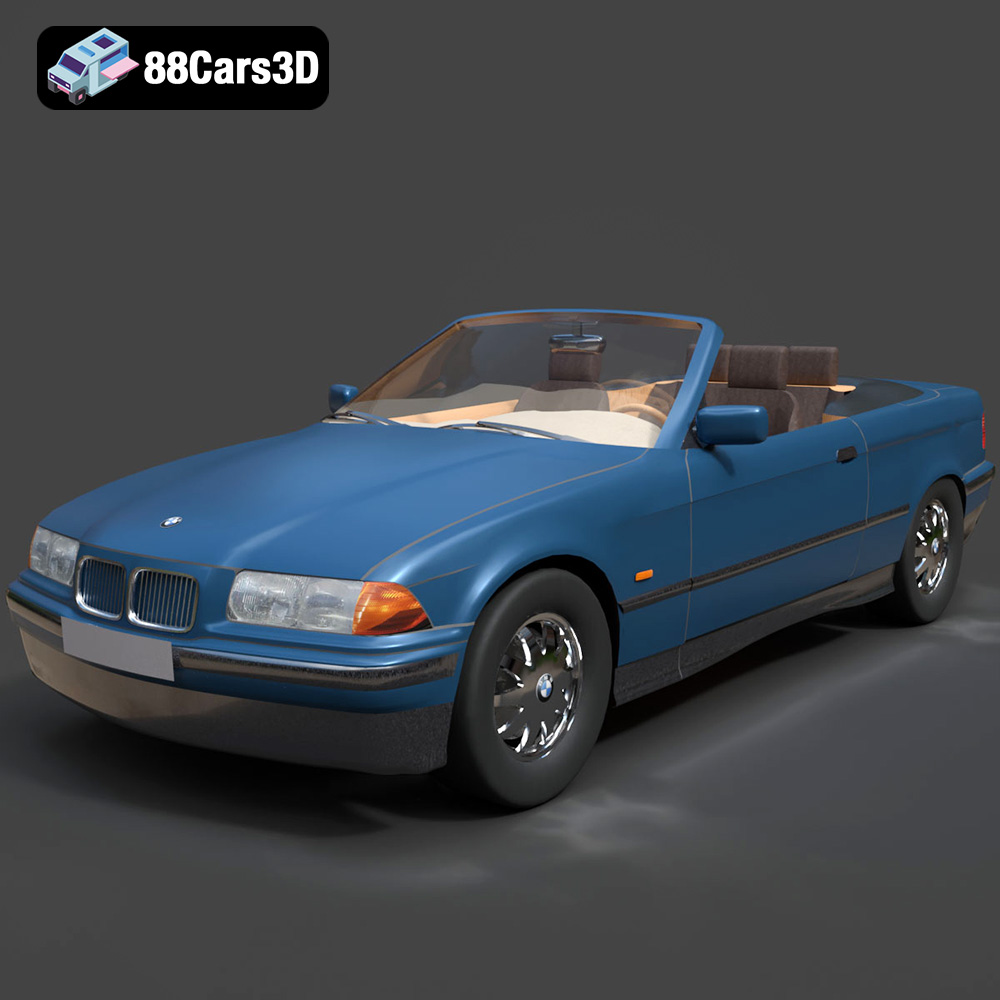
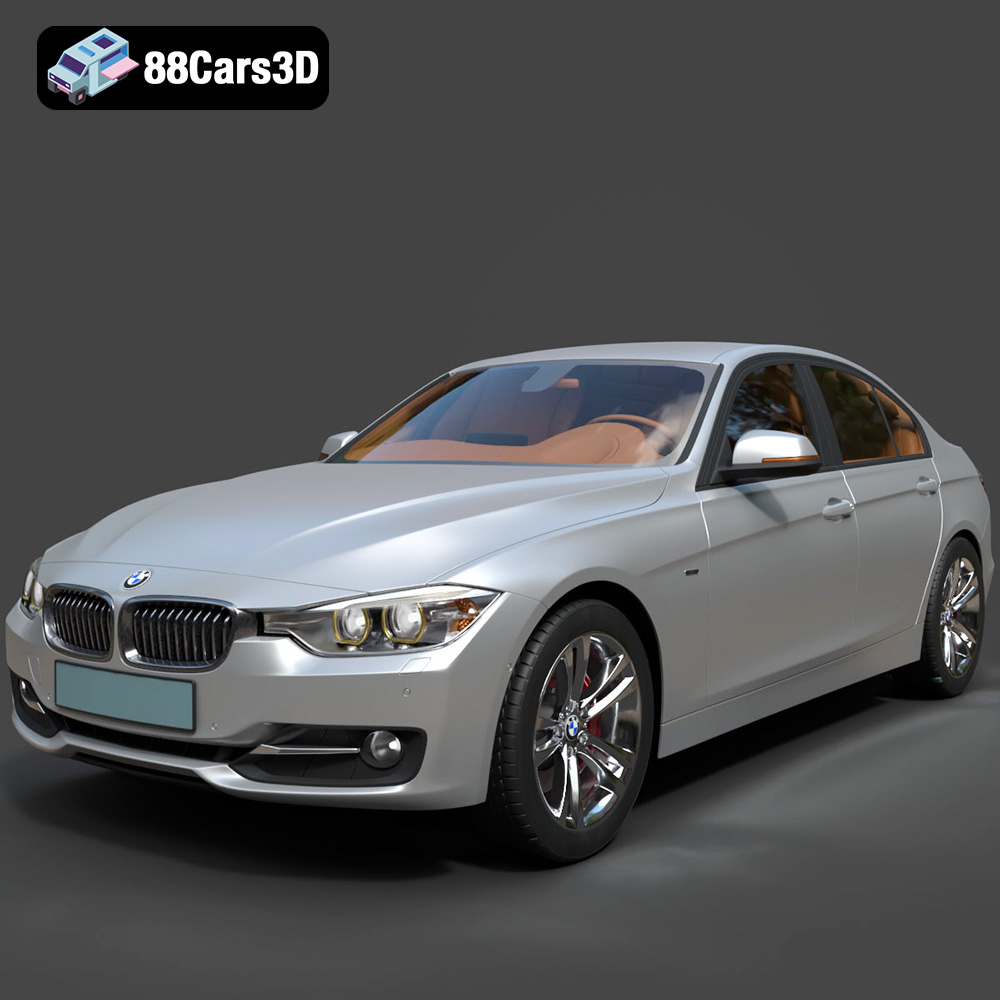
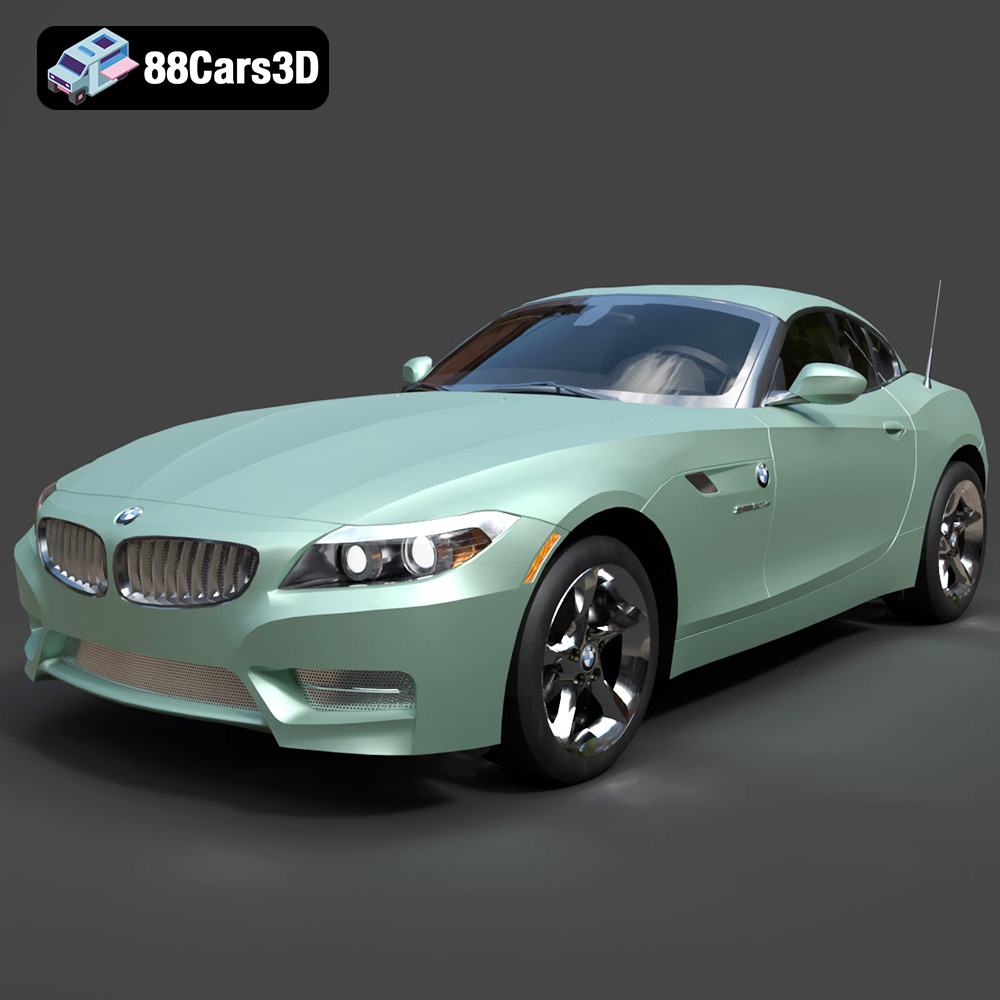
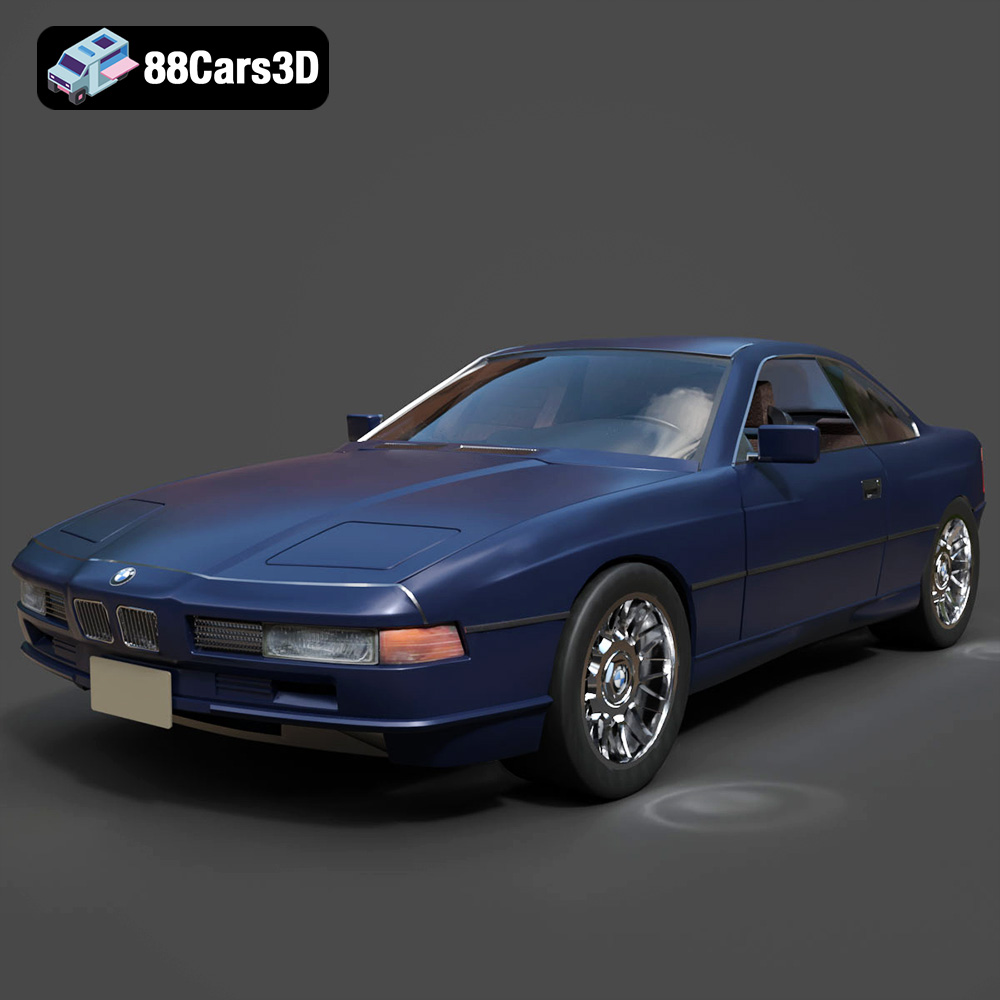
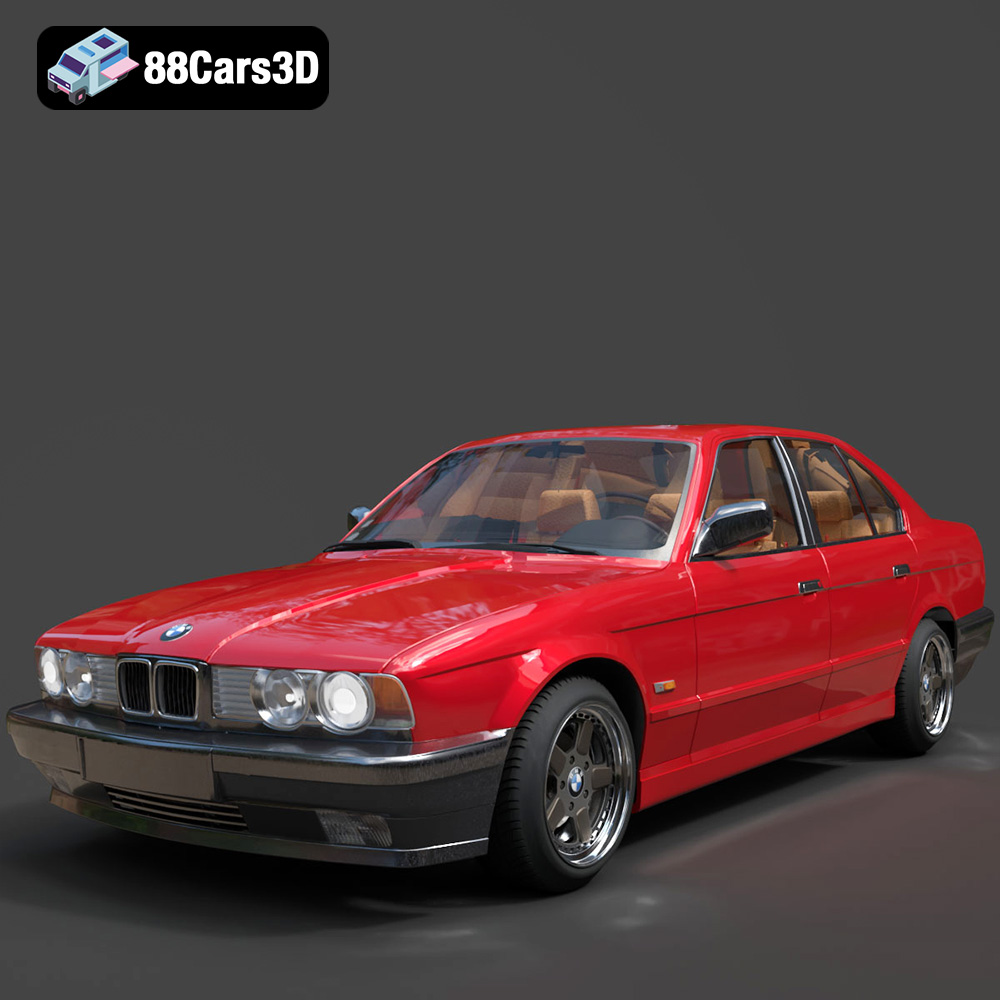
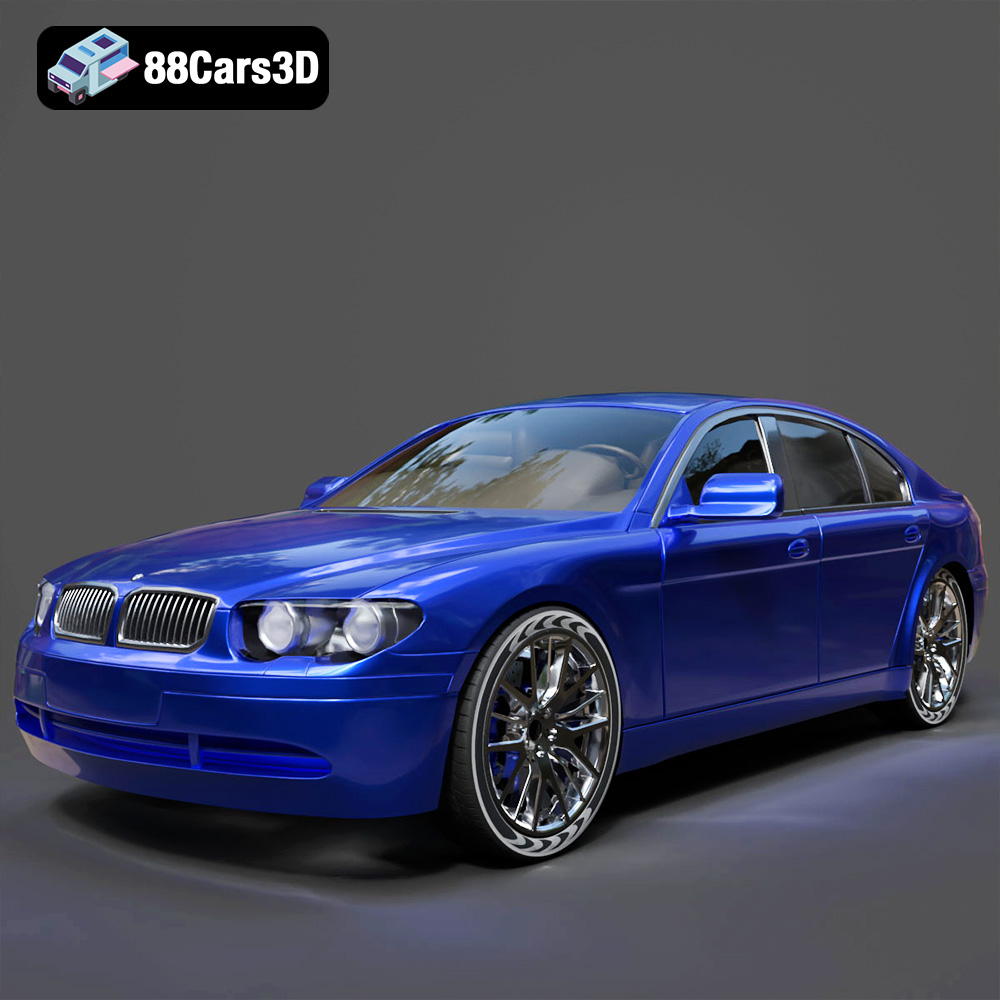
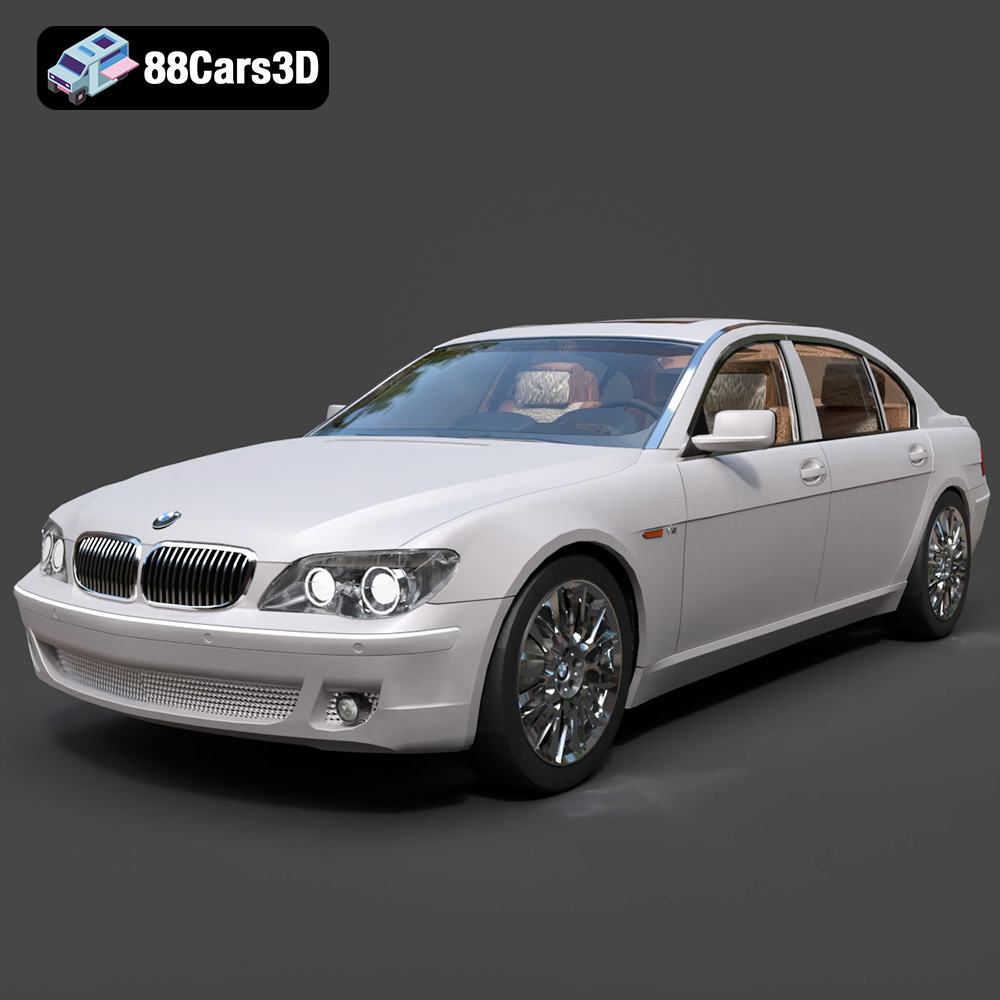
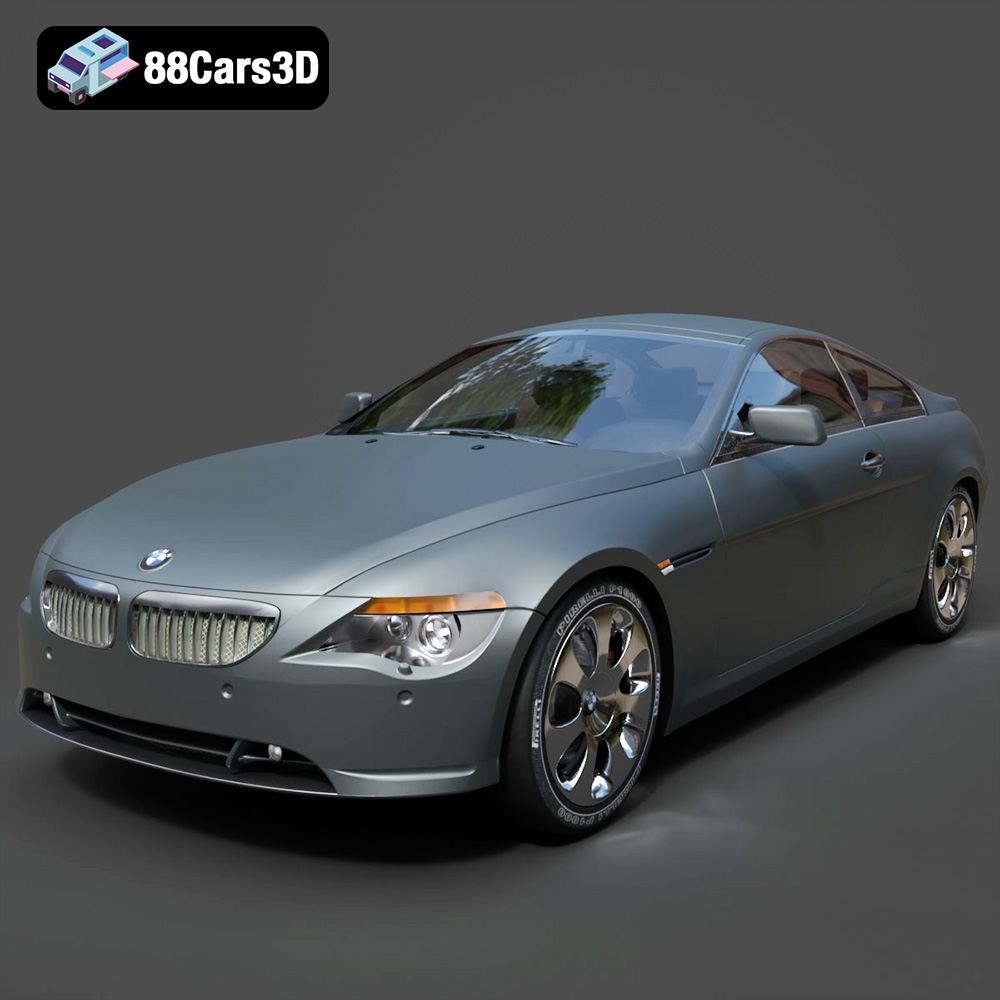
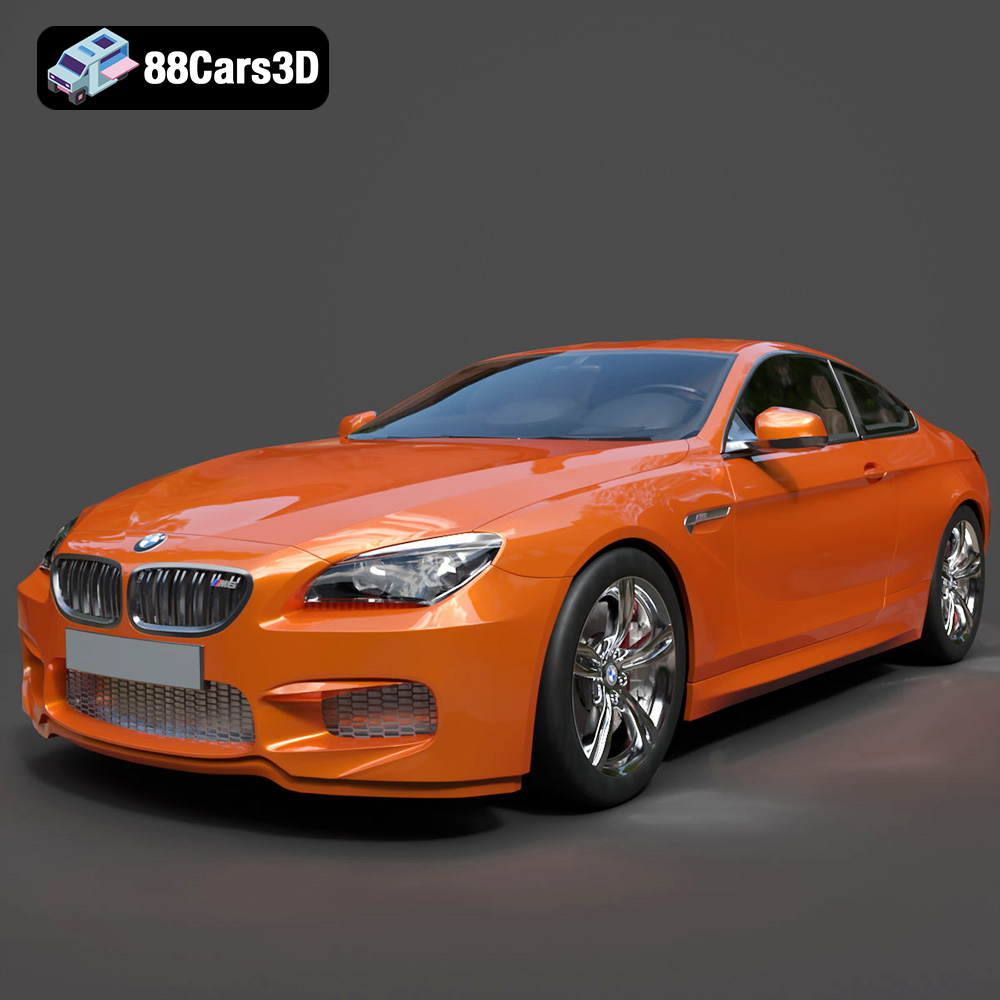
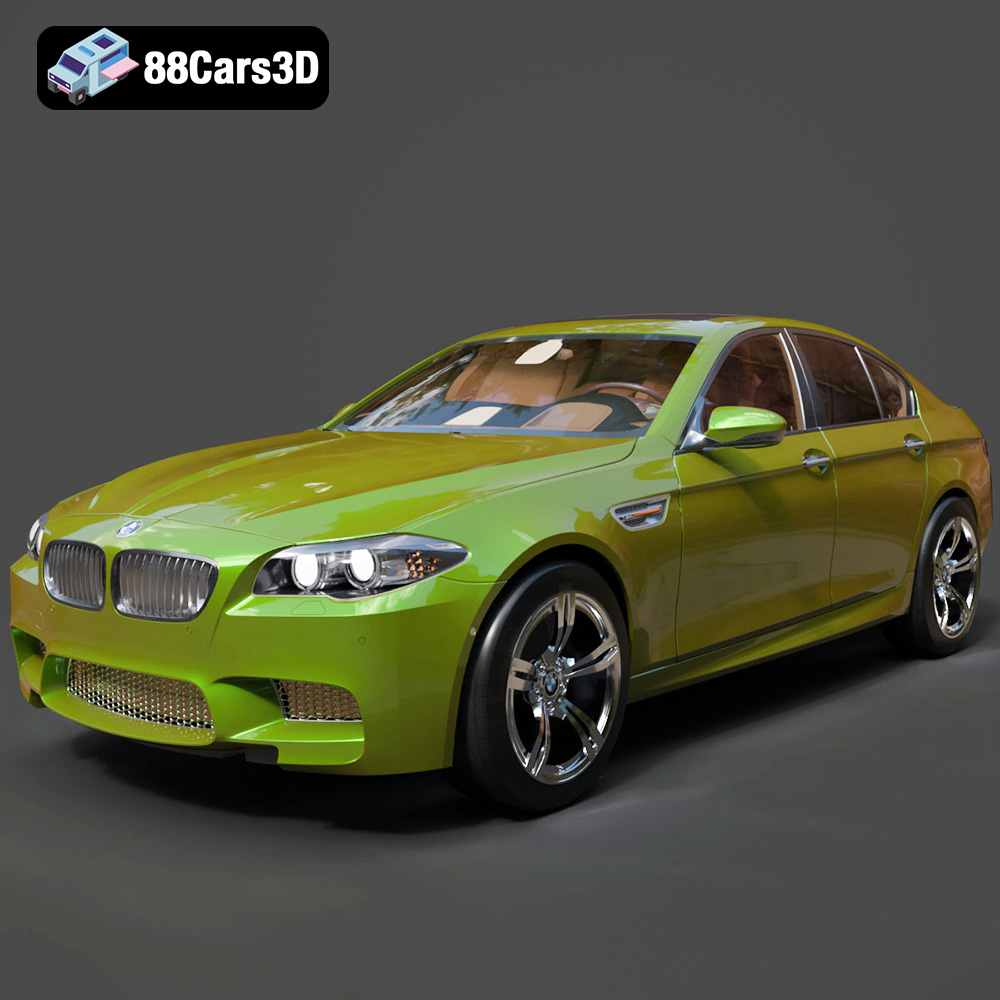
In the dynamic world of digital visualization, the demand for high-quality 3D car models has never been greater. From cinematic automotive rendering that captivates audiences to interactive game assets that power immersive virtual worlds, the underlying quality of the 3D model is paramount. Professionals across industries—automotive design, advertising, game development, architectural visualization, and even AR/VR experiences—rely on precision-engineered digital assets to bring their visions to life. Understanding the intricate details of these models, from their mesh topology to their material properties and file formats, is essential for any project aiming for realism and performance.
The journey from a blank canvas to a photorealistic vehicle or a perfectly optimized in-game asset is a complex one, requiring both artistic skill and deep technical knowledge. This comprehensive guide will delve into the technical intricacies, workflows, and best practices involved in utilizing premium 3D car models, ensuring you’re equipped to make informed decisions for your next project. Whether you’re a seasoned professional seeking to refine your pipeline or a newcomer looking to grasp the fundamentals, the insights shared here will illuminate the path to achieving outstanding results with automotive digital assets.
The Foundation of Automotive Visualization: High-Quality 3D Car Models
At the heart of any compelling automotive visualization lies an exceptional 3D model. It’s not merely about aesthetics; the underlying technical quality dictates everything from rendering performance to the model’s adaptability across various platforms and applications. A truly high-quality 3D car model is a complex amalgamation of precise geometry, meticulously crafted textures, and intelligently structured data.
Why Quality Matters: Beyond Aesthetics
The pursuit of quality in 3D car models extends far beyond visual appeal. For high-end automotive rendering, it translates directly to believable reflections, accurate light interaction, and convincing surface details that can withstand intense scrutiny. In real-time applications, such as game development or AR/VR, quality is a delicate balance between visual fidelity and performance optimization. A poorly constructed model, even if it appears decent at first glance, can lead to rendering bottlenecks, animation glitches, or even crash applications due to excessive polygon counts or inefficient data structures. Furthermore, a well-structured model simplifies the process of rigging for animation, material customization, and integration into diverse pipelines, saving invaluable time and resources in the long run.
Anatomy of a Premium 3D Car Model
Dissecting a premium 3D car model reveals several key components, each crucial for its overall excellence:
- Mesh Topology: This refers to the arrangement of vertices, edges, and faces that form the geometric surface of the vehicle. Ideal topology for subdivision surfacing (often used in high-fidelity rendering) consists primarily of quadrilaterals (quads), ensuring smooth deformation and predictable results when subdivision modifiers are applied. Clean edge flow is vital for capturing the intricate curves and sharp lines of a car’s bodywork, preventing pinching or artifacts during rendering and animation. For game assets, topology is optimized to balance visual detail with polygon efficiency, often involving targeted triangulation after initial quad modeling.
- UV Mapping: UVs are 2D coordinates that map the 3D surface of the model to a 2D texture space. A well-executed UV map is non-overlapping, efficiently utilizes the UV space, and has minimal distortion. This allows for seamless application of textures like car paint, decals, carbon fiber, or rust, ensuring they appear correctly wrapped around the model without stretching or seams. For complex assets like cars, multiple UV sets might be used: one for primary textures, another for lightmaps, and perhaps another for specific detail maps.
- Material Setup (PBR Workflow): Physically Based Rendering (PBR) is the industry standard for achieving realistic materials. A premium 3D car model comes with PBR-ready material setups, typically including texture maps for:
- Albedo/Base Color: The fundamental color of the surface.
- Normal Map: Adds surface detail (like subtle imperfections or panel gaps) without increasing geometry.
- Roughness Map: Controls the microscopic surface irregularities, influencing how light scatters (matte vs. glossy).
- Metallic Map: Differentiates between metallic and dielectric (non-metallic) surfaces.
- Ambient Occlusion (AO) Map: Simulates soft shadows where surfaces are close together, enhancing depth.
These maps, combined with shaders, replicate how light interacts with real-world surfaces, giving car paint its distinctive reflectivity, glass its transparency, and tires their matte finish.
Understanding 3D Model File Formats
Navigating the diverse landscape of 3D software and applications requires a solid understanding of various 3D model file formats. Each format is designed with specific use cases and workflows in mind, offering different levels of data retention, compatibility, and optimization. Choosing the correct format for your project is crucial for maintaining data integrity, streamlining your pipeline, and achieving the best possible results. At 88cars3d.com, we understand this necessity, providing models in a range of formats tailored to industry standards.
Versatility for Diverse Workflows
The array of available 3D file formats reflects the varied demands of different production pipelines. A format suitable for high-fidelity offline rendering might be too heavy or lack the necessary metadata for a real-time game engine. Conversely, a highly optimized format for web-based AR might not retain the full editability required for complex animation in a DCC (Digital Content Creation) tool. Understanding these distinctions allows artists and developers to select the most appropriate format, ensuring seamless asset transfer, efficient workflow, and ultimately, a higher quality end product.
Detailed Format Breakdown
- .blend – Fully editable Blender scene with materials: This is Blender’s native file format, offering comprehensive data retention for a complete Blender project. A .blend file can contain not just the mesh data, UVs, and PBR materials, but also animations, rigs, cameras, lighting setups, physics simulations, and even custom scripts. It’s the ideal format when you plan to continue working on the model within Blender, leveraging its powerful modeling, sculpting, texturing, and rendering capabilities (Cycles and Eevee). Its open-source nature and active community support make it a robust choice for a wide array of projects, particularly for those deeply integrated into the Blender ecosystem.
- .fbx – Ideal for Unreal, Unity, and real-time pipelines: Developed by Autodesk, FBX (Filmbox) is one of the most widely adopted proprietary 3D file formats. It excels at interoperability, acting as a robust exchange format between different 3D software packages (like 3ds Max, Maya, Cinema 4D, and Blender) and, critically, game engines like Unreal Engine and Unity. FBX supports not only mesh data, UVs, and material assignments but also animation data (skeletal animation, morph targets), cameras, lights, and even embedded textures. Its strength lies in its ability to consolidate complex scene data into a single file, making it the go-to choice for transferring animated characters and intricate scene elements into real-time environments where performance and precise data transfer are paramount.
- .obj – Universal format for cross-software compatibility: OBJ (Wavefront Object) is a foundational and highly universal 3D file format. It’s an open standard, making it widely supported across virtually all 3D software. An .obj file primarily stores geometric data (vertices, normals, texture coordinates, and polygonal faces). It typically references an accompanying .mtl (Material Template Library) file for basic material properties and texture map references, though it doesn’t support advanced PBR shaders or animation data. Its simplicity and widespread compatibility make it an excellent choice for basic mesh transfer between different programs, especially when the focus is solely on geometry and basic UVs, and complex scene data or animation is not required.
- .glb – Optimized for AR, VR, and browser-based display: GLB (GL Transmission Format Binary) is the binary version of glTF, an open-standard, royalty-free specification for the efficient transmission and loading of 3D scenes and models by engines and applications. GLB is particularly optimized for web-based applications, AR (Augmented Reality), and VR (Virtual Reality) due to its compact nature. It embeds all necessary data (geometry, materials, textures, animations) directly into a single file, reducing HTTP requests and improving loading times. This “ready to render” format is becoming increasingly popular for interactive 3D content on websites, social media, and mobile AR apps, offering a lightweight yet visually rich experience.
- .stl – Suitable for 3D printing output: STL (Stereolithography) is almost exclusively used for 3D printing and CAD software. It represents a 3D model as a series of connected triangles (a triangulated mesh) without any color, texture, or material information. The format is simplistic and doesn’t store complex attributes, focusing solely on the surface geometry. When preparing a 3D car model for physical output, such as creating a scale replica, the model must first be converted and optimized into an .stl file, ensuring it’s watertight (no holes) and manifold for successful printing.
- .ply – Precision mesh format for CAD or analysis: PLY (Polygon File Format) is often used for storing 3D data from 3D scanners, particularly point clouds and polygonal meshes. It can store a wider range of properties than .obj or .stl, including color, transparency, surface normals, and even confidence values for each data point or polygon. This makes it valuable for scientific visualization, reverse engineering, and applications where precise surface analysis or scanned data representation is critical, especially in CAD or engineering pipelines.
- .unreal – Engine-ready asset for real-time environments: While not a single standalone file format in the same way as FBX or OBJ, an “.unreal” asset typically refers to a highly optimized 3D car model that has been meticulously prepared and integrated into an Unreal Engine project. This often means importing the model (usually via FBX), creating Unreal-specific materials (master materials and instances), setting up collision meshes, implementing Level of Detail (LODs), and potentially configuring vehicle blueprints. These assets are tuned for Unreal Engine’s rendering pipeline, taking full advantage of features like Nanite, Lumen, and real-time ray tracing, ensuring maximum performance and visual fidelity within the engine’s ecosystem.
- .max – Editable 3ds Max project for animation and rendering: This is the native file format for Autodesk 3ds Max, a leading software in professional 3D modeling, animation, and rendering. Similar to Blender’s .blend, a .max file preserves an entire 3ds Max scene, including all geometry, modifiers, materials (especially V-Ray or Corona specific ones), lighting, cameras, animation keyframes, and scene organization. It’s the definitive format for artists who intend to deeply customize, animate, or render the car model within the 3ds Max environment, leveraging its extensive toolset and robust rendering integrations for high-end visualizations.
Elevating Realism: Automotive Rendering Workflows
Achieving photorealistic automotive rendering is an art form that blends technical proficiency with an eye for detail. The workflow varies depending on the chosen software and the desired outcome, from static beauty shots to dynamic animations or real-time interactive experiences. At 88cars3d.com, our 3D car models are built to excel in these demanding rendering environments.
Photorealistic Rendering in 3ds Max (V-Ray/Corona)
3ds Max, often paired with renderers like V-Ray or Corona Renderer, is a cornerstone in professional automotive visualization. The workflow typically involves:
- Scene Setup: Begin by importing the high-quality 3D car model. The environment is crucial; often, an HDRI (High Dynamic Range Image) is used to simulate realistic global illumination and reflections, providing both light and detailed background reflections. Physical lights (area lights, dome lights) are strategically placed to highlight design features, cast appealing shadows, and simulate studio lighting or sunlight.
- Material Creation: This is where the car truly comes to life.
- Car Paint: Involves complex layered materials, often with a base metallic flake coat, a clear coat for reflections and gloss, and subtle variations in roughness. V-Ray Car Paint Mtl or Corona’s physical materials with complex layering are frequently utilized.
- Tire Rubber: Requires a dark, matte material with fine surface displacement or normal maps to convey texture.
- Glass: Realistic glass involves proper refraction, absorption (tint), and subtle reflections, with attention to edge thickness.
- Chrome/Metallic Accents: Achieved with highly reflective, low-roughness metallic materials.
- Camera Settings: Emulating real-world photography, physical camera settings are crucial. Adjusting focal length to prevent distortion, setting depth of field for cinematic blur, and sometimes adding subtle motion blur for dynamic shots, all contribute to the final image.
- Post-production Considerations: While renderers produce high-quality output, post-production in software like Photoshop or Fusion enhances the final image. This includes color grading, adding subtle effects like lens flares, sharpening details, and compositing multiple render passes (e.g., reflections, shadows, raw lighting) for maximum control.
Leveraging Blender for Stunning Visuals
Blender has emerged as a formidable contender in automotive visualization, thanks to its powerful Cycles and Eevee render engines and comprehensive toolset.
- Eevee vs. Cycles:
- Cycles: Blender’s path-tracing renderer, renowned for its physical accuracy and photorealism. Ideal for high-quality stills and animations where rendering time can be invested.
- Eevee: A real-time renderer offering impressive results at interactive speeds. Excellent for quick previews, animations, and showcasing models in a more dynamic setting, though it requires more careful material setup to approximate Cycles’ realism.
- Node-Based Materials: Blender’s node editor provides incredible flexibility for creating complex PBR materials. Artists can layer shaders, mix textures, and create procedural effects to achieve highly realistic car paint, intricate carbon fiber patterns, or detailed tire treads.
- Lighting Techniques for Automotive: Similar to 3ds Max, HDRI environments are fundamental for realistic lighting and reflections. Additionally, Blender’s area lights and emission shaders can be precisely positioned to sculpt light and shadow on the car’s surfaces, emphasizing its form.
- Animation Capabilities: Blender’s robust animation tools allow for dynamic camera movements, car part animations (doors opening, wheels turning), and even full vehicle simulations using its physics engine, providing a complete solution for animated presentations.
Real-Time Rendering for Interactive Experiences
For applications demanding interactivity and instant feedback, such as virtual configurators, automotive showrooms, or AR/VR experiences, real-time engines like Unreal Engine and Unity are indispensable.
- Unreal Engine Workflow: Importing optimized 3D car models (often via .fbx) into Unreal Engine is the first step. The engine’s powerful material editor allows artists to create complex PBR shaders, often utilizing master materials and instances for efficient material variations.
- Real-Time Materials: Performance is key. Shaders must be optimized to balance visual quality with frame rate. Unreal’s PBR system, coupled with its advanced rendering features like Lumen for global illumination and Nanite for highly detailed geometry, can produce stunning results.
- Ray Tracing in Unreal: With the advent of real-time ray tracing, Unreal Engine can achieve near-photorealistic reflections, global illumination, and shadows at interactive frame rates, bridging the gap between offline rendering and real-time visualization.
- Creating Interactive Showrooms: Using Unreal’s Blueprint visual scripting system, developers can build interactive elements: changing car colors, opening doors, turning on lights, or even configuring different wheel options, creating a fully immersive virtual showroom experience.
Integrating 3D Car Models into Game Development
Bringing 3D car models into game environments presents a unique set of challenges and opportunities. The focus shifts from pure photorealism to a delicate balance of visual fidelity, performance, and gameplay mechanics. Premium assets from 88cars3d.com are designed with game development in mind, providing a solid foundation for immersive driving experiences.
Optimization for Performance and Visual Fidelity
Game assets demand rigorous optimization to run smoothly across various hardware while maintaining visual appeal:
- Poly Count Management (LODs – Level of Detail): High-detail models (often tens or hundreds of thousands of polygons) are impractical for real-time engines without optimization. Game developers create multiple versions of the model with decreasing polygon counts (LODs). The engine then dynamically swaps these models based on the camera’s distance, rendering the highest detail when close and simpler versions further away.
- Texture Atlasing: Consolidating multiple smaller textures into a single, larger texture atlas reduces draw calls and improves rendering efficiency. This is particularly useful for small details like interior buttons, emblems, or engine components.
- Collision Meshes: Instead of using the highly detailed visual mesh for physics calculations, simplified collision meshes are created. These invisible, low-polygon proxies define the car’s physical boundaries, preventing vehicles from clipping through objects and ensuring accurate physics responses.
- Rigging for Animation: For animated elements like wheels, suspension, doors, and steering, the model requires a proper bone rig. This allows for realistic movement and interaction within the game engine, from realistic wheel rotation and suspension compression to opening and closing doors.
Game Engine Implementation (Unreal & Unity)
The process of integrating 3D car models into game engines is highly structured:
- Import Process and Scale Considerations: Models (typically .fbx) are imported, ensuring correct scale units to match the engine’s world scale. Materials are then re-established using the engine’s native PBR shader system, linking the imported texture maps.
- Setting Up Physics (Vehicle Blueprints/Controllers): Both Unreal Engine and Unity provide sophisticated vehicle physics systems. In Unreal, this involves creating a “Vehicle Blueprint” that connects the visual mesh to a physics asset (often a skeletal mesh with collision bodies for wheels and chassis). Parameters like engine torque, suspension stiffness, tire friction, and gear ratios are configured to define the vehicle’s driving characteristics. Unity uses its Wheel Collider and Rigidbody components for similar functionality.
- Material Instances and Customization: To allow for in-game customization (e.g., changing paint color, wheel finishes), material instances are created. These instances inherit properties from a master material but allow for easy modification of parameters like color, roughness, or texture switches without recompiling the entire shader.
- Blueprint/C# Scripting for Interactivity: Beyond driving, scripting is used to add interactivity: triggering door animations, toggling headlights, displaying damage, or integrating car sounds. Unreal’s Blueprint visual scripting system or Unity’s C# scripting environment provides the tools to program these behaviors.
Crafting Immersive AR/VR Experiences
AR/VR imposes even stricter performance budgets than traditional games, requiring specialized optimization techniques:
- Performance Budgeting for Mobile/Headsets: Every polygon, texture, and shader instruction contributes to the performance load. Models must be ruthlessly optimized, often targeting lower polygon counts than PC games, to maintain smooth frame rates on mobile devices or standalone VR headsets.
- Shader Optimization: Complex PBR shaders can be simplified, and draw calls minimized. Techniques like baking ambient occlusion or pre-calculating lighting can reduce real-time computational overhead.
- Interaction Design: In AR/VR, users expect to interact with the environment. This means designing intuitive controls for inspecting the car, changing its color, or even experiencing a virtual test drive. The .glb format, with its embedded textures and compact nature, is becoming increasingly favored for its efficiency in web-based AR/VR viewing.
Case Studies: Applications of Premium 3D Car Models
The versatility of high-quality 3D car models extends across a myriad of industries, proving indispensable for innovation and effective communication. The assets available at 88cars3d.com are frequently deployed in these demanding scenarios.
Automotive Marketing and Product Visualization
The automotive industry is a prime beneficiary of advanced 3D visualization. Before a physical prototype even exists, 3D car models are used to:
- Launch Campaigns: Generate photorealistic imagery and animations for commercials, brochures, and online advertisements. This allows manufacturers to showcase new models well before production, creating hype and generating pre-orders.
- Online Configurators: Interactive 3D configurators on manufacturer websites allow potential buyers to customize their vehicle in real-time, choosing colors, trims, wheels, and interior options, enhancing the buying experience.
- Virtual Showrooms: With VR and AR technologies, customers can “walk around” and inspect a car in a virtual showroom from anywhere in the world, opening new avenues for sales and marketing. The speed to market with high-quality, pre-built assets from a platform like 88cars3d.com significantly reduces production timelines and costs for these initiatives.
Simulation and Training
Accuracy and realism are paramount in simulation and training applications:
- Driver Training Simulators: From advanced racing simulators to commercial truck driver training, 3D car models provide the visual core for realistic vehicle dynamics. These simulators help train professionals in safe driving techniques, emergency maneuvers, and familiarization with new vehicle models without the risks of real-world scenarios.
- Engineering Analysis and Virtual Prototyping: Engineers use highly detailed 3D models for crash simulations, aerodynamic testing, and ergonomic studies in virtual environments, identifying potential issues and refining designs digitally before committing to expensive physical prototypes.
Independent Game Development and Modding
High-quality game assets for vehicles are a significant investment for indie studios and modding communities:
- Empowering Smaller Studios: Indie game developers often lack the resources to model complex vehicles from scratch. Access to professional-grade 3D car models allows them to populate their games with realistic, optimized vehicles, significantly enhancing production value without the overhead of building a full automotive modeling pipeline.
- Modding Communities: Enthusiastic modders frequently use pre-existing 3D car models as a base for creating custom vehicles for popular simulation and racing games, enriching the gaming experience for millions of players. The availability of diverse formats facilitates easy integration into various game engines and modding tools.
Choosing the Right 3D Car Model for Your Project
Selecting the perfect 3D car model is a strategic decision that can significantly impact your project’s outcome, budget, and timeline. With a vast array of options available, understanding your specific needs is paramount.
Assessing Your Project’s Needs
Before acquiring any 3D asset, a clear understanding of your project’s technical and creative requirements is essential:
- Rendering vs. Real-time: Is your project focused on static photorealistic renders, pre-rendered animations, or interactive real-time experiences? Offline rendering typically benefits from higher poly counts and complex material setups, while real-time applications demand rigorous optimization, LODs, and efficient material instances.
- Budget and Timeline: Creating a custom 3D car model from scratch is expensive and time-consuming. Purchasing a pre-made asset is often a more cost-effective and faster solution, particularly when deadlines are tight.
- Required Level of Detail and Animation: Does your project require a highly detailed interior, engine, or undercarriage? Do you need the car to be rigged for animation (e.g., wheels turning, doors opening, suspension working)? Ensure the model’s specifications match your required fidelity and interactive elements.
- Target Platform: Will the model be used on high-end PCs, consoles, mobile devices, or web browsers? Each platform has different performance constraints that dictate the acceptable poly count, texture resolution, and shader complexity.
The 88cars3d.com Advantage
At 88cars3d.com, we specialize in providing meticulously crafted 3D car models designed to meet the rigorous demands of professional production pipelines. Our advantage lies in:
- Curated Selection of High-Quality Models: Every model undergoes stringent quality checks to ensure clean topology, accurate UV mapping, and PBR-ready materials, providing a reliable foundation for your projects.
- Variety of Formats and Detail Levels: We offer models in a comprehensive range of formats, including .blend, .fbx, .obj, .glb, .stl, .ply, .unreal, and .max, catering to diverse workflows from high-end automotive rendering to optimized game assets and AR/VR applications. We also provide models at various levels of detail, from highly intricate studio models to game-ready assets.
- Ensuring Technical Accuracy and Usability: Our models are built by experienced artists with a deep understanding of automotive design and 3D technical specifications, ensuring that they are not only visually stunning but also technically sound and easy to integrate into your existing pipelines.
- Support for Diverse Industry Needs: Whether you’re an automotive designer, a game developer, an architect, or an advertising agency, our extensive catalog and commitment to quality mean you can find the perfect digital car to drive your project forward.
Conclusion
The journey through the world of 3D car models reveals a sophisticated ecosystem where artistry and technical precision converge. From the fundamental importance of clean mesh topology and accurate UV mapping to the intricacies of PBR material creation and the strategic choice of file formats, every detail contributes to the final impact of your digital automotive assets. We’ve explored how these premium models become the backbone for breathtaking automotive rendering in professional DCC tools, serve as optimized game assets in interactive virtual worlds, and drive innovation in AR/VR and simulation.
Ultimately, the success of any project involving 3D vehicles hinges on the quality of its foundational assets and the technical understanding of how to wield them effectively across diverse platforms. By choosing high-quality, technically sound 3D car models and understanding the nuances of their integration and rendering, artists and developers can unlock unparalleled realism and performance. For those seeking a reliable source of meticulously crafted 3D car models that meet the highest industry standards, 88cars3d.com stands as a premier destination, providing the assets you need to accelerate your creative vision into reality.
Featured 3D Car Models