⚡ FLASH SALE: Get 60% OFF All Premium 3D & STL Models! ⚡

In the world of real-time rendering, particularly within automotive visualization and game development, the pursuit of realism is relentless. While stunningly accurate 3D car models are paramount – and platforms like 88cars3d.com provide exactly that – their impact is significantly amplified when placed within equally captivating and believable environments. Imagine a meticulously detailed luxury vehicle, rendered with breathtaking precision, against a backdrop of blurry, unrealistic trees or flat, uninspired grass. The magic instantly fades. This is where Unreal Engine’s powerful Foliage System steps in, offering artists and developers the tools to sculpt lush, vibrant, and highly performant natural worlds.
Creating realistic vegetation isn’t just about making things look pretty; it’s about grounding your scene, enhancing immersion, and telling a visual story. Whether you’re crafting an open-world game, a photorealistic architectural visualization, or an interactive automotive configurator that showcases a car model’s elegance in diverse settings, the quality of your foliage can make or break the experience. This comprehensive guide will take you on a deep dive into mastering Unreal Engine’s Foliage System, from basic setup and optimization to advanced material techniques, real-time lighting considerations, and performance best practices. We’ll explore how to breathe life into your virtual landscapes, ensuring your high-fidelity assets, such as those optimized for Unreal Engine available on 88cars3d.com, are showcased in environments that truly do them justice.
Unreal Engine’s Foliage System is a sophisticated suite of tools designed to efficiently place and render vast quantities of static meshes across your levels. At its core, it leverages instancing to achieve incredible performance, allowing you to paint thousands or even millions of trees, bushes, rocks, and grass blades without crippling your frame rate. Unlike individual static mesh actors, instances share common data, drastically reducing draw calls and memory footprint. This is a fundamental concept to grasp when working with any large-scale environment.
When you paint foliage in Unreal Engine, you’re not placing unique actors; you’re creating instances of a chosen static mesh. There are two primary types of instanced meshes used by the foliage system: Instanced Static Meshes (ISM) and Hierarchical Instanced Static Meshes (HISM). HISMs are an evolution of ISMs, offering additional performance benefits, especially for very large numbers of instances, by organizing them into a spatial hierarchy. This allows Unreal Engine to perform more efficient culling, only drawing instances that are visible within the camera’s frustum. Understanding this instancing behavior is key to optimizing your scenes, particularly when dealing with expansive outdoor environments for automotive test drives or game levels. You can learn more about these performance optimizations on the official Unreal Engine learning portal: dev.epicgames.com/community/unreal-engine/learning.
Before you even think about painting, the quality of your source assets is paramount. High-quality foliage models, whether custom-made or sourced from libraries like Quixel Megascans, must adhere to specific standards for optimal performance and visual fidelity in Unreal Engine. This includes clean, efficient topology, proper UV mapping, and a well-structured material setup.
For efficient real-time rendering, foliage meshes should typically have carefully crafted Level of Detail (LOD) meshes. These simplified versions of the original mesh automatically swap in at a distance, reducing the polygon count and associated rendering cost. Textures are equally critical: you’ll need Albedo (Base Color), Normal, Roughness, and often Specular maps. For foliage with intricate shapes like leaves, an Opacity or Mask map is essential to define the transparent areas. Ensure these textures are power-of-two resolutions (e.g., 2048×2048, 1024×1024) and optimized for PBR (Physically Based Rendering) workflows. A good starting point for a mid-range tree might be 5,000-15,000 triangles for LOD0, scaling down significantly for subsequent LODs.
Once your foliage assets are prepared, bringing them into Unreal Engine and configuring them correctly is the next crucial step. The import process for static meshes is straightforward: drag and drop your FBX files into the Content Browser. During import, ensure you uncheck ‘Generate Lightmap UVs’ for most foliage, especially grass and small plants, as they often don’t require static lighting or will use dynamic shadows. However, for larger, denser objects like tree trunks, you might consider generating them if you plan to bake indirect lighting.
After importing, create a material instance for each foliage type. This allows for easy parameter adjustments (like color tint, subsurface scattering strength) without recompiling the master material. A robust master material for foliage will include nodes for two-sided shading, subsurface color, and most importantly, wind effects. For most leaves and grass, set the Material’s Shading Model to “Two Sided Foliage” to accurately simulate light passing through translucent surfaces, which is critical for realistic appearance. This specific shading model is designed to handle the complex lighting interactions with leaves, providing a more accurate visual result than standard opaque materials.
Level of Detail (LOD) management is arguably the most critical aspect of foliage optimization. Unreal Engine offers robust tools for this. After importing your mesh, open its Static Mesh Editor. Here, you can either let Unreal generate automatic LODs (useful for simple meshes but less precise) or, preferably, import custom LOD meshes you’ve created in your 3D modeling software. For instance, a detailed tree might have LOD0 at 15,000 triangles, LOD1 at 5,000, LOD2 at 1,500, and LOD3 at 500 triangles. Each LOD should be assigned a ‘Screen Size’ value, which dictates when that LOD becomes active based on how large the object appears on screen. For example, a screen size of 0.5 means LOD0 will be used when the mesh takes up 50% or more of the screen height, while a screen size of 0.05 might trigger LOD1 when it takes up 5%.
Beyond LODs, setting appropriate ‘Culling Distances’ for individual foliage types in the Foliage painting tool is vital. ‘Min Culling Distance’ can prevent very close instances from disappearing, while ‘Max Culling Distance’ specifies how far away foliage will render before being completely culled. For grass, this might be 1000-2000 units, but for large trees, it could extend to 10,000 units or more. Aggressively culling distant, imperceptible foliage instances saves significant rendering resources, which is crucial for maintaining smooth frame rates, especially in graphically intensive applications like automotive configurators or VR experiences showcasing car models from 88cars3d.com.
For most foliage, intricate collision is unnecessary and costly. For grass and small plants, it’s often best to disable collision entirely or set it to ‘No Collision’. For larger objects like trees, use simplified collision primitives (e.g., Capsule or Box collision) rather than per-poly collision. This drastically reduces physics calculation overhead. In the Static Mesh Editor, under the ‘Collision’ tab, you can easily add or remove collision shapes. Remember that complex collision shapes for hundreds of thousands of foliage instances can quickly become a performance bottleneck.
Regarding lightmap resolution, foliage generally doesn’t require high-resolution lightmaps. For dynamic foliage (most common), lightmaps are often irrelevant as they’ll primarily rely on dynamic lighting and shadows. If you do plan to bake static lighting for very large, static foliage elements like dense tree trunks, a low lightmap resolution (e.g., 4 or 8) is usually sufficient. In many cases, you can set ‘Lightmap Resolution’ to 1 and ensure ‘Use Full LOD for Lightmap Generation’ is unchecked for the LODs, further optimizing your build times and memory footprint.
With optimized foliage assets ready, it’s time to bring your environments to life using Unreal Engine’s intuitive Foliage Painting tool. Accessible from the Modes panel (Shift+7), this tool allows you to efficiently distribute thousands of instances across your landscape. Simply add your prepared static meshes to the foliage panel, select them, and then use your mouse to paint, erase, or fill areas with vegetation.
The brush settings are your primary controls for how foliage is distributed. The ‘Radius’ determines the size of your painting brush, ‘Density’ controls how many instances are placed per brush stroke, and ‘Falloff’ influences the distribution gradient. ‘Align to Surface’ ensures foliage instances conform to the underlying terrain, providing a natural look. You can also adjust individual instance settings for each mesh type within the foliage panel, such as ‘Scale Min/Max’ to introduce natural size variations, ‘Rotation Min/Max’ to prevent repetitive patterns, and ‘Z Offset’ to bury instances slightly into the ground or elevate them. These small adjustments contribute immensely to realism, breaking up visual monotony that can easily occur with mass-placed assets.
Beyond basic painting, Unreal Engine offers more advanced methods for precise and artistic control. For instance, you can use ‘Paint’ mode to manually sculpt dense patches or intricate paths, ‘Erase’ to clear areas for paths or building placements, and ‘Fill’ to quickly cover large, open areas. The ‘Cluster’ feature is particularly useful for simulating natural growth patterns, allowing you to paint groups of foliage instances together, mimicking how certain plant species grow in clumps. This helps to break up the uniform distribution that can result from simple density painting.
For even greater control, especially in large-scale environments or when linking foliage distribution to specific terrain features, Unreal Engine allows for conditional foliage placement using landscape layers. By painting different landscape materials (e.g., ‘Grass’, ‘Dirt’, ‘Rock’), you can specify which foliage types should only appear on certain layers. This is configured in the mesh settings within the Foliage tool, under ‘Landscape Layers’. This technique is invaluable for realism, ensuring that, for example, reeds only grow near water and desert plants only appear on sandy terrain. While manual painting offers precision, for truly massive worlds, developers often turn to the ‘Procedural Foliage Spawner’ tool. This advanced system allows you to define complex rules for foliage generation, like density based on slope, altitude, or even distance from other objects, automatically populating vast areas with incredible efficiency and natural variation. This is highly effective for open-world game environments or vast automotive test tracks.
The visual appeal of your foliage extends far beyond just the mesh itself; it’s intricately tied to its materials and how it interacts with light. A well-crafted material can elevate even a simple mesh into a convincing piece of the natural world, crucial for making a high-end 3D car model from 88cars3d.com look at home in its environment.
Unreal Engine’s Material Editor is where the magic happens for foliage. As mentioned earlier, utilizing the “Two Sided Foliage” shading model is critical. This model allows light to penetrate and scatter through leaves, giving them a natural translucency, especially when backlit. You’ll want to connect a ‘Subsurface Color’ map (often a slightly desaturated version of your albedo or a greenish hue) to simulate this effect. The ‘Subsurface Scattering’ parameter controls the strength of this translucency. For optimal realism, consider plugging a simple ‘SimpleGrassWind’ node into the World Position Offset input of your material. This node simulates subtle, natural swaying motion, bringing an otherwise static scene to life. You can control the intensity, speed, and direction of the wind via parameters exposed in the material instance, allowing for dynamic adjustments without recompiling the shader. For added variation, the ‘PerInstanceRandom’ node can be used to slightly tint each foliage instance, ensuring that no two trees or grass patches look exactly alike.
Unreal Engine 5’s Lumen Global Illumination and Reflections system has revolutionized how environments are lit, and foliage is a major beneficiary. Lumen provides dynamic, real-time indirect lighting and reflections, making foliage look incredibly natural as it catches and reflects light from the environment. This means light bouncing off a bright green field will subtly tint the underside of nearby trees, creating a level of realism previously difficult to achieve in real-time. For scenes leveraging Lumen, ensure your foliage materials are set up with appropriate Base Color, Roughness, and Normal maps to accurately interact with this global illumination. For maximum performance in large scenes, especially in automotive visualization, it’s often best to disable ‘Cast Ray Traced Shadows’ for smaller foliage elements if performance is critical, relying instead on traditional shadow maps or a combination thereof. For very distant foliage, consider disabling shadow casting entirely.
For projects still using traditional baked lighting (Lightmass), ensure your foliage assets are within a ‘Lightmass Importance Volume’ for optimal quality. For large trees, enabling ‘Cast Shadows’ and ensuring they have low-resolution lightmap UVs (if static) is important. For grass and small plants, dynamic shadow casting from a Directional Light (using Cascaded Shadow Maps or Virtual Shadow Maps in UE5) is usually sufficient and more performant. Virtual Shadow Maps (VSM) in Unreal Engine 5 offer highly detailed and performant shadows for even vast foliage populations, significantly enhancing visual fidelity without the traditional performance hit of high-resolution shadow maps.
Beyond static beauty, interactive foliage can add another layer of immersion. While complex physics for every blade of grass is impractical, simple interactions can be incredibly effective. Using Blueprint scripting, you can create areas where foliage reacts to a character or vehicle passing through it. This might involve a simple shader-based deformation using vertex colors or a more complex system where instances are temporarily hidden or replaced by a ‘squashed’ version. For instance, when a 3D car model from 88cars3d.com drives through tall grass, you could have a sphere trace from the car affect the World Position Offset of nearby grass instances, creating a ripple effect.
For more advanced dynamic effects, Unreal Engine’s Niagara particle system can be incredibly powerful. Imagine rustling leaves falling from a tree in the wind, or pollen drifting across a field. Niagara can drive these effects, integrating seamlessly with your foliage. You could even use Niagara to simulate small patches of grass reacting individually to dynamic events, adding life to an otherwise static scene.
Even with the most beautiful foliage, poor performance can ruin the user experience. Optimizing your foliage for real-time rendering, especially in demanding applications like AR/VR or high-fidelity automotive visualization, requires a multi-faceted approach. Unreal Engine provides a rich set of tools and techniques to ensure your lush environments run smoothly.
Effective culling is paramount for foliage performance. Unreal Engine automatically performs frustum culling (not rendering objects outside the camera’s view) and occlusion culling (not rendering objects hidden behind others). However, you can further enhance this through manual settings. As discussed, setting appropriate ‘Max Culling Distance’ for each foliage type is crucial. For very dense grass, consider an aggressive culling distance (e.g., 1000-2000 units), while large trees might warrant longer distances. Another powerful technique is to disable ‘Cast Shadow’ for distant foliage instances, which can be done per-foliage type in the foliage tool settings. Shadows are computationally expensive, and the visual impact of distant foliage shadows is often negligible. Similarly, consider setting ‘Receives Decals’ to false for most foliage, as decals on foliage can be performance intensive.
For a visual representation of performance bottlenecks, utilize Unreal Engine’s ‘Shader Complexity’ view mode (Alt+8). This view mode colors your scene based on the complexity of its materials, helping you identify overly complex foliage shaders that might be slowing down rendering. Aim for green or light blue for foliage materials. For high-poly static meshes like large trees, Unreal Engine 5’s Nanite virtualized geometry can offer significant benefits. Nanite allows you to import and render cinematic-quality assets with millions of polygons without traditional LOD constraints or performance penalties. While not ideal for every blade of grass, Nanite is transformative for hero trees, boulders, or dense shrubbery, effectively making polygon count a non-issue for those specific assets and greatly enhancing visual fidelity in your environments where your 3D car models from 88cars3d.com are displayed.
For truly vast landscapes, such as expansive open-world games or huge virtual test tracks for car models, Unreal Engine 5’s World Partition system is a game-changer. World Partition automatically streams parts of your level in and out based on proximity to the player, significantly reducing memory usage and improving editor performance. Foliage placed within a World Partitioned level is also handled efficiently, only loading the instances relevant to the active streaming grids. This allows for truly enormous environments filled with dense vegetation without hitting memory limits.
When populating these massive worlds, the ‘Procedural Foliage Spawner’ becomes an indispensable tool. Instead of manually painting millions of instances, you can define sophisticated rules for distribution (e.g., density based on slope, altitude, texture masks, or proximity to water). The system then generates the foliage automatically, saving countless hours and ensuring a natural, consistent distribution. You can define multiple rulesets for different biomes or vegetation types, creating diverse ecosystems with a click of a button. Additionally, using ‘Data Layers’ within World Partition allows you to organize and manage foliage visibility. For example, you could have separate data layers for different forest types or seasonal foliage, enabling quick toggling and streamlined workflow for large projects.
The mastery of Unreal Engine’s foliage system directly translates into compelling real-world applications for automotive visualization. Creating realistic outdoor scenes allows for unparalleled product showcases. Imagine a new vehicle model, meticulously sourced from 88cars3d.com, being presented in a photorealistic virtual showroom, complete with swaying trees, dynamic shadows from lush foliage, and realistic ground cover. Or perhaps an interactive configurator where customers can “drive” their configured vehicle through different environments – from an urban park to a serene forest trail – each rendered with exquisite natural detail. This level of environmental realism isnaces the perceived value of the product and creates a more engaging user experience.
For virtual production and LED wall workflows, highly optimized and visually stunning foliage is essential for creating believable backdrops that seamlessly blend with physical sets and actors. In AR/VR applications for automotive design reviews or marketing, optimizing foliage for performance is even more critical. Here, every polygon and every shader instruction counts towards maintaining the high frame rates required to prevent motion sickness. By leveraging techniques like aggressive LODs, intelligent culling, simplified materials, and Nanite for hero assets, you can deliver breathtakingly realistic automotive experiences across various platforms.
Mastering Unreal Engine’s Foliage System is an indispensable skill for anyone looking to create compelling, immersive real-time environments. From the initial preparation of optimized 3D assets to the nuanced art of painting, material creation, and lighting, every step plays a crucial role in bringing your virtual worlds to life. We’ve explored the foundational concepts of instancing, delved into the intricacies of LOD management and culling distances, and highlighted the power of PBR materials combined with advanced lighting solutions like Lumen.
The ability to craft realistic vegetation not only enhances the visual fidelity of your projects but also significantly elevates the presentation of high-quality assets, such as the premium 3D car models available on 88cars3d.com. By understanding and applying these techniques, you can ensure that your meticulously detailed vehicles are showcased within environments that are equally captivating and performant, whether for games, cinematic sequences, architectural renders, or interactive automotive configurators. The journey to creating believable natural environments is continuous, requiring a blend of artistic vision and technical prowess. Experiment with different settings, iterate on your materials, and always strive for balance between visual quality and optimal performance. The devil is in the details, and with Unreal Engine’s powerful foliage tools, you have everything you need to master those details and immerse your audience in truly stunning virtual worlds.
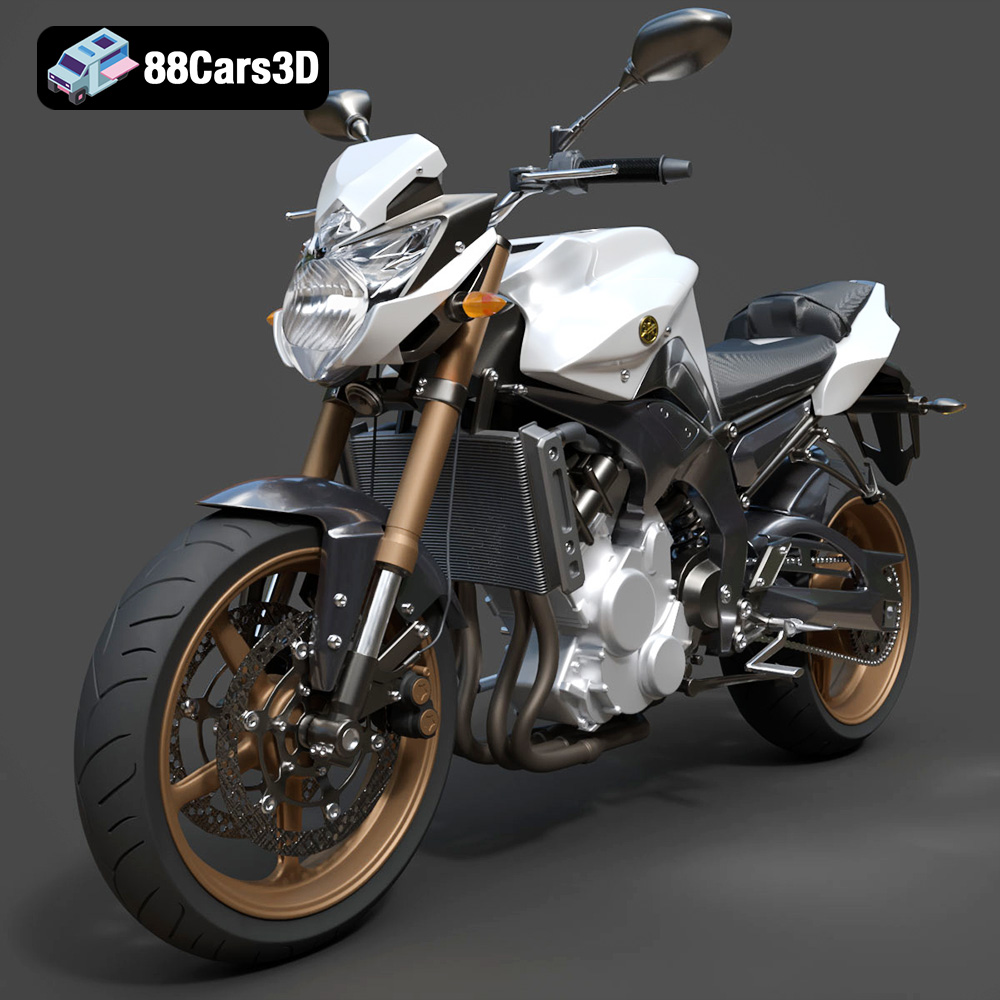
Texture: Yes
Material: Yes
Download the Yamaha FZ8 2011 3D Model featuring clean geometry, realistic detailing, and a fully modeled interior. Includes .blend, .fbx, .obj, .glb, .stl, .ply, .unreal, and .max formats for rendering, simulation, and game development.
Price: $19.99

Texture: Yes
Material: Yes
Download the Yamaha Stryker 2012 3D Model featuring clean geometry, realistic detailing, and a fully modeled interior. Includes .blend, .fbx, .obj, .glb, .stl, .ply, .unreal, and .max formats for rendering, simulation, and game development.
Price: $19.99
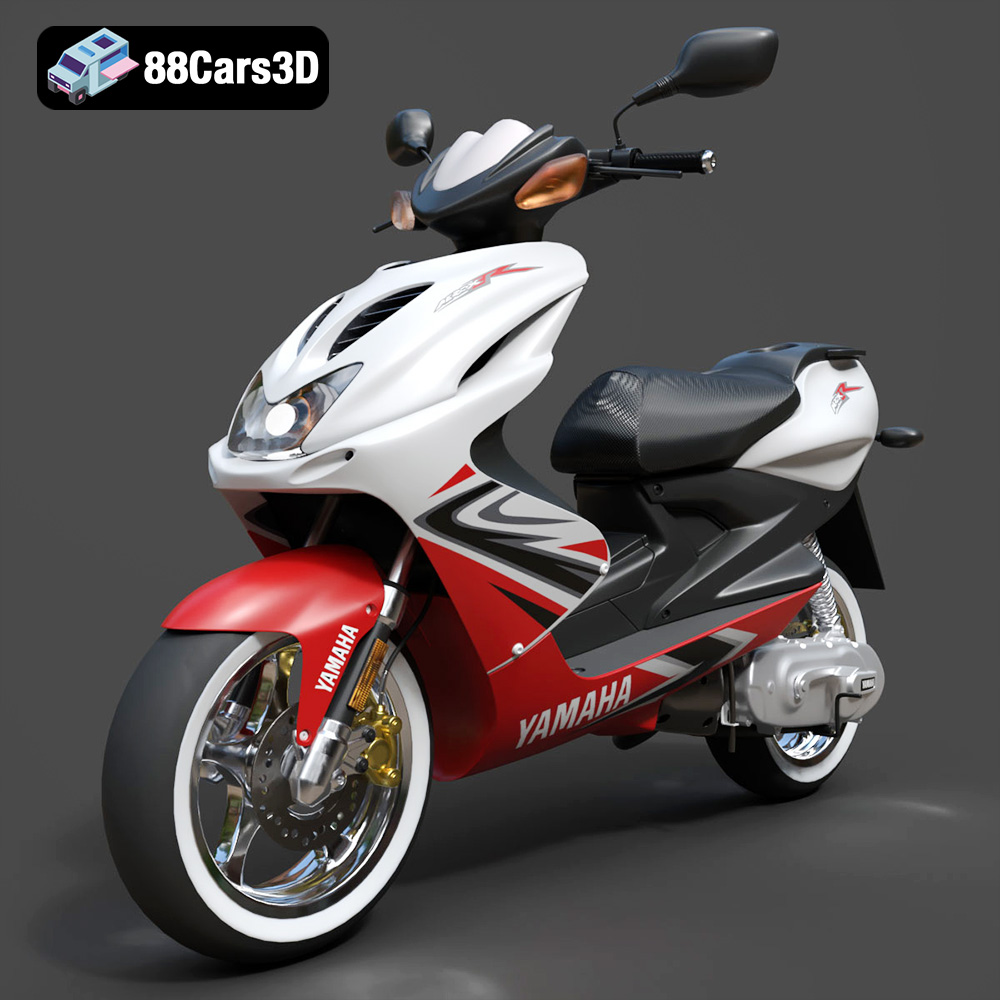
Texture: Yes
Material: Yes
Download the Yamaha Aerox R-002 2024 3D Model featuring clean geometry, realistic detailing, and a fully modeled interior. Includes .blend, .fbx, .obj, .glb, .stl, .ply, .unreal, and .max formats for rendering, simulation, and game development.
Price: $19.99
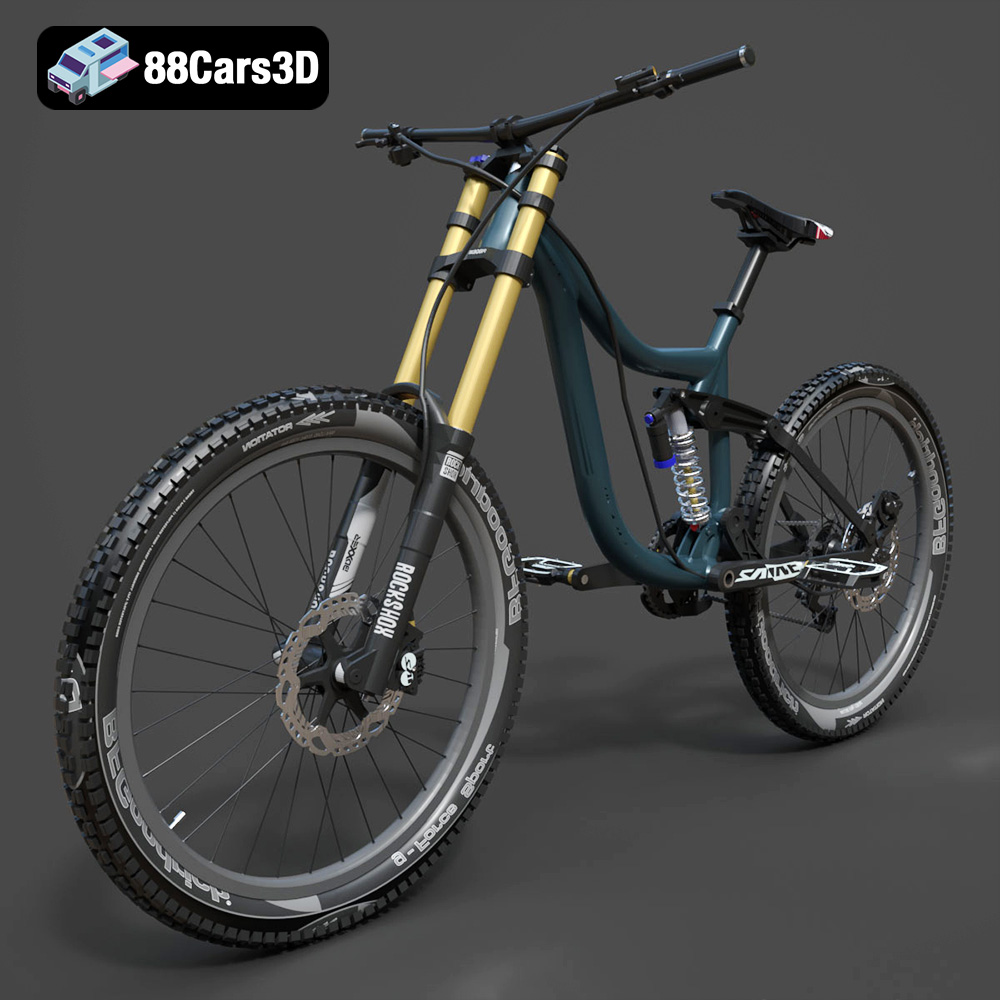
Texture: Yes
Material: Yes
Download the Mototsikly Downhill Bike-002 3D Model featuring clean geometry, realistic detailing, and precise mechanical components. Includes .blend, .fbx, .obj, .glb, .stl, .ply, .unreal, and .max formats for rendering, simulation, and game development.
Price: $19.99

Texture: Yes
Material: Yes
Download the Mercedes-Benz Vito Passenger Van 3D Model featuring clean geometry, realistic detailing, and a fully modeled interior. Includes .blend, .fbx, .obj, .glb, .stl, .ply, .unreal, and .max formats for rendering, simulation, and game development.
Price: $19.99
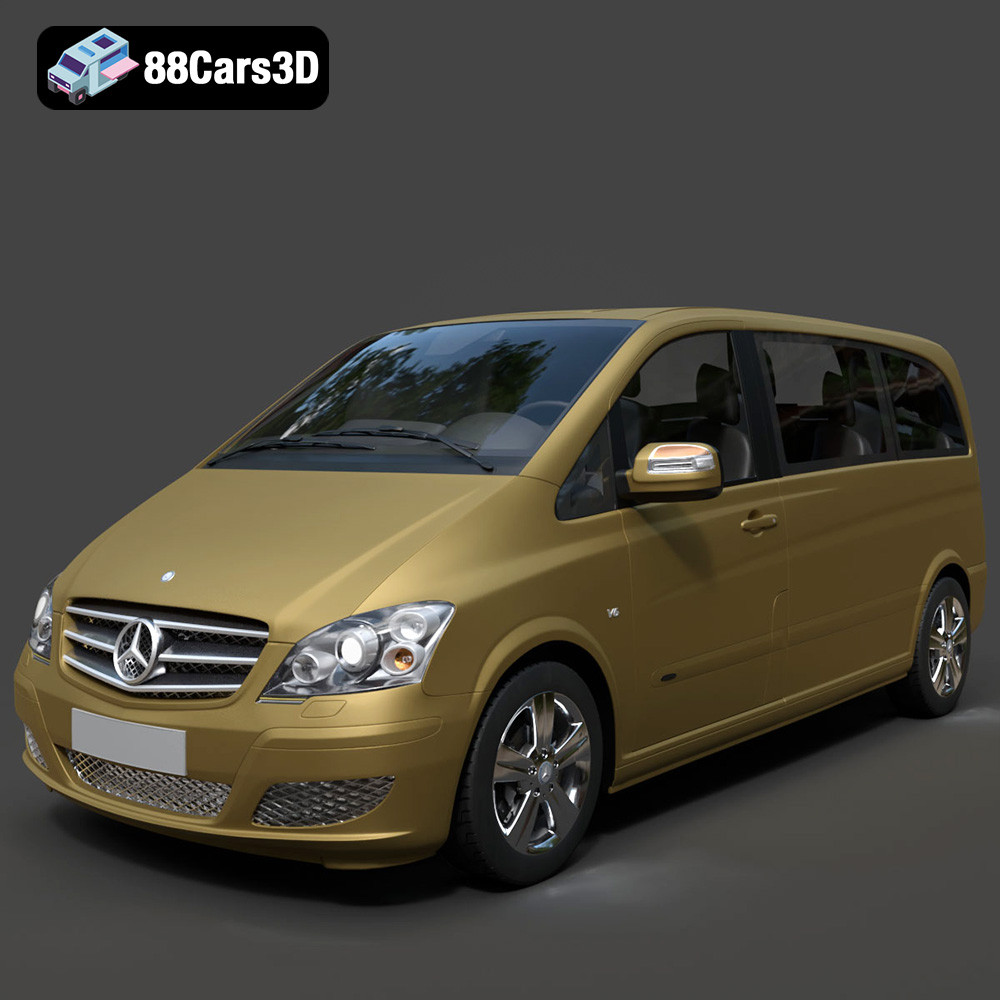
Texture: Yes
Material: Yes
Download the Mercedes-Benz Viano 2010 3D Model featuring clean geometry, realistic detailing, and a fully modeled interior. Includes .blend, .fbx, .obj, .glb, .stl, .ply, .unreal, and .max formats for rendering, simulation, and game development.
Price: $19.99

Texture: Yes
Material: Yes
Download the Emt Avtobus 007 3D Model featuring clean geometry, realistic detailing, and a fully modeled interior. Includes .blend, .fbx, .obj, .glb, .stl, .ply, .unreal, and .max formats for rendering, simulation, and game development.
Price: $19.99
Texture: Yes
Material: Yes
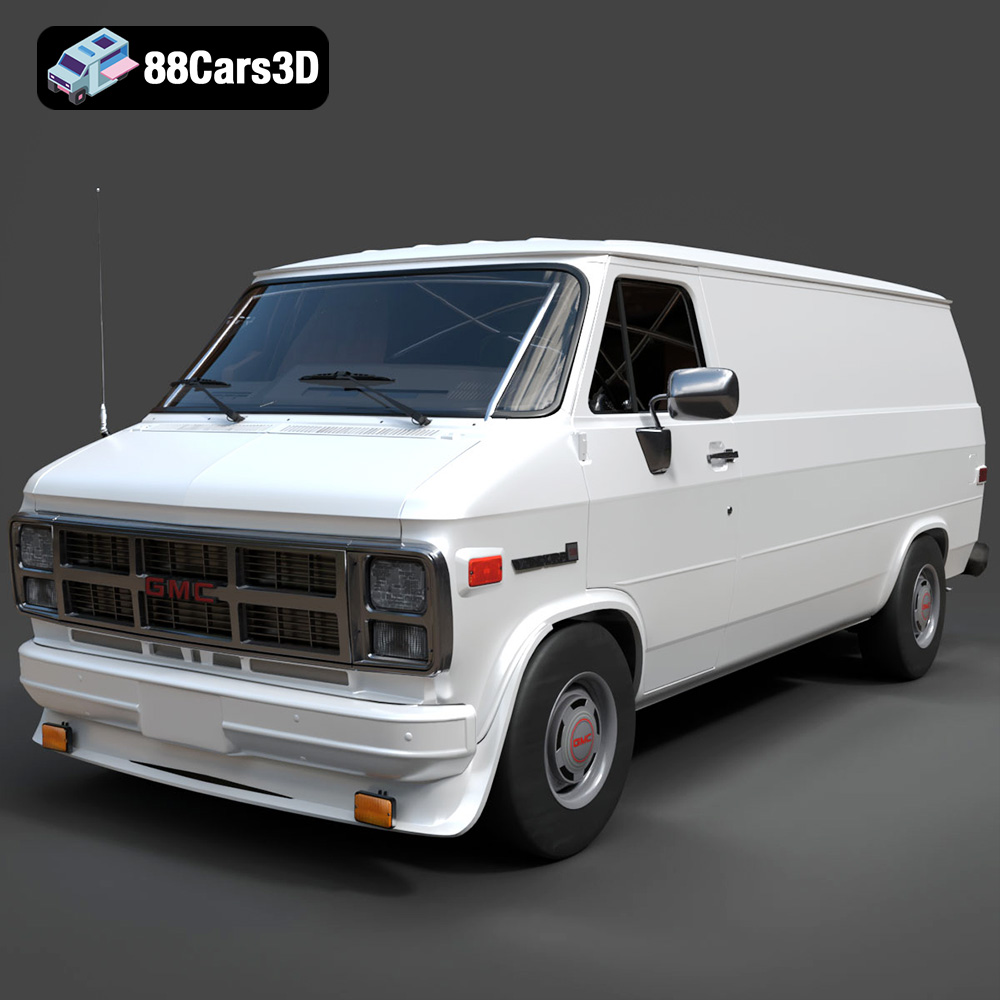
Download the GMC Vandura G-1500 1983 3D Model featuring clean geometry, realistic detailing, and a fully modeled interior. Includes .blend, .fbx, .obj, .glb, .stl, .ply, .unreal, and .max formats for rendering, simulation, and game development.
Price: $19.99

Texture: Yes
Material: Yes
Download the Ford E-450 Ambulance 3D Model featuring clean geometry, realistic detailing, and a fully modeled interior. Includes .blend, .fbx, .obj, .glb, .stl, .ply, .unreal, and .max formats for rendering, simulation, and game development.
Price: $19.99

Texture: Yes
Material: Yes
Download the Fiat Ducato SWB-001 3D Model featuring clean geometry, realistic detailing, and a fully modeled interior. Includes .blend, .fbx, .obj, .glb, .stl, .ply, .unreal, and .max formats for rendering, simulation, and game development.
Price: $19.99

