⚡ FLASH SALE: Get 60% OFF All Premium 3D & STL Models! ⚡

The quest for ultimate visual fidelity in real-time applications has long been a tightrope walk between breathtaking graphics and playable performance. For industries like automotive visualization, where every reflection, every curve, and every material nuance matters, this challenge has historically been a significant bottleneck. Enter Unreal Engine 5, a groundbreaking platform that has redefined the possibilities of real-time rendering, largely thanks to its revolutionary virtualized geometry system: Nanite.
Nanite, coupled with Unreal Engine 5’s other core technologies like Lumen for global illumination and Virtual Shadow Maps, is transforming how 3D artists, game developers, and visualization professionals approach high-fidelity asset creation. It liberates creators from the arduous tasks of manual LOD generation and polygon budget constraints, allowing them to bring cinematic-quality 3D car models directly into real-time environments. This article delves deep into how Nanite fundamentally alters 3D workflows for automotive visualization, enabling unprecedented detail, streamlined development, and superior performance. We’ll explore everything from importing high-poly assets to leveraging advanced Unreal Engine features to create stunning, interactive automotive experiences.
At its core, Nanite is a virtualized micro-polygon geometry system that intelligently streams and processes only the geometric detail that is absolutely necessary, exactly when it’s needed. This means artists can import models composed of millions, even billions, of polygons without suffering the crippling performance penalties traditionally associated with such high-detail assets. For automotive visualization, where vehicle models often begin as intricate CAD data with immense polygon counts, Nanite is nothing short of a paradigm shift. It allows for the direct use of production-ready, highly detailed car models, preserving every design subtlety, every panel gap, and every intricate component without compromise.
The system works by breaking down massive meshes into tiny clusters of triangles. At runtime, Nanite dynamically decides which clusters are visible and at what level of detail, culling unseen geometry and streaming in detail only for what the camera perceives. This ‘just-in-time’ rendering drastically reduces memory footprint and GPU load, even with scenes populated by countless high-poly objects. The traditional headaches of optimizing meshes for real-time – decimating polygons, creating multiple levels of detail (LODs), and baking normals – are largely alleviated, freeing artists to focus purely on creative output and visual excellence. For example, a single car model that might have required extensive manual optimization to get below a few hundred thousand polygons for real-time use can now be imported with millions of polygons directly, and Nanite handles the performance magic behind the scenes.
One of Nanite’s most significant contributions is its complete re-imagining of the Level of Detail (LOD) system. Historically, 3D artists spent countless hours manually creating multiple versions of a mesh, each with progressively fewer polygons, to be swapped in based on the camera’s distance. This process was time-consuming, prone to visual inconsistencies (LOD popping), and often resulted in compromises on detail at closer ranges. Nanite renders detail at a per-pixel level, effectively generating an infinite number of LODs on the fly.
When you enable Nanite for a static mesh, it automatically converts the mesh data into a highly optimized internal format. During rendering, Nanite adaptively tessellates the mesh based on screen space, meaning objects close to the camera receive full detail, while those further away are rendered with proportionally fewer polygons, all without any perceptible pop or visual artifacts. This not only saves immense production time but also ensures consistent, high-fidelity visuals across an entire scene, regardless of camera distance. The complexity of a meticulously crafted car wheel, for instance, can be maintained even in extreme close-ups, while from a distance, Nanite efficiently reduces its polygonal density without any manual intervention.
Nanite achieves its incredible efficiency through a highly optimized, GPU-driven rendering pipeline. Instead of relying on the CPU to manage and draw individual triangles, Nanite offloads much of the geometry processing to the GPU. When a Nanite mesh is imported, it’s converted into a hierarchical cluster tree. During rendering, the GPU traverses this tree, identifying visible clusters and determining the appropriate level of detail based on factors like screen space and projected pixel error.
This process also ties seamlessly into other UE5 innovations. Virtual Shadow Maps (VSMs), for example, are designed to handle the immense geometric detail that Nanite provides, offering incredibly precise and high-resolution shadows without significant performance overhead. Lumen, Unreal Engine 5’s dynamic global illumination system, also leverages Nanite’s efficient geometry representation to calculate realistic indirect lighting and reflections across highly detailed scenes. This synergy means that a highly detailed 3D car model, such as those available on platforms like 88cars3d.com, benefits not only from Nanite’s geometry streaming but also from photo-realistic lighting and shadows, elevating the overall visual experience significantly.
Bringing your intricately detailed 3D car models into Unreal Engine 5 with Nanite is a remarkably straightforward process, especially when starting with high-quality, clean assets. The beauty of Nanite is that it empowers artists to use source models that previously would have been considered too heavy for any real-time engine. This includes CAD-derived data, scanned assets, or meticulously hand-modeled vehicles, often boasting millions of polygons. The initial steps involve ensuring your model is correctly formatted and then simply enabling Nanite upon import or as a post-import setting within Unreal Engine.
When sourcing automotive assets from marketplaces such as 88cars3d.com, you’ll often find models provided in multiple file formats like FBX or USD, pre-optimized for various engines but still retaining high detail. These assets are ideal candidates for Nanite. The first step in Unreal Engine is to use the standard import dialogue (File > Import Into Level or by dragging the file into the Content Browser). During the import process for a static mesh, you’ll see an option to “Build Nanite.” Ticking this box will enable Nanite for the mesh immediately. If you forget or choose to enable it later, you can open the Static Mesh Editor, navigate to the Details panel, and under the Nanite section, simply click the “Enable Nanite” checkbox. Unreal Engine will then process the mesh to create its virtualized geometry representation, which can take some time depending on the polygon count.
While Nanite handles geometry complexity, a few best practices ensure the best results. First, aim for clean, manifold geometry in your source models. Nanite performs optimally with meshes that are watertight and have correctly oriented normals. Avoid non-manifold geometry or overlapping faces where possible, as these can sometimes lead to rendering artifacts, though Nanite is surprisingly robust. Second, don’t shy away from high triangle counts. The core benefit of Nanite is its ability to efficiently render meshes with tens or hundreds of millions of triangles. So, if your detailed car model has 20 million polygons, import it as is; Nanite is designed for this.
It’s important to note Nanite’s current limitations: it primarily supports static meshes. Skeletal meshes (for animated characters or complex car physics where deformation is key) are not yet directly supported by Nanite. For automotive models, this means that while the static body, interior, and chassis components can leverage Nanite, elements requiring skeletal animation (e.g., advanced suspension systems reacting to terrain, or character animations inside the car) would still need traditional mesh optimization. However, you can combine approaches, making the static car body Nanite-enabled while using traditional meshes for animated parts. For more detailed information on Nanite limitations and best practices, consult the official Unreal Engine documentation on Nanite at dev.epicgames.com/community/unreal-engine/learning.
Materials for Nanite meshes follow the same Physically Based Rendering (PBR) principles as any other asset in Unreal Engine, but with a few nuances. PBR materials—utilizing Base Color, Metallic, Roughness, Normal, and optionally Ambient Occlusion maps—are crucial for achieving realistic car paint, chrome, leather, and glass. Ensure your textures are properly authored for PBR workflows, typically using sRGB for Base Color and linear for Metallic, Roughness, and Normal maps.
One key consideration for Nanite is its interaction with opaque materials. While Nanite supports masked materials (e.g., for decals or perforated meshes), translucent materials (like highly transparent glass) currently have specific limitations. For truly transparent surfaces on Nanite meshes, it’s often better to separate them into traditional static meshes or use specific material setups that emulate transparency, such as masked materials with dithered opacity. Texture resolutions can still be high (e.g., 4K or 8K for intricate details), as Unreal Engine’s texture streaming system efficiently manages their memory footprint. However, always strive for a balance between visual quality and performance, especially if targeting platforms with lower memory capacities.
Once your high-fidelity 3D car models are imported and Nanite-enabled, the next crucial step in automotive visualization is to bring them to life with stunningly realistic materials and lighting. Unreal Engine 5’s Physically Based Rendering (PBR) pipeline, combined with its dynamic global illumination system, Lumen, provides the tools necessary to achieve photorealistic results that were once exclusive to offline renderers. PBR is fundamental, ensuring that surfaces react to light in a physically accurate manner, mimicking how light interacts with real-world materials like car paint, brushed metals, and polished glass. This means creating accurate Base Color, Metallic, Roughness, and Normal maps for every surface of your vehicle.
The Unreal Material Editor is a powerful node-based environment where artists construct these complex PBR materials. For a car, this could involve a sophisticated layered material for the paint, comprising a base metallic color, a clear coat layer, and even subtle flake maps for added realism. Leathers will need detailed normal maps to capture grain and roughness maps to define their sheen. Glass materials will leverage translucency and refraction, accurately bending light as it passes through. Lumen then takes these meticulously crafted materials and illuminates the entire scene with real-time global illumination, simulating how light bounces and interacts with every surface, providing soft indirect lighting and realistic reflections that dynamically update as light sources or objects move.
Achieving a convincing car paint shader in Unreal Engine is a delicate art, often involving multiple layers to accurately mimic the complex visual properties of real-world automotive finishes. A typical car paint shader utilizes a combination of a metallic base layer, a clear coat, and often subtle flakes. You’d start with a ‘Base Color’ that defines the primary hue of the paint. The ‘Metallic’ input drives how much the surface behaves like metal (0 for dielectric, 1 for metallic). Crucially, the ‘Roughness’ map will define the microscopic surface irregularities, controlling how sharp or blurry reflections appear.
For the clear coat, Unreal Engine’s Material Editor allows for layered materials or custom shader logic. You would typically add a second specular lobe with a very low roughness value to simulate the glossy clear coat. Fresnel effects are also vital, making the paint appear brighter and more reflective when viewed at glancing angles, just like real car paint. Flake maps, often a subtle normal map or procedural texture, can be integrated to simulate the tiny metallic flakes embedded in many automotive paints, adding depth and sparkle. By carefully blending these elements and adjusting parameters like clear coat thickness and reflection intensity, you can create a wide range of realistic car finishes, from deep metallics to vibrant pearlescent paints. For detailed guidance on layered materials, refer to the Unreal Engine documentation on the Material Editor at dev.epicgames.com/community/unreal-engine/learning.
Lumen and Virtual Shadow Maps (VSM) are the dynamic duo that bring unparalleled realism to lighting in Unreal Engine 5, especially for scenes featuring Nanite-enabled automotive assets. Lumen provides real-time global illumination, calculating diffuse inter-reflections with incredible accuracy. This means that light bouncing off a red car will subtly tint nearby white walls with a red hue, just as it would in reality. This dynamic, physically accurate light bounce drastically enhances realism, eliminating the need for complex, time-consuming light baking processes typical of previous engine versions.
VSMs complement Lumen by providing high-resolution, pixel-perfect shadows for every light source, even from incredibly detailed Nanite geometry. Traditional shadow maps often struggle with high polygon counts, leading to aliasing or blocky artifacts. VSMs virtually tile the shadow map, streaming in detail only where needed, ensuring sharp, crisp shadows regardless of an object’s geometric complexity or distance from the camera. Setting up your lighting typically involves a Directional Light for the sun, a Sky Light with an HDRI (High Dynamic Range Image) for ambient sky lighting and environmental reflections, and potentially point or spot lights for artificial sources or accentuation. With Lumen and VSMs enabled, these lights will interact with your PBR materials and Nanite geometry in a truly dynamic and photorealistic manner, making your automotive scenes come alive.
Beyond simply rendering beautiful static images, Unreal Engine 5 empowers creators to develop fully interactive and cinematic automotive experiences. This is where Blueprint Visual Scripting and Sequencer come into play, offering powerful tools for creating everything from dynamic configurators to stunning marketing cinematics. For automotive visualization, interactivity means enabling users to explore a vehicle in unprecedented detail – opening doors, changing paint colors, swapping wheel designs, or even taking a virtual test drive. These interactive elements are primarily driven by Unreal Engine’s robust Blueprint system.
Blueprint allows artists and designers to implement complex logic and interactivity without writing a single line of code. It’s a node-based interface where you connect different actions and events to define behaviors. For instance, a Blueprint script can be set up to respond to a user clicking on a car door, triggering an animation to open it. Similarly, Sequencer is Unreal Engine’s non-linear cinematic editor, a powerful tool for choreographing complex camera movements, object animations, and lighting changes over time. It’s perfect for creating high-quality trailers, virtual production sequences, or pre-rendered marketing materials that showcase a vehicle’s features in a compelling narrative.
Automotive configurators are a prime application for Blueprint scripting, allowing users to customize a vehicle in real-time. The workflow typically involves several key components. First, a User Interface (UI) is built using Unreal Motion Graphics (UMG), which provides buttons, sliders, and dropdown menus for user input. For instance, a button might represent a specific paint color. When clicked, a Blueprint script would be triggered to update the material parameters of the car body. This is often achieved by dynamically swapping out material instances or by modifying scalar/vector parameters within a single master material.
To change car parts, like wheels or body kits, Blueprint can handle mesh swapping. You would define an array of alternative static meshes (each Nanite-enabled, of course) for a specific component. When a user selects a new wheel, Blueprint simply hides the current wheel mesh and makes the selected alternative visible. This modular approach allows for extensive customization options without overwhelming the project with unnecessary assets. Furthermore, Blueprint can be used for more complex interactions, such as opening and closing doors, turning on headlights, or even dynamically displaying information about selected features. This level of real-time customization, especially with high-fidelity Nanite models, provides an unparalleled user experience for potential buyers or design reviews.
Sequencer is an indispensable tool for creating compelling cinematic content around your 3D car models. Whether it’s a launch trailer, a detailed product showcase, or a virtual production sequence, Sequencer provides precise control over every aspect of your scene. You can animate cameras along complex paths, precisely time character movements (if integrated), orchestrate intricate lighting changes, and even trigger special effects powered by Niagara (Unreal’s particle system) – all within a familiar timeline-based interface.
For automotive marketing, Sequencer allows you to highlight specific design elements with elegant camera moves, showcase interior features with detailed close-ups, and simulate dynamic scenarios. It fully integrates with the real-time capabilities of Lumen and Nanite, meaning your high-fidelity car models and dynamic global illumination look spectacular throughout the cinematic. Furthermore, Sequencer is a core component in virtual production workflows, where real-time Unreal Engine scenes are rendered on large LED volumes, allowing filmmakers to place actors in photorealistic digital environments alongside virtual cars. This enables in-camera visual effects and real-time feedback, revolutionizing how automotive commercials and media are produced.
While Nanite significantly alleviates geometric complexity, optimizing a real-time Unreal Engine project for automotive visualization goes beyond just geometry. A holistic approach to performance ensures that your interactive experiences and cinematics run smoothly across target hardware, whether it’s a high-end workstation, a standalone VR headset, or a mobile device. Factors such as draw calls, texture streaming, shader complexity, and post-processing effects all contribute to the final performance profile of your application. Understanding these elements and applying best practices is crucial for delivering a polished and performant product.
Beyond the core Nanite meshes, efficient asset management and intelligent scene construction play a vital role. For instance, carefully managing the number of unique materials, optimizing texture resolutions for different asset groups, and judiciously using expensive post-processing effects are all considerations. Unreal Engine’s built-in profilers (like Stat GPU, Stat Unit, and the Session Frontend) are invaluable tools for identifying performance bottlenecks, allowing you to pinpoint exactly where optimizations are needed. Leveraging these tools to understand your project’s performance characteristics is a cornerstone of professional Unreal Engine development for automotive applications.
Developing automotive applications for Augmented Reality (AR) and Virtual Reality (VR) presents a unique set of optimization challenges, primarily due to the stringent performance requirements and often limited hardware of standalone VR headsets or mobile AR devices. While Nanite still aids in geometry efficiency, its full benefits might not be available or practical on all AR/VR platforms, especially older mobile chipsets. The target frame rate for VR is typically 90 FPS or higher to prevent motion sickness, demanding extreme efficiency.
Key strategies for AR/VR optimization include: baking lighting where dynamic lighting is not strictly necessary (e.g., using lightmass or pre-calculated Lumen captures); simplifying shaders to reduce instruction count; carefully managing texture memory by reducing resolutions where appropriate; minimizing draw calls for non-Nanite elements; and reducing the number of post-processing effects. For example, a fully dynamic Lumen scene might be too heavy for a Quest 2, so you might opt for baked lighting with strategically placed dynamic lights for interactive elements. Always profile your application directly on the target device to understand its real-world performance. For mobile and XR-specific optimization techniques, the Unreal Engine documentation provides extensive guides at dev.epicgames.com/community/unreal-engine/learning.
The quality of your source data is paramount, even with Nanite handling high polygon counts. Clean, well-structured 3D models with proper UV mapping are essential for material application and optimal Nanite processing. This often involves a ‘data prep’ phase, where raw CAD data or scanned meshes are cleaned, tessellated, and organized into a logical hierarchy. USD (Universal Scene Description) is rapidly becoming the industry standard for interoperable 3D data exchange, and Unreal Engine has robust support for it. USD allows for a non-destructive workflow, where multiple artists can collaborate on different aspects of a scene (e.g., one working on the car body, another on the interior, a third on lighting) and then combine them seamlessly.
Using USD enables a more streamlined pipeline from design and engineering software (like CAD tools) directly into Unreal Engine. Changes made upstream in the USD file can be easily updated in Unreal, reducing manual re-importing and re-setup. When sourcing automotive assets from platforms like 88cars3d.com, consider models that offer USD or meticulously organized FBX formats, as they will significantly ease your data preparation phase and integrate smoothly into Nanite-enabled Unreal Engine workflows. This professional data management approach ensures that your high-fidelity car models are not only visually stunning but also efficiently managed throughout the entire production pipeline.
While Nanite is a monumental leap forward, like any nascent technology, it comes with certain limitations that developers in automotive visualization should be aware of. Understanding these current boundaries allows for strategic planning and the adoption of hybrid workflows that maximize Nanite’s benefits while mitigating its restrictions. However, the trajectory of Unreal Engine development suggests that many of these limitations are actively being addressed, paving the way for even more seamless and powerful workflows in the near future.
One of the primary current limitations is Nanite’s focus on static meshes. As mentioned, skeletal meshes (which are dynamically deformed by bones, crucial for realistic vehicle suspension dynamics or character animations) are not yet directly supported. This means elements requiring complex animation still rely on traditional mesh optimization. Additionally, specific transparency sorting issues can arise with certain types of translucent materials when rendered with Nanite, requiring careful material setup or alternative approaches for things like car glass. Despite these challenges, creative workarounds and ongoing Unreal Engine updates continue to expand Nanite’s versatility, promising even broader application across dynamic and interactive automotive experiences.
The challenge with transparency in Nanite primarily stems from its unique rendering approach. Traditional translucent materials often require specific draw order for correct rendering, which can conflict with Nanite’s cluster-based, data-driven culling. For vehicle glass, a common solution is to use a masked material with dithered opacity instead of a true translucent material. This allows the glass to integrate correctly with Nanite while still providing a convincing transparent appearance. Another strategy is to keep highly transparent or refractive elements as separate, non-Nanite static meshes, especially if they are critical and viewed in extreme close-ups.
For visual effects (VFX) like exhaust fumes, dust trails, or subtle atmospheric effects around a vehicle, Unreal Engine’s Niagara particle system is the tool of choice. Niagara is fully compatible with Nanite scenes, allowing you to create incredibly detailed and dynamic particle effects that react to the Nanite geometry. For example, a vehicle’s tire kicking up dust could have Niagara particle systems that spawn particles that realistically collide with the Nanite-enabled ground mesh. Integrating these dynamic effects with static Nanite geometry adds another layer of realism to automotive simulations and visualizations.
The future of Nanite in Unreal Engine is incredibly promising, with Epic Games continually pushing its capabilities. We can anticipate advancements that address current limitations, such as potential future support for dynamic meshes and skeletal meshes, which would be a game-changer for fully simulated car physics and integrated character interactions. Improvements in transparency handling and even broader support for different rendering features are also likely.
The ultimate vision for Nanite is to completely eliminate polygon budgets and data preparation time for geometry, allowing creators to import raw source data directly from design software and render it in real-time with cinematic fidelity. This would drastically shorten production cycles for automotive designers, virtual production studios, and game developers, enabling faster iterations and higher quality outputs. As Nanite evolves, its integration with other advanced technologies like Machine Learning for even smarter culling and asset management could unlock unprecedented levels of detail and performance for large-scale automotive environments and complex vehicle models.
Unreal Engine 5’s Nanite technology represents a monumental leap forward for 3D workflows, particularly in the demanding field of automotive visualization. By effectively eliminating polygon budget constraints and revolutionizing the approach to Levels of Detail, Nanite empowers artists and developers to achieve unprecedented levels of geometric detail in real-time, directly utilizing high-fidelity source assets without laborious optimization. This transforms the entire pipeline, from initial asset import to final interactive experience.
Coupled with Lumen’s dynamic global illumination, Virtual Shadow Maps, and powerful tools like Blueprint for interactivity and Sequencer for cinematic storytelling, Unreal Engine 5 offers a comprehensive ecosystem for creating truly immersive and photorealistic automotive content. Whether you’re building an interactive configurator, a cutting-edge virtual showroom, or a cinematic marketing piece, Nanite ensures that your 3D car models maintain their intricate beauty, performing flawlessly even in complex scenes. The capabilities of Unreal Engine 5 are continually expanding, promising an even brighter future for high-fidelity real-time rendering. We encourage you to explore the vast potential of these technologies, experiment with high-quality automotive assets available on platforms like 88cars3d.com, and begin crafting the next generation of automotive experiences.
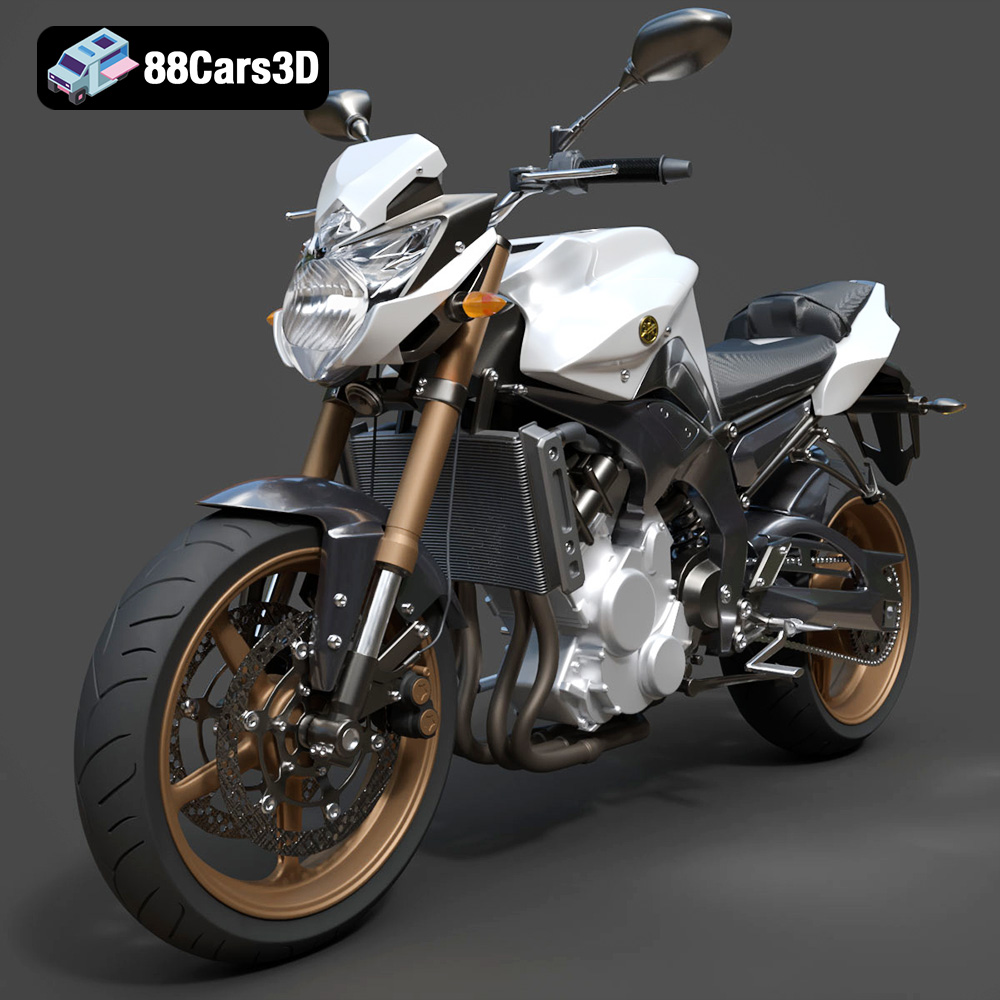
Texture: Yes
Material: Yes
Download the Yamaha FZ8 2011 3D Model featuring clean geometry, realistic detailing, and a fully modeled interior. Includes .blend, .fbx, .obj, .glb, .stl, .ply, .unreal, and .max formats for rendering, simulation, and game development.
Price: $19.99
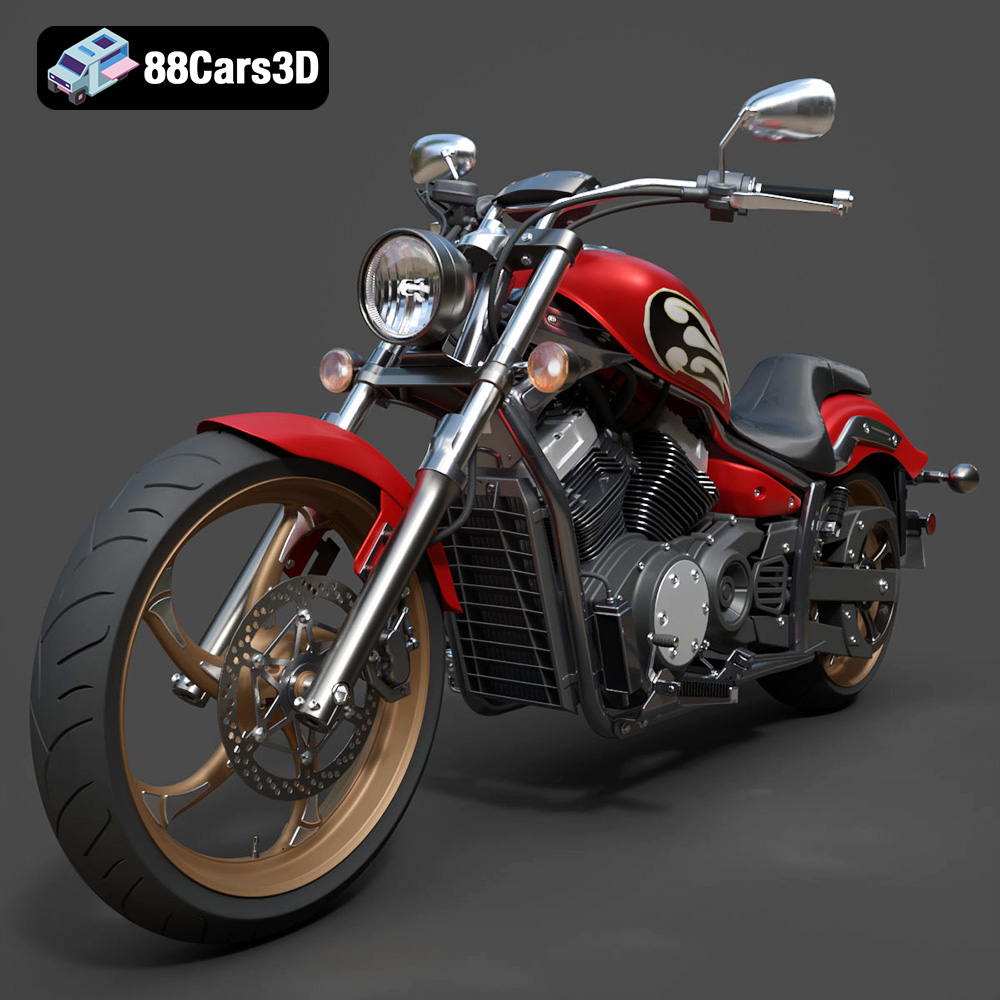
Texture: Yes
Material: Yes
Download the Yamaha Stryker 2012 3D Model featuring clean geometry, realistic detailing, and a fully modeled interior. Includes .blend, .fbx, .obj, .glb, .stl, .ply, .unreal, and .max formats for rendering, simulation, and game development.
Price: $19.99
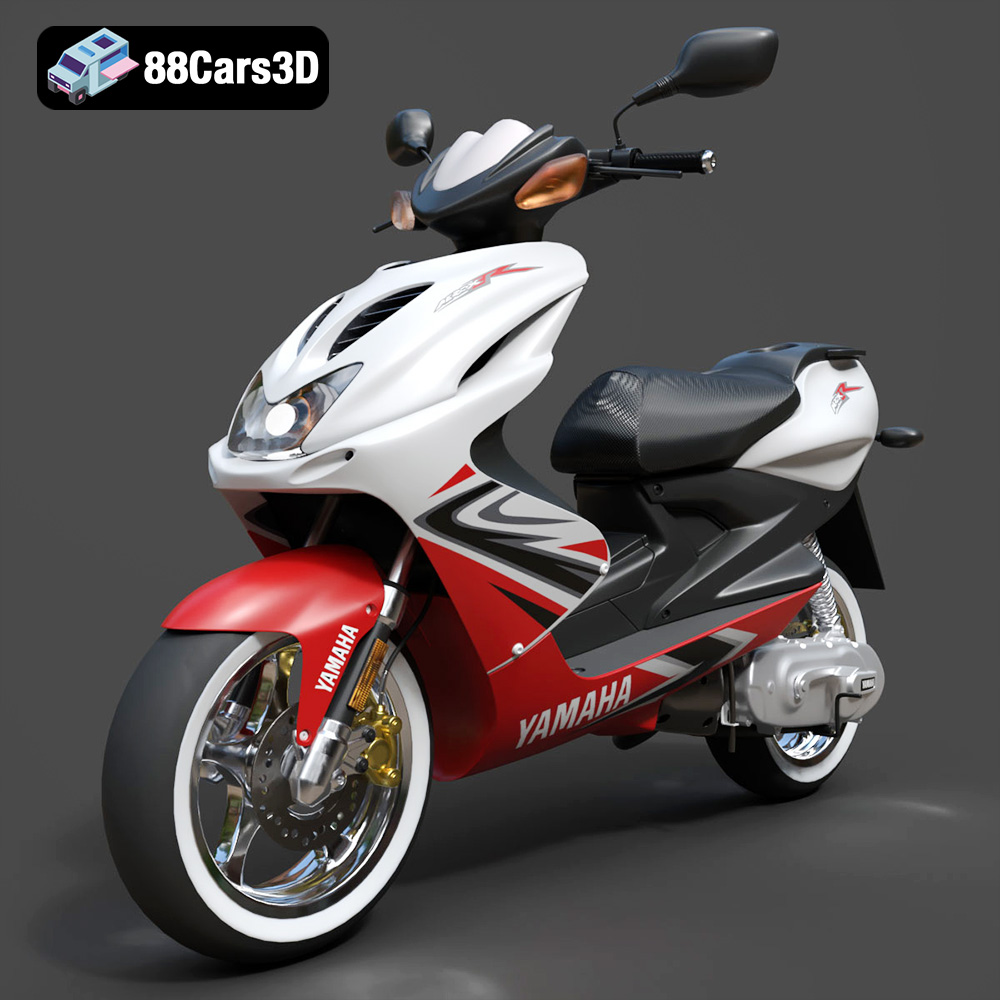
Texture: Yes
Material: Yes
Download the Yamaha Aerox R-002 2024 3D Model featuring clean geometry, realistic detailing, and a fully modeled interior. Includes .blend, .fbx, .obj, .glb, .stl, .ply, .unreal, and .max formats for rendering, simulation, and game development.
Price: $19.99
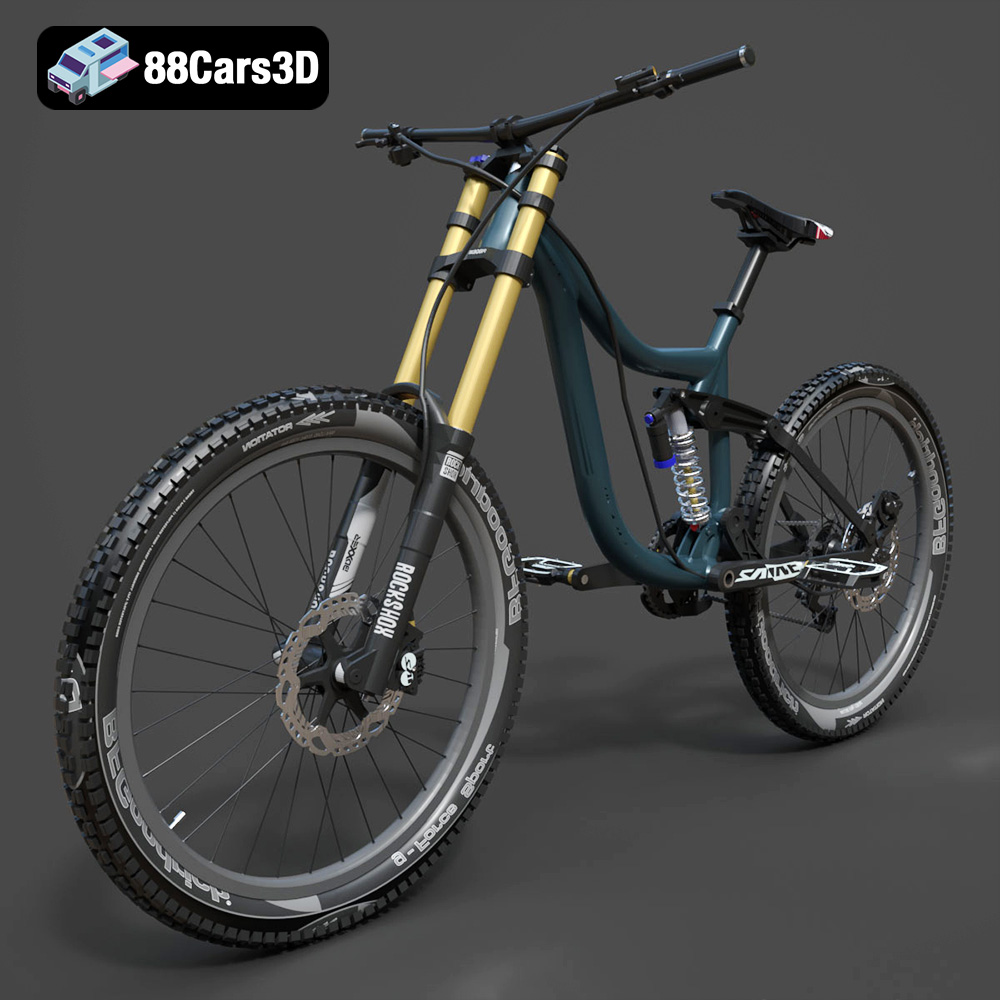
Texture: Yes
Material: Yes
Download the Mototsikly Downhill Bike-002 3D Model featuring clean geometry, realistic detailing, and precise mechanical components. Includes .blend, .fbx, .obj, .glb, .stl, .ply, .unreal, and .max formats for rendering, simulation, and game development.
Price: $19.99
Texture: Yes
Material: Yes
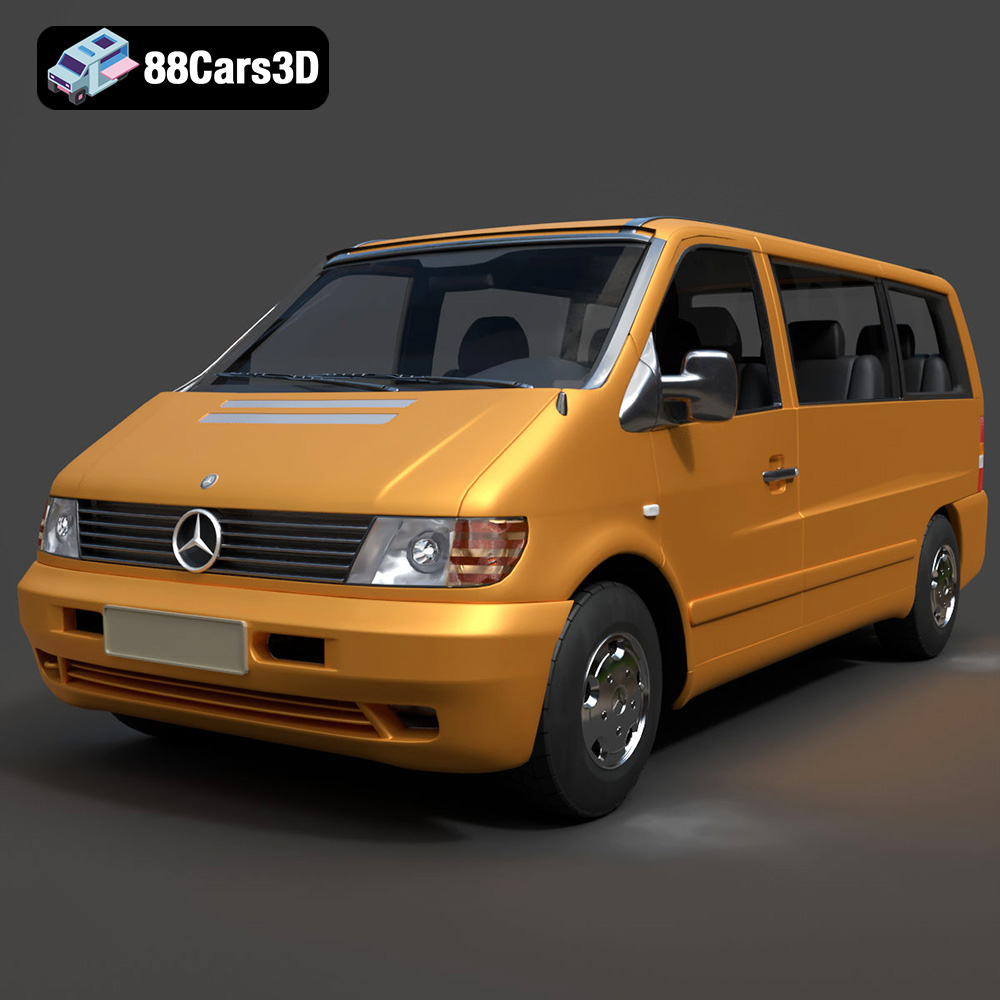
Download the Mercedes-Benz Vito Passenger Van 3D Model featuring clean geometry, realistic detailing, and a fully modeled interior. Includes .blend, .fbx, .obj, .glb, .stl, .ply, .unreal, and .max formats for rendering, simulation, and game development.
Price: $19.99
Texture: Yes
Material: Yes
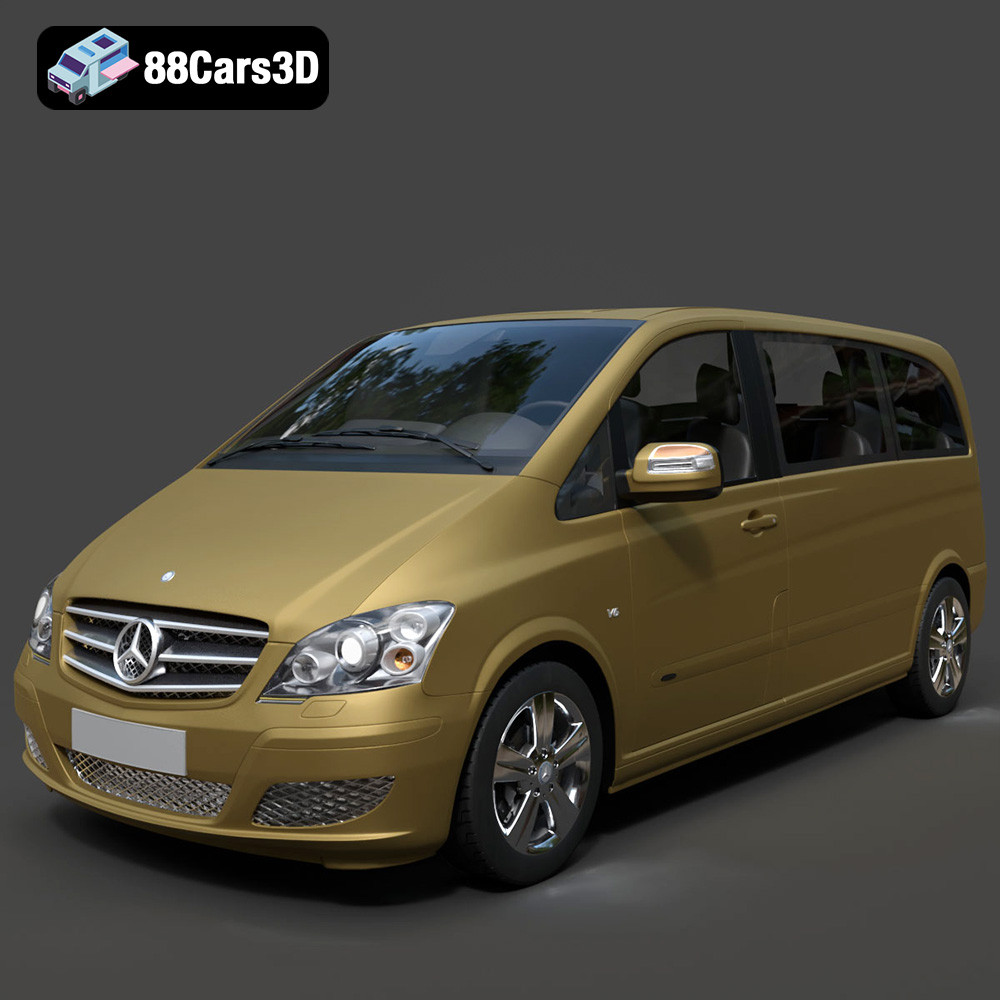
Download the Mercedes-Benz Viano 2010 3D Model featuring clean geometry, realistic detailing, and a fully modeled interior. Includes .blend, .fbx, .obj, .glb, .stl, .ply, .unreal, and .max formats for rendering, simulation, and game development.
Price: $19.99

Texture: Yes
Material: Yes
Download the Emt Avtobus 007 3D Model featuring clean geometry, realistic detailing, and a fully modeled interior. Includes .blend, .fbx, .obj, .glb, .stl, .ply, .unreal, and .max formats for rendering, simulation, and game development.
Price: $19.99
Texture: Yes
Material: Yes
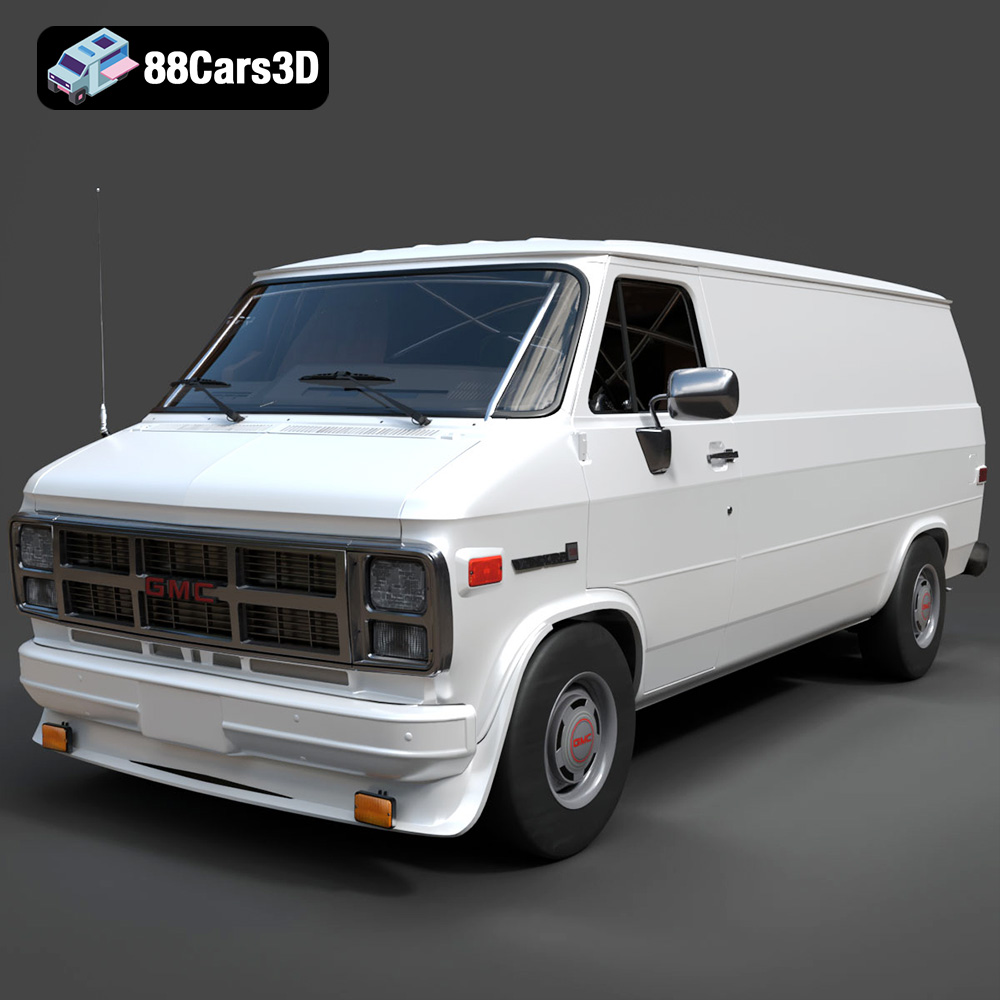
Download the GMC Vandura G-1500 1983 3D Model featuring clean geometry, realistic detailing, and a fully modeled interior. Includes .blend, .fbx, .obj, .glb, .stl, .ply, .unreal, and .max formats for rendering, simulation, and game development.
Price: $19.99
Texture: Yes
Material: Yes
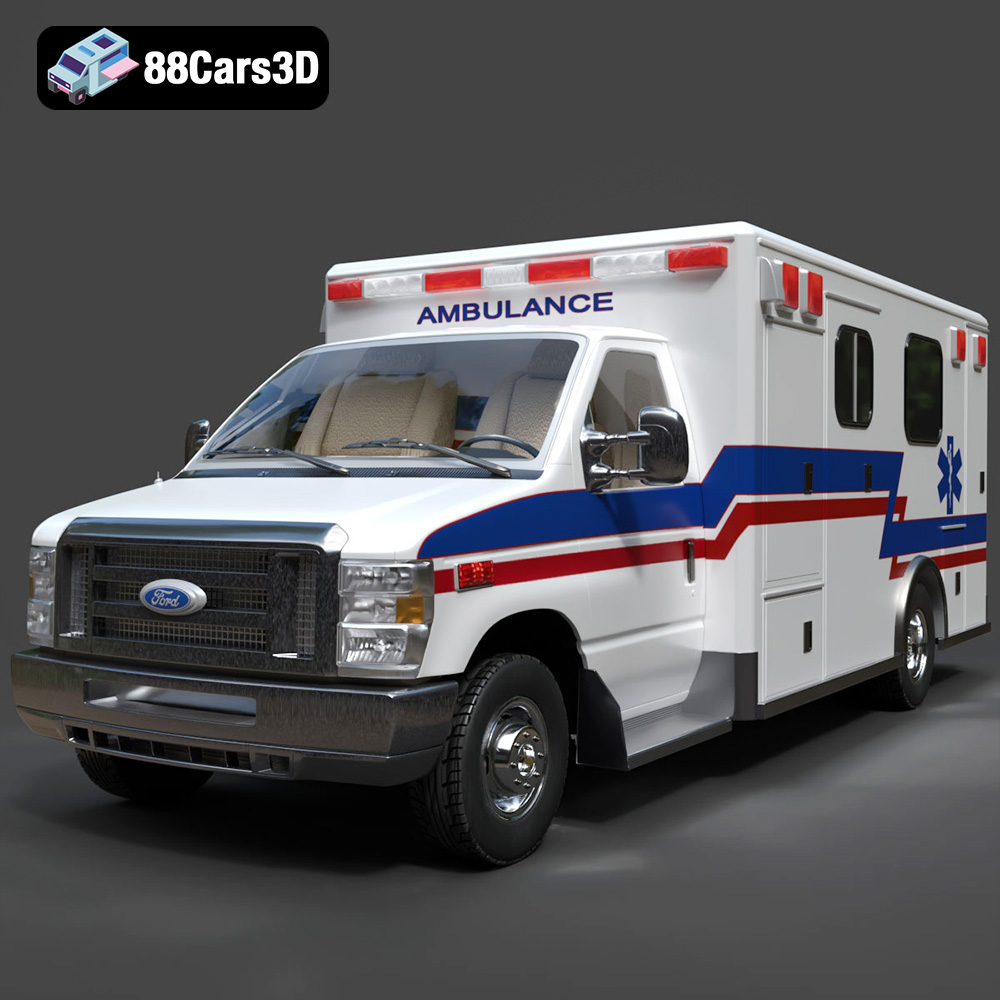
Download the Ford E-450 Ambulance 3D Model featuring clean geometry, realistic detailing, and a fully modeled interior. Includes .blend, .fbx, .obj, .glb, .stl, .ply, .unreal, and .max formats for rendering, simulation, and game development.
Price: $19.99

Texture: Yes
Material: Yes
Download the Fiat Ducato SWB-001 3D Model featuring clean geometry, realistic detailing, and a fully modeled interior. Includes .blend, .fbx, .obj, .glb, .stl, .ply, .unreal, and .max formats for rendering, simulation, and game development.
Price: $19.99

