⚡ FLASH SALE: Get 60% OFF All Premium 3D & STL Models! ⚡

The pursuit of photorealism in real-time rendering has long been a holy grail for 3D artists and developers. For industries like automotive visualization, where every curve, reflection, and material nuance matters, the technical hurdles have historically been immense. High-fidelity models, often comprising millions of polygons, would bring even the most powerful hardware to its knees, necessitating painstaking optimization, complex LOD (Level of Detail) systems, and compromises on visual quality. Enter Nanite, Unreal Engine 5’s revolutionary virtualized geometry system, which has fundamentally reshaped this landscape. Nanite is not just an incremental update; it’s a paradigm shift, enabling creators to import and render cinematic-quality assets with unprecedented geometric detail, all in real-time and without the traditional performance bottlenecks.
For professionals working with 3D car models – from game developers striving for next-gen vehicle fidelity to automotive designers creating interactive configurators or virtual production studios needing realistic vehicles on LED walls – Nanite represents a monumental leap forward. It liberates artists from the polygon budget, allowing them to focus purely on visual quality and creative expression. This article will delve deep into how Nanite technology in Unreal Engine 5 is revolutionizing 3D workflows, particularly for automotive assets. We’ll explore its core mechanics, best practices for integrating high-quality 3D car models (like those found on 88cars3d.com), and how to leverage its power alongside other UE5 features to achieve stunning real-time visualizations.
At its core, Nanite is a virtualized geometry system designed to handle incredibly dense meshes with minimal performance impact. Traditional real-time rendering relies on a fixed pipeline where the GPU processes every triangle of an object, regardless of its size on screen. This approach quickly becomes unmanageable with models comprising millions or even billions of polygons. Nanite sidesteps this limitation by intelligently processing only the geometric detail that is truly needed, at the precise resolution required for each pixel, and only for the parts of the mesh that are visible. It achieves this through a proprietary mesh format and rendering technology that streams and scales detail on demand.
Imagine importing a CAD model of a car with hundreds of millions of triangles, complete with intricate engine components, interior stitching, and tiny imperfections on the paintwork. Before Nanite, this would be unthinkable for a real-time application. With Nanite, these ultra-high-poly models can be directly imported into Unreal Engine 5, converted to Nanite meshes, and rendered efficiently. This frees up countless hours previously spent on manual retopology, baking normal maps, and meticulously creating multiple LODs. The impact on fidelity is profound: minute details that would normally be baked into textures can now exist as true geometric information, catching light and casting shadows with pixel-perfect accuracy. This level of detail is crucial for automotive visualization, where the subtle interplay of light on surfaces defines the realism of a vehicle.
Nanite breaks down source meshes into a hierarchical structure of ‘micro-polygons.’ During rendering, it intelligently culls and streams only the necessary clusters of triangles to the GPU. This means that objects far away use fewer triangles, while objects close to the camera or in focus receive full geometric fidelity. The system handles all of this automatically, dynamically adjusting detail based on screen space. It also boasts impressive memory efficiency due to its compact data format and intelligent streaming, allowing for incredibly large scenes with numerous high-detail assets. This dynamic scaling is critical for maintaining high frame rates across various hardware configurations, making professional automotive showcases and interactive experiences more accessible.
While Nanite is incredibly powerful, preparing your 3D car models effectively ensures you get the most out of the system. The quality of your source asset remains paramount. Platforms like 88cars3d.com provide high-quality 3D car models that are well-suited for Nanite integration, featuring clean topology, proper UV mapping, and PBR-ready materials. Starting with a robust foundation dramatically streamlines the Unreal Engine workflow. After acquiring your desired vehicle model, the process within Unreal Engine 5 is straightforward, but certain considerations can optimize your results and prevent common pitfalls.
The first step is importing your 3D car model, typically as an FBX or USD file, into Unreal Engine 5. During the import process, Unreal Engine will present an option to “Build Nanite Meshes.” Enabling this checkbox tells the engine to convert the imported static mesh into the Nanite format. It’s crucial to ensure your source mesh has sufficient geometric detail for Nanite to leverage; Nanite enhances existing detail but doesn’t invent it. For automotive assets, this means ensuring your model has high-resolution geometry for smooth surfaces, sharp edges, and detailed components. Always refer to the official Unreal Engine documentation at https://dev.epicgames.com/community/unreal-engine/learning for the latest technical guidelines on importing assets and Nanite specifics.
Once imported with the Nanite option enabled, you’ll notice a small Nanite icon on the mesh thumbnail in the Content Browser. This confirms its conversion. You can also manually convert existing static meshes to Nanite by opening the Static Mesh Editor and checking the “Enable Nanite” box in the Details panel. It’s important to note that Nanite currently has certain limitations, such as not supporting meshes with transparency, masked materials, or World Position Offset (WPO). For parts like car windows, headlights (which often use masked materials for internal geometry or transparency), or decals, these sections of the model should either be separate meshes that are not Nanite-enabled or carefully managed within your material setup.
Even though Nanite handles extreme poly counts, clean topology from your source model (like those found at 88cars3d.com) is still beneficial for several reasons: it ensures predictable UV unwrapping, makes material ID assignments easier, and is essential if parts of the model need to be non-Nanite (e.g., deformable panels with physics, or transparent glass). Proper UV mapping is absolutely critical for applying PBR textures accurately. While Nanite allows for extreme geometric detail, textures still define surface properties like color, roughness, and metallic characteristics. Ensure your model’s UVs are clean, non-overlapping, and optimally packed for efficient texture memory usage. For materials, keep them PBR-compliant, using separate textures for albedo (base color), normal, roughness, metallic, and ambient occlusion channels for maximum realism.
The primary draw of Nanite for automotive visualization is its unparalleled ability to render extreme geometric detail in real-time. This translates directly into breathtaking photorealism. Imagine seeing the subtle imperfections in a car’s paint clear coat, the intricate stitching on leather seats, or the razor-sharp edges of a chrome grille, all rendered with true geometric fidelity rather than relying solely on normal maps. Nanite makes these details possible, allowing artists to create truly immersive and convincing virtual experiences that blur the line between CG and reality.
When working with 3D car models, Nanite allows you to utilize assets that were previously too complex for real-time engines. This means that a highly detailed car model, perhaps derived directly from CAD data, can be brought into Unreal Engine 5 without significant decimation. This geometric accuracy is paramount for automotive designers, engineers, and marketers who require absolute precision in their visualizations. The dynamic scaling of Nanite means that whether your camera is zoomed in on a headlight for a close-up render or viewing the entire vehicle in a vast environment, the appropriate level of detail is always presented, maintaining visual consistency and avoiding distracting pop-in effects from traditional LOD transitions.
The geometric detail afforded by Nanite transforms how materials are perceived. For instance, the way light interacts with a metallic flake paint surface benefits immensely from true geometric micro-facets, rather than simulated bumps from normal maps. This results in more accurate and dynamic reflections and highlights. Similarly, fine details on interior trim, dashboard textures, or even tire treads can be represented with actual geometry, leading to a much more tactile and believable appearance. This level of micro-detailing significantly enhances the realism of any automotive render or interactive experience.
While Nanite handles geometry, PBR materials are responsible for surface properties. Using high-quality PBR textures for your car paint, metals, glass, and interior fabrics is essential. Nanite’s geometric precision perfectly complements PBR’s physically accurate shading model, ensuring that light interacts correctly with every minute detail. For details like badges, warning stickers, or license plates, decals remain a powerful tool. While the mesh receiving the decal can be Nanite, the decal itself is a separate rendered element. Careful placement and material setup for decals are necessary to avoid flickering or incorrect blending, especially on highly curved surfaces. You can even combine Nanite meshes with non-Nanite assets seamlessly, ensuring compatibility for elements that don’t yet support Nanite, such as complex visual effects or transparent components.
Nanite doesn’t exist in isolation; it’s a foundational technology that synergizes with other powerful features in Unreal Engine 5, creating an unparalleled real-time rendering pipeline. For automotive visualization, the combination of Nanite’s geometric prowess with Lumen’s dynamic global illumination, Chaos Physics’ realistic simulations, and the cinematic capabilities of Sequencer unlocks new levels of realism and interactivity. Understanding how these systems work together is key to pushing the boundaries of what’s possible in real-time automotive experiences.
Lumen, Unreal Engine 5’s fully dynamic global illumination and reflections system, works hand-in-hand with Nanite. Because Nanite provides incredibly detailed geometry, Lumen can accurately bounce light off these complex surfaces, producing highly realistic indirect lighting, soft shadows, and convincing reflections. This means that an automotive model placed in a richly detailed environment will reflect that environment with stunning accuracy, from the subtle nuances of a studio lighting setup to the dynamic interplay of sunlight and shadows in an outdoor scene. The result is a much more immersive and visually believable scene, enhancing the perception of the vehicle’s form and finish. Similarly, PBR materials gain even more impact when paired with both Nanite and Lumen, ensuring accurate light interaction with every surface property.
Lumen continuously updates global illumination and reflections in real-time, reacting instantly to changes in lighting or geometry. This is invaluable for automotive configurators where users might change car paint colors, move light sources, or even switch environments. The reflections on a car’s highly reflective surface, driven by Lumen, will always be accurate and dynamic, reflecting the true geometric detail provided by Nanite. For optimal performance, ensure your environments are also set up for Lumen, using appropriate light types and material properties.
Unreal Engine’s Blueprint visual scripting system empowers artists and designers to create complex interactive functionalities without writing a single line of code. For automotive visualization, this means building real-time configurators where users can:
Nanite ensures that every component swapped or every detail examined maintains cinematic fidelity, even as users interact with the model in real-time. Combine Blueprint with the detail of Nanite meshes for seamless, high-fidelity user interaction.
For pre-rendered cinematics or virtual production pipelines, Sequencer is Unreal Engine’s powerful multi-track editor. With Nanite, you can render stunning cinematic sequences of your car models with an unprecedented level of geometric detail, without worrying about polygon budgets. Use Sequencer to choreograph camera movements, animate vehicle components (e.g., doors opening, suspension compression), control lighting changes, and even integrate visual effects. The high-fidelity output from Nanite-enabled models in Sequencer is ideal for marketing materials, virtual showcases, and high-end presentations.
While Nanite significantly alleviates the traditional burdens of polygon management, it’s not a magic bullet that negates all optimization considerations. Achieving optimal performance with Nanite-enabled 3D car models still requires thoughtful asset creation, material management, and understanding of how Nanite interacts with other engine systems. The goal is to maximize visual quality while maintaining smooth frame rates, especially for interactive experiences, AR/VR applications, or large-scale virtual production scenes.
One common misconception is that Nanite means you no longer need to consider mesh quality. While you can import incredibly dense meshes, starting with a clean, watertight model from a source like 88cars3d.com is always beneficial. Excessively messy or improperly constructed geometry can still lead to issues with UV mapping, shading artifacts, or increased file sizes, even if Nanite can technically render it. Furthermore, Nanite works best with static, opaque geometry. For transparent parts (like glass) or meshes with complex material effects like World Position Offset (WPO) or masked materials, these parts should typically be separate meshes that are NOT Nanite-enabled. This often means separating your car model into various components: the main body (Nanite), glass (non-Nanite), decals (non-Nanite, or separate masked meshes), and possibly specific interactive elements.
Even with Nanite, materials remain a significant performance factor. Complex materials with many instructions or multiple texture lookups can still be costly. Leverage Material Instances extensively: create a master material for common surfaces (e.g., car paint, chrome, plastic) and then create instances for variations (different colors, roughness values). This reduces shader complexity and draw calls. Utilize efficient texture resolutions and formats, and enable texture streaming where appropriate. Avoid unnecessary texture layers or overly complex blending nodes if a simpler solution achieves the desired visual result.
While Nanite effectively replaces traditional LODs for static opaque geometry, there are scenarios where manual LODs or Nanite’s internal fallback system become relevant. For transparent objects or those requiring specific material effects, traditional non-Nanite meshes with manual LODs are still necessary. Additionally, Nanite has a configurable “fallback” triangle count for when a mesh is rendered outside of Nanite’s virtualized pipeline (e.g., for lumen traces, or when viewed very far away). Understanding and configuring this can help optimize certain edge cases. It’s also worth noting that Nanite mesh data is larger than traditional meshes, so while it’s efficient at runtime, initial loading times and packaged build sizes might increase depending on the sheer volume of high-poly Nanite assets.
Nanite already performs aggressive occlusion culling and frustum culling at a micro-polygon level. However, for entire large objects that are fully obscured or outside the camera’s view, the engine’s higher-level culling systems still play a role. Ensure your scene is set up to benefit from these, especially for large environments surrounding your car models. Placing your car in a well-defined scene with minimal unnecessary geometry outside the camera’s view helps reduce the overall rendering burden. Utilize tools like the Nanite Visualization modes (accessed via `Show > Nanite` in the viewport) to inspect how Nanite is processing your geometry, identify potential issues, and optimize your scene.
Nanite’s capability to handle extreme geometric detail in real-time opens up a plethora of advanced applications, particularly for the automotive industry. Beyond static renders or simple animations, its power can be harnessed to create truly interactive and immersive experiences. From dynamic automotive configurators that allow customers to customize a vehicle with pixel-perfect precision, to virtual production pipelines that bring digital cars seamlessly onto LED volumes, Nanite is reshaping the possibilities for how we interact with and visualize 3D car models.
For an automotive configurator, the ability to swap out components like wheels, interior trims, or paint finishes while maintaining cinematic quality is transformative. Customers can rotate a car 360 degrees, zoom in on intricate details of the brake calipers, or explore the stitching on the dashboard, all in real-time, with every geometric nuance preserved. This level of fidelity creates a highly engaging and convincing pre-purchase experience, building confidence and excitement. Integrating Blueprint scripting allows for complex interaction logic, enabling users to customize every aspect of the vehicle, and Nanite ensures that each selection is rendered with the highest possible visual fidelity. When sourcing automotive assets from marketplaces such as 88cars3d.com, you can be confident that their models are crafted with the detail necessary to fully leverage Nanite’s potential in such demanding applications.
Building an interactive car configurator with Nanite means you don’t have to compromise on detail for performance. Users can change the car’s color, wheel style, interior materials, and even open doors or trunks, all with the full geometric fidelity of Nanite. This empowers brands to create compelling virtual showrooms that are indistinguishable from reality.
In virtual production, high-fidelity digital assets are crucial for seamless integration with live-action footage on LED volumes. Nanite allows filmmakers and automotive advertisers to bring incredibly detailed digital cars onto the virtual set. These cars can be rendered in real-time on massive LED screens, acting as practical foreground elements or background extensions. This means the lighting and reflections on the digital car will interact perfectly with the physical environment and live actors, creating a highly believable and immersive experience. The ability to iterate quickly and visualize a complete scene with high-detail automotive models on the LED wall saves significant time and cost compared to traditional green screen methods.
While Nanite significantly boosts fidelity, AR/VR experiences demand extremely high and consistent frame rates. For automotive AR/VR, Nanite helps by providing highly detailed models without the traditional polygon overhead. However, specific optimizations are still critical:
Nanite’s streaming capabilities can be particularly beneficial in AR/VR, ensuring that only the visible details are rendered, thus saving precious GPU cycles.
Unreal Engine 5’s Nanite technology has irrevocably changed the landscape of real-time 3D visualization, particularly for demanding applications like automotive rendering. By effectively eliminating the traditional polygon budget, Nanite empowers artists and developers to work with cinematic-quality 3D car models directly, focusing on aesthetic perfection rather than technical limitations. The synergistic interplay of Nanite with other UE5 features like Lumen for dynamic global illumination, Blueprint for interactivity, and Sequencer for cinematic output creates an unparalleled pipeline for producing stunningly realistic and immersive automotive experiences.
From highly detailed interactive configurators that engage customers with unprecedented fidelity to cutting-edge virtual production workflows that seamlessly blend digital vehicles with live-action, Nanite is at the forefront of this revolution. While careful preparation and optimization practices remain important, the foundational freedom offered by virtualized geometry allows for creative possibilities that were once deemed impossible in real-time. For anyone serious about pushing the boundaries of automotive visualization, embracing Nanite in Unreal Engine 5 is not just an option—it’s a necessity. Dive into the world of high-fidelity 3D car models available on platforms like 88cars3d.com, import them into Unreal Engine 5, and begin crafting the next generation of breathtaking automotive experiences.
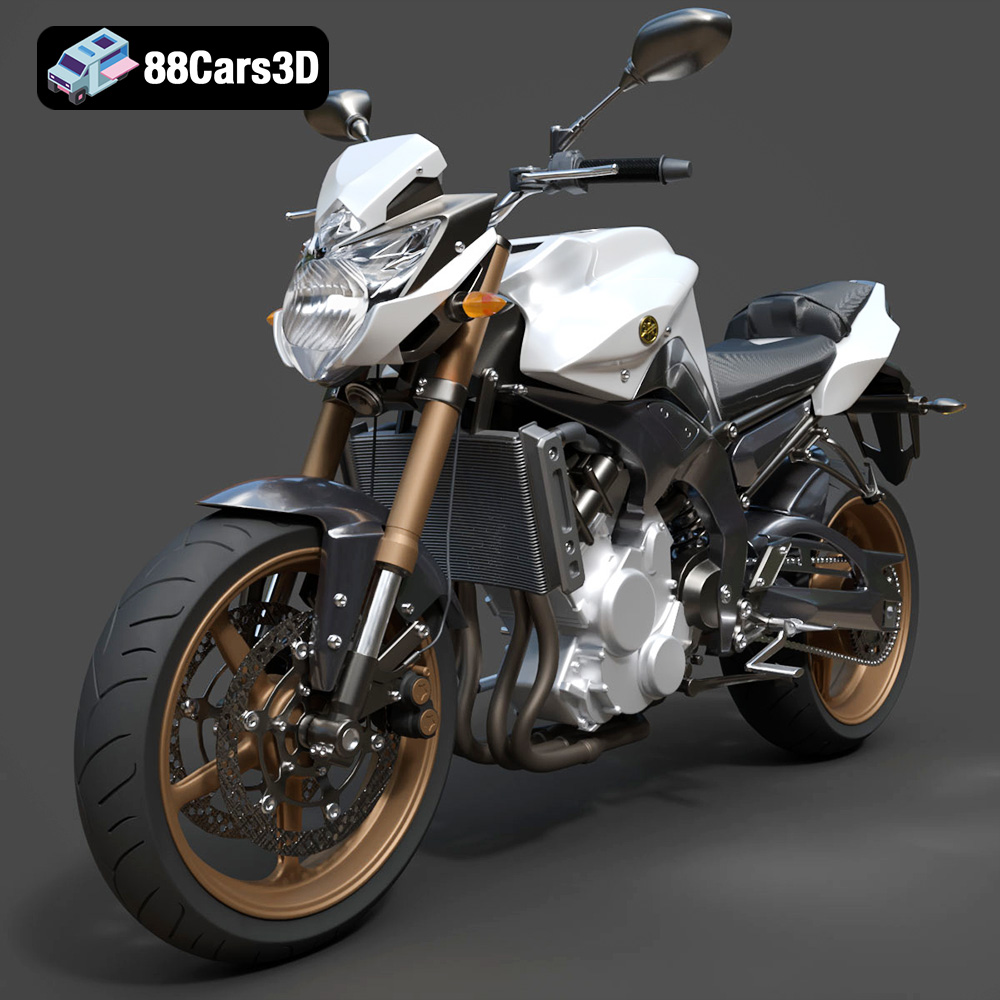
Texture: Yes
Material: Yes
Download the Yamaha FZ8 2011 3D Model featuring clean geometry, realistic detailing, and a fully modeled interior. Includes .blend, .fbx, .obj, .glb, .stl, .ply, .unreal, and .max formats for rendering, simulation, and game development.
Price: $19.99
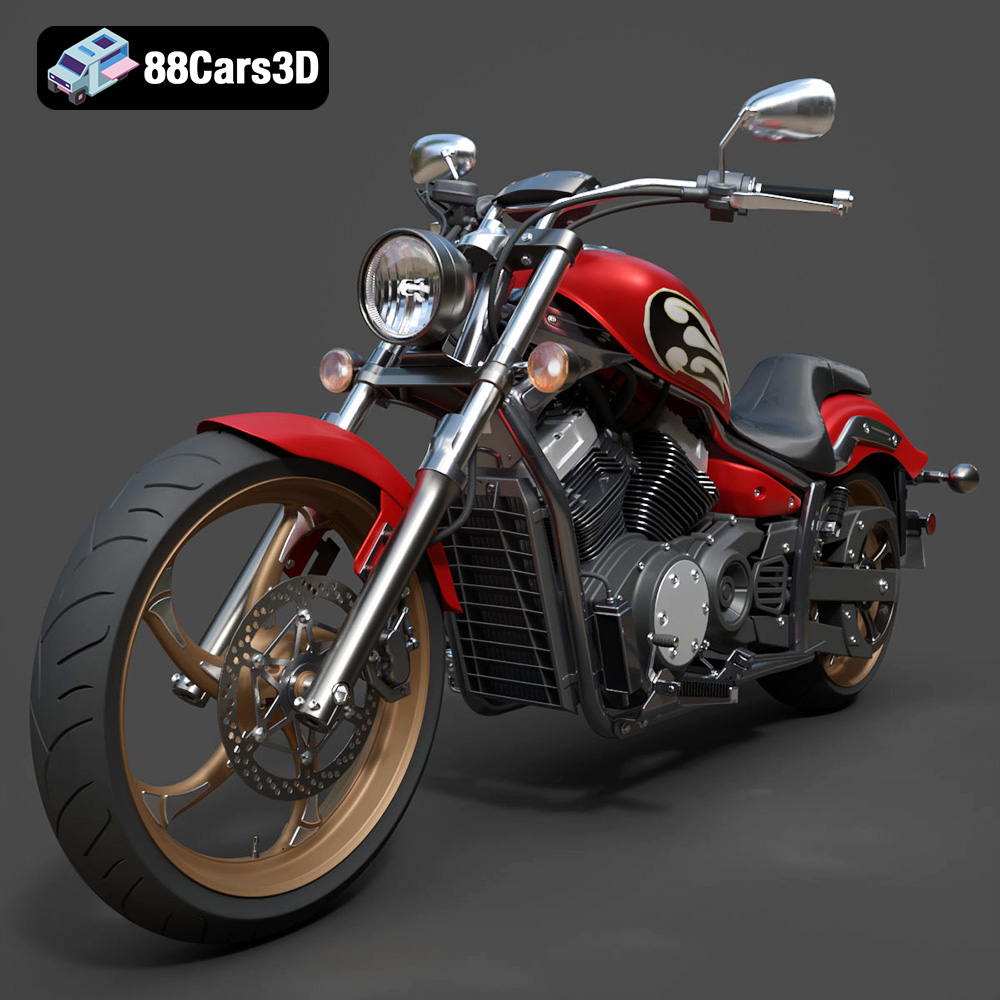
Texture: Yes
Material: Yes
Download the Yamaha Stryker 2012 3D Model featuring clean geometry, realistic detailing, and a fully modeled interior. Includes .blend, .fbx, .obj, .glb, .stl, .ply, .unreal, and .max formats for rendering, simulation, and game development.
Price: $19.99
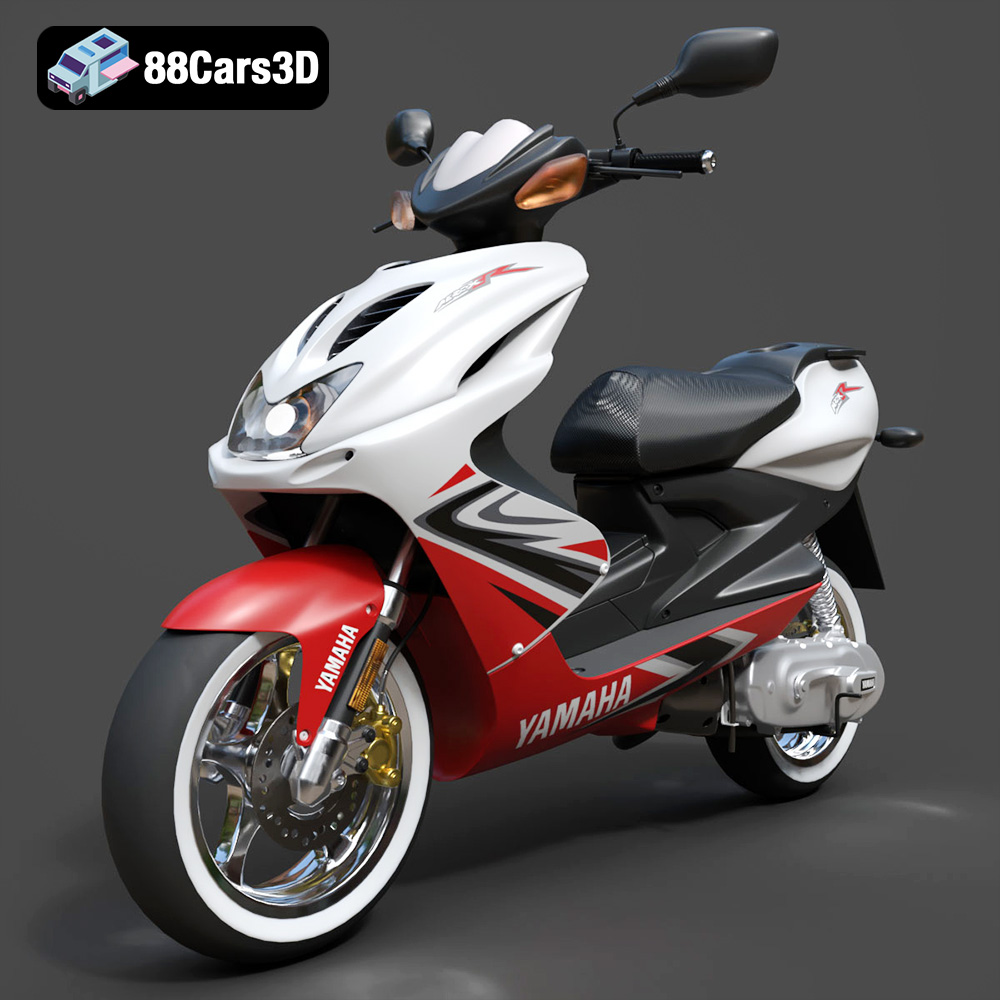
Texture: Yes
Material: Yes
Download the Yamaha Aerox R-002 2024 3D Model featuring clean geometry, realistic detailing, and a fully modeled interior. Includes .blend, .fbx, .obj, .glb, .stl, .ply, .unreal, and .max formats for rendering, simulation, and game development.
Price: $19.99
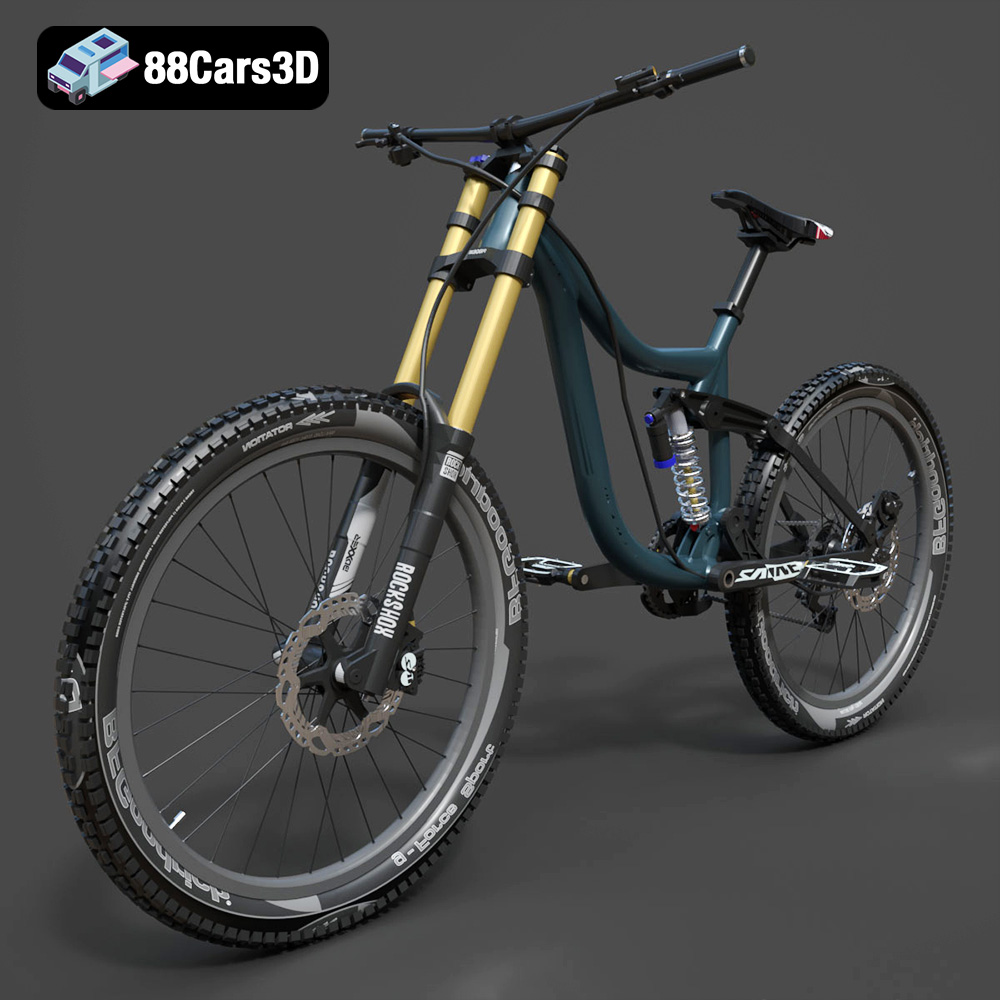
Texture: Yes
Material: Yes
Download the Mototsikly Downhill Bike-002 3D Model featuring clean geometry, realistic detailing, and precise mechanical components. Includes .blend, .fbx, .obj, .glb, .stl, .ply, .unreal, and .max formats for rendering, simulation, and game development.
Price: $19.99
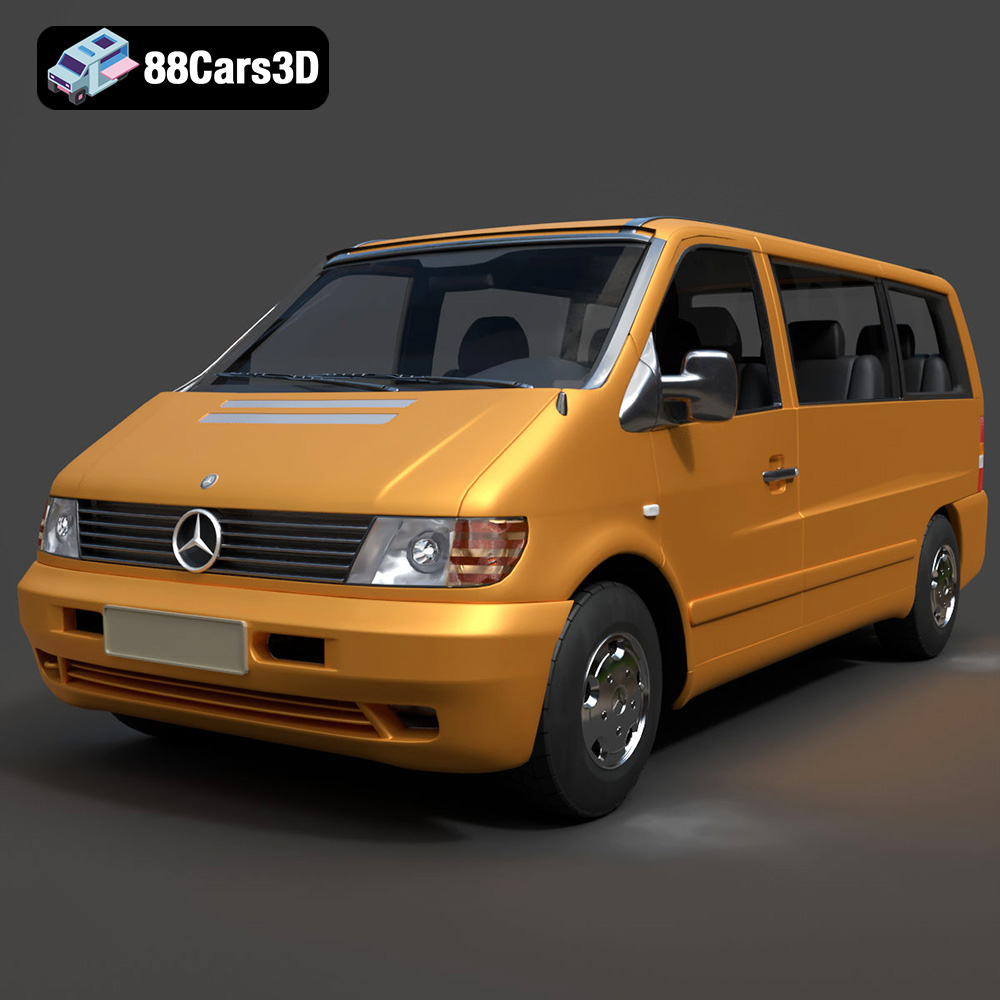
Texture: Yes
Material: Yes
Download the Mercedes-Benz Vito Passenger Van 3D Model featuring clean geometry, realistic detailing, and a fully modeled interior. Includes .blend, .fbx, .obj, .glb, .stl, .ply, .unreal, and .max formats for rendering, simulation, and game development.
Price: $19.99
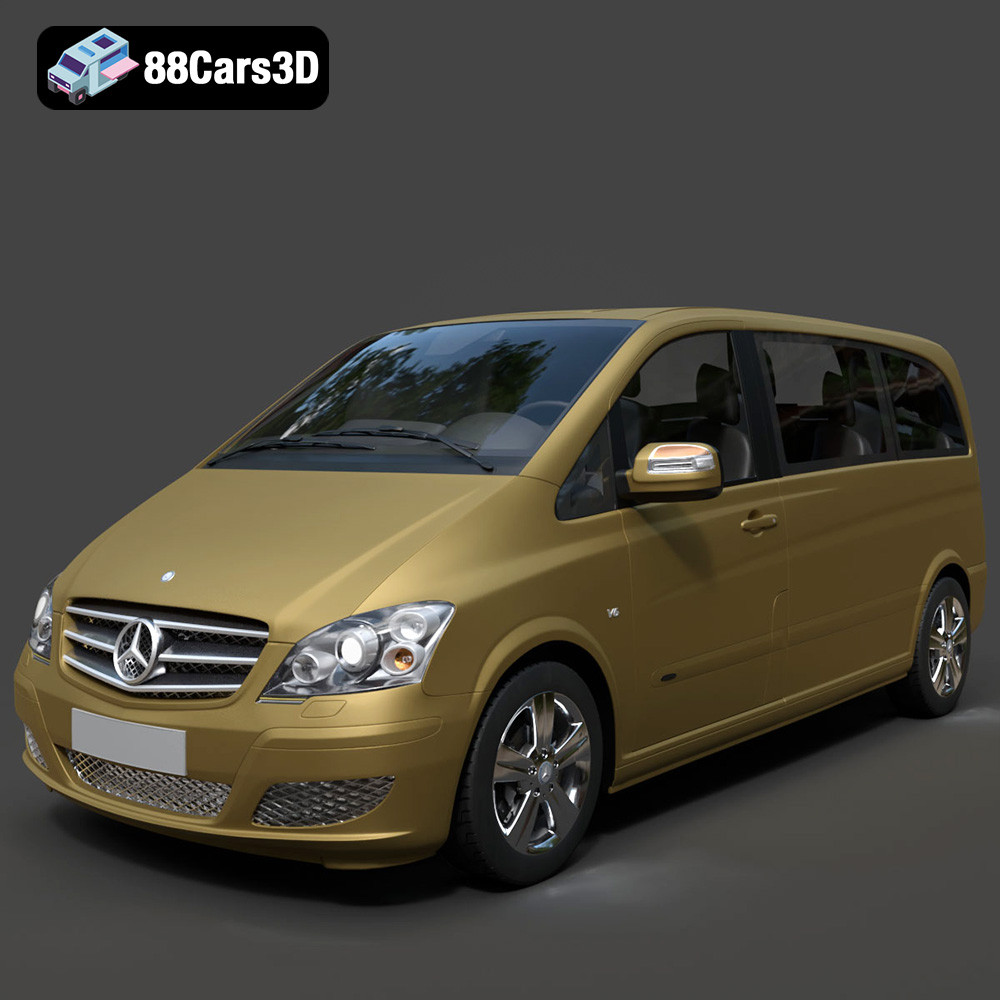
Texture: Yes
Material: Yes
Download the Mercedes-Benz Viano 2010 3D Model featuring clean geometry, realistic detailing, and a fully modeled interior. Includes .blend, .fbx, .obj, .glb, .stl, .ply, .unreal, and .max formats for rendering, simulation, and game development.
Price: $19.99

Texture: Yes
Material: Yes
Download the Emt Avtobus 007 3D Model featuring clean geometry, realistic detailing, and a fully modeled interior. Includes .blend, .fbx, .obj, .glb, .stl, .ply, .unreal, and .max formats for rendering, simulation, and game development.
Price: $19.99
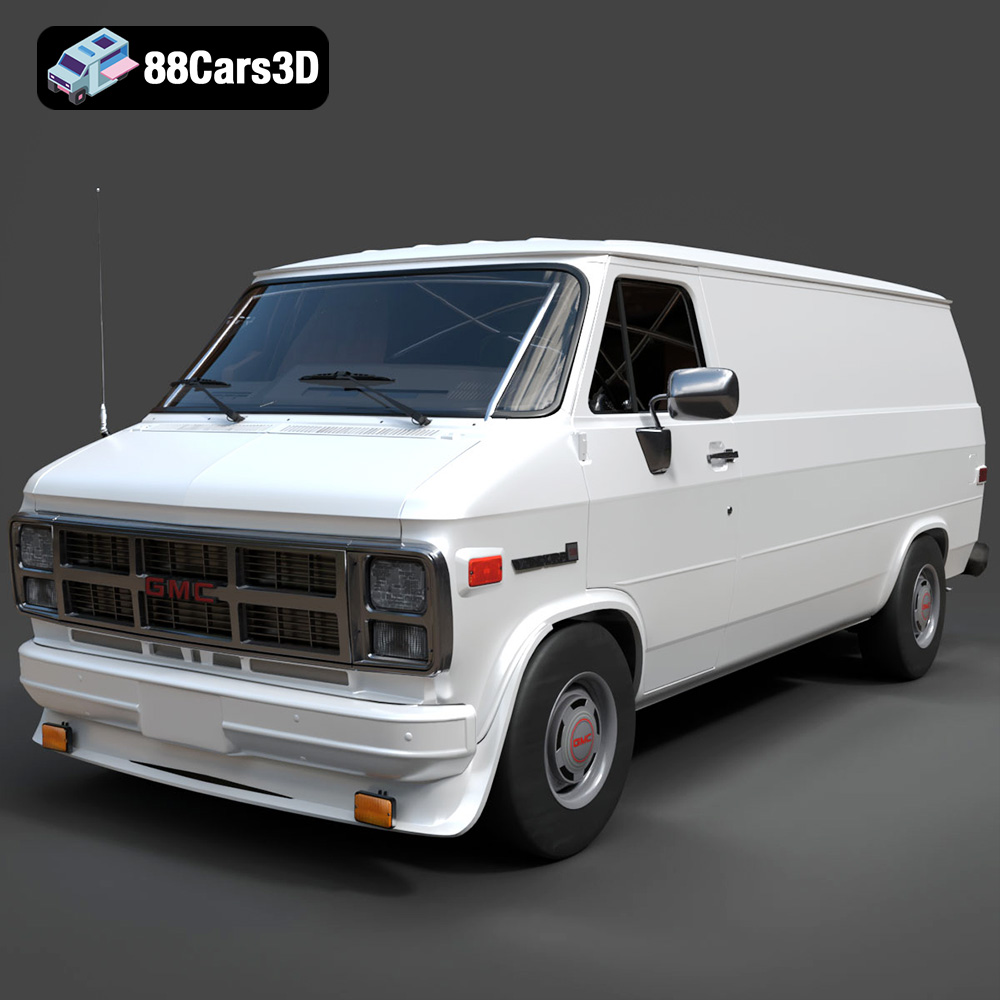
Texture: Yes
Material: Yes
Download the GMC Vandura G-1500 1983 3D Model featuring clean geometry, realistic detailing, and a fully modeled interior. Includes .blend, .fbx, .obj, .glb, .stl, .ply, .unreal, and .max formats for rendering, simulation, and game development.
Price: $19.99
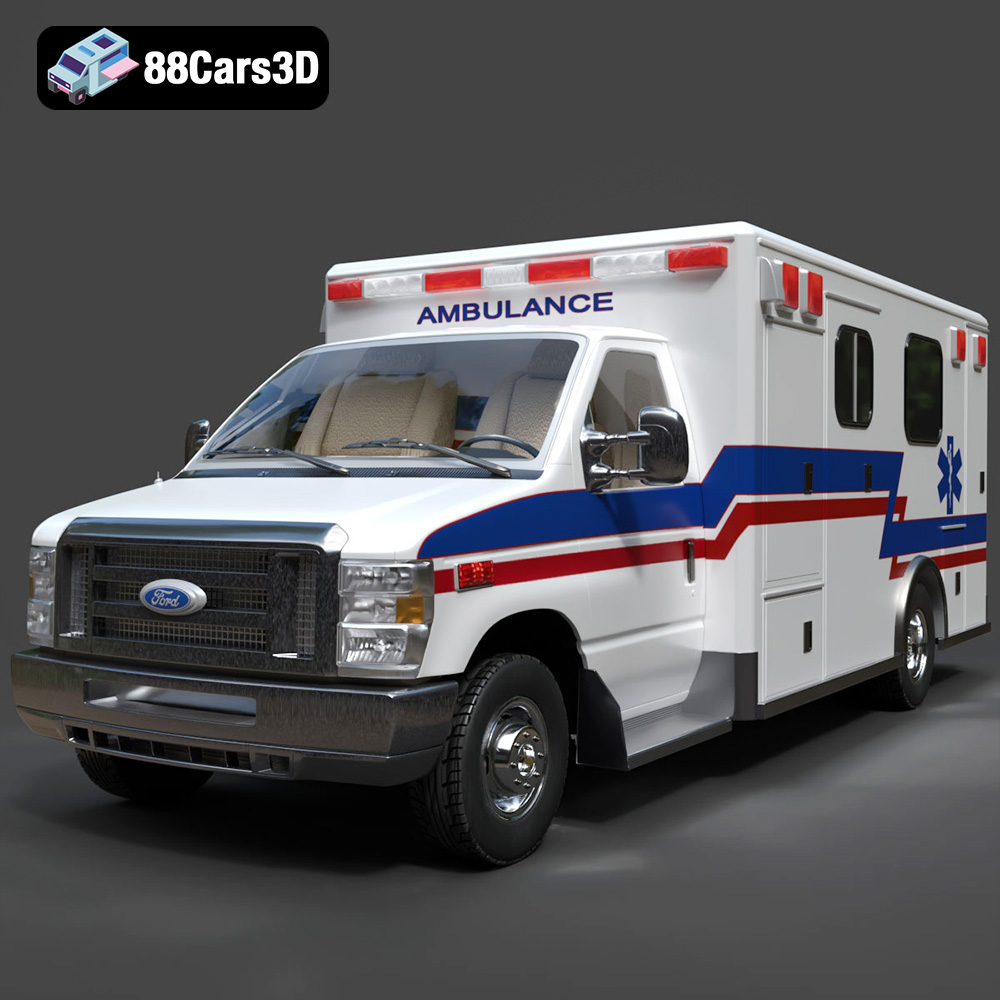
Texture: Yes
Material: Yes
Download the Ford E-450 Ambulance 3D Model featuring clean geometry, realistic detailing, and a fully modeled interior. Includes .blend, .fbx, .obj, .glb, .stl, .ply, .unreal, and .max formats for rendering, simulation, and game development.
Price: $19.99

Texture: Yes
Material: Yes
Download the Fiat Ducato SWB-001 3D Model featuring clean geometry, realistic detailing, and a fully modeled interior. Includes .blend, .fbx, .obj, .glb, .stl, .ply, .unreal, and .max formats for rendering, simulation, and game development.
Price: $19.99

