⚡ FLASH SALE: Get 60% OFF All Premium 3D & STL Models! ⚡

The world of real-time rendering has been perpetually striving for photorealism, and nowhere is this pursuit more critical than in automotive visualization. From showcasing the sleek lines of a concept car to crafting an immersive driving experience in a game, every nuance of light and shadow contributes to the perceived quality and believability of a scene. Traditional real-time lighting often relies on a blend of static pre-baked lightmaps and dynamic real-time lights, a complex and often compromise-laden approach. This is where Unreal Engine’s Lumen Global Illumination steps in, revolutionizing how artists and developers achieve stunning, dynamic lighting with unprecedented realism and efficiency.
Lumen is Unreal Engine’s groundbreaking fully dynamic global illumination and reflections system, designed from the ground up to deliver believable indirect lighting at real-time frame rates. For professionals leveraging high-quality 3D car models, such as those available on platforms like 88cars3d.com, Lumen transforms how vehicles are presented, allowing for exquisite detail and authentic material response in any environment. This deep dive will explore the technical underpinnings of Lumen, guide you through its implementation for automotive visualization, discuss optimization strategies, and showcase how it empowers creators to push the boundaries of real-time photorealism for cars, whether for games, configurators, or virtual production. Prepare to illuminate your automotive projects like never before.
Lumen is not just another lighting solution; it’s a paradigm shift in how global illumination (GI) and reflections are handled in real-time. Before Lumen, achieving realistic bounced light and environmental reflections dynamically was often prohibitively expensive or required complex workarounds. Lumen provides a robust, software ray-tracing solution (with optional hardware ray-tracing acceleration) that solves diffuse indirect illumination and specular reflections for infinite bounces. This means light realistically bounces off surfaces, coloring and illuminating nearby objects, and reflections accurately depict the surrounding environment, all in real-time.
At its heart, Lumen operates by generating a low-resolution representation of the scene called a Global Distance Field (or SDF for Signed Distance Field) and also by capturing scene information into a Lumen Scene. It then uses ray tracing on these representations to calculate how light interacts with the environment. This includes secondary bounces of light, indirect shadows, and diffuse inter-reflection. For reflections, Lumen samples the environment using similar techniques, providing highly accurate reflections on various materials, from metallic car bodies to glossy interiors. This dynamic nature means that as lights or objects move, the indirect lighting and reflections update instantly, eliminating the need for baking lightmaps and offering unparalleled artistic freedom.
Lumen employs a hybrid approach to ray tracing. By default, it uses a highly optimized **software ray tracing** solution, which queries an automatically generated mesh representation of your scene (the Lumen Scene) and voxelized distance fields. This makes Lumen accessible on a wide range of hardware, including systems without dedicated ray tracing cores. While highly performant, this method has limitations in fidelity, especially with very fine detail or complex geometry.
For even higher quality and more accurate results, Lumen can leverage **hardware ray tracing** on compatible GPUs. When enabled, Lumen uses the GPU’s dedicated ray tracing cores to perform direct ray casts against the actual scene geometry. This provides significantly more accurate indirect lighting and reflections, especially for complex details, transparent materials, and precise shadows. The choice between software and hardware ray tracing depends on your target platform, desired visual fidelity, and performance budget. For high-end automotive visualization, especially in offline rendering quality real-time environments, hardware ray tracing with Lumen is often the preferred choice. You can toggle hardware ray tracing for Lumen in your Project Settings under Engine > Rendering > Lumen.
Two fundamental concepts underpin Lumen’s operation:
Understanding these components helps in optimizing your scene for Lumen, ensuring that your automotive assets are correctly represented and contribute accurately to the global illumination solution.
Integrating Lumen into an Unreal Engine project for automotive visualization requires a few crucial steps, starting with project settings and moving into specific light configurations. A well-configured project ensures Lumen performs optimally and delivers the visual quality expected for showcasing high-end 3D car models.
First, enable Lumen in your project settings. Navigate to **Edit > Project Settings**, then under **Engine > Rendering**, find the **Global Illumination** and **Reflections** sections. Set both to **Lumen**. You’ll typically need to restart the editor for these changes to take full effect. It’s also advisable to enable **Hardware Ray Tracing** in the same section if your target hardware supports it and you’re aiming for the highest fidelity. This will unlock a significant quality boost for Lumen’s GI and reflections, especially for detailed automotive models.
Once Lumen is enabled, your lighting workflow will dramatically change. You can now rely almost entirely on dynamic lights. Traditional lightmap baking becomes largely obsolete for general scene illumination, though static meshes can still be set to *Static* if you want them to be included in precomputed lighting, which can be useful for performance in very specific scenarios, but generally, *Movable* or *Stationary* lights are preferred with Lumen.
For automotive scenes, a combination of lights is typically used to highlight various aspects of the vehicle and its environment:
It’s important to understand that Lumen requires objects to be part of its scene to contribute to GI and reflections. For dynamic objects like your 3D car models from 88cars3d.com, ensure they are set to **Movable** mobility. For static background elements, setting them to **Movable** is also generally recommended for full Lumen interactivity, though *Stationary* can work if they don’t move and you don’t need dynamic light bounce contribution from them.
The Post-Process Volume is your control panel for fine-tuning Lumen’s visual output. Inside a Post-Process Volume:
Experiment with these settings to achieve the desired look and balance for your specific automotive scene, keeping in mind that higher quality settings often come with a performance cost. For deeper technical details on these settings, the official Unreal Engine documentation (https://dev.epicgames.com/community/unreal-engine/learning) provides comprehensive explanations.
High-quality 3D car models, such as those found on 88cars3d.com, are the foundation of stunning automotive visualization. However, even the most detailed models require careful optimization to perform efficiently with Lumen and maintain high frame rates in Unreal Engine. Lumen’s reliance on scene geometry means that properly prepared assets are crucial for both visual fidelity and performance.
One of the most significant advancements for handling detailed models in Unreal Engine is **Nanite**. Nanite is Unreal Engine’s virtualized geometry system that allows artists to import film-quality assets with billions of polygons directly into the engine without significant performance loss. For automotive visualization, this is a game-changer. High-fidelity car models, complete with intricate interiors, complex engine bays, and detailed chassis, can be directly integrated. Nanite automatically handles LODs and culling, streaming only the necessary triangle data at an optimal resolution. This means your high-polygon car models will look incredibly detailed up close while maintaining performance at a distance, making them ideal for Lumen to calculate accurate GI and reflections.
To enable Nanite on your car models:
With Nanite, Lumen can query highly detailed geometry directly for its hardware ray tracing passes, leading to incredibly accurate bounced light and reflections on complex car surfaces without the traditional performance hit of high-poly meshes.
Lumen’s power is amplified by well-crafted Physically Based Rendering (PBR) materials. For 3D car models, this means ensuring your materials accurately represent real-world car paint, glass, rubber, leather, and metallic components.
When sourcing automotive assets from marketplaces such as 88cars3d.com, always prioritize models that come with clean topology, well-defined PBR materials, and optimized UV layouts. These qualities significantly ease the integration and optimization process within Unreal Engine and allow Lumen to truly shine.
While Nanite largely negates the need for manual LODs for geometry, LODs are still relevant for non-Nanite meshes (e.g., translucent meshes, specific smaller props, or if you disable Nanite for certain parts) and for **material complexity**. If you have very complex car materials with multiple layers and heavy shader instructions, you might consider creating simpler material instances for distant LODs.
For Lumen itself, manage performance by:
Balancing visual fidelity with real-time performance is an ongoing task. Regularly profile your scene using Unreal Engine’s built-in profilers (e.g., GPU Visualizer, Stat GPU, Stat Unit) to identify bottlenecks and make informed optimization decisions.
Lumen’s dynamic nature unlocks powerful possibilities beyond traditional static renders, particularly in automotive visualization. Its real-time global illumination and reflections are transformative for interactive experiences and cutting-edge virtual production pipelines.
For **automotive configurators**, Lumen is indispensable. Imagine a user seamlessly changing a car’s color, swapping out wheel designs, or even opening doors and viewing the interior, all with instantaneous, accurate lighting updates. Blueprint visual scripting, combined with Lumen, makes this highly achievable. You can set up Blueprint logic to swap material instances on the car body based on user input, and Lumen will instantly update the diffuse bounce light and reflections, showing how the new paint job reacts to the environment. Similarly, opening car doors (by animating skeletal meshes or transforming static meshes) will correctly reveal the illuminated interior, complete with bounced light from internal materials. This level of real-time fidelity is crucial for convincing customers and enhancing the configurator experience.
An advanced technique involves using **Lumen for interior lighting scenarios**. Instead of baking multiple lightmaps for various door states (open/closed), Lumen handles it all dynamically. When a user opens a car door, light from the exterior floods into the cabin, illuminates surfaces, and bounces off the interior trim – all without any pre-computation. This realism greatly enhances the immersion and utility of real-time configurators and virtual showrooms.
Lumen shines in **virtual production environments**, especially those involving large LED walls. When a physical car is placed in front of an LED wall displaying a virtual environment rendered in Unreal Engine, Lumen ensures that the virtual background’s lighting realistically affects the physical car. Light from the virtual sky, virtual sun, and even indirect bounces from virtual ground surfaces will appear to illuminate the car, creating a seamless blend between the physical and digital.
This integration requires careful calibration of the LED wall’s color and intensity output to match the virtual scene’s lighting in Unreal. Lumen’s real-time GI removes the laborious process of trying to match physical lighting to pre-baked light environments, allowing for on-the-fly adjustments to lighting conditions. Furthermore, if you are compositing a digital car into a virtual environment, Lumen ensures the digital car reacts perfectly to the virtual light, making it indistinguishable from a physically present asset.
Key considerations for Lumen in Virtual Production:
This application truly demonstrates Lumen’s capability to deliver cinematic-quality lighting in a dynamic, real-time setting, blurring the lines between the physical and virtual for groundbreaking automotive film and advertising.
While Lumen delivers incredible visual fidelity, achieving optimal performance, especially for demanding automotive scenes, requires strategic optimization. Lumen can be quite resource-intensive, and understanding its performance profile is key to delivering smooth, high-frame-rate experiences.
The primary performance bottleneck for Lumen often lies in its ray tracing computations. The complexity of your scene geometry and materials directly impacts these calculations. Using **Nanite** for your high-poly car models is often the most significant optimization you can make, as it provides a highly optimized geometric representation for Lumen’s ray queries, especially when hardware ray tracing is enabled. Without Nanite, Lumen would have to trace against the full poly count, which can quickly become a performance killer.
Another major factor is the **resolution and quality of Lumen’s internal representations**. Higher-quality settings (e.g., `Final Gather Quality` in the Post-Process Volume) mean more rays, larger data structures, and thus, more GPU cycles. Tuning these settings to the minimum acceptable visual quality for your target platform is crucial.
Regularly use Unreal Engine’s profiling tools such as the **GPU Visualizer** (`stat gpu`), **Stat Unit** (`stat unit`), and **Stat Lumen** (`stat lumen`) to pinpoint performance bottlenecks. The `stat lumen` command is particularly useful as it breaks down Lumen’s specific costs, helping you understand where to focus your optimization efforts.
Developing real-time automotive experiences for AR/VR presents unique performance challenges, primarily due to the need for very high, stable frame rates (typically 90 FPS or higher) and rendering for two eyes. While Lumen can provide stunning visuals in VR, it often requires more aggressive optimization.
Balancing the immersive quality of Lumen with the stringent performance demands of AR/VR is a continuous optimization challenge. However, the visual gains in realism can significantly enhance the perceived quality of virtual car showrooms and interactive driving simulations.
Lumen doesn’t exist in a vacuum; its true power is unleashed when combined with other robust features within Unreal Engine. This synergy allows for creating truly immersive, dynamic, and cinematic automotive experiences.
**Blueprint Visual Scripting** is the cornerstone of interactivity. We’ve already touched on its role in configurators, but Blueprint also allows you to dynamically control Lumen’s parameters, toggle lighting scenarios, or trigger specific Lumen-aware effects. For instance, a Blueprint could detect a car entering a tunnel and smoothly transition from a bright exterior Lumen setup to a darker, more contained interior lighting environment, perhaps with additional local lights activating inside the tunnel. This level of dynamic control over lighting based on game logic or user interaction is incredibly powerful for automotive experiences.
**Sequencer**, Unreal Engine’s powerful cinematic tool, works seamlessly with Lumen. When creating high-fidelity automotive cinematics – be it a commercial, a showcase video, or cutscenes for a game – Lumen ensures that every frame has perfectly rendered global illumination and reflections. As your camera moves, as lights change (e.g., a time-lapse of the sun across a car), or as objects interact, Lumen provides instant, real-time updates to the lighting. This drastically reduces the time and effort traditionally spent on rendering multiple passes or baking complex lightmaps for animation. With Sequencer, you can keyframe Lumen’s Post-Process Volume settings or individual light properties to create stunning, dynamic lighting narratives for your car projects.
Integrating realistic **physics simulation and vehicle dynamics** with Lumen creates highly believable interactive experiences. Imagine a car driving through a dusty road, and the dust particles (created with Niagara) realistically illuminate with bounced light from the car and environment, casting subtle shadows. When the car hits a puddle, Lumen’s reflections instantly update to show the distorted environment. As tires kick up spray, the particles are lit accurately by the scene’s global illumination.
**Niagara**, Unreal Engine’s advanced particle system, benefits significantly from Lumen. When creating smoke, fire, water splashes, or even subtle dust motes around a car, Lumen ensures these effects are correctly lit by the scene’s indirect light. A car exhaust emitting heat haze, for example, will accurately receive light and contribute to subtle lighting changes in its immediate environment, adding another layer of realism. This integration is crucial for creating convincing environmental interactions and visual flair in automotive games or simulations.
The combination of Lumen with these features extends the applications of Unreal Engine for automotive far beyond traditional rendering:
The synergy between Lumen and the broader Unreal Engine ecosystem empowers developers and artists to craft experiences that were once confined to pre-rendered CGI, now running beautifully in real-time.
Lumen Global Illumination represents a monumental leap forward for real-time rendering, particularly for industries where visual fidelity is paramount, such as automotive visualization. Its ability to deliver dynamic, high-quality indirect lighting and reflections without the cumbersome process of lightmap baking fundamentally changes the workflow for 3D artists and developers. From accentuating the sleek contours of a meticulously crafted 3D car model from 88cars3d.com to creating fully interactive configurators and seamless virtual production environments, Lumen empowers creators to achieve cinematic realism at real-time frame rates.
We’ve explored Lumen’s technical underpinnings, walked through its essential setup, discussed how to optimize your high-quality car models with Nanite and PBR materials, and delved into advanced applications for interactive experiences and virtual production. While demanding, strategic optimization through understanding Lumen’s core mechanics and leveraging profiling tools ensures scalable performance across diverse platforms. When combined with other powerful Unreal Engine features like Blueprint, Sequencer, and Niagara, Lumen truly unlocks an unparalleled level of visual sophistication, transforming how we perceive and interact with digital automotive content.
Embracing Lumen isn’t just about achieving prettier visuals; it’s about unlocking creative freedom, accelerating workflows, and delivering more immersive, believable experiences for clients and audiences alike. The future of automotive visualization is dynamically lit, and Lumen is leading the charge. Start integrating Lumen into your next Unreal Engine automotive project today, and witness the transformative power of true real-time global illumination.
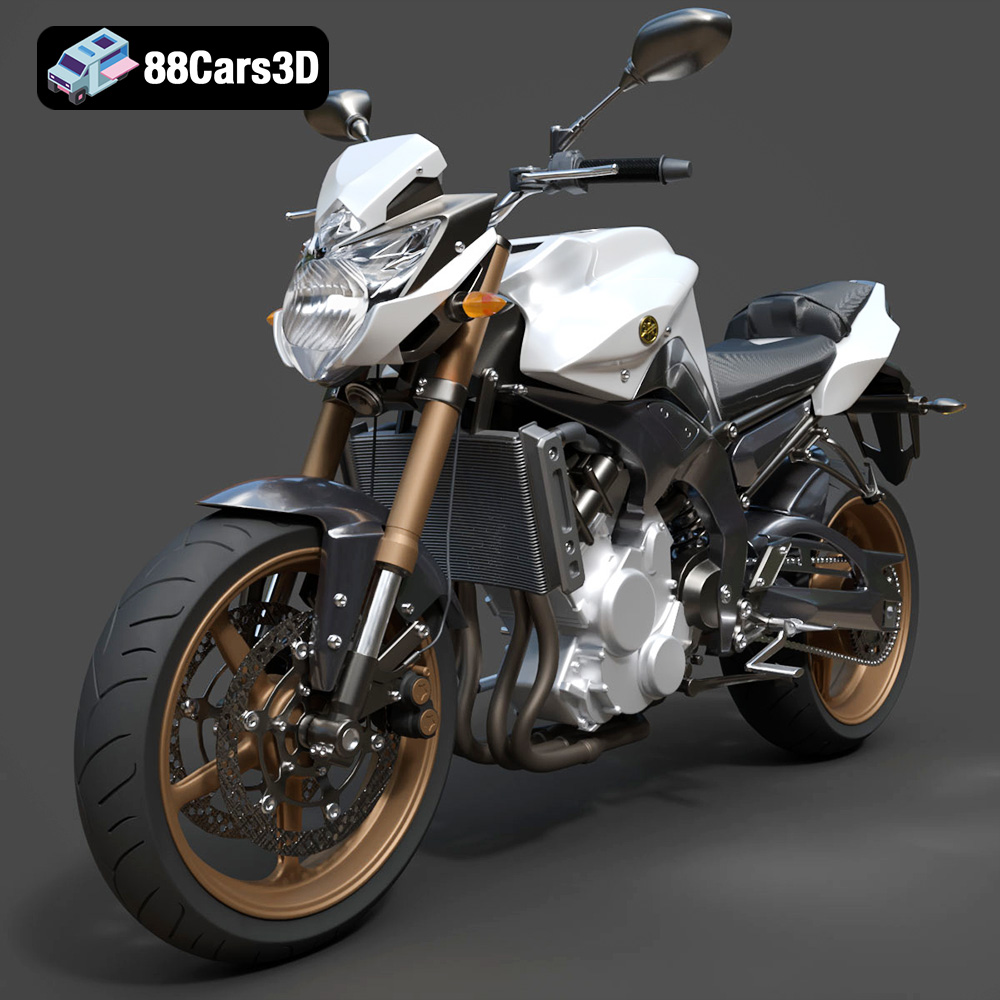
Texture: Yes
Material: Yes
Download the Yamaha FZ8 2011 3D Model featuring clean geometry, realistic detailing, and a fully modeled interior. Includes .blend, .fbx, .obj, .glb, .stl, .ply, .unreal, and .max formats for rendering, simulation, and game development.
Price: $19.99
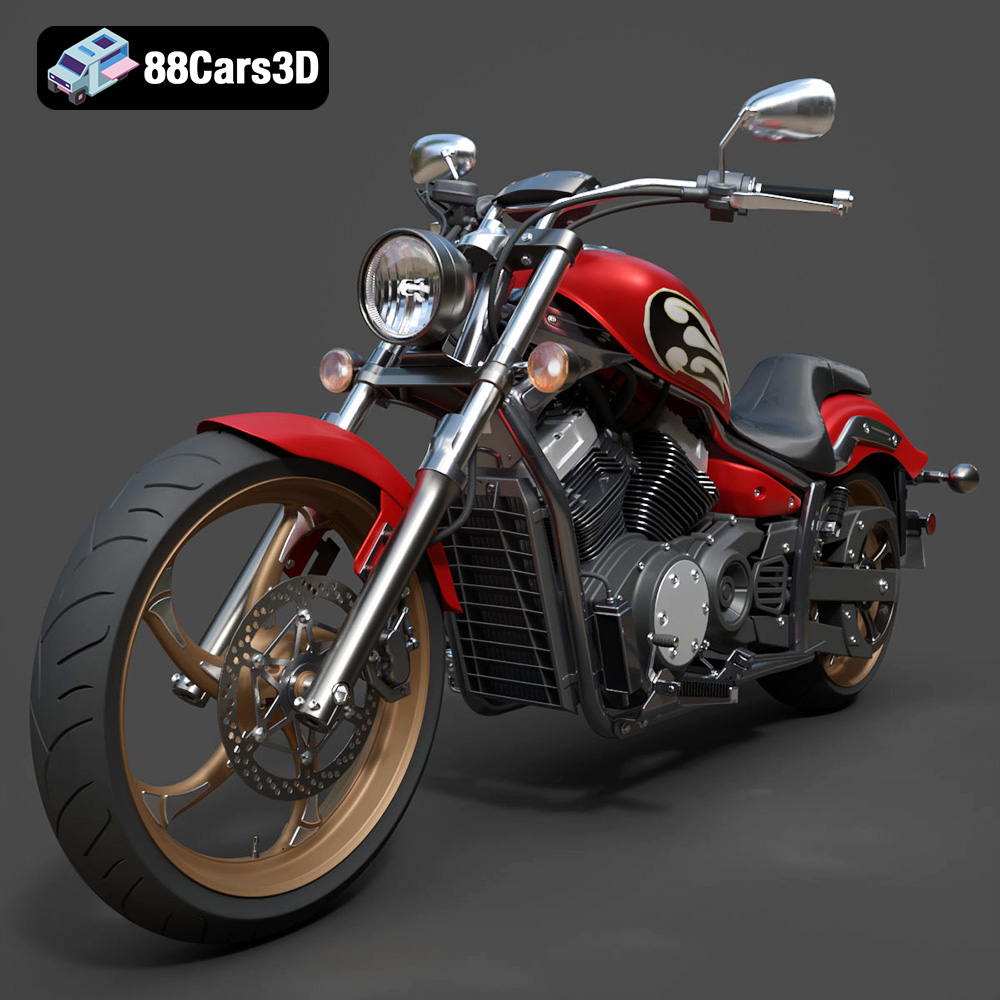
Texture: Yes
Material: Yes
Download the Yamaha Stryker 2012 3D Model featuring clean geometry, realistic detailing, and a fully modeled interior. Includes .blend, .fbx, .obj, .glb, .stl, .ply, .unreal, and .max formats for rendering, simulation, and game development.
Price: $19.99
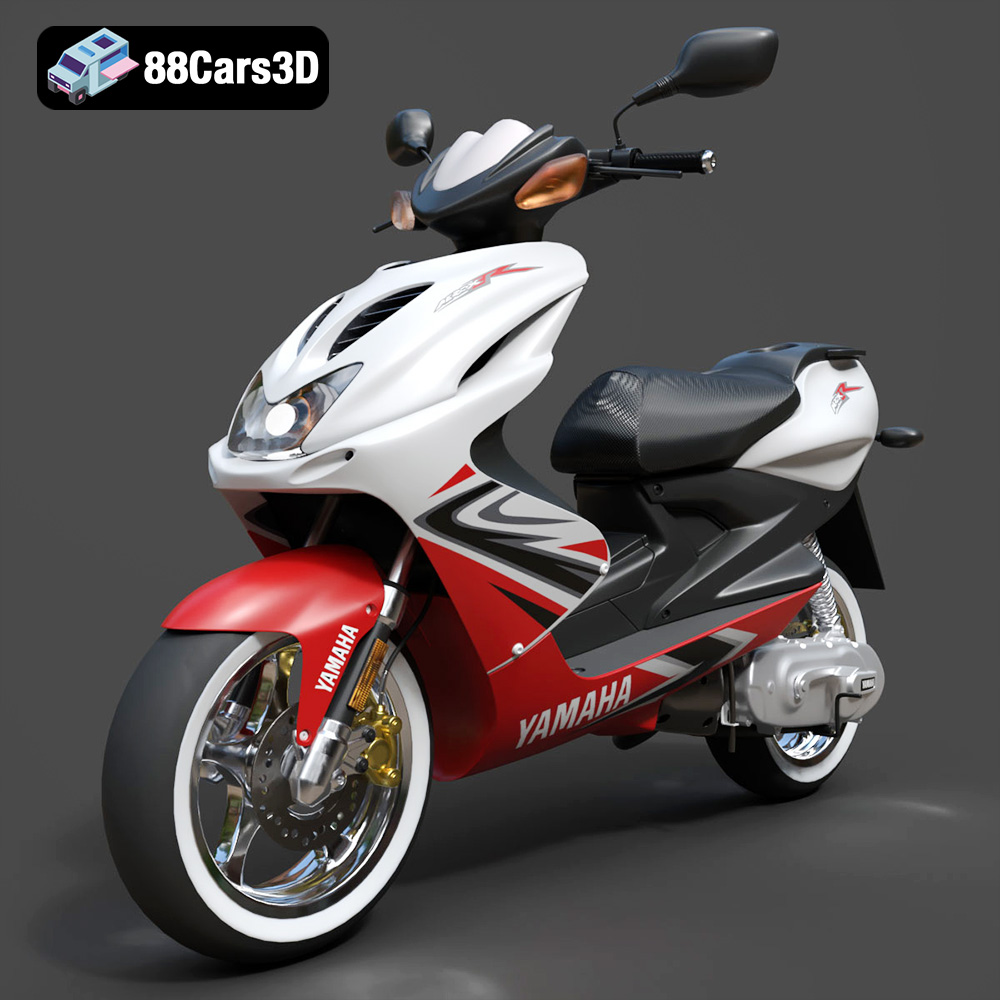
Texture: Yes
Material: Yes
Download the Yamaha Aerox R-002 2024 3D Model featuring clean geometry, realistic detailing, and a fully modeled interior. Includes .blend, .fbx, .obj, .glb, .stl, .ply, .unreal, and .max formats for rendering, simulation, and game development.
Price: $19.99
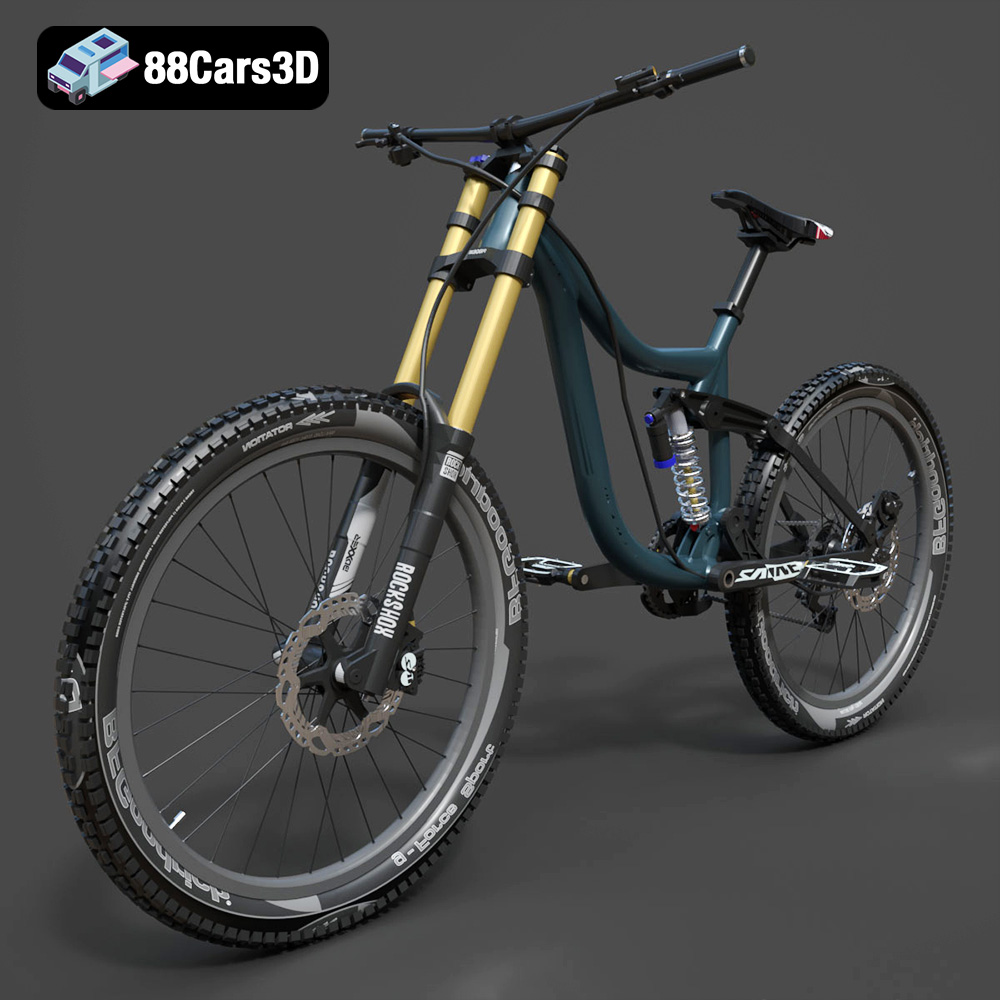
Texture: Yes
Material: Yes
Download the Mototsikly Downhill Bike-002 3D Model featuring clean geometry, realistic detailing, and precise mechanical components. Includes .blend, .fbx, .obj, .glb, .stl, .ply, .unreal, and .max formats for rendering, simulation, and game development.
Price: $19.99
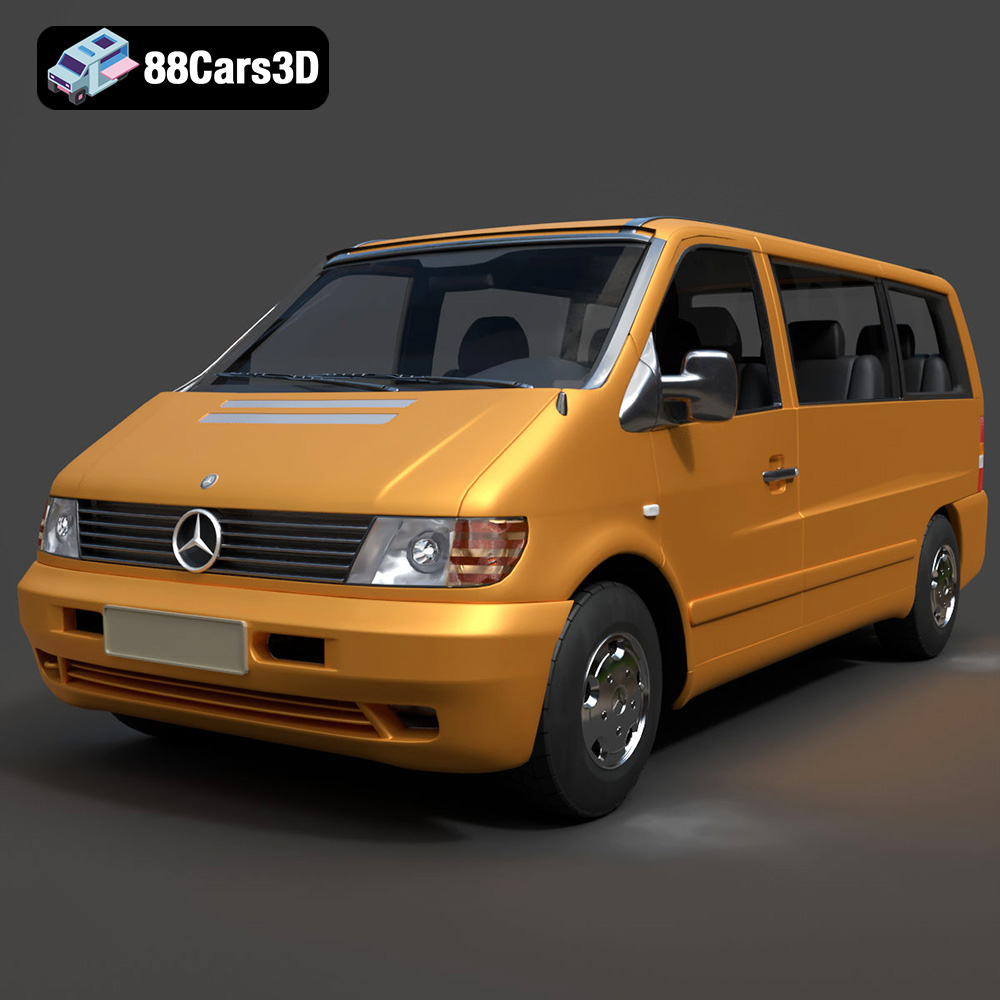
Texture: Yes
Material: Yes
Download the Mercedes-Benz Vito Passenger Van 3D Model featuring clean geometry, realistic detailing, and a fully modeled interior. Includes .blend, .fbx, .obj, .glb, .stl, .ply, .unreal, and .max formats for rendering, simulation, and game development.
Price: $19.99
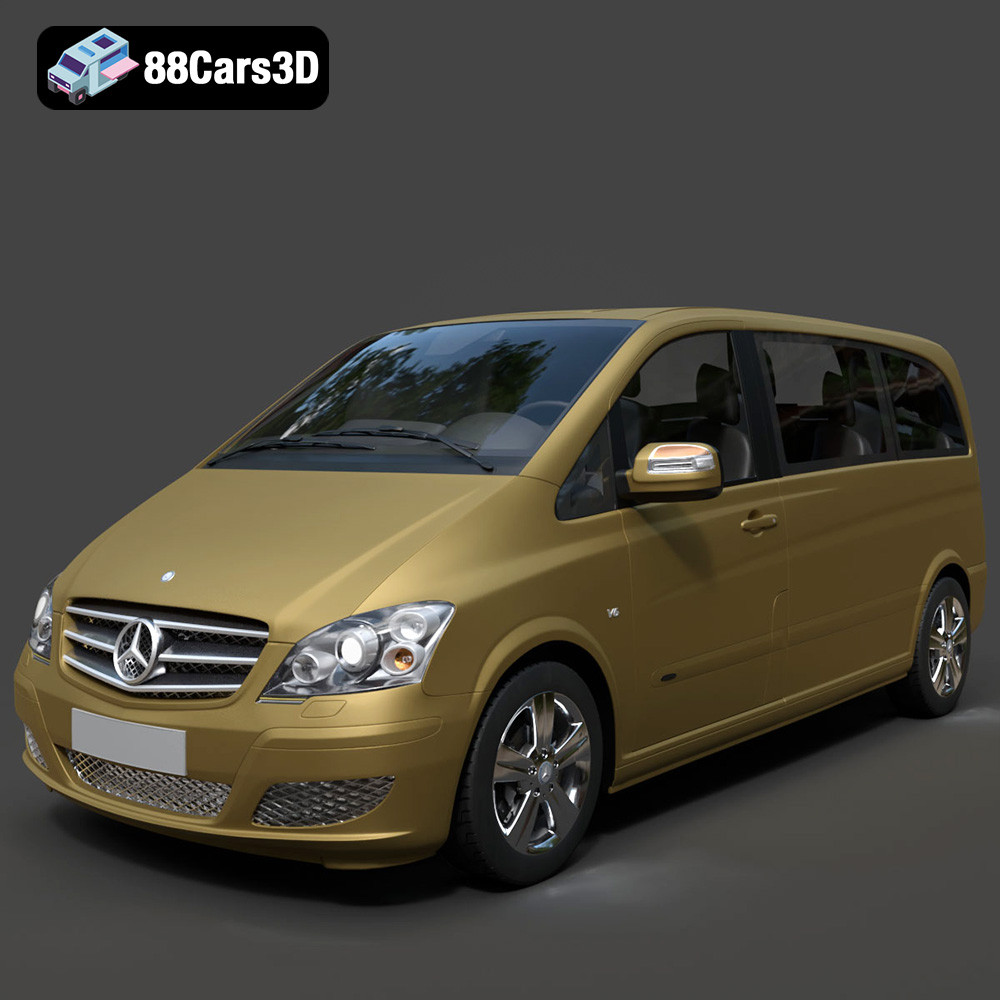
Texture: Yes
Material: Yes
Download the Mercedes-Benz Viano 2010 3D Model featuring clean geometry, realistic detailing, and a fully modeled interior. Includes .blend, .fbx, .obj, .glb, .stl, .ply, .unreal, and .max formats for rendering, simulation, and game development.
Price: $19.99

Texture: Yes
Material: Yes
Download the Emt Avtobus 007 3D Model featuring clean geometry, realistic detailing, and a fully modeled interior. Includes .blend, .fbx, .obj, .glb, .stl, .ply, .unreal, and .max formats for rendering, simulation, and game development.
Price: $19.99
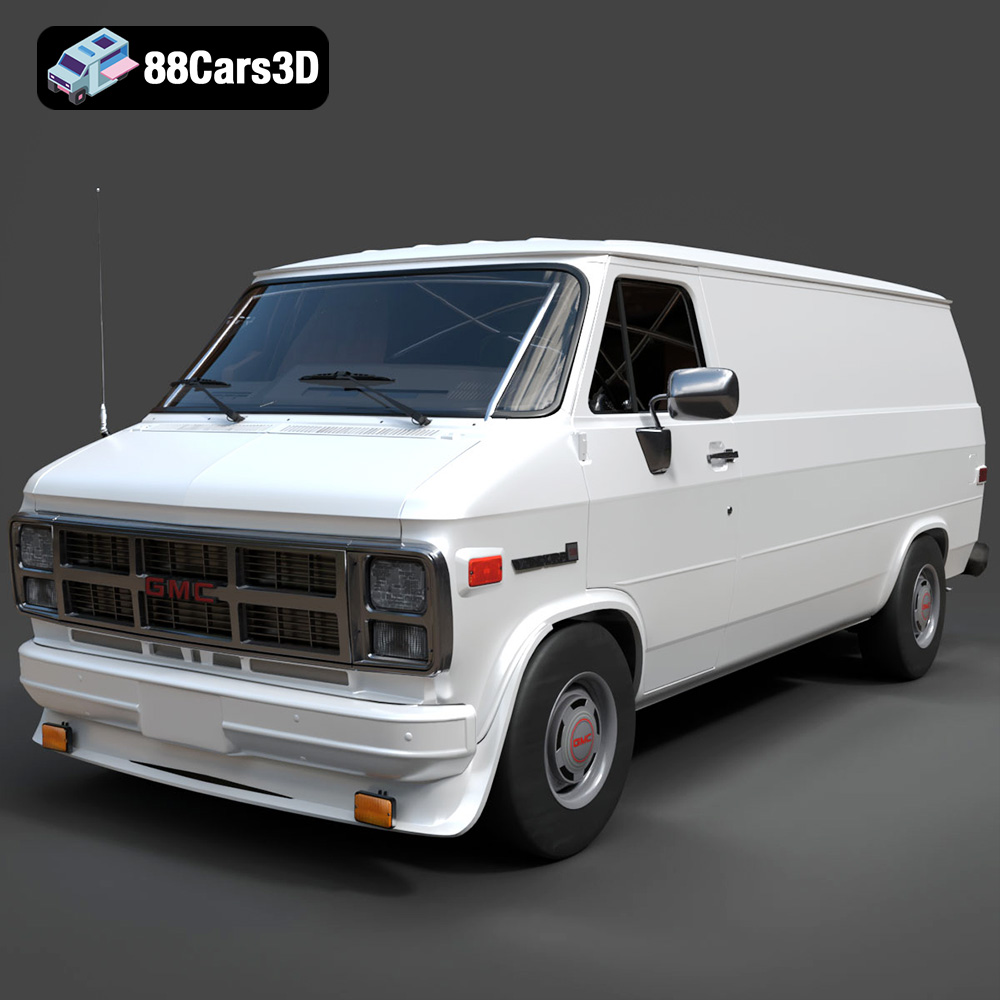
Texture: Yes
Material: Yes
Download the GMC Vandura G-1500 1983 3D Model featuring clean geometry, realistic detailing, and a fully modeled interior. Includes .blend, .fbx, .obj, .glb, .stl, .ply, .unreal, and .max formats for rendering, simulation, and game development.
Price: $19.99
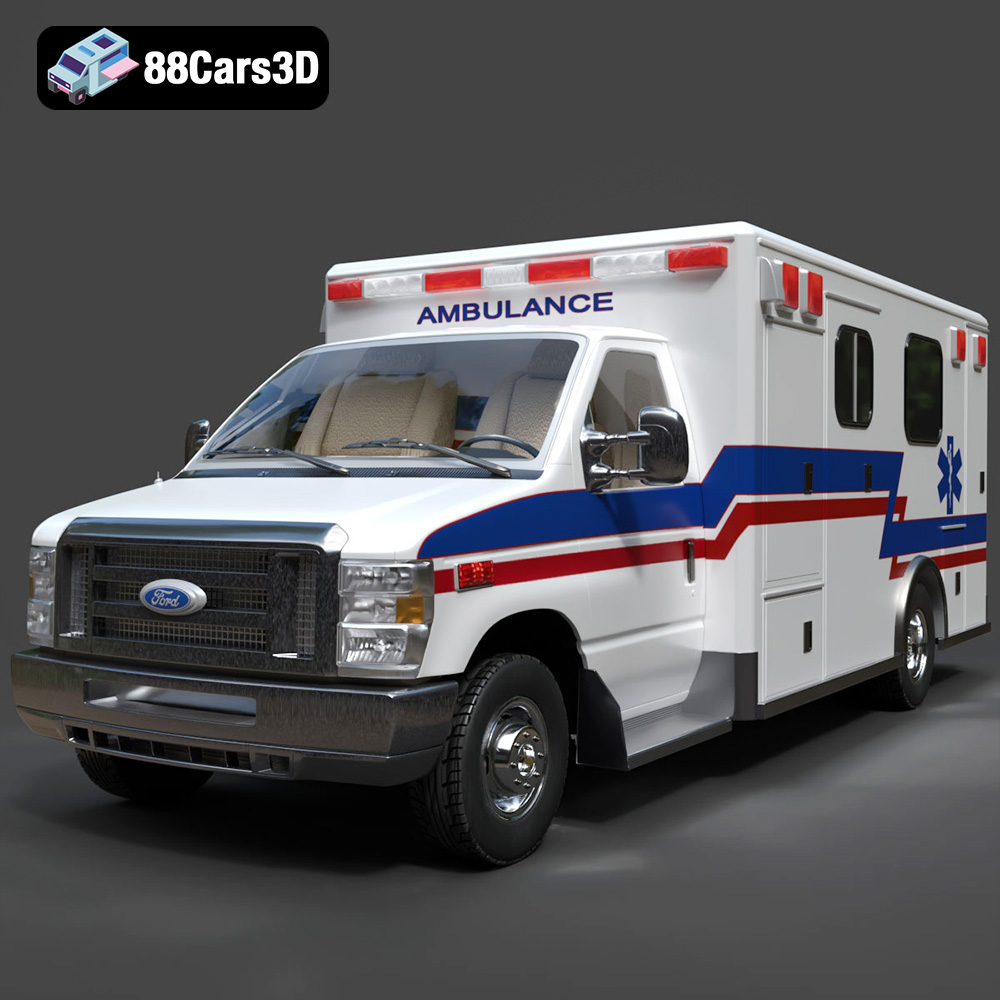
Texture: Yes
Material: Yes
Download the Ford E-450 Ambulance 3D Model featuring clean geometry, realistic detailing, and a fully modeled interior. Includes .blend, .fbx, .obj, .glb, .stl, .ply, .unreal, and .max formats for rendering, simulation, and game development.
Price: $19.99

Texture: Yes
Material: Yes
Download the Fiat Ducato SWB-001 3D Model featuring clean geometry, realistic detailing, and a fully modeled interior. Includes .blend, .fbx, .obj, .glb, .stl, .ply, .unreal, and .max formats for rendering, simulation, and game development.
Price: $19.99

