⚡ FLASH SALE: Get 60% OFF All Premium 3D & STL Models! ⚡

The allure of a perfectly rendered car model lies in its intricate details, flawless curves, and realistic materials. For years, capturing such fidelity required immense manual sculpting and painstaking attention to detail from 3D artists. However, with the advancements in photogrammetry, a revolutionary technique has emerged, allowing artists to translate the real world into breathtaking digital assets with unprecedented accuracy. This comprehensive guide delves deep into the world of automotive photogrammetry, equipping 3D artists, game developers, automotive designers, and visualization professionals with the knowledge to transform real vehicles into high-quality 3D car models. Whether you’re aiming for hyper-realistic renders, optimized game assets, or precise models for AR/VR, understanding the nuances of photogrammetry is a game-changer. We’ll explore everything from data acquisition to intricate retopology, PBR material creation, and optimization strategies, ensuring your digital vehicles stand out in any application.
Photogrammetry is the science of making measurements from photographs, and in 3D modeling, it involves converting a series of overlapping images into a 3D model. For automotive applications, this means capturing every angle and detail of a vehicle to reconstruct its precise geometry and texture. The process is incredibly powerful because it inherently captures the real-world complexities that are often difficult to replicate manually, such as subtle surface imperfections, unique reflections, and intricate panel gaps. This foundational understanding is crucial before diving into the more technical aspects of the workflow.
The journey from a physical car to a digital 3D model through photogrammetry typically follows a structured pipeline:
While photogrammetry offers unparalleled realism, vehicles present unique challenges. The primary advantage is the ability to capture exact real-world dimensions and surface characteristics, including subtle curves and paint finishes, with high fidelity. This ensures that the digital model is a faithful representation of its physical counterpart, a huge boon for product visualization and historical preservation.
However, challenges abound: highly reflective surfaces (glossy paint, chrome), transparent elements (windows, headlights), and dark, light-absorbing areas (tires, undercarriage) can confuse photogrammetry algorithms. Reflections can cause features to appear in different locations across multiple photos, leading to alignment errors or “ghosting” in the mesh. Proper preparation, specialized lighting, and careful shooting techniques are essential to overcome these hurdles, transforming potential pitfalls into opportunities for stunning realism.
The success of any photogrammetry project hinges on the quality and comprehensiveness of the data acquisition phase. For automotive models, this means meticulously planning your shoot to capture every facet of the vehicle while mitigating common issues like reflections and lighting inconsistencies. This stage demands patience, technical understanding, and an eye for detail.
Investing in suitable equipment is crucial. A DSLR or mirrorless camera with a high-resolution sensor (24 MP or more) and a fixed focal length lens (e.g., 35mm or 50mm equivalent) is ideal for minimizing distortion. Shoot in RAW format to retain maximum image data for post-processing. Key camera settings include:
Controlling the environment is equally critical. Shoot in diffused, even lighting – overcast days or a large studio with softboxes are ideal. Avoid direct sunlight, which creates harsh shadows and blown-out highlights. For highly reflective surfaces, consider using a polarization filter on your lens to reduce glare. Some advanced setups even involve cross-polarization techniques, placing polarizing gels over light sources and a polarizing filter on the lens, which can dramatically reduce reflections.
Capturing a car effectively requires a systematic approach. The “orbit” method is standard: photograph the car in concentric circles, moving around it at different heights. Ensure at least 60-80% overlap between consecutive images. Capture multiple passes at various angles:
For intricate details like grilles, badges, or wheel hubs, take closer-up shots. Always take photos of all four sides of the car, front, back, and diagonals. To aid the software in alignment, especially with large or repetitive surfaces, place distinct, non-reflective reference markers (e.g., checkered patterns printed on paper) strategically on the ground around the car. These markers provide anchor points that the software can easily track, improving alignment accuracy and overall mesh quality. Remember, reflections on automotive paint are particularly problematic; angle your shots to minimize direct reflections of yourself or the camera.
Once you have meticulously captured your images, the next step is to process them using specialized photogrammetry software. Tools like Agisoft Metashape, RealityCapture, and Meshroom (open-source) are industry standards, each with its strengths. This section details the common workflow within these applications, transforming your raw images into a tangible 3D asset.
The initial phase in any photogrammetry software is importing your images and initiating the photo alignment process. The software analyzes each image, identifies common features across multiple photographs, and uses this information to triangulate the exact position and orientation of the camera for every shot. This process is computationally intensive and benefits from powerful CPUs and ample RAM.
During alignment, the software builds a “sparse point cloud” – a collection of 3D points in space that represent distinct features visible in your photographs. This cloud is relatively low-density but accurately maps out the general shape of the vehicle. Crucially, the quality of this sparse cloud dictates the success of subsequent steps. If you notice gaps, misalignments, or floating points, it often indicates issues with your initial photo acquisition (insufficient overlap, poor lighting, reflective surfaces). Many software packages allow you to manually review and optimize alignment, removing erroneous points or adding “control points” if you’ve used physical markers.
Following successful alignment, the next step is to generate a “dense point cloud.” Here, the software performs a more intensive reconstruction, filling in the gaps and creating a much higher-resolution representation of the car’s surface. This process typically involves algorithms that analyze depth information from the aligned images to create millions of precise 3D points. This is often the most time-consuming part of the photogrammetry pipeline.
Once the dense point cloud is satisfactory, it’s used to generate the initial 3D mesh. The software typically employs algorithms (like Poisson surface reconstruction or marching cubes) to create a watertight polygonal mesh from the dense cloud. You’ll usually have options to control the polygon count or detail level of this initial mesh. For a typical automotive scan, this raw mesh can easily contain tens of millions of polygons, far too high for most real-time applications but perfect as a high-fidelity reference for retopology. It’s essential to aim for a mesh that captures all the fine details, even if it’s overly dense, as detail loss at this stage cannot be recovered later.
With the mesh generated, the software then projects the original photographic data back onto the 3D model to create a high-resolution color texture map, often referred to as the albedo or diffuse map. This texture breathes life into the mesh, displaying the car’s actual paint, decals, and surface characteristics. Photogrammetry software typically offers various texture blending modes to handle seams and lighting variations between photos.
At this stage, you’ll also perform initial cleanup of the raw mesh. This involves removing extraneous geometry (e.g., parts of the ground, surrounding environment, or floating artifacts) that were inadvertently captured during the scan. Most photogrammetry programs include basic selection and deletion tools for this. While this cleanup is critical, a more extensive and precise cleanup, along with retopology, will be performed in a dedicated 3D modeling application.
The raw mesh generated by photogrammetry software is a fantastic starting point, but it’s rarely suitable for direct use in rendering, game engines, or AR/VR. It’s often incredibly dense, triangulated, and lacks the clean, quad-based topology necessary for proper deformation, subdivision, and animation. This is where the crucial process of retopology comes into play, transforming a messy scan into a pristine, production-ready 3D car model.
Retopology is the process of creating a new, optimized, and clean polygonal mesh on top of an existing high-polygon model (your photogrammetry scan). For automotive models, clean topology is paramount. Cars feature complex hard surfaces, crisp edges, and smooth, flowing curves that demand precise edge flow. The goal is a quad-based mesh with consistent polygon density, where edge loops follow the natural contours of the vehicle and support clean subdivision. This ensures that when the model is smoothed or deformed, it maintains its shape without artifacts.
Software like Blender (refer to the official Blender 4.4 documentation for comprehensive retopology tools: https://docs.blender.org/manual/en/4.4/), 3ds Max, Maya, and dedicated retopology tools like TopoGun or ZBrush’s ZRemesher are invaluable here. Manual retopology, while time-consuming, often yields the best results for intricate automotive surfaces. Key principles include:
Once the retopology is complete, the next critical step is UV mapping. This is the process of flattening the 3D mesh into a 2D space, allowing you to apply textures. For automotive models, efficient and clean UV mapping is essential for realistic PBR materials and game engine optimization.
Strategies include:
Beyond retopology, general mesh cleanup is an ongoing process. This includes:
This meticulous post-processing ensures the final 3D car model is not only accurate but also robust and ready for any digital application.
With a clean, retopologized mesh, the next step is to imbue it with realistic surface properties through Physically Based Rendering (PBR) materials. PBR is an approach to rendering that aims to simulate the real-world behavior of light and materials, resulting in incredibly photorealistic results. The photogrammetry scan provides an excellent foundation for creating these maps.
The highly detailed raw photogrammetry scan, despite its unsuitability for direct use, contains an immense amount of micro-surface detail and color information. This detail can be “baked” onto your lower-polygon, retopologized mesh. Common maps baked from the high-poly to the low-poly include:
Baking is typically performed in software like Substance Painter, Marmoset Toolbag, or within 3D modeling packages like Blender or 3ds Max. Careful cage setup is essential to prevent baking artifacts.
Beyond the baked maps, you’ll need to create the core PBR texture set. The raw photogrammetry texture (albedo) needs significant cleanup.
Once your PBR texture maps are ready, they are assembled into a shader network within your chosen rendering engine (e.g., Corona, V-Ray, Cycles in Blender, Arnold) or game engine (Unity, Unreal Engine). Each map is plugged into its corresponding input in a PBR shader node.
For example, a car paint shader might involve:
For more advanced car paint, you might layer multiple materials, use clear coat shaders, or add flake maps for metallic paint effects. Creating material instances is crucial for efficiency, especially in game engines. A master car paint material can have instances created for different colors, allowing artists to change the car’s color without creating an entirely new material, optimizing draw calls and memory. When sourcing 3D car models from platforms such as 88cars3d.com, you often find models pre-setup with these advanced PBR material structures, ready for immediate use.
A high-quality 3D car model, even after retopology and PBR texturing, still needs to be optimized for its specific destination. The requirements for a cinematic render are vastly different from those for a mobile AR application or a physical 3D print. Understanding these distinctions is crucial for delivering a performant and fit-for-purpose asset.
For real-time game engines like Unity and Unreal Engine, performance is paramount.
AR (Augmented Reality) and VR (Virtual Reality) applications demand even stricter optimization due to the need for high frame rates and the limitations of mobile hardware (for AR).
Preparing a photogrammetry-derived model for 3D printing introduces a different set of requirements.
This phase highlights the versatility of photogrammetry; a single scan can be the basis for highly accurate digital assets or physical replicas.
Photogrammetry has undeniably revolutionized the creation of 3D car models, offering an unparalleled level of realism and detail previously achievable only through immense manual effort. From meticulously capturing every curve and panel of a real vehicle to transforming that data into a clean, optimized, and PBR-ready digital asset, the workflow is powerful and precise. We’ve journeyed through the critical stages: from strategic data acquisition and robust software processing to the artistry of retopology, the science of PBR material creation, and the nuanced optimization for diverse applications like game engines, AR/VR, and 3D printing.
The ability to accurately replicate real-world vehicles opens up incredible possibilities for automotive designers, game developers, visual effects artists, and students seeking to learn industry-standard techniques. While challenges remain with reflective surfaces and intricate details, continuous advancements in photogrammetry software and hardware, combined with skilled artistic practices, are making the process more accessible and powerful than ever.
By mastering these techniques, you can create breathtakingly realistic 3D car models that stand up to the closest scrutiny, whether for high-fidelity renders, interactive experiences, or physical prototyping. Embrace photogrammetry, refine your post-processing skills, and unlock a new dimension of automotive 3D artistry. The digital garage awaits, and with photogrammetry, every real-world car is a potential masterpiece waiting to be scanned and immortalized.
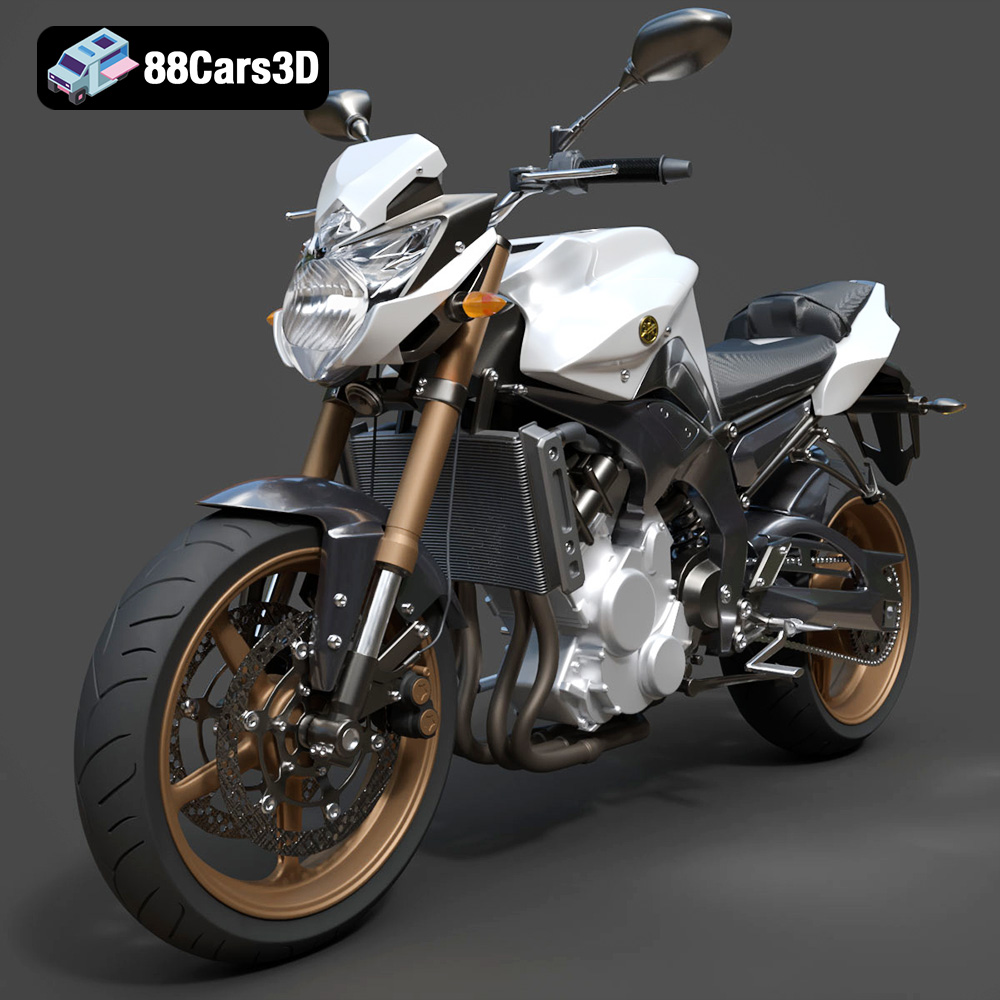
Texture: Yes
Material: Yes
Download the Yamaha FZ8 2011 3D Model featuring clean geometry, realistic detailing, and a fully modeled interior. Includes .blend, .fbx, .obj, .glb, .stl, .ply, .unreal, and .max formats for rendering, simulation, and game development.
Price: $19.99
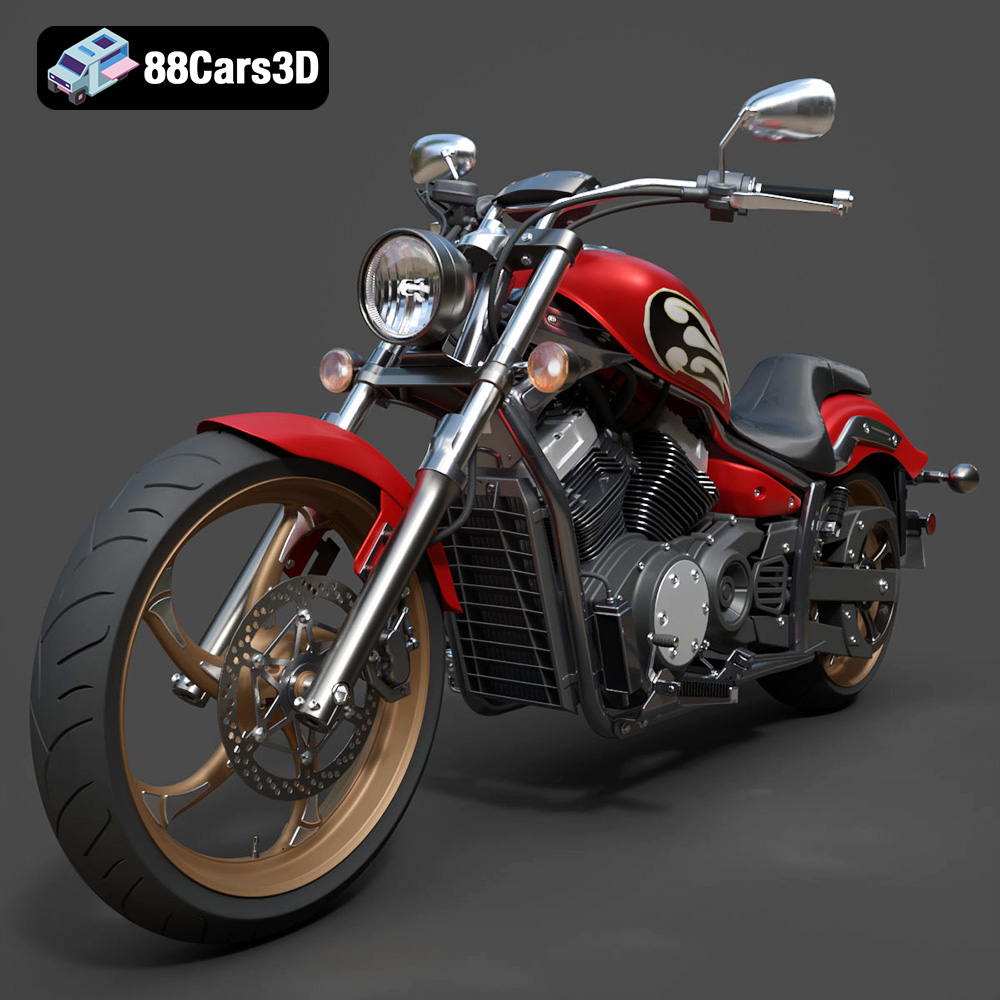
Texture: Yes
Material: Yes
Download the Yamaha Stryker 2012 3D Model featuring clean geometry, realistic detailing, and a fully modeled interior. Includes .blend, .fbx, .obj, .glb, .stl, .ply, .unreal, and .max formats for rendering, simulation, and game development.
Price: $19.99
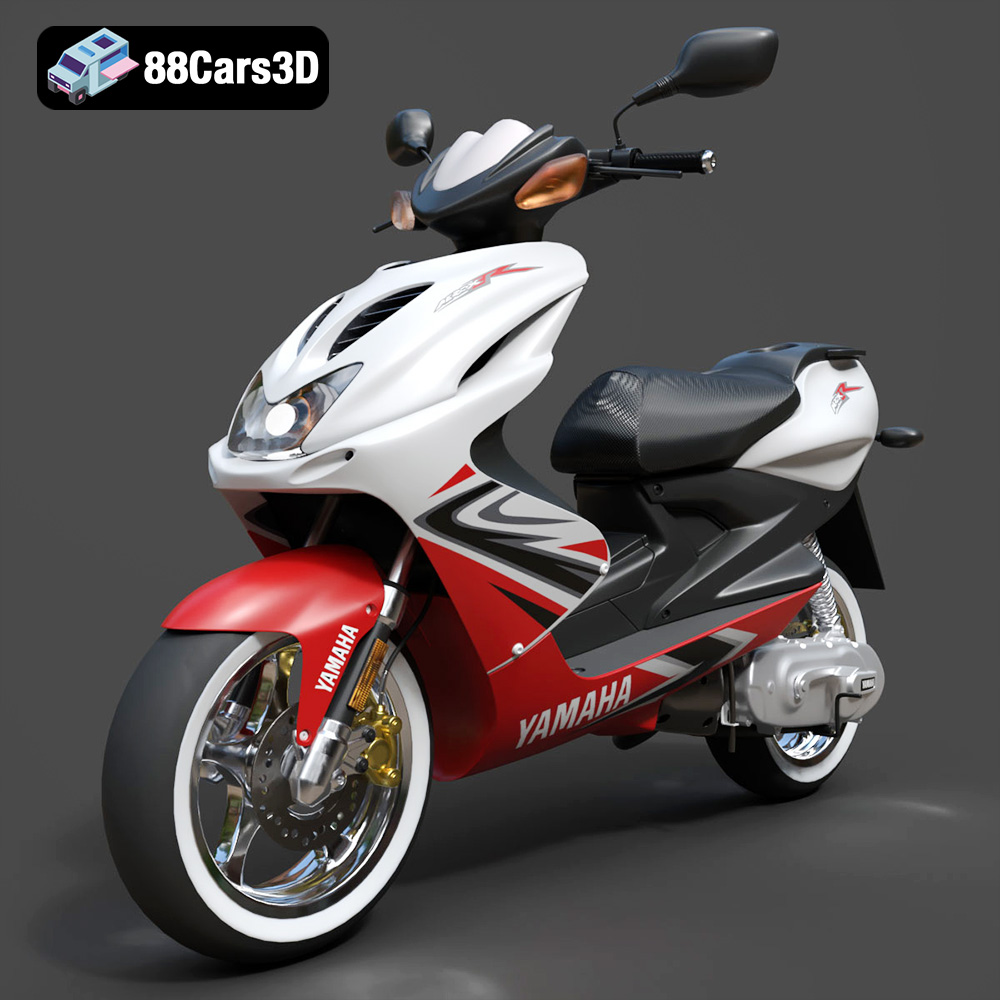
Texture: Yes
Material: Yes
Download the Yamaha Aerox R-002 2024 3D Model featuring clean geometry, realistic detailing, and a fully modeled interior. Includes .blend, .fbx, .obj, .glb, .stl, .ply, .unreal, and .max formats for rendering, simulation, and game development.
Price: $19.99
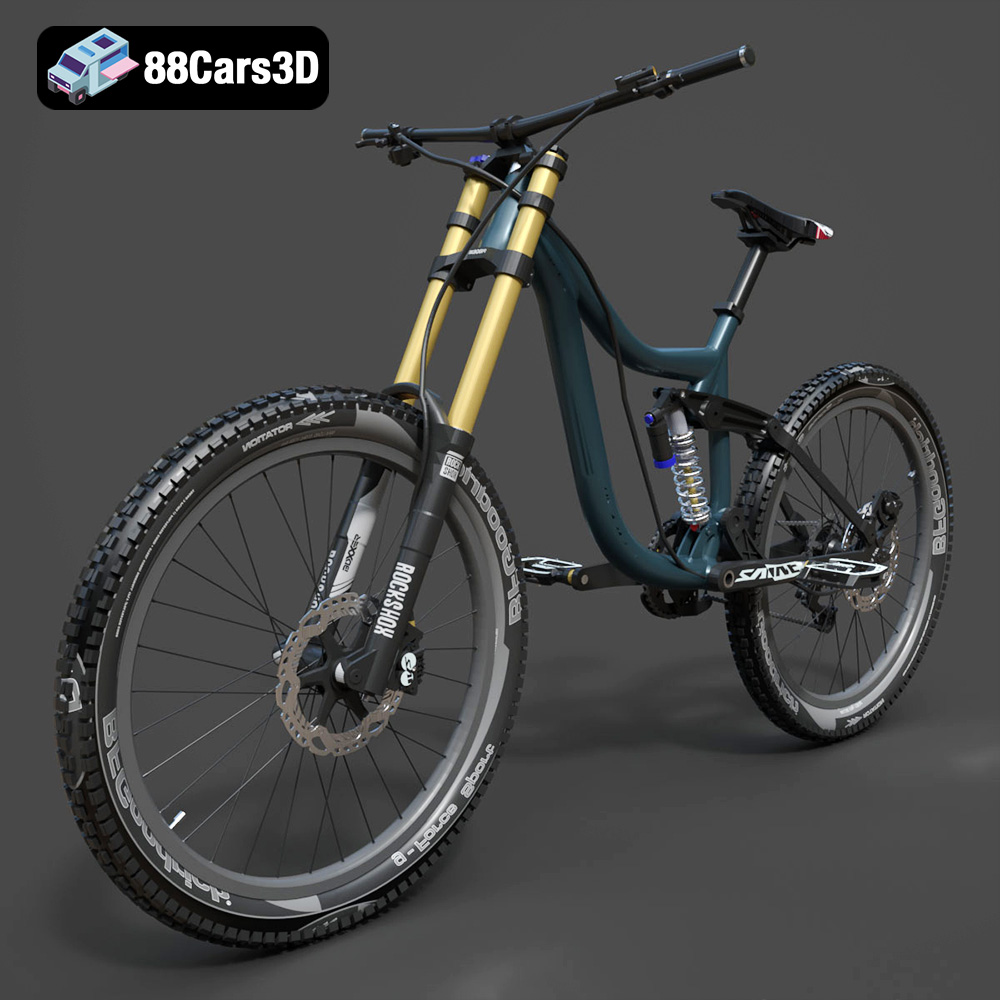
Texture: Yes
Material: Yes
Download the Mototsikly Downhill Bike-002 3D Model featuring clean geometry, realistic detailing, and precise mechanical components. Includes .blend, .fbx, .obj, .glb, .stl, .ply, .unreal, and .max formats for rendering, simulation, and game development.
Price: $19.99
Texture: Yes
Material: Yes
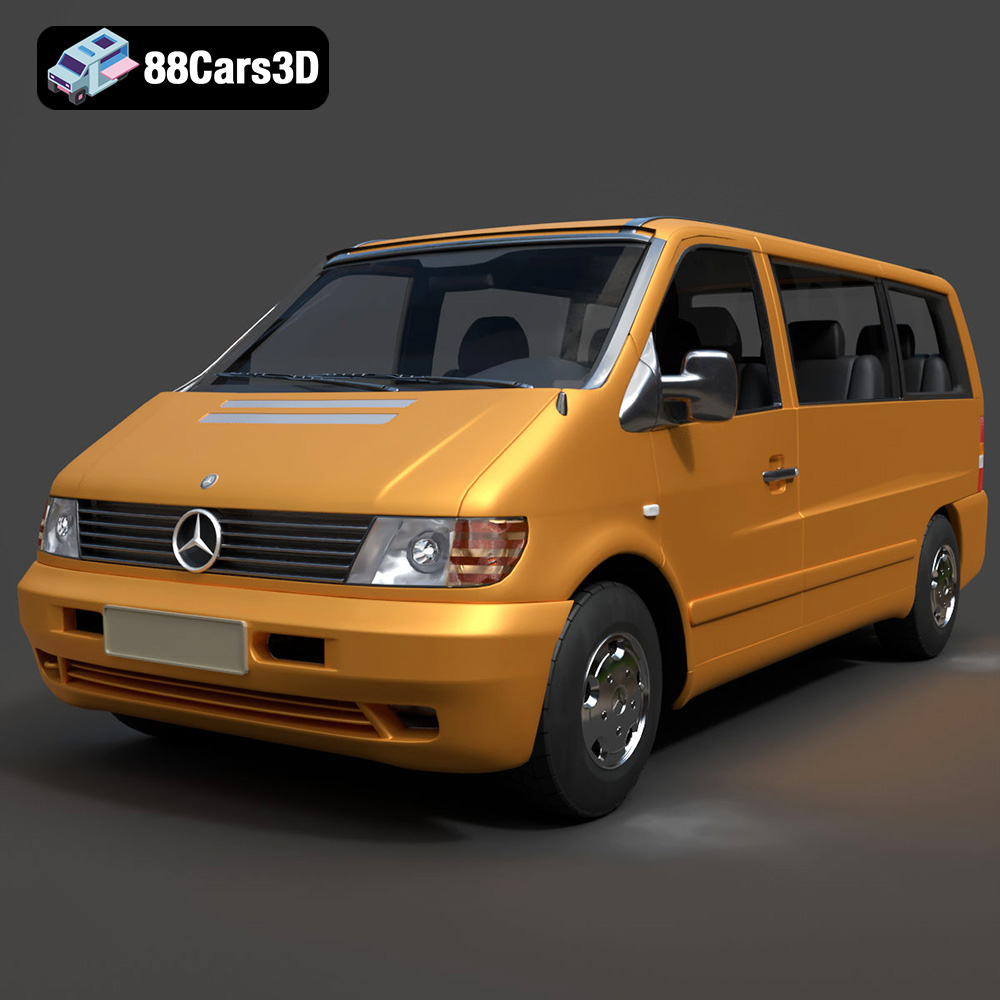
Download the Mercedes-Benz Vito Passenger Van 3D Model featuring clean geometry, realistic detailing, and a fully modeled interior. Includes .blend, .fbx, .obj, .glb, .stl, .ply, .unreal, and .max formats for rendering, simulation, and game development.
Price: $19.99
Texture: Yes
Material: Yes
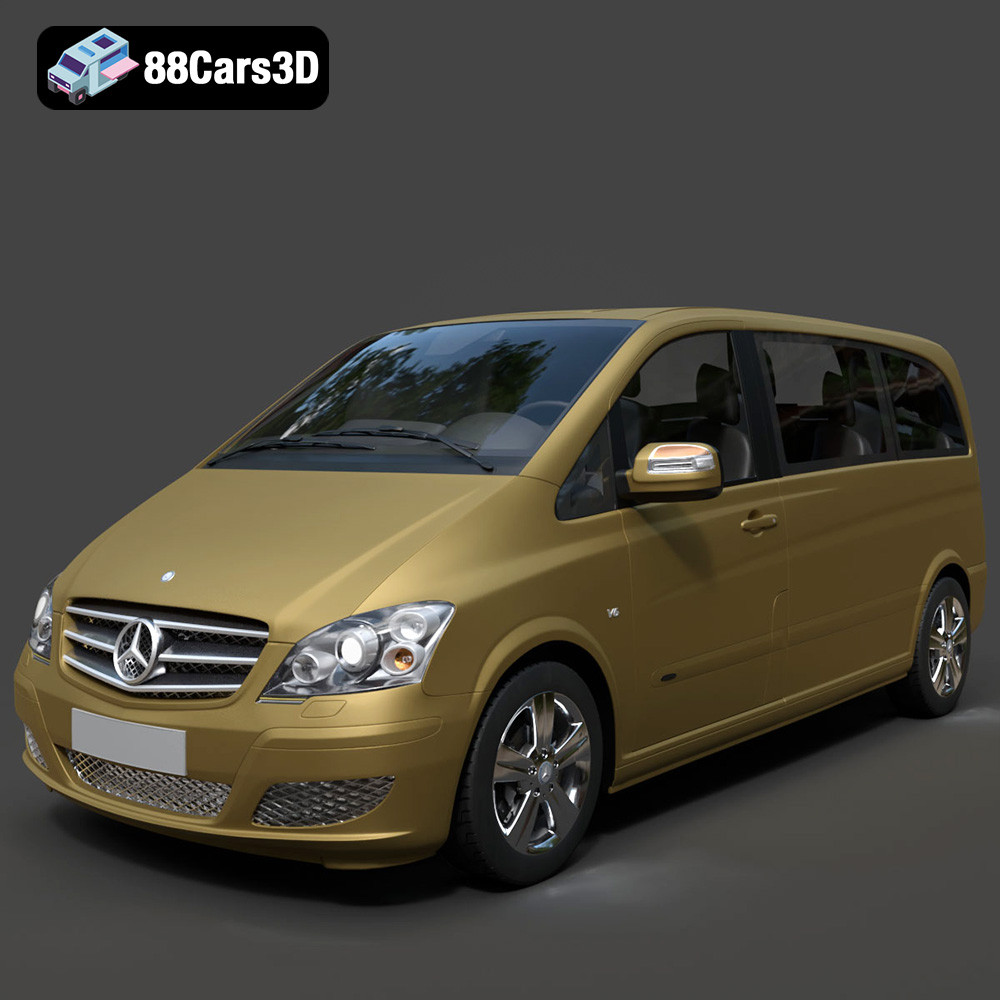
Download the Mercedes-Benz Viano 2010 3D Model featuring clean geometry, realistic detailing, and a fully modeled interior. Includes .blend, .fbx, .obj, .glb, .stl, .ply, .unreal, and .max formats for rendering, simulation, and game development.
Price: $19.99

Texture: Yes
Material: Yes
Download the Emt Avtobus 007 3D Model featuring clean geometry, realistic detailing, and a fully modeled interior. Includes .blend, .fbx, .obj, .glb, .stl, .ply, .unreal, and .max formats for rendering, simulation, and game development.
Price: $19.99
Texture: Yes
Material: Yes
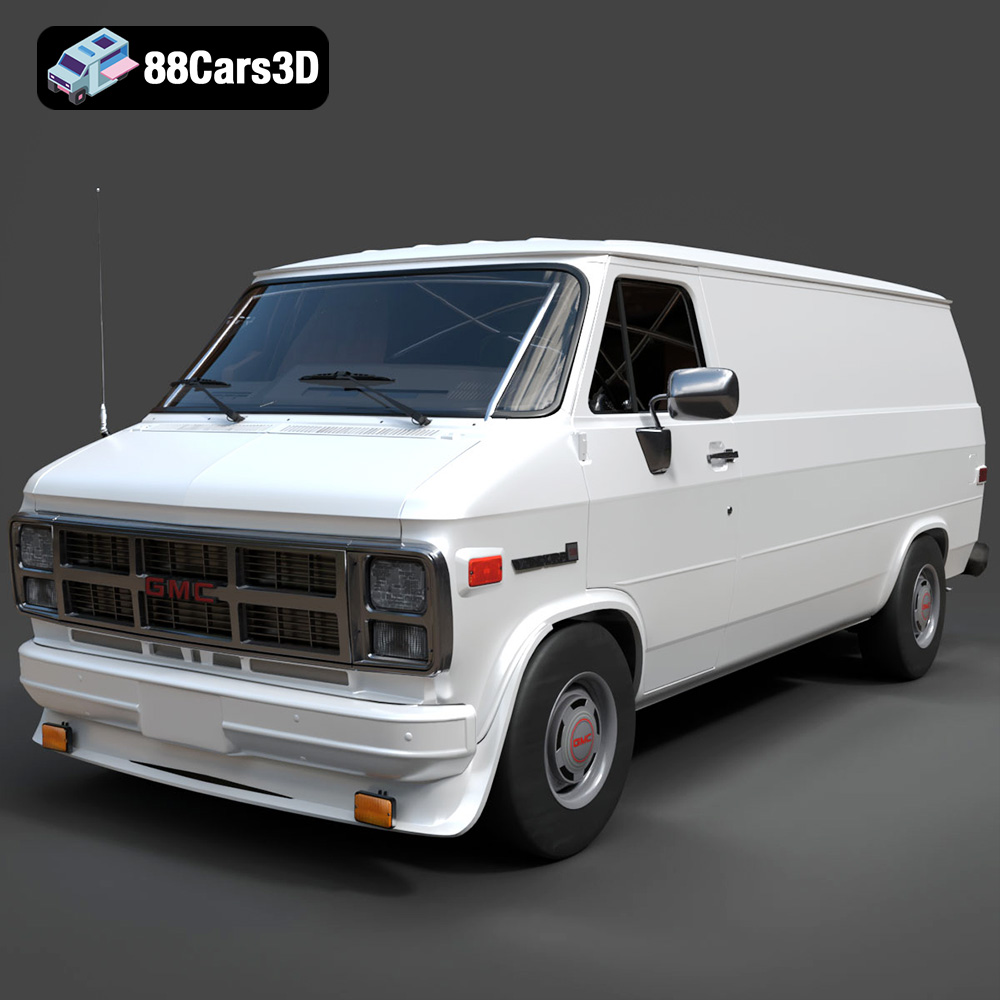
Download the GMC Vandura G-1500 1983 3D Model featuring clean geometry, realistic detailing, and a fully modeled interior. Includes .blend, .fbx, .obj, .glb, .stl, .ply, .unreal, and .max formats for rendering, simulation, and game development.
Price: $19.99
Texture: Yes
Material: Yes
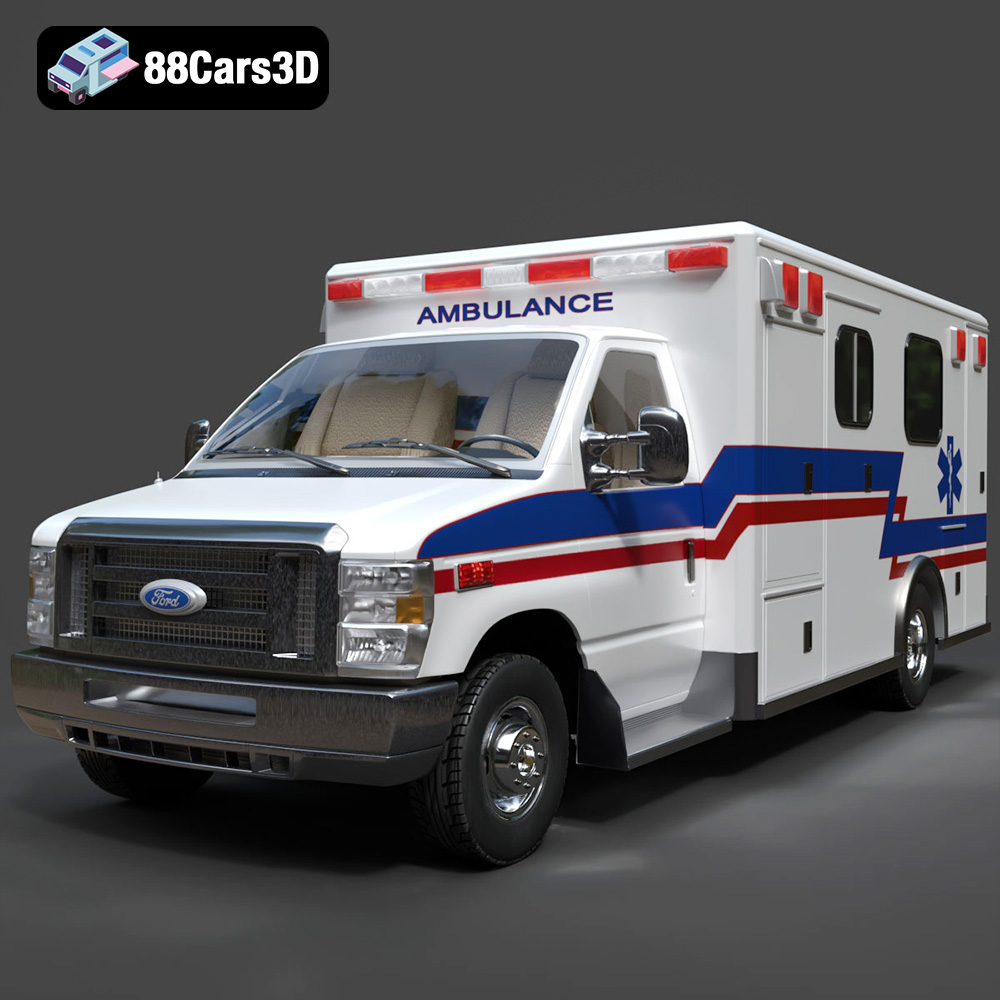
Download the Ford E-450 Ambulance 3D Model featuring clean geometry, realistic detailing, and a fully modeled interior. Includes .blend, .fbx, .obj, .glb, .stl, .ply, .unreal, and .max formats for rendering, simulation, and game development.
Price: $19.99

Texture: Yes
Material: Yes
Download the Fiat Ducato SWB-001 3D Model featuring clean geometry, realistic detailing, and a fully modeled interior. Includes .blend, .fbx, .obj, .glb, .stl, .ply, .unreal, and .max formats for rendering, simulation, and game development.
Price: $19.99

