⚡ FLASH SALE: Get 60% OFF All Premium 3D & STL Models! ⚡

“`html
The world of 3D printing, especially for intricate automotive models, hinges on a fundamental file format: STL. But what exactly is an STL file, and how does this seemingly simple collection of triangles translate into the detailed, tangible models you download and print? For enthusiasts looking to bring iconic vehicles to life, understanding the inner workings of STL files is paramount. This comprehensive guide will demystify the STL format, delving into its mesh structure, the role of triangles, and how these elements contribute to the precision of your 3D printed car models. We’ll explore everything from mesh topology and file repair to slicing strategies and achieving flawless prints, empowering you to transform digital designs into high-fidelity physical objects.
At its core, the Stereolithography (STL) file format is a simple yet powerful way to represent 3D surface geometry. It describes the shape of a 3D object by approximating its surface with a collection of connected triangles, known as a mesh. Each triangle is defined by its three vertices (corner points) and a normal vector, which indicates which side of the triangle is the “outside” of the object. This makes it incredibly efficient for 3D printers, which are essentially designed to build objects layer by layer based on these surface definitions.
The beauty of the STL format lies in its simplicity and ubiquity. It’s the de facto standard for transferring 3D models between different CAD (Computer-Aided Design) and CAM (Computer-Aided Manufacturing) software packages. When you download a high-quality printable car model, whether it’s a classic muscle car or a futuristic concept, it’s almost certainly provided as an STL file. The way these triangles are arranged, known as mesh topology, is crucial for printability. Clean topology means well-defined edges, watertight surfaces (no holes), and consistent outward-facing normals, all of which are essential for the slicing software to correctly interpret the model and generate toolpaths for your 3D printer.
Every STL file is composed of individual facets, which are essentially triangles. Each facet is defined by three vertices, represented by their X, Y, and Z coordinates. These vertices are the points in 3D space that form the corners of each triangle. Critically, an STL file also includes a normal vector for each facet. This vector is perpendicular to the surface of the triangle and points outwards from the object. The normal vector is vital for determining the orientation of the surface, ensuring that the slicing software understands which side is solid material and which side is empty space. Without correct normal vectors, a 3D printer might attempt to print the inside of an object or fail to create a solid surface entirely.
For a 3D model to be printable, its mesh must be “watertight.” This means that the surface described by the triangles must be completely closed, with no holes or gaps. Imagine trying to fill a colander with water – it wouldn’t hold. Similarly, an STL file with holes will confuse the slicing software, leading to errors in the generated print paths, missing sections in the final print, or complete failure to slice. For complex models like those found on 88cars3d.com, ensuring watertightness involves careful modeling and sometimes mesh repair. Common issues include coincident faces (two triangles occupying the same space), non-manifold geometry (edges shared by more than two faces), and intersecting triangles. Repairing these issues is often a necessary step before slicing and printing.
While STL is the dominant format for 3D printing, it’s not the only one. Other formats like OBJ (Wavefront OBJ) and FBX (Filmbox) also represent 3D models. However, STL’s primary advantage is its simplicity and direct representation of surface geometry using only triangles. This makes it exceptionally well-suited for the layer-by-layer manufacturing process of 3D printing, especially for FDM (Fused Deposition Modeling) and SLA (Stereolithography) printers. OBJ and FBX files, on the other hand, can store more complex data, including color information, texture maps, and hierarchical scene structures, which are typically not directly utilized by standard slicing software for raw printing.
When you’re looking for printable car models, platforms like 88cars3d.com offer print-ready STL files that have already been optimized for additive manufacturing. This means they’ve undergone a degree of mesh cleanup and are designed with printability in mind. While other formats might be used in the initial design phase (e.g., exporting from Blender or Maya), they are almost always converted to STL before the slicing process begins. This conversion is straightforward, but it’s crucial that the original model is well-constructed to avoid issues during the translation to the triangle-based STL format.
The OBJ file format is a popular alternative that offers more flexibility than STL. It can represent surfaces using either polygons (which can be triangles, quads, or n-gons) and can also store color, texture mapping information, and material properties. For hobbyists who want to paint their 3D printed car models with intricate details, OBJ files can sometimes provide a richer starting point if the modeling software and slicer support them effectively. However, most slicers will still triangulate the mesh upon import if it contains non-triangular polygons, and the primary focus for printability remains on the geometric integrity of the surface, similar to STL.
FBX is a proprietary Autodesk format designed for interoperability between different applications, particularly in animation and game development. It supports complex scene hierarchies, animation data, lighting, and more. While it can contain mesh data, it’s generally overkill for simple 3D printing. If you encounter an FBX file for a car model, it likely needs to be exported as an STL or OBJ first, ensuring that only the relevant mesh geometry is carried over and that the mesh is watertight and manifold.
The STL file is just the blueprint; the slicing software is the construction manager. Software like Cura, PrusaSlicer, or Simplify3D takes your STL file and “slices” it into hundreds or thousands of thin, horizontal layers. For each layer, it generates the precise toolpath that your 3D printer’s nozzle (for FDM) or laser/projector (for resin) will follow to build the object. This process involves numerous critical settings that directly impact the quality, strength, and print time of your car models.
Key slicing parameters include layer height, infill density and pattern, print speed, temperature, and support structure generation. Choosing the right settings is a balance between achieving the desired level of detail, ensuring structural integrity, and managing print duration. For intricate printable car models, a smaller layer height (e.g., 0.1mm or even 0.05mm) will yield much finer details and smoother curves, but significantly increase print time. Conversely, a larger layer height (e.g., 0.2mm or 0.3mm) prints faster but sacrifices fine details.
The layer height is arguably one of the most impactful settings. For FDM printers, a typical layer height ranges from 0.1mm to 0.3mm. Lower layer heights produce smoother surfaces, reduce the visibility of layer lines, and allow for more intricate details, which is crucial for capturing the sharp lines and curves of automotive designs. However, printing at 0.1mm will take considerably longer than printing at 0.3mm. For example, a detailed car model that takes 10 hours at 0.2mm might take upwards of 25-30 hours at 0.1mm. It’s a trade-off that requires careful consideration of the model’s complexity and your desired output quality versus the available time.
Infill refers to the internal support structure within the printed object. It’s not typically visible on the exterior but significantly affects the model’s strength, weight, and material consumption. Common infill patterns include grid, gyroid, cubic, and honeycomb. For display models, a low infill density (e.g., 10-20%) is often sufficient, using patterns like gyroid or cubic for a good balance of strength and material saving. If the car model needs to be functional or withstand some stress, a higher infill density (30-50% or more) and a stronger pattern like grid or cubic might be necessary. For highly detailed components where internal strength is less critical, 0% infill (hollow) can be used, but care must be taken to ensure the outer shell is thick enough.
One of the biggest challenges in 3D printing complex shapes, such as the undercarriage, spoilers, or intricate grille details on car models, is dealing with overhangs and bridges. These are features that extend horizontally into space without any underlying support. This is where support structures come in. Slicing software can automatically generate temporary, dissolvable, or easily removable structures that support these overhanging parts during printing. The quality and ease of removal of these supports are critical for achieving a clean final print.
Effective support generation requires careful tuning. Settings like support density, pattern, angle threshold, and contact Z distance influence how well the supports hold the model and how easily they can be removed afterward. Too dense or too tightly attached supports can damage the model’s surface during removal. Too sparse or too loosely attached supports may fail, leading to print failures like drooping overhangs or collapsed bridges. For highly detailed models, especially those with delicate parts, manual placement or modification of supports in the slicer, or even within mesh editing software, can yield superior results. Platforms like 88cars3d.com often provide models pre-oriented and with suggested support strategies to simplify this process.
There are generally two main types of supports: ‘Touching Buildplate’ and ‘Everywhere’. ‘Touching Buildplate’ supports only build from the print bed, ideal for models with significant overhangs on their base. ‘Everywhere’ supports will build from the model itself as well as the build plate, necessary for bridging internal gaps or supporting features that don’t touch the bed. The choice depends heavily on the model’s orientation. For car models, orienting them to minimize the need for ‘Everywhere’ supports is often best, as supports built on the model’s surface can be difficult to remove cleanly. Consider rotating the model in your slicer to find an orientation that maximizes self-supporting features and minimizes overhangs.
The careful removal of support structures is a crucial post-processing step. For FDM printing, supports can often be snapped or carefully cut away using hobby knives, pliers, or specialized tools. For resin prints, supports are typically removed with flush cutters or a craft knife before curing. A ‘support interface’ can be enabled in many slicers, which creates a denser, easily peelable layer just below the model’s surface, greatly improving the finish. If supports prove too difficult to remove without damaging the print, consider using dissolvable support materials (like PVA or HIPS on dual-extruder printers) or experimenting with different support interface settings.
The way you orient your STL model on the print bed, and how well that first layer adheres, are foundational to a successful print. Print orientation affects structural integrity, surface finish, and the amount of support material needed. For car models, consider the orientation that presents the most aesthetically important surfaces (like the sides and roof) with the least amount of direct support, or the orientation that provides the strongest layer adhesion for any critical components.
Bed adhesion is critical because the entire print relies on that first layer sticking firmly to the print bed. Poor adhesion is one of the most common causes of print failures, leading to warping, layer shifts, or the print detaching entirely. Achieving good adhesion involves a combination of factors: a clean build surface (free of oils and dust), proper bed leveling (ensuring the nozzle is the correct distance from the bed across its entire surface), appropriate bed temperature for the chosen material, and sometimes the use of adhesion aids like glue stick, hairspray, or specialized build surface coatings. For larger models, printing a brim or raft can significantly increase the surface area contact with the build plate, improving adhesion.
For a 3D printable car model, orienting it upright on its wheels might seem intuitive, but it often requires extensive supports under the chassis and wheel wells, which can be difficult to remove cleanly. Flipping the model upside down to print the undercarriage first, then printing the body on top, can sometimes be more efficient and yield a cleaner exterior finish. Alternatively, printing the model on its side might be best for certain designs, especially those with significant features protruding from the sides. Experimentation and visual inspection of the sliced model are key. Always check the slicer preview to understand how the layers will build up and where supports will be generated.
A perfectly level bed is non-negotiable. Many modern printers offer auto-bed leveling, but manual calibration or fine-tuning might still be necessary. The “squish” of the first layer is critical – it should be slightly flattened against the bed, not just sitting as a round bead of filament. Experiment with your Z-offset setting (the fine-tuning of the nozzle’s height) until you achieve this perfect squish. For materials prone to warping, like ABS, using an enclosure and increasing bed temperature can help. For PLA, which is less prone to warping, a clean PEI sheet or glass bed with a thin layer of glue stick is often sufficient.
The choice of filament or resin plays a significant role in the final appearance and durability of your 3D printed car models. For FDM printing, PLA is the most popular choice due to its ease of printing, low warping, and wide range of available colors. It’s ideal for display models. PETG offers increased strength and temperature resistance, making it suitable if the model needs to be more robust. ABS provides excellent strength and can be smoothed with acetone vapor for a very polished finish, but it requires higher temperatures and good ventilation. For resin printing (SLA/DLP), standard resins offer excellent detail but can be brittle. Tougher or flexible resins are available for more durable prints.
Post-processing is where a 3D print truly transforms into a finished model. For FDM prints, this often involves removing supports, sanding to smooth out layer lines, filling any imperfections with putty or filler, and then priming before painting. The goal is to create a smooth canvas that allows the paint to adhere evenly and showcase the fine details of the car model. Resin prints typically require less sanding due to their higher resolution, but may still need support marks cleaned up and a thorough wash and cure process. Painting techniques, from airbrushing to hand-brushing, can bring your 3D printed automotive masterpieces to life.
If you’re printing a highly detailed scale model for display, a resin printer with a high-resolution resin (e.g., 0.05mm layer height or finer) will generally yield superior detail compared to an FDM printer. However, FDM printers are more accessible and versatile. For FDM, PLA is the go-to for most users due to its printability. If you need a model that can withstand more handling or slightly higher temperatures, PETG is a good step up. If you plan to do advanced smoothing with solvents or need maximum toughness, ABS might be considered, but be prepared for more challenging printing conditions.
The journey from a raw 3D print to a finished car model is often a multi-step process. Start by carefully removing all supports. For FDM prints, begin sanding with a coarse grit sandpaper (e.g., 150-220 grit) to remove major support marks and rough layer lines. Progress to finer grits (400, 800, 1000, and even higher) to achieve a smooth surface. Use filler primers or modeling putties to fill any remaining gaps or imperfections. Once the surface is smooth, apply a primer – this reveals any missed imperfections and provides a uniform base for your paint. Finally, apply your chosen paint colors, whether through airbrushing for a professional finish or careful hand-painting for intricate details like trim and lights.
Even with well-prepared STL files and optimized settings, printing issues can arise. Understanding common problems and their causes is key to becoming a proficient 3D printer operator. Layer shifting, often caused by the print head or bed colliding with an obstruction or loose belts, can ruin a print. Warping, where the corners of the print lift off the bed, is typically due to poor bed adhesion or rapid cooling. Stringing, those fine wisps of filament between separate parts of a print, is often related to retraction settings or filament moisture. Print failures can also occur due to clogged nozzles, incorrect temperatures, or issues with the STL file itself.
For STL file-related issues, tools like Meshmixer, Blender, or even Netfabb (though more advanced) can be invaluable. These programs allow you to inspect your STL file for errors, repair non-manifold geometry, fix holes, and orient your model. For example, if your slicer reports errors or fails to generate supports correctly, importing the STL into a mesh repair tool can often identify and fix the underlying problems. When downloading models from marketplaces such as 88cars3d.com, you’re getting files that are typically pre-checked, but understanding these troubleshooting steps will help you diagnose and resolve any issues that may still arise with your specific printer and settings.
If you suspect an issue with your STL file, use dedicated software to diagnose and repair it. Meshmixer is a powerful, free tool that excels at mesh analysis and repair. Import your STL, and use the “Analyze” tools to identify errors like non-manifold edges, self-intersections, or holes. The “Make Manifold” or “Inspector” tools can automatically attempt to fix these issues. For more complex repairs or when working with very intricate models, Blender offers advanced mesh editing capabilities. Always save a backup of your original STL before attempting repairs.
The STL file format, with its foundation in triangles, is the bedrock upon which the vast majority of 3D printing is built. By understanding how STL files represent geometry, the importance of watertight meshes, and the nuances of slicing, support generation, and print orientation, you are significantly better equipped to achieve high-quality, detailed 3D prints of your favorite car models. Whether you’re using FDM or resin technology, mastering these fundamental principles will lead to fewer print failures, reduced material waste, and ultimately, more satisfying results. The detailed automotive models available on platforms like 88cars3d.com are designed with printability in mind, but a solid grasp of these technical aspects ensures you can leverage them to their fullest potential. Don’t be afraid to experiment with different settings, learn from each print, and continue refining your workflow. The journey of bringing these digital designs into the physical world is a rewarding one, and a deep understanding of the STL file format is your essential guide.
“`
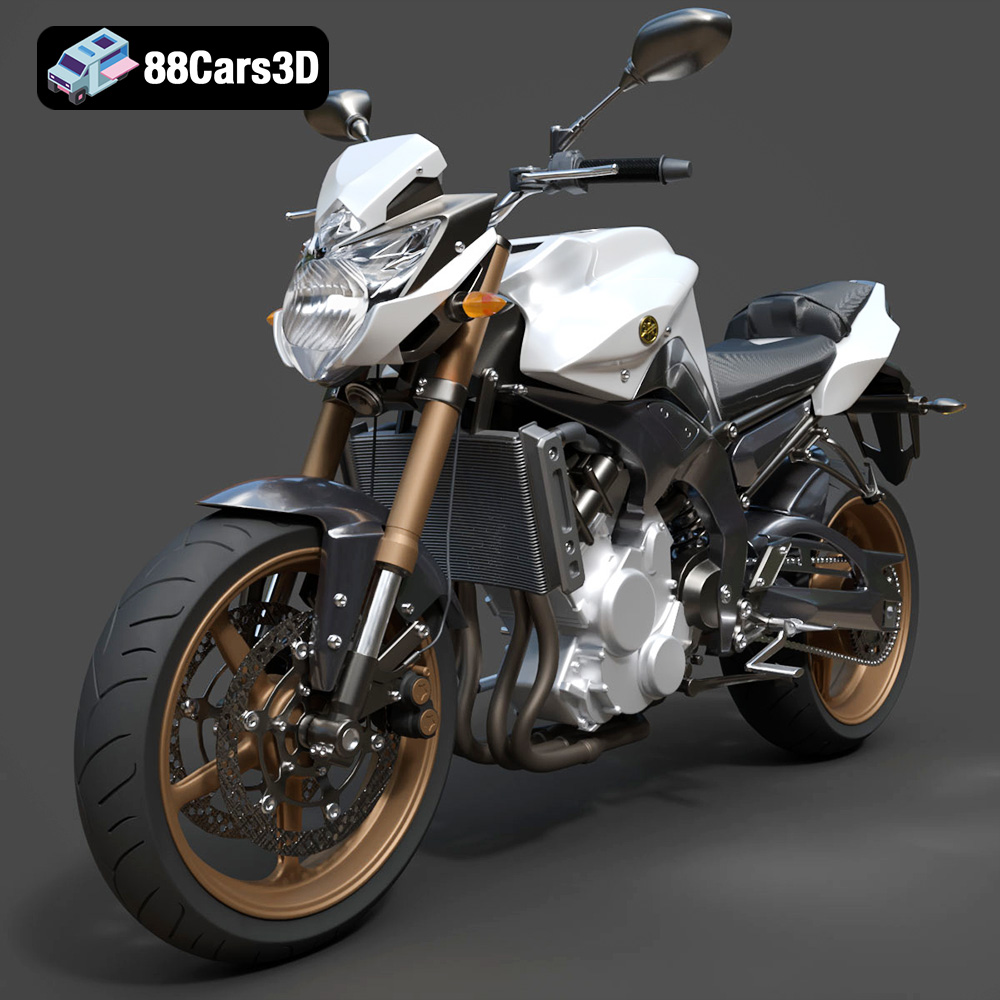
Texture: Yes
Material: Yes
Download the Yamaha FZ8 2011 3D Model featuring clean geometry, realistic detailing, and a fully modeled interior. Includes .blend, .fbx, .obj, .glb, .stl, .ply, .unreal, and .max formats for rendering, simulation, and game development.
Price: $19.99
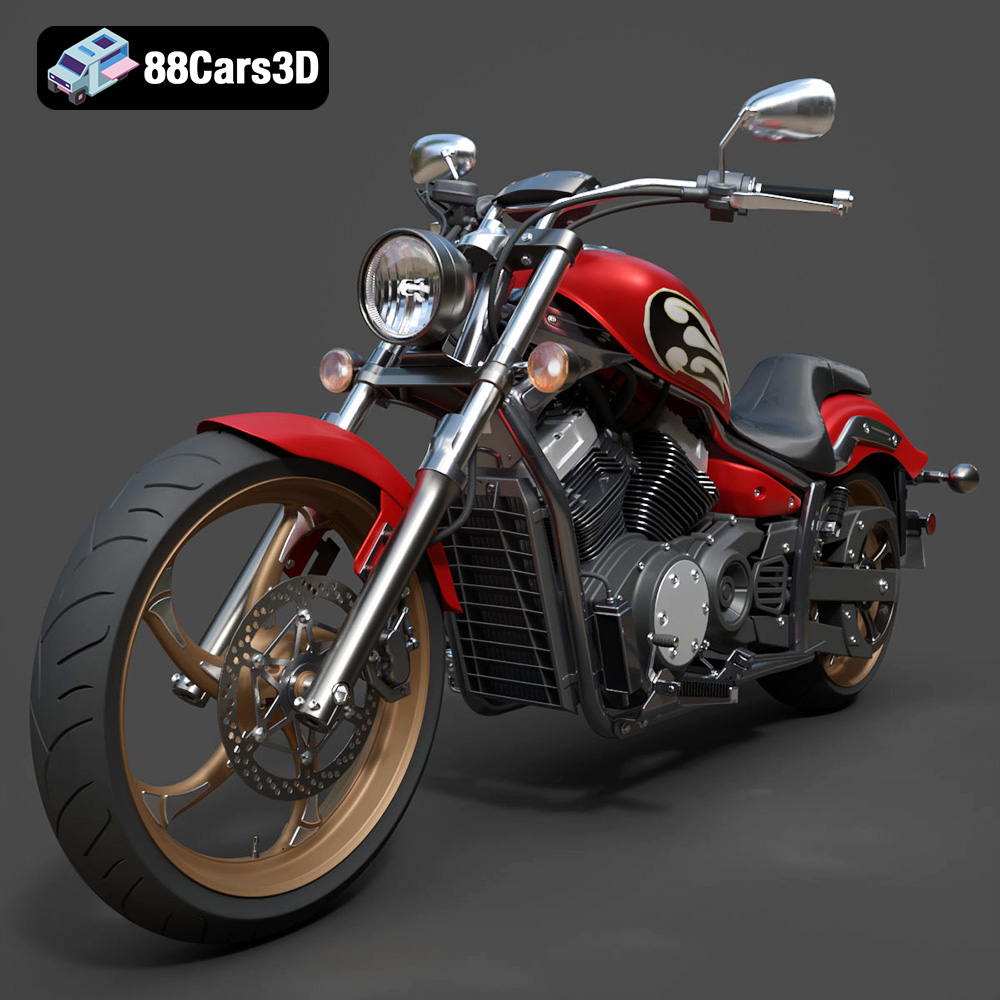
Texture: Yes
Material: Yes
Download the Yamaha Stryker 2012 3D Model featuring clean geometry, realistic detailing, and a fully modeled interior. Includes .blend, .fbx, .obj, .glb, .stl, .ply, .unreal, and .max formats for rendering, simulation, and game development.
Price: $19.99
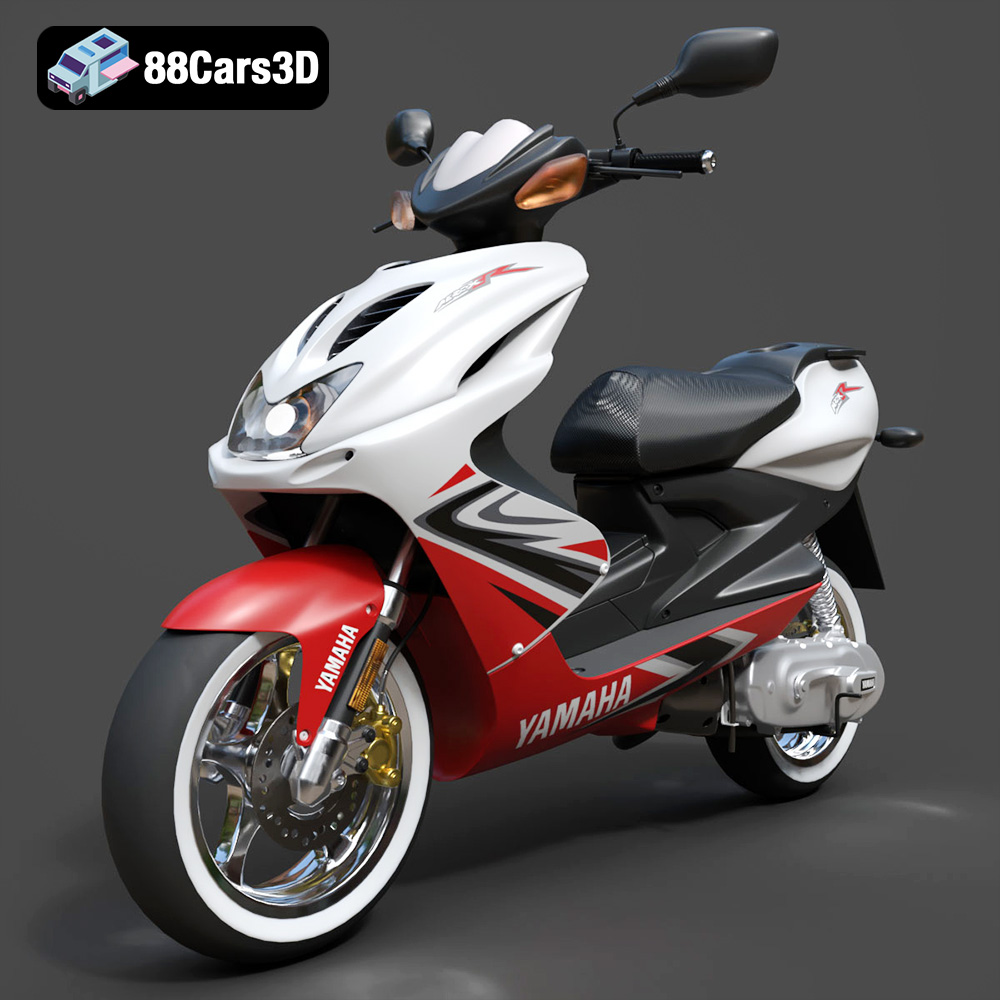
Texture: Yes
Material: Yes
Download the Yamaha Aerox R-002 2024 3D Model featuring clean geometry, realistic detailing, and a fully modeled interior. Includes .blend, .fbx, .obj, .glb, .stl, .ply, .unreal, and .max formats for rendering, simulation, and game development.
Price: $19.99
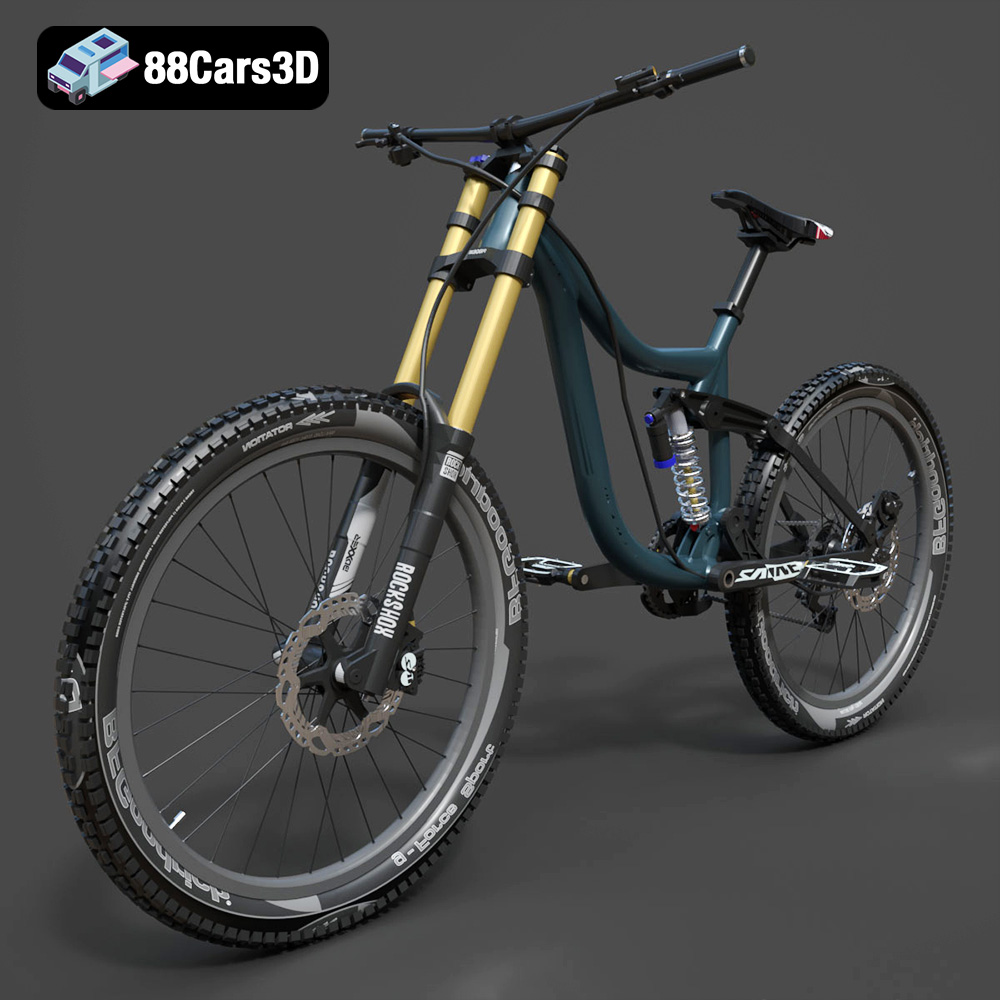
Texture: Yes
Material: Yes
Download the Mototsikly Downhill Bike-002 3D Model featuring clean geometry, realistic detailing, and precise mechanical components. Includes .blend, .fbx, .obj, .glb, .stl, .ply, .unreal, and .max formats for rendering, simulation, and game development.
Price: $19.99
Texture: Yes
Material: Yes
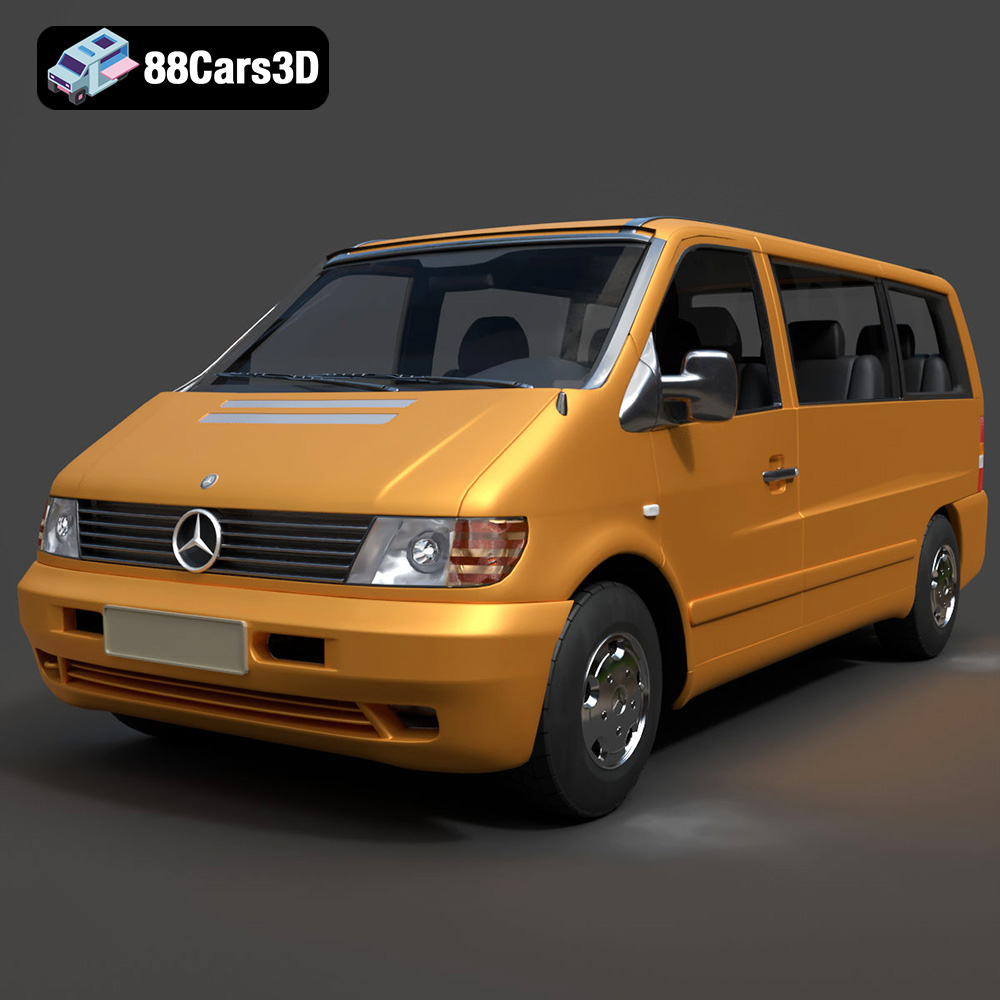
Download the Mercedes-Benz Vito Passenger Van 3D Model featuring clean geometry, realistic detailing, and a fully modeled interior. Includes .blend, .fbx, .obj, .glb, .stl, .ply, .unreal, and .max formats for rendering, simulation, and game development.
Price: $19.99
Texture: Yes
Material: Yes
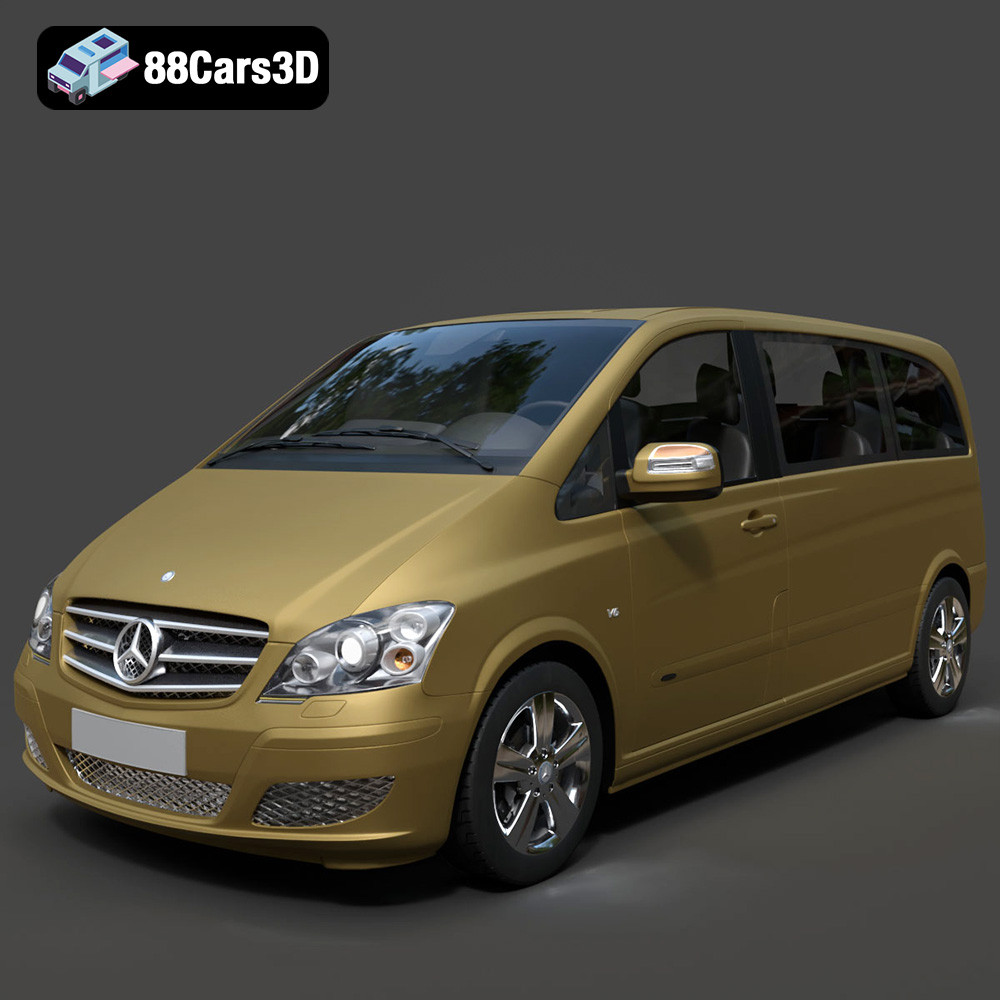
Download the Mercedes-Benz Viano 2010 3D Model featuring clean geometry, realistic detailing, and a fully modeled interior. Includes .blend, .fbx, .obj, .glb, .stl, .ply, .unreal, and .max formats for rendering, simulation, and game development.
Price: $19.99

Texture: Yes
Material: Yes
Download the Emt Avtobus 007 3D Model featuring clean geometry, realistic detailing, and a fully modeled interior. Includes .blend, .fbx, .obj, .glb, .stl, .ply, .unreal, and .max formats for rendering, simulation, and game development.
Price: $19.99
Texture: Yes
Material: Yes
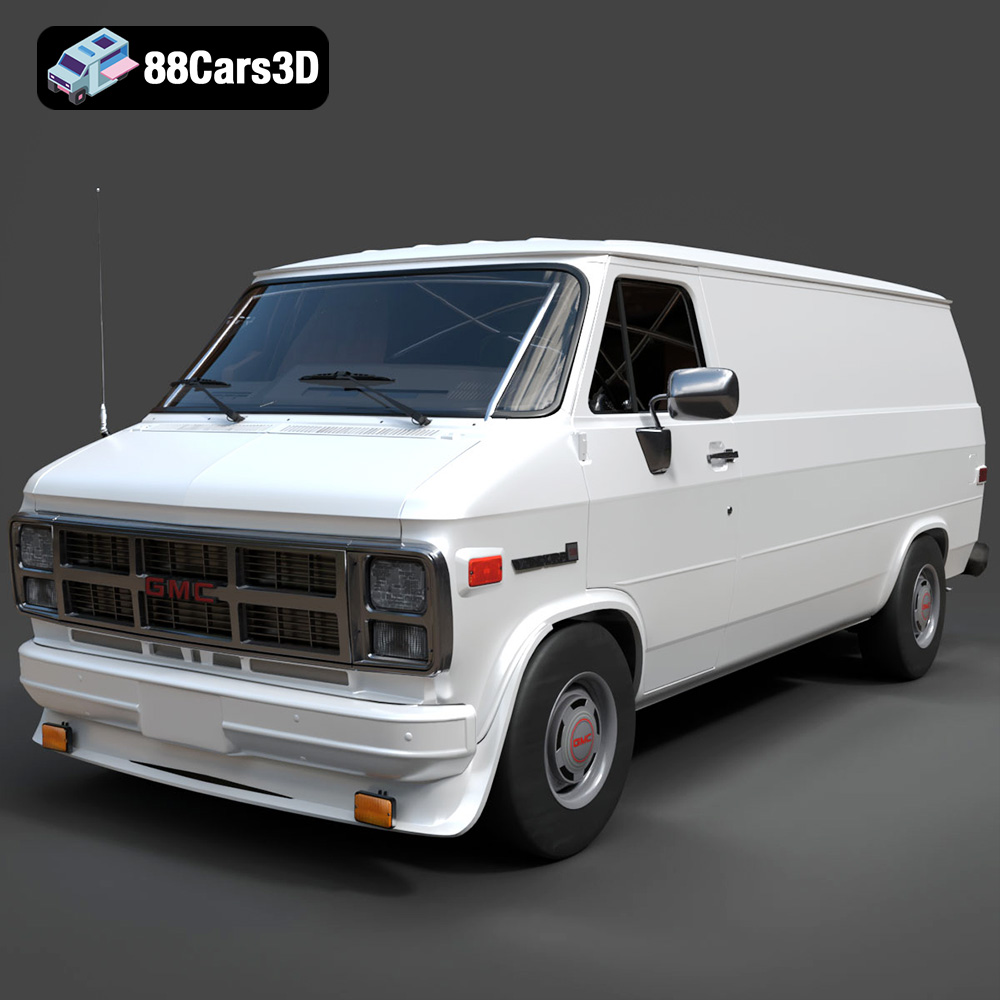
Download the GMC Vandura G-1500 1983 3D Model featuring clean geometry, realistic detailing, and a fully modeled interior. Includes .blend, .fbx, .obj, .glb, .stl, .ply, .unreal, and .max formats for rendering, simulation, and game development.
Price: $19.99
Texture: Yes
Material: Yes
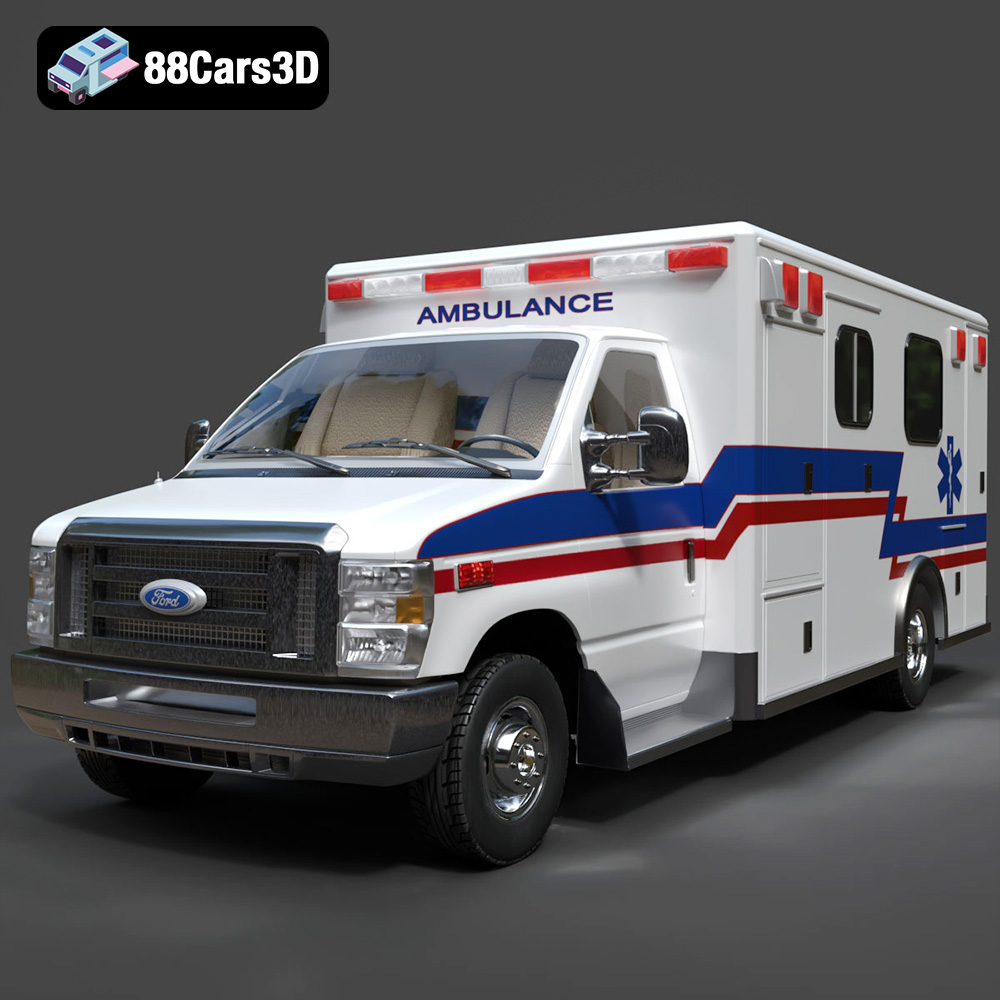
Download the Ford E-450 Ambulance 3D Model featuring clean geometry, realistic detailing, and a fully modeled interior. Includes .blend, .fbx, .obj, .glb, .stl, .ply, .unreal, and .max formats for rendering, simulation, and game development.
Price: $19.99

Texture: Yes
Material: Yes
Download the Fiat Ducato SWB-001 3D Model featuring clean geometry, realistic detailing, and a fully modeled interior. Includes .blend, .fbx, .obj, .glb, .stl, .ply, .unreal, and .max formats for rendering, simulation, and game development.
Price: $19.99

