⚡ FLASH SALE: Get 60% OFF All Premium 3D & STL Models! ⚡

The automotive industry is undergoing a profound transformation, moving beyond traditional physical prototypes to embrace the dynamic world of real-time visualization. At the heart of this revolution lies Unreal Engine, a powerful platform that allows designers, engineers, and marketers to bring vehicles to life with unparalleled realism and interactivity. From photorealistic renders and immersive configurators to virtual production and AR/VR experiences, Unreal Engine offers an expansive toolkit for showcasing automotive innovation.
This comprehensive guide delves into the technical intricacies of leveraging Unreal Engine for automotive visualization. We’ll explore everything from setting up your project and optimizing high-fidelity 3D car models – like those found on 88cars3d.com – to crafting breathtaking materials, implementing dynamic lighting, and creating engaging interactive experiences. Whether you’re a seasoned Unreal Engine developer, a 3D artist new to real-time, or an automotive professional seeking to push the boundaries of design and presentation, this article will equip you with the knowledge and best practices to achieve stunning results. Prepare to unlock the full potential of your automotive projects within Unreal Engine.
Before diving into the exciting world of car models and materials, establishing a robust foundation in Unreal Engine is paramount. Proper project setup ensures optimal performance, visual quality, and a streamlined workflow for automotive visualization. This initial configuration lays the groundwork for leveraging Unreal Engine’s advanced features, ensuring your project is ready to handle complex car assets and demanding real-time rendering environments.
When starting a new project, consider using a template that aligns with your goals. While a ‘Blank’ project offers maximum flexibility, the ‘Automotive Product Design’ template (available through the Epic Games Launcher if you select it during engine installation) provides a pre-configured environment optimized for high-fidelity visualization, often including relevant plugins and sample scenes. This can save significant time in initial setup. For any Unreal Engine workflow, referring to the official documentation at dev.epicgames.com/community/unreal-engine/learning is always recommended for the most up-to-date and accurate technical details.
Once your project is created, several critical settings need attention. Navigate to Edit > Project Settings. Under the Engine > Rendering section, you’ll find an array of options that significantly impact visual fidelity and performance. For high-end automotive visualization, you’ll generally want to enable features like ‘Hardware Ray Tracing’ and ‘Support compute skinning for URP meshes’ if you plan to use advanced physics or deformations. Crucially, set ‘Default Post-Processing Settings’ to ‘Film’ or ‘ACEScg’ for accurate color management, aligning with industry standards for photorealistic rendering. The ‘Global Illumination’ method should be set to ‘Lumen’ for dynamic, real-time global illumination, which is essential for realistic indoor and outdoor car scenes. Ensure ‘Reflection Method’ is also set to ‘Lumen’ or ‘Screen Space Global Illumination’ alongside ‘Ray Traced Reflections’ for superior reflections on metallic surfaces.
Furthermore, under Platforms > Windows > Target Hardware, select ‘Desktop / Console’ and set ‘Default RHI’ to ‘DirectX 12’ for access to the latest rendering features and performance enhancements, especially for ray tracing. Consistent frame rates are crucial for smooth presentations, so consider enabling ‘Fixed Frame Rate’ and setting it to 60fps or a suitable target for your intended hardware. This initial setup establishes a robust framework for handling the intricate details of automotive models and environments, allowing you to maximize visual quality without constant re-configuration.
Unreal Engine’s plugin ecosystem extends its capabilities dramatically. For automotive projects, several plugins are indispensable. The Datasmith plugin (built-in and usually enabled by default) is your primary tool for importing complex CAD data and scene hierarchies from applications like 3ds Max, Maya, SketchUp, Revit, or direct CAD formats. Datasmith ensures metadata, UVs, and material assignments are largely preserved, streamlining the import of intricate car assemblies. The USD (Universal Scene Description) plugin is also vital, especially for collaborative workflows and handling large scene graphs across different DCC applications. USD provides a robust framework for asset exchange and versioning, increasingly becoming a standard in virtual production pipelines.
For advanced display setups, the nDisplay plugin is essential for driving multi-screen installations, LED walls, and immersive domes – critical for virtual production environments where cars are often showcased against dynamic backgrounds. For color management, the OpenColorIO (OCIO) plugin ensures consistent color rendition across different devices and stages of your workflow, preventing color shifts that can detract from realism. Enabling these plugins (Edit > Plugins) at the outset ensures that their features are available throughout your project, making complex tasks like importing highly detailed models from marketplaces like 88cars3d.com, setting up multi-display scenarios, or ensuring color accuracy much more manageable and efficient.
The quality of your 3D car models is the cornerstone of any successful automotive visualization project. High-quality assets, featuring clean topology, realistic proportions, and proper UV mapping, are essential. Platforms like 88cars3d.com specialize in providing pre-optimized 3D car models specifically designed for real-time engines like Unreal, saving artists significant time and effort in asset preparation. However, even with premium assets, understanding the import process and optimization techniques is crucial for achieving peak performance and visual fidelity within Unreal Engine.
A typical high-fidelity car model might consist of hundreds of individual meshes, millions of polygons, and numerous texture sets. Effectively managing this complexity within Unreal Engine requires a strategic approach to importing and optimizing these assets. The goal is always to strike a balance between visual fidelity and real-time performance, ensuring a smooth interactive experience even with demanding hardware.
When importing 3D car models into Unreal Engine, the choice of workflow and file format significantly impacts efficiency and quality. For assets prepared in DCC (Digital Content Creation) tools like Maya, 3ds Max, or Blender, the FBX format remains a robust choice. Ensure your FBX export settings include embedded media (textures), smoothed normals, and proper scaling (typically 1 unit = 1cm in Unreal Engine). Grouping meshes logically in your DCC tool before export can streamline organization in Unreal. For complex CAD data or entire scene hierarchies, the Datasmith importer is superior. Datasmith can translate entire scenes, including lights, cameras, and material assignments, from CAD software or DCC tools with high fidelity. It’s particularly effective for large automotive assemblies, as it intelligently instantiates repeated components and prepares meshes for Unreal Engine’s rendering pipeline. The USD format is gaining traction as a powerful alternative for scene interchange, offering robust versioning and collaboration capabilities. When importing via Datasmith or USD, always review the import options carefully, particularly concerning UV generation, normal import, and material assignments, to ensure your model translates as intended. Properly prepared models from sources like 88cars3d.com often come with optimized UVs and material IDs, simplifying this step considerably.
Managing polygon counts is a critical aspect of real-time performance. Modern car models can easily exceed millions of triangles, which would traditionally cripple frame rates. Unreal Engine’s Nanite virtualized geometry system revolutionizes this by allowing artists to import and render incredibly high-polygon models (tens of millions or even billions of triangles) without explicit LODs or significant performance penalties. Nanite automatically streams and processes only the necessary detail, making it ideal for showcasing the intricate details of a car’s bodywork, interior, and engine components. To enable Nanite, simply right-click on a static mesh asset in the Content Browser, select ‘Nanite > Enable Nanite’, or enable it in the Static Mesh Editor under ‘Details > Nanite Settings’. However, not all meshes are suitable for Nanite; transparent or masked materials, and meshes with specific vertex requirements for deformation or physics, might perform better without it.
For assets that don’t benefit from Nanite (e.g., small props, vegetation, or meshes used with traditional rendering features), or for scenarios where Nanite is not supported (e.g., certain mobile AR/VR applications), traditional Level of Detail (LOD) management is still essential. Unreal Engine’s automatic LOD generation can create simplified mesh versions based on screen size, reducing polygon counts for objects further away from the camera. For car models, it’s often beneficial to manually create or fine-tune LODs to maintain visual integrity across distances, especially for complex components like wheels or grilles. A typical setup might include LOD0 (full detail, Nanite enabled if applicable), LOD1 (50% reduction), LOD2 (75% reduction), and LOD3 (90% reduction), transitioning at appropriate screen percentages. This strategic combination of Nanite and manual LODs ensures that your high-quality car models look stunning up close while maintaining smooth performance across the entire scene.
The visual appeal of any 3D car model hinges significantly on its materials. In Unreal Engine, achieving photorealistic automotive finishes requires a deep understanding of Physically Based Rendering (PBR). PBR materials simulate how light interacts with surfaces in the real world, producing consistent and believable results under various lighting conditions. This section will guide you through the principles of PBR and demonstrate how to create sophisticated materials like car paint, glass, and intricate interior fabrics, elevating your automotive visualizations to cinematic quality.
The Unreal Engine Material Editor is a node-based interface that allows for immense creative control. For automotive visualization, precision in material parameters is key. Every surface, from the glossy sheen of the paint to the subtle texture of the upholstery, contributes to the overall realism. Utilizing high-quality textures and carefully tuning material properties are essential steps in bringing your vehicles to life.
At its core, PBR in Unreal Engine relies on a few fundamental properties: Base Color (or Albedo), Metallic, Roughness, and Normal maps. The Base Color dictates the intrinsic color of the surface without any lighting. For non-metallic surfaces like plastic or fabric, this will be the perceived color. For metallic surfaces like bare metal, the Base Color contributes to the reflections, as metals absorb light at certain wavelengths and reflect others.
The Metallic input (a value between 0 and 1) determines if a surface behaves as a dielectric (non-metal, 0) or a conductor (metal, 1). Most car parts will be either fully metallic (e.g., chrome trim, bare engine block) or fully non-metallic (e.g., plastic bumper, tire rubber), but car paint is a special case often treated as a dielectric with a metallic flake layer.
Roughness (also between 0 and 1) controls the microscopic surface irregularities. A value of 0 indicates a perfectly smooth, mirror-like surface (e.g., highly polished chrome), while 1 represents a completely rough, matte surface (e.g., textured plastic). For car paint, a very low roughness value (e.g., 0.05-0.1) is typical. Normal maps add fine surface detail without increasing polygon count, simulating bumps and grooves. For car bodies, a subtle normal map can enhance reflections. When sourcing models from marketplaces like 88cars3d.com, ensure the PBR textures are correctly authored for these channels to ensure a seamless setup in Unreal Engine.
Mastering these material creation techniques will allow you to render vehicles with an astonishing degree of visual accuracy, making your automotive visualizations truly stand out.
Lighting is arguably the most critical component in achieving photorealism in any 3D scene, especially for automotive visualization. The way light interacts with a car’s metallic paint, reflective surfaces, and intricate details can dramatically influence the perceived quality of the model. Unreal Engine offers a suite of advanced lighting solutions, most notably Lumen for real-time global illumination and hardware ray tracing, which collectively provide artists with the tools to create breathtaking, dynamically lit environments for their vehicles.
Harnessing these technologies effectively involves understanding their strengths, optimal configurations, and how they complement each other. The goal is to simulate the complex interplay of light in the real world, producing soft shadows, accurate reflections, and believable ambient lighting that makes a digital car feel truly present in its environment.
Lumen is Unreal Engine’s groundbreaking real-time global illumination and reflection system. It calculates indirect lighting and reflections, allowing light to bounce and color surfaces realistically, all in real-time. This means that changes to lights, objects, or materials are instantly reflected in the global illumination, making it incredibly powerful for iterative design and dynamic scenes.
To enable Lumen, navigate to Project Settings > Engine > Rendering and set ‘Global Illumination’ and ‘Reflection Method’ to ‘Lumen’. For automotive scenes, Lumen dramatically improves realism by accurately simulating light bouncing off the car’s body, reflecting from the ground, and illuminating the underside of the vehicle. For interior shots, Lumen creates soft, diffused lighting that is incredibly challenging to achieve with traditional methods. Key Lumen settings to adjust in your Post Process Volume include:
Lumen also works seamlessly with dynamic lights (Directional, Point, Spot Lights) and Emissive materials, allowing for incredibly flexible lighting setups. Combining it with a high-dynamic-range image (HDRI) sky dome (often placed in a Sky Sphere blueprint) provides a realistic environment map for both direct and indirect lighting, making the car integrate naturally into its surroundings. The result is a dynamic, believable lighting environment that reacts instantly to changes, which is invaluable for interactive automotive configurators and virtual production.
While Lumen handles global illumination and dynamic reflections incredibly well, Hardware Ray Tracing provides an even higher level of accuracy for specific lighting effects. Ray tracing calculates light paths precisely, resulting in pixel-perfect reflections, soft and accurate shadows, and realistic ambient occlusion that are computationally intensive but visually unparalleled. To enable it, ensure your project’s rendering settings have ‘Hardware Ray Tracing’ enabled (as discussed in the setup section) and your GPU supports it.
Within your Post Process Volume, you can enable and fine-tune various ray-traced effects:
For automotive visualization, combining Lumen for its real-time dynamism with selective Hardware Ray Tracing for ultimate fidelity in reflections and shadows offers the best of both worlds. This hybrid approach ensures breathtaking visual quality while maintaining interactive frame rates, allowing for dynamic camera movements and real-time interaction with the vehicle in stunning realism.
Unreal Engine’s power extends far beyond just rendering beautiful images; it empowers developers to create dynamic, interactive experiences. For automotive visualization, this means building real-time configurators, interactive demos, and cinematic presentations that captivate audiences and provide invaluable insights. This interactivity is primarily achieved through Unreal Engine’s visual scripting system, Blueprint, and its powerful non-linear editor, Sequencer.
These tools allow artists and designers, even those without extensive programming knowledge, to bring their automotive visions to life in engaging new ways. From changing car paint colors with a click to orchestrating a sophisticated cinematic reveal of a new model, Blueprints and Sequencer are indispensable for modern automotive showcases.
Interactive car configurators are a cornerstone of modern automotive marketing and design review. Blueprint visual scripting makes creating these experiences accessible. The core idea is to expose parameters of your 3D car model, such as materials, mesh variants (e.g., different wheel designs), and component visibility (e.g., opening doors), to user interface elements. Here’s a typical workflow:
This allows for dynamic adjustments in real-time, providing immediate visual feedback to the user. Leveraging high-quality 3D car models from 88cars3d.com that are pre-configured with distinct material IDs and component separation significantly simplifies the Blueprint setup for configurators, as individual parts are easily targetable.
For marketing materials, presentations, or design reviews, cinematic sequences are often required. Unreal Engine’s Sequencer is a powerful non-linear editor that allows you to choreograph complex animations, camera movements, and visual effects. It’s akin to a professional video editing suite but operating directly within your 3D environment.
Here’s how you can create stunning automotive cinematics:
Sequencer seamlessly integrates with Blueprints, allowing you to trigger complex interactive states or custom animations precisely when needed within your cinematic, providing an unparalleled level of control over your automotive presentations.
Beyond traditional real-time renders and interactive configurators, Unreal Engine is spearheading advanced workflows in the automotive sector, including virtual production for film and advertising, and immersive experiences through augmented and virtual reality. These cutting-edge applications demand sophisticated integration and rigorous optimization to deliver the highest fidelity and performance. Understanding these advanced techniques is crucial for staying ahead in the rapidly evolving landscape of automotive visualization.
The flexibility of Unreal Engine allows it to be a central hub for multi-disciplinary projects, from concept design to final marketing. Leveraging tools like nDisplay for large-scale immersive environments or tailoring assets for mobile AR/VR requires a deep dive into specific Unreal Engine features and best practices for efficiency.
Virtual production, particularly with LED walls, is revolutionizing how automotive commercials and presentations are made. Instead of greenscreens, actors and vehicles are placed on a physical stage surrounded by high-resolution LED screens displaying real-time Unreal Engine environments. This provides immediate, in-camera visual effects and realistic lighting on the car and talent, reducing post-production time and increasing creative flexibility.
The core technology enabling this is Unreal Engine’s nDisplay framework. nDisplay allows a single Unreal Engine scene to be rendered across multiple displays and machines, synchronizing perspectives to create a seamless virtual world around the physical set. Key aspects include:
This workflow enables stunning in-camera visual effects, reduces on-location costs, and provides an unprecedented level of creative control for automotive advertising and filmmaking. Using optimized 3D car models, such as those available on 88cars3d.com, is critical for maintaining performance in these demanding environments.
Augmented Reality (AR) and Virtual Reality (VR) offer unparalleled immersive experiences for automotive visualization, from virtual showrooms to interactive design reviews. However, these platforms have strict performance budgets. Optimizing your Unreal Engine project for AR/VR requires a focused approach to asset management and rendering settings:
Successfully navigating these advanced workflows hinges on a blend of creative vision and meticulous technical execution, ensuring that the immersive power of Unreal Engine is fully realized for automotive applications.
Unreal Engine stands as an indispensable tool for the modern automotive industry, offering an unparalleled platform for real-time visualization, interactive experiences, and virtual production. Throughout this guide, we’ve explored the comprehensive workflows required to bring high-fidelity 3D car models to life, from the initial project setup and meticulous asset optimization to crafting photorealistic materials, dynamic lighting, and engaging interactive content. The combination of Lumen’s real-time global illumination, the precision of hardware ray tracing, the interactivity of Blueprints, and the cinematic power of Sequencer provides artists and developers with an expansive toolkit to create visuals that were once confined to offline rendering.
Whether you are developing interactive car configurators, cinematic marketing materials, immersive AR/VR experiences, or groundbreaking virtual production environments, Unreal Engine offers the flexibility and performance needed to exceed expectations. Remember the importance of high-quality base assets, such as the optimized 3D car models available on platforms like 88cars3d.com, which can significantly accelerate your development cycle and ensure a strong foundation for your projects. By embracing these advanced techniques and continuously optimizing your workflow, you can push the boundaries of automotive visualization, delivering stunning realism and engaging experiences that truly resonate with your audience. The journey into real-time automotive visualization with Unreal Engine is a dynamic and rewarding one, full of endless creative possibilities.

Meta Description:
Texture: Yes
Material: Yes
Download the Porsche Cayenne 3D Model featuring realistic exterior styling and detailed interior design. Includes .blend, .fbx, .obj, .glb, .stl, .ply, .unreal, and .max formats for rendering, simulation, AR VR, and game development.
Price: $19.9
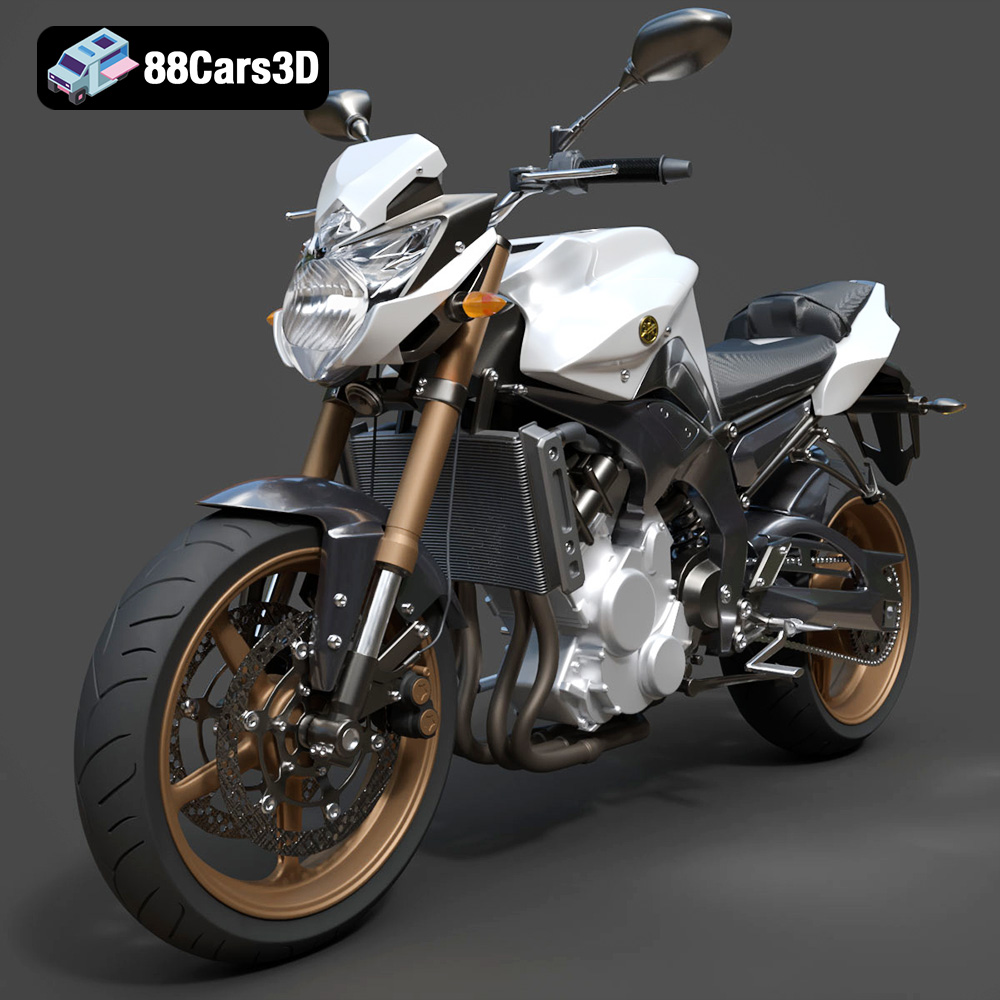
Texture: Yes
Material: Yes
Download the Yamaha FZ8 2011 3D Model featuring clean geometry, realistic detailing, and a fully modeled interior. Includes .blend, .fbx, .obj, .glb, .stl, .ply, .unreal, and .max formats for rendering, simulation, and game development.
Price: $19.99
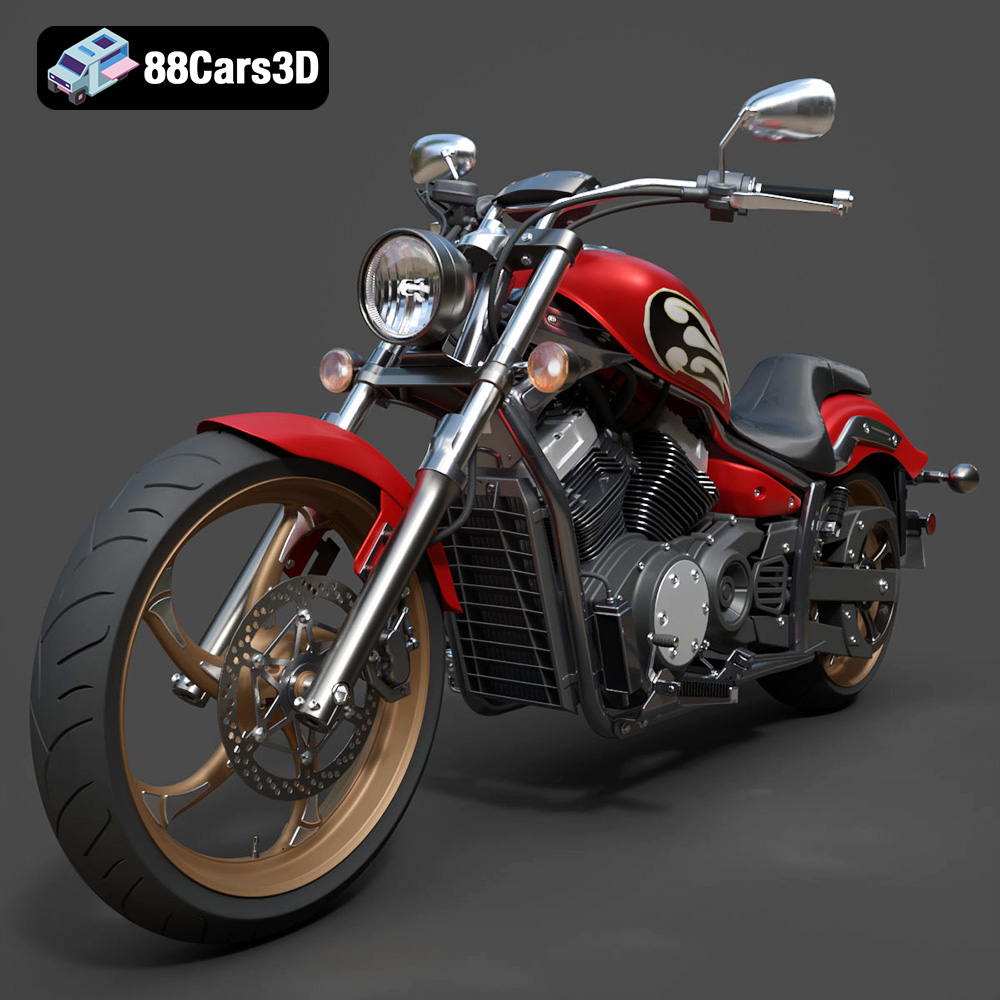
Texture: Yes
Material: Yes
Download the Yamaha Stryker 2012 3D Model featuring clean geometry, realistic detailing, and a fully modeled interior. Includes .blend, .fbx, .obj, .glb, .stl, .ply, .unreal, and .max formats for rendering, simulation, and game development.
Price: $19.99
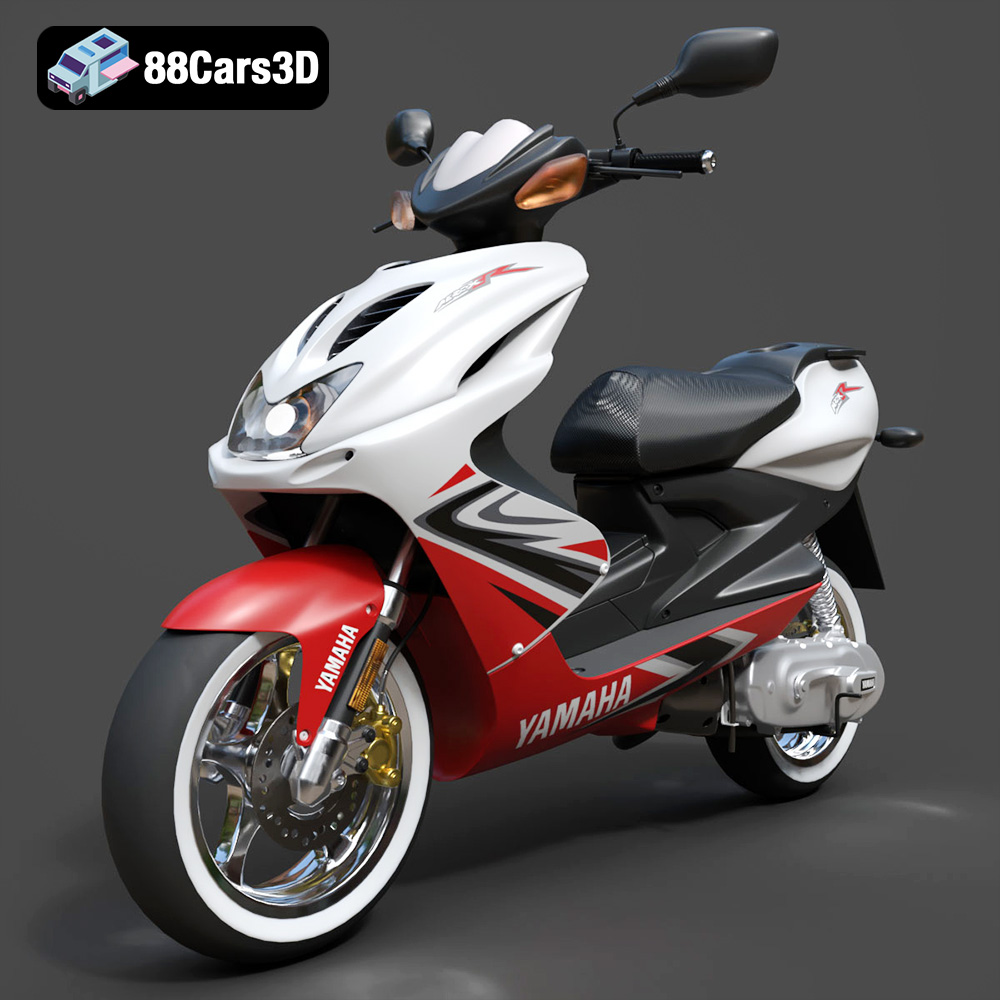
Texture: Yes
Material: Yes
Download the Yamaha Aerox R-002 2024 3D Model featuring clean geometry, realistic detailing, and a fully modeled interior. Includes .blend, .fbx, .obj, .glb, .stl, .ply, .unreal, and .max formats for rendering, simulation, and game development.
Price: $19.99
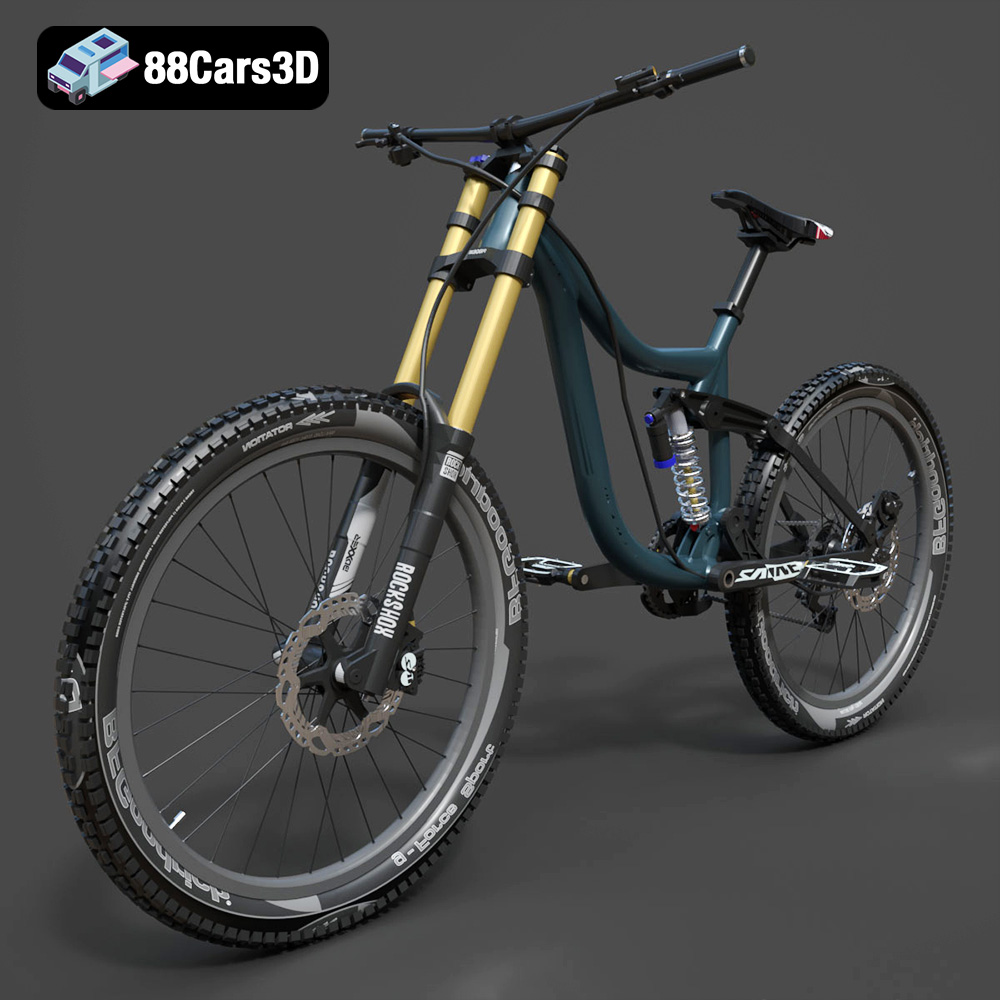
Texture: Yes
Material: Yes
Download the Mototsikly Downhill Bike-002 3D Model featuring clean geometry, realistic detailing, and precise mechanical components. Includes .blend, .fbx, .obj, .glb, .stl, .ply, .unreal, and .max formats for rendering, simulation, and game development.
Price: $19.99
Texture: Yes
Material: Yes
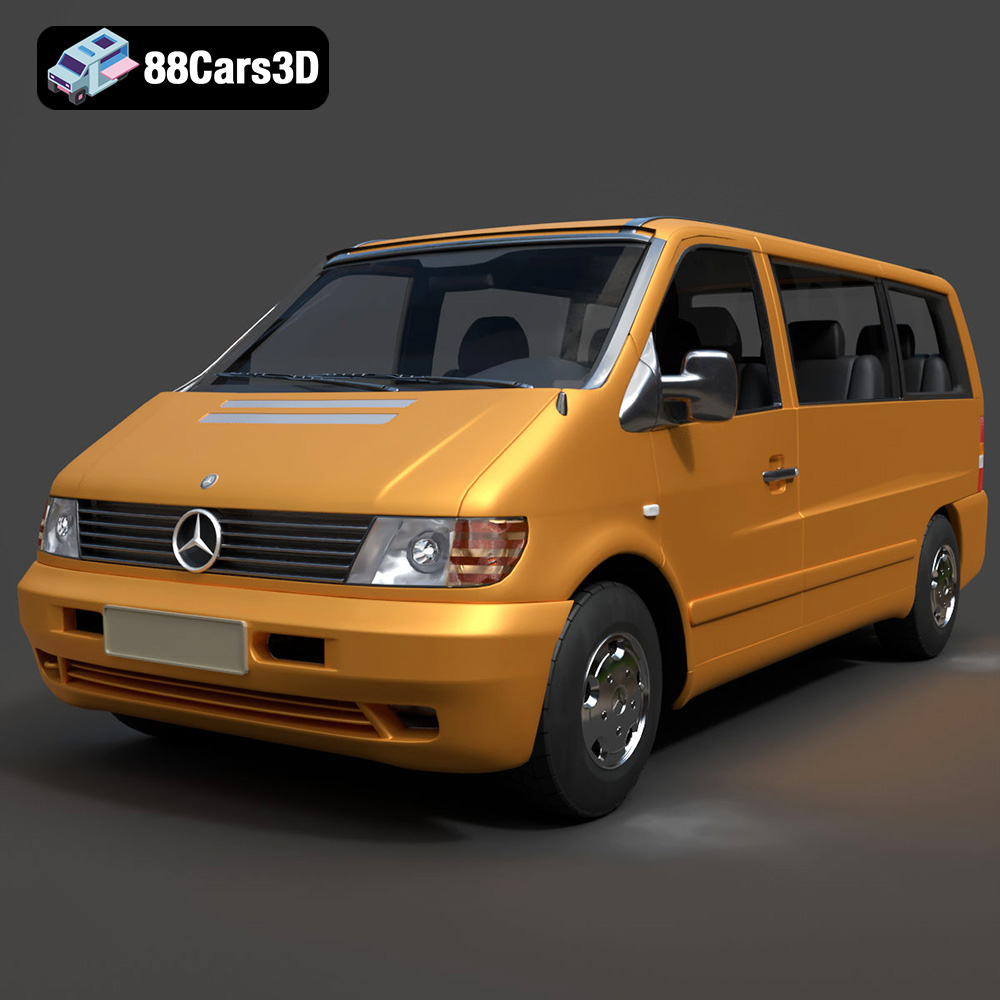
Download the Mercedes-Benz Vito Passenger Van 3D Model featuring clean geometry, realistic detailing, and a fully modeled interior. Includes .blend, .fbx, .obj, .glb, .stl, .ply, .unreal, and .max formats for rendering, simulation, and game development.
Price: $19.99
Texture: Yes
Material: Yes
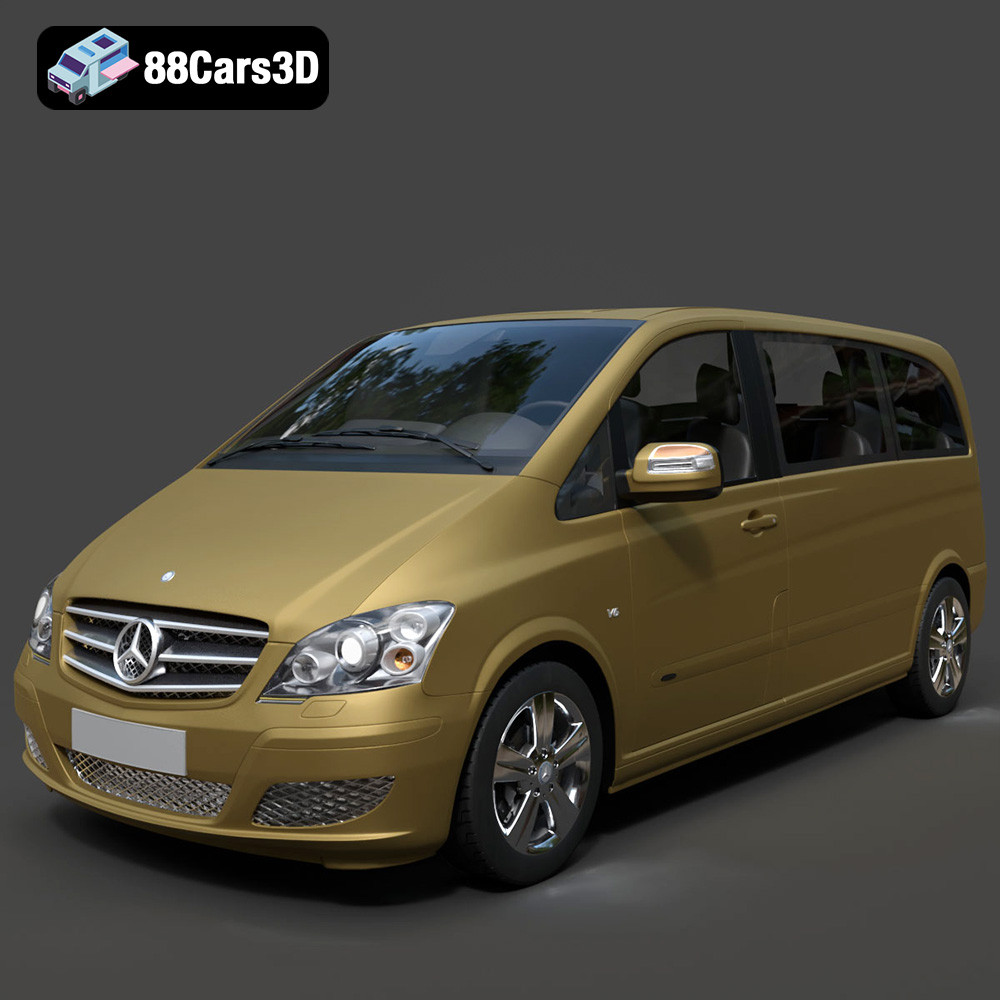
Download the Mercedes-Benz Viano 2010 3D Model featuring clean geometry, realistic detailing, and a fully modeled interior. Includes .blend, .fbx, .obj, .glb, .stl, .ply, .unreal, and .max formats for rendering, simulation, and game development.
Price: $19.99

Texture: Yes
Material: Yes
Download the Emt Avtobus 007 3D Model featuring clean geometry, realistic detailing, and a fully modeled interior. Includes .blend, .fbx, .obj, .glb, .stl, .ply, .unreal, and .max formats for rendering, simulation, and game development.
Price: $19.99
Texture: Yes
Material: Yes
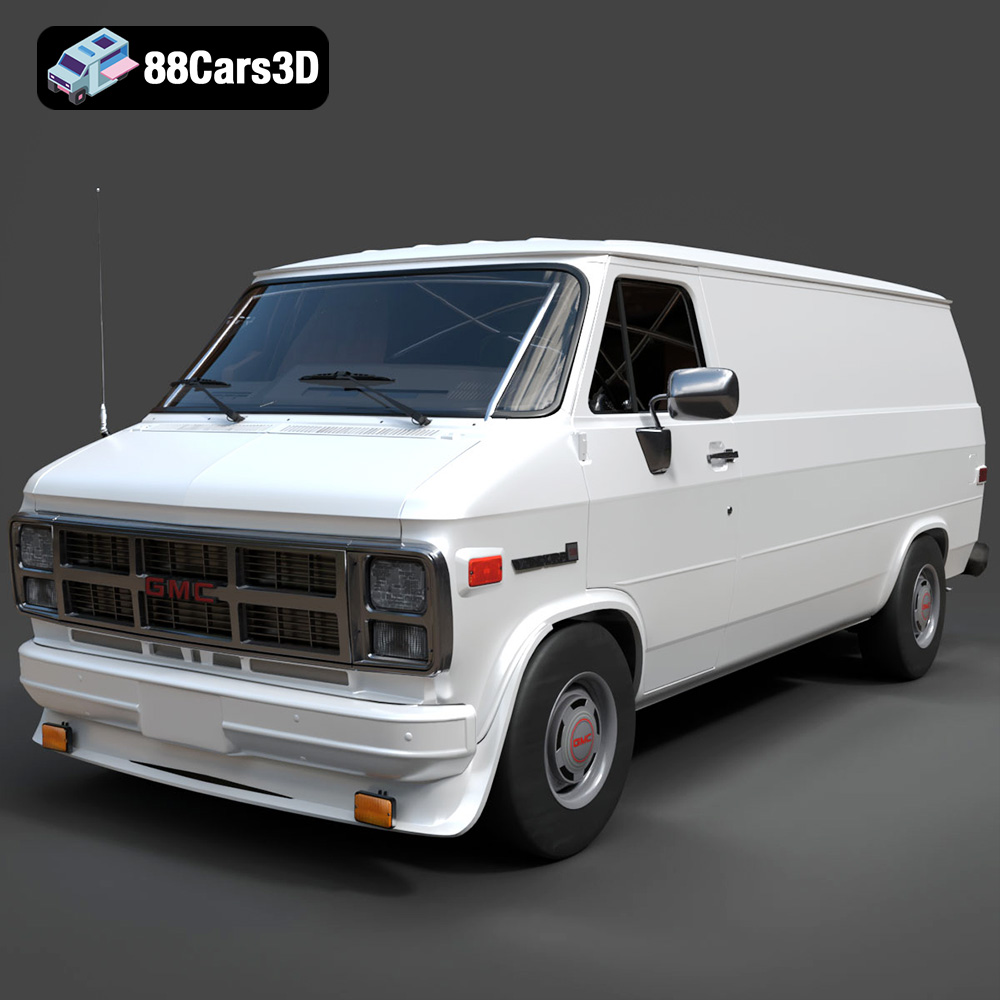
Download the GMC Vandura G-1500 1983 3D Model featuring clean geometry, realistic detailing, and a fully modeled interior. Includes .blend, .fbx, .obj, .glb, .stl, .ply, .unreal, and .max formats for rendering, simulation, and game development.
Price: $19.99
Texture: Yes
Material: Yes
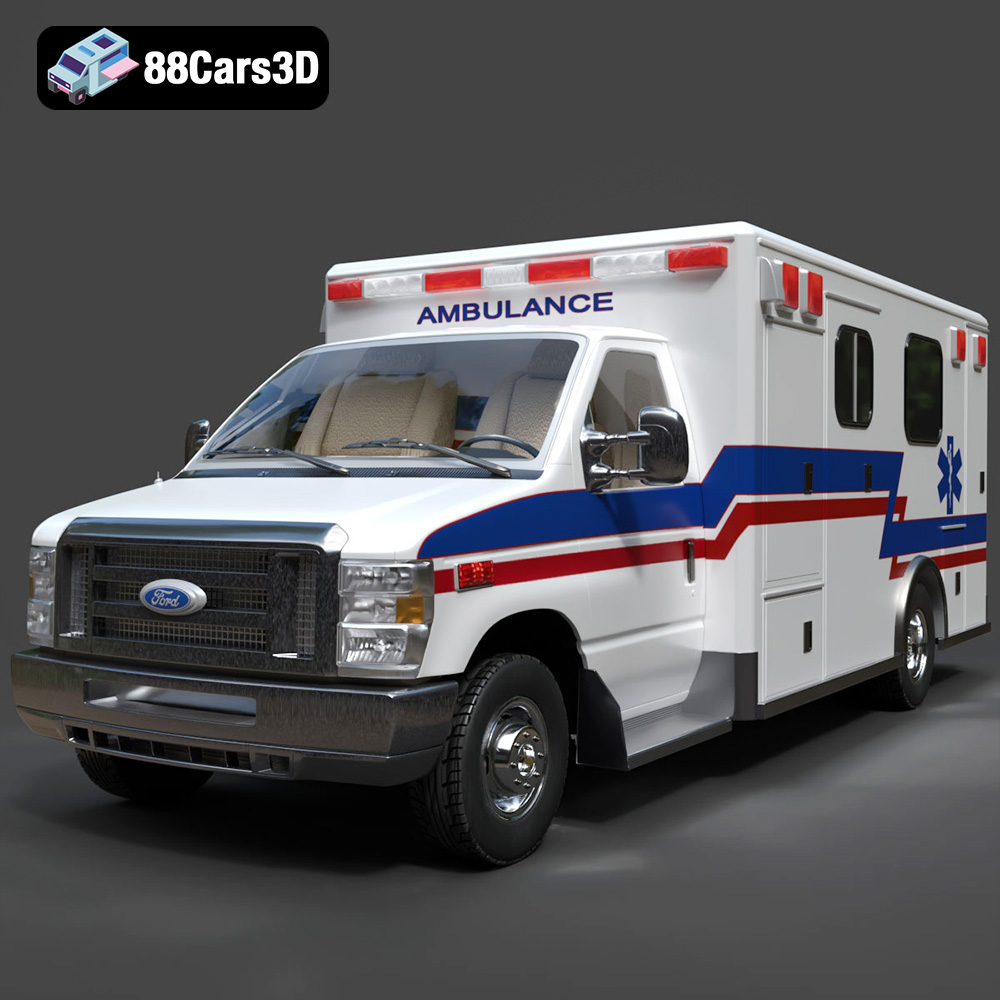
Download the Ford E-450 Ambulance 3D Model featuring clean geometry, realistic detailing, and a fully modeled interior. Includes .blend, .fbx, .obj, .glb, .stl, .ply, .unreal, and .max formats for rendering, simulation, and game development.
Price: $19.99

