⚡ FLASH SALE: Get 60% OFF All Premium 3D & STL Models! ⚡

In the competitive world of 3D visualization, automotive rendering stands out as a discipline demanding absolute realism. From the sleek curves of a supercar to the subtle reflections on polished chrome, every detail contributes to the illusion of a tangible vehicle. While advanced 3D car models, like those available on 88cars3d.com, provide an exceptional foundation, it’s the lighting that truly breathes life into these digital assets. Among the myriad lighting techniques, High Dynamic Range Image (HDRI) lighting has emerged as an indispensable tool for achieving unparalleled realism in automotive renders. This comprehensive guide will delve deep into the technical aspects of HDRI lighting, offering insights, workflows, and optimization strategies to elevate your automotive visualization projects to new heights.
Understanding and implementing HDRI lighting effectively can transform a static 3D model into a captivating visual narrative. It’s not just about illuminating your scene; it’s about capturing the nuanced interplay of light, shadow, and reflection from real-world environments, seamlessly integrating your automotive masterpiece into a believable setting. Whether you’re a seasoned 3D artist, an aspiring game developer, or an automotive designer striving for photorealistic presentations, mastering HDRI lighting is a crucial skill that will unlock a new dimension of visual fidelity in your work.
High Dynamic Range Images (HDRIs) are essentially panoramic photographs that contain a vast range of light information, far exceeding what a standard image (Low Dynamic Range or LDR) can capture. Unlike LDRs, which store light values in an 8-bit per channel format, HDRIs can store 32-bit or higher floating-point values, allowing them to record the full spectrum of light intensities from the darkest shadows to the brightest highlights in a real-world environment. This extended dynamic range is what makes HDRIs so powerful for realistic lighting.
When an HDRI is used to light a 3D scene, it’s typically mapped onto a virtual sphere or dome surrounding your model. The renderer then interprets the light information from this image, casting accurate light, shadows, and reflections onto your 3D automotive model. This process, often referred to as Image-Based Lighting (IBL), simulates global illumination by sampling light from all directions, recreating the subtle nuances of real-world illumination. The benefits are immediately apparent: realistic color bleeding, accurate ambient lighting, and reflections that precisely mirror the environment, all contributing to a highly convincing render. This is particularly vital for metallic and reflective surfaces characteristic of cars, where even the slightest discrepancy in reflections can break the illusion of realism.
Traditional lighting setups often involve placing multiple virtual light sources (directional, point, spot lights) and meticulously adjusting their intensity, color, and position to mimic natural lighting. While this offers immense control, it’s incredibly time-consuming and often falls short of replicating the complex, organic light distribution found in the real world. HDRIs, on the other hand, provide an “all-in-one” lighting solution. They inherently contain all the necessary environmental data, including direct light from the sun, diffuse sky light, and even indirect bounces, leading to more natural and cohesive results with less effort. This efficiency is a game-changer for automotive rendering, where achieving photorealism can otherwise be a highly demanding task.
The process of setting up HDRI lighting is generally straightforward across most 3D rendering applications, though specific steps and terminology may vary. We’ll outline the general workflow and then touch upon specifics for popular software like 3ds Max, Blender, and Maya.
The core concept involves loading your chosen HDRI into the environment or world settings of your 3D scene and enabling global illumination. This tells the renderer to use the HDRI as the primary light source for the scene, dictating overall illumination, reflections, and ambient light contribution.
For 3ds Max users, especially with popular renderers like Corona or V-Ray, integrating HDRIs is a streamlined process. First, ensure your 3D car model is imported and properly scaled. Navigate to the
Blender offers a robust environment for HDRI lighting, compatible with both its Cycles and EEVEE render engines. After opening your project in Blender 4.4 (refer to the official Blender 4.4 Manual for detailed software navigation), switch to the
In Maya, with Arnold Renderer, the process for HDRI setup is similarly node-based. Start by opening the
Beyond basic setup, several advanced techniques can be employed to squeeze maximum realism and creative control from your HDRI lighting. These methods allow artists to overcome common challenges and achieve truly outstanding automotive renders.
The position and intensity of your HDRI are critical for defining the mood and showcasing the form of your 3D car models. Subtle adjustments can make a significant difference. Experiment with rotating the HDRI to find the sweet spot where highlights flow beautifully across the car’s bodywork and shadows define its contours. For instance, rotating the HDRI to place the strongest light source (e.g., the sun) at a 45-degree angle to the car often produces dynamic reflections and good contrast. Adjust the overall intensity (exposure or multiplier) to ensure the scene is neither blown out nor too dark. Remember that physically based rendering (PBR) materials react realistically to varying light intensities, so proper exposure is key to their accurate appearance.
When working with reflective automotive surfaces, pay close attention to how the environment is reflected. A slightly angled HDRI can create elongated, interesting reflections that emphasize the car’s speed and form. For studio setups, consider rotating the HDRI to capture specific studio elements (like softbox reflections) on the vehicle. This attention to detail is why high-quality 3D car models from platforms like 88cars3d.com are so crucial, as their precise topology and UV mapping perfectly capture these environmental nuances.
For a realistic render, your automotive model needs to interact convincingly with a ground plane, casting accurate shadows and receiving subtle bounces of light. Creating a simple, flat plane in your 3D scene and applying a “shadow catcher” material to it is essential. This material is designed to only render shadows and ambient occlusion, making the ground plane invisible in the final render while still allowing it to receive light and cast shadows from your HDRI environment. This creates the illusion that your car is sitting realistically on a surface, rather than floating in space.
While HDRIs provide excellent overall illumination, they might not offer the precise control needed for artistic highlights or to emphasize specific features of your automotive model. This is where combining HDRIs with artificial lights comes into play. You can use traditional 3D lights (area lights, spot lights) to augment the HDRI lighting, adding rim lights, accentuating chrome details, or creating dramatic shadows. The HDRI provides the natural ambient light and reflections, while artificial lights offer targeted artistic control.
For instance, an HDRI might give you a beautiful sunset environment, but you might want to add a subtle warm spot light to catch the edge of a headlight or a linear area light to emphasize the character line along the car’s side. This hybrid approach offers the best of both worlds: the realism of image-based lighting combined with the artistic flexibility of manual light placement. When working in Blender, for example, after setting up your HDRI in the World Shader Editor, you can easily add additional lights via the Add menu (Shift+A) in the 3D viewport, selecting various light types and adjusting their properties in the Light Properties tab, as detailed in the Blender 4.4 Manual’s section on Light Objects.
High-resolution HDRIs can be resource-intensive, especially in complex scenes with highly detailed 3D car models. Optimizing your HDRI workflow is crucial for faster render times without compromising visual quality. This involves smart asset management, efficient renderer settings, and judicious use of resolution.
While a high-resolution HDRI is ideal for reflections, it might not always be necessary for the primary light source if it’s contributing mostly diffuse light or is blurred in the background. Consider having two versions of your HDRI: a high-resolution (e.g., 16K or 24K) version for reflections and a lower-resolution (e.g., 4K or 8K) version for the general lighting and background visible in the final image. This can significantly reduce memory usage. For file formats,
When managing assets, ensure your project paths are correctly set up to avoid missing files. For large projects, consider using texture caching features if your renderer supports them, which can speed up load times for frequently used HDRIs.
Rendering with HDRIs, especially complex ones, can sometimes introduce noise, particularly in areas of subtle lighting or deep shadows. This is due to the nature of unbiased renderers needing more samples to resolve detailed light information. To combat this, you’ll need to adjust your renderer’s sampling settings. Increase the
For more advanced noise reduction, you can render out specific passes like the “Light Mix” or “Denoiser” passes, allowing for greater control during compositing. This is a common practice in professional automotive rendering pipelines to achieve pristine final images.
Beyond simply sphere-mapping, some renderers offer alternative environment mapping techniques. For instance, sometimes a simple “dome” or “hemisphere” mapping can be more efficient if your scene doesn’t require a full 360-degree environment. Additionally, consider using
For physically accurate light distribution, especially when rendering exterior shots of a 3D car, ensure that your HDRI is set up to contribute to both direct and indirect illumination, as well as reflections. Some software allows separate control over these contributions, giving you more granular artistic direction while maintaining physical accuracy.
A photorealistic automotive render is rarely just the car and its lighting. Seamlessly integrating the vehicle into a believable background, and then enhancing the final image through compositing, are crucial steps for achieving professional-grade results. This involves careful consideration of perspective, color, and depth.
When placing a 3D car model into a photograph or plate, accurately matching the perspective and scale is paramount. Discrepancies in these areas immediately break the illusion. Many 3D software packages offer tools for camera matching, allowing you to align your virtual camera to the perspective of your background image. This involves identifying parallel lines and vanishing points within the photograph to reconstruct the real-world camera’s position and lens properties. Once the camera is matched, ensure your 3D model is scaled correctly to fit the scene. A car that’s too large or too small for its environment will look out of place, regardless of how good the lighting is.
Always aim to use a background plate that matches the f-stop and focal length of your virtual camera, if possible. This will ensure that the depth of field and sense of scale are consistent between your 3D model and the photographic background.
Even with a perfectly matched HDRI, subtle color shifts can occur between your 3D render and the background image. Color matching is essential to blend the elements seamlessly. This involves adjusting the white balance, saturation, and color temperature of your rendered image to align with the background plate. Use color grading tools in your compositing software (e.g., Photoshop, Nuke, DaVinci Resolve) to make these adjustments. Look at the shadows, midtones, and highlights in both the render and the background, and try to balance them. A common technique is to sample colors directly from the background and apply them as subtle color tints to your rendered image, ensuring the car doesn’t appear as an alien element in the scene.
Consider the atmospheric conditions of your background. Is it a hazy day? Add a subtle atmospheric haze to your render. Is the light warm and golden? Ensure your car’s materials reflect that warmth. These small details significantly enhance believability.
Post-processing is the final layer of refinement that can elevate a good render to an exceptional one. This stage involves adding effects like:
These post-processing steps, often applied in a compositing environment, should be used judiciously to enhance realism without overdoing it. The goal is to make the rendered 3D car model appear as if it was always part of the original photograph. When you purchase high-quality 3D car models from a reputable source like 88cars3d.com, you already have models with clean topology and realistic PBR materials, which form the perfect canvas for these detailed post-processing refinements.
Learning from real-world applications and established best practices can significantly accelerate your mastery of HDRI lighting for automotive renders. Observing how professionals approach various scenarios reveals invaluable insights.
For product visualization, where the focus is solely on showcasing the 3D car model itself, a clean, neutral HDRI is often preferred. Studio HDRIs typically feature large softboxes or light panels, providing even, flattering illumination with controlled reflections. The key here is to bring out the form and details of the car without distracting environmental elements. In this scenario, adding subtle area lights to create strong highlights on the body lines or accentuating the wheel design with a focused spot light becomes crucial. High-quality PBR materials on models from 88cars3d.com will react perfectly to this controlled studio lighting, revealing their intricate textures and realistic finishes.
Best Practice: Use a studio HDRI with soft, even lighting to provide a base, and then strategically introduce a few key artificial lights to sculpt the car’s form and create visually appealing reflections. This approach offers maximum control over the final aesthetic, vital for marketing and design presentations.
For lifestyle shots, where the car is integrated into a realistic outdoor setting, the choice of HDRI is paramount. A sunny landscape, a bustling city street, or a serene forest road—each environment demands an HDRI that accurately captures its unique lighting. The goal is to make the car look like it was photographed on location. This often involves careful camera matching to align the 3D car model with the background plate. Additionally, ensure that the HDRI’s lighting direction and color temperature match the background image perfectly. If the sun is low in the sky in your background, your HDRI should reflect that same low sun angle and warm light. This holistic approach to scene building ensures seamless integration.
Best Practice: Always use a matching HDRI for your background plate. If you’re using a photograph of a specific location at a specific time of day, try to find an HDRI captured under similar conditions. This will automatically provide consistent lighting, shadows, and reflections, drastically reducing the effort needed for color correction and integration. Don’t forget to account for atmospheric scattering; a subtle haze can help the car blend with distant background elements.
When preparing 3D car models for game engines like Unity or Unreal Engine, HDRI lighting plays a slightly different role. While real-time engines use HDRIs for environment lighting, they also heavily rely on light probes and reflection probes to capture and apply environmental lighting to dynamic objects. The HDRI acts as the source for these probes. For performance optimization, lower-resolution HDRIs might be used for the global skybox, while higher-resolution cubemaps are baked from specific areas for more accurate reflections on the car. This ensures that the highly detailed car models from 88cars3d.com render efficiently within the game environment without compromising visual quality.
Best Practice: In game engines, bake reflection probes from your HDRI environment in key areas around the car, particularly where reflective surfaces will be prominent. This pre-computes reflections, reducing real-time rendering overhead. Implement Level of Detail (LODs) for your automotive models to swap in simpler versions at a distance, further optimizing performance. Also, consider using texture atlasing for your car’s PBR materials to minimize draw calls, an important optimization for real-time applications.
Even with a solid understanding, artists often encounter specific hurdles when working with HDRI lighting for automotive renders. Anticipating and addressing these can save significant time and frustration.
One of the most common issues is using a low-quality HDRI or one that doesn’t appropriately match the desired scene. A low-resolution HDRI will result in blurry reflections, especially on glossy car paint or chrome. An HDRI with incorrect exposure or color temperature will make your car look out of place, no matter how well it’s modeled. This is why investing in high-quality HDRIs is just as important as investing in premium 3D car models.
Solution: Always source HDRIs from reputable providers that offer multiple resolutions. Before rendering, do a quick test render with just the HDRI and your car model to assess the quality of reflections and overall lighting. If color or exposure is off, use color correction nodes or layers in your 3D software or compositing tool to adjust the HDRI to match your vision or background plate.
Sometimes, even with a good HDRI, the lighting can appear flat, lacking drama or depth. This often happens with overly diffuse or overcast HDRIs where there’s no strong directional light source. While natural and even, such lighting might not best showcase the car’s form.
Solution: Supplement your HDRI with artificial lights. Use a directional light to simulate a strong sun, or add area lights as “fill” or “kick” lights to create more pronounced highlights and shadows. This adds depth and visual interest, making the car stand out. Adjust the rotation of the HDRI to find angles that create more dynamic reflections across the car’s body. Sometimes, a subtle tilt can dramatically change how light interacts with the car’s curves.
Automotive renders inherently feature highly reflective surfaces (paint, chrome, glass) and transparent elements (windows). Ensuring these materials react correctly to the HDRI is critical. Imperfect UV mapping or PBR material setups can lead to distorted or unrealistic reflections. For glass, proper refraction and absorption properties are essential.
Solution: Start with physically accurate PBR materials for your 3D car models. Ensure that the metallic, roughness, and normal maps are correctly configured. For glass, use a dedicated glass shader with appropriate IOR (Index of Refraction) values (e.g., 1.5 for standard glass). In Blender Cycles, you’d use a Principled BSDF node for general PBR materials and adjust parameters like Metallic, Specular, and Roughness, and for glass, you’d increase Transmission and lower Roughness. Ensure your UV mapping is clean and undistorted so that reflections appear natural across the surfaces. Tools like Blender’s UV Editor (as outlined in the Blender 4.4 Manual) are indispensable for this task.
Mastering HDRI lighting is an essential skill for any 3D artist aiming to produce photorealistic automotive renders. It bridges the gap between digital models and real-world environments, imbuing your vehicles with a sense of presence and believability. By leveraging the comprehensive light data captured in HDRIs, you can achieve stunning reflections, accurate global illumination, and dynamic shadows with remarkable efficiency. Whether you’re working with the intricate 3D car models from 88cars3d.com for high-end visualization, game development, or architectural integration, a thoughtful approach to HDRI lighting will consistently deliver professional-grade results.
From understanding the technical principles of HDRIs and implementing them across various 3D software to employing advanced techniques for enhanced realism and optimizing your workflow for performance, each step contributes to the final masterpiece. Remember to meticulously adjust rotation and intensity, seamlessly integrate with ground planes, and fine-tune your renders in post-processing. The journey to photorealistic automotive rendering is one of continuous learning and refinement, but with HDRI lighting as a cornerstone, you’re well-equipped to illuminate your creative vision and bring your digital vehicles to life.

Meta Description:
Texture: Yes
Material: Yes
Download the Porsche Cayenne 3D Model featuring realistic exterior styling and detailed interior design. Includes .blend, .fbx, .obj, .glb, .stl, .ply, .unreal, and .max formats for rendering, simulation, AR VR, and game development.
Price: $19.9
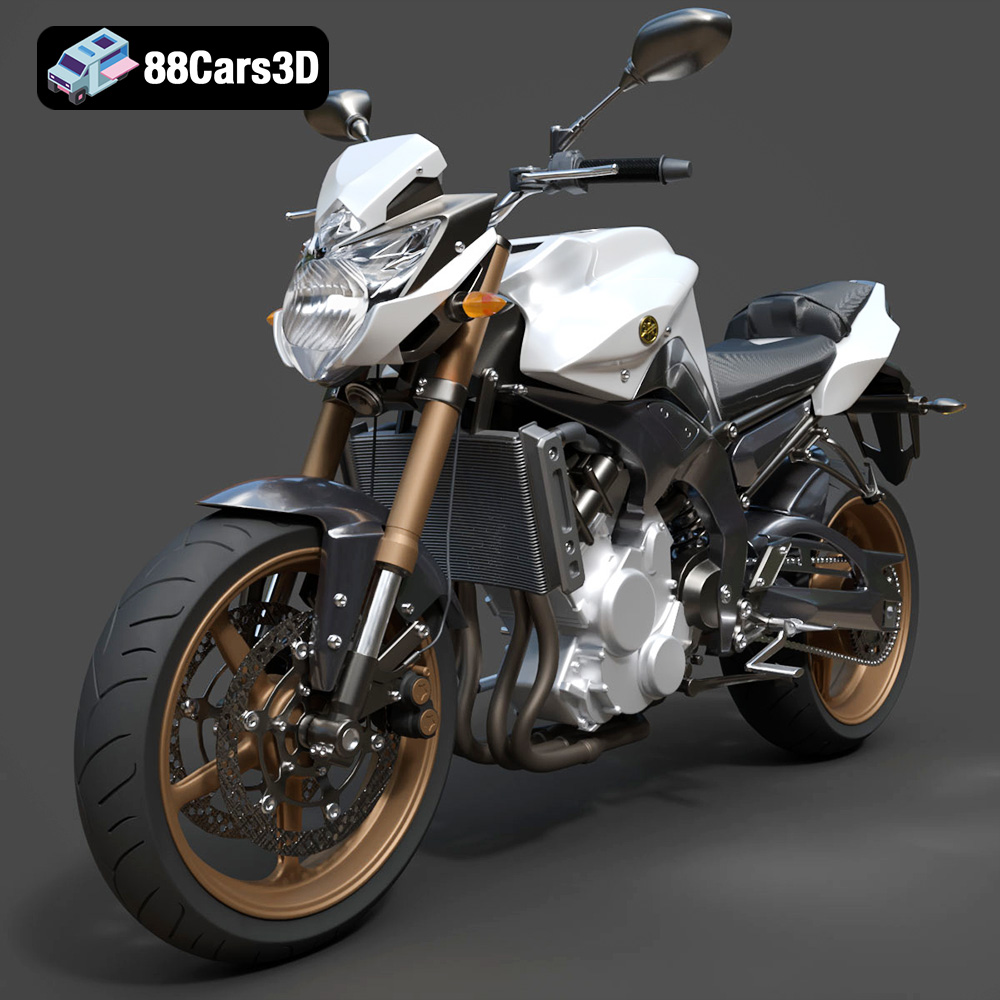
Texture: Yes
Material: Yes
Download the Yamaha FZ8 2011 3D Model featuring clean geometry, realistic detailing, and a fully modeled interior. Includes .blend, .fbx, .obj, .glb, .stl, .ply, .unreal, and .max formats for rendering, simulation, and game development.
Price: $19.99
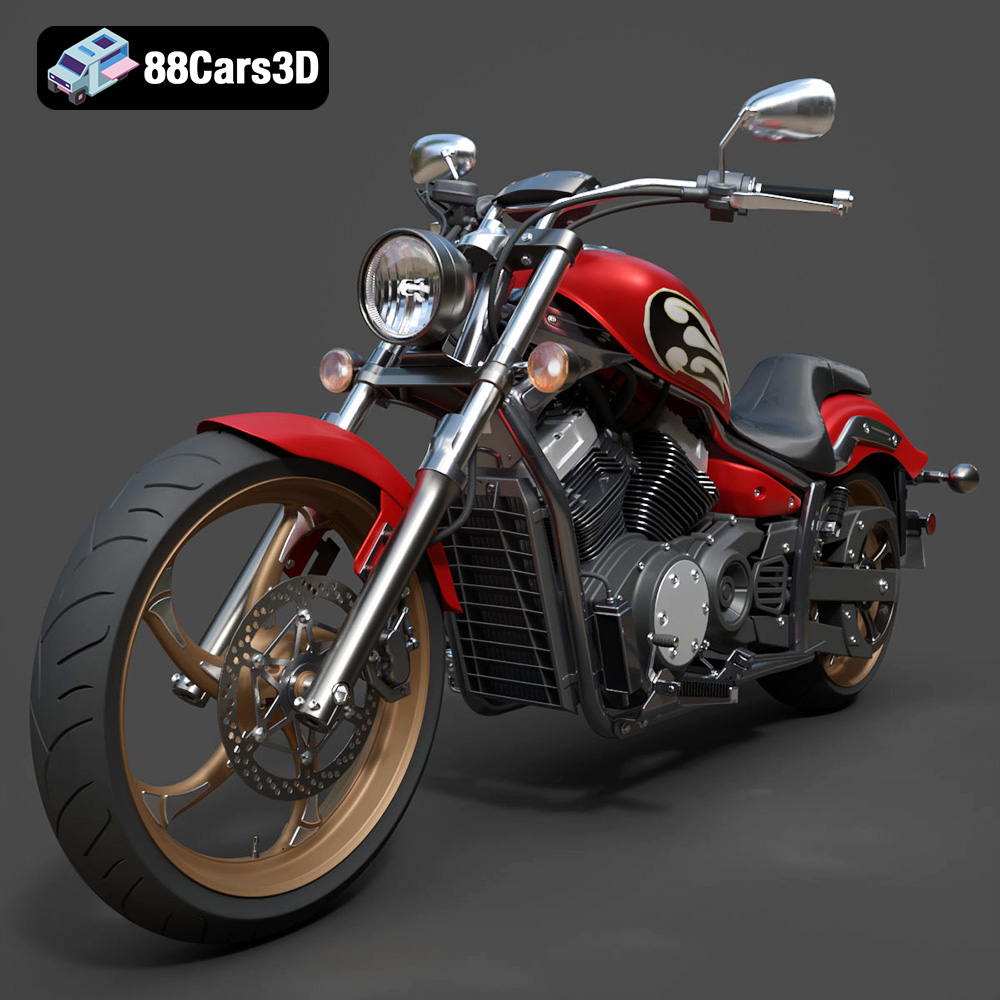
Texture: Yes
Material: Yes
Download the Yamaha Stryker 2012 3D Model featuring clean geometry, realistic detailing, and a fully modeled interior. Includes .blend, .fbx, .obj, .glb, .stl, .ply, .unreal, and .max formats for rendering, simulation, and game development.
Price: $19.99
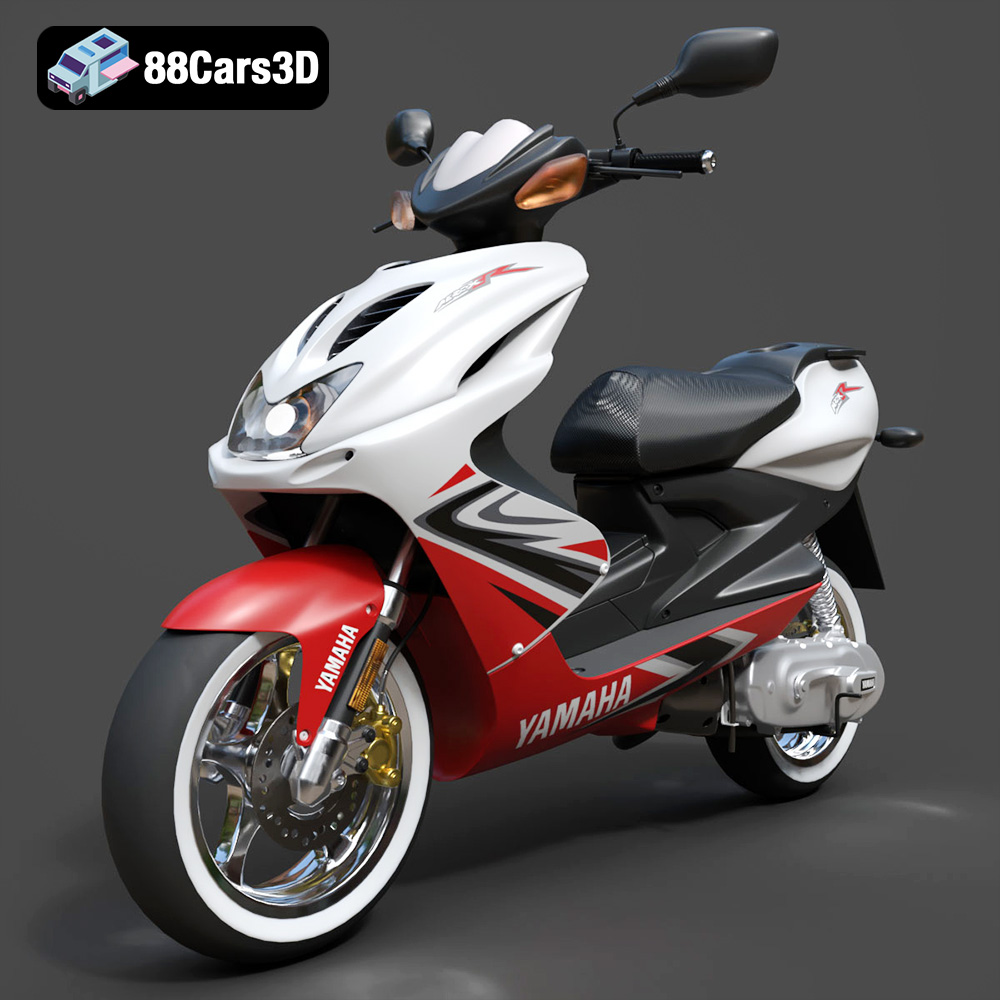
Texture: Yes
Material: Yes
Download the Yamaha Aerox R-002 2024 3D Model featuring clean geometry, realistic detailing, and a fully modeled interior. Includes .blend, .fbx, .obj, .glb, .stl, .ply, .unreal, and .max formats for rendering, simulation, and game development.
Price: $19.99
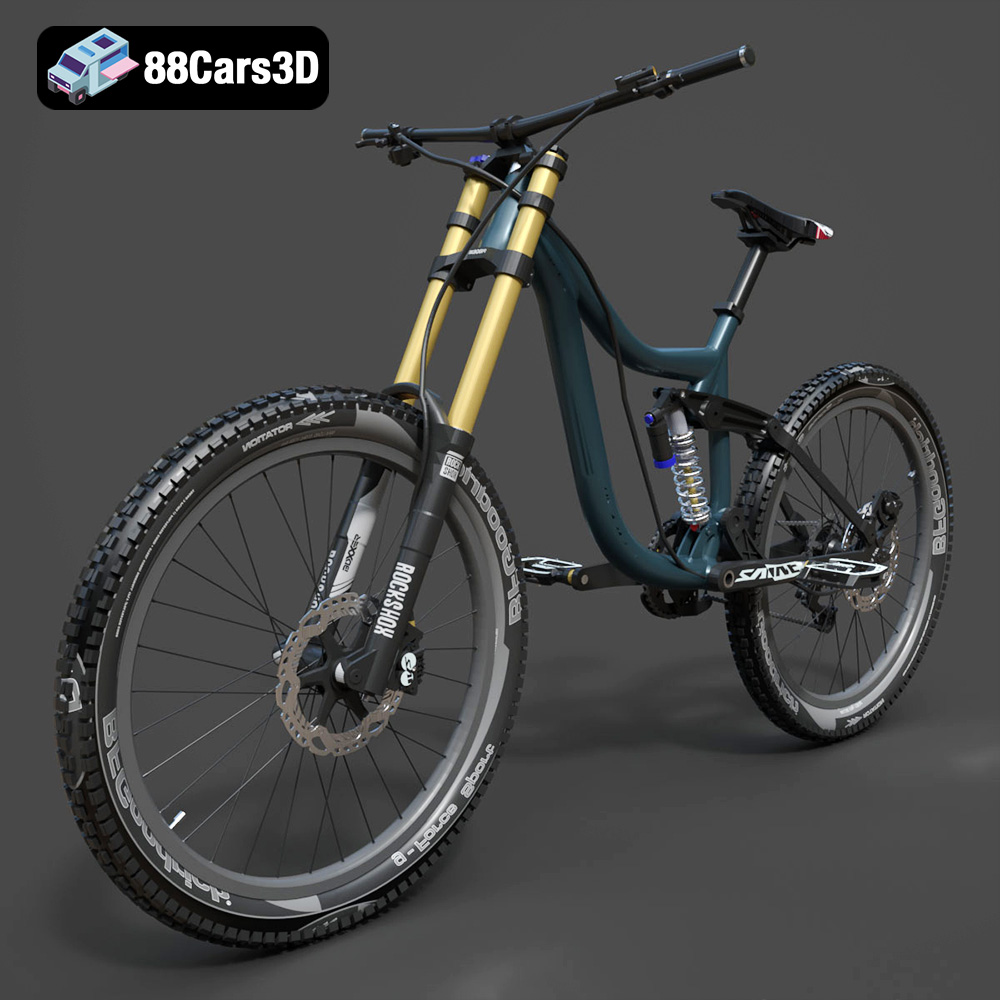
Texture: Yes
Material: Yes
Download the Mototsikly Downhill Bike-002 3D Model featuring clean geometry, realistic detailing, and precise mechanical components. Includes .blend, .fbx, .obj, .glb, .stl, .ply, .unreal, and .max formats for rendering, simulation, and game development.
Price: $19.99
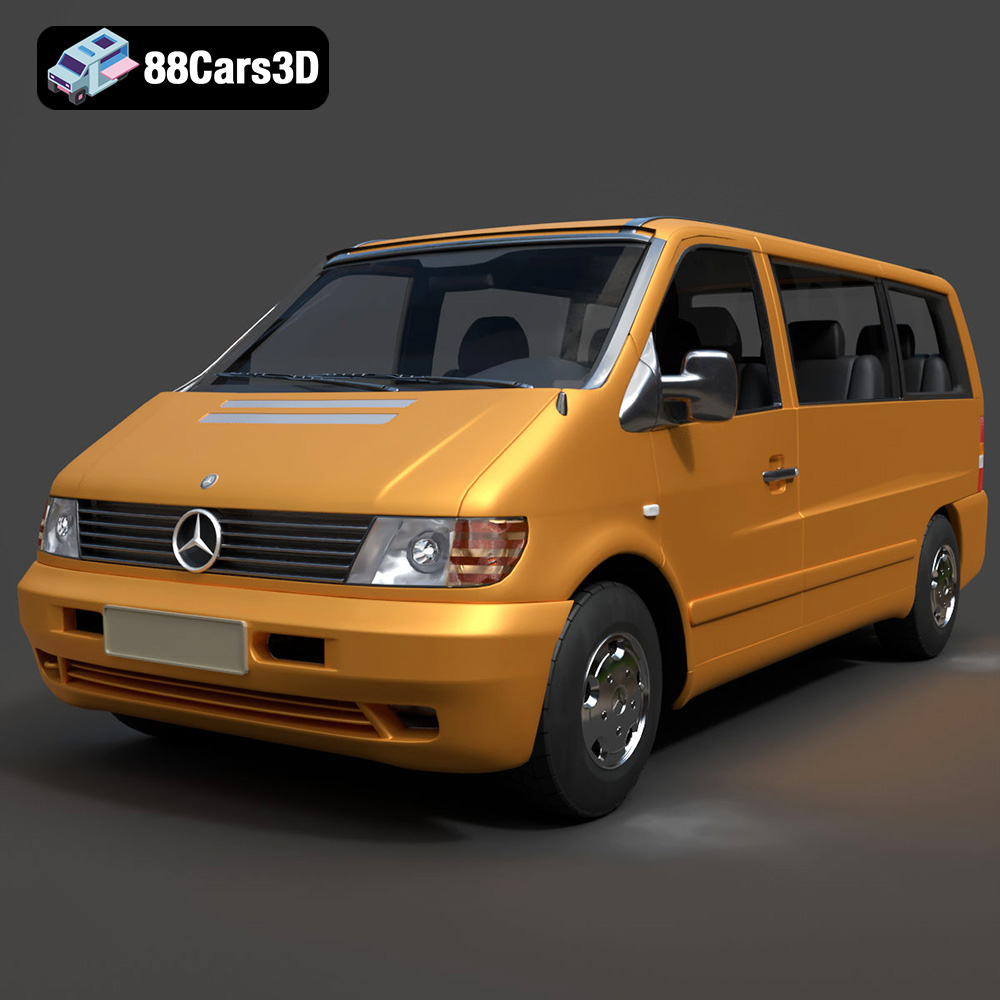
Texture: Yes
Material: Yes
Download the Mercedes-Benz Vito Passenger Van 3D Model featuring clean geometry, realistic detailing, and a fully modeled interior. Includes .blend, .fbx, .obj, .glb, .stl, .ply, .unreal, and .max formats for rendering, simulation, and game development.
Price: $19.99
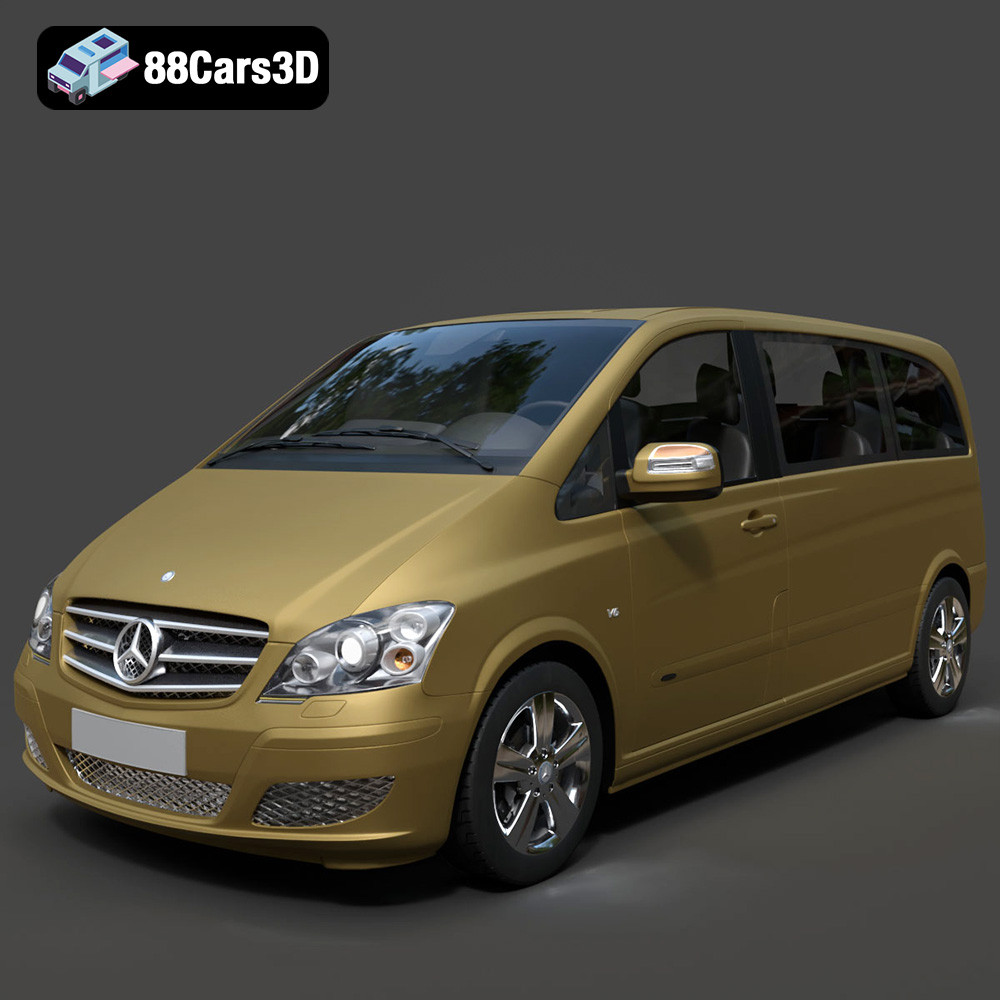
Texture: Yes
Material: Yes
Download the Mercedes-Benz Viano 2010 3D Model featuring clean geometry, realistic detailing, and a fully modeled interior. Includes .blend, .fbx, .obj, .glb, .stl, .ply, .unreal, and .max formats for rendering, simulation, and game development.
Price: $19.99

Texture: Yes
Material: Yes
Download the Emt Avtobus 007 3D Model featuring clean geometry, realistic detailing, and a fully modeled interior. Includes .blend, .fbx, .obj, .glb, .stl, .ply, .unreal, and .max formats for rendering, simulation, and game development.
Price: $19.99
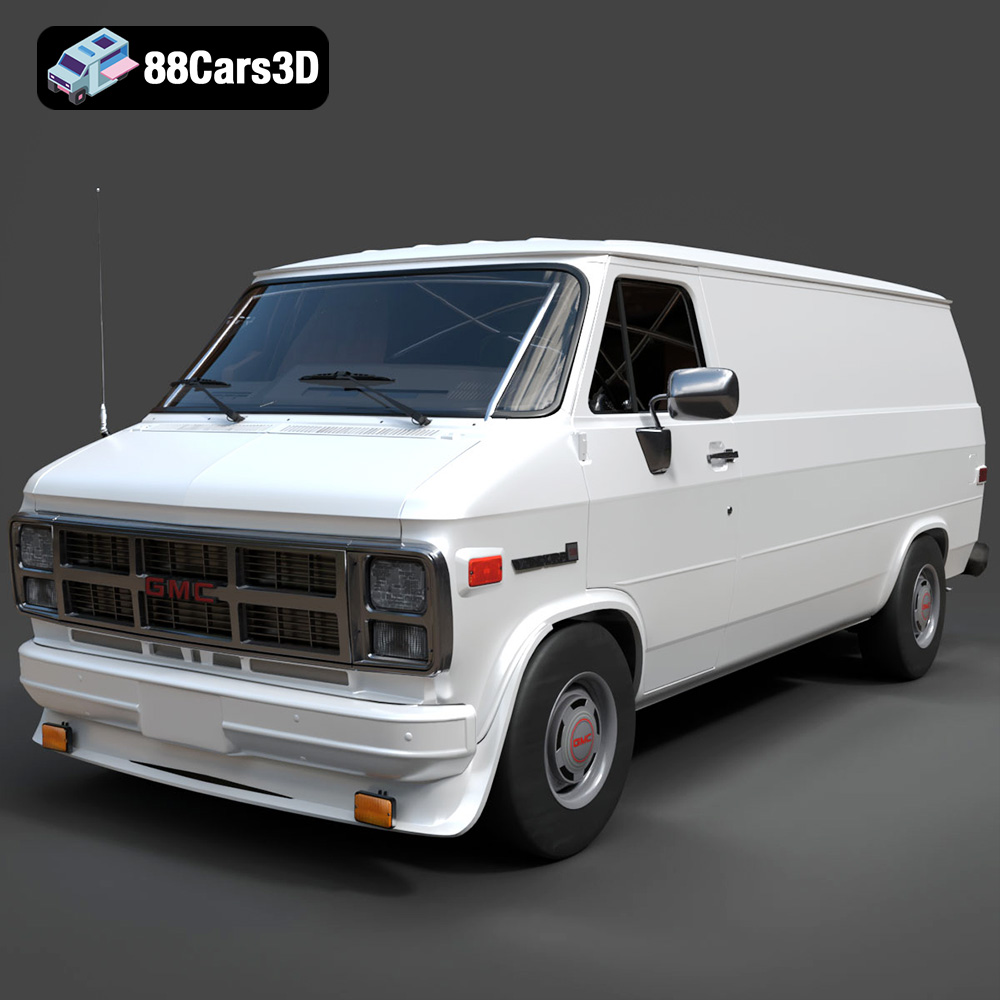
Texture: Yes
Material: Yes
Download the GMC Vandura G-1500 1983 3D Model featuring clean geometry, realistic detailing, and a fully modeled interior. Includes .blend, .fbx, .obj, .glb, .stl, .ply, .unreal, and .max formats for rendering, simulation, and game development.
Price: $19.99
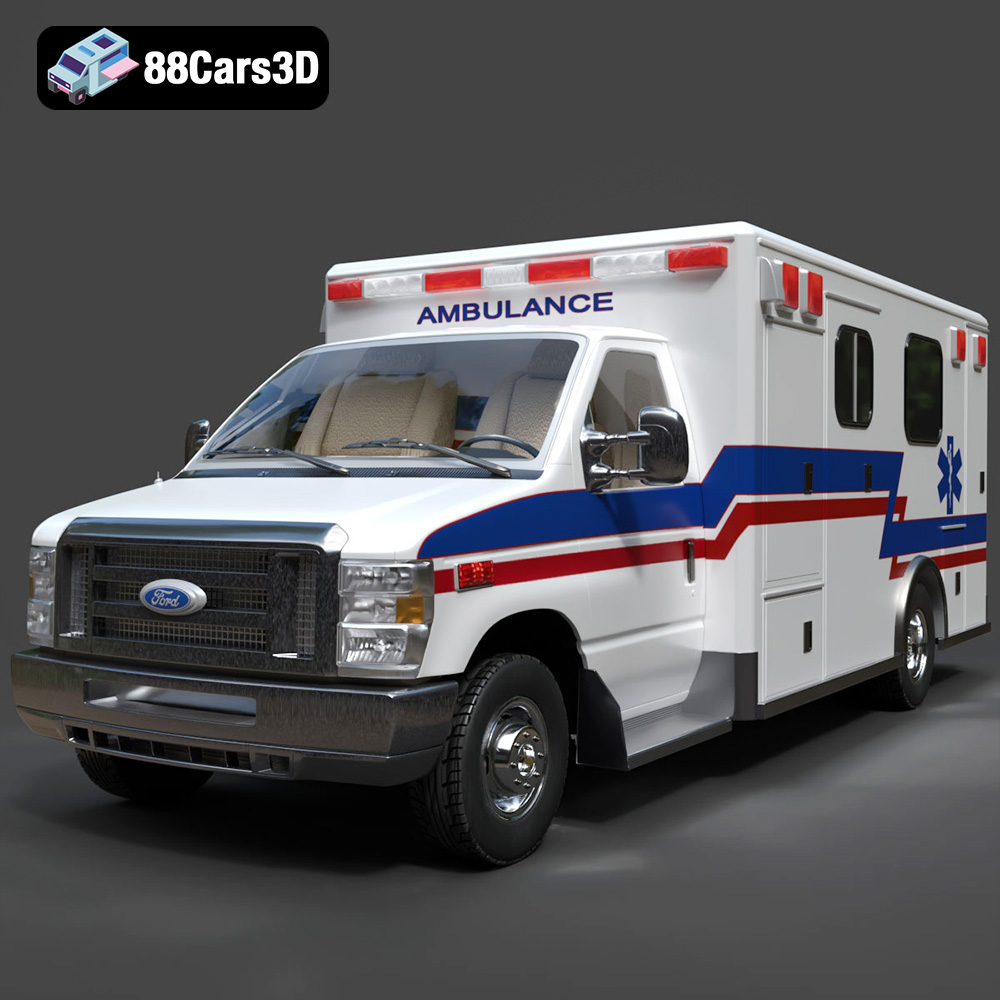
Texture: Yes
Material: Yes
Download the Ford E-450 Ambulance 3D Model featuring clean geometry, realistic detailing, and a fully modeled interior. Includes .blend, .fbx, .obj, .glb, .stl, .ply, .unreal, and .max formats for rendering, simulation, and game development.
Price: $19.99

