⚡ FLASH SALE: Get 60% OFF All Premium 3D & STL Models! ⚡

The world of real-time rendering demands precision, efficiency, and a keen eye for detail, especially when it comes to high-fidelity automotive visualization. Unreal Engine stands at the forefront of this revolution, empowering artists and developers to create breathtakingly realistic car configurators, immersive virtual showrooms, and cinematic automotive content. However, the true power of Unreal Engine is unleashed not just by its features, but by a meticulously organized and managed project structure. Without a robust system for handling 3D car models and related assets, even the most ambitious projects can quickly descend into chaos, leading to wasted time, performance bottlenecks, and collaborative nightmares.
This comprehensive guide will delve deep into the best practices for Unreal Engine asset management and project organization, specifically tailored for automotive visualization. We’ll explore everything from initial project setup and efficient model importing to advanced material workflows, lighting techniques, and crucial optimization strategies. Whether you’re a seasoned Unreal Engine developer, a 3D artist new to real-time, or an automotive designer looking to elevate your presentations, understanding these principles is paramount. By the end of this article, you’ll have a clear roadmap to create streamlined, high-performance Unreal Engine projects that deliver unparalleled visual fidelity for your 3D car models.
A well-organized Unreal Engine project begins long before any assets are imported. The initial project setup and a logical folder hierarchy are the bedrock upon which all subsequent work is built. This foundational step is crucial for maintaining clarity, facilitating collaboration, and ensuring the long-term scalability and maintainability of your automotive visualization projects. Think of it as designing the blueprint for your virtual garage – every vehicle and tool needs its designated place.
A consistent and intuitive folder structure is perhaps the most fundamental aspect of good project organization. It ensures that any team member (or even your future self) can quickly locate specific assets, understand their purpose, and integrate new content seamlessly. For automotive projects, a common structure might resemble:
* **Content/**
* **_Developers/** (For individual sandbox work before official integration)
* **Automotive/**
* **Vehicles/**
* **Car_Brand_Model_Year/** (e.g., `Audi_RS6_2024/`)
* **Meshes/** (e.g., `SK_RS6_Body`, `SM_RS6_Wheel`)
* **Materials/** (e.g., `M_RS6_Paint_Blue`, `MI_RS6_Leather_Tan`)
* **Textures/** (e.g., `T_RS6_Body_Normal`, `T_RS6_Interior_AO`)
* **Blueprints/** (e.g., `BP_RS6_Configurator`, `BP_RS6_DoorHandle`)
* **Sequences/** (e.g., `SEQ_RS6_Showcase`, `SEQ_RS6_InteriorTour`)
* **VFX/** (e.g., `Niagara_ExhaustSmoke`)
* **Audio/** (e.g., `A_RS6_EngineStart`)
* **Generic_Parts/** (e.g., `Wheels/`, `Brakes/`, `Tires/`)
* **Environments/**
* **Studio_Scene/**
* **City_Street/**
* **Props/** (e.g., `Road_Barriers/`, `Street_Lights/`)
* **Core/** (Shared assets like master materials, functions, UI elements)
* **Maps/** (Main levels, sub-levels)
* **Plugins/** (If custom plugins are developed within the project)
Naming conventions are equally important. Use prefixes like `SM_` for Static Mesh, `SK_` for Skeletal Mesh, `M_` for Master Material, `MI_` for Material Instance, `T_` for Texture, `BP_` for Blueprint, `SEQ_` for Sequencer Sequence, and `VFX_` for Visual Effects. This immediately tells you the asset type at a glance. When sourcing high-quality automotive assets, platforms like 88cars3d.com offer models that are already structured for ease of integration, but understanding where they fit into your own hierarchy is key.
Beyond content organization, configuring core project settings and integrating version control are vital steps. Within **Edit > Project Settings**, ensure that settings like default game mode, maps & modes, and rendering features are configured appropriately for your project’s goals. For automotive visualization, you might want to enable specific Ray Tracing features, Nanite, and Lumen from the outset if your hardware supports it.
For team environments, or even for solo developers, **version control** is non-negotiable. Systems like Perforce or Git LFS are industry standards. They allow multiple artists to work on the same project concurrently, track changes, resolve conflicts, and revert to previous versions if needed. Properly integrating version control from day one prevents lost work and streamlines collaborative efforts, ensuring that changes to a 3D car model or its materials are tracked and mergeable. This setup, while seemingly basic, saves countless hours and prevents potential disasters down the line.
Bringing high-quality 3D car models into Unreal Engine requires more than just dragging and dropping. It involves understanding various import formats, optimizing geometry for real-time performance, and leveraging Unreal’s cutting-edge technologies like Nanite to maintain visual fidelity with demanding asset types.
The primary formats for importing 3D assets into Unreal Engine are FBX and, increasingly, USD (Universal Scene Description).
* **FBX (Filmbox):** This is the most common interchange format for static and skeletal meshes. When importing an FBX car model, you’ll encounter several crucial options:
* **Combine Meshes:** For simple models, combining them into a single static mesh can be efficient. However, for complex car models where different parts need unique materials, animation, or destruction physics, it’s best to import them as separate meshes.
* **Generate Lightmap UVs:** Essential for static lighting. Ensure your source 3D car model has a proper UV Channel 0 (for textures) and Unreal Engine can generate a good UV Channel 1 (for lightmaps). If the auto-generated lightmap UVs are poor, you’ll need to create them manually in your 3D modeling software.
* **Material Import Method:** You can choose to create new materials, use existing ones, or do not import any materials, relying on manual setup later. For high-quality assets from marketplaces like 88cars3d.com, you often get associated materials or textures that can be easily linked.
* **Coordinate System and Scale:** Always double-check that the imported model’s scale and orientation match Unreal Engine’s conventions (typically Z-up, 1 unit = 1cm). Adjust the import scale factor if necessary.
* **USD (Universal Scene Description):** USD is gaining significant traction for its ability to handle complex scene data, including geometry, materials, animation, and variants, across different software. For automotive visualization, USD offers powerful advantages:
* **Non-destructive Workflows:** Changes can be layered, allowing for flexible iteration.
* **Variant Sets:** Define different car configurations (e.g., color options, wheel types) within a single USD file, which can be dynamically swapped in Unreal Engine.
* **Large-Scale Scene Assembly:** Efficiently manage entire automotive showrooms or city environments composed of numerous assets.
The USD import process in Unreal Engine leverages the USD Stage Editor (enabled via plugin), allowing you to interactively load and manipulate USD data directly within the engine. This is particularly powerful for collaborative design review pipelines.
* **USDZ:** A self-contained, single-file variant of USD optimized for AR applications. While less common for direct editor workflows, if you’re targeting AR experiences for your automotive models, understanding USDZ export from Unreal and re-importing for AR platforms is critical. For detailed information on importing and working with various file formats, consult the official Unreal Engine documentation at https://dev.epicgames.com/community/unreal-engine/learning.
High-fidelity 3D car models, especially those designed for pre-rendered cinematics or CAD data, often come with millions of polygons. Traditionally, this level of detail was a bottleneck for real-time rendering. However, Unreal Engine’s **Nanite virtualized geometry** has revolutionized this.
* **Nanite Workflow:** For static meshes, simply enable Nanite in the Mesh Editor or via the import settings. Nanite automatically handles the complexity, allowing you to import film-quality assets directly into the engine without traditional polygon budget constraints. For automotive models, this means:
* **Unprecedented Geometric Detail:** Import CAD-level data with intricate details like headlight internals, panel gaps, and complex grilles without significant performance penalties.
* **Automatic LOD Management:** Nanite effectively generates its own highly optimized Level of Detail (LOD) system, dynamically streaming only the necessary triangle data to the GPU based on camera distance.
* **Reduced Draw Calls:** Dramatically decreases CPU overhead, freeing up resources for other systems like lighting and VFX.
While Nanite is a game-changer, remember it only applies to static meshes. Skeletal meshes (for animated car parts or vehicle physics) still require traditional LODs. Even with Nanite, clean mesh topology from your source models, like those available on 88cars3d.com, remains beneficial for material application, UV mapping, and overall stability. Conduct an initial audit of your imported models: check for correct normals, scale, and clean UVs. Address any issues in your 3D modeling software before extensive work in Unreal Engine.
Photorealistic automotive visualization hinges on incredibly accurate and detailed materials. Unreal Engine’s Physically Based Rendering (PBR) system and robust Material Editor provide the tools to achieve this, but leveraging them effectively requires a deep understanding of PBR principles and advanced shading techniques.
PBR materials accurately simulate how light interacts with surfaces in the real world, producing highly convincing results. The core texture maps for a standard PBR workflow include:
* **Base Color (Albedo):** Defines the color of the surface without any lighting information.
* **Metallic:** Indicates whether a surface is metallic (1) or dielectric (0). Values between 0 and 1 are typically reserved for specialized cases like rust.
* **Roughness:** Controls how rough or smooth a surface is, impacting the spread and sharpness of reflections. Low roughness = sharp reflections (polished metal), high roughness = diffuse reflections (matte plastic).
* **Normal Map:** Adds surface detail without increasing polygon count, simulating bumps, grooves, and scratches.
* **Ambient Occlusion (AO):** Provides localized shadowing, typically baked from the mesh, to enhance depth.
In Unreal Engine’s Material Editor, you combine these textures with nodes to create complex materials. Best practices include:
* **Material Instances (MIs):** Always create a Master Material (e.g., `M_CarPaint_Base`) and then create Material Instances (e.g., `MI_CarPaint_Red`, `MI_CarPaint_Blue`) from it. Material Instances allow you to easily change parameters (color, roughness, normal map strength) without recompiling the shader, vastly improving iteration speed and reducing draw calls.
* **Texture Packing:** To save memory and sampler count, combine multiple grayscale textures into a single RGB texture. A common setup is to pack Ambient Occlusion (Red), Roughness (Green), and Metallic (Blue) into one “ORM” texture.
* **Material Functions:** For frequently used logic (e.g., complex clear coat calculations, flake effects), encapsulate it in a Material Function. This promotes reusability across multiple car materials and ensures consistency.
Achieving true automotive photorealism often requires going beyond basic PBR.
* **Layered Car Paint:** Modern car paints often have multiple layers: a base color, metallic flakes, a clear coat, and sometimes a protective layer. In Unreal Engine, this can be simulated using layered materials, Material Functions for flakes, and a clear coat shader model. The clear coat, in particular, requires specific calculations for its specular reflections and often uses a separate normal map for micro-scratches.
* **Glass and Translucency:** Car windows, headlights, and taillights demand accurate refraction, reflection, and absorption. Use translucent materials with a proper tint, Fresnel effects, and perhaps even a slight normal map for imperfections. For headlights, consider emissive components and carefully modeled internal reflectors.
* **Tire Materials:** Tires are complex, requiring distinct rubber properties, tread patterns (often achieved with normal maps and displacement), and subtle dirt/dust layers. Layered materials with masked decals can be highly effective for adding wear and tear.
* **Decals for Detail:** Use decal actors or deferred decals in materials for adding fine details like badges, warning stickers, dirt splatters, or scratches without modifying the base mesh geometry. This is incredibly efficient and flexible.
* **Performance Considerations:** While advanced materials enhance realism, they also increase rendering cost. Optimize by:
* Limiting complex instructions where possible.
* Using Material LODs to simplify shaders at a distance.
* Baking static details into textures whenever feasible.
A well-managed material library, drawing from the organized folder structure outlined earlier, ensures consistency and efficiency across your automotive fleet.
Lighting is the ultimate sculptor of realism in any real-time scene, and for automotive visualization, it’s particularly critical. The interplay of light and shadow defines the vehicle’s form, highlights its curves, and brings out the nuances of its materials. Unreal Engine offers a powerful suite of lighting tools, from dynamic global illumination systems like Lumen to precise traditional light sources and cinematic post-processing.
Unreal Engine provides a versatile lighting pipeline, allowing you to choose the best approach for your hardware and desired fidelity.
* **Lumen Global Illumination:** Lumen is Unreal Engine’s dynamic global illumination and reflection system, crucial for achieving photorealistic indirect lighting. For automotive scenes, Lumen automatically simulates:
* **Bounce Light:** Light bouncing off a car’s body onto the ground or nearby objects.
* **Diffuse Interreflection:** How colored surfaces subtly tint surrounding light.
* **Specular Reflections:** Accurate reflections on highly reflective car paint and chrome, dynamically updating as the car or environment changes.
Lumen excels in providing highly realistic ambient lighting and environmental reflections, especially when combined with high-dynamic-range image (HDRI) sky spheres, which simulate real-world lighting conditions. This allows for dynamic “studio” environments where light probes and reflection captures are no longer necessary for bounce light.
* **Hardware Ray Tracing:** For even higher fidelity, especially for reflections, shadows, and ambient occlusion, hardware-accelerated Ray Tracing offers superior results. While more demanding on GPU resources, Ray Tracing delivers:
* **Pixel-Perfect Reflections:** Ideal for highly polished car bodies.
* **Accurate Contact Shadows:** Adds realism to details like tire-to-ground contact and small panel gaps.
* **Global Illumination:** Provides a high-quality alternative or complement to Lumen.
You can selectively enable Ray Tracing features in your project settings and post-process volumes.
* **Traditional Lighting:** Even with Lumen and Ray Tracing, traditional light sources remain indispensable for shaping your scene:
* **Directional Light:** Simulates sunlight, providing strong parallel rays and directional shadows.
* **Sky Light:** Captures distant sky information, adding ambient light and reflections. Often paired with an HDRI.
* **Spot Lights and Point Lights:** Used for precise accent lighting, highlighting specific car features, or simulating interior lights and headlamps.
A common workflow involves setting up an HDRI sky with a Sky Light for environmental lighting, a Directional Light for primary sun/shadows, and then using Spot and Point Lights to sculpt details and create specific moods, often within a post-process volume. For comprehensive guides on lighting, refer to the official Unreal Engine documentation at https://dev.epicgames.com/community/unreal-engine/learning.
Once your lights are in place, **Post-Processing Volumes** are your final tools for achieving cinematic quality and photographic realism. These volumes allow you to fine-tune the overall look and feel of your scene.
* **Exposure and White Balance:** Crucial for matching real-world camera settings and ensuring accurate color representation.
* **Bloom:** Simulates light scattering around bright areas, adding a subtle glow to headlights or reflective surfaces.
* **Vignette and Chromatic Aberration:** Add subtle photographic imperfections for a more realistic or stylized look.
* **Color Grading:** Use the Color Grading panel to adjust global hues, saturation, and luminance. You can also import **Look-Up Tables (LUTs)**, which are common in film and photography, to apply specific color grades and achieve a consistent visual style across your renders.
* **Depth of Field:** Blurs foreground or background elements, drawing the viewer’s eye to the car and simulating a camera lens effect.
* **Lens Flares:** Add dynamic lens artifacts when bright lights hit the virtual camera, enhancing realism.
When setting up a studio environment for a car showcase, for example, you might use a few softbox-like area lights (simulated with large planes and emissive materials or rectangular lights), then carefully adjust post-processing to achieve a clean, high-contrast, or mood-driven look, much like a professional automotive photographer would. Experimentation with these settings is key to defining your project’s unique visual signature.
Unreal Engine’s power extends beyond static renders; it’s a dynamic platform for creating interactive automotive experiences, from virtual configurators to driving simulators. However, interactivity at high visual fidelity demands meticulous performance optimization.
**Blueprint Visual Scripting** is Unreal Engine’s powerful node-based scripting system, allowing artists and designers to create complex gameplay and interactive logic without writing a single line of code. For automotive visualization, Blueprints are essential for:
* **Car Configurators:**
* **Material Swaps:** Create a Blueprint Actor for your car that exposes variables for different material instances (e.g., paint colors, interior trim). Users can then select options from a UI, triggering the Blueprint to swap the assigned material.
* **Component Swaps:** Enable users to change wheels, spoilers, or body kits by swapping Static Mesh components within the Blueprint.
* **Feature Toggles:** Turn headlights on/off, open doors, or activate interior ambient lighting with simple button presses.
* **Interactive Demonstrations:**
* **Camera Controls:** Define specific camera angles or cinematic paths that users can cycle through to view the car.
* **Animation Triggers:** Play animations for convertible tops retracting, charging port doors opening, or suspension articulation.
* **Physics Interaction:** Basic vehicle physics for driving demonstrations, or interaction with environmental elements.
A common workflow involves creating a “Master Car Blueprint” (`BP_Car_Master`) that contains the core mesh components, a **Static Mesh Component** for the car body, and **Skeletal Mesh Components** for wheels (if using physics). Child Blueprints can then inherit from this master to create specific car models (e.g., `BP_Audi_RS6`), allowing for model-specific overrides while maintaining shared functionality. Exposing variables as “Instance Editable” or using **Data Assets** for configuration options allows designers to rapidly create new variants without touching the Blueprint graph directly. This level of organization simplifies the creation of rich, interactive automotive experiences.
Achieving smooth frame rates, especially for demanding applications like AR/VR or interactive configurators, requires constant vigilance over performance.
* **Level of Detail (LODs):** While Nanite handles LODs for static meshes automatically, non-Nanite meshes (like skeletal meshes or older assets) and complex materials still benefit from manual LOD setup.
* **Mesh LODs:** Create progressively simpler versions of your mesh geometry. Unreal Engine can generate these automatically, or you can create them manually in your 3D software for more control. The engine swaps to lower LODs as the camera moves away from the object, significantly reducing polygon count and improving performance.
* **Material LODs:** Simplify complex materials at a distance. For example, a detailed car paint material might swap to a simpler version without flake effects when viewed from afar.
* **Culling:**
* **Frustum Culling:** Unreal Engine automatically culls (stops rendering) objects outside the camera’s view frustum.
* **Occlusion Culling:** The engine also culls objects that are completely hidden behind other opaque objects.
* **Distance Culling:** Manually set a maximum draw distance for objects that are not critical at far distances.
* **Texture Streaming:** Ensure textures are streaming efficiently. Large 4K or 8K textures for car body panels are common, but they should only load at their full resolution when needed. Adjust texture streaming settings (e.g., `mip bias`) as required.
* **Asset Auditing:** Regularly use Unreal Engine’s built-in tools like the **Size Map** (right-click on a folder in the Content Browser) to identify large or unused assets, and the **Reference Viewer** to understand asset dependencies. Clean up unused assets regularly to reduce project size and load times.
* **Draw Calls:** Minimize the number of draw calls by combining meshes (where appropriate), using Material Instances, and enabling GPU instancing for repetitive objects. Nanite helps significantly with this.
* **Disable Unnecessary Features:** Turn off rendering features like static lighting, lightmap generation, or certain post-processing effects if they are not being used in your project, especially for real-time performance targeting.
* **Baked Lighting:** For performance-critical applications like AR/VR or mobile, consider baking static lighting (if applicable) instead of relying solely on dynamic Lumen or Ray Tracing, though this sacrifices dynamic light changes.
The goal is to strike a balance between visual fidelity and target frame rate. When sourcing automotive assets from marketplaces such as 88cars3d.com, look for models that are already optimized with clean topology and good UVs, providing an excellent foundation for these optimization techniques.
Unreal Engine is not just for games or static renders; it’s a powerful tool for cutting-edge applications in automotive, including virtual production and immersive AR/VR experiences. These advanced workflows demand highly organized projects and specialized optimization techniques.
For creating stunning car commercials, product reveal films, or internal design reviews, **Unreal Engine’s Sequencer** is an indispensable non-linear cinematic editor.
* **Sequencer Workflow:**
* **Track Creation:** Add tracks for cameras, car actors (Blueprints), lights, visual effects, and audio.
* **Keyframing:** Animate camera movements, car position and rotation, door openings, headlight flashes, and environmental changes over time.
* **Live Link and Virtual Camera:** Integrate real-world camera tracking data or use an iPad with the Live Link Virtual Camera to intuitively control a virtual camera within your scene, mimicking traditional filmmaking.
* **Takes and Subsequences:** Organize complex shots into manageable takes and combine multiple sequences into a master sequence for a full film.
* **Render Movie Queue:** Export high-quality video files (EXR, ProRes) with advanced settings like anti-aliasing, motion blur, and cinematic aspect ratios.
* **Virtual Production (VP) for Automotive:** VP bridges the gap between physical and digital worlds, creating stunning real-time visual effects and environments.
* **LED Wall Integration:** For car commercials, a physical car can be placed in front of large LED screens displaying a dynamic Unreal Engine environment. This allows for realistic reflections on the car body and integrates the car seamlessly into a digital background, eliminating the need for green screens and complex compositing.
* **In-Camera VFX:** Directors can see the final composite live on set, making creative decisions in real-time.
* **Design Iteration:** Automotive designers can quickly place new car models into various virtual environments and iterate on designs or colors without building physical prototypes, accelerating the design process.
Sequencer, combined with VP techniques, empowers studios to produce cinematic-quality automotive content with unprecedented speed and flexibility, offering a significant advantage for marketing, design, and branding.
AR (Augmented Reality) and VR (Virtual Reality) offer unparalleled immersion for automotive applications, from virtual showrooms to interactive design reviews. However, the performance demands are exceptionally high, requiring frame rates of 90 FPS or more for a comfortable experience, especially for stereo rendering.
* **AR/VR Specific Optimizations:**
* **Aggressive LODs:** Even with Nanite, non-Nanite meshes need finely tuned LODs that aggressively reduce polycount at even moderate distances.
* **Baked Lighting:** For static environments, pre-calculated static lighting (Lightmass) can be significantly more performant than dynamic Lumen, though it limits dynamic lighting changes.
* **Reduced Material Complexity:** Simplify shader instructions where possible. Avoid complex layered materials or excessive texture lookups. Consider using simpler PBR setups for less critical components.
* **Texture Resolution Management:** Use appropriate texture resolutions. A 4K texture on a distant object is wasteful.
* **Instancing:** Utilize instanced static meshes for repetitive elements (e.g., streetlights, trees) to reduce draw calls.
* **Forward Renderer:** For VR, switching to the forward renderer can sometimes offer performance benefits over the default deferred renderer, particularly for specific lighting scenarios and MSAA.
* **Occlusion Culling:** Ensure robust occlusion culling is functioning to prevent rendering hidden geometry.
* **Draw Call Reduction:** Profile your scene for high draw calls using the `stat rhi` or `stat unit` commands and optimize accordingly.
* **Use Cases for Automotive AR/VR:**
* **Virtual Showrooms:** Allow customers to explore car models in a fully immersive VR environment, interacting with features and customizing options.
* **AR Configurators:** Project 3D car models onto a real-world surface via a mobile device, allowing users to view the car in their driveway or garage and change colors/wheels in real-time.
* **Design Review:** Engineers and designers can inspect car prototypes in VR, identifying ergonomic issues or design flaws before physical production.
* **Training and Maintenance:** VR simulations for mechanics to learn about complex engine components or assembly processes.
The key to successful AR/VR automotive visualization lies in rigorous profiling and iterative optimization. Every asset, every material, and every light source must be scrutinized for its performance impact while striving to maintain the highest possible visual fidelity.
In the fast-evolving landscape of real-time rendering, mastering Unreal Engine for automotive visualization is a skillset of immense value. As we’ve explored, the journey from raw 3D model to interactive, photorealistic experience is paved with meticulous asset management and robust project organization. From establishing a clean folder structure and intelligently importing optimized 3D car models – leveraging technologies like Nanite for unparalleled geometric detail – to crafting physically accurate PBR materials and sculpting scenes with dynamic lighting systems like Lumen, every step contributes to the final visual impact and performance.
The power of Blueprint visual scripting unlocks interactive configurators and dynamic experiences, while careful optimization through LODs, culling, and efficient asset workflows ensures smooth frame rates across diverse platforms, including the demanding realms of AR/VR. For cinematic endeavors, Sequencer and virtual production techniques offer boundless creative potential.
By embracing these best practices, you empower your team to collaborate seamlessly, iterate rapidly, and produce automotive content that truly stands out. A well-organized Unreal Engine project is not just about aesthetics; it’s about efficiency, scalability, and ultimately, delivering an unparalleled real-time experience. Continue to refine your workflows, explore the engine’s capabilities, and always strive for perfection. With high-quality assets (like those available on 88cars3d.com) and a disciplined approach to project management, Unreal Engine truly becomes the ultimate platform for automotive visualization.

Meta Description:
Texture: Yes
Material: Yes
Download the Porsche Cayenne 3D Model featuring realistic exterior styling and detailed interior design. Includes .blend, .fbx, .obj, .glb, .stl, .ply, .unreal, and .max formats for rendering, simulation, AR VR, and game development.
Price: $19.9
Texture: Yes
Material: Yes
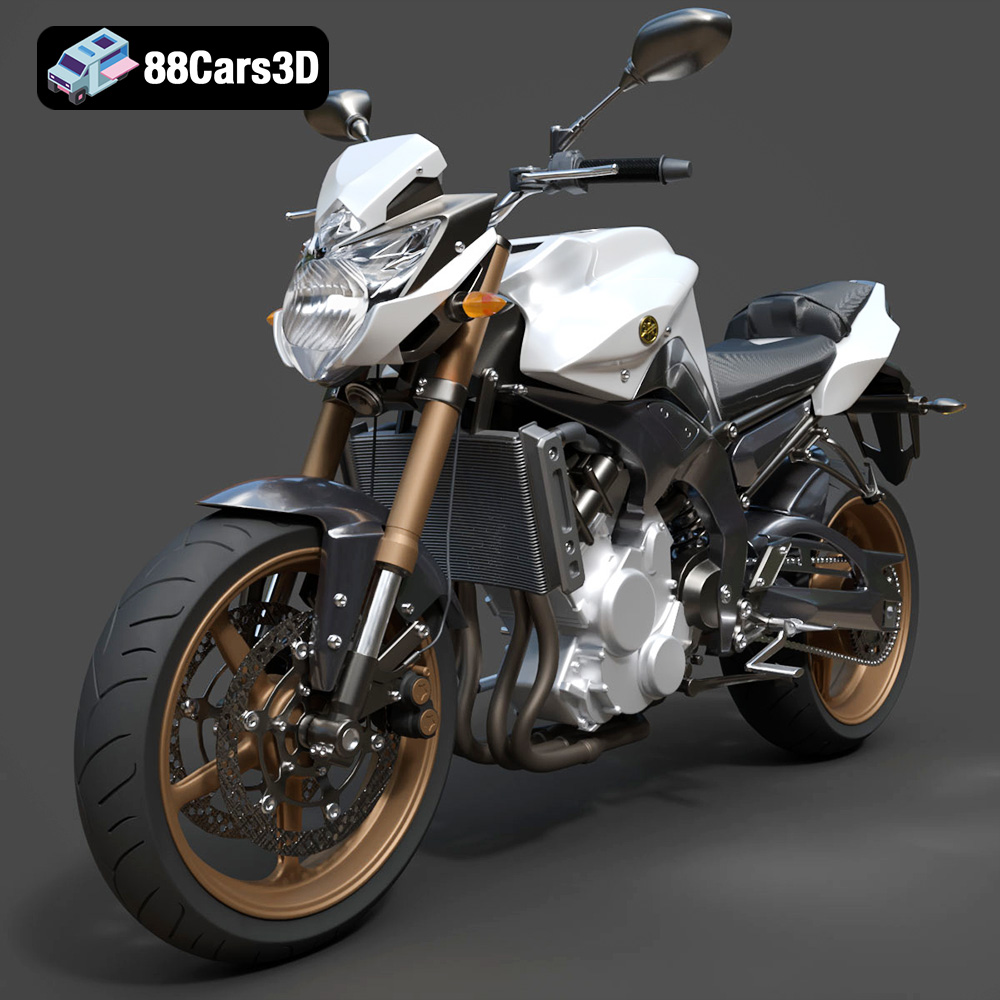
Download the Yamaha FZ8 2011 3D Model featuring clean geometry, realistic detailing, and a fully modeled interior. Includes .blend, .fbx, .obj, .glb, .stl, .ply, .unreal, and .max formats for rendering, simulation, and game development.
Price: $19.99
Texture: Yes
Material: Yes
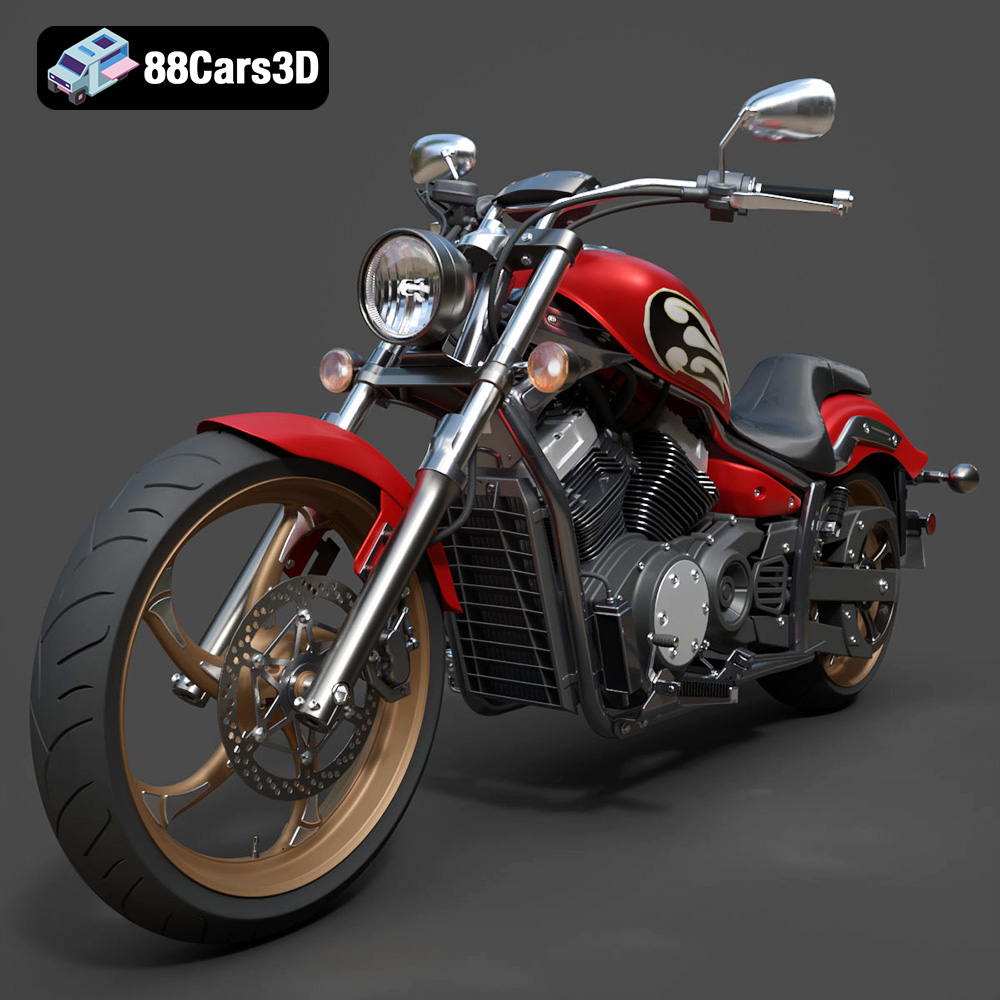
Download the Yamaha Stryker 2012 3D Model featuring clean geometry, realistic detailing, and a fully modeled interior. Includes .blend, .fbx, .obj, .glb, .stl, .ply, .unreal, and .max formats for rendering, simulation, and game development.
Price: $19.99
Texture: Yes
Material: Yes
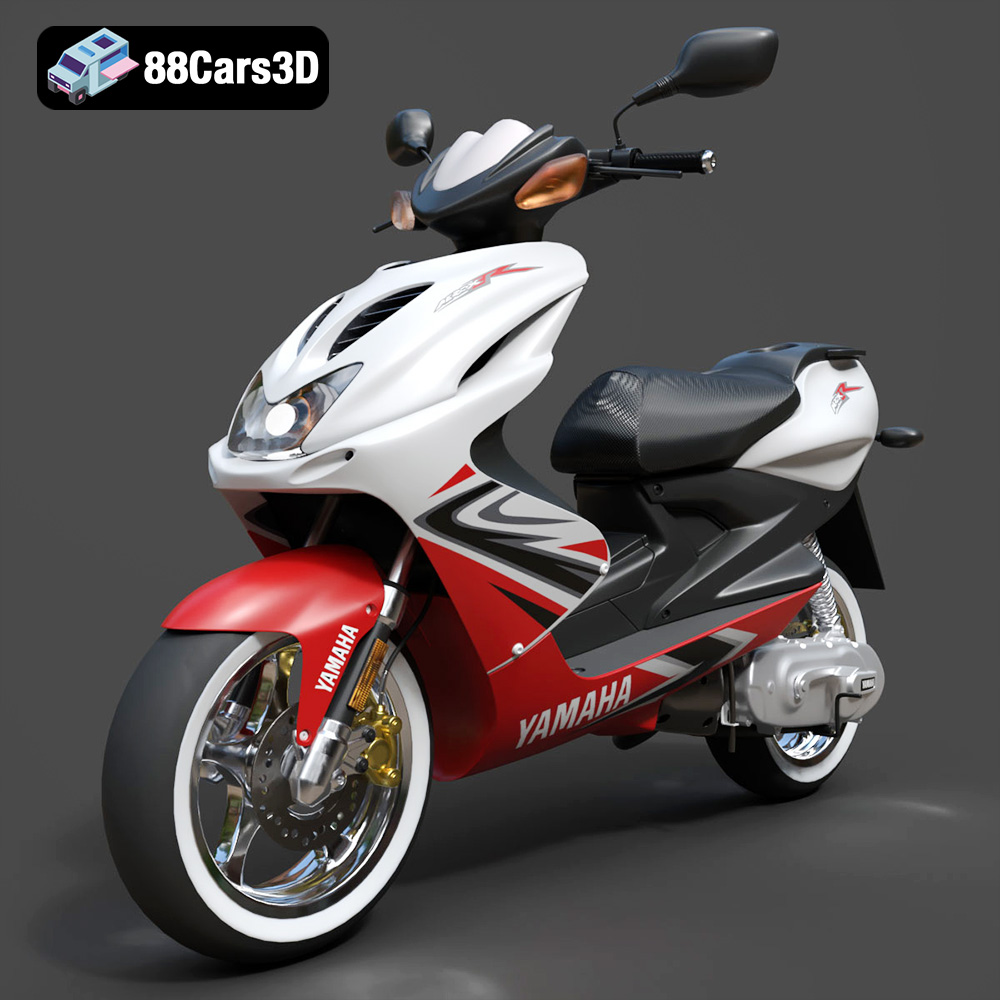
Download the Yamaha Aerox R-002 2024 3D Model featuring clean geometry, realistic detailing, and a fully modeled interior. Includes .blend, .fbx, .obj, .glb, .stl, .ply, .unreal, and .max formats for rendering, simulation, and game development.
Price: $19.99
Texture: Yes
Material: Yes
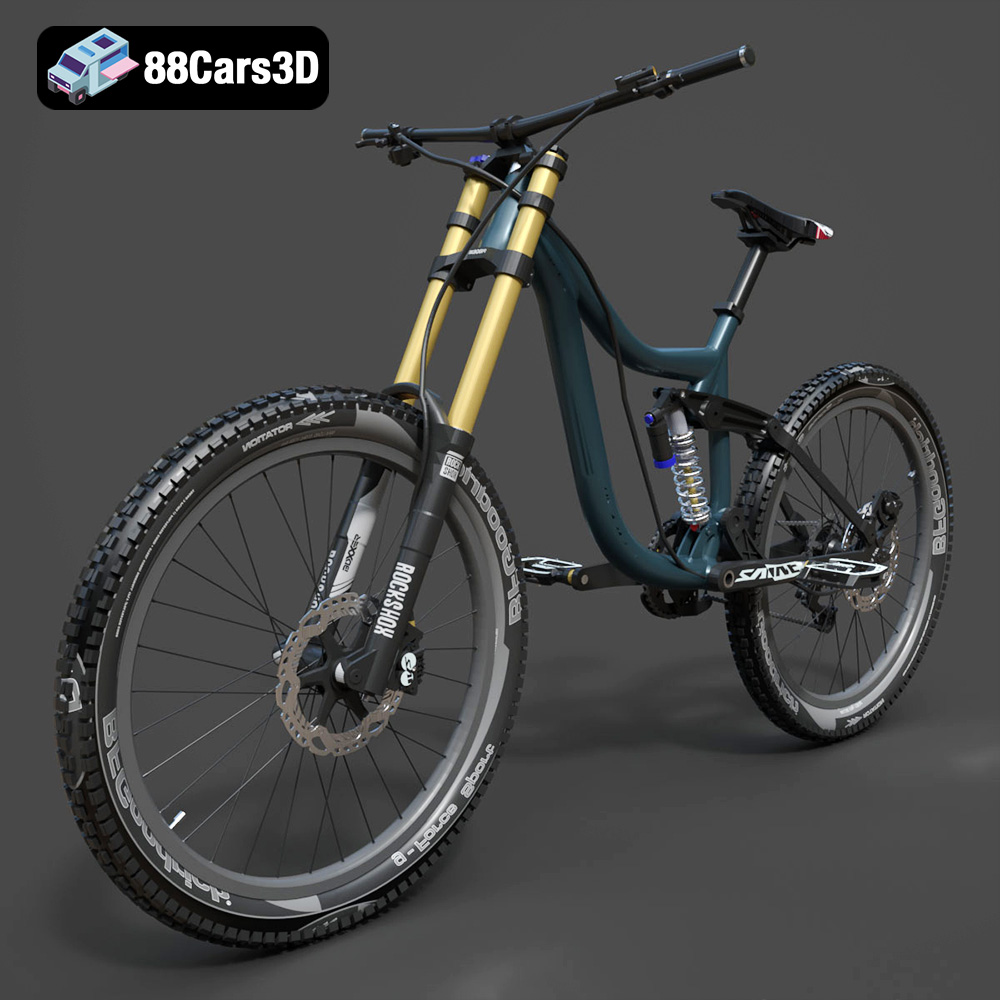
Download the Mototsikly Downhill Bike-002 3D Model featuring clean geometry, realistic detailing, and precise mechanical components. Includes .blend, .fbx, .obj, .glb, .stl, .ply, .unreal, and .max formats for rendering, simulation, and game development.
Price: $19.99
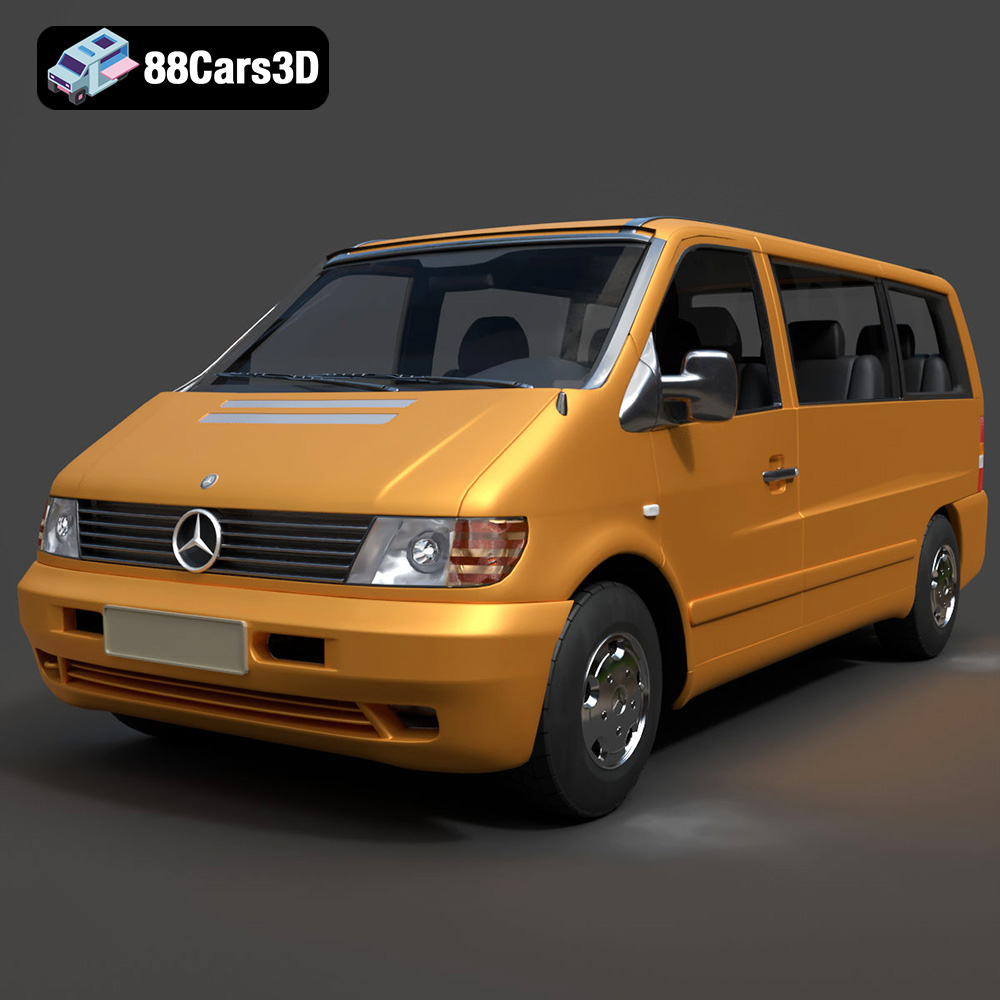
Texture: Yes
Material: Yes
Download the Mercedes-Benz Vito Passenger Van 3D Model featuring clean geometry, realistic detailing, and a fully modeled interior. Includes .blend, .fbx, .obj, .glb, .stl, .ply, .unreal, and .max formats for rendering, simulation, and game development.
Price: $19.99
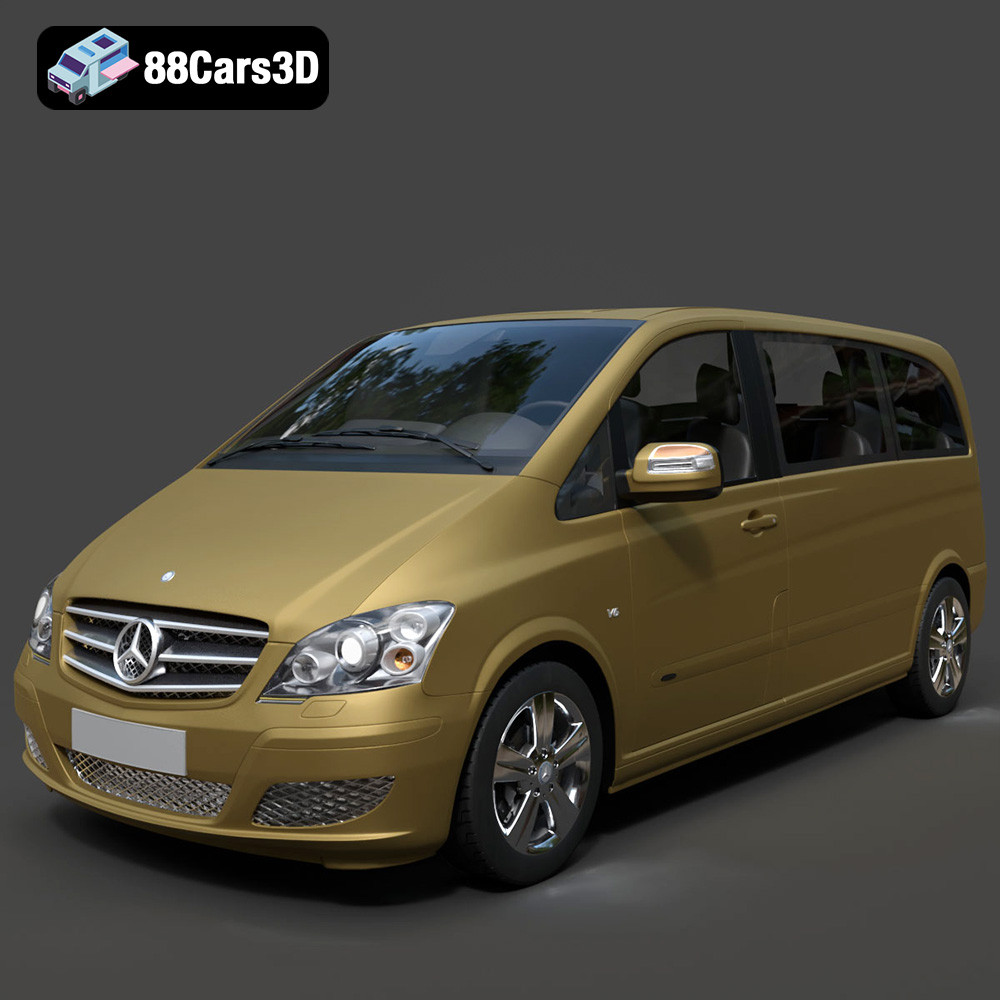
Texture: Yes
Material: Yes
Download the Mercedes-Benz Viano 2010 3D Model featuring clean geometry, realistic detailing, and a fully modeled interior. Includes .blend, .fbx, .obj, .glb, .stl, .ply, .unreal, and .max formats for rendering, simulation, and game development.
Price: $19.99

Texture: Yes
Material: Yes
Download the Emt Avtobus 007 3D Model featuring clean geometry, realistic detailing, and a fully modeled interior. Includes .blend, .fbx, .obj, .glb, .stl, .ply, .unreal, and .max formats for rendering, simulation, and game development.
Price: $19.99
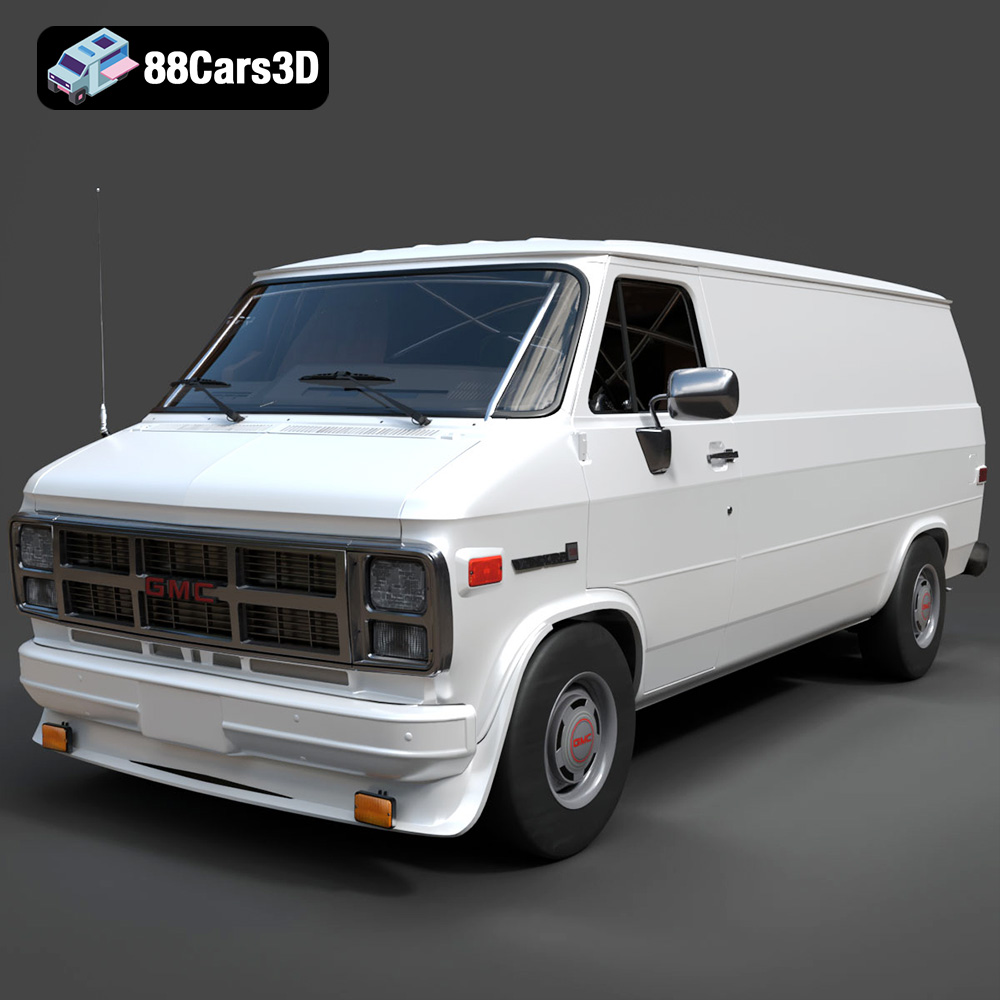
Texture: Yes
Material: Yes
Download the GMC Vandura G-1500 1983 3D Model featuring clean geometry, realistic detailing, and a fully modeled interior. Includes .blend, .fbx, .obj, .glb, .stl, .ply, .unreal, and .max formats for rendering, simulation, and game development.
Price: $19.99
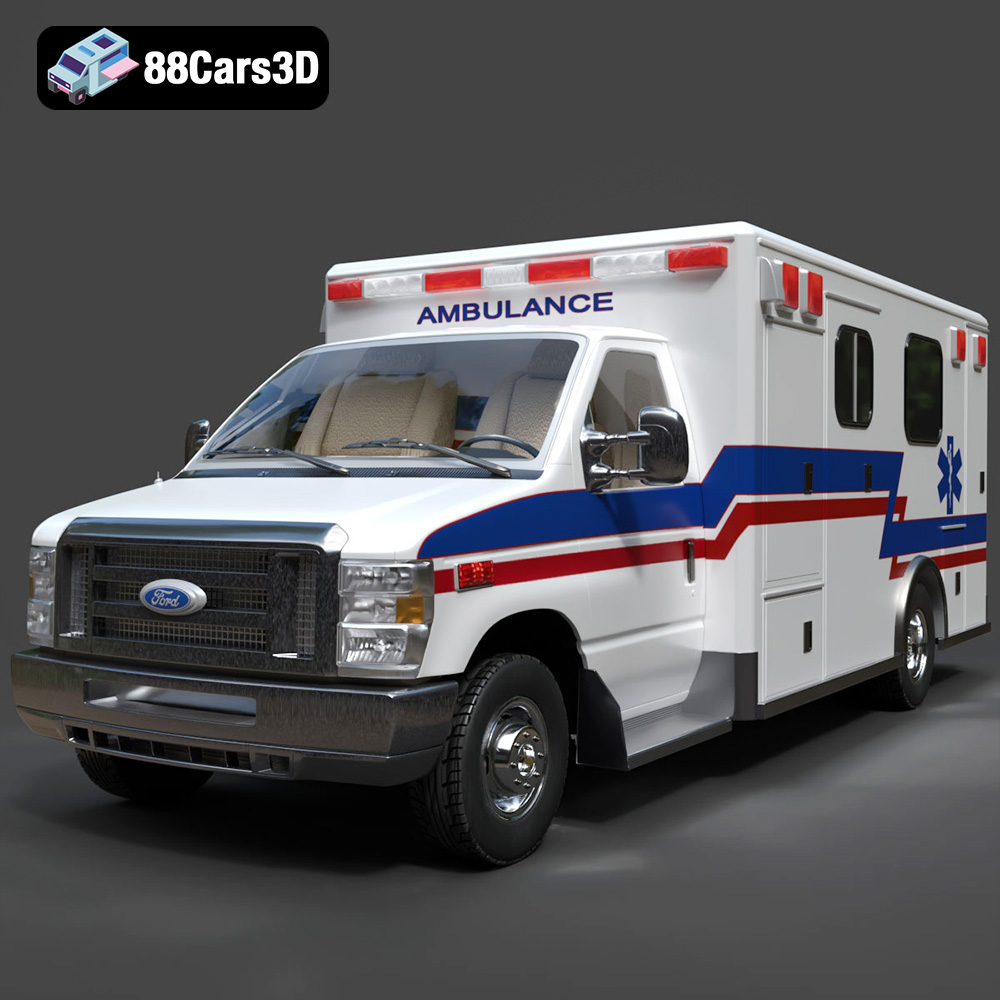
Texture: Yes
Material: Yes
Download the Ford E-450 Ambulance 3D Model featuring clean geometry, realistic detailing, and a fully modeled interior. Includes .blend, .fbx, .obj, .glb, .stl, .ply, .unreal, and .max formats for rendering, simulation, and game development.
Price: $19.99

