⚡ FLASH SALE: Get 60% OFF All Premium 3D & STL Models! ⚡

“`html
The allure of bringing intricate automotive designs to life on your 3D printer is powerful. From classic muscle cars to futuristic concept vehicles, the possibilities are vast, especially with high-quality, print-ready STL files from sources like 88cars3d.com. However, the journey from downloading a stunning 3D model to holding a flawless physical replica is often paved with unexpected challenges. Many beginners find themselves frustrated by failed prints, poor surface quality, or models that simply don’t match the online preview. This isn’t necessarily due to faulty STL files; more often, it’s a result of common oversights in printer setup, slicing, and post-processing. This comprehensive guide will delve into the ten most frequent mistakes beginners make when tackling printable car models and, more importantly, provide actionable solutions. We’ll cover everything from understanding STL file nuances and optimizing 3D printer settings to mastering slicing techniques and effective support generation. By the end of this article, you’ll be equipped with the knowledge to overcome these hurdles and unlock the full potential of your 3D printer for automotive model creation.
The STL file format, while ubiquitous in 3D printing, has limitations. It represents a 3D model as a collection of triangular facets. Issues with these facets, such as gaps, non-manifold geometry, or inverted normals, can cause significant problems during the slicing process, leading to print failures. Beginners often assume an STL file is universally “print-ready” without verification. A corrupted or poorly constructed mesh can result in a slicer generating incorrect toolpaths, leading to incomplete layers, holes in the model, or even complete print abortion. Understanding that not all STLs are created equal is the first step to successful printing.
A manifold mesh is a watertight surface, meaning it has no holes and every edge is shared by exactly two faces. Non-manifold geometry can manifest in several ways: internal faces, disconnected vertices, edges shared by more than two faces, or self-intersecting geometry. Slicing software struggles with these imperfections, as it relies on a clean, consistent surface to determine where to extrude plastic. For intricate models like those found on 88cars3d.com, where fine details are crucial, non-manifold errors can be devastating. For example, a small gap in a car’s wheel arch could lead to the layer collapsing during printing, ruining the detail.
Before sending any STL file to your slicer, it’s prudent to perform a mesh check. Software like Meshmixer (free) or Netfabb (paid) are excellent tools for this. Simple checks include using the “Inspector” tool in Meshmixer to identify and automatically repair common errors like boundary errors, non-manifold edges, and holes. For more complex issues or when using a CAD-based workflow, Blender also offers robust mesh editing capabilities. Understanding how to identify and fix these issues ensures your model is solid and ready for slicing, preventing hours of wasted printing time and material.
The slicer is the bridge between your digital 3D model and your physical 3D printer. It translates the STL geometry into G-code, a series of instructions detailing every movement the printer’s extruder and bed must perform. Beginners frequently overlook the critical impact of slicer settings, often defaulting to generic profiles or making arbitrary adjustments. This can lead to a cascade of problems, from poor adhesion and layer shifting to weak structures and unacceptable surface finish. Fine-tuning these parameters is paramount for achieving the quality expected from detailed printable car models.
One of the most significant trade-offs in 3D printing is between layer height and print time. A smaller layer height (e.g., 0.1mm) results in smoother surfaces and finer details, ideal for the delicate curves of a car model. However, it drastically increases print time as the printer makes many more passes. Conversely, a larger layer height (e.g., 0.3mm) significantly reduces print time but produces visible layer lines, diminishing the aesthetic appeal of complex models. For most car models from 88cars3d.com, a layer height between 0.12mm and 0.16mm offers a good balance for detail and reasonable print duration on FDM printers. Resin printers, with their inherently higher resolution, can often achieve 0.05mm or even lower with exceptional detail.
Infill percentage and pattern affect not only the strength and weight of the print but also its internal structure and print time. For decorative car models that don’t require significant structural integrity, a low infill percentage (5-10%) is often sufficient. This saves material and time. However, for parts that might need to withstand some handling or have functional components, a higher infill (20-30%) might be necessary. Different infill patterns (e.g., Grid, Gyroid, Cubic) offer varying strengths and print efficiencies. The Gyroid pattern is particularly popular for its strength in all directions and relatively efficient printing. For sheer visual models, the impact is less critical, but understanding how infill affects print time and material usage is key to efficient operation.
How you orient a 3D model on the print bed and ensuring it sticks securely are fundamental to a successful print. Beginners often place models haphazardly, accepting whatever default orientation their slicer suggests. This can lead to excessive, difficult-to-remove supports, weak points in the model, and significant adhesion failures. Proper orientation and a well-prepared build plate are non-negotiable for complex prints like automotive models.
The orientation of a car model on the print bed can dramatically impact the amount of support material needed, the quality of overhangs, and the part’s overall strength. For instance, printing a car body upright will require extensive supports for the undercarriage and wheel wells, potentially marring delicate surfaces. Orienting the model on its side or even upside down (if the bottom surface is less critical or can be smoothed) can drastically reduce the need for supports and improve the finish on visible areas. Always consider the Z-axis; features printed along the Z-axis are typically smoother than those built layer by layer. Analyze the model’s features and choose an orientation that minimizes overhangs and maximizes surface quality on the most visible parts.
A print failing because the first layer didn’t stick to the build plate is one of the most common and frustrating beginner experiences. A multitude of factors contribute to this: an unlevel bed, incorrect Z-offset (nozzle height), dirty build surface, incorrect bed temperature, or printing too fast on the first layer. For FDM printers, ensuring your bed is clean (using isopropyl alcohol is a common method) and level is paramount. Calibrating your Z-offset so the nozzle is the right distance from the bed – not too high (poor adhesion) and not too low (nozzle dragging) – is critical. Using adhesion aids like glue stick, hairspray, or specialized build surfaces (e.g., PEI) can also make a significant difference, especially when printing materials like ABS or PETG.
Supports are temporary structures printed to hold up overhanging parts of a model during printing. While essential, they are often a source of frustration for beginners. Either they are insufficient, leading to sagging or failed overhangs, or they are excessive, making them incredibly difficult to remove and potentially damaging the model’s surface.
Modern slicers offer sophisticated support generation options. Don’t just rely on the default settings. Understand the different types of supports available: standard, tree (or organic), and custom supports. Tree supports, in particular, are often excellent for complex geometries like car models as they use less material and are easier to remove, touching the model at fewer points. Critically, adjust support density, pattern, and Z-distance (the gap between the support and the model). A slightly larger Z-distance makes removal easier, while a smaller distance can improve the quality of the supported surface. For critical details on car models, consider manually placing supports or using a “support enforcer” tool in your slicer to prevent supports from being generated in unwanted areas.
Removing supports cleanly requires patience and the right tools. For FDM prints, once the print is cool, gently try to break away the larger sections of support by hand. For finer details, use tools like needle-nose pliers, flush cutters, hobby knives (like an X-Acto knife), or even a small dental pick. Always cut *away* from the model surface to avoid accidental damage. If supports are particularly stubborn or have fused to intricate details, a quick application of warm water or a brief soak in warm, soapy water can sometimes help soften the material. For resin prints, supports are typically removed after the initial cleaning but before final curing, using flush cutters. Be methodical, and take your time – rushing this step is a sure way to damage your beautifully printed car model.
The variety of filaments available for FDM 3D printing can be overwhelming. Beginners often stick to the easiest material to print, typically PLA, without considering if it’s the best choice for their specific application, especially for automotive models where aesthetics and potential durability might be factors.
PLA (Polylactic Acid) is popular for a reason: it’s easy to print, has low warping, minimal odor, and comes in a vast array of colors. It’s an excellent starting point for learning 3D printing and for many decorative models. However, PLA has a relatively low glass transition temperature (around 60°C), meaning it can soften and deform in warm environments, like a car interior on a sunny day. It’s also quite brittle. For car models intended for display or potential handling, its limitations become apparent.
PETG (Polyethylene Terephthalate Glycol) offers a good balance between ease of printing (slightly more challenging than PLA but generally manageable) and improved properties. It’s significantly stronger and more temperature-resistant than PLA (glass transition around 80°C), making it a better choice for models that might be exposed to higher temperatures. ABS (Acrylonitrile Butadiene Styrene), famously used in LEGO bricks, is even more durable and temperature-resistant (glass transition around 105°C). However, ABS is significantly more challenging to print, requiring higher temperatures, an enclosed printer to prevent drafts, and often a heated bed and ventilation due to fumes. Understanding these material properties allows you to select the right filament for your 88cars3d.com model, ensuring it meets your specific needs for appearance and resilience.
A poorly calibrated or maintained 3D printer is a recipe for consistent print failures. Beginners often jump straight into printing complex models without ensuring their machine is performing optimally. This includes everything from leveling the bed to calibrating extruder steps and cleaning the nozzle.
As mentioned earlier, bed leveling is critical for first-layer adhesion. However, it’s not a one-time task. Filament, temperature fluctuations, and physical impacts can cause the bed to become unlevel over time. Most printers have manual leveling routines (using paper or feeler gauges), while others offer automatic bed leveling (ABL) systems. Even with ABL, performing a manual check and understanding the process is beneficial. A properly leveled bed ensures a consistent distance between the nozzle and the print surface across the entire build area, which is non-negotiable for intricate car models with delicate undercarriages or sharp edges.
The extruder is responsible for pushing filament through the hotend. Over time, the extruder’s “steps per mm” setting can drift, leading to under-extrusion (weak, stringy prints) or over-extrusion (bloated, inaccurate dimensions). Calibrating this setting, often called E-steps calibration, ensures the correct amount of filament is extruded. Furthermore, a worn or partially clogged nozzle can cause inconsistent extrusion, poor surface quality, and print failures. Regularly cleaning your nozzle (using cold pulls or needle cleaning) and replacing it when worn (especially if printing abrasive materials like carbon fiber-filled filaments) is essential maintenance for consistent, high-quality prints. For detailed car models, precise filament extrusion is key to capturing sharp panel lines and smooth curves.
While default slicer profiles (e.g., “Standard Quality,” “High Quality”) are a starting point, they are rarely optimized for specific models or desired outcomes. Beginners often select a profile and proceed without understanding what each setting does, leading to suboptimal results.
Beyond layer height and infill, many other settings profoundly impact print quality. Print speed is crucial; printing too fast can lead to skipped steps, poor layer adhesion, and ringing artifacts. For detailed car models, reducing print speed, especially for outer walls and travel moves, is often necessary. Retraction settings (distance and speed) are vital for preventing stringing between separate parts of the model. Incorrect temperatures (nozzle and bed) can cause adhesion issues or poor layer bonding. Understanding concepts like wall line count (using 2-3 walls for FDM can significantly improve surface finish and strength), top/bottom layers (more layers here prevent infill showing through), and combing (keeping travel moves within the model’s boundaries) will elevate your print quality dramatically.
For the high-detail automotive models available on platforms like 88cars3d.com, creating custom slicer profiles is highly recommended. Start with a manufacturer-provided profile for your specific printer and filament, then fine-tune. For example, you might create a profile specifically for detailed car bodies: slower outer wall speeds, increased retraction, optimized tree supports, and a slightly higher nozzle temperature for better layer adhesion. Experimenting with these settings on smaller test prints before committing to a large, complex car model will save you time and material in the long run.
The printing process doesn’t end when the print is removed from the bed. For many hobbyists and model makers, post-processing is where a good print becomes a great replica. Beginners often skip or rush this stage, thinking the print is complete once it’s off the build plate, which detracts from the overall quality of their 88cars3d.com models.
Layer lines are inherent to FDM printing. To achieve a smooth, paint-ready surface on your car models, sanding is often necessary. Start with a coarser grit sandpaper (e.g., 120-220 grit) to remove major imperfections and layer lines, progressing to finer grits (400, 600, 800, and even higher) for a smooth finish. Wet sanding (using sandpaper with water) can help reduce dust and create a smoother surface. For resin prints, sanding is also common, though often less intensive due to the higher resolution. Filling small gaps or imperfections with modeling putty or filler primer can further enhance the smoothness before painting.
Painting 3D prints requires specific preparation. A good primer coat is essential to create a uniform surface and help paint adhere properly. For automotive models, using acrylic paints designed for models is recommended. Airbrushing can provide a smooth, professional finish, especially for body panels. Decals can be applied after painting for realistic detailing. If your model comes in multiple parts (common for complex car designs), ensure a precise fit during assembly. Using strong adhesives like CA glue (super glue) or a two-part epoxy is often necessary. Taking the time for meticulous painting and careful assembly truly brings the printed car model to life.
Beyond basic printability, different materials have vastly different physical properties that impact the longevity and usability of your printed car models. Beginners often choose PLA for everything, unaware of its limitations in certain environments or for specific applications.
As mentioned, PLA is relatively brittle. If your car model is intended to be handled frequently, or if it includes delicate parts like mirrors or spoilers, PLA might not be the best choice. PETG offers better impact resistance, while ABS and ASA (Acrylonitrile Styrene Acrylate) are even more robust. ASA, in particular, also offers excellent UV resistance, making it ideal for models that might be displayed near a window or exposed to sunlight, preventing degradation and yellowing over time.
If you plan to display your printed car models on a windowsill, dashboard, or any location that can get warm, PLA’s low glass transition temperature (around 60°C) becomes a significant issue. The model can warp and lose its shape. PETG (around 80°C) and ABS/ASA (around 105°C) offer much greater heat resistance, making them more suitable for these applications. Consider where your finished model will live when selecting your printing material.
Every 3D printer has its strengths and weaknesses. A small desktop FDM printer will have different capabilities and limitations compared to a large-scale industrial machine or a high-resolution resin printer. Beginners often attempt prints that exceed their machine’s resolution, build volume, or material handling capabilities.
FDM printers build objects layer by layer using extruded filament. They are generally more affordable and offer larger build volumes. However, they typically have lower resolution, resulting in visible layer lines and less detail. Resin printers (SLA/DLP/MSLA) use UV light to cure liquid resin layer by layer. They offer incredibly high resolution and smooth surfaces, making them ideal for intricate details found in collectible car models. However, resin printers usually have smaller build volumes, require more post-processing (washing and curing), and the resins themselves can be more expensive and messier to handle. Choosing the right technology for the desired level of detail is crucial. For highly detailed 1:64 scale cars, resin printing often yields superior results, while larger, more robust models might be better suited for FDM. Many models from 88cars3d.com are optimized for both technologies.
If you download a fantastic car model, but it’s too large for your printer’s build volume, you have a few options. You can try scaling the model down in your slicer, but be mindful of losing detail if you scale too much. Alternatively, you can cut the model into smaller pieces using 3D modeling software (like Meshmixer or Blender) and then print the parts individually, planning for precise reassembly. This requires careful planning for alignment keys or pins to ensure the parts fit together accurately after printing.
By understanding and actively avoiding these ten common mistakes, you’ll significantly improve your success rate when printing STL files, particularly the detailed automotive models available from sources like 88cars3d.com. The journey of 3D printing is one of continuous learning and refinement. Embrace the troubleshooting process, experiment with your 3D printer settings, and pay attention to the details – from mesh integrity to post-processing. With patience and practice, you’ll soon be printing stunningly accurate and impressive car models that showcase both your skills and the quality of the digital designs you’re working with. Happy printing!
“`

Meta Description:
Texture: Yes
Material: Yes
Download the Porsche Cayenne 3D Model featuring realistic exterior styling and detailed interior design. Includes .blend, .fbx, .obj, .glb, .stl, .ply, .unreal, and .max formats for rendering, simulation, AR VR, and game development.
Price: $19.9
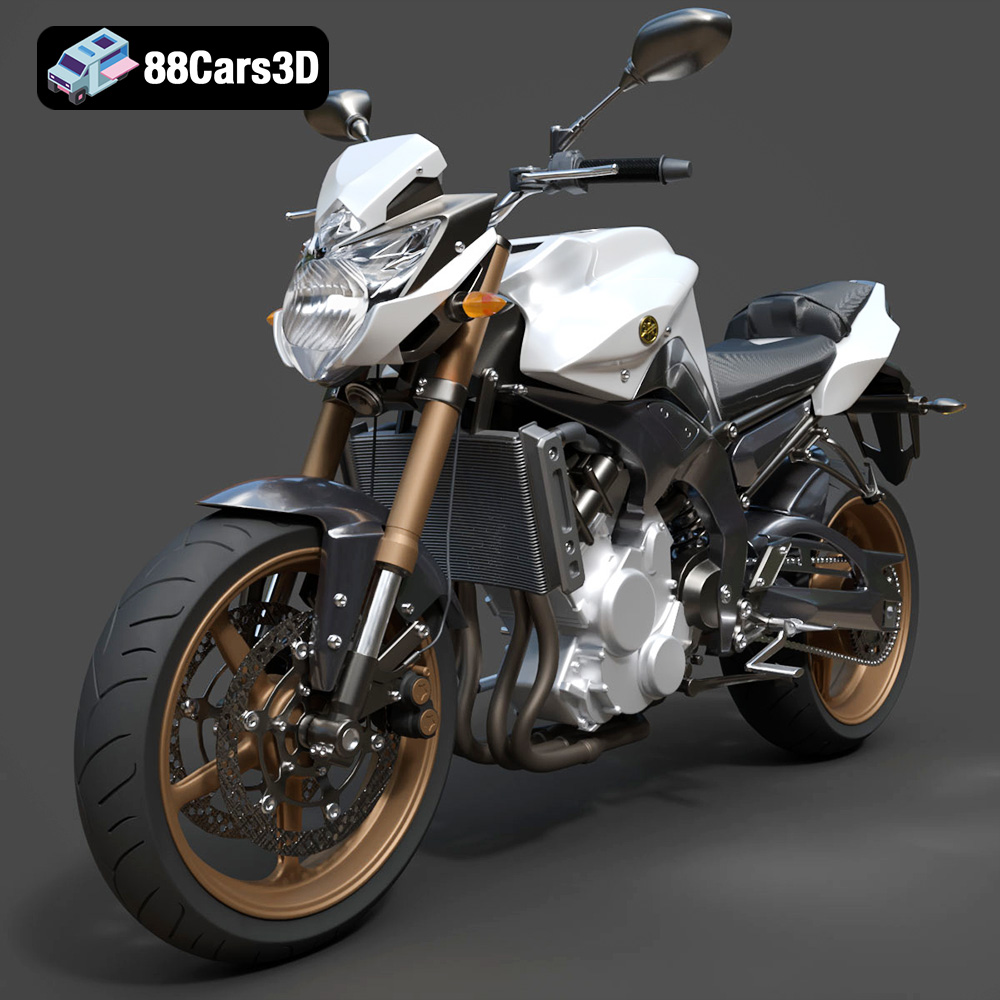
Texture: Yes
Material: Yes
Download the Yamaha FZ8 2011 3D Model featuring clean geometry, realistic detailing, and a fully modeled interior. Includes .blend, .fbx, .obj, .glb, .stl, .ply, .unreal, and .max formats for rendering, simulation, and game development.
Price: $19.99
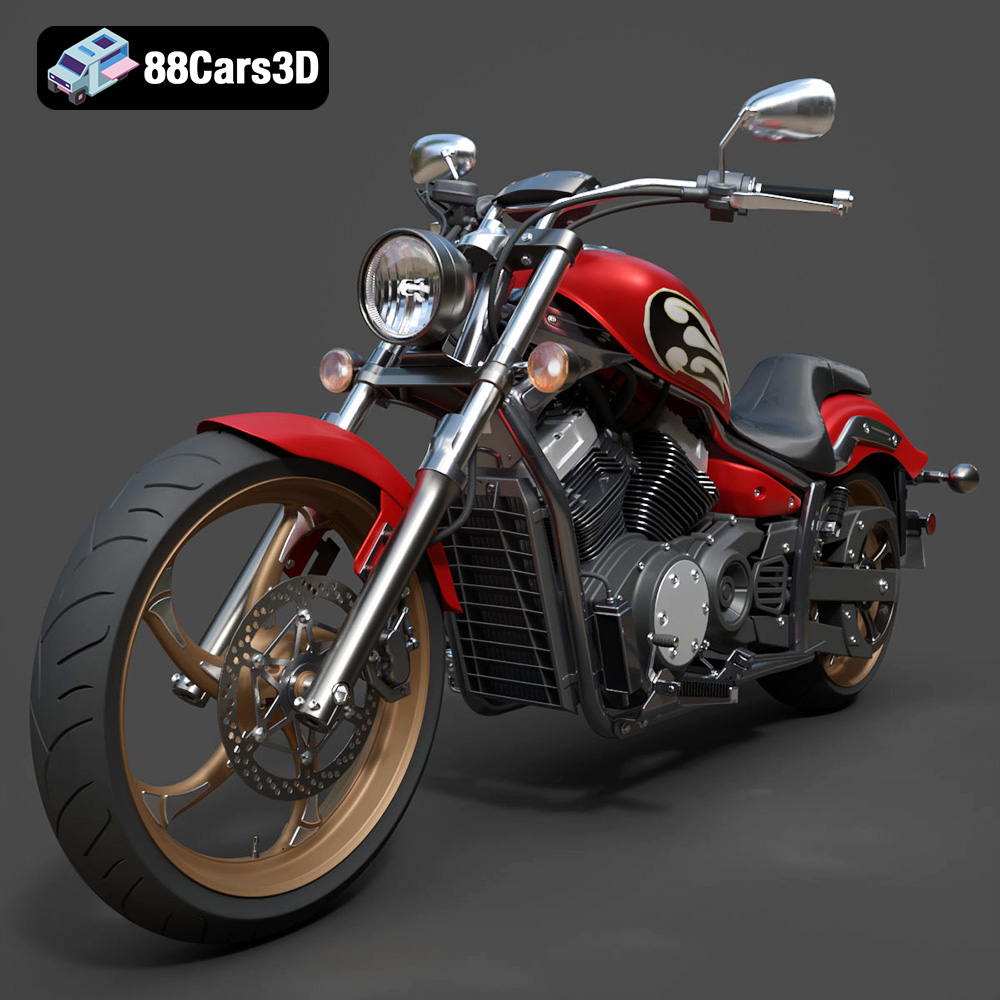
Texture: Yes
Material: Yes
Download the Yamaha Stryker 2012 3D Model featuring clean geometry, realistic detailing, and a fully modeled interior. Includes .blend, .fbx, .obj, .glb, .stl, .ply, .unreal, and .max formats for rendering, simulation, and game development.
Price: $19.99
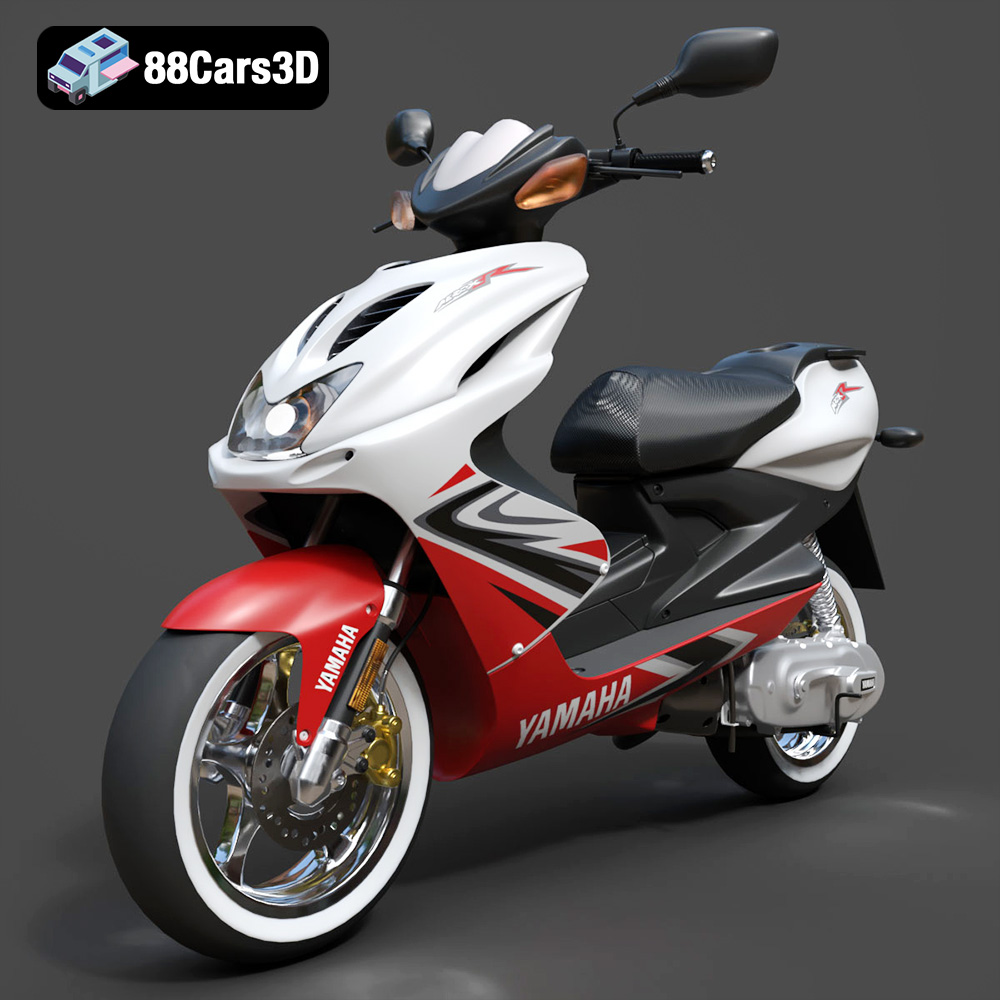
Texture: Yes
Material: Yes
Download the Yamaha Aerox R-002 2024 3D Model featuring clean geometry, realistic detailing, and a fully modeled interior. Includes .blend, .fbx, .obj, .glb, .stl, .ply, .unreal, and .max formats for rendering, simulation, and game development.
Price: $19.99
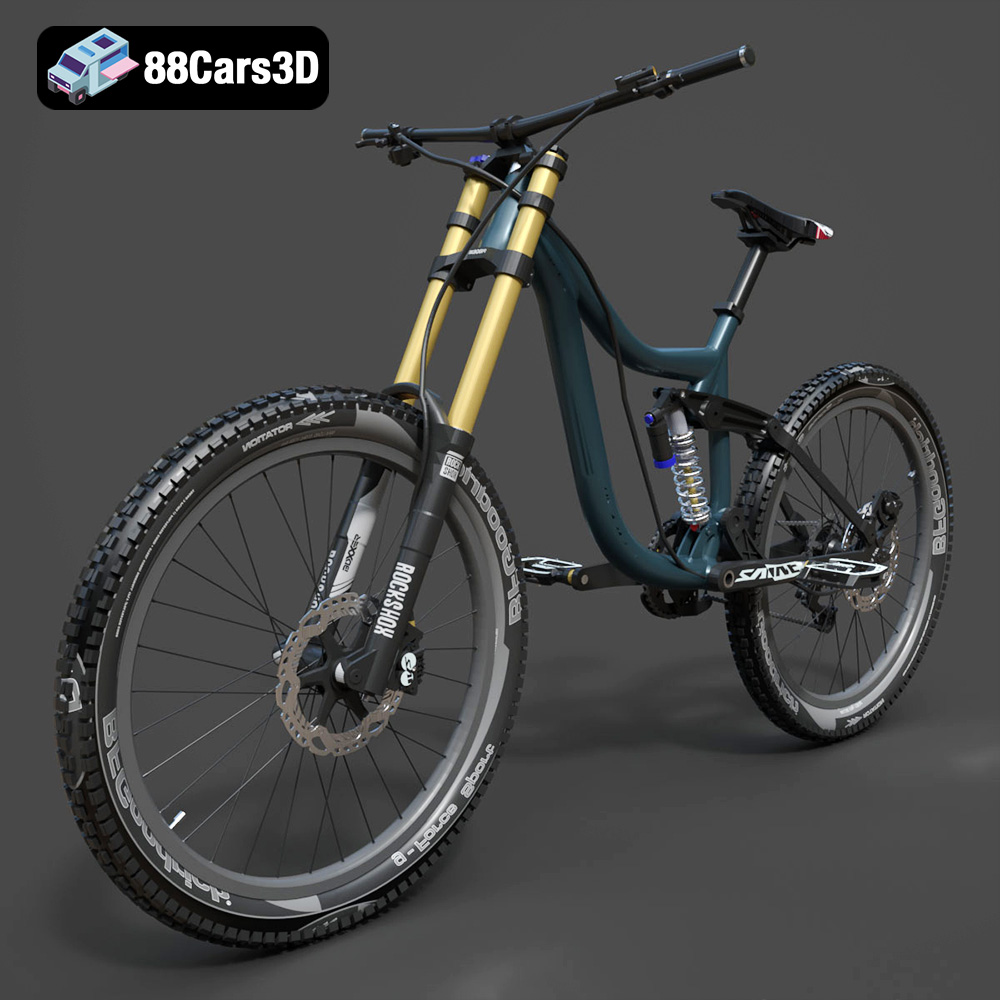
Texture: Yes
Material: Yes
Download the Mototsikly Downhill Bike-002 3D Model featuring clean geometry, realistic detailing, and precise mechanical components. Includes .blend, .fbx, .obj, .glb, .stl, .ply, .unreal, and .max formats for rendering, simulation, and game development.
Price: $19.99
Texture: Yes
Material: Yes
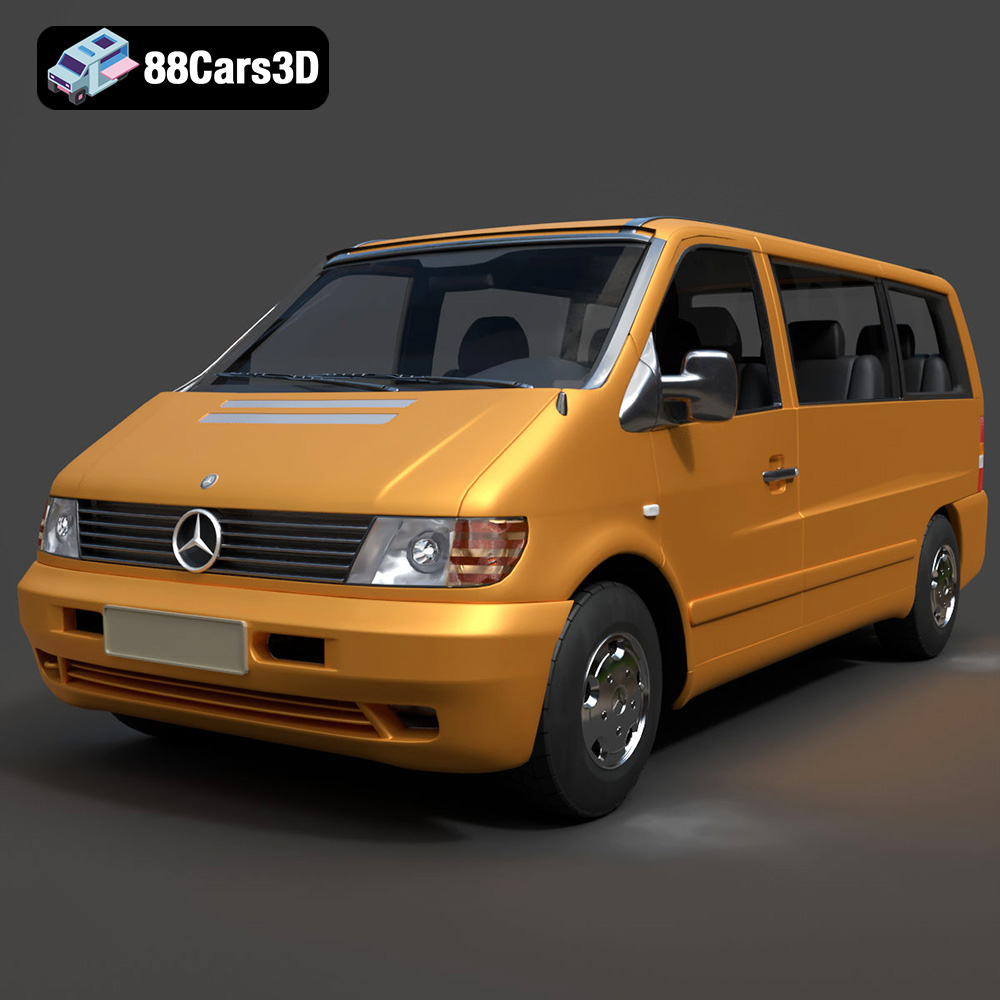
Download the Mercedes-Benz Vito Passenger Van 3D Model featuring clean geometry, realistic detailing, and a fully modeled interior. Includes .blend, .fbx, .obj, .glb, .stl, .ply, .unreal, and .max formats for rendering, simulation, and game development.
Price: $19.99
Texture: Yes
Material: Yes
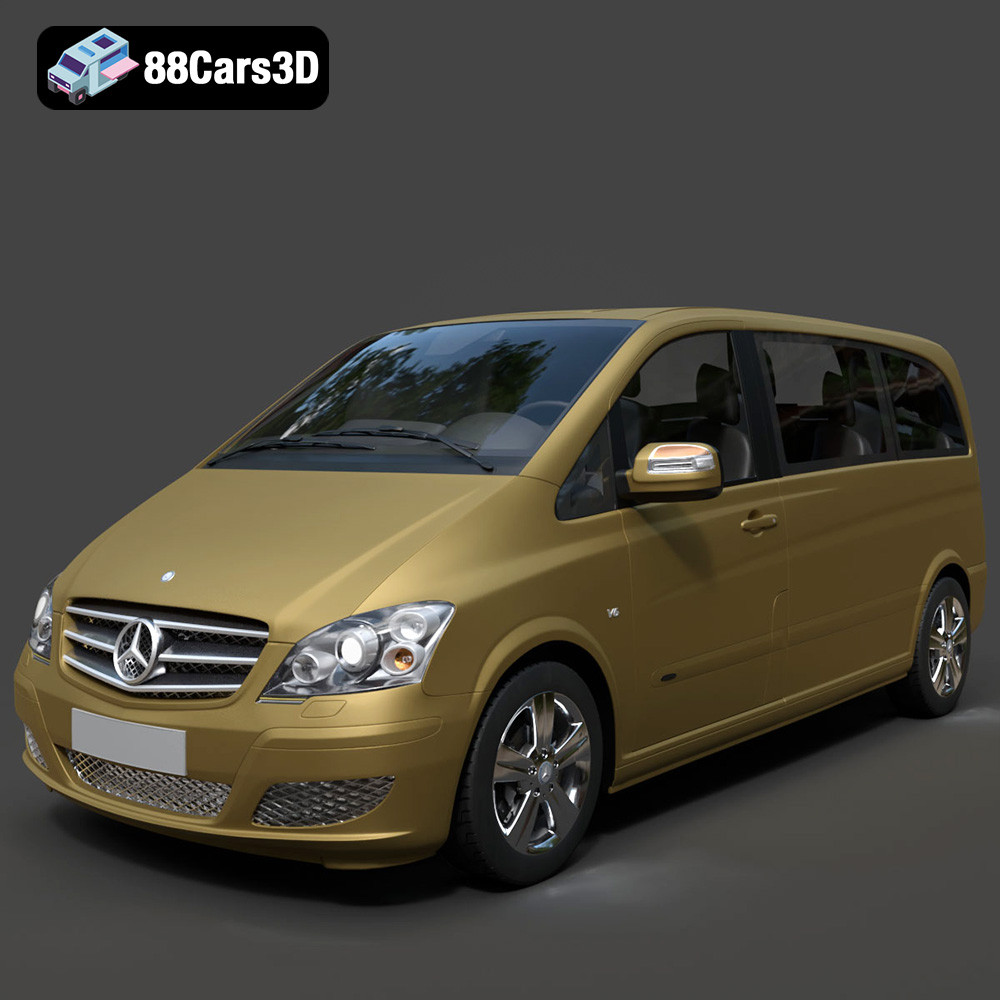
Download the Mercedes-Benz Viano 2010 3D Model featuring clean geometry, realistic detailing, and a fully modeled interior. Includes .blend, .fbx, .obj, .glb, .stl, .ply, .unreal, and .max formats for rendering, simulation, and game development.
Price: $19.99

Texture: Yes
Material: Yes
Download the Emt Avtobus 007 3D Model featuring clean geometry, realistic detailing, and a fully modeled interior. Includes .blend, .fbx, .obj, .glb, .stl, .ply, .unreal, and .max formats for rendering, simulation, and game development.
Price: $19.99
Texture: Yes
Material: Yes
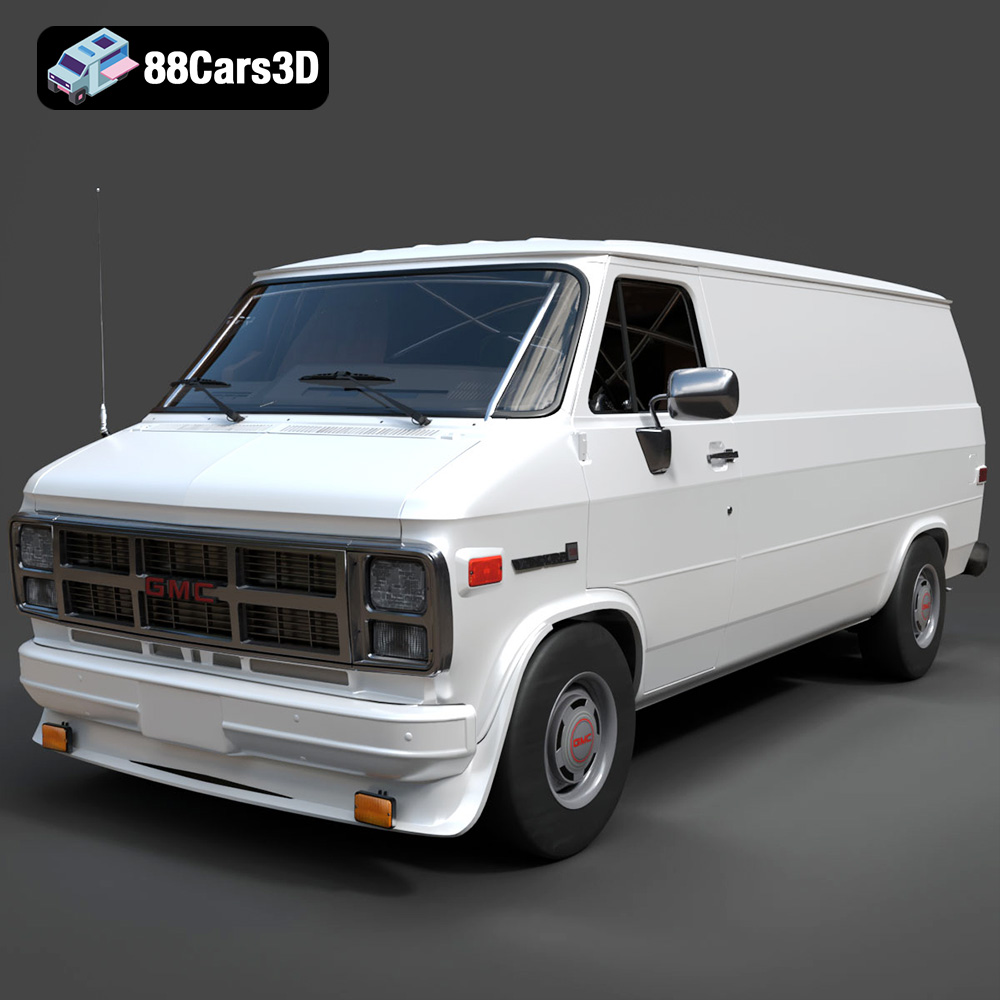
Download the GMC Vandura G-1500 1983 3D Model featuring clean geometry, realistic detailing, and a fully modeled interior. Includes .blend, .fbx, .obj, .glb, .stl, .ply, .unreal, and .max formats for rendering, simulation, and game development.
Price: $19.99
Texture: Yes
Material: Yes
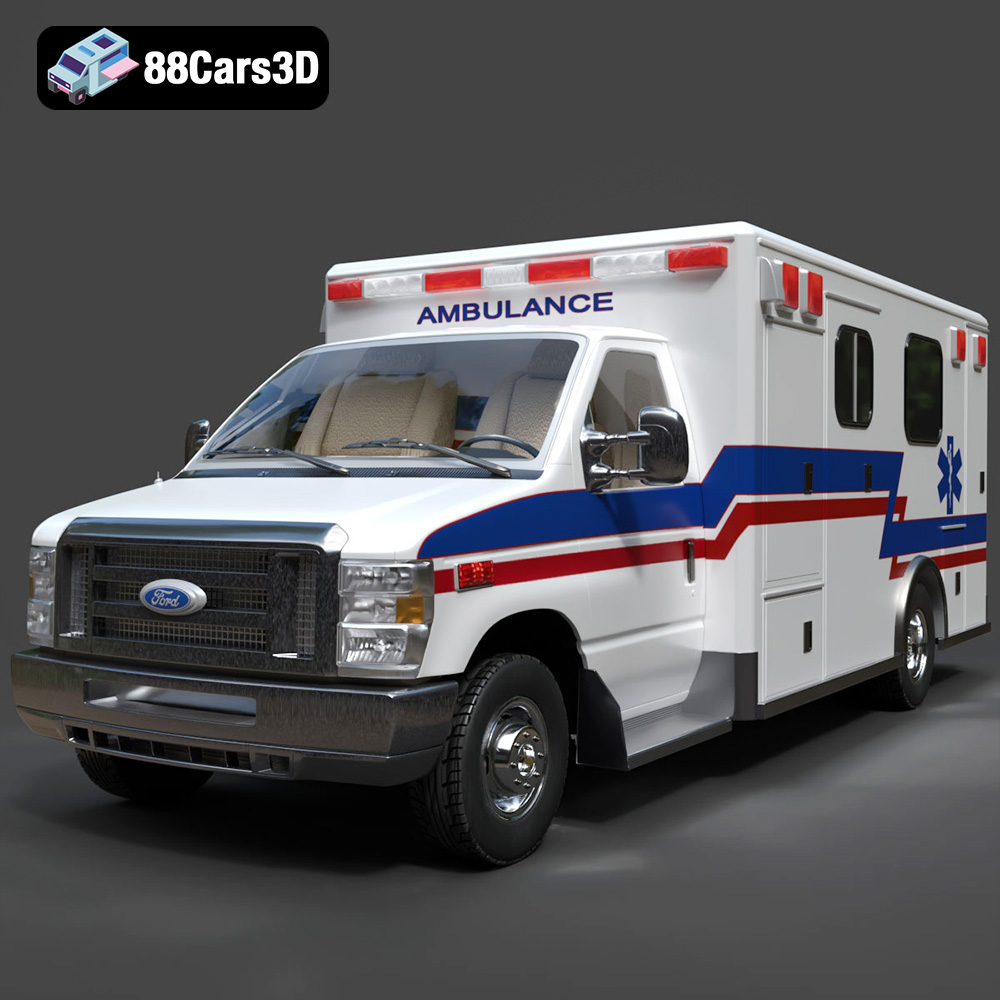
Download the Ford E-450 Ambulance 3D Model featuring clean geometry, realistic detailing, and a fully modeled interior. Includes .blend, .fbx, .obj, .glb, .stl, .ply, .unreal, and .max formats for rendering, simulation, and game development.
Price: $19.99

