⚡ FLASH SALE: Get 60% OFF All Premium 3D & STL Models! ⚡

“`html
The world of 3D printing is an exciting journey from digital design to tangible reality. For enthusiasts passionate about automotive design, platforms like 88cars3d.com offer a treasure trove of high-quality, 3D printable car models in STL files. However, achieving perfect prints, especially when aiming for faster print times without sacrificing quality, involves more than just hitting “print.” Understanding how to prepare your STL models through scaling, hollowing, and strategic optimization is crucial for maximizing efficiency and ensuring successful builds. This comprehensive guide will dive deep into the technical intricacies of these processes, equipping you with the knowledge to transform your digital car models into stunning physical replicas, faster and better than ever before.
We’ll explore the fundamental aspects of STL file structure, the impact of scaling on your prints, the advantages of hollowing models, and the slicing techniques that directly influence print speed. Whether you’re using FDM or resin printing, this guide will provide actionable insights, covering everything from software workflows and printer settings to common pitfalls and their solutions. Get ready to unlock the full potential of your 3D printer and elevate your automotive model collection.
Before we delve into scaling and hollowing, it’s essential to grasp the nature of the STL file format. STL (STereoLithography) files represent 3D surfaces as a collection of triangular facets. Each triangle is defined by three vertices and a normal vector, indicating its outward-facing direction. This seemingly simple structure is the backbone of 3D printing, allowing slicer software to interpret the geometry and generate toolpaths for your printer. However, the quality of this mesh is paramount.
For 3D printing, particularly with complex models like those found on 88cars3d.com, the mesh needs to be “watertight” or manifold. This means there are no holes, no intersecting faces, and no non-manifold edges (edges shared by more than two faces). A non-manifold mesh can cause significant issues during slicing, leading to errors, missing parts in the print, or incorrect support generation. Think of it like trying to build a watertight container with holes in it – the water (or filament/resin) will escape where it shouldn’t.
Fortunately, most modern slicing software includes basic mesh repair capabilities. However, for more complex issues, dedicated software like Meshmixer, Blender, or Autodesk Netfabb are invaluable. The general workflow involves importing your STL file, identifying errors, and applying repair algorithms.
Beyond being watertight, the overall geometry of the STL file impacts printability and speed. Models with excessively high polygon counts (dense meshes) can slow down slicing software and potentially lead to larger file sizes, though this is less of an issue with modern hardware. Conversely, models with very low polygon counts might appear “faceted” or blocky when scaled up. Models from reputable sources like 88cars3d.com are typically designed with clean geometry and optimized polygon counts, making them ideal starting points.
Scaling is the process of resizing an STL model to fit your desired physical dimensions or to optimize it for your specific 3D printer. This is a fundamental step that directly impacts print time, material usage, and the final aesthetic of your automotive models. Scaling is typically performed either within your slicing software or in a 3D modeling/mesh editing program.
The primary reason for scaling is straightforward: to achieve a specific size. Perhaps you want a miniature display model for your desk, or a larger, more detailed replica for a centerpiece. However, scaling also affects other crucial parameters. When you scale up a model, its overall volume increases, requiring more material and significantly more print time. Conversely, scaling down reduces material and time but might make fine details harder to resolve depending on your printer’s resolution.
Slicing software (like Cura, PrusaSlicer, or Simplify3D) allows you to scale models uniformly (keeping the aspect ratio) or non-uniformly (stretching or compressing along specific axes). Uniform scaling is most common for maintaining the original proportions of the car model.
As you scale a model, pay close attention to the minimum feature sizes and wall thicknesses.
It’s crucial to consider the intended scale of the model and the capabilities of your 3D printer. For example, a 0.4mm nozzle on an FDM printer has limitations on how small a detail it can reproduce effectively. If a feature is smaller than two nozzle widths, it’s unlikely to print well.
Hollowing is a technique where the interior of a solid 3D model is made hollow, leaving a thin shell. This is particularly beneficial for larger models, significantly reducing the amount of material used and, consequently, the print time. For large-scale automotive models, hollowing can be a game-changer, making prints more feasible and cost-effective.
When you download a detailed car model, it’s often designed as a solid object. Printing it solid, especially at larger scales, would consume vast amounts of filament or resin and take an exceptionally long time. Hollowing transforms it into a shell, mimicking the construction of real-world models or prototypes where internal structure is often hollowed out for weight savings or to embed components.
Hollowing can be achieved in several ways, each with its own advantages and considerations:
Hollowing isn’t just about removing interior material; it requires careful planning:
Meshmixer is a free and powerful tool for mesh manipulation:
Once your STL model is prepared (scaled and potentially hollowed), the next critical step is slicing. The slicer translates your 3D model into layer-by-layer instructions (G-code) for your 3D printer. Optimizing these settings is key to balancing print speed with the quality and integrity of your automotive models.
Print speed is often the most sought-after optimization. Faster prints mean you can produce more models in less time, get through iterative design processes quicker, or simply enjoy your creations sooner. However, simply increasing print speed without understanding its implications can lead to poor surface finish, layer adhesion issues, inaccurate details, and even print failures.
Layer height is arguably the most significant setting affecting print time. It determines the thickness of each individual layer deposited by the printer.
For automotive models, a balance is often found. A layer height of 0.15mm or 0.2mm might be a good compromise for FDM, offering decent detail without excessive print times. For resin printers, layer heights are typically much thinner (e.g., 0.025mm – 0.05mm), providing exceptional detail.
While there’s an overall print speed setting, many slicers allow you to control speeds for different types of movement:
Experimenting with these sub-speeds allows for significant time savings without compromising the visible quality of the model. For instance, printing infill at 100-150 mm/s while outer walls are at 40-60 mm/s is common.
Infill is the internal support structure within a hollowed or solid model. For hollowed models, infill might be minimal or even unnecessary if the walls are thick enough. For solid models, or models that require internal supports, infill plays a crucial role:
For automotive models intended for display, an infill density of 5-15% with a pattern like gyroid or cubic is often more than adequate, providing internal support without excessive print time.
These settings are vital for print quality and speed:
Support structures are temporary scaffolding printed alongside your model to hold up overhangs and bridges that would otherwise fail due to gravity. For complex automotive models with intricate shapes, wings, spoilers, or undercarriages, supports are often indispensable. However, they add significant print time and material, and their removal can be challenging.
The goal is to generate supports that are effective, easy to remove, and minimize the time and material they consume. This involves a combination of understanding support types, optimal placement, and slicer settings.
Most slicers offer various support types:
For 88cars3d.com models, which often feature sleek curves and delicate parts, tree supports are frequently the preferred choice due to their efficiency and ease of removal.
Optimizing support settings is key:
Even with optimized settings, careful support removal is crucial:
Consider orienting your model to minimize the amount of support needed. Sometimes, rotating the model on the build plate can drastically reduce the support volume and improve print quality on critical surfaces.
The choice of material and the calibration of your 3D printer are foundational to achieving high-quality prints efficiently. Different materials have distinct properties affecting print speed, strength, and surface finish, while a well-calibrated printer ensures that your slicer settings translate accurately into physical reality.
For automotive models, materials like PLA are popular due to their ease of printing, low warping, and good detail reproduction. PETG offers increased durability and temperature resistance, while ABS provides higher strength and flexibility but is more challenging to print due to warping. For highly detailed models, especially smaller ones, resin printing (SLA/DLP/MSLA) offers unparalleled resolution, though it typically involves more intricate post-processing and material handling.
When aiming for speed, PLA is often the go-to for FDM, but its mechanical properties might not be suitable for all applications. Understanding the thermal properties and viscosity of your chosen material is key to setting appropriate print speeds and temperatures in your slicer.
A poorly calibrated printer will undermine even the most meticulously prepared STL file and optimized slicer settings. Key calibration steps include:
Regular calibration and maintenance (cleaning the nozzle, lubricating Z-axis rods, checking belts) will prevent print failures and ensure consistent quality, ultimately saving you time and material in the long run by reducing failed prints.
Mastering the art of preparing and printing STL files, especially for intricate automotive models, is a continuous learning process. By understanding the fundamentals of STL mesh topology, strategically scaling your models to the desired size, and leveraging the power of hollowing to reduce material and time, you lay a strong foundation for efficient printing. Platforms like 88cars3d.com provide excellent starting points with their high-quality, print-ready car models, but the real magic happens in the preparation and slicing stages.
Optimizing your slicer settings – from layer height and print speeds to infill patterns and support structures – allows you to strike a crucial balance between speed and quality. Careful material selection and consistent printer calibration are the bedrock upon which successful prints are built. By implementing the techniques discussed in this guide, you can significantly reduce print times, conserve precious filament or resin, and consistently produce stunning, high-fidelity 3D printed automotive models.
Your next steps should involve experimenting with these techniques on your preferred models. Start with a simpler car model, practice scaling and hollowing in Meshmixer or Blender, and then experiment with different support settings and print speeds in your slicer. Analyze the results, identify areas for improvement, and gradually apply your learnings to more complex projects. Happy printing, and enjoy building your ultimate 3D printed automotive collection!
“`

Meta Description:
Texture: Yes
Material: Yes
Download the Porsche Cayenne 3D Model featuring realistic exterior styling and detailed interior design. Includes .blend, .fbx, .obj, .glb, .stl, .ply, .unreal, and .max formats for rendering, simulation, AR VR, and game development.
Price: $19.9
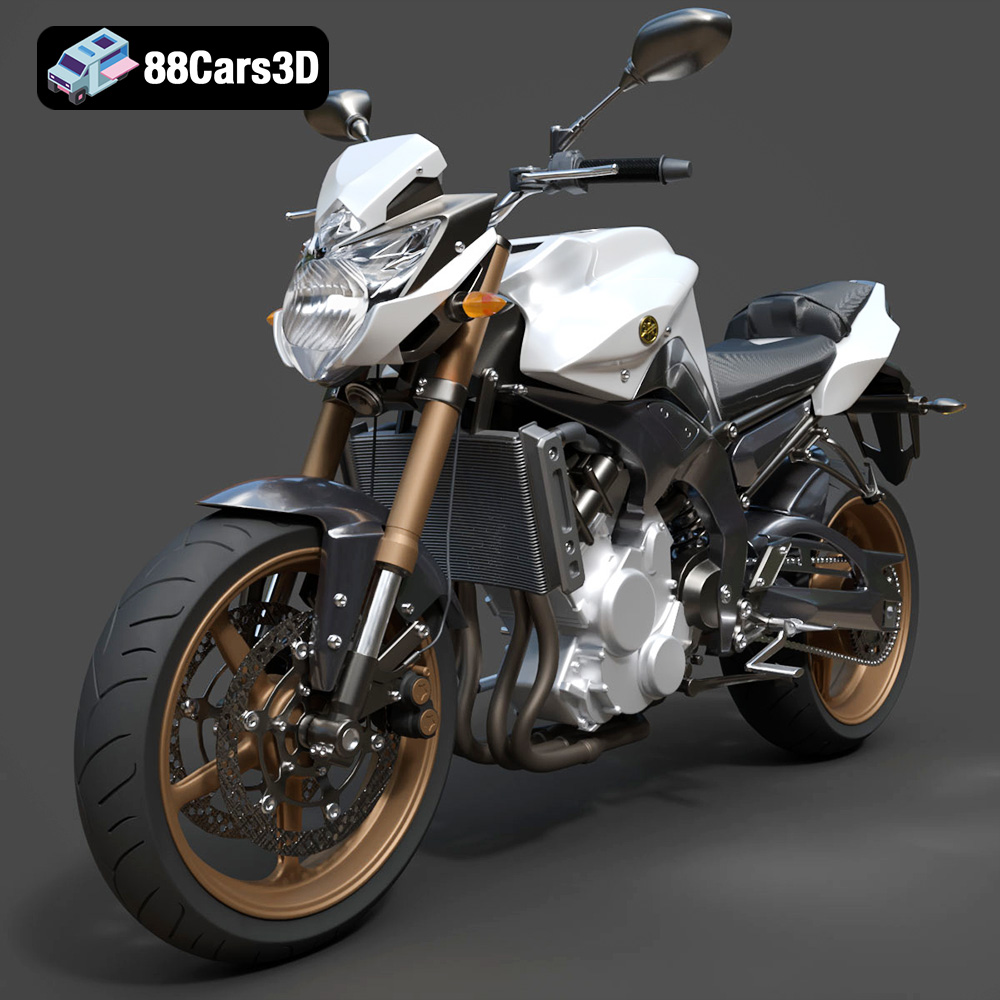
Texture: Yes
Material: Yes
Download the Yamaha FZ8 2011 3D Model featuring clean geometry, realistic detailing, and a fully modeled interior. Includes .blend, .fbx, .obj, .glb, .stl, .ply, .unreal, and .max formats for rendering, simulation, and game development.
Price: $19.99
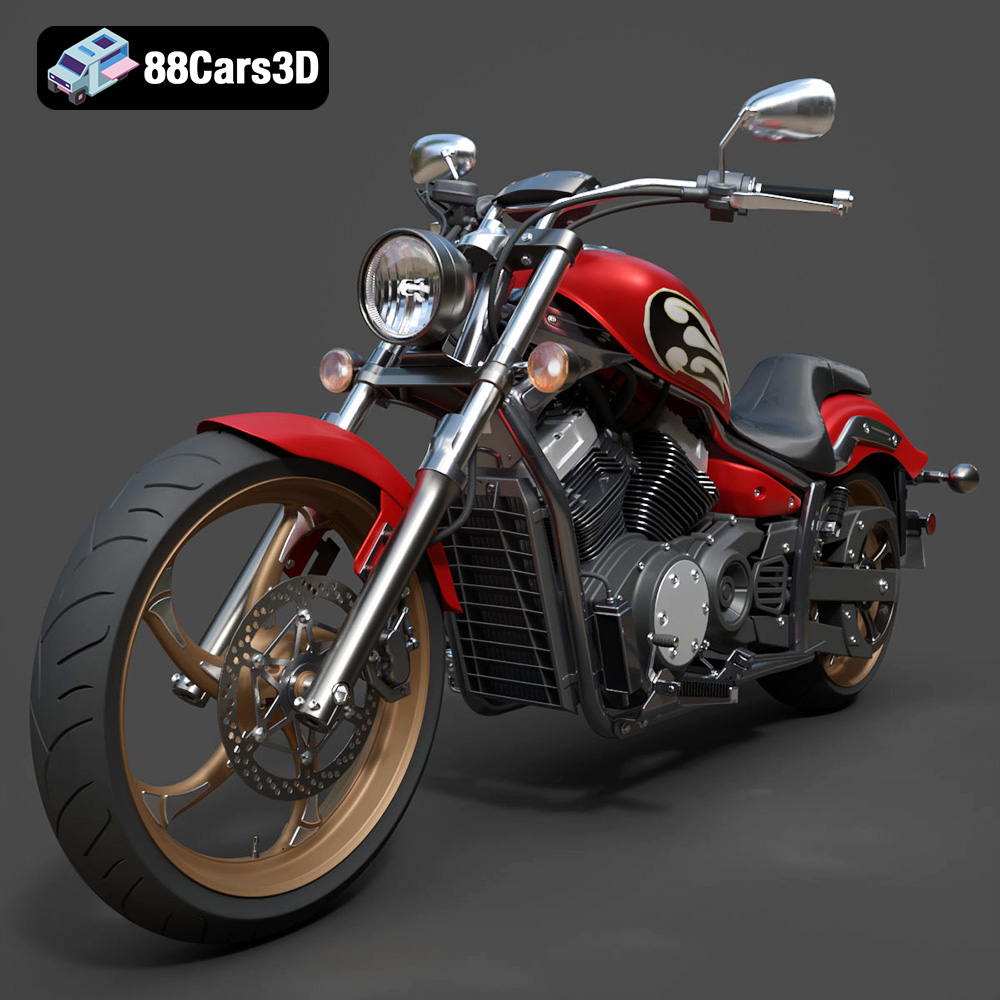
Texture: Yes
Material: Yes
Download the Yamaha Stryker 2012 3D Model featuring clean geometry, realistic detailing, and a fully modeled interior. Includes .blend, .fbx, .obj, .glb, .stl, .ply, .unreal, and .max formats for rendering, simulation, and game development.
Price: $19.99
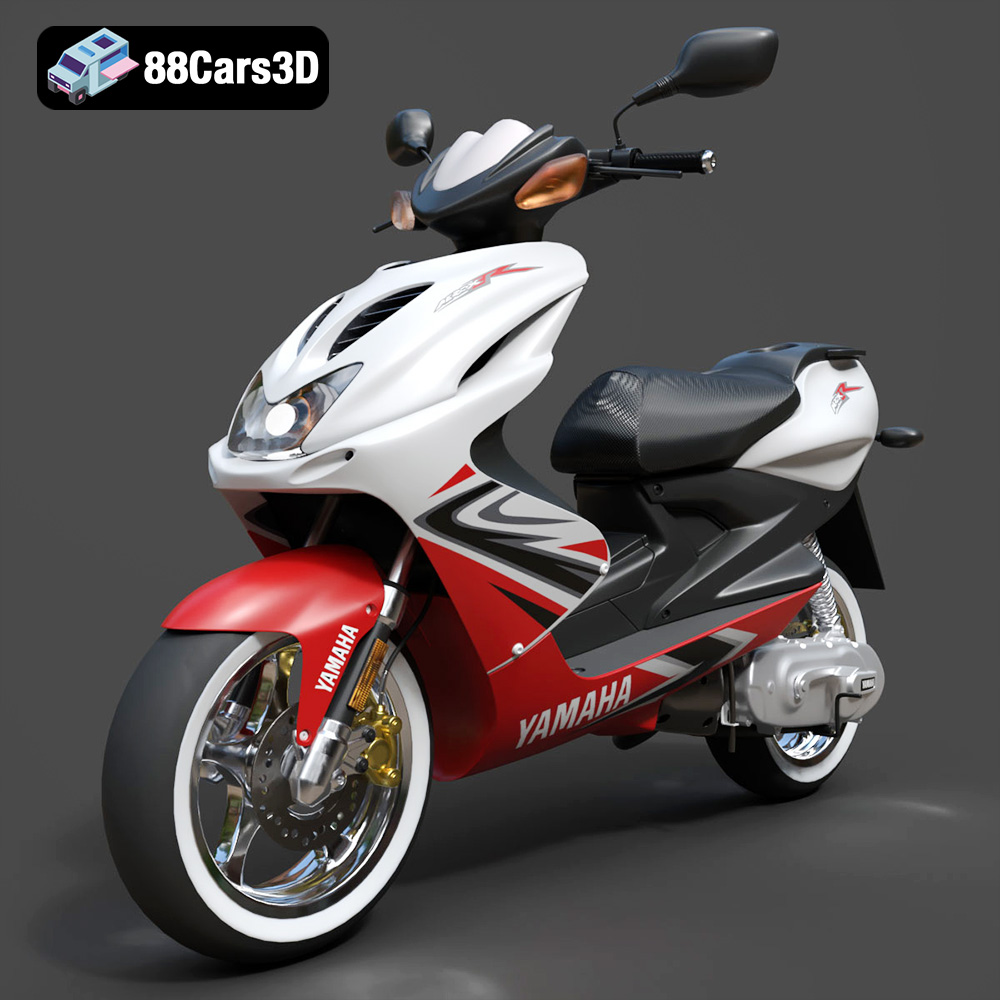
Texture: Yes
Material: Yes
Download the Yamaha Aerox R-002 2024 3D Model featuring clean geometry, realistic detailing, and a fully modeled interior. Includes .blend, .fbx, .obj, .glb, .stl, .ply, .unreal, and .max formats for rendering, simulation, and game development.
Price: $19.99
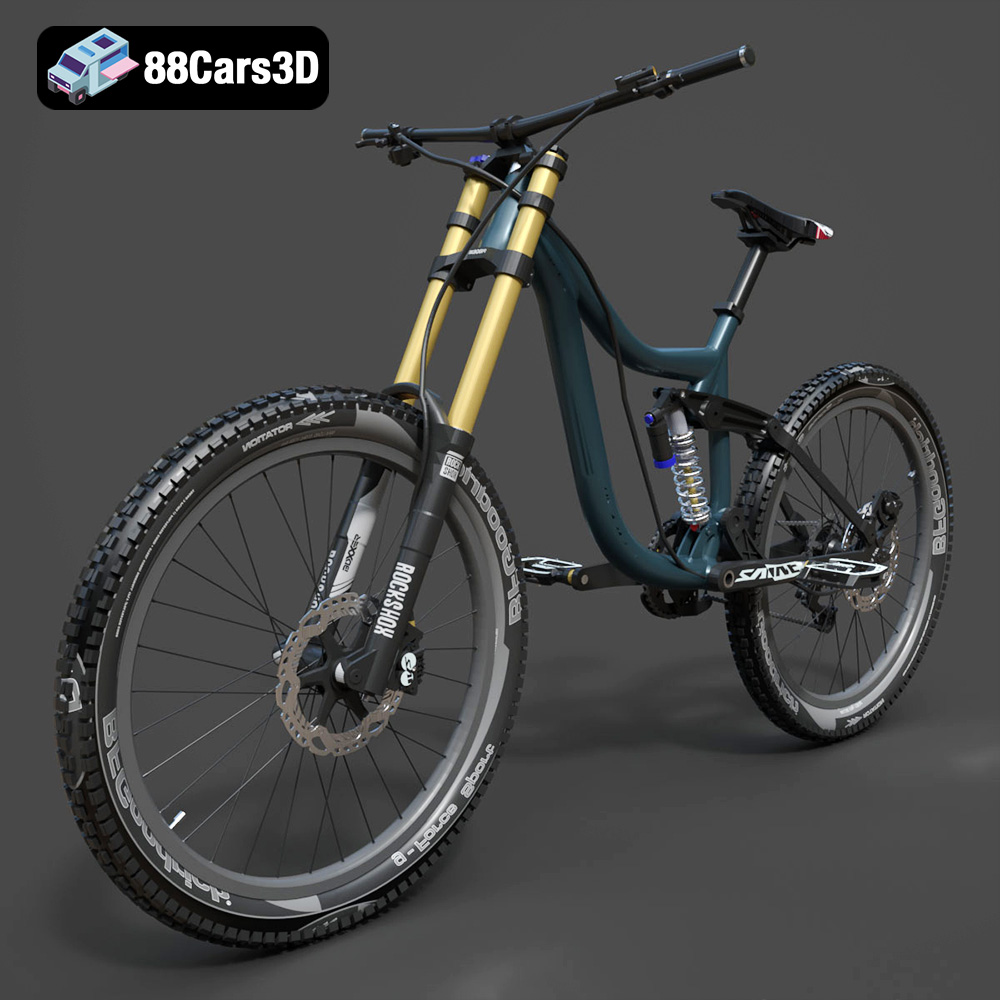
Texture: Yes
Material: Yes
Download the Mototsikly Downhill Bike-002 3D Model featuring clean geometry, realistic detailing, and precise mechanical components. Includes .blend, .fbx, .obj, .glb, .stl, .ply, .unreal, and .max formats for rendering, simulation, and game development.
Price: $19.99
Texture: Yes
Material: Yes
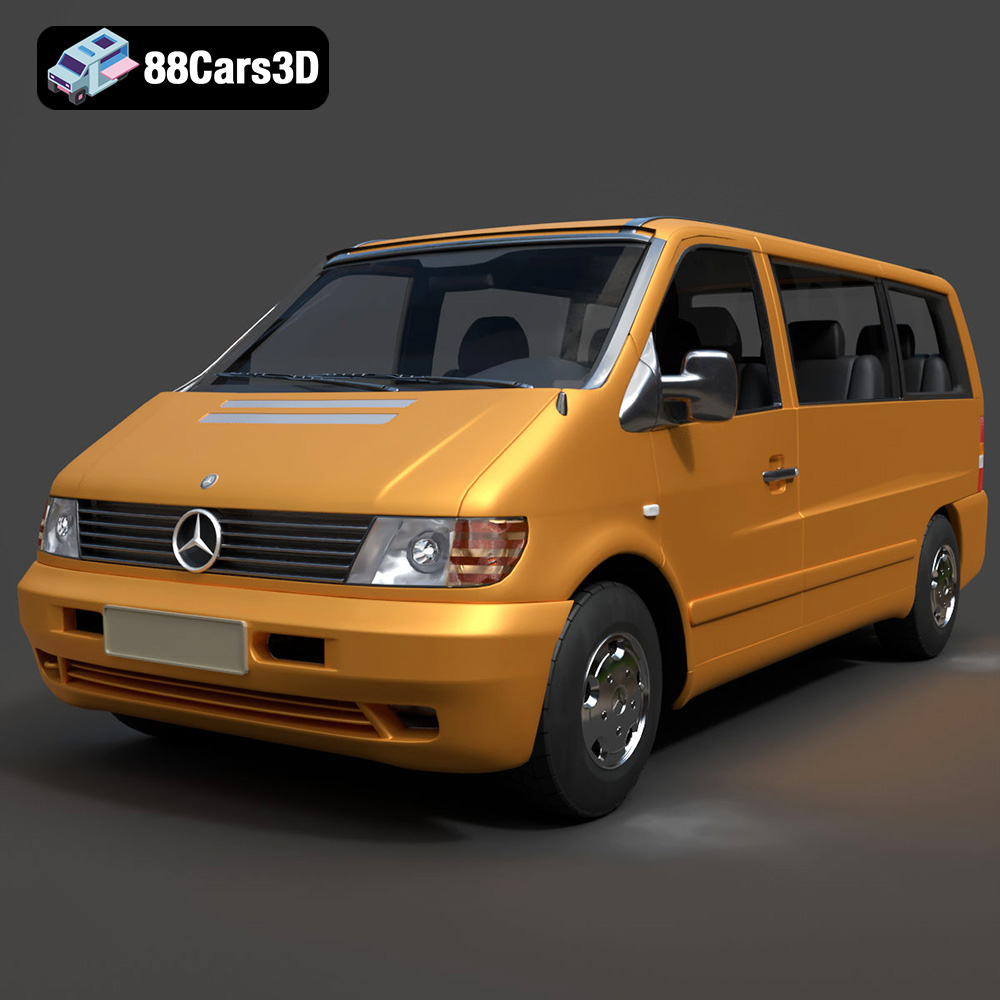
Download the Mercedes-Benz Vito Passenger Van 3D Model featuring clean geometry, realistic detailing, and a fully modeled interior. Includes .blend, .fbx, .obj, .glb, .stl, .ply, .unreal, and .max formats for rendering, simulation, and game development.
Price: $19.99
Texture: Yes
Material: Yes
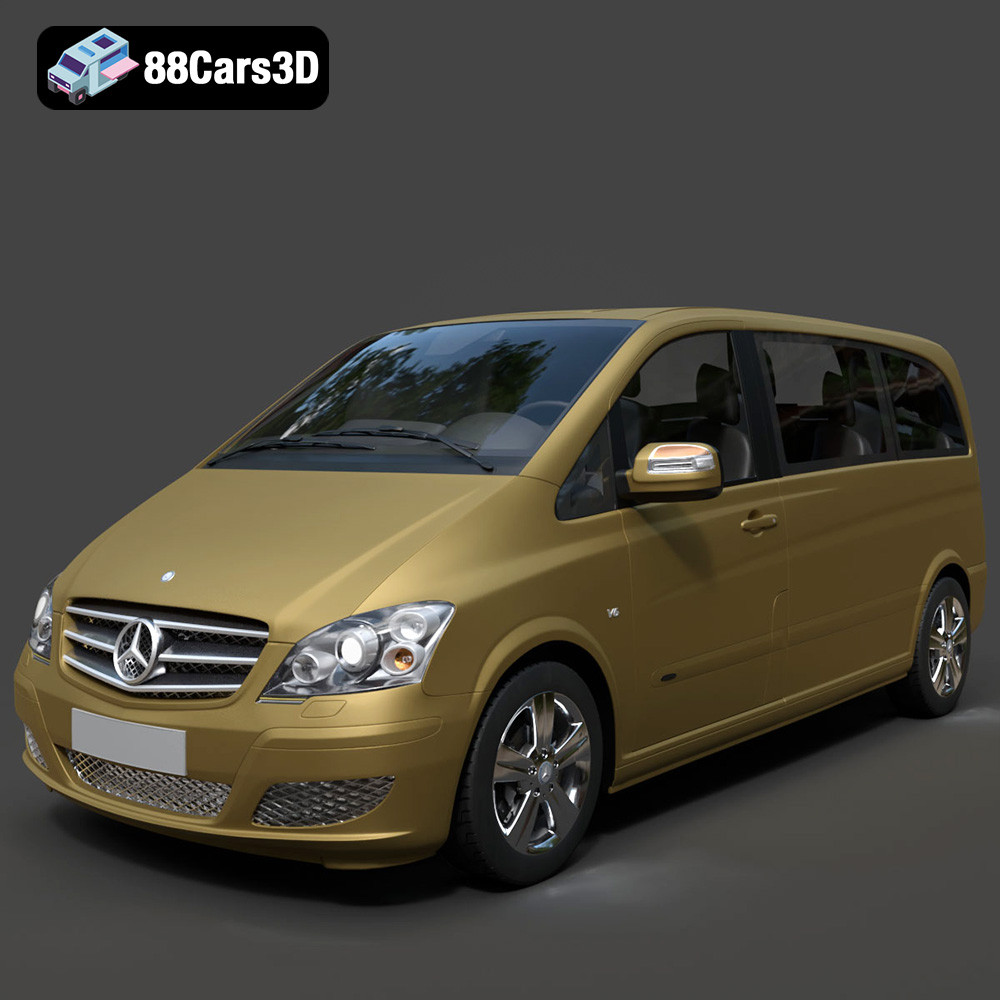
Download the Mercedes-Benz Viano 2010 3D Model featuring clean geometry, realistic detailing, and a fully modeled interior. Includes .blend, .fbx, .obj, .glb, .stl, .ply, .unreal, and .max formats for rendering, simulation, and game development.
Price: $19.99

Texture: Yes
Material: Yes
Download the Emt Avtobus 007 3D Model featuring clean geometry, realistic detailing, and a fully modeled interior. Includes .blend, .fbx, .obj, .glb, .stl, .ply, .unreal, and .max formats for rendering, simulation, and game development.
Price: $19.99
Texture: Yes
Material: Yes
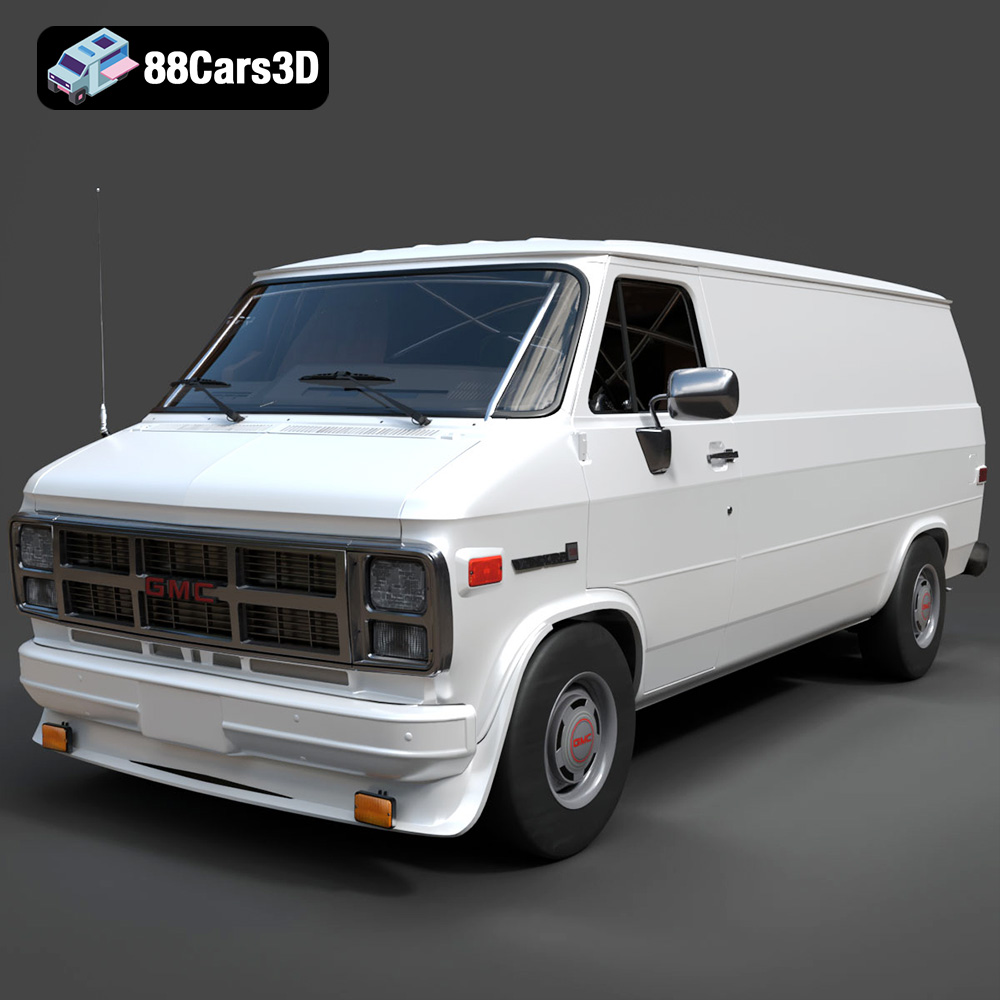
Download the GMC Vandura G-1500 1983 3D Model featuring clean geometry, realistic detailing, and a fully modeled interior. Includes .blend, .fbx, .obj, .glb, .stl, .ply, .unreal, and .max formats for rendering, simulation, and game development.
Price: $19.99
Texture: Yes
Material: Yes
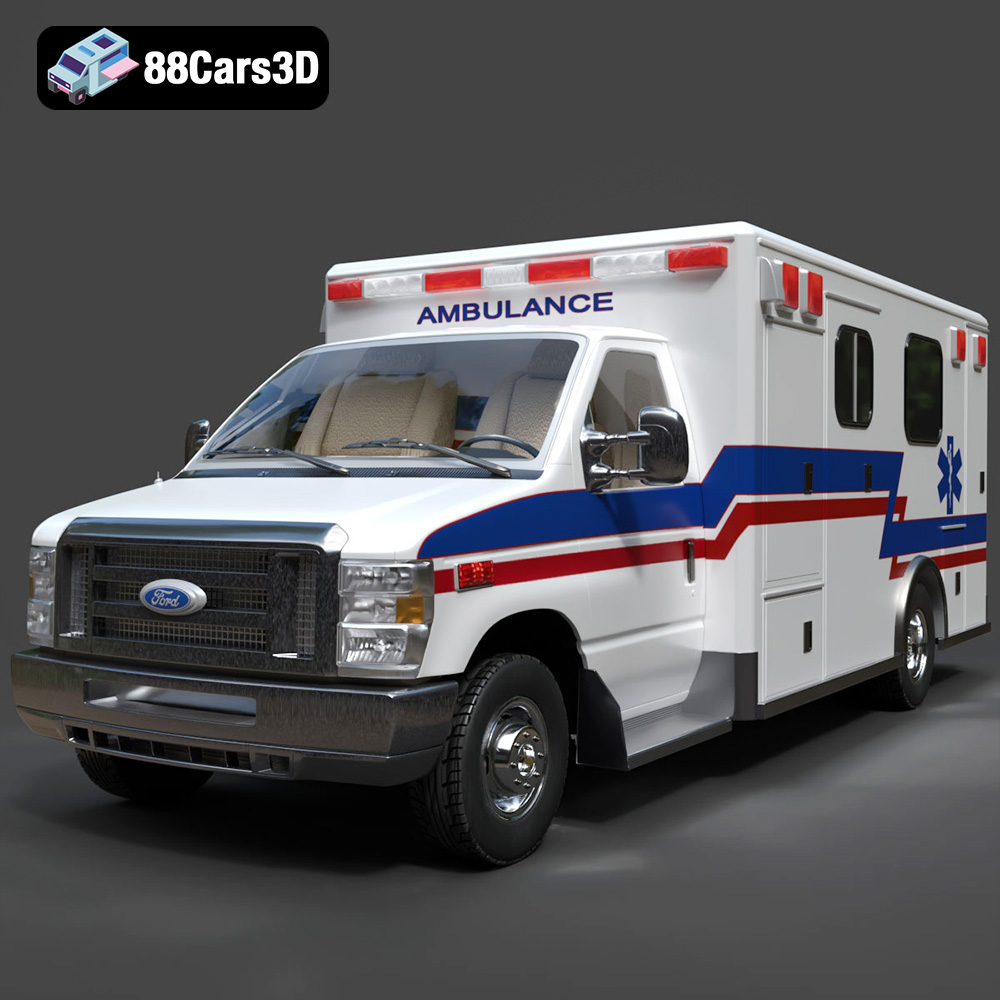
Download the Ford E-450 Ambulance 3D Model featuring clean geometry, realistic detailing, and a fully modeled interior. Includes .blend, .fbx, .obj, .glb, .stl, .ply, .unreal, and .max formats for rendering, simulation, and game development.
Price: $19.99

