⚡ FLASH SALE: Get 60% OFF All Premium 3D & STL Models! ⚡

Unreal Engine has revolutionized the landscape of real-time rendering, pushing the boundaries of visual fidelity and interactive experiences across numerous industries. For automotive visualization and game development, its capabilities are simply unmatched. From showcasing stunning vehicle designs in marketing campaigns to building immersive driving simulators and next-generation racing games, Unreal Engine provides the tools and flexibility needed to bring automotive visions to life with breathtaking realism.
This comprehensive guide dives deep into leveraging Unreal Engine for automotive visualization. We’ll explore everything from initial project setup and efficient asset integration to advanced material creation, dynamic lighting, and interactive experiences. Whether you’re a seasoned Unreal Engine developer, a 3D artist transitioning into real-time, or an automotive designer looking to elevate your presentations, you’ll gain invaluable insights into optimizing your workflow, achieving photorealistic results, and delivering high-performance applications. Prepare to unlock the full potential of your 3D car models and transform static concepts into dynamic, interactive showcases that captivate and engage.
Beginning any significant project in Unreal Engine requires careful planning and an optimized setup. For automotive visualization, this initial phase is critical for establishing a robust foundation that supports high-fidelity assets and complex real-time rendering demands. Starting with the right project configuration not only streamlines development but also ensures optimal performance and scalability as your project grows. Understanding the nuances of templates, essential plugins, and an organized data structure will save countless hours down the line and prevent potential bottlenecks.
When creating a new project in Unreal Engine, selecting the appropriate template is your first strategic decision. For automotive visualization, the “Blank” or “Games” template often provides the most flexibility, allowing you to build from the ground up without unnecessary pre-configured elements. However, for quick prototyping or specific scenarios, the “Automotive” template (if available in your UE version or through marketplace assets) or even the “ArchViz” template can offer a head start with relevant settings and sample assets. Regardless of the template, always target a “Blueprint” project over “C++” unless you specifically plan to integrate custom C++ code for vehicle physics or complex systems. For rendering quality, ensure your project is set to “Maximum Quality” and “Ray Tracing” is enabled from the outset if your hardware supports it, as these features are foundational for achieving photorealistic results in automotive scenes.
Unreal Engine’s extensibility through plugins is one of its greatest strengths. For automotive projects, several plugins are indispensable. Lumen (real-time global illumination and reflections) and Nanite (virtualized geometry) are paramount for rendering high-fidelity 3D car models with unprecedented detail and performance. Ensure these are activated via “Edit > Plugins.” Additionally, consider plugins for Niagara (for advanced particle effects like exhaust fumes or rain), Virtual Production Utilities (for LED wall integration), and potentially Datasmith if you’re importing CAD data directly. After enabling, it’s crucial to adjust Project Settings (“Edit > Project Settings”). Navigate to “Rendering” and ensure “Hardware Ray Tracing” is enabled, along with “Generate Mesh Distance Fields” for improved global illumination quality. For optimal frame rates, monitor your GPU memory usage and consider enabling “Virtual Textures” under “Engine > Virtual Textures” if you’re working with extremely large texture maps, which is common with detailed automotive assets.
A well-organized Content Browser is the backbone of an efficient Unreal Engine project. Establish a clear and consistent folder structure from day one. A common practice involves creating top-level folders such as “Vehicles,” “Environments,” “Materials,” “Textures,” “Blueprints,” and “Sequences.” Within “Vehicles,” you might have subfolders for each car model, containing its mesh, textures, materials, and any specific Blueprints. When sourcing high-quality 3D car models from marketplaces like 88cars3d.com, their assets often come with a clean structure, making integration easier. Adhering to naming conventions (e.g., prefixing assets like ‘SM_’ for Static Mesh, ‘T_’ for Texture, ‘M_’ for Material, ‘BP_’ for Blueprint) improves searchability and collaboration. This disciplined approach minimizes clutter, speeds up asset retrieval, and simplifies debugging, particularly important in large-scale projects involving numerous detailed automotive assets and environmental elements.
The core of any automotive visualization project lies in the quality and performance of its 3D car models. Bringing these meticulously crafted assets into Unreal Engine requires a strategic approach to maintain visual fidelity while ensuring real-time performance. High-polygon models, detailed textures, and complex hierarchies are standard in automotive design, making efficient import and optimization techniques absolutely critical. This section will guide you through best practices, leveraging cutting-edge Unreal Engine features like Nanite, and implementing robust LOD strategies.
The FBX format remains the most common interchange format for 3D assets into Unreal Engine, offering broad support for meshes, materials, and animations. When exporting from your 3D modeling software (e.g., Blender, Maya, 3ds Max), ensure units are set correctly (Unreal Engine typically uses centimeters). Group related mesh components and name them logically (e.g., “Body,” “Wheel_FL,” “Interior”). For materials, embed media when possible, or ensure textures are correctly linked and placed in a project subfolder. Upon import into Unreal Engine, enable “Combine Meshes” only if the asset is a single, inseparable object; otherwise, keep components separate for easier material assignment and interactivity (e.g., opening doors). Enable “Generate Missing Collision” for basic physics, and check “Import Materials” and “Import Textures.”
Increasingly, the USD (Universal Scene Description) format is gaining traction, especially in virtual production and collaborative pipelines. USD offers a more robust framework for scene description, allowing for non-destructive workflows, layering, and sophisticated asset referencing. USD/USDZ (zipped USD) can be imported via the USD Stage Editor in Unreal Engine. This method is particularly powerful for managing complex car assemblies where different departments might work on separate layers (body, interior, engine) that are then composed into a single virtual asset. USD preserves hierarchies, material assignments, and even animations, making it an excellent choice for intricate automotive datasets. When working with assets from platforms like 88cars3d.com, you often receive well-prepared FBX files, but understanding USD prepares you for advanced pipelines.
Nanite virtualized geometry is a game-changer for automotive visualization, enabling the import and real-time rendering of incredibly high-polygon 3D car models without explicit LODs or significant performance penalties. Traditionally, a car model with millions of polygons would crush performance, but Nanite intelligently streams and renders only the necessary detail, regardless of camera distance. To enable Nanite on an imported static mesh, simply open the Static Mesh Editor and check the “Enable Nanite” checkbox under the “Nanite Settings” section. You can also specify a “Fallback Relative Error” which controls the fidelity of the non-Nanite mesh used when Nanite is not supported or for distant views. For most detailed automotive components like the car body, wheels, and intricate interior elements, enabling Nanite is highly recommended. This allows artists to work with source meshes that have the absolute maximum detail, ensuring every curve and subtle reflection is accurately captured, elevating the overall realism. This feature significantly reduces the need for manual polygon reduction, freeing artists to focus on artistic quality.
While Nanite handles detail for high-end rendering, Levels of Detail (LODs) remain crucial for optimization, especially for assets that might not benefit from Nanite (like translucent meshes) or for projects targeting lower-spec hardware, AR/VR, or mobile platforms. Unreal Engine offers robust automatic LOD generation. In the Static Mesh Editor, under “LOD Settings,” you can specify the number of LODs and their “Screen Size” thresholds. For complex automotive assets, it’s often beneficial to manually adjust or import custom LODs, particularly for parts that undergo significant geometric simplification without losing their recognizable silhouette. For instance, a detailed car rim might have 3-4 LODs, with the lowest LOD being a simplified cylinder. When performance is paramount, assess your scene’s polygon budget and aggressively optimize distant objects. This hybrid approach—Nanite for critical foreground detail and traditional LODs for background assets or specific platform targets—ensures both visual excellence and broad compatibility.
Achieving photorealistic results in Unreal Engine, particularly for highly reflective and detailed 3D car models, hinges on the mastery of Physically Based Rendering (PBR) materials. PBR materials accurately simulate how light interacts with surfaces in the real world, producing believable reflections, refractions, and diffuse shading. This section explores the intricacies of the Unreal Engine Material Editor, focusing on specialized automotive materials like car paint, glass, and chrome, and crucial techniques like UV mapping and texture baking.
The Unreal Engine Material Editor is a node-based interface where you construct shaders. For automotive applications, understanding the PBR workflow is paramount. Every material should typically utilize a Base Color (albedo), Metallic, Specular, Roughness, and Normal Map. Car paint is a complex material, often requiring multiple layers: a base color, a metallic flake layer, and a clear coat. You can simulate this using a Layered Material or by blending different material functions. A common technique involves a base material for the car’s body, a secondary material function for the metallic flakes (using a custom fresnel and noise texture), and a clear coat shader that adds an additional layer of specular reflection and roughness control. For car interiors, materials range from leathers (high roughness, subtle normal maps), plastics (varying roughness and metallic values), to fabrics (normal maps, diffuse patterns). Leverage the Material Instance system to create variations (e.g., different car paint colors or interior trims) from a single master material, allowing for efficient adjustments without recompiling the shader.
Proper UV mapping is foundational for applying textures accurately. For 3D car models, ensure your UVs are non-overlapping and optimized for texture space. Often, multiple UV sets are needed: one for diffuse/normal maps, and another for lightmaps (if not using Lumen exclusively). Texture baking—transferring surface details like normal maps, ambient occlusion, and curvature from a high-poly model to a low-poly one—is crucial for maintaining visual detail while optimizing polygon count. Even with Nanite, baking high-frequency normal maps can enhance surface imperfections. Decals are an incredibly efficient way to add details like logos, racing stripes, scratches, or dirt without modifying the base mesh or complex UVs. In Unreal Engine, you create a DBuffer decal material, set its blend mode, and apply it to a decal actor. Adjusting decal properties like “Fade Screen Size” ensures they look appropriate at various distances, vital for maintaining fidelity in a real-time automotive scene.
Beyond standard PBR, automotive visualization demands specialized shaders for materials like glass, chrome, and carbon fiber.
Each of these advanced materials requires careful tuning of texture maps and material parameters to achieve a convincing real-world appearance, contributing significantly to the overall photorealism of your 3D car models.
Lighting is arguably the most critical element in conveying realism and mood within any 3D scene, especially for automotive visualization where reflections and surface details play such a significant role. Unreal Engine offers a powerful array of lighting tools, from real-time global illumination systems like Lumen to traditional light sources and sophisticated post-processing. Mastering these will allow you to create environments that truly make your 3D car models shine, whether in a studio setup or an expansive outdoor scene.
Lumen is Unreal Engine’s revolutionary real-time global illumination and reflections system, providing dynamic, realistic lighting propagation without the need for baked lightmaps. For automotive visualization, Lumen is a game-changer. It accurately simulates how light bounces off surfaces, creating soft indirect lighting, realistic color bleeding, and stunning diffuse inter-reflection. This means your car models will automatically pick up subtle color tints from the ground or nearby walls, and ambient light will correctly fill shadowed areas. Enable Lumen in your Project Settings under “Rendering” by setting “Global Illumination” and “Reflections” to “Lumen.” For optimal results, ensure your scene geometry has “Generate Mesh Distance Fields” enabled (also in Project Settings > Rendering) as Lumen heavily relies on them. Place a Post Process Volume in your level, ensure it’s “Unbound,” and under “Global Illumination” and “Reflections,” verify that Lumen is selected. Adjust settings like “Lumen Scene Lighting Quality” and “Final Gather Quality” for visual fidelity vs. performance balance. Lumen’s real-time nature allows for instant feedback on lighting changes, dramatically speeding up iteration times for artists and designers.
High Dynamic Range Image (HDRI) backdrops are essential for realistic lighting and reflections in automotive scenes. An HDRI provides both environmental lighting (through its pixel data) and a visual backdrop, acting as a giant light source that wraps around your scene. To implement an HDRI, import an equirectangular HDRI image as a texture. Create a sky sphere mesh (or use the built-in “Sky Sphere” actor from the “Place Actors” panel) and apply a material that samples your HDRI texture, typically using a Sky Light actor set to “SLS Captured Scene” or “SLS Specified Cubemap” with your HDRI. Ensure the Sky Light is set to “Movable” to interact dynamically with Lumen. For specific lighting accents, use physical light types:
Adjusting intensity, color temperature, and source radius for these lights is key to creating a convincing and artistic illumination setup. Utilizing IES (Illuminating Engineering Society) profiles for architectural or vehicle-specific lights can add another layer of realism to light distribution patterns.
While Lumen and physical lights establish the core illumination, Post-Process Volumes are the final layer of polish, adding cinematic flair and correcting visual discrepancies. Place a Post Process Volume, set it to “Unbound” to affect the entire scene, and explore its vast array of settings:
Careful calibration of these settings ensures your automotive renders achieve a professional, polished look, making your 3D car models appear as if they were captured by a high-end camera. Experiment with different settings to find the perfect visual tone for your project, from crisp and clean studio shots to gritty, cinematic street scenes.
Beyond static renders, Unreal Engine excels at creating dynamic and interactive automotive experiences. From allowing users to customize a vehicle in real-time to producing stunning cinematic sequences and simulating realistic driving physics, the engine offers powerful tools for a wide range of applications. This section will delve into Blueprint scripting for interactive configurators, Sequencer for virtual production and cinematic content, and the integration of realistic vehicle dynamics.
Blueprint visual scripting is an incredibly powerful and accessible tool within Unreal Engine, enabling non-programmers to create complex interactive systems. For automotive configurators, Blueprints are indispensable. Imagine a user interface where clicking a button changes the car’s paint color, swaps out wheel designs, or opens and closes doors. This is all achievable with Blueprints.
This modular approach allows for robust, scalable configurators that give users unparalleled control over their virtual vehicles, making sales and marketing presentations highly engaging.
Sequencer is Unreal Engine’s multi-track non-linear editor, designed for creating cinematic sequences, trailers, and even full virtual productions. For automotive visualization, Sequencer is vital for producing high-quality marketing videos, showcasing design details, or integrating into LED wall virtual production stages.
Sequencer empowers artists to tell compelling visual stories with their automotive assets, making it a cornerstone of high-end automotive marketing and virtual production workflows.
For truly immersive driving experiences or realistic simulations, accurate vehicle physics are paramount. Unreal Engine provides several options for vehicle dynamics:
Achieving a satisfying driving feel often requires extensive tuning of suspension, friction, and engine parameters. This dedication to realistic physics elevates driving simulators and game experiences, offering a tangible connection to the detailed 3D car models you’ve integrated.
Unreal Engine’s versatility extends far beyond traditional game development and architectural visualization. For automotive applications, it’s a powerhouse for creating cutting-edge experiences in Augmented Reality (AR), Virtual Reality (VR), and the burgeoning field of Virtual Production. However, leveraging these advanced applications with high-fidelity 3D car models demands meticulous optimization and a deep understanding of performance bottlenecks.
AR and VR present unique challenges, primarily due to the stringent performance requirements needed to maintain comfortable frame rates (typically 90 FPS for VR, 60+ FPS for AR) and the often-limited computational power of target devices. For automotive AR/VR, this means aggressively optimizing your 3D car models and environments:
Rigorous profiling using Unreal Engine’s built-in tools (Stat commands like ‘Stat FPS’, ‘Stat GPU’, ‘Stat RHI’) is essential to identify and address performance bottlenecks. Prioritizing performance over absolute visual fidelity is key to delivering a smooth and immersive AR/VR automotive experience.
Virtual Production, particularly with LED volumes, is revolutionizing how automotive commercials, films, and marketing content are created. Instead of green screens, actors and physical cars are placed in front of a giant LED screen displaying a real-time Unreal Engine environment. This creates “in-camera” visual effects, reducing post-production time and allowing for dynamic lighting and reflections directly from the digital environment.
This workflow allows for unprecedented creative control and efficiency, creating dynamic automotive content that would be challenging or impossible with traditional filmmaking methods.
Regardless of the application, achieving optimal performance in Unreal Engine, especially with detailed 3D car models, requires continuous profiling and troubleshooting.
Stat FPS, Stat Unit, Stat GPU, Stat RHI, and Stat Engine to monitor real-time performance metrics directly in the editor or during play. Stat Unit is particularly useful for identifying if the game thread, draw thread, or GPU is the bottleneck.profilegpu console command) This tool breaks down GPU frame time by render pass, helping identify expensive post-processing effects, material complexity, or overdrawn areas.Systematic profiling and iterative optimization are crucial for delivering smooth, high-quality automotive experiences across all target platforms and applications, ensuring your detailed 3D car models are always presented in their best light without compromising performance.
Unreal Engine stands as an unparalleled platform for pushing the boundaries of automotive visualization, real-time rendering, and interactive experiences. Throughout this guide, we’ve explored the essential workflows and advanced techniques that empower artists, developers, and designers to transform high-fidelity 3D car models into breathtakingly realistic and dynamic digital assets. From the meticulous process of project setup and asset optimization using Nanite and LODs, to crafting photorealistic PBR materials, mastering dynamic lighting with Lumen, and building interactive configurators with Blueprint, the capabilities are vast and profound.
We’ve also delved into the exciting frontiers of virtual production with LED walls and the specific optimizations required for delivering smooth, immersive AR/VR automotive applications. The power of Unreal Engine lies not just in its stunning visual output, but in its comprehensive toolset that fosters creativity and efficiency, enabling you to bring complex automotive concepts to life with unprecedented speed and fidelity.
As you embark on your own automotive visualization journeys, remember the importance of a solid foundation, disciplined optimization, and continuous learning. High-quality 3D car models are the heart of these projects, and sourcing assets from reputable platforms like 88cars3d.com provides a significant head start with their optimized, production-ready content. Embrace the power of Unreal Engine, experiment with its features, and continue to explore the vast resources available on the official Unreal Engine documentation to refine your skills and achieve truly remarkable results. The future of automotive design and presentation is real-time, and with Unreal Engine, you are at the forefront of this exciting revolution.

Meta Description:
Texture: Yes
Material: Yes
Download the Porsche Cayenne 3D Model featuring realistic exterior styling and detailed interior design. Includes .blend, .fbx, .obj, .glb, .stl, .ply, .unreal, and .max formats for rendering, simulation, AR VR, and game development.
Price: $19.9
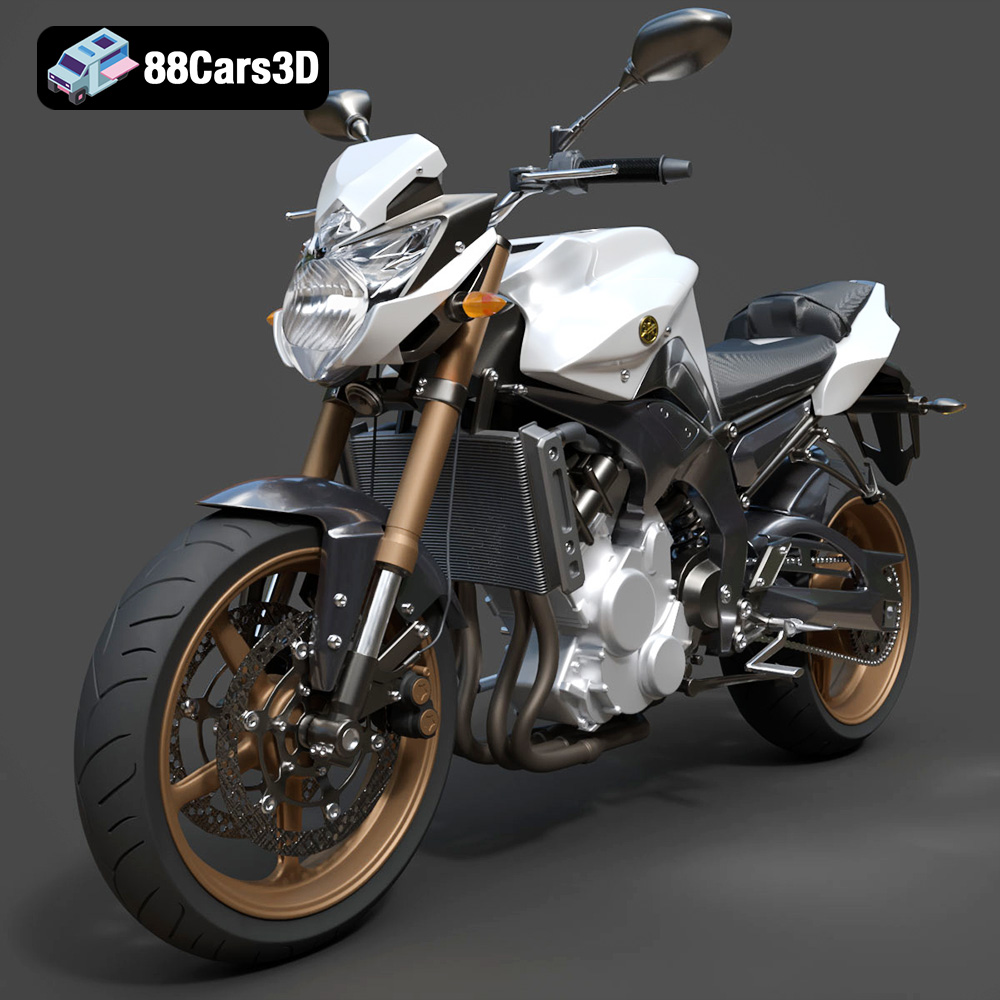
Texture: Yes
Material: Yes
Download the Yamaha FZ8 2011 3D Model featuring clean geometry, realistic detailing, and a fully modeled interior. Includes .blend, .fbx, .obj, .glb, .stl, .ply, .unreal, and .max formats for rendering, simulation, and game development.
Price: $19.99
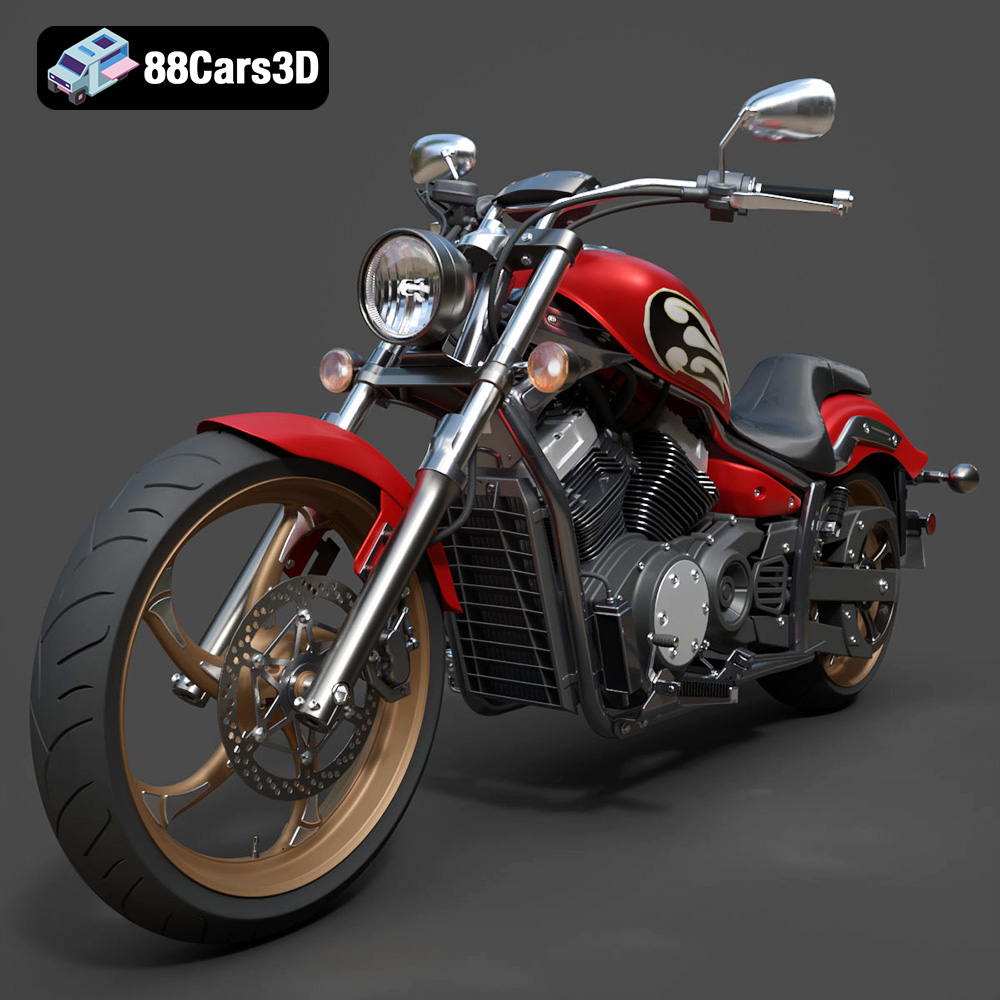
Texture: Yes
Material: Yes
Download the Yamaha Stryker 2012 3D Model featuring clean geometry, realistic detailing, and a fully modeled interior. Includes .blend, .fbx, .obj, .glb, .stl, .ply, .unreal, and .max formats for rendering, simulation, and game development.
Price: $19.99
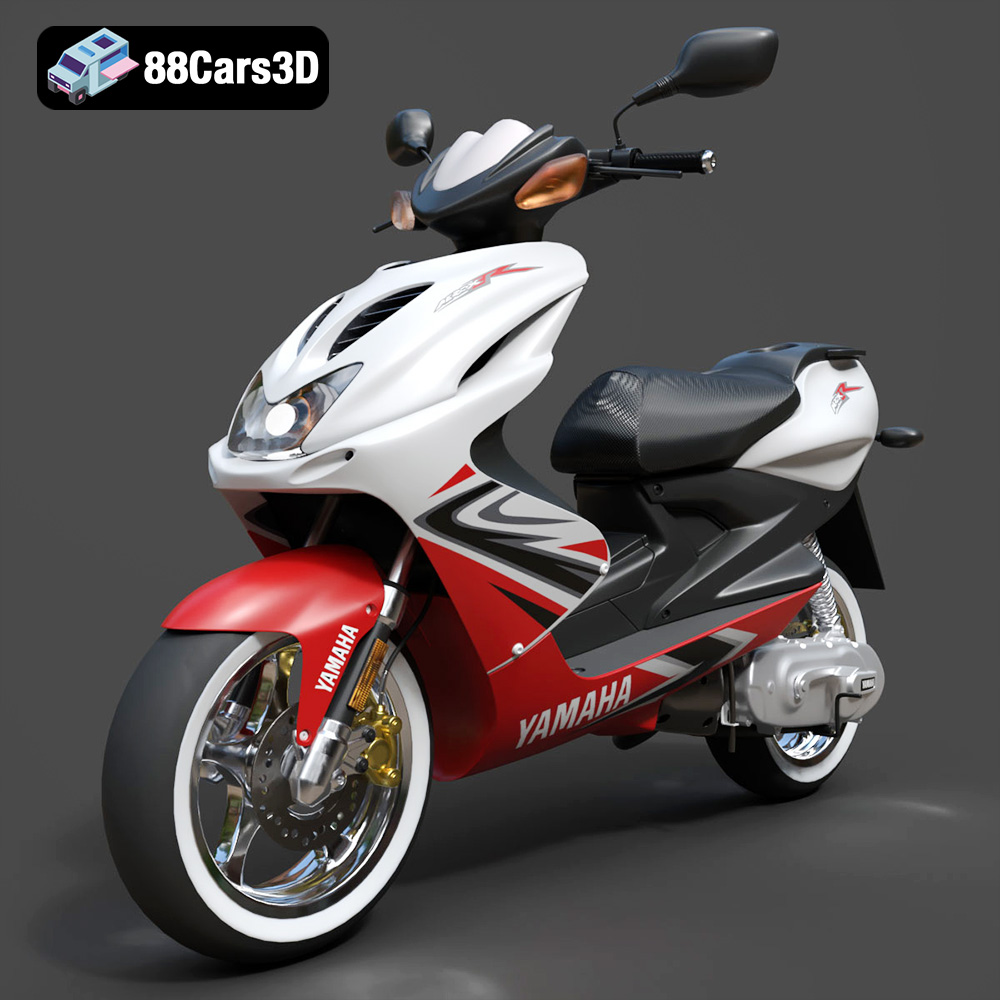
Texture: Yes
Material: Yes
Download the Yamaha Aerox R-002 2024 3D Model featuring clean geometry, realistic detailing, and a fully modeled interior. Includes .blend, .fbx, .obj, .glb, .stl, .ply, .unreal, and .max formats for rendering, simulation, and game development.
Price: $19.99
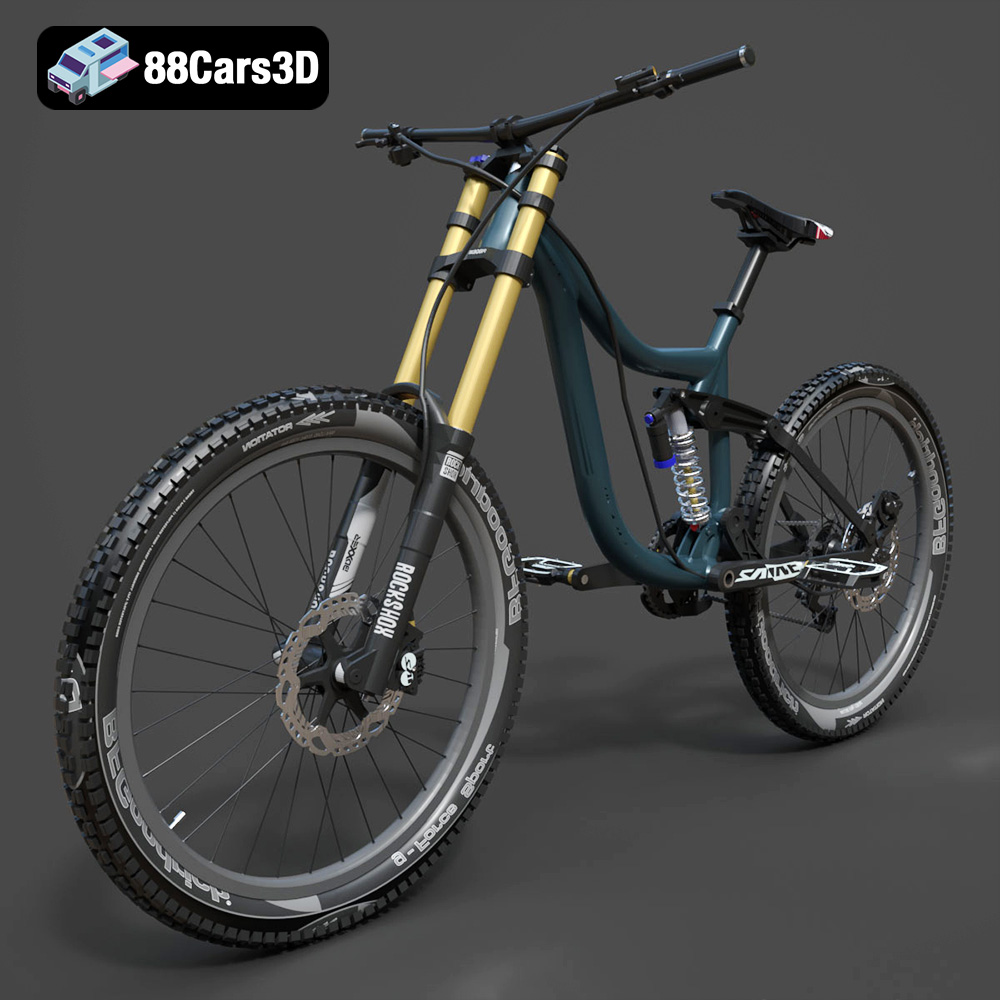
Texture: Yes
Material: Yes
Download the Mototsikly Downhill Bike-002 3D Model featuring clean geometry, realistic detailing, and precise mechanical components. Includes .blend, .fbx, .obj, .glb, .stl, .ply, .unreal, and .max formats for rendering, simulation, and game development.
Price: $19.99
Texture: Yes
Material: Yes
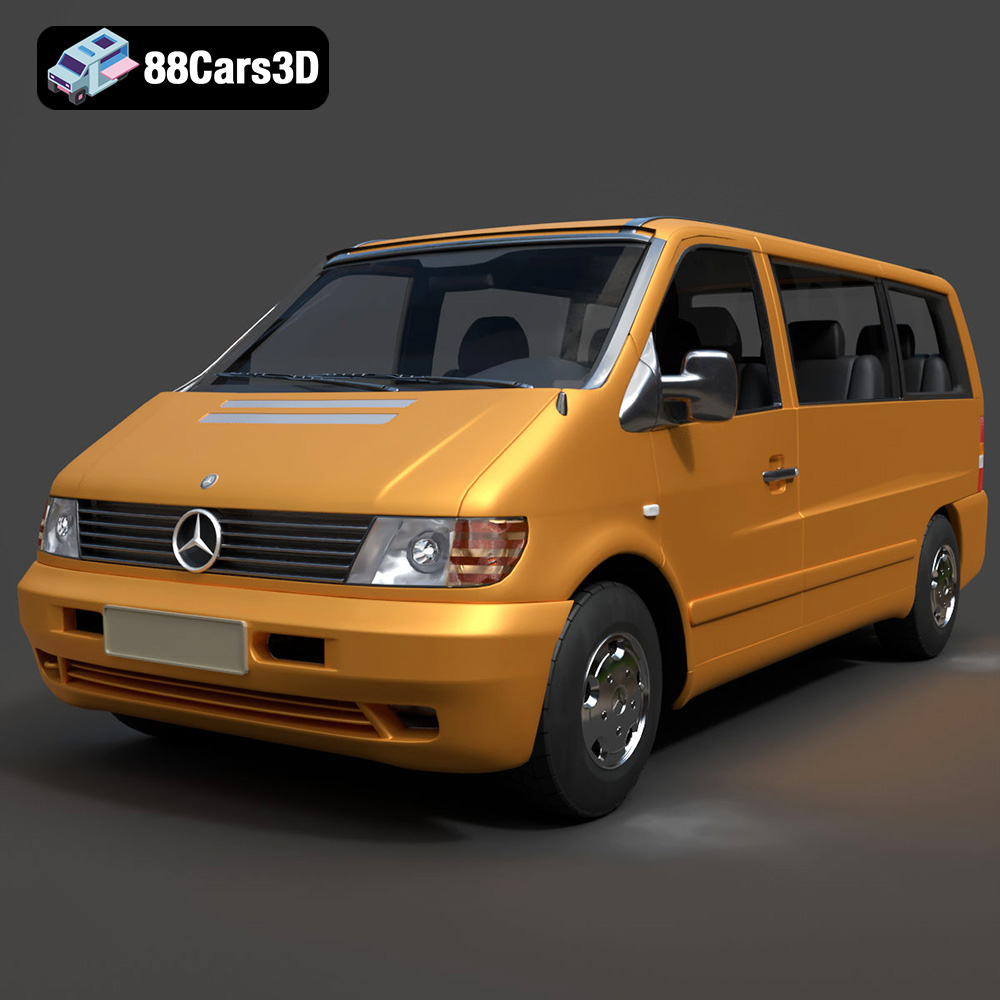
Download the Mercedes-Benz Vito Passenger Van 3D Model featuring clean geometry, realistic detailing, and a fully modeled interior. Includes .blend, .fbx, .obj, .glb, .stl, .ply, .unreal, and .max formats for rendering, simulation, and game development.
Price: $19.99
Texture: Yes
Material: Yes
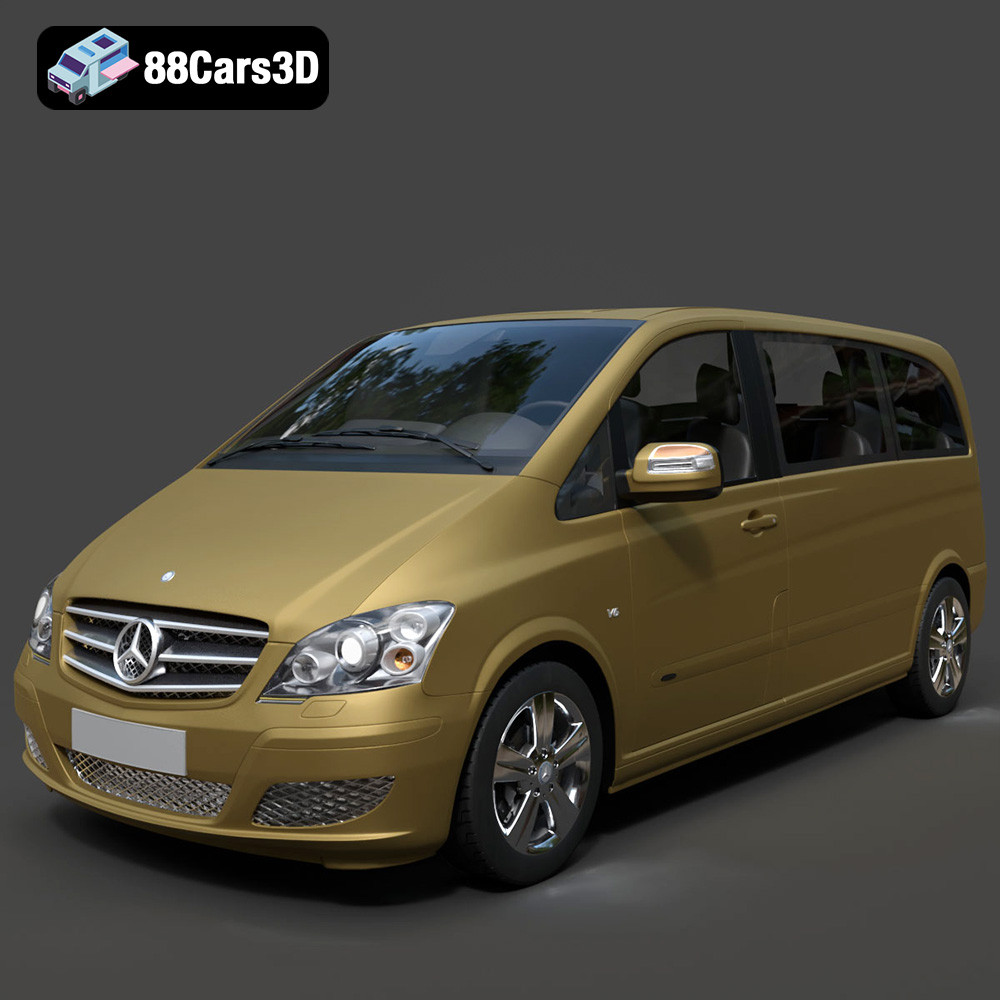
Download the Mercedes-Benz Viano 2010 3D Model featuring clean geometry, realistic detailing, and a fully modeled interior. Includes .blend, .fbx, .obj, .glb, .stl, .ply, .unreal, and .max formats for rendering, simulation, and game development.
Price: $19.99

Texture: Yes
Material: Yes
Download the Emt Avtobus 007 3D Model featuring clean geometry, realistic detailing, and a fully modeled interior. Includes .blend, .fbx, .obj, .glb, .stl, .ply, .unreal, and .max formats for rendering, simulation, and game development.
Price: $19.99
Texture: Yes
Material: Yes
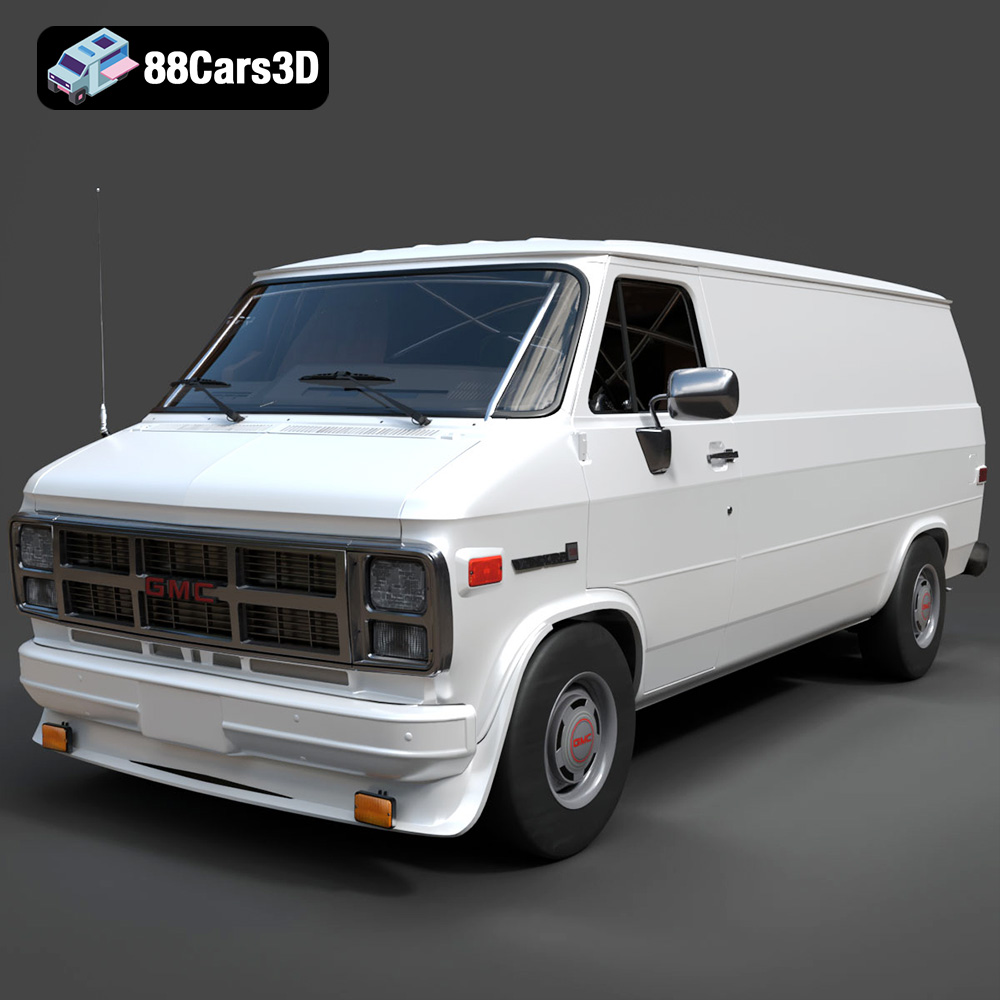
Download the GMC Vandura G-1500 1983 3D Model featuring clean geometry, realistic detailing, and a fully modeled interior. Includes .blend, .fbx, .obj, .glb, .stl, .ply, .unreal, and .max formats for rendering, simulation, and game development.
Price: $19.99
Texture: Yes
Material: Yes
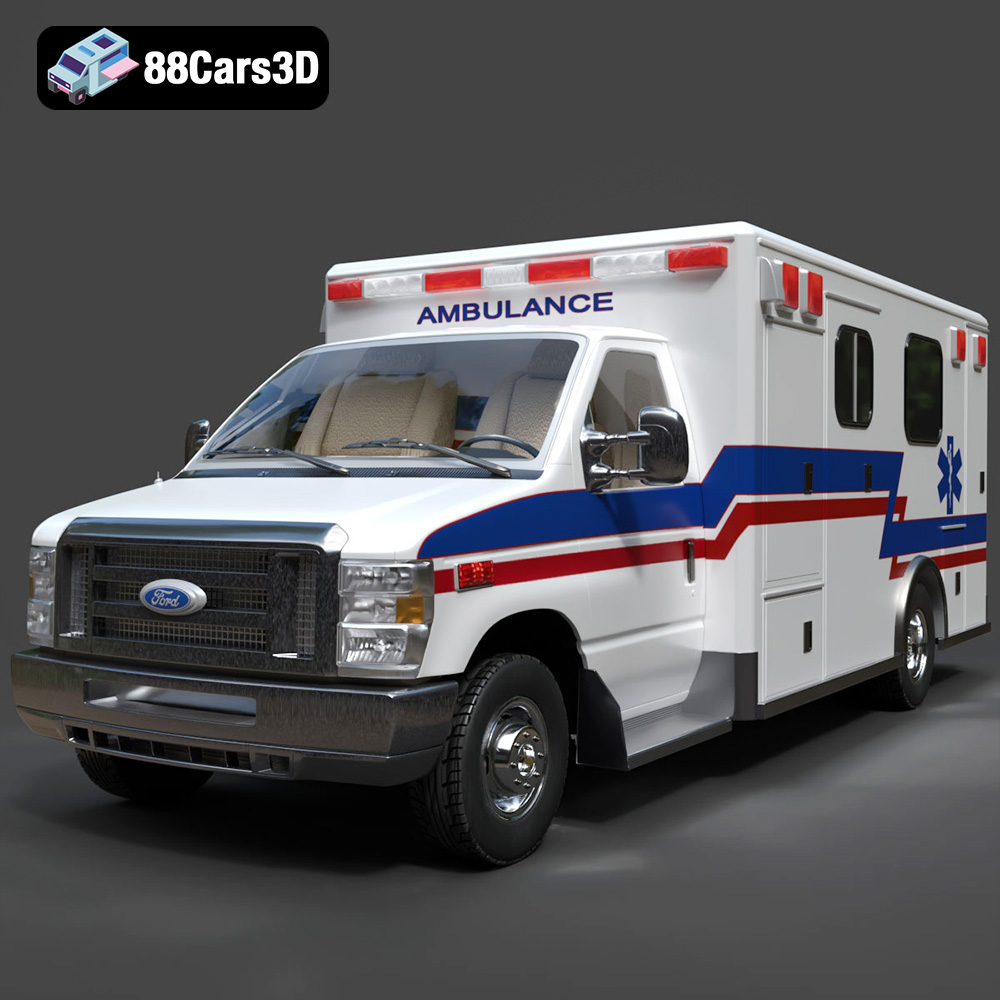
Download the Ford E-450 Ambulance 3D Model featuring clean geometry, realistic detailing, and a fully modeled interior. Includes .blend, .fbx, .obj, .glb, .stl, .ply, .unreal, and .max formats for rendering, simulation, and game development.
Price: $19.99

