In the high-stakes world of automotive visualization and game development, realism isn’t just a buzzword; it’s the gold standard. For creators striving to bring stunning, true-to-life vehicles to screens, Unreal Engine has emerged as an unparalleled powerhouse. At the heart of Unreal Engine’s photorealistic capabilities lies its sophisticated Material Editor and its adherence to Physically Based Rendering (PBR) principles. Mastering these tools is not merely an advantage; it’s a necessity for producing automotive assets that truly capt captivate.
This comprehensive guide dives deep into advanced PBR workflows within Unreal Engine’s Material Editor, tailored specifically for automotive visualization professionals. We’ll explore techniques to create breathtaking car paint, realistic interiors, and gleaming metallic components, ensuring your 3D car models stand out. From fundamental PBR concepts to intricate shader networks, performance optimization, and integration with cutting-edge Unreal Engine features like Lumen and Nanite, you’ll gain actionable insights to elevate your projects. Whether you’re crafting an interactive configurator, a cinematic sequence, or an immersive AR/VR experience, understanding these advanced PBR workflows will empower you to unlock the full potential of your automotive assets.
The Foundation of Realism: Understanding PBR in Unreal Engine
Physically Based Rendering (PBR) is a paradigm shift in how we approach material creation, focusing on simulating light’s interaction with surfaces based on real-world physics. Instead of artistic approximations, PBR materials react realistically to lighting conditions, resulting in consistently believable visuals across diverse environments. For automotive visualization, where details like paint reflectivity, chrome glint, and leather texture are paramount, a robust PBR workflow is non-negotiable. Unreal Engine’s Material Editor provides the tools to implement these principles with remarkable fidelity.
When sourcing high-quality automotive assets, platforms like 88cars3d.com provide models meticulously crafted with PBR textures, ready for immediate integration. However, even with excellent base textures, understanding how to manipulate and enhance them within Unreal Engine is key to achieving truly bespoke and stunning results. The core idea behind PBR is that materials are defined by a set of physically measurable properties, typically represented by texture maps that control how light is absorbed, reflected, and scattered from the surface.
Core PBR Principles: Key Maps and Their Roles
At its heart, PBR relies on several key texture maps that dictate a material’s appearance:
- Base Color (Albedo): This map defines the color of the surface without any lighting information. It represents the diffuse color for non-metals and the color of reflected light for metals (though often black or dark grey for metals in a Metallic/Roughness workflow). It’s crucial for this map to be free of baked shadows or highlights.
- Metallic: A grayscale map indicating whether a surface is metallic (white, value 1.0) or non-metallic (black, value 0.0). Intermediate values are generally avoided for physically accurate materials. Metals reflect light as their base color, while non-metals have a separate specular reflection.
- Roughness: Another grayscale map that describes the microscopic surface irregularities. A rough surface (white, value 1.0) scatters light in many directions, resulting in a dull, diffuse reflection. A smooth surface (black, value 0.0) reflects light uniformly, creating sharp, clear reflections. This map is critical for differentiating between highly polished chrome, satin paints, and matte finishes.
- Normal Map: This map uses RGB values to store directional information for surface normals, faking high-detail geometry without increasing polygon count. It’s essential for adding fine details like panel gaps, intricate tire treads, or subtle surface imperfections to an otherwise lower-poly model.
- Ambient Occlusion (AO): While not strictly a PBR input that affects light interaction directly, AO maps simulate shadowed areas where ambient light would be blocked. In Unreal Engine, this is typically multiplied into the Base Color or used to influence indirect lighting, adding depth and realism to crevices and corners.
Understanding the interplay between these maps is fundamental. A single car paint material, for instance, might combine a vibrant Base Color with varying levels of Metallic and Roughness to simulate flakes and clear coat, all underpinned by a detailed Normal map.
The Unreal Engine PBR Pipeline: Inputs and Considerations
Unreal Engine’s default PBR shading model utilizes a Metallic/Roughness workflow. When creating a material, you’ll connect your texture maps or scalar values to specific inputs on the main material node:
- Base Color: Directly accepts the Albedo map.
- Metallic: Accepts the Metallic map.
- Specular: This input often causes confusion. In a pure Metallic/Roughness workflow, specular for non-metals is typically a fixed value (e.g., 0.5 in Unreal Engine) and automatically derived for metals. However, Unreal Engine exposes Specular to allow for artistic control or to correctly represent materials that fall outside the strict metallic/non-metallic binary, such as certain semiconductors or materials with colored specular reflections. For most automotive PBR materials, leaving Specular at its default or a constant 0.5 is appropriate unless a very specific effect is desired.
- Roughness: Accepts the Roughness map.
- Normal: Accepts the Normal map.
- Emissive Color: For lights, screens, or glow effects.
- Opacity/Opacity Mask: For transparent or cutout materials (windows, grilles).
For more detailed information on PBR material inputs, consult the official Unreal Engine documentation on material basics at dev.epicgames.com/community/unreal-engine/learning.
Importance of Accurate Texture Maps: Resolution and Data Formats
The quality of your PBR materials is directly tied to the quality of your texture maps. High-resolution textures (e.g., 2K, 4K, 8K) are often required for close-up automotive shots, especially for components like dashboards or wheel hubs. However, resolution must be balanced with performance considerations. Always aim for the minimum resolution that still looks good from the intended viewing distance.
- Color Spaces: Base Color maps should be in sRGB color space, while Roughness, Metallic, Normal, and AO maps should be in linear color space. Unreal Engine handles this automatically on import if you set the correct compression settings (e.g., ‘BC7’ for Base Color, ‘VectorDisplacementmap’ for Normal, and ‘Grayscale’ for Roughness/Metallic/AO).
- Bit Depth: 8-bit textures are usually sufficient, but for highly detailed normal maps or situations requiring very smooth gradients (e.g., subtle roughness variations), 16-bit textures can provide superior fidelity and reduce banding artifacts.
- Packing Channels: For optimization, it’s common practice to pack multiple grayscale maps (e.g., Roughness, Metallic, Ambient Occlusion) into different channels (R, G, B) of a single texture. This reduces the number of texture samples and VRAM usage. For instance, a single texture might have Roughness in the Red channel, Metallic in Green, and Ambient Occlusion in Blue. This is a crucial optimization technique for real-time rendering.
Mastering the Material Editor: Essential Nodes and Workflows
The Unreal Engine Material Editor is a node-based environment that allows artists to construct complex shading networks. Beyond simply plugging in texture maps, advanced workflows involve using mathematical operations, utility nodes, and custom expressions to achieve hyper-realistic and dynamic material properties. For automotive assets, this often means simulating intricate effects like multi-layered paint, anisotropic reflections, or specialized interior fabrics.
Creating a master material is a fundamental best practice. A master material contains the core logic and parameters for a type of surface (e.g., car paint, glass, plastic). From this master, you then create Material Instances, which allow you to easily tweak parameters (like color, roughness values, or texture assignments) without recompiling the shader, leading to faster iterations and better performance. This modular approach is vital for managing many variations of car models and materials, especially when building interactive configurators.
Crafting Realistic Automotive Paint with Layered Shading
Automotive paint is notoriously complex, often consisting of multiple layers: a primer, a base coat (color and metallic flakes), and a clear coat for protection and gloss. Simulating this layering effectively in real-time requires a sophisticated material setup. Here’s a common approach:
- Base Color & Metallic Flake: Start with your base paint color. For metallic flakes, you can overlay a subtle noise texture or a dedicated flake normal map, feeding it into a `BumpOffset` node to create a sense of depth, and then into the Normal input. The metallic property for the flakes can be controlled via a `Scalar Parameter` or a texture.
- Clear Coat Layer: Unreal Engine’s ‘Clear Coat’ shading model (under ‘Shading Model’ in the material details panel) is invaluable here. It adds a second specular lobe, mimicking the distinct reflection of a clear lacquer over a base material. You’ll typically feed a low roughness value (e.g., 0.05-0.2) to the `Clear Coat Roughness` input and a higher value (e.g., 0.4-0.8) to the main `Roughness` input to simulate the underlying base coat’s texture.
- Fresnel Effect: Use a `Fresnel` node to drive the `Specular` input or modulate reflection intensity. Fresnel naturally makes surfaces appear more reflective at glancing angles. For car paint, a strong Fresnel effect enhances realism, especially on curved surfaces. You can use the `Power` node to control the falloff.
- Advanced Anisotropy: While not natively a standard PBR input for most materials, some high-end car paints or brushed metals exhibit anisotropic reflections (streaked highlights). This can be approximated using custom normal maps (often derived from radial or directional patterns) or by manipulating the `Tangent` input of the material, requiring more advanced shader knowledge.
Remember to expose key parameters like Base Color, Metallic Flake Intensity, Clear Coat Roughness, and Fresnel Power as `Material Parameters` so they can be easily adjusted in Material Instances.
Dynamic Material Instances for Customization
Material Instances are the cornerstone of efficient material management in Unreal Engine. Once you’ve created a complex master material, you can right-click it in the Content Browser and select “Create Material Instance.” These instances inherit the entire node network from the master but allow you to override exposed parameters without recompiling the shader. This offers several benefits:
- Rapid Iteration: Tweak colors, roughness values, texture assignments, or numerical thresholds in real-time without recompiling the shader.
- Performance: Material Instances share the same underlying shader code, reducing draw calls and memory footprint compared to having many unique materials.
- Configurators: Combine Material Instances with Blueprint scripting to create interactive automotive configurators where users can dynamically change paint colors, wheel finishes, or interior trims at runtime. You can store parameter values in `Parameter Collections` for global access across multiple materials.
To expose parameters in your master material, right-click on any node input (e.g., the ‘A’ input of a `Lerp` node, the ‘Value’ input of a `Constant` node) and convert it to a `Parameter` (Scalar Parameter, Vector Parameter, Texture Parameter). Give it a descriptive name, and it will appear in your Material Instances.
Advanced Shading Models for Specialized Surfaces
Unreal Engine offers several specialized shading models beyond the default ‘Default Lit’ that are particularly useful for automotive visualization:
- Clear Coat: As discussed, ideal for car paint. It adds a second specular lobe, allowing the base material (e.g., metallic paint) to have its own roughness and reflection characteristics underneath a glossy, smooth clear coat.
- Cloth: Simulates intricate light scattering specific to woven fabrics, essential for realistic upholstery, headliners, and seat materials. It offers parameters for ‘Cloth Diffuse’ and ‘Cloth Specular’ to fine-tune the look.
- Subsurface Profile: For materials that scatter light internally, like certain plastics, rubber, or advanced leathers. This is less common for exterior car parts but crucial for realistic skin rendering in character models or complex interior materials. Setting up an SSS profile requires a dedicated asset and careful parameter tuning.
- Hair: While primarily for character hair, its anisotropic properties can sometimes be adapted for specific fibrous automotive materials, though typically less common than Cloth.
- Thin Translucent: Excellent for thin glass elements like car windows, offering properties like refraction, absorption color, and distortion without the heavy cost of volumetric transparency.
Selecting the correct shading model in the Material Details panel is the first step in creating many specialized PBR materials. Always cross-reference the official Unreal Engine documentation for the latest specifics on these advanced shading models.
Optimizing PBR Materials for Performance and Scale
Real-time rendering, especially for complex automotive scenes, is a delicate balance between visual fidelity and performance. High-quality PBR materials, while stunning, can quickly become performance bottlenecks if not optimized correctly. Efficient texture management, lean material graphs, and intelligent LOD strategies are crucial for maintaining smooth frame rates, whether you’re targeting high-end workstations, virtual reality headsets, or cinematic renders.
Optimization isn’t an afterthought; it should be integrated throughout the material creation process. This proactive approach ensures that your beautiful 3D car models, like those found on 88cars3d.com, not only look fantastic but also perform exceptionally well across various platforms and applications.
Texture Management and Streaming: Balancing Detail and VRAM
Textures are often the largest contributors to VRAM usage and loading times. Effective management is paramount:
- Mipmaps: Unreal Engine automatically generates mipmaps for textures. Mipmaps are progressively smaller versions of a texture, used by the engine for objects that are further away from the camera. Ensure mipmaps are enabled for all relevant textures.
- Texture Streaming: Enable texture streaming for most textures. This feature loads higher-resolution mipmaps only when the object is close to the camera, significantly reducing VRAM footprint. You can control streaming behavior per texture asset in the Content Browser.
- Virtual Textures (VT): For extremely large texture sets on unique meshes (like an entire car body with complex decals), Unreal Engine’s Virtual Texture system can be very beneficial. It allows for massive textures (e.g., 16K or 32K) without the full memory overhead, as only the visible parts of the texture are streamed in. This is particularly powerful for automotive environments or highly detailed car wraps.
- Texture Atlases & Packing: As mentioned, combining multiple grayscale maps (Roughness, Metallic, AO) into a single texture’s RGB channels is a powerful optimization. Further, consider creating texture atlases for smaller, repeating details (e.g., bolts, small emblems) to reduce draw calls.
- Compression Settings: Use appropriate texture compression. ‘BC7’ is excellent for Base Color, ‘VectorDisplacementmap’ for Normal, and ‘Grayscale’ for single-channel maps. Incorrect compression can lead to artifacts or unnecessary memory usage.
Always profile your scene using Unreal Engine’s built-in tools (e.g., `stat GPU`, `stat RHI`, `stat streaming`) to identify textures consuming the most memory and adjust accordingly.
Material Complexity and Instruction Count: Leaner Shaders for Faster Rendering
Every node in your Material Editor graph translates into instructions for the GPU. A material with a high instruction count will render slower. While modern GPUs are powerful, excessive complexity can still be a bottleneck:
- Simplify Where Possible: Evaluate if every node and calculation is truly necessary. Can a static value replace a complex calculation for distant objects?
- Use Custom Nodes for Efficiency: For repetitive or mathematically intensive operations, a `Custom` node (writing GLSL/HLSL code directly) can sometimes be more efficient than a large network of standard nodes, as it compiles down to fewer instructions. However, this requires shader coding knowledge.
- Material Functions: Organize complex material logic into `Material Functions`. While they don’t directly reduce instruction count (they essentially copy-paste their nodes into the main material), they promote reusability, readability, and easier management, making optimization easier in the long run.
- Switch Parameters: Use `Static Switch Parameters` in master materials to entirely enable or disable sections of the shader logic based on a Material Instance’s settings. This allows you to have a single master material for various complexities (e.g., a “simple” and “advanced” car paint shader) without paying the instruction cost for unused features.
- Shader Complexity Viewmode: In the Unreal Engine viewport, use the ‘Shader Complexity’ viewmode to visualize the instruction count of your materials. Green is good, red is bad. Aim to keep important materials (like car paint) as green as possible, especially in areas with high overdraw.
Continuously monitor your shader complexity. A common mistake is to add layers of effects that are barely perceptible but significantly increase the instruction count.
Level of Detail (LOD) and Material Instancing for Scalability
LODs are critical for managing the performance of complex 3D models. While geometry LODs simplify the mesh, material LODs can simplify the material as well:
- Material LODs: For distant LODs of your car models, you might not need the full complexity of your advanced clear coat shader. You can use ‘Static Switch Parameters’ in your master material to disable expensive features (like metallic flakes or complex normal map blending) on lower LOD Material Instances.
- Shared Material Instances: When possible, share Material Instances across multiple instances of the same car model. This allows the engine to batch draw calls, improving rendering performance.
- Merge Actors Tool: For many small static meshes with individual materials (e.g., interior buttons, small engine components), consider using Unreal Engine’s ‘Merge Actors’ tool to combine them into a single mesh with fewer materials, reducing draw calls. Ensure PBR texture atlases are used where appropriate.
When optimizing, always prioritize materials that cover large surface areas or are frequently viewed up close. For assets sourced from marketplaces like 88cars3d.com, you can often find models that already feature optimized LODs, providing an excellent starting point for further material refinements.
Integrating Advanced Features for Hyperrealism
Unreal Engine’s rendering capabilities extend far beyond basic PBR. Features like Lumen for global illumination and Nanite for virtualized geometry fundamentally change how we approach visual fidelity and performance, especially for demanding automotive scenes. Integrating your PBR materials with these systems is crucial for pushing the boundaries of realism.
Lumen and PBR Materials: The Synergy of Global Illumination
Lumen is Unreal Engine’s fully dynamic global illumination and reflections system, providing truly believable indirect lighting and reflections in real-time. For automotive visualization, Lumen transforms how car materials react to their environment, delivering unparalleled realism:
- Realistic Light Bounce: PBR materials directly influence Lumen’s calculations. A red car, for example, will accurately bounce red light onto surrounding surfaces, and a metallic surface will cast more reflective indirect light than a matte one. This interaction is key to realistic scene integration.
- Indirect Specular: Lumen handles indirect specular reflections, meaning shiny surfaces will correctly reflect bounced light from their environment, not just direct light sources. This adds immense depth to car paint, chrome, and glass.
- Material Albedo and Emissive Contributions: Ensure your PBR `Base Color` is accurate, as it directly feeds into Lumen’s light propagation. Emissive materials (headlights, dashboards) will also correctly contribute to indirect lighting, illuminating the surrounding area naturally.
- Roughness and Reflections: Lumen leverages your material’s `Roughness` values to determine the sharpness and intensity of indirect reflections. Perfectly smooth surfaces will show crisp environmental reflections, while rougher surfaces will exhibit blurred, diffuse reflections.
- Optimizing for Lumen: While Lumen is robust, overly complex materials can still impact performance. Consider using lower resolution lightmap UVs for distant background objects if static lighting is acceptable, or ensure material properties are well-tuned to avoid excessive light bouncing that can slow down Lumen’s calculations.
The synergy between accurate PBR materials and Lumen is what truly brings automotive scenes to life, making the vehicles feel grounded and present within their environment.
Nanite and Texture Streaming: Managing High-Fidelity Geometry
Nanite is Unreal Engine’s virtualized geometry system, allowing artists to import and render incredibly dense meshes (millions or even billions of polygons) without manual LODs, draw call budgeting, or performance concerns. For highly detailed 3D car models, Nanite is a game-changer:
- Polygonal Detail without Penalty: Import CAD data or highly subdivided meshes directly. Nanite handles the streaming and culling, ensuring only necessary polygons are rendered. This frees artists to focus purely on visual quality without worrying about polygon counts.
- Impact on Materials: While Nanite primarily deals with geometry, it indirectly affects material workflow. With Nanite, you can rely on higher-resolution texture maps, as the underlying mesh can support extreme detail. However, Nanite meshes are incompatible with certain traditional rendering features (e.g., WPO, tessellation, certain translucent sorting methods) which may require careful material adjustments or use of different meshes for specific parts.
- Texture Resolution and Streaming with Nanite: With incredibly detailed models, the demand for high-resolution textures also increases. Nanite works seamlessly with Unreal Engine’s texture streaming and Virtual Texture (VT) systems. Ensure your textures are appropriately set up for streaming, especially for large, unique textures on Nanite meshes. This ensures that only the visible parts of those massive textures are loaded into memory, keeping VRAM usage in check even with multi-million polygon vehicles.
When converting your car models to Nanite, always test your materials thoroughly, especially those with complex transparencies or effects that might rely on pixel-level precision, as Nanite often renders meshes as opaque for efficiency.
Physics-Based Shading for Real-World Accuracy
Beyond PBR maps, a deeper understanding of real-world physics allows for even greater material accuracy:
- Index of Refraction (IOR): For transparent materials like glass (windshields, headlights), accurate IOR values are critical for realistic refraction. Glass typically has an IOR of around 1.5-1.6. Use a `Constant` node with the appropriate value and connect it to the `Refraction` input of a translucent material.
- Metallic Specular F0: The F0 value (specular reflectance at a normal angle) is fundamental for metallic surfaces. While Unreal Engine’s Metallic input generally handles this, understanding the underlying principle allows for custom adjustments if needed, though rarely required for standard metals.
- Energy Conservation: PBR intrinsically respects energy conservation, meaning surfaces cannot reflect more light than they receive. This principle guides texture creation – Base Color and Specular values should not exceed physical limits.
- Scattering and Absorption: For materials like thick glass or colored plastics, light can be absorbed and scattered within the material. This is where parameters like ‘Absorption Color’ for translucent materials or ‘Subsurface Profile’ for light-scattering materials come into play, providing depth and physical believability.
Leveraging these principles ensures that your materials are not just visually pleasing, but also scientifically accurate, reacting correctly to light in any given scenario.
Practical Applications: From Configurators to Virtual Production
Mastering advanced PBR workflows in Unreal Engine isn’t just about creating pretty pictures; it’s about building robust, interactive experiences. The automotive industry, in particular, benefits immensely from these capabilities, ranging from dynamic configurators for car sales to high-fidelity virtual production sets for film and advertising.
Building Interactive Automotive Configurators with Dynamic Materials
One of the most compelling applications of advanced PBR and Material Instances is the creation of real-time automotive configurators. These tools allow potential buyers or designers to customize a vehicle’s appearance on the fly, instantly visualizing different options:
- Master Material Design: Develop master materials for all customizable elements (car paint, wheel finishes, interior leather, dashboard plastics). Ensure these master materials expose `Scalar Parameters`, `Vector Parameters`, and `Texture Parameters` for every customizable attribute (e.g., ‘Paint_Color’, ‘Paint_Roughness’, ‘Wheel_Material_Texture’).
- Blueprint Logic: Use Unreal Engine’s Blueprint visual scripting system to create the user interface (UI) and underlying logic.
- Create UI Widgets (UMG) with buttons, sliders, and color pickers.
- On UI interaction (e.g., button click), get a reference to the vehicle’s mesh component.
- Retrieve the `Dynamic Material Instance` of the specific material slot (e.g., car body paint). If a dynamic instance doesn’t exist, create one from the base Material Instance.
- Use nodes like `Set Vector Parameter Value`, `Set Scalar Parameter Value`, or `Set Texture Parameter Value` on the Dynamic Material Instance to change the appearance. For example, selecting a new paint color would update the ‘Paint_Color’ Vector Parameter.
- Data Management: For a large number of options, consider using `Data Tables` or `Data Assets` to store all the configuration presets (e.g., a list of available paint colors, their RGB values, and associated roughness). This keeps your Blueprint logic clean and makes it easy to add or modify options without recompiling code.
- Performance Considerations: Ensure your underlying car models (like those from 88cars3d.com) are optimized with LODs, and that your material graphs are lean to maintain smooth interactivity, especially with many concurrent material changes.
This dynamic approach allows for endless customization possibilities, transforming a static model into an engaging, personalized experience.
Cinematic Material Animation with Sequencer
Unreal Engine’s Sequencer is a powerful non-linear cinematic editor that allows you to choreograph complex animations, camera movements, and visual effects. It can also be used to animate material parameters over time, creating stunning visual transitions and effects for automotive cinematics:
- Adding Material Tracks: In Sequencer, add your vehicle actor to the track list. Then, add a ‘Material Parameter’ track for the specific mesh component (e.g., the car body).
- Keyframing Parameters: Within the Material Parameter track, you can add keyframes for any exposed `Material Parameter` (Scalar, Vector, Texture) from your Material Instance. This allows you to animate paint color changes, roughness transitions (e.g., a car going from glossy to matte), emissive intensity of lights, or even dynamic texture swaps.
- Post-Process Materials: Beyond animating car materials, you can use Sequencer to keyframe parameters on global `Post-Process Materials` to create artistic filters, bloom effects, or color grading specific to a shot.
- Virtual Production Integration: For virtual production workflows (e.g., LED walls), animated materials in Sequencer can be used to drive lighting changes on a digital car model in sync with physical lighting on set, creating seamless transitions and realistic reflections that blend with the practical elements.
Sequencer provides a flexible and powerful way to bring your PBR materials to life in cinematic contexts, adding another layer of visual storytelling.
AR/VR Optimization for Automotive Applications
Augmented Reality (AR) and Virtual Reality (VR) experiences for automotive visualization are increasingly popular, but they come with stringent performance demands. Optimizing your PBR materials is crucial for achieving smooth frame rates and comfort in these immersive environments:
- Draw Call Reduction: Combine meshes and minimize the number of unique materials where possible. Each draw call adds overhead. Utilize texture atlases for multiple smaller textures.
- Material Complexity: Aim for simpler material graphs. Use `Static Switch Parameters` to disable expensive features (like advanced clear coat effects or complex blending) for AR/VR builds if the visual impact is minimal. The ‘Mobile/Tablet’ preview rendering level can help identify bottlenecks.
- Texture Resolution & Streaming: While high-resolution textures look great, AR/VR often necessitates lower resolutions (e.g., 1K-2K for most surfaces) to save VRAM and improve streaming performance, especially on mobile AR platforms. Fine-tune texture streaming settings.
- Overdraw Management: Avoid excessive layers of transparency or complex overlapping translucent geometry (e.g., multiple layers of glass). Overdraw is a significant performance killer in VR. Use `Opacity Mask` for cutouts instead of `Translucent` where possible.
- Occlusion Culling: Ensure your meshes are properly set up for occlusion culling to prevent rendering objects that are hidden behind others.
- Forward Shading Renderer: For VR, consider using Unreal Engine’s Forward Shading Renderer. It often provides better performance, especially for scenes with many lights and transparencies, at the cost of some rendering features only available in Deferred Shading.
Thorough testing on target AR/VR hardware is essential. Use profiling tools like `stat RHI`, `stat GPU`, and platform-specific profilers to identify and address performance bottlenecks in your PBR materials and scene.
Conclusion
Mastering advanced PBR workflows in Unreal Engine’s Material Editor is an essential skill for anyone serious about automotive visualization. From crafting hyper-realistic car paint with multi-layered clear coats and metallic flakes to simulating complex interior fabrics and dynamic configurators, the techniques we’ve explored provide the foundation for creating truly exceptional 3D car models.
By understanding the core principles of PBR, leveraging Unreal Engine’s powerful Material Editor nodes, and strategically optimizing for performance, you can push the boundaries of real-time rendering. Integrating with cutting-edge features like Lumen and Nanite further elevates the visual fidelity, allowing for unprecedented detail and dynamic lighting that breathes life into your automotive projects. Whether you’re an indie developer, a seasoned visualization professional, or part of a large studio, these advanced material techniques are your key to unlocking photorealism.
Remember, the journey to mastery is ongoing. Continue to experiment, explore Unreal Engine’s comprehensive documentation at dev.epicgames.com/community/unreal-engine/learning, and always strive for physical accuracy. With high-quality assets like those available on 88cars3d.com as your starting point and a deep understanding of advanced PBR, your automotive visions in Unreal Engine are limitless. Start applying these techniques today and watch your 3D cars transform from models into masterpieces.
Featured 3D Car Models

Meta Description:
Texture: Yes
Material: Yes
Download the Porsche Cayenne 3D Model featuring realistic exterior styling and detailed interior design. Includes .blend, .fbx, .obj, .glb, .stl, .ply, .unreal, and .max formats for rendering, simulation, AR VR, and game development.
Price: $19.9
View Product
Texture: Yes
Material: Yes
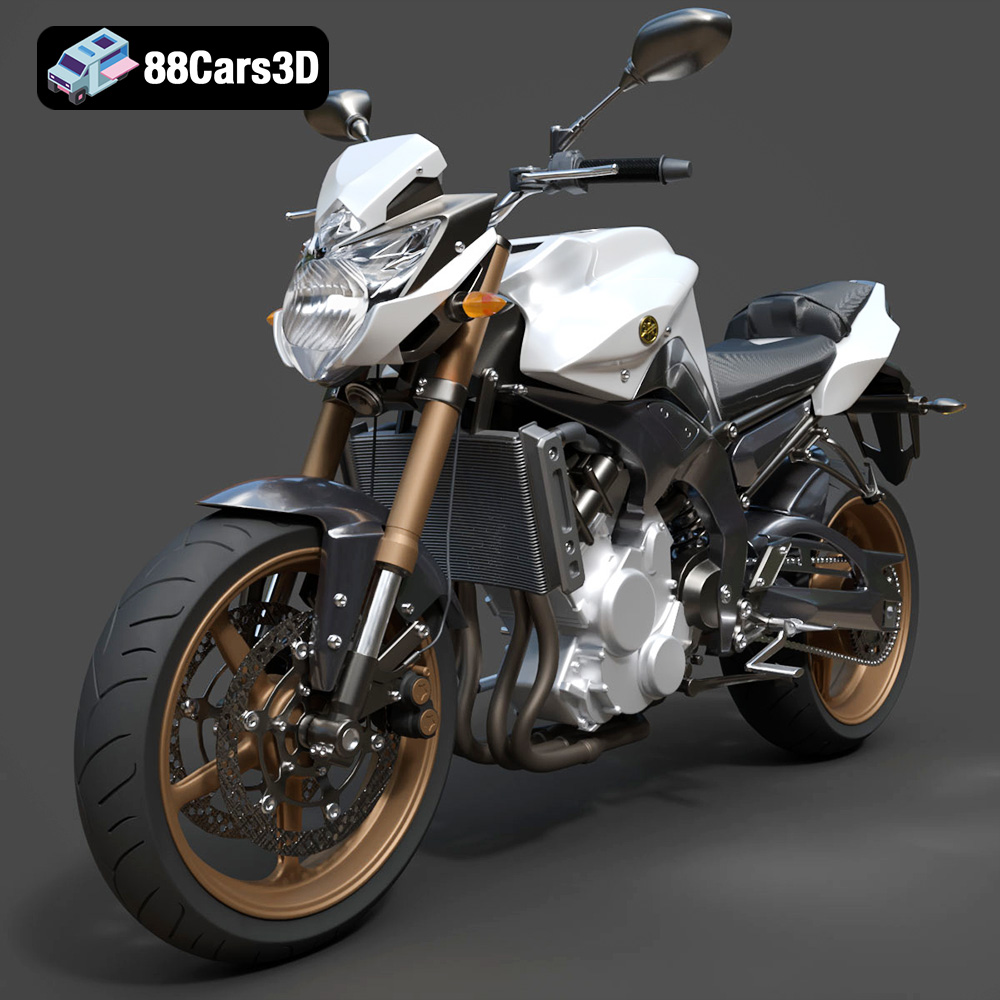
Download the Yamaha FZ8 2011 3D Model featuring clean geometry, realistic detailing, and a fully modeled interior. Includes .blend, .fbx, .obj, .glb, .stl, .ply, .unreal, and .max formats for rendering, simulation, and game development.
Price: $19.99
View Product
Texture: Yes
Material: Yes
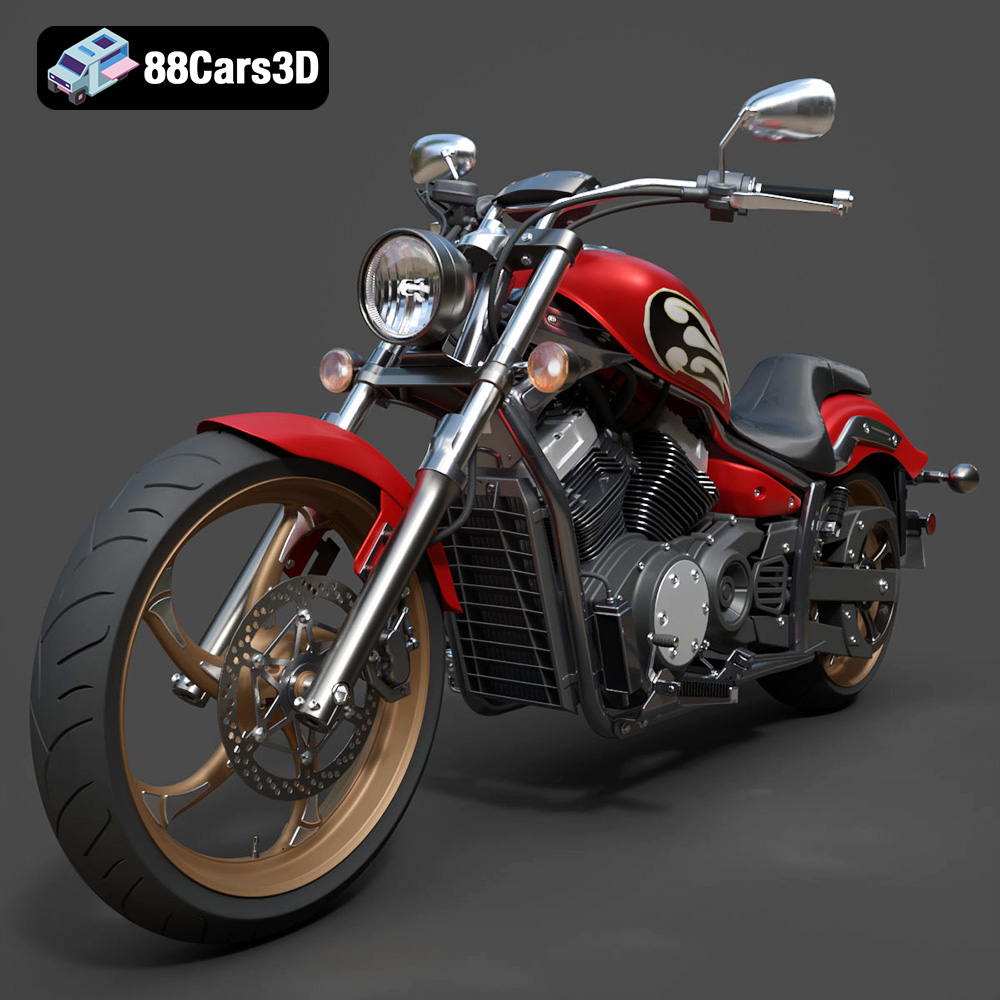
Download the Yamaha Stryker 2012 3D Model featuring clean geometry, realistic detailing, and a fully modeled interior. Includes .blend, .fbx, .obj, .glb, .stl, .ply, .unreal, and .max formats for rendering, simulation, and game development.
Price: $19.99
View Product
Texture: Yes
Material: Yes
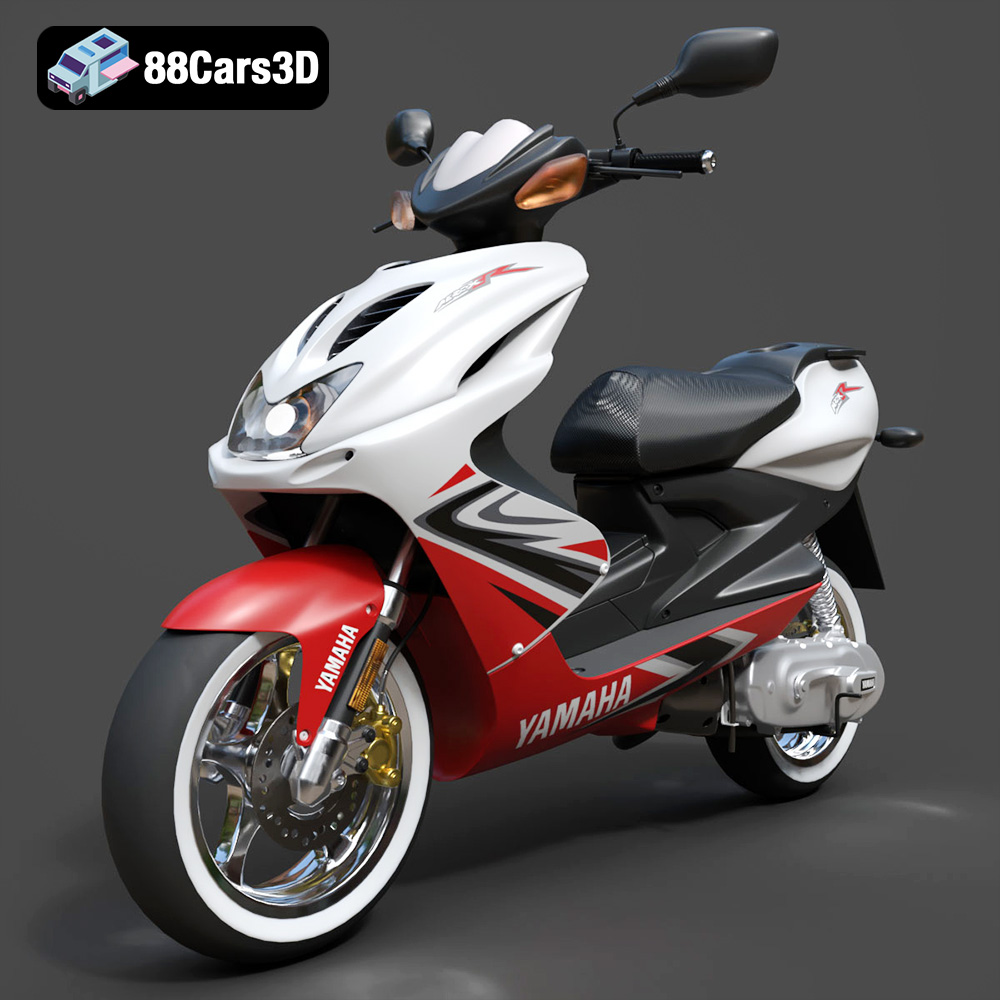
Download the Yamaha Aerox R-002 2024 3D Model featuring clean geometry, realistic detailing, and a fully modeled interior. Includes .blend, .fbx, .obj, .glb, .stl, .ply, .unreal, and .max formats for rendering, simulation, and game development.
Price: $19.99
View Product
Texture: Yes
Material: Yes
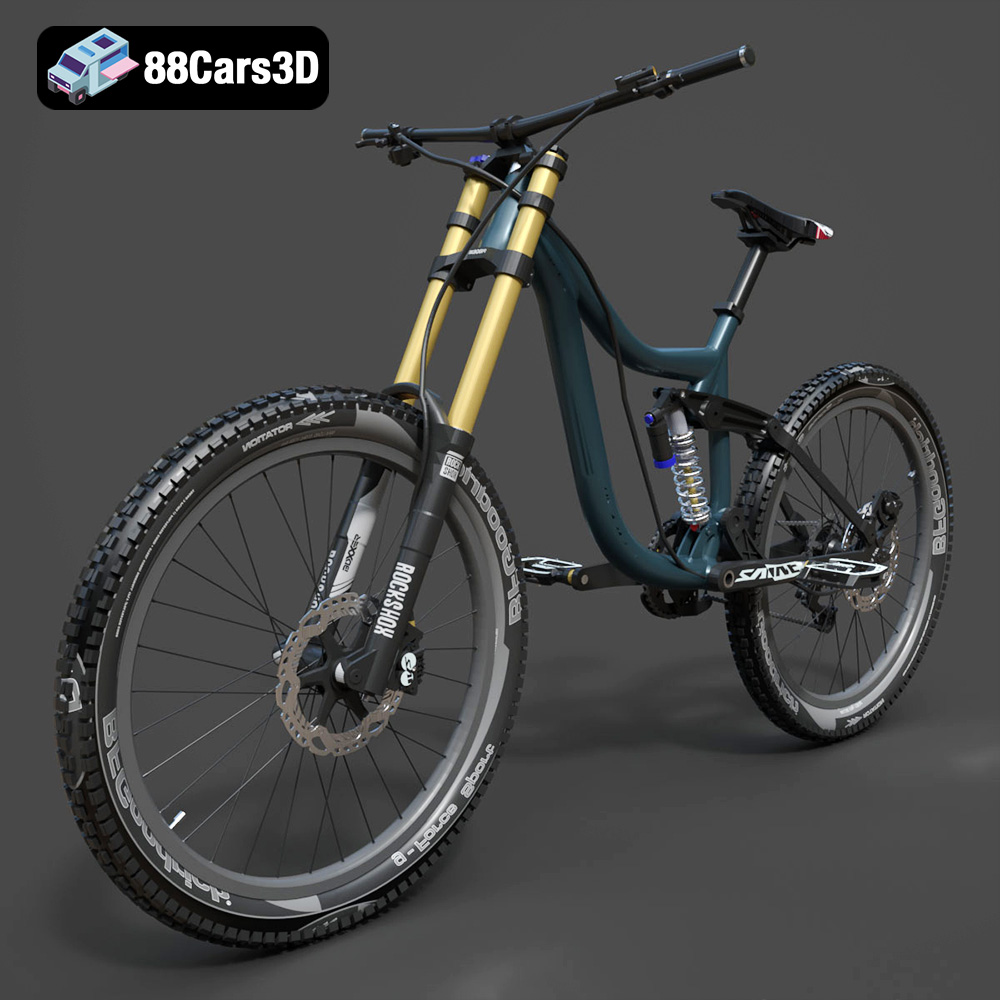
Download the Mototsikly Downhill Bike-002 3D Model featuring clean geometry, realistic detailing, and precise mechanical components. Includes .blend, .fbx, .obj, .glb, .stl, .ply, .unreal, and .max formats for rendering, simulation, and game development.
Price: $19.99
View Product
Texture: Yes
Material: Yes
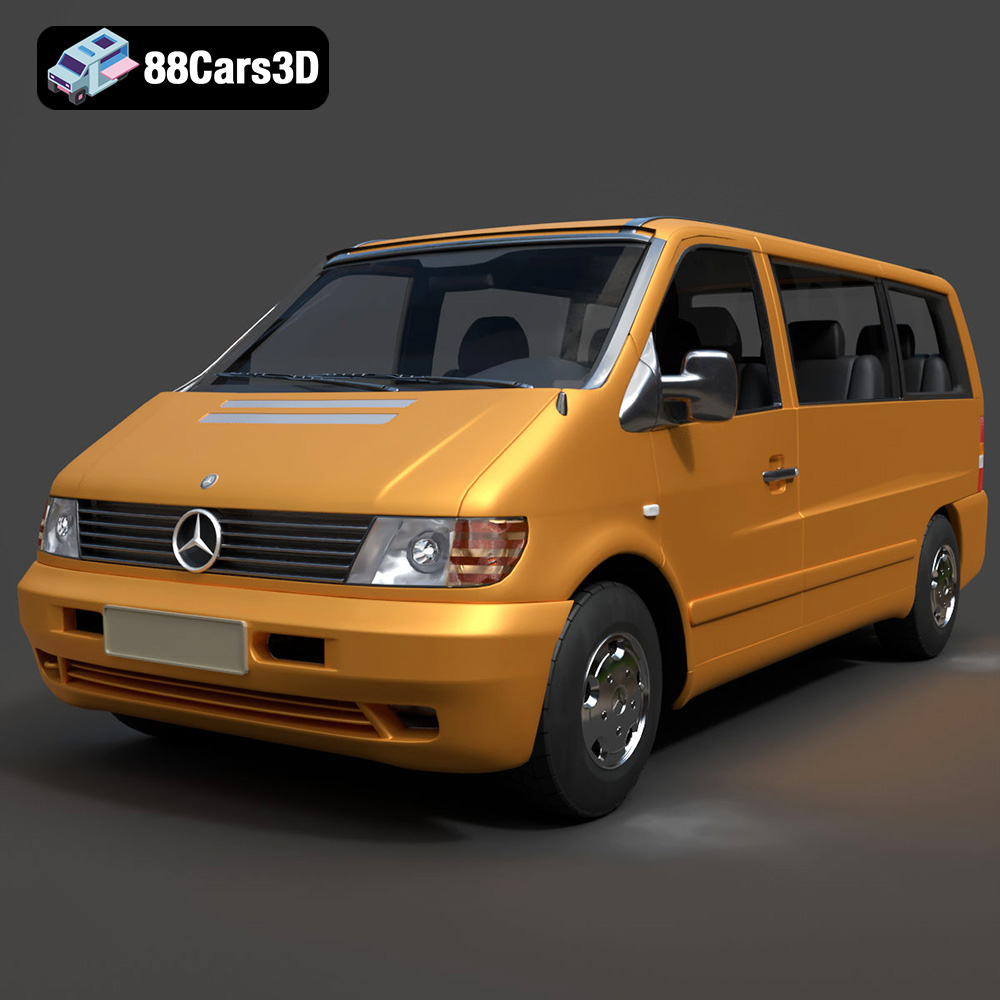
Download the Mercedes-Benz Vito Passenger Van 3D Model featuring clean geometry, realistic detailing, and a fully modeled interior. Includes .blend, .fbx, .obj, .glb, .stl, .ply, .unreal, and .max formats for rendering, simulation, and game development.
Price: $19.99
View Product
Texture: Yes
Material: Yes
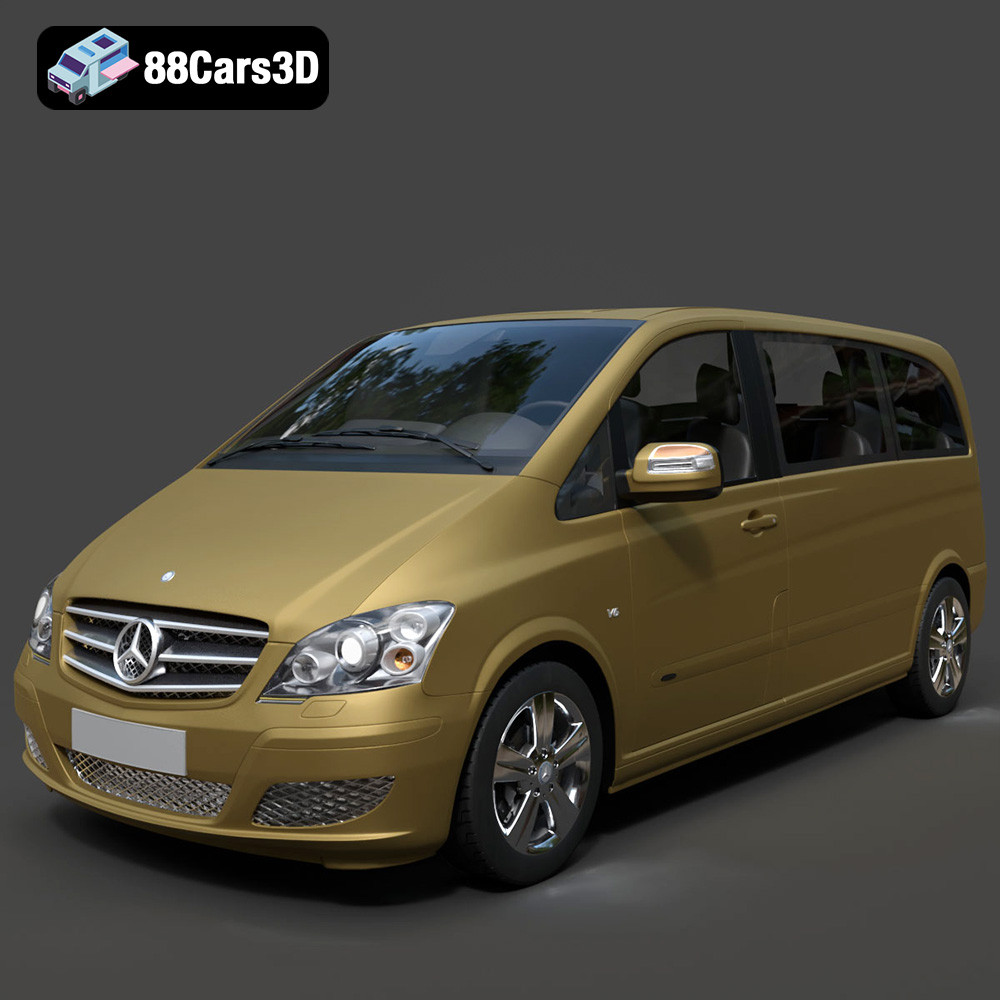
Download the Mercedes-Benz Viano 2010 3D Model featuring clean geometry, realistic detailing, and a fully modeled interior. Includes .blend, .fbx, .obj, .glb, .stl, .ply, .unreal, and .max formats for rendering, simulation, and game development.
Price: $19.99
View Product

Texture: Yes
Material: Yes
Download the Emt Avtobus 007 3D Model featuring clean geometry, realistic detailing, and a fully modeled interior. Includes .blend, .fbx, .obj, .glb, .stl, .ply, .unreal, and .max formats for rendering, simulation, and game development.
Price: $19.99
View Product
Texture: Yes
Material: Yes
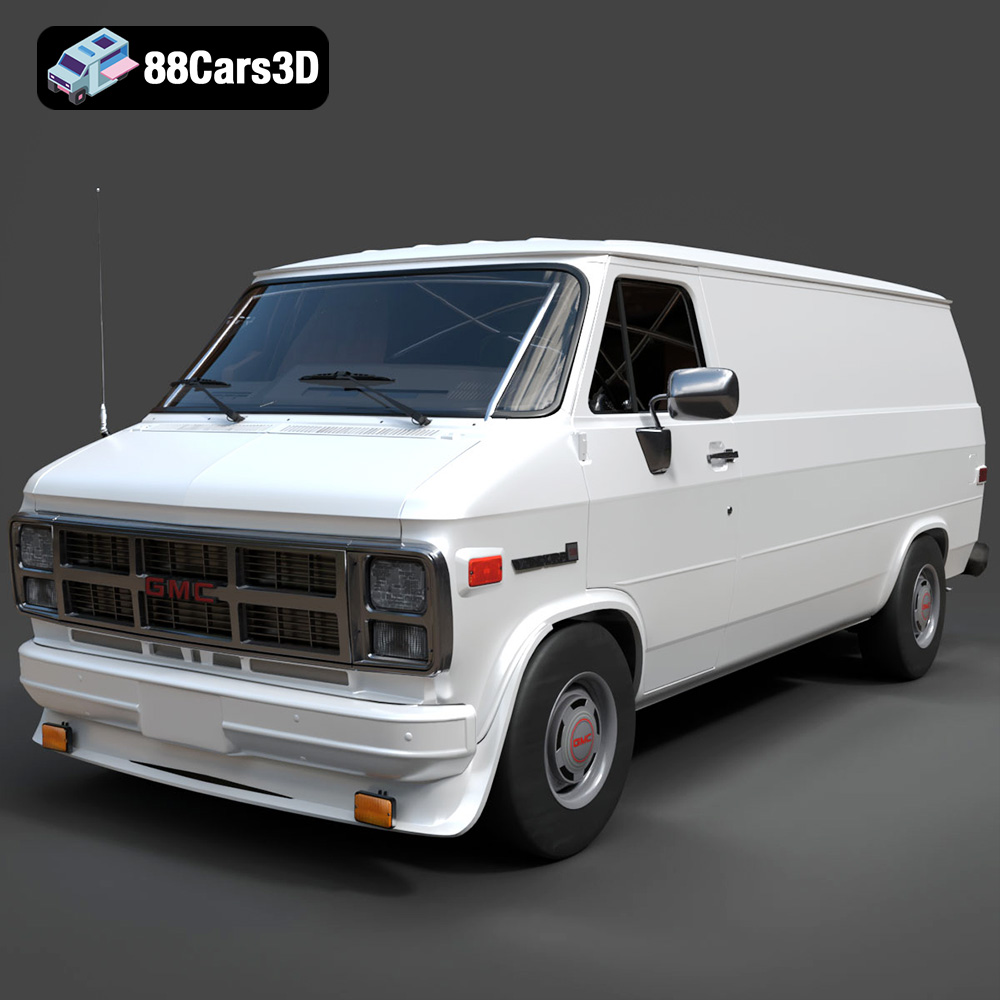
Download the GMC Vandura G-1500 1983 3D Model featuring clean geometry, realistic detailing, and a fully modeled interior. Includes .blend, .fbx, .obj, .glb, .stl, .ply, .unreal, and .max formats for rendering, simulation, and game development.
Price: $19.99
View Product
Texture: Yes
Material: Yes
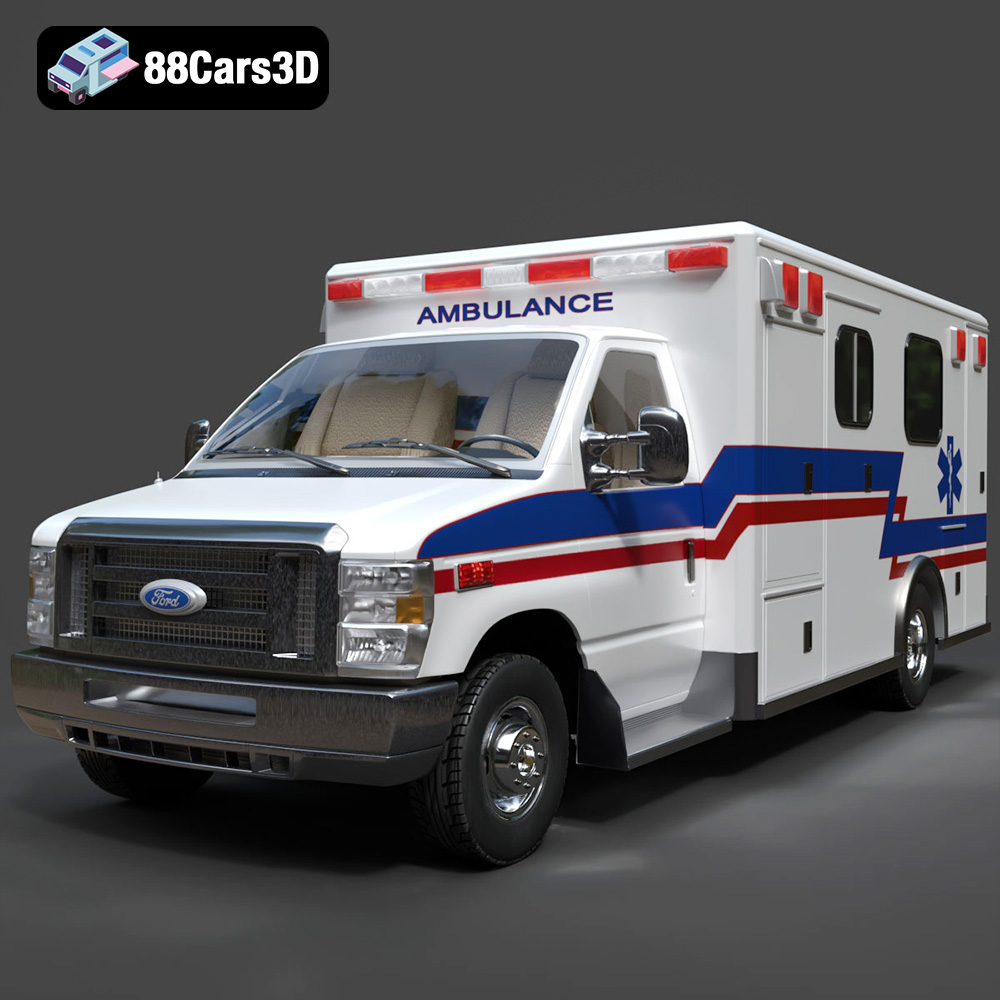
Download the Ford E-450 Ambulance 3D Model featuring clean geometry, realistic detailing, and a fully modeled interior. Includes .blend, .fbx, .obj, .glb, .stl, .ply, .unreal, and .max formats for rendering, simulation, and game development.
Price: $19.99
View Product


