⚡ FLASH SALE: Get 60% OFF All Premium 3D & STL Models! ⚡

In the dynamic realm of real-time rendering, game development, and high-fidelity automotive visualization, the ability to bring characters to life with compelling, believable animation is paramount. Whether you’re showcasing the sleek interior of a luxury vehicle with an animated demonstrator, populating a bustling virtual city with pedestrians, or crafting immersive game experiences, robust character animation is a cornerstone of immersion. Unreal Engine’s Control Rig stands out as a powerful, procedural rigging system designed to streamline this complex process, offering unparalleled flexibility and control directly within the engine.
For professionals working with high-quality assets, such as the meticulously crafted 3D car models available on 88cars3d.com, integrating animated characters seamlessly into scenes is crucial for achieving truly cinematic visuals and interactive experiences. Control Rig empowers artists and technical directors to build custom, reusable, and performance-optimized animation rigs, reducing the need for constant round-trips to external DCC (Digital Content Creation) software. This shift enhances productivity, facilitates iteration, and allows for real-time adjustments that were once unimaginable.
This comprehensive guide will delve deep into Unreal Engine’s Control Rig, exploring its core concepts, practical implementation workflows, and advanced applications for character animation. We’ll cover everything from setting up skeletal meshes, building intricate IK/FK systems, integrating with Animation Blueprints and Sequencer, to optimizing performance for various real-time scenarios, including virtual production and AR/VR. By the end of this journey, you’ll possess a thorough understanding of how to leverage Control Rig to elevate your Unreal Engine projects with professional-grade character animation.
Before diving into the intricacies of Control Rig, it’s essential to have a solid grasp of the fundamental components that underpin character animation in Unreal Engine: Skeletal Meshes and Animation Blueprints. These two elements form the backbone upon which Control Rig operates, defining the character’s structure and dictating its animated behavior. A well-prepared skeletal mesh is the first step towards a successful and efficient rigging process, while Animation Blueprints serve as the “brain” for dynamic and interactive character movement.
A Skeletal Mesh is essentially a 3D model that has been “rigged” with a hierarchical system of bones, much like a human skeleton. Each bone influences specific vertices of the mesh, allowing it to deform and articulate. The quality of this skeletal structure—its bone count, hierarchy, and naming conventions—directly impacts the performance and ease of rigging. For instance, a clean, logical bone hierarchy with appropriate naming makes it significantly easier to target and manipulate bones within Control Rig.
Animation Blueprints, on the other hand, are specialized Blueprint assets that contain the logic for how a skeletal mesh is animated. They utilize a visual graph-based system (the AnimGraph) where animators and technical artists can blend animations, create state machines for complex behaviors (e.g., idle, walk, run), apply procedural animation, and integrate physics. Control Rig’s primary function is to provide an intuitive interface for posing and animating these skeletal meshes, often feeding its output directly into an Animation Blueprint or Sequencer for playback.
The journey begins with importing your character’s skeletal mesh into Unreal Engine. Whether you’ve modeled and rigged a character yourself or sourced a pre-rigged asset, like a driver or pedestrian model accompanying a high-quality vehicle from 88cars3d.com, the import process is crucial. Clean topology, proper scaling (usually matching Unreal’s default units of 1 unit = 1cm), and a well-defined bone hierarchy are non-negotiable for optimal results.
Animation Blueprints (`AnimBP`) are the orchestrators of character movement. They allow for intricate blending between animations, the creation of procedural animations, and the application of runtime adjustments based on game logic or user input. Think of them as the real-time puppeteer controlling your skeletal mesh.
Understanding these fundamentals is crucial as Control Rig often works in tandem with Animation Blueprints, either by providing an interactive posing tool for animators using Sequencer or by integrating directly into the AnimGraph for dynamic, runtime modifications.
Unreal Engine’s Control Rig offers a powerful, node-based procedural rigging solution that allows artists and technical directors to create and modify character rigs directly within the engine. This paradigm shift from traditional DCC-centric workflows significantly accelerates iteration times and fosters a more integrated production pipeline. At its core, Control Rig is about manipulating a skeletal mesh through a set of artist-friendly controls, driven by a visual scripting language.
The beauty of Control Rig lies in its procedural nature. Instead of manually moving bones, you’re defining a system of rules and relationships between bones and controls. This means a rig created in Control Rig is not just a static setup; it’s a dynamic system that can be adjusted, expanded, and even adapted to different characters with similar skeletons. This reusability is a massive advantage, especially for projects requiring numerous characters, from diverse pedestrians in an urban environment to various types of drivers or passengers in automotive scenarios.
Control Rig operates using a graph editor, similar to Unreal’s Material Editor or Blueprint Editor. Within this graph, you connect various nodes—representing bones, controls, mathematical operations, and rigging specific functions (like IK solvers or constraints)—to build your rig logic. The output of this logic then drives the transformation of the skeletal mesh’s bones, giving animators intuitive handles to pose and animate their characters.
Control Rig is essentially a specialized Blueprint asset designed for building highly customizable and reusable animation rigs. Unlike traditional rigs created in external software like Maya or Blender, which are often static and difficult to modify once imported, Control Rig rigs are fully dynamic and editable within Unreal Engine. This “in-engine” approach means:
This powerful system effectively bridges the gap between traditional rigging and real-time animation, making it an indispensable tool for modern game development and virtual production. For more in-depth technical details on the Control Rig framework, refer to the official Unreal Engine documentation.
Getting started with Control Rig involves a straightforward initialization process, linking a new Control Rig asset to your existing skeletal mesh. This establishes the foundation upon which you’ll build your interactive rig.
For most character rigging, you’ll primarily be working in the Forward Solve graph, connecting your controls to the bones.
This initial setup provides the canvas for constructing a sophisticated and intuitive character rig, ready for detailed IK and FK systems.
With the Control Rig initialized, the real work of rigging begins. This involves implementing the core animation principles directly within the node graph, primarily focusing on Forward Kinematics (FK) and Inverse Kinematics (IK). A well-designed rig offers a balance of these systems, providing animators with flexibility and efficiency for different types of movements. For complex automotive visualizations or interactive showrooms, characters might need to perform precise actions, making a robust rig critical.
The goal is to create intuitive controls that allow animators to quickly and accurately pose the character. This often means leveraging Unreal Engine’s powerful rigging nodes, such as various IK solvers, constraint nodes, and utility functions that simplify complex mathematical operations. Professional rigs often feature custom control shapes, visually distinct for different parts of the body, and clear color-coding to enhance usability. This attention to detail is what distinguishes a professional-grade rig from a basic setup.
Understanding how to chain these nodes effectively, manage transformations, and handle common rigging challenges like joint twisting or volume preservation is key to producing high-quality character animation. The procedural nature of Control Rig allows for rapid experimentation and refinement, enabling you to iterate on your rig design until it perfectly serves the animation needs of your project.
FK and IK are the two primary methods for controlling bone chains, each offering distinct advantages.
Beyond basic FK/IK, Control Rig offers a rich set of nodes and customization options to create sophisticated, animatable rigs.
Spring Interp: For secondary motion like jiggling belts or dangling keychains.Look At/Aim: For eye-gaze or head-tracking setups.Twist Corrective: To mitigate “candy wrapper” twisting artifacts common in skeletal deformation, especially on limbs.Blend Transforms: For blending between different animation solutions (e.g., FK and IK for an arm).By thoughtfully combining these tools, you can construct a highly intuitive and powerful character rig that is efficient for both general animation and specific tasks like a character gracefully entering and exiting a vehicle from 88cars3d.com.
Once a robust Control Rig has been established, the next crucial step is to put it to use. Control Rig isn’t just a static setup; it’s an interactive tool designed to empower animators with direct manipulation capabilities within Unreal Engine. Its seamless integration with Sequencer and Animation Blueprints offers diverse workflows for both cinematic content creation and dynamic, runtime character behaviors. This flexibility makes it invaluable for everything from pre-rendered automotive advertisements to interactive game experiences where characters need to react realistically to their environment.
The ability to animate directly within the engine not only streamlines the production pipeline but also allows for immediate visual feedback in the final rendering environment, including real-time lighting with Lumen or reflections. This means animators can see exactly how their character’s movements will look in context, rather than relying on approximations from external software. Furthermore, Control Rig’s procedural nature means that complex animations can be layered and adjusted non-destructively, promoting iterative design and refinement.
Whether you’re crafting a meticulously choreographed scene for a virtual car launch or implementing dynamic foot IK for a character walking on uneven terrain, understanding how to effectively integrate Control Rig into your animation workflow is key to unlocking its full potential and producing high-quality results efficiently.
Sequencer is Unreal Engine’s powerful multi-track non-linear editor, and Control Rig integrates with it beautifully, transforming it into a full-fledged animation studio within the engine. This is particularly useful for creating cinematic sequences, product showcases, or in-game cutscenes where precise, keyframed animation is required.
This direct, in-engine animation workflow significantly speeds up the creative process, allowing animators to respond immediately to visual feedback and refine their work within the final render environment. For more advanced Sequencer techniques, consult the Unreal Engine learning resources.
While animating directly with Control Rig in Sequencer is powerful, there are scenarios where you might want to “bake” the Control Rig animation down to traditional skeletal animation data. This process converts the procedural Control Rig movements into standard bone keyframes, which can then be used in Animation Blueprints or exported for external use.
Beyond cinematic keyframing, Control Rig can be integrated directly into Animation Blueprints to create dynamic and procedural animations at runtime. This is invaluable for game characters or interactive experiences where animation needs to adapt to changing game states or environmental conditions.
This integration allows for a powerful hybrid animation workflow, combining pre-made animations with real-time procedural adjustments, leading to highly believable and responsive character interactions.
While Control Rig offers incredible flexibility and power, like any complex system in real-time rendering, optimization is key. For high-fidelity applications such as automotive visualization, virtual production, and AR/VR experiences, maintaining high frame rates is critical for immersion. Understanding how to optimize your Control Rig setup and leverage its capabilities for advanced scenarios will ensure your animated characters perform seamlessly alongside other detailed assets, like the exquisite 3D car models from 88cars3d.com.
Optimization is not just about raw performance; it’s also about maintaining the integrity and quality of your animations while minimizing computational overhead. This involves strategic choices in rig design, judicious use of nodes, and understanding how Control Rig interacts with other Unreal Engine features like LODs and physics simulations. Furthermore, Control Rig’s real-time nature opens doors to advanced applications that were once limited to offline rendering, pushing the boundaries of interactive content.
From controlling virtual actors on an LED volume to creating lightweight, responsive characters for mobile AR experiences, Control Rig’s versatility makes it an indispensable tool for technical artists and developers striving for excellence in real-time content creation.
Efficient Control Rig execution is vital, especially when dealing with multiple animated characters or complex rigs in performance-critical applications.
Control Rig can play a crucial role in enhancing the realism of characters by interacting with physics and cloth simulations, adding secondary motion and dynamic reactions to the environment.
Control Rig is a cornerstone of modern virtual production workflows and a vital tool for optimizing characters in AR/VR experiences.
The adaptability of Control Rig makes it an indispensable asset across a wide spectrum of real-time applications, enabling developers to push the boundaries of visual fidelity and interactive engagement.
Unreal Engine’s Control Rig represents a transformative leap in character animation, offering a powerful, procedural, and in-engine solution that streamlines workflows and unlocks unprecedented creative freedom. From establishing the foundational skeletal mesh to crafting intricate IK/FK systems, animating cinematic sequences in Sequencer, and integrating dynamic behaviors into Animation Blueprints, Control Rig empowers artists and technical directors to bring their characters to life with remarkable precision and efficiency.
We’ve explored how this node-based system facilitates rapid iteration, fosters integration with Unreal Engine’s broader ecosystem, and provides robust tools for tackling common rigging challenges. Furthermore, its crucial role in optimization strategies, virtual production pipelines, and AR/VR development underscores its versatility and importance in modern real-time content creation. By leveraging Control Rig, you can ensure your animated characters perform seamlessly, contributing to immersive experiences across games, architectural visualizations, and high-fidelity automotive showcases.
For studios and individual creators utilizing high-quality assets like the detailed 3D car models found on 88cars3d.com, the ability to seamlessly integrate believable, performant character animation is key to elevating projects from impressive to truly captivating. Control Rig is not just a tool; it’s a paradigm shift that enables more agile, powerful, and creatively liberating animation workflows directly within Unreal Engine. Embrace its capabilities, experiment with its procedural nature, and watch as your characters transform into dynamic, integral components of your real-time worlds. The journey to mastering character animation in Unreal Engine is an exciting one, and Control Rig is your essential guide.

Meta Description:
Texture: Yes
Material: Yes
Download the Porsche Cayenne 3D Model featuring realistic exterior styling and detailed interior design. Includes .blend, .fbx, .obj, .glb, .stl, .ply, .unreal, and .max formats for rendering, simulation, AR VR, and game development.
Price: $19.9
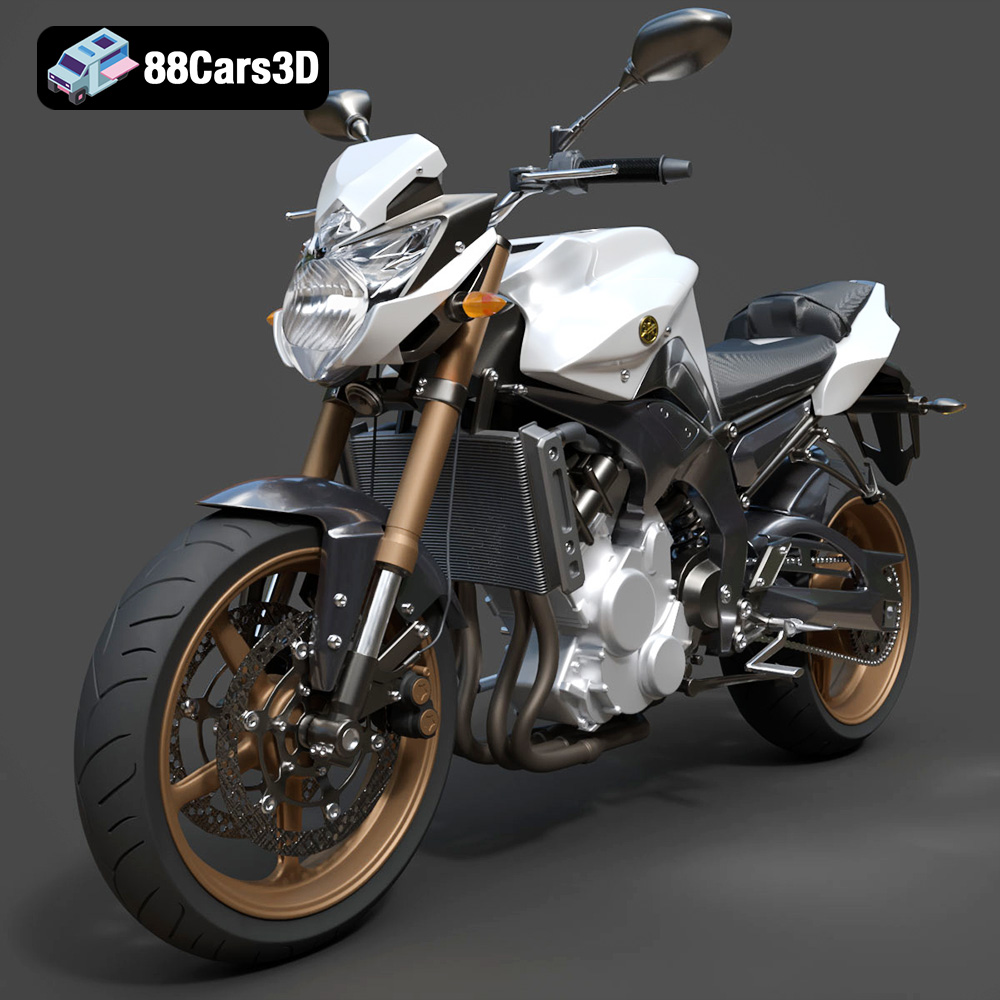
Texture: Yes
Material: Yes
Download the Yamaha FZ8 2011 3D Model featuring clean geometry, realistic detailing, and a fully modeled interior. Includes .blend, .fbx, .obj, .glb, .stl, .ply, .unreal, and .max formats for rendering, simulation, and game development.
Price: $19.99
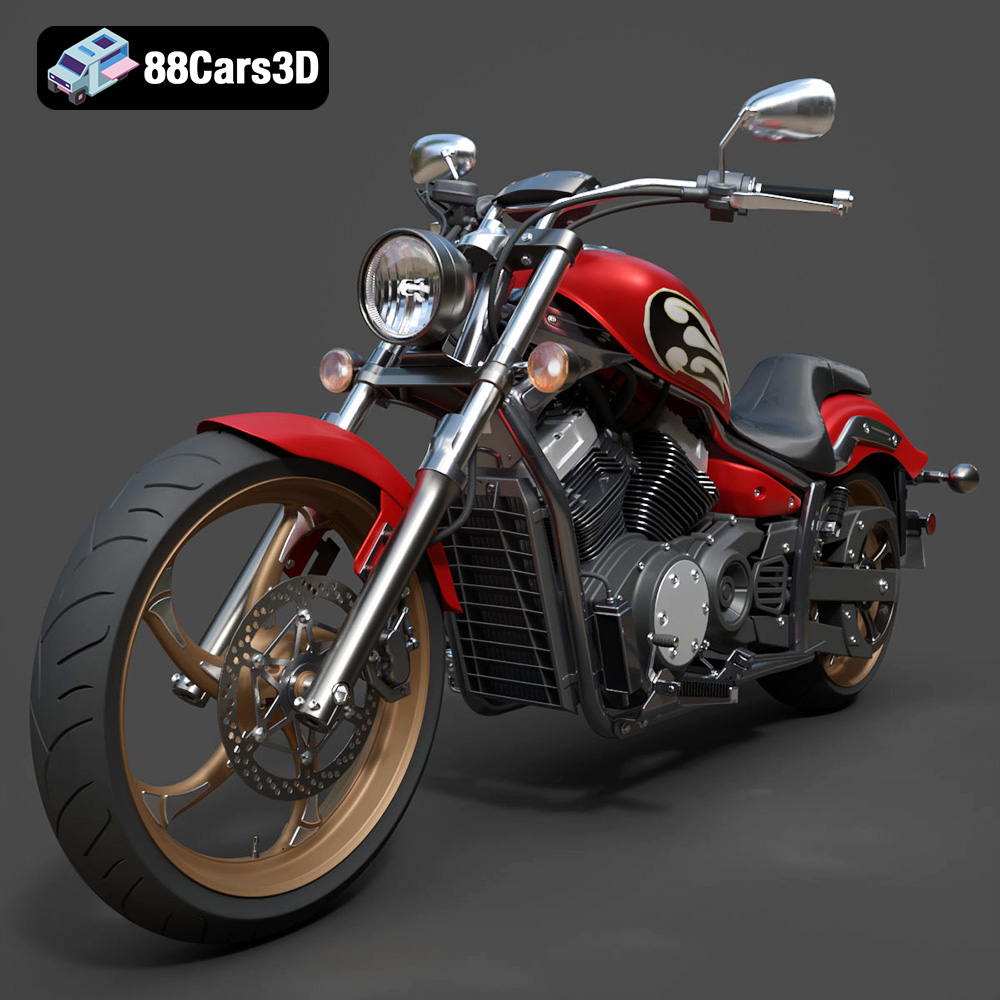
Texture: Yes
Material: Yes
Download the Yamaha Stryker 2012 3D Model featuring clean geometry, realistic detailing, and a fully modeled interior. Includes .blend, .fbx, .obj, .glb, .stl, .ply, .unreal, and .max formats for rendering, simulation, and game development.
Price: $19.99
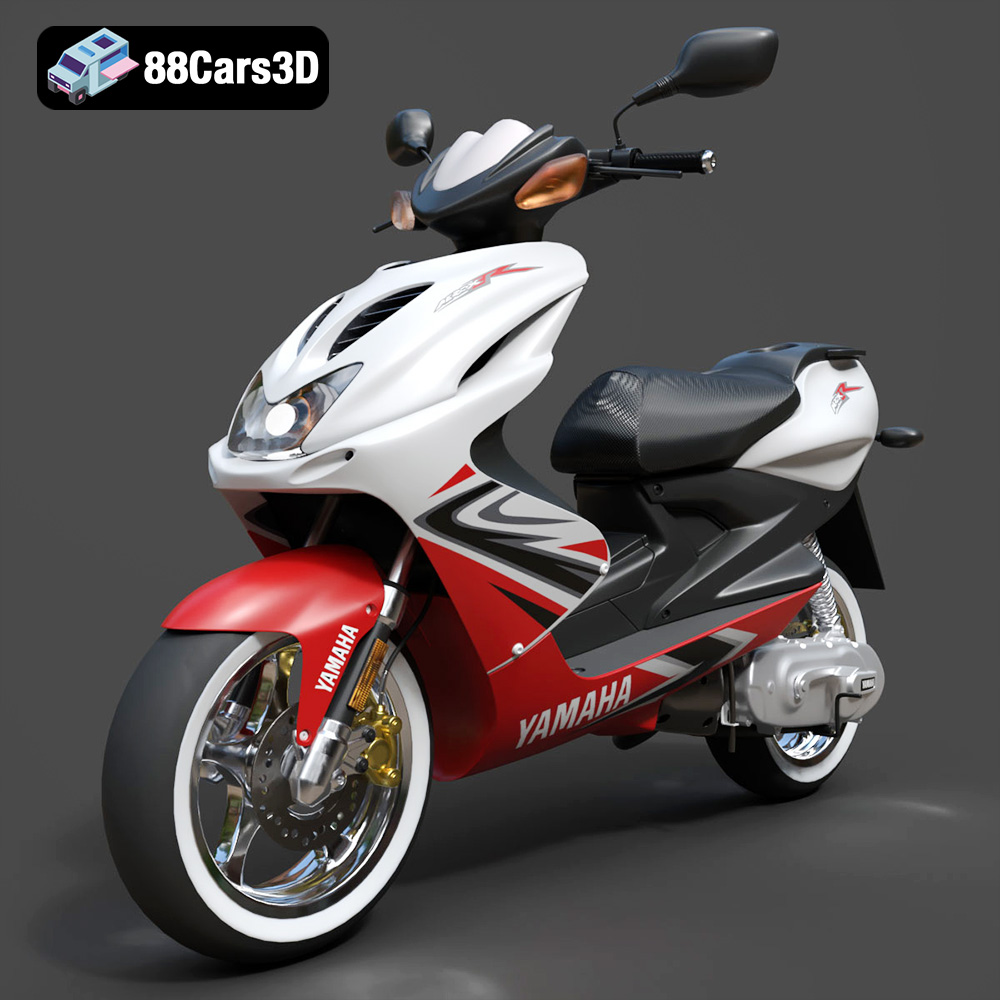
Texture: Yes
Material: Yes
Download the Yamaha Aerox R-002 2024 3D Model featuring clean geometry, realistic detailing, and a fully modeled interior. Includes .blend, .fbx, .obj, .glb, .stl, .ply, .unreal, and .max formats for rendering, simulation, and game development.
Price: $19.99
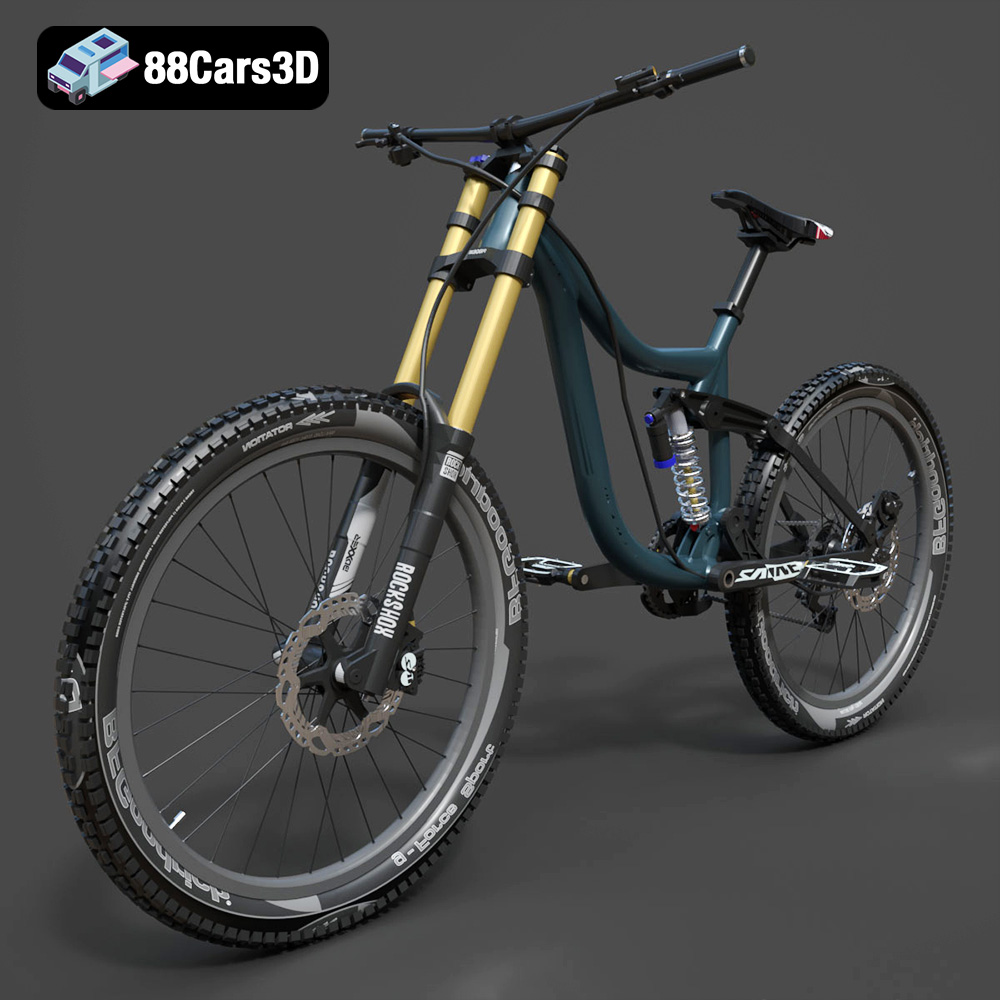
Texture: Yes
Material: Yes
Download the Mototsikly Downhill Bike-002 3D Model featuring clean geometry, realistic detailing, and precise mechanical components. Includes .blend, .fbx, .obj, .glb, .stl, .ply, .unreal, and .max formats for rendering, simulation, and game development.
Price: $19.99
Texture: Yes
Material: Yes
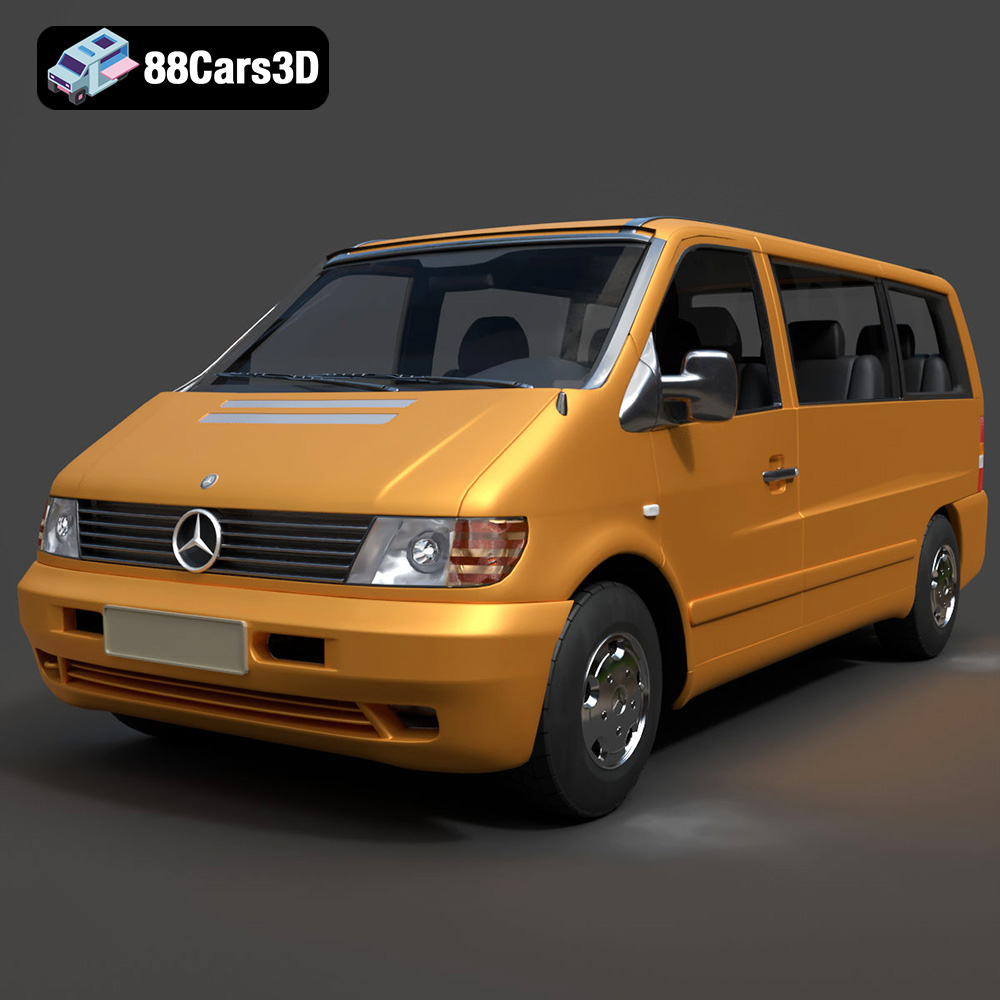
Download the Mercedes-Benz Vito Passenger Van 3D Model featuring clean geometry, realistic detailing, and a fully modeled interior. Includes .blend, .fbx, .obj, .glb, .stl, .ply, .unreal, and .max formats for rendering, simulation, and game development.
Price: $19.99
Texture: Yes
Material: Yes
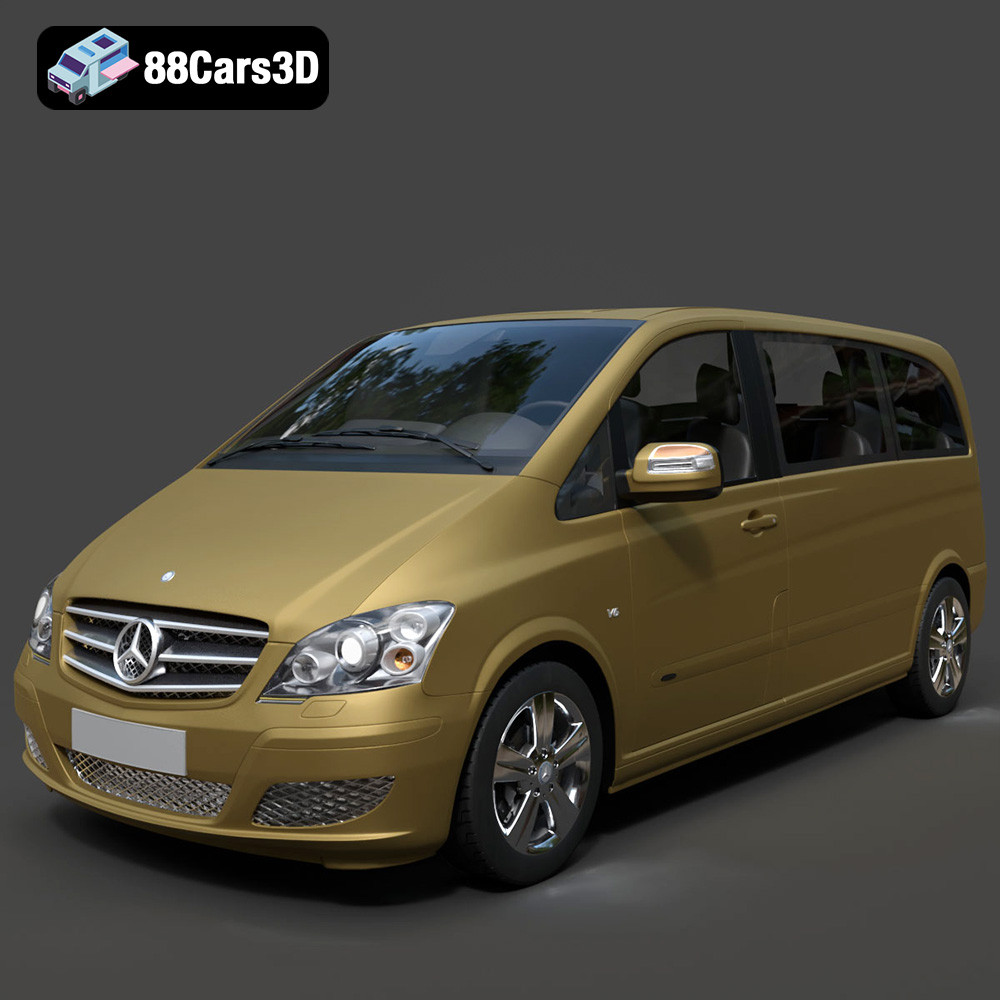
Download the Mercedes-Benz Viano 2010 3D Model featuring clean geometry, realistic detailing, and a fully modeled interior. Includes .blend, .fbx, .obj, .glb, .stl, .ply, .unreal, and .max formats for rendering, simulation, and game development.
Price: $19.99

Texture: Yes
Material: Yes
Download the Emt Avtobus 007 3D Model featuring clean geometry, realistic detailing, and a fully modeled interior. Includes .blend, .fbx, .obj, .glb, .stl, .ply, .unreal, and .max formats for rendering, simulation, and game development.
Price: $19.99
Texture: Yes
Material: Yes
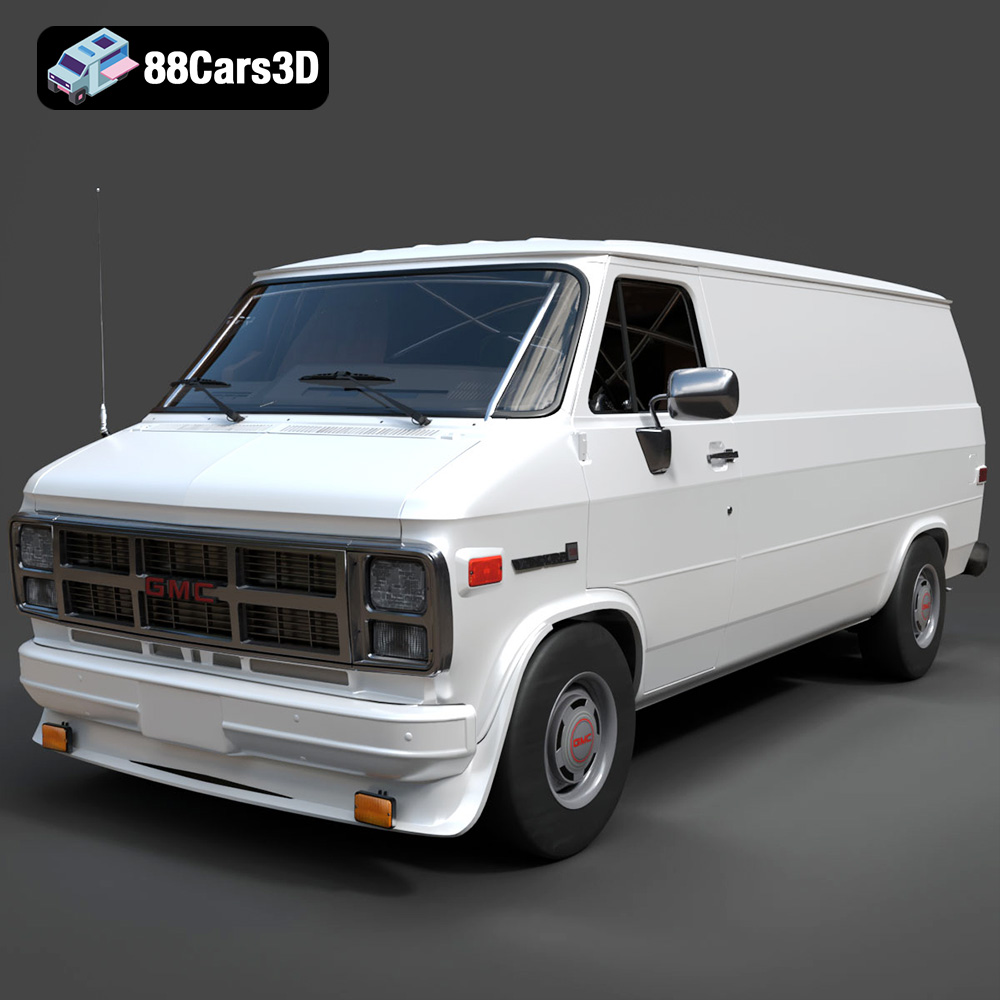
Download the GMC Vandura G-1500 1983 3D Model featuring clean geometry, realistic detailing, and a fully modeled interior. Includes .blend, .fbx, .obj, .glb, .stl, .ply, .unreal, and .max formats for rendering, simulation, and game development.
Price: $19.99
Texture: Yes
Material: Yes
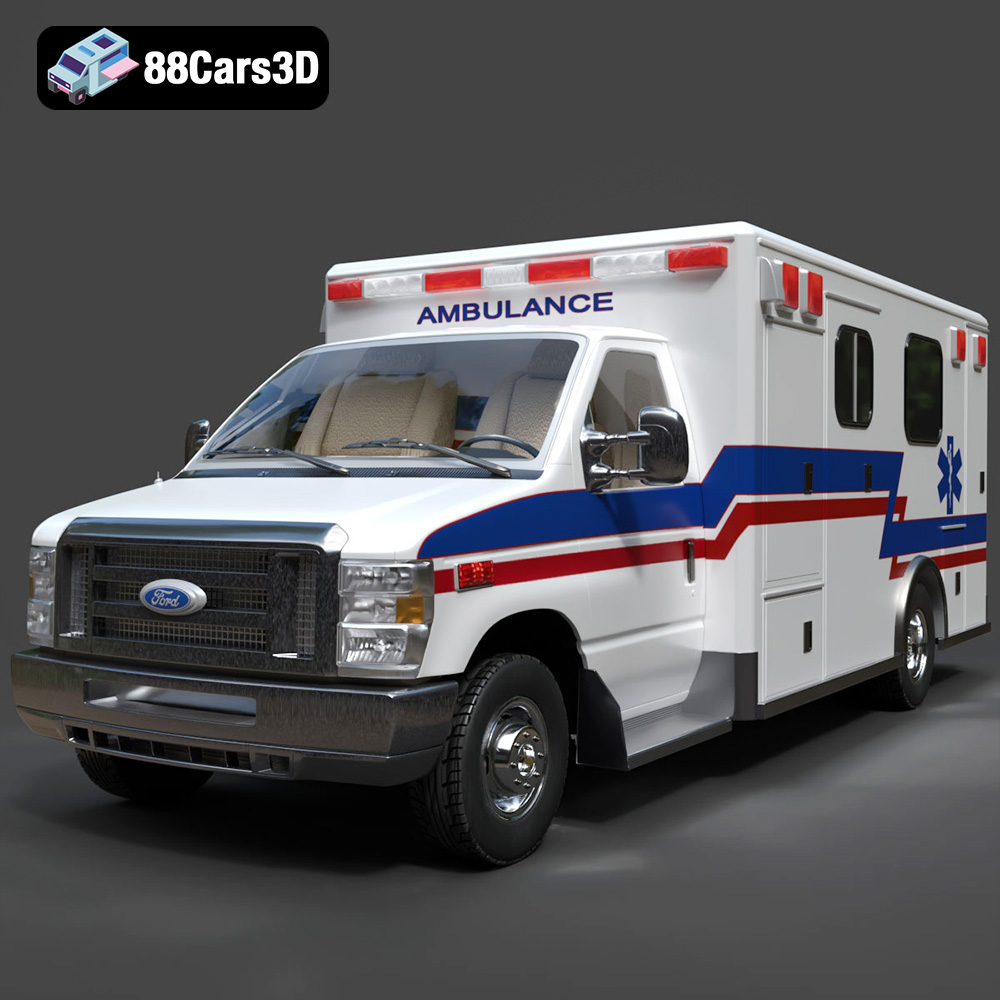
Download the Ford E-450 Ambulance 3D Model featuring clean geometry, realistic detailing, and a fully modeled interior. Includes .blend, .fbx, .obj, .glb, .stl, .ply, .unreal, and .max formats for rendering, simulation, and game development.
Price: $19.99

