⚡ FLASH SALE: Get 60% OFF All Premium 3D & STL Models! ⚡

“`html
The world of 3D printing has opened up incredible possibilities for automotive enthusiasts and model makers. From intricate scale models to functional prototypes, the ability to bring digital car designs into the physical realm is truly exciting. At the heart of this process lies the STL file format, a ubiquitous standard for 3D printing. This guide dives deep into the technical aspects of preparing, slicing, and printing detailed automotive components, such as wheels and tires, from STL files. Whether you’re a seasoned maker or just starting your 3D printing journey, you’ll discover the essential workflows, settings, and troubleshooting tips needed to achieve professional-quality prints. We’ll explore everything from understanding STL mesh topology to optimizing your slicer settings for FDM and resin printers, ensuring your downloadable car parts from platforms like 88cars3d.com translate into stunning physical models.
The STL (STereoLithography) file format is the de facto standard for 3D printing. It represents a 3D surface geometry as a collection of triangular facets. Each triangle is defined by three vertices and a normal vector, which indicates the outward-facing direction. While simple, this structure has profound implications for printability. For complex geometries like intricate wheel spokes or textured tire treads, the quality of the underlying mesh is paramount. A poorly constructed mesh can lead to printing errors, failed prints, and ultimately, a disappointing model.
The normal vector of each triangle is crucial. It tells the slicer which side of the surface is “outside” and should be printed. If normals are flipped inconsistently, the slicer can interpret holes or inverted surfaces, leading to missing sections or internal infill appearing on the exterior. Tools like Meshmixer, Blender, or dedicated CAD software often have features to check and correct normal orientation. For example, in Blender, you can enable the “Face Orientation” overlay in Edit Mode to visually identify flipped faces (typically shown in red). Ensuring all normals point outwards is a fundamental step in preparing any STL file for printing.
A “manifold” mesh is one that is geometrically sound and forms a closed, watertight volume. This means there are no holes, non-manifold edges (where more than two faces meet at an edge), or self-intersecting surfaces. Most 3D printers interpret models as solid objects, and a non-manifold mesh can confuse the slicing software, leading to unpredictable results. When downloading models from marketplaces such as 88cars3d.com, reputable providers ensure their files are manifold. However, if you’re working with models from various sources or have performed significant edits, using mesh repair software is essential. Autodesk Netfabb or Microsoft’s 3D Builder (free) are excellent for automatically detecting and repairing common mesh errors, including filling holes and correcting non-manifold edges.
The number of triangles used to represent a 3D model, often referred to as the polygon count, directly impacts the level of detail and file size. Higher polygon counts allow for smoother curves and finer details, which are desirable for complex car parts like intricate wheel designs. However, an excessively high polygon count can lead to massive STL files that are slow to process in slicers and can even cause performance issues. Conversely, a low polygon count can result in faceted or blocky surfaces, especially on curved areas. Striking a balance is key. For 3D printing automotive models, aiming for a mesh that captures the intended detail without becoming unwieldy is the goal. Many slicers can handle millions of polygons, but optimizing the mesh for performance and printability is a good practice.
Once you have a clean, manifold STL file, the next critical step is slicing. Slicing software converts your 3D model into a series of thin layers and generates the toolpath instructions (G-code) that your 3D printer follows. The settings you choose here will profoundly impact the print quality, strength, and appearance of your wheels, tires, and other car parts. Precision is key for these types of models, where fine details and smooth surfaces are often desired.
Layer height determines the thickness of each deposited layer of material. For detailed automotive parts, a smaller layer height is generally preferred. Typical FDM printers might use a standard layer height of 0.2mm. However, for impressive detail on wheels, reducing this to 0.12mm or even 0.08mm can significantly improve surface finish and capture finer features like lug nut holes or tire sidewall text. On resin printers (SLA/DLP/MSLA), layer heights are even smaller, often ranging from 0.025mm to 0.05mm, providing inherently higher detail.
Trade-off: Lower layer heights drastically increase print time. A model printed at 0.1mm will take roughly twice as long as the same model at 0.2mm, assuming all other settings remain constant. For larger components or parts where extreme detail isn’t critical, a 0.15mm or 0.2mm layer height might be a suitable compromise.
Print speed dictates how fast the print head moves while extruding material. Faster speeds reduce print time but can compromise quality, especially on complex geometries with small features or sharp corners. For intricate car parts, slowing down the print speed is often beneficial. Try reducing outer wall speeds to around 30-40 mm/s and inner wall speeds to 40-50 mm/s. Similarly, print acceleration and jerk settings control how quickly the printer changes direction and speed. Lowering these values can reduce vibrations and ringing artifacts, leading to smoother surfaces, particularly on curved sections of wheels.
Material temperature (nozzle and bed) is crucial for proper layer adhesion and extrusion. For common FDM materials like PLA, a nozzle temperature of 190-220°C and a bed temperature of 50-60°C is typical. PETG might require higher temperatures (230-250°C nozzle, 70-80°C bed), and ABS demands even higher (240-260°C nozzle, 90-110°C bed) and often an enclosure to prevent warping. For resin printing, ambient temperature is more critical, as extreme cold can affect resin viscosity and curing times. Always refer to the manufacturer’s recommendations for your specific filament or resin.
Infill determines the internal structure of your print. For display models, low infill densities (5-15%) are often sufficient, saving time and material. Patterns like “Grid,” “Gyroid,” or “Cubic” offer a good balance of strength and printability. If the car part requires some structural integrity, such as a chassis component, increasing the infill density to 20-30% or using more robust patterns might be necessary. For wheels and tires, where visual fidelity is key, a lower infill is usually acceptable.
Many automotive parts, especially wheels with spokes, undercuts, and complex tire treads, will require support structures. These temporary structures are printed alongside the model to hold up overhangs and bridges that would otherwise fail. Effective support generation and removal are critical for achieving clean, detailed prints without damaging the model itself.
Most slicers offer various support types, including “Normal” (tree-like structures) and “Tree” (more organic, branching structures). Tree supports are often preferred for detailed models as they use less material and can be easier to remove cleanly, often touching the model at fewer points. Key settings to consider include:
For critical surfaces that will be highly visible, like the face of a wheel, a support interface can create a smoother surface finish. However, it can also fuse more strongly to the model. Experiment with disabling the support interface or using a very sparse interface density. When removing supports, patience is key. For FDM prints, carefully break away larger sections first using pliers or a hobby knife. For resin prints, supports are typically removed before final curing using flush cutters or a blade. Always wear safety glasses and gloves when removing supports, especially from resin prints.
Bridging occurs when the printer needs to print across a gap without any underlying support. Some slicers have specific bridging settings that slow down the print speed and adjust cooling to improve the quality of the bridge. Understanding and tuning these settings can help create cleaner tire treads or suspension components. Similarly, tuning overhang settings (speed and cooling) can improve the quality of steep overhangs, reducing the need for overly aggressive support structures.
How you orient your model on the print bed and ensure it sticks reliably are foundational to successful 3D printing, especially for parts with delicate features or large surface areas.
The orientation of your model on the build plate affects several factors:
Experiment with different orientations in your slicer. Sometimes, a slight tilt of 10-15 degrees can make a significant difference in surface quality and support requirements.
Poor bed adhesion is one of the most common causes of print failure. The first layer is the foundation for the entire print. For wheels and tires, ensuring the base layer adheres well prevents the model from shifting or detaching mid-print.
The choice of printing material and the techniques used after printing play a vital role in the final appearance and feel of your 3D printed car parts.
PLA (Polylactic Acid): Easy to print, low warping, biodegradable, and available in many colors. Excellent for detailed display models and prototyping where high strength isn’t required. It’s a great starting point for many car parts.
PETG (Polyethylene Terephthalate Glycol): More durable and temperature-resistant than PLA, with good layer adhesion. A good choice for parts that might experience some stress or require slightly more resilience.
ABS (Acrylonitrile Butadiene Styrene): Strong, durable, and can be smoothed with acetone vapor. However, it’s prone to warping and requires higher print temperatures and often an enclosure.
Resin (SLA/DLP/MSLA): Offers exceptionally high detail and smooth surfaces, making it ideal for intricate scale model components like highly detailed wheels or small interior parts. However, it can be more brittle and requires careful handling and post-processing (washing and curing).
For platforms like 88cars3d.com, the STL files are designed to be printable across a range of materials, but understanding these differences will help you select the best material for your specific needs and printer capabilities.
Achieving a smooth, professional finish often requires post-processing:
Some car models may come in multiple parts, requiring assembly. Use appropriate adhesives like super glue (cyanoacrylate), epoxy, or plastic cement, depending on the material. For miniature wheels and tires, a small amount of super glue is usually sufficient. Consider adding details like valve stems, lug nuts, or even small brake rotors to enhance realism. A clear coat can protect the paint job and provide a glossy or matte finish, depending on your preference.
Even with careful preparation, printing issues can arise. Understanding common problems and their solutions will save you time and frustration.
Fine, wispy strings of plastic between separate parts of a print are common. This is often caused by residual plastic being pulled from the nozzle. Solutions include:
When the corners or edges of a print lift off the build plate during printing, it’s called warping. This is usually due to uneven cooling and material shrinkage.
If entire layers are misaligned, it indicates a problem with the printer’s movement system. This can be caused by loose belts, obstructed movement, or slipping motor pulleys.
By mastering these fundamental aspects of STL file preparation, slicing, printing, and post-processing, you can confidently tackle the creation of highly detailed 3D printed wheels, tires, and a vast array of other automotive components. Explore the extensive library of print-ready STL files available on platforms like 88cars3d.com and start bringing your automotive creations to life with precision and quality.
“`

Meta Description:
Texture: Yes
Material: Yes
Download the Porsche Cayenne 3D Model featuring realistic exterior styling and detailed interior design. Includes .blend, .fbx, .obj, .glb, .stl, .ply, .unreal, and .max formats for rendering, simulation, AR VR, and game development.
Price: $19.9
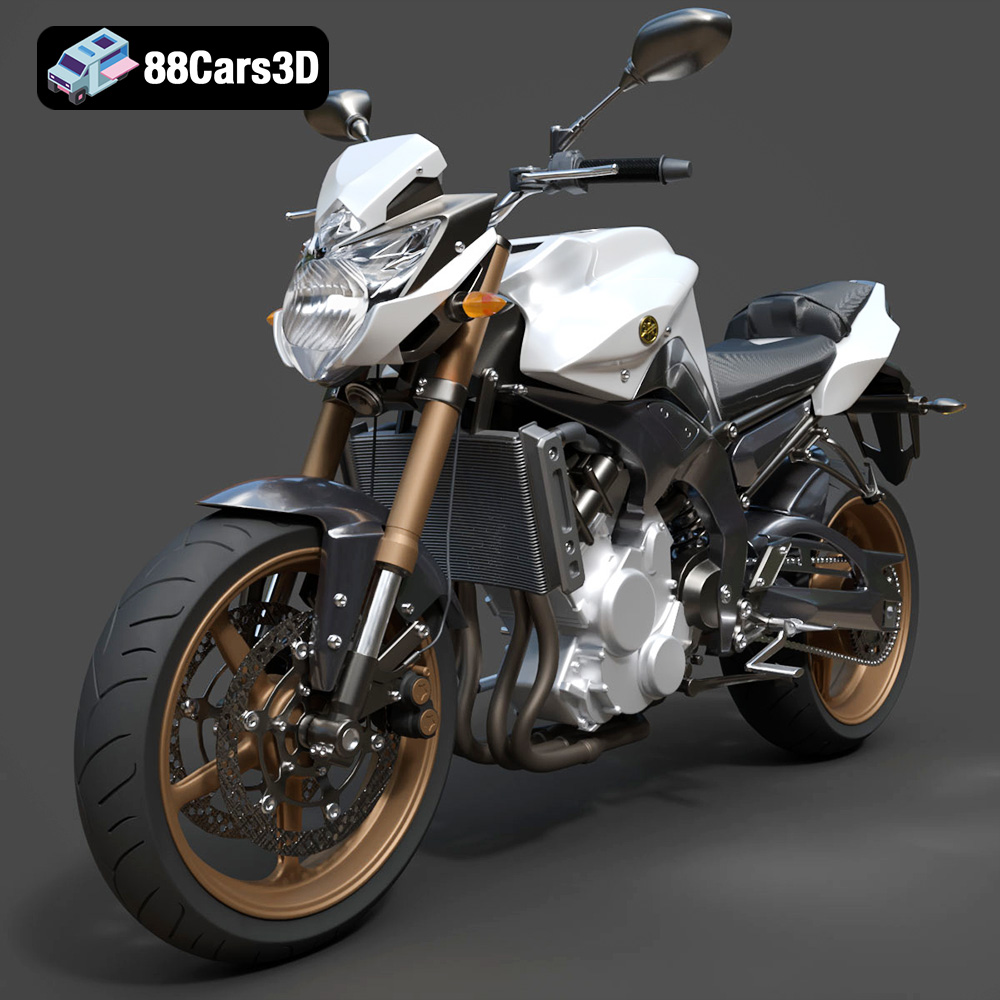
Texture: Yes
Material: Yes
Download the Yamaha FZ8 2011 3D Model featuring clean geometry, realistic detailing, and a fully modeled interior. Includes .blend, .fbx, .obj, .glb, .stl, .ply, .unreal, and .max formats for rendering, simulation, and game development.
Price: $19.99
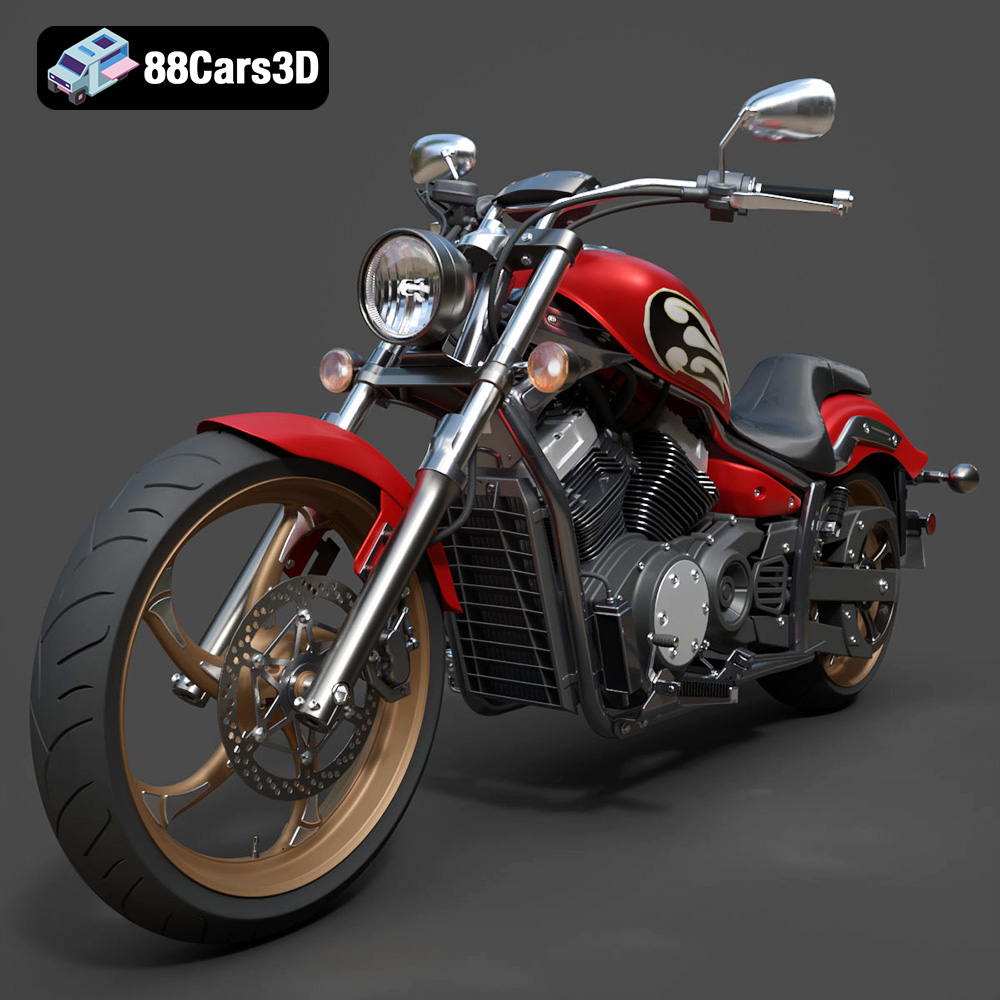
Texture: Yes
Material: Yes
Download the Yamaha Stryker 2012 3D Model featuring clean geometry, realistic detailing, and a fully modeled interior. Includes .blend, .fbx, .obj, .glb, .stl, .ply, .unreal, and .max formats for rendering, simulation, and game development.
Price: $19.99
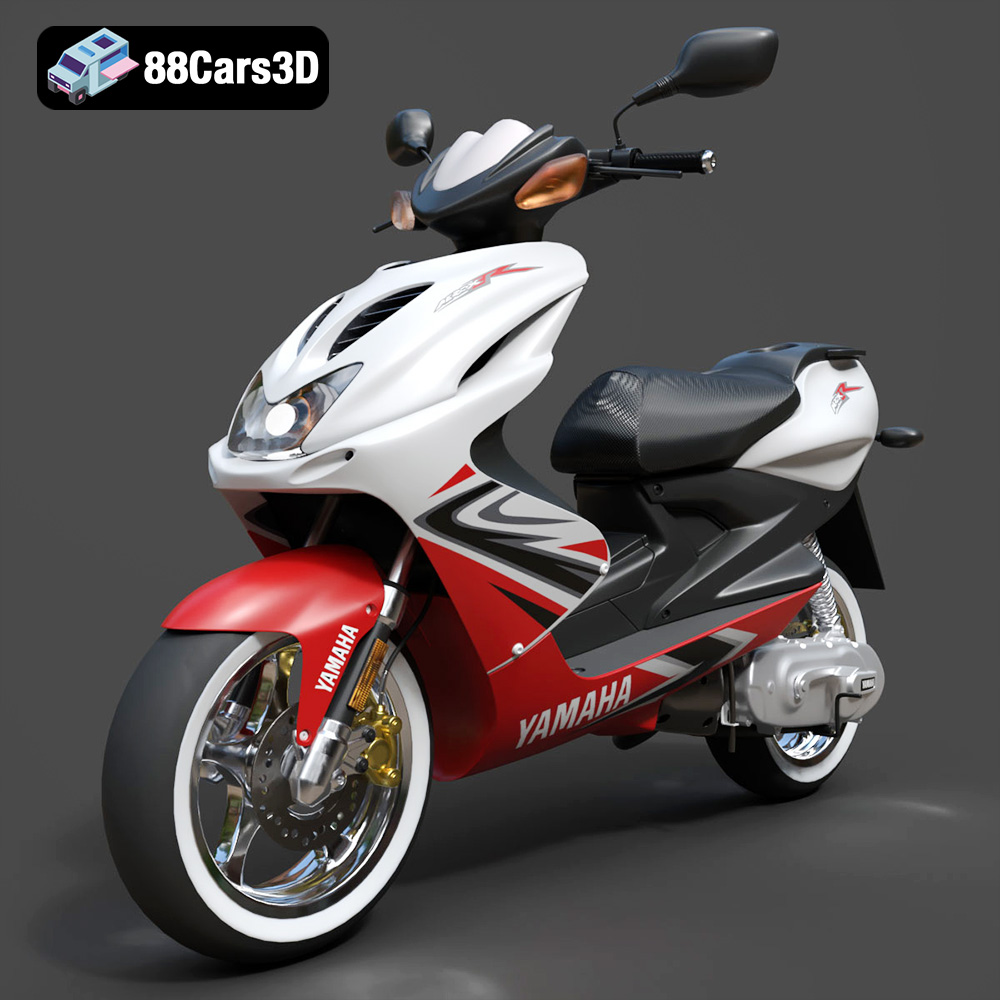
Texture: Yes
Material: Yes
Download the Yamaha Aerox R-002 2024 3D Model featuring clean geometry, realistic detailing, and a fully modeled interior. Includes .blend, .fbx, .obj, .glb, .stl, .ply, .unreal, and .max formats for rendering, simulation, and game development.
Price: $19.99
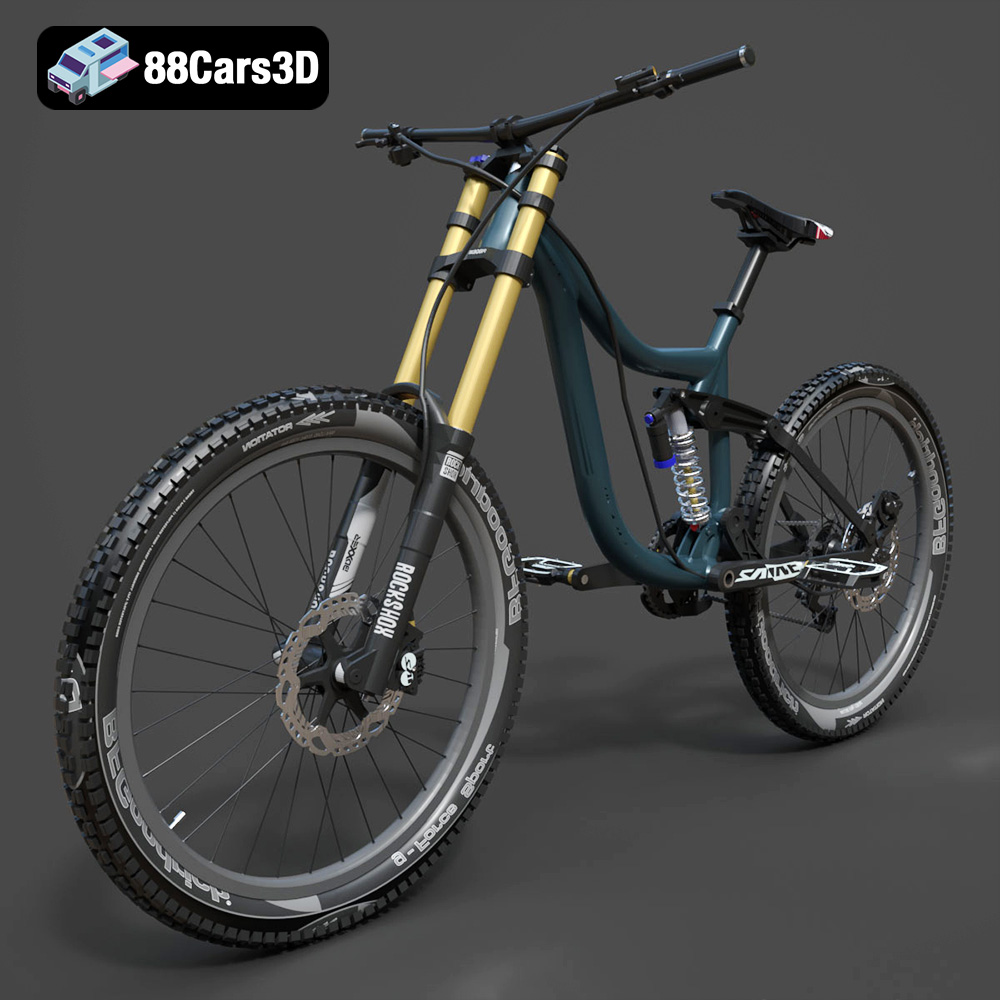
Texture: Yes
Material: Yes
Download the Mototsikly Downhill Bike-002 3D Model featuring clean geometry, realistic detailing, and precise mechanical components. Includes .blend, .fbx, .obj, .glb, .stl, .ply, .unreal, and .max formats for rendering, simulation, and game development.
Price: $19.99
Texture: Yes
Material: Yes
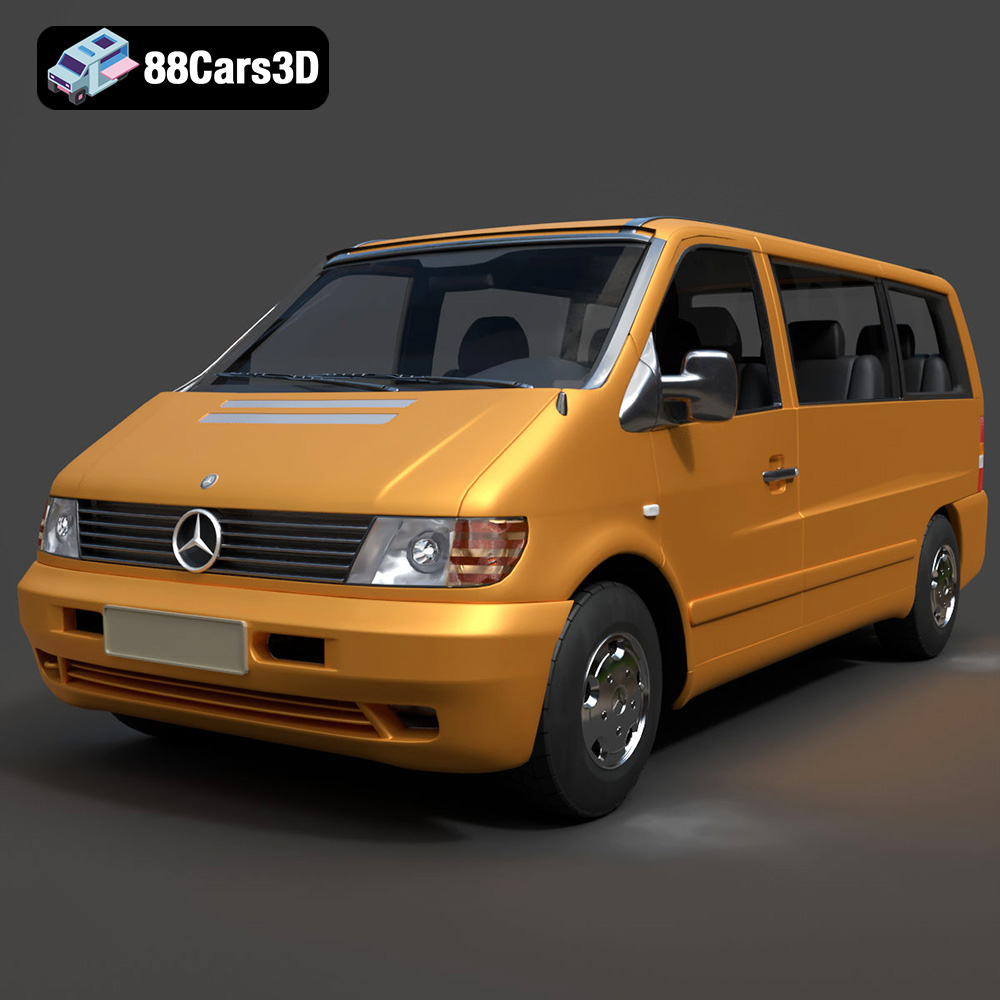
Download the Mercedes-Benz Vito Passenger Van 3D Model featuring clean geometry, realistic detailing, and a fully modeled interior. Includes .blend, .fbx, .obj, .glb, .stl, .ply, .unreal, and .max formats for rendering, simulation, and game development.
Price: $19.99
Texture: Yes
Material: Yes
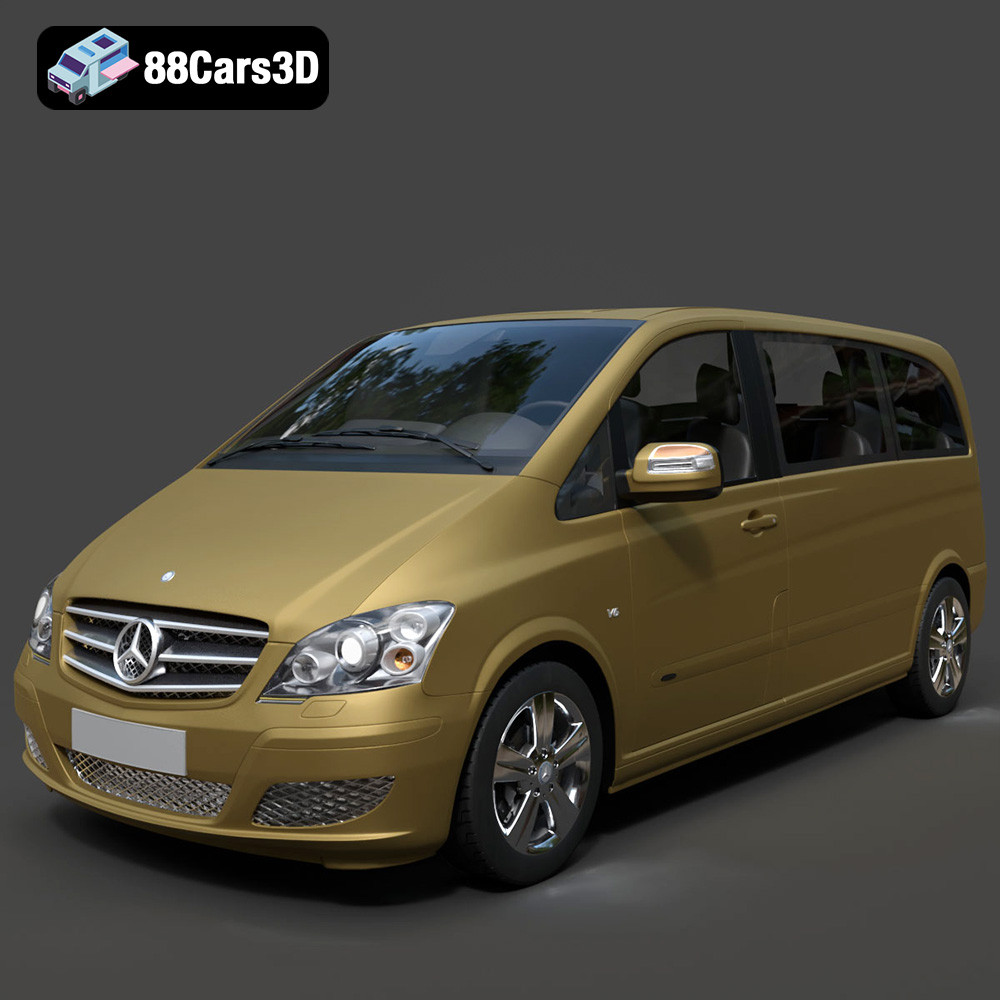
Download the Mercedes-Benz Viano 2010 3D Model featuring clean geometry, realistic detailing, and a fully modeled interior. Includes .blend, .fbx, .obj, .glb, .stl, .ply, .unreal, and .max formats for rendering, simulation, and game development.
Price: $19.99

Texture: Yes
Material: Yes
Download the Emt Avtobus 007 3D Model featuring clean geometry, realistic detailing, and a fully modeled interior. Includes .blend, .fbx, .obj, .glb, .stl, .ply, .unreal, and .max formats for rendering, simulation, and game development.
Price: $19.99
Texture: Yes
Material: Yes
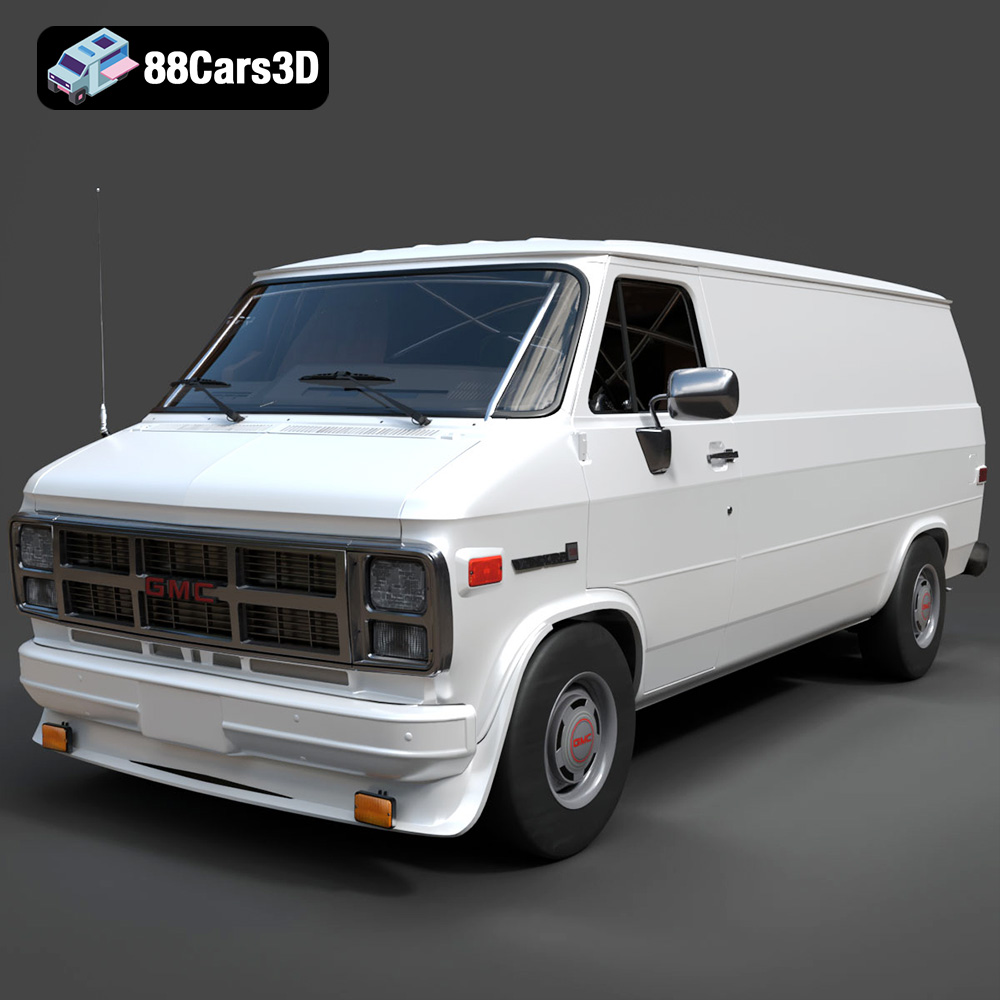
Download the GMC Vandura G-1500 1983 3D Model featuring clean geometry, realistic detailing, and a fully modeled interior. Includes .blend, .fbx, .obj, .glb, .stl, .ply, .unreal, and .max formats for rendering, simulation, and game development.
Price: $19.99
Texture: Yes
Material: Yes
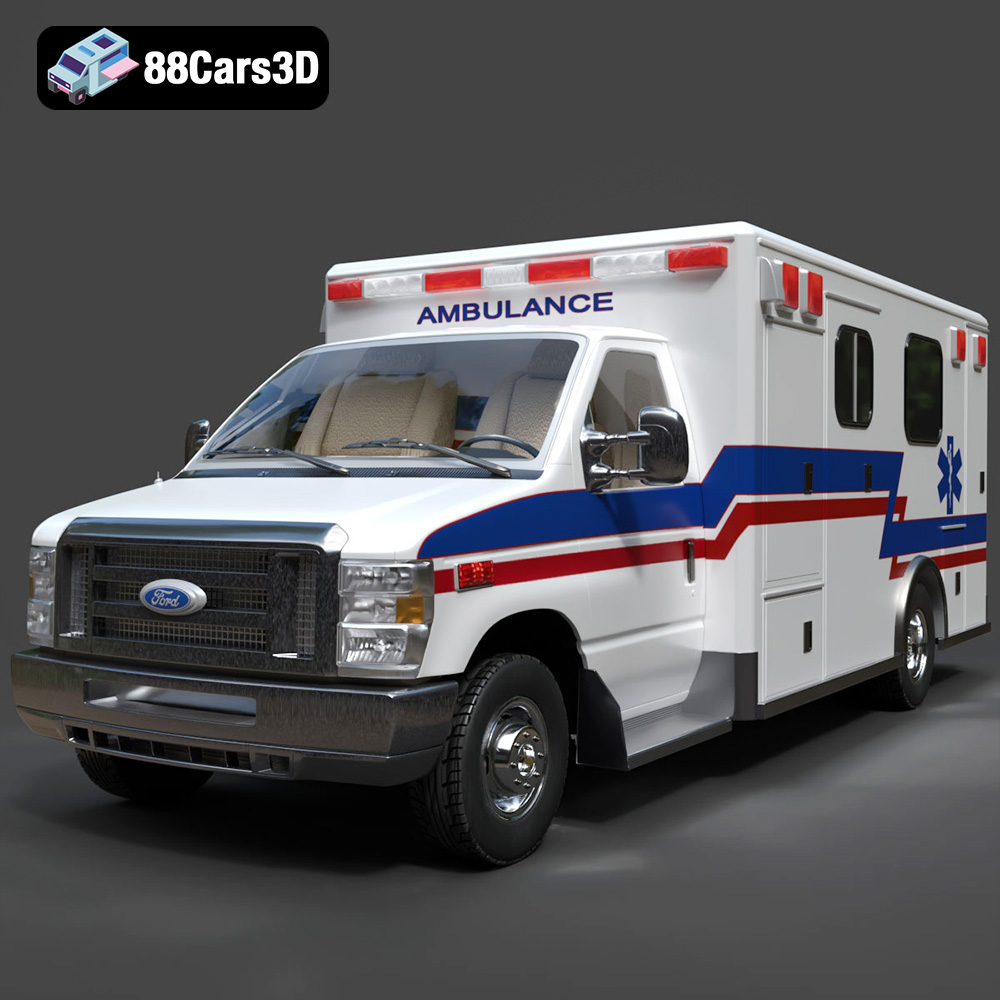
Download the Ford E-450 Ambulance 3D Model featuring clean geometry, realistic detailing, and a fully modeled interior. Includes .blend, .fbx, .obj, .glb, .stl, .ply, .unreal, and .max formats for rendering, simulation, and game development.
Price: $19.99

