⚡ FLASH SALE: Get 60% OFF All Premium 3D & STL Models! ⚡

In the dynamic world of 3D modeling and animation, bringing a static car model to life requires more than just stunning visuals – it demands a meticulously crafted rig. For automotive designers, game developers, visualization specialists, and 3D artists, mastering the art of rigging car models is paramount to achieving realistic and captivating animations. A well-rigged 3D car model is the foundation for everything from a subtle suspension bounce over a virtual pothole to a high-octane chase scene. Without a robust and intuitive rig, animating complex vehicle mechanics can quickly become a frustrating and time-consuming endeavor.
This comprehensive guide delves into the best practices for rigging 3D car models for animation. We will explore the critical technical considerations, essential workflows, and advanced techniques used by industry professionals. Whether you’re preparing a high-fidelity model for a cinematic render or optimizing a game asset for real-time engines, understanding these principles will empower you to create functional, efficient, and expressive car rigs. Platforms like 88cars3d.com offer a vast array of high-quality 3D car models, and knowing how to properly rig these assets enhances their utility and unlocks their full animation potential.
Before diving into the technicalities of building a rig, a thorough understanding of a car’s mechanical anatomy is crucial. Each component moves in a specific way, and the rig must accurately reflect these real-world motions. Dissecting the car into its functional parts allows for a modular and logical rigging approach, making the animation process much smoother and more controllable.
The chassis serves as the central hub of your car rig. All other components will either be directly or indirectly parented to it. The primary body mesh is typically static relative to the chassis, but subtle deformations or specific animated elements (like pop-up headlights or spoiler deployment) will need their own controls. It’s common practice to create a main control bone for the entire vehicle, often located at the center of the chassis, from which all other major components inherit their movement. This main control allows for global translation and rotation of the entire car in your scene.
The wheels and suspension are arguably the most complex and critical elements of a car rig. Each wheel needs to rotate on its local axis for driving and steer for turning. The suspension system, whether independent or solid axle, requires a hierarchy that allows for vertical movement and often rotational pivot for steering knuckles. A common setup involves a “wheel bone” for rotation, and a “suspension bone” or “control null” for vertical travel, linked via constraints. For realistic movement, you’ll often define an “anti-roll bar” effect or a system that allows the body to lean into turns, enhancing the feeling of weight transfer.
These secondary components add significant realism and interactivity to a car model. Each of these elements needs its own pivot point precisely placed at its hinge location. For example, a car door typically rotates around two axis points defining the hinge. The hood and trunk operate similarly. For interior elements like seats, steering wheels, or dashboards, smaller, dedicated controls may be necessary. The steering wheel, for instance, should have a rotational control, and its rotation could be linked to the front wheel’s steering angle via a driver or expression, creating an intelligent and interconnected rig. Ensure these elements are separate meshes or have clearly defined vertex groups to facilitate clean deformation and movement.
Effective car rigging relies on fundamental 3D animation principles, particularly regarding hierarchy, pivot points, and a logical bone structure. Adhering to these principles ensures a stable, predictable, and animator-friendly rig.
The foundation of any complex rig is its hierarchical structure. For a car, this typically begins with a master control (often an empty object or a master bone) that governs the entire vehicle’s movement. The chassis is then parented to this master control. Subsequent components like the four main wheel assemblies (including the wheel mesh, brake calipers, and suspension arms) are parented to the chassis. This allows the wheels to move with the car while still having independent controls for rotation and steering. Smaller components like doors, the hood, and the trunk are parented to the main body or chassis, each with its own local pivot at the hinge. This cascading parental relationship ensures that when the car moves, all its parts follow correctly. A clear, well-named hierarchy, visible in a scene outliner (like Blender’s Outliner, documented at Blender 4.4 Manual: Outliner), is crucial for easy navigation and debugging.
Incorrect pivot points are a common source of frustration in rigging. For each movable part, its origin (pivot point) must precisely align with its real-world rotation axis. For wheels, the pivot should be at the center of the wheel, aligned with the axle. For doors, it needs to be at the hinge. If the pivot is off, the object will rotate incorrectly, causing unrealistic motion. In software like 3ds Max or Maya, you can adjust the pivot point directly. In Blender, you can use the “Set Origin” function to move the object’s origin to the 3D cursor or a selected component. Ensuring all local axes are clean and consistently oriented (e.g., Z-up, Y-forward) will simplify constraint application and animation workflows across different software packages and game engines.
Using bones (also known as joints or armatures) provides a powerful and flexible way to control complex deformations and movements. While a simple car might be rigged with empties or nulls, bones offer superior weight painting capabilities and are often required for export to game engines. A typical car bone structure might include: a root bone, chassis bone, individual wheel bones (e.g., `bone.wheel.front_L`, `bone.wheel.rear_R`), steering bones, and suspension bones. Consistent and logical naming conventions are absolutely essential, especially for large projects or when collaborating with other artists. Use clear prefixes or suffixes to indicate function and side (e.g., `CTRL_`, `DEF_` for controls and deform bones; `_L`, `_R` for left/right). This not only improves readability but is often a requirement for many game engines and animation pipelines to automatically mirror animations or apply inverse kinematics correctly.
To truly elevate a car rig from basic movement to a sophisticated animation tool, advanced control systems like Inverse Kinematics, constraints, and drivers are indispensable. These systems automate complex relationships between parts, saving countless hours in the animation process.
Inverse Kinematics (IK) is a cornerstone of advanced rigging, allowing animators to control a chain of bones by manipulating only the end effector. For car rigging, IK is incredibly useful for suspension systems. Imagine wanting to animate a car driving over uneven terrain; manually adjusting each suspension arm and wheel for every bump would be impractical. With IK, you can have a target object (the IK effector) controlling the position of the wheel, and the suspension bones will automatically adjust. This makes it far easier to position wheels on a surface and simulate realistic compression and extension of the suspension. Similarly, a steering IK setup can allow a single control to drive the rotation of multiple front wheel components, ensuring they turn in unison and at the correct angle. In Blender, IK constraints are found under the Bone Constraints tab for selected bones, allowing you to define the target, pole target, and chain length, as detailed in the Blender 4.4 Manual: Inverse Kinematics Constraint.
Constraints are powerful tools that define how objects relate to each other, automating actions and ensuring mechanical accuracy. For car models, constraints are vital for simulating realistic door hinges, hood lifts, and even complex piston movements in an exposed engine. For example:
By layering these constraints, animators can achieve a high degree of control over intricate movements without having to keyframe every single degree of freedom.
Drivers take automation a step further by allowing a property of one object (e.g., its location or rotation) to influence a property of another object, or even complex mathematical relationships. This is incredibly powerful for car rigs. Consider these applications:
In Blender, drivers can be added by right-clicking on a property and selecting “Add Driver.” This opens up a world of possibilities for intelligent rig behavior, reducing manual keyframing and enhancing realism.
Once the bone structure and control systems are in place, ensuring the mesh deforms correctly with the rig is the next crucial step. This process, known as weight painting or skinning, defines how much influence each bone has on specific vertices of the car model.
For hard-surface models like cars, weight painting is usually less about smooth, organic deformation and more about precise, rigid attachments. Each movable part of the car (e.g., a door, a wheel, a hood) should ideally be assigned to its own dedicated vertex group, with a weight of 1.0 (full influence) for all vertices in that group. This means that when the corresponding bone moves, only the assigned part of the mesh moves with it, without affecting other parts of the car body. For areas like suspension components or complex hydraulic parts, you might need to carefully paint weights with gradients to simulate subtle compression or extension, but for the main body panels, a solid 1.0 weight is standard.
Even with careful vertex group assignment, issues can arise:
For models with complex sub-components that are part of a larger mesh, weight transfer can be a time-saver. If you have a highly detailed brake caliper that needs to move perfectly with the wheel, you can often parent the caliper mesh directly to the wheel bone. However, if the caliper is part of a larger mesh, you can use weight transfer. Some software allows you to copy vertex weights from a simpler proxy mesh or even from one object to another if their topology is similar, then refine them. This ensures that even intricate details follow the rig’s movements accurately. Always visually inspect the deformation by posing the rig through its full range of motion.
A car rig designed for a high-fidelity cinematic render might be overly complex and inefficient for a real-time game engine or an AR/VR experience. Tailoring your rigging strategy to the target application is crucial for optimal performance and functionality.
When preparing a 3D car model for game development, performance is paramount. Game engines like Unity and Unreal Engine thrive on efficiency. Key optimization strategies include:
For high-quality renders and architectural visualizations, the focus shifts from real-time performance to visual fidelity and nuanced control. These rigs can afford to be more complex:
When rendering in engines like Corona, V-Ray, Cycles, or Arnold, the fidelity of the rig directly impacts the realism of the animated output, including proper shadow casting and reflection deformation.
AR/VR applications present unique challenges, balancing visual quality with extremely strict performance budgets. Rigging for AR/VR combines elements of game engine optimization with a focus on seamless immersion:
Even experienced riggers encounter issues. Knowing how to diagnose and solve common problems can save significant time and frustration during the rigging and animation process.
Gimbal lock is a phenomenon that occurs in Euler rotation systems where two of the three rotation axes align, effectively losing a degree of freedom. While less common with modern quaternion-based rotation systems or more advanced Euler solutions, it can still crop up. It manifests as sudden, uncontrollable flips in rotation. To avoid it:
Scaling issues can lead to unpredictable behavior and broken animations. A common problem is applying non-uniform scale to parent objects or bones, which can distort child objects in unexpected ways. To maintain consistency:
Exporting a rigged model for use in another software or game engine can often lead to unexpected results. Different applications interpret rigging data differently. Here’s how to minimize compatibility issues:
Rigging a 3D car model for animation is a blend of technical expertise and a deep understanding of automotive mechanics. From establishing a logical hierarchy and precise pivot points to implementing advanced control systems with IK and drivers, each step contributes to a robust and animator-friendly rig. Mastering weight painting ensures seamless deformation, while careful optimization caters to the specific demands of diverse platforms, from cinematic rendering to real-time game engines and immersive AR/VR experiences.
The journey of creating realistic car animations is greatly enhanced by starting with high-quality 3D car models, such as those available on marketplaces like 88cars3d.com. These models often feature clean topology and UV mapping, providing an excellent foundation upon which to build a sophisticated rig. By following these best practices, 3D artists, game developers, and visualization professionals can create compelling and believable vehicle animations that truly stand out. Remember, a well-executed rig isn’t just about functionality; it’s about empowering creativity and bringing your automotive visions to vibrant, dynamic life.

Meta Description:
Texture: Yes
Material: Yes
Download the Porsche Cayenne 3D Model featuring realistic exterior styling and detailed interior design. Includes .blend, .fbx, .obj, .glb, .stl, .ply, .unreal, and .max formats for rendering, simulation, AR VR, and game development.
Price: $19.9
Texture: Yes
Material: Yes
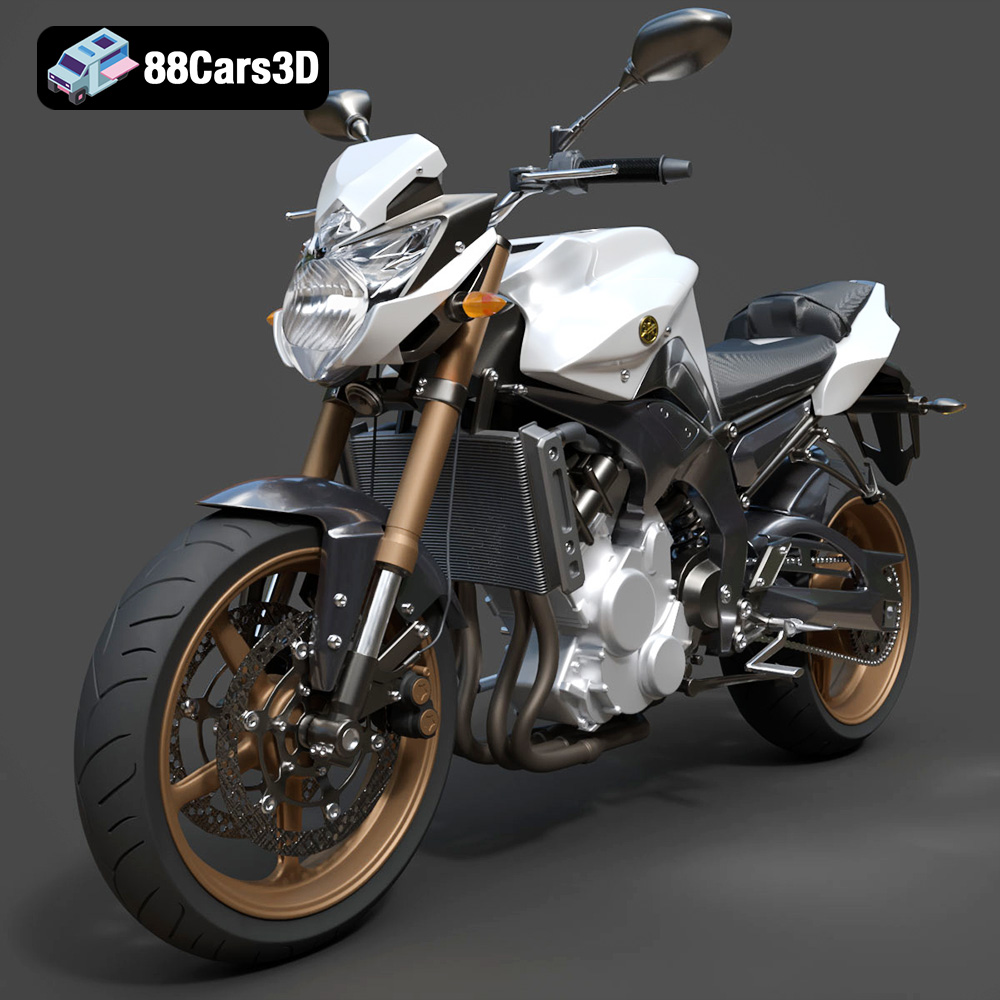
Download the Yamaha FZ8 2011 3D Model featuring clean geometry, realistic detailing, and a fully modeled interior. Includes .blend, .fbx, .obj, .glb, .stl, .ply, .unreal, and .max formats for rendering, simulation, and game development.
Price: $19.99
Texture: Yes
Material: Yes
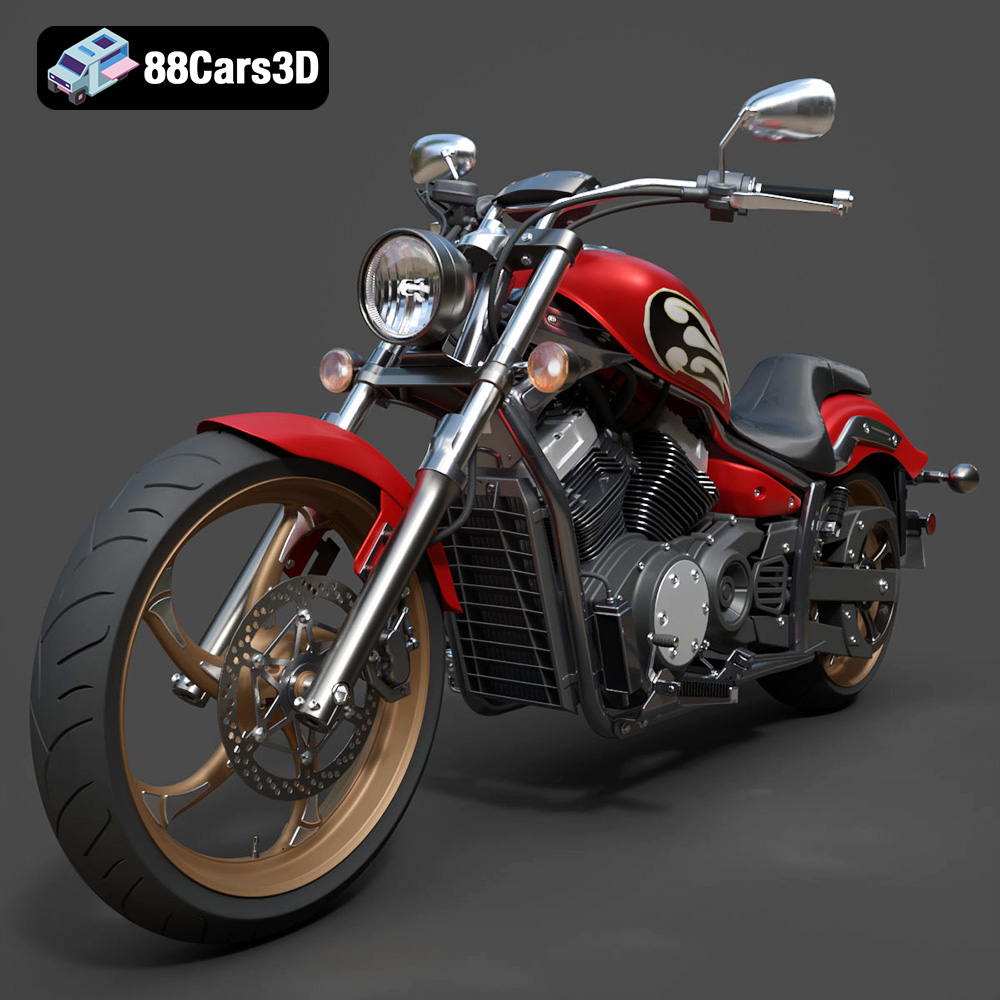
Download the Yamaha Stryker 2012 3D Model featuring clean geometry, realistic detailing, and a fully modeled interior. Includes .blend, .fbx, .obj, .glb, .stl, .ply, .unreal, and .max formats for rendering, simulation, and game development.
Price: $19.99
Texture: Yes
Material: Yes
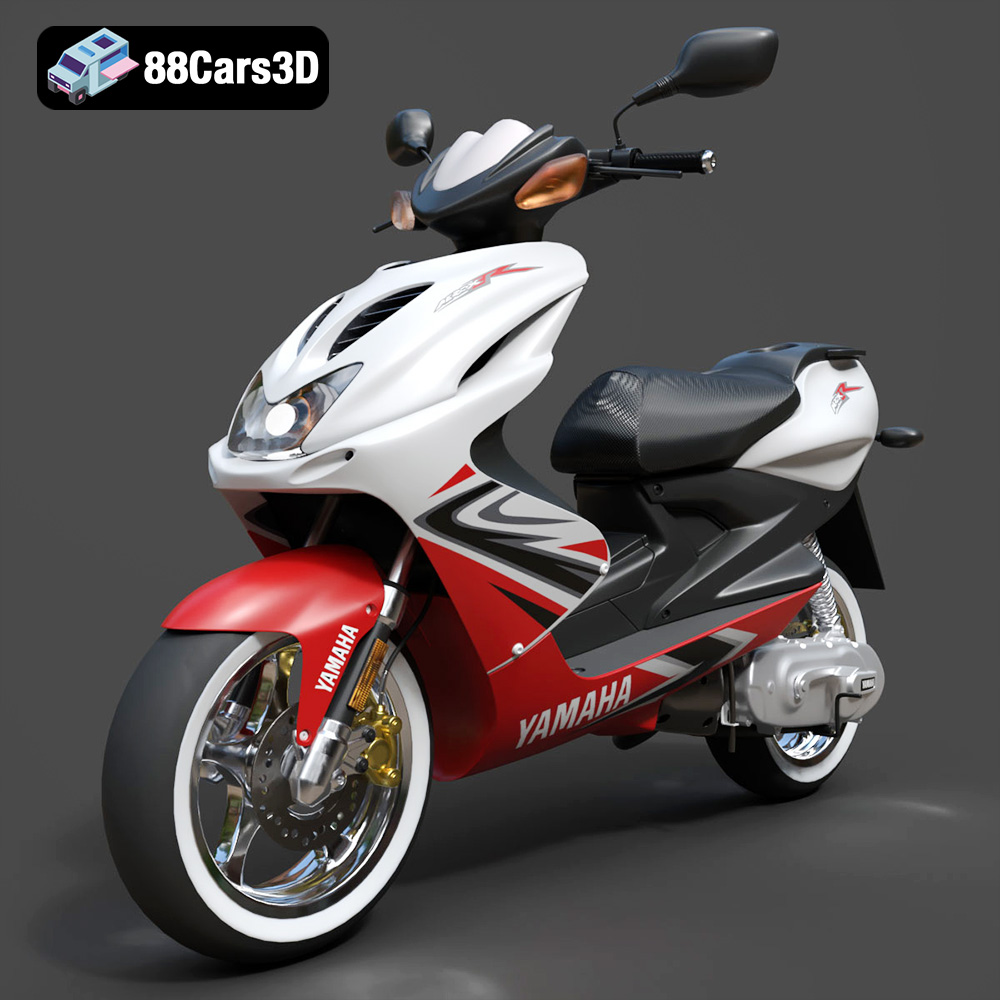
Download the Yamaha Aerox R-002 2024 3D Model featuring clean geometry, realistic detailing, and a fully modeled interior. Includes .blend, .fbx, .obj, .glb, .stl, .ply, .unreal, and .max formats for rendering, simulation, and game development.
Price: $19.99
Texture: Yes
Material: Yes
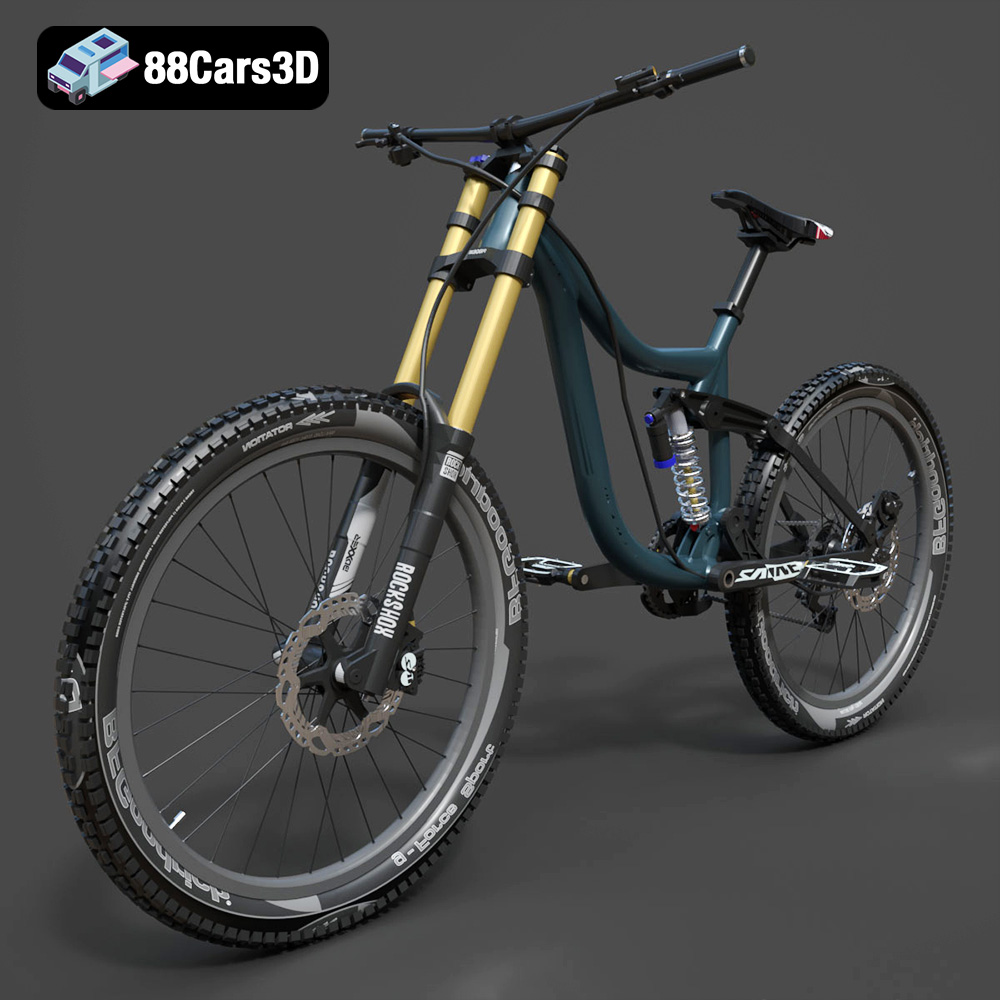
Download the Mototsikly Downhill Bike-002 3D Model featuring clean geometry, realistic detailing, and precise mechanical components. Includes .blend, .fbx, .obj, .glb, .stl, .ply, .unreal, and .max formats for rendering, simulation, and game development.
Price: $19.99
Texture: Yes
Material: Yes
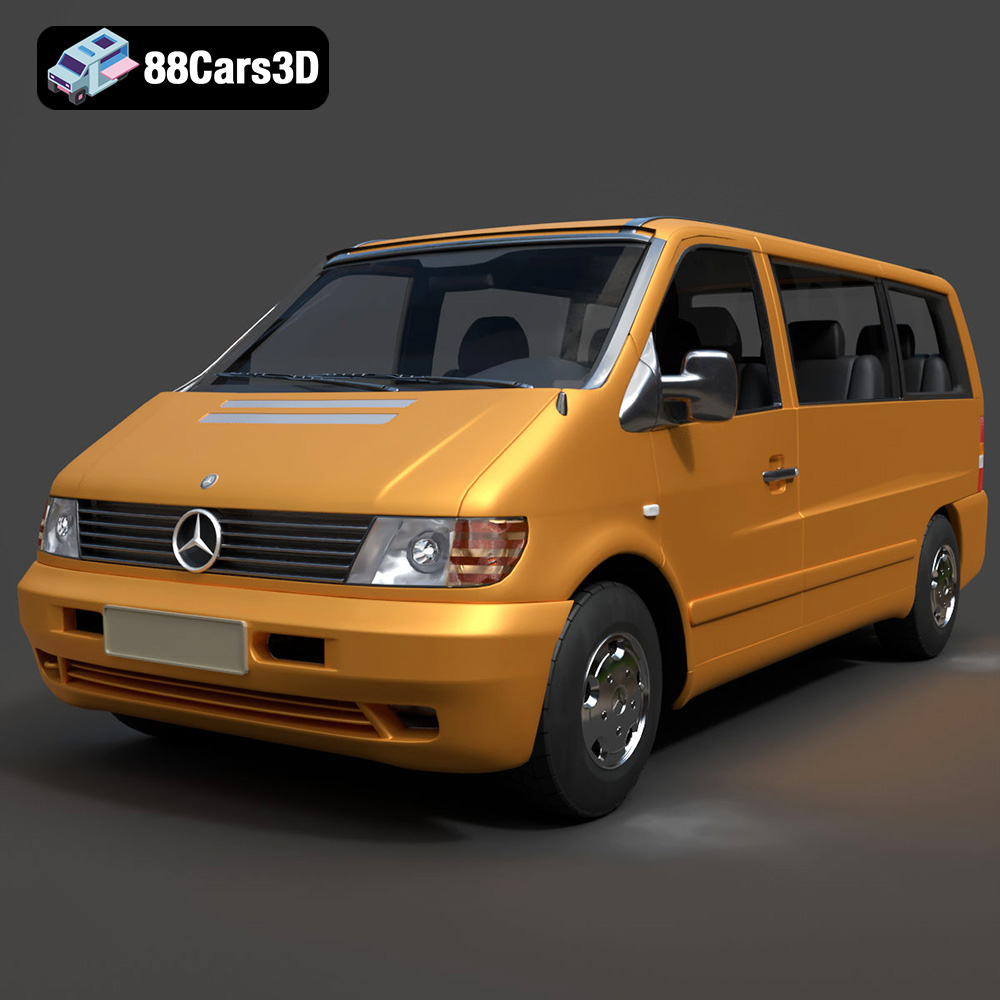
Download the Mercedes-Benz Vito Passenger Van 3D Model featuring clean geometry, realistic detailing, and a fully modeled interior. Includes .blend, .fbx, .obj, .glb, .stl, .ply, .unreal, and .max formats for rendering, simulation, and game development.
Price: $19.99
Texture: Yes
Material: Yes
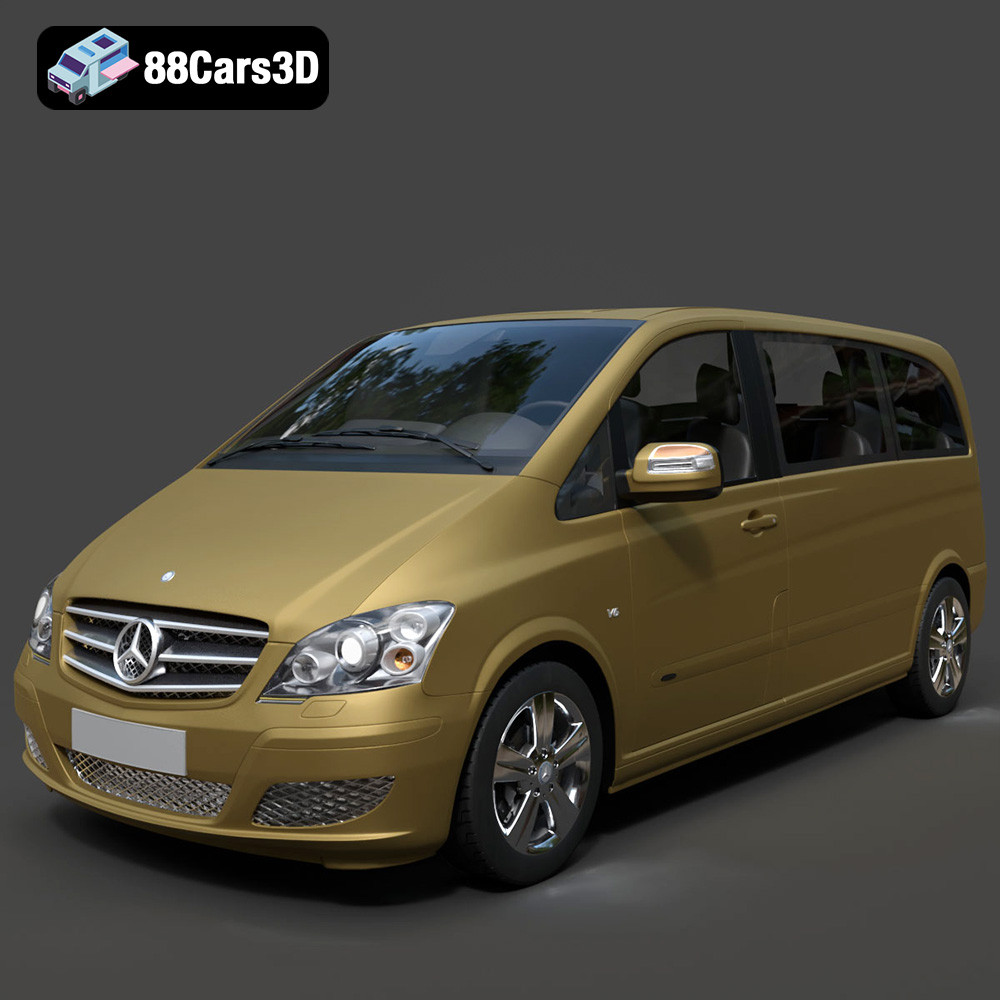
Download the Mercedes-Benz Viano 2010 3D Model featuring clean geometry, realistic detailing, and a fully modeled interior. Includes .blend, .fbx, .obj, .glb, .stl, .ply, .unreal, and .max formats for rendering, simulation, and game development.
Price: $19.99

Texture: Yes
Material: Yes
Download the Emt Avtobus 007 3D Model featuring clean geometry, realistic detailing, and a fully modeled interior. Includes .blend, .fbx, .obj, .glb, .stl, .ply, .unreal, and .max formats for rendering, simulation, and game development.
Price: $19.99
Texture: Yes
Material: Yes
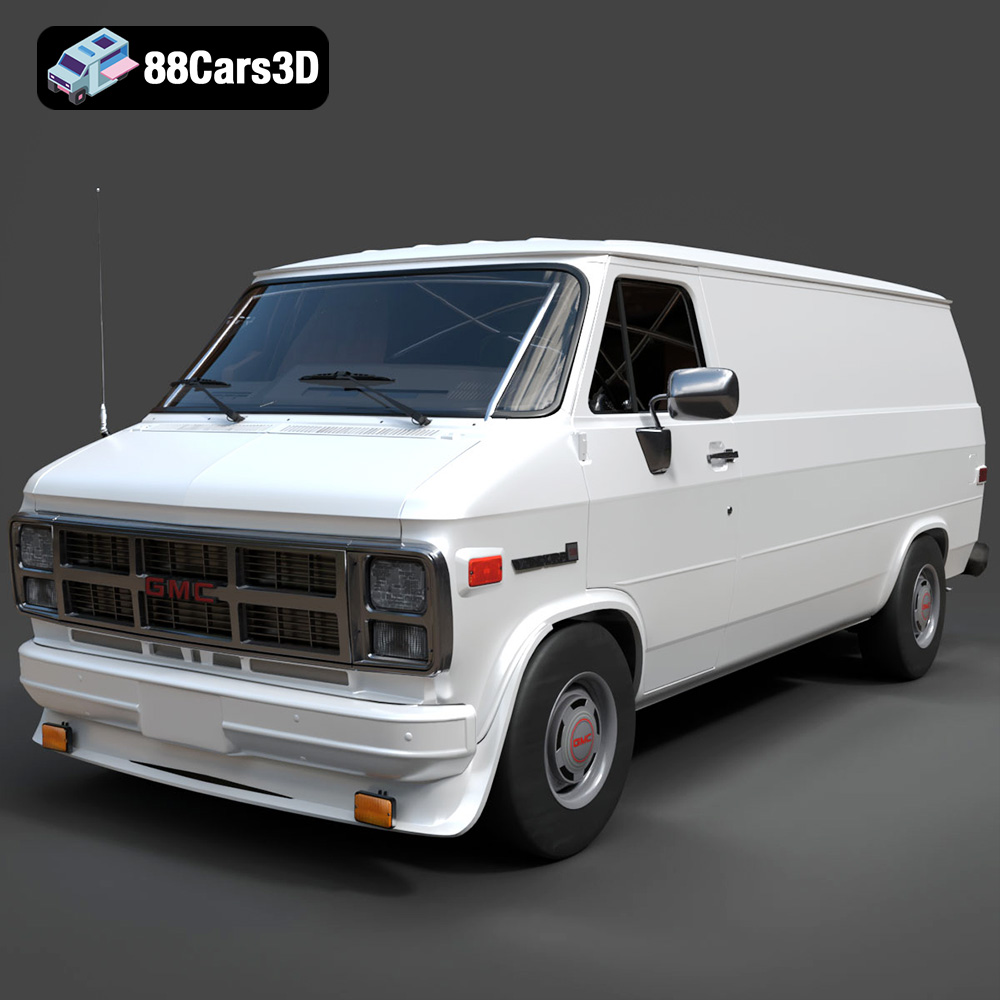
Download the GMC Vandura G-1500 1983 3D Model featuring clean geometry, realistic detailing, and a fully modeled interior. Includes .blend, .fbx, .obj, .glb, .stl, .ply, .unreal, and .max formats for rendering, simulation, and game development.
Price: $19.99
Texture: Yes
Material: Yes
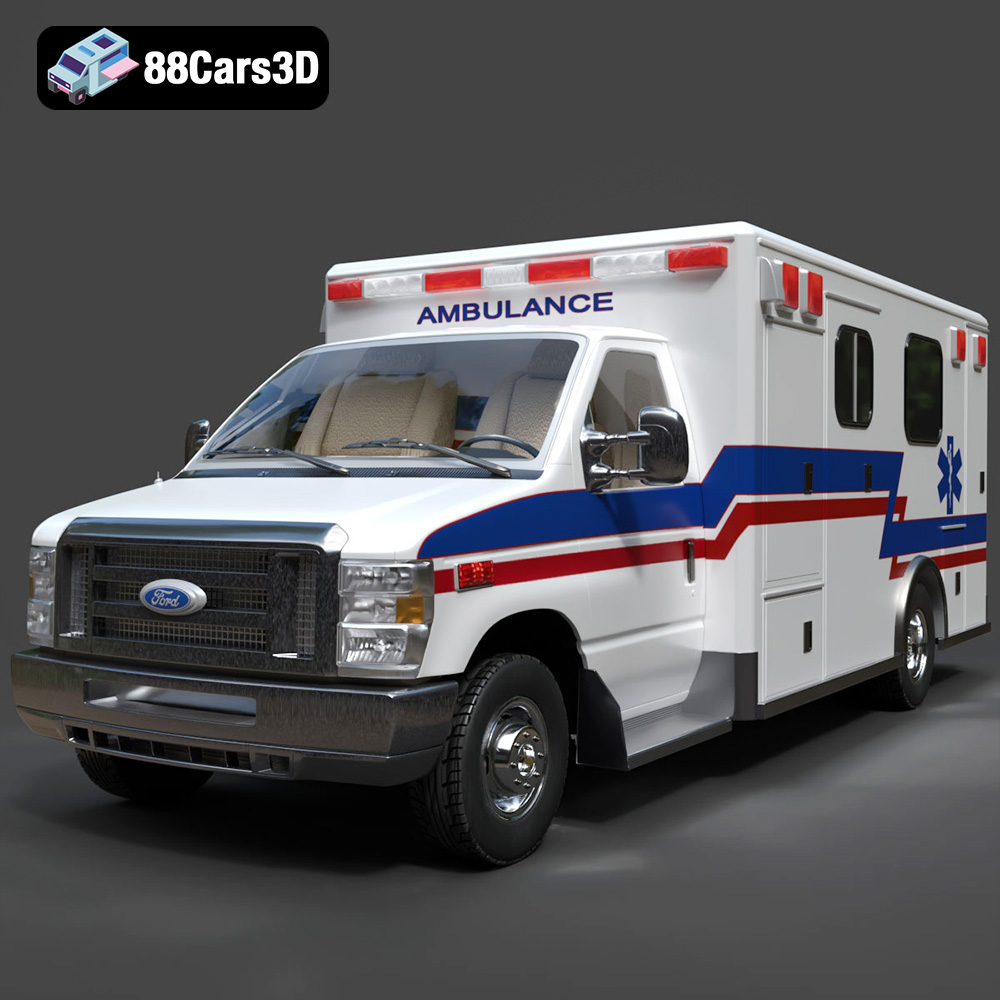
Download the Ford E-450 Ambulance 3D Model featuring clean geometry, realistic detailing, and a fully modeled interior. Includes .blend, .fbx, .obj, .glb, .stl, .ply, .unreal, and .max formats for rendering, simulation, and game development.
Price: $19.99

