⚡ FLASH SALE: Get 60% OFF All Premium 3D & STL Models! ⚡

In the high-octane world of automotive visualization, merely showcasing a stunning 3D car model is often just the starting line. To truly immerse an audience, whether for a game, a configurator, a cinematic, or a virtual production, you need to infuse life, interaction, and human presence. This is where Unreal Engine’s powerful Control Rig system drives into the spotlight. Control Rig provides artists and developers with a robust, procedural, and non-destructive way to rig and animate characters directly within Unreal Engine, revolutionizing how we bring dynamic human elements into our automotive scenes. Imagine a virtual car configurator where a realistic character opens doors, points out features, or a driver interacts fluidly with the steering wheel in a hyper-realistic simulation. These aren’t just dreams; they are achievable realities with Control Rig.
This comprehensive guide will steer you through the intricacies of setting up and utilizing Control Rig for character animation, specifically tailored for enhancing automotive visualizations. We’ll explore everything from initial character import and basic rig construction to advanced animation techniques like FK/IK switching, Blueprint integration, and optimization strategies. By the end, you’ll understand how Control Rig can elevate your projects, adding a layer of realism and interactivity that captivates your audience, making your high-fidelity car models, like those available on 88cars3d.com, feel truly alive within their digital environments.
Control Rig in Unreal Engine is a powerful animation toolset designed for creating, editing, and driving rigs directly within the engine’s animation blueprint system. Unlike traditional external DCC (Digital Content Creation) software, Control Rig offers a non-destructive, procedural rigging solution that allows for real-time iteration and seamless integration with other Unreal Engine features. This means animators can pose characters, define complex kinematic chains, and even drive animation logic without ever leaving the Unreal editor, significantly streamlining the development workflow, especially in fast-paced automotive visualization projects.
At its core, Control Rig operates on a node-based graph, similar to the Material Editor or Blueprint visual scripting. This graph allows you to construct a rig by connecting various nodes that represent joint transformations, constraints, solvers, and custom logic. The primary advantage of this approach is its flexibility. Rigs can be easily modified, extended, and reused across multiple characters or animation sequences. For automotive visualization, this translates into being able to quickly adapt a driver’s pose for different vehicle interiors, or crafting a presenter’s movements to highlight various car features without extensive re-rigging.
Another key benefit is the ability to leverage Control Rig for animation retargeting and blending. You can create a universal Control Rig that can be applied to various skeletal meshes with different proportions, facilitating the reuse of animation assets. This is incredibly valuable when populating a scene with multiple characters, such as pedestrians around a showroom or a crowd at an auto show, ensuring consistency while minimizing animation workload. Furthermore, Control Rig’s real-time nature allows for immediate feedback on animation changes, crucial for refining subtle character interactions with high-fidelity vehicle models.
A Control Rig typically consists of several fundamental components:
The synergy of FK and IK within Control Rig allows for a hybrid animation approach, giving animators the best of both worlds. By setting up FK/IK switches, you can toggle between these modes dynamically, allowing for nuanced control over character poses, which is paramount for achieving believable interactions with the intricate designs of 3D car models.
Before you can unleash the full potential of Control Rig, you need a properly prepared character model. The quality of your imported skeletal mesh will directly impact the ease and effectiveness of your rigging and animation process. A clean and well-structured character asset is the foundation upon which believable automotive visualizations are built.
The first step involves importing your character’s skeletal mesh into Unreal Engine. When sourcing character models, whether custom-made or from marketplaces, ensure they adhere to these best practices:
After importing, Unreal Engine will generate a Skeletal Mesh asset, a Skeleton asset, and potentially Physics Assets. The Skeleton asset is particularly important as it serves as the base for your Control Rig.
Once your skeletal mesh is in Unreal Engine, you can create a new Control Rig asset. Right-click in the Content Browser, navigate to Animation > Control Rig, and select the skeleton you want to rig. This will create a new Control Rig Graph, which is where you’ll build your rig. The initial graph will automatically include a ‘Retarget Pose From Mesh’ node, which maps the current pose of your skeletal mesh onto the Control Rig, providing a starting point.
Within the Control Rig editor, you’ll see a viewport displaying your skeletal mesh and the graph editor. The first step is to establish the rig hierarchy by importing the bone structure. You can do this by dragging bones from the ‘Hierarchy’ panel into the graph, or by using ‘Get Bone’ nodes. For automotive applications, it’s often beneficial to prioritize key areas of interaction, such as the spine, arms (for steering wheel interaction), and legs (for pedals).
Remember that the goal is to create a set of controls that give animators intuitive manipulation over the character. While the underlying skeleton drives the mesh deformation, the Control Rig provides an abstraction layer that is easier to work with.
With the hierarchy established, you can start adding controls. Controls are typically defined as ‘RigidBody’ or ‘Transform’ objects within the Control Rig graph. You can create a new Control node, name it appropriately (e.g., ‘FK_UpperArm_L’, ‘IK_Hand_R’), and then connect it to the corresponding bone’s transform using ‘Set Transform’ or ‘Set Rotation’ nodes. For instance, you might create a control for the character’s left hand. This control would then be linked to the ‘hand_l’ bone, allowing animators to directly manipulate the hand’s position and rotation.
To make controls user-friendly, you can customize their appearance. This involves selecting the Control node in the graph and adjusting properties like ‘Shape’, ‘Size’, ‘Color’, and ‘Offset’ in the Details panel. Using distinct shapes and colors for FK and IK controls, or for different body parts, significantly improves animators’ workflow. For a driver interacting with a car, you might use a circular control for the steering wheel, and arrow controls for pedal inputs, providing clear visual cues for manipulation. Creating these intuitive controls is crucial for efficient posing and animation, especially when developing interactive experiences like automotive configurators where a user might dynamically adjust a character’s stance.
Once the basic controls are in place, the real power of Control Rig emerges through the implementation of advanced animation workflows. These techniques allow for nuanced, believable character movement and interaction, essential for bringing a sense of life to automotive presentations and virtual production scenarios.
A staple in character animation, FK/IK switching allows animators to toggle between forward and inverse kinematics for limbs, offering immense flexibility. For instance, when animating a character’s arm, you might use FK for a broad, sweeping gesture, but switch to IK when the character needs to precisely grip a steering wheel or press a button on the dashboard. Implementing this in Control Rig involves creating a ‘Blend’ node that transitions between the FK and IK chains based on a float parameter (e.g., ‘IK_Blend_Hand_L’).
The FK chain typically involves rotating parent bones to affect child bones down the hierarchy. The IK chain, on the other hand, usually consists of an IK solver node (like the ‘Two Bone IK’ node for arms and legs) that calculates bone rotations to reach a target control. You connect the output of the FK and IK chains to the blend node, which then drives the final bone transforms. A common approach is to create a Boolean or Float control on the rig itself that drives this blend, allowing animators to switch modes with a single click or slider. This level of control is indispensable for crafting believable driver interactions, ensuring hands realistically follow the steering wheel or feet depress pedals with appropriate movement.
Constraints are vital for defining relationships between controls and bones, or even between different parts of the rig. Unreal Engine’s Control Rig offers various constraint nodes, such as ‘Parent Constraint’, ‘Aim Constraint’, and ‘Transform Constraint’. For automotive visualization, these are incredibly useful. Imagine an ‘Aim Constraint’ on a character’s head control, making them look at a specific point on the car – perhaps a highlight feature. This can be driven by a target bone on the car model itself, ensuring the character’s gaze follows the vehicle or a specific component.
Offsets are equally important. Often, controls need to be offset from their associated bones to provide better manipulation handles without directly interfering with the bone’s pivot. For example, a foot control might be slightly above the foot bone’s pivot for easier ground contact manipulation. You can achieve this by applying a local transform offset to your control. Furthermore, using ‘Space Switching’ techniques, you can make a control follow different parents at different times (e.g., a hand control can follow the arm in world space, or switch to following the steering wheel’s transform when gripping it). This dynamic parenting is powerful for complex interactions where a character needs to interact with external objects, like car doors, hoods, or interior controls. Such precise control ensures that character animations appear seamless and integrated within the automotive environment.
The true magic happens when Control Rig is integrated with Unreal Engine’s Blueprint visual scripting system. This allows you to drive Control Rig parameters dynamically, reacting to game logic, user input, or other events. For example, in an automotive configurator, you could use Blueprint to adjust a driver character’s pose based on the selected seat type or steering wheel position. A simple Blueprint script could read the transform of the car’s steering wheel and use it to drive an IK target for the driver’s hands, ensuring they always grip the wheel correctly.
To achieve this, you expose Control Rig parameters (like FK/IK blend values, control transforms, or custom variables) to Blueprint. You then create an Animation Blueprint for your character, add a ‘Control Rig’ node to its animation graph, and bind the exposed parameters to variables or functions within your Blueprint. This allows for powerful interactive scenarios: A character could dynamically react to the car’s speed, steering angle, or even collision events. Imagine a virtual showroom where a character automatically adjusts their pose to showcase different angles of a vehicle from 88cars3d.com, creating a truly dynamic and engaging experience for potential buyers.
With a robust Control Rig in place, you’re ready to bring your characters to life within the automotive context. This section focuses on practical applications and specific workflows for animating characters interacting with vehicles, creating scenes that are both functional and visually compelling.
Animating a driver inside a car requires meticulous attention to detail to achieve realism. A slight misalignment can break the immersion. Here’s a typical workflow:
The goal is ergonomic realism. A driver should appear comfortable and in control, reflecting the vehicle’s design and intent. This iterative process, facilitated by Control Rig’s real-time feedback, ensures every subtle shift in posture contributes to a believable experience.
For cinematic reveals, virtual showrooms, or training simulations, a character demonstrating vehicle features can significantly enhance engagement. Control Rig empowers you to create custom, dynamic animations for presenters:
The ability to iterate on these animations in real-time within Unreal Engine means you can perfectly synchronize a presenter’s movements with camera cuts and vehicle highlights, creating a cohesive and impactful narrative.
Beyond individual interactions, Control Rig can contribute to populating larger automotive scenes with believable crowds, such as a busy showroom or an outdoor auto show. While Unreal Engine has dedicated tools like Niagara for crowd simulation, Control Rig’s strength lies in generating varied base poses and subtle idle animations for these characters.
You can create a few core Control Rig setups for generic human models, then use Blueprint to randomly apply pose variations, subtle idle animations, or look-at behaviors to characters within a crowd system. This ensures that even background characters contribute to the scene’s realism, avoiding static, lifeless environments. By defining a range of upper-body animations (e.g., looking around, hands on hips, subtle shifts in weight) and applying them via Control Rig, you can quickly generate a diverse and believable crowd interacting with the vehicles, adding a dynamic layer to your automotive visualizations. This approach complements the high-quality vehicle assets from marketplaces like 88cars3d.com by adding contextual realism through human presence.
While Control Rig offers immense flexibility, integrating complex character animations into real-time automotive visualization projects demands careful attention to performance. High-fidelity car models, often featuring Nanite geometry and Lumen lighting, already push the boundaries of real-time rendering. Adding characters, especially multiple ones, requires smart optimization strategies to maintain smooth frame rates.
Just as with your 3D car models, Level of Detail (LOD) is critical for character meshes. Characters, particularly skeletal meshes with complex bone structures and skin weights, can be performance-intensive. For characters further away from the camera, full detail is unnecessary and wasteful. Implement multiple LODs for your character models, reducing polygon count, bone count, and texture resolution at greater distances.
Unreal Engine’s LOD generation tools can automate much of this process, but manual tweaking is often required for optimal results, especially for characters intended for cinematic close-ups. By effectively managing character LODs, you ensure that performance heavy characters are only rendered with their full detail when visually necessary, freeing up resources for your detailed automotive models and real-time effects like Lumen.
Every bone, every Control Rig node, and every animation frame has a computational cost. For real-time applications, it’s essential to budget your animation complexity. A character with hundreds of bones, multiple IK chains, and complex Control Rig graphs will be more expensive to evaluate than a simpler one. When designing your Control Rig:
Profile your animations using Unreal Engine’s ‘Stat Anim’ and ‘Stat GPU’ commands to identify bottlenecks. Understanding the performance impact of your character rigs allows you to make informed decisions, balancing visual fidelity with real-time responsiveness, which is critical when pairing characters with high-poly automotive models.
For animations that are finalized and won’t require further real-time procedural adjustments, baking them down is a powerful optimization strategy. Once an animation sequence is complete using Control Rig, you can bake the Control Rig animation to a traditional animation sequence asset. This converts the procedural rig manipulations into static keyframes on the skeletal bones, significantly reducing the runtime computation cost. The baked animation sequence can then be played back directly without the overhead of evaluating the Control Rig graph.
Similarly, animation retargeting is an invaluable tool for efficiency. If you have a library of existing animations (e.g., walking, running, idle poses) that you sourced or created for a different character, Unreal Engine’s IK Retargeter allows you to transfer these animations to your new character, even if their bone names or proportions differ. By creating an IK Rig for both the source and target skeletons, and then an IK Retargeter asset, you can apply animations across various characters. This greatly reduces the need to create new animations from scratch for every character, saving immense development time and improving consistency. For automotive projects, this means you can efficiently populate scenes with diverse characters using a shared library of optimized animations, enhancing the overall realism without sacrificing performance.
Beyond interactive applications, Control Rig is a cornerstone for creating high-quality cinematic content and driving character performances in virtual production (VP) workflows. Its real-time nature and direct integration into Unreal Engine make it an ideal tool for filmmakers and content creators in the automotive space.
Virtual production thrives on bringing real-world performances into the digital realm. Control Rig plays a pivotal role in refining and enhancing motion capture (MoCap) data. When you stream MoCap data into Unreal Engine via Live Link (from systems like Perception Neuron, Vicon, OptiTrack, or even an iPhone with Live Link Face), it directly drives the character’s skeletal mesh. However, raw MoCap data can often be noisy, have foot slides, or require artistic adjustments to fit a specific performance or interaction.
This is where Control Rig steps in. You can add a Control Rig node to your character’s Animation Blueprint, placed *after* the Live Link pose application. This allows animators to layer on procedural adjustments or corrections. For example, if a car show host’s hand gestures are slightly off, or their foot is sliding during a walk cycle, Control Rig can be used to add an IK layer that locks the feet to the ground, or refine hand poses to precisely interact with a car door handle. The blend between the raw MoCap data and the Control Rig adjustments can be dynamically controlled, offering filmmakers the flexibility to achieve a perfect performance in real-time on set. This hybrid approach ensures both the spontaneity of live performance and the precision of artistic control, essential for creating compelling automotive narratives.
Unreal Engine’s Sequencer is a powerful multi-track editor for creating cinematic sequences. Control Rig integrates seamlessly into Sequencer, allowing animators to keyframe Control Rig manipulators directly. This means you can pose characters, animate FK/IK switches, and drive custom Control Rig parameters frame by frame within your cinematic timeline.
For an automotive cinematic, imagine a scenario where a character walks up to a car (using baked animation), then uses Control Rig to precisely open the car door, lean in, interact with the interior, and then smoothly close the door. Each of these precise interactions can be keyframed on the Control Rig track in Sequencer. You can also orchestrate complex camera movements, vehicle animations (e.g., door opening, wheel turning), particle effects (e.g., dust, exhaust), and lighting changes alongside your character’s performance. The ability to iterate on these animations in real-time, seeing the final rendered result instantly, significantly speeds up the cinematic production process compared to traditional linear pipelines. This makes Control Rig an indispensable tool for crafting highly polished automotive marketing videos and virtual test drives.
In virtual production environments, where live actors interact with digital sets displayed on LED walls, Control Rig provides real-time feedback and adjustment capabilities. A director or animator can quickly make changes to a virtual character’s pose or animation directly on set, adapting to the live actor’s performance or directorial decisions. For instance, if a virtual character is supposed to be inspecting an engine, and the live actor makes an unexpected gesture, the virtual character’s Control Rig can be adjusted on the fly to match, maintaining believability.
This agility is paramount for fluid virtual production shoots. The combination of high-fidelity automotive models (such as those from 88cars3d.com), realistic lighting powered by Lumen, Nanite for dense geometry, and dynamic character animation via Control Rig creates an immersive virtual world that blurs the lines between digital and physical. This capability is revolutionizing automotive advertising, allowing manufacturers to create breathtaking commercials and interactive experiences with unprecedented speed and creative control.
Unreal Engine’s Control Rig stands as a testament to the engine’s evolution as a comprehensive real-time content creation platform. For automotive visualization professionals, game developers, and cinematic artists, it offers an unparalleled level of control and flexibility in bringing characters to life within their vehicle-centric projects. From meticulously posing a driver within a detailed interior to choreographing a car show presenter’s every gesture, Control Rig empowers you to infuse your scenes with dynamic human presence and believable interaction.
We’ve navigated the essential steps: understanding Control Rig’s foundational principles, preparing and importing skeletal meshes, constructing basic and advanced control systems, and mastering intricate FK/IK switching and constraint techniques. Crucially, we’ve highlighted its practical applications in crafting realistic automotive scenarios, from precise driver poses to engaging presenter animations, and even contributing to efficient crowd generation. Furthermore, we delved into critical optimization strategies, ensuring that your dynamic characters perform smoothly alongside the high-fidelity vehicles from marketplaces like 88cars3d.com, leveraging features like LODs and baked animations. Finally, we explored Control Rig’s pivotal role in virtual production and cinematic workflows, enabling real-time iteration and seamless integration with motion capture and Sequencer.
By integrating Control Rig into your Unreal Engine workflow, you’re not just adding characters; you’re adding layers of narrative, interactivity, and emotional connection to your automotive visualizations. The ability to manipulate character performances directly within the engine, with real-time feedback, unlocks creative possibilities previously unimaginable. So, equip your projects with high-quality 3D car models and embrace the power of Control Rig to drive your automotive visions into a new era of realism and engagement.

Meta Description:
Texture: Yes
Material: Yes
Download the Porsche Cayenne 3D Model featuring realistic exterior styling and detailed interior design. Includes .blend, .fbx, .obj, .glb, .stl, .ply, .unreal, and .max formats for rendering, simulation, AR VR, and game development.
Price: $19.9
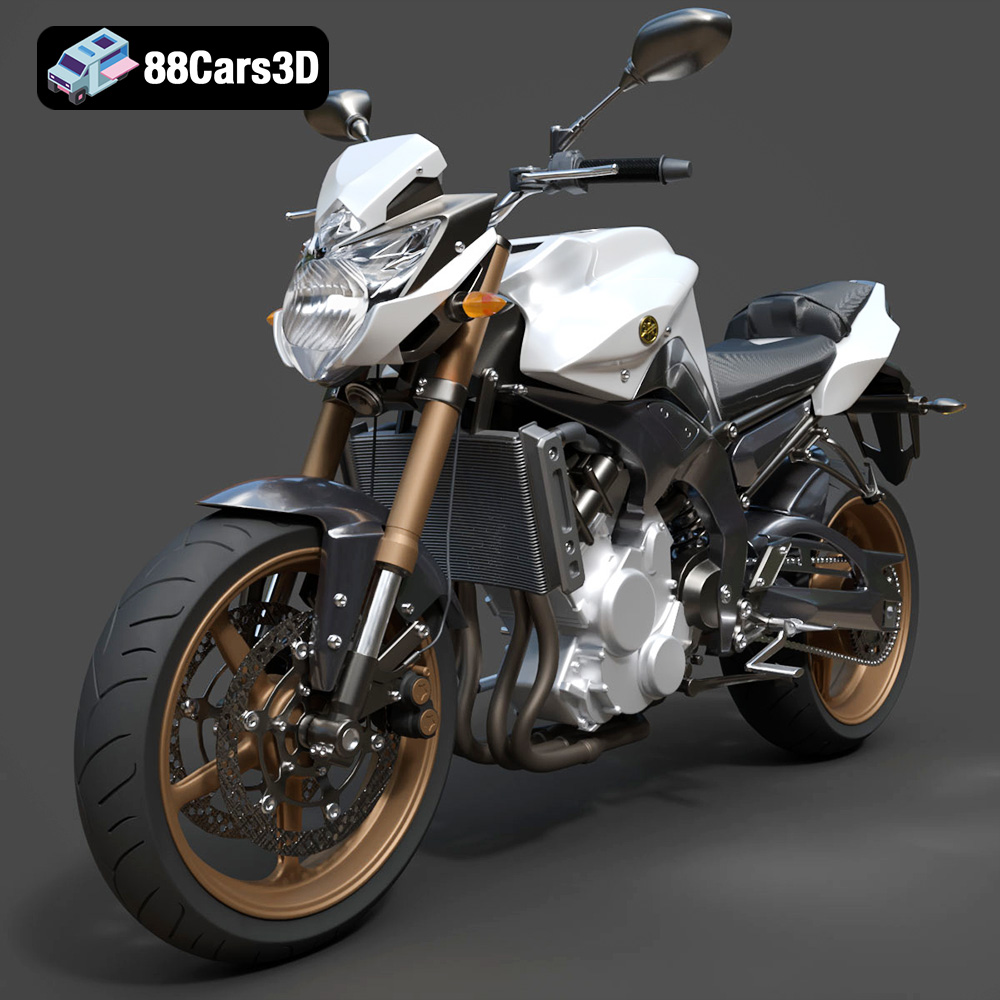
Texture: Yes
Material: Yes
Download the Yamaha FZ8 2011 3D Model featuring clean geometry, realistic detailing, and a fully modeled interior. Includes .blend, .fbx, .obj, .glb, .stl, .ply, .unreal, and .max formats for rendering, simulation, and game development.
Price: $19.99
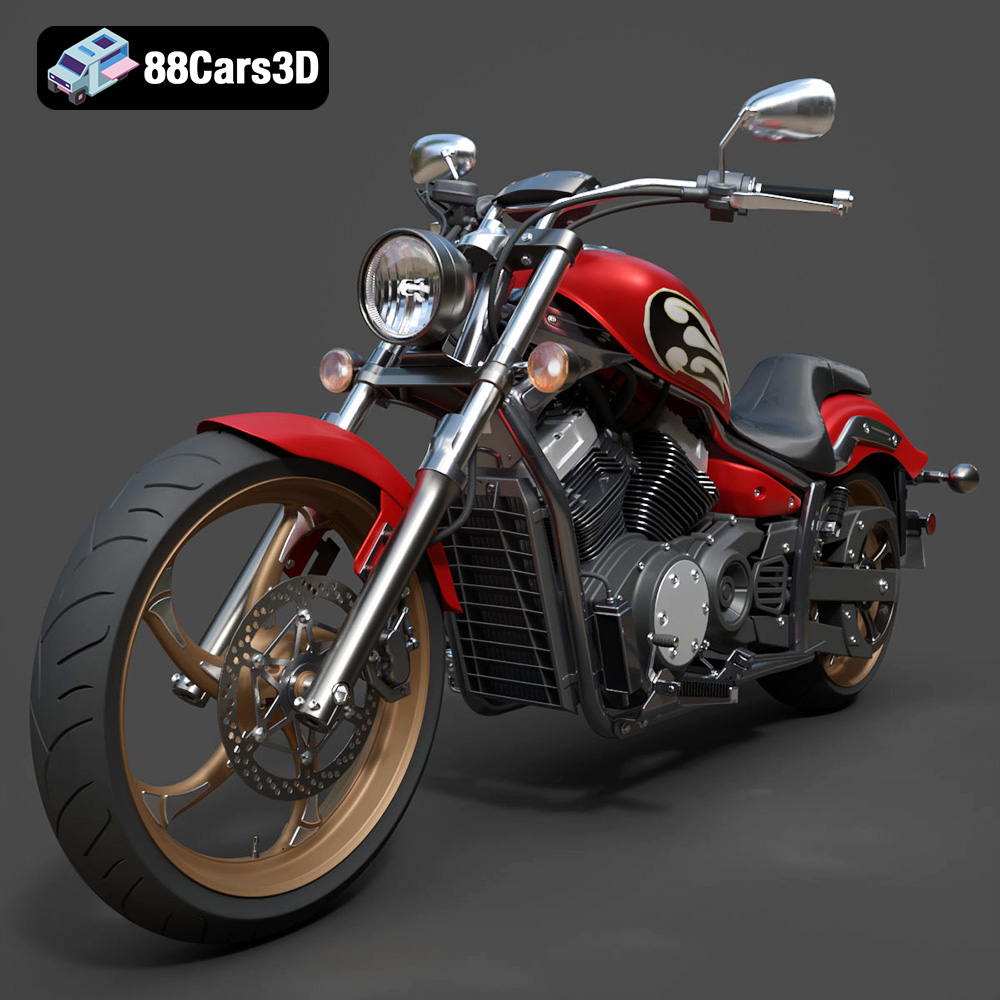
Texture: Yes
Material: Yes
Download the Yamaha Stryker 2012 3D Model featuring clean geometry, realistic detailing, and a fully modeled interior. Includes .blend, .fbx, .obj, .glb, .stl, .ply, .unreal, and .max formats for rendering, simulation, and game development.
Price: $19.99
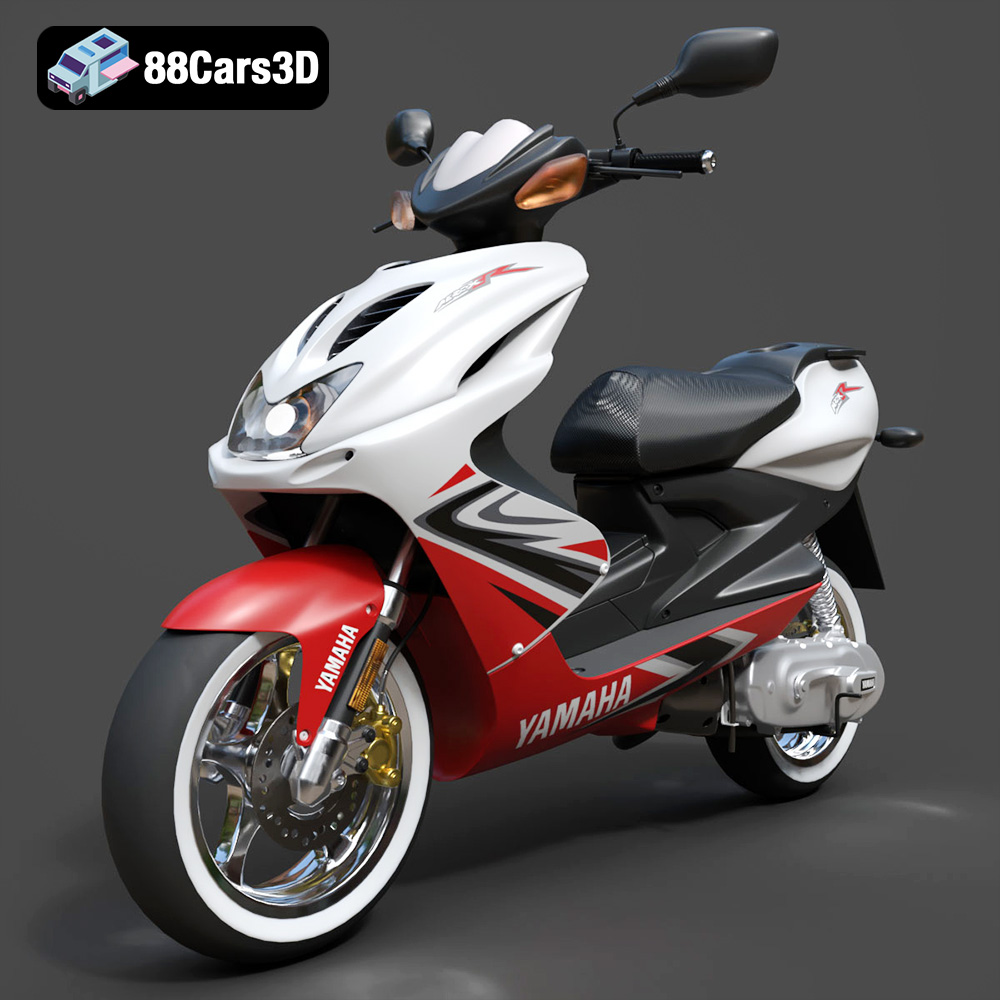
Texture: Yes
Material: Yes
Download the Yamaha Aerox R-002 2024 3D Model featuring clean geometry, realistic detailing, and a fully modeled interior. Includes .blend, .fbx, .obj, .glb, .stl, .ply, .unreal, and .max formats for rendering, simulation, and game development.
Price: $19.99
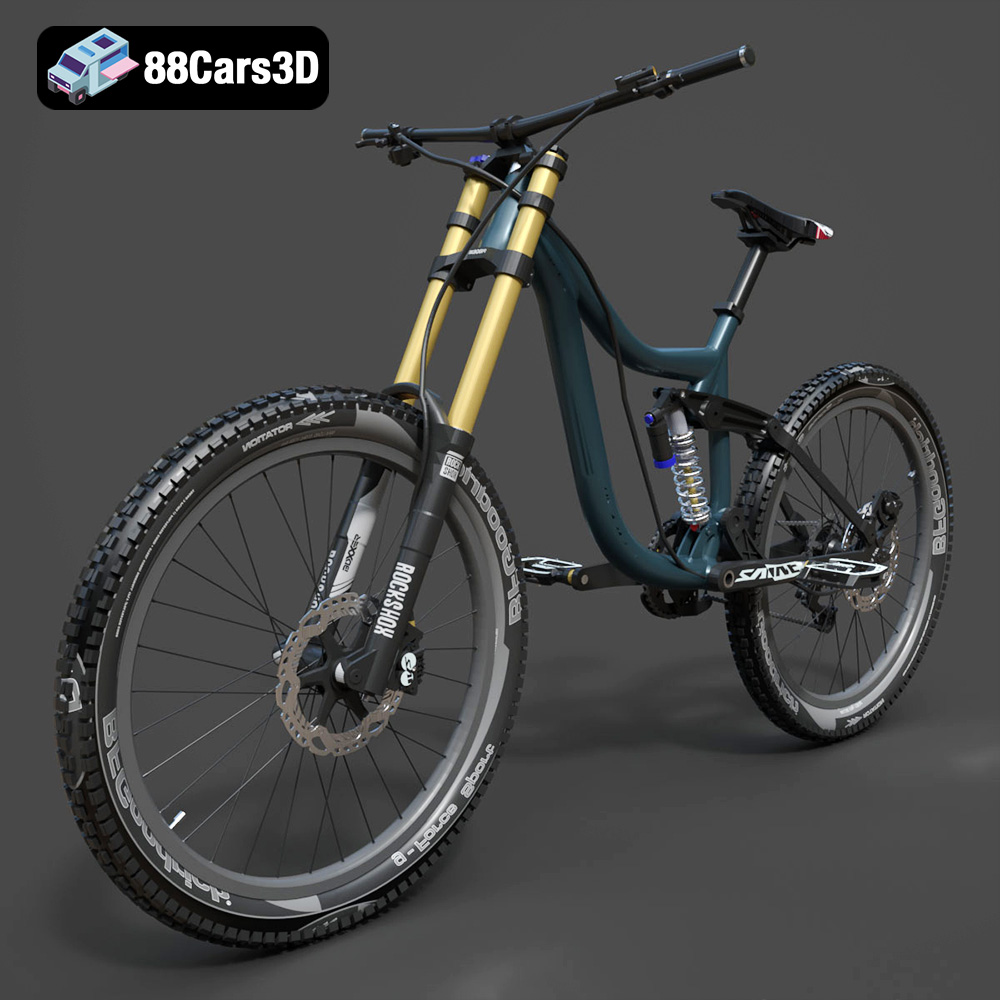
Texture: Yes
Material: Yes
Download the Mototsikly Downhill Bike-002 3D Model featuring clean geometry, realistic detailing, and precise mechanical components. Includes .blend, .fbx, .obj, .glb, .stl, .ply, .unreal, and .max formats for rendering, simulation, and game development.
Price: $19.99
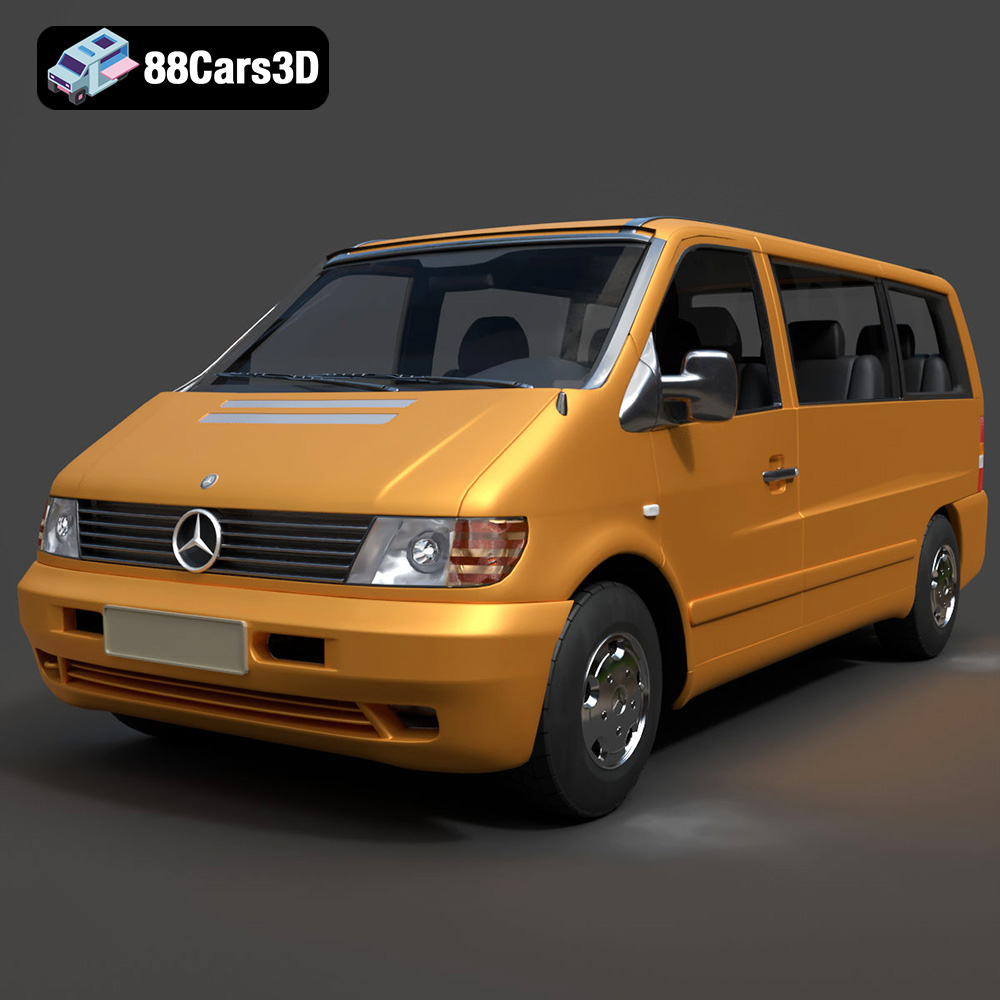
Texture: Yes
Material: Yes
Download the Mercedes-Benz Vito Passenger Van 3D Model featuring clean geometry, realistic detailing, and a fully modeled interior. Includes .blend, .fbx, .obj, .glb, .stl, .ply, .unreal, and .max formats for rendering, simulation, and game development.
Price: $19.99
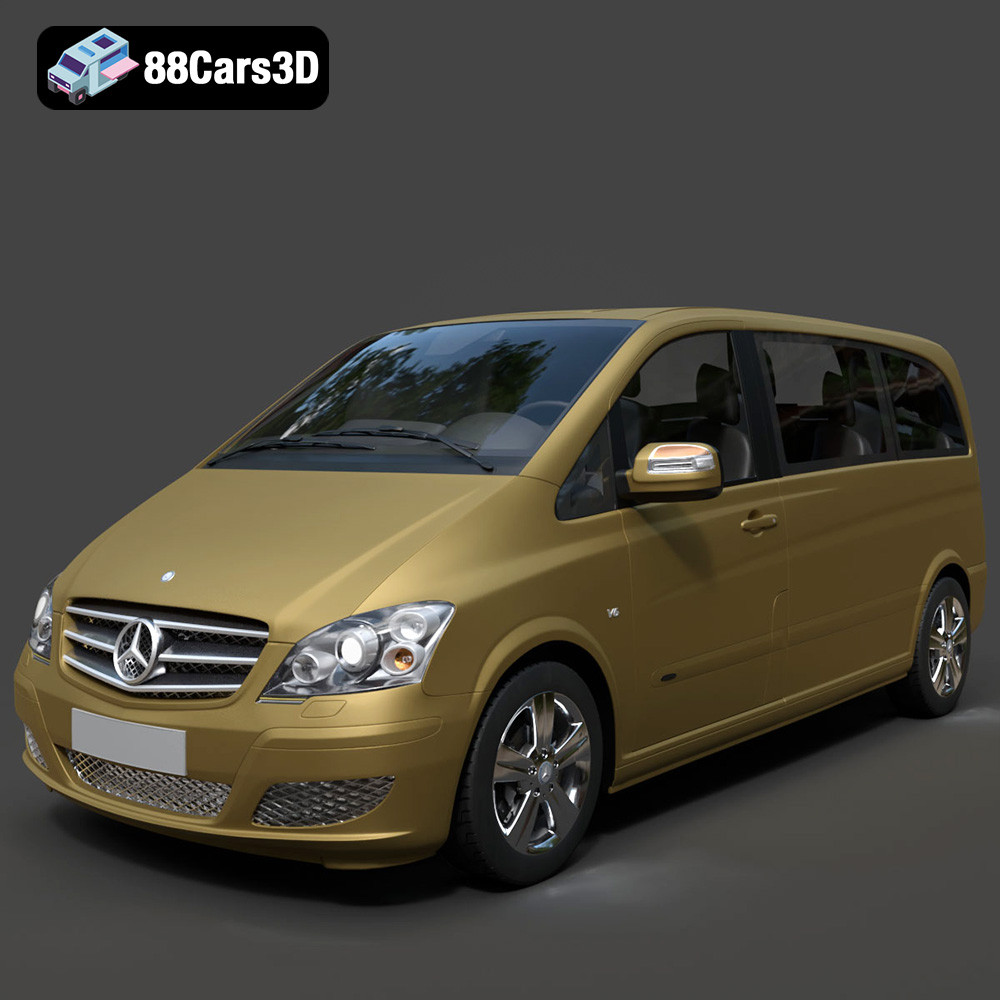
Texture: Yes
Material: Yes
Download the Mercedes-Benz Viano 2010 3D Model featuring clean geometry, realistic detailing, and a fully modeled interior. Includes .blend, .fbx, .obj, .glb, .stl, .ply, .unreal, and .max formats for rendering, simulation, and game development.
Price: $19.99

Texture: Yes
Material: Yes
Download the Emt Avtobus 007 3D Model featuring clean geometry, realistic detailing, and a fully modeled interior. Includes .blend, .fbx, .obj, .glb, .stl, .ply, .unreal, and .max formats for rendering, simulation, and game development.
Price: $19.99
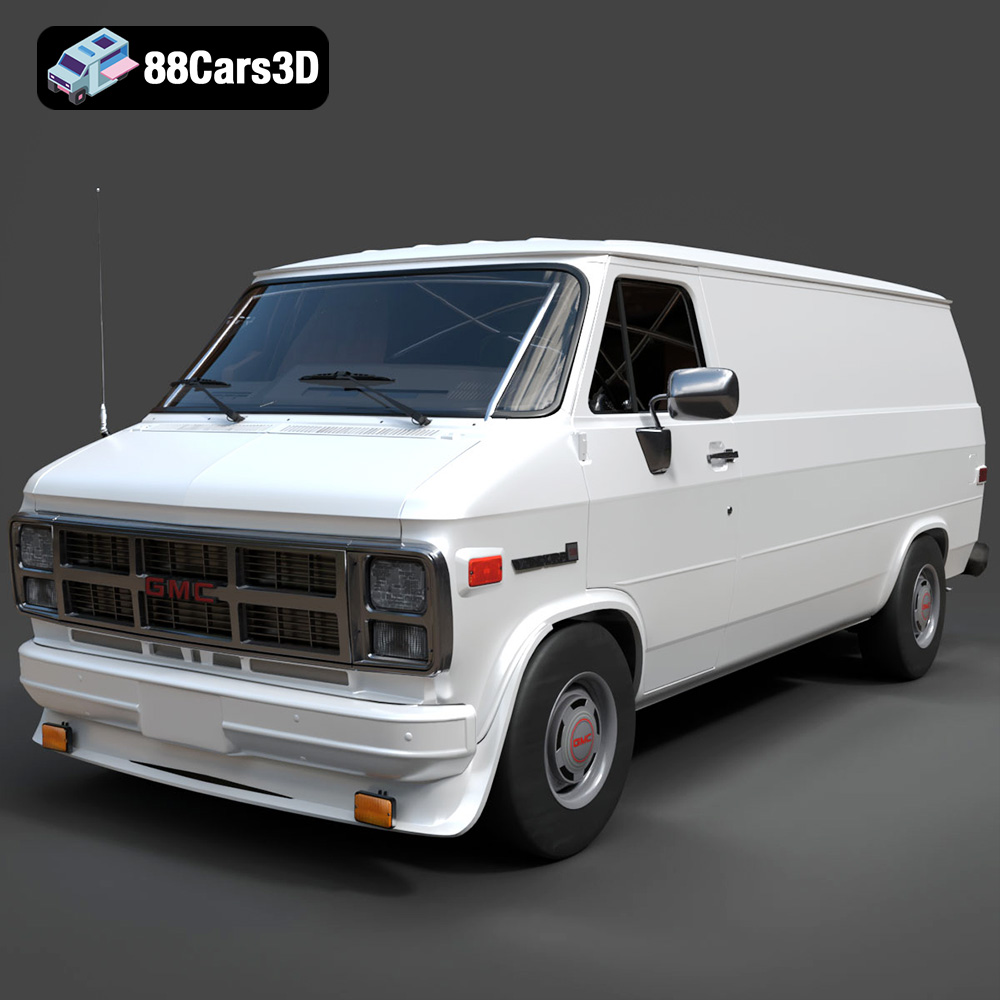
Texture: Yes
Material: Yes
Download the GMC Vandura G-1500 1983 3D Model featuring clean geometry, realistic detailing, and a fully modeled interior. Includes .blend, .fbx, .obj, .glb, .stl, .ply, .unreal, and .max formats for rendering, simulation, and game development.
Price: $19.99
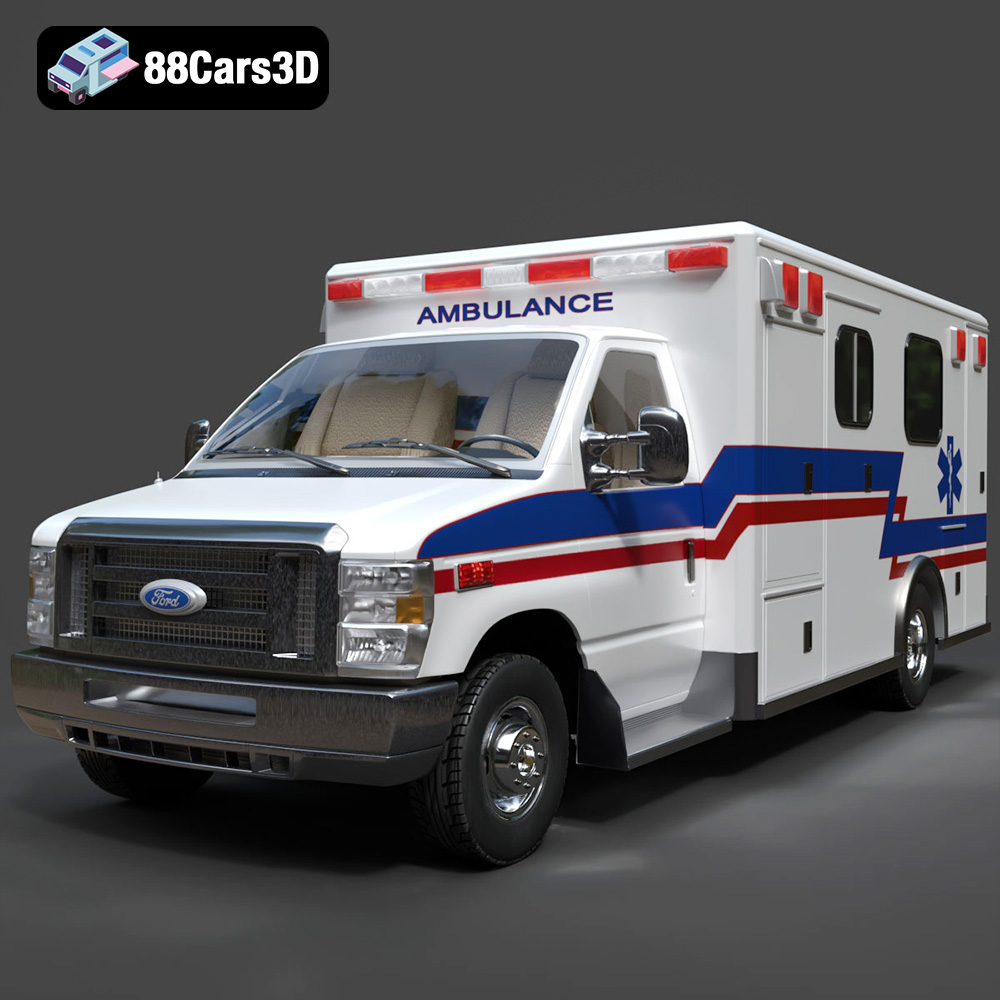
Texture: Yes
Material: Yes
Download the Ford E-450 Ambulance 3D Model featuring clean geometry, realistic detailing, and a fully modeled interior. Includes .blend, .fbx, .obj, .glb, .stl, .ply, .unreal, and .max formats for rendering, simulation, and game development.
Price: $19.99

