⚡ FLASH SALE: Get 60% OFF All Premium 3D & STL Models! ⚡

The quest for ultimate realism in game development, architectural visualization, and cinematic experiences has always pushed the boundaries of technology. In the realm of interactive 3D, physics simulation plays a pivotal role, transforming static environments into dynamic, reactive worlds. Unreal Engine, a leader in real-time rendering, has taken a monumental leap forward with its Chaos Physics System. This powerful, highly scalable physics engine empowers developers and artists to create truly immersive destruction, intricate vehicle dynamics, and believable object interactions that were once the exclusive domain of offline renderers.
For professionals working with Unreal Engine for automotive visualization, game development, or virtual production, Chaos Physics is a game-changer. Imagine meticulously crafted 3D car models from platforms like 88cars3d.com, not just looking stunning, but reacting to collisions with realistic deformation and debris, or driving with unparalleled authenticity. This isn’t just about eye candy; it’s about enhancing immersion, enabling rich gameplay mechanics, and creating compelling narratives. In this comprehensive guide, we’ll delve deep into the Unreal Engine Chaos Physics System, exploring its capabilities for destruction, advanced vehicle simulation, and optimization strategies, equipping you with the knowledge to unleash dynamic realism in your next project.
At its core, the Unreal Engine Chaos Physics System is Epic Games’ bespoke physics engine, designed from the ground up to replace the legacy PhysX system. Introduced with Unreal Engine 4.23 and becoming the default in Unreal Engine 5, Chaos offers a robust, multi-threaded, and highly scalable solution for all physics-related computations. Its development was driven by the need for more granular control, better performance on modern hardware, and the ability to handle massive-scale destruction and complex simulations required for next-generation titles and interactive experiences.
One of Chaos’s significant advantages lies in its modular and parallel processing architecture. Unlike previous systems, Chaos is built to leverage multi-core CPUs efficiently, ensuring that complex simulations don’t bottleneck performance. This determinism means that simulations should produce the same results consistently across different machines, a crucial feature for competitive multiplayer games and reliable virtual production workflows. From rigid body dynamics and soft body simulation to cloth, fluids, and vehicle physics, Chaos provides a unified framework, allowing for seamless interactions between different physical phenomena within your scene.
The fundamental design of Chaos emphasizes modularity and data-driven approaches. It operates on a series of solvers that can be independently configured and optimized. This allows developers to fine-tune specific aspects of the physics simulation without affecting others. For instance, the destruction solver can be tweaked for debris count and fracture patterns, while the vehicle solver focuses on tire friction and suspension. The system processes physics asynchronously, offloading calculations to separate threads, which minimizes the impact on the main game thread and helps maintain high frame rates, even with hundreds or thousands of interacting physics objects. This parallel processing capability is paramount for large-scale destruction scenarios or environments populated with numerous physics-enabled assets.
Enabling and configuring Chaos Physics in your Unreal Engine project is straightforward. For new Unreal Engine 5 projects, Chaos is the default physics engine. If you’re working with an older project or need to verify, you can navigate to Edit > Project Settings > Physics > General. Here, you’ll find options to enable or disable specific Chaos solvers, such as the Chaos Destruction Plugin. While many Chaos features are accessible directly through Blueprints, more advanced configurations or custom behaviors might involve C++ development, allowing for deeper integration and specialized solvers. A critical first step for any project intending to utilize Chaos is to ensure the relevant Chaos plugins (e.g., ChaosVehiclesPlugin, ChaosNiagara, GeometryCollectionPlugin) are enabled in Edit > Plugins. Once enabled, the engine will prompt for a restart, after which you’ll have full access to Chaos’s capabilities within your editor.
One of the most visually stunning applications of Chaos Physics is its ability to create highly realistic and interactive destruction. This is primarily facilitated through Geometry Collections, a special type of asset that replaces traditional destructible meshes. A Geometry Collection allows a single static mesh to be fractured into many smaller pieces, which then respond to physics impulses, impacts, and forces in real-time. This system is incredibly versatile, enabling anything from a subtle crack in a wall to the complete disintegration of a complex structure, making it ideal for dynamic environments in games and compelling automotive crash simulations.
To create a Geometry Collection, you simply select a static mesh in your Content Browser, right-click, and choose Create Geometry Collection. This action opens the Fracture Editor, a dedicated tool within Unreal Engine for defining how a mesh breaks apart. The Fracture Editor provides a suite of tools for various fracture types, including Voronoi, planar, radial, and cluster fractures. Voronoi fracturing is particularly powerful, generating organic, glass-like break patterns, while planar cuts are useful for simulating cuts or clean breaks. By manipulating these tools, artists can control the density of fragments, the patterns of destruction, and even assign different physical properties to various pieces.
Achieving truly convincing destruction goes beyond simply fracturing a mesh; it involves meticulous tuning of parameters within the Geometry Collection. In the Fracture Editor, you can adjust settings such as Min/Max Vertices in Fracture to control the size range of debris, or Explosion Strength for radial fractures. The Material Properties section is crucial: here you can define parameters like Stress Threshold (how much force before breaking), Damage Threshold (accumulated damage before fracturing), Toughness (resistance to breaking), and Adhesion (how strongly pieces stick together initially). For instance, a brittle material like glass would have a low toughness and stress threshold, leading to immediate shattering, while concrete might have a higher toughness and require more sustained force.
Beyond initial fracturing, Chaos allows for dynamic and progressive destruction. You can set up multiple fracture levels, where larger chunks can themselves be fractured further upon subsequent impacts. This multi-level destruction adds immense realism, especially for large structures or vehicles. Blueprint scripting can be used to dynamically alter fracture parameters at runtime, for example, making a material weaker after repeated impacts. Furthermore, incorporating internal materials for fractured surfaces allows artists to define a distinct look for the inside of a broken object, adding another layer of visual fidelity. This meticulous control ensures that every destruction event feels unique and physically plausible.
For automotive visualization and game development, the potential of Geometry Collections combined with Chaos Physics is immense. Imagine creating a realistic car crash simulation where a vehicle’s windshield shatters into hundreds of fragments, its bumpers crumple, and body panels dent and tear away. This level of detail elevates the experience from mere observation to genuine immersion. To achieve this, individual car parts (e.g., windshield, hood, door, bumper) can be turned into separate Geometry Collections. When sourcing high-quality, pre-optimized 3D car models from marketplaces such as 88cars3d.com, ensure the models have clean topology and separated meshes for individual components, making them ideal candidates for this process.
You can then use Blueprint scripting to detect collisions between the vehicle and environmental objects, or between different parts of the vehicle, triggering specific destruction events. For example, a high-impact collision could apply an impulse to the car’s hood Geometry Collection, causing it to deform and fracture according to its material properties. You can even create chains of destruction, where the shattering of a window could then cause a weaker frame to deform. By carefully orchestrating these events, you can build compelling damage models that react in real-time, providing players or viewers with visually stunning and physically accurate feedback. This opens up possibilities for interactive car configurators that demonstrate damage resilience, or highly engaging crash test simulations for automotive engineering visualization.
The Unreal Engine Chaos Physics System also includes a completely rewritten and highly capable vehicle simulation framework: Chaos Vehicles. This system provides a robust and flexible solution for creating realistic vehicle dynamics, replacing the older PhysX vehicle implementation. Chaos Vehicles offers greater control over individual wheel setups, suspension behavior, engine characteristics, and tire friction models, allowing developers to craft an incredibly diverse range of vehicles, from high-performance sports cars to heavy-duty trucks and off-road vehicles. This precision makes it an invaluable tool for automotive game development, driving simulators, and interactive product demonstrations.
Setting up a Chaos Vehicle Blueprint involves configuring a series of components and parameters that define the vehicle’s physical properties. You start by adding a Chaos Vehicle Movement Component to your Blueprint, which then exposes all the necessary settings. Key steps include defining the number and configuration of wheels, specifying their individual dimensions (radius, width), and assigning physics assets to represent the vehicle’s body and wheels. The engine and transmission curves allow for detailed control over power output, gear ratios, and torque, enabling you to replicate the performance characteristics of real-world vehicles with remarkable accuracy. This depth of configuration ensures that your vehicles don’t just move, but truly ‘feel’ unique and authentic to drive.
Tuning the parameters of Chaos Vehicles is where the art of vehicle simulation truly shines. You have extensive control over suspension properties (spring stiffness, damping, anti-roll bars), which dictate how the vehicle handles bumps and corners. Tire friction models can be adjusted for different surface types and tire compounds, influencing grip, drifting behavior, and braking performance. Crucially, the vehicle’s center of mass (COM) and inertia tensor can be precisely positioned and adjusted. A lower COM generally leads to more stable handling, while a higher COM can make a vehicle more prone to rolling. Experimenting with these settings allows you to fine-tune handling characteristics, from precise race car control to the more unpredictable, heavy feel of a monster truck.
Connecting input controls (steering, throttle, brake, handbrake) is typically done through Blueprint scripting, mapping player input to the Chaos Vehicle Movement Component’s functions. This allows for intuitive and responsive driving controls. Furthermore, Chaos Vehicles supports various drivetrain configurations, including front-wheel drive (FWD), rear-wheel drive (RWD), all-wheel drive (AWD), and even tank tracks, providing the flexibility to simulate almost any ground-based vehicle. For advanced users, it’s possible to expose more parameters and create custom friction models or adaptive suspension systems using C++, pushing the boundaries of realism even further. The detailed nature of these controls ensures that vehicles behave not just believably, but in a way that is engaging and fun for players.
One of the most exciting integrations for automotive projects is combining Chaos Vehicles with Geometry Collections to simulate real-time, progressive vehicle damage. Instead of pre-baked damage states or simple mesh swapping, you can have a car dynamically deform, shed parts, and accumulate damage based on actual physics interactions. To achieve this, key components of your 3D car models – such as the hood, fenders, doors, and bumpers – are converted into Geometry Collections, each with their own material and fracture properties. When sourcing high-quality, game-ready assets from platforms like 88cars3d.com, selecting models with modular components is highly beneficial for this workflow, as it allows for easy isolation and fracturing of individual parts.
Blueprint scripting becomes essential here. You can set up collision events that detect the force of an impact on specific Geometry Collections attached to the vehicle. Based on the impact’s magnitude, you can trigger different levels of fracturing or deformation. For instance, a minor scrape might only cause a small dent, while a high-speed crash could result in a fender tearing off and shattering. You can even tie these destruction events to the vehicle’s “health” or integrity system, where sustained damage leads to more severe visual changes. This system isn’t limited to mere visuals; fractured components can then interact physically with the world as debris, adding another layer of realism. Imagine a headlight breaking off and rolling down the road, or a crumpled hood obstructing the driver’s view. This dynamic damage system provides unprecedented fidelity for crash simulations, interactive automotive demos, and cinematic destruction sequences.
While the Unreal Engine Chaos Physics System offers incredible power and fidelity, managing its performance for real-time applications, especially with high-poly 3D car models and complex destruction, requires careful optimization. A large number of active physics objects or overly complex simulations can quickly impact frame rates. The key is to find a balance between visual realism and computational efficiency, ensuring your experiences run smoothly on target hardware. Understanding the underlying mechanisms of Chaos and applying strategic optimization techniques is crucial for harnessing its full potential without compromising performance.
Performance considerations for physics simulations typically revolve around the number of rigid bodies, their complexity (collision geometry), and the complexity of their interactions. Each fracture chunk in a Geometry Collection, for example, becomes a separate rigid body once fractured. While Chaos is highly optimized for multi-threading, an excessive amount of small, complex chunks constantly interacting can still become a bottleneck. It’s not just about what’s visible, but what’s being calculated in the physics simulation. Effective optimization involves intelligent culling, managing geometric complexity, and leveraging Unreal Engine’s advanced rendering features.
When working with Geometry Collections, managing the chunk count is paramount. While it’s tempting to fracture a mesh into thousands of tiny pieces for maximum realism, this significantly increases the number of rigid bodies the physics engine needs to simulate. Aim for a sensible balance: perhaps hundreds rather than thousands of chunks for a car part. You can also use different fracture settings for different levels of detail or importance. For instance, a main body panel might have fewer, larger chunks, while a headlight might shatter into many small, distinct pieces.
Leveraging “sleeping” objects and culling is another vital strategy. Chaos automatically puts objects that are not moving or interacting into a “sleeping” state, pausing their simulation until they are disturbed. Ensure your Geometry Collections are set up to sleep efficiently. For objects that are out of sight or far from the player, you can implement distance-based culling or simplification through Blueprint. Furthermore, Nanite virtualized geometry plays a critical role. While Nanite handles the rendering of incredibly high-polygon geometry with minimal performance cost, the physics simulation still uses simplified collision geometry. Ensure your collision meshes are optimized and do not have unnecessary complexity. For Geometry Collections, you can specify a maximum number of chunks that will be simulated before they disappear or merge into a single static mesh, using the Culling settings within the Geometry Collection asset. Additionally, implement Level of Detail (LODs) for fractured meshes, allowing chunks to simplify their collision geometry or even disappear at greater distances, further reducing the simulation load.
For large-scale open-world environments featuring extensive physics-driven elements, Unreal Engine’s World Partition system becomes indispensable. World Partition intelligently streams in and out portions of your world based on the player’s proximity, significantly reducing the amount of data loaded into memory and processed at any given time. This principle extends to physics-enabled actors, including Geometry Collections and Chaos Vehicles.
When configured correctly, World Partition ensures that physics calculations only occur for actors within the currently loaded cells. This prevents the physics engine from having to simulate thousands of distant, inactive objects. However, careful planning is required. You need to consider how physics interactions might span cell boundaries and ensure that relevant physics actors are streamed in proactively to avoid visual glitches or sudden appearing/disappearing physics events. Using data layers within World Partition allows you to organize and stream specific types of content, such as all physics-enabled objects, independently. By effectively managing streaming and culling with World Partition, you can create massive, dynamic environments where Chaos Physics contributes to realism without overwhelming your system resources, making it ideal for large automotive game worlds or expansive visualization projects.
The true power of the Unreal Engine Chaos Physics System isn’t just in its standalone capabilities, but in its seamless integration with other core Unreal Engine features. This synergy allows for the creation of incredibly rich, interactive, and visually stunning experiences. By combining Chaos with systems like Niagara for visual effects, Lumen for global illumination, and Sequencer for cinematic orchestration, developers can build truly next-generation content that pushes the boundaries of real-time rendering and simulation.
Visual effects are often the crucial feedback mechanism for physics events, and Niagara, Unreal Engine’s advanced particle system, offers deep integration with Chaos Physics. When a Geometry Collection fractures or a vehicle impacts a surface, you can use Niagara to spawn dynamic visual effects that perfectly complement the physics simulation. Imagine sparks flying as metal grinds against concrete, dust plumes erupting from a destructive impact, or smoke trails billowing from a skidding tire. This is all possible by leveraging Niagara’s event handlers.
Within Niagara, you can set up emitters to listen for Chaos Physics events, such as ‘OnCollision’ or ‘OnFracture’. When a collision or fracture occurs, the Niagara system can then use data from that event (e.g., impact location, normal vector, impact force) to spawn particles with appropriate velocity, color, and size. For example, a vehicle crash could trigger a Niagara system to spawn metallic debris particles and a dissipating dust cloud at the point of impact. You can also drive material parameters based on Chaos data, allowing surfaces to visibly deform or scorch where a physics impact has occurred. This direct communication between Chaos and Niagara ensures that your visual effects are not just decorative, but intrinsically linked to the physics simulation, enhancing realism and player feedback significantly.
For automotive cinematics, marketing renders, or virtual production workflows, orchestrating complex physics simulations is crucial. Unreal Engine’s Sequencer, the non-linear cinematic editor, provides the perfect environment for this. You can keyframe Chaos Physics events, animate forces, and record simulations within Sequencer to create highly controlled and repeatable cinematic sequences. Imagine choreographing a car chase where vehicles precisely crash and deform at specific moments, or a dynamic reveal of a new vehicle model with environmental interactions.
Sequencer allows you to “bake” physics simulations, transforming dynamic physics actors into static animation data, which is invaluable for performance optimization in cinematics or for exporting to other tools. For virtual production, especially with LED volumes, the precision and real-time nature of Chaos Physics combined with Sequencer are revolutionary. You can simulate and render complex vehicle stunts or environmental destruction in real-time, providing immediate visual feedback to directors and allowing for iterative adjustments on set. Furthermore, Chaos interacts seamlessly with Lumen, Unreal Engine 5’s global illumination system. As a fractured environment changes or a vehicle deforms, Lumen automatically updates the lighting and reflections in real-time, ensuring that dynamic physics events are fully integrated into the scene’s overall lighting, maintaining photorealism even during rapid changes. This comprehensive integration ensures that Chaos Physics is not just a backend simulation, but a powerful artistic tool for storytelling and visual spectacle.
The Unreal Engine Chaos Physics System represents a monumental leap forward in real-time simulation, offering unprecedented power and flexibility for creating dynamic and interactive worlds. From the granular control over destruction with Geometry Collections to the intricate realism of Chaos Vehicles, this system empowers developers and artists to push the boundaries of immersion in automotive visualization, game development, and virtual production. We’ve explored how to set up your projects, master destructible environments, implement advanced vehicle dynamics, and crucially, optimize these complex simulations for real-time performance. Furthermore, the seamless integration of Chaos with other Unreal Engine features like Niagara, Sequencer, and Lumen ensures that every physics event is not only accurate but also visually stunning and artistically controllable.
The ability to create realistic car crashes, dynamic damage models, and authentic driving experiences directly within Unreal Engine opens up a vast array of possibilities. Whether you’re designing the next-generation racing game, crafting an interactive product configurator for a car manufacturer, or producing breathtaking cinematic sequences, Chaos Physics is an indispensable tool. We encourage you to dive in, experiment with its diverse features, and leverage the high-quality 3D car models available on platforms like 88cars3d.com as a foundation for your ambitious projects. By embracing the power of Chaos Physics, you’re not just simulating reality; you’re building compelling, believable, and unforgettable interactive experiences that truly resonate with your audience.

Meta Description:
Texture: Yes
Material: Yes
Download the Porsche Cayenne 3D Model featuring realistic exterior styling and detailed interior design. Includes .blend, .fbx, .obj, .glb, .stl, .ply, .unreal, and .max formats for rendering, simulation, AR VR, and game development.
Price: $19.9
Texture: Yes
Material: Yes
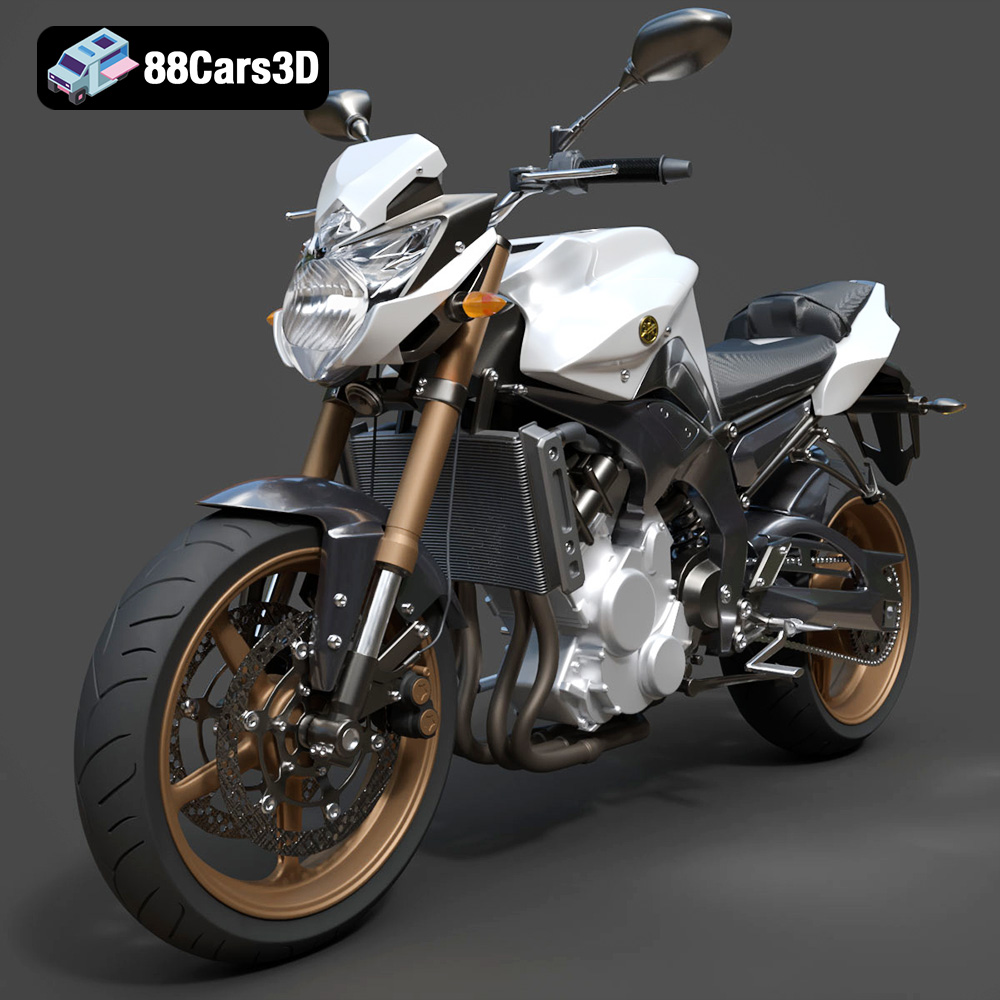
Download the Yamaha FZ8 2011 3D Model featuring clean geometry, realistic detailing, and a fully modeled interior. Includes .blend, .fbx, .obj, .glb, .stl, .ply, .unreal, and .max formats for rendering, simulation, and game development.
Price: $19.99
Texture: Yes
Material: Yes
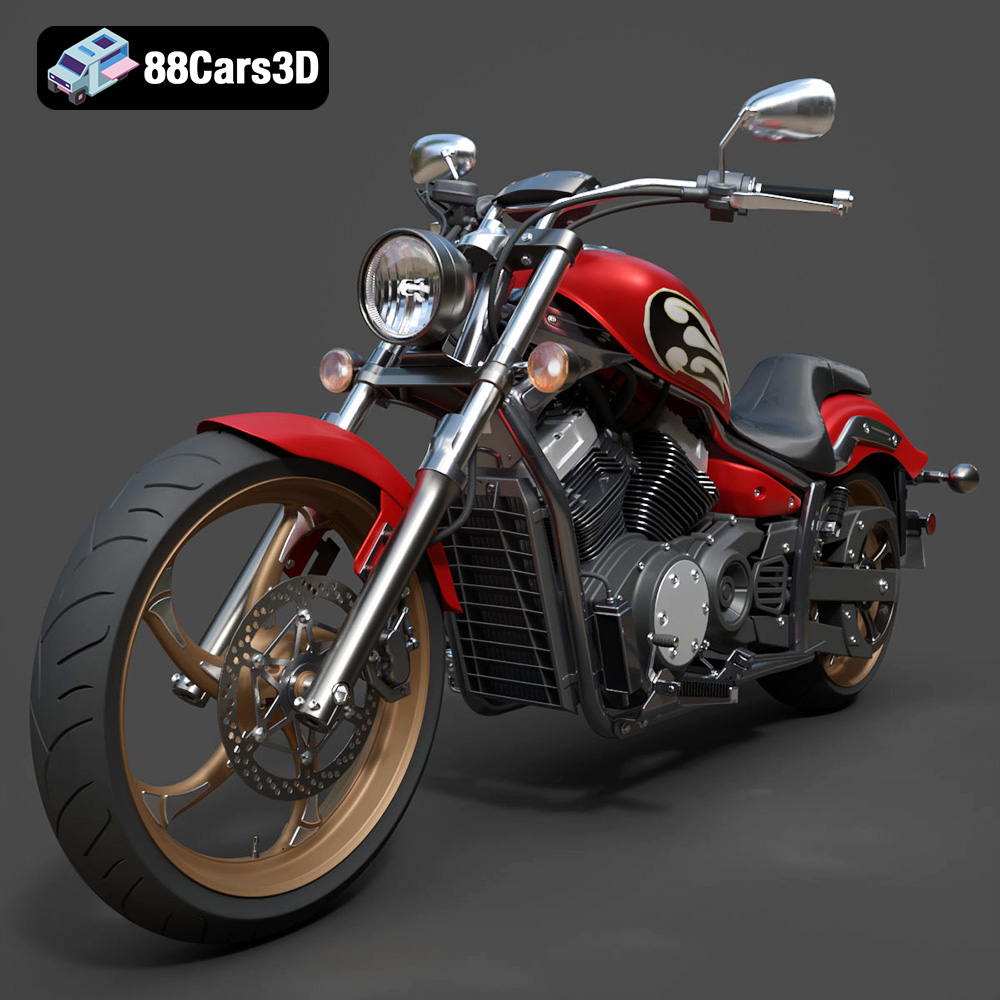
Download the Yamaha Stryker 2012 3D Model featuring clean geometry, realistic detailing, and a fully modeled interior. Includes .blend, .fbx, .obj, .glb, .stl, .ply, .unreal, and .max formats for rendering, simulation, and game development.
Price: $19.99
Texture: Yes
Material: Yes
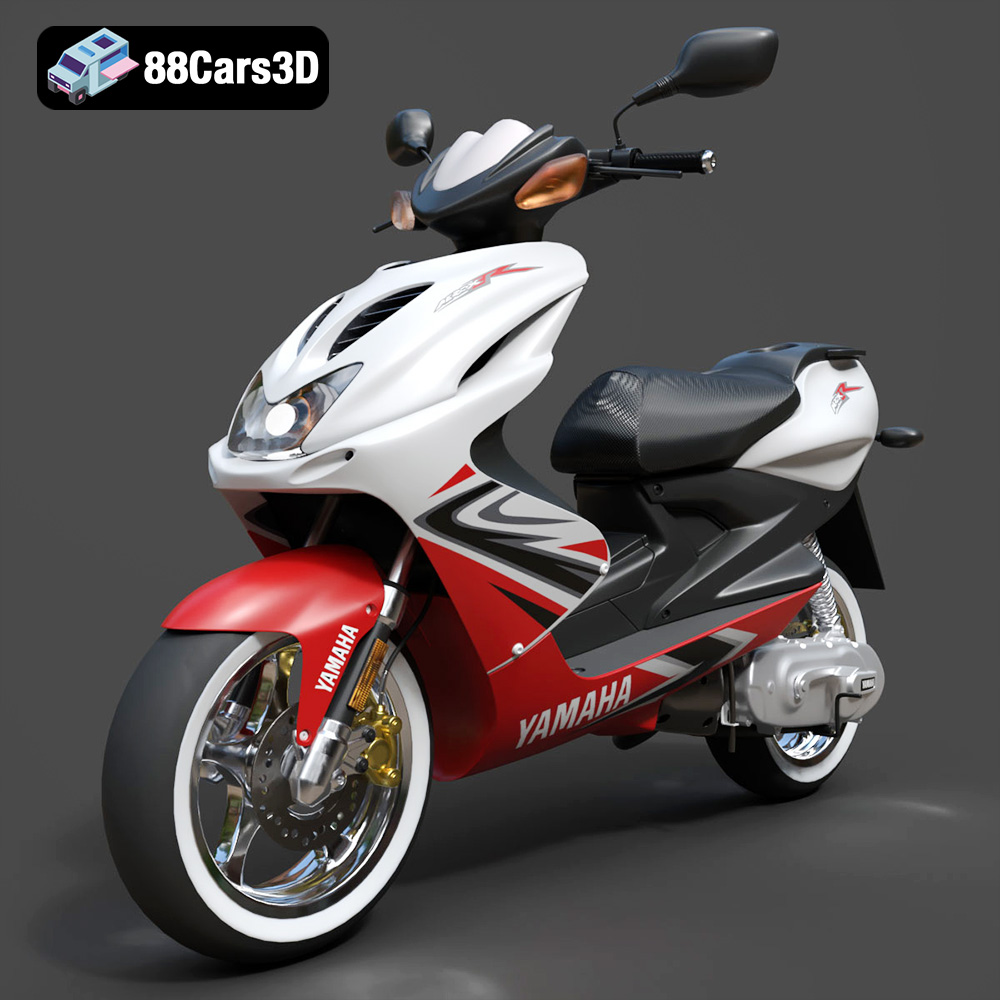
Download the Yamaha Aerox R-002 2024 3D Model featuring clean geometry, realistic detailing, and a fully modeled interior. Includes .blend, .fbx, .obj, .glb, .stl, .ply, .unreal, and .max formats for rendering, simulation, and game development.
Price: $19.99
Texture: Yes
Material: Yes
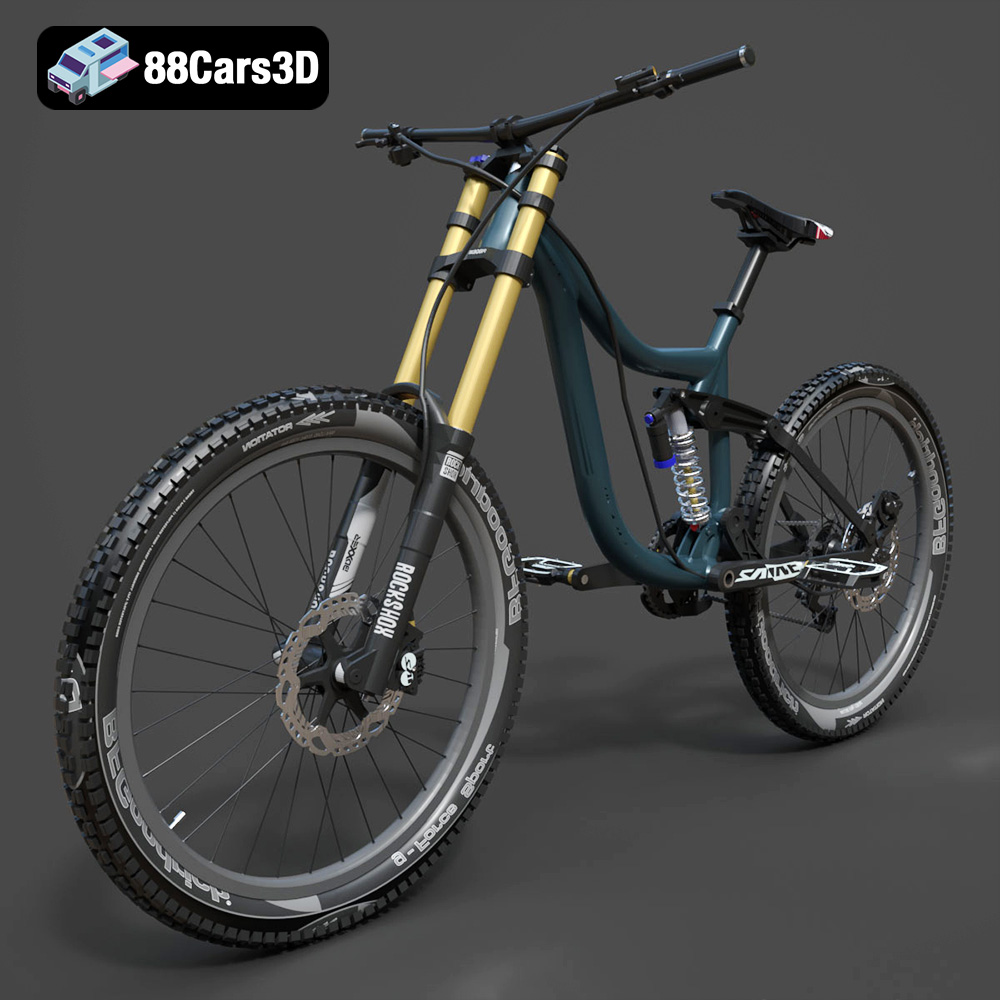
Download the Mototsikly Downhill Bike-002 3D Model featuring clean geometry, realistic detailing, and precise mechanical components. Includes .blend, .fbx, .obj, .glb, .stl, .ply, .unreal, and .max formats for rendering, simulation, and game development.
Price: $19.99
Texture: Yes
Material: Yes
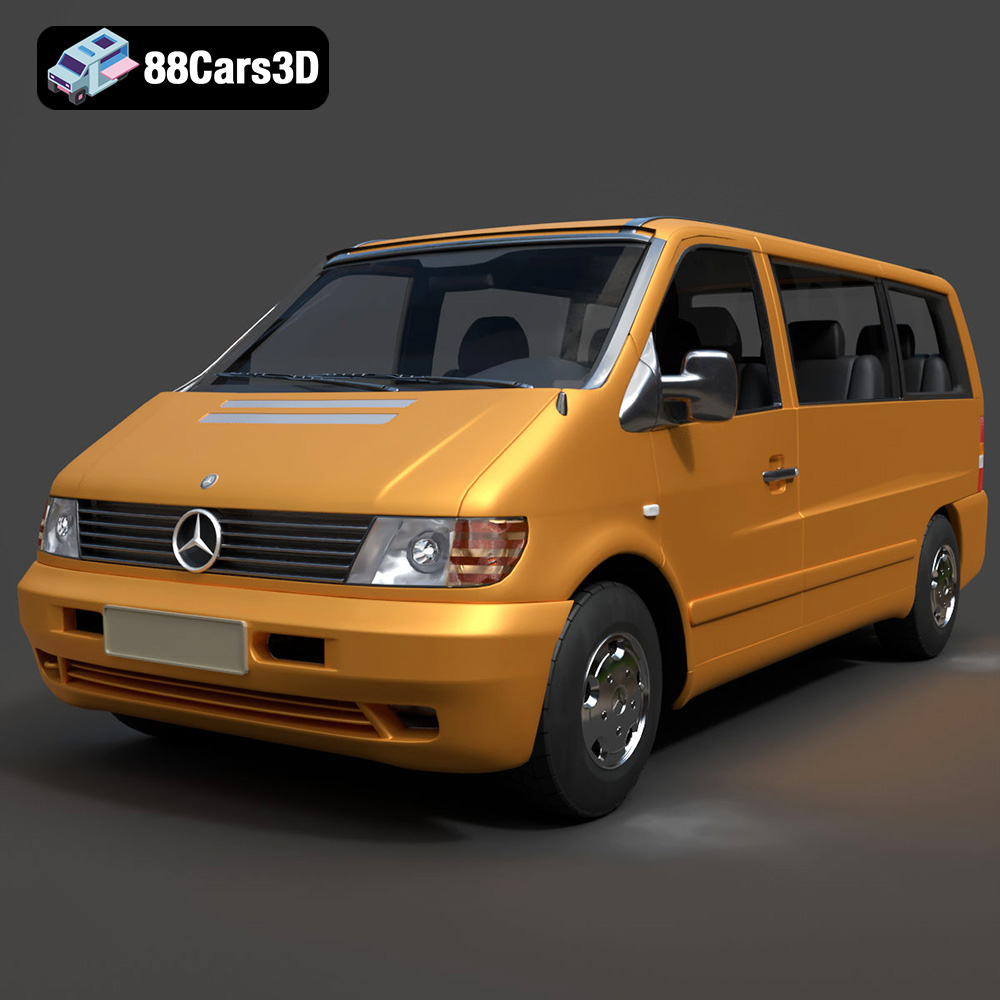
Download the Mercedes-Benz Vito Passenger Van 3D Model featuring clean geometry, realistic detailing, and a fully modeled interior. Includes .blend, .fbx, .obj, .glb, .stl, .ply, .unreal, and .max formats for rendering, simulation, and game development.
Price: $19.99
Texture: Yes
Material: Yes
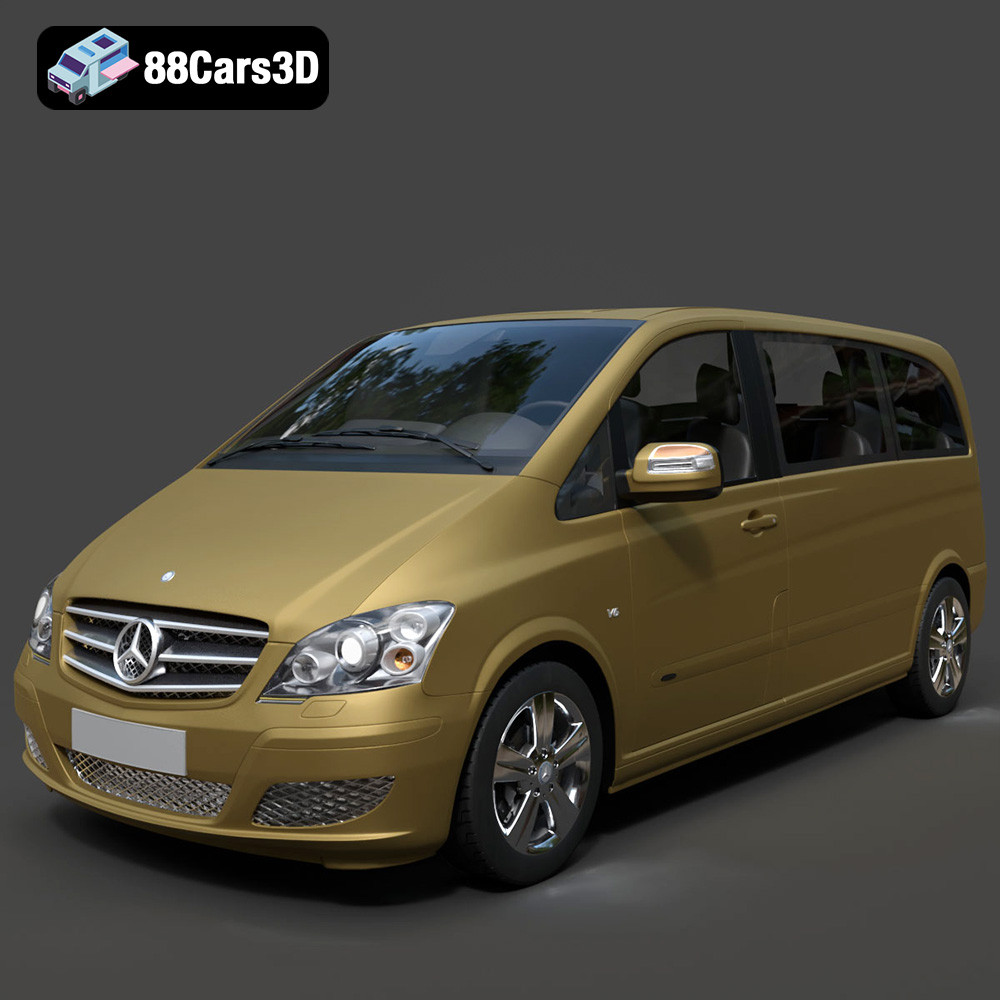
Download the Mercedes-Benz Viano 2010 3D Model featuring clean geometry, realistic detailing, and a fully modeled interior. Includes .blend, .fbx, .obj, .glb, .stl, .ply, .unreal, and .max formats for rendering, simulation, and game development.
Price: $19.99

Texture: Yes
Material: Yes
Download the Emt Avtobus 007 3D Model featuring clean geometry, realistic detailing, and a fully modeled interior. Includes .blend, .fbx, .obj, .glb, .stl, .ply, .unreal, and .max formats for rendering, simulation, and game development.
Price: $19.99
Texture: Yes
Material: Yes
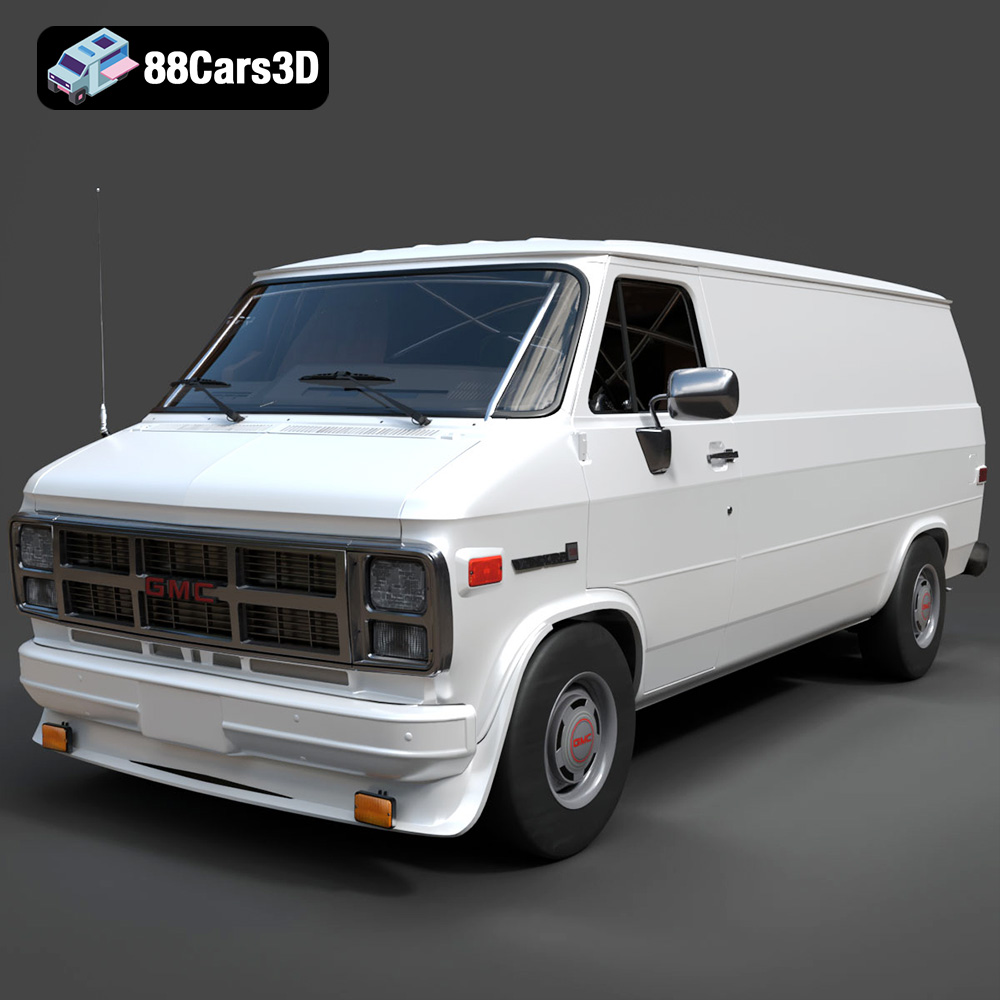
Download the GMC Vandura G-1500 1983 3D Model featuring clean geometry, realistic detailing, and a fully modeled interior. Includes .blend, .fbx, .obj, .glb, .stl, .ply, .unreal, and .max formats for rendering, simulation, and game development.
Price: $19.99

Texture: Yes
Material: Yes
Download the Ford E-450 Ambulance 3D Model featuring clean geometry, realistic detailing, and a fully modeled interior. Includes .blend, .fbx, .obj, .glb, .stl, .ply, .unreal, and .max formats for rendering, simulation, and game development.
Price: $19.99

