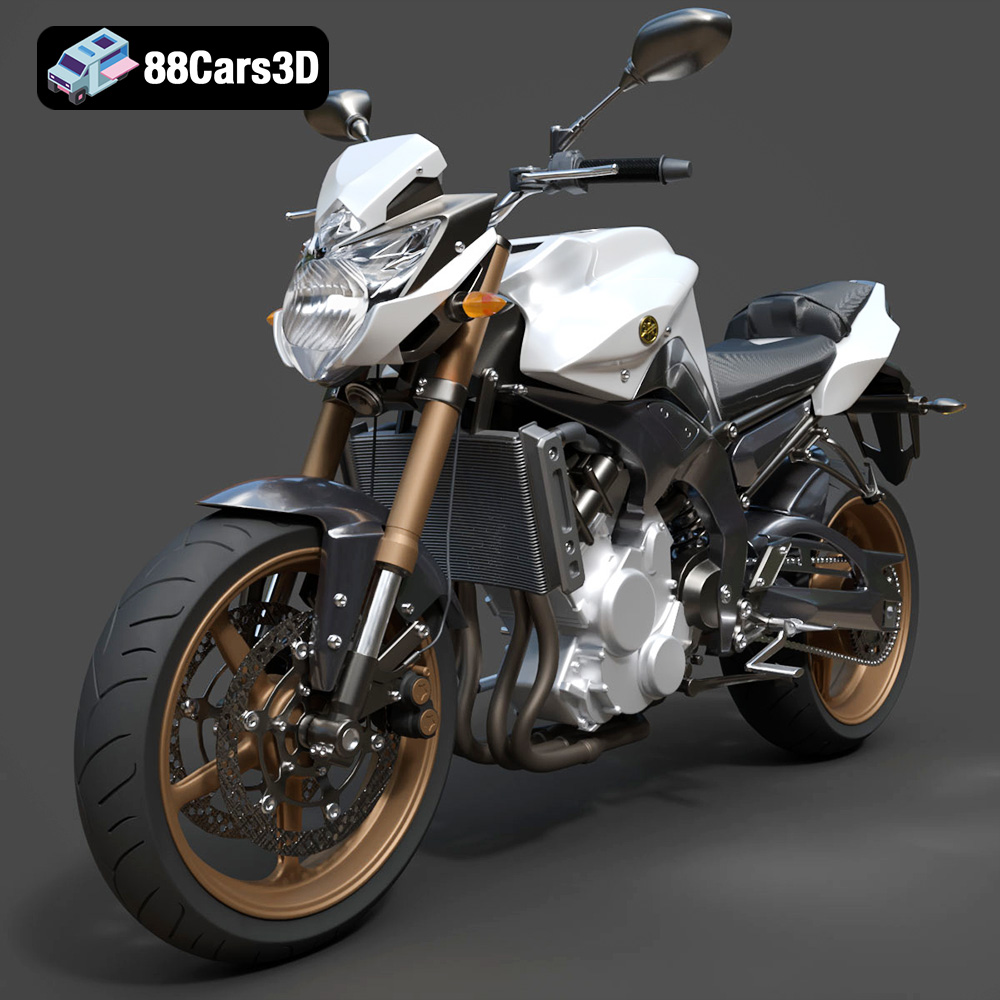
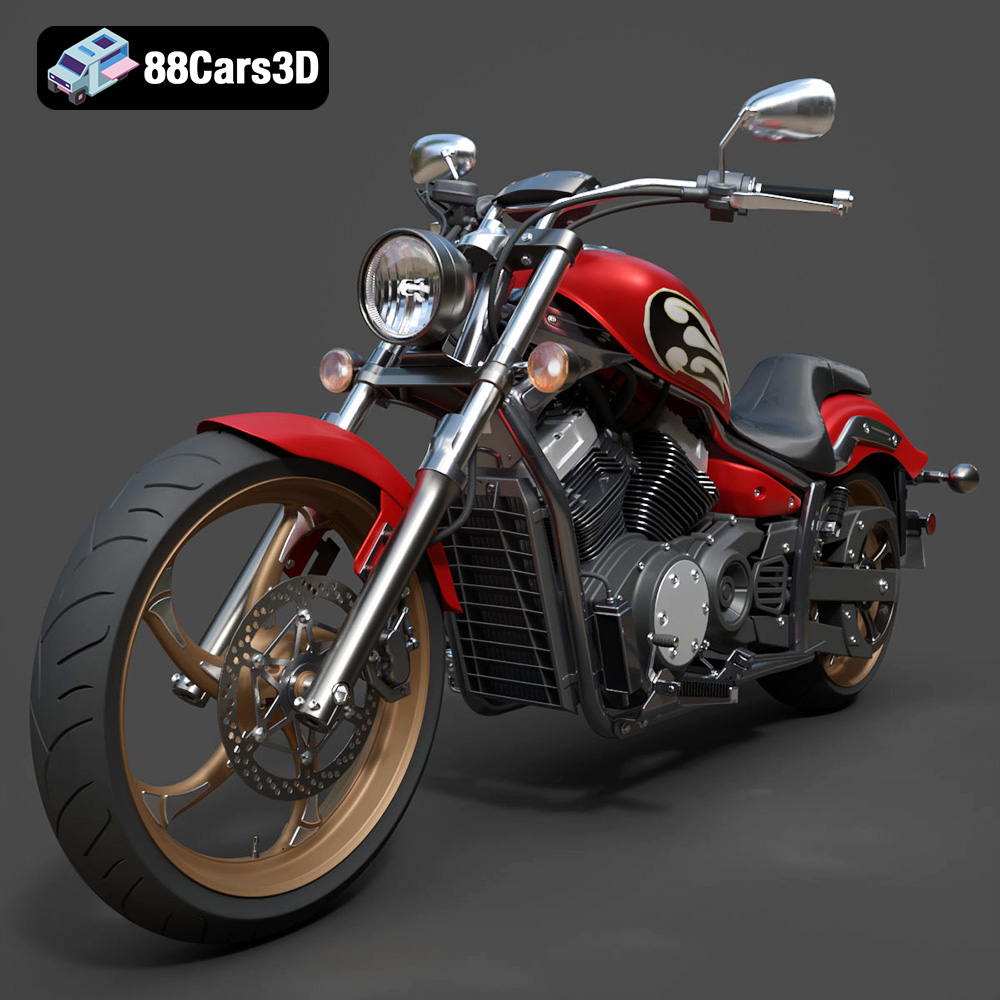
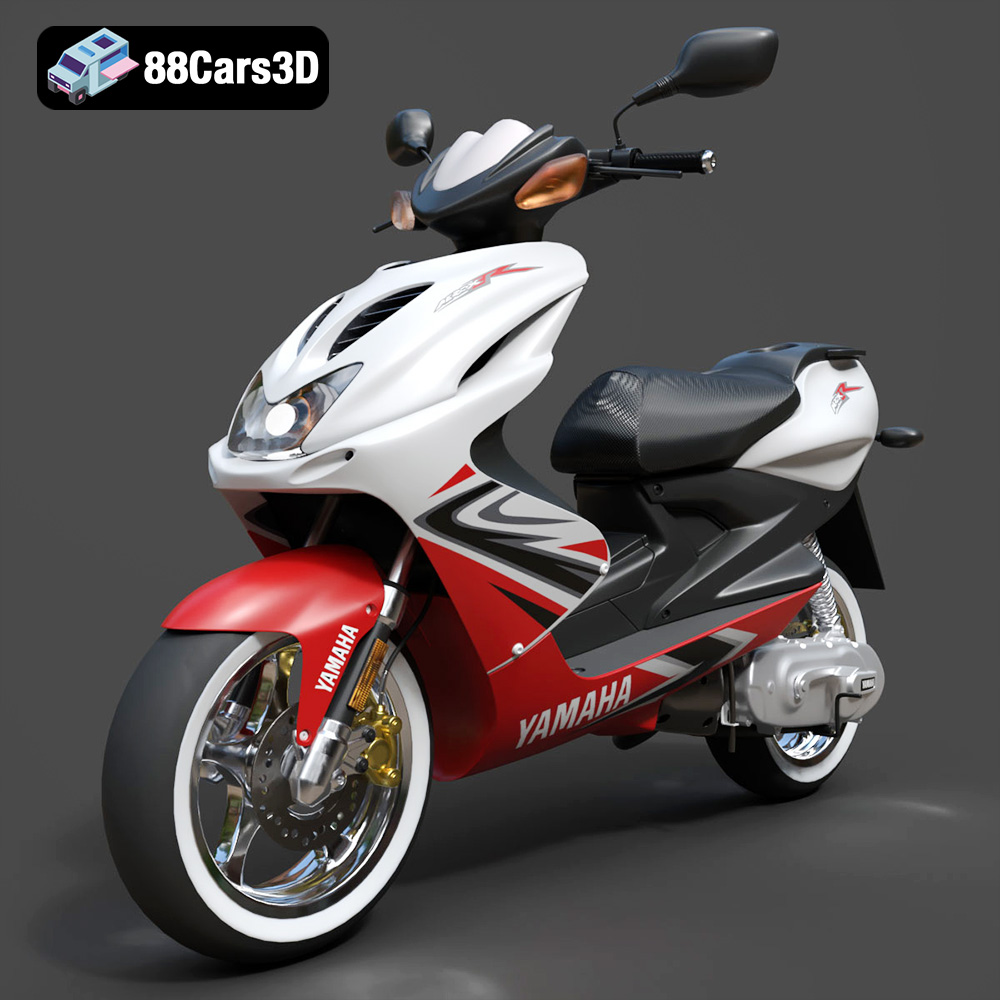
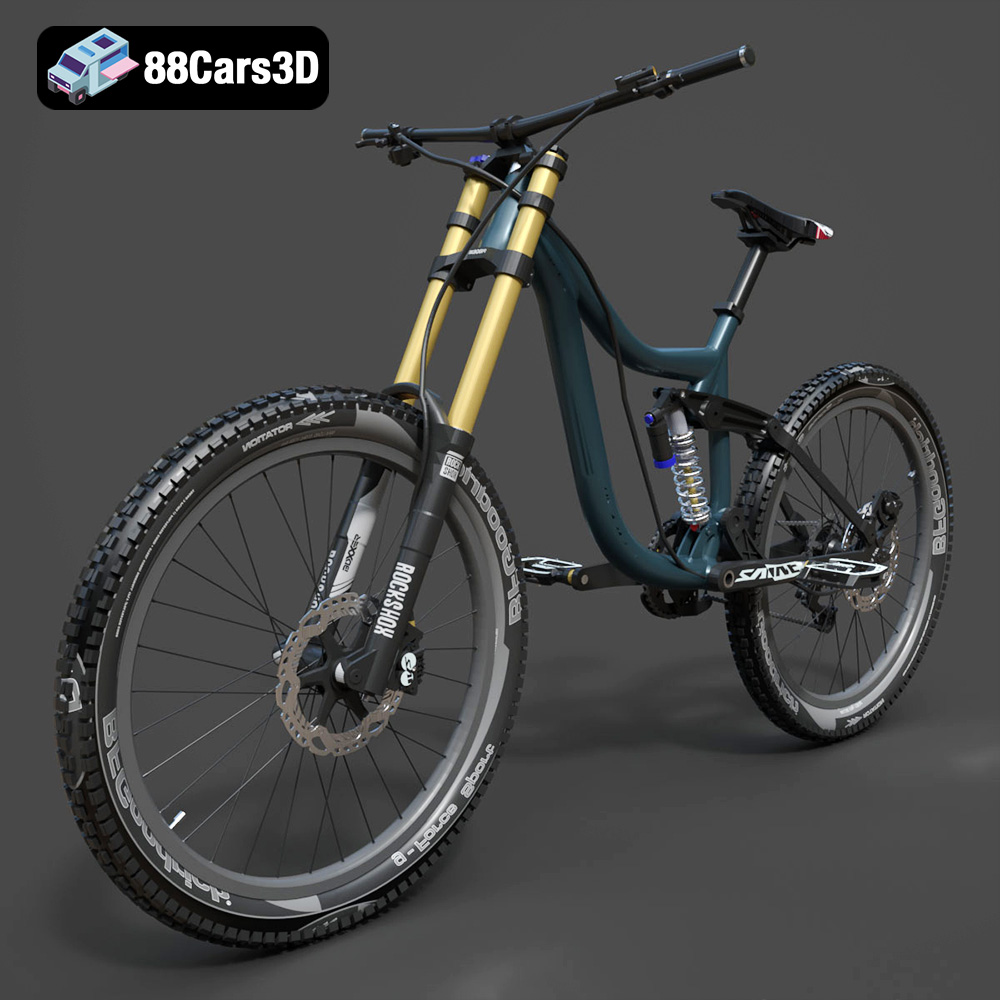
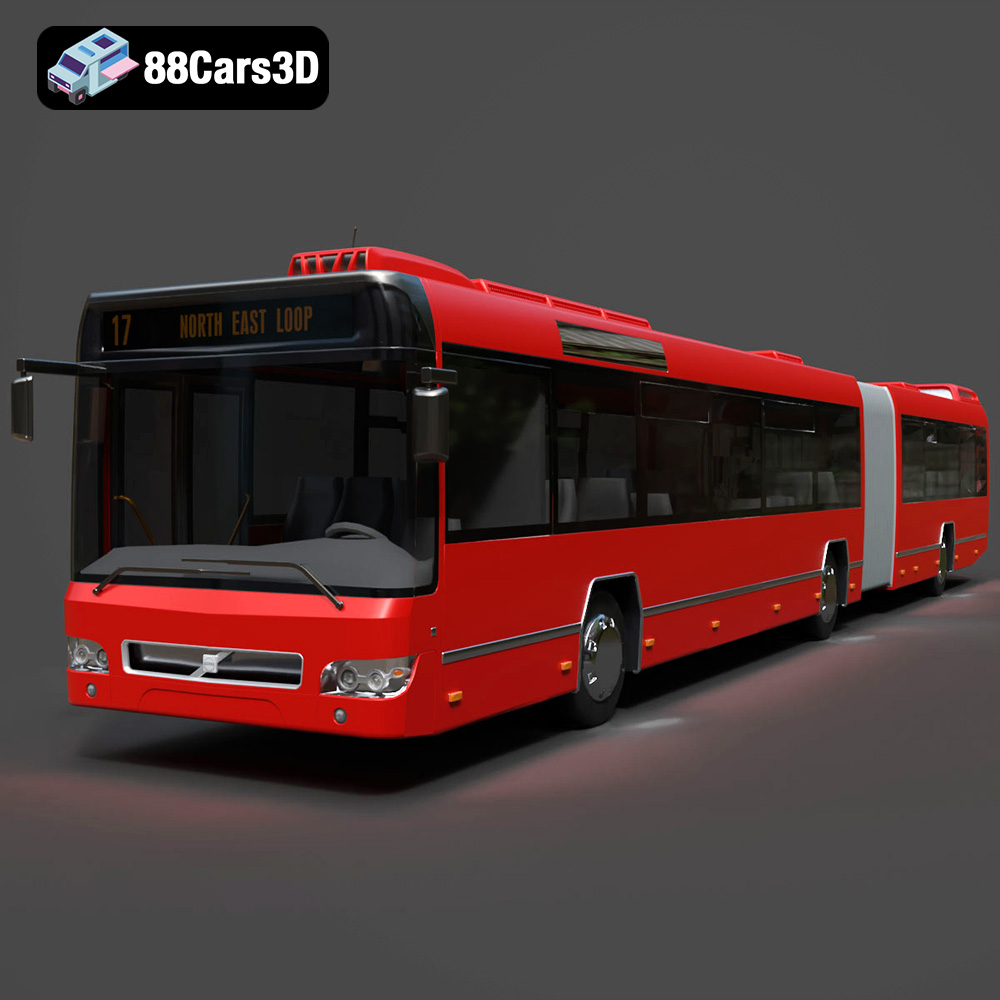
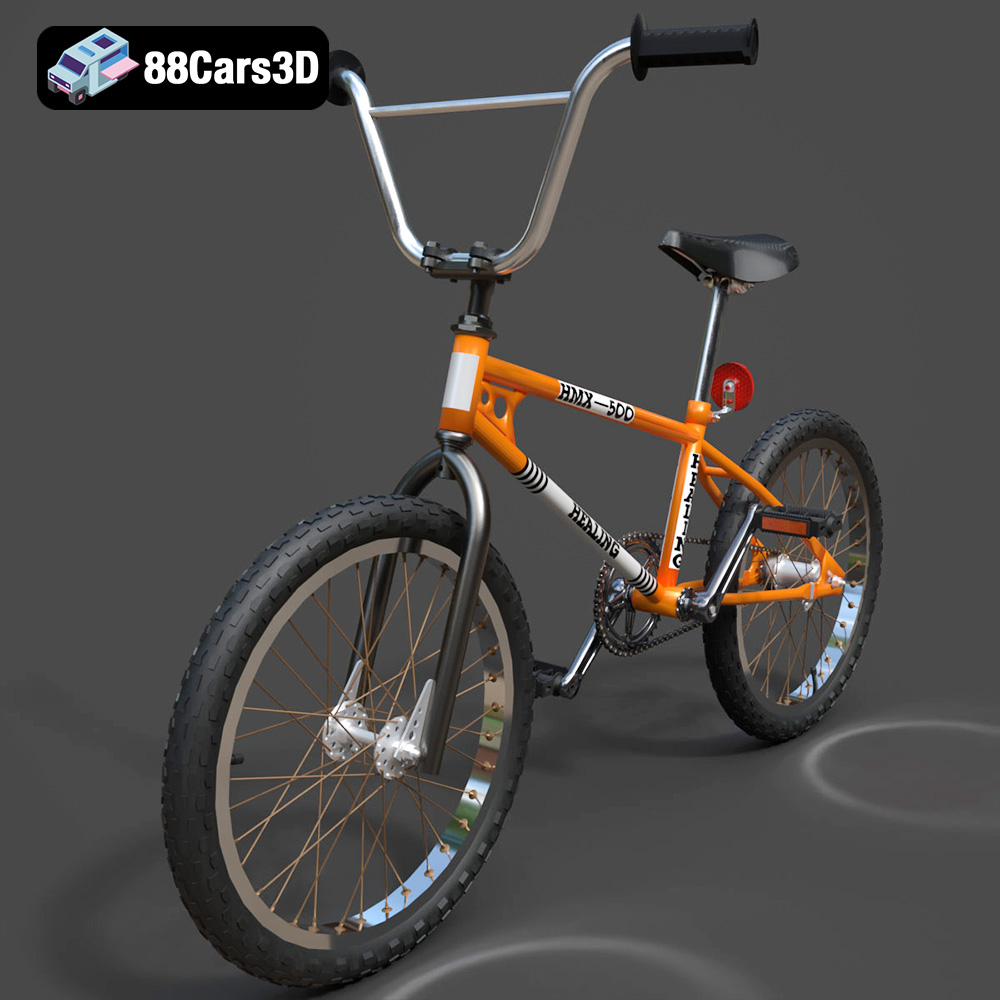
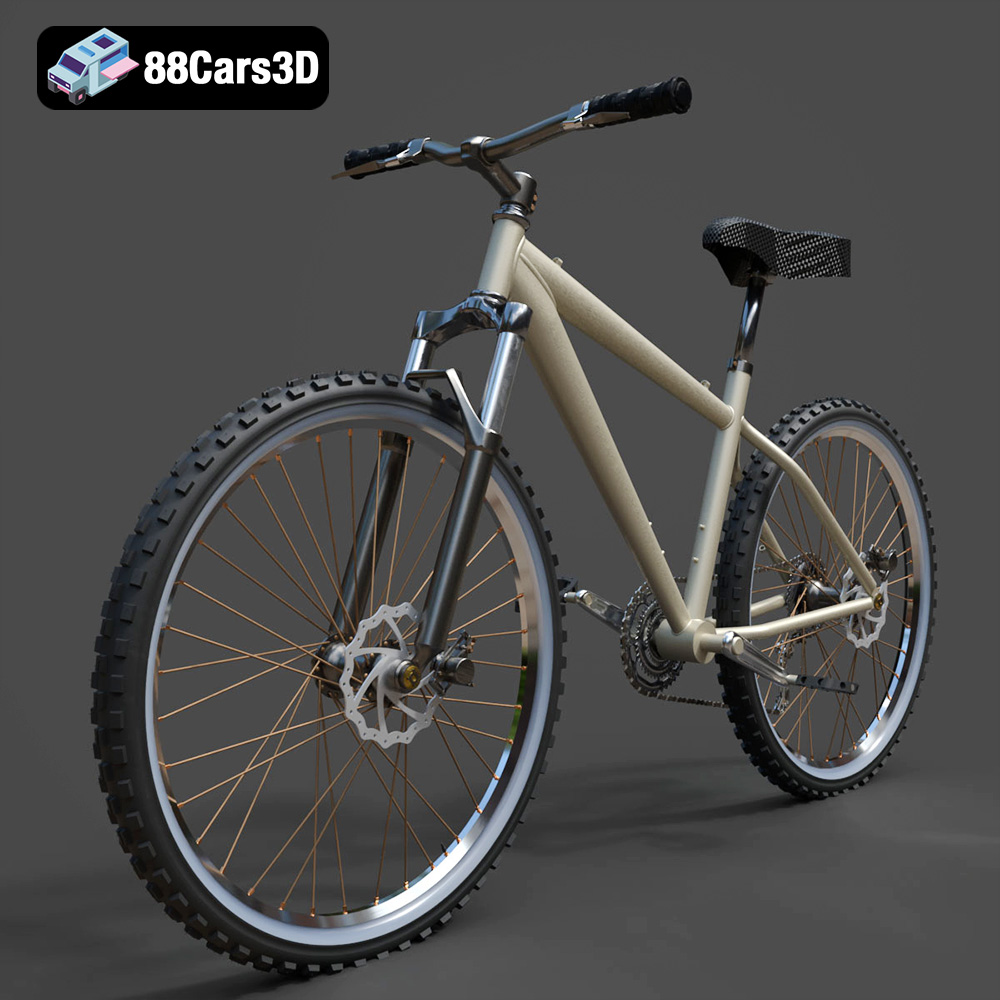
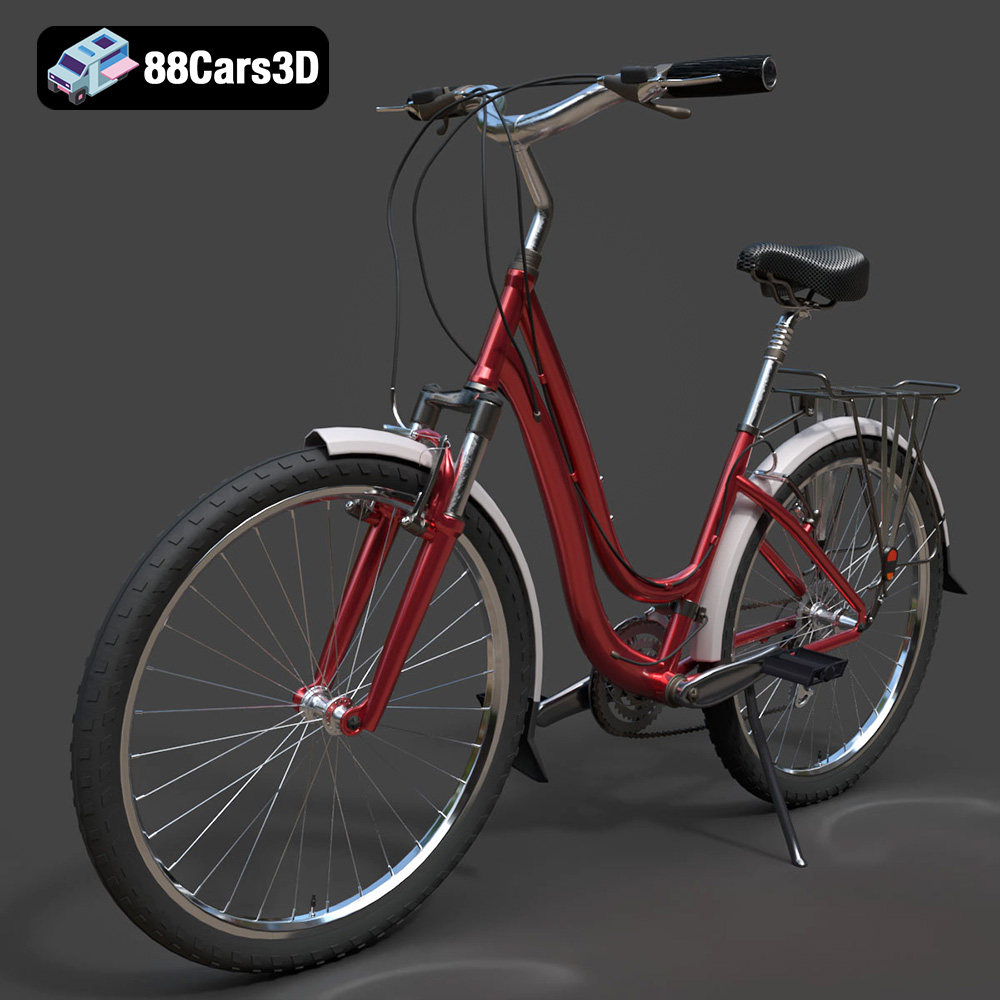
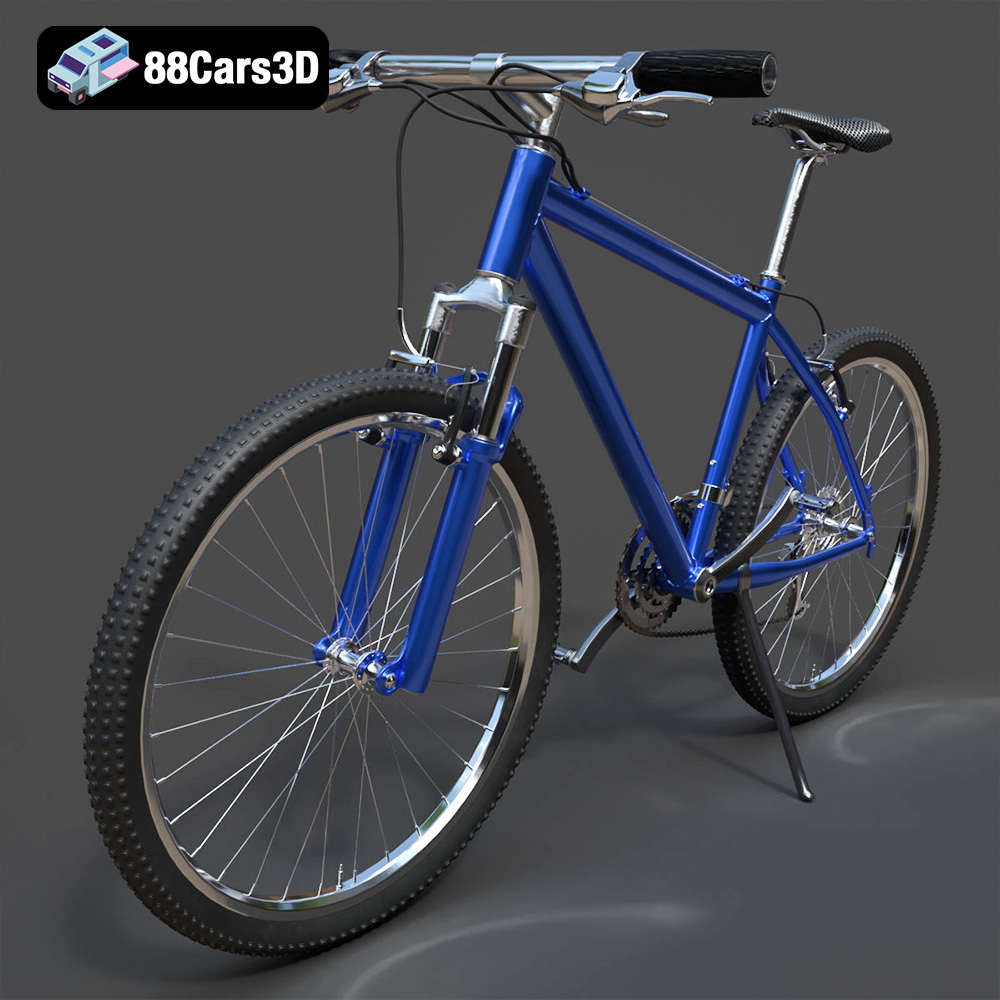
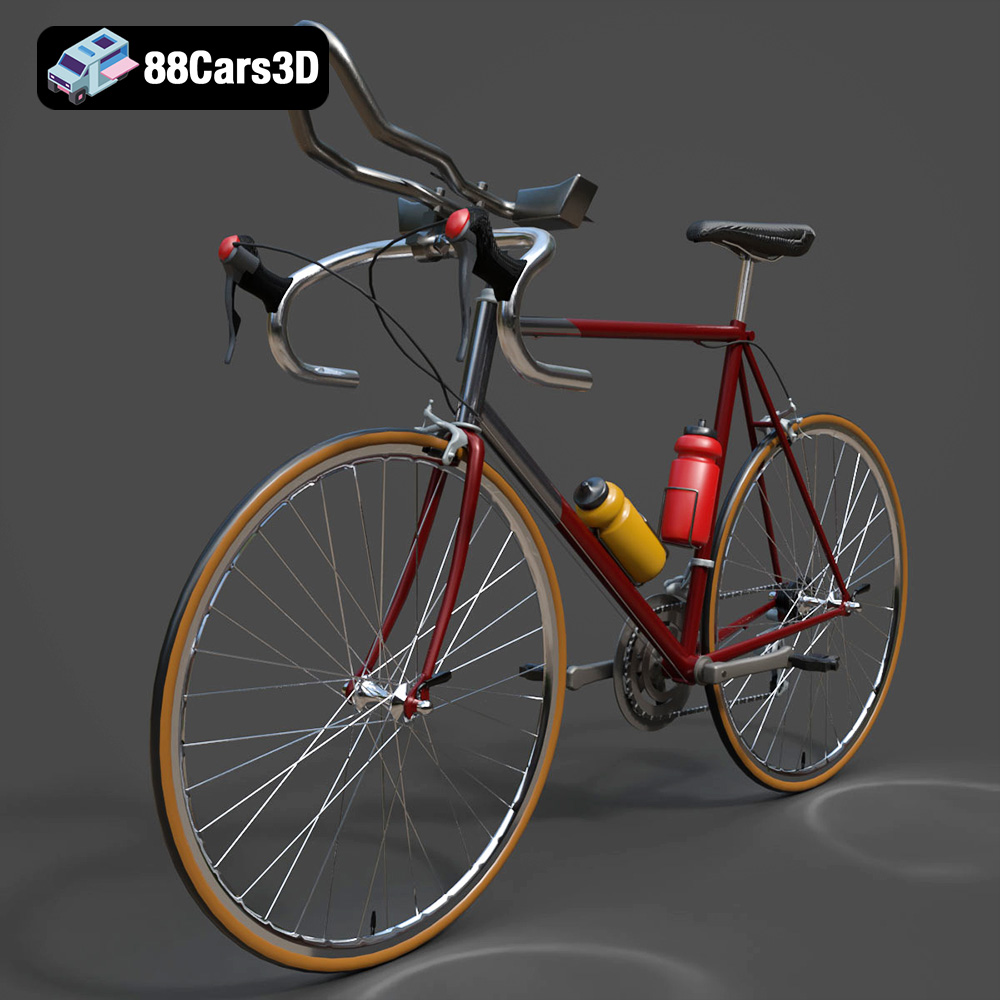
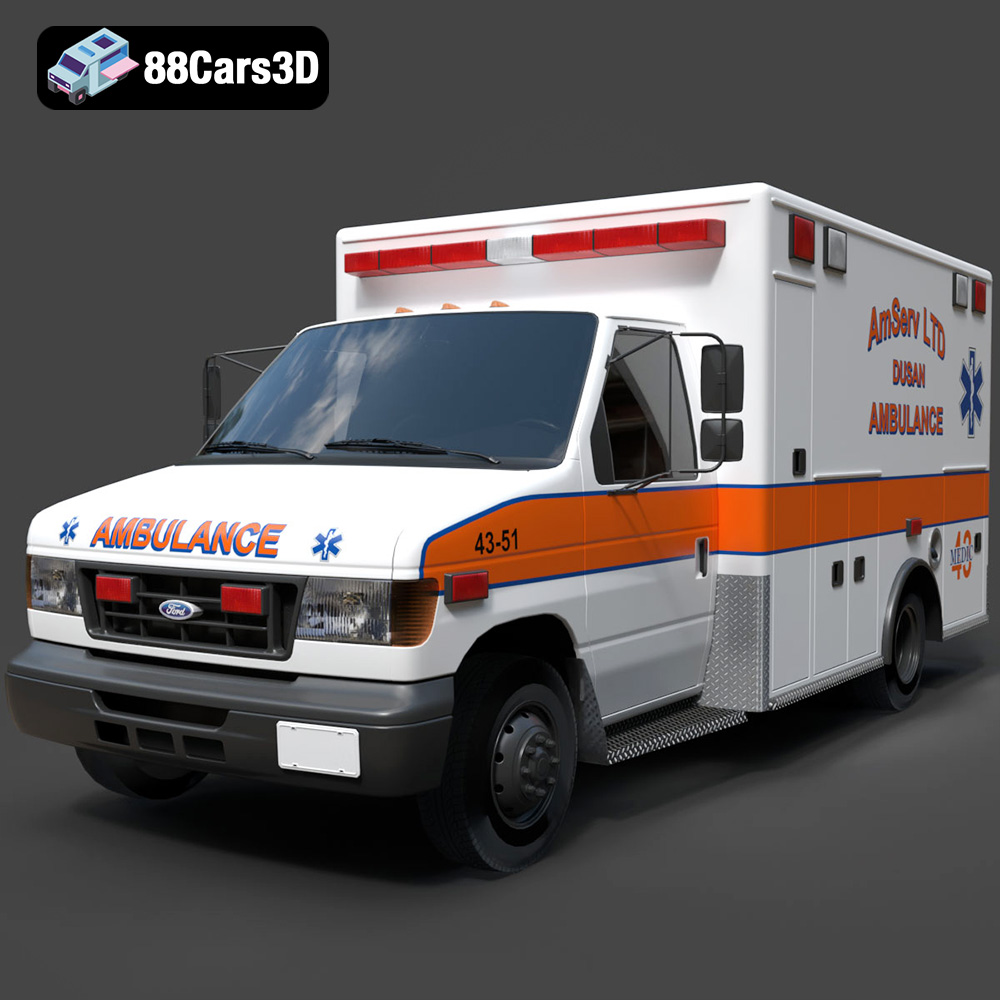
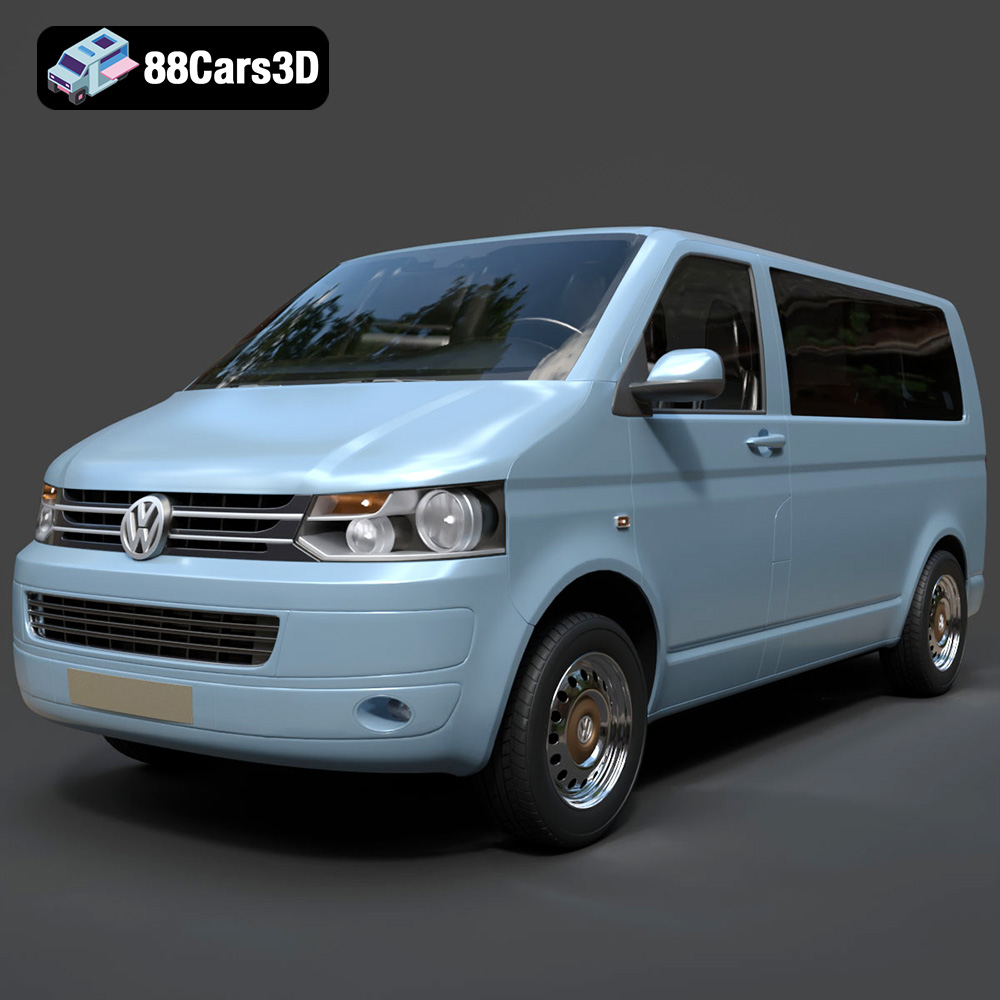
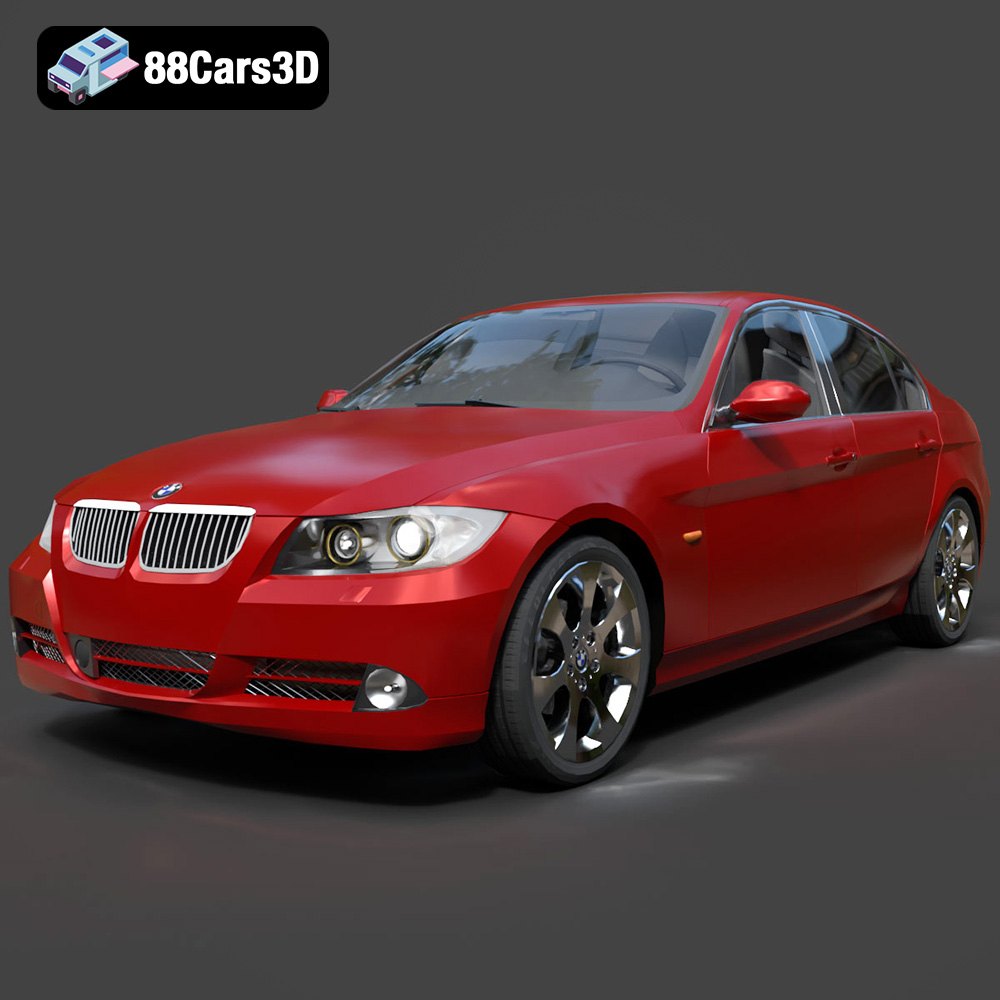
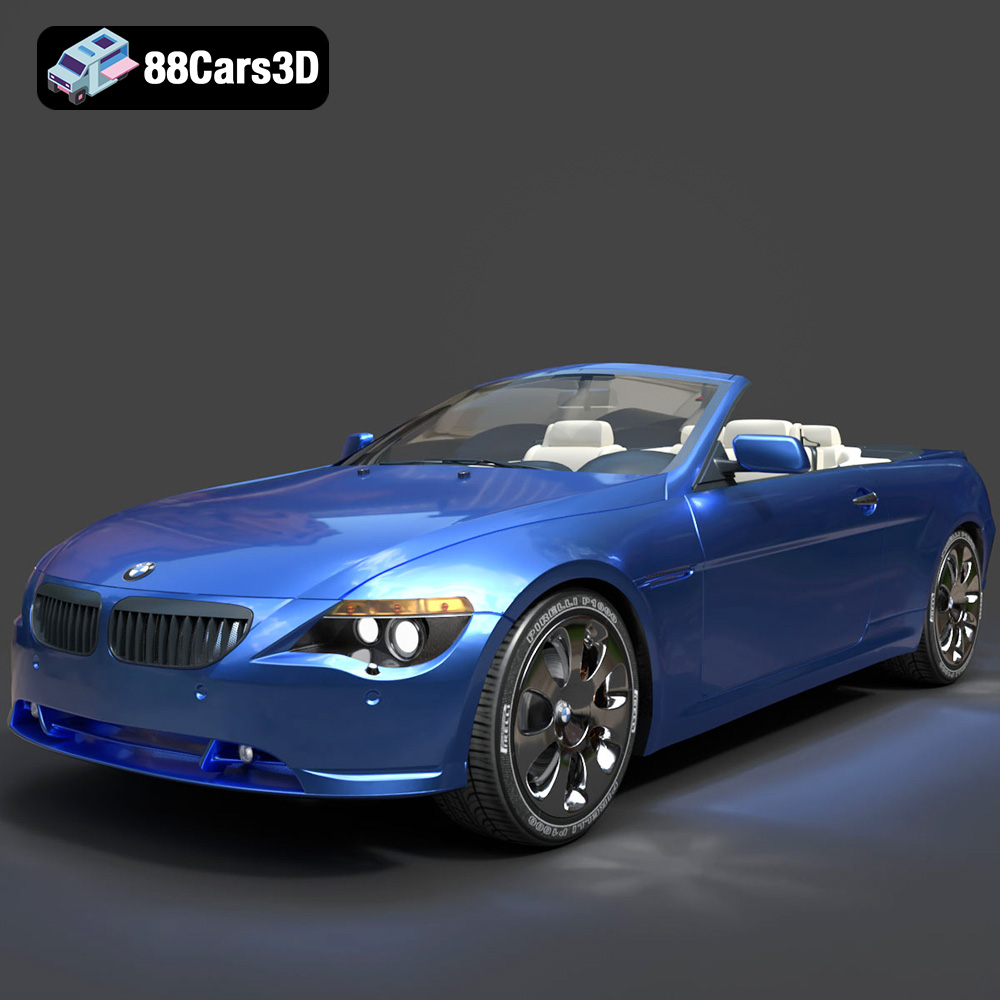
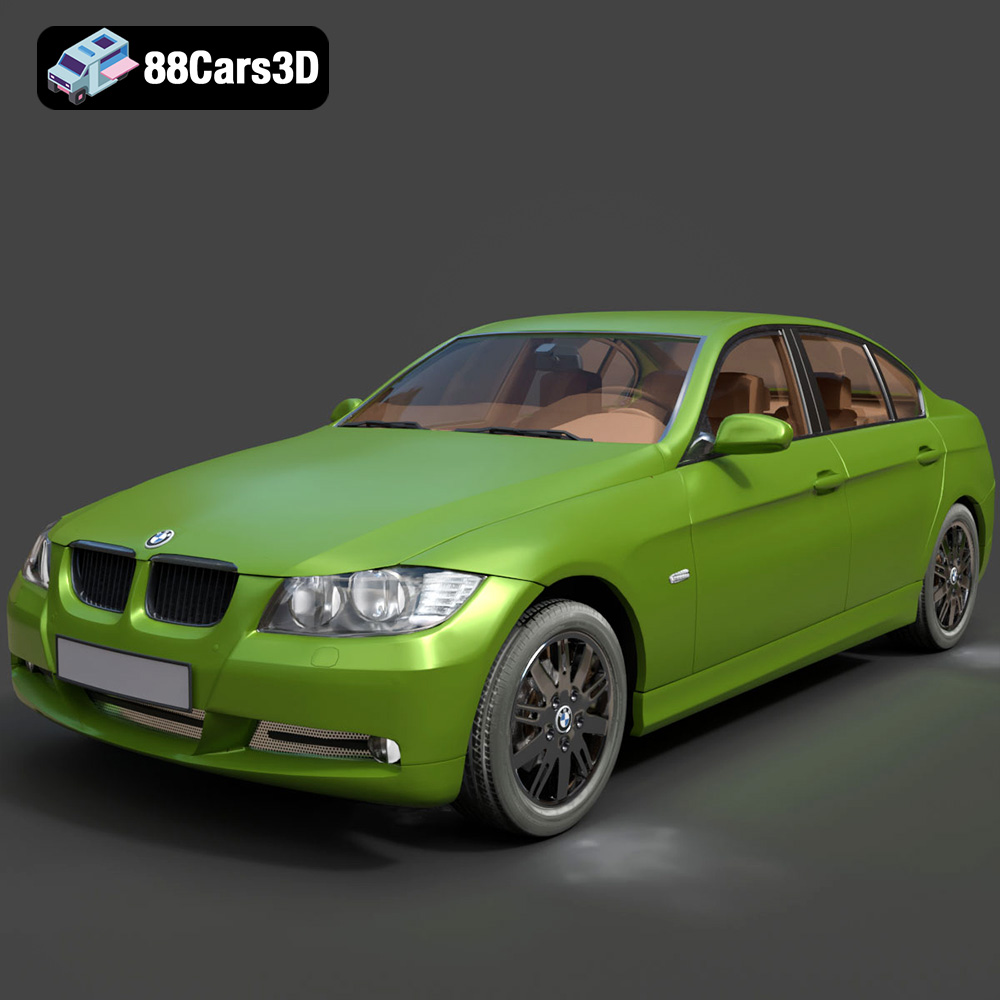
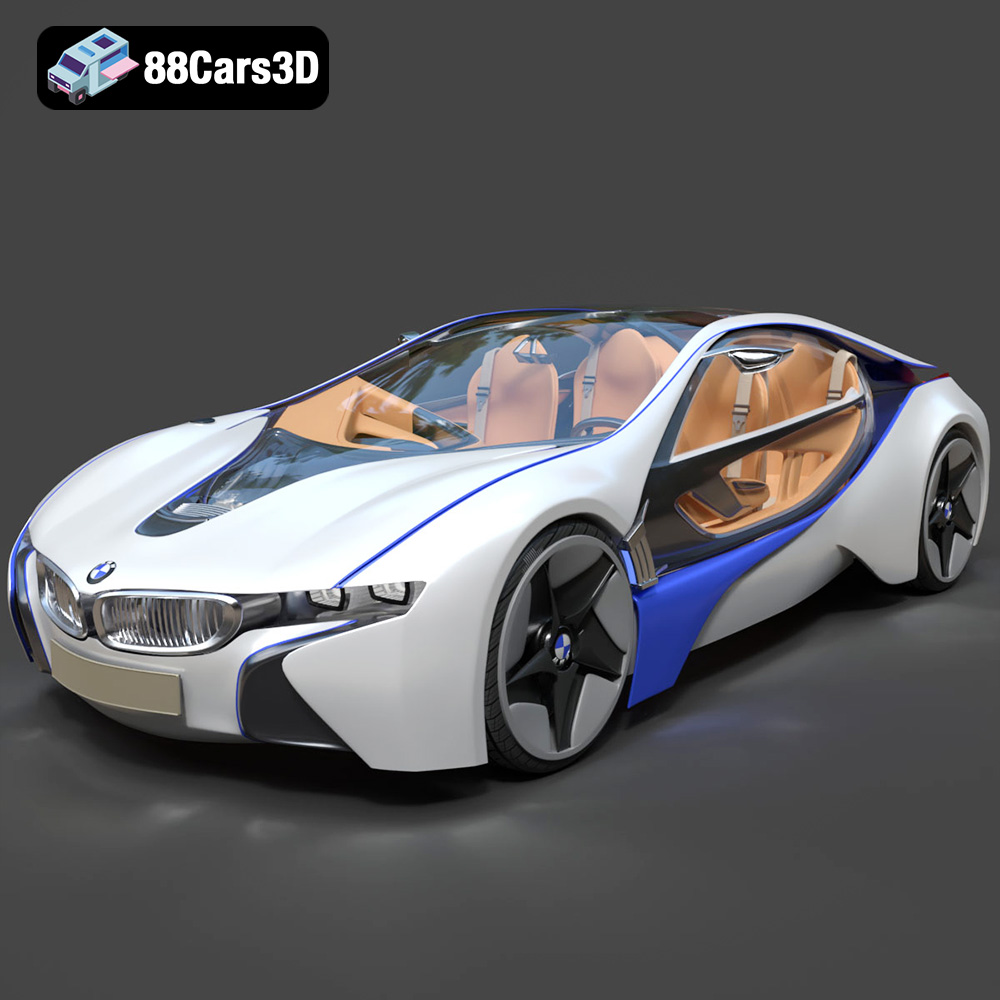
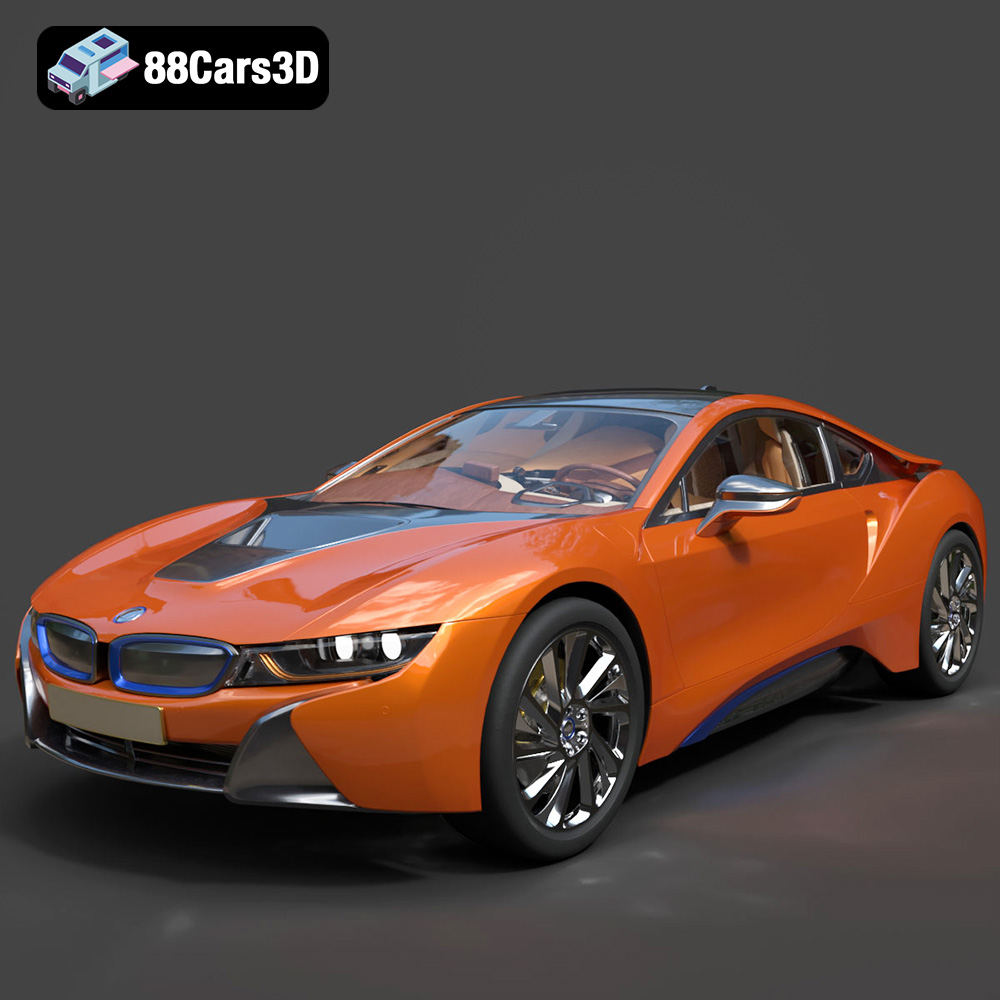
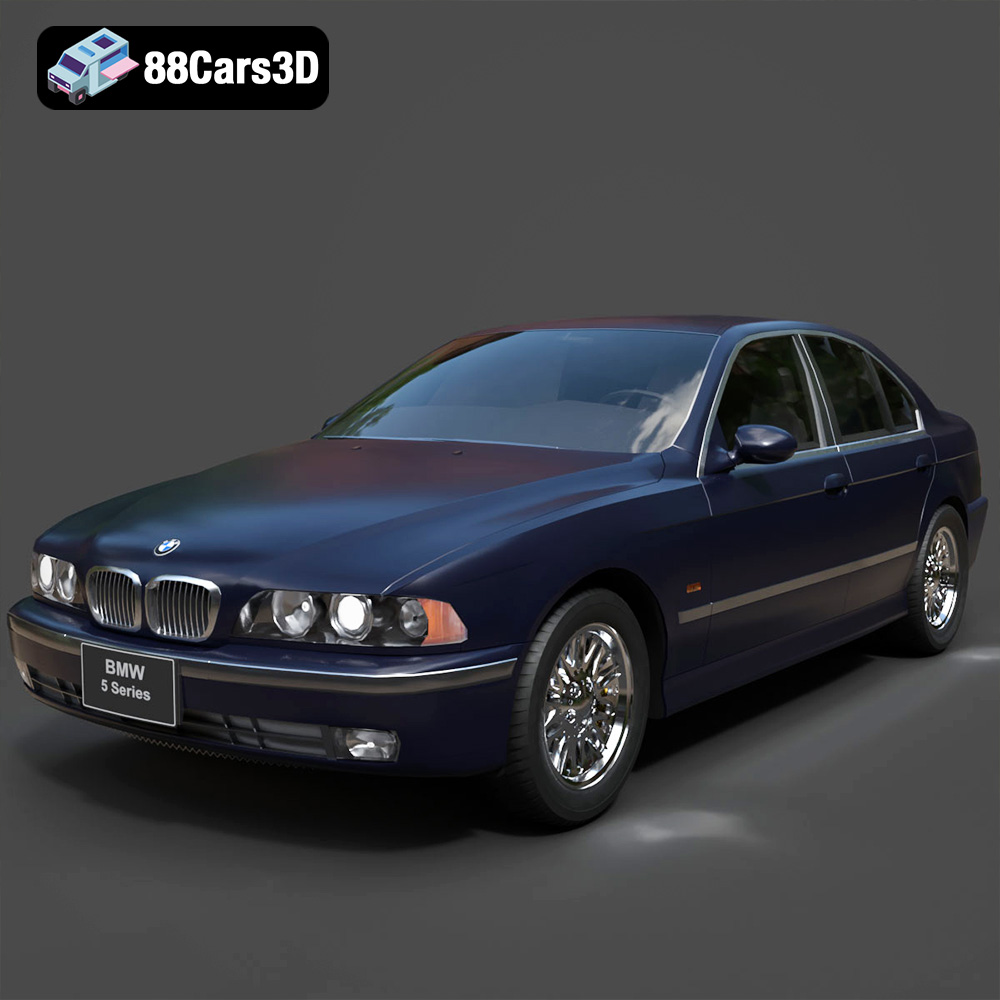
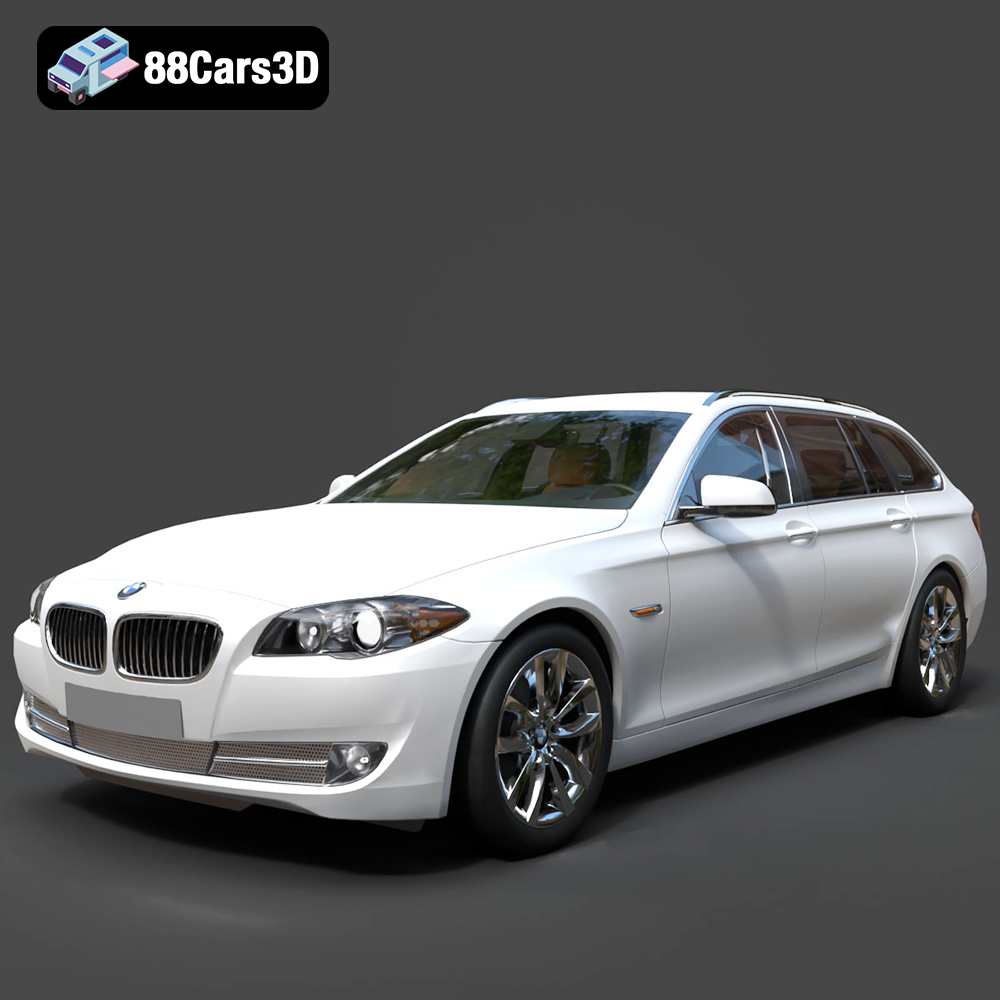
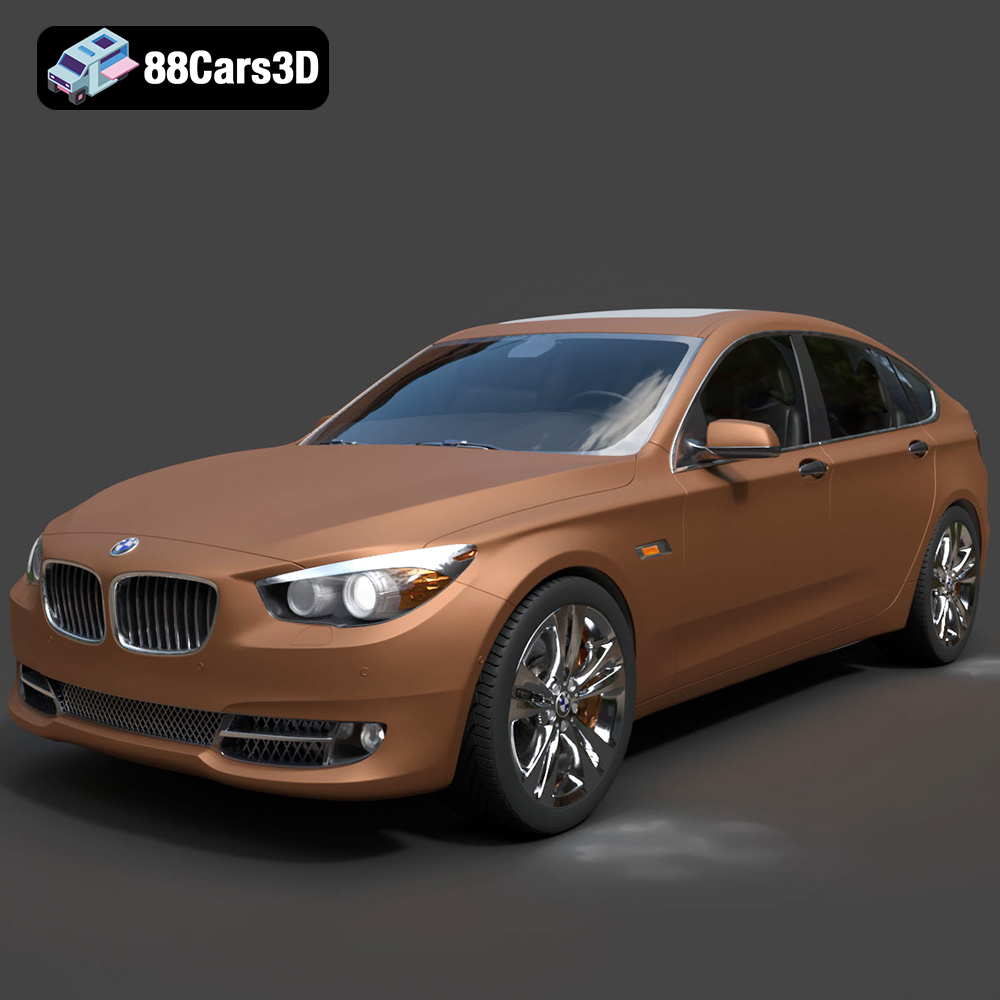
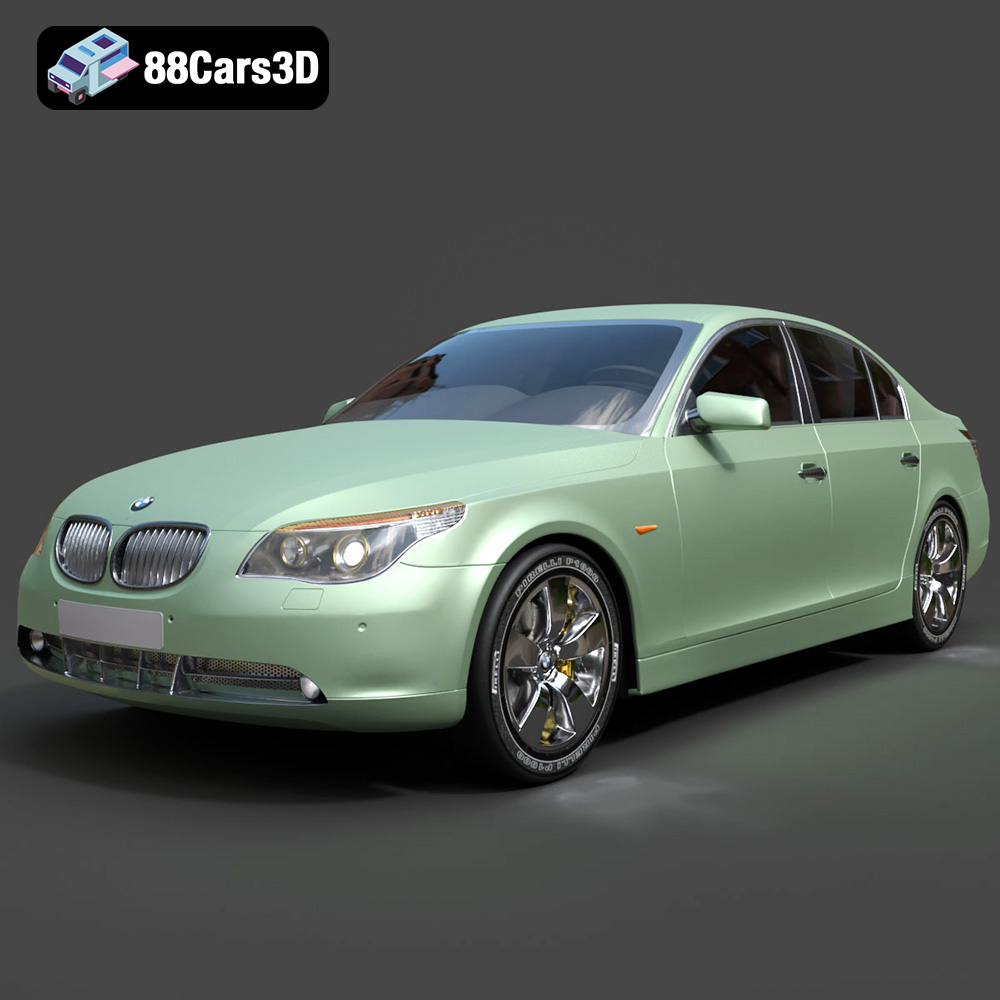
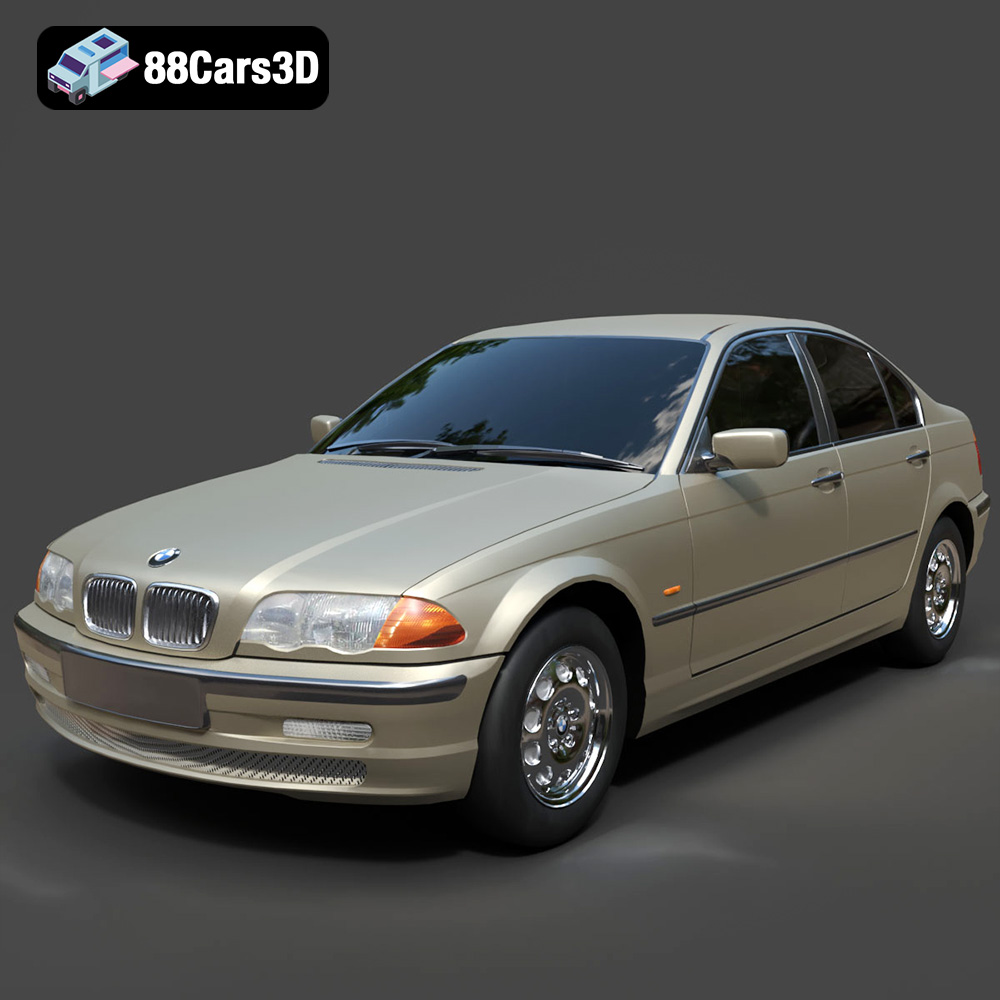
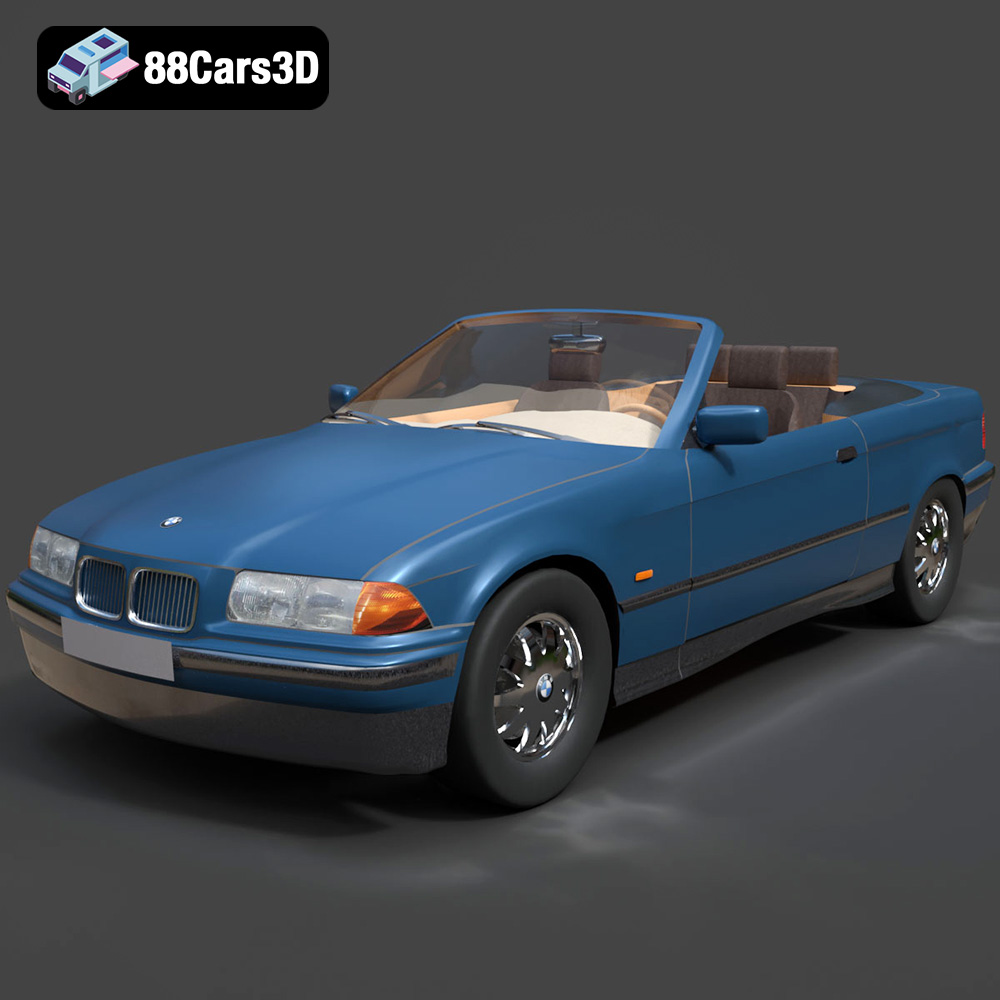
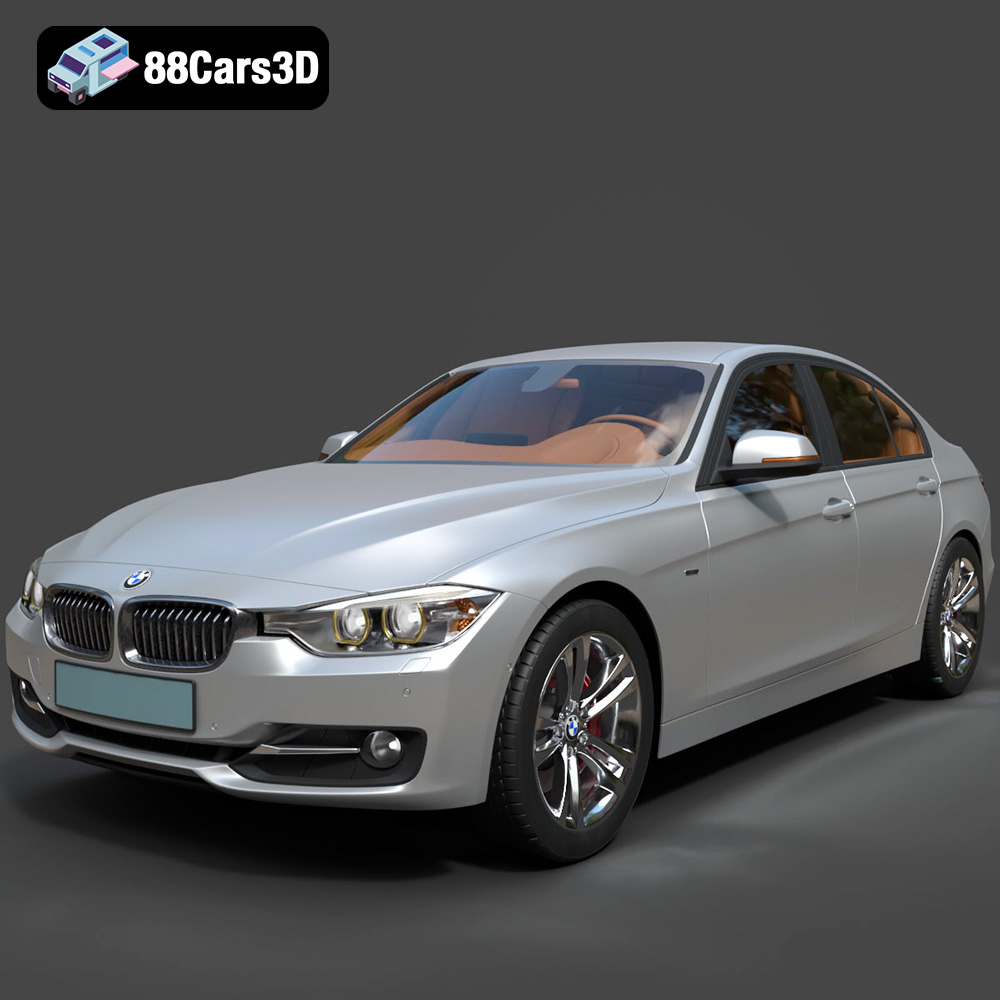
Navigating the world of 3D printing can feel like deciphering a complex blueprint, especially when it comes to choosing the optimal file format for your projects. Whether you’re an aspiring modeler bringing intricate car designs to life, a hobbyist fabricating custom bike parts, or a dedicated artisan crafting highly detailed miniatures, selecting the correct file format is a critical step that impacts print quality, efficiency, and overall success. The unique demands of these models—from the smooth curves of a car body to the delicate components of a miniature figure—necessitate a thoughtful approach to file preparation.
This comprehensive guide demystifies the leading 3D printing file formats, explaining their strengths, weaknesses, and ideal applications. We’ll delve into the technical specifics, provide practical examples, and offer a decision framework to help you confidently select the best format for your next 3D printed car, bike, or miniature. By the end, you’ll not only understand the differences but also know exactly which digital blueprint will yield the best physical results.
At the heart of 3D printing lies a handful of foundational file formats. Understanding these is crucial for anyone looking to transform digital designs into tangible objects.
STL (.stl) – The Industry Standard, But With Caveats
The Stereolithography (.stl) file format has long been the undisputed king of 3D printing. It represents a 3D model as a series of connected triangles (a triangulated mesh) covering its surface. This tessellation defines the geometry of your object.
- Pros:
- Universal Compatibility: Virtually every 3D modeling software, slicer, and 3D printer understands and supports STL.
- Simplicity: It’s a straightforward format, easy to generate and process.
- Established Workflow: Decades of use mean established best practices and extensive community support for troubleshooting.
- Cons:
- No Color or Material Data: STL files only contain geometry. If your model has multiple colors, textures, or material properties, they will be ignored, resulting in a single-color print unless manually specified in your slicer.
- Potential for Manifold Errors: If the triangular mesh isn’t “watertight” (i.e., has gaps, intersecting triangles, or flipped normals), it can lead to printing errors.
- File Size for High Detail: To accurately represent smooth curves or intricate details, STL files require a very high number of triangles, which can lead to larger file sizes.
- Best For: Initial prototypes, single-color prints, models where color isn’t critical, and when you need maximum compatibility. For cars, bikes, and miniatures, STL is often the go-to for basic geometric shapes and when post-processing (painting) is planned. It excels at capturing the fundamental form of a complex sculpture.
OBJ (.obj) – When Color and Texture Matter
The Wavefront OBJ (.obj) format goes beyond pure geometry, offering a richer description of your 3D model. It can store not only vertex coordinates but also UV maps, normals, and references to external material (MTL) and texture files.
- Pros:
- Supports Color and Texture: Ideal for models requiring realistic finishes, intricate details where texture mapping adds visual value. This is especially useful for detailed car interiors or miniature uniforms that derive their character from painted details.
- Stores UV Maps: Essential for applying 2D textures onto the 3D surface accurately.
- Better for Complex Surfaces: Can represent models with varied surface properties more effectively than STL.
- Cons:
- Requires MTL File: For color and material data, an accompanying .mtl file is usually needed, making it less self-contained than 3MF.
- More Complex to Manage: Managing multiple linked files can be cumbersome for beginners.
- Not Universally Supported: While widely used in 3D modeling, some basic slicers may not fully support its texture capabilities directly for printing.
- Best For: Models that depend on visual fidelity beyond just shape, such as detailed aesthetic car models, bike components with specific branding, or miniatures where pre-painted effects or complex textures are desired directly from the printer (if supported).
3MF (.3mf) – The Modern Standard for Future-Proofing
The 3D Manufacturing Format (.3mf) is an XML-based, open-source format designed to be the successor to STL. It encapsulates not just geometry but also color, materials, textures, support structures, build plate information, and even slices into a single, compact file.
- Pros:
- All-in-One Package: Combines geometry, color, materials, textures, and print settings, reducing errors and simplifying workflows.
- Robust for Complex Data: Excellent for multi-material, multi-color prints, or models with intricate internal structures.
- Reduces Errors: Its well-defined schema helps prevent manifold errors and ensures consistency across different software.
- Smaller File Sizes: For complex geometries, 3MF often yields smaller files than equivalent STLs due to more efficient data representation.
- Future-Proof: Designed with advanced manufacturing in mind, supporting upcoming 3D printing technologies.
- Cons:
- Newer Adoption: While gaining traction rapidly, it’s still not as universally supported as STL, especially by older software and some entry-level slicers.
- Full Feature Support Varies: Not all software fully implements every feature of the 3MF specification yet.
- Best For: Professional workflows, complex multi-material/color prints (e.g., car models with different plastics for tires and body, or miniatures with vibrant, multi-part color schemes), archiving print-ready models, and future-proofing your designs.
AMF (.amf) – The Underrated Open Standard
Additive Manufacturing File Format (.amf) is another XML-based open standard, also designed as an alternative to STL. Like 3MF, it supports geometry, multiple materials, colors, and textures, but it also allows for arbitrary curves rather than just triangles, potentially offering more precise geometric definition.
- Pros:
- Rich Data Representation: Similar to 3MF in its ability to store geometry, color, materials, and textures within a single file.
- Open Standard: Promotes interoperability.
- More Geometrically Precise: Can define curved surfaces more accurately than pure triangulated meshes, reducing “faceting” issues common with STLs at lower resolutions.
- Cons:
- Limited Adoption: Despite its advantages, AMF has seen less widespread adoption compared to STL or 3MF.
- Software Support: Fewer modeling software and slicers fully support AMF compared to the other core formats.
- Best For: Niche applications where precise geometric definition or complex multi-material/color specifications are key, provided your entire software and hardware ecosystem supports it. Less common for hobbyist 3D printing of cars, bikes, and miniatures unless specifically working within an AMF-centric pipeline.
Beyond the direct-to-print formats, some specialized files play a crucial role earlier in the design pipeline, especially for functional or highly engineered models.
STEP/IGES (.step, .iges) – The Engineering Powerhouses
Standard for the Exchange of Product data (.step) and Initial Graphics Exchange Specification (.iges) are CAD (Computer-Aided Design) formats based on NURBS (Non-Uniform Rational B-Splines). They define geometry mathematically rather than as a mesh of triangles.
- Pros:
- Extreme Precision: Ideal for functional parts, mechanical assemblies, and precise scale models.
- Scalable: Can be scaled infinitely without loss of detail, as the geometry is mathematically defined.
- Parametric Editing: Easier to modify and iterate on designs within CAD software.
- Cons:
- Not Directly Printable: These are design formats, not print formats. They must be converted into a mesh format (like STL or 3MF) before they can be sent to a slicer.
- Larger Files: Can be very large due to the amount of data required for mathematical definition.
- Software Dependent: Primarily used by professional CAD software (e.g., SolidWorks, Fusion 360, AutoCAD).
- Best For: Designing functional car or bike components (gears, chassis parts, engine blocks), high-precision scale models, and any project where mechanical accuracy and fitting are paramount before meshing for the printer.
Virtual Reality Modeling Language (.wrl) and eXtensible 3D (.x3d) are scene description languages that can embed rich color, texture, and material information, often used in professional full-color 3D printing.
- Pros:
- Excellent Color/Material Accuracy: Can support highly detailed color and texture mapping, crucial for professional full-color printers.
- Scene Information: Can describe entire scenes, not just single objects.
- Cons:
- Less Common for Hobbyists: Primarily used in professional or industrial settings due to the specialized printers required.
- Conversion Often Needed: May require conversion to a more direct print format depending on the specific printer.
- Best For: High-end, full-color additive manufacturing of concept car models, highly realistic architectural miniatures, or medical models where precise color representation is critical.
The “best” format isn’t universal; it depends heavily on your specific project goals and the capabilities of your 3D printer.
For Cars and Bikes (Scale Models & Functional Parts)
- Initial Design/CAD (Functional Parts): For designing precise gears, chassis components, or interlocking assemblies for an RC car or custom bike frame, STEP or IGES are indispensable. They ensure mathematical accuracy and ease of modification. You’ll then export to a mesh format for printing.
- General Printing (Prototypes, Single-Color Models): For quickly printing a prototype car body, basic bike frame, or a single-color scale model, STL remains a robust and widely compatible choice. It’s perfect when you plan to paint the model later.
- Detailed Aesthetic Models (Multi-Color/Textured): If you’re printing a highly detailed scale car model with a realistic interior, textured seats, or multi-color bike components, OBJ (with accompanying MTL files) or 3MF are excellent. 3MF is particularly strong for multi-material prints, like rubber tires on plastic wheels printed in one go.
- Advanced Printing (Future-Proofing, Complex Visuals): For professional applications or leveraging the latest in multi-color/multi-material FDM or resin printing, 3MF offers the most comprehensive solution for complex car models with integrated electronics bays, or intricate bike mechanisms with varying material properties.
Practical Example: If you’re designing a functional gear for an RC car, start in a CAD program and save as STEP. When ready to print, export to a high-resolution STL or 3MF. If you’re printing a display-quality car body that will be painted, STL is fine. If you want to print a car with pre-textured seat patterns or dashboards directly, use OBJ or 3MF.
- Standard Printing (Figures, Terrain): For most miniature printing, especially with resin (SLA/DLP) printers renowned for detail, STL is the pervasive standard. It reliably captures the intricate sculpts of D&D characters, wargaming units, or terrain pieces.
- Highly Detailed Miniatures with Color/Texture: If your aim is to print “pre-painted” miniatures (assuming you have a full-color printer) or models where subtle texture mapping adds significantly to the final look (e.g., intricate fabric details on a character’s clothing), OBJ or, more robustly, 3MF are your best bets.
- Fine Geometric Detail (Sculpting): While sculpting software often uses its own native formats (e.g., ZBrush’s .ztl), for export to print, a carefully tessellated STL from a high-poly sculpt remains common. However, 3MF offers a more stable and robust way to carry that geometric fidelity forward, especially if combined with internal structures or different materials for bases.
Practical Example: Printing a standard D&D character for tabletop gaming will almost always involve an STL file, whether from Thingiverse or a commissioned artist. If you’re working with a professional service to print a limited-edition wargaming miniature that integrates a complex, pre-designed color scheme, 3MF would be the preferred format to ensure all data is accurately transferred.
Decision Framework: Key Questions to Ask
To choose the right file format for your 3D printing project, consider these questions:
- What is my printer’s capability? (Single color/material, multi-color/material, full-color?)
- What software am I using? (Modeling software, slicer software – what do they natively support?)
- What is the required level of detail? (Geometric precision, color accuracy, texture mapping?)
- Is the model functional or purely aesthetic? (Does it need to fit precisely with other parts, or is it a display piece?)
- How important is file size and ease of sharing? (Will you be sharing this file widely or keeping it within a controlled workflow?)
- Will I need to edit the model later? (CAD formats are better for iterative design.)
Here’s a quick reference to help you compare the leading file formats for 3D printing cars, bikes, and miniatures:
| Format |
Type |
Color/Texture Support |
Multi-Material |
Geometric Precision |
File Size (Relative) |
Best Use Cases (Cars/Bikes/Miniatures) |
| STL |
Mesh |
No |
No |
Good (depends on tessellation) |
Medium to Large (for high detail) |
Prototyping, single-color models, basic miniatures, general FDM/Resin printing. |
| OBJ |
Mesh |
Yes (via MTL/texture files) |
Limited (via MTL) |
Good (depends on tessellation) |
Medium to Large (with textures) |
Aesthetic models with texture/color, game assets, display pieces. |
| 3MF |
Manufacturing Package (XML) |
Excellent (embedded) |
Excellent (embedded) |
Excellent (efficient mesh) |
Small to Medium (efficient) |
Complex multi-color/material prints, professional workflows, future-proofing, detailed miniatures. |
| AMF |
Manufacturing Package (XML) |
Excellent (embedded) |
Excellent (embedded) |
Excellent (curves support) |
Small to Medium |
Niche high-precision geometric models, multi-material research. |
| STEP/IGES |
CAD (NURBS) |
No (design data) |
Yes (design data) |
Exact (mathematical) |
Large |
Functional engineering parts, precise mechanical assemblies (requires conversion for print). |
| VRML/X3D |
Scene Description |
Excellent (rich scene data) |
Yes |
Good (mesh-based) |
Large |
High-end full-color industrial printing, complex visual models. |
Best Practices for Exporting and Preparing Files
Beyond choosing the right format, proper file preparation is key to successful 3D prints:
- Check for Manifold Errors: Always ensure your model is “watertight” or “manifold.” This means it has no gaps, internal intersections, or flipped normals that would confuse the slicer. Tools like Meshmixer, Netfabb, or even your slicer’s analysis features can help. This is paramount for any 3D print file format.
- Set Appropriate Tessellation/Subdivision: When exporting to mesh formats like STL or OBJ, choose a tessellation (resolution) that balances detail and file size. Too low, and curves will appear faceted; too high, and the file becomes unnecessarily large and slow to process.
- Ensure Correct Scaling (Units): Always confirm that your model’s units (mm, cm, inches) match your slicer and printer settings to avoid printing a miniature car the size of a real one, or vice-versa!
- Validate with a Slicer Preview: Before sending to print, always load your file into your slicer software and use the preview function to ensure it looks as expected and that support structures are placed correctly.
- Consider Orientation: The way a model is oriented on the build plate can significantly impact print quality, required supports, and print time.
Conclusion
The choice of 3D printing file format is not a one-size-fits-all decision, particularly when dealing with the diverse requirements of cars, bikes, and miniatures. While STL remains a reliable workhorse for basic geometry and single-color prints, OBJ offers vital support for color and textures in aesthetic models, and 3MF stands out as the comprehensive, future-proof solution for complex multi-material and multi-color projects.
For functional parts and engineering-grade precision, STEP/IGES are indispensable during the design phase, requiring conversion before printing. By understanding the unique capabilities and limitations of each format and aligning them with your project’s specific needs—from the intricate details of a miniature figurine to the functional gears of a custom bike part—you empower yourself to achieve superior 3D printing results. The right file format is truly the first step toward a perfect print.
Ready to Bring Your Designs to Life?
Now that you’re equipped with the knowledge of 3D printing file formats, it’s time to put it into practice! Explore our extensive library of 3D modeling tutorials to refine your car, bike, and miniature designs, or browse our collection of free 3D models to start experimenting with different formats today. If you’re looking for professional assistance, our recommended 3D printing services can help transform your perfectly prepared files into stunning physical objects.