⚡ FLASH SALE: Get 60% OFF All Premium 3D & STL Models! ⚡

The roar of a powerful engine, the glint of chrome, and the intricate dance of components under the hood – these are the hallmarks of a truly captivating automotive experience. While exterior aesthetics often grab immediate attention, a meticulously crafted engine bay can elevate a 3D car model from impressive to breathtakingly realistic. For discerning artists, game developers, and visualization professionals, ignoring the heart of a vehicle means missing a crucial opportunity for immersion and authenticity.
Creating a hyper-realistic 3D engine bay is a formidable challenge, demanding precision in modeling, sophisticated texturing, and intelligent optimization. It’s a journey into micro-details, complex material interactions, and the subtle art of storytelling through mechanics. This comprehensive guide will dissect the entire process, from establishing a solid foundation with clean topology to finessing the final render or integrating it seamlessly into a game engine. We’ll explore advanced techniques, software-specific workflows, and industry best practices to help you master this intricate art form. Prepare to unlock the secrets behind crafting engine bays that not only look incredible but also function perfectly within any 3D application.
The foundation of any realistic 3D model, especially one as intricate as an engine bay, lies in its topology. Clean, efficient, and well-structured geometry is paramount for proper deformation, smooth shading, and overall manageability. An engine bay is a symphony of diverse shapes – organic curves of hoses, sharp edges of brackets, and the complex forms of the engine block itself. Achieving realism requires a methodical approach to capturing these details while maintaining optimal polygon density. The first step is always exhaustive reference gathering: high-resolution photographs from various angles, blueprints, service manuals, and even physical inspection of a real engine bay are invaluable. These references will guide your hand, ensuring accurate proportions and the faithful reproduction of every component. Understanding where an edge loop needs to flow to support a curve, or where polygons can be optimized without losing detail, is a skill honed through practice and a deep appreciation for the underlying engineering.
Modeling the engine block and major components like the transmission, air intake, and exhaust manifolds requires a blend of traditional poly-modeling and sometimes, spline-based techniques. Start with basic primitive shapes as placeholders, then gradually refine them. For complex, organic shapes with smooth transitions, subdivision surface modeling (often referred to as ‘SubD’ modeling) is ideal, allowing you to work with a low-poly cage that smooths out beautifully. Hard-surface details like mounting brackets, bolt flanges, and heat shields often benefit from precise edge control, using bevels and supporting edge loops to define crisp lines and prevent unwanted smoothing. Always prioritize quad-based topology (four-sided polygons) as they behave predictably during deformation and subdivision. Avoid n-gons (polygons with more than four sides) and excessive triangulation where possible, as they can lead to shading artifacts and issues down the line. For parts that are highly mechanical and geometric, sometimes a CAD model might be used as a starting point, which then needs to be retopologized for cleaner meshes suitable for rendering or real-time applications. Balancing the polygon count for intricate areas with lower-density meshes for less visible components is key to maintaining a performant model without sacrificing visual fidelity.
The spaghetti of wires, hoses, and cables is a defining characteristic of an engine bay, adding a crucial layer of visual complexity. However, individually modeling and optimizing each one can quickly become a performance nightmare. A common and efficient approach involves spline-based modeling. Create a curve that follows the path of a hose or wire, then use a sweep or extrude modifier to generate geometry along that path. For groups of wires, consider creating a single spline network that feeds multiple instances of a simple cylindrical mesh. This allows for quick adjustments and consistent thickness. When dealing with repeated elements like cable ties or small clamps, instancing or array modifiers are your best friends. Rather than duplicating geometry, instances reference a single mesh, significantly reducing file size and memory usage. It’s a smart way to add a wealth of detail without incurring a heavy performance cost, crucial for game assets or large-scale visualizations.
It’s the tiny details that truly sell the illusion of reality. Hundreds of bolts, nuts, washers, and clips populate an engine bay. Modeling each one uniquely is impractical. Instead, create a few variations of common fasteners and then instance them throughout the scene. Position them precisely where they would be found in a real engine. For very small surface details or etched logos, displacement maps or normal maps can be used instead of actual geometry. This allows you to add high-frequency detail without dramatically increasing your polygon count. Boolean operations can also be useful for cutting holes or creating complex intersections, but always ensure the resulting topology is cleaned up to avoid shading issues. Remember that every element, no matter how small, contributes to the overall authenticity. Don’t overlook the texture of a plastic cap or the slight corrosion on an old bolt head; these nuances are what separate a good model from a truly exceptional one.
Once the modeling phase is complete, the true magic of realism begins with UV mapping and texturing. UV mapping is the process of flattening your 3D model’s surface into a 2D plane, allowing you to apply 2D textures. For a complex engine bay, this can be an intricate dance, as individual components will require careful unwrapping to avoid distortion and maximize texture resolution. The goal is to create clean UV islands that efficiently utilize the available texture space and allow for seamless texture painting. A well-executed UV layout is indispensable for achieving photorealistic Physically Based Rendering (PBR) materials, which accurately simulate how light interacts with different surfaces. Engine bays are a treasure trove of material types: various metals (cast iron, aluminum, chrome), rubber, plastics, painted surfaces, and often, oily grime and rust. Each requires a distinct PBR approach to accurately represent its unique properties.
Efficient UV unwrapping for an engine bay involves breaking down complex parts into manageable, distortion-free UV islands. For larger, more visible components like valve covers or the intake manifold, dedicate ample UV space to ensure high-resolution textures. Use seams judiciously along natural breaks or hidden areas to minimize visible seams in the final render. For cylindrical parts like hoses and wires, cylindrical or planar projections often work best. Smaller, repeated elements like bolts can often share UV space or use very simple, overlapping UVs if they are meant to have generic materials. For extreme detail, or when working on very high-end visualization, UDIMs (UV Dimension tiles) allow you to spread the UVs of a single mesh across multiple texture maps, preventing resolution limitations. Tools like Blender’s UV editor, especially with features like ‘Smart UV Project’ or manually marking seams and then unwrapping (as detailed in the official Blender 4.4 documentation at https://docs.blender.org/manual/en/4.4/modeling/meshes/editing/uv/unwrapping.html), provide precise control over this critical step. Always perform a quick checkerboard test to visually inspect for stretching or compression in your UVs.
Physically Based Rendering (PBR) has revolutionized texturing by providing a scientifically accurate way to represent materials. For an engine bay, this means meticulously crafting maps for Base Color (Albedo), Metallic, Roughness, Normal, and often Height/Displacement and Ambient Occlusion.
* **Base Color:** Represents the diffuse color of a material without any lighting information.
* **Metallic:** A binary map (0 or 1) indicating if a material is dielectric (non-metal) or metallic. Metals reflect light differently, with their Base Color often becoming their reflection color.
* **Roughness:** Controls the microsurface imperfections, determining how glossy or matte a surface is. A low roughness value means a sharp, clear reflection; a high value means a diffused, blurry reflection.
* **Normal Map:** Adds high-frequency surface detail without increasing polygon count, simulating bumps and grooves.
* **Ambient Occlusion (AO):** Simulates soft shadows where surfaces are close together, adding depth.
Software like Substance Painter or Adobe Designer are industry standards for PBR material authoring. They allow for intricate layering of materials, painting directly onto the 3D model, and generating all necessary PBR maps simultaneously. Focus on capturing subtle variations: the slight sheen on rubber hoses, the brushed texture of aluminum, the pitted surface of cast iron, and the grime that accumulates in nooks and crannies.
The resolution of your textures directly impacts visual fidelity, but higher resolutions also mean larger file sizes and increased memory usage. For critical, highly visible parts of the engine bay, 4K or even 8K textures might be justified. For less prominent or smaller components, 2K or 1K textures are often sufficient. The key is balance. Texture atlasing is a powerful optimization technique, especially for game engines. Instead of having dozens of individual small textures for each bolt, washer, and clamp, you combine them all into one larger texture atlas. This reduces the number of draw calls a game engine needs to make, significantly improving real-time performance. When sourcing models from marketplaces such as 88cars3d.com, always check the texture resolutions and whether atlasing has been applied, as this directly affects how easily they can be integrated into your projects. Carefully plan your texture sets and resolutions based on the model’s intended use – a close-up render will demand higher resolution than a distant game asset.
With a finely modeled and textured engine bay, the next crucial step is bringing it to life through advanced shading and rendering. This phase is where the materials truly react to light, reflections come alive, and the scene gains depth and atmosphere. Achieving photorealistic results requires not only sophisticated material setups but also a deep understanding of lighting principles and renderer-specific settings. An engine bay, with its myriad of reflective, matte, and intricate surfaces, presents a unique challenge for lighting, as you need to highlight form, material properties, and the tight spaces within. The choice of rendering engine – be it V-Ray, Corona, Cycles, or Arnold – will influence your workflow, but the core principles of PBR shading and thoughtful lighting remain universal.
Modern rendering engines utilize node-based shader networks that allow for incredible flexibility and complexity in material creation. For an engine bay, you won’t just have a single “metal” shader; you’ll build intricate networks that combine various layers. For example, a cast iron block might start with a base PBR shader, then have layers of procedural grime, rust, and oil stains blended on top using masks. This layering approach allows for a highly nuanced and realistic appearance. Procedural textures can be invaluable for generating subtle imperfections, scratches, or wear patterns that are difficult to paint manually. Emissive materials can be used for things like glowing turbochargers or hot exhaust manifolds, though care must be taken to ensure they look realistic rather than just emitting flat light. Consider using falloff maps and fresnel effects to enhance reflections, making materials react more accurately to viewing angles, especially for plastics and painted surfaces. The subtle interplay of these shader elements creates a rich visual tapestry that convinces the eye of the material’s authenticity.
Lighting an engine bay is an art form in itself. Given the confined spaces and reflective surfaces, direct illumination can often lead to harsh shadows and blown-out highlights. High Dynamic Range Images (HDRIs) are an excellent starting point for global illumination, providing realistic ambient light and reflections. However, HDRIs alone are often insufficient for highlighting the intricate details of an engine bay. Supplement HDRIs with carefully placed artificial lights:
* **Fill Lights:** Soft, broad lights to lift shadows and provide overall illumination.
* **Rim Lights:** Positioned behind and to the side of components to create a subtle glow around edges, separating objects from the background and enhancing form.
* **Accent Lights:** Small, focused lights used to draw attention to specific details, like a chrome pipe or a textured engine block.
Pay close attention to reflections. The interplay of light bouncing off various metallic and glossy surfaces is what makes an engine bay feel alive. Consider using light blockers or gobos to shape light and create interesting shadow patterns. Experiment with different light temperatures and colors to create a mood – a clinical, factory-fresh look versus a warm, garage-lit aesthetic. The goal is to illuminate the model in a way that reveals its shape, texture, and material properties, making every component legible and visually appealing.
Each rendering engine has its unique strengths and workflows, but all strive for photorealism through advanced ray tracing and global illumination.
* **V-Ray & Corona (3ds Max/Cinema 4D):** Both are production-proven, unbiased/biased renderers known for their speed and quality. They offer extensive control over materials, lighting, and camera effects. Use their robust GI solutions, adaptive sampling, and physical camera settings for depth of field and motion blur.
* **Cycles (Blender):** Blender’s physically based path tracer. For engine bays, Cycles excels at accurate light bounces and reflections. Leverage its nodal material system, light linking (when available or via workarounds), and performance features like GPU rendering and denoising (as covered in the Blender 4.4 documentation at https://docs.blender.org/manual/en/4.4/render/cycles/render_settings/index.html).
* **Arnold (Maya/3ds Max/Cinema 4D):** A powerful, unbiased Monte Carlo path tracer. Arnold is renowned for its high-quality rendering of complex scenes and excellent handling of reflective and refractive materials, making it ideal for the metallic elements of an engine bay.
Regardless of the renderer, utilize features like render passes (for compositing), caustics (for complex light refractions through transparent parts), and volumetric effects (for subtle dust or haze). Fine-tune noise thresholds, samples per pixel, and ray depth to achieve clean renders efficiently. Post-processing in software like Photoshop or Affinity Photo is the final polish, where you adjust exposure, color grading, add subtle lens flares, and enhance overall visual impact.
While high-end renders provide stunning realism, integrating a detailed engine bay into a real-time game engine like Unity or Unreal Engine demands a different set of considerations: performance. Game assets need to balance visual fidelity with strict polygon budgets, draw call limitations, and efficient resource management. The goal is to make the engine bay look as good as possible without bringing the game frame rate to a crawl. This often involves strategic poly reduction, careful texture management, and leveraging engine-specific optimization features. For applications like AR/VR, these optimizations become even more critical, as rendering performance is paramount for maintaining comfortable frame rates and preventing motion sickness. A well-optimized 3D car model, even with an intricate engine bay, is a testament to technical skill and foresight, ensuring it performs flawlessly across various hardware configurations.
Levels of Detail (LODs) are fundamental for optimizing game assets. The principle is simple: the further an object is from the camera, the less detail it needs. For an engine bay, this means creating multiple versions of your model, each with a progressively lower polygon count.
* **LOD0:** The highest detail model, visible when the camera is very close.
* **LOD1, LOD2, etc.:** Progressively lower poly versions that are swapped in at increasing distances.
Manual LOD creation involves selectively removing edge loops and polygons, preserving major forms and silhouettes. Automated decimation tools can speed up this process but often require cleanup. For engine bays, consider which components are most visible at different distances. The main engine block might retain more detail in LOD1, while small bolts might disappear entirely or be replaced by normal map detail in LOD2. Each LOD should seamlessly transition to avoid noticeable popping as they switch. When modeling an entire 3D car model, incorporating engine bay LODs into the overall vehicle’s LOD structure is essential for a cohesive optimization strategy.
Draw calls are instructions from the CPU to the GPU to render an object. High draw call counts can quickly bottleneck performance. Minimizing them is crucial for real-time applications.
* **Mesh Merging:** Combining multiple small meshes into a single, larger mesh. For an engine bay, grouping all major engine components into a single mesh for each LOD can significantly reduce draw calls. Be cautious, as this can make individual component adjustments harder later.
* **Texture Atlasing:** As discussed earlier, combining multiple textures into one atlas reduces the number of materials and thus draw calls.
* **Instancing:** For repetitive elements like bolts, using hardware instancing (supported by most game engines) means the GPU only needs to render the geometry once and then reuses it multiple times with different transforms. This is incredibly efficient for adding visual complexity without performance penalties.
Exporting your engine bay model for game engines requires specific settings. The FBX format is the industry standard due to its ability to carry mesh data, materials, animations, and skeletal information. GLB (GL Transmission Format Binary) is gaining traction, especially for web-based AR/VR, due to its compact nature.
* **Export Settings:** Ensure correct scale, pivot points, and axis orientation (e.g., Unity uses Y-up, while Unreal uses Z-up, though FBX import can handle conversions). Embed media (textures) if desired, or ensure they are properly linked.
* **Material Setup:** Game engines require you to re-create PBR materials using their native shader graphs (e.g., Unity’s Shader Graph, Unreal’s Material Editor). Import your Base Color, Metallic, Roughness, Normal, and AO maps and connect them to the appropriate slots.
* **Collision Meshes:** For interactive elements, simplified collision meshes are needed. These are usually low-poly representations of the visible mesh and don’t need to be visually accurate.
* **AR/VR Optimization:** For Augmented Reality (AR) and Virtual Reality (VR) applications, polygon counts must be even lower than standard games, often targeting mobile hardware. Optimize textures for mobile rendering (e.g., using compressed formats). Utilize single-pass stereo rendering and GPU instancing for optimal performance in VR. Platforms like 88cars3d.com often provide models pre-optimized for various applications, saving developers significant time.
In the world of 3D, efficient data management and an understanding of various file formats are as crucial as artistic skill. An intricate engine bay model generates a wealth of data – mesh files, dozens of texture maps, material settings, and possibly animations. Managing this data effectively, ensuring compatibility across different software packages, and preparing assets for clients or marketplaces are fundamental aspects of a professional workflow. Choosing the right file format for the task, organizing your project files meticulously, and adhering to consistent naming conventions are not just about neatness; they are about preventing errors, facilitating collaboration, and ensuring the longevity and usability of your assets. Whether you’re working solo or as part of a larger team, these practices streamline your pipeline and ultimately lead to more robust and deliverable projects.
The 3D industry relies on several key file formats, each with its strengths and specific use cases:
* **FBX (Filmbox):** Developed by Autodesk, FBX is arguably the most widely adopted format for exchanging 3D data between different software (3ds Max, Maya, Blender, Unity, Unreal Engine). It supports geometry, materials, textures, animations, and rigs. It’s the go-to for game asset export and general interoperability.
* **OBJ (Wavefront Object):** A simpler, older format primarily for geometry (vertices, normals, UVs). It’s highly compatible but does not support animations or complex material properties. Often used as a fallback for pure mesh exchange.
* **GLB (GL Transmission Format Binary):** A relatively newer, compact format designed for efficient transmission and loading of 3D scenes and models, especially on the web and for AR/VR applications. It bundles all assets (geometry, materials, textures, animations) into a single file.
* **USDZ (Universal Scene Description Zip):** An AR-focused format developed by Apple, built on Pixar’s USD framework. It’s optimized for AR experiences on iOS devices and can package 3D models with PBR materials, animations, and audio.
When preparing a model for sale or distribution, for example, on a marketplace like 88cars3d.com, offering multiple formats like FBX, OBJ, and GLB caters to the widest audience and their diverse project requirements. Understanding the limitations and capabilities of each format is key to smooth asset transfer and integration.
A chaotic scene file is a recipe for frustration. Professional projects demand meticulous organization:
* **Layering/Grouping:** Organize your scene into logical layers or groups. For an engine bay, you might have layers for “Engine Block,” “Wiring & Hoses,” “Turbos,” “Brackets,” “Fasteners,” and “Fluids.” This allows you to easily hide, isolate, or select specific components.
* **Hierarchical Structure:** Parent objects correctly. For instance, wires might be parented to the components they connect to, ensuring they move together. The entire engine bay might be parented to a “Engine_Group” which in turn is parented to the car body.
* **Naming Conventions:** Adopt a consistent and descriptive naming convention for all objects, materials, textures, and even render layers. For example: `Engine_Block_Mesh`, `Pipe_Exhaust_R_01_Mesh`, `Material_Chrome_Polished`, `Texture_OilStain_Normal.png`. Use prefixes or suffixes to denote type (e.g., `_GEO` for geometry, `_MAT` for material). Consistency makes it easy for you and others to navigate complex scenes, especially when debugging or collaborating.
Delivering a professional 3D asset goes beyond just sending the final model file.
* **Packaging:** Always package your assets cleanly. This typically means a main folder containing the 3D model file(s), a ‘Textures’ subfolder with all maps (organized by material or component), and sometimes additional folders for renders, documentation, or other data.
* **Documentation:** Provide a readme file detailing polygon counts, texture resolutions, software used, any specific render settings, and intellectual property information. This is invaluable for anyone using your model.
* **Version Control:** For larger projects, using version control systems (like Git) is highly recommended. This allows you to track changes, revert to previous versions, and collaborate without overwriting each other’s work. Even for solo projects, simply saving iterative versions (e.g., `EngineBay_v01.max`, `EngineBay_v02.max`) is a simple yet effective form of version control. Providing a high-quality product means not only exceptional modeling but also a well-organized and clearly presented package.
Blender, as a powerful and open-source 3D suite, offers a comprehensive set of tools for tackling the intricate task of engine bay modeling. From precision modeling to advanced shading and rendering, Blender’s feature set, combined with its robust community and extensive documentation, makes it an excellent choice for both hobbyists and professionals. This section will delve into specific Blender workflows, highlighting how its modifiers, nodal material system, and Cycles renderer can be leveraged to achieve stunningly realistic engine bay models. We’ll reference the official Blender 4.4 documentation to ensure accuracy and provide direct avenues for further exploration into its powerful capabilities.
Blender’s non-destructive modifier stack is a cornerstone of efficient and flexible modeling, especially for intricate mechanical parts like those found in an engine bay.
* **Subdivision Surface Modifier:** Essential for creating smooth, curved surfaces characteristic of many engine components, like valve covers or intake manifolds. You can work with a low-poly cage and let the modifier smooth it at render time. For detailed usage, refer to the [Blender 4.4 documentation on the Subdivision Surface Modifier](https://docs.blender.org/manual/en/4.4/modeling/modifiers/generate/subdivision_surface.html).
* **Solidify Modifier:** Perfect for giving thickness to thin meshes, like sheet metal brackets or heat shields, ensuring they have realistic volume.
* **Bevel Modifier:** Crucial for adding crisp, controlled bevels to hard edges. This prevents jagged highlights and catches light more realistically, enhancing the sense of realism for machined parts. Explore its settings in the [Blender 4.4 documentation on the Bevel Modifier](https://docs.blender.org/manual/en/4.4/modeling/modifiers/generate/bevel.html).
* **Mirror Modifier:** Speeds up the modeling process for symmetrical parts by allowing you to model only half of the object, which is then mirrored.
* **Array Modifier:** Invaluable for efficiently creating repetitive elements like bolt patterns, cooling fins, or wire bundles along a path. It saves significant time and keeps your mesh clean. For advanced uses, check the [Blender 4.4 documentation on the Array Modifier](https://docs.blender.org/manual/en/4.4/modeling/modifiers/generate/array.html).
By combining these modifiers, you can build complex mechanical forms with precision, allowing for easy adjustments and a highly optimized workflow.
Blender’s shader editor, powered by its node-based system, provides unparalleled control over PBR material creation for Cycles and Eevee.
* **PBR Materials with Principled BSDF:** The `Principled BSDF` shader node is the workhorse for PBR, allowing you to easily connect your Base Color, Metallic, Roughness, Normal, and AO maps. Combine this with `Mix Shader` nodes to layer different materials (e.g., paint over metal, or rust over chrome) using masks generated from textures or procedural noise.
* **Procedural Textures:** Utilize Blender’s powerful procedural textures (Noise Texture, Musgrave Texture, Voronoi Texture) to add organic imperfections, grime, or subtle surface variations without needing external image maps. Blend these with your image textures for added realism.
* **Efficient UV Unwrapping:** Blender offers several unwrapping methods. For hard-surface engine parts, marking strategic `Seams` and then using the `Unwrap` command (U key) gives excellent control. The `Smart UV Project` is great for quick initial unwraps, especially on complex or less visible parts, though it may require cleanup. For real-time feedback during unwrapping, enable `Live Unwrap` in the UV editor. More details on UV unwrapping techniques can be found in the [Blender 4.4 documentation on UV Editing](https://docs.blender.org/manual/en/4.4/modeling/meshes/editing/uv/unwrapping.html). Always check your UVs for stretching using a checker texture.
Blender’s rendering capabilities, particularly with Cycles, are perfect for achieving photorealistic engine bay visuals.
* **Cycles vs. Eevee:** Cycles is Blender’s unbiased path tracer, ideal for physically accurate, high-quality renders with realistic light bounces and reflections. Eevee is a real-time renderer, excellent for quick previews and game-ready asset visualization, though less accurate for complex lighting. For ultimate realism in an engine bay, Cycles is generally preferred.
* **Optimizing Render Settings:** In Cycles, fine-tune your render settings. Increase `Samples` for cleaner images, but leverage the `Denoising` feature (OptiX, OIDN, or NLM) to reduce render times significantly without losing detail. Adjust `Light Paths` to control the number of bounces, crucial for complex internal reflections. For detailed explanations of Cycles render settings, refer to the [Blender 4.4 documentation on Cycles Render Settings](https://docs.blender.org/manual/en/4.4/render/cycles/render_settings/index.html).
* **Lighting and Environment:** Use `HDRI lighting` (World properties) for realistic ambient light and reflections. Supplement with `Area Lights` and `Spot Lights` to highlight specific details and create dramatic effects. `Light linking` (though not a direct feature in Blender 4.4, workarounds exist via collections and custom passes) can help isolate which lights affect which objects, giving fine control over illumination.
* **Scene Organization with Collections:** Use `Collections` to organize your scene, similar to layers. This allows you to easily manage visibility, renderability, and even export specific groups of objects, crucial for a complex engine bay.
The journey to creating a hyper-realistic 3D engine bay is a testament to precision, artistic vision, and technical mastery. It involves a meticulous workflow that spans from the foundational accuracy of topology and the nuanced artistry of UV mapping to the scientific realism of PBR materials and the demanding optimization for real-time environments. We’ve explored the importance of clean quad topology for smooth surfaces, efficient UV unwrapping strategies for complex geometry, and the power of PBR material authoring to simulate the myriad of textures found under the hood. From crafting intricate shader networks and orchestrating compelling lighting setups for breathtaking renders to strategically optimizing assets with LODs and instancing for seamless game engine integration, every step contributes to the final illusion of reality.
Mastering the intricacies of an engine bay is a distinguishing skill that separates truly exceptional automotive 3D artists. It’s about more than just polygons and textures; it’s about understanding the engineering, the wear and tear of a working machine, and the subtle interplay of light on diverse surfaces. Whether your goal is to produce stunning visualizations, build immersive game assets, or prepare models for AR/VR experiences, the principles discussed here provide a robust framework. Keep practicing, keep experimenting, and don’t shy away from the micro-details. For those looking to jumpstart their projects or expand their asset libraries with high-quality, pre-modeled components, platforms like 88cars3d.com offer an excellent resource for meticulously crafted 3D car models, including their often-overlooked yet critical engine bays, ready for your next masterpiece. Embrace the challenge, and let your passion for automotive detail drive your creations to new heights of realism.

Meta Description:
Texture: Yes
Material: Yes
Download the Porsche Cayenne 3D Model featuring realistic exterior styling and detailed interior design. Includes .blend, .fbx, .obj, .glb, .stl, .ply, .unreal, and .max formats for rendering, simulation, AR VR, and game development.
Price: $19.9
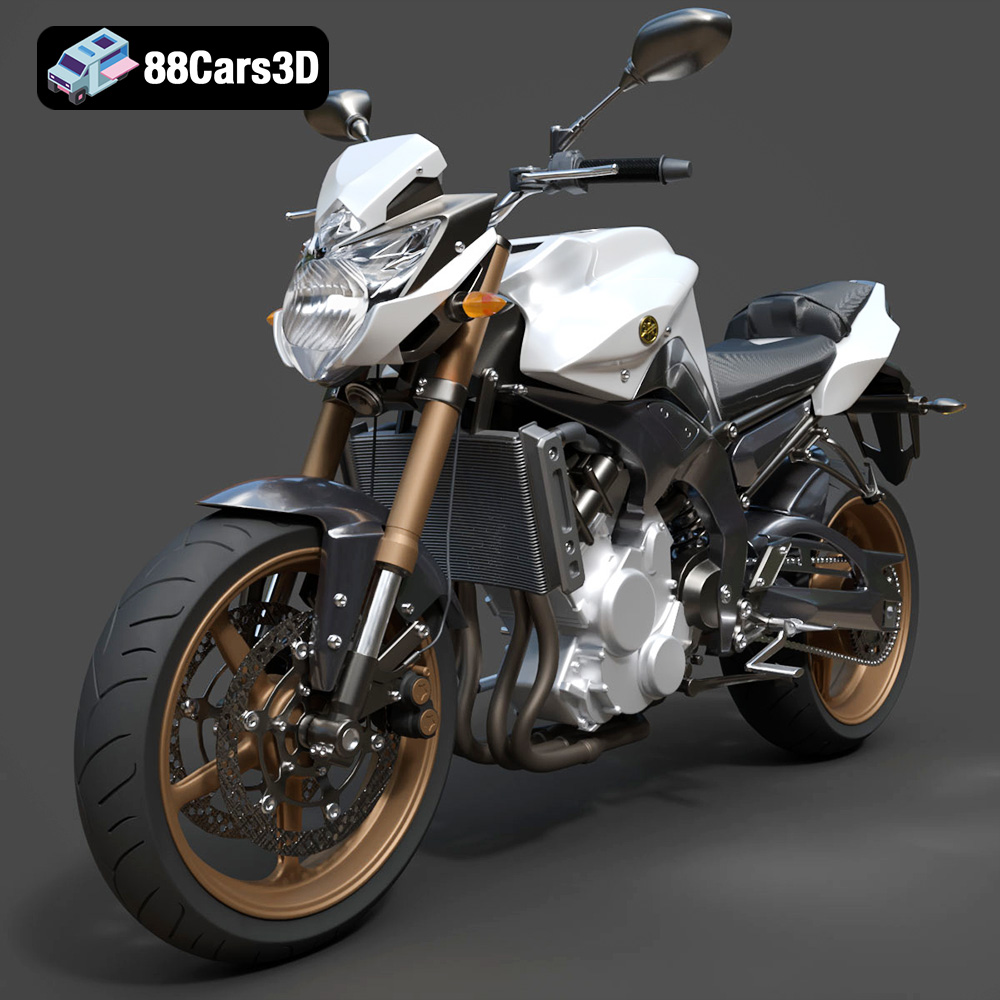
Texture: Yes
Material: Yes
Download the Yamaha FZ8 2011 3D Model featuring clean geometry, realistic detailing, and a fully modeled interior. Includes .blend, .fbx, .obj, .glb, .stl, .ply, .unreal, and .max formats for rendering, simulation, and game development.
Price: $19.99
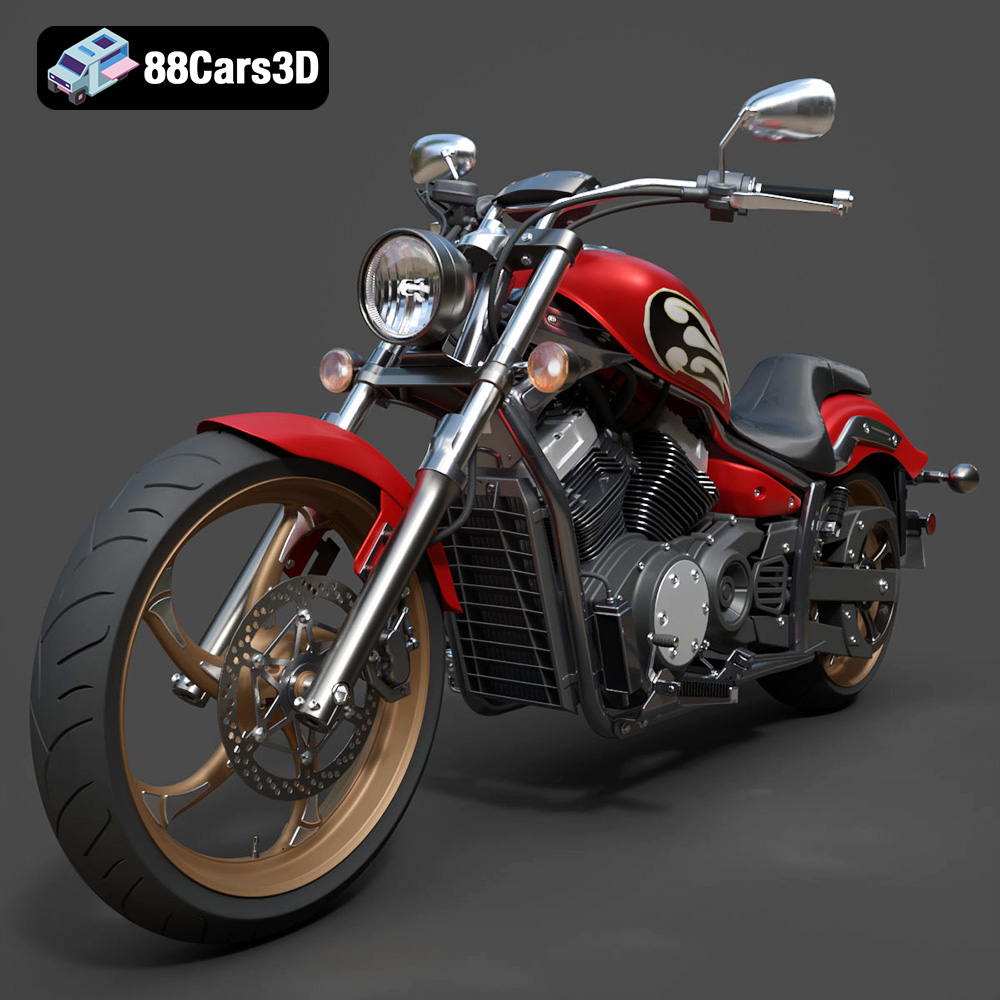
Texture: Yes
Material: Yes
Download the Yamaha Stryker 2012 3D Model featuring clean geometry, realistic detailing, and a fully modeled interior. Includes .blend, .fbx, .obj, .glb, .stl, .ply, .unreal, and .max formats for rendering, simulation, and game development.
Price: $19.99
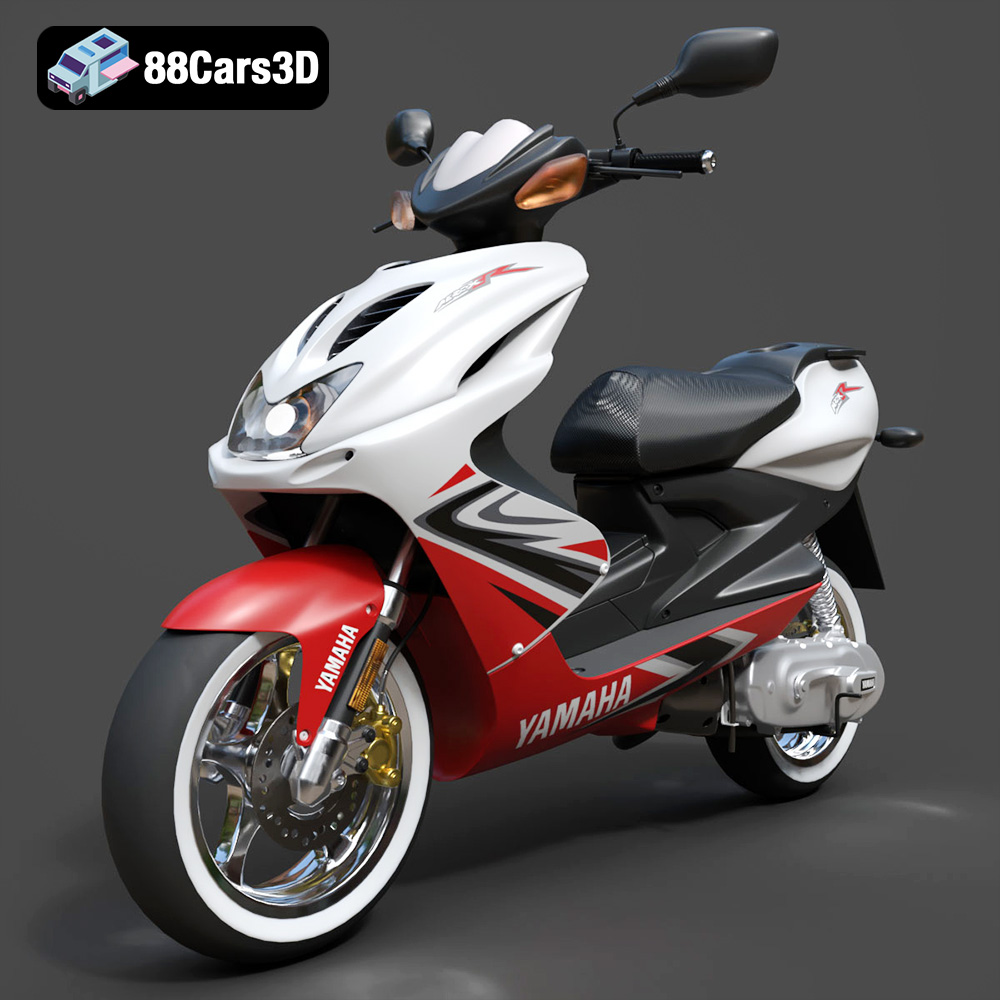
Texture: Yes
Material: Yes
Download the Yamaha Aerox R-002 2024 3D Model featuring clean geometry, realistic detailing, and a fully modeled interior. Includes .blend, .fbx, .obj, .glb, .stl, .ply, .unreal, and .max formats for rendering, simulation, and game development.
Price: $19.99
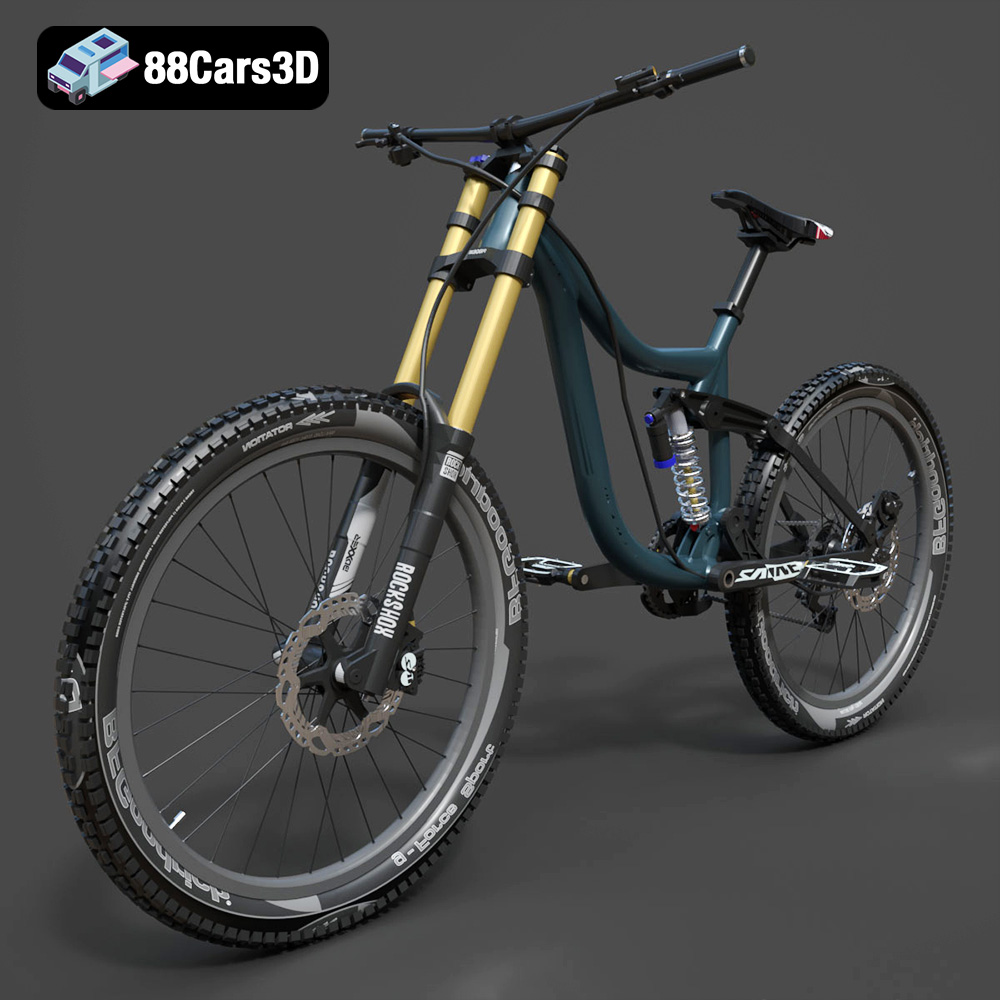
Texture: Yes
Material: Yes
Download the Mototsikly Downhill Bike-002 3D Model featuring clean geometry, realistic detailing, and precise mechanical components. Includes .blend, .fbx, .obj, .glb, .stl, .ply, .unreal, and .max formats for rendering, simulation, and game development.
Price: $19.99
Texture: Yes
Material: Yes
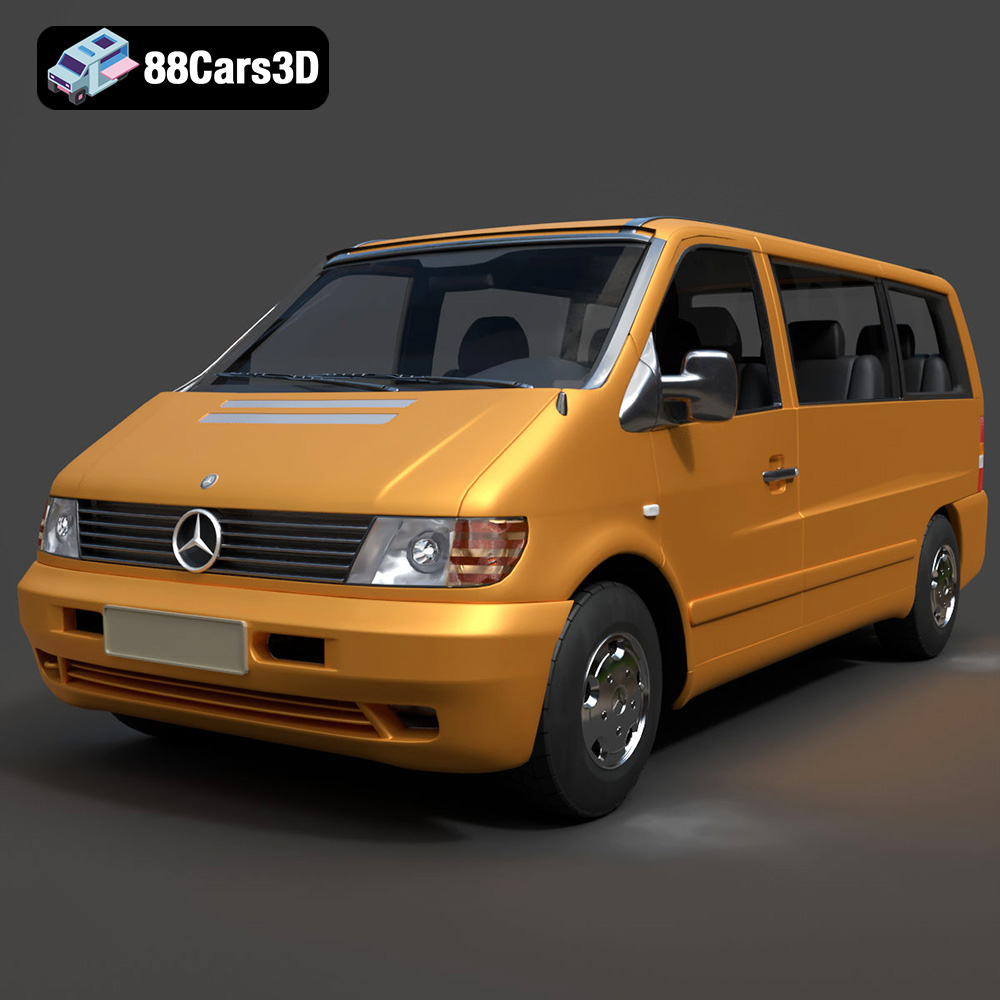
Download the Mercedes-Benz Vito Passenger Van 3D Model featuring clean geometry, realistic detailing, and a fully modeled interior. Includes .blend, .fbx, .obj, .glb, .stl, .ply, .unreal, and .max formats for rendering, simulation, and game development.
Price: $19.99
Texture: Yes
Material: Yes
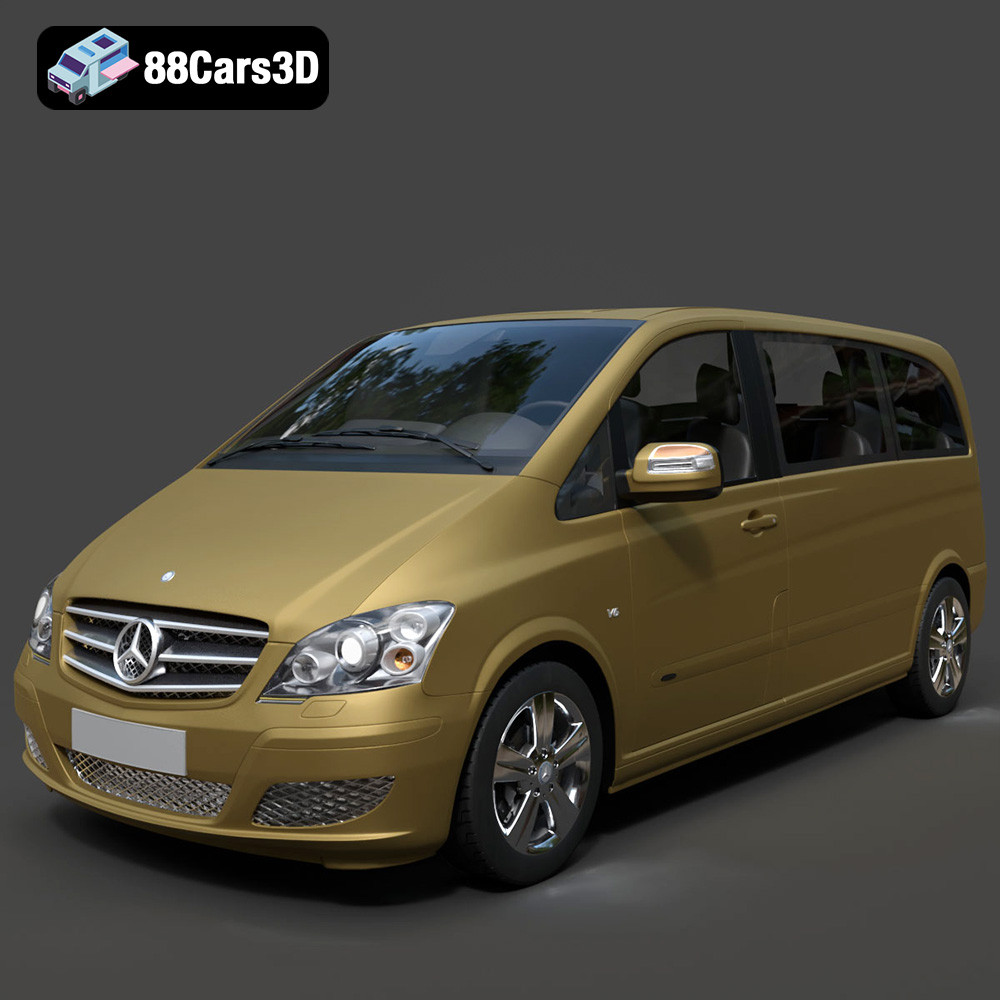
Download the Mercedes-Benz Viano 2010 3D Model featuring clean geometry, realistic detailing, and a fully modeled interior. Includes .blend, .fbx, .obj, .glb, .stl, .ply, .unreal, and .max formats for rendering, simulation, and game development.
Price: $19.99

Texture: Yes
Material: Yes
Download the Emt Avtobus 007 3D Model featuring clean geometry, realistic detailing, and a fully modeled interior. Includes .blend, .fbx, .obj, .glb, .stl, .ply, .unreal, and .max formats for rendering, simulation, and game development.
Price: $19.99
Texture: Yes
Material: Yes
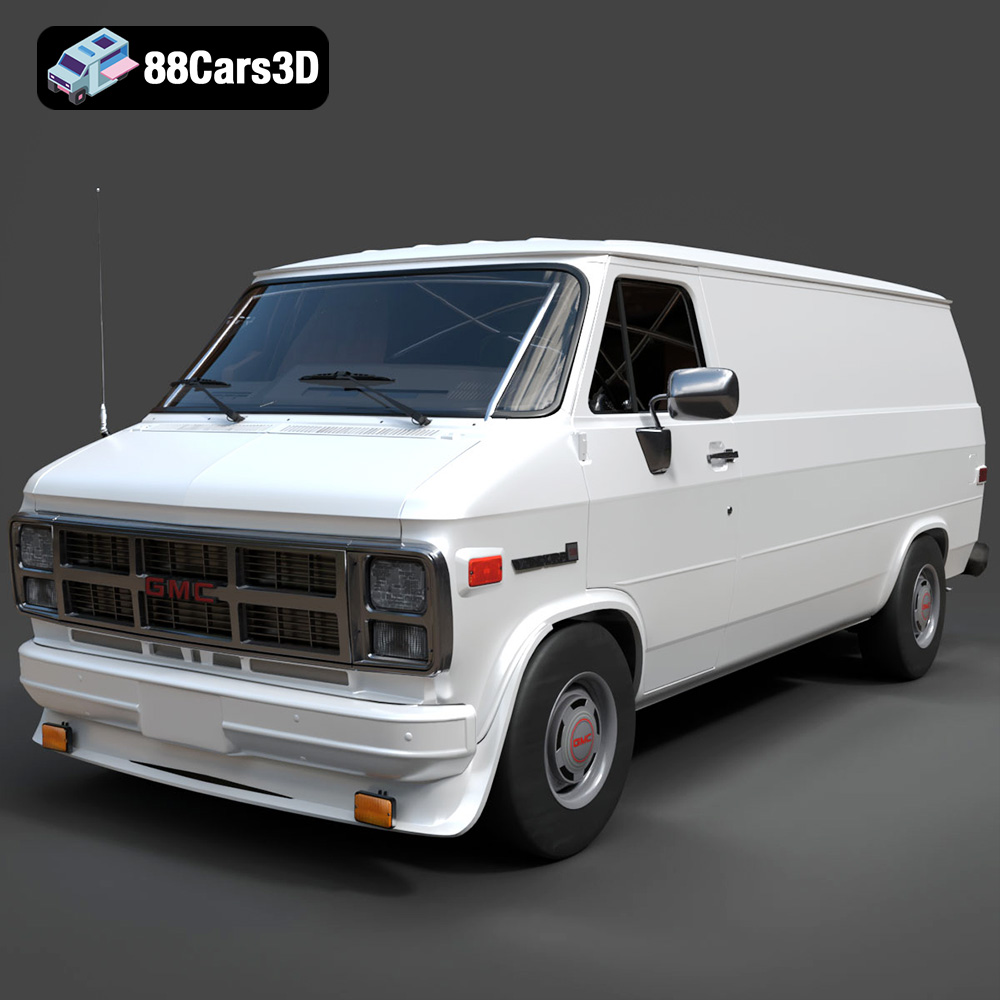
Download the GMC Vandura G-1500 1983 3D Model featuring clean geometry, realistic detailing, and a fully modeled interior. Includes .blend, .fbx, .obj, .glb, .stl, .ply, .unreal, and .max formats for rendering, simulation, and game development.
Price: $19.99

Texture: Yes
Material: Yes
Download the Ford E-450 Ambulance 3D Model featuring clean geometry, realistic detailing, and a fully modeled interior. Includes .blend, .fbx, .obj, .glb, .stl, .ply, .unreal, and .max formats for rendering, simulation, and game development.
Price: $19.99

