⚡ FLASH SALE: Get 60% OFF All Premium 3D & STL Models! ⚡

In the electrifying realm of real-time rendering, where visual fidelity and interactive experiences reign supreme, creating truly believable vehicle dynamics stands as a paramount challenge. Whether you’re developing a high-octane racing game, an immersive automotive configurator, or a cutting-edge virtual production scene, the way a car looks, sounds, and most importantly, *feels* when driven or observed in motion, is critical to user engagement. Unreal Engine, with its powerful Chaos physics system and robust suite of tools, provides an unparalleled platform for achieving this level of realism.
This comprehensive guide will take you on a deep dive into the technical intricacies of setting up, tuning, and optimizing realistic vehicle physics within Unreal Engine. We’ll explore everything from preparing your high-quality 3D car models – often sourced from specialized marketplaces like 88cars3d.com – to leveraging advanced Blueprint scripting, and fine-tuning every aspect of a vehicle’s behavior. By the end, you’ll have a solid understanding of how to transform a static mesh into a dynamic, responsive machine that feels genuinely authentic, pushing the boundaries of automotive visualization and interactive experiences.
Before any wheels can spin or suspension can articulate, your 3D car model must be meticulously prepared. The quality and structure of your asset directly impact the feasibility and realism of its physics simulation in Unreal Engine. A well-organized, optimized model from the outset saves countless hours in the long run and prevents performance bottlenecks.
The foundation of any good vehicle setup begins with a properly structured 3D model. When sourcing 3D car models, ensure they come with a clean hierarchy and appropriate pivot points. For Unreal Engine’s Chaos Vehicle system, a skeletal mesh setup is often preferred, allowing for individual wheel rotation and suspension movement. The root of your vehicle skeleton should be at the vehicle’s center of gravity (or near it, typically on the ground plane, centered), with individual bones for each wheel. Each wheel bone should have its pivot at the center of the wheel’s rotation axis. This ensures that when Unreal Engine calculates physics, the rotations and translations are applied correctly to the wheel components.
While your visual mesh can boast millions of polygons, your physics collision mesh needs to be as optimized as possible without sacrificing accuracy. Unreal Engine’s Chaos physics engine works by simulating interactions between collision shapes, not the complex visual mesh. Using the high-poly visual mesh for collisions is a common pitfall that can drastically cripple performance, especially with multiple vehicles or complex environments.
For the main chassis, a combination of simple convex shapes (boxes, capsules, spheres) is ideal. Unreal Engine allows you to generate these automatically from a skeletal mesh or assign custom collision meshes. For a truly accurate simulation, consider creating a dedicated, low-polygon collision mesh in your 3D software that closely approximates the vehicle’s silhouette. This custom mesh can then be imported alongside your visual mesh and assigned specifically for collision. For wheels, simple capsule collisions are typically sufficient. When importing from marketplaces like 88cars3d.com, always check if they provide optimized collision meshes, or be prepared to create them yourself. For more details on collision setup, refer to the official Unreal Engine documentation on Physics Assets.
Unreal Engine 5 introduced the Chaos physics system, offering a more robust, scalable, and customizable physics solution compared to its predecessor (PhysX). For vehicles, Chaos provides dedicated components and frameworks that simplify the creation of complex vehicle dynamics.
The core of your vehicle in Unreal Engine is the Chaos Vehicle Movement Component, typically housed within a Blueprint. This component handles all the heavy lifting of physics simulation, wheel interactions, and powertrain logic. To get started, you’ll create a new Blueprint Class, searching for “VehiclePawn” or “WheeledVehiclePawn” if you’re using a template.
Once you have your Blueprint, you’ll add the Chaos Vehicle Movement Component and link your prepared skeletal mesh. Crucially, you’ll need to define the number of wheels and associate each wheel with a specific bone from your skeletal mesh. Each wheel will then have its own set of parameters to tune, including radius, width, suspension settings, and tire properties. Ensure your wheel meshes are aligned correctly to the wheel bones within the skeletal mesh, otherwise, you’ll see visual discrepancies.
The Chaos Vehicle system requires you to specify the “Bone Name” for each wheel, which directly corresponds to the wheel bones you set up in your skeletal mesh. This critical link tells the physics engine exactly where to attach its simulated wheels. Additionally, you’ll define the wheel radius and width, which are crucial for accurate contact with the ground and visual scaling. The vehicle’s center of mass (CoM) is another vital property, significantly influencing stability and handling characteristics. While Unreal Engine can estimate it, manually adjusting the CoM within the Vehicle Movement Component properties (typically slightly below the visual center of the chassis) can dramatically improve realism, especially for high-speed maneuvers or when climbing inclines. You can visualize the CoM in the editor using the debug draw options for physics.
The realism of your vehicle hinges largely on the accurate simulation of its wheels and suspension. The Chaos Vehicle Movement Component offers a wealth of parameters to fine-tune these elements. Each wheel has properties that control its interaction with the ground and the vehicle body:
These values require careful tuning and iteration. Incorrect settings can lead to unrealistic bouncing, unstable handling, or a complete lack of grip. It’s often best to start with default values from a template vehicle and gradually adjust them, one parameter at a time, to observe their specific impact.
Achieving a truly authentic driving feel goes beyond just the wheels and suspension. The powertrain, including the engine, transmission, and differential, plays an equally crucial role in how the vehicle accelerates, brakes, and responds to player input. This is where the art of vehicle tuning truly comes into play.
The engine’s performance characteristics are defined by its torque curve, which maps engine RPM to output torque. A realistic engine simulation requires defining peak torque, RPM at peak torque, and a redline RPM. Unreal Engine’s Chaos Vehicle component allows you to specify these, along with the idle RPM and maximum RPM. The more accurate your torque curve, the more believable the acceleration and power delivery will feel.
The transmission governs how engine power is delivered to the wheels. This includes defining individual gear ratios, which determine the speed range for each gear, and the final drive ratio. A well-tuned transmission provides smooth acceleration and appropriate top speeds. You can also specify automatic or manual transmission behavior, shift times, and clutch properties. Furthermore, the differential type (e.g., open, limited-slip, locked) significantly impacts how power is distributed between the wheels, especially during turns or when one wheel loses traction, affecting overall handling and stability. For advanced simulations, you might even consider simulating the anti-roll bars to fine-tune body roll during cornering, adding another layer of realism to the suspension system.
Tire friction is paramount for grip and handling. Unreal Engine allows you to create Chaos Tire Config assets, where you can define complex friction models based on different surface types (e.g., asphalt, gravel, ice). These assets utilize friction multipliers and curves to simulate how grip changes with load and slip angle. For instance, a higher longitudinal friction coefficient on asphalt means better acceleration and braking, while a higher lateral coefficient provides better cornering grip. Experiment with these values to find the sweet spot between predictable handling and the thrilling challenge of managing grip.
Beyond basic suspension stiffness and damping, advanced tuning involves understanding how these parameters interact. For example, too much spring stiffness with insufficient damping will lead to a very bouncy ride, while too much damping can make the vehicle feel unresponsive and “dead.” Professional tips include:
While the Chaos Vehicle Movement Component handles the core physics, Unreal Engine Blueprint visual scripting empowers you to add layers of interactivity, advanced control, and unique gameplay mechanics to your vehicles. This is where your vehicles transcend simple physics objects and become dynamic, engaging elements of your project.
The first step in making your vehicle drivable is setting up input. You’ll map keyboard, gamepad, or even VR controller inputs to control the vehicle’s throttle, brake, steering, and handbrake. In your Vehicle Blueprint, you’ll use events triggered by these inputs to call functions on the Chaos Vehicle Movement Component. For instance, an “InputAxis MoveForward” event can directly control the throttle and brake inputs, while “InputAxis MoveRight” handles steering.
Beyond basic controls, Blueprint allows you to implement nuanced input responses. You might want to smooth out steering input for a more gradual turn, or implement progressive braking based on how long the brake button is held. You can also add logic for shifting gears (if not fully automatic), horn functionality, light controls, and even windscreen wipers. By tying these inputs directly to the Chaos Vehicle Component, you ensure that the physical simulation reacts directly to user interaction, providing immediate and intuitive feedback. Consider using Enhanced Input for more robust and flexible input management, allowing easy remapping and context-aware actions.
Blueprint’s power extends far beyond simple controls, enabling you to create sophisticated vehicle behaviors. Imagine an automatic transmission system that dynamically shifts gears based on RPM and speed, or an Anti-lock Braking System (ABS) that prevents wheel lock-up during hard braking by modulating brake pressure. You can implement traction control systems that reduce engine torque when wheels slip, improving stability in challenging conditions. These systems often involve monitoring vehicle speed, wheel RPMs, and lateral acceleration, then using Blueprint logic to adjust engine torque or brake input accordingly.
Furthermore, Blueprint is ideal for implementing visual and audio effects that enhance the driving experience. This includes triggering tire smoke effects (using Niagara), playing engine sounds that dynamically change with RPM, or even creating basic damage systems where body panels deform or fall off based on collision intensity. For automotive visualization and configurators, Blueprint can drive dynamic material changes, allowing users to switch paint colors, wheel types, or interior trims in real-time, instantly updating the vehicle’s appearance. You can even create complex AI driving behaviors using Unreal Engine’s AI Navigation and Behavior Trees, making your parked cars come alive in a virtual city.
Realistic vehicle physics can be computationally intensive, especially when dealing with multiple vehicles or complex environments. Optimization is key to maintaining smooth frame rates and a responsive user experience, crucial for both real-time rendering and game development.
Level of Detail (LOD) is a fundamental optimization technique. For visual meshes, lower-polygon versions are swapped in as the vehicle moves further from the camera, reducing rendering overhead. This is standard practice for high-quality assets sourced from marketplaces. However, LODs are equally critical for collision meshes. Unreal Engine allows you to specify different collision complexities for each LOD. For vehicles far away, a simplified bounding box or a single convex hull for the entire vehicle might suffice for collision detection, drastically reducing the number of physics calculations. Only when the vehicle is close should the more detailed, multi-convex hull collision mesh be active. Nanite, while revolutionizing high-poly rendering, primarily benefits the *visual* mesh. For physics, explicitly optimized collision meshes at appropriate LODs are still paramount, as Nanite’s virtualized geometry is not directly used by the physics engine for collision calculation.
Physics sub-stepping is a crucial setting in Unreal Engine’s Project Settings (under Physics > General). It allows the physics engine to perform multiple, smaller time steps within a single frame. This increases the stability and accuracy of simulations, especially for fast-moving objects like vehicles, by reducing the chance of objects passing through each other (tunneling) or behaving erratically. While it consumes more CPU cycles, it’s often a necessary trade-off for realistic vehicle physics.
For multiplayer games or networked AR/VR applications involving vehicles, network replication is another complex optimization challenge. Vehicle movement needs to be synchronized across all clients with minimal latency and perceived choppiness. Unreal Engine provides built-in replication for the Chaos Vehicle Movement Component, but fine-tuning parameters like update frequency, interpolation, and extrapolation rates is essential to deliver a smooth experience. Efficient replication strategies often involve sending only critical data (position, velocity, input) and letting clients simulate the rest, correcting for minor discrepancies. Optimizing the overall project, including reducing texture resolutions where appropriate, minimizing material instruction count, and efficient use of lightmaps, all contribute to freeing up resources for physics.
The quest for realistic vehicle physics extends beyond merely driving. It underpins stunning cinematic sequences, immersive virtual production, and interactive experiences that captivate audiences and users alike.
Unreal Engine’s Sequencer is a powerful multi-track editor for creating cinematic content. Integrating your physically simulated vehicles into Sequencer allows you to choreograph breathtaking car chases, elegant product reveals for automotive visualization, or dynamic camera tours. You can keyframe not just the vehicle’s position and rotation, but also its throttle, steering, and brake inputs, allowing the Chaos physics to drive the animation. This provides a level of realism that traditional keyframe animation simply cannot match, as the vehicle reacts dynamically to the environment, road surface, and its own physical properties.
Beyond the primary vehicle animation, Sequencer enables you to orchestrate an entire scene. You can animate cameras, control environmental elements, trigger particle effects (like Niagara systems for tire smoke, exhaust, or dust kicked up by wheels), and integrate soundscapes that react to the vehicle’s speed and engine RPM. The result is a highly believable, physically accurate cinematic that leverages the full power of Unreal Engine’s real-time rendering capabilities, often used in virtual production scenarios for LED walls where precision and dynamism are paramount.
The demand for interactive, real-time automotive experiences in AR/VR and product configurators is growing exponentially. Leveraging 3D car models from marketplaces like 88cars3d.com, optimized for Unreal Engine, forms the backbone of these applications. In AR/VR, realistic vehicle physics allows users to not only view a car in 3D but to virtually “drive” it, experience its handling, or even simulate parking maneuvers in a virtual garage.
For automotive configurators, combining realistic physics with Blueprint’s interactivity opens up endless possibilities. Users can choose different wheel sets, paint colors, or interior materials, and immediately see how these changes affect the vehicle’s stance or even its potential handling characteristics. Imagine a configurator where changing the suspension type instantly updates the ride height and simulates the vehicle’s response to an imaginary bump. Optimizing for AR/VR means paying close attention to performance – reducing draw calls, texture sizes, and polygon counts (especially for collision meshes) to maintain high frame rates crucial for comfort and immersion. This includes efficient use of PBR materials and ensuring light baking (for static elements) is utilized effectively, or leveraging Lumen and Nanite for dynamic environments where possible, while being mindful of their performance impact on mobile VR platforms.
Creating truly realistic vehicle physics in Unreal Engine is a journey that blends technical expertise with artistic finesse. From the meticulous preparation of high-quality 3D car models to the intricate tuning of Chaos Vehicle parameters, and the powerful interactivity offered by Blueprint, every step contributes to an authentic and engaging experience. We’ve explored the importance of clean model hierarchies, optimized collision geometries, and the vast array of settings available within Unreal Engine’s Chaos system – from engine torque curves to tire friction models. We also touched upon the critical aspects of performance optimization and how physically accurate vehicles elevate both cinematic presentations and interactive applications like AR/VR configurators.
The power of Unreal Engine, especially when combined with expertly crafted 3D car models from platforms like 88cars3d.com, allows developers and artists to push the boundaries of real-time automotive visualization and game development. The key to success lies in iterative refinement, constant testing, and a deep understanding of how each parameter influences the overall vehicle dynamics. So, take these insights, experiment, and start building your next automotive masterpiece that not only looks incredible but feels undeniably real.

Meta Description:
Texture: Yes
Material: Yes
Download the Porsche Cayenne 3D Model featuring realistic exterior styling and detailed interior design. Includes .blend, .fbx, .obj, .glb, .stl, .ply, .unreal, and .max formats for rendering, simulation, AR VR, and game development.
Price: $19.9
Texture: Yes
Material: Yes
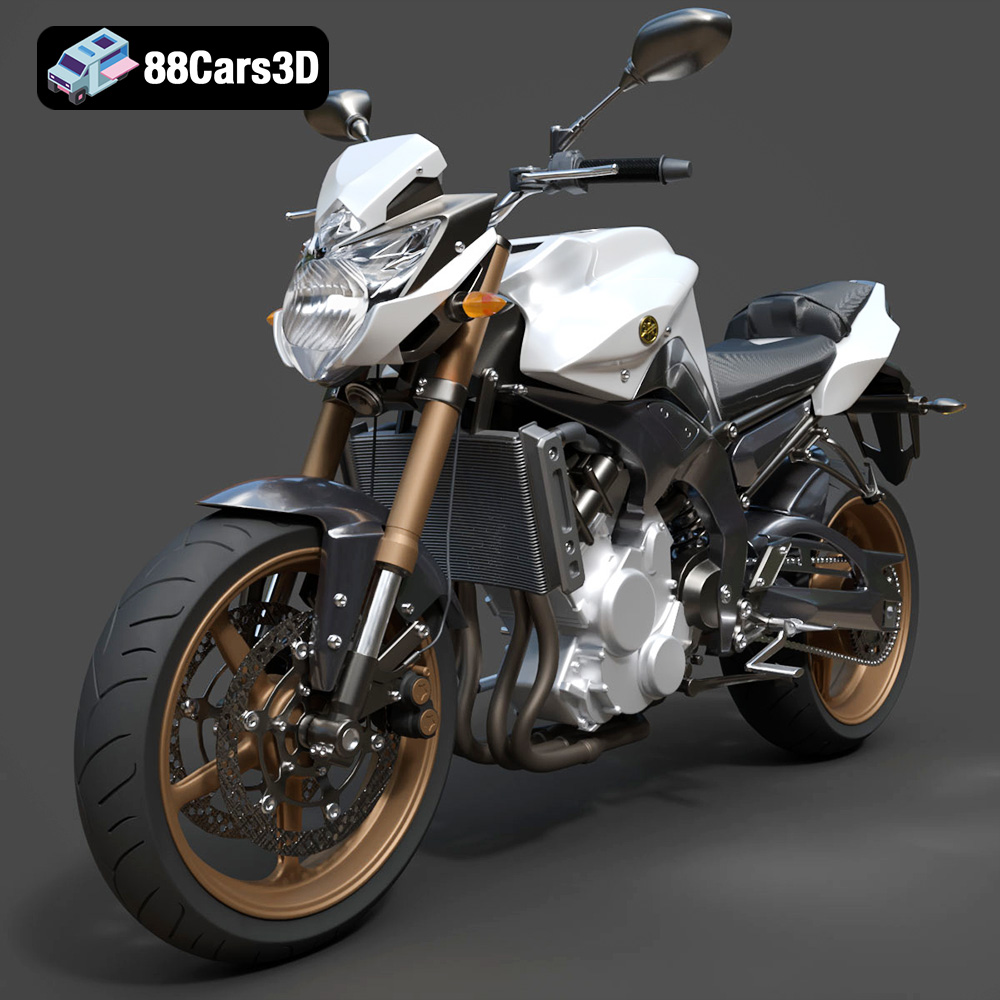
Download the Yamaha FZ8 2011 3D Model featuring clean geometry, realistic detailing, and a fully modeled interior. Includes .blend, .fbx, .obj, .glb, .stl, .ply, .unreal, and .max formats for rendering, simulation, and game development.
Price: $19.99
Texture: Yes
Material: Yes
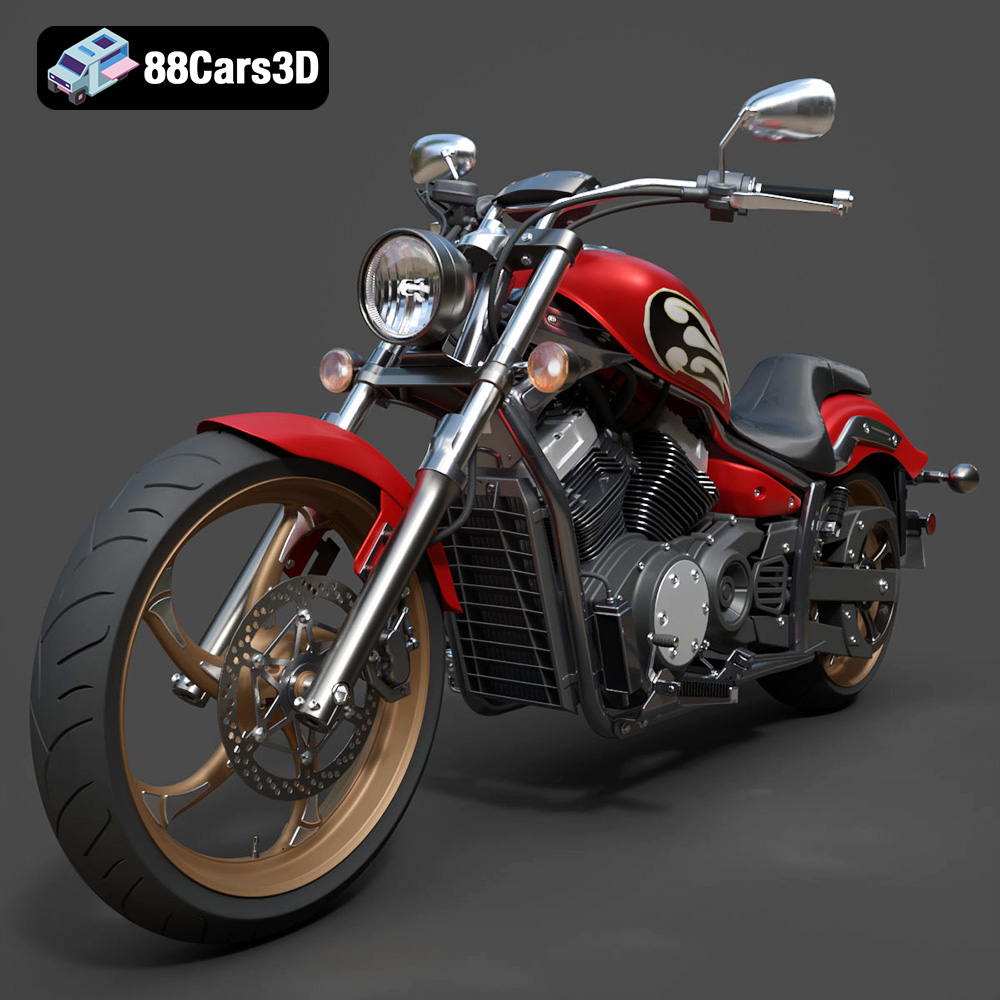
Download the Yamaha Stryker 2012 3D Model featuring clean geometry, realistic detailing, and a fully modeled interior. Includes .blend, .fbx, .obj, .glb, .stl, .ply, .unreal, and .max formats for rendering, simulation, and game development.
Price: $19.99
Texture: Yes
Material: Yes
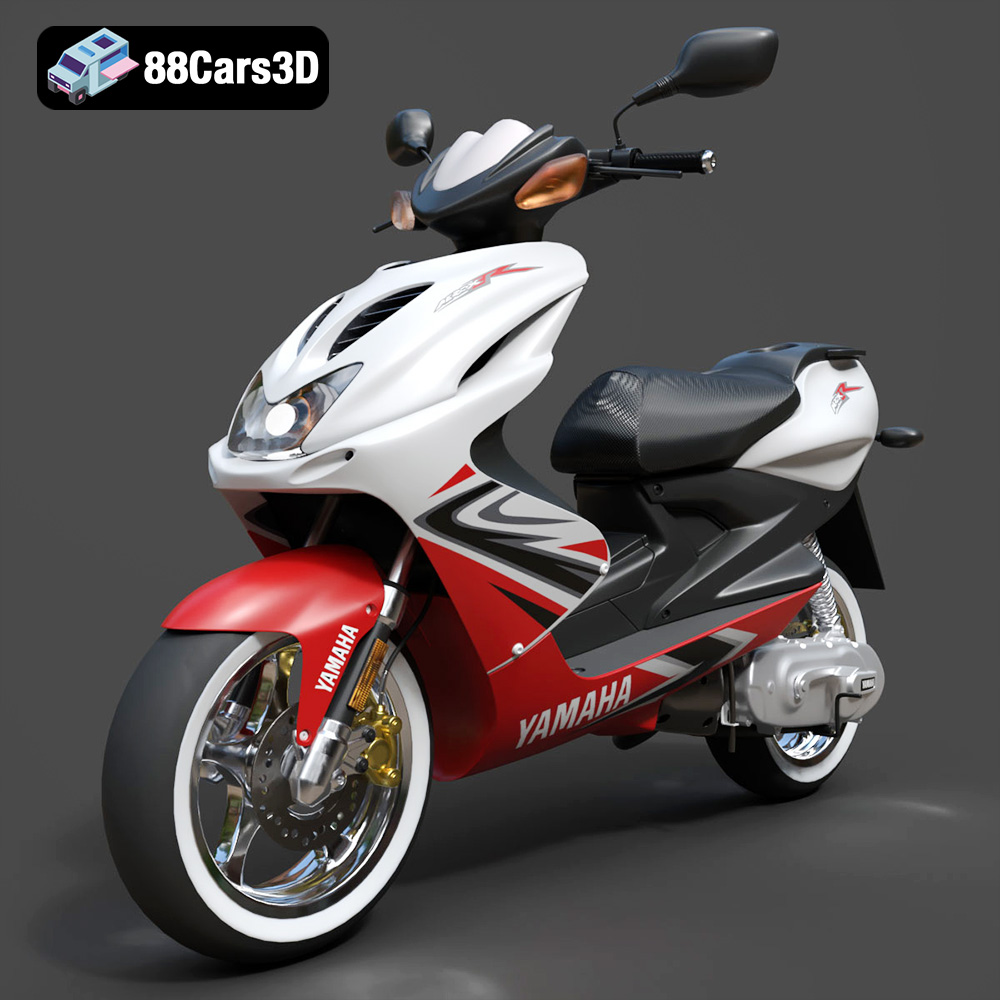
Download the Yamaha Aerox R-002 2024 3D Model featuring clean geometry, realistic detailing, and a fully modeled interior. Includes .blend, .fbx, .obj, .glb, .stl, .ply, .unreal, and .max formats for rendering, simulation, and game development.
Price: $19.99
Texture: Yes
Material: Yes
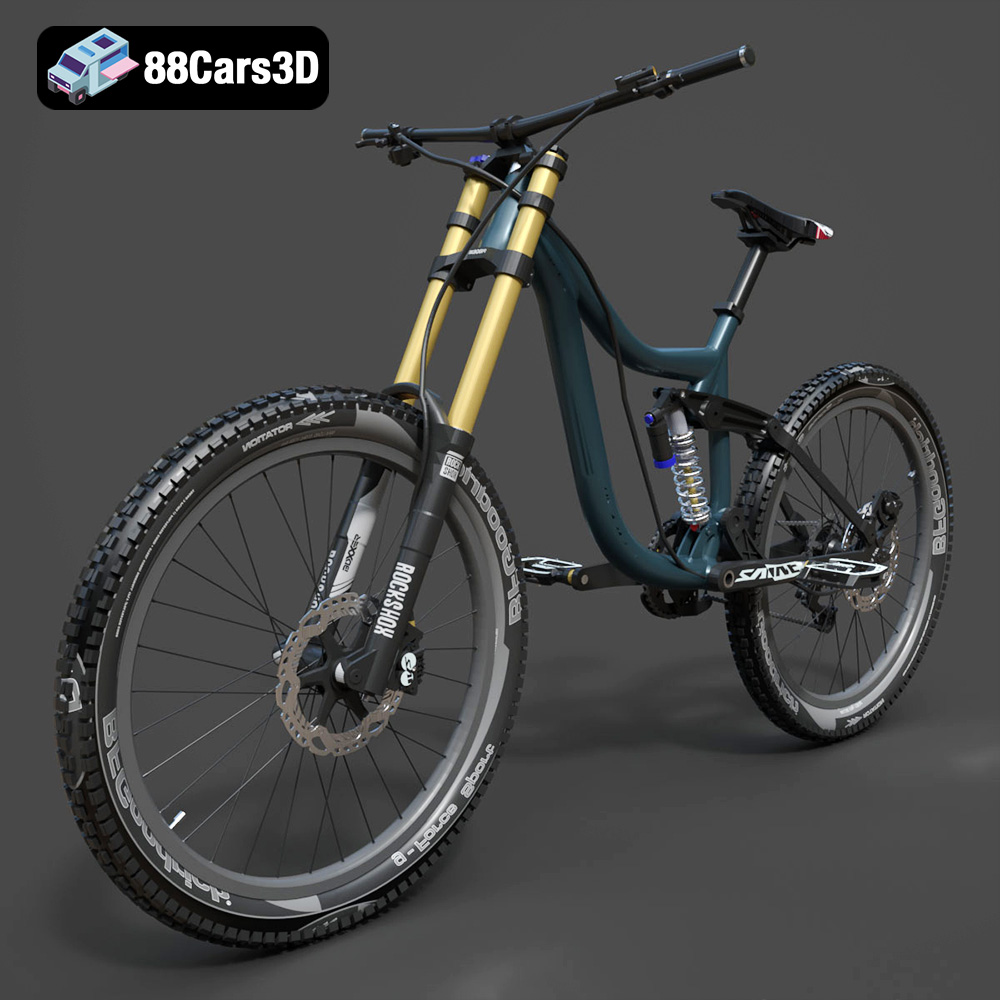
Download the Mototsikly Downhill Bike-002 3D Model featuring clean geometry, realistic detailing, and precise mechanical components. Includes .blend, .fbx, .obj, .glb, .stl, .ply, .unreal, and .max formats for rendering, simulation, and game development.
Price: $19.99
Texture: Yes
Material: Yes
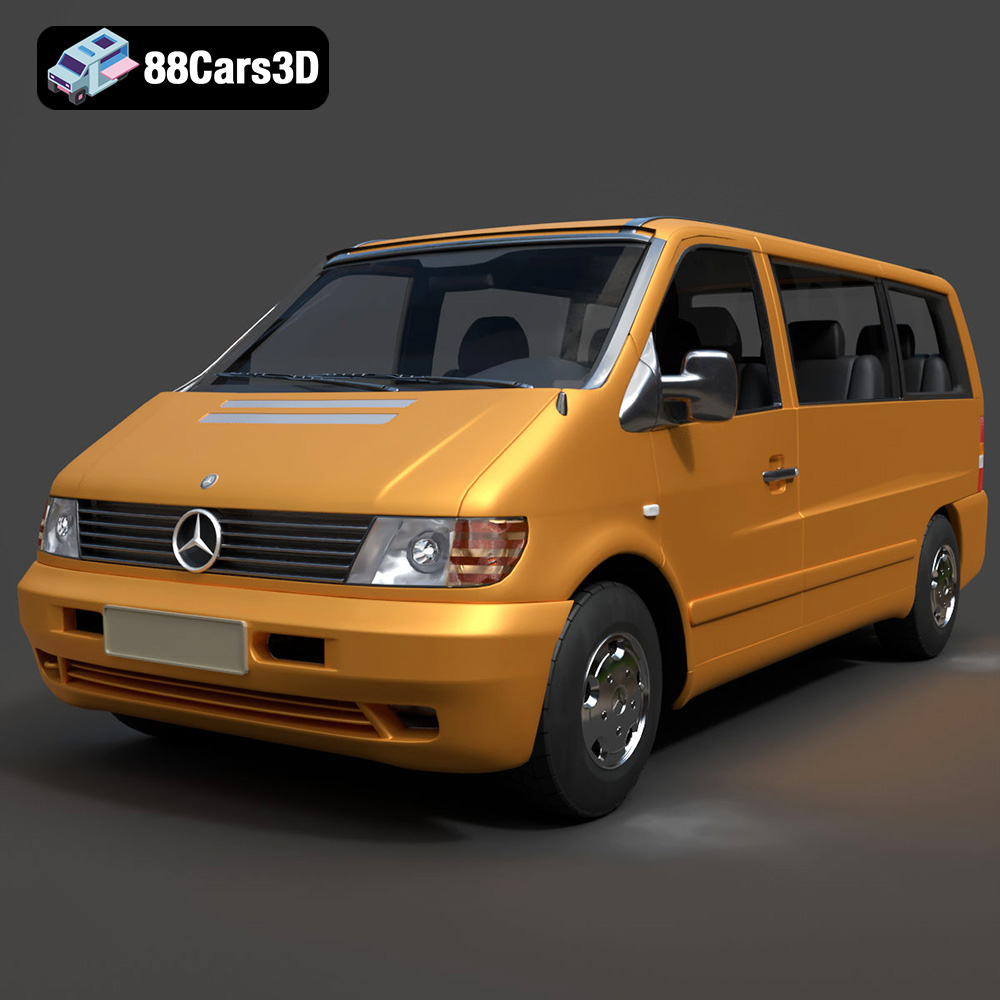
Download the Mercedes-Benz Vito Passenger Van 3D Model featuring clean geometry, realistic detailing, and a fully modeled interior. Includes .blend, .fbx, .obj, .glb, .stl, .ply, .unreal, and .max formats for rendering, simulation, and game development.
Price: $19.99
Texture: Yes
Material: Yes
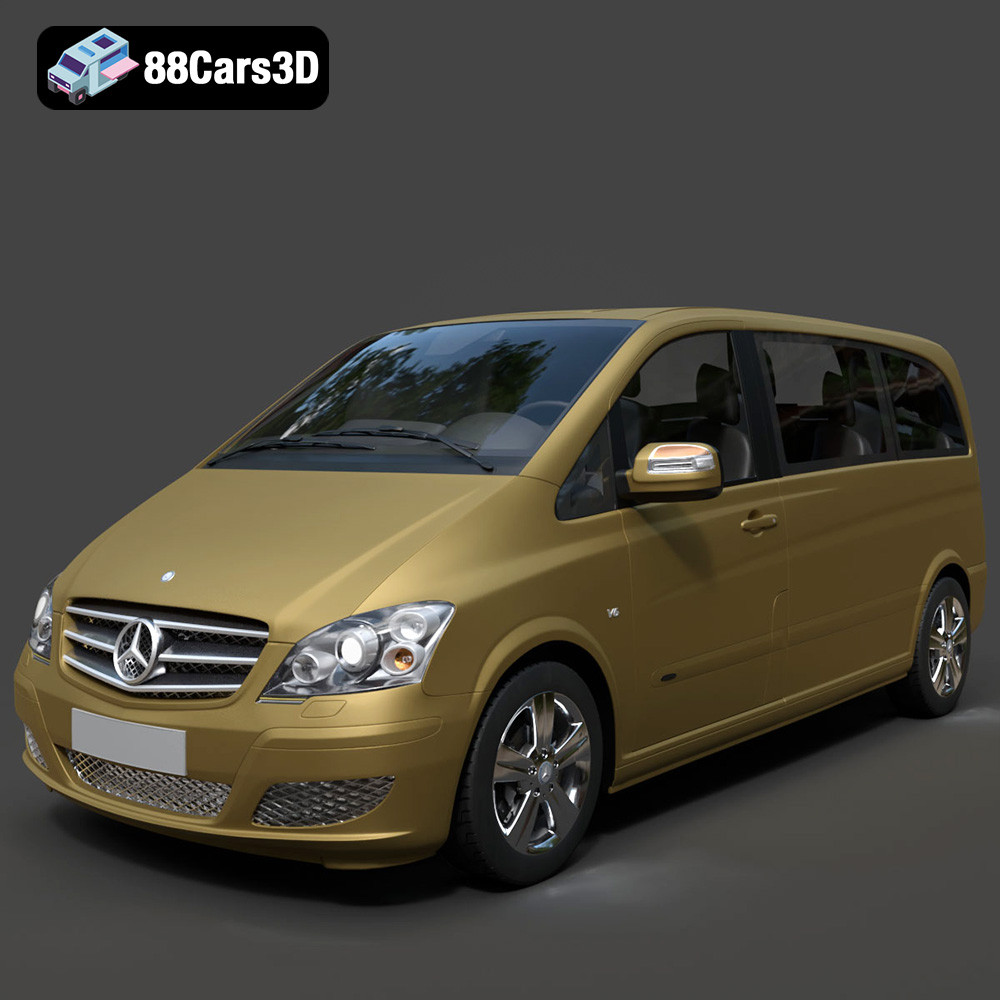
Download the Mercedes-Benz Viano 2010 3D Model featuring clean geometry, realistic detailing, and a fully modeled interior. Includes .blend, .fbx, .obj, .glb, .stl, .ply, .unreal, and .max formats for rendering, simulation, and game development.
Price: $19.99

Texture: Yes
Material: Yes
Download the Emt Avtobus 007 3D Model featuring clean geometry, realistic detailing, and a fully modeled interior. Includes .blend, .fbx, .obj, .glb, .stl, .ply, .unreal, and .max formats for rendering, simulation, and game development.
Price: $19.99
Texture: Yes
Material: Yes
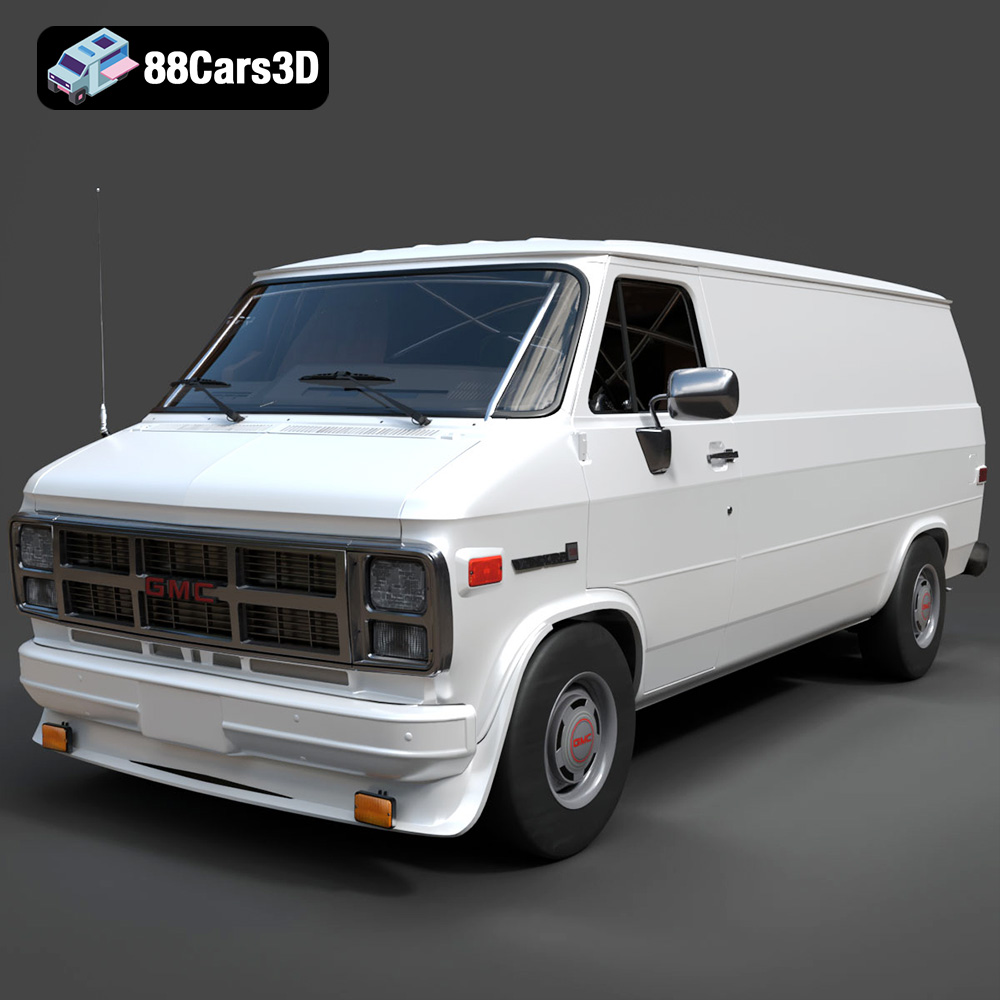
Download the GMC Vandura G-1500 1983 3D Model featuring clean geometry, realistic detailing, and a fully modeled interior. Includes .blend, .fbx, .obj, .glb, .stl, .ply, .unreal, and .max formats for rendering, simulation, and game development.
Price: $19.99
Texture: Yes
Material: Yes
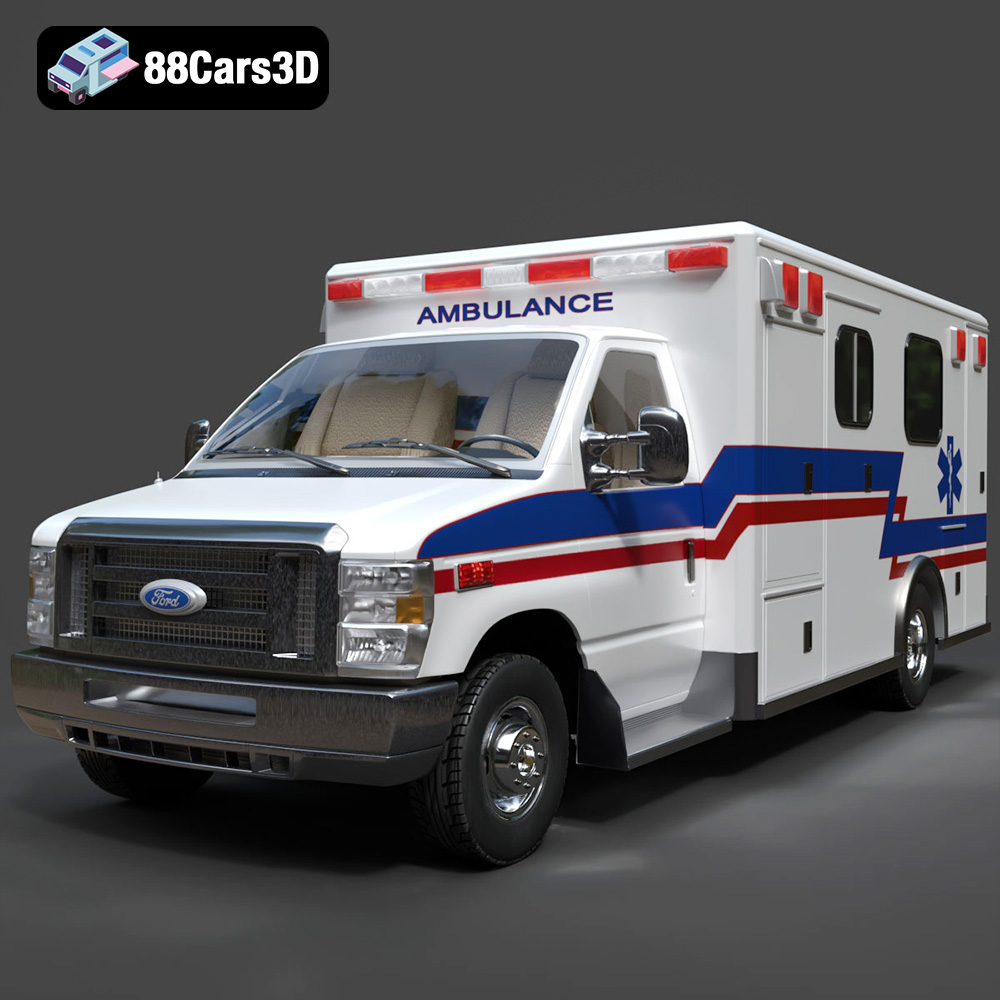
Download the Ford E-450 Ambulance 3D Model featuring clean geometry, realistic detailing, and a fully modeled interior. Includes .blend, .fbx, .obj, .glb, .stl, .ply, .unreal, and .max formats for rendering, simulation, and game development.
Price: $19.99

