⚡ FLASH SALE: Get 60% OFF All Premium 3D & STL Models! ⚡

The automotive industry is undergoing a profound transformation, driven by the convergence of cutting-edge design, engineering, and real-time visualization technologies. At the heart of this revolution lies Unreal Engine, a powerful platform that has moved far beyond its gaming roots to become an indispensable tool for automotive designers, marketers, and engineers. From hyper-realistic concept renders to interactive configurators and immersive virtual showrooms, Unreal Engine empowers professionals to bring their automotive visions to life with unparalleled fidelity and interactivity.
For those new to the engine, the sheer depth of features can seem daunting. This comprehensive guide is designed to demystify the process, offering a beginner-friendly yet technically robust walkthrough for getting started with Unreal Engine, specifically tailored for working with high-quality 3D car models. We’ll cover everything from initial project setup and optimal model import strategies to crafting stunning PBR materials, mastering dynamic lighting, and implementing interactive elements with Blueprint. Our goal is to equip you with the knowledge to transform static 3D car models into dynamic, engaging real-time experiences, leveraging the very best of what Unreal Engine has to offer for automotive visualization.
Embarking on your Unreal Engine journey begins with a solid project foundation. The choices you make during initial setup can significantly impact your workflow and the performance of your automotive visualization projects. Understanding the installation process and the core interface elements is crucial for a smooth start.
Your first step is to download the Epic Games Launcher from the official Epic Games website. Once installed, the Launcher serves as your portal to Unreal Engine, allowing you to install different versions of the engine, manage projects, and access the Marketplace. For automotive visualization, it’s generally recommended to install the latest stable version of Unreal Engine 5, as it includes powerful features like Nanite and Lumen, which are game-changers for photorealistic rendering.
When creating a new project, you’ll be prompted to choose a template. For most automotive visualization tasks, the “Games” category offers a “Blank” template, which provides a clean slate. Alternatively, the “Film, Television, and Live Events” category also offers a “Blank” template. While the “Automotive Product Design” template exists, starting with a blank slate often provides more control for a custom setup. Ensure you select “Blueprint” for the project type if you intend to use visual scripting (highly recommended), and decide whether to include Starter Content (often useful for basic materials and props, but can be omitted to keep project size lean).
Key Tip: Always store your Unreal Engine projects on a fast SSD (Solid State Drive) for optimal loading times and performance during development.
Upon opening your new project, you’ll be greeted by the Unreal Editor interface. Familiarity with its main panels is essential:
Understanding these fundamental interface elements will empower you to efficiently manipulate your scene and assets as you begin importing and working with your 3D car models.
The quality of your final automotive visualization is inextricably linked to the quality and optimization of your 3D car models. Importing these assets correctly and leveraging Unreal Engine’s optimization features are critical steps.
Before importing, your 3D car model should be meticulously prepared in your 3D modeling software (e.g., Blender, 3ds Max, Maya). The standard file format for Unreal Engine is FBX, known for its robust support of mesh data, materials, and animations. However, USD (Universal Scene Description) and USDZ are gaining traction, offering powerful non-destructive workflows and improved interoperability across various 3D applications and industry pipelines.
Crucial preparation steps include:
SM_CarBody, M_CarPaint_Red).When sourcing automotive assets from marketplaces such as 88cars3d.com, you often benefit from models that are already optimized with clean topology, correct scaling, and organized hierarchies, significantly streamlining your workflow and ensuring compatibility with Unreal Engine’s features like Nanite and Lumen.
To import your FBX or USD file, simply drag and drop it from your file explorer into the Content Browser, or right-click in the Content Browser and select “Import.” The FBX Import Options dialog will appear, offering critical settings:
After importing, drag your newly created Static Mesh into your scene. Check its scale and orientation. If any issues arise, you can modify the mesh within its Static Mesh Editor (double-click the mesh asset in the Content Browser) or adjust the import settings and re-import.
Unreal Engine 5’s Nanite virtualized geometry system is a game-changer for automotive visualization, allowing you to import and render incredibly detailed 3D car models with millions of polygons without traditional performance bottlenecks. This eliminates the need for manual LOD creation for Nanite-enabled meshes, freeing up artists to focus on quality.
How to enable Nanite:
Unreal Engine will then convert your mesh into a Nanite-compatible format. The benefits are immediate: incredibly detailed geometry can be rendered efficiently, maintaining visual fidelity even up close. While Nanite is revolutionary, be aware of its current limitations: it doesn’t currently support masked materials, translucent materials, or certain custom vertex shaders. For these elements (like car windows or specific light effects), you might still need traditional meshes or specialized approaches.
For more detailed information on Nanite and its capabilities, consult the official Unreal Engine documentation at https://dev.epicgames.com/community/unreal-engine/learning.
Realistic materials are paramount for convincing automotive visualization. Unreal Engine’s physically based rendering (PBR) system and powerful Material Editor allow you to replicate the look of real-world car paints, metals, glass, and fabrics with stunning accuracy.
Physically Based Rendering (PBR) is a shading model that aims to simulate how light interacts with surfaces in the real world. This results in more consistent and realistic lighting responses across various lighting conditions. Key PBR channels include:
Unreal Engine’s Material Editor is a node-based interface where you connect various inputs (textures, constants, parameters) to the main Material Output node, defining how light interacts with your surface. The Material Instances feature is crucial: create a parent Material, then derive Material Instances from it. This allows you to quickly change parameters (like color or roughness) without recompiling the entire material, saving significant iteration time.
Creating a realistic car paint material is a cornerstone of automotive visualization. Here’s a simplified approach:
M_CarPaint_Master.PaintColor. Connect it to the Base Color input. This allows for easy color changes via Material Instances.MetallicAmount, set its default to 1. Connect it to the Metallic input. Car paint typically behaves as a metal with a clear coat.BaseRoughness, default 0.2.ClearCoatRoughness, default 0.05.BaseRoughness as A, and ClearCoatRoughness as B. Connect the result to the main Roughness input. This allows for varied surface roughness.ClearCoatIntensity, default 1. Connect to Clear Coat.ClearCoatRoughness, default 0.03. Connect to Clear Coat Roughness. This creates a glossy outer layer.Compile and save the material. Now, right-click on M_CarPaint_Master in the Content Browser and select “Create Material Instance.” Double-click the instance, and you can now adjust PaintColor, BaseRoughness, and ClearCoatRoughness instantly without recompiling.
After creating your materials, you’ll need to import relevant textures. Common texture types include Base Color, Normal, Roughness, Metallic, and Ambient Occlusion. Import them by dragging and dropping into the Content Browser. When importing, ensure textures like Normal Maps have their “sRGB” property unchecked in the Texture Editor for correct linear color space interpretation.
UV Mapping: For your car models, proper UV mapping is critical. Typically, you’ll need at least two UV channels:
Checking the “Generate Lightmap UVs” option during import can automatically create UV Channel 1, but always inspect it in the Static Mesh Editor to ensure it’s suitable, especially for complex geometries. High-quality 3D car models from platforms like 88cars3d.com typically come with carefully prepared UVs, simplifying this process significantly.
Lighting is arguably the most critical component of photorealistic rendering. Unreal Engine offers a suite of powerful lighting tools, with Lumen leading the charge for dynamic global illumination, allowing for incredibly realistic and interactive environments.
Lumen is Unreal Engine 5’s revolutionary fully dynamic global illumination and reflections system, providing realistic indirect lighting and reflections without needing to pre-bake lightmaps. This is invaluable for automotive visualization, enabling dynamic time-of-day changes, interactive garage setups, and quick design iterations with accurate lighting.
Enabling Lumen:
Lumen uses a software ray-tracing approach (with hardware ray-tracing as an option for higher quality), creating a detailed representation of your scene called the Lumen Scene. Light from your Directional Light (sun), Sky Light (ambient bounce), and emissive materials on your car (headlights/taillights) will dynamically bounce around the environment, illuminating surfaces realistically. For deeper insights into Lumen, Epic Games provides extensive documentation and tutorials on their learning portal: https://dev.epicgames.com/community/unreal-engine/learning/5621/unreal-engine-5-lumen-overview.
To create a compelling automotive scene, you’ll need to set up several key atmospheric and lighting actors:
By combining these elements, you can quickly establish a believable and visually rich environment for your 3D car models.
Post-processing is the final layer of polish that transforms good renders into stunning cinematic visuals. A Post Process Volume allows you to apply various effects to your camera’s output, enhancing realism and mood. Place a Post Process Volume in your scene, ensure “Infinite Extent (Unbound)” is checked in its Details panel, and begin adjusting settings:
Experimentation is key here. By carefully balancing these effects, you can achieve specific visual styles, from a clean showroom aesthetic to a dramatic, gritty realism, bringing your automotive renders to a professional level.
Static renders are impressive, but the true power of Unreal Engine lies in its ability to create interactive experiences. Blueprint visual scripting and physics simulations allow you to build dynamic automotive configurators, interactive demos, and realistic vehicle behaviors.
Blueprint is Unreal Engine’s powerful visual scripting system, enabling artists and designers to create complex gameplay and interactive functionalities without writing a single line of C++ code. It’s an intuitive node-based interface that allows you to define logic, manipulate objects, and respond to user input.
Key Blueprint Concepts:
A simple example: To make a car door open on a key press, you might create a Blueprint Actor for the door, add an “Event Keyboard” node for a specific key (e.g., ‘O’), and then connect it to a “Timeline” node for smooth animation. The Timeline would then drive a “Set Relative Rotation” node for the door’s mesh, gradually opening it. This visual, flow-chart-like approach makes complex interactions approachable for beginners.
Unreal Engine excels at creating interactive automotive configurators, allowing users to customize vehicles in real-time. Here’s how Blueprint facilitates this:
MI_CarPaint_Red, MI_CarPaint_Blue) from your master car paint material.WheelOptions array of Static Mesh assets).These interactive elements transform a static 3D car model into an engaging experience, perfect for showrooms, marketing, or design reviews.
For more advanced interactions, such as test drives or simulated vehicle behavior, Unreal Engine 5 integrates the Chaos Physics system. The Chaos Vehicles plugin (enabled via Edit > Plugins) provides a robust framework for simulating car dynamics.
Setting up a basic vehicle involves:
While a full vehicle setup can be complex, Unreal Engine’s documentation provides excellent starting points for configuring vehicle physics, allowing you to bring a rudimentary driving experience to your projects. This enables interactive test drives or even simple game prototypes. For comprehensive guidance on setting up vehicles, refer to the official documentation on the Chaos Vehicles system: https://dev.epicgames.com/community/unreal-engine/learning/4879/unreal-engine-vehicle-tutorial-how-to-create-a-simple-vehicle.
High-fidelity automotive visualization demands significant computational resources. Achieving smooth, real-time performance, especially for interactive applications or AR/VR, requires meticulous optimization. Unreal Engine provides numerous tools and strategies to manage performance effectively.
While Nanite handles detail for static meshes incredibly efficiently, not all assets in your scene will be Nanite-enabled (e.g., translucent meshes, smaller props, UI elements, or older assets). For these, Level of Detail (LODs) and culling remain vital optimization techniques:
Even with Nanite, understanding LODs and culling is essential for non-Nanite geometry and for managing overall scene complexity, contributing to overall performance and preventing unnecessary rendering overhead.
Textures are a major memory and performance consideration. Proper management can make a significant difference:
To identify performance bottlenecks, use Unreal Engine’s built-in profilers: stat fps for framerate, stat gpu for GPU performance breakdown, and stat unit for overall engine timings. These tools are indispensable for pinpointing where optimization efforts are most needed.
Unreal Engine’s scalability settings allow you to easily adjust rendering quality to target different hardware specifications or platforms. These can be found under “Settings” > “Engine Scalability Settings.” You can define custom quality levels for view distance, anti-aliasing, post-processing, shadows, and more.
For specific applications:
Always profile your application on the target hardware to ensure it meets performance requirements. A highly detailed 3D car model from 88cars3d.com might be ideal for high-end PC visualization, but might require some down-sampling or alternative assets for mobile or entry-level VR experiences.
Unreal Engine’s capabilities extend far beyond traditional visualization. For automotive, this means venturing into virtual production, augmented reality (AR), and virtual reality (VR), creating new paradigms for design, marketing, and storytelling.
Sequencer is Unreal Engine’s powerful, non-linear cinematic editor, allowing you to create high-quality animated sequences, cinematics, and marketing videos directly within the engine. For automotive projects, Sequencer is indispensable for showcasing vehicle features, design aesthetics, or creating dynamic commercials.
Key Sequencer workflows for automotive:
PaintColor of your car paint material) to create color-changing sequences or dynamic material effects.Sequencer enables you to tell a compelling story around your 3D car models, elevating them from static assets to dynamic characters within an immersive narrative.
AR and VR are transforming how automotive designers and consumers interact with vehicles. Unreal Engine is at the forefront of this, enabling the creation of immersive virtual showrooms, collaborative design reviews, and interactive training applications.
Developing for AR/VR requires careful performance optimization (as discussed previously) and consideration for user comfort and interaction methods (e.g., hand tracking, motion controllers). Unreal Engine’s XR plugins provide the necessary framework for integrating with various AR/VR hardware.
Virtual production, often utilizing large LED walls, is revolutionizing film, television, and advertising. Unreal Engine powers these LED volumes, generating real-time environments that merge seamlessly with physical sets and actors. For automotive marketing and presentations, this means:
The ability to integrate high-quality 3D car models directly into these virtual production pipelines, powered by Unreal Engine, opens up boundless creative possibilities for the automotive industry, streamlining production and enabling innovative storytelling.
Our journey through Unreal Engine for automotive visualization has covered a vast landscape, from the foundational steps of project setup and efficient asset import to the advanced realms of real-time global illumination, interactive Blueprints, and cutting-edge virtual production techniques. You’ve learned how to leverage Nanite for unprecedented geometric detail, craft stunning PBR materials for photorealistic surfaces, and utilize Lumen for dynamic and accurate lighting environments. We also delved into critical optimization strategies and explored the exciting future of AR/VR and LED wall workflows, all powered by the versatility of Unreal Engine.
The power of Unreal Engine lies in its ability to democratize high-end visualization, making it accessible to artists, designers, and developers alike. Whether you’re aiming to create breathtaking concept renders, build engaging interactive configurators, or explore immersive AR/VR experiences, the tools and workflows we’ve discussed provide a robust starting point. Remember that practice and experimentation are key to mastering this powerful engine. Begin by applying these concepts to your own projects, explore the vast resources available on the official Unreal Engine documentation, and continue pushing the boundaries of what’s possible.
As you embark on your automotive visualization projects, consider sourcing your high-quality 3D car models from platforms like 88cars3d.com. Their optimized assets are specifically designed to integrate seamlessly with Unreal Engine, allowing you to focus on creativity rather than wrestling with asset preparation. The world of real-time automotive visualization is dynamic and ever-evolving; embrace the journey and start building your next masterpiece today!

Meta Description:
Texture: Yes
Material: Yes
Download the Porsche Cayenne 3D Model featuring realistic exterior styling and detailed interior design. Includes .blend, .fbx, .obj, .glb, .stl, .ply, .unreal, and .max formats for rendering, simulation, AR VR, and game development.
Price: $19.9
Texture: Yes
Material: Yes
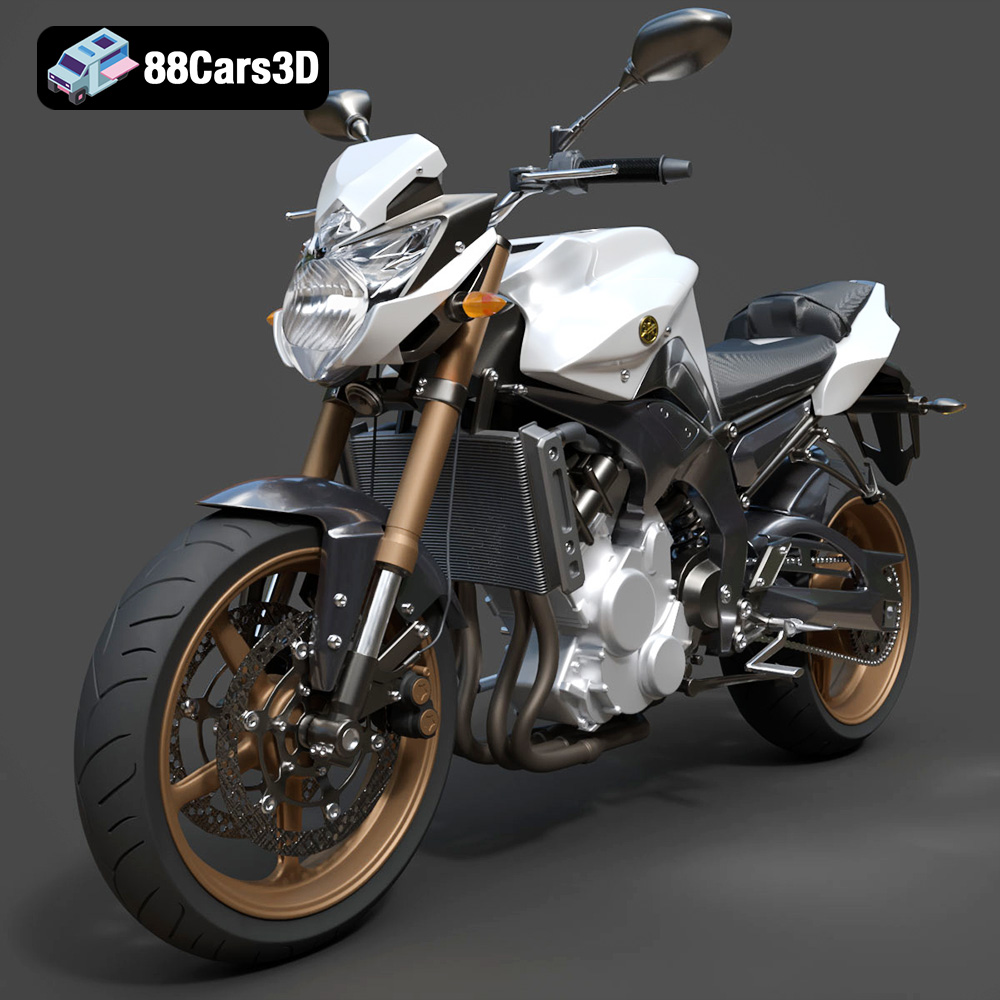
Download the Yamaha FZ8 2011 3D Model featuring clean geometry, realistic detailing, and a fully modeled interior. Includes .blend, .fbx, .obj, .glb, .stl, .ply, .unreal, and .max formats for rendering, simulation, and game development.
Price: $19.99
Texture: Yes
Material: Yes
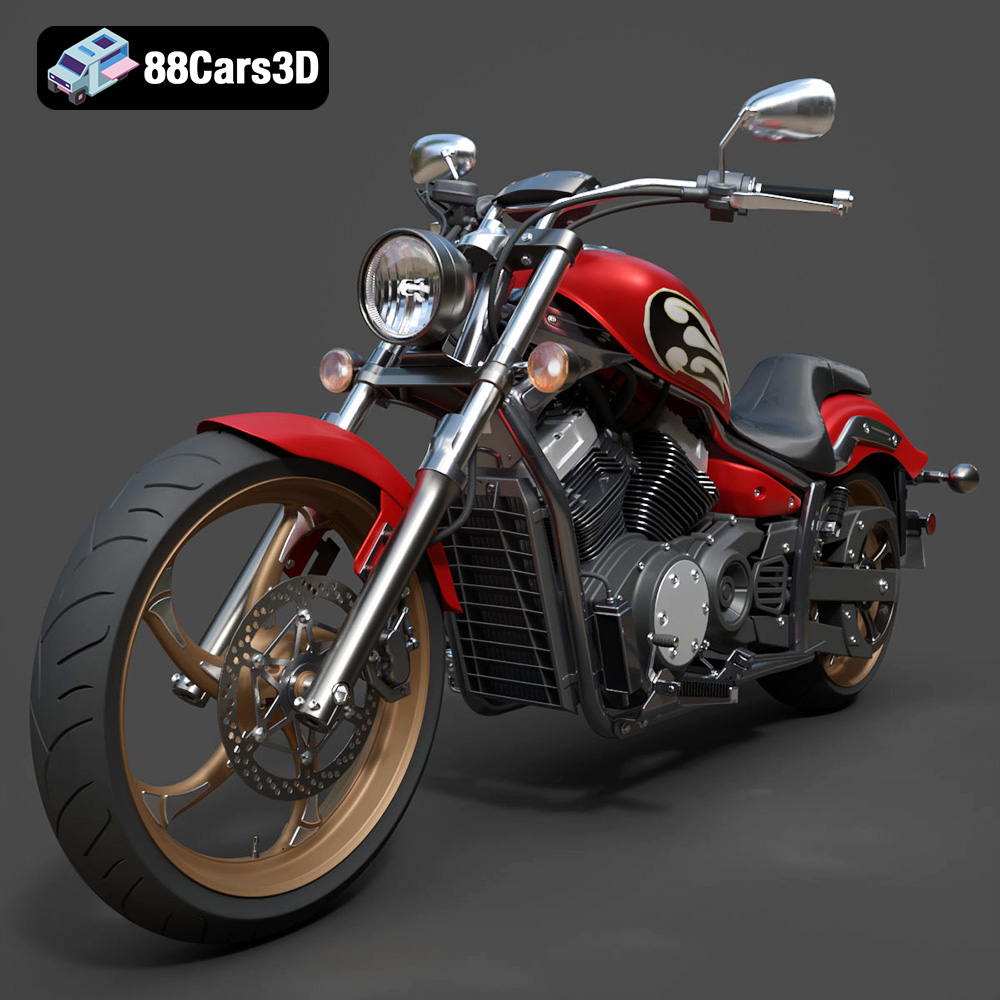
Download the Yamaha Stryker 2012 3D Model featuring clean geometry, realistic detailing, and a fully modeled interior. Includes .blend, .fbx, .obj, .glb, .stl, .ply, .unreal, and .max formats for rendering, simulation, and game development.
Price: $19.99
Texture: Yes
Material: Yes
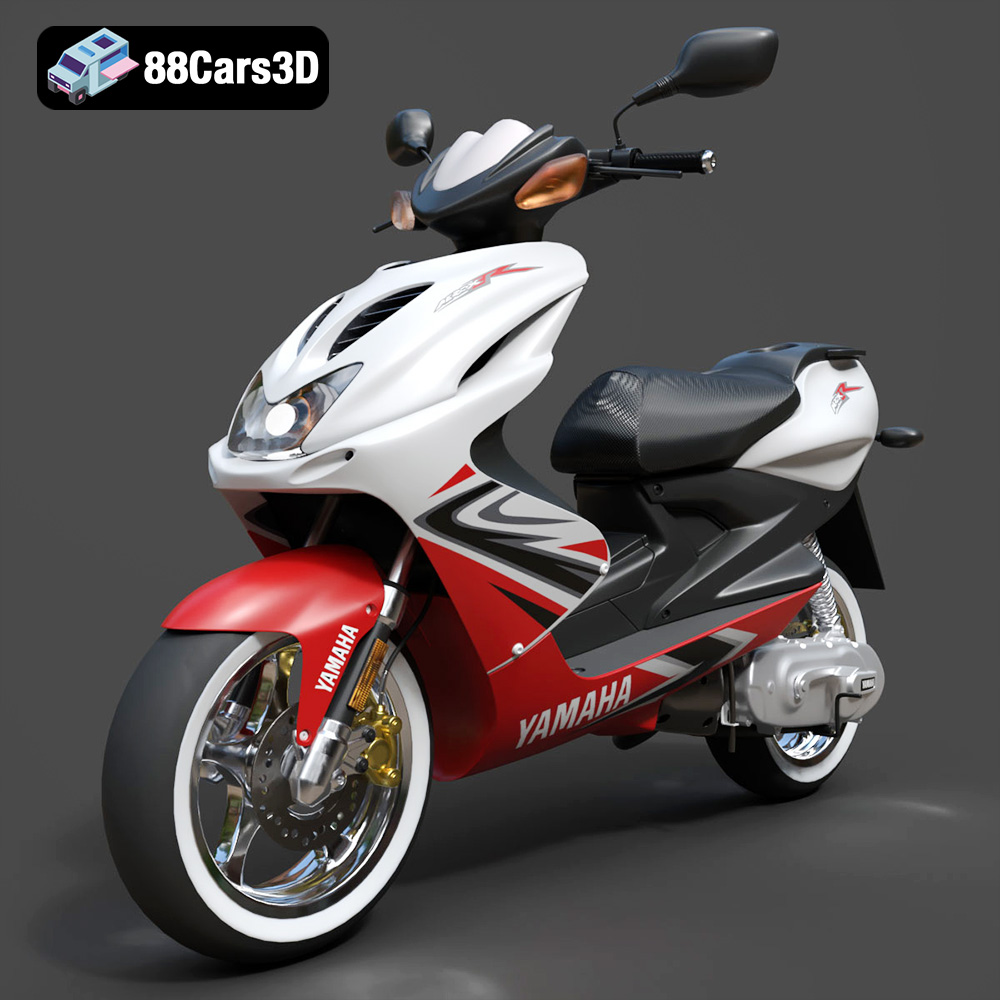
Download the Yamaha Aerox R-002 2024 3D Model featuring clean geometry, realistic detailing, and a fully modeled interior. Includes .blend, .fbx, .obj, .glb, .stl, .ply, .unreal, and .max formats for rendering, simulation, and game development.
Price: $19.99
Texture: Yes
Material: Yes
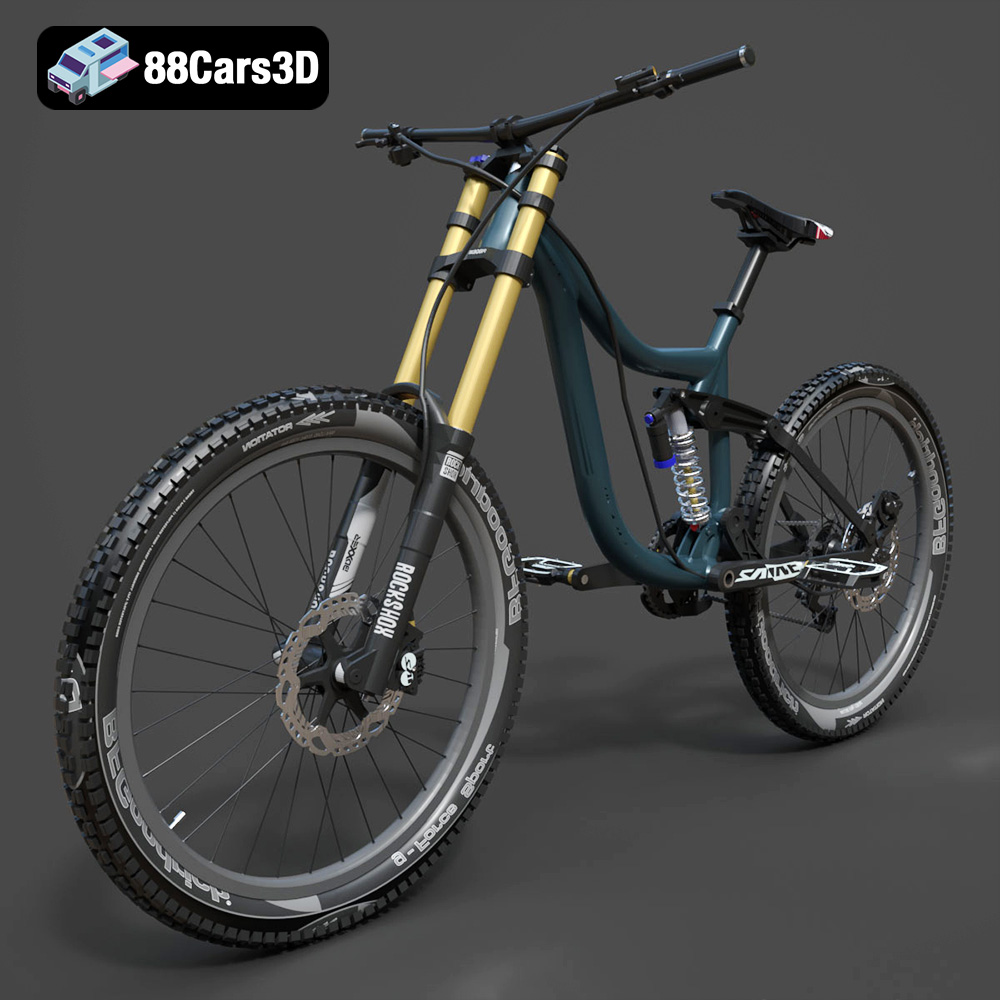
Download the Mototsikly Downhill Bike-002 3D Model featuring clean geometry, realistic detailing, and precise mechanical components. Includes .blend, .fbx, .obj, .glb, .stl, .ply, .unreal, and .max formats for rendering, simulation, and game development.
Price: $19.99
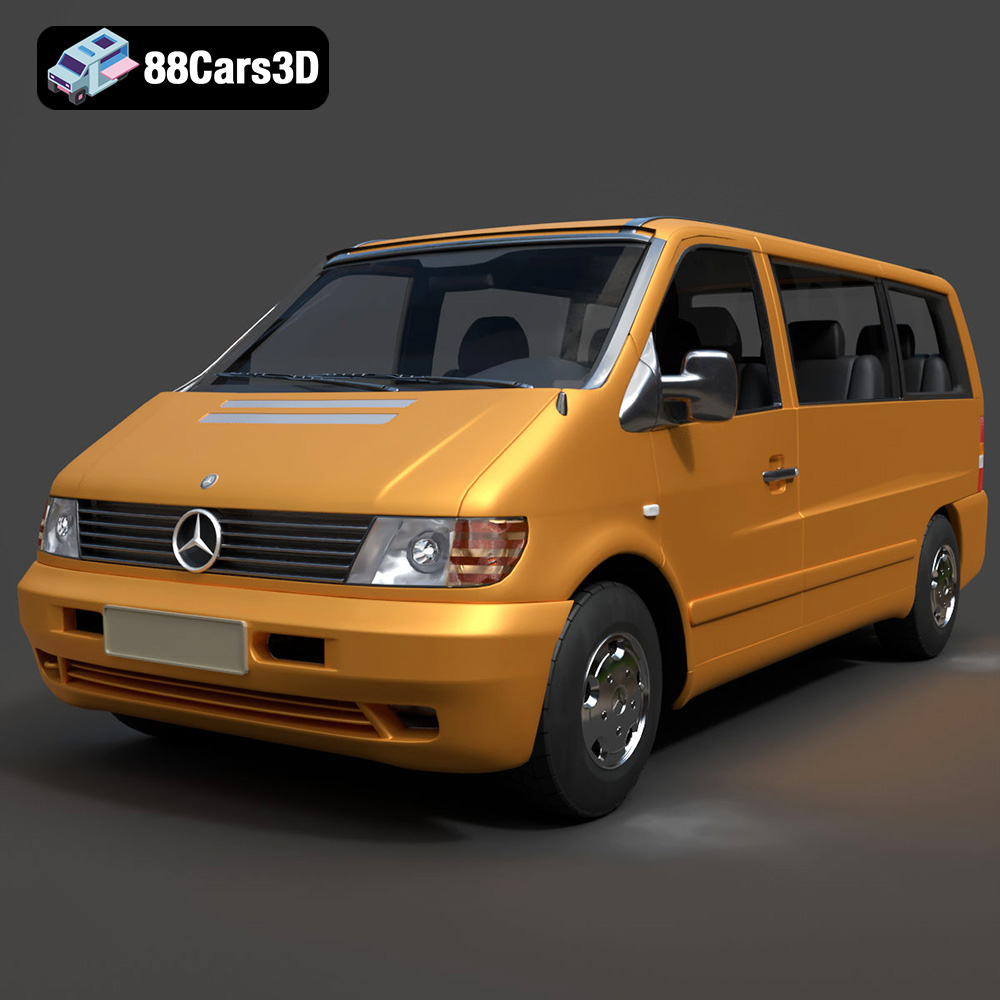
Texture: Yes
Material: Yes
Download the Mercedes-Benz Vito Passenger Van 3D Model featuring clean geometry, realistic detailing, and a fully modeled interior. Includes .blend, .fbx, .obj, .glb, .stl, .ply, .unreal, and .max formats for rendering, simulation, and game development.
Price: $19.99
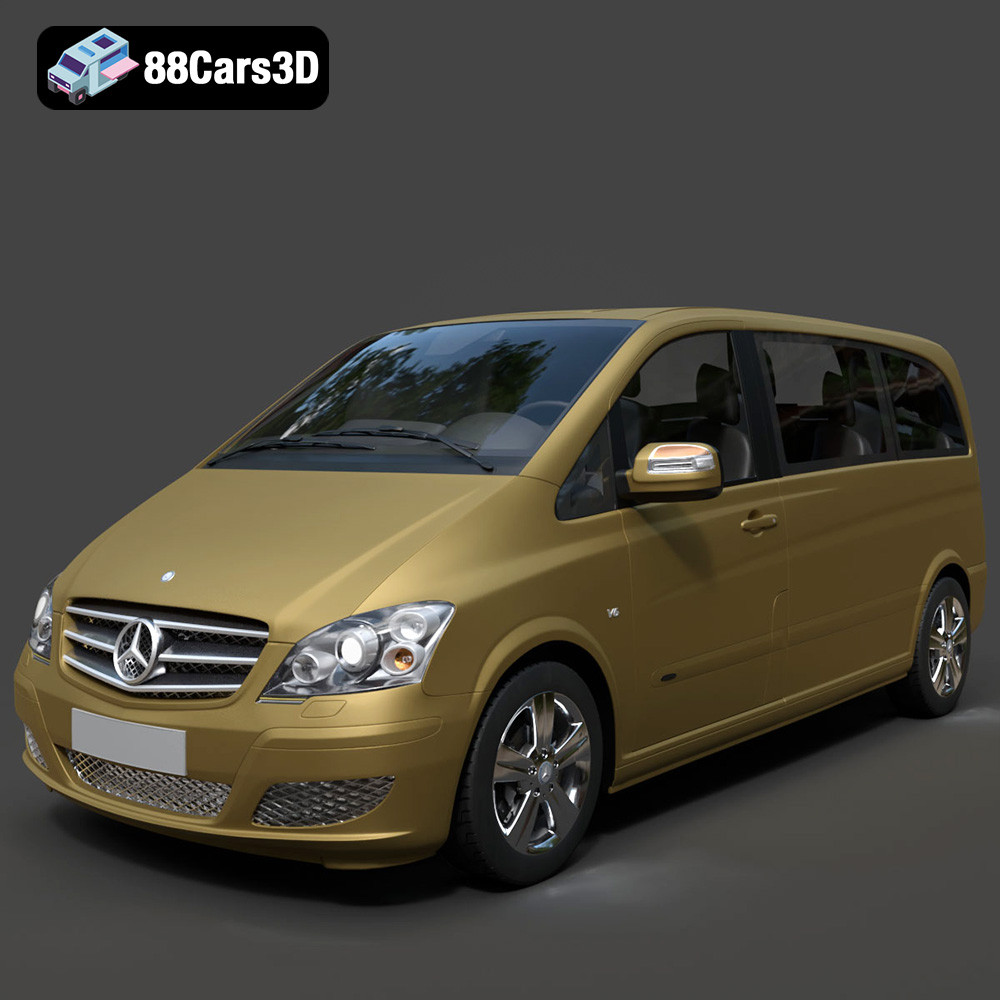
Texture: Yes
Material: Yes
Download the Mercedes-Benz Viano 2010 3D Model featuring clean geometry, realistic detailing, and a fully modeled interior. Includes .blend, .fbx, .obj, .glb, .stl, .ply, .unreal, and .max formats for rendering, simulation, and game development.
Price: $19.99

Texture: Yes
Material: Yes
Download the Emt Avtobus 007 3D Model featuring clean geometry, realistic detailing, and a fully modeled interior. Includes .blend, .fbx, .obj, .glb, .stl, .ply, .unreal, and .max formats for rendering, simulation, and game development.
Price: $19.99
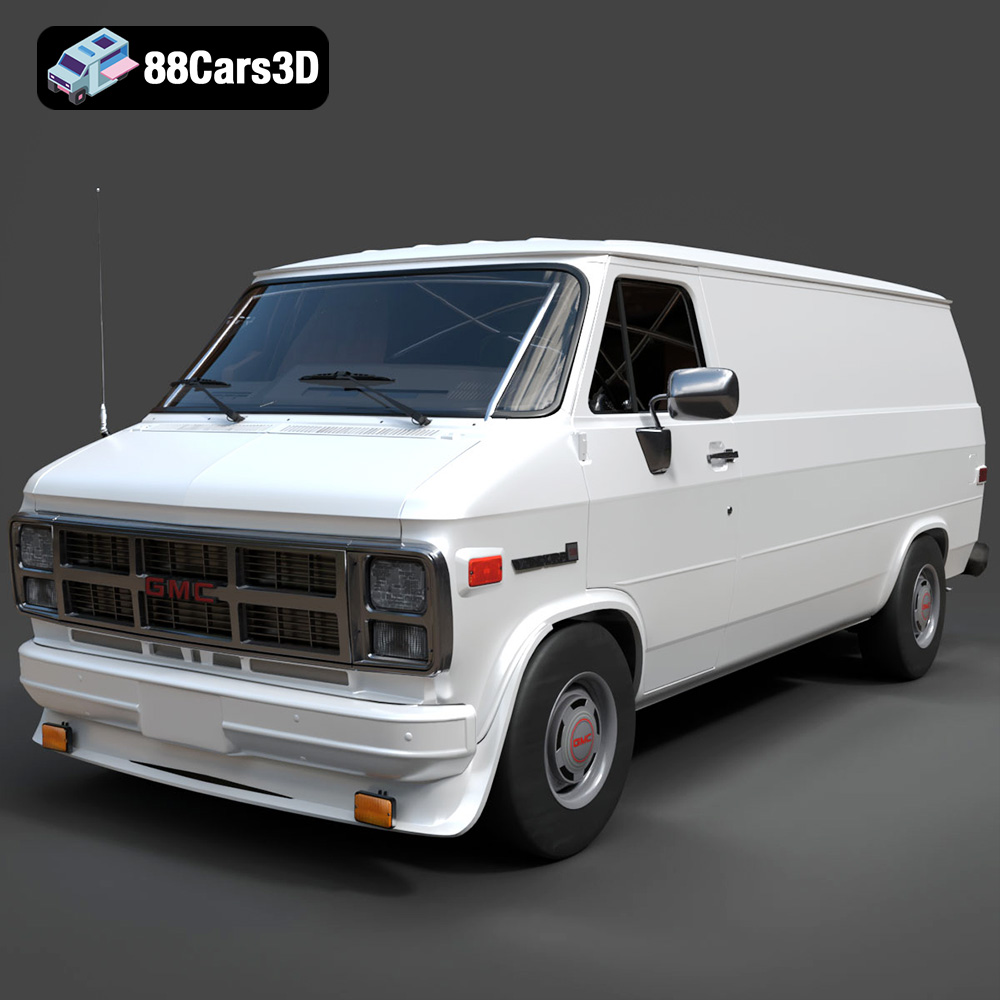
Texture: Yes
Material: Yes
Download the GMC Vandura G-1500 1983 3D Model featuring clean geometry, realistic detailing, and a fully modeled interior. Includes .blend, .fbx, .obj, .glb, .stl, .ply, .unreal, and .max formats for rendering, simulation, and game development.
Price: $19.99
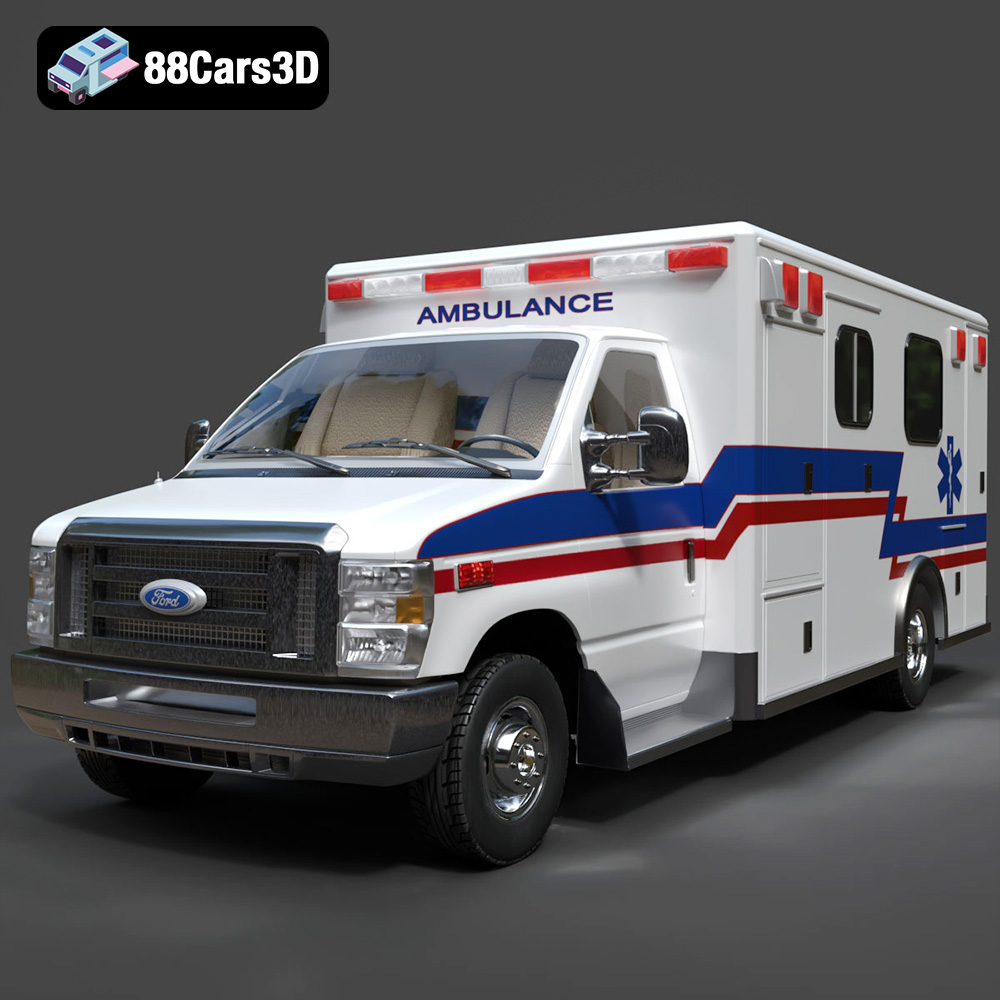
Texture: Yes
Material: Yes
Download the Ford E-450 Ambulance 3D Model featuring clean geometry, realistic detailing, and a fully modeled interior. Includes .blend, .fbx, .obj, .glb, .stl, .ply, .unreal, and .max formats for rendering, simulation, and game development.
Price: $19.99

