⚡ FLASH SALE: Get 60% OFF All Premium 3D & STL Models! ⚡

The automotive industry is in a perpetual state of innovation, not just in vehicle design and engineering, but also in how cars are presented, marketed, and experienced. Gone are the days when static renders were sufficient. Today, professionals demand real-time, interactive, and hyper-realistic visualizations that immerse audiences, streamline design workflows, and accelerate sales. This is where Unreal Engine shines, transforming the landscape of automotive visualization with its unparalleled rendering capabilities, robust toolset, and flexible ecosystem.
From designers iterating on new concepts to marketing teams creating interactive configurators, and even game developers crafting authentic driving simulations, Unreal Engine provides the definitive platform. This comprehensive guide will take you through the essential steps and advanced techniques for leveraging Unreal Engine to bring your 3D car models to life. We’ll explore everything from project setup and material creation to cutting-edge features like Nanite and Lumen, and how to build truly interactive automotive experiences. Whether you’re a seasoned Unreal Engine developer, a 3D artist, or an automotive designer looking to elevate your presentations, you’ll discover actionable insights to push the boundaries of real-time rendering. Platforms like 88cars3d.com offer high-quality, pre-optimized 3D car models, making it easier than ever to jumpstart your projects with production-ready assets tailored for Unreal Engine.
A successful automotive visualization project in Unreal Engine begins with a solid foundation: proper project configuration and efficient asset import. Setting up your project correctly ensures optimal performance and streamlines your workflow from the outset. Understanding the nuances of importing 3D car models, especially high-fidelity assets, is critical for maintaining visual quality while managing project scale and performance.
Before importing any assets, it’s crucial to set up your Unreal Engine project specifically for automotive visualization. Start by selecting the “Games” or “Film, Television, and Live Events” template, as these often come with useful defaults. For high-fidelity rendering, ensure you enable the necessary plugins. Navigate to `Edit > Plugins` and search for:
* **Datasmith Importer:** Essential for importing CAD data or complex scene files from design software.
* **Aximmetry DPX/EXR Capture:** If you plan on virtual production or high-quality image sequences.
* **OpenColorIO:** For consistent color management across different displays and workflows, crucial for color-critical automotive work.
* **Chaos Vehicles:** For realistic vehicle physics simulation later on.
* **Nanite & Lumen:** These are often enabled by default in modern Unreal Engine versions but always double-check in `Project Settings > Rendering`.
In `Project Settings`, pay close attention to the `Rendering` section. Here, you can define settings that significantly impact visual quality and performance:
* **Lumen Global Illumination:** Set to `High` or `Epic` for stunning real-time indirect lighting.
* **Hardware Ray Tracing:** Enable this for the highest quality reflections, shadows, and ambient occlusion, leveraging modern GPU capabilities.
* **Virtual Shadow Maps (VSM):** A high-quality, performant shadow system, especially beneficial for complex scenes with many light sources.
* **High-Quality Translucency Reflections:** Improves the realism of glass and transparent materials.
* **Motion Blur, Anti-Aliasing (TAA Gen5 or TSR), and Exposure:** Fine-tune these for a polished, cinematic look.
Furthermore, consider `World Settings` where you can adjust gravity, use a `Lightmass Importance Volume` for baked lighting scenarios (if not fully relying on Lumen), and manage level streaming for large environments. Proper configuration here establishes a robust environment ready to host your detailed automotive assets.
When sourcing automotive assets from marketplaces such as 88cars3d.com, you often receive models in formats like FBX, USD, or OBJ. FBX is widely compatible and typically includes mesh, materials, and rigging. USD (Universal Scene Description) is an increasingly popular choice for its ability to handle complex scene graphs, layering, and collaboration, making it ideal for large-scale automotive pipelines.
**Import Process:**
1. **Drag and Drop:** The simplest method is dragging your FBX or USD file directly into the Content Browser.
2. **Import Button:** Click the `Import` button in the Content Browser and select your file.
3. **Datasmith Workflow:** For complex CAD data or intricate scenes from design software (like 3ds Max, Maya, SketchUp, Revit, or SolidWorks), Datasmith is the recommended workflow. Install the Datasmith plugin for your DCC application, export a `.udatasmith` file, and then import it into Unreal Engine. Datasmith intelligently converts scene hierarchies, materials, and metadata, greatly simplifying the import of engineering-grade models.
**Import Settings (FBX Example):**
Upon import, you’ll be presented with various options. For car models, pay close attention to:
* **Mesh Section:**
* **Skeletal Mesh/Static Mesh:** For non-animated cars, import as a Static Mesh. For vehicles with suspensions, doors, or steering wheels intended for animation or physics, you might need a Skeletal Mesh, though often these components are separate Static Meshes parented in Blueprint.
* **Normal Import Method:** `Import Normals` and `Import Tangents` should usually be enabled to ensure correct shading.
* **Combine Meshes:** Deselect this if your car model is composed of multiple parts (body, wheels, interior, etc.) that you want to manipulate individually. This is crucial for applying different materials or animating components.
* **Build Adjacency Buffer:** Generally good to leave enabled for proper lighting and mesh processing.
* **Materials Section:**
* **Material Import Method:** `Create New Materials` is usually preferred, but `Do Not Create Materials` if you plan to assign custom PBR materials later.
* **Texture Section:**
* `Import Textures`: Enable if your model comes with textures.
After import, inspect the model. High-poly models, typical of realistic cars, might initially cause performance issues. This brings us to initial optimization. Check the polygon count in the Static Mesh Editor; for real-time applications, while Nanite can handle millions, older hardware or non-Nanite meshes still benefit from a reasonable poly count (e.g., 50k-200k per vehicle for non-Nanite). For very high-fidelity assets, consider breaking them down into smaller components if they aren’t already. Applying these meticulous steps ensures your core automotive assets are robust and ready for detailed material work and interactive experiences.
The visual fidelity of your 3D car models hinges critically on two pillars: physically based rendering (PBR) materials and realistic lighting. PBR ensures that your materials react to light in a physically accurate way, mimicking real-world surfaces. Coupled with Unreal Engine’s advanced lighting systems, particularly Lumen, you can achieve photorealistic results that truly make your vehicles shine.
PBR materials are the backbone of modern real-time rendering. They define how light interacts with a surface, dictating its color, reflectivity, and roughness. For automotive visualization, achieving perfect material realism for car paint, glass, chrome, and interior fabrics is paramount.
Unreal Engine’s Material Editor is a powerful node-based system that allows for complex material creation. Every PBR material generally relies on several key texture maps:
* **Base Color (Albedo):** Defines the diffuse color of the surface without any lighting information. For car paint, this would be the base color.
* **Normal Map:** Adds surface detail without increasing polygon count, simulating bumps and grooves. Crucial for subtle imperfections on paint or intricate fabric textures.
* **Metallic Map:** Specifies which parts of the surface are metallic (white) and which are dielectric (black). Car bodies, chrome trim, and wheel rims are typically metallic.
* **Roughness Map:** Controls the microsurface detail, dictating how shiny or dull a surface is. A low roughness value (darker) means a very reflective, smooth surface (e.g., polished chrome), while a high value (lighter) means a rough, diffuse surface (e.g., matte plastic).
* **Ambient Occlusion (AO) Map:** Simulates small-scale indirect shadowing where surfaces are close together, adding depth and realism.
* **Emissive Map:** For self-illuminating surfaces like headlights or interior screens.
**Creating Car Paint:** Car paint is notoriously complex due to its layered metallic flake properties. A common approach involves blending multiple layers:
1. **Base Layer:** A metallic material with a primary color and appropriate roughness.
2. **Clear Coat Layer:** Simulates the glossy clear coat. This can be achieved using the `Clear Coat` and `Clear Coat Roughness` inputs on the main Material node. The `Clear Coat` value controls the strength of the clear coat, while `Clear Coat Roughness` defines its glossiness.
3. **Flake Effect:** For metallic or pearlescent paints, use a detailed normal map or a procedural noise texture mixed with a Fresnel effect to simulate the metallic flakes embedded in the paint. This gives the paint its characteristic sparkle and depth when light hits it at different angles.
**Glass and Chrome:**
* **Glass:** Requires `Translucency` settings. Set the `Blend Mode` to `Translucent`, and adjust `Refraction`, `Opacity`, and `Roughness`. For realistic reflections, ensure `Screen Space Reflections` or `Ray Tracing Reflections` are enabled in your project settings.
* **Chrome:** A highly metallic material (Metallic = 1) with very low roughness (Roughness ≈ 0.05-0.1). Reflections will be key here.
Always ensure your textures are correctly sRGB (for Base Color) or Linear (for Normal, Roughness, Metallic, etc.) and use the appropriate texture compression settings. When constructing materials, organize your nodes using comments and reroute nodes for readability. For more advanced material setups and optimizations, consult the official Unreal Engine documentation on Material Editor usage at https://dev.epicgames.com/community/unreal-engine/learning.
Lighting is the ultimate sculptor of realism. Unreal Engine offers a suite of advanced lighting tools, with Lumen and the Sky Atmosphere system leading the charge for real-time automotive visualization.
**Lumen Global Illumination:** Lumen is Unreal Engine’s fully dynamic global illumination and reflections system, providing incredibly realistic indirect lighting and reflections in real-time. For automotive scenes, Lumen is a game-changer:
* **Setup:** Ensure Lumen is enabled in `Project Settings > Rendering`. For most automotive scenes, `Software Ray Tracing` or `Hardware Ray Tracing` (if using an RTX GPU) should be selected for the `Global Illumination` and `Reflections` methods.
* **Light Types:** Lumen works with various light types:
* **Directional Light:** Simulates sunlight. Crucial for outdoor scenes. Pair it with a `Sky Light` to capture the sky’s ambient contribution.
* **Sky Light:** Captures ambient light from the sky or an HDRI, providing broad, soft illumination. For best results, use a `Cubemap` generated from a high-dynamic-range image (HDRI) of a real-world environment.
* **Rect Lights, Spot Lights, Point Lights:** Useful for studio setups, car interior lights, or specific accent lighting.
* **Emissive Materials:** Lumen respects emissive materials, allowing your headlights, taillights, and interior screens to cast light naturally into the scene.
**Sky Atmosphere and Volumetric Clouds:** For outdoor automotive scenes, a realistic sky is non-negotiable.
* **Sky Atmosphere:** A physically accurate sky model that simulates the Earth’s atmosphere. It beautifully scatters light from your `Directional Light`, creating realistic sky colors, fog, and sunrises/sunsets.
* **Volumetric Clouds:** Add dynamic, realistic clouds that interact with your lighting, casting volumetric shadows and enhancing environmental realism. You can control density, coverage, and lighting interaction for truly cinematic skies.
**Practical Lighting Tips:**
* **HDRIs for Environment:** Use high-quality HDRIs as a `Cubemap` for your `Sky Light`. These capture real-world lighting information, providing rich, natural reflections and ambient lighting.
* **Lightmass Portal (for Baked Lighting):** If you’re using baked lighting in specific areas or with complex glass, `Lightmass Portals` can help improve indirect lighting quality, especially in interior spaces.
* **Exposure Control:** Use a `Post Process Volume` to fine-tune `Exposure` settings (e.g., `Min/Max Brightness`, `Auto Exposure Bias`) to prevent over/under-exposed areas. For cinematic control, set `Exposure Mode` to `Manual` for precise camera-like control.
* **Ray Tracing Benefits:** For ultimate realism, enabling `Hardware Ray Tracing` for reflections and shadows will provide pixel-perfect fidelity, especially on reflective car surfaces and complex scenes, significantly enhancing the visual quality of your automotive renders.
By mastering PBR materials and effectively utilizing Lumen and dynamic sky systems, you can achieve a level of realism in your automotive visualizations that blurs the line between virtual and reality, showcasing 88cars3d.com’s high-quality models at their absolute best.
Achieving stunning visual fidelity with highly detailed 3D car models in real-time demands smart optimization strategies. Unreal Engine offers powerful tools like Nanite and robust LOD (Level of Detail) management to handle complex geometry without sacrificing performance. Understanding how to leverage these features is key to delivering smooth, high-quality automotive experiences.
Nanite is Unreal Engine 5’s virtualized geometry system, revolutionizing how developers handle extremely high-polygon meshes. For automotive visualization, where models often consist of millions of polygons for intricate details, Nanite is a game-changer. It allows artists to import film-quality assets directly into the engine without needing to create traditional LODs or painstakingly optimize polygon counts.
**How Nanite Works:**
Nanite intelligently streams and renders only the necessary detail for each pixel on screen. It converts static meshes into a highly optimized internal format, breaking them down into clusters of triangles. At render time, it dynamically determines the visible detail, rendering only what’s needed, thereby eliminating traditional polygon budget constraints and significantly reducing draw calls.
**Benefits for Automotive:**
* **Unprecedented Detail:** Import CAD models or scanned data with millions of polygons directly. This means perfect curves, intricate mechanical details, and realistic surface imperfections on your 3D car models without decimation.
* **Performance:** Despite the high polygon count, Nanite meshes are highly performant because the GPU only processes the visible micro-polygons. This frees up CPU time and allows for much larger, more complex scenes.
* **Simplified Workflow:** Artists can focus on creating high-fidelity assets rather than spending hours on manual retopology and LOD creation.
**Implementing Nanite:**
1. **Enable Nanite:** Ensure Nanite is enabled in `Project Settings > Rendering`.
2. **Convert Mesh:** In the `Content Browser`, right-click on your Static Mesh asset (e.g., your imported car body) and select `Nanite > Enable Nanite`. Alternatively, open the Static Mesh Editor and check the `Enable Nanite` checkbox under the `Nanite Settings` section.
3. **Fallback Meshes:** For non-Nanite-enabled platforms (e.g., mobile) or specific scenarios, Nanite can generate fallback meshes. This is configured in the Static Mesh Editor.
**Considerations and Best Practices:**
* **Static Meshes Only:** Nanite currently only supports Static Meshes. For deformable parts (like suspension components under physics) or skeletal meshes (if your car is rigged with a skeleton), traditional LODs are still necessary.
* **Transparency/Masking:** Nanite has specific requirements for materials with transparency or masking. Ensure your materials are set up correctly; often, you might need to use `Opacity Mask` instead of `Translucent` for optimal Nanite rendering. For actual transparent surfaces like glass, it’s often better to disable Nanite on those specific components or use the `Clipmap` Nanite setting.
* **Memory Footprint:** While Nanite is efficient at render time, the initial asset conversion and storage can consume significant disk space and memory due to the detailed internal representation.
* **Debugging:** Use the `Nanite Overview` visualization mode (under `Show > Nanite` in the viewport) to analyze cluster density, overdraw, and triangle count, helping identify areas for further optimization.
Nanite empowers automotive artists to achieve unparalleled visual fidelity without crippling real-time performance, making complex car models from 88cars3d.com shine with every minute detail.
While Nanite handles detail for static meshes, many elements in an automotive scene – such as smaller props, specific interactive components, or older/mobile targets – still rely on traditional Level of Detail (LOD) management. Effective LODs are crucial for maintaining consistent performance across various distances and viewpoints, ensuring a smooth user experience.
**Understanding LODs:**
LODs are simplified versions of a mesh that are swapped in and out based on the camera’s distance to the object. An object far away needs fewer polygons than one close up. A well-managed LOD strategy dramatically reduces rendered triangles and vertex processing, improving frame rates.
**Creating and Managing LODs:**
1. **Automatic LOD Generation:** Unreal Engine can automatically generate LODs. In the Static Mesh Editor, under `LOD Settings`, you can specify the `Number of LODs` and settings like `Reduction Settings` (`Triangle Percentage` or `Max Deviation`). This is a quick way to get baseline LODs.
2. **Manual LOD Import:** For critical assets like the car body, it’s often best to create manual LODs in your 3D modeling software (e.g., Maya, 3ds Max). This gives you precise control over the topology and ensures important details are retained. Import these as separate meshes and assign them as LODs in the Static Mesh Editor.
3. **Screen Size Thresholds:** For each LOD, define a `Screen Size` threshold. This value determines the percentage of the screen the object must occupy before swapping to a higher or lower LOD. Adjust these carefully to avoid popping or visible transitions.
**Performance Optimization Beyond LODs:**
* **Draw Call Reduction:**
* **Static Mesh Merging:** For groups of small, static objects (e.g., small interior car components), consider merging them into a single Static Mesh to reduce draw calls.
* **Instanced Static Meshes (ISM)/Hierarchical Instanced Static Meshes (HISM):** For repeating objects (e.g., car bolts, tire treads, environmental elements like grass or rocks), use ISM or HISM components. These render multiple instances of the same mesh with a single draw call, providing massive performance gains.
* **Texture Optimization:**
* **Texture Streaming:** Unreal Engine automatically streams textures, but ensure your `Mip Gen Settings` are appropriate. Use `Shared` for multiple assets using the same texture.
* **Resolution:** Use appropriate texture resolutions. A car body might need 4K or 8K textures, while smaller, less visible parts can use 1K or 2K.
* **Compression:** Choose the correct compression settings (e.g., `DXT1` for opaque textures, `DXT5` for textures with alpha, `NormalMap` for normal maps).
* **Material Optimization:**
* **Shader Complexity:** Keep your materials as simple as possible. Complex materials with many instructions can be expensive. Use the `Shader Complexity` view mode to identify costly materials.
* **Material Instancing:** Always create `Material Instances` from a master material. This allows you to modify properties (color, roughness, texture scale) without recompiling shaders, which is much more efficient.
* **Lighting Optimization:**
* **Limit Dynamic Lights:** Dynamic lights are expensive. Use baked lighting (Lightmass) where possible for static environments, complementing it with Lumen.
* **Light Function/IESTextures:** Use `Light Functions` and `IES Textures` to create complex light shapes without resorting to many individual lights.
* **Culling:**
* **Frustum Culling:** Objects outside the camera’s view are automatically culled.
* **Occlusion Culling:** Objects hidden behind other objects are not rendered. Ensure your geometry is solid, especially for large occluders.
* **Distance Culling:** For very small or distant objects, you can manually set a `Max Draw Distance` in the Static Mesh Editor or on actor components.
* **Post-Processing:** Be judicious with post-processing effects (e.g., bloom, depth of field, screen space reflections). While they enhance realism, they come with a performance cost. Tweak settings in your `Post Process Volume`.
By combining Nanite’s power for high-fidelity meshes with strategic LOD management and these general performance best practices, you can create breathtaking automotive visualizations in Unreal Engine that run smoothly and efficiently across a range of hardware configurations, truly bringing the essence of 88cars3d.com’s models to life.
Beyond static renders, Unreal Engine excels at creating dynamic and interactive automotive experiences. Blueprint visual scripting empowers artists and designers to build complex functionalities without writing a single line of code, while features like Sequencer enable cinematic storytelling and virtual production workflows. These tools are indispensable for developing interactive configurators, immersive showrooms, and high-quality marketing content.
Interactive automotive configurators are powerful marketing and sales tools, allowing users to customize vehicles in real-time. Blueprint visual scripting makes it possible to build these complex systems directly within Unreal Engine.
**Core Principles of a Blueprint Configurator:**
1. **Modular Car Setup:** Your 3D car model should be modular. This means the body, wheels, interior components, paint, and trim options should be separate Static Meshes or material slots. When sourcing models from platforms like 88cars3d.com, look for modular designs.
2. **Data Structure:** Define an organized way to store your customization options. This could be using Data Assets, Enumerations, or simple arrays within your Blueprint. For example, a `Data Table` can hold paint colors, wheel types, and interior trims, along with references to their respective materials or meshes.
3. **User Interface (UI):** Create the UI elements (buttons, sliders, dropdowns) using Unreal Engine’s **UMG (Unreal Motion Graphics) Editor**. This UI will be the user’s interface for making selections.
4. **Blueprint Logic:** This is where the magic happens.
* **Event Handling:** When a user clicks a UI button (e.g., “Change Color”), an event is triggered in your UI Blueprint.
* **Communication:** The UI Blueprint communicates with your car’s main Blueprint Actor (often referred to as a `Car_BP`). This can be done via `Event Dispatchers`, `Direct Function Calls`, or `Interface Messages`.
* **Customization Application:** The `Car_BP` receives the command and applies the selected customization.
* **Material Swapping:** For paint colors, create different `Material Instances` for each color. When a color is selected, dynamically set the material on the car body mesh component.
* **Mesh Swapping:** For different wheel types or body kits, replace the current Static Mesh component with the selected new one.
* **Visibility Toggling:** For optional components (e.g., sunroof, spoiler), simply toggle the visibility of their respective mesh components.
* **State Management:** Track the currently selected options to ensure persistence and correct display.
**Step-by-Step Blueprint Example (Paint Color Change):**
1. **Master Material:** Create a PBR master material for the car paint with exposed parameters for `BaseColor`, `Roughness`, `Metallic`, and `ClearCoat`.
2. **Material Instances:** Create multiple `Material Instances` from this master material, one for each paint color (e.g., `MI_CarPaint_Red`, `MI_CarPaint_Blue`).
3. **Car Blueprint:**
* Create a `Blueprint Class` based on `Actor` and name it `BP_CarConfigurator`.
* Add your `Static Mesh Components` (Car Body, Wheels, etc.) to this Blueprint.
* Create a `Custom Event` called `SetPaintColor` that takes a `Material Instance` as an input.
* Inside this event, use a `Set Material` node, targeting the car body’s Static Mesh Component, and connect the input `Material Instance`.
4. **UMG Widget (UI):**
* Create a `Widget Blueprint` (`WBP_ConfiguratorUI`).
* Add several `Buttons` for each color option.
* For each button, in the `Details` panel under `Events`, add an `OnClicked` event.
* In the `Graph Editor` for `OnClicked_ButtonRed`, get a reference to your `BP_CarConfigurator` (e.g., using `GetAllActorsOfClass` and `Get (Copy)` for simplicity, or a more robust `Event Dispatcher` system).
* Call the `SetPaintColor` event on your `BP_CarConfigurator` and pass `MI_CarPaint_Red` as the input.
5. **Game Mode/Level Blueprint:** On `BeginPlay`, `Create Widget` (your `WBP_ConfiguratorUI`) and `Add To Viewport`.
This basic setup can be expanded with more complex logic for interconnected options, saving/loading configurations, and even price calculation. Blueprint’s intuitiveness makes developing advanced automotive configurators accessible and efficient.
Unreal Engine’s Sequencer is a powerful non-linear editor for creating cinematic sequences, animations, and camera movements. For automotive marketing and virtual production, Sequencer is invaluable for crafting stunning visual narratives around your 3D car models.
**Sequencer Fundamentals:**
* **Tracks:** Organize your scene elements (Actors, Lights, Cameras, Audio) into tracks.
* **Keyframes:** Animate properties (position, rotation, scale, material parameters) using keyframes on these tracks.
* **Takes:** Manage different versions or segments of your cinematic.
**Creating Automotive Cinematics:**
1. **Camera Animation:** Create `Cine Camera Actors` and animate their position, rotation, and focal length within Sequencer to achieve dynamic camera moves. Use `Camera Rigs` for smooth tracking shots.
2. **Vehicle Animation:** Animate your car’s position for driving shots, or individual components like doors opening. For complex vehicle motion, integrating with the Chaos Vehicle physics system can provide more realistic results.
3. **Material Parameter Animation:** Animate material parameters (e.g., car paint color fading, head/tail light intensity, metallic flake visibility) to create dynamic visual effects.
4. **Lighting and Environment Animation:** Animate `Directional Light` rotation for time-of-day changes, `Sky Light` intensity, or `Post Process Volume` settings (e.g., depth of field, color grading) for mood shifts.
5. **Audio and Visual Effects:** Add audio tracks for engine sounds or music, and integrate particle effects (using Niagara) for smoke, dust, or rain.
**Virtual Production and LED Wall Workflows:**
Unreal Engine is at the forefront of virtual production, particularly for automotive commercials and films.
* **In-Camera VFX (ICVFX):** This involves projecting real-time Unreal Engine environments onto large LED walls behind a physical car (or actor/prop). The physical camera “sees” the virtual environment in perspective, creating seamless composites directly in-camera.
* **Benefits:** This eliminates green screen compositing, provides real-time lighting interaction from the virtual environment onto the physical car, and allows directors to see the final shot instantly.
* **Workflow:**
1. **Calibrate LED Wall:** Precise camera tracking and LED wall calibration are critical to match the virtual camera to the physical camera’s perspective.
2. **Unreal Environment:** Create a detailed 3D environment in Unreal Engine, ensuring scale and lighting match the physical set.
3. **Camera Tracking:** Integrate camera tracking systems (e.g., Ncam, Stype) to feed real-time camera data into Unreal Engine.
4. **Composure/nDisplay:** Use `nDisplay` for distributing the Unreal Engine render across multiple LED panels and `Composure` for advanced real-time compositing.
5. **Sequencer for Virtual Set Dressing:** Animate virtual elements in Sequencer to interact with the physical car, such as virtual trees passing by as the car appears to drive.
By leveraging Blueprint for interactive configurators and Sequencer for cinematic storytelling and virtual production, Unreal Engine empowers automotive professionals to create highly engaging and visually stunning content, showcasing the dynamic capabilities of high-quality 3D car models.
The utility of 3D car models in Unreal Engine extends far beyond traditional visualization. Augmented Reality (AR) and Virtual Reality (VR) offer immersive experiences, while realistic physics simulations bring vehicles to life. These next-generation applications are reshaping how we interact with and understand automotive design and performance.
AR and VR present unique challenges and opportunities for automotive visualization. Delivering high-fidelity 3D car models within these immersive environments requires stringent optimization to maintain smooth frame rates and prevent motion sickness.
**AR Specifics:**
* **Platform Considerations:** AR applications often target mobile devices (iOS with ARKit, Android with ARCore), which have significantly lower processing power and memory compared to desktop PCs or VR headsets.
* **Scale and Placement:** Ensure your car models are correctly scaled for AR experiences (e.g., 1:1 for a full-size car placement, or miniature for tabletop). Blueprint scripting can handle interactive placement logic.
* **Shadows:** Realistic shadows are crucial for grounding AR objects in the real world. Use `Virtual Shadow Maps` or carefully optimized baked shadows, and consider `Screen Space Global Illumination` where possible.
* **Occlusion:** For AR, real-world objects should occlude virtual ones. This requires advanced depth sensing from AR platforms, which can be integrated into Unreal Engine.
* **USDZ Format:** For iOS AR applications, converting your models to USDZ is often the most direct path, as it’s Apple’s native AR format. Unreal Engine can export to USD, which can then be converted to USDZ.
**VR Specifics:**
* **Performance is Paramount:** A sustained high frame rate (e.g., 90 FPS per eye) is non-negotiable for VR. Any drop can cause motion sickness.
* **Poly Count & Draw Calls:** Even with Nanite, traditional optimization for VR remains crucial. Nanite is still an active research area for VR/MR specific optimizations. For optimal VR, limit overall scene complexity and consider more aggressive LODs for non-Nanite meshes. Aim for a total polygon budget significantly lower than desktop rendering for smooth VR performance.
* **Material Complexity:** Simplify materials wherever possible. Reduce the number of shader instructions and complex node networks.
* **Lighting:** Baked lighting (Lightmass) is often preferred for VR static scenes for superior performance, supplemented by a few dynamic lights for interactive elements. If using Lumen, carefully optimize its settings for VR.
* **Stereoscopic Rendering:** Understand that the scene is rendered twice (once for each eye), effectively doubling the rendering load.
* **Comfort:** Design comfortable locomotion systems (teleportation, smooth locomotion with comfort options), avoid sudden camera movements, and provide clear user feedback.
* **Interaction:** Implement intuitive VR interactions for car configurators (e.g., grabbing, pointing with laser pointers) using Motion Controller components and VR-specific Blueprint nodes.
**General AR/VR Optimization Tips:**
* **Aggressive LODs:** For both AR and VR, particularly on mobile AR, use very aggressive LODs. Consider 3-5 LOD levels for critical assets like the car itself.
* **Texture Atlases:** Combine multiple small textures into larger atlases to reduce draw calls.
* **Mobile-Friendly Materials:** Use simpler mobile-friendly materials where possible.
* **Baked Reflections:** Where ray tracing reflections are too expensive, use `Reflection Captures` for static scene reflections.
* **Profiling:** Use Unreal Engine’s profilers (`stat gpu`, `stat unit`, `profiler`) extensively to identify performance bottlenecks.
* **Asset from 88cars3d.com:** When choosing 3D car models, look for “game-ready” or “optimized” versions, as these are more likely to perform well in AR/VR environments.
Bringing a 3D car model to life often involves more than just visual fidelity; it requires realistic movement and interaction. Unreal Engine’s Chaos Physics system offers a robust framework for implementing believable vehicle dynamics, from basic driving to complex simulations.
**Chaos Vehicles System:**
* **Setup:** Enable the `Chaos Vehicles` plugin. This replaces the older PhysX vehicle system.
* **Vehicle Blueprint:** Create a `Vehicle Blueprint` (`Blueprint Class` -> `All Classes` -> Search for `WheeledVehiclePawn`).
* **Mesh & Suspension:** Assign your car body Static Mesh and add `Skeletal Mesh` components for each wheel (even if using Static Meshes, they’ll be part of the `WheeledVehiclePawn` for physics). Configure the `Suspension` for each wheel, defining spring rates, damping, and travel.
* **Tires:** Define `Tire Config` assets for different tire types (e.g., asphalt, dirt) to simulate friction and grip properties.
* **Engine & Transmission:** Configure the engine’s torque curve, RPM, gear ratios, and transmission type (automatic/manual) to dictate acceleration and speed characteristics.
* **Input Mapping:** Set up `Input Action Mappings` for throttle, brake, steering, and handbrake in your Project Settings.
* **Controls:** In the `Vehicle Blueprint`, map these inputs to the `Throttle`, `Brake`, `Steering`, and `Handbrake` parameters of the `Chaos Vehicle Movement Component`.
**Advanced Dynamics:**
* **Aerodynamics:** Implement custom aerodynamics using Blueprint to simulate drag, lift, and downforce, influencing high-speed handling.
* **Damage System:** Combine Chaos’s destruction features with visual effects (Niagara) to simulate dents, shattered glass, or detached parts.
* **Ground Interaction:** Use `Line Traces` or `Sphere Traces` from the wheels to detect surface types and dynamically adjust tire friction for realistic off-road or wet road behavior.
* **Camera System:** Develop a dynamic camera system that follows the car, reacting to speed, turns, and acceleration, providing an engaging driving experience. `Spring Arm Components` are excellent for this.
**Integration with 3D Car Models:**
When using models from 88cars3d.com, ensure they are suitable for physics. Often, a simplified collision mesh is used for physics simulation instead of the high-poly visual mesh to improve performance. The models should also have separable wheels and ideally a clear hierarchy for attaching physics components.
By carefully optimizing for AR/VR and meticulously implementing realistic physics, Unreal Engine transforms static 3D car models into vibrant, interactive, and immersive experiences that push the boundaries of automotive engagement.
Unreal Engine stands as the undisputed champion for advanced automotive visualization, offering an unparalleled suite of tools to bring high-quality 3D car models to life. Throughout this guide, we’ve journeyed from fundamental project setup and the art of PBR material creation to leveraging cutting-edge technologies like Nanite and Lumen, and building truly interactive experiences with Blueprint and Sequencer.
We’ve seen how precise project configuration and intelligent asset import, especially with tools like Datasmith and high-fidelity models from 88cars3d.com, lay the groundwork for success. The intricate dance of PBR materials and dynamic lighting via Lumen and the Sky Atmosphere system transforms static geometry into photorealistic masterpieces. Furthermore, the power of Nanite enables artists to push polygon counts to unprecedented levels without sacrificing real-time performance, while meticulous LOD management ensures scalability across different platforms and hardware. For those seeking to engage audiences, Blueprint scripting offers a visual pathway to crafting complex interactive configurators, and Sequencer provides the definitive platform for cinematic storytelling and innovative virtual production workflows. Finally, the ability to deploy these stunning visuals in optimized AR/VR environments, coupled with realistic Chaos Vehicle physics, opens doors to immersive and truly dynamic automotive experiences.
The capabilities of Unreal Engine are constantly evolving, empowering artists and developers to redefine what’s possible in automotive design, marketing, and entertainment. By mastering these techniques, you’re not just creating images; you’re crafting experiences that captivate, educate, and inspire. Dive in, experiment, and continue pushing the boundaries of real-time automotive visualization. The future of interactive design is here, and it’s powered by Unreal Engine.

Meta Description:
Texture: Yes
Material: Yes
Download the Porsche Cayenne 3D Model featuring realistic exterior styling and detailed interior design. Includes .blend, .fbx, .obj, .glb, .stl, .ply, .unreal, and .max formats for rendering, simulation, AR VR, and game development.
Price: $19.9
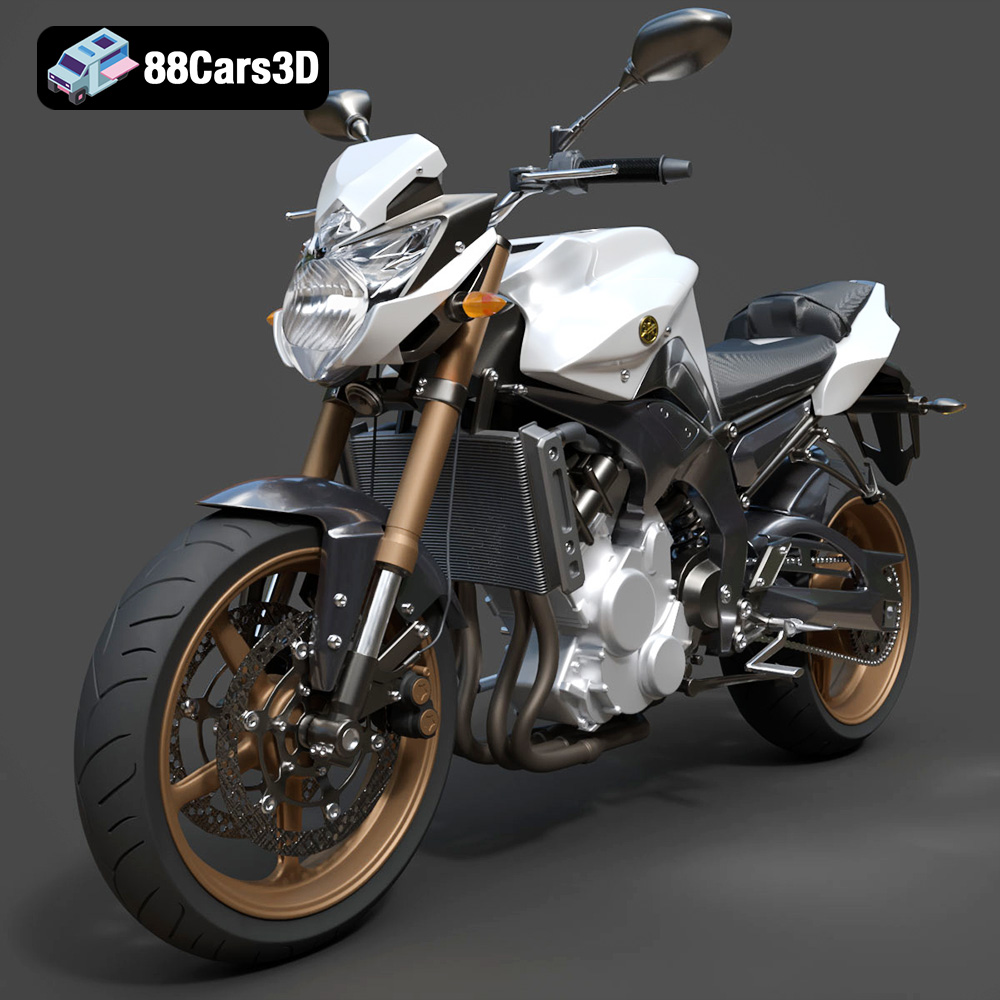
Texture: Yes
Material: Yes
Download the Yamaha FZ8 2011 3D Model featuring clean geometry, realistic detailing, and a fully modeled interior. Includes .blend, .fbx, .obj, .glb, .stl, .ply, .unreal, and .max formats for rendering, simulation, and game development.
Price: $19.99
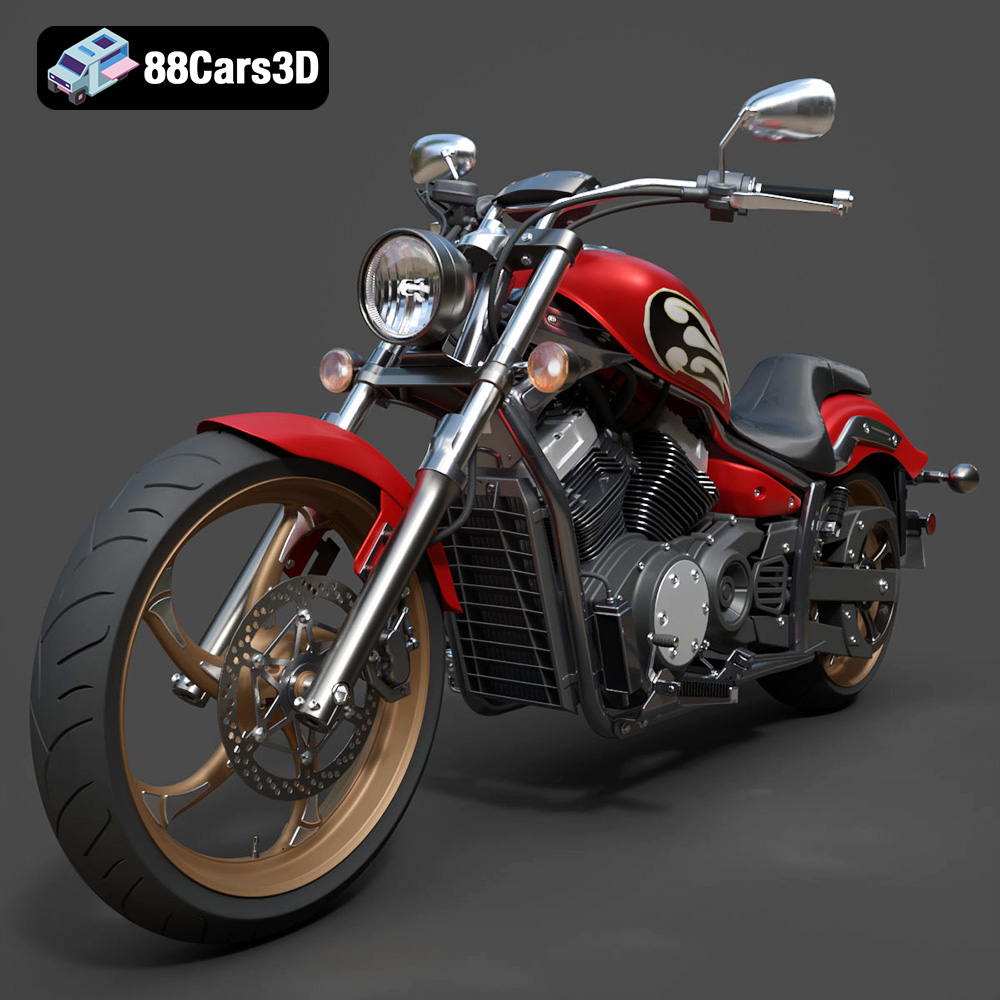
Texture: Yes
Material: Yes
Download the Yamaha Stryker 2012 3D Model featuring clean geometry, realistic detailing, and a fully modeled interior. Includes .blend, .fbx, .obj, .glb, .stl, .ply, .unreal, and .max formats for rendering, simulation, and game development.
Price: $19.99
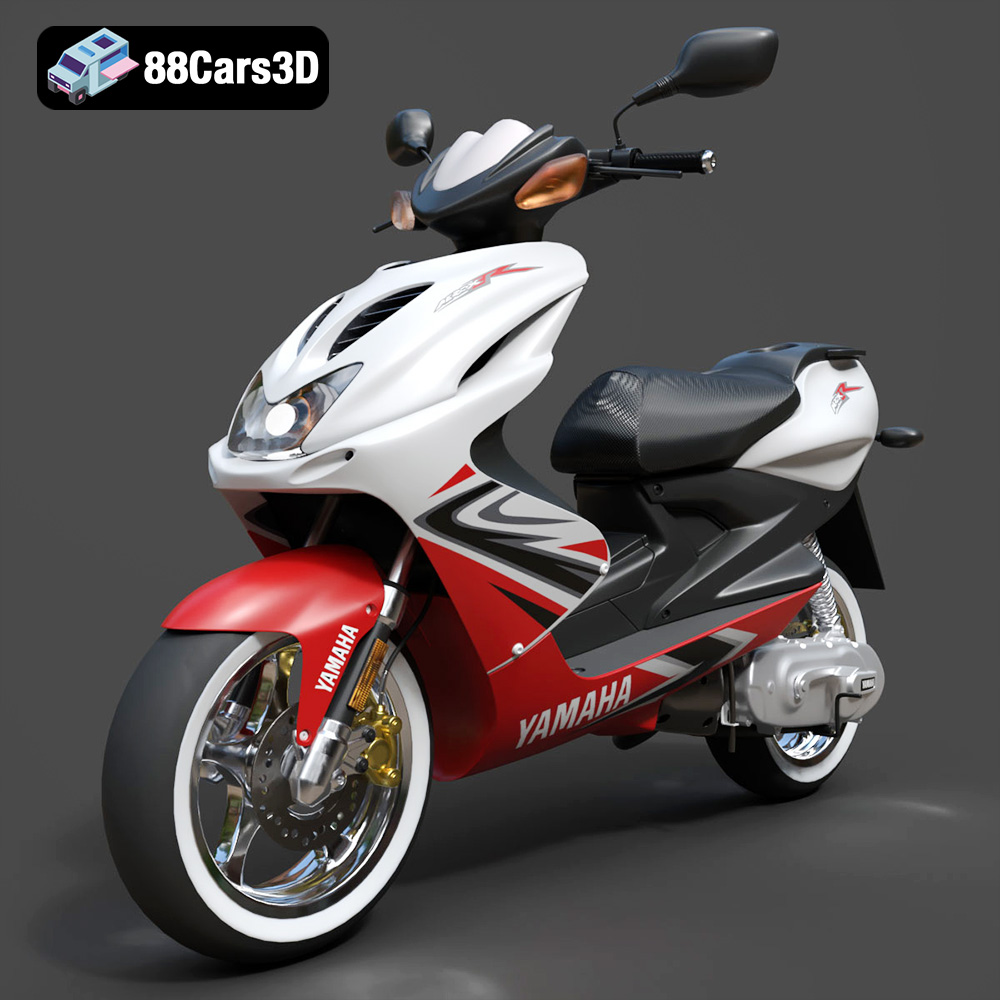
Texture: Yes
Material: Yes
Download the Yamaha Aerox R-002 2024 3D Model featuring clean geometry, realistic detailing, and a fully modeled interior. Includes .blend, .fbx, .obj, .glb, .stl, .ply, .unreal, and .max formats for rendering, simulation, and game development.
Price: $19.99
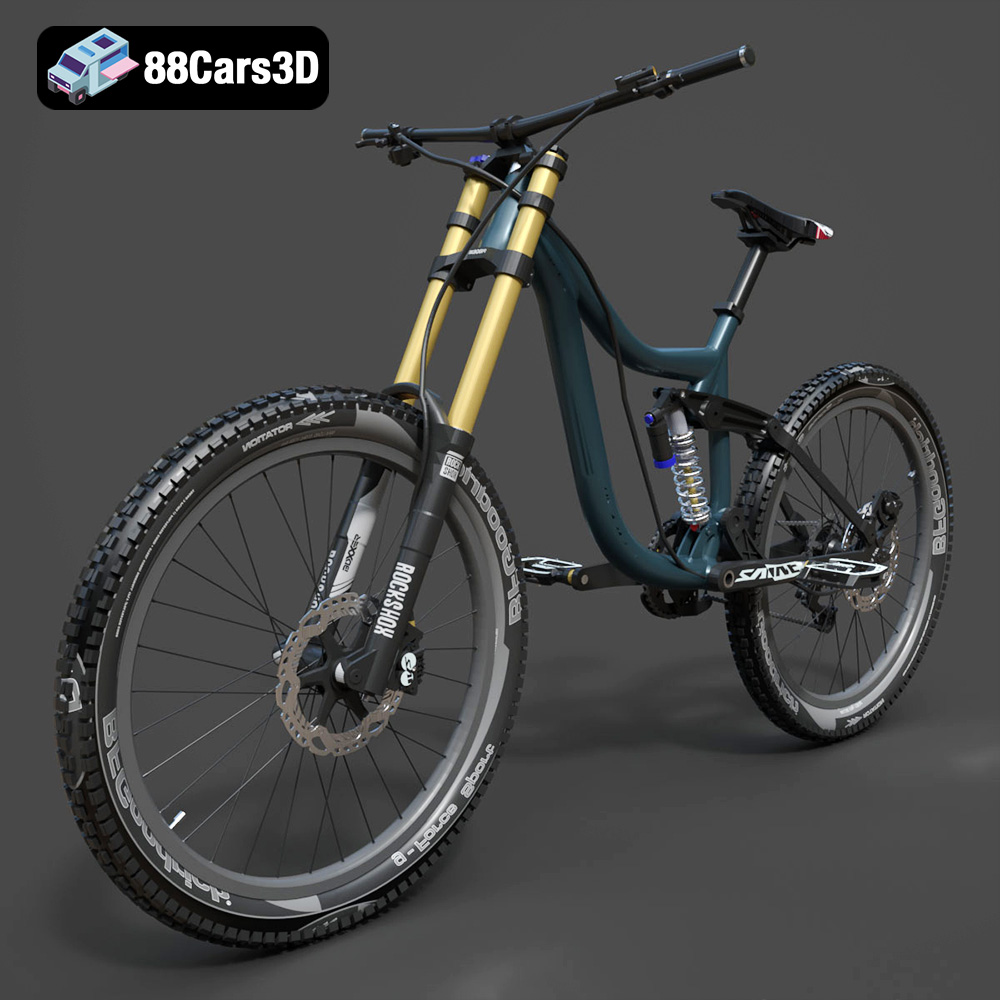
Texture: Yes
Material: Yes
Download the Mototsikly Downhill Bike-002 3D Model featuring clean geometry, realistic detailing, and precise mechanical components. Includes .blend, .fbx, .obj, .glb, .stl, .ply, .unreal, and .max formats for rendering, simulation, and game development.
Price: $19.99
Texture: Yes
Material: Yes
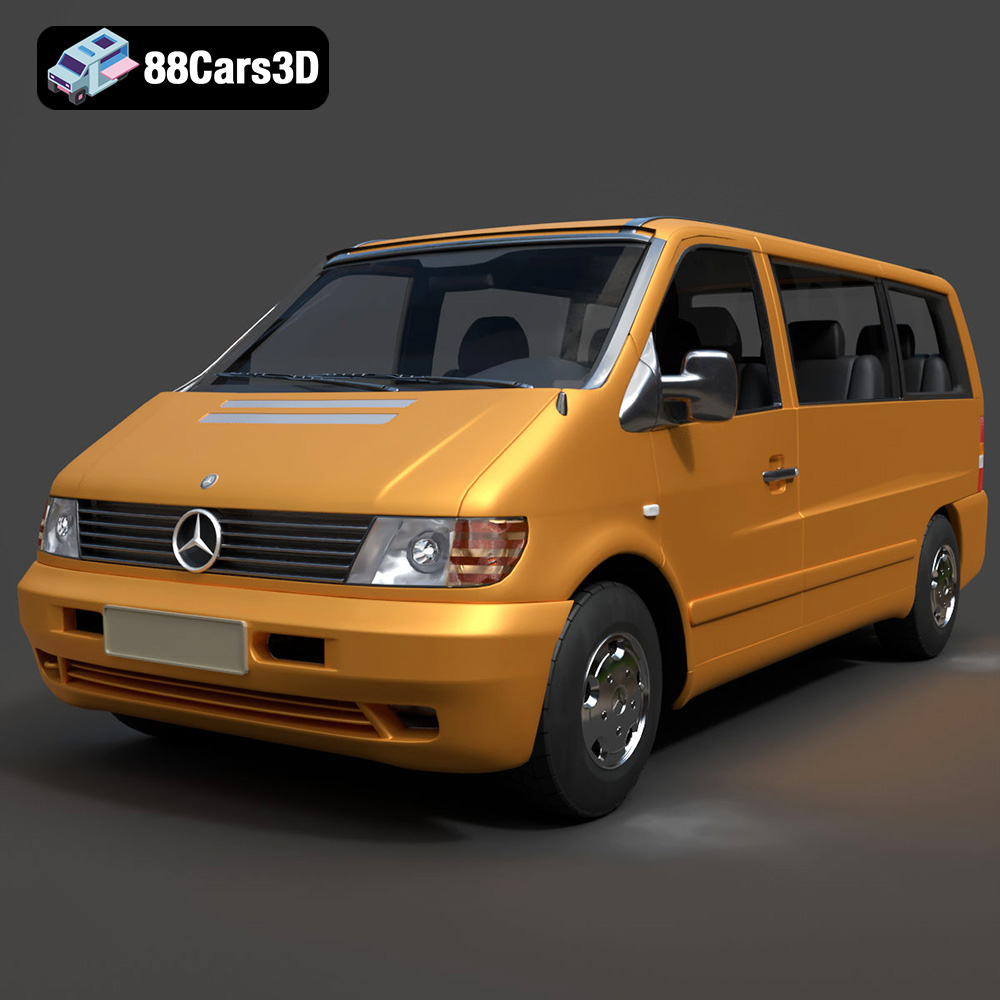
Download the Mercedes-Benz Vito Passenger Van 3D Model featuring clean geometry, realistic detailing, and a fully modeled interior. Includes .blend, .fbx, .obj, .glb, .stl, .ply, .unreal, and .max formats for rendering, simulation, and game development.
Price: $19.99
Texture: Yes
Material: Yes
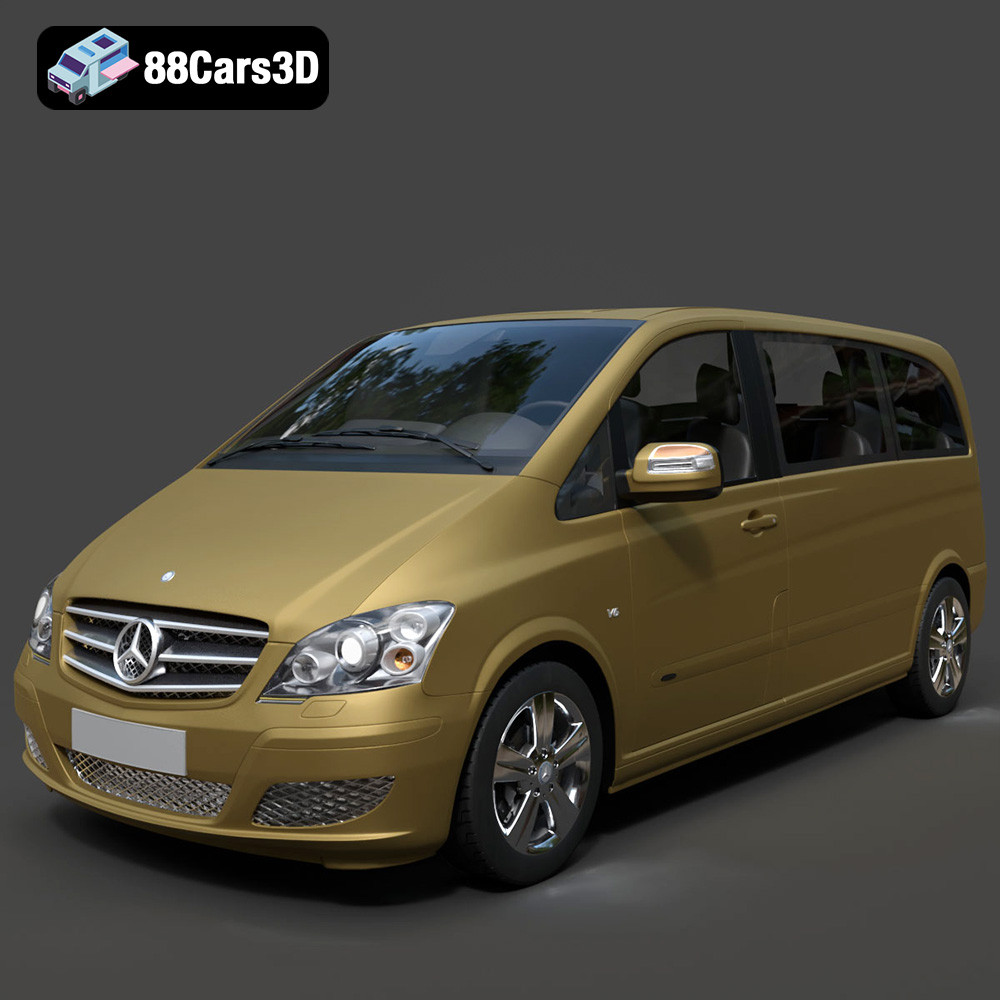
Download the Mercedes-Benz Viano 2010 3D Model featuring clean geometry, realistic detailing, and a fully modeled interior. Includes .blend, .fbx, .obj, .glb, .stl, .ply, .unreal, and .max formats for rendering, simulation, and game development.
Price: $19.99

Texture: Yes
Material: Yes
Download the Emt Avtobus 007 3D Model featuring clean geometry, realistic detailing, and a fully modeled interior. Includes .blend, .fbx, .obj, .glb, .stl, .ply, .unreal, and .max formats for rendering, simulation, and game development.
Price: $19.99
Texture: Yes
Material: Yes
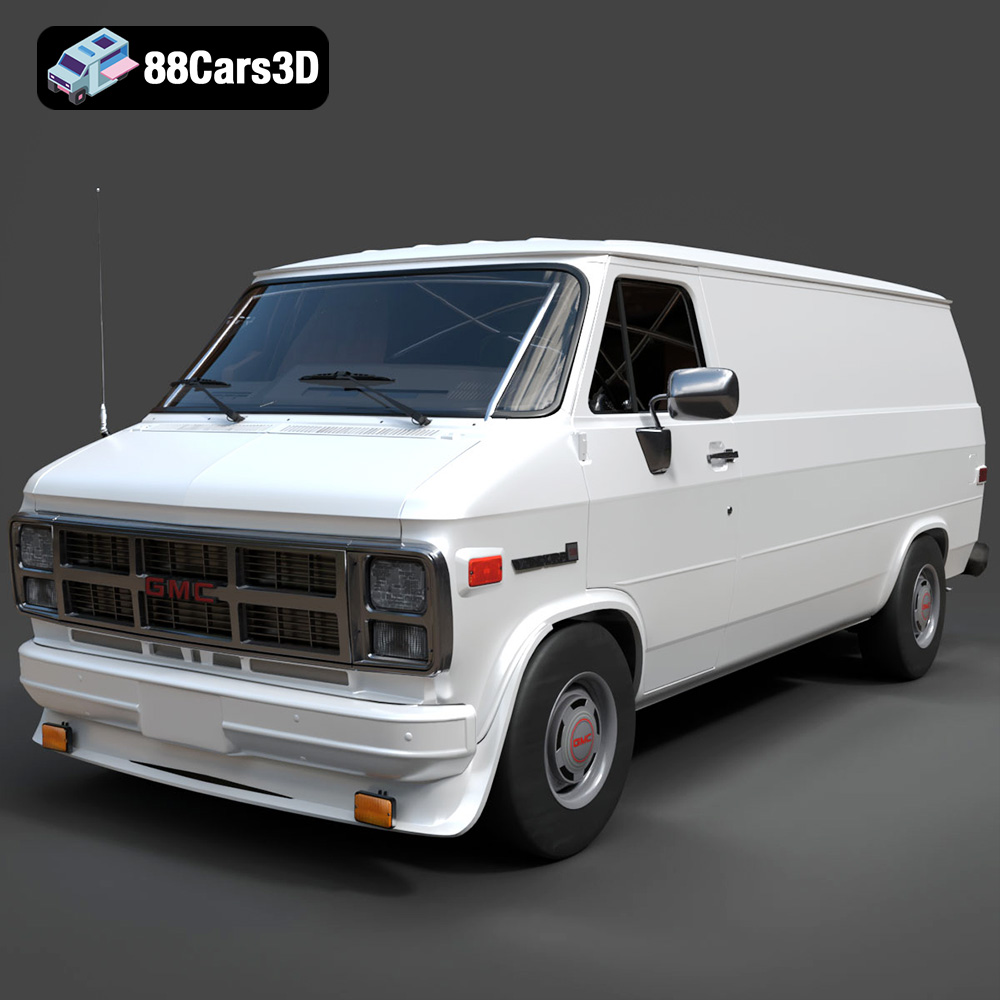
Download the GMC Vandura G-1500 1983 3D Model featuring clean geometry, realistic detailing, and a fully modeled interior. Includes .blend, .fbx, .obj, .glb, .stl, .ply, .unreal, and .max formats for rendering, simulation, and game development.
Price: $19.99
Texture: Yes
Material: Yes
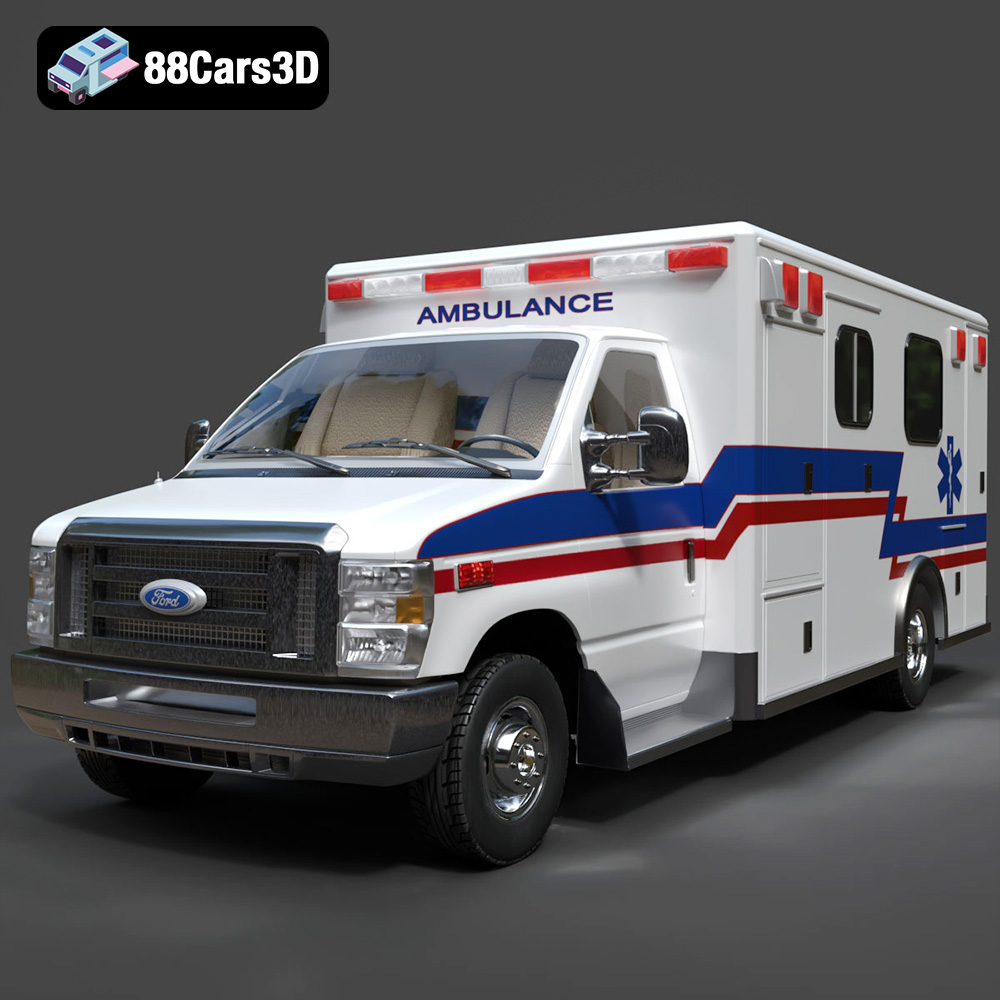
Download the Ford E-450 Ambulance 3D Model featuring clean geometry, realistic detailing, and a fully modeled interior. Includes .blend, .fbx, .obj, .glb, .stl, .ply, .unreal, and .max formats for rendering, simulation, and game development.
Price: $19.99

