⚡ FLASH SALE: Get 60% OFF All Premium 3D & STL Models! ⚡

“`html
The roar of a classic engine, the sleek lines of a modern supercar, the rugged charm of an off-road beast – for automotive enthusiasts and 3D printing hobbyists alike, the allure of bringing these iconic machines to life in miniature is irresistible. At 88cars3d.com, we’re passionate about providing you with the highest quality printable car models in STL format, meticulously designed for detail and printability. But having a fantastic digital model is only half the journey. The other, equally crucial, half lies in the printing process itself. Choosing the right 3D printer and mastering its settings are paramount to transforming a digital file into a stunning physical replica. This guide will delve deep into the technical intricacies of selecting the best 3D printers for detailed vehicle models, exploring the critical factors from printer technology and resolution to material choice and slicer settings. We’ll equip you with the knowledge to make informed decisions, troubleshoot common issues, and ultimately achieve breathtaking results that do justice to the automotive artistry you love.
Bringing intricate automotive designs to life via 3D printing presents a unique set of challenges. Unlike simpler geometric shapes, car models often feature delicate details like mirrors, spoilers, grills, intricate wheel spokes, and smooth, flowing body panels. Achieving a high-fidelity print requires a printer capable of resolving fine features without sacrificing surface quality or structural integrity. This means understanding the interplay between printer technology, resolution capabilities, and material properties. For instance, the subtle curves of a vintage fender or the sharp edges of a racing wing demand precise material deposition and minimal layer lines. Similarly, areas like car interiors, often packed with tiny seats, dashboards, and steering wheels, require exceptional detail to be recognizable and visually appealing. Print orientation also plays a significant role; printing a car model upright might showcase its profile beautifully but can lead to excessive support material and potential surface blemishes on the most visible areas. Conversely, printing it on its side or upside down might improve surface quality on the top but introduce complexities in support removal and bed adhesion. Understanding these inherent demands allows us to make informed choices about printer technology and settings.
When discussing 3D printer resolution, we’re generally talking about two primary metrics: XY resolution (the detail in the horizontal plane) and Z resolution (the detail along the vertical axis, determined by layer height). For detailed car models, high XY resolution is crucial for capturing fine features like emblems, panel gaps, and intricate wheel designs. This is where resin printers often shine, offering resolutions as low as 25-50 microns, significantly surpassing the typical 50-150 micron XY resolution of most FDM printers. However, FDM printers are rapidly improving, with some offering finer nozzle sizes and more precise stepper motor control to enhance XY detail. Z resolution, dictated by layer height, directly impacts the smoothness of curved surfaces and the visibility of layer lines. While very fine layer heights (e.g., 0.05mm or less) on FDM printers can minimize these lines, they dramatically increase print time. Resin printers, with their photopolymerization process, inherently achieve smoother surfaces with finer layer heights, often in the 25-100 micron range, making them ideal for achieving that polished, injection-molded look right off the build plate. Balancing these resolutions with the specific details of a car model – for instance, prioritizing XY for delicate exterior features and Z for smooth bodywork – is key to achieving the desired output.
Beyond basic resolution, a printer’s accuracy and the tolerances it can maintain are vital for complex assemblies, especially if you plan to print parts separately for later assembly or if the model includes moving components (though this is less common for display models). A printer with high accuracy ensures that parts printed at different times or on different machines will still fit together perfectly. For instance, if you’re printing a multi-part chassis or interchangeable wheels, even minor inaccuracies can lead to frustrating gaps or forced fits. This is especially important when printing parts that need to slot into each other or require a tight tolerance for a clean aesthetic. Many desktop FDM printers have mechanical limitations that can affect accuracy, such as frame rigidity, stepper motor precision, and even thermal expansion of components. Resin printers, due to their inherent precision in light projection and vat curing, generally offer superior dimensional accuracy, making them a strong contender for models requiring very tight tolerances or intricate, interlocking parts. When selecting an FDM printer, look for robust construction, quality linear motion systems (like linear rails over V-slot wheels), and precise stepper drivers. For resin printers, ensure the light source (DLP or LCD) is stable and well-calibrated.
The age-old debate of FDM (Fused Deposition Modeling) versus SLA/DLP (Stereolithography/Digital Light Processing) is particularly relevant when printing detailed automotive models. Each technology has its strengths and weaknesses, and the “best” choice often depends on your priorities regarding detail, cost, material options, and post-processing. FDM printers are generally more affordable, offer a wider range of durable material options (like PLA, PETG, ABS, and even advanced composites), and have larger build volumes, making them suitable for printing bigger car models or multiple parts simultaneously. However, FDM prints are characterized by visible layer lines and can struggle to resolve extremely fine details without aggressive fine-tuning of settings and often requiring significant post-processing to achieve a smooth finish. Resin printers, on the other hand, excel in producing incredibly detailed and smooth prints right off the build plate. Their high resolution is ideal for capturing the subtle curves and intricate details of car models. However, resin printing involves messier post-processing (washing and curing), requires specialized safety precautions due to the chemicals involved, and generally has a higher cost per print due to resin consumption and the longevity of consumable parts like FEP films. For unparalleled detail on smaller-scale models or parts where surface finish is paramount, resin is often the superior choice. For larger models, budget-conscious printing, or when using advanced engineering materials, FDM remains a powerful and versatile option.
Fused Deposition Modeling printers build objects layer by layer by extruding melted thermoplastic filament through a heated nozzle. For printing detailed car models with FDM, prioritizing printers with fine nozzle sizes (0.2mm or 0.3mm instead of the standard 0.4mm) can significantly improve XY resolution and the ability to capture finer features. Features like a direct drive extruder can offer better filament control, especially with flexible materials or when printing intricate details requiring precise retraction. A sturdy frame and reliable bed leveling system are essential for consistent results, preventing warping and ensuring accurate first layers, which are critical for the overall success of a detailed model. When selecting an FDM printer for automotive models, consider models known for their print quality and reliability, such as those from Prusa Research, Bambu Lab, or Creality’s higher-end offerings. Look for printers with good community support, as this will be invaluable for troubleshooting and finding optimized profiles for detailed prints. The ability to print with materials like PLA for ease of printing and good detail, PETG for slightly increased durability, or even ABS for its strength and temperature resistance (though it requires careful temperature control and ventilation) offers great flexibility for automotive models that might be painted or handled.
Resin 3D printers, primarily SLA and DLP variants, use a light source to selectively cure liquid photopolymer resin layer by layer. This process allows for exceptionally high resolutions, often achieving layer heights as fine as 0.01mm to 0.05mm and XY resolutions that can be as low as 25 microns, meaning incredibly fine details can be reproduced. For car models, this translates to sharp panel lines, intricate grill patterns, delicate mirrors, and smooth, blemish-free body panels. However, resin printing comes with considerations. Safety is paramount; resins are photosensitive chemicals and require handling in a well-ventilated area with appropriate personal protective equipment (gloves, eye protection). Post-processing is also more involved, typically requiring washing the print in isopropyl alcohol (IPA) or a specialized resin cleaner to remove uncured resin, followed by UV curing to fully harden the part. The build volumes on most affordable resin printers are smaller than their FDM counterparts, meaning larger car models might need to be printed in sections. Examples of excellent resin printers for detailed miniatures include models from Anycubic (Photon series), Elegoo (Mars series), and Creality (Halot series). When choosing a resin printer, consider the resolution of the LCD screen (higher resolution means finer detail) and the build plate size.
Once you have your chosen 3D printer and a high-quality printable car model STL file (like those found on 88cars3d.com), the next critical step is preparing the model for printing using slicing software. Slicers like Cura, PrusaSlicer, or ChiTuBox (for resin printers) translate the 3D model into a series of instructions (G-code for FDM, specific printer commands for resin) that the printer follows. This stage is where you define crucial print parameters that directly impact the quality, strength, and appearance of your final model. Understanding how to optimize settings for speed, detail, and support generation is an art form in itself. For detailed car models, this often involves a delicate balancing act: achieving enough detail without excessively long print times, ensuring adequate support for delicate overhangs without making removal a nightmare, and choosing print orientations that minimize visible imperfections on key surfaces.
For FDM printing, achieving fine detail requires careful tuning. A smaller layer height, such as 0.1mm or even 0.08mm, will significantly reduce the visibility of layer lines and improve surface smoothness, though it will increase print time. Using a smaller nozzle size (0.2mm or 0.3mm) allows for finer extrusion paths, capturing sharper edges and smaller features. Print speed is another critical factor; reducing print speed, particularly for outer walls and small details, allows the printer to deposit filament more precisely. For example, printing outer walls at 30-40 mm/s can make a noticeable difference compared to 60 mm/s. Retraction settings must be dialed in to prevent stringing, especially when moving between small, intricate features like spokes on a wheel or intricate grill patterns. For resin printing, the primary settings revolve around layer height (commonly 0.025mm to 0.05mm) and exposure times. Finding the correct exposure time is crucial; too little and the print won’t adhere to the build plate or details will be lost; too much and fine details can “burn out” or fuse together, and layer lines can become more pronounced. This often requires calibration prints (like RERF cones of calibration) to fine-tune.
Car models are rife with overhangs – from spoilers and mirrors to wheel arches and undercarriages. Effective support generation is non-negotiable. For FDM printing, consider tree supports (available in Cura and PrusaSlicer), which often use less material and are easier to remove than traditional supports, while still providing excellent structural integrity. Adjusting support density, interface layers, and Z-distance (the gap between the support and the model) can significantly impact the ease of removal and the surface quality of the supported areas. For very delicate FDM prints, sometimes painting supports directly onto specific areas can offer more control. Resin printers also require supports, but due to the nature of the printing process, supports are often much finer and can be placed more strategically. The goal is to provide just enough support to hold the model during printing without damaging delicate details upon removal. Tools like Lychee Slicer or Chitubox offer advanced support editing capabilities, allowing you to add, delete, and reposition supports manually for optimal results. Experimenting with support contact depth and angle can also help minimize scarring on the model’s surface. For both technologies, orientation is intrinsically linked to support strategy; orienting the model to minimize the number and size of overhangs is often the first step in support planning.
The journey doesn’t end when the print is complete. The choice of material significantly influences the final look and feel of your 3D printed car model, and post-processing is where you can elevate a raw print into a showpiece. From basic sanding and painting to more advanced techniques, these steps are essential for achieving professional-quality results that highlight the intricate details you’ve worked so hard to print.
For FDM printing, while PLA is popular for its ease of use and good detail retention, consider other materials for specific benefits. PETG offers better layer adhesion and impact resistance than PLA, making it suitable for models that might be handled frequently, though it can be stringier. ABS provides excellent strength and temperature resistance but requires a heated bed and enclosure to prevent warping and emits fumes. For highly detailed models where smooth surfaces are paramount, some specialized FDM filaments designed for smoother finishes or easier sanding might be worth exploring. For resin printing, standard ABS-like resins offer a good balance of durability and detail, while tough resins provide enhanced impact resistance, ideal for models that might be accidentally dropped. High-detail resins are formulated to capture the absolute finest features, often at the expense of some durability. Experimentation with different resin types and brands is key to finding what works best for your specific models and printer.
Post-processing is where the magic truly happens, especially for FDM prints. Sanding is often the first step to smooth out layer lines. Start with coarser grits (e.g., 150-220) and progressively move to finer grits (400, 800, 1000, and even higher). For FDM prints, using a filler primer can help fill in microscopic imperfections between layers, making sanding more effective. Priming is essential for most materials, providing a uniform surface for paint adhesion and revealing any remaining imperfections that need further sanding. Choose a good quality primer that is compatible with your chosen paint. Painting can range from simple spray painting to detailed airbrushing. For automotive models, achieving a realistic finish often involves multiple thin coats of paint, followed by clear coats for protection and gloss. Techniques like panel line washes, weathering, and custom decals can further enhance realism. For resin prints, sanding is still often necessary on support contact points, but the base surface is usually much smoother. Careful support removal and filling any minor blemishes are typically the main post-processing steps before priming and painting.
Even with the best slicer settings and a capable printer, consistent, high-quality results depend on a well-calibrated and maintained machine. Just like a finely tuned engine, your 3D printer needs regular attention to perform at its peak, especially when tackling the intricate details of automotive models. Neglecting calibration can lead to print failures, dimensional inaccuracies, and a frustrating loss of time and material.
The foundation of any successful 3D print is a perfect first layer. For FDM printers, this means meticulous bed leveling. Whether manual or automatic, ensuring the nozzle is the correct distance from the build plate across its entire surface is paramount. Too close, and the filament may be squashed too thin or clog the nozzle; too far, and the filament won’t adhere, leading to warping or detachment. Consistent first-layer adhesion is also influenced by bed surface preparation (cleaning with IPA or specific solutions) and the use of adhesion aids like glue stick, hairspray, or specialized build surfaces. For resin printers, ensuring the build plate is clean and properly attached is crucial. The initial layers during resin printing are often exposed for longer to ensure strong adhesion to the build plate, so any inconsistencies here can lead to print failure. Regularly cleaning the resin vat and inspecting the FEP film for damage is also vital.
For FDM printers, calibrating the extruder’s steps per millimeter (E-steps) ensures that when the printer is told to extrude 100mm of filament, it actually extrudes 100mm. This fundamental calibration prevents over- or under-extrusion, which directly impacts dimensional accuracy and surface finish. Once E-steps are calibrated, fine-tuning the flow rate (often called “Flow” or “Extrusion Multiplier” in slicers) can further optimize extrusion for specific filaments and printing conditions. A slight reduction in flow rate (e.g., from 100% to 95%) can sometimes improve bridging and reduce blobbing on detailed areas. Incorrect flow can lead to either gaps between print lines or an overly “fat” appearance of details, obscuring their sharpness. For resin printers, while there isn’t an “extruder,” calibration involves ensuring the UV light source is accurate and that exposure times are correctly set to match the resin’s properties. Using calibration models can help dial in these settings precisely.
Ultimately, achieving stunning 3D printed car models hinges on a combination of selecting the right tool for the job and mastering its operation. Whether you lean towards the fine detail capabilities of resin printing or the versatile affordability of FDM, understanding the technical nuances of each technology, from resolution and accuracy to material science and post-processing, is key. Platforms like 88cars3d.com provide the meticulously designed digital assets, but the transformation into a tangible masterpiece lies in your hands. By investing time in understanding your printer, calibrating it diligently, optimizing your slicer settings, and employing thoughtful post-processing techniques, you can unlock the full potential of 3D printing and create automotive replicas that are truly works of art. Happy printing!
“`

Meta Description:
Texture: Yes
Material: Yes
Download the Porsche Cayenne 3D Model featuring realistic exterior styling and detailed interior design. Includes .blend, .fbx, .obj, .glb, .stl, .ply, .unreal, and .max formats for rendering, simulation, AR VR, and game development.
Price: $19.9
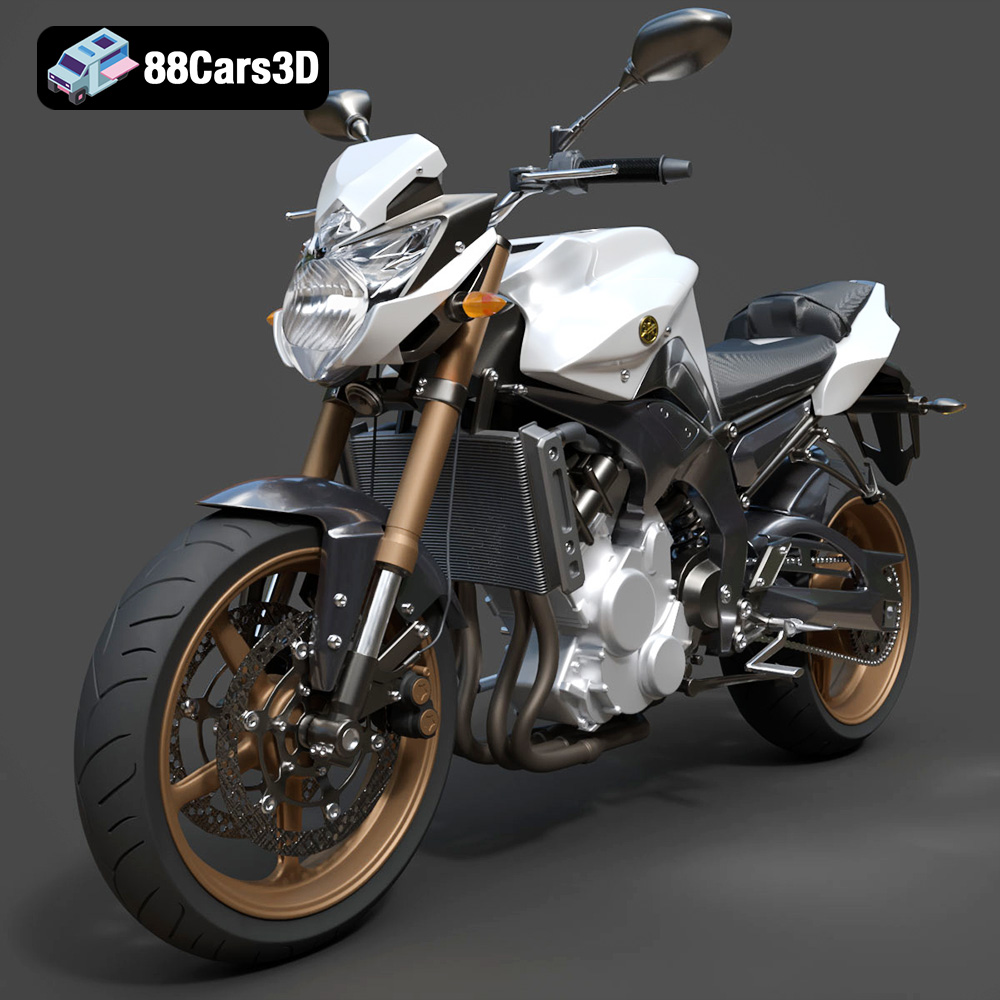
Texture: Yes
Material: Yes
Download the Yamaha FZ8 2011 3D Model featuring clean geometry, realistic detailing, and a fully modeled interior. Includes .blend, .fbx, .obj, .glb, .stl, .ply, .unreal, and .max formats for rendering, simulation, and game development.
Price: $19.99
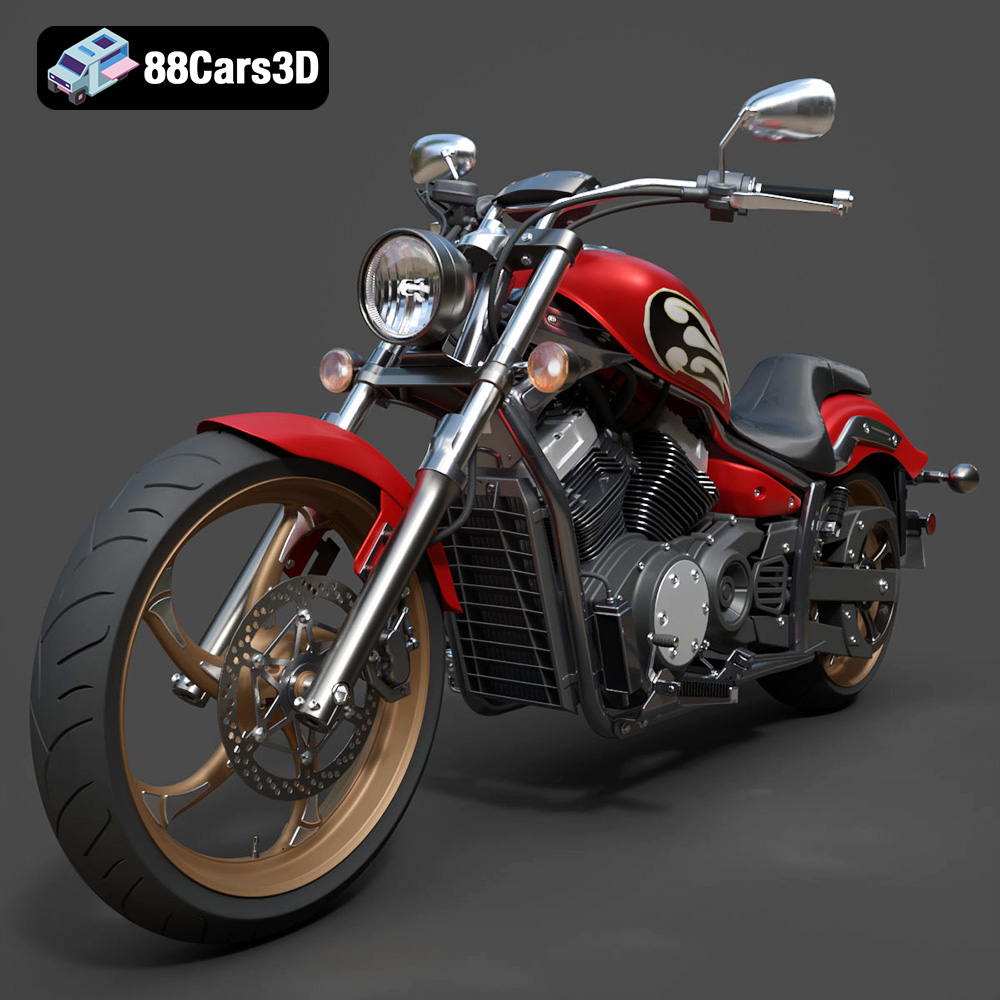
Texture: Yes
Material: Yes
Download the Yamaha Stryker 2012 3D Model featuring clean geometry, realistic detailing, and a fully modeled interior. Includes .blend, .fbx, .obj, .glb, .stl, .ply, .unreal, and .max formats for rendering, simulation, and game development.
Price: $19.99
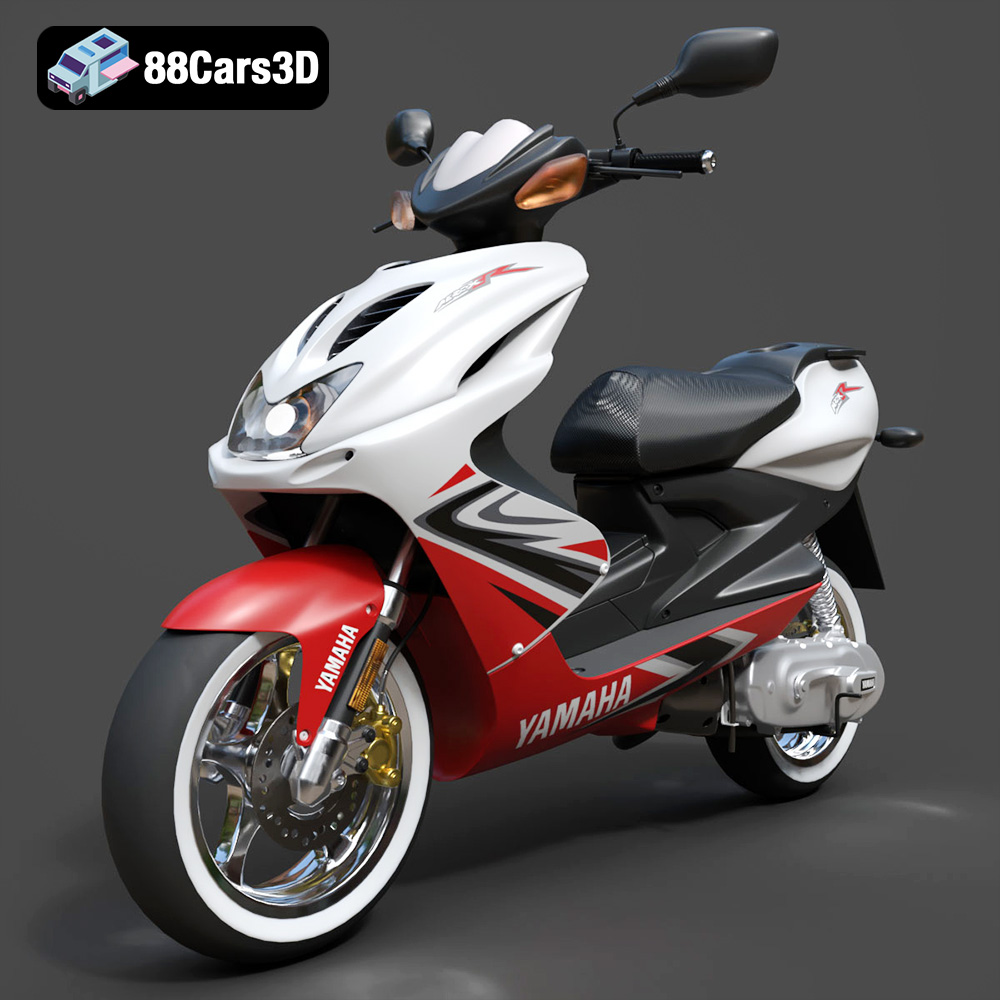
Texture: Yes
Material: Yes
Download the Yamaha Aerox R-002 2024 3D Model featuring clean geometry, realistic detailing, and a fully modeled interior. Includes .blend, .fbx, .obj, .glb, .stl, .ply, .unreal, and .max formats for rendering, simulation, and game development.
Price: $19.99
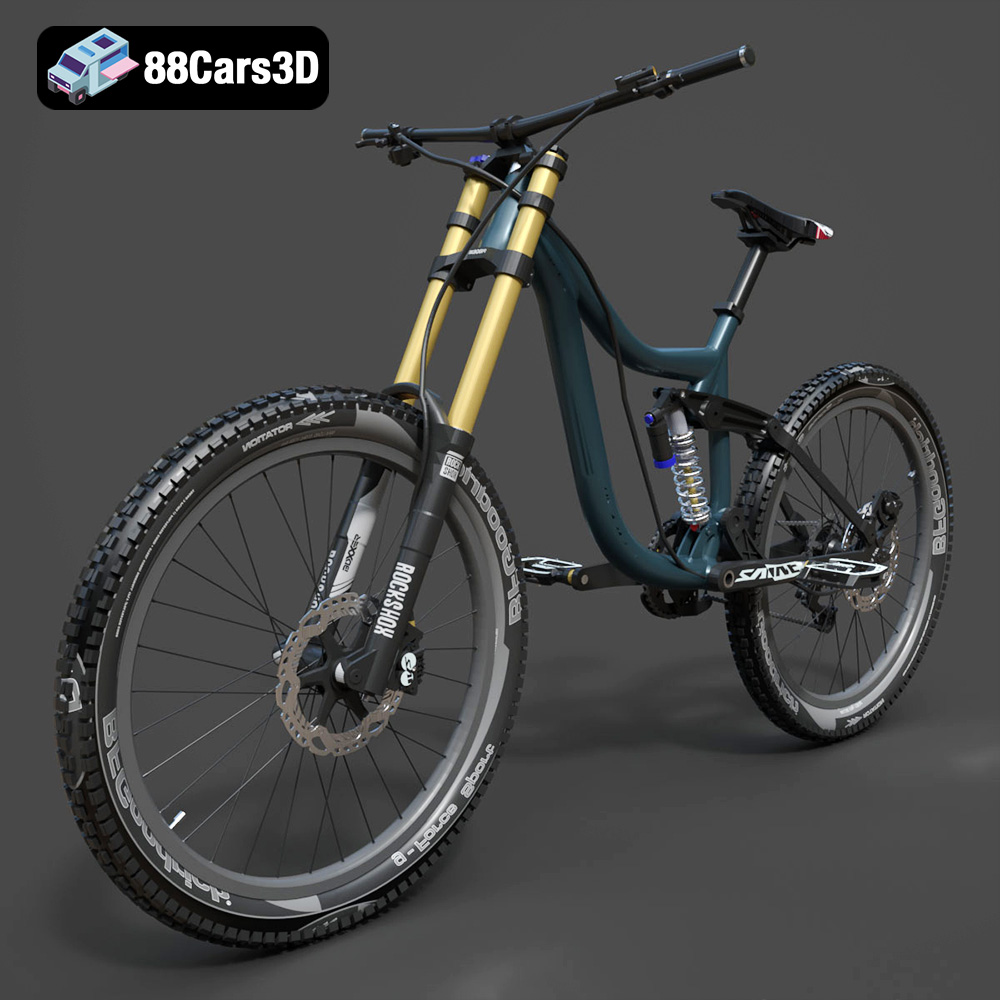
Texture: Yes
Material: Yes
Download the Mototsikly Downhill Bike-002 3D Model featuring clean geometry, realistic detailing, and precise mechanical components. Includes .blend, .fbx, .obj, .glb, .stl, .ply, .unreal, and .max formats for rendering, simulation, and game development.
Price: $19.99
Texture: Yes
Material: Yes
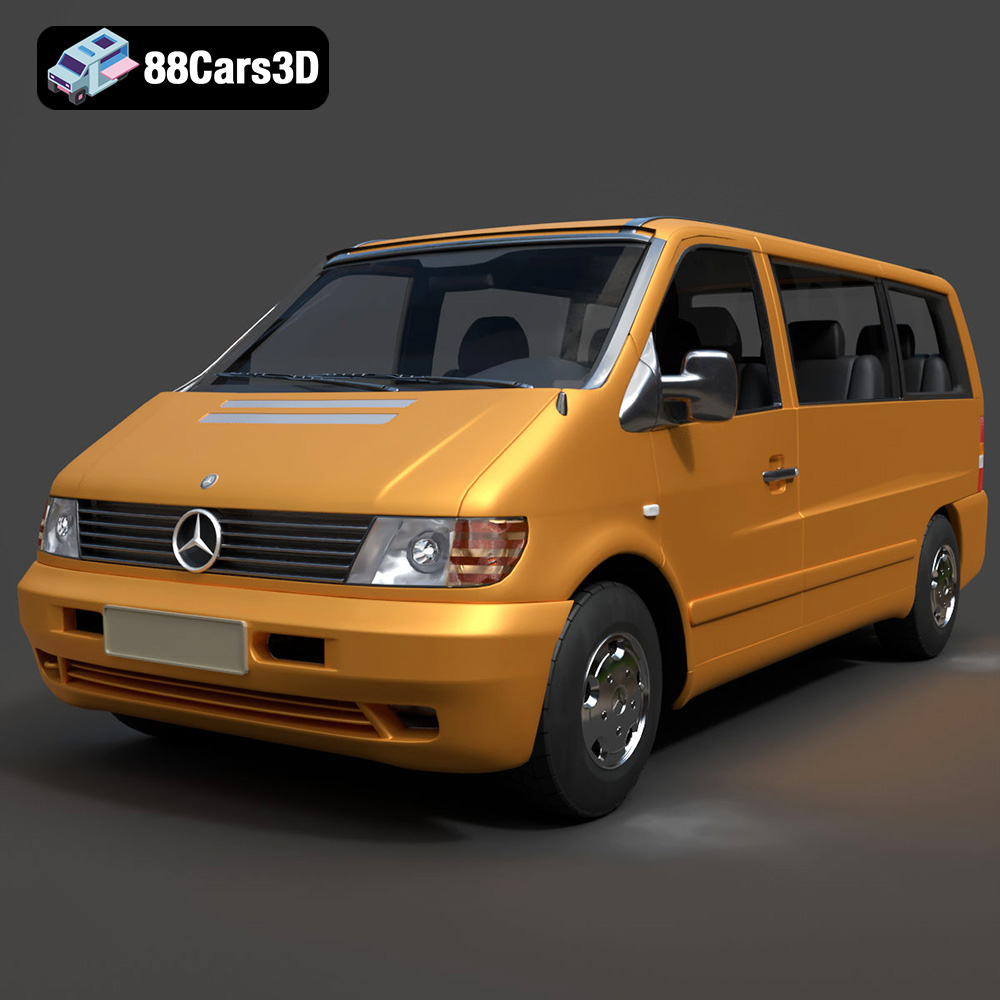
Download the Mercedes-Benz Vito Passenger Van 3D Model featuring clean geometry, realistic detailing, and a fully modeled interior. Includes .blend, .fbx, .obj, .glb, .stl, .ply, .unreal, and .max formats for rendering, simulation, and game development.
Price: $19.99
Texture: Yes
Material: Yes
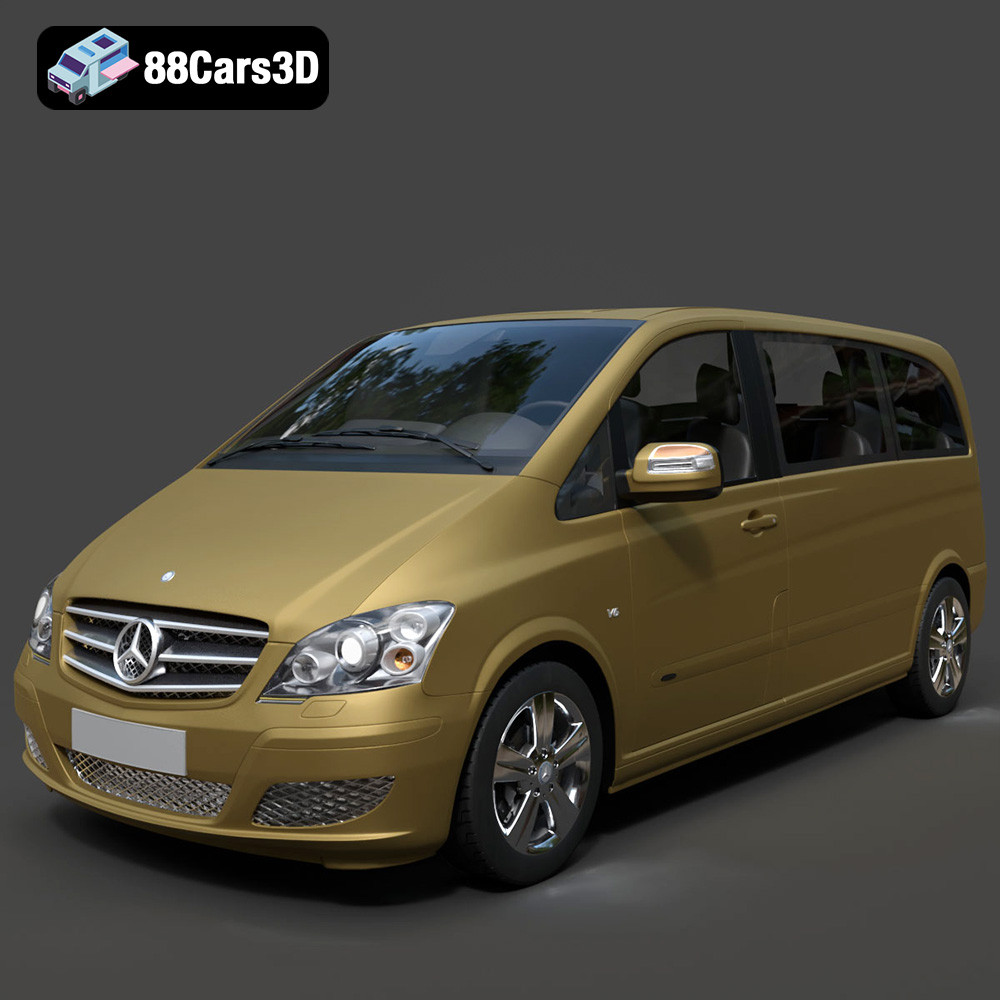
Download the Mercedes-Benz Viano 2010 3D Model featuring clean geometry, realistic detailing, and a fully modeled interior. Includes .blend, .fbx, .obj, .glb, .stl, .ply, .unreal, and .max formats for rendering, simulation, and game development.
Price: $19.99

Texture: Yes
Material: Yes
Download the Emt Avtobus 007 3D Model featuring clean geometry, realistic detailing, and a fully modeled interior. Includes .blend, .fbx, .obj, .glb, .stl, .ply, .unreal, and .max formats for rendering, simulation, and game development.
Price: $19.99
Texture: Yes
Material: Yes
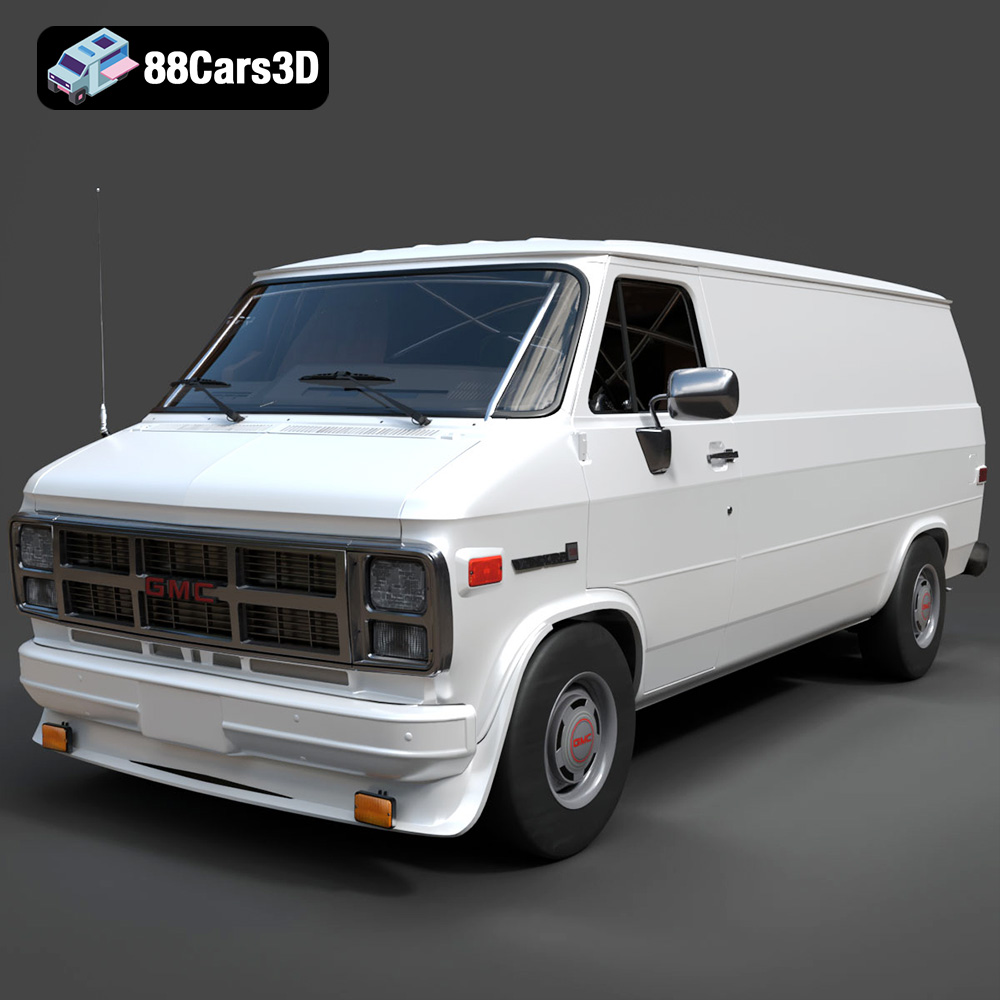
Download the GMC Vandura G-1500 1983 3D Model featuring clean geometry, realistic detailing, and a fully modeled interior. Includes .blend, .fbx, .obj, .glb, .stl, .ply, .unreal, and .max formats for rendering, simulation, and game development.
Price: $19.99
Texture: Yes
Material: Yes
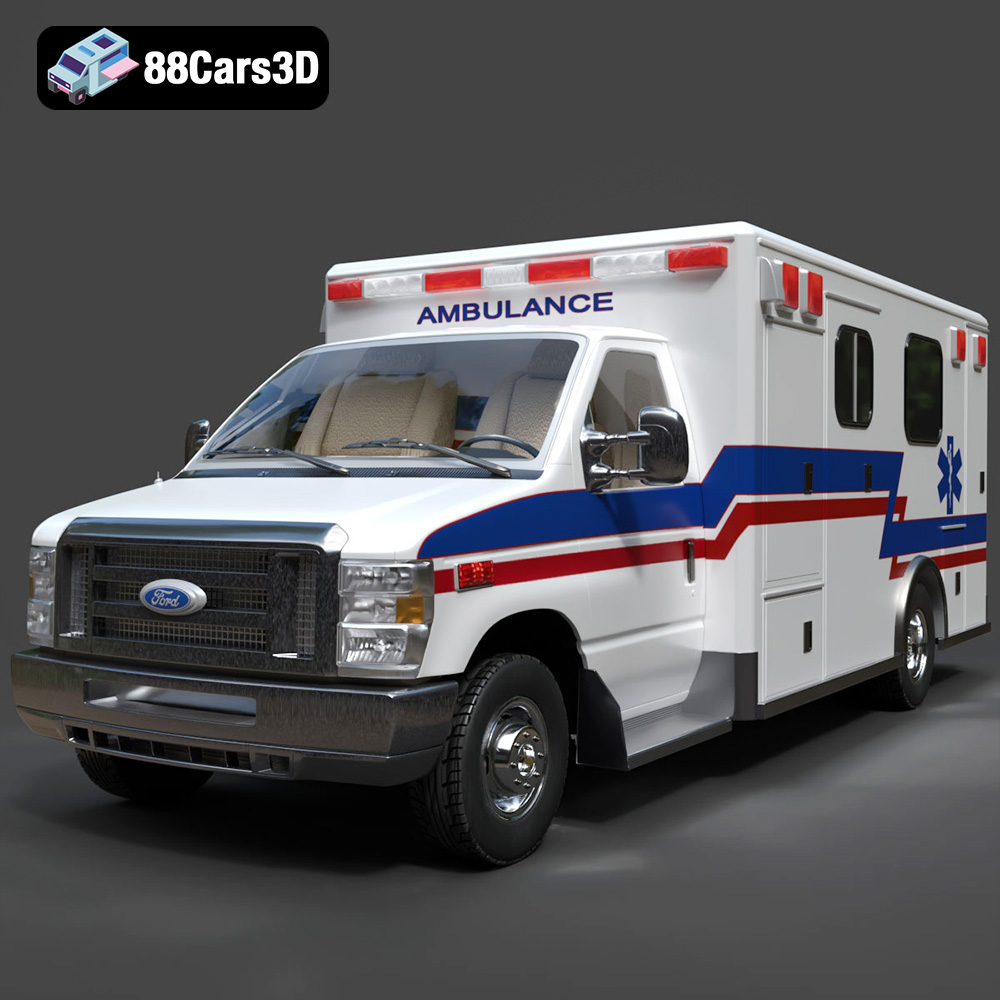
Download the Ford E-450 Ambulance 3D Model featuring clean geometry, realistic detailing, and a fully modeled interior. Includes .blend, .fbx, .obj, .glb, .stl, .ply, .unreal, and .max formats for rendering, simulation, and game development.
Price: $19.99

