⚡ FLASH SALE: Get 60% OFF All Premium 3D & STL Models! ⚡

“`html
The world of 3D printing has opened up incredible avenues for hobbyists and professionals alike, especially for those passionate about automotive miniatures and detailed models. At 88cars3d.com, we provide high-quality, print-ready STL files of iconic cars, designed to bring your passion for automotive design to life. But once you’ve downloaded that perfect vintage sports car or a sleek modern supercar STL, a crucial question arises: which 3D printing technology will best capture its intricate details? Fused Deposition Modeling (FDM) and Stereolithography (SLA)/Digital Light Processing (DLP) – commonly referred to as resin printing – are the two dominant players. Each offers distinct advantages and disadvantages, particularly when dealing with the complex geometries and fine features often found in car models. This guide will delve deep into the technical nuances of both FDM and resin printing, empowering you to make an informed decision for your next 3D printable car project. We’ll explore everything from file preparation and slicer settings to material properties and post-processing, ensuring you achieve stunning results that do justice to your chosen STL files.
At the heart of every 3D printing process lies a method of turning digital designs into physical objects layer by layer. For FDM and resin printing, these methods are fundamentally different, leading to vastly different outcomes in terms of resolution, material properties, and print speed. FDM printing, perhaps the most ubiquitous form of hobbyist 3D printing, works by extruding a thermoplastic filament through a heated nozzle, depositing it precisely onto a build platform. Think of it like a sophisticated, automated hot glue gun. The filament is melted and fused layer upon layer, building up the object. This process is known for its affordability, wide range of available materials (like PLA, PETG, ABS, and Nylon), and generally larger build volumes. However, the visible layer lines are an inherent characteristic of the technology. Resin printing, on the other hand, utilizes photopolymer resins that cure (harden) when exposed to specific wavelengths of light. In SLA printers, a UV laser traces the layer’s shape, curing the resin. In DLP printers, a projector flashes an image of the entire layer onto the resin vat. This light-based curing allows for incredibly fine detail and smooth surfaces, as the resolution is determined by the laser spot size or the pixel size of the projector, not by the mechanical movement of an extruder. Platforms like 88cars3d.com offer STL files optimized for both technologies, but understanding their core differences is the first step to success.
Fused Deposition Modeling (FDM) printers are the go-to for many makers due to their accessibility and versatility. The process involves feeding a thermoplastic filament, typically wound on a spool, through a heated nozzle (the hotend) and depositing molten plastic onto a build plate. The hotend moves in the X and Y directions, tracing out each layer, while the build plate (or the hotend assembly) moves in the Z direction to create the next layer. This additive process is robust and can handle a wide variety of materials, from easy-to-print PLA for quick prototypes to more durable materials like PETG and ABS for functional parts. The layer-by-layer deposition, however, results in visible lines on the surface of the print. For car models, this can manifest as subtle ridges along curved body panels or imperfections on fine details like grilles or emblems. The quality of an FDM print is heavily influenced by factors such as layer height, print speed, nozzle temperature, and cooling. Achieving smoother surfaces often requires printing at lower layer heights (e.g., 0.1mm or 0.12mm), which significantly increases print time.
Resin printing technologies, including SLA and DLP, offer a stark contrast in terms of surface finish and detail reproduction. These printers use a vat of liquid photopolymer resin. A build platform is submerged into the resin, and a light source cures specific areas of the resin layer by layer. In SLA, a UV laser selectively cures the resin along the cross-section of the model. In DLP, a digital projector flashes an entire layer image at once, curing a whole slice simultaneously, which can lead to faster print times for complex, multi-part prints. The key advantage of resin printing for automotive models is its unparalleled ability to capture minute details. The resolution is dictated by the light source’s accuracy – the laser’s spot size for SLA or the pixel size of the projector for DLP. This allows for incredibly sharp edges, intricate interior details, and the seamless rendering of smooth, flowing body lines that are difficult to achieve with FDM without extensive post-processing. The trade-offs typically involve smaller build volumes, a more involved post-processing workflow (washing and curing), and often, more brittle prints depending on the resin type.
The slicer software is your digital workbench, translating your chosen STL file into a series of instructions (G-code) that your 3D printer can understand. For intricate car models, whether destined for FDM or resin printing, the slicing process is critical. It dictates everything from the structural integrity of the print to the surface quality and the ease of removing support structures. Understanding how to tweak settings like layer height, print speed, infill, and support generation is paramount. For FDM printing, careful consideration must be given to bridging settings (for overhangs) and retraction to minimize stringing, which can mar delicate features. Resin slicing involves optimizing exposure times for each layer, lift speeds, and crucially, the density and placement of support structures to ensure successful prints without damaging the model during removal. Many slicers also offer model repair tools, but starting with a clean, manifold mesh from a reliable source, such as those found on 88cars3d.com, significantly simplifies this stage.
When slicing an FDM STL file for a car model, several key parameters demand attention. Layer height is arguably the most impactful on visual quality; opting for 0.1mm or 0.12mm will yield smoother curves and fewer visible layer lines compared to a coarser 0.2mm or 0.3mm layer height. However, this comes at the cost of significantly longer print times. A typical 1:18 scale car might take 20-30 hours at 0.12mm layer height, versus 10-15 hours at 0.2mm. Print speed also plays a crucial role. Printing too fast can lead to under-extrusion, poor layer adhesion, and loss of detail. For detailed car models, reducing print speeds to around 40-60 mm/s for outer walls and 50-70 mm/s for infill is often recommended. Infill density and pattern affect the model’s strength and weight. For display models, 10-15% infill with a simple pattern like Grid or Gyroid is usually sufficient. For parts requiring more rigidity, increasing infill to 20-30% might be necessary. Wall thickness (or shell count) is also important; a minimum of 2-3 walls (typically 0.4mm to 1.2mm total thickness for a standard 0.4mm nozzle) ensures the exterior surfaces are solid and free from infill showing through.
Resin slicing requires a different set of considerations. Layer height in resin printing typically ranges from 0.025mm to 0.1mm. Smaller layer heights (e.g., 0.05mm) yield incredibly smooth surfaces, ideal for car bodywork. Exposure time is critical for successful curing. This is the duration each layer is exposed to UV light. Over-exposure can lead to loss of detail and “washed-out” features, while under-exposure results in prints detaching from the build plate or collapsing. Typical exposure times range from 1 to 5 seconds per layer, highly dependent on the specific resin and printer. Lift speed and distance are also vital, particularly for larger or more detailed prints. A slower lift speed (e.g., 40-60 mm/min) and sufficient lift distance (e.g., 5-8mm) help prevent the cured layer from sticking too firmly to the FEP film at the bottom of the resin vat, reducing the risk of print failure. Support generation in resin printing is arguably more critical than in FDM. Supports need to be robust enough to hold the model’s weight but also fine enough not to leave significant marks upon removal. Light supports with a small contact point are often preferred, but heavier supports might be needed for large overhangs or isolated features.
No 3D printable car model is complete without meticulous attention to support structures. These temporary scaffolds are printed alongside the main model to hold up overhanging sections, preventing them from collapsing under their own weight during the printing process. The type, density, and placement of supports can dramatically influence the final print quality, the ease of post-processing, and even the success rate of the print itself. For detailed automotive models, which often feature complex curves, undercuts, and delicate appendages like spoilers or mirrors, robust support strategies are essential. Choosing the right support settings in your slicer, or manually adding/modifying them in software like Meshmixer or Blender, is a skill that separates mediocre prints from exceptional ones.
In FDM printing, supports are typically generated as a grid or tree-like structure beneath overhangs exceeding a certain angle (often 45-60 degrees). The choice between standard (grid) supports and tree supports can be significant. Grid supports are generally faster to print and easier to remove but can sometimes fuse to detailed surfaces. Tree supports, generated by some advanced slicers like Cura or PrusaSlicer, are more material-efficient and often easier to remove from intricate areas, as they branch out more organically. Key FDM support settings include: Support Density (10-20% is common, affecting strength and removal difficulty), Support Z Distance (the gap between the model and the support; a larger gap, e.g., 0.2-0.3mm, makes removal easier but can lead to a rougher surface finish on the underside of the overhang), and Support XY Distance (controls the horizontal gap between the support and the model). For car models, consider enabling “Support on Build Plate Only” if possible, to avoid supports scarring delicate underbody details. When removing FDM supports, use flush cutters or hobby knives carefully, and be prepared for some light sanding on surfaces where supports were attached.
Resin printing demands a more nuanced approach to supports due to the nature of the material and the curing process. Supports are crucial for preventing delamination and ensuring successful adhesion to the build plate. In resin slicers, you’ll typically find options for Light, Medium, and Heavy supports, which differ in their thickness and density. For highly detailed car models, starting with Light supports for most areas and strategically placing Medium supports on larger overhangs or unsupported sections is a good practice. Many advanced users prefer to manually add supports using software like Lychee Slicer, ChiTuBox, or even Blender. This allows for precise placement directly onto contact points that are less visible or easier to repair. Key settings include Tip Diameter/Point Size (smaller tips leave fewer marks), Raft/Platform Adhesion (ensures the print sticks to the build plate), and the aforementioned Lift Speed and Distance, which influence suction forces. When removing resin supports, it’s often best done after a light cure or even while the print is still slightly tacky. Use pliers or a hobby knife to carefully twist or cut the supports at their base. Resin supports are typically much finer than FDM supports, making them less intrusive but also potentially more delicate.
The choice of material is as critical as the printing technology itself when it comes to achieving the desired finish and properties for your 3D printed car models. Each material has a unique set of characteristics that influence printability, durability, surface finish, and post-processing capabilities. For FDM printing, common choices include PLA, PETG, and ABS, each offering different advantages. For resin printing, a variety of photopolymer resins exist, each formulated for specific properties like standard, tough, flexible, or high-detail. Understanding these material properties will help you select the best option for your specific car model project, whether it’s a static display piece or a more robust functional model.
PLA (Polylactic Acid) is the most popular FDM filament for hobbyists due to its ease of printing, low warping, and wide range of available colors. It’s ideal for detailed display models where high strength isn’t a primary concern. PLA prints with a slightly glossy finish and can be sanded and painted relatively easily. However, it has a lower glass transition temperature, meaning it can deform under heat. PETG (Polyethylene Terephthalate Glycol) offers a good balance of strength, flexibility, and temperature resistance, making it suitable for slightly more robust models or parts that might experience some handling. It can be more challenging to print than PLA, often requiring higher temperatures and careful retraction settings to avoid stringing. ABS (Acrylonitrile Butadiene Styrene) is known for its toughness and high-temperature resistance, often used for functional parts. However, it is prone to warping and requires an enclosed printer and heated bed for successful printing, along with good ventilation due to fumes. For intricate car models, PLA is often the preferred choice for its detail reproduction and ease of use, especially when aiming for a smooth, paintable surface. However, for scale models that might be handled frequently, PETG could offer superior durability.
Photopolymer resins used in SLA/DLP printing come in various formulations, each tailored for different applications. Standard Resins are the most common and offer excellent detail reproduction, making them perfect for highly detailed car models where aesthetics are paramount. They produce smooth, glossy finishes. Tough/ABS-like Resins are formulated to mimic the mechanical properties of ABS plastic, offering increased impact resistance and durability. These are excellent if your car model needs to withstand more handling or slight impacts. High-Detail Resins are specifically engineered for ultra-fine features, often used in jewelry or micro-scale printing, and can be fantastic for capturing the minutiae of a car’s grille or interior. However, they can sometimes be more brittle. When selecting a resin, consider the desired finish (glossy vs. matte), required mechanical properties (brittle vs. tough), and the level of detail you need to capture. Always ensure compatibility with your specific resin printer model and follow the manufacturer’s safety guidelines, as uncured resins can be irritants.
The journey from a raw 3D print to a finished, polished car model is often completed through post-processing. This stage is crucial for both FDM and resin prints, involving the removal of supports, surface smoothing, and preparation for painting or final assembly. The techniques employed will differ significantly based on the printing technology used, but the goal remains the same: to elevate the print from a series of layered materials to a smooth, detailed, and visually appealing replica. Whether you’re assembling a fleet of die-cast style replicas from 88cars3d.com or working on a single, large-scale centerpiece, mastering post-processing is key to achieving professional-looking results.
FDM prints, with their inherent layer lines, often require significant post-processing to achieve a smooth finish. The first step is usually support removal, which should be done carefully using flush cutters, pliers, or a hobby knife. Be mindful of damaging delicate parts. For noticeable layer lines, sanding is essential. Start with a coarser grit sandpaper (e.g., 120-220 grit) to remove the bulk of the lines, then progressively move to finer grits (e.g., 400, 800, 1000, and even higher) for a smooth finish. Filling techniques can further enhance smoothness. Options include using wood filler, automotive putty, or specialized 3D print smoothing compounds. Apply filler, let it dry, and then sand again. For ABS prints, vapor smoothing using acetone can create an incredibly smooth, almost injection-molded finish, but this is a hazardous process requiring extreme caution and ventilation. Finally, priming the model with a good quality spray primer is crucial before painting. Primer helps reveal any remaining imperfections and provides an even base coat for your chosen paint scheme.
Resin prints require a distinct post-processing workflow. After removing the print from the build plate, the first step is washing to remove any uncured resin residue. This is typically done using Isopropyl Alcohol (IPA) or a specialized resin cleaner in an ultrasonic cleaner or a simple wash station. Ensure thorough cleaning, as uncured resin can remain sticky and dull the finish. Following washing, the print needs to be cured under UV light to achieve its final hardness and mechanical properties. This can be done using a dedicated UV curing station or even direct sunlight (though sunlight exposure should be limited to avoid over-curing and brittleness). After curing, support removal is generally easier than with FDM, often involving carefully twisting or cutting the fine supports with pliers or a sharp blade. Again, be gentle with delicate parts. Resin prints typically have a very smooth surface finish from the printer itself, often requiring minimal sanding, if any. However, if minor marks remain from supports or if you wish to achieve a different surface texture, fine-grit sanding or a light coat of primer can be applied before painting.
The debate of FDM versus resin printing for your 3D printable car STL files is not about declaring a single winner, but rather understanding which technology aligns best with your priorities and the specific characteristics of the models you wish to create. If your primary goal is to produce highly detailed replicas with incredibly smooth surfaces, capturing every curve and emblem with pinpoint accuracy, then resin printing is likely your superior choice. The ability to achieve resolutions down to 25-50 microns per layer means that intricate details that might be lost or require extensive cleanup on FDM prints will shine through effortlessly. Platforms like 88cars3d.com provide STL files optimized for such detail, making them ideal candidates for resin printing. However, resin printing often involves a more involved post-processing workflow and can result in more brittle prints depending on the resin used. On the other hand, if you prioritize affordability, a wider range of material options, larger build volumes, and are willing to invest time in post-processing for surface finishing, FDM printing remains an excellent and versatile option. For larger scale models or functional prototypes where extreme detail isn’t the absolute priority, FDM can be incredibly effective. The key is to weigh the trade-offs: the unparalleled detail of resin against the accessibility and material variety of FDM. By understanding the strengths and weaknesses of each technology, carefully preparing your STL files, optimizing your slicer settings, and mastering the appropriate post-processing techniques, you can confidently bring your passion for automotive design into the physical realm, creating stunning 3D printed car models that you can be proud of.
“`

Meta Description:
Texture: Yes
Material: Yes
Download the Porsche Cayenne 3D Model featuring realistic exterior styling and detailed interior design. Includes .blend, .fbx, .obj, .glb, .stl, .ply, .unreal, and .max formats for rendering, simulation, AR VR, and game development.
Price: $19.9
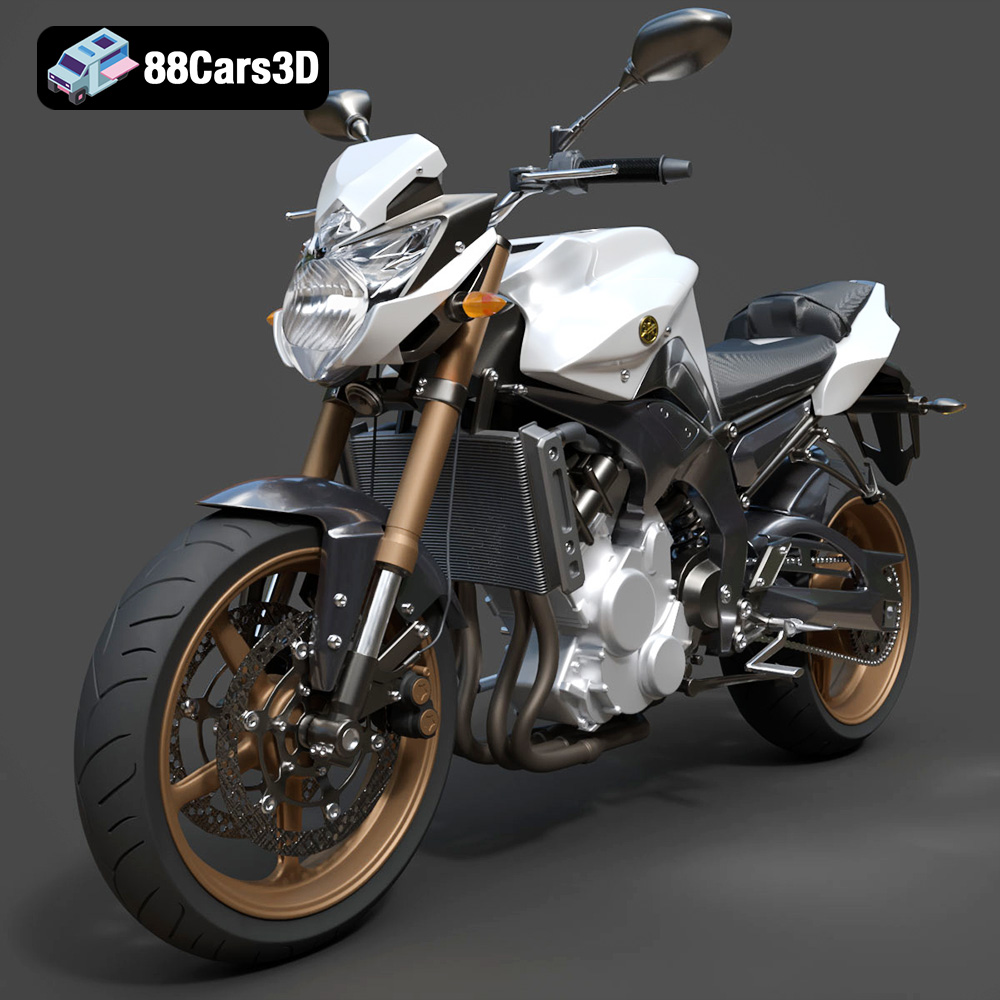
Texture: Yes
Material: Yes
Download the Yamaha FZ8 2011 3D Model featuring clean geometry, realistic detailing, and a fully modeled interior. Includes .blend, .fbx, .obj, .glb, .stl, .ply, .unreal, and .max formats for rendering, simulation, and game development.
Price: $19.99
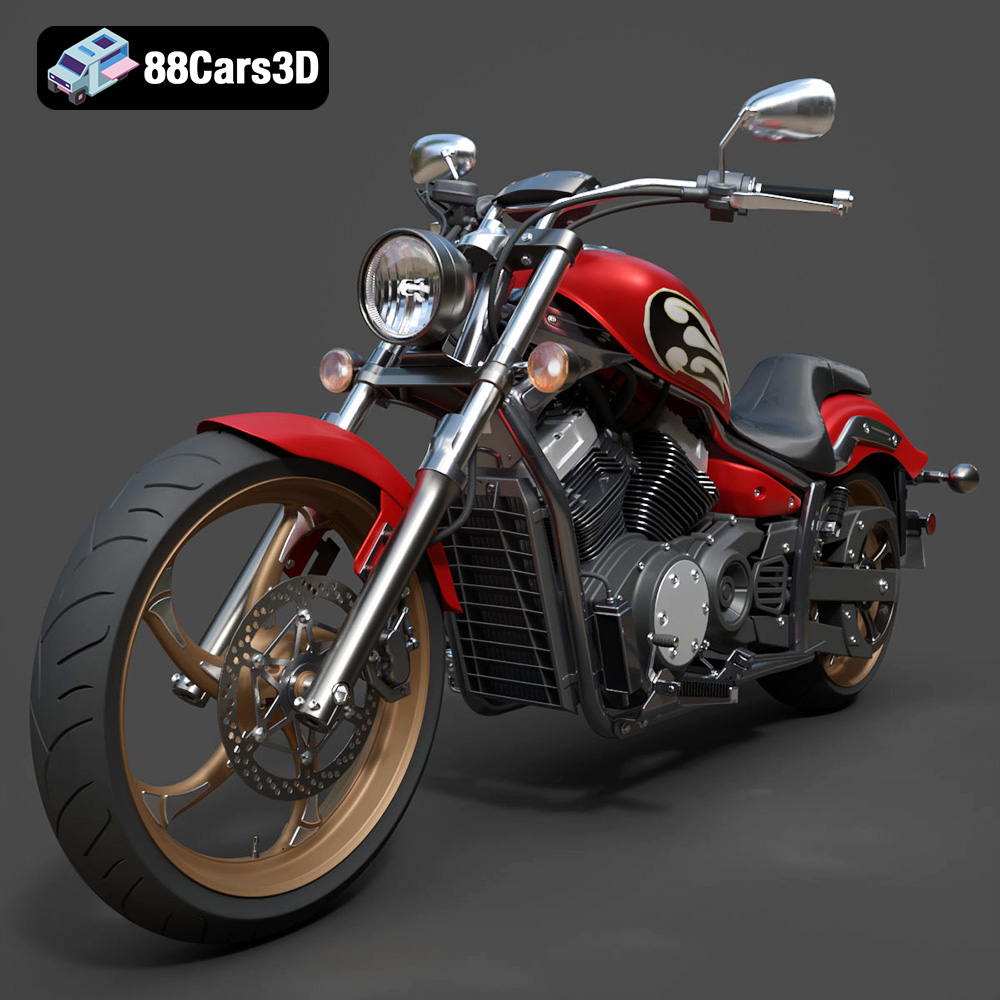
Texture: Yes
Material: Yes
Download the Yamaha Stryker 2012 3D Model featuring clean geometry, realistic detailing, and a fully modeled interior. Includes .blend, .fbx, .obj, .glb, .stl, .ply, .unreal, and .max formats for rendering, simulation, and game development.
Price: $19.99
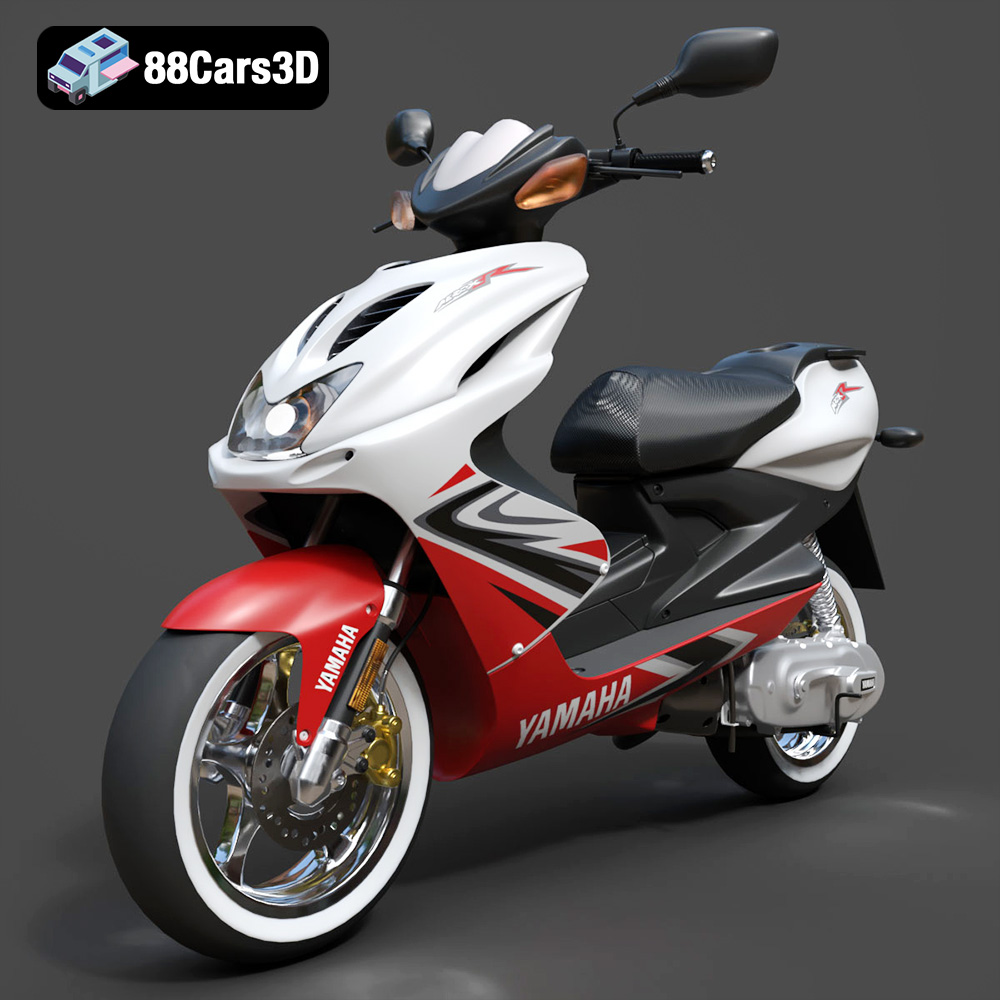
Texture: Yes
Material: Yes
Download the Yamaha Aerox R-002 2024 3D Model featuring clean geometry, realistic detailing, and a fully modeled interior. Includes .blend, .fbx, .obj, .glb, .stl, .ply, .unreal, and .max formats for rendering, simulation, and game development.
Price: $19.99
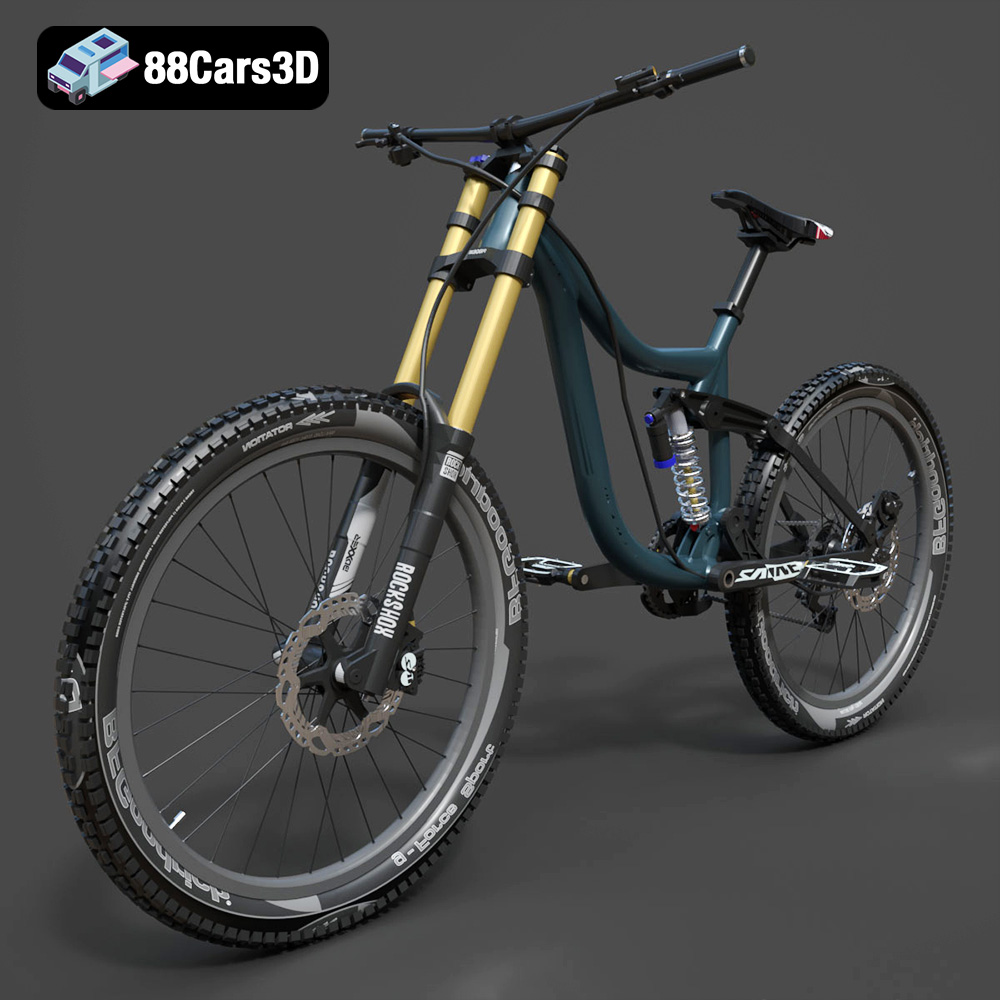
Texture: Yes
Material: Yes
Download the Mototsikly Downhill Bike-002 3D Model featuring clean geometry, realistic detailing, and precise mechanical components. Includes .blend, .fbx, .obj, .glb, .stl, .ply, .unreal, and .max formats for rendering, simulation, and game development.
Price: $19.99
Texture: Yes
Material: Yes
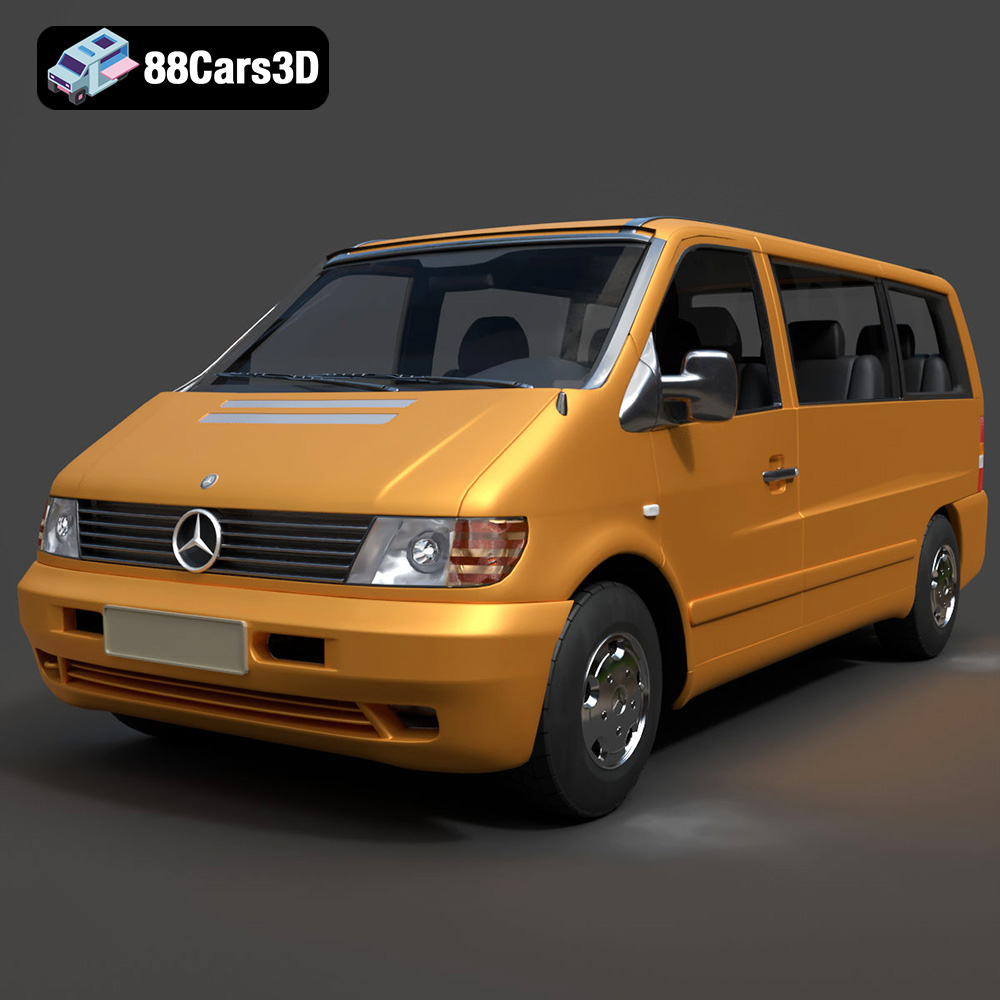
Download the Mercedes-Benz Vito Passenger Van 3D Model featuring clean geometry, realistic detailing, and a fully modeled interior. Includes .blend, .fbx, .obj, .glb, .stl, .ply, .unreal, and .max formats for rendering, simulation, and game development.
Price: $19.99
Texture: Yes
Material: Yes
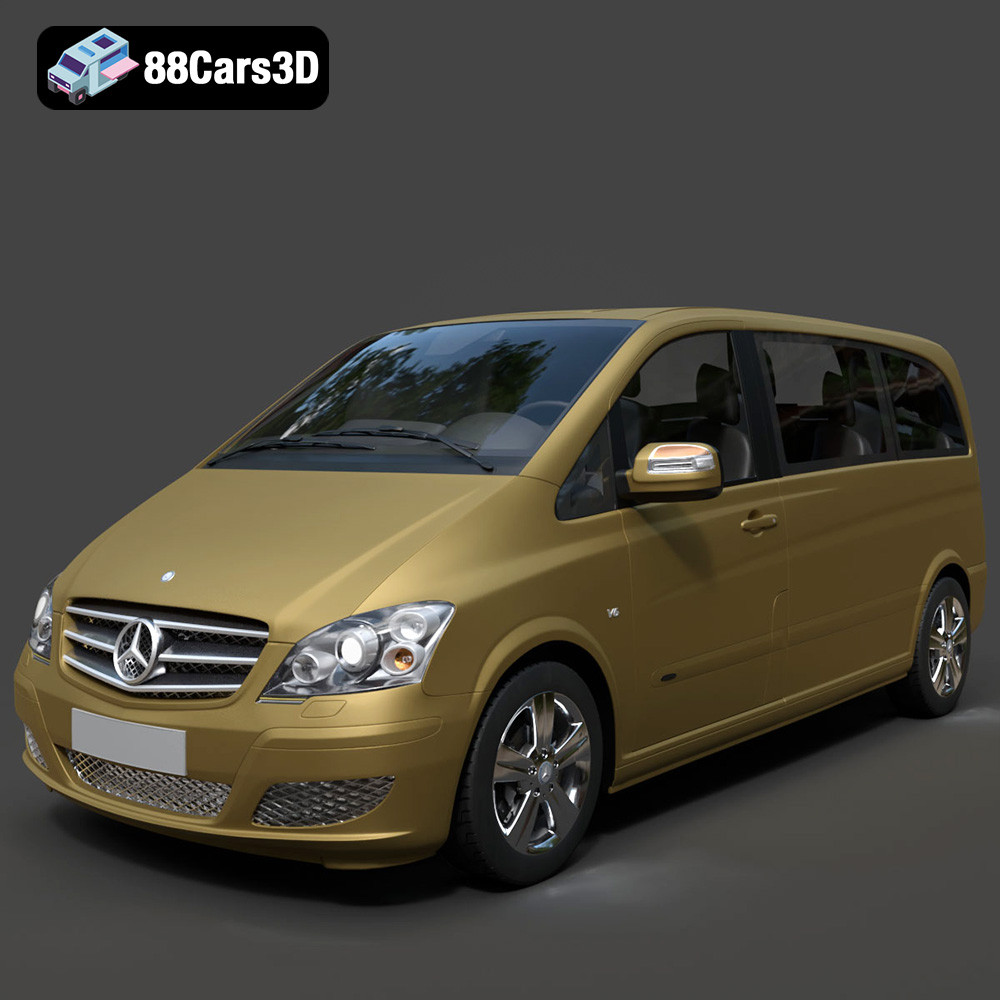
Download the Mercedes-Benz Viano 2010 3D Model featuring clean geometry, realistic detailing, and a fully modeled interior. Includes .blend, .fbx, .obj, .glb, .stl, .ply, .unreal, and .max formats for rendering, simulation, and game development.
Price: $19.99

Texture: Yes
Material: Yes
Download the Emt Avtobus 007 3D Model featuring clean geometry, realistic detailing, and a fully modeled interior. Includes .blend, .fbx, .obj, .glb, .stl, .ply, .unreal, and .max formats for rendering, simulation, and game development.
Price: $19.99
Texture: Yes
Material: Yes
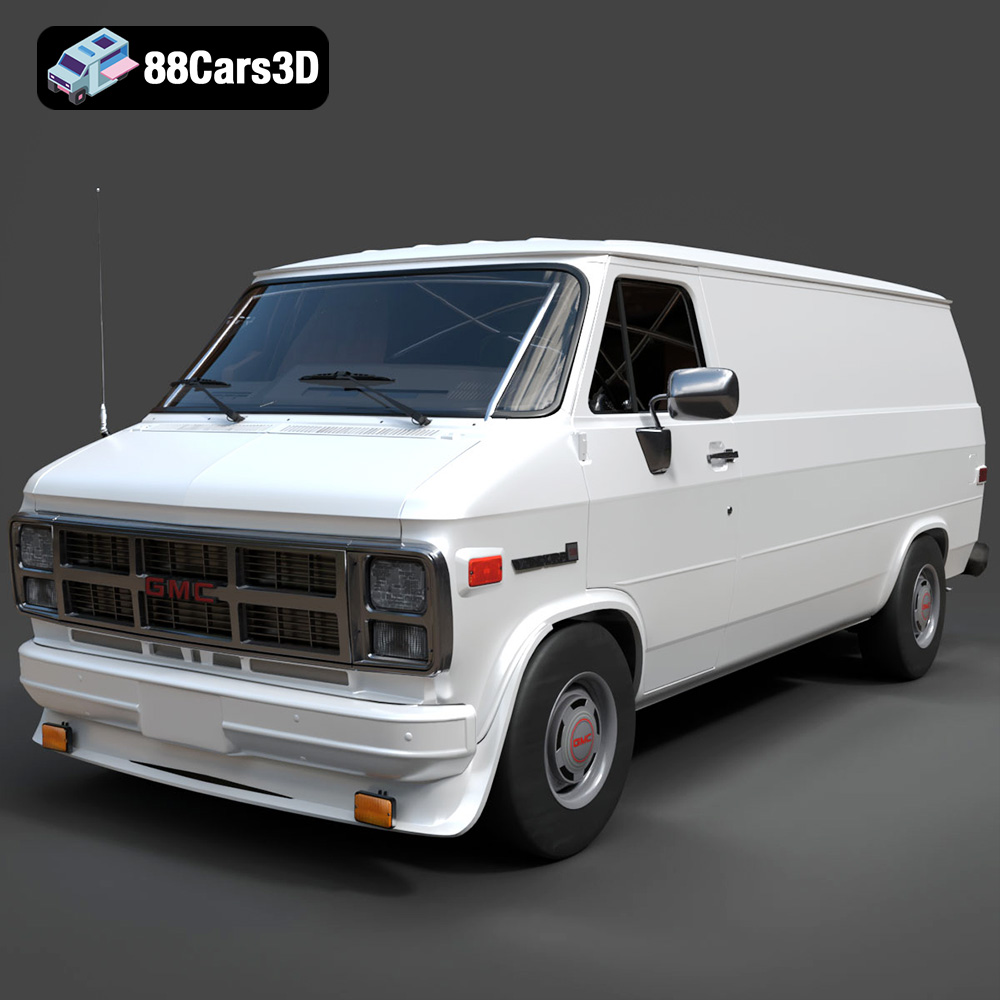
Download the GMC Vandura G-1500 1983 3D Model featuring clean geometry, realistic detailing, and a fully modeled interior. Includes .blend, .fbx, .obj, .glb, .stl, .ply, .unreal, and .max formats for rendering, simulation, and game development.
Price: $19.99
Texture: Yes
Material: Yes
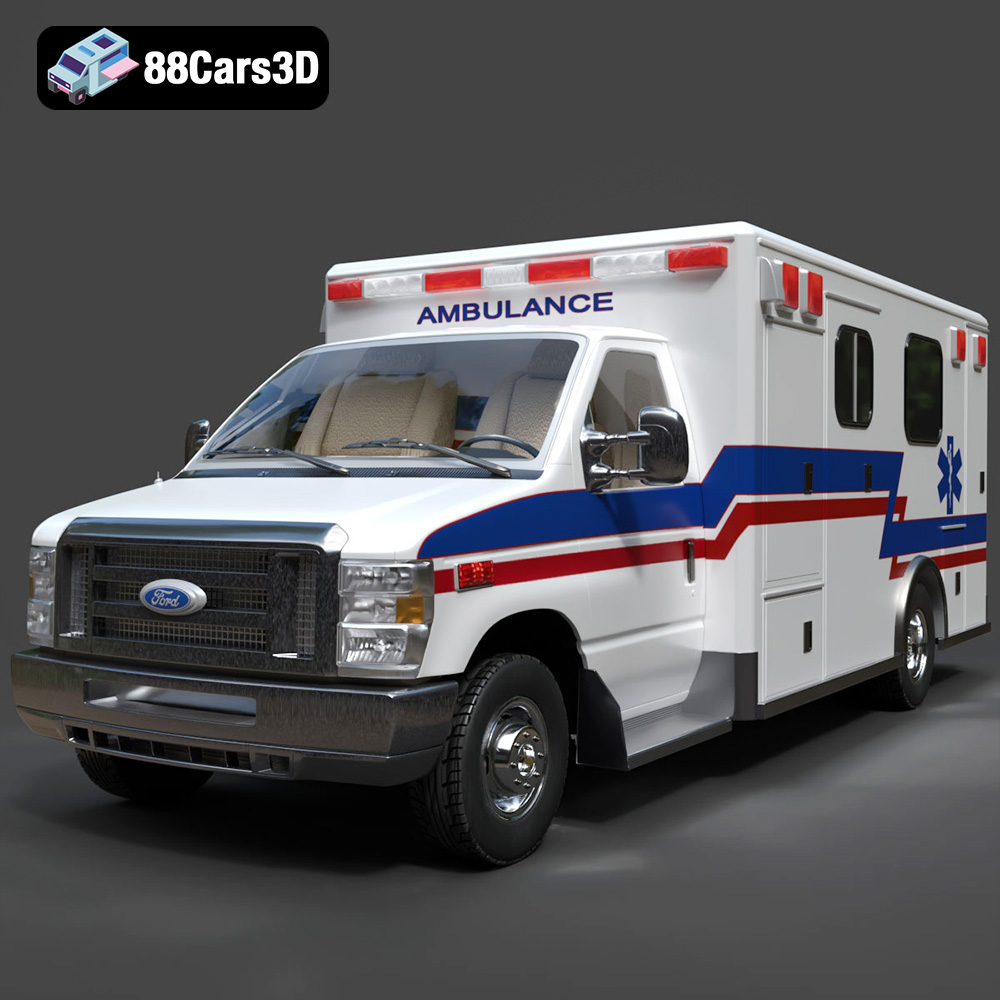
Download the Ford E-450 Ambulance 3D Model featuring clean geometry, realistic detailing, and a fully modeled interior. Includes .blend, .fbx, .obj, .glb, .stl, .ply, .unreal, and .max formats for rendering, simulation, and game development.
Price: $19.99

