The automotive industry is undergoing a profound transformation, driven by an insatiable demand for innovation, realism, and speed. From concept design and engineering validation to marketing and sales, the ability to visualize vehicles in stunning detail and interactively is no longer a luxury but a necessity. Enter Unreal Engine – a powerhouse real-time rendering platform that has revolutionized how automotive professionals create, explore, and present their vehicles.
For designers, engineers, marketers, and game developers, Unreal Engine offers an unparalleled toolkit to bring automotive visions to life with cinematic quality. Imagine exploring a car’s interior with photorealistic lighting, customizing its features in real-time, or even placing it virtually in your driveway. This level of immersion and flexibility is precisely what Unreal Engine delivers. But harnessing its full potential requires a deep understanding of its workflows, features, and best practices. This comprehensive guide will walk you through the essential steps, from project setup to advanced optimization and interactive experiences, ensuring your automotive visualizations stand out. We’ll also explore how high-quality, pre-optimized assets from marketplaces like 88cars3d.com can significantly streamline your development process and elevate the fidelity of your projects.
Setting Up Your Unreal Engine Project for Automotive Excellence
Embarking on an automotive visualization project in Unreal Engine begins with a solid foundation. Proper project setup ensures optimal performance, visual fidelity, and access to the right tools from the outset. Choosing the correct template and configuring essential settings can dramatically influence your workflow and the final output quality.
Choosing the Right Template and Initial Configuration
When starting a new project, Unreal Engine offers several templates. For automotive visualization, the “Automotive” template is often a good starting point as it includes some relevant assets and configurations. However, a “Blank” project can offer maximum control, allowing you to build your environment from scratch with only the necessary components. Regardless of your choice, key initial configurations are crucial:
- Ray Tracing: Enable Ray Tracing in Project Settings (Edit > Project Settings > Engine > Rendering). This is fundamental for photorealistic reflections, shadows, global illumination, and ambient occlusion, which are critical for showcasing vehicle surfaces accurately. Ensure your GPU supports DXR (DirectX Raytracing).
- Lumen Global Illumination and Reflections: For dynamic, high-quality global illumination and reflections, enable Lumen. Located under Project Settings > Engine > Rendering > Global Illumination and Reflections, Lumen provides a robust, real-time solution that beautifully illuminates complex scenes, adapting to changing lighting conditions instantly.
- Virtual Textures: Enable Virtual Textures (Project Settings > Engine > Rendering > Virtual Textures) for efficient streaming of very large texture assets, which is beneficial for highly detailed car models and environments.
A typical automotive visualization project will involve creating an indoor studio environment, an outdoor scene, or a combination. Planning your environment type early will guide your asset selection and lighting strategy.
Essential Plugins and Project Settings
Unreal Engine’s modular plugin system extends its capabilities significantly. For automotive workflows, several plugins are indispensable:
- Datasmith: This plugin is paramount for importing complex CAD data and 3D models from various software packages (3ds Max, Maya, SketchUp, V-Ray, SolidWorks, etc.) while maintaining scene hierarchy, materials, and metadata. You can enable it via Edit > Plugins > Built-In > Datasmith Importer. It’s often the cleanest way to bring in detailed car models, especially those meticulously prepared by professionals and available on platforms like 88cars3d.com.
- USD Importer: The Universal Scene Description (USD) format is gaining traction as an industry standard for scene interchange. Enabling the USD Importer plugin allows you to import USD and USDZ files, which are increasingly common for collaborative workflows and asset delivery.
- Substance Plugin (Optional): If you work with Substance Designer or Painter, this plugin enables seamless integration of .sbsar files, allowing for dynamic material adjustments within Unreal Engine.
- Chaos Vehicles: For realistic vehicle physics and simulations, ensure the Chaos Vehicles plugin is enabled. This is crucial if you plan to implement drivable cars or interactive demonstrations beyond static visualization.
Beyond plugins, remember to configure scalability settings (Edit > Project Settings > Engine > Scalability) to define performance targets for different hardware, and consider enabling “Support Sky Atmosphere” and “Volumetric Clouds” for realistic outdoor environments.
Importing and Optimizing High-Fidelity 3D Car Models
The quality of your 3D car model is the bedrock of your automotive visualization. High-fidelity models, like those offered on 88cars3d.com, come optimized for real-time rendering, featuring clean topology, proper UV mapping, and PBR-ready materials. However, even the best models require specific import and optimization strategies within Unreal Engine to ensure peak performance and visual integrity.
Leveraging Datasmith for Seamless Imports
Datasmith is your most powerful ally for importing complex automotive assets. Instead of traditional FBX import, which can sometimes break down scene hierarchy or material assignments, Datasmith intelligently processes entire scenes, preserving crucial metadata. When importing models, especially those sourced from professional marketplaces:
- Prepare Your Source Data: Ensure your source 3D application scene is organized. Grouping components (e.g., body, wheels, interior) logically can help. Materials should be applied correctly in the source software.
- Export via Datasmith: If exporting from a supported application (3ds Max, Maya, Revit, etc.), use the Datasmith exporter plugin. Otherwise, standard formats like FBX or USD are good alternatives, but Datasmith offers the most robust scene translation.
- Import into Unreal Engine: In Unreal Engine, click the “Datasmith” icon (or File > Import Datasmith) and select your .udatasmith file.
- Configure Import Settings: The Datasmith import dialog offers options for merging meshes, generating lightmap UVs, and handling materials. For car models, it’s often best to preserve individual meshes for flexibility (e.g., for animating doors or wheels). Datasmith attempts to convert source materials into Unreal Engine materials, often creating basic PBR setups that serve as excellent starting points for further refinement.
A significant advantage of sourcing assets from platforms like 88cars3d.com is that their models are typically pre-cleaned, optimized, and ready for Unreal Engine, often coming with well-structured FBX or USD files that translate cleanly through Datasmith or direct import. This significantly reduces post-import cleanup and optimization time.
Nanite and LODs for Performance and Detail
High-fidelity car models can have millions of polygons, which traditionally posed a significant challenge for real-time rendering. Unreal Engine’s Nanite virtualized geometry system and Level of Detail (LOD) management provide powerful solutions:
- Nanite: For static meshes, especially the car body and detailed components, enable Nanite. Simply right-click on your static mesh in the Content Browser and select “Enable Nanite.” Nanite intelligently streams and renders only the necessary detail, allowing you to use incredibly dense meshes without a performance penalty. This is a game-changer for automotive visualization, enabling photorealistic detail from every angle without complex manual mesh reduction. Nanite works seamlessly with high-poly models, making it ideal for the detailed assets found on 88cars3d.com.
- Level of Detail (LODs): While Nanite handles static meshes excellently, for skeletal meshes or objects that need custom LODs (e.g., for AR/VR applications where Nanite might not be fully supported or for objects that will be very far away), manual LOD generation is still crucial. Unreal Engine can automatically generate LODs (right-click mesh > Create LODs), or you can import custom LOD meshes created in your 3D software. For vehicle components like wheels or interior parts that might deform or be animated, efficient LODs ensure smooth performance at varying distances. Aim for a reduction of 50-75% polygons for each successive LOD.
Always review polygon counts and draw calls after importing. Use the “Stat RHI” and “Stat Engine” console commands to monitor performance. Optimizing texture resolutions and minimizing unnecessary materials can also significantly reduce memory footprint and GPU load.
Crafting Realistic Materials and Lighting Environments
Photorealism in automotive visualization hinges on two critical elements: materials that accurately simulate real-world surfaces and lighting that mimics natural or studio conditions. Unreal Engine’s Material Editor and advanced lighting systems provide the tools to achieve stunning fidelity.
PBR Materials: The Foundation of Realism
Physically Based Rendering (PBR) materials are the backbone of modern real-time rendering. They simulate how light interacts with surfaces in the real world, producing consistent and believable results under various lighting conditions. For car models, several material types are crucial:
- Car Paint: This is arguably the most complex and defining material. A basic car paint material uses a Base Color, Metallic (set to 1), and Roughness texture. For advanced effects, you’ll want to implement clear coat layers, flake maps (for metallic paints), and subtle normal map details. Unreal Engine’s Material Editor allows you to create layered materials, where a clear coat can be applied on top of a base paint layer using a Material Function or directly in the material graph. For truly advanced setups, consider Unreal Engine’s Substrate Material System (experimental in UE5), which allows for even more complex layered materials.
- Glass: Car glass needs proper transparency, refraction, and subtle reflections. Use a translucent material blend mode, with accurate Refraction values (e.g., 1.52 for typical glass) and appropriate Roughness. Ensure the mesh has thickness for realistic refraction.
- Rubber & Plastic: These materials are generally non-metallic with varying roughness and normal map detail to simulate their texture.
- Chrome & Metals: High Metallic values (typically 1) and very low Roughness values are key for polished metals. Use appropriate Base Color and Normal maps for brushed or textured metals.
When working with materials, prioritize texture quality. Aim for 2K or 4K textures for primary components like the car body, with appropriate mipmap settings for performance. Ensure proper UV mapping for textures to avoid stretching or distortion – something high-quality models from 88cars3d.com will have already addressed.
Illuminating Your Scene with Lumen and Ray Tracing
Effective lighting is what truly sells the realism of your automotive visualization. Unreal Engine provides a powerful suite of lighting tools:
- HDRI Backdrops: High Dynamic Range Image (HDRI) panoramas are essential for realistic environment lighting. Import an HDRI (e.g., from Poly Haven) into a Sky Atmosphere component or as a texture for a Sky Sphere. HDRI provides both accurate diffuse lighting and reflections, creating a seamless integration of your car into a virtual environment.
- Physical Lights: Supplement HDRI lighting with Unreal Engine’s physical light types (Directional Light for sun, Sky Light for overall ambient light, Point Lights, Spot Lights, and Rect Lights for studio setups). Rect Lights are particularly effective for simulating studio softboxes, producing soft, flattering reflections on car surfaces.
- Lumen and Ray Tracing Integration: With Lumen enabled, all your dynamic lights will contribute to real-time global illumination and reflections. For even higher fidelity, enable hardware Ray Tracing for specific elements like reflections and shadows where performance permits. Use the Post Process Volume to fine-tune Ray Tracing settings, including the number of bounces, samples per pixel, and denoiser settings.
- Cinematic Lighting Techniques: Experiment with three-point lighting (key, fill, back light) for studio renders. Use gobos (texture masks) with spot lights to create interesting light patterns or shadows. Adjust exposure settings, white balance, and color grading in the Post Process Volume to achieve a desired mood or artistic look.
For outdoor scenes, ensure your Directional Light (sun) has “Cast Ray Traced Shadows” enabled for sharp, realistic shadows. The Sky Light should capture the scene’s dynamic environment for accurate global illumination. For maximum visual impact, consider using Volumetric Clouds and the Sky Atmosphere component.
Bringing Automotive Visualizations to Life with Interactivity and Cinematics
Beyond static renders, Unreal Engine excels at creating dynamic, interactive experiences and stunning cinematic presentations. From virtual car configurators to promotional animations, these features elevate your automotive projects to new heights.
Blueprinting Interactive Experiences
Blueprint visual scripting allows artists and designers to create complex interactive functionalities without writing a single line of code. For automotive visualizations, Blueprint is indispensable:
- Car Configurators: Imagine allowing users to change paint colors, wheel types, interior trims, or even open doors with a click. This is easily achievable with Blueprint. You can create an array of material instances for different paint colors, then use UI widgets (UMG) to trigger Blueprint events that swap these materials on the car body. Similarly, blend shapes or skeletal animations can be driven by Blueprint to change body kits or open/close doors.
- Camera Controls: Beyond the default spectator camera, Blueprint can create custom camera setups, allowing users to switch between predefined views (exterior, interior, wheel close-up) or enable a smooth orbital camera around the vehicle.
- Dynamic Environments: Use Blueprint to change the time of day, toggle different lighting scenarios (e.g., studio vs. outdoor), or even simulate weather effects based on user input. For example, a simple UI button could swap between a “day” and “night” HDRI, adjusting light intensities accordingly.
The flexibility of Blueprint allows for rapid prototyping of interactive demos, providing prospective buyers or stakeholders with a hands-on experience of the vehicle. You can find extensive documentation and tutorials on Unreal Engine’s learning portal for mastering Blueprint.
Mastering Sequencer for Stunning Cinematic Renders
Unreal Engine’s Sequencer is a powerful multi-track editor for creating cinematic sequences, animations, and virtual productions. It’s the equivalent of a non-linear editor for real-time content:
- Camera Animation: Create sophisticated camera movements, from smooth fly-throughs to dramatic close-ups, using keyframes. You can attach cameras to paths, use tracking shots, and adjust focal length, aperture, and depth of field dynamically.
- Object Animation: Animate car components like opening doors, rotating wheels, or adjusting suspension. You can keyframe transform properties (location, rotation, scale) for any actor in your scene. For skeletal meshes (like a car with rigged suspension), you can drive bone animations directly.
- Lighting and Material Changes: Animate light intensities, colors, and even material parameters (e.g., making car paint progressively more reflective). This allows for dynamic showcases, revealing details under different conditions.
- Post-Processing: Keyframe changes in Post Process Volume settings – adjust exposure, color grading, bloom, and vignettes over time to enhance the mood and visual impact of your cinematic.
- Virtual Production & LED Walls: Sequencer is also central to virtual production workflows. For real-time automotive advertising or virtual events, you can use Sequencer to drive content on LED walls, seamlessly blending physical foreground elements (like a real car chassis) with a virtual background. This creates immersive, high-quality content in-camera, reducing post-production time significantly.
When rendering cinematics, use the Movie Render Queue for high-quality, anti-aliased output with support for custom render passes, motion blur, and higher temporal samples, ensuring your final videos are pristine and suitable for professional use.
Performance Optimization and Deployment Strategies
Achieving photorealism in real-time is only part of the challenge; maintaining smooth performance across various hardware and platforms is equally critical. Effective optimization ensures that your automotive visualizations are accessible and enjoyable for your target audience, whether on a high-end workstation, a standalone application, or an AR/VR headset.
Advanced Optimization for Real-time Rendering
Optimization is an ongoing process throughout development. Here are key strategies:
- Draw Call Reduction: Minimize the number of draw calls by combining static meshes where appropriate (using the Merge Actors tool). Nanite greatly alleviates this for static geometry, but for non-Nanite meshes or animated parts, it’s still vital.
- Texture Optimization: Utilize texture streaming to load only necessary texture mipmaps. Compress textures (DXT1, DXT5, BC7) and use appropriate resolutions. Avoid excessively large textures for small details.
- Material Complexity: Keep materials as efficient as possible. Complex material graphs with many instructions can impact performance. Use Material Functions to consolidate common nodes and optimize calculations. Leverage instanced materials to allow variations without creating entirely new material assets.
- Lightmap Density: For baked lighting scenarios (e.g., static studio environments), ensure consistent and appropriate lightmap densities. Overly dense lightmaps consume significant memory.
- Occlusion Culling: Unreal Engine automatically performs occlusion culling, preventing objects obscured by others from rendering. Ensure your level design allows for effective culling.
- CVar Settings: Advanced users can fine-tune engine settings via console variables (CVars) to optimize specific rendering features. For example, adjusting `r.Lumen.DiffuseIndirect.MaxBounces` can balance visual quality with performance.
- AR/VR Considerations: For AR/VR automotive applications, performance targets are much stricter (e.g., 90 FPS per eye). This often means aggressive LODs, simpler materials, baked lighting, and a lower polygon budget overall. Disable features like Lumen and Ray Tracing if they severely impact performance. Efficient draw call management and texture optimization become paramount.
Regularly profile your project using tools like the GPU Visualizer (`stat gpu`), CPU profiler (`stat unit`), and the Session Frontend to identify performance bottlenecks. Consistent profiling helps you make informed optimization decisions.
Packaging Your Project for Distribution
Once your automotive visualization is complete and optimized, the next step is to package it for distribution. Unreal Engine offers various packaging options:
- Standalone Executables: For desktop presentations, configurators, or high-fidelity demos, package your project as a standalone Windows, macOS, or Linux executable. This creates a self-contained application that can be run without needing the Unreal Engine editor.
- Web-Based Solutions (Pixel Streaming): For broader accessibility, especially for online configurators or interactive showrooms, consider Pixel Streaming. This technology allows you to stream your Unreal Engine application running on a powerful server to any web browser or mobile device, effectively turning your interactive visualization into a web experience without requiring local installation or high-end hardware on the client side.
- AR/VR Platforms: Package your project specifically for target AR (e.g., iOS ARKit, Android ARCore) or VR (e.g., Oculus, Vive, OpenXR) platforms. This involves platform-specific SDK integrations and rigorous optimization to meet performance demands. For mobile AR, simplified assets and efficient rendering techniques are crucial to maintain frame rates.
During packaging, configure your “Packaging Settings” in Project Settings (Project > Packaging). Ensure you include all necessary assets, disable developer content, and set up your target platforms correctly. Always test your packaged build thoroughly on target hardware to confirm performance and functionality.
Beyond Visualization: Advanced Automotive Applications
Unreal Engine’s capabilities extend far beyond simply rendering beautiful cars. It’s a comprehensive platform for simulation, virtual production, and creating fully interactive digital twins, pushing the boundaries of what’s possible in the automotive sector.
Real-time Vehicle Dynamics and Physics
Integrating realistic physics and vehicle dynamics transforms a static car model into a truly interactive experience. Unreal Engine’s Chaos physics system, especially with the Chaos Vehicles plugin, provides the foundation for this:
- Chaos Vehicle Component: Attach a Chaos Vehicle component to your car’s skeletal mesh. This component handles tire friction, engine power, gear ratios, suspension, and braking, allowing for sophisticated vehicle behavior. You’ll need to set up wheel colliders, suspension parameters, and input mappings for acceleration, braking, and steering.
- Physics-Based Animation: Use physics assets to define how different parts of the car respond to collisions. This is crucial for realistic damage simulation or dynamic suspension travel.
- Custom Physics and Blueprints: For highly specialized vehicle behaviors, you can extend the Chaos Vehicle component with Blueprint scripting. This might involve implementing custom traction control, ABS systems, or even integrating external physics libraries for ultra-realistic simulation scenarios, such as autonomous driving research.
- Driving Simulators: Combine vehicle dynamics with interactive environments and UI elements to create full-fledged driving simulators for training, entertainment, or research. This allows users to experience the car’s performance in various virtual conditions.
Developing realistic vehicle dynamics requires careful calibration and iteration, often involving real-world vehicle data to accurately mimic performance characteristics.
Virtual Production, AR/VR, and Digital Twins
The convergence of real-time technology with physical production methods is revolutionizing automotive marketing and development:
These advanced applications underscore Unreal Engine’s versatility, positioning it not just as a rendering tool, but as a holistic platform for the entire automotive lifecycle, from concept to customer engagement.
Conclusion
Unreal Engine stands as an undisputed leader in real-time automotive visualization, offering an unparalleled ecosystem for creating photorealistic renders, immersive interactive experiences, and cutting-edge virtual productions. From the initial project setup and seamless import of high-fidelity 3D car models to the intricate crafting of PBR materials and dynamic lighting with Lumen and Ray Tracing, every aspect of Unreal Engine empowers artists and developers to achieve stunning visual fidelity and interactive capability.
The journey through Blueprint scripting for interactive configurators, mastering Sequencer for cinematic storytelling, and implementing robust optimization strategies ensures that your automotive visions are not only breathtaking but also performant and deployable across various platforms, including AR/VR. By leveraging advanced features like Nanite, you can maintain incredibly high levels of detail without compromising real-time performance, a feat once deemed impossible.
For those embarking on or enhancing their automotive visualization projects, the importance of high-quality, pre-optimized 3D assets cannot be overstated. Marketplaces like 88cars3d.com provide a crucial resource, offering models with clean topology, realistic materials, and various formats, which significantly streamline the development pipeline and allow you to focus on creative execution rather than asset preparation. Embrace the power of Unreal Engine, integrate professional-grade assets, and unlock new possibilities in automotive design, engineering, and marketing. The future of automotive visualization is real-time, interactive, and within your grasp.
Featured 3D Car Models

Meta Description:
Texture: Yes
Material: Yes
Download the Porsche Cayenne 3D Model featuring realistic exterior styling and detailed interior design. Includes .blend, .fbx, .obj, .glb, .stl, .ply, .unreal, and .max formats for rendering, simulation, AR VR, and game development.
Price: $19.9
View Product
Texture: Yes
Material: Yes
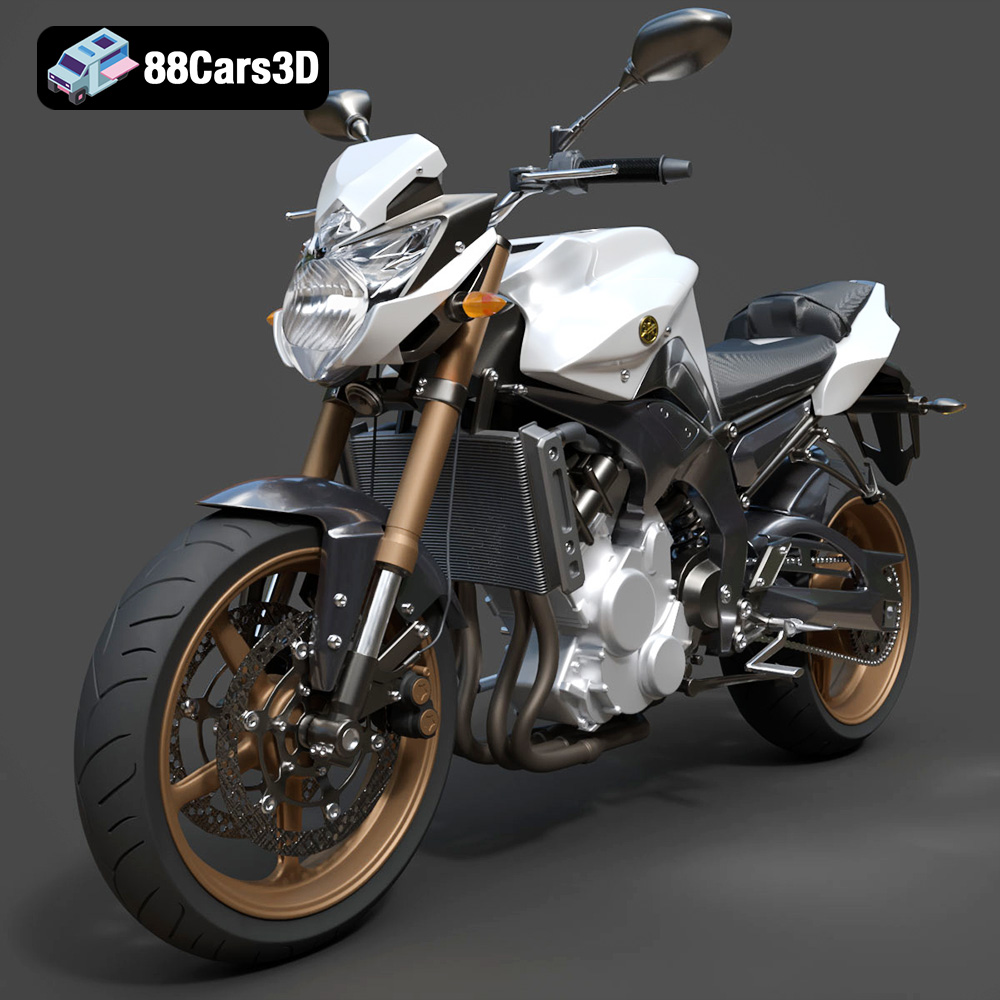
Download the Yamaha FZ8 2011 3D Model featuring clean geometry, realistic detailing, and a fully modeled interior. Includes .blend, .fbx, .obj, .glb, .stl, .ply, .unreal, and .max formats for rendering, simulation, and game development.
Price: $19.99
View Product
Texture: Yes
Material: Yes
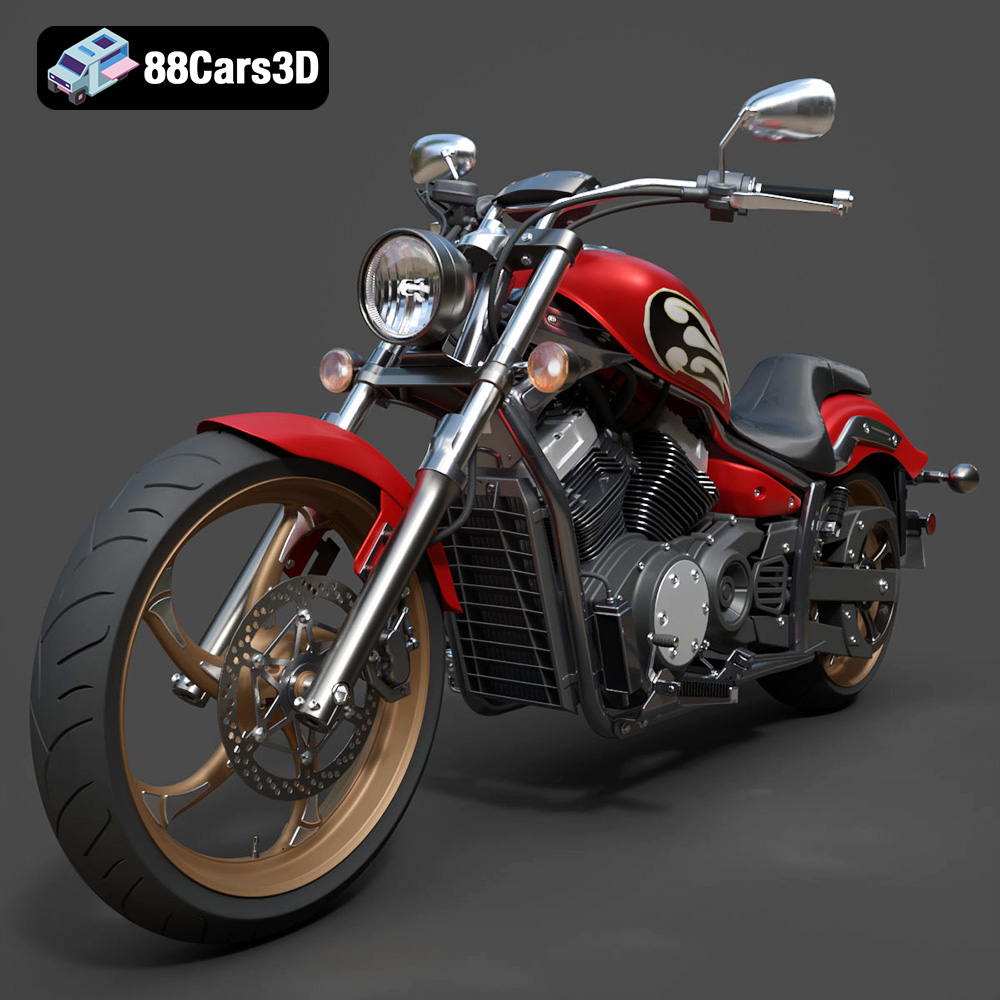
Download the Yamaha Stryker 2012 3D Model featuring clean geometry, realistic detailing, and a fully modeled interior. Includes .blend, .fbx, .obj, .glb, .stl, .ply, .unreal, and .max formats for rendering, simulation, and game development.
Price: $19.99
View Product
Texture: Yes
Material: Yes
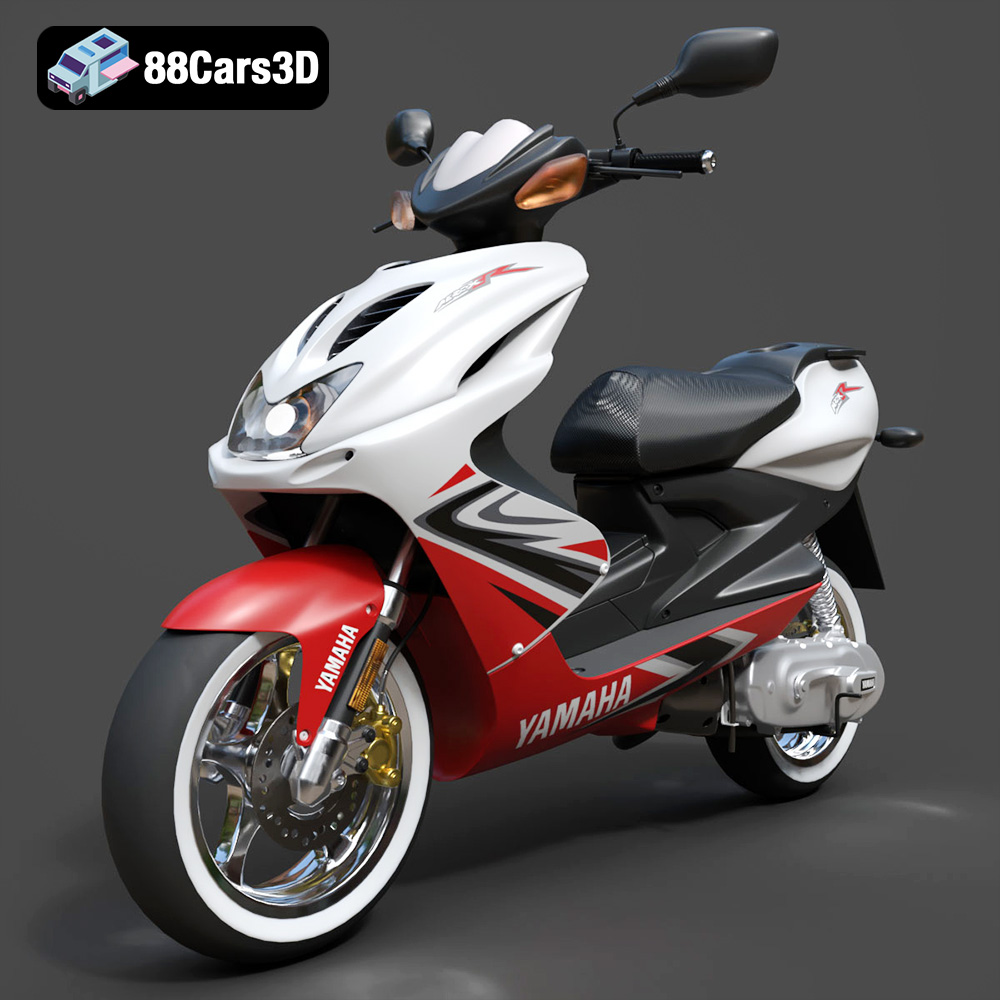
Download the Yamaha Aerox R-002 2024 3D Model featuring clean geometry, realistic detailing, and a fully modeled interior. Includes .blend, .fbx, .obj, .glb, .stl, .ply, .unreal, and .max formats for rendering, simulation, and game development.
Price: $19.99
View Product
Texture: Yes
Material: Yes
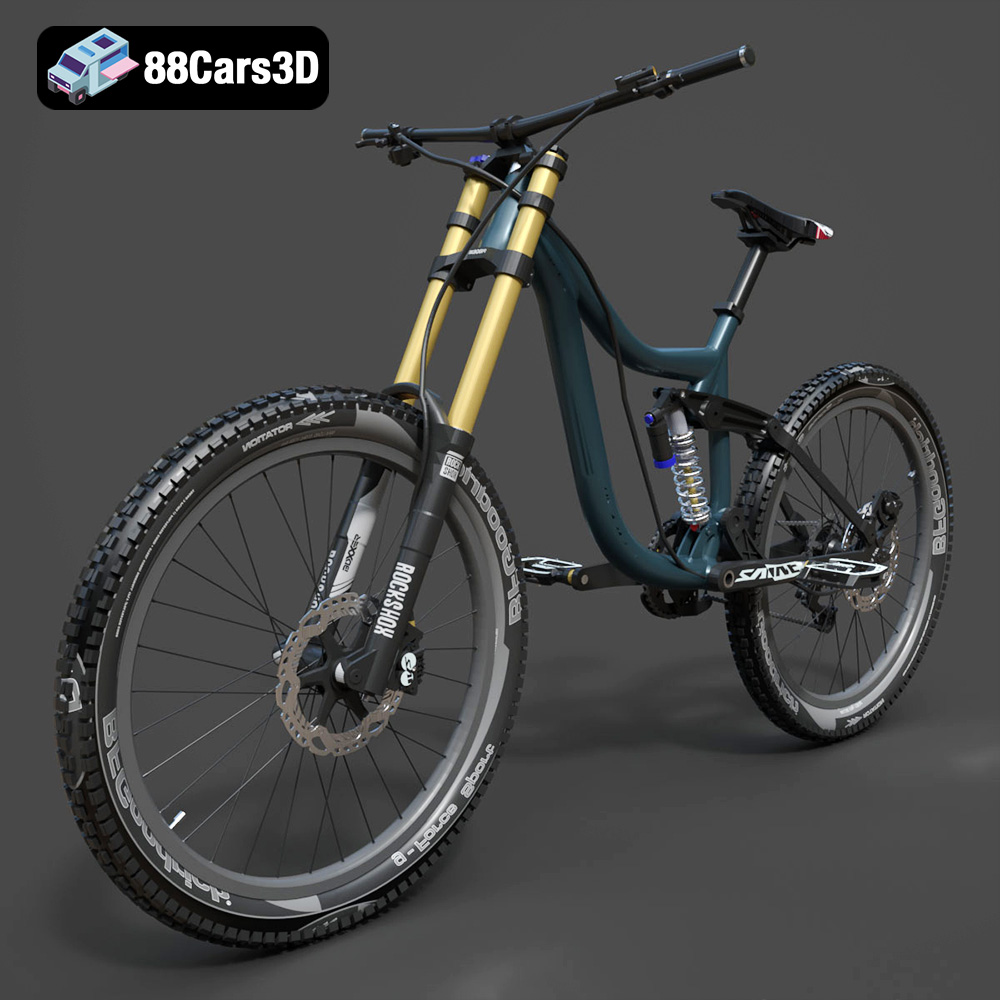
Download the Mototsikly Downhill Bike-002 3D Model featuring clean geometry, realistic detailing, and precise mechanical components. Includes .blend, .fbx, .obj, .glb, .stl, .ply, .unreal, and .max formats for rendering, simulation, and game development.
Price: $19.99
View Product
Texture: Yes
Material: Yes
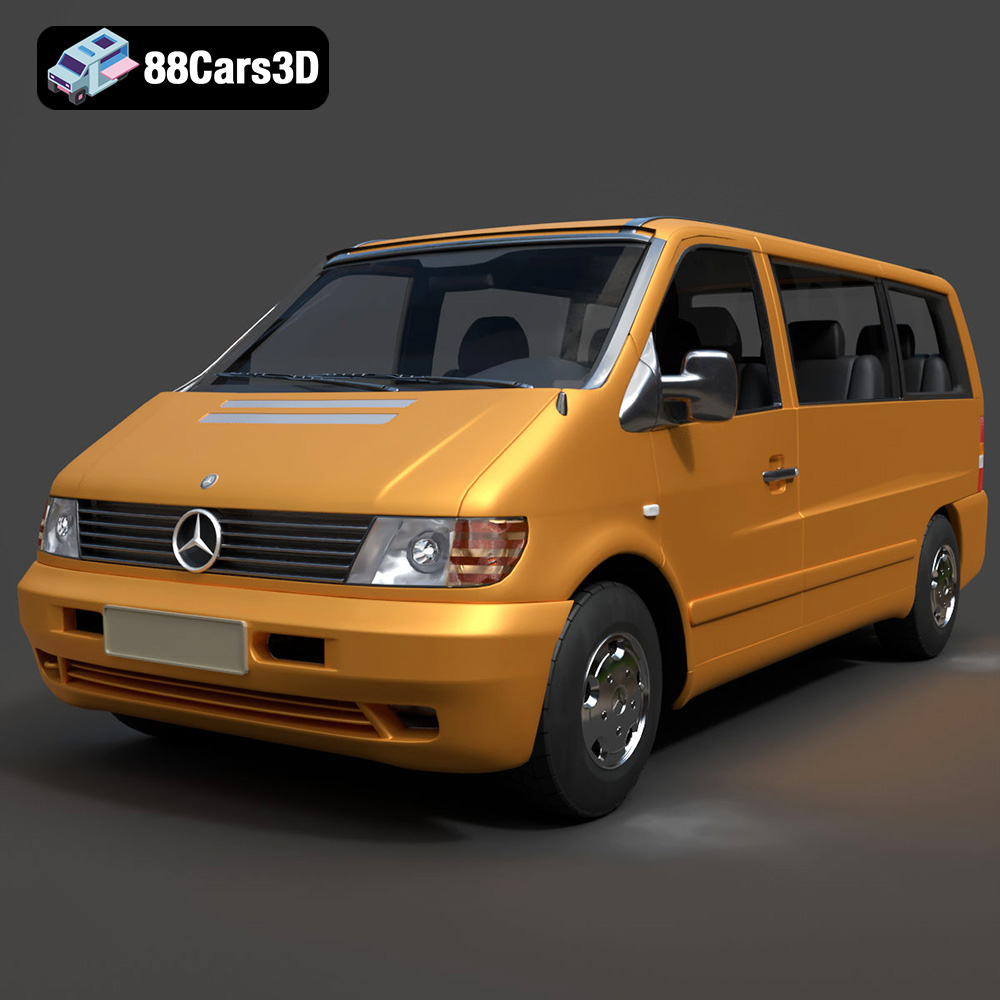
Download the Mercedes-Benz Vito Passenger Van 3D Model featuring clean geometry, realistic detailing, and a fully modeled interior. Includes .blend, .fbx, .obj, .glb, .stl, .ply, .unreal, and .max formats for rendering, simulation, and game development.
Price: $19.99
View Product
Texture: Yes
Material: Yes
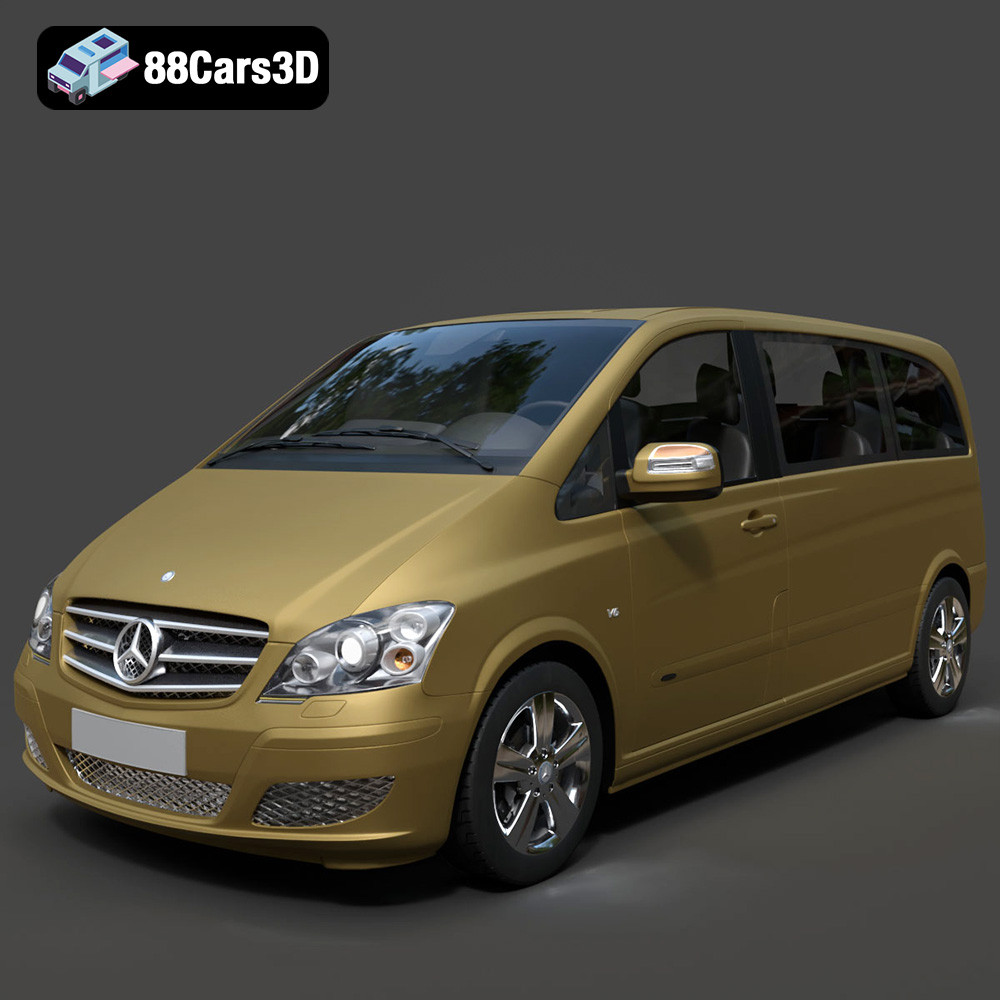
Download the Mercedes-Benz Viano 2010 3D Model featuring clean geometry, realistic detailing, and a fully modeled interior. Includes .blend, .fbx, .obj, .glb, .stl, .ply, .unreal, and .max formats for rendering, simulation, and game development.
Price: $19.99
View Product

Texture: Yes
Material: Yes
Download the Emt Avtobus 007 3D Model featuring clean geometry, realistic detailing, and a fully modeled interior. Includes .blend, .fbx, .obj, .glb, .stl, .ply, .unreal, and .max formats for rendering, simulation, and game development.
Price: $19.99
View Product
Texture: Yes
Material: Yes
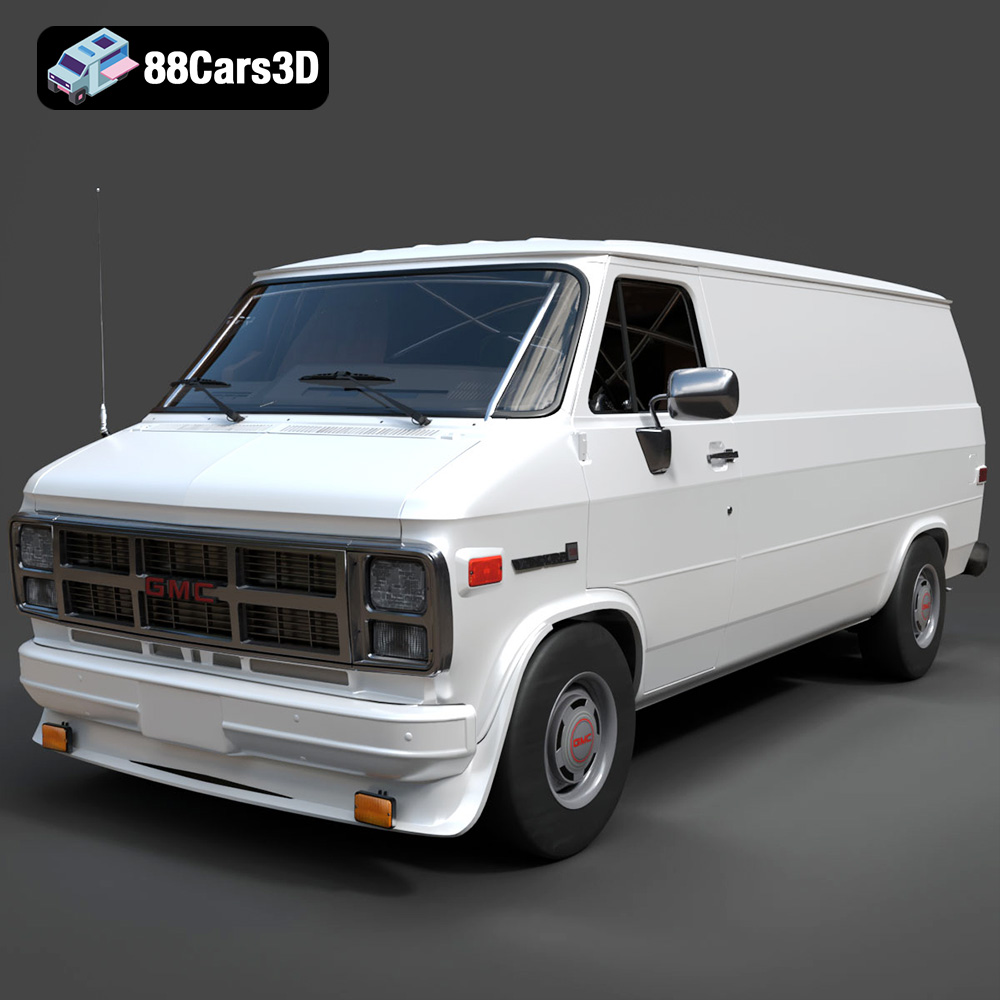
Download the GMC Vandura G-1500 1983 3D Model featuring clean geometry, realistic detailing, and a fully modeled interior. Includes .blend, .fbx, .obj, .glb, .stl, .ply, .unreal, and .max formats for rendering, simulation, and game development.
Price: $19.99
View Product
Texture: Yes
Material: Yes
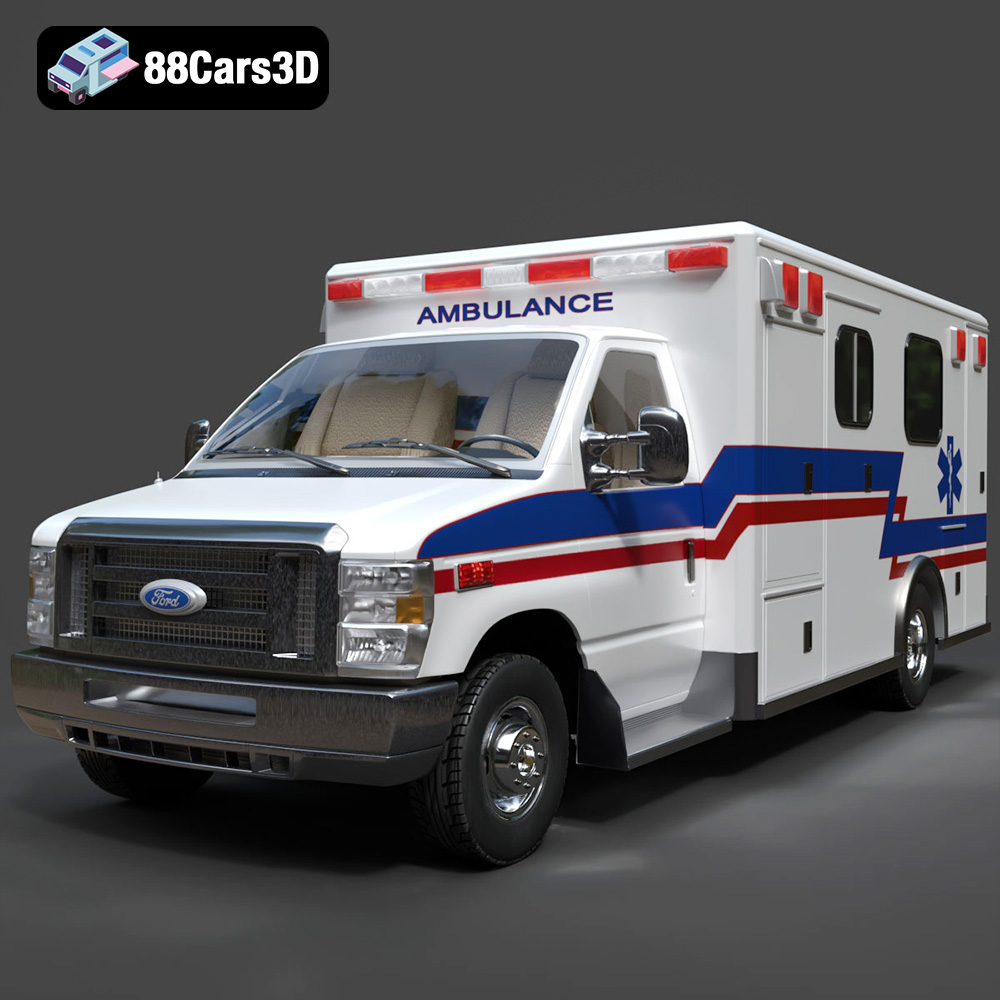
Download the Ford E-450 Ambulance 3D Model featuring clean geometry, realistic detailing, and a fully modeled interior. Includes .blend, .fbx, .obj, .glb, .stl, .ply, .unreal, and .max formats for rendering, simulation, and game development.
Price: $19.99
View Product


