⚡ FLASH SALE: Get 60% OFF All Premium 3D & STL Models! ⚡

In the exhilarating world of interactive media, where photorealism meets real-time performance, 3D car models stand as a testament to both artistic prowess and technical ingenuity. From high-octane racing simulations to immersive open-world adventures, the quality and optimization of these digital vehicles can make or break a player’s experience. A beautifully rendered car with intricate details is impressive, but if it cripples frame rates or causes glitches, its appeal quickly diminishes. This comprehensive guide delves into the crucial strategies and technical workflows required to transform high-fidelity 3D car models into perfectly optimized game assets, ready for deployment in leading engines like Unity and Unreal. We’ll explore everything from foundational topology to advanced rendering techniques, ensuring your automotive creations not only look stunning but also perform flawlessly. Whether you’re a seasoned 3D artist, an aspiring game developer, or an automotive designer venturing into real-time visualization, mastering these optimization techniques is paramount for achieving professional-grade results.
The journey from a complex CAD model or a high-polygon sculpture to a game-ready asset is filled with intricate challenges, each demanding a nuanced understanding of 3D principles and engine-specific best practices. We’ll uncover how to maintain visual fidelity while drastically reducing computational overhead, covering essential topics such as clean topology, efficient UV mapping, sophisticated PBR material creation, and robust game engine integration. We’ll also touch upon the considerations for emerging platforms like AR/VR and the unique demands of 3D printing. By the end of this article, you’ll possess the knowledge to sculpt, texture, and export 3D car models that not only meet but exceed industry standards for performance and visual quality across various applications. Platforms like 88cars3d.com offer a wealth of high-quality models, but even the best base mesh requires careful optimization for its intended use case.
At the heart of every great 3D car model, whether for rendering or real-time applications, lies impeccable topology. Topology refers to the arrangement of polygons (usually quads) that form the surface of your model. For automotive assets, clean, quad-based topology is not merely an aesthetic choice; it’s a fundamental requirement for smooth deformation, efficient UV mapping, and robust performance. A well-constructed mesh minimizes polygon count while preserving critical details, allowing for smooth subdivision when higher fidelity is needed, and efficient simplification for lower detail levels (LODs). This is especially critical for intricate car body panels, which feature complex curves and subtle reflections that can easily be distorted by poor mesh flow. The goal is to create a mesh that is both visually appealing and technically sound, capable of handling various stages of the 3D pipeline without introducing artifacts or performance bottlenecks.
The golden rule for character and hard-surface modeling, especially for subdivision-ready assets, is to maintain an all-quad topology. Triangles, while sometimes unavoidable in very specific, flat areas, should be minimized as they can cause pinching, unpredictable subdivision behavior, and issues with UV unwrapping and deformation. A clean quad mesh ensures that when a subdivision surface modifier (like Blender’s Subdivision Surface or 3ds Max’s OpenSubdiv) is applied, the model smooths out predictably, retaining the intended curvature without lumps or bumps. For automotive models, this is crucial for the large, reflective surfaces of car bodies, where even minor topological imperfections become glaringly obvious under light. Strive for uniform quad density where possible, gradually increasing density in areas of high curvature or intricate detail, and decreasing it in flatter regions. This strategic distribution helps keep the polygon count in check while maintaining visual fidelity.
Edge loops are the backbone of good topology. They define the flow of geometry and dictate how the model will deform or smooth. For car models, strategic edge loops are essential for defining sharp creases, panel gaps, wheel arches, and intricate details like air vents or grilles. These loops should follow the natural contours of the vehicle, reinforcing its silhouette and providing structural support for areas that require crispness. For instance, around a wheel arch, a series of concentric edge loops will ensure a smooth, round curve, while tightly packed loops along a body line will create a sharp, defined edge without requiring an excessive overall polygon count. Moreover, these edge loops play a vital role in creating seamless transitions between different parts of the car, such as where a door meets a fender. Understanding how light interacts with these surfaces is key; well-placed edge loops help simulate the subtle changes in surface normal that contribute to realistic reflections and shading, which are paramount for automotive rendering.
Performance in game engines is directly tied to the complexity of your scene, and polygon count is a primary contributor. High-detail car models used for marketing renders often boast millions of polygons, which is entirely unsuitable for real-time applications. Game development necessitates strict polygon budgeting. This means defining a target polygon count for your main asset (e.g., 50k-150k triangles for a hero car, depending on the game’s scope and platform) and then creating multiple Levels of Detail (LODs). LODs are progressively lower polygon versions of your model that are swapped in by the game engine as the player moves further away. A typical setup might include LOD0 (full detail), LOD1 (50-75% reduction), LOD2 (50-75% reduction from LOD1), and sometimes even LOD3 or a billboard for extreme distances. Manually creating optimized LODs with clean topology is superior to automatic decimation tools, which often introduce messy triangulation and visual artifacts. When sourcing models from marketplaces such as 88cars3d.com, it’s crucial to check if they provide multiple LODs or if you’ll need to generate them yourself, always prioritizing a clean base mesh for this process.
Once your car model’s topology is solid, the next critical step for visual fidelity and performance is UV mapping. UV mapping is the process of flattening the 3D surface of your model into a 2D space, allowing 2D textures to be wrapped accurately around it. Poor UV mapping can lead to stretched textures, visible seams, and inefficient use of texture space, all of which detract from realism and impact performance. For complex automotive surfaces, meticulous UV unwrapping is essential to ensure that materials like metallic paints, carbon fiber, or window decals appear seamless and correctly scaled. Beyond just unwrapping, optimizing your UVs for efficient texture use, particularly through texture atlasing, is a cornerstone of game asset optimization, directly impacting draw calls and memory usage.
The goal of efficient UV mapping for car bodies is to maximize texture resolution while minimizing wasted space and distortion. This typically involves separating the car into logical components (e.g., body panels, wheels, interior, lights, glass) and unwrapping them individually. The main body, often the largest component, requires careful planning. Large, continuous surfaces like the hood or roof should ideally have minimal seams to prevent texture breaks. For high-detail areas, you might dedicate more UV space, while less visible or smaller parts can occupy proportionally less. Overlapping UVs can be used for mirrored parts (e.g., left and right doors, wheels) to save texture space, but only if they share identical materials and do not require unique baked details (like dirt or damage). However, for unique PBR textures that rely on individual normal, ambient occlusion, or curvature maps, overlapping UVs should be avoided to prevent visual inconsistencies. Techniques like cylindrical or planar projections followed by careful manual adjustment are often employed in software like Blender (refer to Blender 4.4 documentation on UV unwrapping) or 3ds Max to achieve optimal results.
Visible seams are a common pitfall in UV mapping, especially on highly reflective automotive surfaces. While some seams are unavoidable, good practice involves placing them in less conspicuous areas, such as along natural panel lines, hidden edges, or under trim pieces. Distortion occurs when the 3D surface is stretched or compressed as it’s flattened into 2D, leading to pixelated or warped textures. To minimize distortion, tools that visualize UV stretch (like UV checkers in Blender or color overlays in 3ds Max) are invaluable. Aim for a consistent texel density across all UV shells – meaning that the same physical area on the 3D model occupies roughly the same number of pixels on the texture map. This ensures uniform detail and prevents some parts from appearing blurry while others are sharp. Achieving this often involves iterative adjustments, relaxing UV shells, and strategically cutting edges to allow for flatter unwraps.
Texture atlasing is a powerful optimization technique where multiple smaller textures are packed into a single, larger texture map (an “atlas”). For car models, this means combining textures for different components (e.g., headlamps, taillights, badges, interior elements) into one or a few large texture sheets. The primary benefit of atlasing is a drastic reduction in draw calls. Each time a game engine needs to render an object with a different material or texture, it issues a new draw call. By combining multiple textures into one atlas, the engine can render many parts of the car using a single material and texture, significantly improving performance. For example, instead of having separate materials and textures for the headlights, taillights, and emblems, they can all share one atlas. This not only optimizes rendering but also streamlines asset management. While atlasing requires careful UV layout to utilize space efficiently, the performance gains, especially for models with many small parts, are substantial.
Achieving hyper-realistic automotive visuals in game engines hinges on the proper implementation of Physically Based Rendering (PBR) materials. PBR shaders simulate how light interacts with surfaces in a physically accurate manner, resulting in highly convincing reflections, refractions, and diffuse lighting, irrespective of the lighting conditions. This consistency is crucial for automotive rendering, where the interplay of light on metallic paint, glossy glass, and rubber tires dictates the perceived realism. Understanding the nuances of PBR workflows, optimizing texture maps, and creating sophisticated shader networks are essential skills for any artist targeting top-tier visual fidelity in real-time environments.
There are two primary PBR workflows: Metallic-Roughness and Specular-Glossiness. While both aim for physical accuracy, they achieve it using different sets of texture maps and parameters. Most modern game engines, including Unity’s High Definition Render Pipeline (HDRP) and Unreal Engine, predominantly use the Metallic-Roughness workflow. In this model, you typically have:
The Specular-Glossiness workflow uses: Diffuse, Specular (color), Glossiness (inverse of roughness), and Normal maps. While less common in game engines for general assets, it’s still used in some pipelines. It’s critical to understand which workflow your target engine uses and prepare your textures accordingly to avoid visual discrepancies. Tools like Substance Painter or Adobe Designer are invaluable for generating PBR texture sets tailored to either workflow.
Texture maps are significant contributors to VRAM usage and loading times. Optimization is key:
Properly optimized textures can significantly reduce the memory footprint of your 3D car models without a noticeable drop in visual quality, crucial for maintaining high frame rates across various hardware configurations.
Car paint is one of the most challenging materials to render realistically due to its complex layered structure (base coat, metallic flakes, clear coat). Modern game engines provide powerful shader editors (Unity’s Shader Graph, Unreal’s Material Editor) that allow artists to construct intricate custom shaders. A typical car paint shader would involve:
Decals (e.g., racing stripes, logos, dirt, wear) should be implemented efficiently. Instead of adding new geometry, project them onto the existing mesh using a separate material with alpha blending, or by incorporating them into the main texture atlas. Tools like Blender’s texture painting capabilities (for detailed information, refer to the Blender 4.4 manual on texture painting) can be used to directly paint decals onto your model’s textures, ensuring seamless integration and optimal performance.
Bringing a perfectly sculpted, UV-mapped, and textured 3D car model into a game engine is only half the battle. The real challenge lies in integrating it seamlessly and optimizing it to perform flawlessly within the real-time environment. Game engines like Unity and Unreal offer a plethora of tools and techniques for fine-tuning assets, from mesh processing to complex rendering pipelines. Understanding and leveraging these features is paramount for delivering an immersive and performant experience for players, especially when dealing with complex automotive assets that demand high fidelity.
Unity provides several powerful optimization features crucial for car models:
Always profile your scene using Unity’s Profiler to identify bottlenecks and guide your optimization efforts. For example, too many materials on a single car model can lead to excessive draw calls, even if polygon count is low.
Unreal Engine, particularly with its latest iterations (UE5+), offers revolutionary technologies that drastically change asset optimization:
Unreal Engine’s Material Editor is exceptionally powerful for creating custom car paint shaders, leveraging features like clear coat parameters and detailed normal map blending to achieve stunning visual realism. Monitoring performance with the ‘stat gpu’ and ‘stat rhi’ commands is essential.
For a car to interact realistically within a game world, proper physics and collision setup are vital. Instead of using the render mesh for collisions (which is highly inefficient), create simplified collision geometry.
Properly configured physics not only makes the car feel realistic but also prevents performance hits from overcomplicated collision calculations.
The versatility of 3D car models extends far beyond traditional video games, reaching into the burgeoning fields of Augmented Reality (AR), Virtual Reality (VR), and even physical fabrication through 3D printing. Each of these applications presents its own unique set of technical demands and optimization challenges. While the core principles of clean geometry and efficient texturing remain, specific adjustments are necessary to ensure optimal performance, visual fidelity, and structural integrity in these diverse environments.
AR and VR experiences are perhaps the most demanding in terms of performance optimization, often requiring incredibly stable high frame rates (e.g., 90 FPS for comfortable VR) to prevent motion sickness and ensure immersion. For 3D car models in AR/VR:
For AR, especially on mobile devices, file size is also a major concern. Models exported in formats like GLB (for web AR) or USDZ (for Apple AR Quick Look) need to be highly compact, making aggressive texture and mesh optimization essential.
3D printing presents an entirely different set of requirements for car models. Unlike real-time rendering, which cares about surface appearance, 3D printing requires a manifold, watertight mesh with no holes, inverted normals, or self-intersecting geometry.
When acquiring models from platforms that provide assets for rendering (like 88cars3d.com), they often require significant modification and repair to become 3D printable. It’s a distinct workflow that prioritizes physical integrity over visual effects.
While optimization for game engines focuses on real-time performance, achieving stunning cinematic renders for marketing, portfolios, or visualization projects demands a different approach. Here, the emphasis shifts to maximizing visual quality through sophisticated lighting, environment setup, and meticulous post-processing. Even highly optimized game-ready car models can be elevated to photorealistic masterpieces with the right rendering techniques, showcasing their design and detail in the best possible light.
Effective lighting is paramount for automotive rendering, highlighting the car’s form, reflections, and material properties.
Experimentation is key, as the optimal lighting setup heavily depends on the car model, its material properties, and the desired mood of the render.
The environment plays a crucial role in grounding the car within the scene and providing accurate reflections.
A well-matched environment and accurate reflections are pivotal for convincing realism, preventing the car from looking “pasted” into the scene.
The final touches in any professional render or game screenshot often come from post-processing and compositing. These steps can dramatically enhance the visual appeal, polish, and cinematic quality of your automotive renders.
For offline rendering, compositing in software like Photoshop or Affinity Photo allows for multi-pass rendering, where different elements (diffuse, reflections, shadows, ambient occlusion) are rendered separately and then combined. This offers unparalleled control over each element, allowing for precise adjustments and artistic enhancements that can elevate a good render to an outstanding one. In game engines, post-processing stacks (like Unity’s Post Processing Stack or Unreal Engine’s Post Process Volume) offer real-time equivalents, providing artists with powerful tools to achieve a cinematic look directly within the engine.
Optimizing 3D car models for game engines is a meticulous blend of artistic vision and technical expertise. It’s a journey that begins with foundational topology, progresses through intricate UV mapping and PBR material creation, and culminates in sophisticated game engine integration and advanced rendering techniques. Each step, from the careful placement of edge loops to the strategic use of texture atlases and LODs, plays a critical role in balancing visual fidelity with real-time performance. The advent of technologies like Unreal Engine’s Nanite and Lumen continues to push the boundaries of what’s possible, yet the core principles of efficient asset creation remain more relevant than ever.
By diligently applying the techniques outlined in this guide—ensuring clean geometry, maximizing UV space, crafting physically accurate materials, and leveraging engine-specific optimizations—you can transform any high-fidelity 3D car model into a game-ready asset that not only looks breathtaking but also runs smoothly on target platforms. The ability to adapt models for diverse applications, from high-performance game environments to demanding AR/VR experiences and even precise 3D prints, underscores the versatility and value of a well-optimized asset. As you continue to refine your skills, remember that continuous profiling and iterative adjustments are key to unlocking the full potential of your automotive creations. Explore the vast selection of high-quality models available on marketplaces like 88cars3d.com, and apply these principles to bring your virtual vehicles to life with unparalleled realism and performance. Your journey to mastering the art of 3D car model optimization is an ongoing one, filled with continuous learning and innovation, ultimately leading to truly immersive and unforgettable experiences.

Meta Description:
Texture: Yes
Material: Yes
Download the Porsche Cayenne 3D Model featuring realistic exterior styling and detailed interior design. Includes .blend, .fbx, .obj, .glb, .stl, .ply, .unreal, and .max formats for rendering, simulation, AR VR, and game development.
Price: $19.9
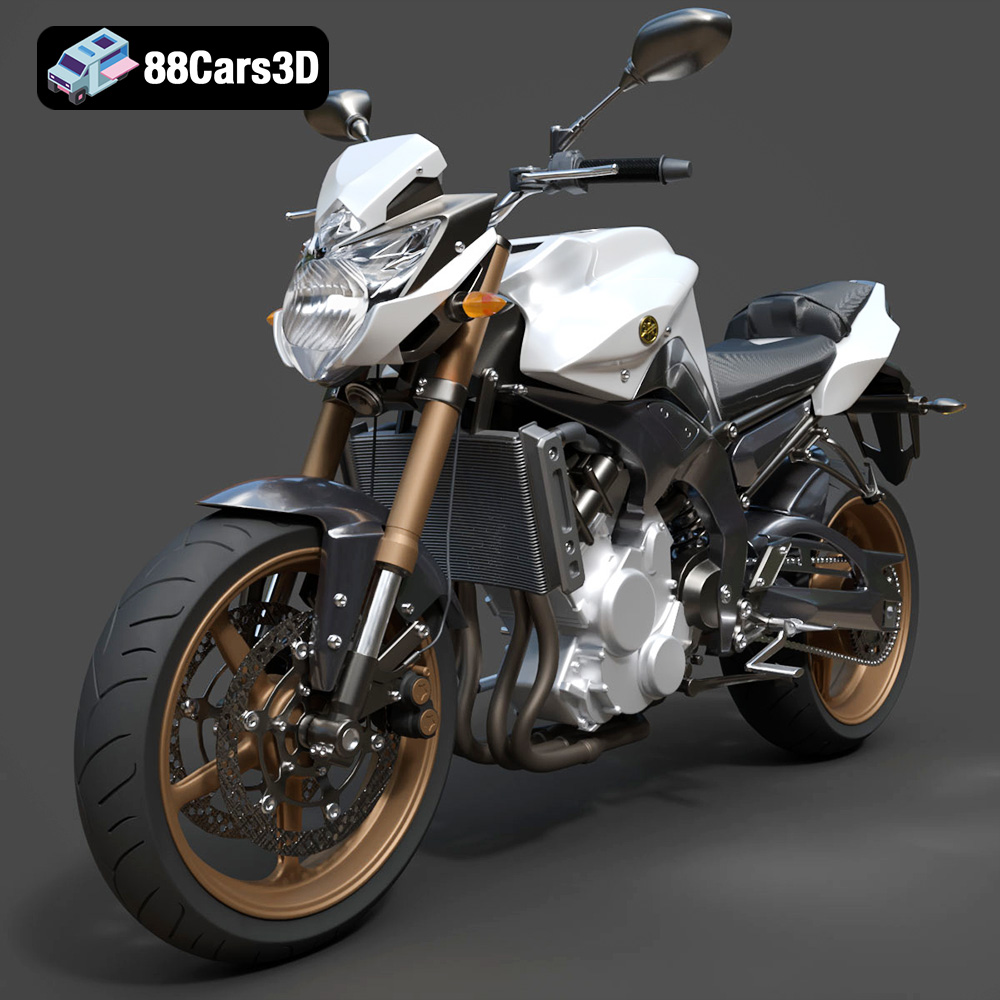
Texture: Yes
Material: Yes
Download the Yamaha FZ8 2011 3D Model featuring clean geometry, realistic detailing, and a fully modeled interior. Includes .blend, .fbx, .obj, .glb, .stl, .ply, .unreal, and .max formats for rendering, simulation, and game development.
Price: $19.99
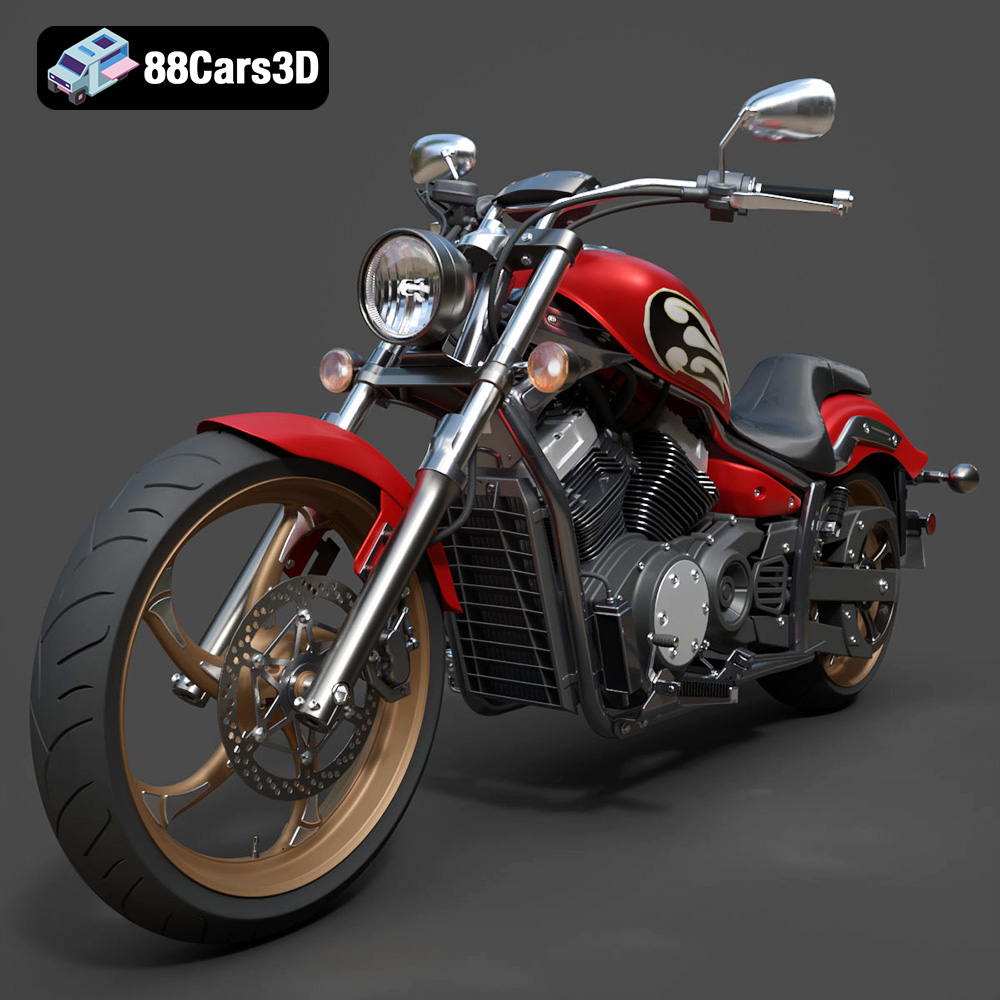
Texture: Yes
Material: Yes
Download the Yamaha Stryker 2012 3D Model featuring clean geometry, realistic detailing, and a fully modeled interior. Includes .blend, .fbx, .obj, .glb, .stl, .ply, .unreal, and .max formats for rendering, simulation, and game development.
Price: $19.99
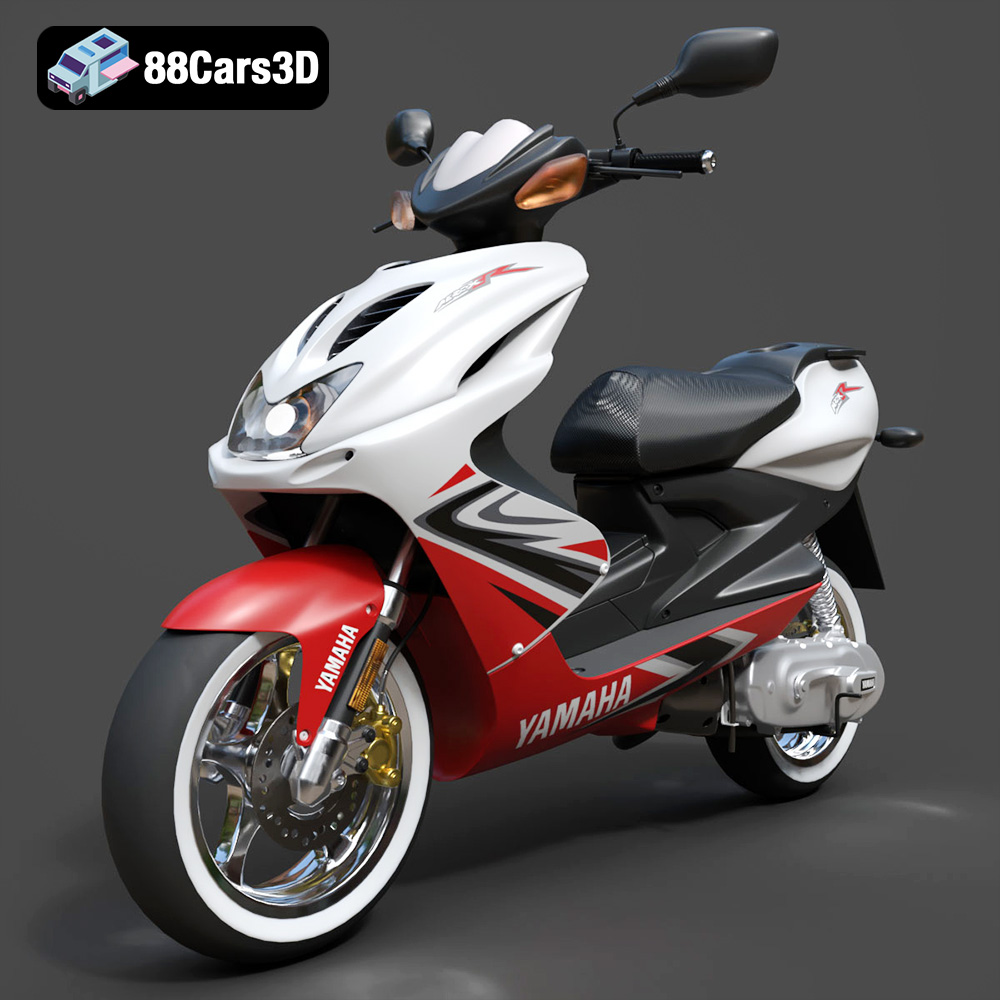
Texture: Yes
Material: Yes
Download the Yamaha Aerox R-002 2024 3D Model featuring clean geometry, realistic detailing, and a fully modeled interior. Includes .blend, .fbx, .obj, .glb, .stl, .ply, .unreal, and .max formats for rendering, simulation, and game development.
Price: $19.99
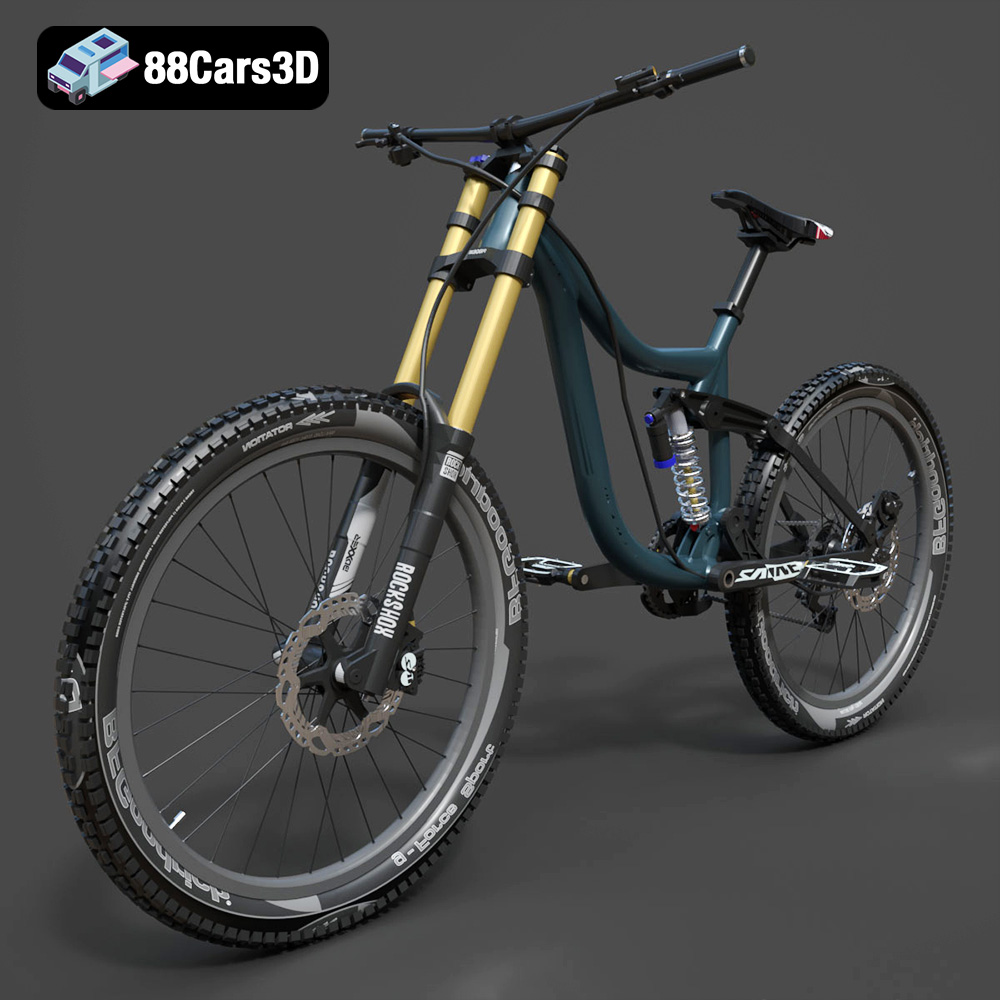
Texture: Yes
Material: Yes
Download the Mototsikly Downhill Bike-002 3D Model featuring clean geometry, realistic detailing, and precise mechanical components. Includes .blend, .fbx, .obj, .glb, .stl, .ply, .unreal, and .max formats for rendering, simulation, and game development.
Price: $19.99
Texture: Yes
Material: Yes
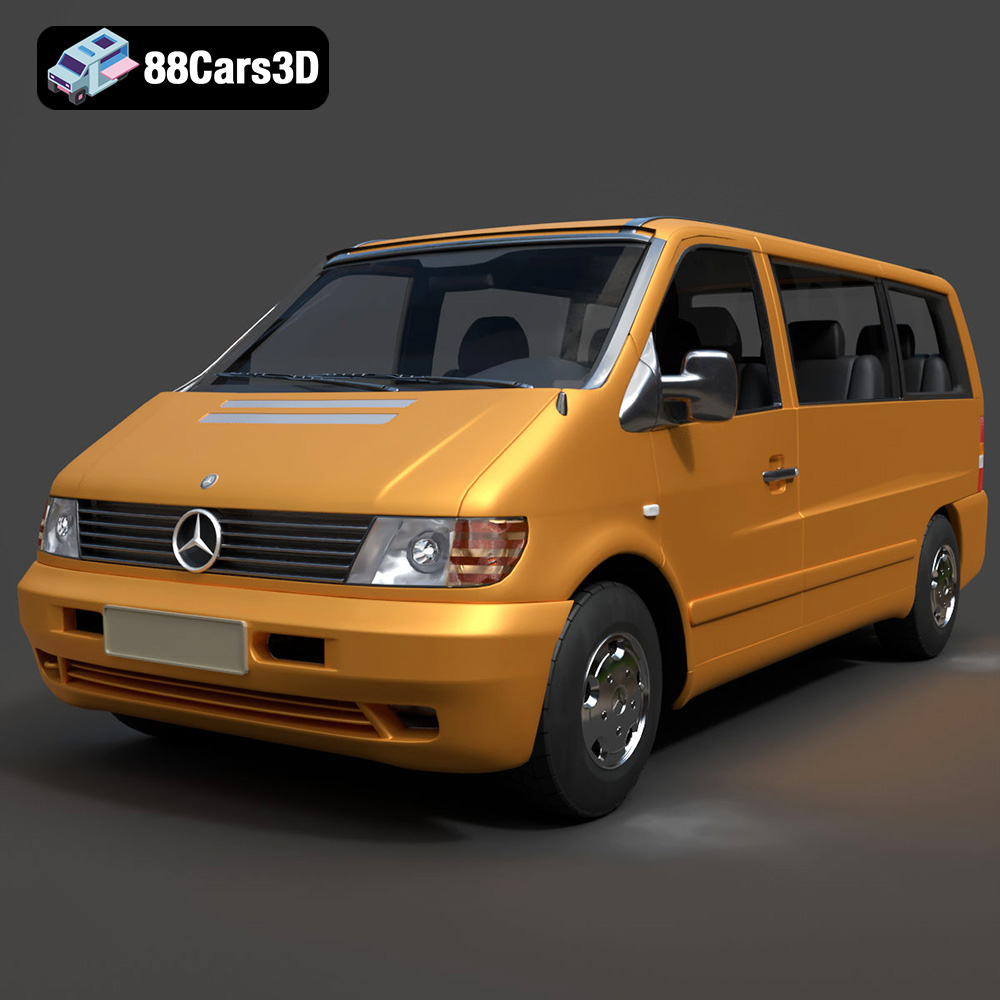
Download the Mercedes-Benz Vito Passenger Van 3D Model featuring clean geometry, realistic detailing, and a fully modeled interior. Includes .blend, .fbx, .obj, .glb, .stl, .ply, .unreal, and .max formats for rendering, simulation, and game development.
Price: $19.99
Texture: Yes
Material: Yes
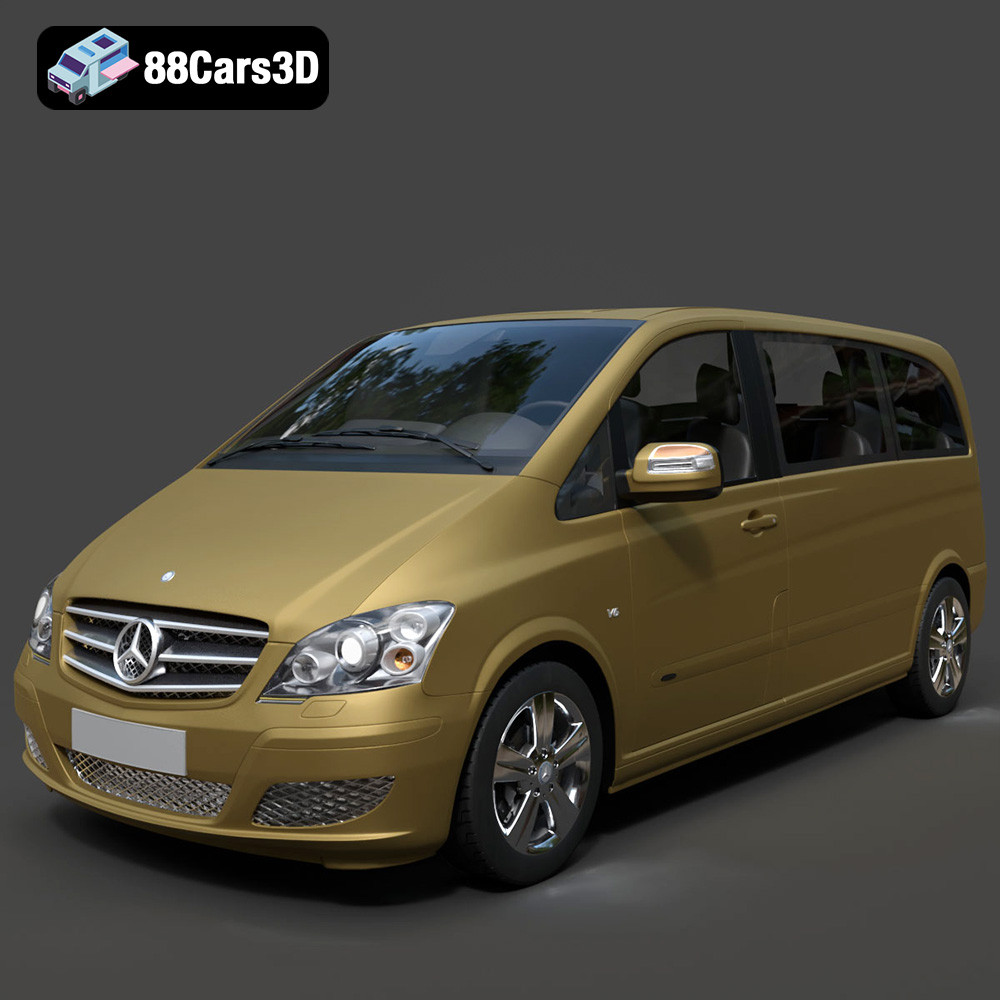
Download the Mercedes-Benz Viano 2010 3D Model featuring clean geometry, realistic detailing, and a fully modeled interior. Includes .blend, .fbx, .obj, .glb, .stl, .ply, .unreal, and .max formats for rendering, simulation, and game development.
Price: $19.99

Texture: Yes
Material: Yes
Download the Emt Avtobus 007 3D Model featuring clean geometry, realistic detailing, and a fully modeled interior. Includes .blend, .fbx, .obj, .glb, .stl, .ply, .unreal, and .max formats for rendering, simulation, and game development.
Price: $19.99
Texture: Yes
Material: Yes
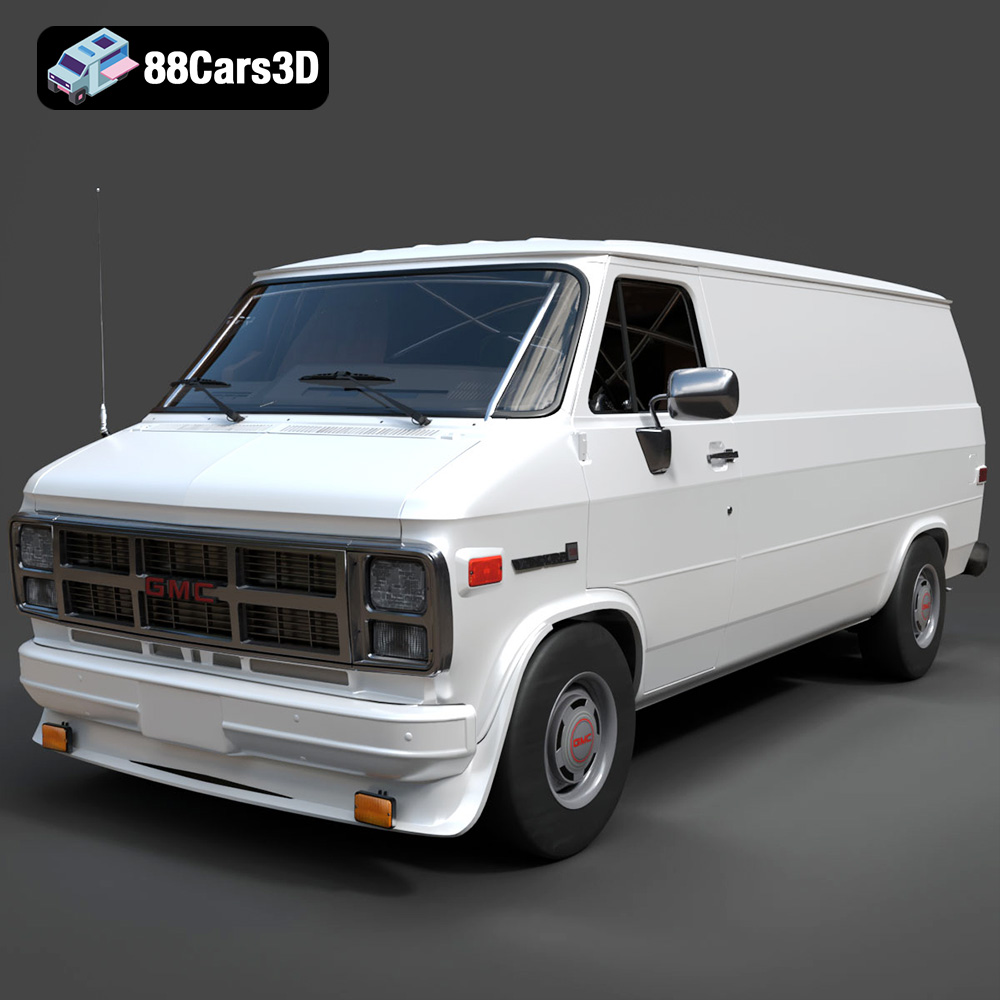
Download the GMC Vandura G-1500 1983 3D Model featuring clean geometry, realistic detailing, and a fully modeled interior. Includes .blend, .fbx, .obj, .glb, .stl, .ply, .unreal, and .max formats for rendering, simulation, and game development.
Price: $19.99
Texture: Yes
Material: Yes
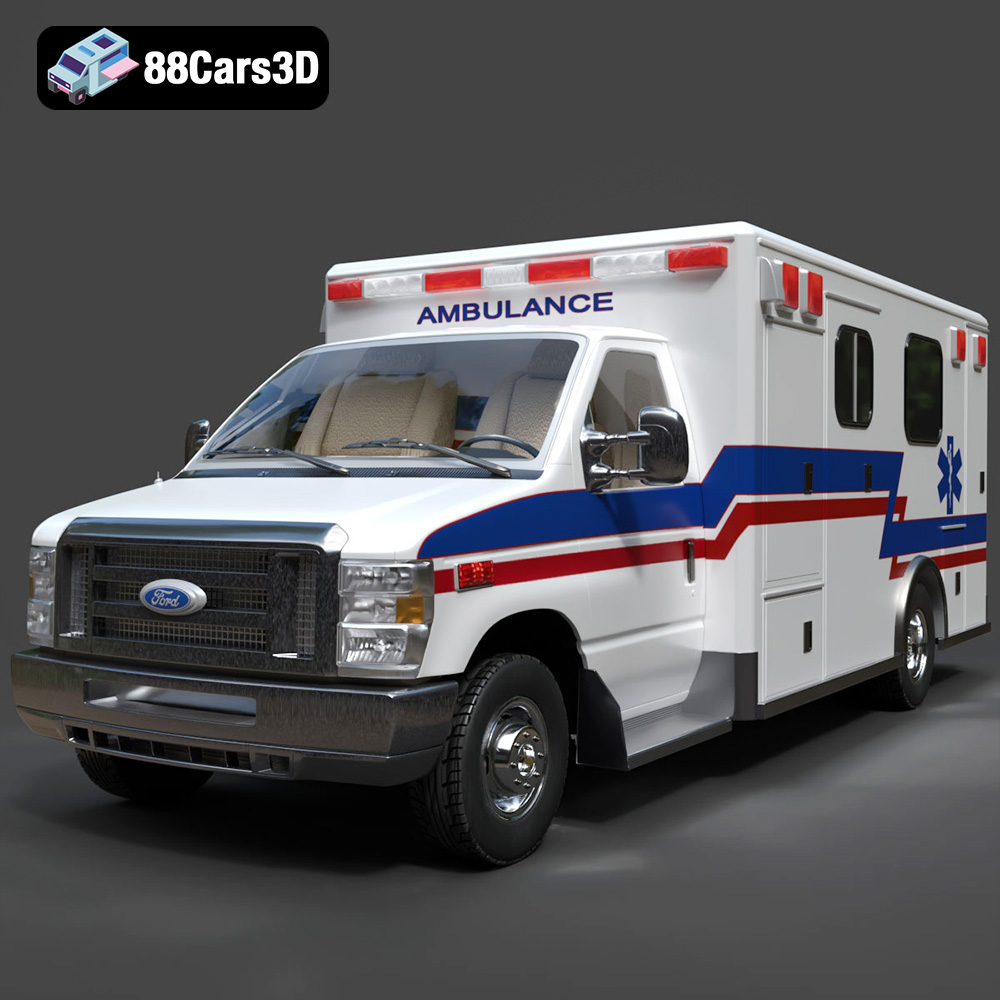
Download the Ford E-450 Ambulance 3D Model featuring clean geometry, realistic detailing, and a fully modeled interior. Includes .blend, .fbx, .obj, .glb, .stl, .ply, .unreal, and .max formats for rendering, simulation, and game development.
Price: $19.99

