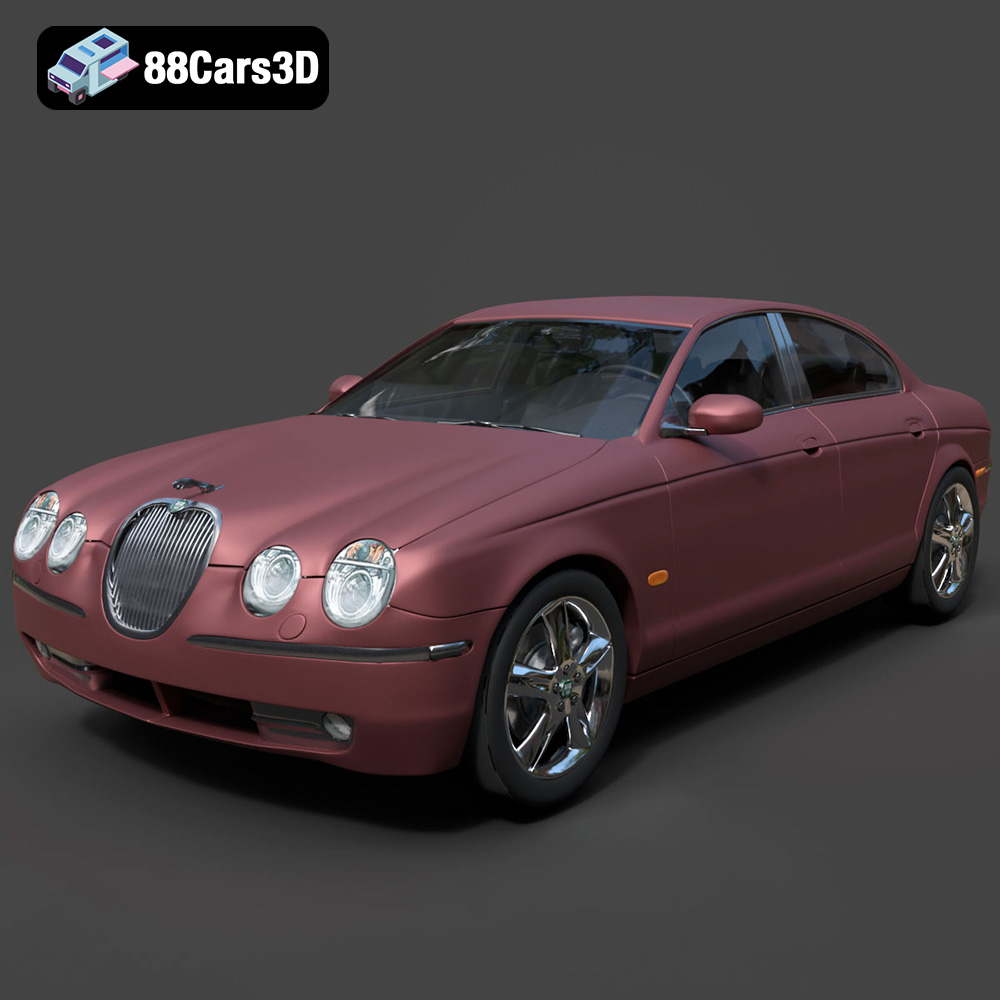
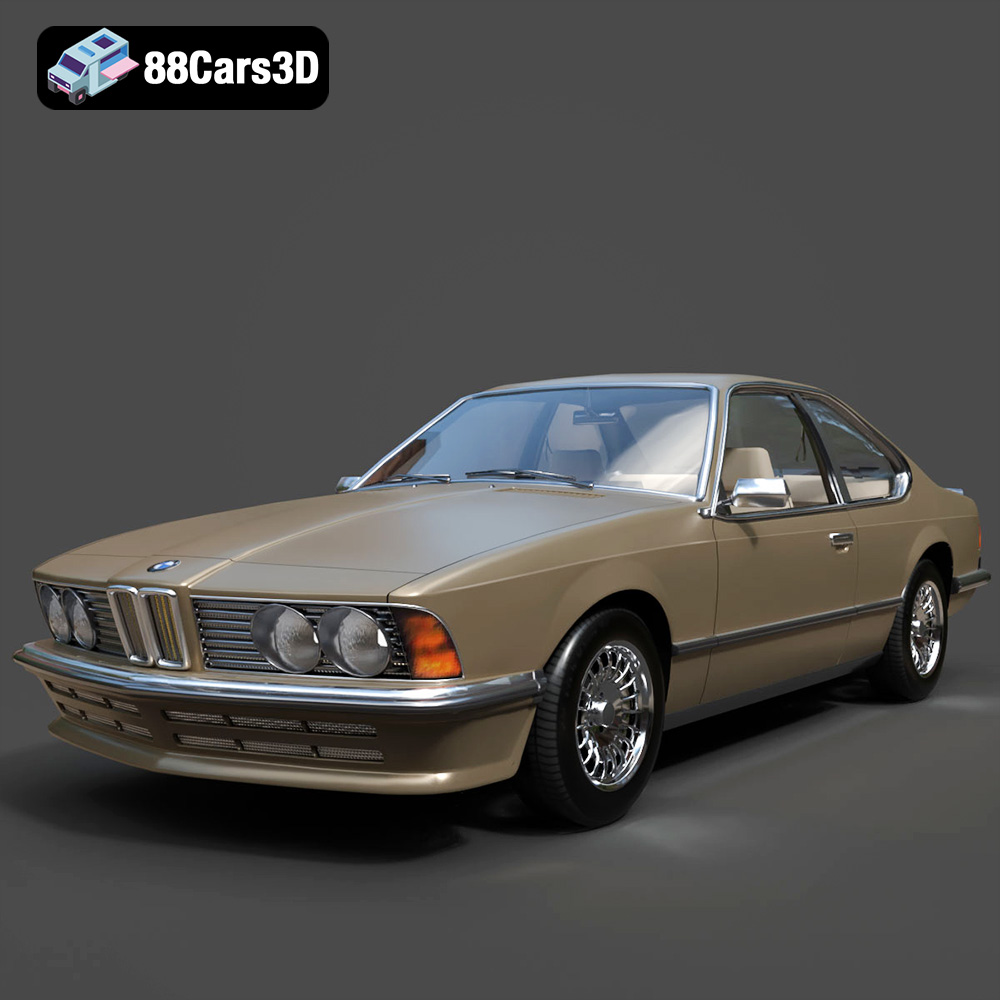
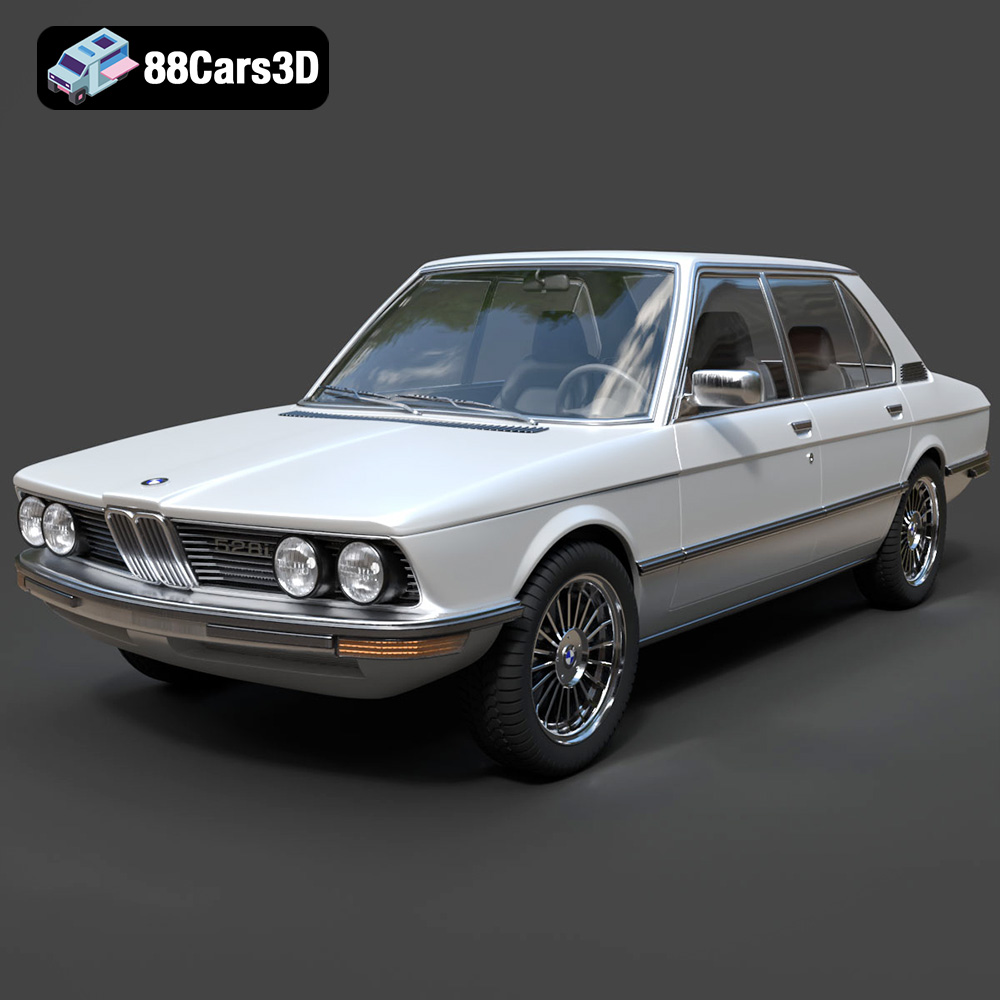
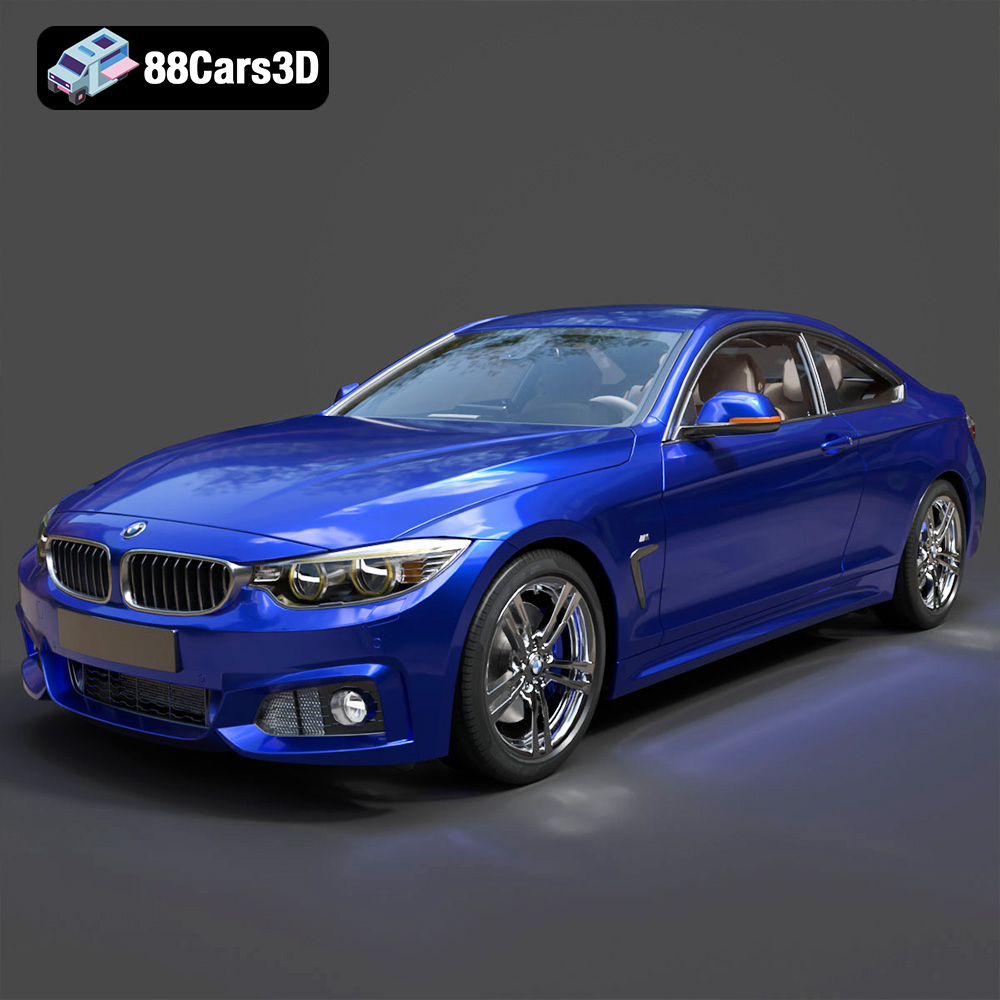
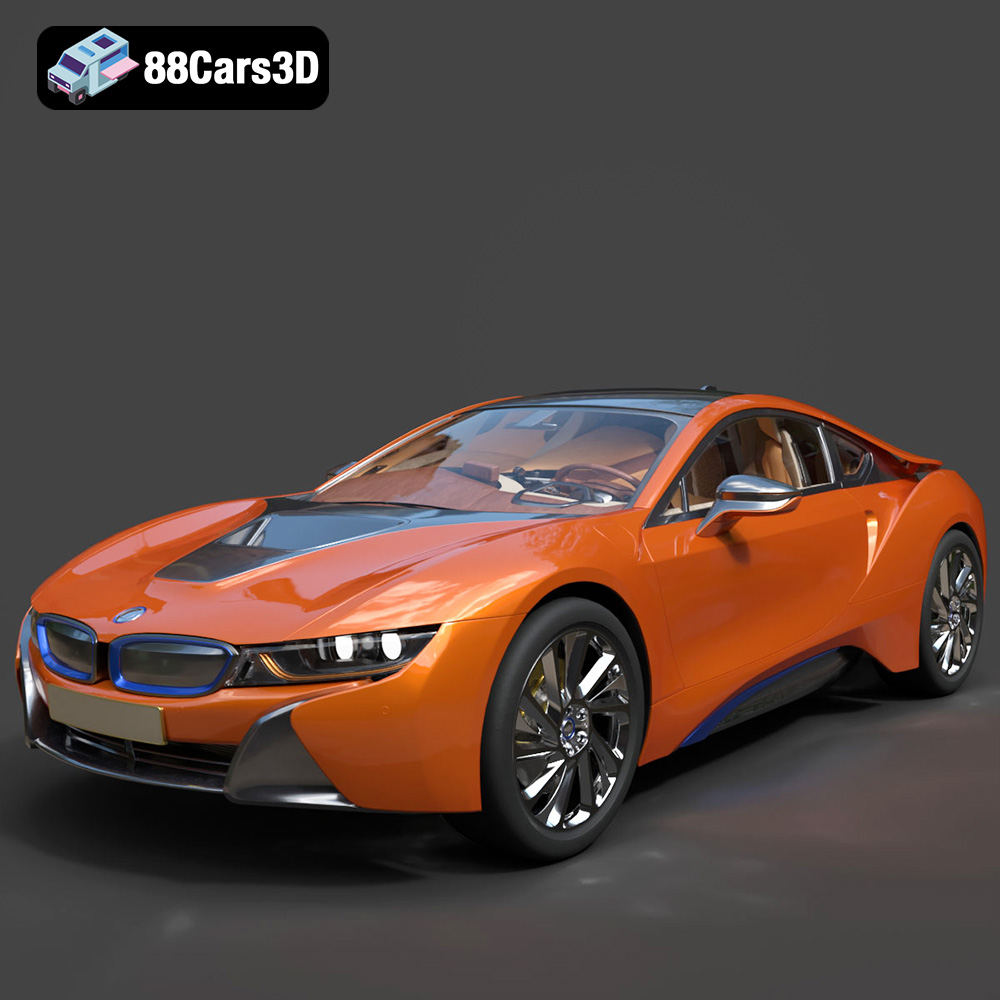
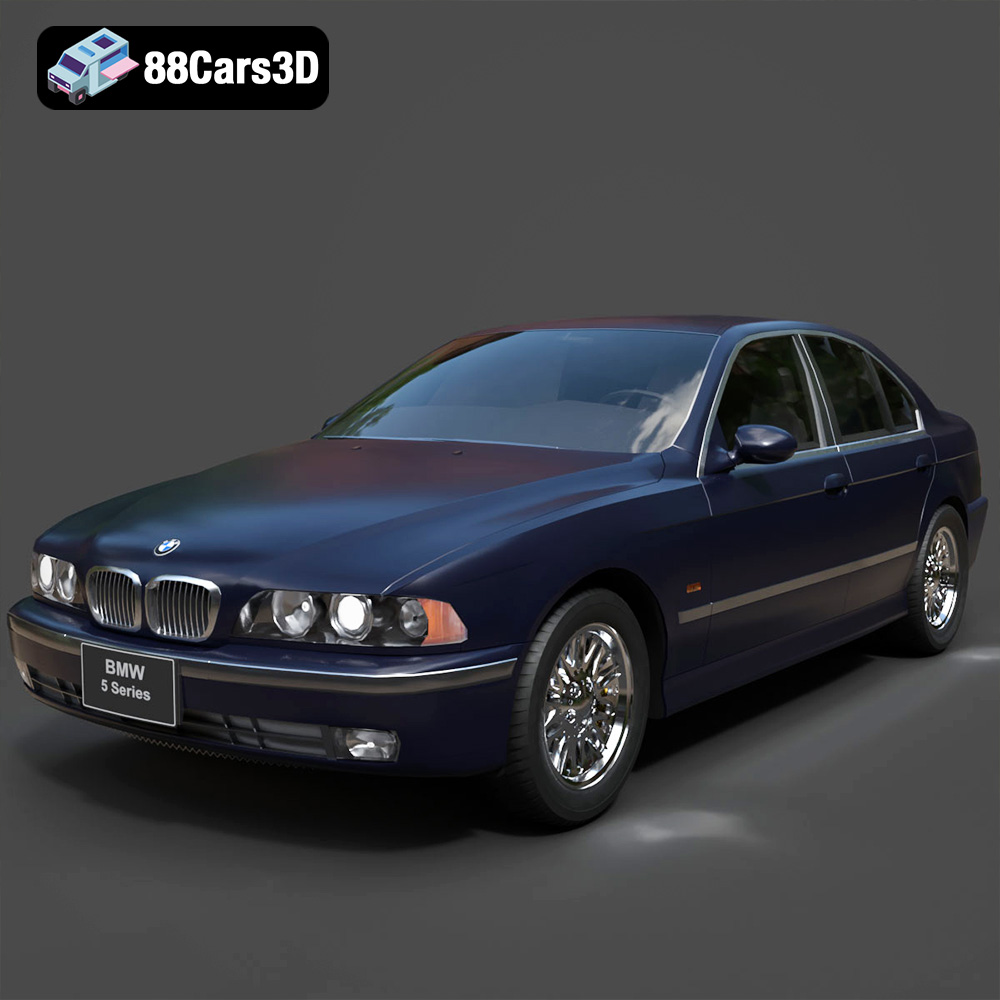
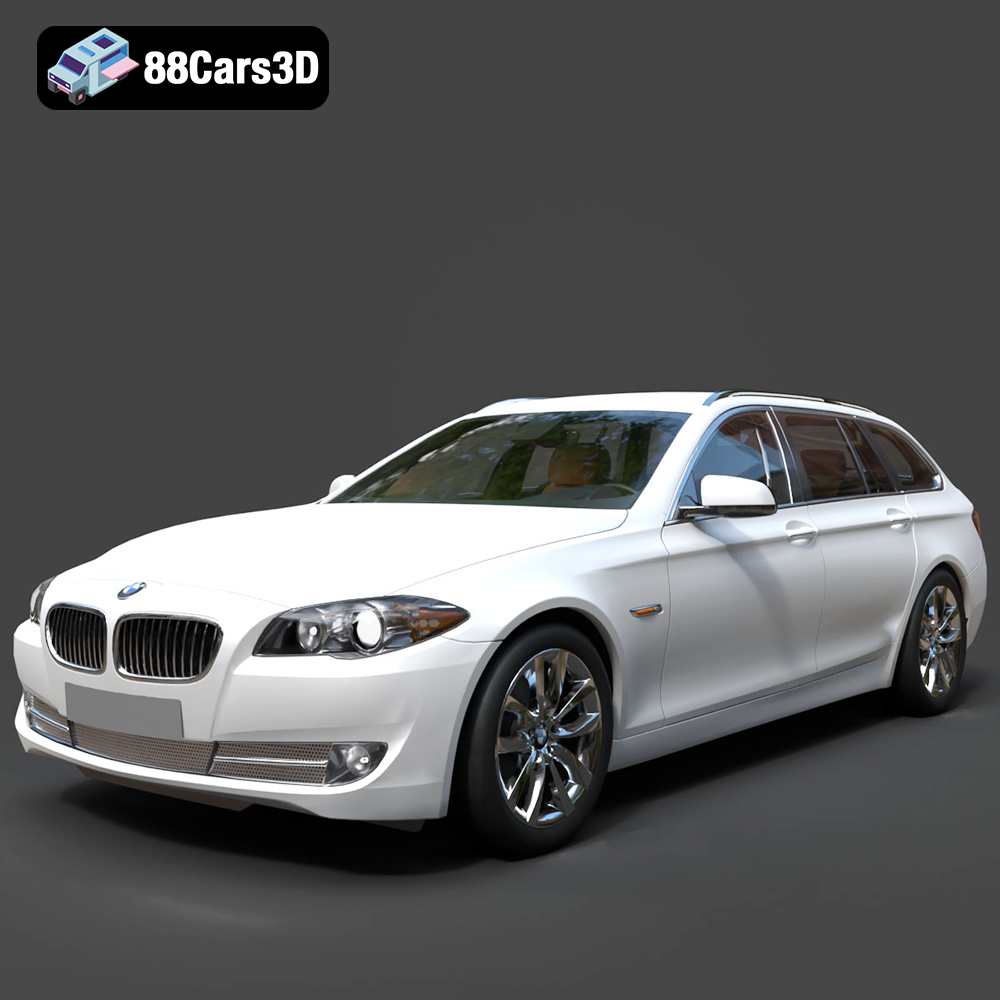
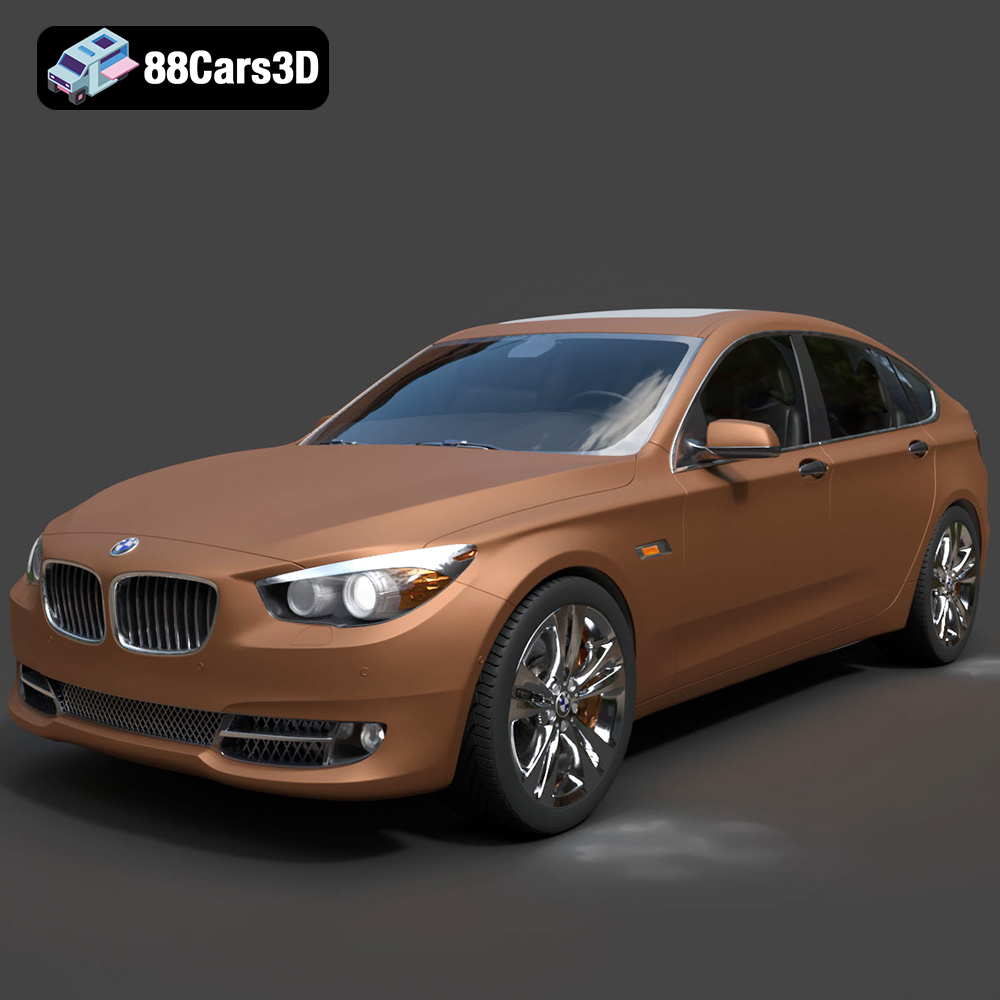
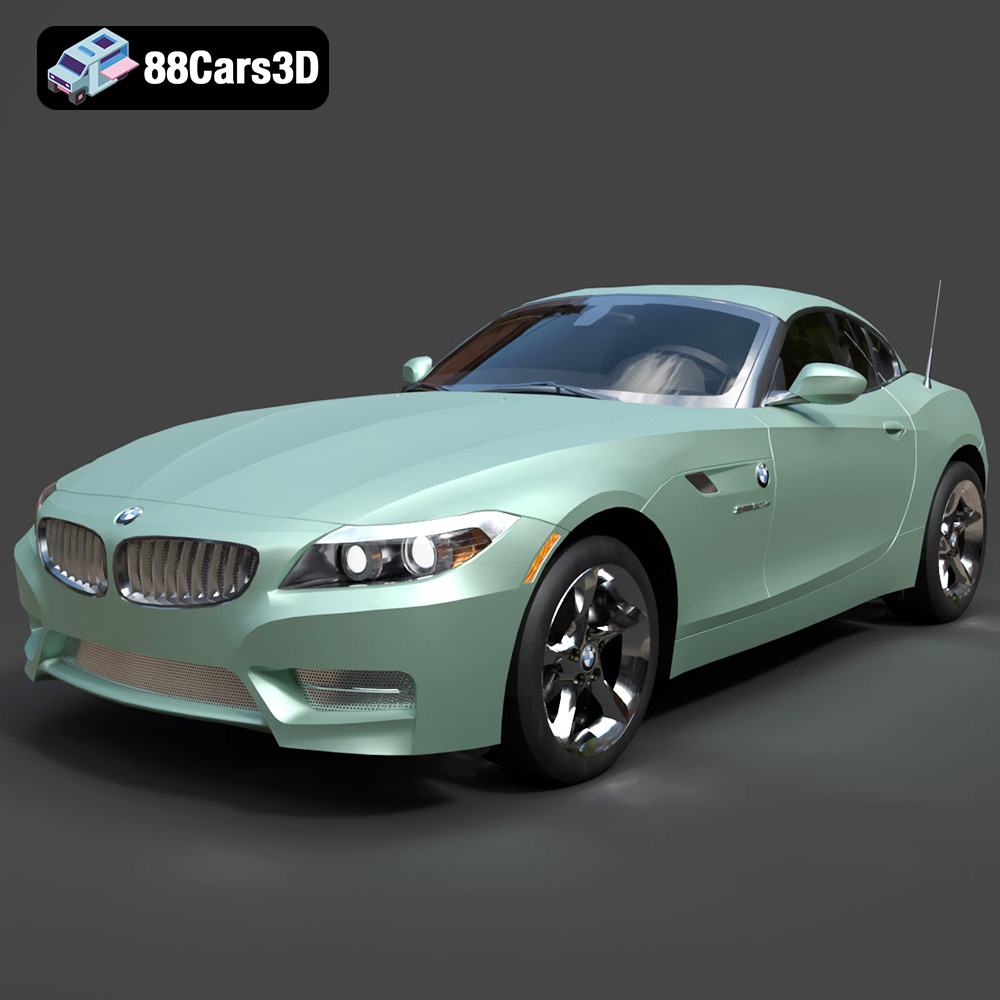
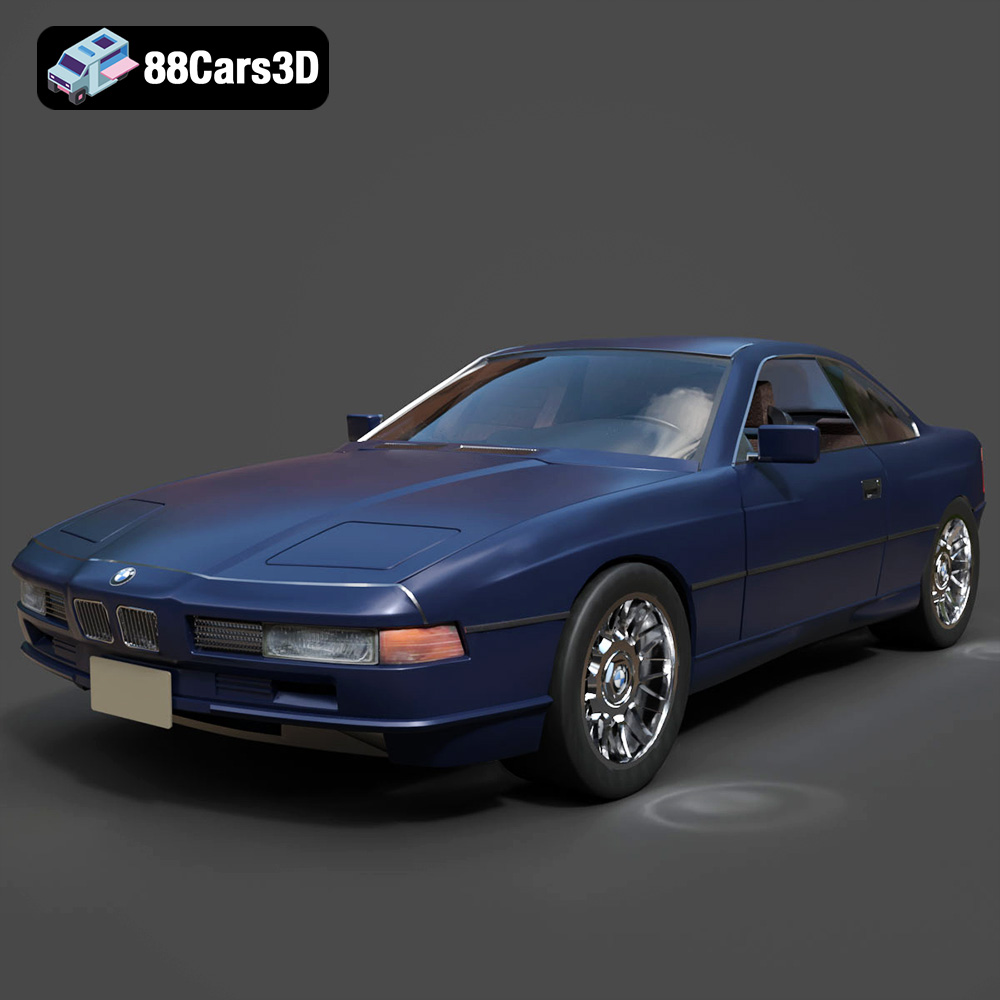
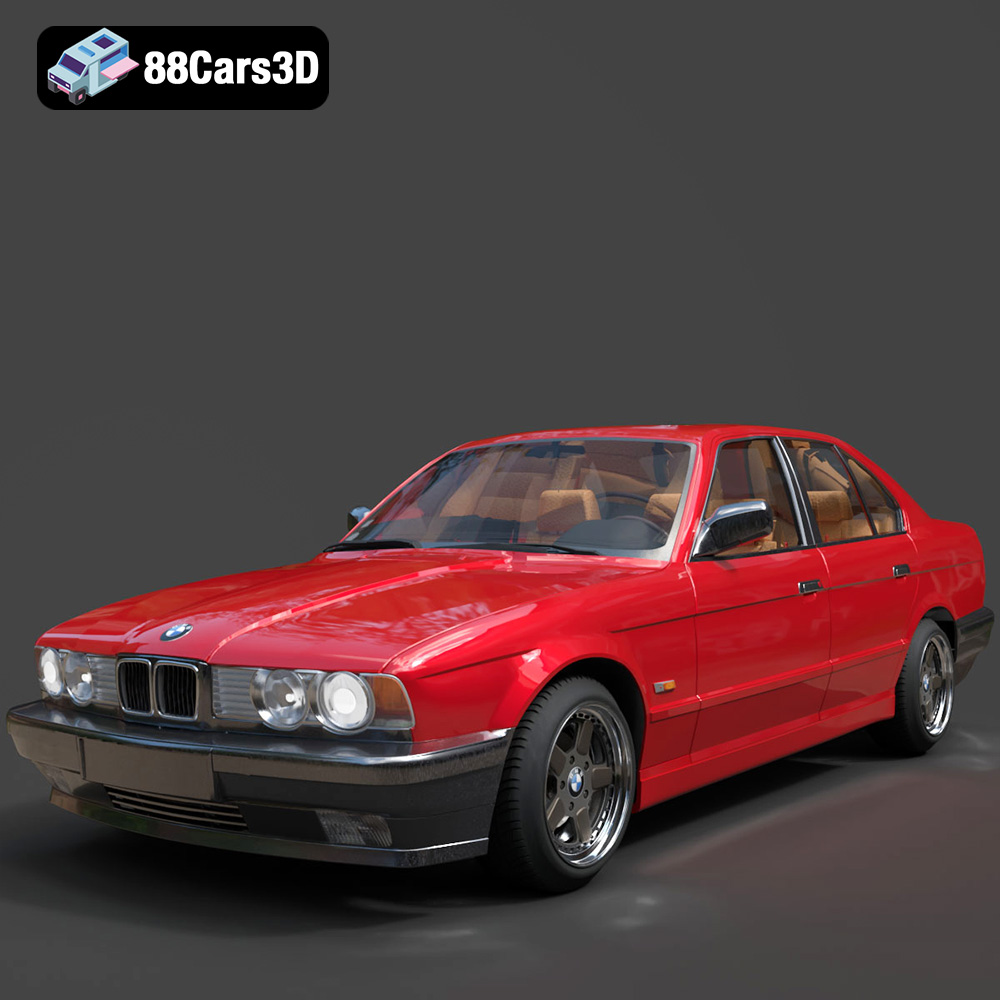
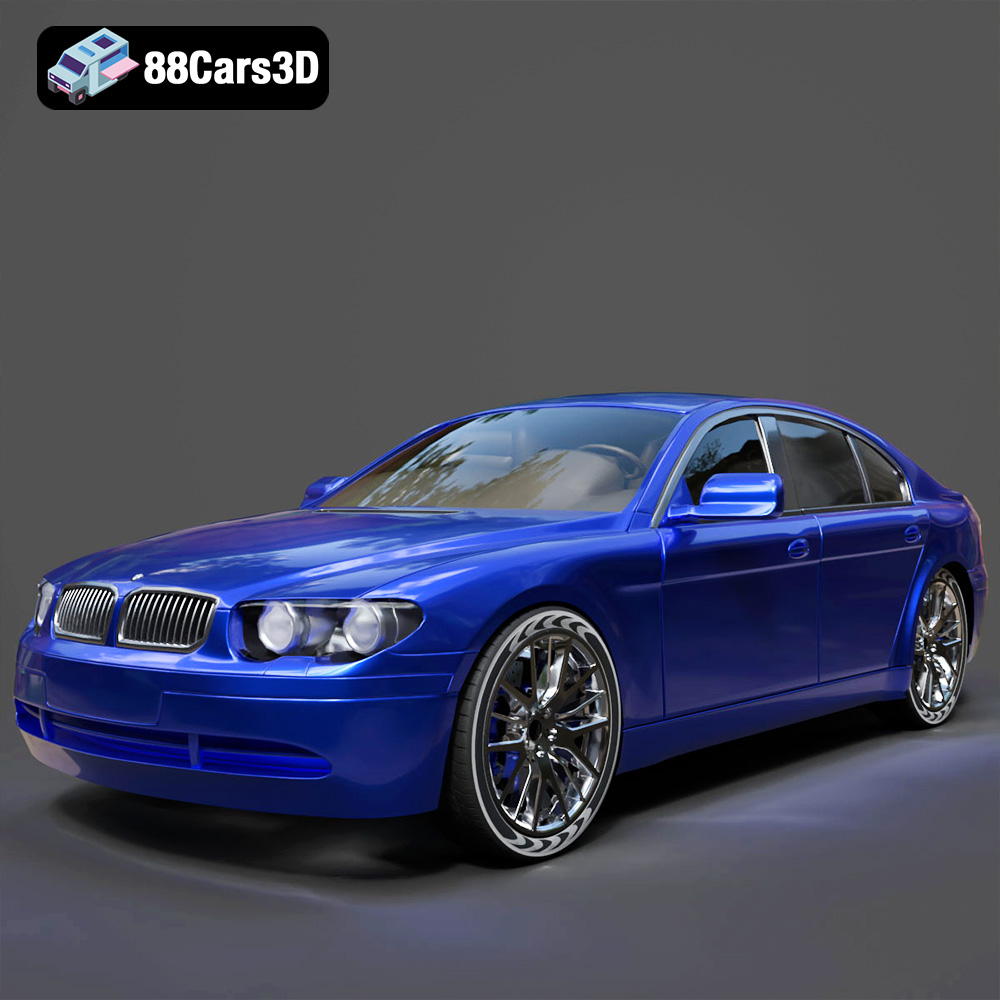
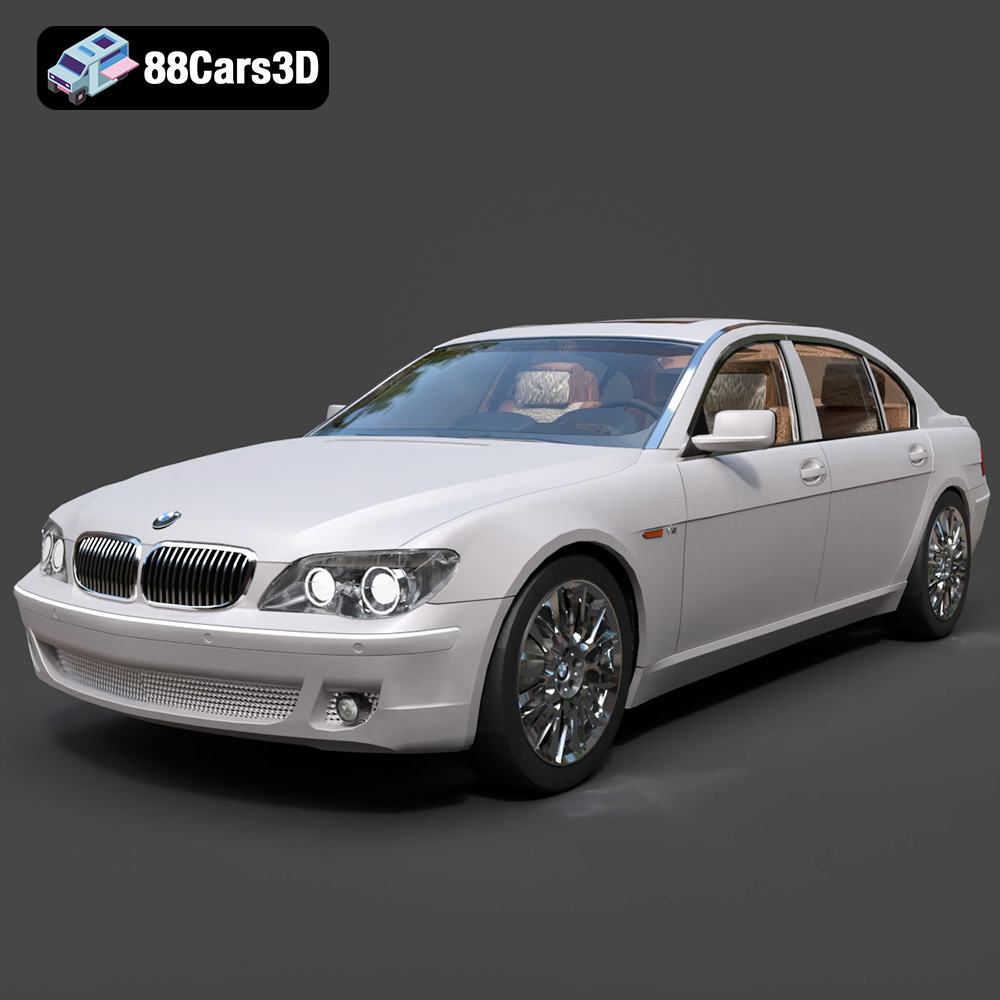
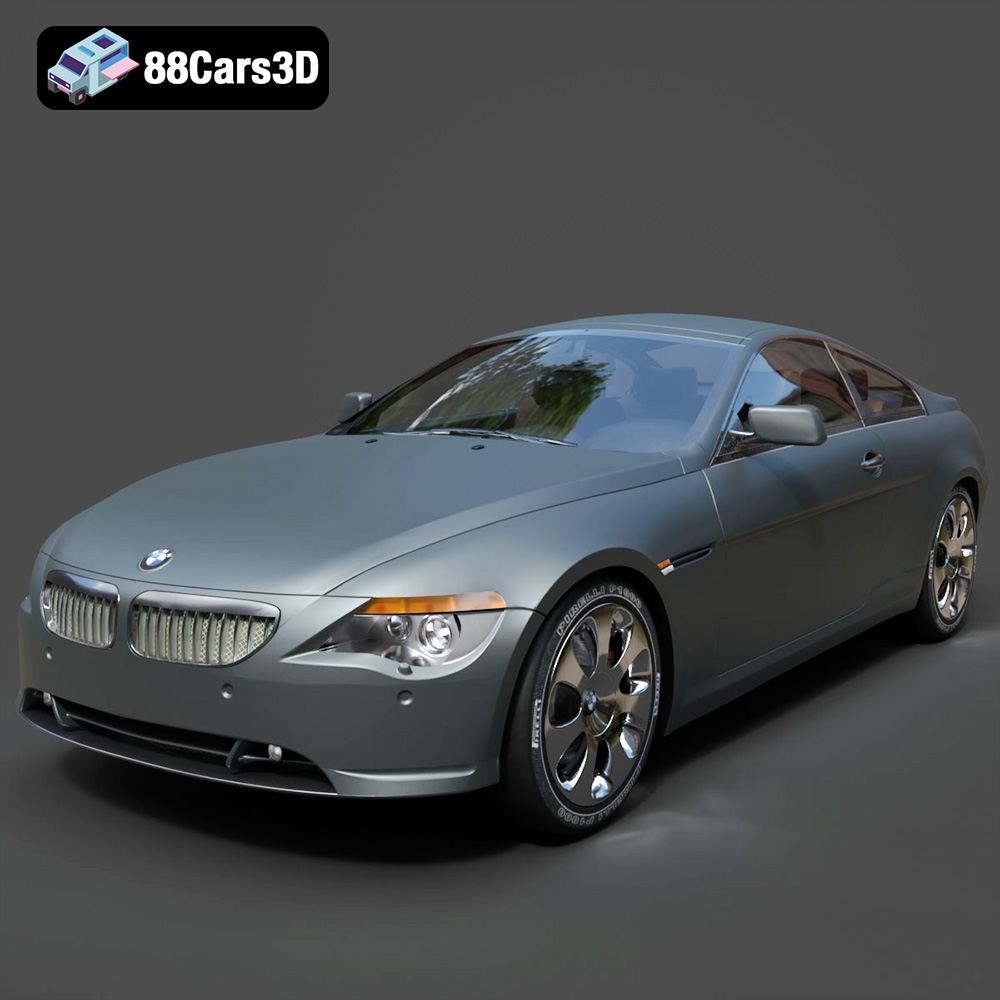
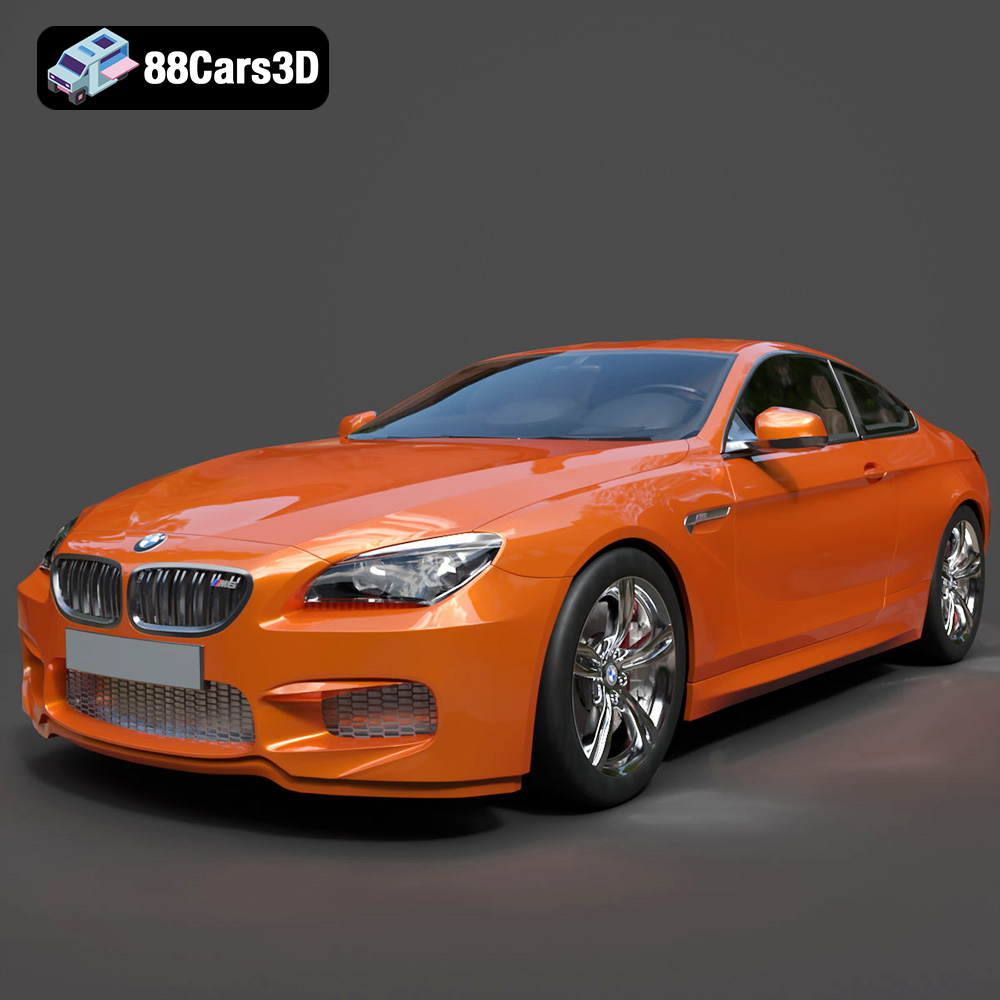
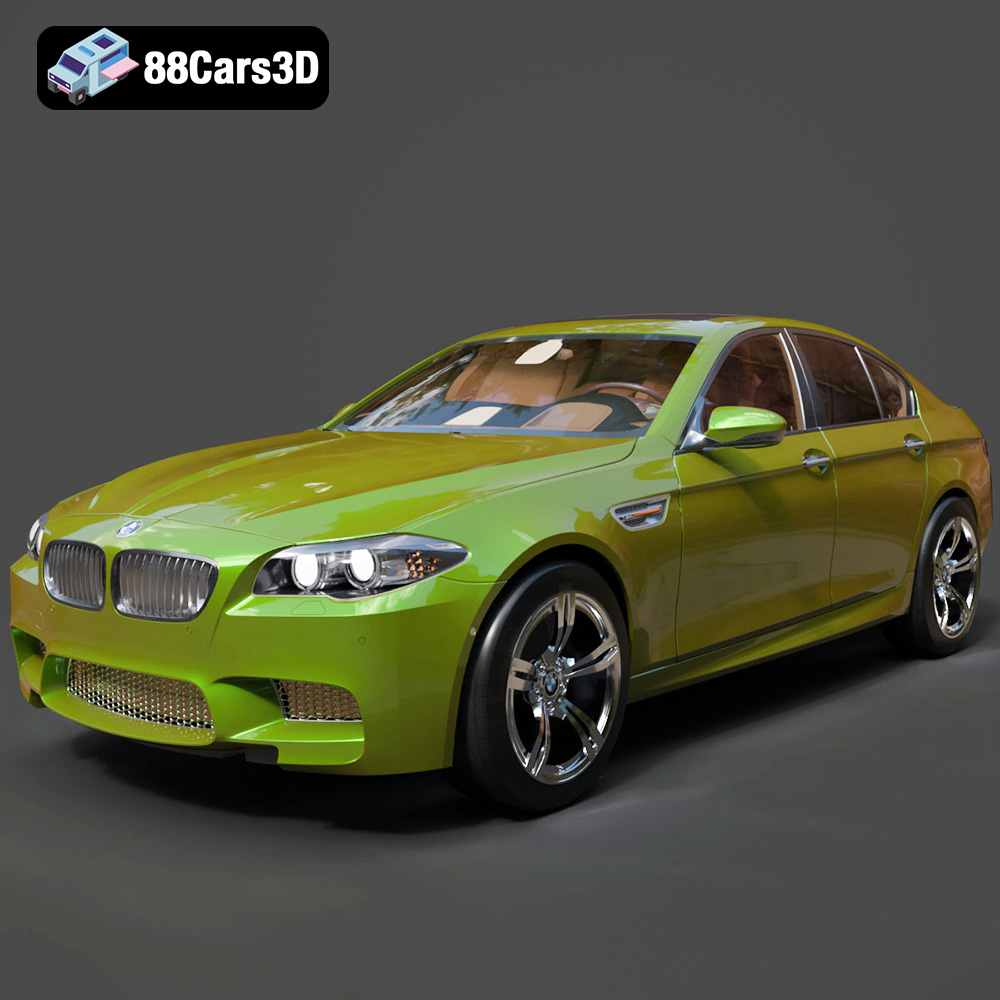
⚡ FLASH SALE: Get 60% OFF All Premium 3D & STL Models! ⚡

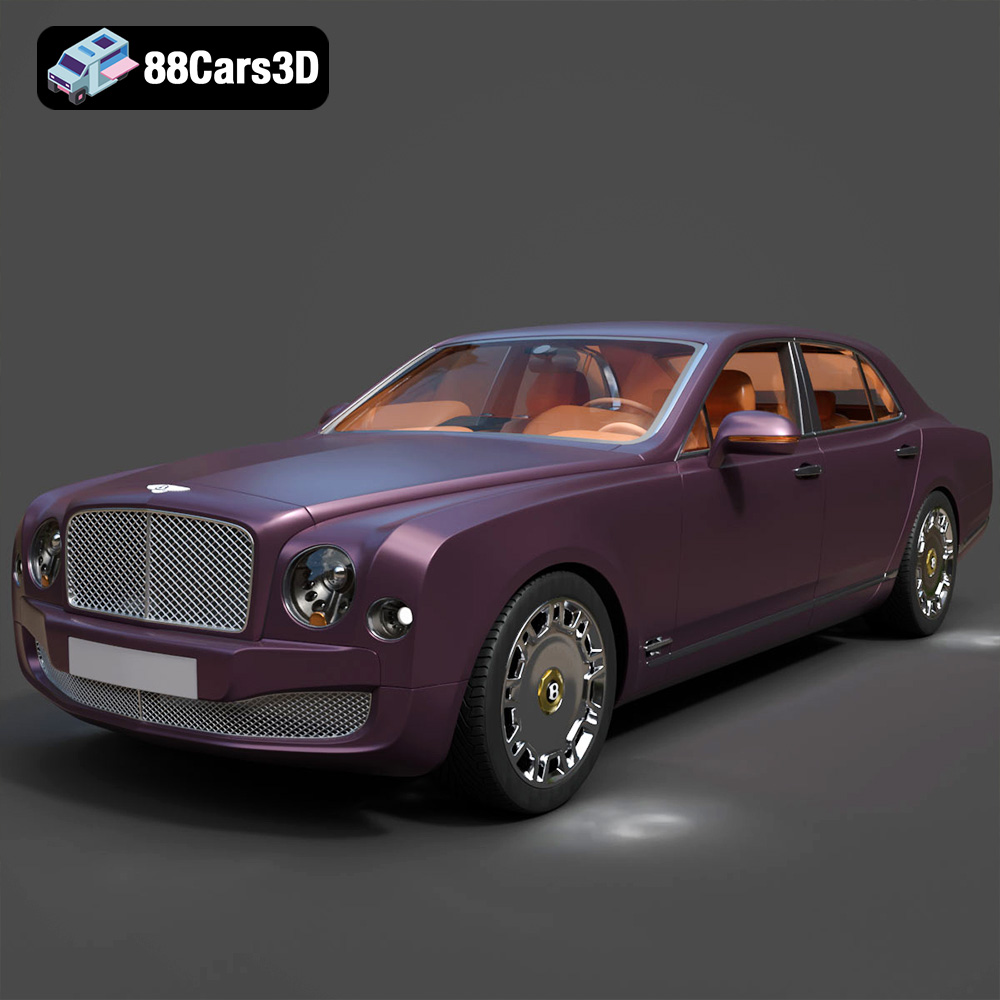
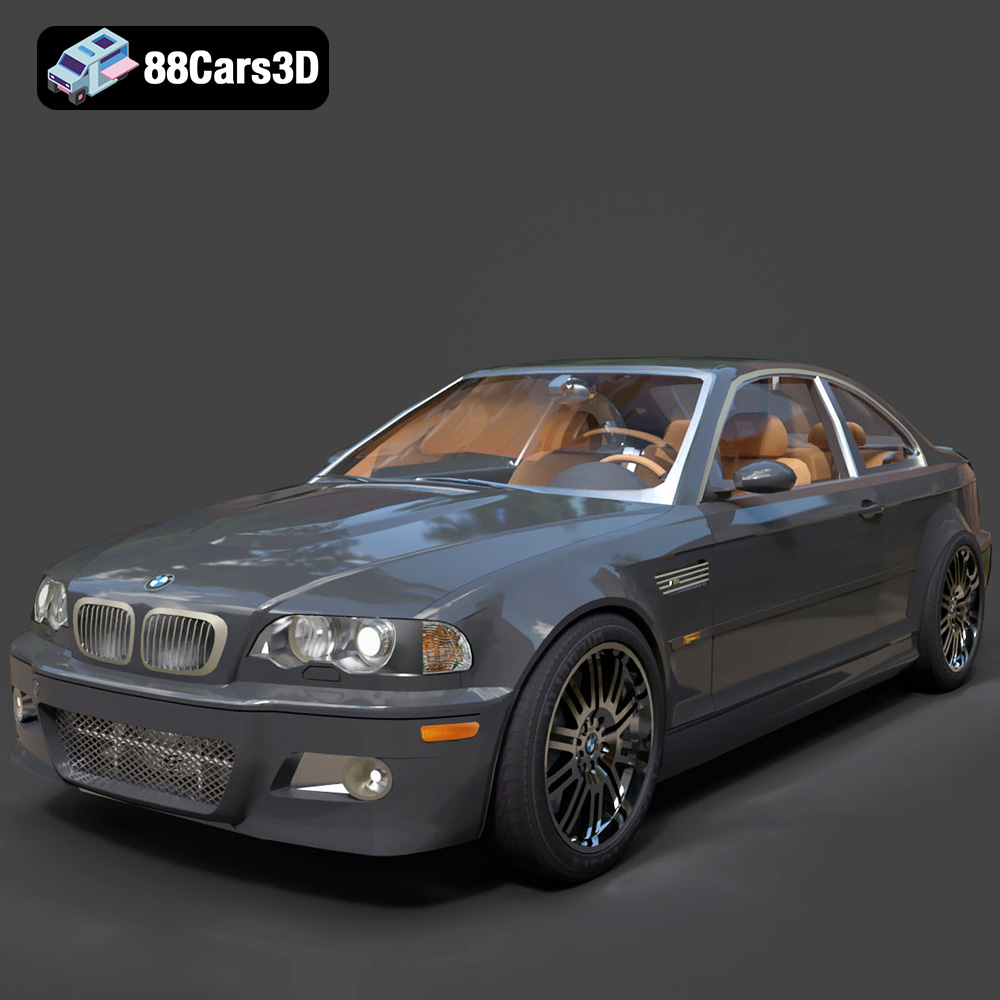
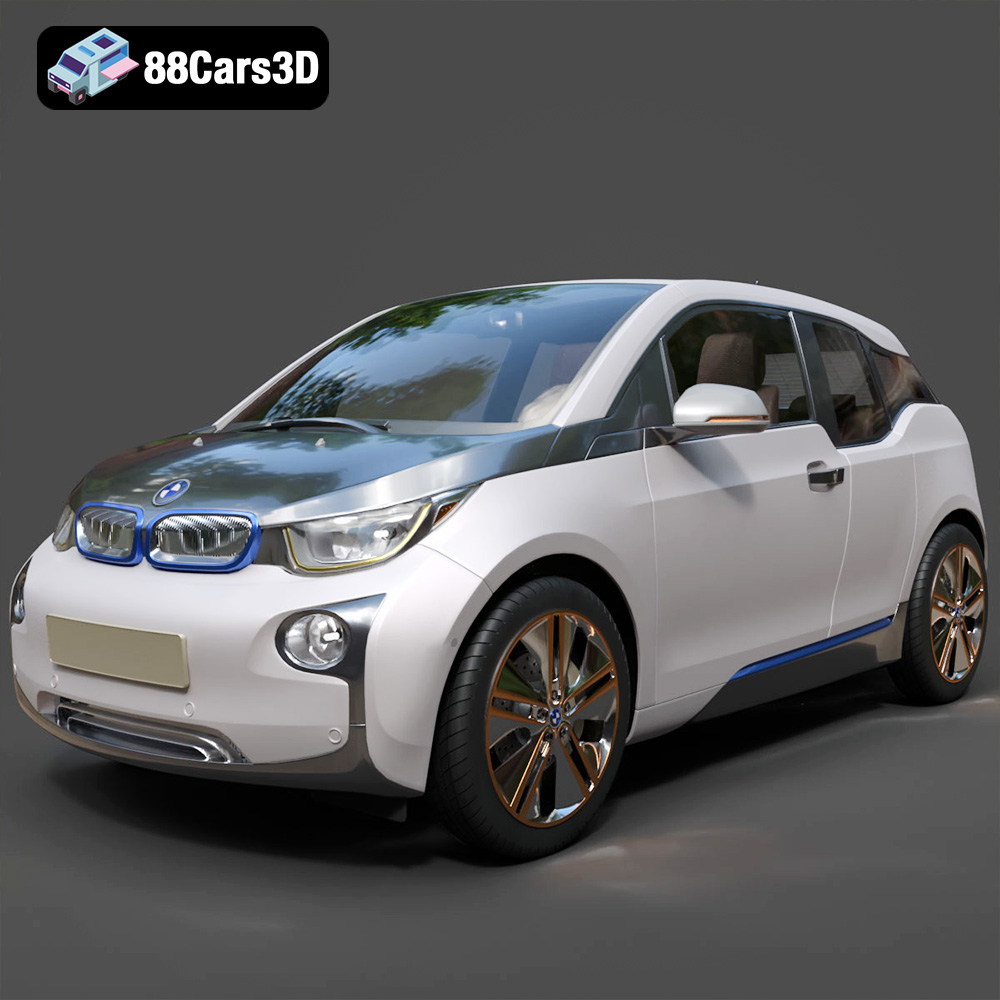
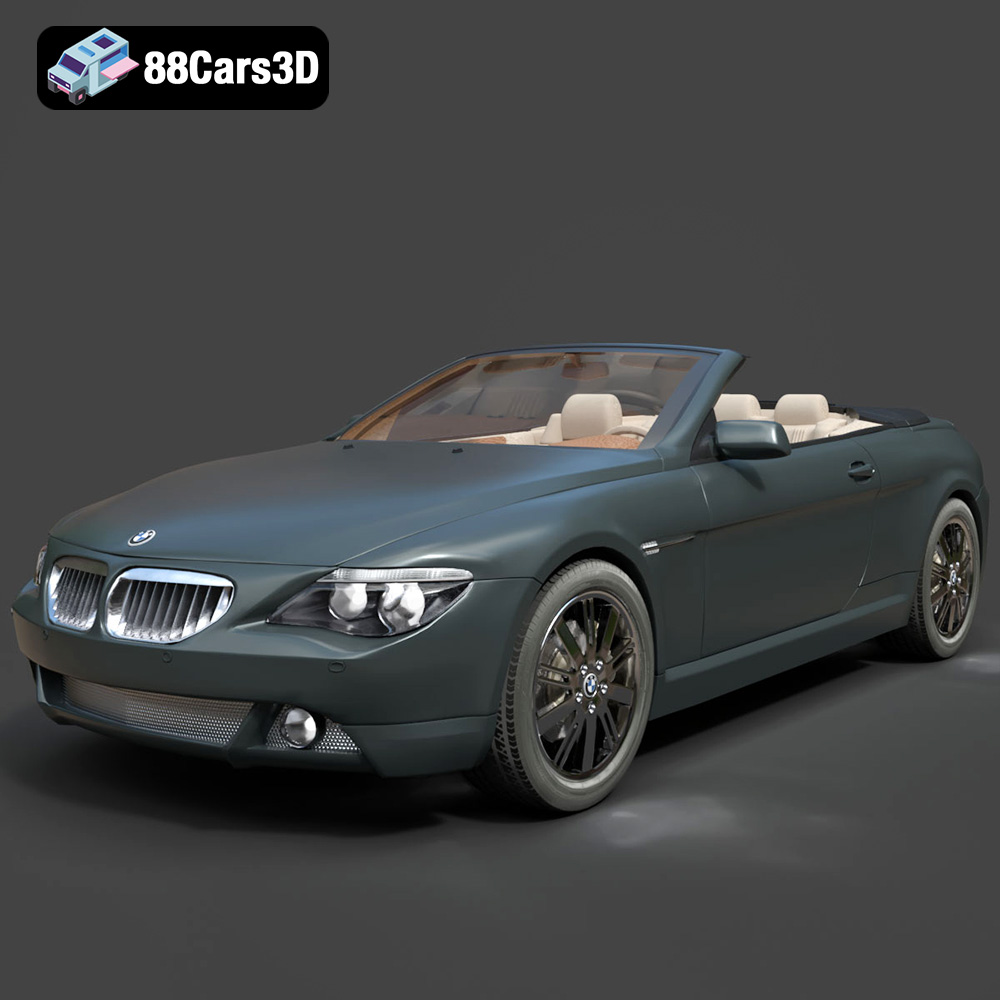
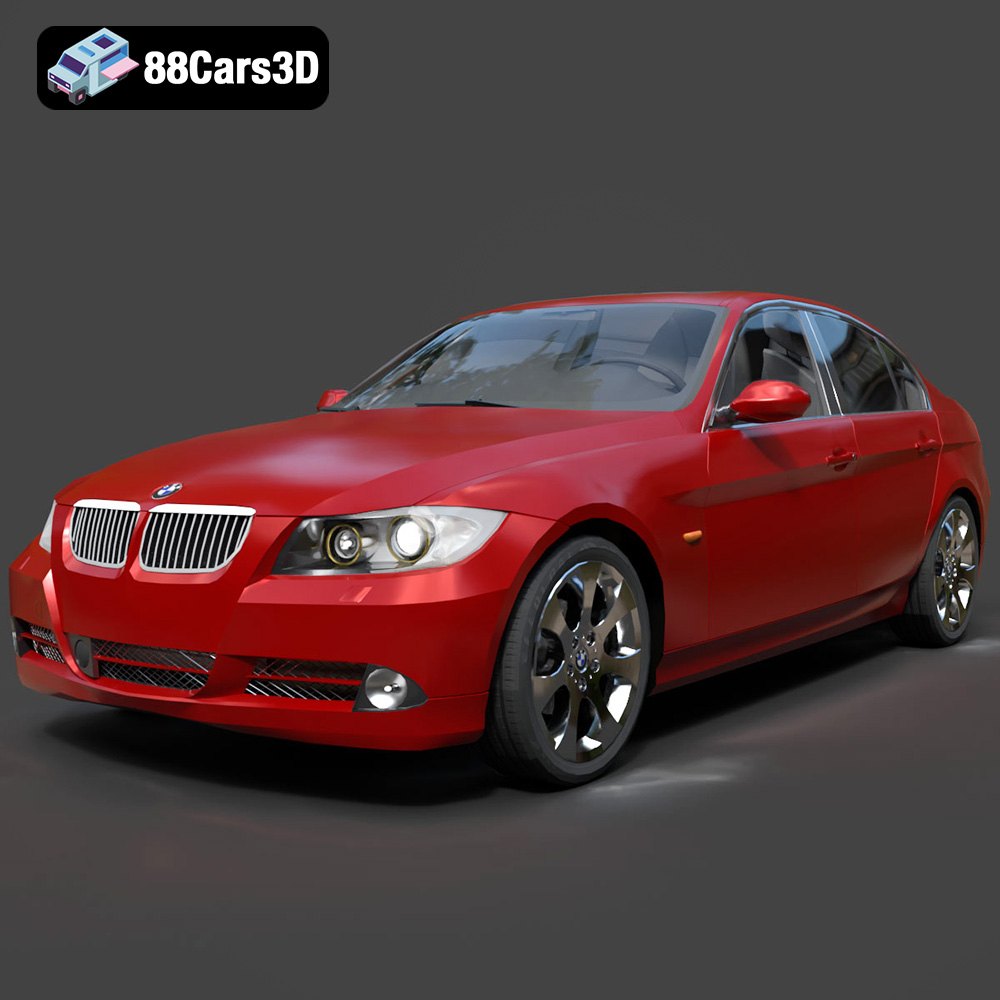
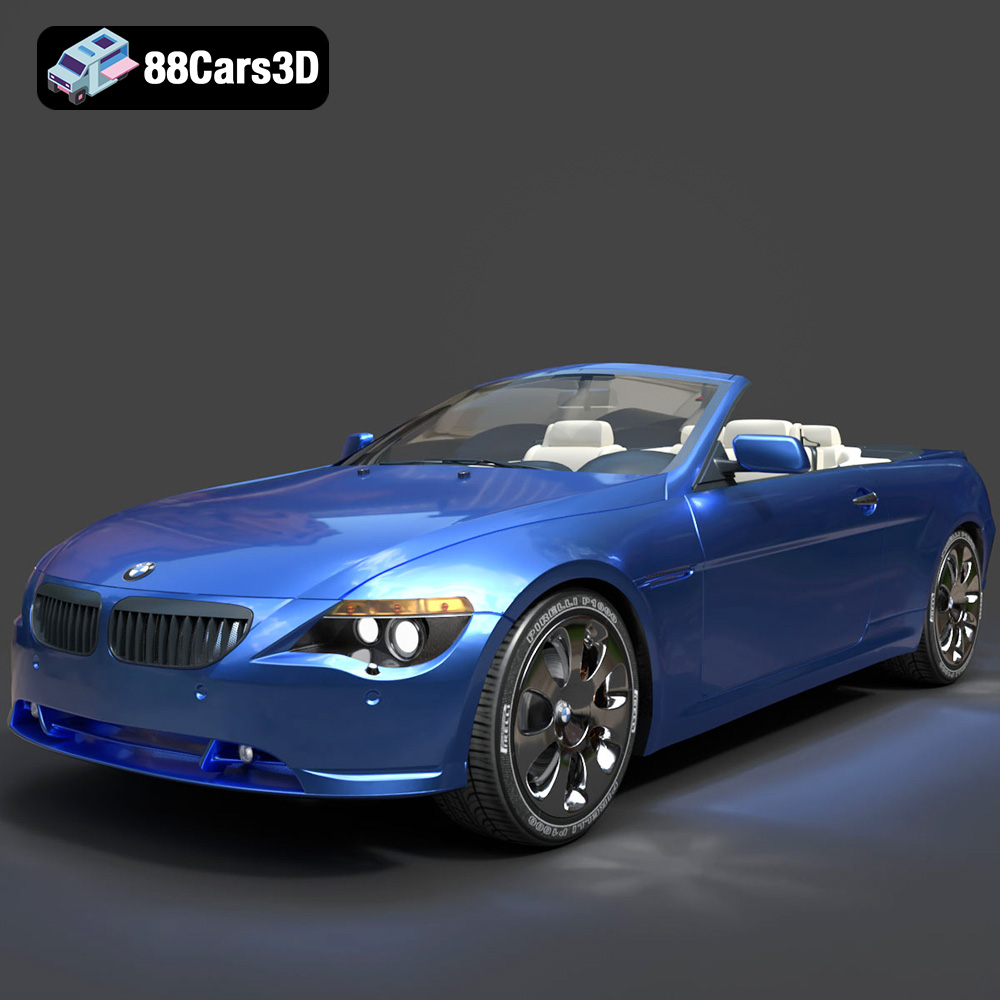
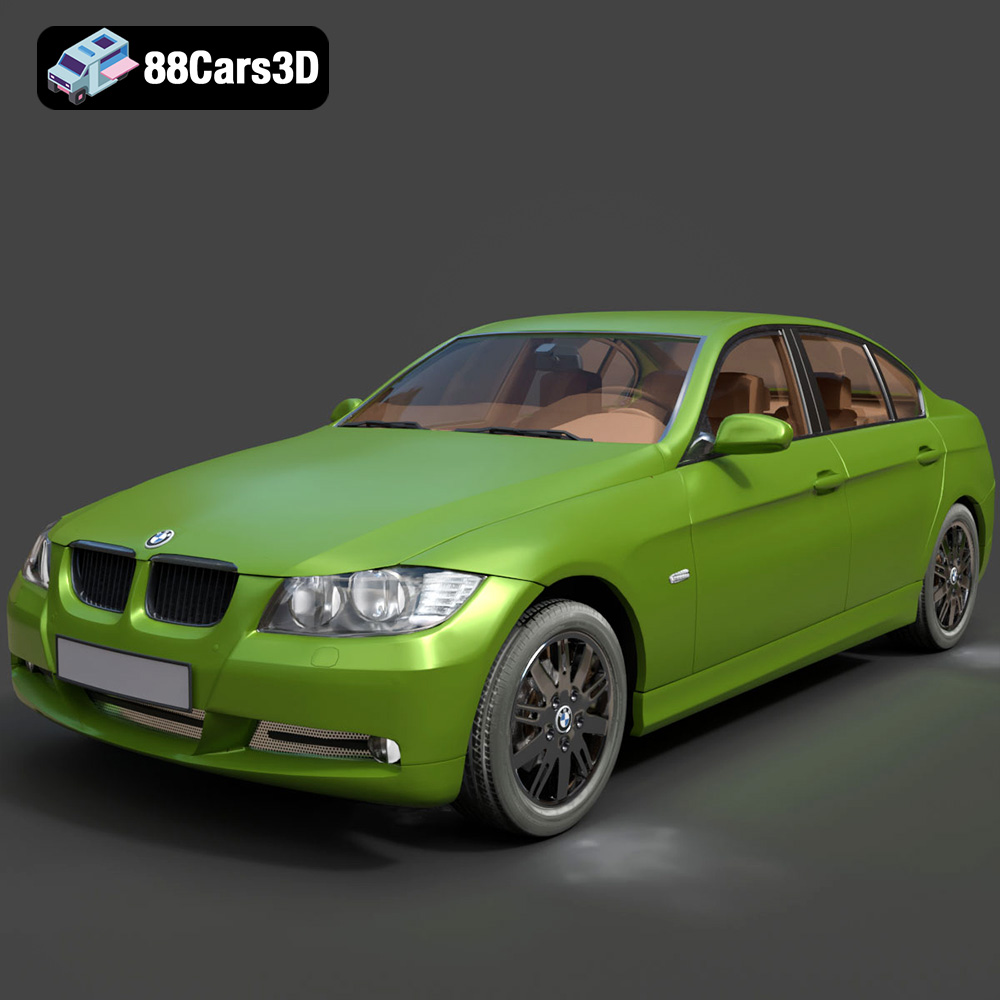
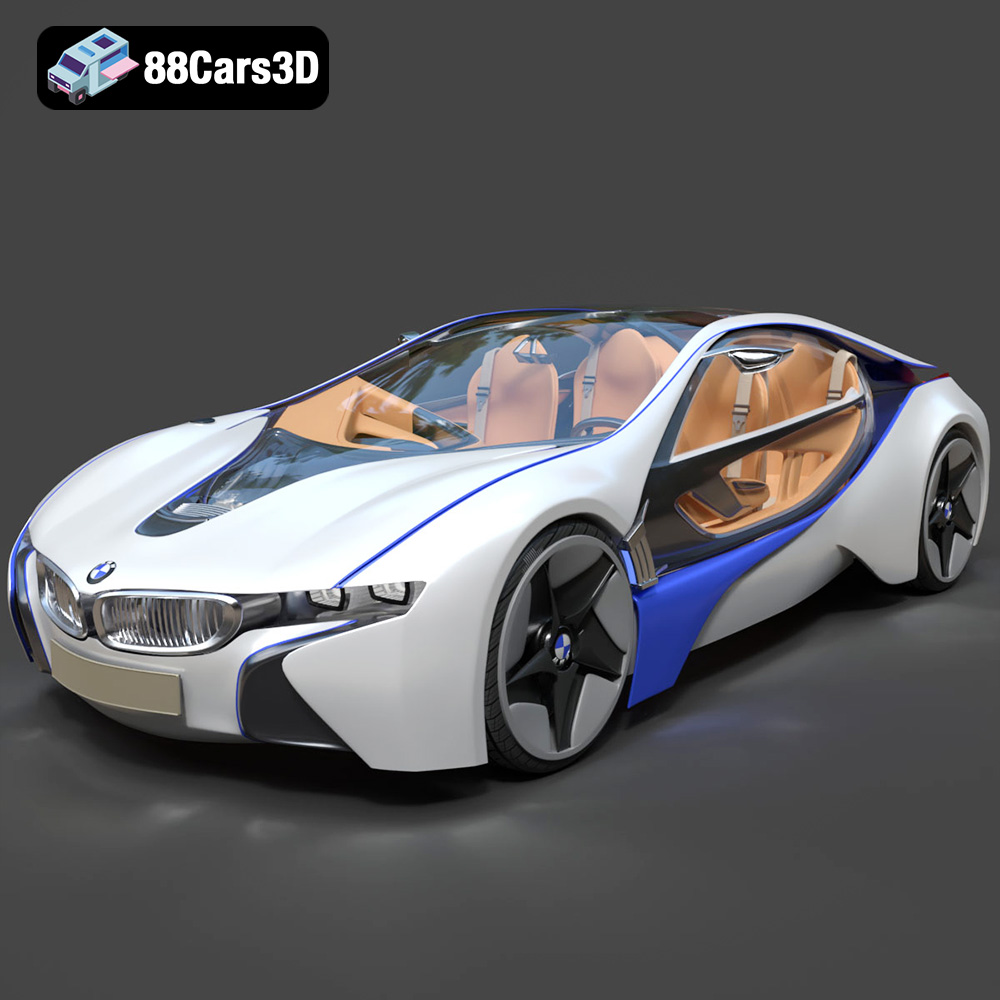
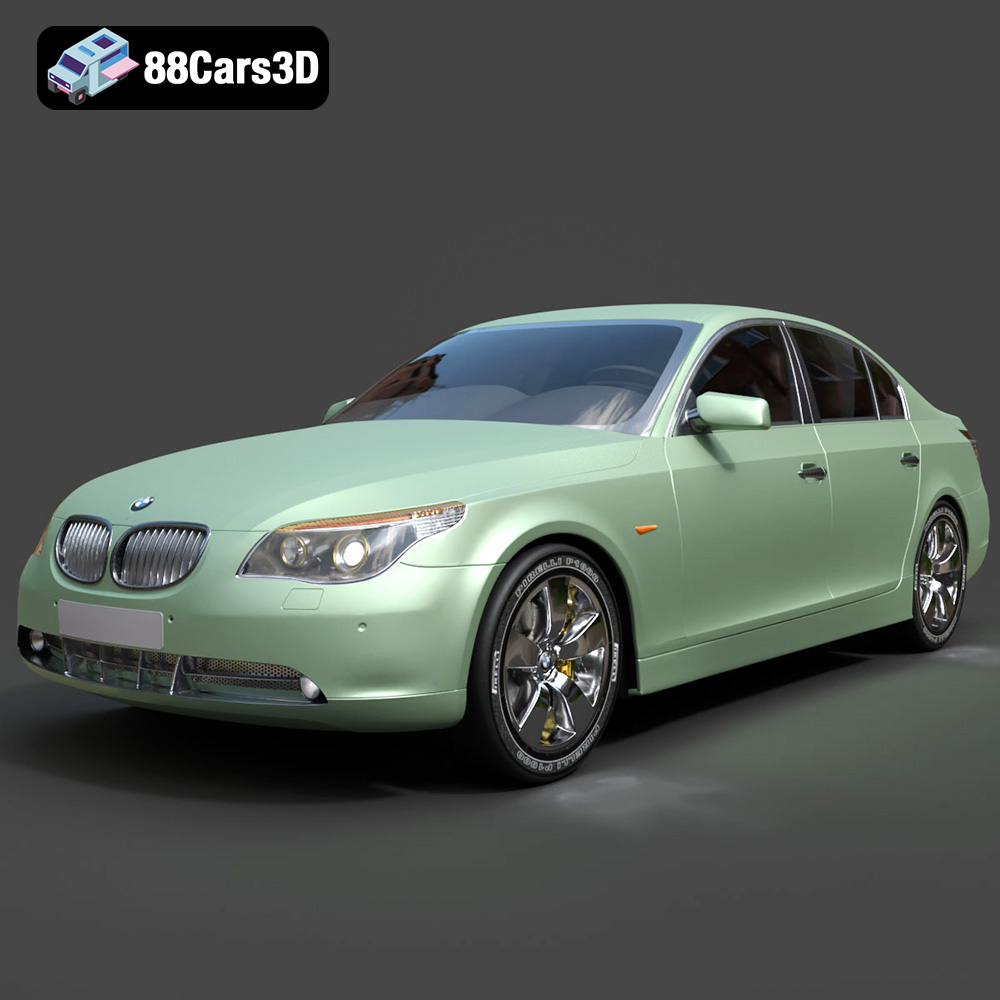
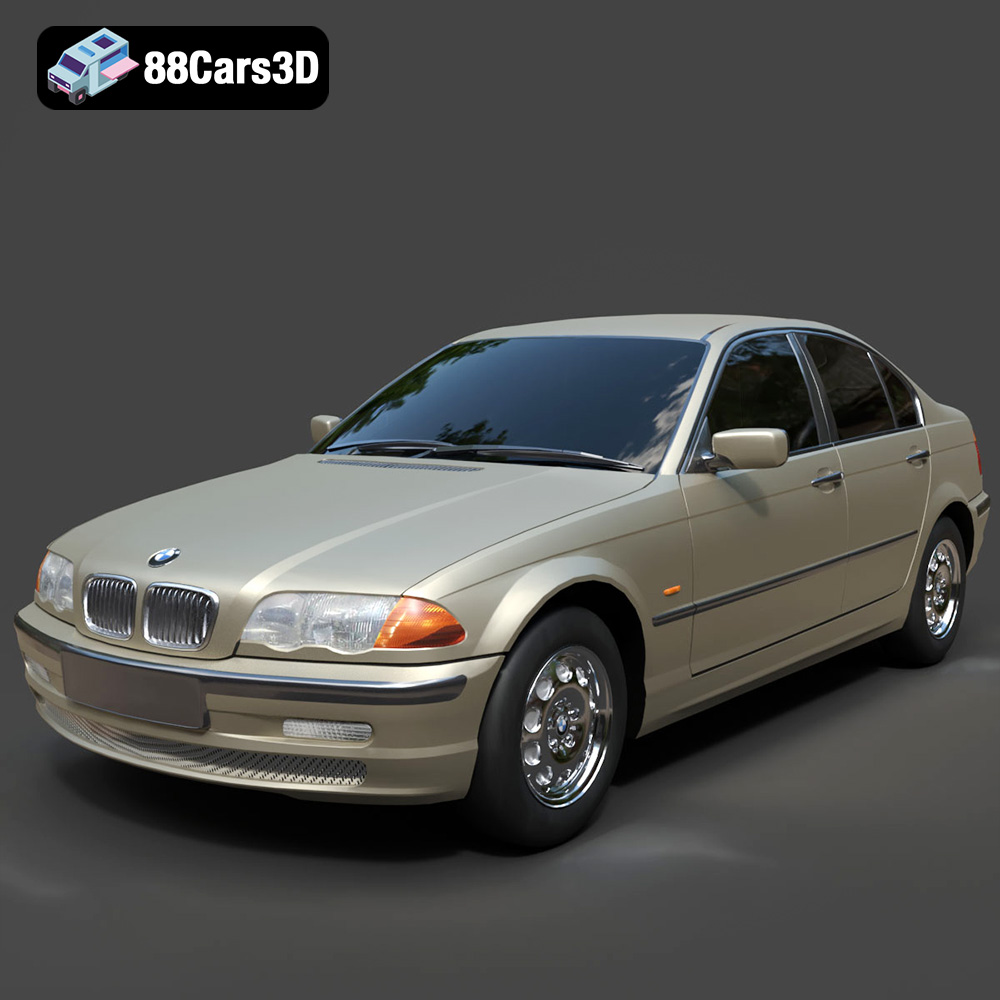
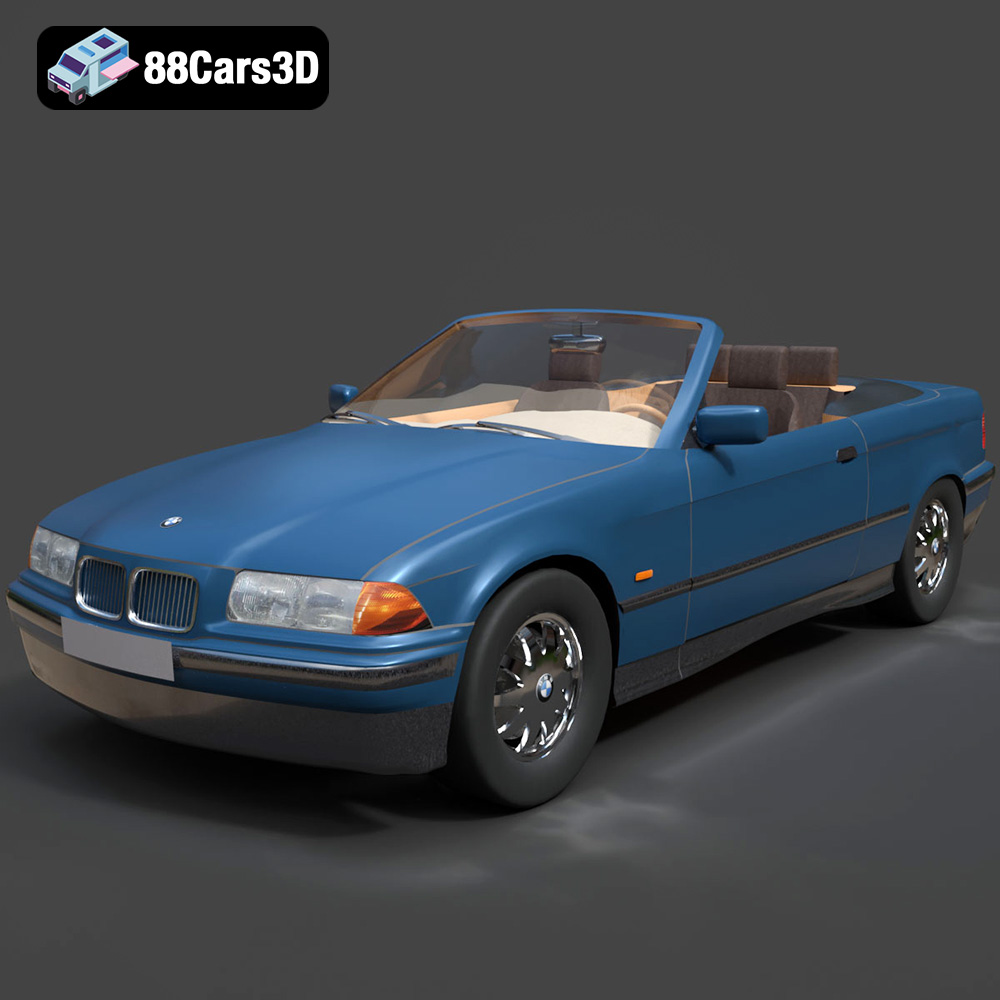
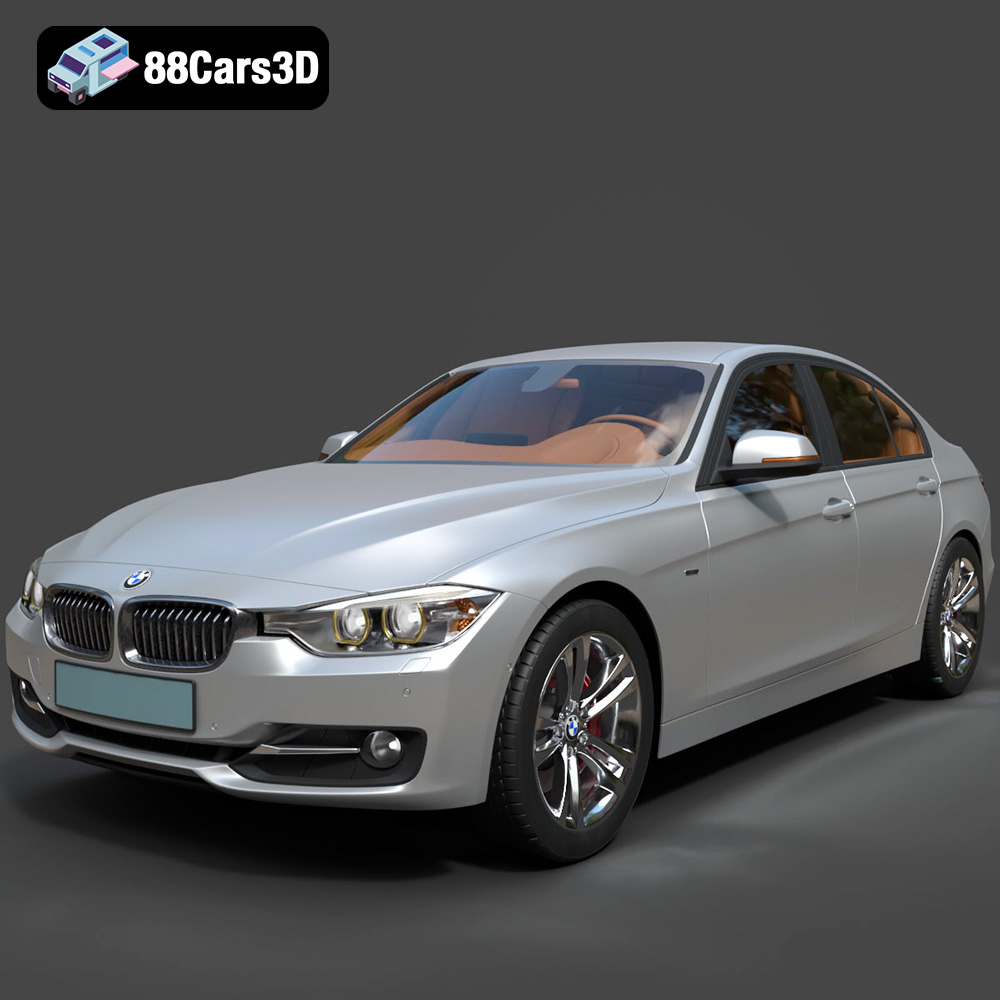
In today’s visually driven world, the demand for exceptionally realistic and performant vehicle visuals is unprecedented. From captivating cinematic sequences to immersive game environments and interactive product configurators, high-quality 3D car models are the silent powerhouses enabling these experiences. They are not merely static representations but complex digital constructs, meticulously engineered to perform across diverse platforms and applications. This comprehensive guide delves into the intricate world of 3D car models, exploring the technical nuances, essential workflows, and critical considerations for achieving professional-grade automotive rendering and integrating vehicles seamlessly as game assets. Whether you’re an architect visualizing a new urban landscape, a game developer crafting the next-generation racing title, or a marketing professional creating a stunning product showcase, understanding the intricacies of these assets is paramount. Sources like 88cars3d.com provide a wide array of professionally crafted models, ready to be integrated into your projects.
The visual impact and technical performance of any project heavily rely on the quality of its foundational assets. For vehicles, this means starting with 3D car models that are not only aesthetically accurate but also structurally sound and optimized for their intended use. Subpar models can lead to visual artifacts, performance bottlenecks, and a significant drain on development resources for remediation.
A high-quality 3D car model begins with absolute fidelity to its real-world counterpart or conceptual design. This involves meticulous attention to geometry, surface curvature, and intricate details that define a vehicle’s character. Professional models are often derived from CAD data or extensively photographed references, ensuring every line, panel gap, and ventilation grille is accurately represented. The goal is to achieve visual authenticity that can withstand close-up scrutiny in photorealistic renders. This precision extends to the internal structure, allowing for accurate animations of doors, hoods, and even complex engine components. Without this foundational accuracy, achieving believable reflections, shadows, and material interactions becomes an insurmountable challenge, compromising the entire aesthetic output.
The utility of a robust 3D car model spans far beyond a single application. These assets are critical tools across a multitude of industries:
Each application may demand specific optimizations or adaptations, but the core high-quality model serves as the flexible base. A well-constructed model, like those found on 88cars3d.com, is built with this versatility in mind, offering multiple levels of detail (LODs) and clean topology that facilitate easy modification and optimization.
Choosing the correct file format for your 3D car model is a critical decision that impacts compatibility, feature retention, and overall workflow efficiency. Each format is designed with specific strengths and use cases in mind. Understanding these distinctions is fundamental to professional 3D content creation.
The .blend format is the native file type for Blender, the popular open-source 3D creation suite. It encapsulates an entire Blender project, including all geometry, materials (using Blender’s Eevee or Cycles render engines), textures, lighting, cameras, animations, rigging, and even scene settings. This makes it an ideal choice if you primarily work within Blender or need a fully editable and reconstructible scene. For instance, if you acquire a .blend file of a 3D car model, you gain complete access to its modifier stack, non-destructive modeling operations, and node-based material setups, allowing for deep customization. It’s excellent for artists who want to dissect, learn from, or extensively modify an existing asset.
The .fbx (Filmbox) format is an industry-standard proprietary file format developed by Autodesk, widely adopted for its robust support for 3D model interchange, especially in game development and animation. FBX excels at preserving a wide range of data including geometry, materials (with PBR maps), textures, animation keyframes, skinning/rigging, and even camera and light data. Its strength lies in its ability to transfer complex animated scenes between different 3D software (like 3ds Max, Maya, Blender) and into real-time engines such as Unreal Engine and Unity. When integrating 3D car models into a game, an FBX export ensures that the mesh, UVs, normals, and any associated animations (like wheel rotation or suspension compression) are correctly imported and recognized by the game engine, making it indispensable for game assets.
The .obj (Wavefront OBJ) format is one of the most widely supported and simplest 3D geometry definitions. It’s a universal format, excellent for basic mesh data and UV mapping, making it a safe choice for transferring geometry between almost any 3D software. An OBJ file typically comes with a companion .mtl (material) file that defines basic material properties like color and texture map paths. However, OBJ doesn’t support advanced features such as animation, rigging, or complex PBR materials (though it can link to texture images). For a 3D car model, OBJ is perfect for exporting static meshes for rendering in various packages where only the core geometry and UVs are needed, or when compatibility is the highest priority.
The .glb (GL Transmission Format Binary) is the binary version of glTF, a royalty-free specification for the efficient transmission and loading of 3D scenes and models by applications. GLB is often called the “JPEG for 3D” due to its optimization for web and mobile delivery. It packs all necessary data—geometry, PBR materials, textures, animations—into a single, self-contained binary file, making it incredibly easy to share and display in web browsers, AR viewers, and VR applications. For interactive 3D car configurators on a website or showcasing a vehicle in an augmented reality app, GLB offers excellent performance and ease of integration.
The .stl (Stereolithography) format is the de facto standard for 3D printing. It represents 3D surfaces as a collection of unconnected triangular facets, without color, texture, or other CAD attributes. While it defines geometry, it doesn’t represent actual volume, only the surface. For converting a 3D car model into a physical prototype or collectible, an STL file is required. However, the original mesh quality is critical, as any non-manifold geometry or open edges can lead to printing errors. The process typically involves watertight mesh generation and careful resolution settings to ensure a smooth physical print.
The .ply (Polygon File Format or Stanford Triangle Format) is a flexible and less common format for storing 3D data, particularly from 3D scanners or advanced CAD applications. It can store a variety of properties including color, transparency, normals, texture coordinates, and even reliability information for each polygon. PLY is often used in scientific computing, reverse engineering, and applications requiring high precision mesh data for analysis rather than real-time rendering or animation. While it can represent a 3D car model, it’s less frequently used in typical visualization pipelines compared to FBX or OBJ.
While not a standalone “file format” in the traditional sense like FBX or OBJ, .unreal refers to a proprietary Unreal Engine asset type (often manifest as a .uasset file within the engine’s content browser). This signifies a 3D car model that has been fully imported, processed, and optimized specifically for the Unreal Engine environment. This means it has undergone engine-specific transformations, potentially including automatic LOD generation, collision mesh creation, material instance setup, and integration into Unreal’s rendering pipeline. When you purchase an “Unreal-ready” asset for a 3D car model, it implies a drag-and-drop solution that minimizes further setup work, providing immediate functionality within the engine.
The .max format is the native file type for Autodesk 3ds Max, a powerful 3D modeling, animation, and rendering software. Similar to .blend files, a .max file contains the complete scene data, including geometry, materials (V-Ray, Corona, Arnold), textures, lighting, cameras, modifiers, rigs, and animations. It’s the go-to format for 3ds Max users who need full editability and control over every aspect of a 3D car model within its originating software. If you’re working within a 3ds Max pipeline for high-end automotive rendering or animation, a .max file offers the most flexibility for customization and iteration.
Automotive rendering is an art form that blends technical mastery with a keen artistic eye to produce images indistinguishable from photographs. It demands a deep understanding of light, materials, and composition.
The realism of a rendered car largely hinges on its materials. Car paint, in particular, is one of the most complex shaders to replicate accurately. It typically involves multiple layers:
Beyond paint, other materials require similar attention to detail: realistic tire rubber with micro-detail, clear and slightly tinted glass, chrome trim with accurate reflections, and leather or fabric interiors. Physically Based Rendering (PBR) workflows are essential here, using maps like Albedo, Normal, Roughness, Metallic, and Ambient Occlusion to define surface properties. Software like Substance Painter is invaluable for texturing, while renderers such as V-Ray, Corona Renderer, or Blender’s Cycles engine are used to interpret these materials.
Lighting is arguably the most crucial element in achieving photorealistic automotive rendering. It dictates mood, emphasizes form, and creates believable reflections. Common approaches include:
The interaction of light with the car’s complex surfaces, especially the reflections on the clear coat, is what sells the realism. Understanding how to position lights to emphasize the car’s curves and create compelling reflections is a learned skill. Environmental details, whether a desolate desert road or a sleek studio backdrop, must also complement the lighting to ensure cohesion.
Even the most stunning raw render can be significantly enhanced through post-processing. This final stage involves refining the image to achieve a polished, production-ready look. Key techniques include:
Software like Adobe Photoshop, Affinity Photo, or Nuke are commonly used for compositing and final touches. This stage is where a render truly transcends from a technical output to a compelling visual narrative.
For game developers, integrating 3D car models requires a distinct approach focused on performance and interactivity. While visual fidelity is important, it must be balanced with the constraints of real-time rendering.
Game engines must render thousands of frames per second, demanding highly optimized assets. For 3D car models, this involves:
The goal is to achieve maximum visual quality within the game engine’s performance budget.
A car in a game needs to interact realistically with its environment. This involves defining its physical properties and collision boundaries:
These systems ensure the car behaves believably, whether it’s driving over rough terrain or colliding with another vehicle.
Dynamic 3D car models require rigging and animation to bring them to life:
These animations are often driven by game logic rather than pre-baked keyframes, allowing for dynamic and responsive vehicle control.
The journey from a conceptual design to a deployable 3D car model involves a series of sophisticated steps, often leveraging multiple software packages. Understanding these workflows is key to producing professional-grade assets.
Many professional 3D car models begin their life as Computer-Aided Design (CAD) data, which offers unparalleled precision but is ill-suited for real-time rendering due to its incredibly high polygon count and non-manifold geometry. A typical pipeline for converting CAD data into a game-ready asset might look like this:
This meticulous process ensures that the inherent precision of the original CAD design is maintained visually while making the asset performant enough for real-time applications. Assets found on marketplaces like 88cars3d.com have often undergone such rigorous processes.
Consider the use case of an automotive configurator on a manufacturer’s website. Here, a single high-quality 3D car model must be flexible enough to display various paint colors, wheel options, interior trims, and accessories in real-time. This demands:
Another example is in film VFX, where a car might be digitally destroyed in a crash sequence. This requires a model with a clean underlying structure, often with interior components, and a setup that allows for dynamic fracture simulation. The initial 3D car model from 88cars3d.com might serve as the perfect base, providing the necessary detail and topology for such a demanding scenario. Best practices always revolve around clean topology, efficient UVs, PBR compliance, and clear asset organization to facilitate future modifications and cross-platform deployment.
The landscape of 3D visualization is constantly evolving, driven by advancements in hardware and software. For 3D car models, these trends promise even greater realism and immersive experiences.
The advent of real-time ray tracing and path tracing, now supported by modern GPUs and game engines like Unreal Engine 5, is revolutionizing automotive rendering. Previously confined to offline renderers (taking minutes or hours per frame), these advanced lighting techniques can now generate photorealistic reflections, refractions, and global illumination in milliseconds. This means that highly complex car paint shaders, intricate glass optics, and dynamic environments can be rendered with stunning accuracy, blurring the line between real-time and pre-rendered visuals. This capability significantly streamlines the workflow for product configurators and virtual showrooms, as fewer tricks are needed to achieve compelling realism.
3D car models are at the forefront of the burgeoning AR, VR, and metaverse industries. Imagine test driving a virtual car in a VR headset, exploring its interior in augmented reality on your smartphone, or showcasing it as a virtual item in a persistent metaverse. These immersive platforms demand highly optimized yet visually rich 3D assets. The trend is towards making 3D car models “metaverse-ready,” meaning they are not only optimized for performance but also designed for interactivity, customization, and seamless integration into various virtual worlds. Formats like .glb are becoming increasingly crucial for their efficiency in web and mobile AR/VR applications. As these technologies mature, the demand for adaptable, high-quality 3D car models will only accelerate, making sources like 88cars3d.com invaluable for developers and artists alike.
The journey through the creation, optimization, and application of 3D car models reveals a fascinating intersection of art, engineering, and advanced computing. From the initial meticulous modeling and material definition crucial for photorealistic automotive rendering to the rigorous optimization required for seamless integration as game assets, every step demands precision and expertise. Understanding the nuances of various file formats is not just a technicality but a strategic decision that impacts the entire production pipeline.
The ongoing advancements in real-time rendering, coupled with the exponential growth of immersive technologies, underscore the enduring and increasing importance of high-quality 3D car models. Whether you are building the next generation of virtual automotive experiences or crafting compelling marketing visuals, the foundation of your success lies in the quality of your digital vehicles. Investing in well-constructed, technically sound assets, such as those available on 88cars3d.com, provides a robust starting point, empowering creators to push the boundaries of visual fidelity and interactive engagement.
As the digital frontier expands, the demand for sophisticated 3D car models will continue to drive innovation, making it an exciting field for artists and developers committed to bringing exceptional virtual vehicles to life.