⚡ FLASH SALE: Get 60% OFF All Premium 3D & STL Models! ⚡

“`html
The world of 3D printing has opened up unprecedented possibilities for automotive enthusiasts and model makers. The ability to download and print intricate car models, from classic silhouettes to modern supercars, is now at your fingertips. At 88cars3d.com, we specialize in providing high-quality, print-ready STL files of detailed automotive designs. However, bringing these digital creations into the physical realm requires a nuanced understanding of 3D printing processes, slicing techniques, and file preparation. This guide will delve deep into the technical aspects of printing car parts, focusing on the crucial elements of wheels, tires, and other automotive components. We’ll cover everything from preparing your STL files for the printer, optimizing 3D printer settings for stunning detail, mastering support structures, and troubleshooting common issues. Whether you’re a seasoned maker or new to additive manufacturing, by the end of this article, you’ll be equipped with the knowledge to achieve professional-quality prints of your favorite vehicles.
The foundation of any successful 3D print lies in the quality of the initial STL file. STL (Stereolithography) is the de facto standard file format for 3D printing, representing a 3D object’s surface geometry as a collection of triangular facets. For automotive models, especially intricate parts like wheels and tires, the mesh topology and geometric integrity are paramount. A poorly constructed STL can lead to printing errors, failed prints, and ultimately, disappointing results. At 88cars3d.com, we prioritize delivering clean, manifold meshes that are optimized for printing. However, understanding how to inspect and potentially repair these files yourself is a valuable skill.
A “manifold” mesh is a watertight, solid object where every edge is shared by exactly two triangles, and there are no holes, gaps, or self-intersecting faces. Non-manifold geometry is a common culprit for slicing errors. Software like Meshmixer, Blender, or even Netfabb (now part of Autodesk Fusion 360) can be used to analyze and repair STL files. Key checks include looking for:
Simple repairs can often be automated by these tools, but complex issues might require manual intervention, such as manually stitching holes or deleting duplicate vertices. For downloadable models from platforms like 88cars3d.com, you’ll find that most files are already optimized, but occasional checks can prevent unexpected problems.
Beyond basic integrity, consider how the model is designed for 3D printing. This includes:
Understanding these aspects ensures that the effort put into slicing and printing is not wasted due to inherent design flaws in the STL.
Slicing software is the bridge between your STL file and your 3D printer. It translates the 3D model into a series of layer-by-layer instructions (G-code) that the printer follows. Choosing the right slicing parameters is critical for achieving the fine details and smooth surfaces expected in automotive models, especially for components like intricate wheel rims or tire treads. Different slicers, such as Ultimaker Cura, PrusaSlicer, or Simplify3D, offer a vast array of settings, and understanding their impact is key.
Layer height directly influences the vertical resolution of your print.
The choice often depends on the specific part, its visibility on the final model, and your patience. For critical components like detailed wheels, investing time in finer layers is often worth it.
Print speed is another crucial factor. While faster printing is tempting, excessively high speeds can compromise print quality, leading to under-extrusion, ringing artifacts, and poor adhesion.
Experimentation is key. For a complex wheel design, reducing the speed for all parts might be necessary to maintain the integrity of fine spokes and details.
Beyond layer height and speed, consider:
Calibrating these settings using calibration prints before tackling a detailed model is a highly recommended practice.
Car models, particularly wheels with complex spokes and undercuts, often require support structures to print successfully. Supports are temporary scaffolding printed alongside the model to hold up overhanging sections. However, supports can leave marks on the model surface, and their removal can sometimes be challenging, especially on delicate parts. Choosing the right support type, density, and interface settings is crucial for minimizing post-processing work.
Most slicers offer various support options:
For wheels, tree supports are often the best choice, targeting only the underside of spokes or deep recesses.
The interface between the support and the model is critical for both stability and ease of removal.
When printing models from 88cars3d.com, the designers often pre-plan for supports, sometimes even embedding breakaway supports within the model design for specific features. Always check the model description for any recommended support strategies.
Patience and the right tools are essential for support removal.
Always perform support removal in a well-lit area with good ventilation.
The choice of 3D printing technology (FDM vs. Resin) and material significantly impacts the final quality and detail of your printed car parts. Each has its strengths and weaknesses, particularly when printing delicate automotive components like wheels, tires, or scale model body panels. Understanding these differences will help you select the best approach for your project.
Fused Deposition Modeling (FDM) printers are the most common and affordable type, extruding thermoplastic filament layer by layer.
Resin printers use UV light to cure liquid photopolymer resin layer by layer.
For the absolute best fidelity on detailed wheels or tiny emblems, resin printing is often the preferred choice, despite the added steps and costs.
Regardless of the technology, a well-calibrated printer is essential.
Regular maintenance, such as cleaning the nozzle, lubricating rods, and checking belts, will prevent many common printing failures.
How you orient a 3D model on the print bed and ensuring it sticks reliably are fundamental to a successful print. Incorrect orientation can lead to weak parts, excessive supports, or surface quality issues. Poor bed adhesion is one of the most common reasons for print failure, especially for larger or more complex automotive models. Mastering these aspects is critical for achieving clean, accurate prints of car parts.
For car parts, consider these factors when orienting your model:
Experimenting with different orientations in your slicer is highly recommended. For complex models from 88cars3d.com, look at the preview to see how supports will attach and how layer lines will form.
A print that detaches from the build plate midway is a wasted effort. Here are key strategies:
For printing car wheels, a brim is almost always recommended to prevent the edges from lifting.
Once your car parts are successfully printed, the journey isn’t over. Post-processing is essential to achieve a professional, showroom-ready finish. This can involve removing supports, sanding, filling, priming, and painting. The level of effort required depends on the printing technology, material, and desired outcome. Mastering these techniques will elevate your printed models from raw prints to detailed replicas.
As discussed earlier, careful support removal is the first step. After removal, you might be left with small marks or imperfections where the supports touched the model.
Sanding is crucial for achieving smooth surfaces and removing layer lines, especially on FDM prints.
Resin prints typically require less aggressive sanding due to their inherent smoothness, focusing more on removing any minor blemishes or support marks.
Priming is essential before painting, especially for plastic models.
Many collectors and hobbyists use services or have dedicated setups for painting. When downloading models from marketplaces such as 88cars3d.com, the clean geometry allows for excellent results with these post-processing techniques.
If your car model is printed in multiple parts, careful assembly is required.
The journey from a digital STL file of a car model to a tangible, high-quality physical object is a rewarding process that combines digital design with the tactile art of 3D printing. As we’ve explored, success hinges on a multi-faceted approach: meticulous STL file preparation, precise slicing, effective support strategies, careful material selection, and diligent post-processing. Understanding the interplay between layer height, print speed, orientation, and bed adhesion, and knowing how to troubleshoot common issues, will empower you to overcome challenges and achieve stunning results. Whether you’re printing intricate wheels, detailed tire treads, or entire car bodies, the principles discussed here provide a solid technical foundation. Platforms like 88cars3d.com offer a treasure trove of detailed, print-ready automotive models, allowing you to focus on the printing and finishing aspects. By applying the knowledge gained from this guide, you can confidently transform these digital designs into impressive physical models, perfectly suited for your collection, display, or prototyping needs. Happy printing!
“`

Meta Description:
Texture: Yes
Material: Yes
Download the Porsche Cayenne 3D Model featuring realistic exterior styling and detailed interior design. Includes .blend, .fbx, .obj, .glb, .stl, .ply, .unreal, and .max formats for rendering, simulation, AR VR, and game development.
Price: $19.9
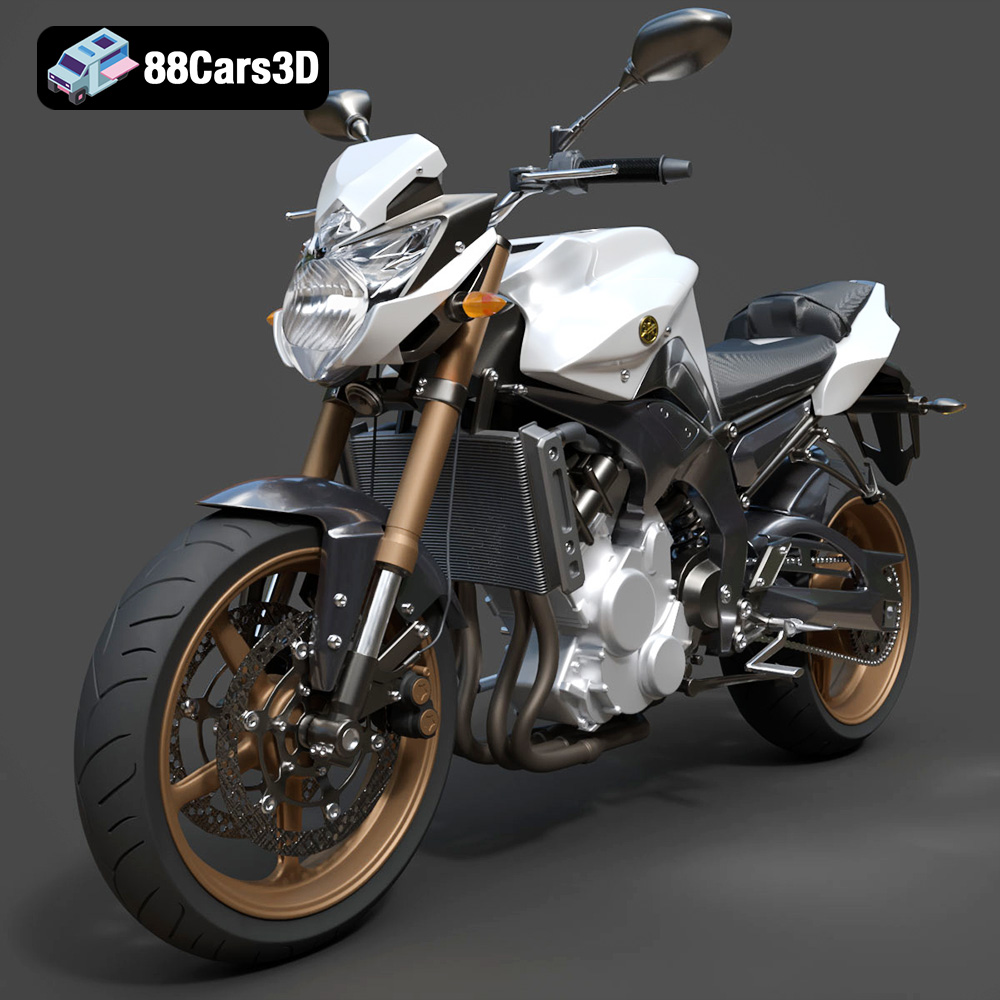
Texture: Yes
Material: Yes
Download the Yamaha FZ8 2011 3D Model featuring clean geometry, realistic detailing, and a fully modeled interior. Includes .blend, .fbx, .obj, .glb, .stl, .ply, .unreal, and .max formats for rendering, simulation, and game development.
Price: $19.99
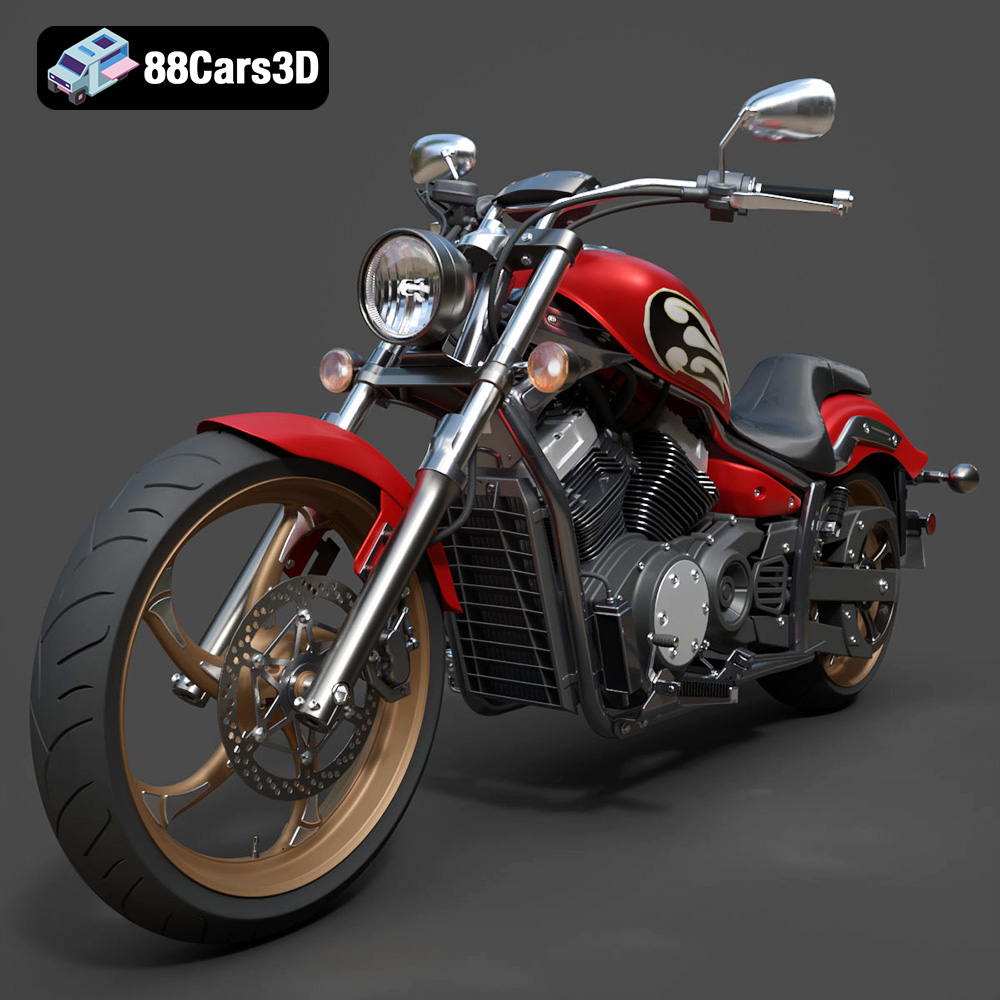
Texture: Yes
Material: Yes
Download the Yamaha Stryker 2012 3D Model featuring clean geometry, realistic detailing, and a fully modeled interior. Includes .blend, .fbx, .obj, .glb, .stl, .ply, .unreal, and .max formats for rendering, simulation, and game development.
Price: $19.99
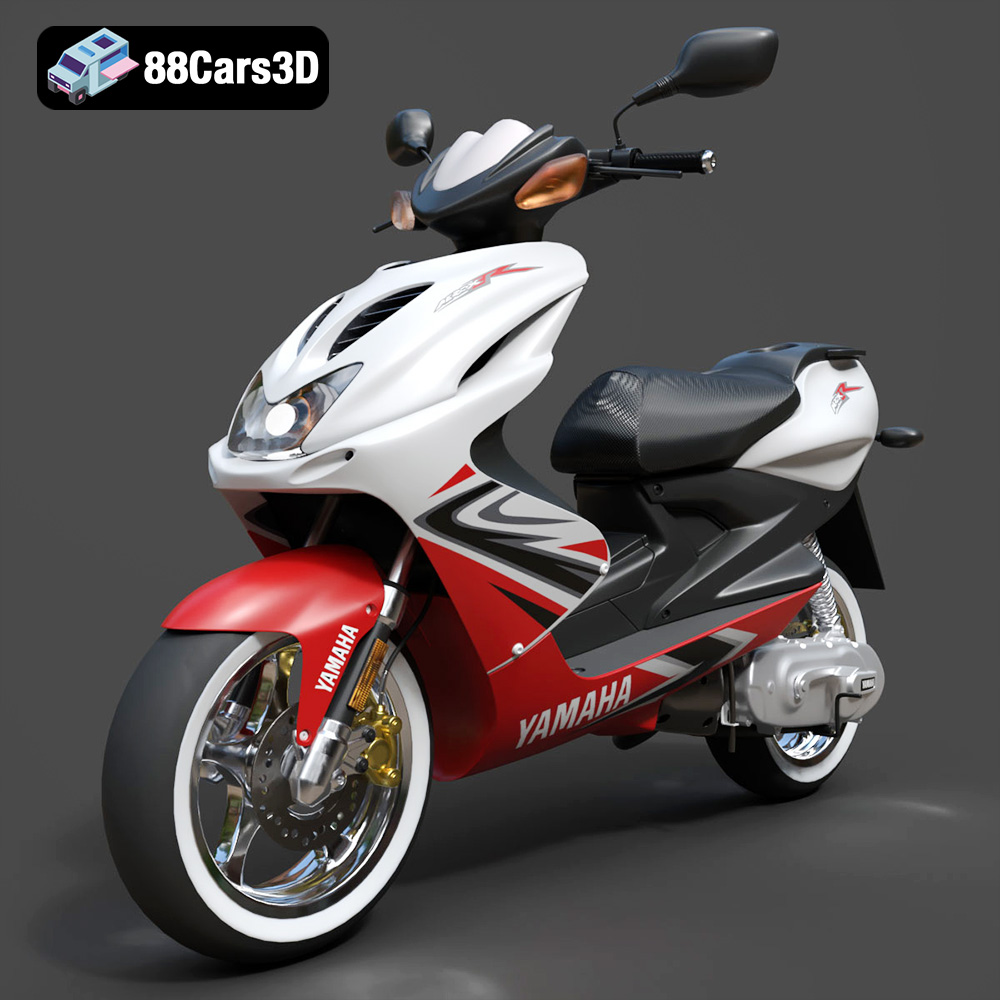
Texture: Yes
Material: Yes
Download the Yamaha Aerox R-002 2024 3D Model featuring clean geometry, realistic detailing, and a fully modeled interior. Includes .blend, .fbx, .obj, .glb, .stl, .ply, .unreal, and .max formats for rendering, simulation, and game development.
Price: $19.99
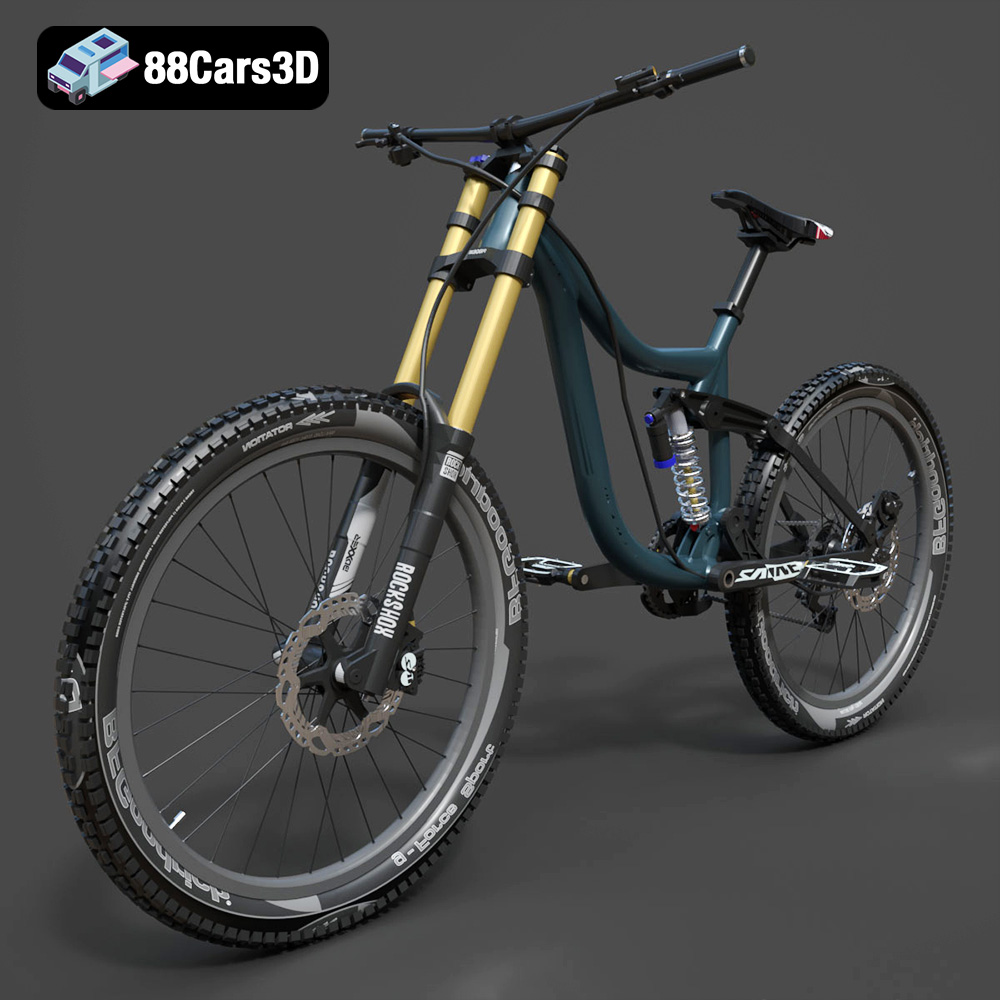
Texture: Yes
Material: Yes
Download the Mototsikly Downhill Bike-002 3D Model featuring clean geometry, realistic detailing, and precise mechanical components. Includes .blend, .fbx, .obj, .glb, .stl, .ply, .unreal, and .max formats for rendering, simulation, and game development.
Price: $19.99
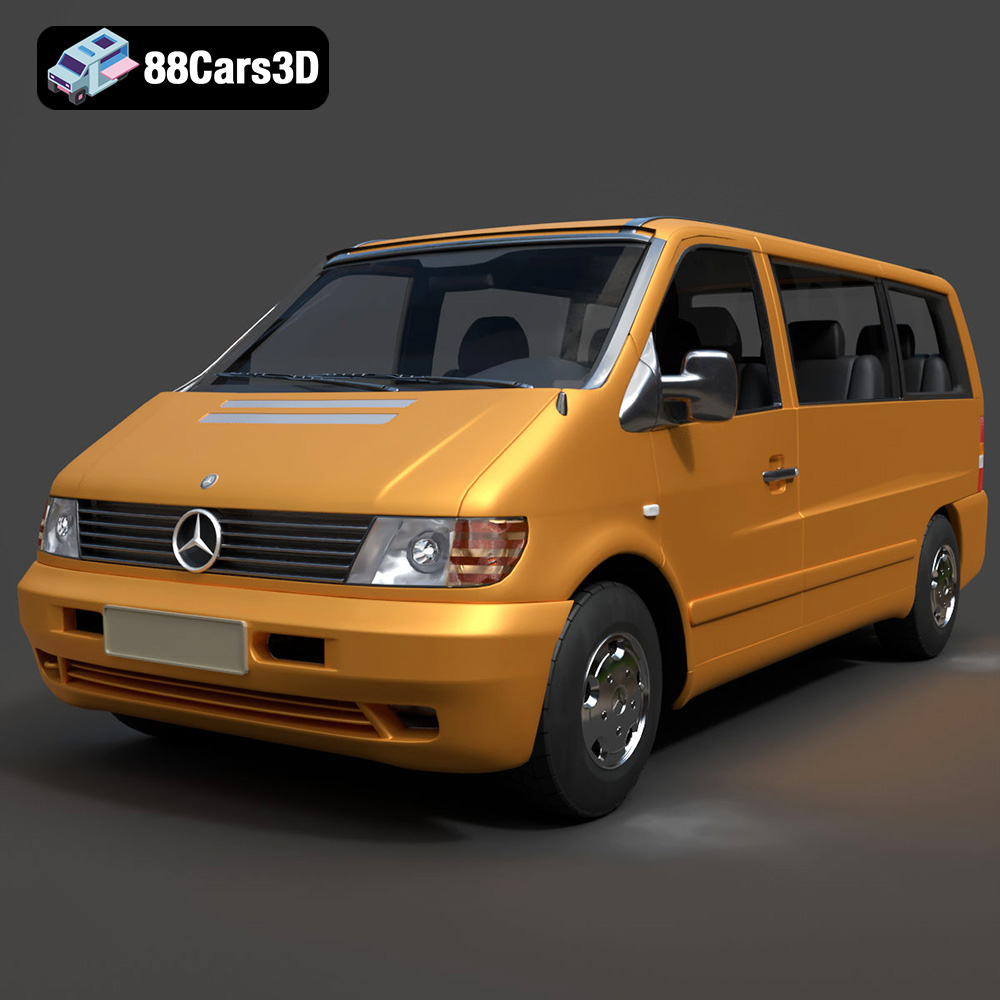
Texture: Yes
Material: Yes
Download the Mercedes-Benz Vito Passenger Van 3D Model featuring clean geometry, realistic detailing, and a fully modeled interior. Includes .blend, .fbx, .obj, .glb, .stl, .ply, .unreal, and .max formats for rendering, simulation, and game development.
Price: $19.99
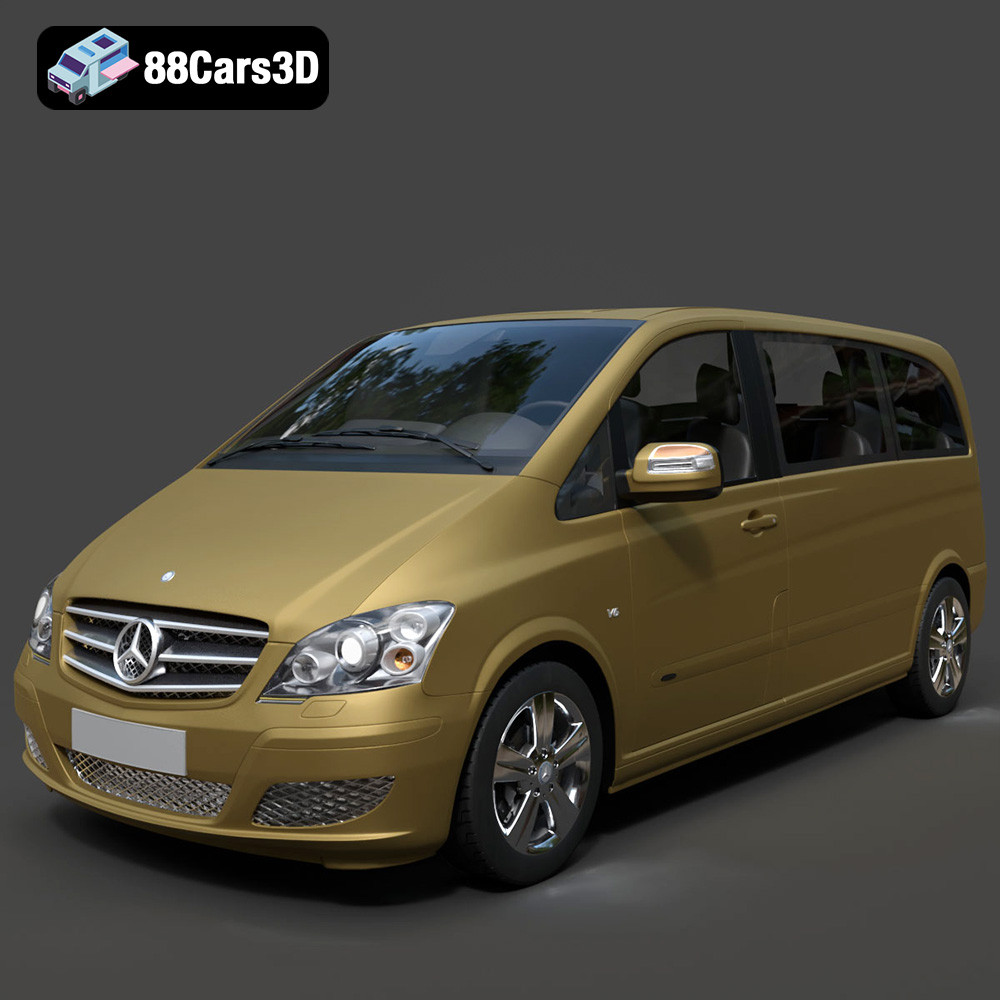
Texture: Yes
Material: Yes
Download the Mercedes-Benz Viano 2010 3D Model featuring clean geometry, realistic detailing, and a fully modeled interior. Includes .blend, .fbx, .obj, .glb, .stl, .ply, .unreal, and .max formats for rendering, simulation, and game development.
Price: $19.99

Texture: Yes
Material: Yes
Download the Emt Avtobus 007 3D Model featuring clean geometry, realistic detailing, and a fully modeled interior. Includes .blend, .fbx, .obj, .glb, .stl, .ply, .unreal, and .max formats for rendering, simulation, and game development.
Price: $19.99
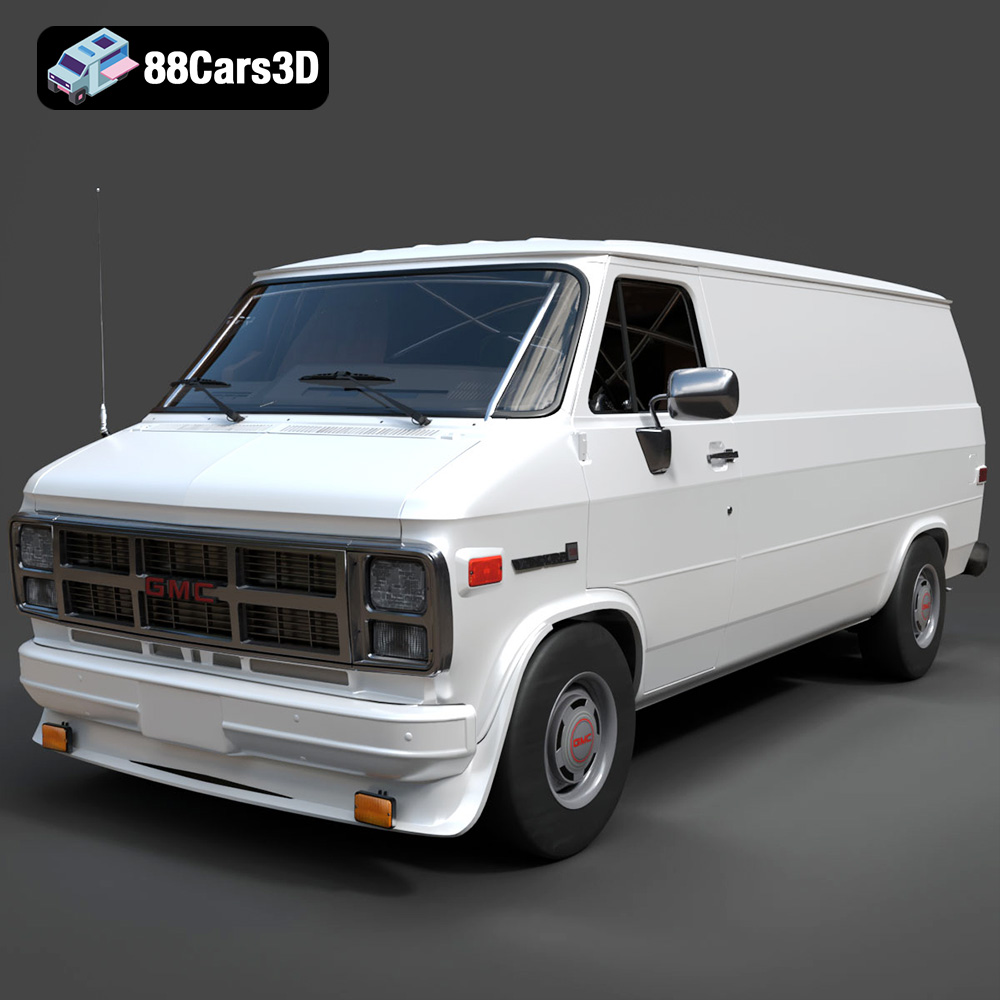
Texture: Yes
Material: Yes
Download the GMC Vandura G-1500 1983 3D Model featuring clean geometry, realistic detailing, and a fully modeled interior. Includes .blend, .fbx, .obj, .glb, .stl, .ply, .unreal, and .max formats for rendering, simulation, and game development.
Price: $19.99
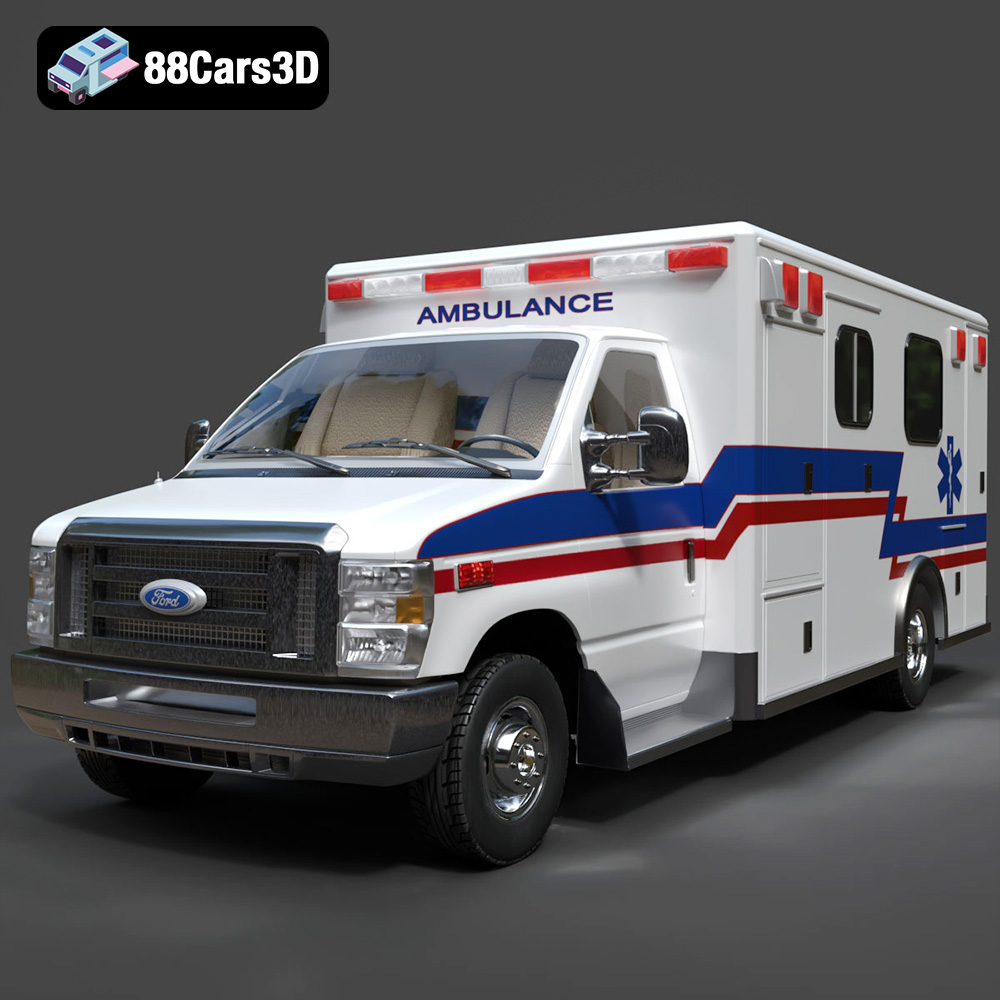
Texture: Yes
Material: Yes
Download the Ford E-450 Ambulance 3D Model featuring clean geometry, realistic detailing, and a fully modeled interior. Includes .blend, .fbx, .obj, .glb, .stl, .ply, .unreal, and .max formats for rendering, simulation, and game development.
Price: $19.99

