⚡ FLASH SALE: Get 60% OFF All Premium 3D & STL Models! ⚡

“`html
Welcome to the 88cars3d.com blog, your ultimate resource for high-quality, 3D printable car models! We know the thrill of downloading a perfect STL file of your dream car, only to encounter the frustrating reality of a “broken” mesh that your slicer refuses to process. These issues can halt your printing projects in their tracks, turning excitement into a debugging session. But fear not! This comprehensive guide will equip you with the knowledge and techniques to repair these problematic STL files, ensuring your printing workflow is as smooth as a freshly polished car body. We’ll dive deep into the world of mesh topology, explore common STL errors, and provide step-by-step workflows for using powerful software like Meshmixer and Autodesk Netfabb to get your models print-ready. By the end of this post, you’ll be confident in tackling even the most stubborn STL mesh imperfections, ensuring your 3D printed car collection from 88cars3d.com is flawless.
Before we jump into repairs, it’s crucial to understand what an STL file is and why meshes break. STL (Stereolithography) is a de facto standard file format for 3D printing. It represents a 3D object’s surface geometry as a collection of triangular facets. Each triangle is defined by three vertices and a normal vector, which indicates the outward direction of the surface. This seemingly simple representation is powerful, but it can easily lead to errors if not constructed correctly. For 3D printable car models from sources like 88cars3d.com, meticulous attention is paid to creating clean, watertight meshes, but issues can still arise during export or due to complex model design.
Each triangle in an STL file is defined by three points (vertices) and a normal vector. The normal vector is critical for determining the “outside” of the surface. When these normals are inconsistent or point inwards, it creates confusion for slicer software, which expects a consistent outward-facing surface to define a solid volume. Understanding this basic structure helps diagnose problems; for instance, inconsistent normals can lead to surfaces being interpreted as hollow or having holes.
Several common errors can plague an STL file, making it unprintable:
These errors, especially holes and non-manifold edges, are the most common culprits that prevent a slicer from generating a valid print path. They can lead to missing parts in your print, internal voids where there shouldn’t be any, or simply the slicer rejecting the file outright with an error message like “The mesh is not watertight.”
Before diving into dedicated mesh repair software, it’s often beneficial to perform some initial checks within your everyday 3D printing slicer. Most modern slicers have rudimentary mesh analysis tools that can quickly identify obvious problems. This step can save you time by highlighting exactly where the issues lie, allowing you to focus your efforts. Understanding how your slicer interprets a mesh is also key to appreciating why repair is necessary.
When you import an STL file into software like Cura, PrusaSlicer, or Simplify3D, they typically perform an automatic mesh check. If the file has significant errors, you’ll usually see a warning or error message. These messages can sometimes be generic (“File is not valid”), but others might provide more specific clues, such as “Hole detected” or “Non-manifold edge found.”
Some slicers offer more advanced analysis tools. For example, Cura has a “Mesh Fixes” setting that can automatically attempt to repair common issues like holes or negative (inverted) hole widths. Similarly, PrusaSlicer can report on mesh integrity. While these automatic fixes are convenient, they are not always perfect and can sometimes introduce new problems or fail to address complex geometry. They are best used as a first line of defense or for minor issues.
Pro Tip: Always visually inspect the sliced preview layer by layer. If you notice strange artifacts, missing sections, or unexpected infill patterns appearing where solid walls should be, it’s a strong indicator of underlying mesh problems that need addressing before slicing.
While STL is ubiquitous, it’s worth noting its limitations. It’s a purely geometric format, lacking color, texture, or material information. For more complex models, especially those with intricate details or that are intended for rendering as well as printing, formats like OBJ or FBX might be used. However, for 3D printing, STL remains the standard. If you receive a model in another format (like OBJ or FBX) and need it for printing, the first step is always to export it as an STL. Ensure that during this export process, options for preserving mesh integrity (e.g., ensuring watertightness, correct normal orientation) are selected. Software like Blender can handle these conversions efficiently, but you might still encounter issues if the original model wasn’t designed with 3D printing in mind.
A “watertight” mesh is essentially a closed surface with no holes. Imagine filling the object with water; if no water leaks out, the mesh is watertight. This is the fundamental requirement for a slicer to understand the internal volume of your model. It allows the slicer to correctly determine where the solid walls are, where the infill should go, and where the outer shell needs to be printed. Even a tiny, visually imperceptible hole can break the watertight seal, rendering the mesh unprintable. Identifying and sealing these holes is a primary goal of mesh repair.
Autodesk Meshmixer is a powerful, free 3D modeling and sculpting tool that excels at mesh manipulation and repair. It provides a user-friendly interface for tackling many common STL errors. Its robustness and accessibility make it a go-to solution for hobbyists and professionals alike when dealing with problematic STL files, including those from quality sources like 88cars3d.com where minor issues might still occasionally arise.
Meshmixer’s most powerful automatic repair tool is the ‘Inspector’. Located under the ‘Analysis’ menu, the Inspector scans your model for errors and allows you to repair them automatically. It’s incredibly effective at finding and fixing holes, non-manifold edges, and other topological issues.
The Inspector is excellent for most common issues, but sometimes manual intervention is needed for highly complex or persistent problems.
When the Inspector doesn’t quite do the trick, or if you want more control, Meshmixer offers several manual tools:
Workflow Example: Repairing a Car Door Gap
Imagine a car model where the door isn’t perfectly sealed to the body, creating a small gap that your slicer flags as a hole. The Inspector might fix it, but if not:
Meshmixer’s strength lies in its intuitive tools that directly address common 3D printing mesh problems, making it an essential part of the workflow for any 3D printing enthusiast.
For more professional-grade mesh repair and analysis, Autodesk Netfabb is the industry standard. While it has a steeper learning curve than Meshmixer, its comprehensive suite of tools offers unparalleled power in diagnosing and fixing complex mesh issues, especially for intricate models like detailed automotive replicas.
Netfabb’s core strength lies in its advanced diagnostic capabilities. Upon importing an STL, it automatically performs a thorough analysis, categorizing errors and providing detailed reports.
Beyond automated tools, Netfabb provides sophisticated manual editing capabilities:
Workflow Example: Fixing Intersecting Faces in a Chassis Component
Suppose a complex car chassis model from 88cars3d.com has internal bracing that intersects itself, causing non-manifold errors. In Netfabb:
Netfabb is a professional tool that requires practice, but its comprehensive diagnostics and repair functions make it indispensable for ensuring the highest quality 3D prints from even the most challenging STL files.
Once your STL files are repaired and watertight, the next crucial step is to slice them effectively. The slicing software translates the 3D model into layer-by-layer instructions (G-code) for your 3D printer. Optimal slicing involves balancing print quality, print time, and material usage. Understanding the nuances of slicer settings can make the difference between a subpar print and a show-stopping replica.
The most significant setting affecting print quality and time is layer height. This refers to the thickness of each individual layer deposited by the printer.
Print speed is another critical factor. Higher speeds can reduce print time but may compromise quality, especially on complex curves or overhangs. For detailed car models:
Finding the right balance often involves test prints. For models downloaded from 88cars3d.com, start with settings recommended for fine detail (e.g., 0.12mm layer height, slower outer wall speeds) and adjust as needed based on your printer’s capabilities.
Infill determines the internal structure of the print. It affects the model’s strength, weight, and material consumption.
Choosing an appropriate infill pattern and density is crucial for optimizing prints. For a car model, you might use a gyroid pattern at 15% density for a good balance of strength and print time.
Support structures are essential for printing overhangs and bridges. Poorly generated supports can damage the model surface upon removal, while insufficient supports lead to print failures.
Bed Adhesion is critical to prevent prints from detaching mid-print. Common methods include:
For detailed car models, a brim is often sufficient. Ensure your build plate is clean and level for optimal adhesion.
The journey doesn’t end when the print is finished. Post-processing is vital for transforming a raw 3D print into a polished, display-worthy model. The specific techniques depend on the printing technology (FDM vs. Resin) and the desired final finish.
Support Removal: This is often the most delicate step. Use appropriate tools:
Take your time. Rushing support removal can easily damage fine details or leave unsightly marks. For resin prints, supports are generally finer and require more delicate removal, often after washing and curing.
Surface Smoothing:
Many complex car models, especially detailed ones, are designed to be printed in multiple parts. This allows for:
Assembly:
Painting:
The post-processing stage is where your 3D printed car truly comes to life, transforming a digital file and raw plastic into a detailed scale model.
Successfully 3D printing detailed car models from STL files hinges on a few key pillars: obtaining high-quality, print-ready files; understanding and repairing mesh errors; mastering your slicing software; and executing meticulous post-processing. By equipping yourself with the knowledge of STL file structure, common errors, and the powerful capabilities of tools like Meshmixer and Netfabb, you can overcome the challenges of broken meshes and ensure your models are always watertight and ready for the print bed.
Remember that the slicing process is as crucial as the repair. Experimenting with layer heights, print speeds, infill patterns, and support settings will allow you to achieve the best possible results from your specific 3D printer and chosen materials. Don’t shy away from test prints to dial in your settings for intricate parts. Finally, the magic happens in post-processing. Patience with support removal, careful sanding, and skillful painting can elevate a standard print into a professional-grade display piece.
Whether you’re downloading a classic icon from 88cars3d.com or working with your own designs, these techniques will empower you to tackle any STL file with confidence. Embrace the process, learn from each print, and soon you’ll be building a stunning collection of 3D printed automotive masterpieces. Happy printing!
“`

Meta Description:
Texture: Yes
Material: Yes
Download the Porsche Cayenne 3D Model featuring realistic exterior styling and detailed interior design. Includes .blend, .fbx, .obj, .glb, .stl, .ply, .unreal, and .max formats for rendering, simulation, AR VR, and game development.
Price: $19.9
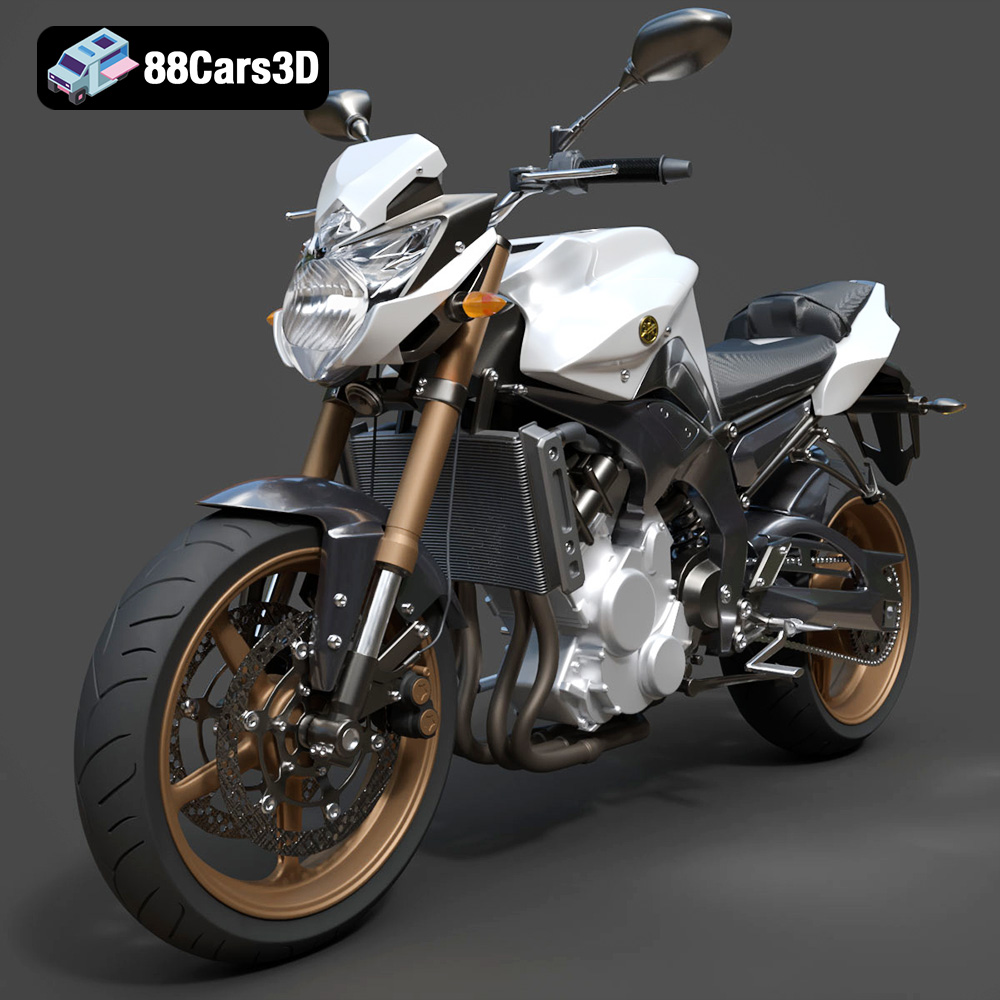
Texture: Yes
Material: Yes
Download the Yamaha FZ8 2011 3D Model featuring clean geometry, realistic detailing, and a fully modeled interior. Includes .blend, .fbx, .obj, .glb, .stl, .ply, .unreal, and .max formats for rendering, simulation, and game development.
Price: $19.99
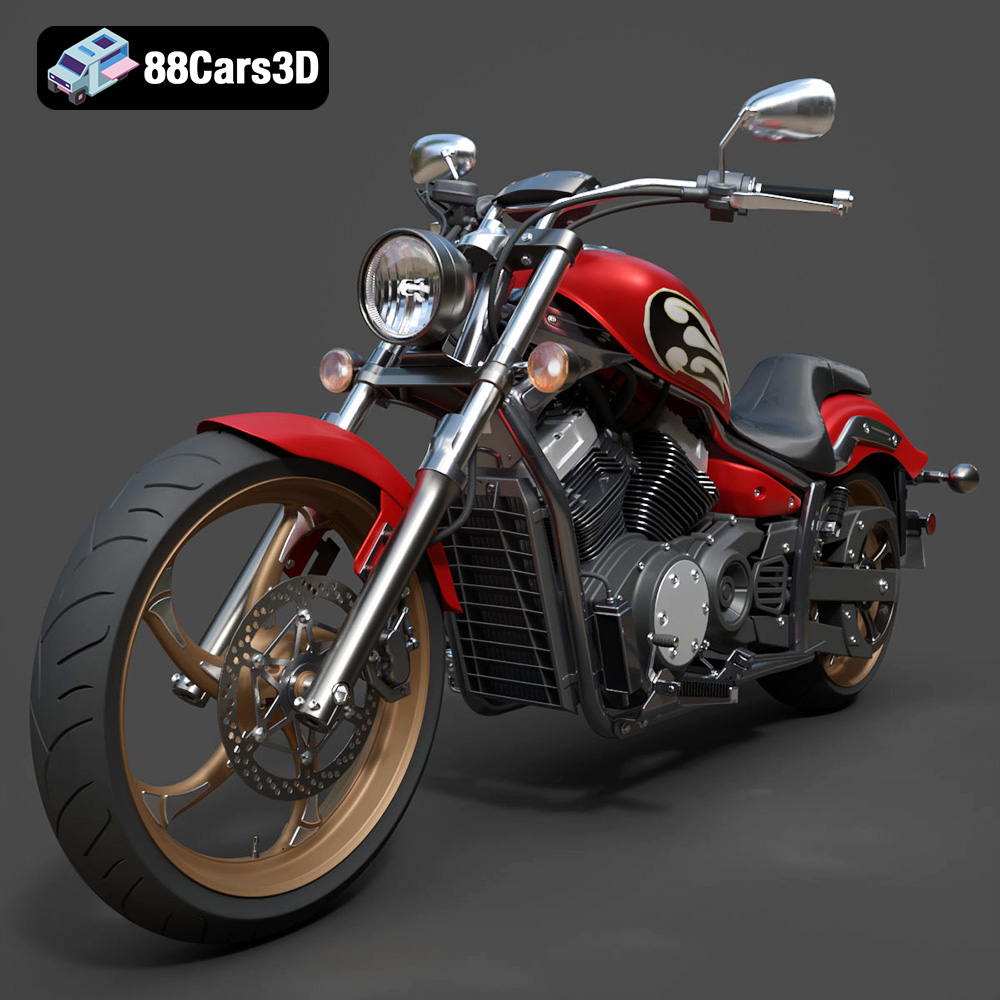
Texture: Yes
Material: Yes
Download the Yamaha Stryker 2012 3D Model featuring clean geometry, realistic detailing, and a fully modeled interior. Includes .blend, .fbx, .obj, .glb, .stl, .ply, .unreal, and .max formats for rendering, simulation, and game development.
Price: $19.99
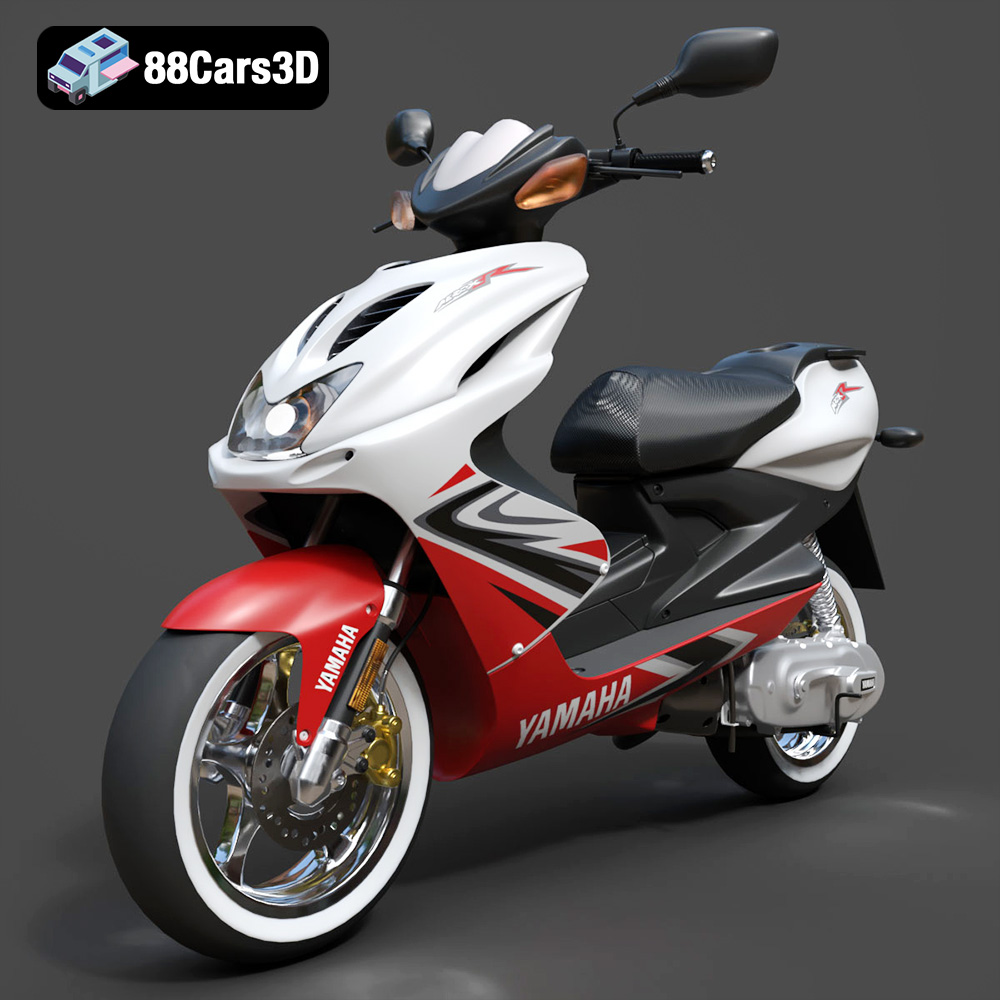
Texture: Yes
Material: Yes
Download the Yamaha Aerox R-002 2024 3D Model featuring clean geometry, realistic detailing, and a fully modeled interior. Includes .blend, .fbx, .obj, .glb, .stl, .ply, .unreal, and .max formats for rendering, simulation, and game development.
Price: $19.99
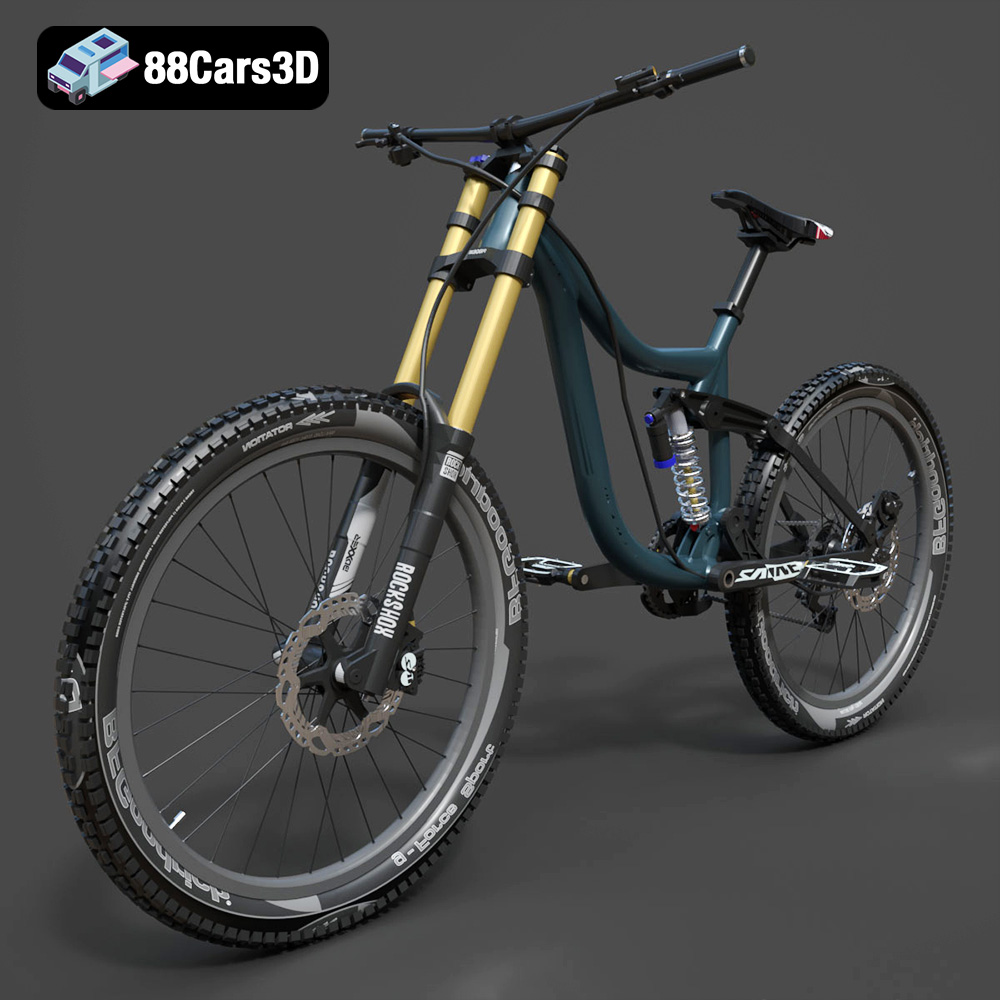
Texture: Yes
Material: Yes
Download the Mototsikly Downhill Bike-002 3D Model featuring clean geometry, realistic detailing, and precise mechanical components. Includes .blend, .fbx, .obj, .glb, .stl, .ply, .unreal, and .max formats for rendering, simulation, and game development.
Price: $19.99
Texture: Yes
Material: Yes
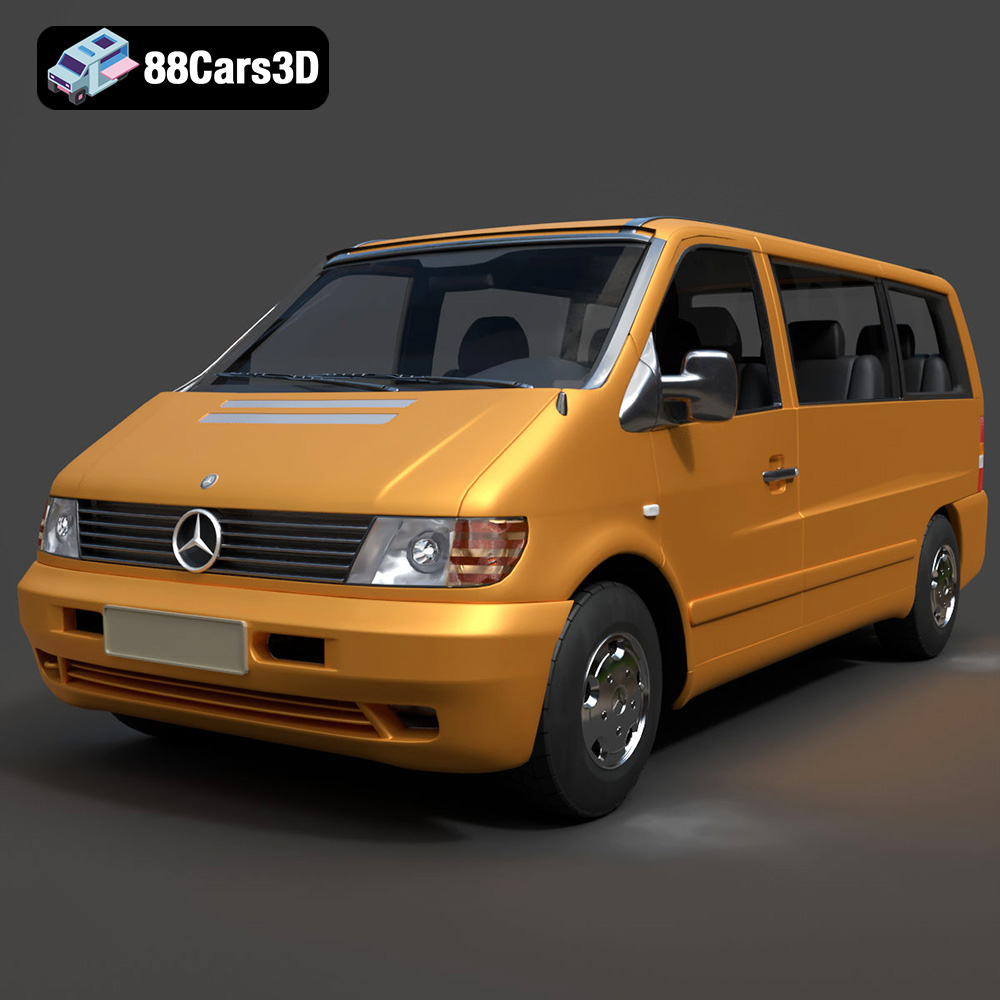
Download the Mercedes-Benz Vito Passenger Van 3D Model featuring clean geometry, realistic detailing, and a fully modeled interior. Includes .blend, .fbx, .obj, .glb, .stl, .ply, .unreal, and .max formats for rendering, simulation, and game development.
Price: $19.99
Texture: Yes
Material: Yes
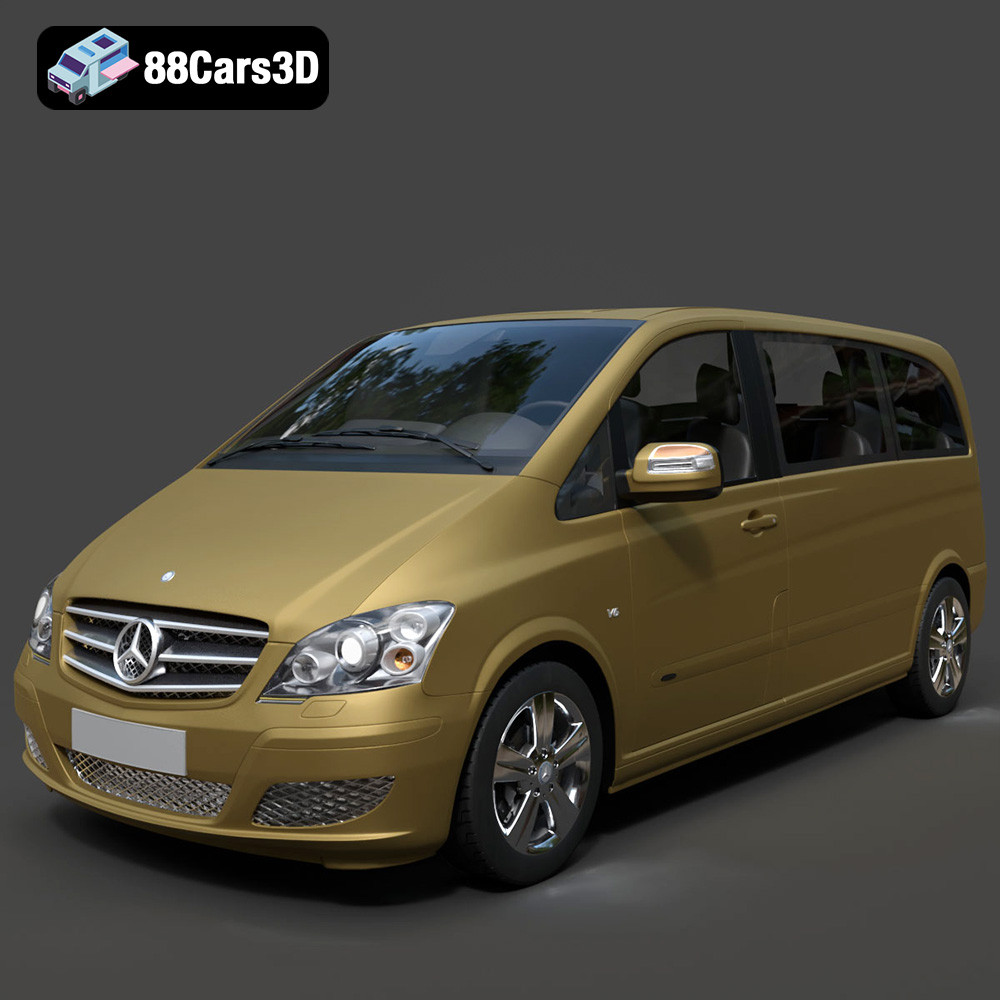
Download the Mercedes-Benz Viano 2010 3D Model featuring clean geometry, realistic detailing, and a fully modeled interior. Includes .blend, .fbx, .obj, .glb, .stl, .ply, .unreal, and .max formats for rendering, simulation, and game development.
Price: $19.99

Texture: Yes
Material: Yes
Download the Emt Avtobus 007 3D Model featuring clean geometry, realistic detailing, and a fully modeled interior. Includes .blend, .fbx, .obj, .glb, .stl, .ply, .unreal, and .max formats for rendering, simulation, and game development.
Price: $19.99
Texture: Yes
Material: Yes
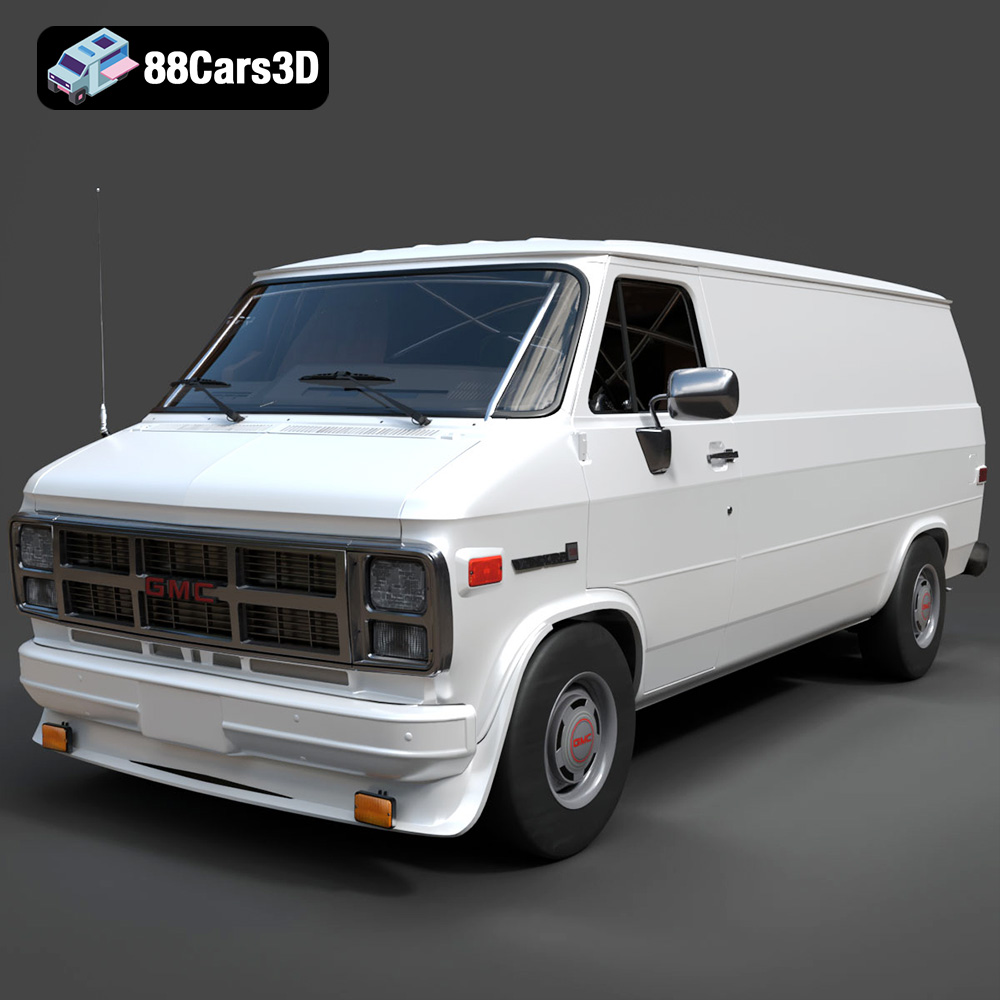
Download the GMC Vandura G-1500 1983 3D Model featuring clean geometry, realistic detailing, and a fully modeled interior. Includes .blend, .fbx, .obj, .glb, .stl, .ply, .unreal, and .max formats for rendering, simulation, and game development.
Price: $19.99
Texture: Yes
Material: Yes
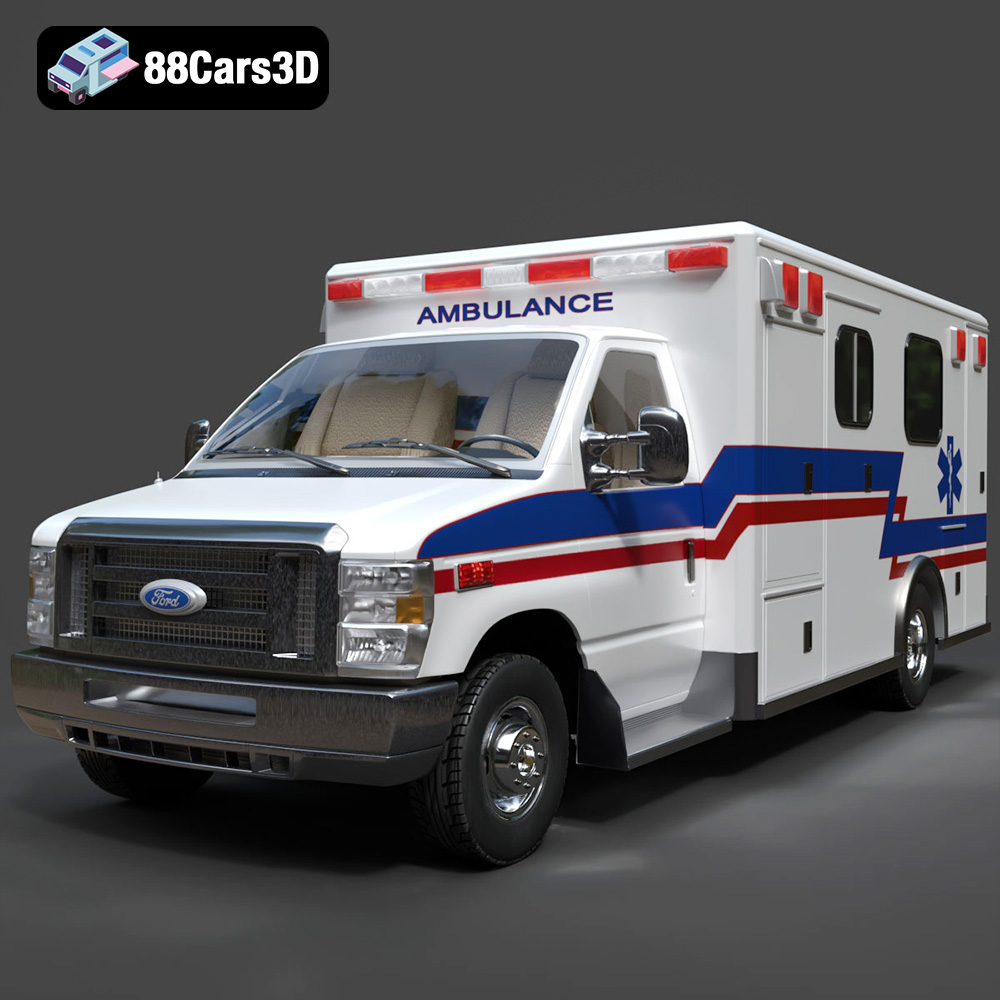
Download the Ford E-450 Ambulance 3D Model featuring clean geometry, realistic detailing, and a fully modeled interior. Includes .blend, .fbx, .obj, .glb, .stl, .ply, .unreal, and .max formats for rendering, simulation, and game development.
Price: $19.99

