⚡ FLASH SALE: Get 60% OFF All Premium 3D & STL Models! ⚡

“`html
The world of 3D printing is constantly pushing boundaries, allowing enthusiasts and professionals to create intricate objects with remarkable detail. For automotive aficionados, the allure of printing their favorite car models in stunning detail is undeniable. However, many of these highly detailed models, especially those found on marketplaces like 88cars3d.com, can be too large or complex to print as a single piece on standard 3D printers. This is where the art and science of splitting large 3D car models into manageable parts come into play. Successfully segmenting a complex model requires understanding mesh topology, leveraging specialized software, and meticulous planning to ensure seamless reassembly and a flawless final print. This guide will walk you through the essential steps, from file preparation to slicing strategies, enabling you to tackle even the most ambitious 3D printed car projects.
Printing a full-scale, highly detailed 3D car model as a single piece presents several significant challenges for most hobbyist and even professional 3D printers. The sheer size often exceeds the build volume of common FDM (Fused Deposition Modeling) and resin printers. Imagine trying to print a 1:10 scale replica of a classic muscle car on a printer with a 220x220x250mm build plate; it’s simply not feasible without modification. Beyond physical dimensions, complex models can also suffer from excessive print times, requiring vast amounts of filament and increasing the risk of print failures due to prolonged operation, power outages, or material spool changes. Furthermore, models with intricate overhangs and delicate details might require extensive and problematic support structures when printed whole, leading to difficult removal and potential damage to the finished print.
The most immediate hurdle is the build volume of your 3D printer. Most desktop FDM printers typically range from 150x150x150mm to 300x300x300mm. A detailed 1:18 scale model of a modern supercar could easily exceed these dimensions. Even if the model fits, printing a large, solid object can take days, even weeks, depending on the printer’s speed and the model’s complexity. This extended print duration significantly increases the probability of a print failure. A minor issue like bed adhesion loss or filament tangle occurring hours into a multi-day print can result in a complete waste of time and material. Therefore, splitting the model not only makes it physically printable but also breaks down the risk into smaller, more manageable chunks.
Highly detailed car models often feature complex geometries, including aerodynamic spoilers, underbody diffusers, and intricate wheel wells. When printing a whole model, these features can lead to substantial overhangs that necessitate extensive support structures. Generating supports for every nook and cranny can be a daunting task. More critically, removing these supports from delicate parts can be extremely challenging. Fine details can be easily broken or marred during the support removal process, especially on intricate components like grilles, mirrors, or interior elements. Splitting the model allows you to orient individual parts optimally, minimizing the need for supports in critical areas and making their removal much easier.
Effectively splitting a complex 3D car model requires specialized software that can handle mesh manipulation, boolean operations, and the creation of interlocking or alignment features. While basic slicing software might offer simple cutting tools, they often lack the precision and advanced features needed for professional results. Professional-grade 3D modeling and mesh editing software provide the necessary tools to dissect models accurately, prepare them for printing, and ensure they can be reassembled flawlessly. Platforms like 88cars3d.com often provide models that are already optimized or can be easily split, but understanding the tools yourself empowers you to customize and adapt any model to your printing needs.
Several software packages excel at slicing and preparing 3D models. For more advanced splitting and preparation, dedicated mesh editing software is invaluable. Meshmixer, a free and powerful tool from Autodesk (though its future development is uncertain, it remains highly functional), is a popular choice for its intuitive interface and robust mesh editing capabilities, including its excellent boolean operations for cutting and joining meshes. Blender, another free and open-source powerhouse, offers extensive modeling and sculpting tools that can be used for precise cutting, though its learning curve can be steeper. For those seeking professional CAD solutions, software like Autodesk Fusion 360 or SolidWorks offers advanced assembly and modification tools, though they are typically subscription-based. Even dedicated model repair software like Netfabb can assist in identifying and correcting issues that arise during the splitting process.
The core of model splitting often relies on boolean operations. These are mathematical functions that combine or subtract geometric shapes. In mesh editing, this typically involves using a ‘cutting tool’ (often a primitive shape like a cube or cylinder, or even another imported mesh) to subtract sections from your car model. For instance, to split a car body in half longitudinally, you would create a flat plane or a thin box spanning the desired cut line and use a boolean ‘difference’ operation to remove one side of the car. The key is to ensure that the cutting tool perfectly intersects the mesh and that the resulting geometry is clean. After a boolean operation, it’s crucial to check for non-manifold geometry or holes, which can be problematic for slicing software.
Simply cutting a model in half often isn’t enough. For a professional finish, you’ll want to ensure the parts fit together accurately and securely. This is where adding alignment pins, sockets, or interlocking features becomes essential. You can model these directly onto the cut surfaces using your chosen software. For example, you might add a series of small cylindrical pins to one half of the model and corresponding holes on the other half. These will act like puzzle pieces, guiding the parts into their correct positions during assembly. Alternatively, you can design simple butt joints or rabbet joints to increase the surface area for gluing. These features should be designed with slight tolerances (e.g., 0.1-0.2mm larger for pins, 0.1-0.2mm smaller for holes) to account for printing inaccuracies and ensure a snug fit without being too tight.
Splitting a complex 3D car model is a methodical process that involves preparation, execution, and verification. It’s not just about making cuts; it’s about ensuring each part is printable, printable efficiently, and can be reassembled accurately. The goal is to break down a large, complex object into smaller, more manageable pieces that can be printed with minimal supports, optimal orientation, and a reasonable print time, ultimately leading to a higher-quality final assembly.
Before touching any software, carefully examine the 3D car model. Identify natural parting lines – along body panels, trim lines, or panel gaps – as these will make for the most aesthetically pleasing and structurally sound divisions. Consider the build volume of your printer and the primary orientation you intend to print each section. Think about how the parts will be assembled: will they be glued? Do they need pins or alignment features? For a large model, you might plan to split it into major sections: chassis, body shell (front, rear, roof, doors), wheels, interior components, etc. It’s often beneficial to break down the body into front and rear halves, or even separate fenders and doors, depending on complexity and size.
Import the STL file (or other format like OBJ, FBX) into your chosen mesh editing software (e.g., Meshmixer, Blender, Fusion 360). The first crucial step is to ensure the model is watertight and manifold. Many models downloaded from online repositories, even from reputable sources, might have errors. Use the software’s built-in tools to check for and repair these errors. Look for holes, non-manifold edges, inverted normals, or disconnected vertices. Once the mesh is clean, you can proceed with planning your cuts visually. Overlaying a grid or using measurement tools can help ensure your cuts are straight and precise.
This is where the actual splitting happens. Create primitive shapes (cubes, planes, cylinders) that define your cutting surfaces. Position these shapes precisely where you want to divide the model. For example, to split a car body down the middle, you’d create a large, thin box that intersects the desired centerline. Then, select the car body and the cutting box, and perform a ‘boolean difference’ operation. This will subtract the cutting shape from the car body, effectively splitting it. Repeat this process for all planned cuts. Remember to save incrementally after each major operation. If you’re splitting the model into more than two parts, you might need to perform multiple operations or use different techniques to isolate specific sections cleanly.
After splitting, go back to the cut surfaces. If you planned for alignment pins, now is the time to model them. Create small cylinders on one part and corresponding holes (slightly larger for tolerance) on the mating part. Ensure these features are robust enough to survive printing and assembly but not so large they disrupt the aesthetics. Sometimes, you might want to add a slight chamfer or fillet to the edges of cut surfaces to make them easier to align and glue. Check the newly created cut faces for any artifacts or stray polygons resulting from the boolean operations and clean them up.
Once all splits, alignments, and refinements are complete, export each individual part as a separate STL file. Name them clearly (e.g., `car_body_front.stl`, `car_body_rear.stl`, `wheel_01.stl`). Before importing into your slicer, it’s good practice to import each exported part back into your editing software or a viewer to ensure they are still manifold and watertight. A quick check in your slicer software before committing to a print is also wise, looking for any glaring issues like floating parts or incorrect orientation.
Each split part of your 3D car model will likely require different slicing strategies to achieve the best results. A car body panel might benefit from a specific layer height and infill for strength and detail, while smaller components like mirrors or wheels might have unique requirements. The goal is to balance print quality, print time, and material usage for each individual piece, ensuring that when assembled, they form a cohesive and impressive whole. Careful consideration of layer height, print speed, supports, and infill density is crucial.
The layer height is a fundamental setting that dictates the vertical resolution of your print. For highly detailed car models, especially those with smooth curves and intricate surfaces, a lower layer height (e.g., 0.1mm to 0.15mm for FDM, or even 0.025mm to 0.05mm for resin) is crucial to capture fine details and minimize the appearance of layer lines. However, this comes at the cost of significantly increased print times. You’ll need to strike a balance. For larger, less detailed parts like the undercarriage or interior components, you might opt for a slightly higher layer height (e.g., 0.2mm to 0.25mm) to speed up printing without sacrificing critical detail. Experimentation is key; print a small test piece with different layer heights to determine the acceptable trade-off for your specific model and printer.
When printing split parts, the need for supports is greatly reduced compared to printing the whole model. However, some parts will still require them. Pay close attention to the orientation of each part in the slicer. Aim to position parts so that critical surfaces (like visible body panels) are facing upwards or at an angle that minimizes overhangs. Utilize your slicer’s support settings:
Careful support placement and settings are vital to avoid damaging delicate features during removal. Print a small test section with supports before committing to a large, critical part.
The infill density and pattern determine the internal structure of your printed parts, affecting their strength, weight, and print time. For most car model parts, especially those that are not load-bearing, a low infill density (e.g., 5-15%) is usually sufficient. This saves material and reduces print time. Patterns like Gyroid or Cubic can offer good strength-to-weight ratios. For parts like the chassis or components that might need to hold weight or require extra rigidity, you might consider increasing the infill density to 20-30% or using a stronger infill pattern. The goal is to provide enough structural integrity without making the part unnecessarily heavy or time-consuming to print. Remember that infill also affects how easily supports can be removed from internal cavities.
Once all the individual parts of your 3D printed car model are successfully printed, the real magic happens during assembly and post-processing. This stage transforms a collection of plastic components into a cohesive, polished replica. Proper preparation of the printed parts, careful gluing, and meticulous finishing techniques are what elevate a good print to a professional-looking model. The alignment features you added during the splitting phase will be invaluable here.
Before you start gluing, ensure all parts are clean and free of debris, support material remnants, and any residue from the printing process. If you used a release agent on your build plate, wash the parts with soap and water or isopropyl alcohol (IPA). For parts that will be glued, a light sanding of the mating surfaces (especially if they are flat) can create a better bond. If you added pins and sockets, test fit them to ensure they slide together smoothly but snugly. If they are too tight, a bit of light sanding or careful trimming with a hobby knife might be necessary. If they are too loose, consider adding a thin layer of glue or filler to tighten the fit before permanent assembly.
The type of adhesive you use depends on the printing material.
Once parts are coated with adhesive, hold them together firmly until the glue sets. For larger or more complex joins, use clamps, masking tape, or even specialized modeling clamps to maintain pressure while the adhesive cures completely. Proper clamping ensures the parts remain aligned and creates a strong, seamless bond.
This is where you can truly hide the fact that the model was 3D printed.
This meticulous post-processing is what transforms a raw 3D print into a show-quality display piece.
The choice of 3D printing material and the type of printer (FDM vs. Resin) significantly impact the quality, detail, and feasibility of printing complex car models. Each material and printer technology has its strengths and weaknesses that are particularly relevant when dealing with the intricate geometries and surface finish requirements of automotive replicas.
FDM printers are widely accessible and offer a broad range of materials.
Regardless of material, using a build plate adhesion method like a raft or brim is often advisable for larger, flat parts to prevent warping. Ensure your printer is well-calibrated, especially for dimensional accuracy, which is crucial for fitting split parts together.
Resin printers excel at capturing incredibly fine details, making them a top choice for highly intricate models like car interiors, badges, or even entire small-scale replicas.
While resin printing offers superior detail, the build volumes are typically smaller than comparable FDM printers, and the material costs can be higher. For very large car models, an FDM printer might be more practical for the main body sections, with a resin printer used for intricate details like wheels, engine components, or interior dashboards.
The journey from a raw 3D scan or a digitally sculpted model to a perfectly printable 3D object is often paved with necessary mesh repair and preparation. Even models from professional sources can sometimes benefit from a quick check and potential repair. Understanding how to ensure your STL files are watertight and free of errors is fundamental to successful 3D printing, especially when you’re dealing with complex, multi-part assemblies.
A 3D model must be watertight (or manifold) to be printable. This means that every edge on the mesh must connect exactly two faces, there should be no holes in the surface, and the surface normals (which define the outward-facing direction of each polygon) must all point consistently outwards. Non-manifold geometry can manifest as:
Software like Meshmixer, Blender, or dedicated tools like Netfabb have functions to automatically detect and often repair these issues. Always perform a quick check after downloading a model or after performing complex operations like boolean splits.
While most modern slicers can handle large STL files, optimizing them can sometimes improve performance and reduce potential issues.
When downloading models from marketplaces such as 88cars3d.com, the files are typically already optimized and print-ready, but understanding these principles is crucial if you plan to modify or combine models.
When preparing a model for splitting and reassembly, think ahead.
A well-prepared file is the foundation of a successful 3D print, especially for ambitious projects like detailed car models.
Splitting large and complex 3D car models for printing is a rewarding process that unlocks the potential for creating incredibly detailed replicas on desktop 3D printers. By understanding the challenges of build volume, print time, and support structures, and by leveraging the power of specialized software for precise cuts and alignment features, you can overcome these hurdles. The detailed workflow, from planning your cuts to executing them with boolean operations and exporting individual parts, ensures that each component is optimized for printing. Furthermore, mastering the intricacies of slicing parameters—layer height, supports, and infill—for each part, along with meticulous post-processing techniques involving sanding, filling, and painting, will transform your printed components into a stunning, cohesive model. Whether you choose the fine detail of resin printing or the accessibility of FDM, selecting the right material and understanding mesh repair best practices are crucial for success. Projects downloaded from platforms like 88cars3d.com offer a fantastic starting point, but the ability to split and prepare models yourself opens up a universe of customization and ambitious printing projects. With careful planning, the right tools, and a methodical approach, you can bring your favorite vehicles to life, piece by meticulously printed piece.
“`

Meta Description:
Texture: Yes
Material: Yes
Download the Porsche Cayenne 3D Model featuring realistic exterior styling and detailed interior design. Includes .blend, .fbx, .obj, .glb, .stl, .ply, .unreal, and .max formats for rendering, simulation, AR VR, and game development.
Price: $19.9
Texture: Yes
Material: Yes
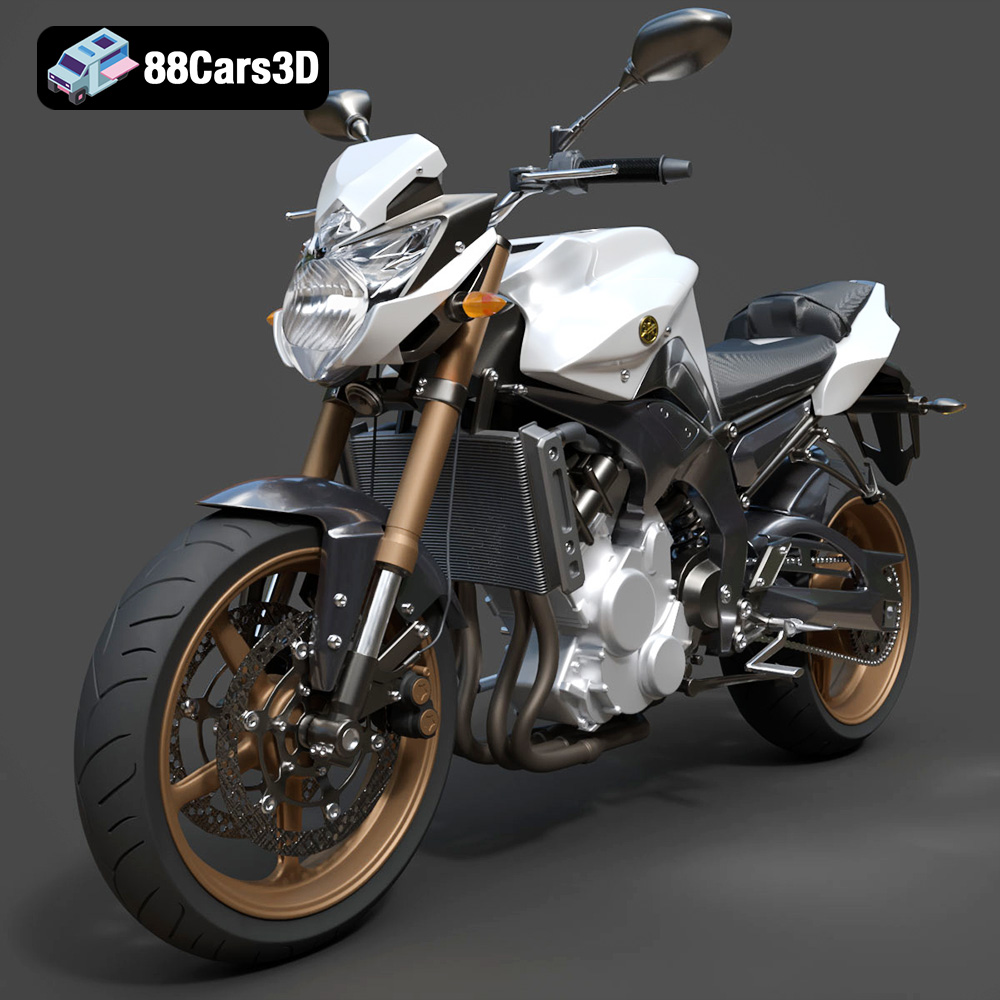
Download the Yamaha FZ8 2011 3D Model featuring clean geometry, realistic detailing, and a fully modeled interior. Includes .blend, .fbx, .obj, .glb, .stl, .ply, .unreal, and .max formats for rendering, simulation, and game development.
Price: $19.99
Texture: Yes
Material: Yes
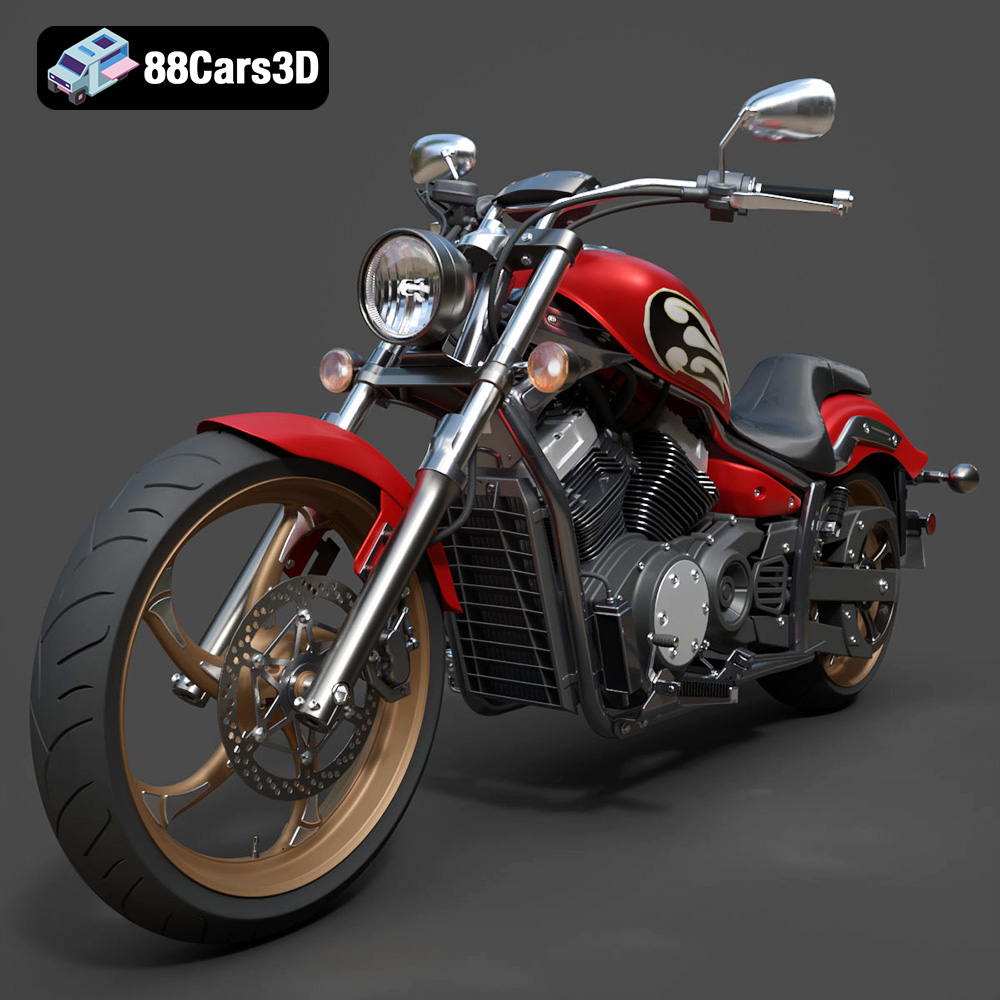
Download the Yamaha Stryker 2012 3D Model featuring clean geometry, realistic detailing, and a fully modeled interior. Includes .blend, .fbx, .obj, .glb, .stl, .ply, .unreal, and .max formats for rendering, simulation, and game development.
Price: $19.99
Texture: Yes
Material: Yes
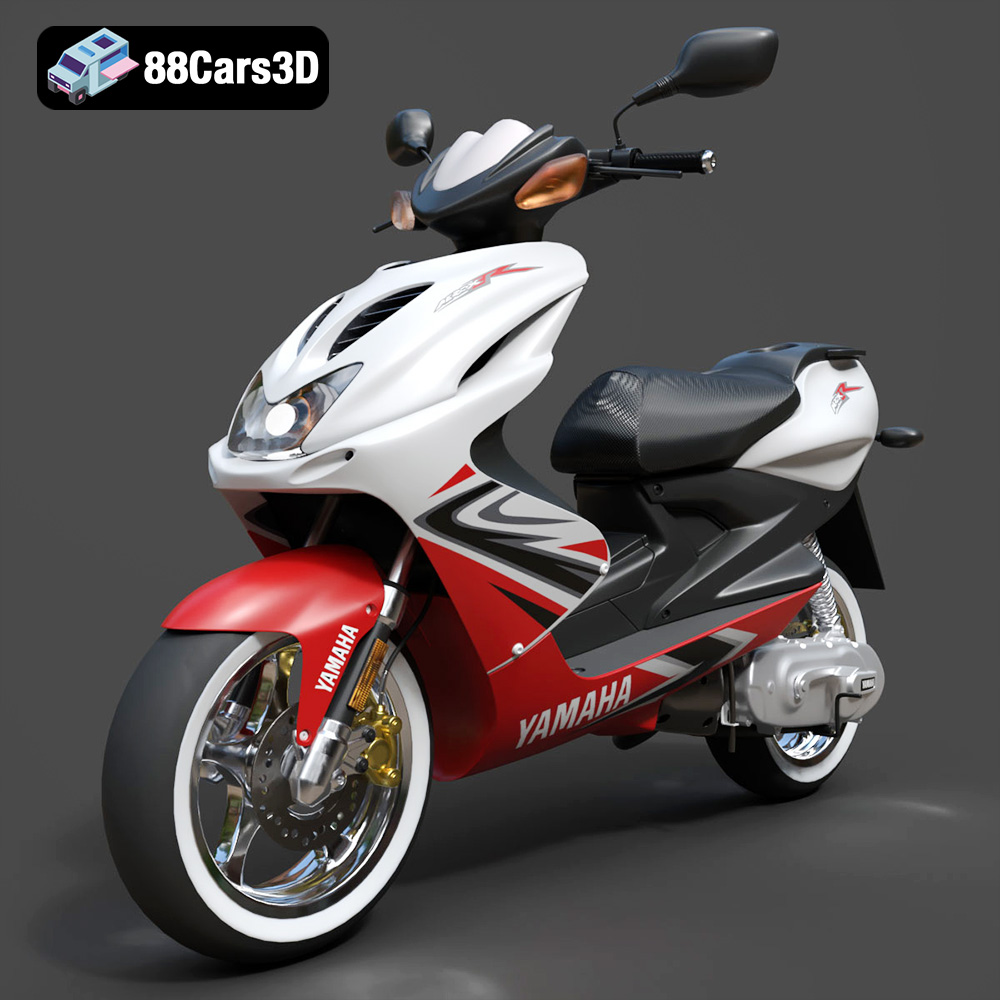
Download the Yamaha Aerox R-002 2024 3D Model featuring clean geometry, realistic detailing, and a fully modeled interior. Includes .blend, .fbx, .obj, .glb, .stl, .ply, .unreal, and .max formats for rendering, simulation, and game development.
Price: $19.99
Texture: Yes
Material: Yes
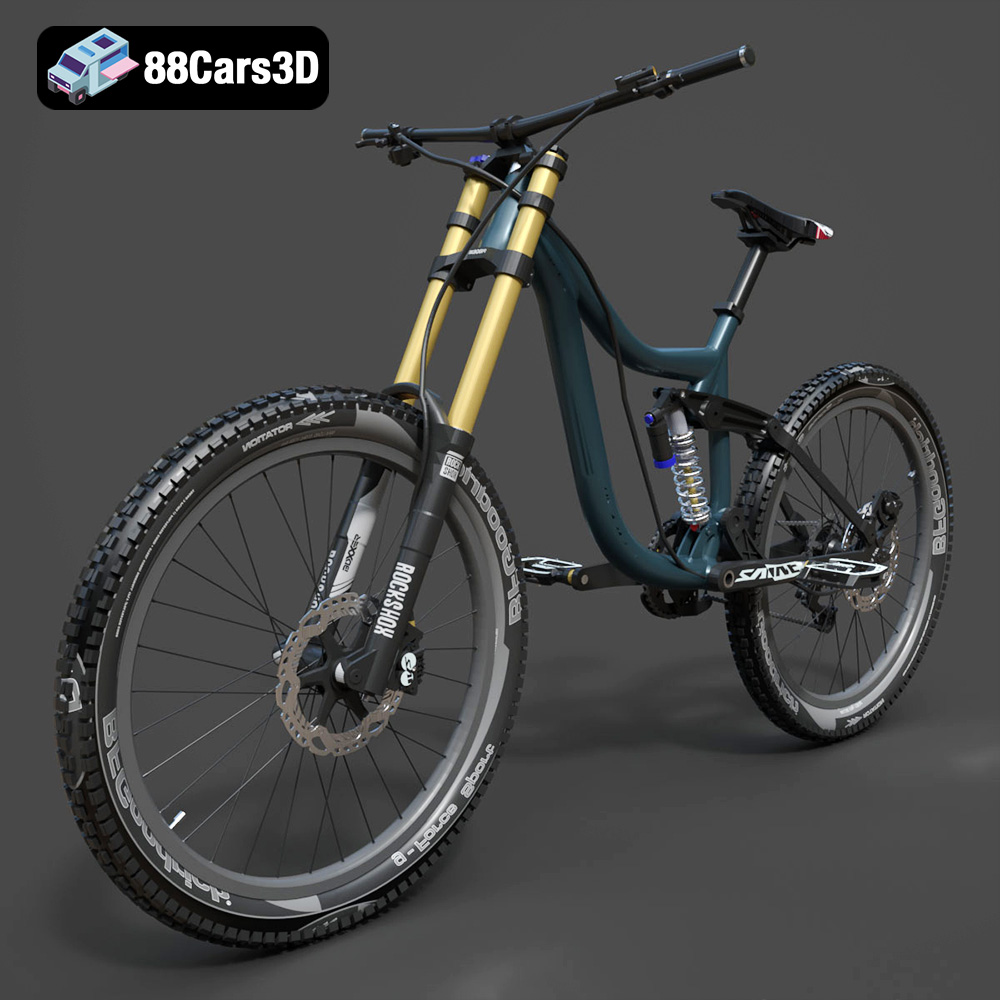
Download the Mototsikly Downhill Bike-002 3D Model featuring clean geometry, realistic detailing, and precise mechanical components. Includes .blend, .fbx, .obj, .glb, .stl, .ply, .unreal, and .max formats for rendering, simulation, and game development.
Price: $19.99
Texture: Yes
Material: Yes
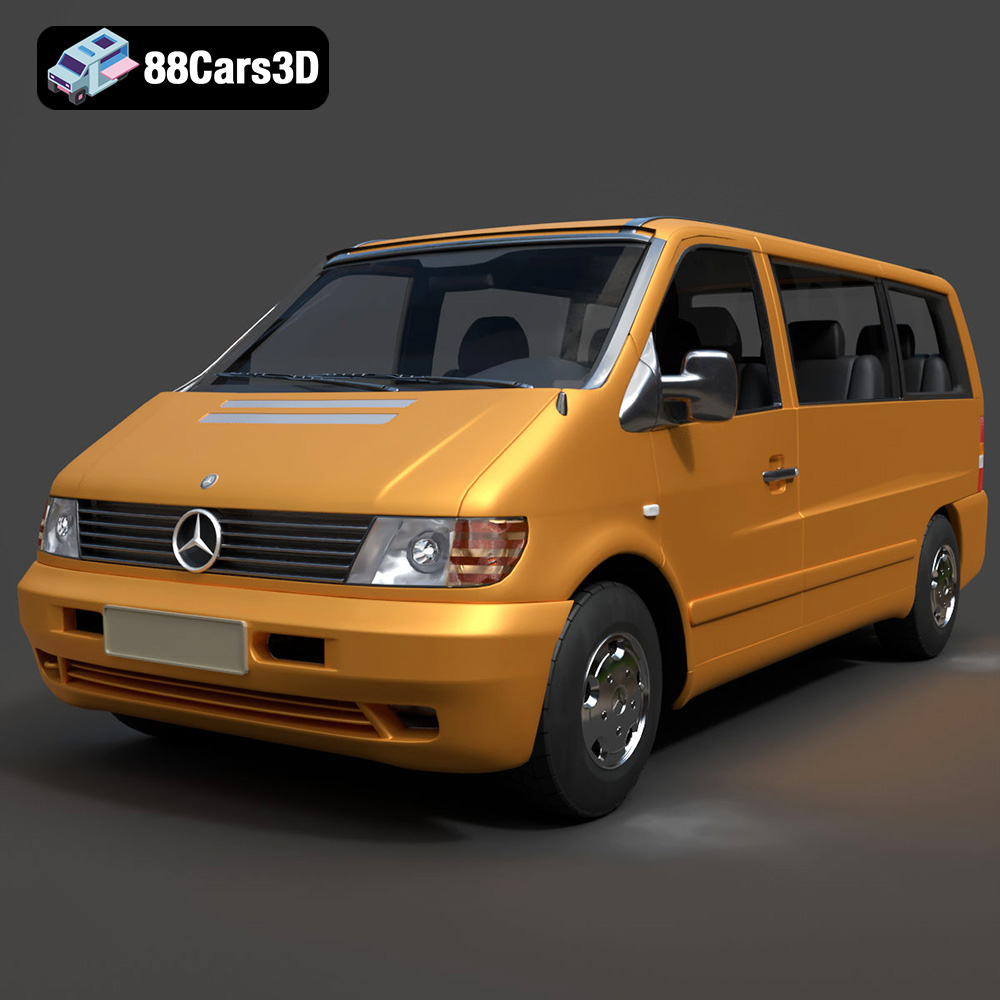
Download the Mercedes-Benz Vito Passenger Van 3D Model featuring clean geometry, realistic detailing, and a fully modeled interior. Includes .blend, .fbx, .obj, .glb, .stl, .ply, .unreal, and .max formats for rendering, simulation, and game development.
Price: $19.99
Texture: Yes
Material: Yes
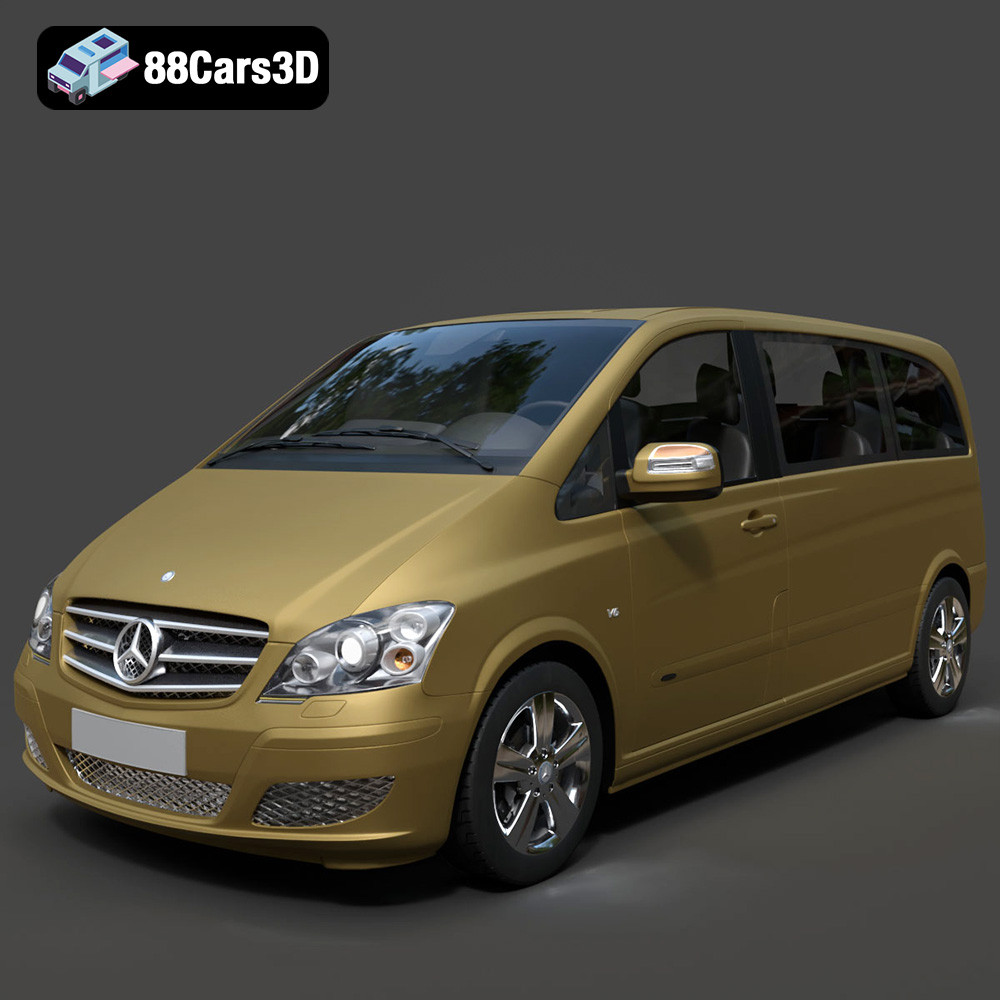
Download the Mercedes-Benz Viano 2010 3D Model featuring clean geometry, realistic detailing, and a fully modeled interior. Includes .blend, .fbx, .obj, .glb, .stl, .ply, .unreal, and .max formats for rendering, simulation, and game development.
Price: $19.99

Texture: Yes
Material: Yes
Download the Emt Avtobus 007 3D Model featuring clean geometry, realistic detailing, and a fully modeled interior. Includes .blend, .fbx, .obj, .glb, .stl, .ply, .unreal, and .max formats for rendering, simulation, and game development.
Price: $19.99
Texture: Yes
Material: Yes
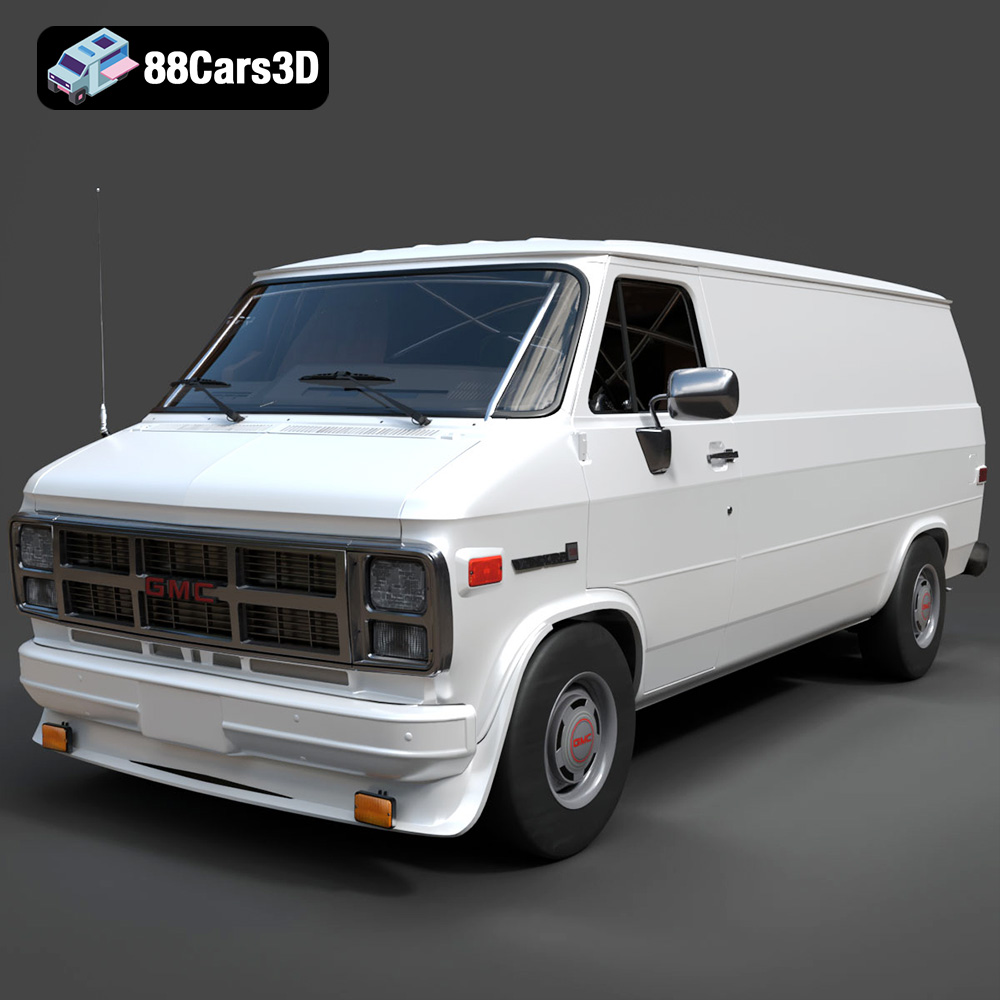
Download the GMC Vandura G-1500 1983 3D Model featuring clean geometry, realistic detailing, and a fully modeled interior. Includes .blend, .fbx, .obj, .glb, .stl, .ply, .unreal, and .max formats for rendering, simulation, and game development.
Price: $19.99
Texture: Yes
Material: Yes
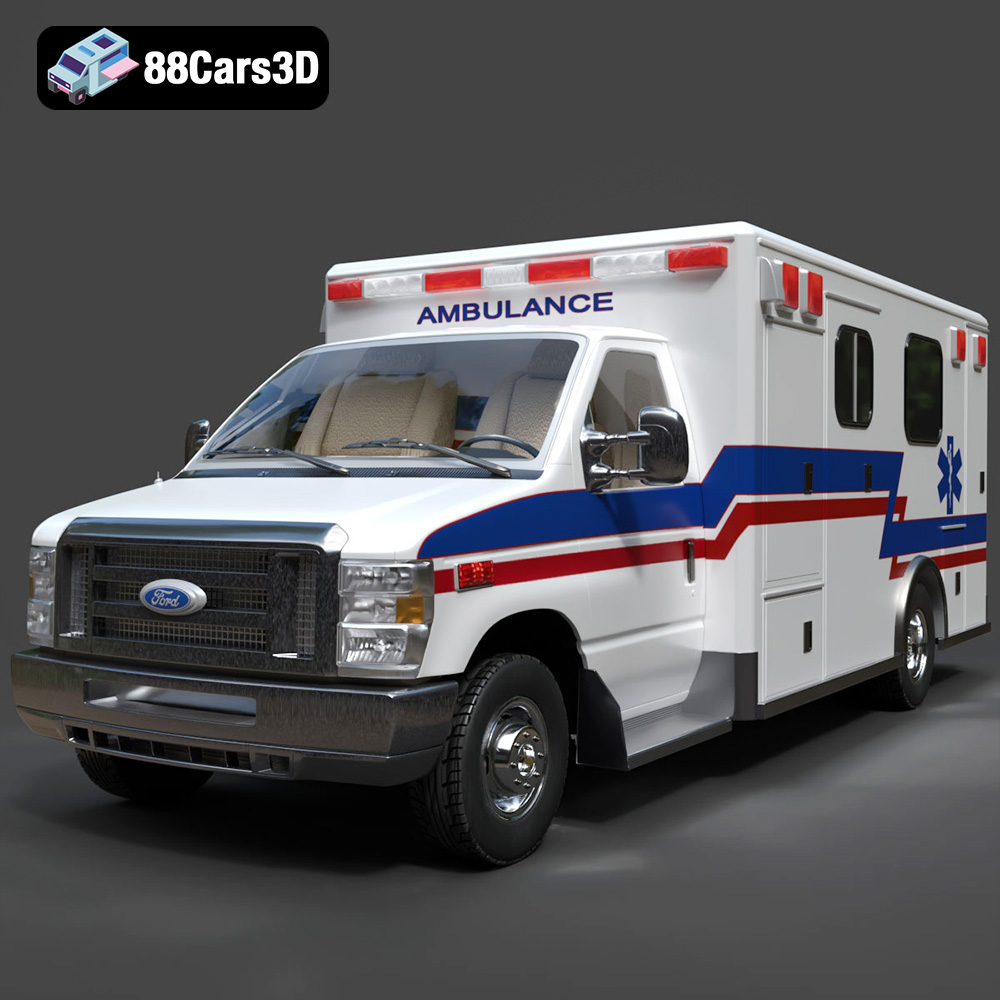
Download the Ford E-450 Ambulance 3D Model featuring clean geometry, realistic detailing, and a fully modeled interior. Includes .blend, .fbx, .obj, .glb, .stl, .ply, .unreal, and .max formats for rendering, simulation, and game development.
Price: $19.99

