⚡ FLASH SALE: Get 60% OFF All Premium 3D & STL Models! ⚡

In the demanding world of automotive visualization and game development, realism and efficiency are paramount. Crafting vast, intricate environments that perfectly frame a high-fidelity 3D car model can be a monumental task, often consuming precious time and resources. Imagine needing to populate an entire city block, a sprawling natural landscape, or a dynamic test track – each leaf, rock, and building meticulously placed. Traditionally, this process has been largely manual, a labor of love that can quickly become a labor of frustration. However, Unreal Engine’s Procedural Content Generation (PCG) framework is revolutionizing this workflow, offering artists and developers an unparalleled ability to create complex, diverse, and highly detailed worlds with incredible speed and flexibility.
PCG in Unreal Engine empowers you to generate entire environments, from subtle ground clutter to majestic forests and urban sprawl, all driven by a powerful node-based graph system. This dramatically accelerates iteration, allows for dynamic adjustments, and ensures a consistent visual quality that would be challenging to achieve through manual placement alone. For automotive professionals showcasing vehicles and game developers building immersive driving experiences, PCG is not just a convenience; it’s a strategic advantage. This comprehensive guide will delve deep into the world of PCG, exploring its core principles, practical applications, and advanced techniques to help you create stunning, performance-optimized environments that perfectly complement your 3D car models, whether sourced from marketplaces like 88cars3d.com or custom-designed.
Unreal Engine’s Procedural Content Generation (PCG) framework is a robust, node-based system designed for generating vast and intricate environments with unparalleled efficiency. At its heart, PCG allows artists and developers to define rules and logic that dictate how assets are distributed, scaled, rotated, and otherwise transformed across a given area. Unlike manual placement, which can be tedious and difficult to scale, PCG offers a powerful, data-driven approach, making it ideal for everything from subtle ground details to entire biomes.
PCG operates on a graph-based interface, similar to Unreal Engine’s Material Editor or Niagara, where nodes represent operations and connections define the flow of data. The fundamental concept revolves around ‘points,’ which are abstract representations that carry data like position, rotation, and scale. These points are then used by various spawner nodes to generate actual static mesh instances, foliage, or even other actors in your scene. The primary components you’ll interact with include:
The beauty of PCG lies in its flexibility. You can define inputs (e.g., a landscape, a static mesh, a spline), perform various operations (filtering, transforming, sampling), and then output the desired content. This empowers artists to create complex scenarios that would be incredibly time-consuming to build manually.
For automotive visualization, PCG is a game-changer. High-quality 3D car models demand equally impressive environments to truly shine. Whether you’re showcasing a new vehicle in an urban setting, testing it on a rugged off-road track, or presenting it in a serene natural landscape, PCG enables rapid creation and iteration of these backdrops. Imagine quickly generating a diverse set of environments for marketing renders or design reviews, each with unique ground cover, surrounding foliage, and props, all without the laborious manual placement of thousands of assets. This not only saves immense time but also allows for greater artistic exploration and realism, ensuring the vehicle, often sourced from highly detailed platforms like 88cars3d.com, is presented in its best light.
At the lowest level, PCG graphs manipulate ‘points.’ These points are essentially data structures holding attributes like location, normal, density, and user-defined tags. Nodes in the PCG graph then perform operations on these points. For example, a “Get Landscape” node samples your terrain and generates points on its surface. A “Density Noise” node then modifies the ‘density’ attribute of these points, making some areas more likely to spawn objects than others. Finally, a “Static Mesh Spawner” node consumes these points and converts them into actual static mesh instances in your world, respecting the points’ attributes for placement, rotation, and scale. This layered approach, from abstract data to concrete geometry, is what makes PCG so powerful and scalable for generating complex scenes.
Diving into PCG for automotive visualization begins with a foundational setup in Unreal Engine. This involves enabling the necessary plugin, creating your first PCG Graph, and defining the boundaries and inputs for your procedural generation. A well-structured setup ensures optimal control and performance, laying the groundwork for intricate and realistic environments around your 3D car models.
The first step is to ensure the PCG plugin is active in your Unreal Engine project. Navigate to Edit > Plugins, search for “PCG,” and enable the “PCG” plugin. You may need to restart the editor for the changes to take effect. Once enabled, you can create a new PCG Graph asset by right-clicking in your Content Browser and selecting Procedural > PCG Graph. Name it descriptively, for instance, “PCG_ForestBiome” or “PCG_UrbanClutter.”
To execute this graph in your scene, you’ll need a way to tell PCG where to generate content. You have two primary options:
PCG Volume from the Modes panel (or right-click in the world and search) into your viewport. In its details panel, assign your newly created PCG Graph asset. You can then scale and position this volume to define the generation area. This is excellent for localized generation or specific zones.PCG World Actor into your scene. Similar to the PCG Volume, you assign your PCG Graph asset to it. The PCG World Actor typically works with the entire landscape or a defined bounding box, making it suitable for generating vast biomes.Experiment with both to understand their respective use cases. For detailed information on specific nodes and workflows, always refer to the official Unreal Engine documentation at https://dev.epicgames.com/community/unreal-engine/learning.
A crucial aspect of PCG is providing relevant input data for the graph to process. This input determines where and how your procedural content will interact with your existing scene elements. Common inputs include:
By carefully selecting and combining these input methods, you gain precise control over where your procedural content will manifest, ensuring it integrates seamlessly with your existing scene layout, particularly around your meticulously crafted 3D car models.
With inputs defined, the next step is to manipulate the generated points to achieve the desired distribution and appearance. Three fundamental nodes form the backbone of most PCG graphs:
Mastering these basic nodes is essential. By chaining them together, you can quickly populate vast areas with complex environments that are both visually appealing and performance-friendly, providing a perfect setting for the high-quality automotive assets you might use from 88cars3d.com.
Once you understand the basics, the true power of PCG emerges in its ability to sculpt diverse biomes and inject intricate details, bringing unparalleled realism to your environments. For automotive visualization, this means creating convincing natural settings or urban landscapes that feel truly lived-in, complementing the fidelity of your 3D car models.
Realistic environments are rarely uniform. They consist of distinct biomes and varying asset distributions that respond to terrain features and ecological principles. PCG excels at this layering through strategic node usage:
This ensures assets are distributed logically and organically, mimicking real-world environmental patterns.
By chaining multiple filtering steps and connecting them to different “Static Mesh Spawner” nodes, you can quickly build up complex biomes with unique asset compositions, from lush forests to arid deserts, each perfectly suited for showcasing different vehicles.
Beyond broad biome definitions, PCG allows for the injection of subtle, fine-grained details that elevate realism. These micro-variations prevent repetition and make environments feel hand-crafted:
These techniques allow you to move beyond simple broad strokes and add the nuanced complexity that truly makes an environment feel believable, enhancing the presentation of your detailed 3D car models.
The star of any automotive visualization is the vehicle itself. It’s crucial that the procedural environment enhances, rather than detracts from, the car model. PCG provides powerful tools to ensure this visual cohesion:
By thoughtfully applying these techniques, your PCG-generated environments will perfectly frame and elevate your 3D car models, creating stunning and believable scenes for any application.
While PCG excels at static environment generation, its true potential for automotive applications shines when integrated with dynamic and interactive systems. This allows for adaptable environments, performance-conscious rendering of high-fidelity assets, and the creation of engaging user experiences, particularly crucial when integrating sophisticated assets from platforms like 88cars3d.com.
One of the most powerful aspects of PCG is its ability to be controlled and influenced by Unreal Engine’s Blueprint visual scripting system. This unlocks dynamic and interactive content generation scenarios:
Generate function on a PCG Component directly from Blueprint to force a regeneration whenever parameters are changed or specific events occur. This allows for real-time adjustments to your environments based on game logic or user input.Procedural generation often means a massive number of instances, which can quickly impact performance. Fortunately, Unreal Engine offers several features and best practices to keep your scenes running smoothly, even with high-quality 3D car models and detailed environments.
By leveraging these optimization techniques, you can ensure your procedurally generated environments remain performant, allowing your high-quality 3D car models from marketplaces like 88cars3d.com to shine without performance bottlenecks.
PCG’s dynamic capabilities are perfect for elevating interactive automotive configurators and virtual showrooms:
These advanced applications demonstrate how PCG can move beyond static scene creation to power truly dynamic, engaging, and personalized automotive visualization experiences.
The flexibility and power of Unreal Engine’s PCG framework extend across various industries, finding significant utility in automotive visualization, game development, and simulation. Understanding its real-world applications and adopting best practices will help you maximize its potential, especially when working with high-quality 3D car models.
For automotive studios and marketing agencies, PCG offers unprecedented efficiency and creative freedom:
In game development, PCG is a cornerstone for creating expansive and believable worlds for racing games, open-world adventures, and realistic driving simulators:
To master PCG and integrate it effectively into your projects, consider these professional tips:
By following these best practices, you can harness PCG’s full potential to create stunning, performance-optimized, and flexible environments that perfectly showcase your high-quality 3D car models in any Unreal Engine project.
The journey through Unreal Engine’s Procedural Content Generation (PCG) framework reveals a powerful paradigm shift in how we approach environment creation. From understanding its node-based logic to crafting intricate biomes, optimizing for performance with Nanite and LODs, and integrating with Blueprints for dynamic interactions, PCG offers an unparalleled toolkit for artists and developers. It’s a testament to Unreal Engine’s commitment to empowering creators with efficiency, scalability, and artistic control.
For automotive visualization and game development, PCG is more than just a convenience; it’s an essential tool. It enables the rapid prototyping and iteration of diverse environments, ensuring that your meticulously crafted 3D car models, perhaps sourced from high-quality marketplaces such as 88cars3d.com, are always presented in the most realistic and compelling backdrops imaginable. The ability to generate vast, detailed worlds with minimal manual effort, coupled with the flexibility to adapt those worlds dynamically, opens up endless creative possibilities for virtual showrooms, interactive configurators, cinematic sequences, and immersive gaming experiences.
Embrace the procedural revolution. Dive into the Unreal Engine documentation, experiment with the nodes, and start building complex, vibrant worlds that elevate your projects. The skills you gain in mastering PCG will not only streamline your workflow but also unlock new levels of visual fidelity and interactive engagement, propelling your automotive visualizations and game environments into the future.

Meta Description:
Texture: Yes
Material: Yes
Download the Porsche Cayenne 3D Model featuring realistic exterior styling and detailed interior design. Includes .blend, .fbx, .obj, .glb, .stl, .ply, .unreal, and .max formats for rendering, simulation, AR VR, and game development.
Price: $19.9
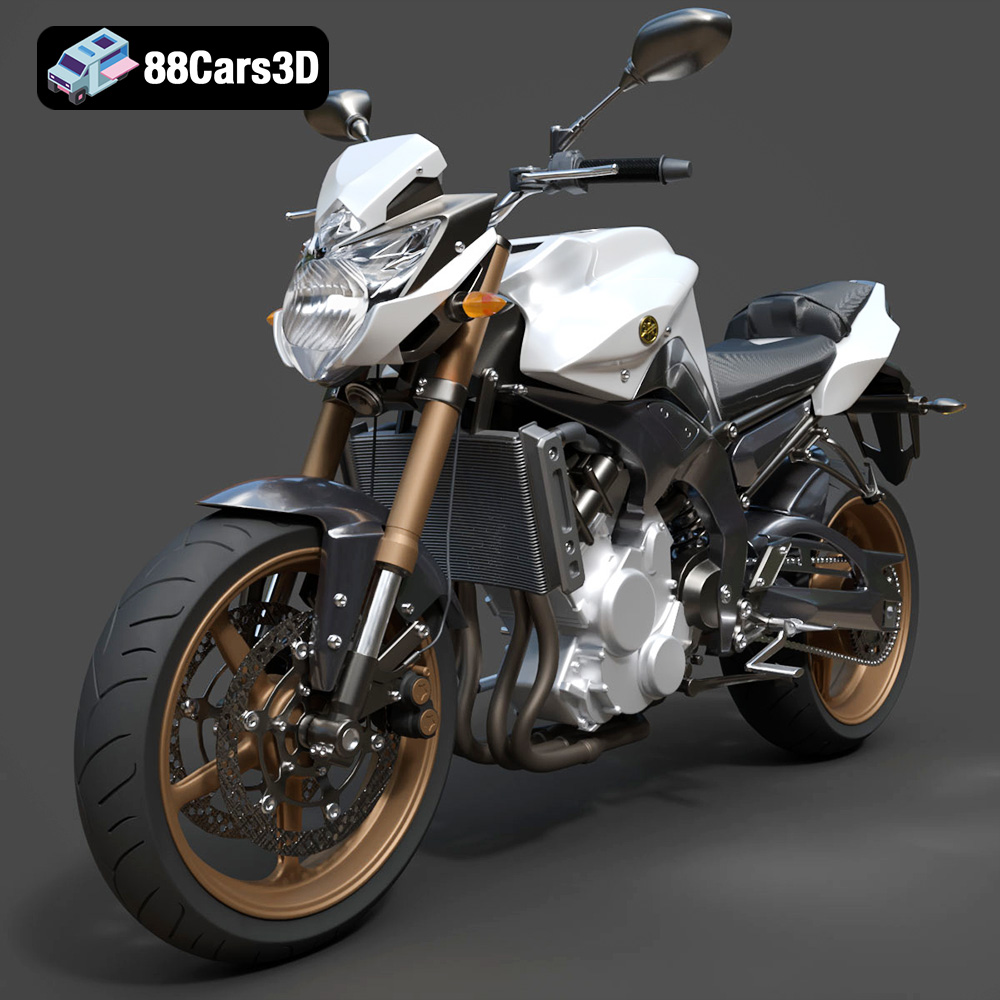
Texture: Yes
Material: Yes
Download the Yamaha FZ8 2011 3D Model featuring clean geometry, realistic detailing, and a fully modeled interior. Includes .blend, .fbx, .obj, .glb, .stl, .ply, .unreal, and .max formats for rendering, simulation, and game development.
Price: $19.99
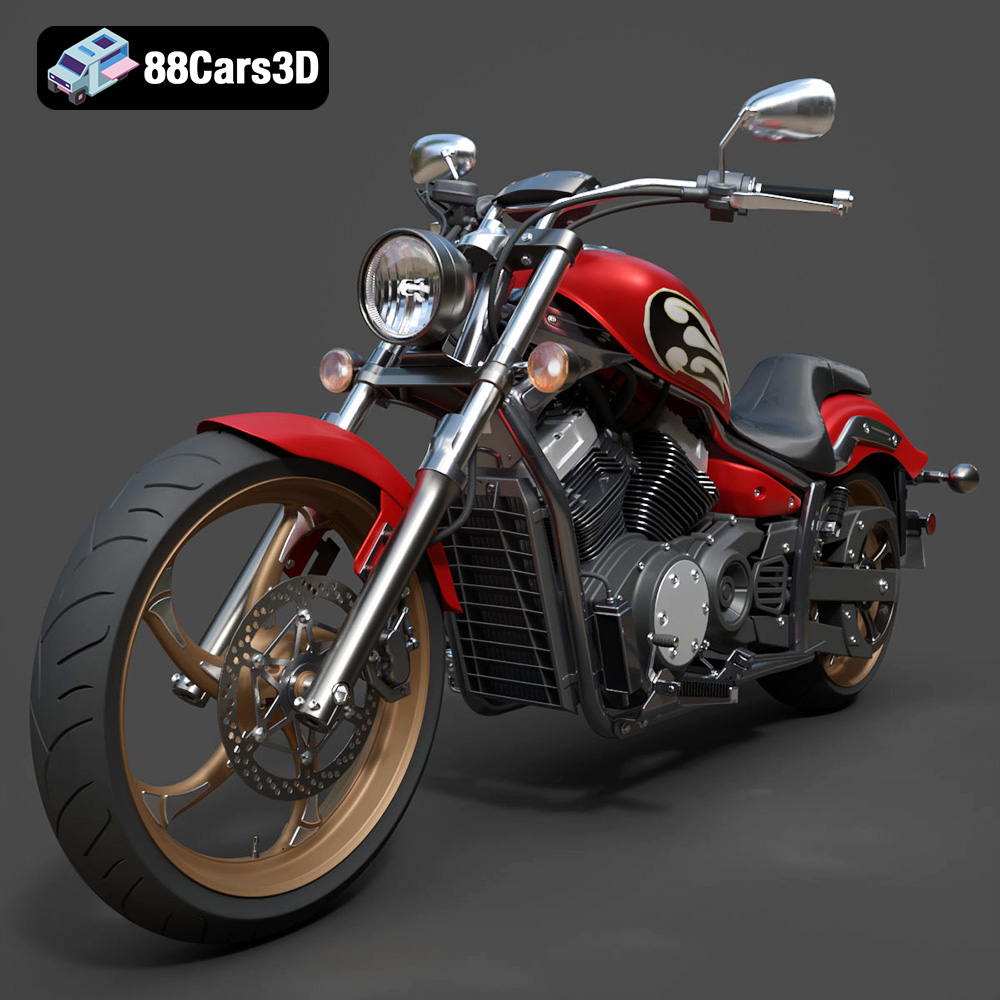
Texture: Yes
Material: Yes
Download the Yamaha Stryker 2012 3D Model featuring clean geometry, realistic detailing, and a fully modeled interior. Includes .blend, .fbx, .obj, .glb, .stl, .ply, .unreal, and .max formats for rendering, simulation, and game development.
Price: $19.99
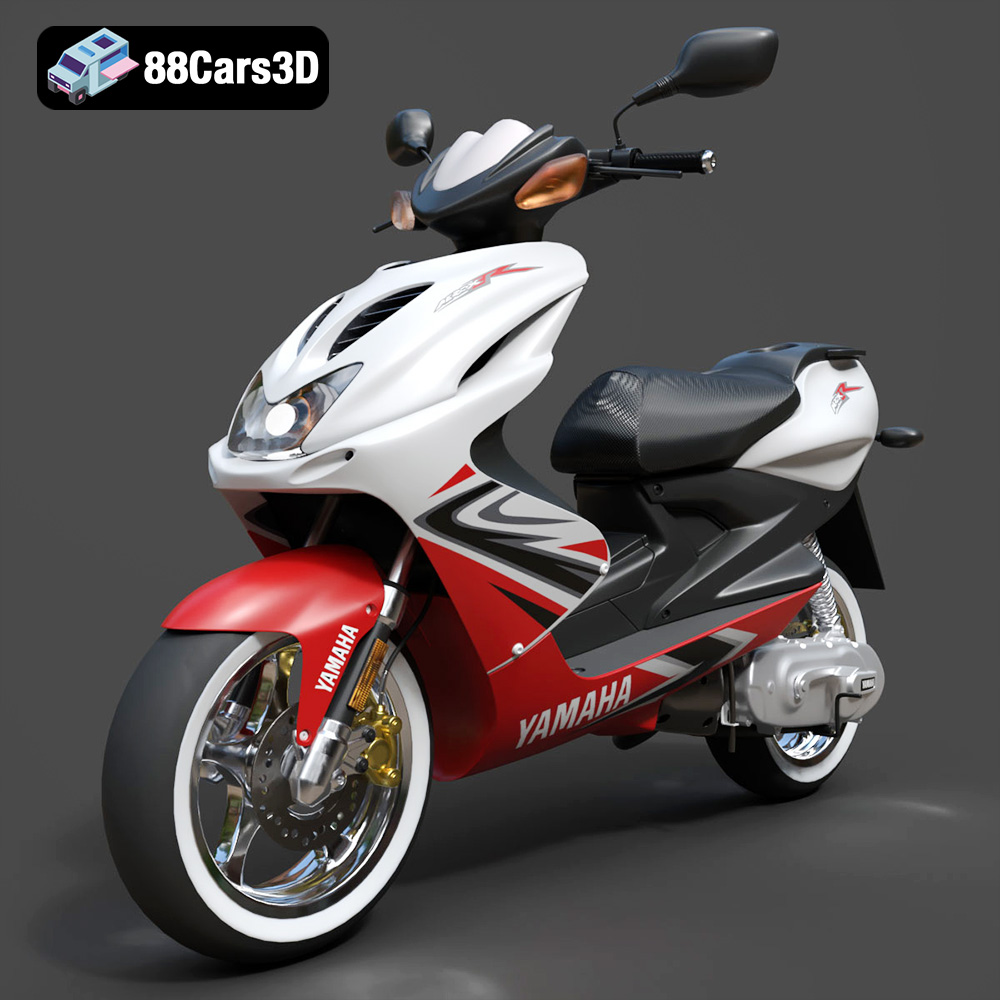
Texture: Yes
Material: Yes
Download the Yamaha Aerox R-002 2024 3D Model featuring clean geometry, realistic detailing, and a fully modeled interior. Includes .blend, .fbx, .obj, .glb, .stl, .ply, .unreal, and .max formats for rendering, simulation, and game development.
Price: $19.99
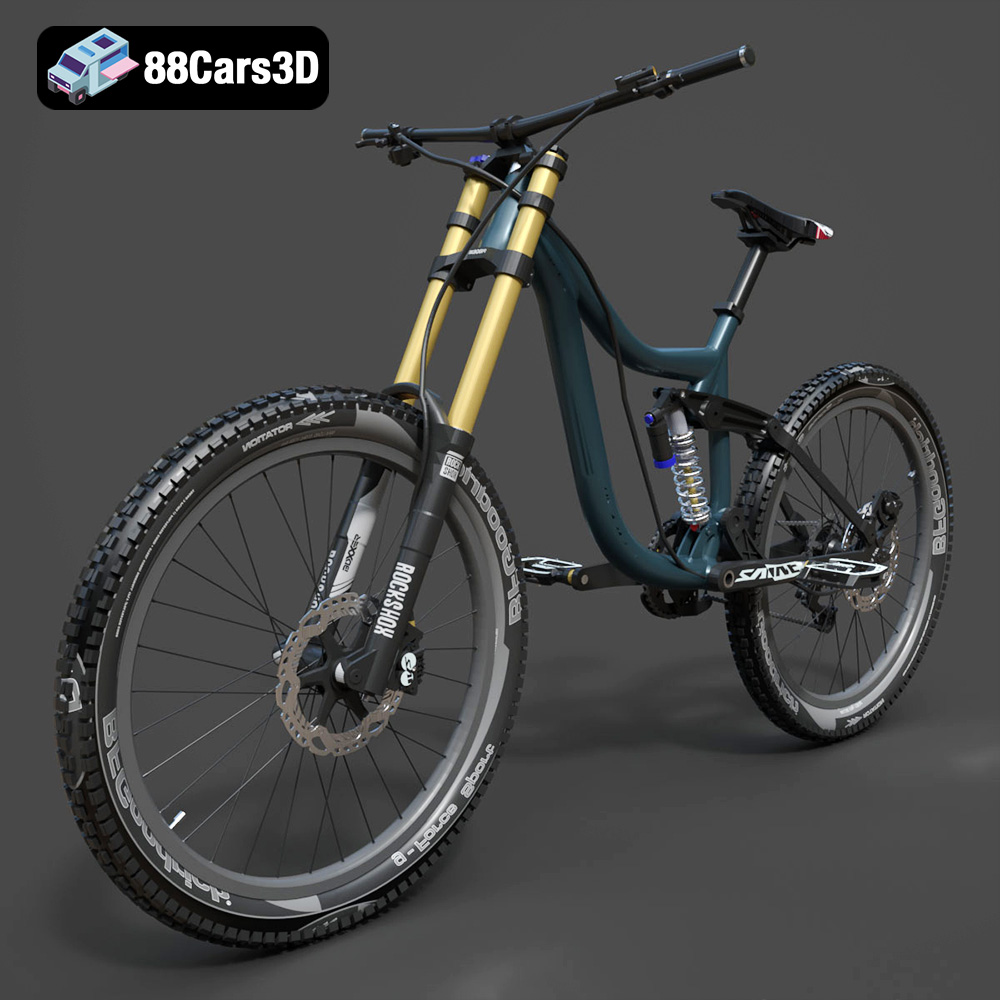
Texture: Yes
Material: Yes
Download the Mototsikly Downhill Bike-002 3D Model featuring clean geometry, realistic detailing, and precise mechanical components. Includes .blend, .fbx, .obj, .glb, .stl, .ply, .unreal, and .max formats for rendering, simulation, and game development.
Price: $19.99
Texture: Yes
Material: Yes
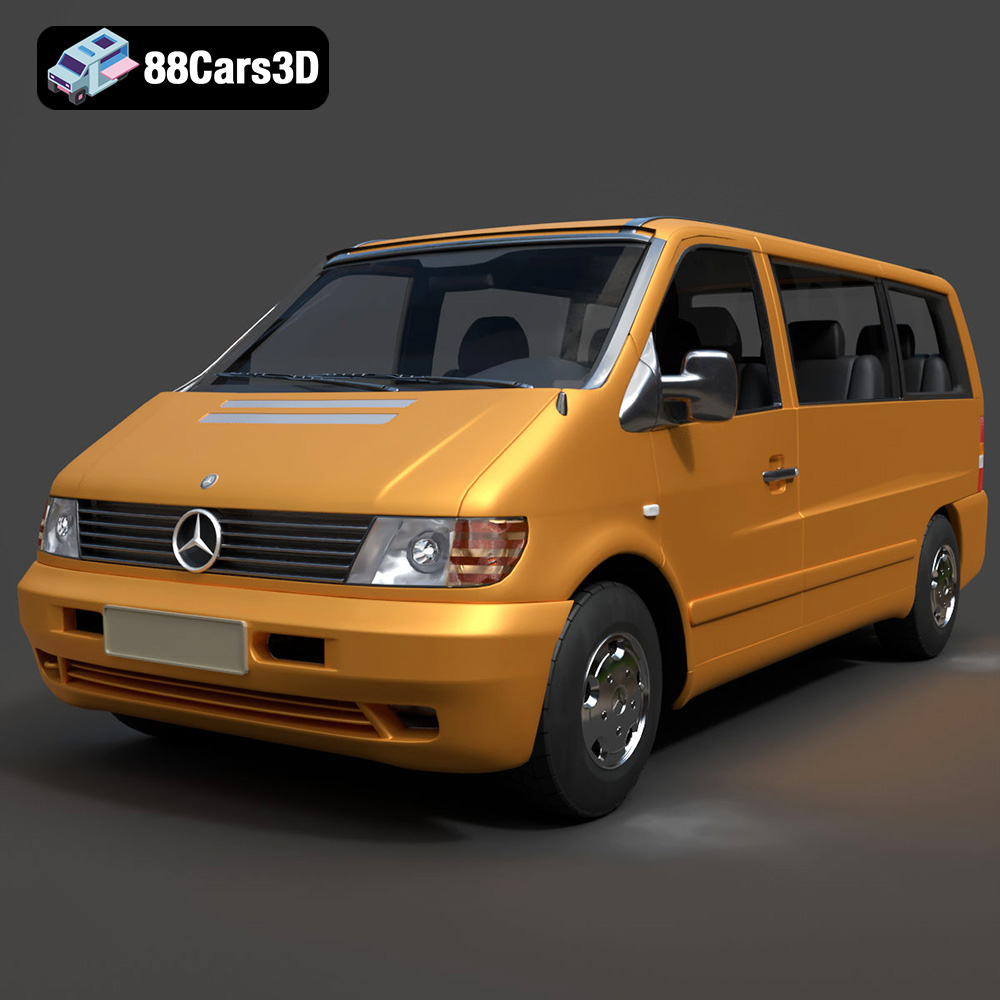
Download the Mercedes-Benz Vito Passenger Van 3D Model featuring clean geometry, realistic detailing, and a fully modeled interior. Includes .blend, .fbx, .obj, .glb, .stl, .ply, .unreal, and .max formats for rendering, simulation, and game development.
Price: $19.99
Texture: Yes
Material: Yes
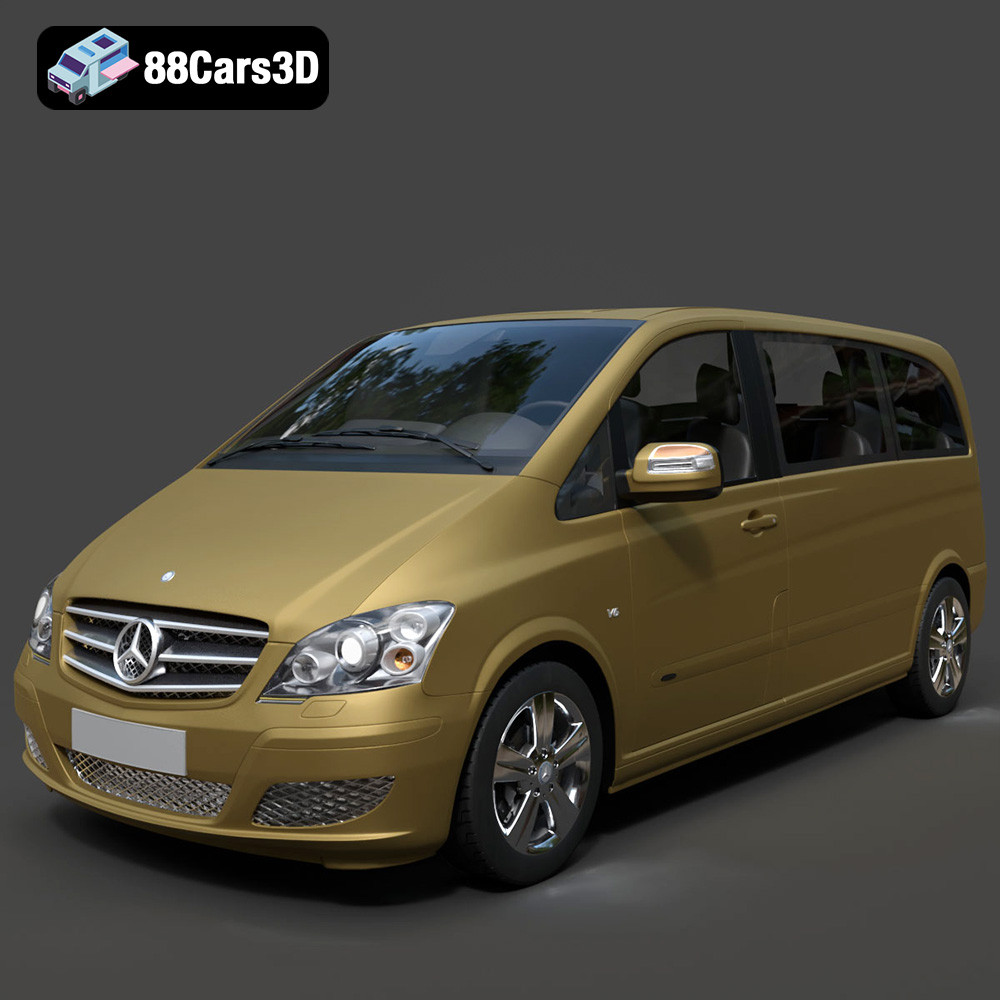
Download the Mercedes-Benz Viano 2010 3D Model featuring clean geometry, realistic detailing, and a fully modeled interior. Includes .blend, .fbx, .obj, .glb, .stl, .ply, .unreal, and .max formats for rendering, simulation, and game development.
Price: $19.99

Texture: Yes
Material: Yes
Download the Emt Avtobus 007 3D Model featuring clean geometry, realistic detailing, and a fully modeled interior. Includes .blend, .fbx, .obj, .glb, .stl, .ply, .unreal, and .max formats for rendering, simulation, and game development.
Price: $19.99
Texture: Yes
Material: Yes
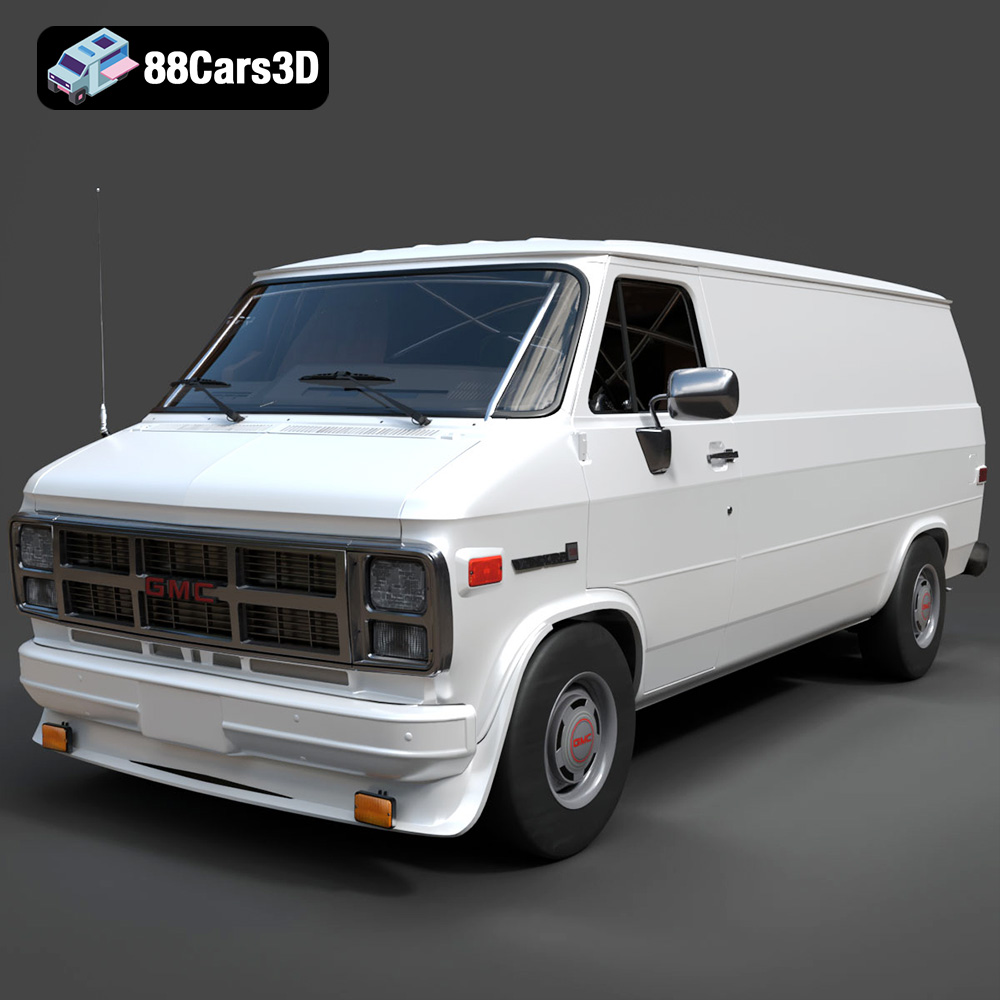
Download the GMC Vandura G-1500 1983 3D Model featuring clean geometry, realistic detailing, and a fully modeled interior. Includes .blend, .fbx, .obj, .glb, .stl, .ply, .unreal, and .max formats for rendering, simulation, and game development.
Price: $19.99

Texture: Yes
Material: Yes
Download the Ford E-450 Ambulance 3D Model featuring clean geometry, realistic detailing, and a fully modeled interior. Includes .blend, .fbx, .obj, .glb, .stl, .ply, .unreal, and .max formats for rendering, simulation, and game development.
Price: $19.99

