⚡ FLASH SALE: Get 60% OFF All Premium 3D & STL Models! ⚡

For decades, the pursuit of photorealism in real-time 3D applications has been a delicate balancing act. Artists and developers have grappled with polygon budgets, meticulous Level of Detail (LOD) creation, and intricate optimization techniques, often sacrificing visual fidelity for performance. This constraint has been particularly felt in sectors like automotive visualization, where every curve, every reflection, and every interior stitch demands uncompromising detail. Enter Unreal Engine 5, a game-changer that has dramatically shifted this paradigm. At the heart of this revolution lies Nanite, a virtualized geometry system that fundamentally redefines how high-polygon assets are handled in real-time. It liberates artists from the shackles of poly counts, enabling them to bring cinematic-quality detail directly into interactive experiences. This comprehensive guide will delve deep into Nanite’s capabilities, exploring its impact on 3D workflows, from importing intricate 3D car models to crafting immersive, interactive automotive experiences. You’ll learn how Nanite, combined with other powerful UE5 features like Lumen and Blueprint, empowers creators to achieve unprecedented levels of detail and realism without the traditional performance overheads.
Nanite isn’t just another rendering feature; it’s a foundational shift in how geometry is processed and displayed. Traditionally, every polygon in your scene, regardless of its size on screen, was processed. This led to massive performance bottlenecks when dealing with high-detail models. Nanite, however, operates on a principle of “virtualized geometry,” where entire meshes, composed of millions or even billions of triangles, are treated as a single, highly detailed source. It intelligently streams and renders only the micro-polygons necessary for each frame, at the exact detail required for a given pixel, based on factors like camera distance and angle. This means artists can import production-quality assets, such as CAD data or photogrammetry scans, directly into Unreal Engine without extensive decimation or manual LOD generation. The result is unparalleled visual fidelity, streamlined workflows, and a significant boost to creative freedom.
Before Nanite, managing complex scenes with high-polygon assets was an arduous task. Artists spent countless hours creating multiple LODs (Level of Detail) for each mesh – a high-poly version for close-ups, and progressively lower-poly versions for objects further from the camera. This manual process was not only time-consuming but also prone to visual popping as the engine switched between LODs. Moreover, even with well-optimized LODs, scenes with many detailed objects could quickly overwhelm CPU and GPU resources. Nanite eradicates this manual labor by automatically generating and streaming the optimal level of detail for every mesh instance. It culls geometry on a per-pixel basis, meaning only the visible micro-polygons contribute to rendering costs. This automatic optimization allows artists to maintain extremely high detail on all objects, regardless of distance, without the performance hit associated with traditional methods. The ability to directly import models with millions of triangles, such as those found on platforms like 88cars3d.com, significantly accelerates the asset pipeline and ensures consistent visual quality.
At its core, Nanite operates by breaking down meshes into “micro-polygons,” tiny clusters of triangles. These clusters are then stored in a highly compressed format and streamed on demand from disk to the GPU. When rendering a frame, Nanite efficiently determines which of these micro-polygon clusters are visible to the camera and only processes those. This process involves a sophisticated form of occlusion culling and LOD selection, executed entirely on the GPU. Instead of processing entire triangles, Nanite works with these clusters, dynamically adapting their detail based on screen space. The system performs this culling and LOD selection at a much finer granularity than traditional methods, leading to incredibly efficient rendering. This technical marvel means that scenes can contain an astronomical number of triangles—billions, even—without compromising frame rate, as the GPU only renders the necessary visible information. For a deeper dive into Nanite’s architecture, consult the official Unreal Engine documentation.
The true power of Nanite shines when working with intrinsically high-detail assets, making it perfect for automotive visualization where every bolt and seam matters. Sourcing high-quality 3D car models is the first critical step. Marketplaces like 88cars3d.com offer models specifically designed with clean topology and detailed UVs, making them ideal candidates for the Nanite pipeline. Once you have your assets, importing them into Unreal Engine 5 and enabling Nanite is straightforward, but understanding the nuances of preparation ensures optimal performance and visual fidelity. The goal is to bring in the highest detail possible, letting Nanite handle the optimization, rather than pre-optimizing and losing valuable mesh data.
Many automotive projects begin with CAD (Computer-Aided Design) data from engineering software like CATIA, SolidWorks, or Autodesk Inventor. These models are typically extremely precise, often non-triangulated (NURBS or solids), and contain an immense amount of geometric information. To prepare CAD data for Unreal Engine, it’s crucial to tessellate it into a clean, triangulated mesh. Tools like Datasmith for Unreal Engine are invaluable here, as they can import CAD formats directly and perform intelligent tessellation, converting the smooth surfaces into polygons while preserving detail. When sourcing models from marketplaces such as 88cars3d.com, they are often already pre-tessellated and optimized for game engines, featuring clean topology, proper UV mapping, and a well-structured hierarchy. Regardless of the source, ensuring proper UV mapping for textures is paramount, as Nanite primarily affects geometry and not material application. Models should ideally have non-overlapping UVs for lightmap generation and clear, distinct UV sets for different material layers (e.g., body, interior, glass).
Once your model is imported, enabling Nanite is as simple as clicking a checkbox in the Static Mesh Editor. When Nanite is enabled, Unreal Engine converts the mesh into a Nanite representation. Key settings to consider include: Fallback Relative Error, which controls the geometric error threshold before the mesh uses a non-Nanite fallback; and Proxy Triangle Percent, which determines the target triangle count for the non-Nanite fallback mesh, useful for specific rendering passes or platforms that don’t support Nanite. While Nanite effectively handles high poly counts, it’s important to understand where it makes the most sense. For instance, tiny props or extremely simple geometry might not benefit as much as large, complex objects like a car body. To monitor Nanite’s performance, Unreal Engine offers several visualization modes (accessed via the ‘Lit’ dropdown in the viewport or console commands). The Nanite Overview mode shows you the triangle density and cluster counts, while the Triangles mode helps visualize the actual rendered micro-polygons, allowing you to identify areas of potential overdraw or unnecessary detail. A common optimization strategy is to use Nanite for primary, high-detail assets and traditional meshes for smaller, less significant background elements, ensuring a balanced approach to scene performance.
While Nanite delivers unparalleled geometric detail, it’s the combination with physically based rendering (PBR) materials and real-time global illumination systems like Lumen that truly brings automotive models to life. PBR ensures that surfaces react to light in a physically accurate way, mimicking real-world properties, while Lumen provides dynamic, realistic lighting and reflections that enhance the sense of presence and immersion. Together, they transform a detailed Nanite car model into a stunning visual masterpiece within Unreal Engine.
Creating photorealistic car materials requires a deep understanding of PBR principles and the powerful Material Editor in Unreal Engine. A car’s paint, for example, is not a simple color; it’s a complex interplay of base color (Albedo), metallic flakes, clear coat layers, and surface roughness. For such intricate surfaces, layered materials are essential. You might start with a base paint material, then add a clear coat layer using a Blend Material Attribute node to simulate the glossy, reflective finish of automotive paint. Material Functions can be invaluable for creating reusable modules, such as a “Car Paint Flake” function, which can be applied across different paint materials. For texture maps—Albedo, Normal, Roughness, Metallic, Ambient Occlusion—using high resolutions (e.g., 4K or 8K) for critical components like the car body and interior ensures crisp detail. Unreal Engine’s Material Editor also allows for the creation of Material Parameter Collections, which enable global changes to material properties (like paint color or roughness) at runtime, a crucial feature for interactive car configurators. The ability to define complex material graphs means you can accurately represent everything from worn leather interiors to highly reflective chrome accents, all reacting realistically to Lumen’s lighting.
Lumen is Unreal Engine 5’s fully dynamic global illumination and reflections system, and it is a game-changer for real-time visualization, especially when combined with Nanite’s high-fidelity geometry. Traditional real-time rendering often relied on pre-baked lightmaps for global illumination, which were static and time-consuming to generate. Lumen, by contrast, calculates bounced light and reflections in real-time, adapting instantly to changes in geometry, lighting, or materials. This means moving a car, opening a door, or changing the time of day will dynamically update the scene’s lighting, creating incredibly realistic and interactive experiences. Setting up Lumen typically involves enabling it in your project settings and using standard lighting actors like Directional Lights (for sunlight), Skylights (for ambient outdoor light), and Point Lights or Spot Lights for interior illumination. Emissive materials, often used for dashboard displays or headlights, also contribute to Lumen’s global illumination, casting light onto surrounding surfaces. While Lumen offers stunning visual quality, it does come with a performance cost. Optimizing Lumen involves adjusting settings such as ‘Global Illumination Quality,’ ‘Reflections Quality,’ and ‘Max Trace Distance’ in the Post Process Volume, balancing visual fidelity with target frame rates. The synergy between Nanite providing geometric complexity and Lumen illuminating it dynamically creates a truly immersive and photorealistic environment.
Beyond static renders, Unreal Engine 5 empowers creators to build dynamic, interactive automotive experiences. This includes everything from real-time configurators allowing customers to customize a vehicle, to stunning cinematic trailers, and even fully drivable simulations. These interactive elements are brought to life through Unreal Engine’s powerful tools: Blueprint visual scripting, the cinematic Sequencer, and the robust Chaos Vehicles physics system. Combined with Nanite’s ability to handle highly detailed assets, these tools enable unprecedented levels of realism and interactivity.
Blueprint visual scripting is a cornerstone of interactivity in Unreal Engine, allowing artists and designers to create complex logic without writing a single line of code. For an automotive configurator, Blueprint enables functionality such as changing paint colors, swapping wheel designs, adjusting interior trims, and opening/closing car doors. A common workflow involves creating UMG (Unreal Motion Graphics) widgets for the user interface, which then communicate with the car’s components using Blueprint logic. For example, a button click for “Red Paint” could trigger an event that sets a Material Parameter on the car body material. To manage a wide array of options efficiently, Data Tables can be used to store different paint codes, wheel mesh variations, and material settings, allowing for easy expansion and modification without altering core Blueprint logic. Event Dispatchers and Interfaces are crucial for enabling communication between UI elements and the car actor, ensuring a modular and scalable setup. Professional tips include carefully structuring your Blueprint graphs for readability, using functions and macros to encapsulate complex logic, and utilizing Unreal Engine’s debugging tools to troubleshoot interactions. A well-designed Blueprint system can transform a simple 3D model into a powerful sales and marketing tool, allowing customers to explore endless customization possibilities in real-time.
When it comes to creating stunning automotive marketing content or virtual production sequences, Unreal Engine’s Sequencer is an indispensable tool. Sequencer is a multi-track editor that allows you to choreograph cinematic moments, animating cameras, character actions, and vehicle movements with precision. With Nanite, you can bring highly detailed car models into your sequences without worrying about pop-in or low-resolution stand-ins. You can animate car doors opening, headlights flashing, or the entire vehicle driving through a dynamic environment. Integrating other UE5 features like Niagara for visual effects (e.g., tire smoke, exhaust fumes, environmental particles) adds another layer of realism. For virtual production, Nanite-enabled cars can be seamlessly integrated into LED wall workflows, allowing real-time interaction between physical actors and highly detailed digital vehicles. Sequencer also offers comprehensive control over post-processing volumes, allowing you to fine-tune color grading, depth of field, motion blur, and other visual effects to achieve a polished, cinematic look. This makes it possible to create broadcast-quality commercials, product reveals, and animated shorts directly within Unreal Engine, leveraging the same assets used for interactive experiences.
For truly immersive automotive experiences, especially in simulations or games, realistic vehicle physics are paramount. Unreal Engine’s Chaos Vehicles plugin provides a robust framework for simulating vehicle dynamics. This plugin allows you to define complex wheel setups, suspension parameters, engine power curves, gear ratios, and steering characteristics to accurately mimic real-world vehicle behavior. Integrating your Nanite car model with Chaos Vehicles involves setting up collision meshes, defining wheel bone structures, and configuring physics assets. The high geometric detail provided by Nanite means that visual fidelity doesn’t need to be sacrificed for physics accuracy. You can visualize suspension compression, tire deformation, and body roll in a highly realistic manner. This level of physical simulation, combined with Nanite’s visual fidelity, opens doors for advanced driver training simulations, realistic racing games, and highly accurate engineering visualization where physical properties directly influence visual outcomes.
While Nanite effectively manages polygon count, achieving optimal performance and scalability across various platforms—from high-end PCs to AR/VR headsets and mobile devices—still requires strategic optimization. Nanite is a powerful tool, but it’s not a magic bullet that negates the need for good scene management and asset hygiene. Understanding how to balance visual quality with performance targets is crucial for delivering polished, real-time automotive experiences on any platform.
Despite Nanite’s efficiency, it’s possible to create scenes that strain performance, primarily due to draw calls, overdraw, and excessive texture memory. Effective Nanite optimization involves using its visualization modes extensively. The ‘Nanite Overview’ mode helps identify dense areas that might still be contributing to performance overhead, even if geometry is not the primary bottleneck. The ‘Overdraw’ mode highlights pixels rendered multiple times, which can be an issue with highly transparent or overlapping Nanite meshes. Strategically applying Nanite is key: while it excels with complex primary assets like cars, applying it to very small, distant objects might introduce unnecessary overhead. Instead, traditional static meshes with pre-generated LODs or instanced static meshes might be more efficient for these minor elements. Additionally, managing culling distances for Nanite meshes and leveraging Level Streaming for large environments ensures that only relevant parts of the scene are loaded and rendered at any given time. For more in-depth guidance on optimizing your Unreal Engine projects, refer to the official Unreal Engine documentation on performance and profiling.
Developing for AR/VR and mobile platforms introduces unique optimization challenges, primarily due to the stringent performance requirements for maintaining high frame rates (e.g., 90 FPS for VR to prevent motion sickness) and the limited computational resources of these devices. While Nanite itself is not currently supported on mobile or standalone VR platforms like Meta Quest, understanding optimization principles for these environments is still vital for broader automotive applications. For AR/VR, careful consideration must be given to stereo rendering (rendering the scene twice, once for each eye), which effectively halves your rendering budget. Strategies include reducing texture resolutions, simplifying materials, and baking lighting into lightmaps rather than relying on expensive real-time global illumination like Lumen. For mobile, using the mobile renderer and its specific optimization features, such as static lighting and simpler post-processing effects, becomes crucial. Scalability settings within Unreal Engine allow you to dynamically adjust rendering quality based on the target platform, ensuring a consistent user experience. Implementing dynamic resolution scaling, where the render resolution adapts to maintain a target frame rate, is also a powerful technique for less powerful devices. The aim is always to deliver the best possible visual quality within the constraints of the target hardware, often requiring a different set of optimization techniques than those used for high-end desktop experiences.
Unreal Engine 5, spearheaded by its revolutionary Nanite technology, has truly transformed the landscape of 3D content creation. It has dismantled the long-standing barriers of polygon budgets, empowering artists and developers to integrate cinematic-quality detail directly into real-time applications. By intelligently managing geometric complexity, Nanite frees creators from tedious manual optimization, allowing them to focus on artistic vision and innovation. When combined with the physically accurate rendering of PBR materials, the dynamic global illumination of Lumen, and the interactive power of Blueprint and Sequencer, Nanite-enabled 3D car models open up a world of possibilities for automotive visualization, game development, virtual production, and interactive experiences. From hyper-realistic car configurators to stunning virtual showrooms and cutting-edge simulations, the ability to effortlessly handle billions of triangles means that the fidelity of your vision is no longer limited by technical constraints.
The journey to creating truly immersive and visually breathtaking real-time automotive content begins with high-quality assets and a deep understanding of Unreal Engine 5’s powerful features. We encourage you to explore the vast potential of Nanite, integrate it into your workflows, and discover the creative freedom it offers. Platforms like 88cars3d.com provide the perfect foundation with their meticulously crafted 3D car models, ready to be unleashed in your next Unreal Engine project. Dive in, experiment, and start building the future of automotive visualization today.

Meta Description:
Texture: Yes
Material: Yes
Download the Porsche Cayenne 3D Model featuring realistic exterior styling and detailed interior design. Includes .blend, .fbx, .obj, .glb, .stl, .ply, .unreal, and .max formats for rendering, simulation, AR VR, and game development.
Price: $19.9
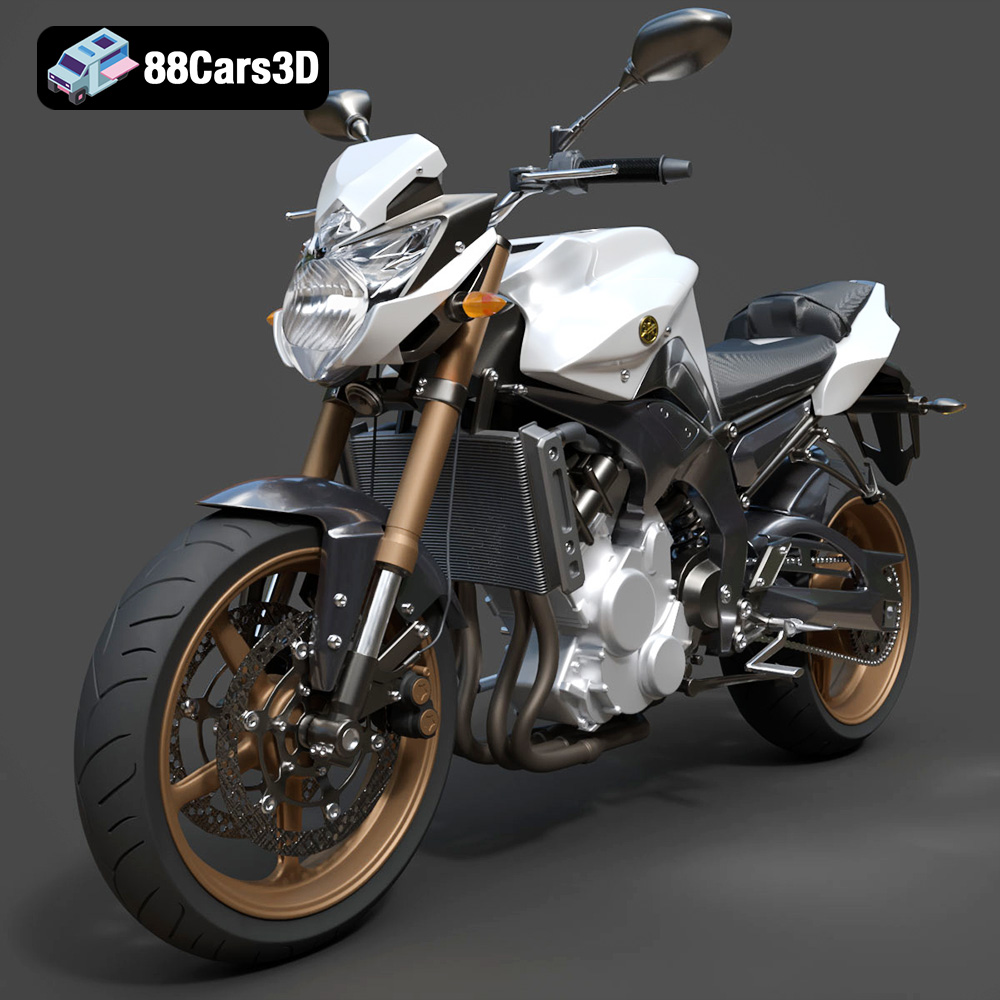
Texture: Yes
Material: Yes
Download the Yamaha FZ8 2011 3D Model featuring clean geometry, realistic detailing, and a fully modeled interior. Includes .blend, .fbx, .obj, .glb, .stl, .ply, .unreal, and .max formats for rendering, simulation, and game development.
Price: $19.99
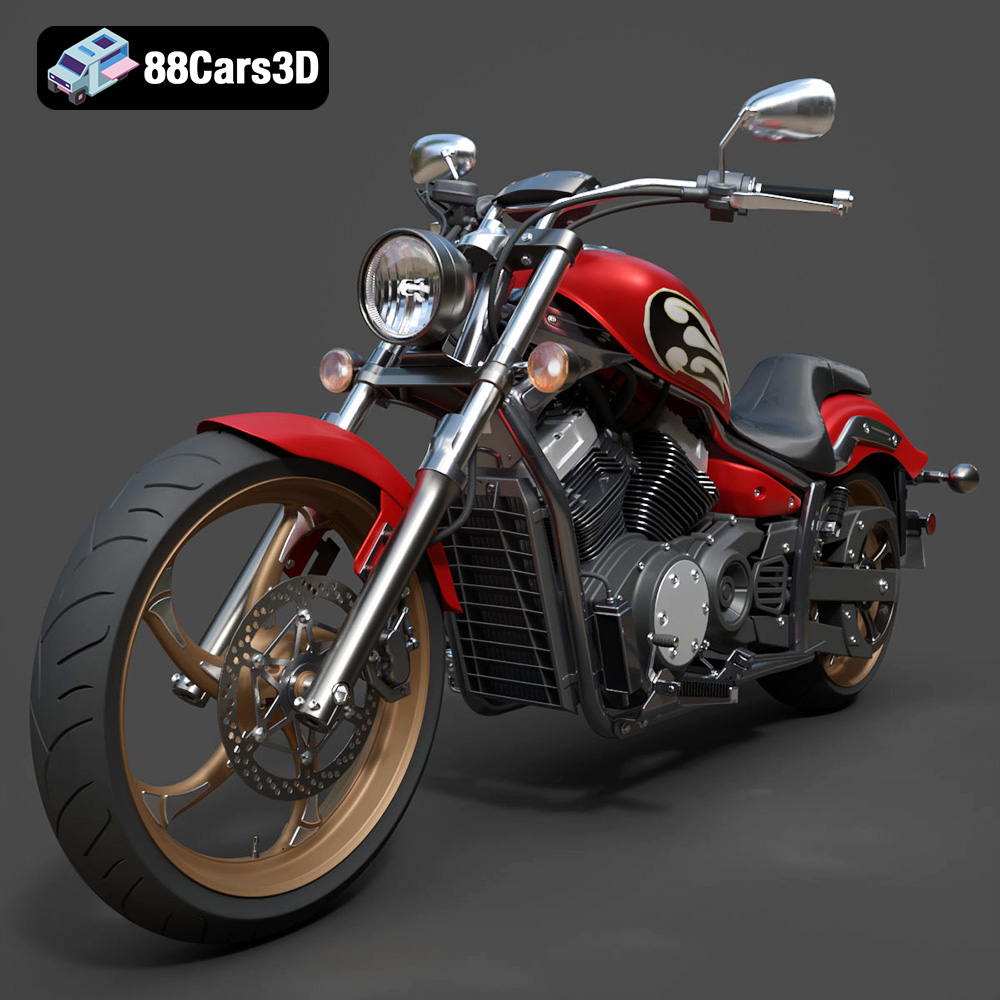
Texture: Yes
Material: Yes
Download the Yamaha Stryker 2012 3D Model featuring clean geometry, realistic detailing, and a fully modeled interior. Includes .blend, .fbx, .obj, .glb, .stl, .ply, .unreal, and .max formats for rendering, simulation, and game development.
Price: $19.99
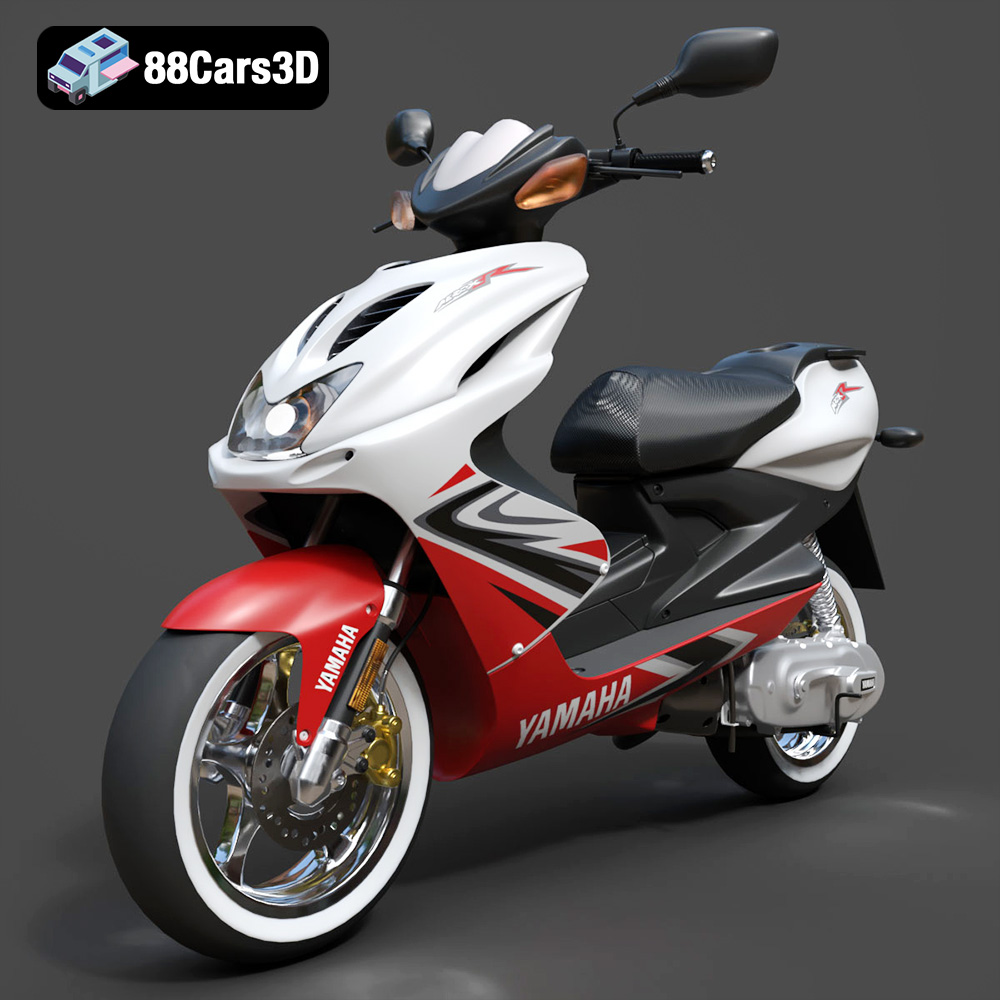
Texture: Yes
Material: Yes
Download the Yamaha Aerox R-002 2024 3D Model featuring clean geometry, realistic detailing, and a fully modeled interior. Includes .blend, .fbx, .obj, .glb, .stl, .ply, .unreal, and .max formats for rendering, simulation, and game development.
Price: $19.99
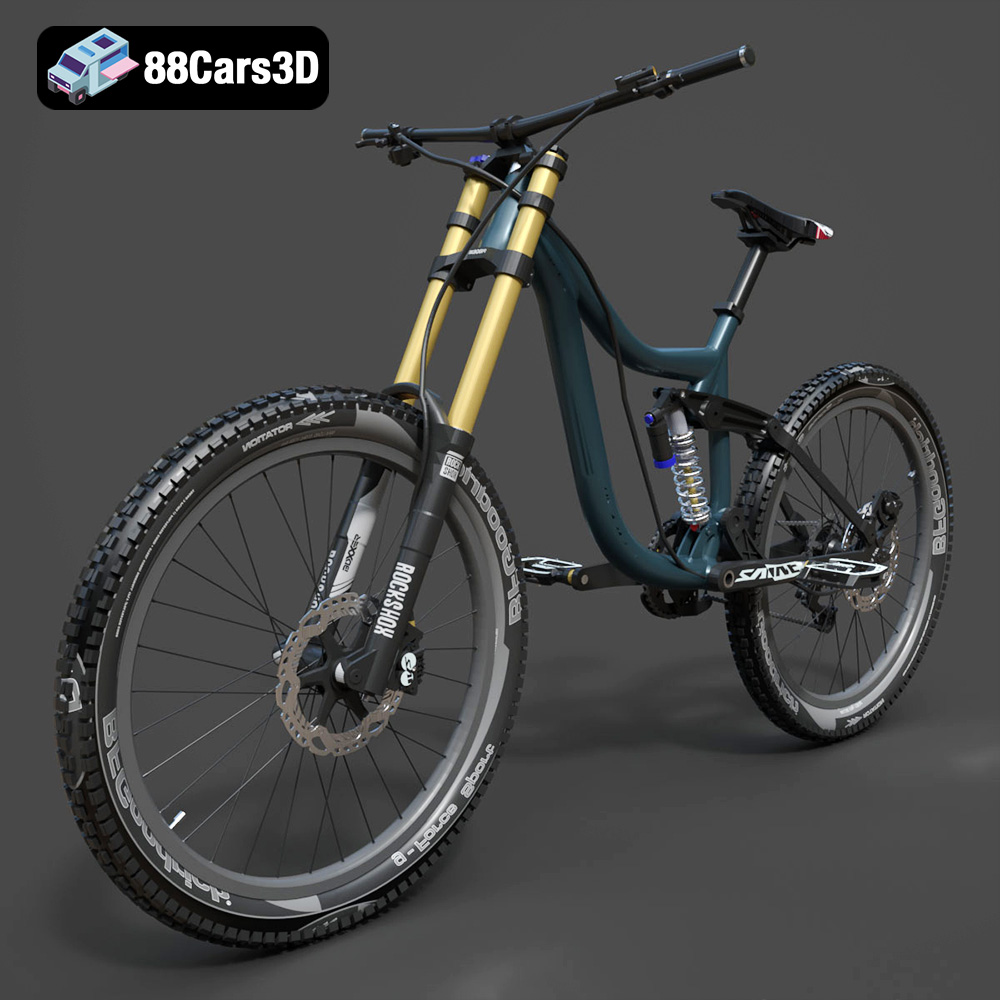
Texture: Yes
Material: Yes
Download the Mototsikly Downhill Bike-002 3D Model featuring clean geometry, realistic detailing, and precise mechanical components. Includes .blend, .fbx, .obj, .glb, .stl, .ply, .unreal, and .max formats for rendering, simulation, and game development.
Price: $19.99
Texture: Yes
Material: Yes
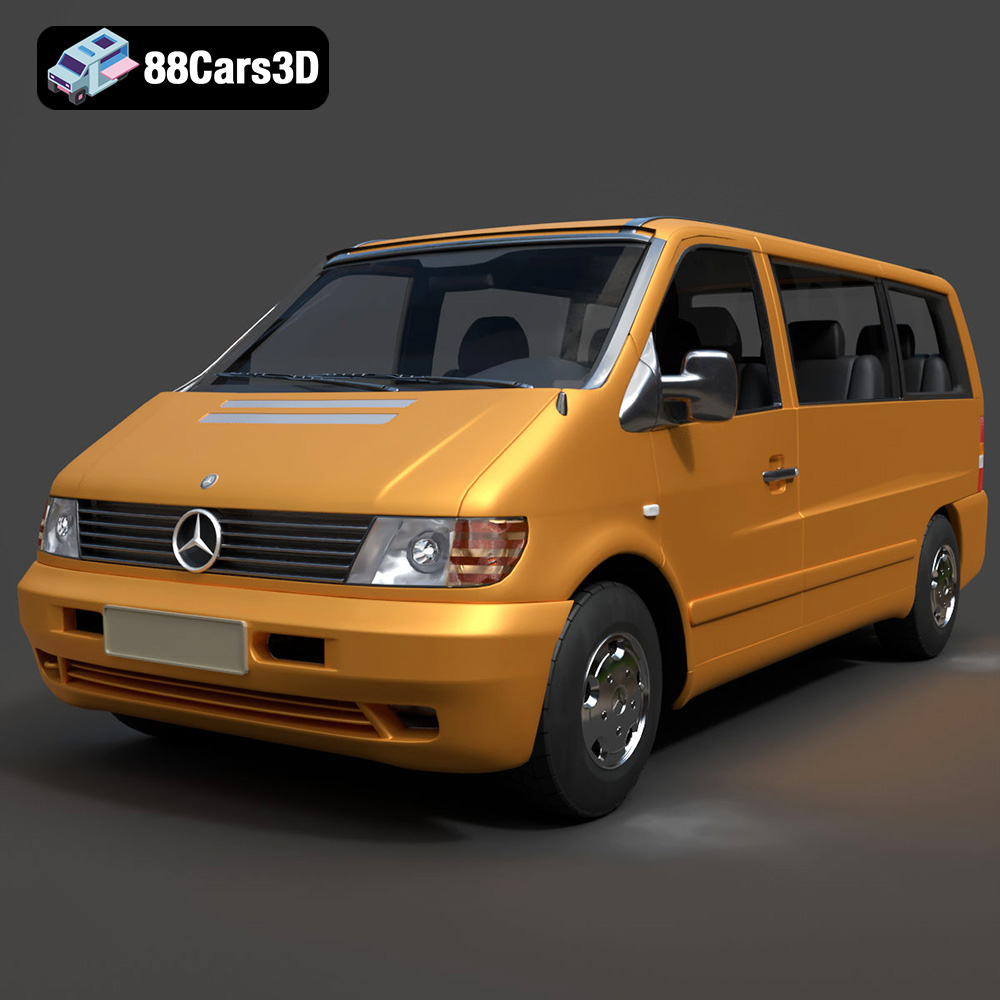
Download the Mercedes-Benz Vito Passenger Van 3D Model featuring clean geometry, realistic detailing, and a fully modeled interior. Includes .blend, .fbx, .obj, .glb, .stl, .ply, .unreal, and .max formats for rendering, simulation, and game development.
Price: $19.99
Texture: Yes
Material: Yes
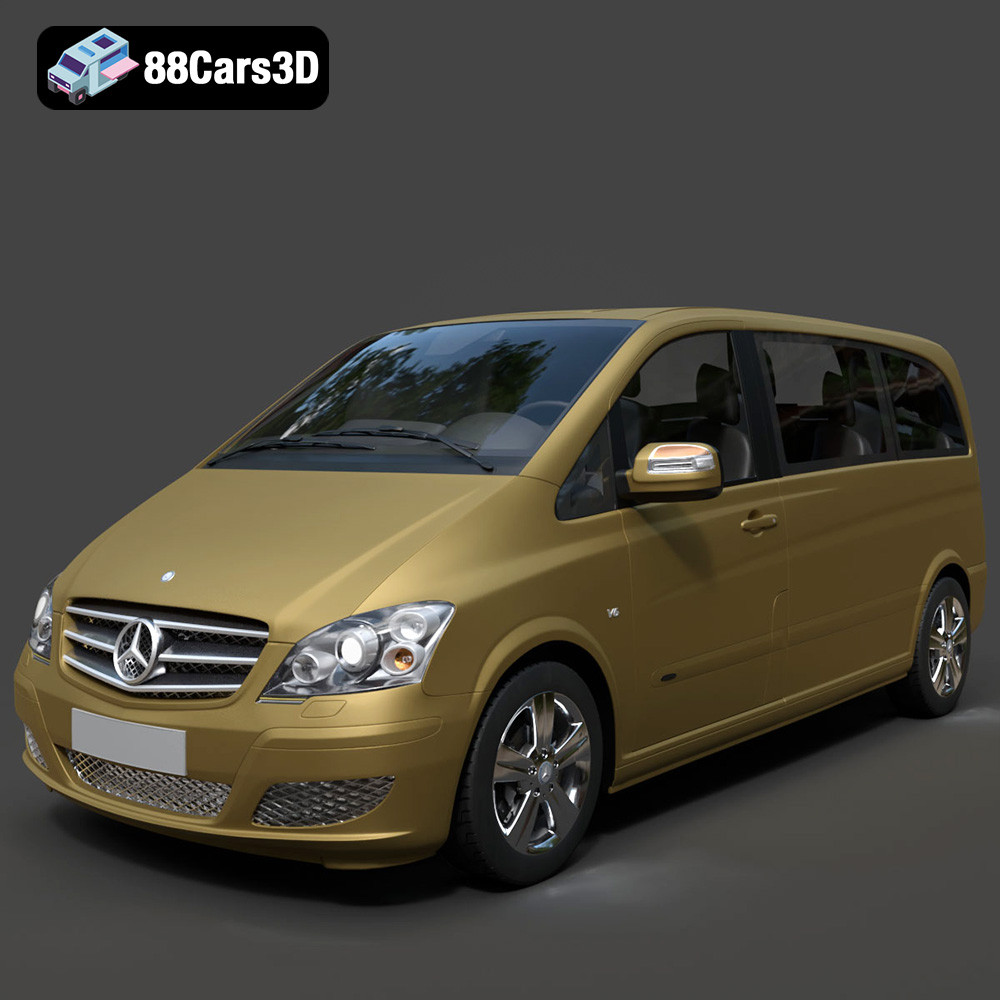
Download the Mercedes-Benz Viano 2010 3D Model featuring clean geometry, realistic detailing, and a fully modeled interior. Includes .blend, .fbx, .obj, .glb, .stl, .ply, .unreal, and .max formats for rendering, simulation, and game development.
Price: $19.99

Texture: Yes
Material: Yes
Download the Emt Avtobus 007 3D Model featuring clean geometry, realistic detailing, and a fully modeled interior. Includes .blend, .fbx, .obj, .glb, .stl, .ply, .unreal, and .max formats for rendering, simulation, and game development.
Price: $19.99
Texture: Yes
Material: Yes
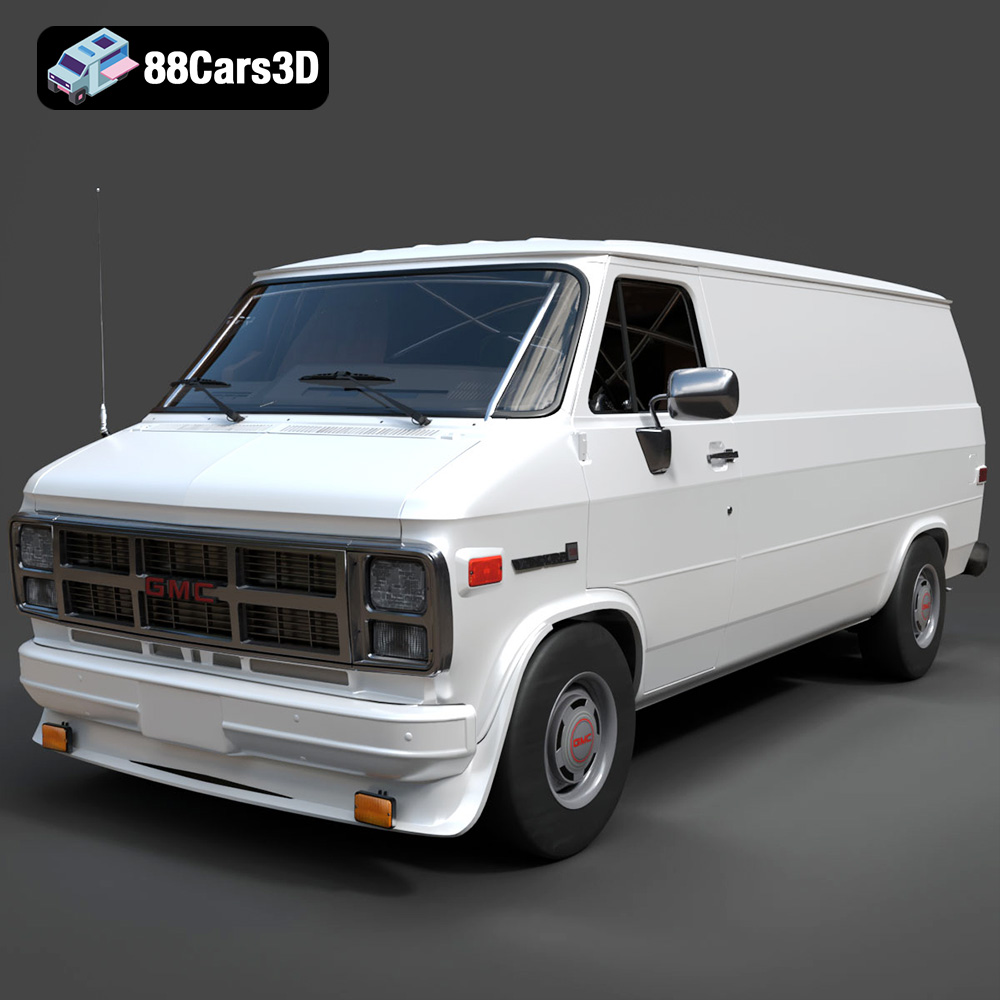
Download the GMC Vandura G-1500 1983 3D Model featuring clean geometry, realistic detailing, and a fully modeled interior. Includes .blend, .fbx, .obj, .glb, .stl, .ply, .unreal, and .max formats for rendering, simulation, and game development.
Price: $19.99
Texture: Yes
Material: Yes
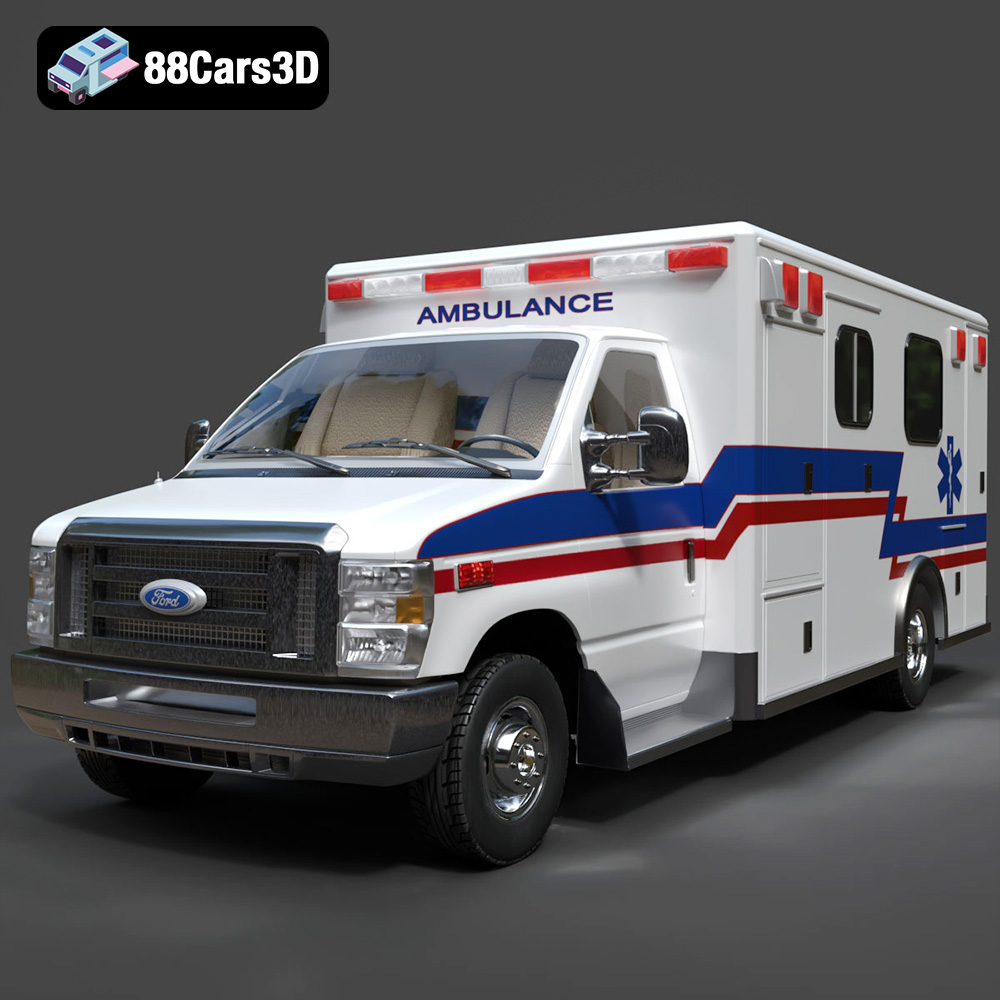
Download the Ford E-450 Ambulance 3D Model featuring clean geometry, realistic detailing, and a fully modeled interior. Includes .blend, .fbx, .obj, .glb, .stl, .ply, .unreal, and .max formats for rendering, simulation, and game development.
Price: $19.99

