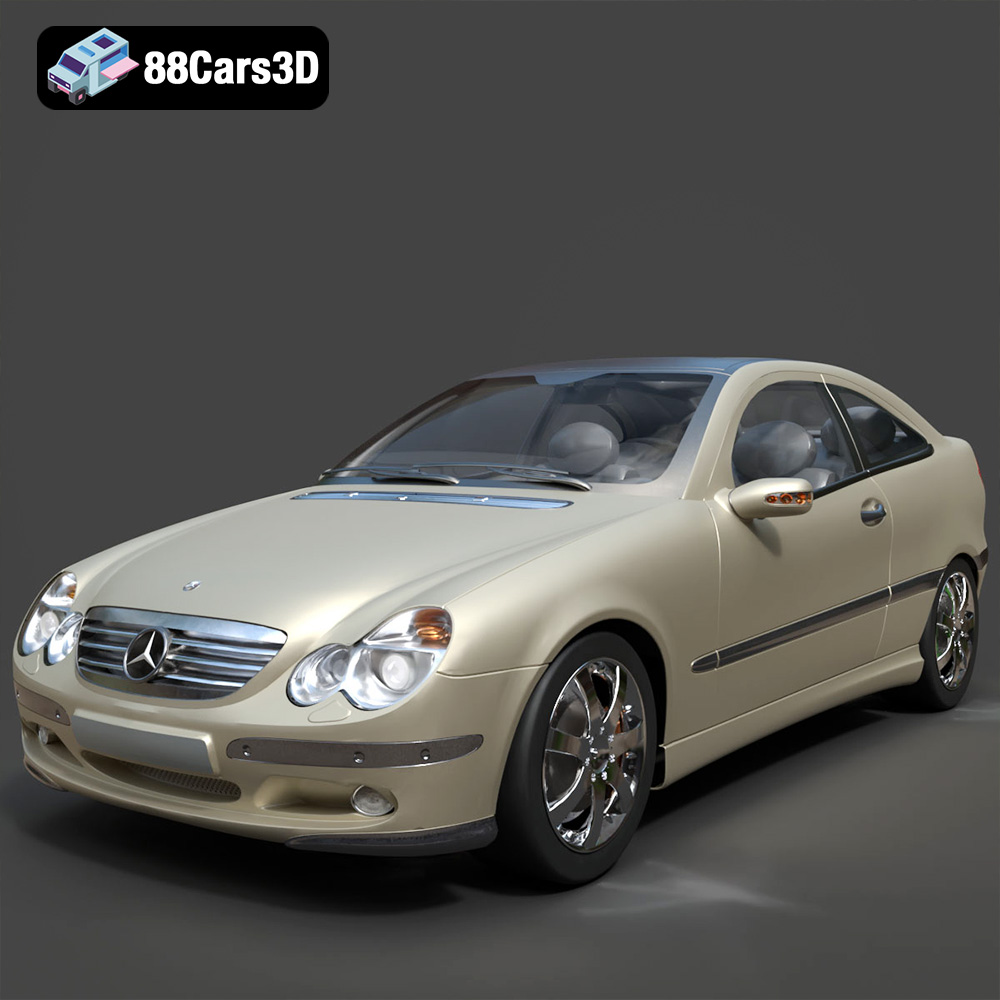
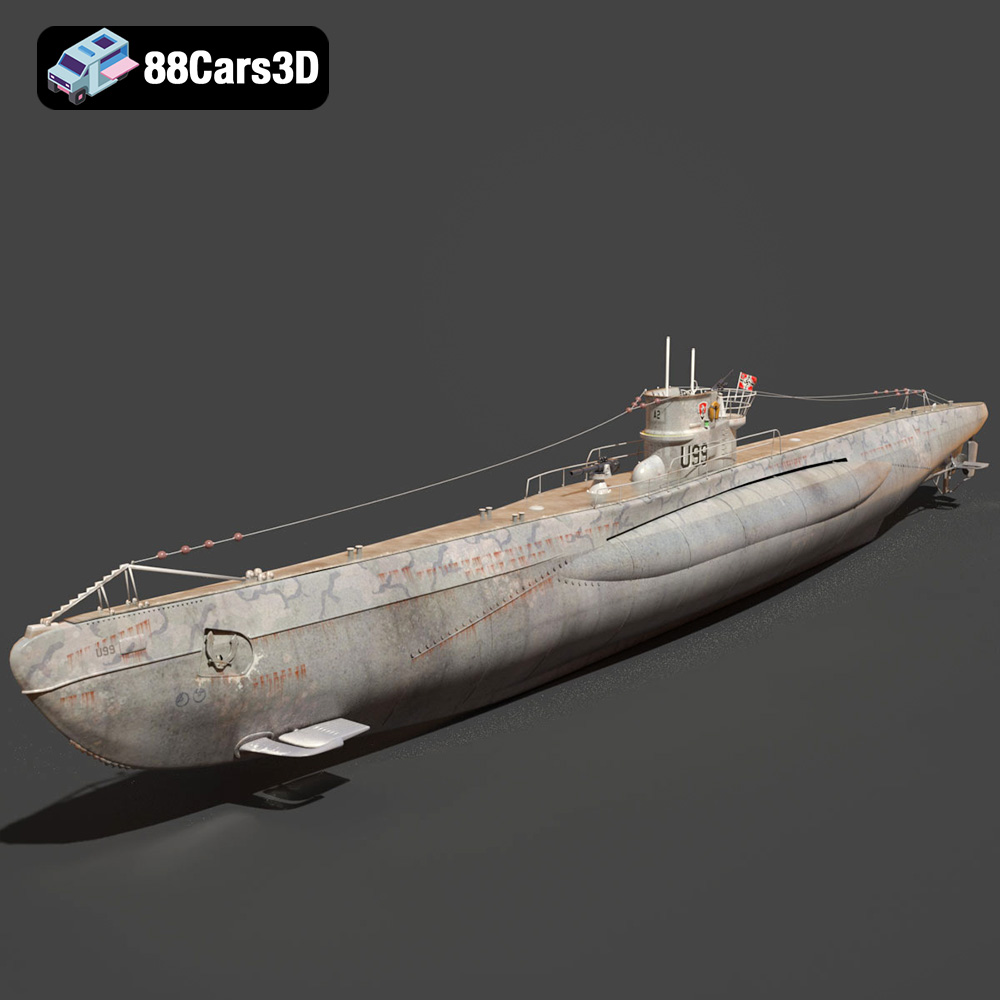
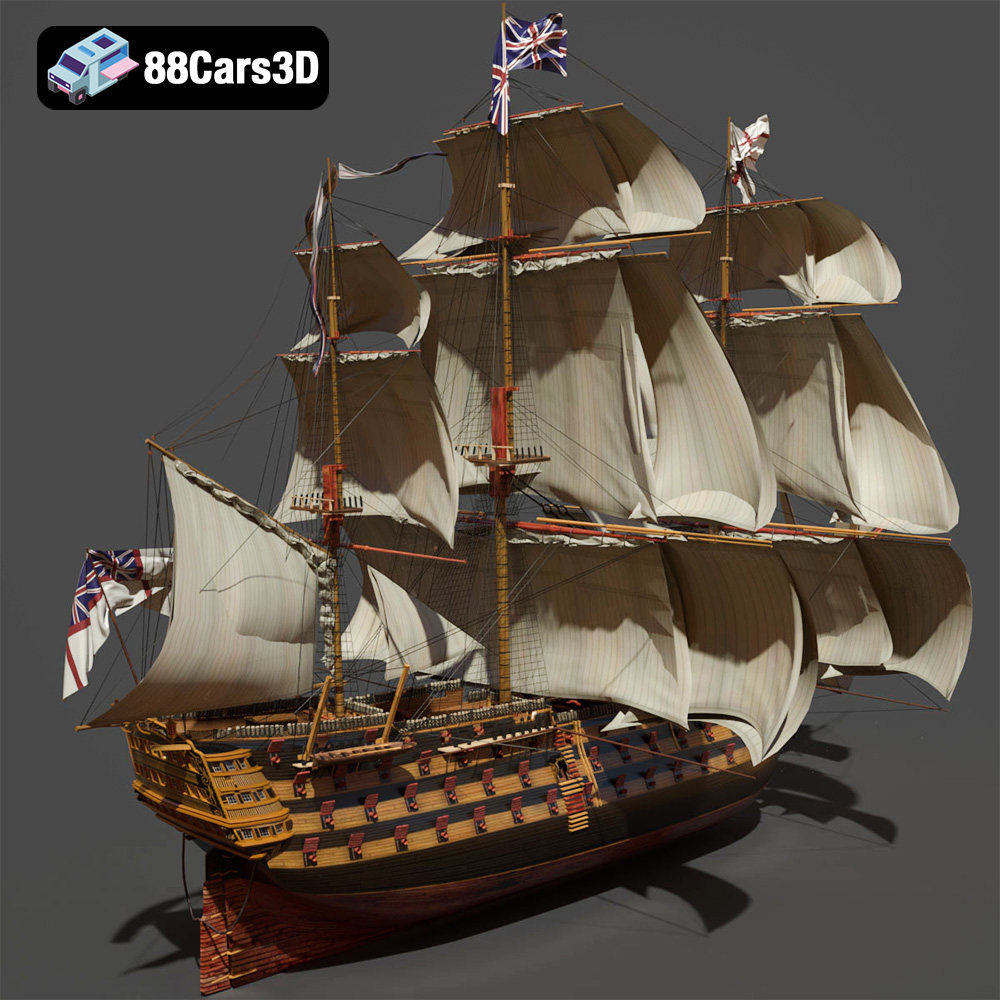
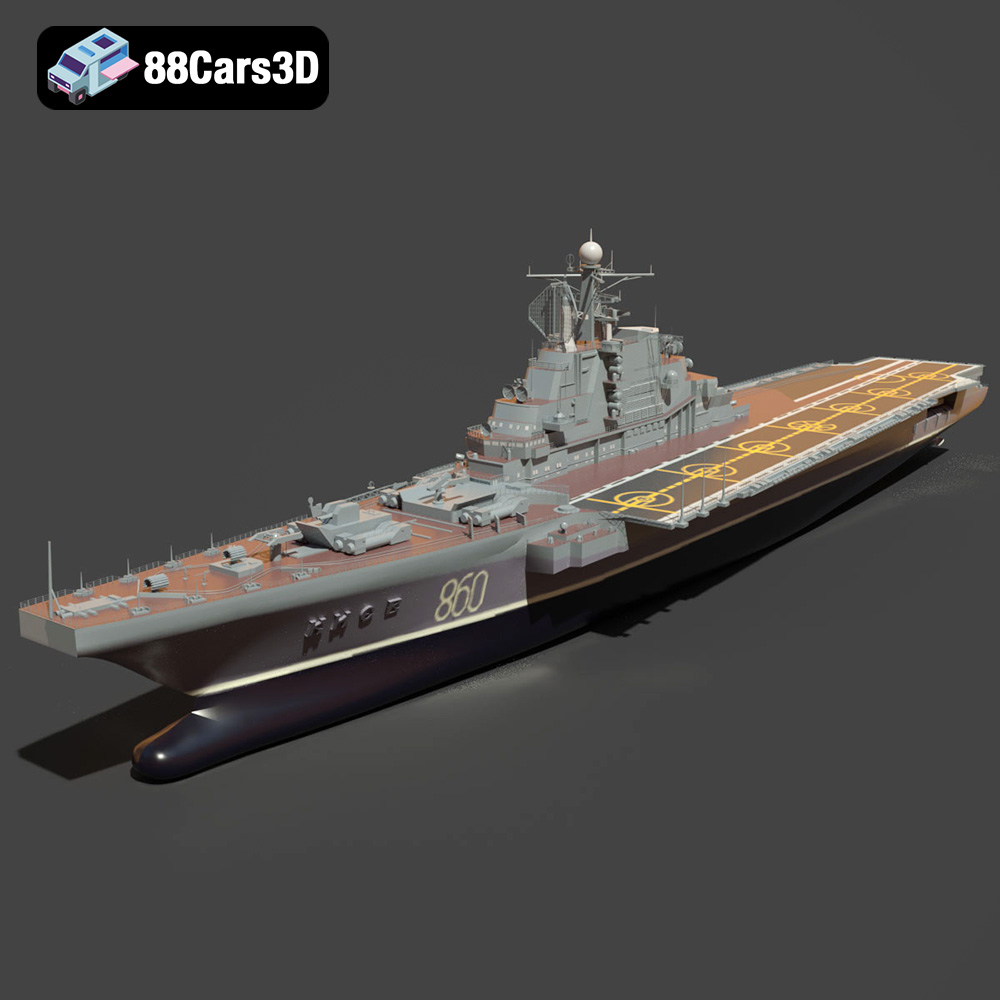
⚡ FLASH SALE: Get 60% OFF All Premium 3D & STL Models! ⚡

In the rapidly evolving digital landscape, the demand for hyper-realistic and functionally optimized 3D car models has never been greater. From cinematic automotive rendering that blurs the line between virtual and reality, to immersive game assets that power next-generation interactive experiences, and even practical applications in AR/VR and 3D printing, the quality of a 3D car model is paramount. This comprehensive guide delves into the technical intricacies, workflows, and strategic considerations for leveraging premium 3D car models across various industries.
The journey from a conceptual sketch to a polished, pixel-perfect digital vehicle is complex, requiring a deep understanding of modeling, texturing, lighting, and optimization. Whether you’re a seasoned 3D artist, a game developer pushing visual boundaries, or an automotive designer visualizing future concepts, understanding the nuances of these digital assets is crucial for achieving superior results and streamlining production pipelines. High-quality 3D car models are not just aesthetic elements; they are foundational components that dictate performance, visual fidelity, and ultimately, the success of a project.
The pursuit of realism and efficiency in digital content creation begins with the foundational assets themselves. For automotive projects, generic or poorly optimized models can lead to significant bottlenecks, compromise visual integrity, and incur costly rework. Investing in high-quality 3D car models from the outset provides a robust platform for any digital endeavor.
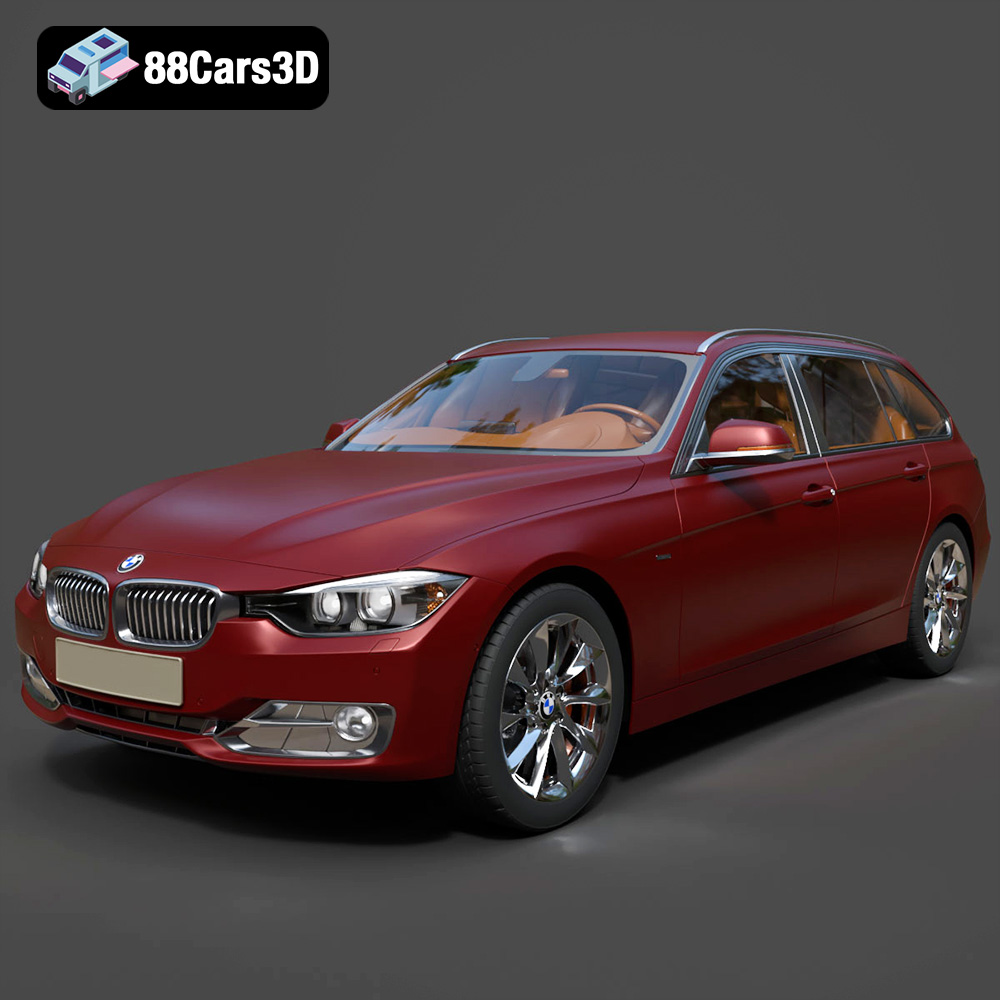
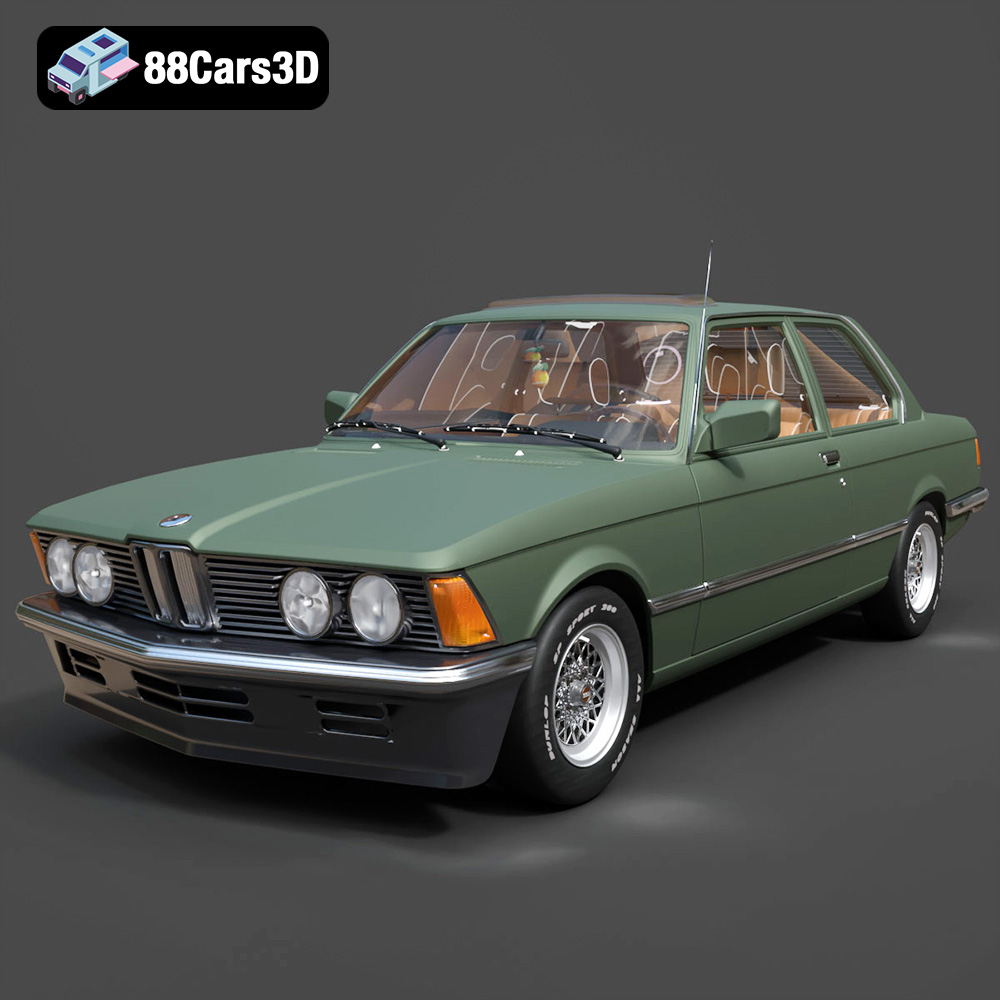
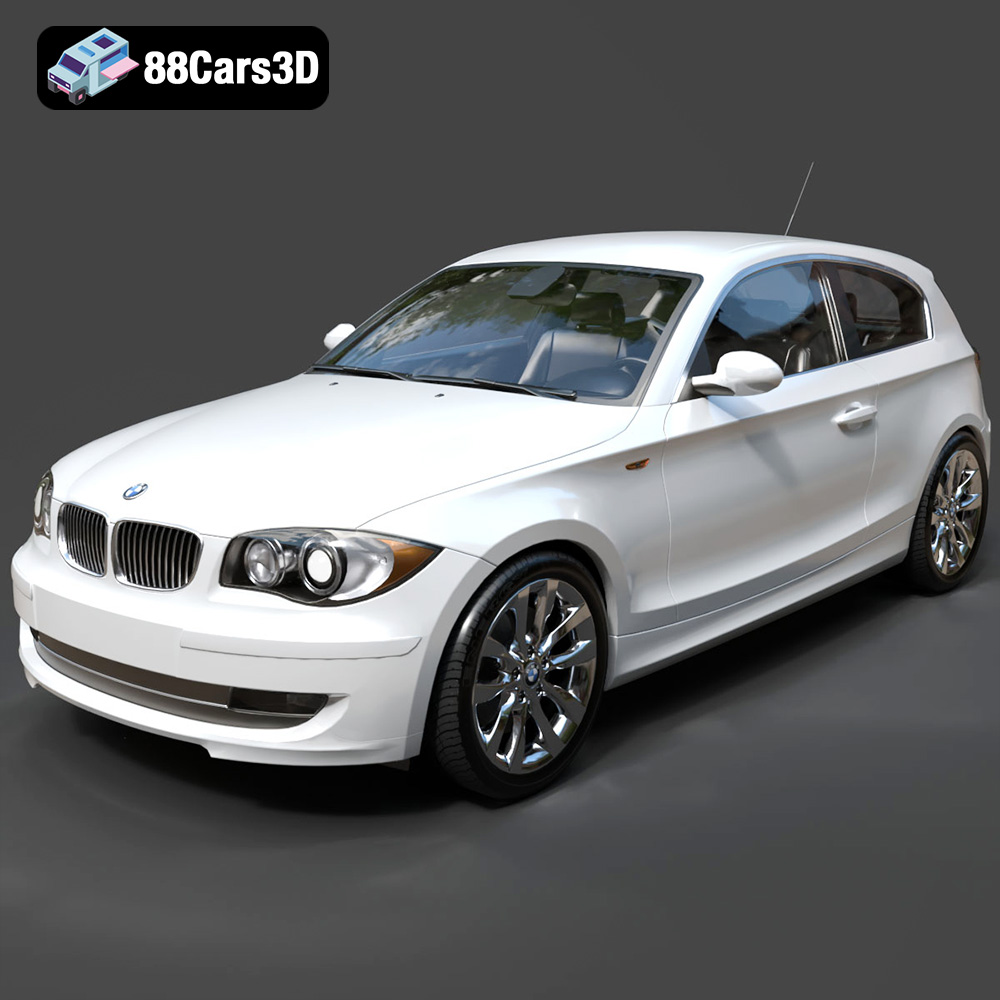
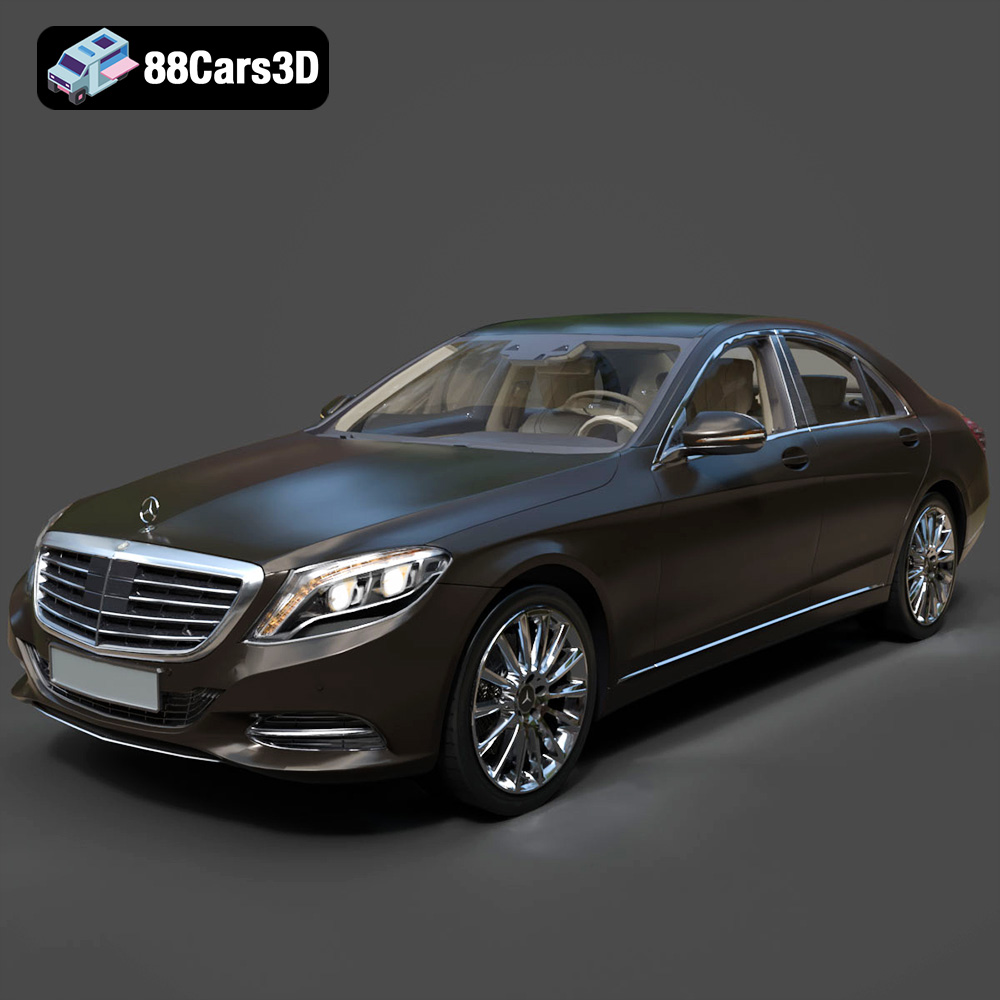
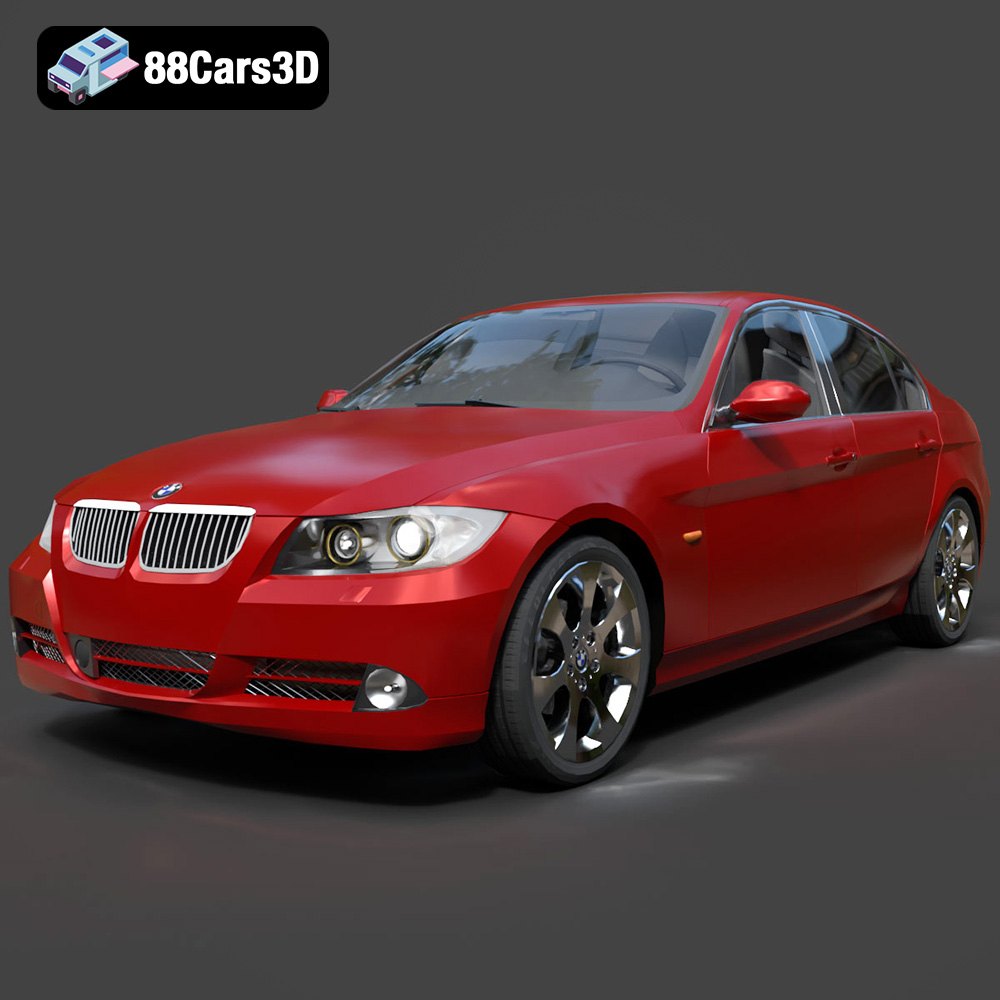
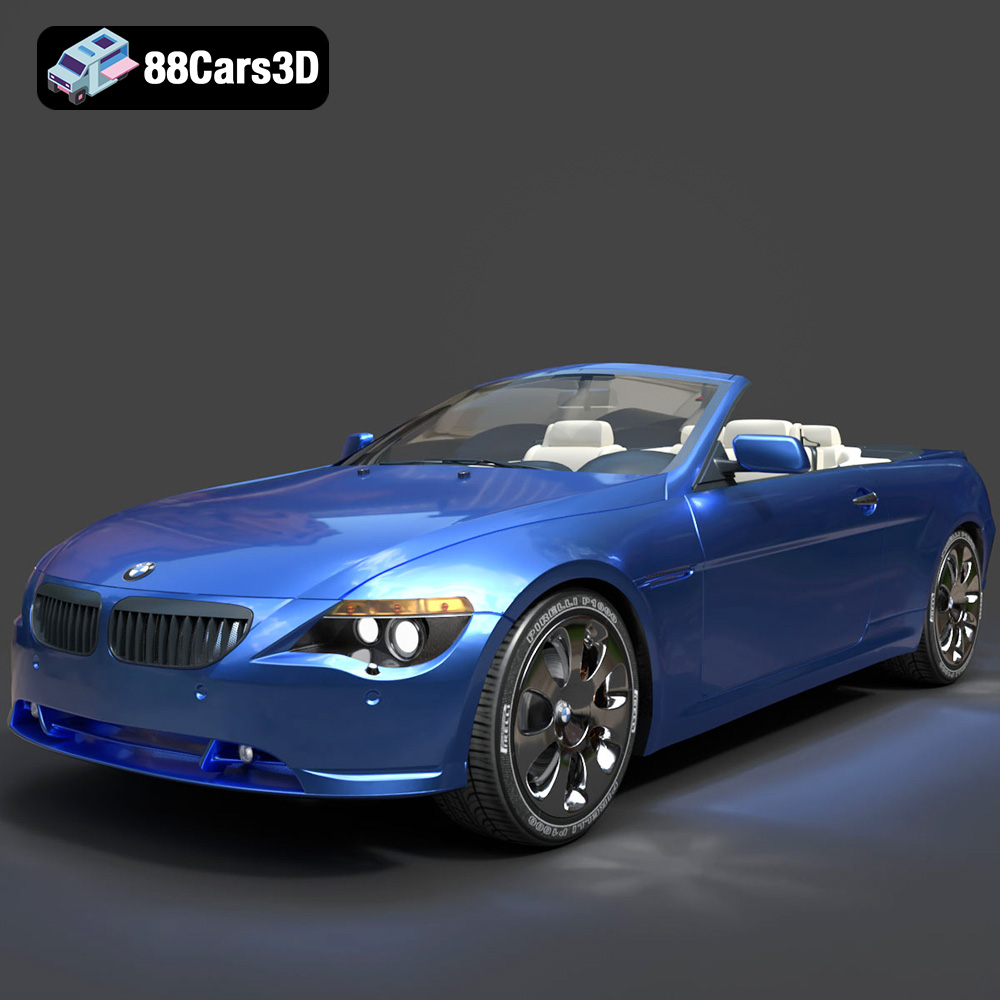
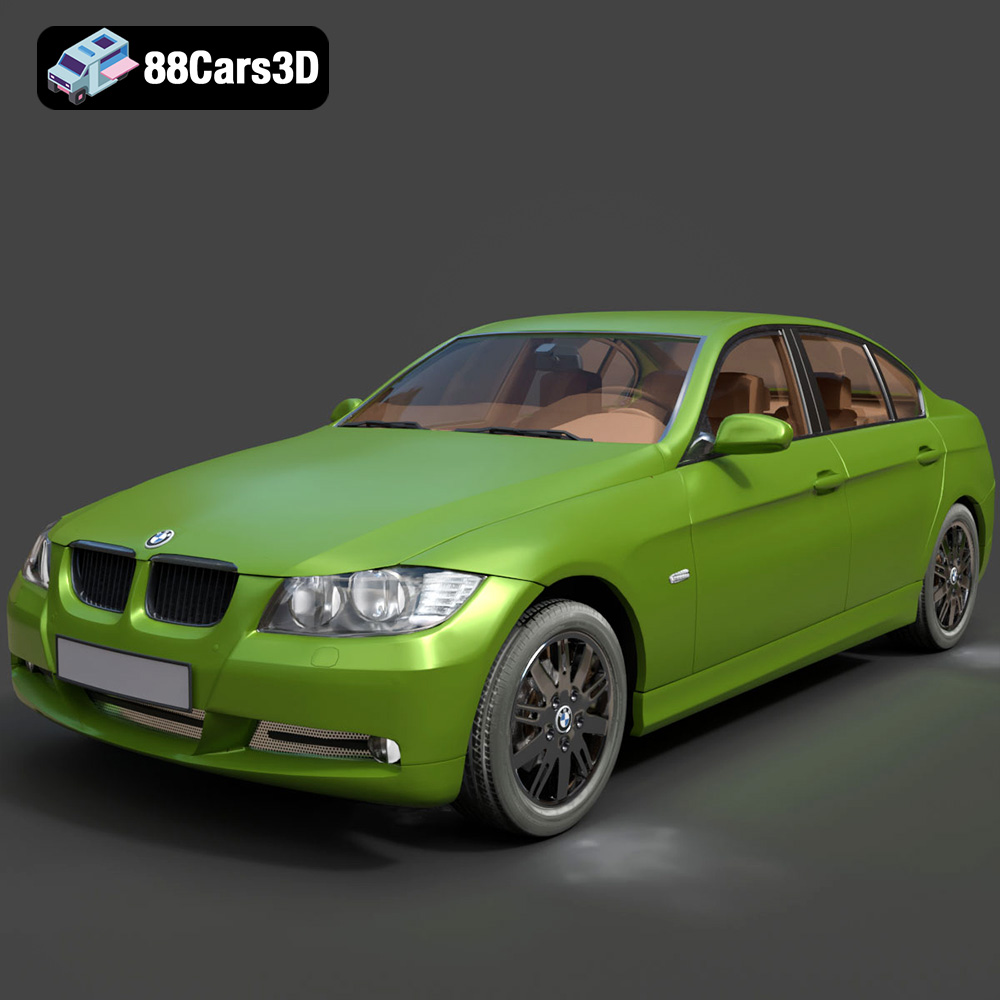
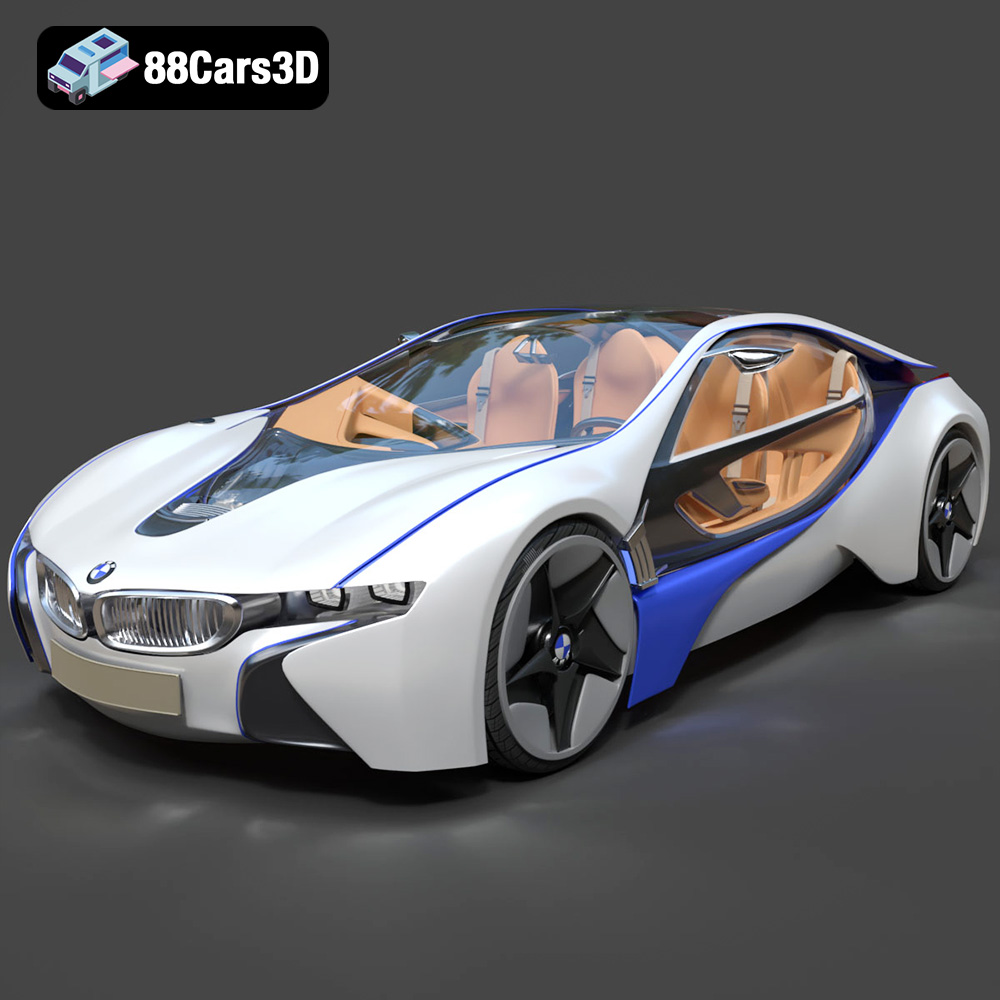
In automotive design and visualization, 3D car models serve as the essential bridge between a designer’s vision and its tangible digital representation. Detailed models allow for precise iterations of exterior styling, interior ergonomics, material finishes, and even aerodynamic simulations before any physical prototype is ever constructed. High-fidelity models capture every curve, seam, and surface detail, ensuring that the digital twin is an accurate reflection of the real-world vehicle. This level of detail is critical for marketing campaigns, where photorealistic renders can launch a new vehicle long before its physical unveiling, generating excitement and pre-sales.
Beyond aesthetics, high-quality 3D car models dramatically enhance pipeline efficiency. When models arrive with clean topology, proper UV mapping, and optimized material setups, artists can immediately focus on lighting, animation, or integration into game engines without spending valuable time on corrective modeling or retopology. This is particularly true for teams working under tight deadlines, where pre-built, technically sound assets can cut weeks off a project timeline. For game developers, pre-optimized models with appropriate poly counts and LODs (Levels of Detail) mean less time spent on performance optimization and more time dedicated to gameplay and interactive features. This efficiency is a cornerstone for any professional studio aiming for both quality and timely delivery.
The choice of file format is a critical technical decision that impacts compatibility, feature retention, and overall workflow efficiency. Different formats are optimized for specific use cases, ranging from full scene editing to real-time engine integration and 3D printing. Understanding their strengths and limitations is key to a seamless production pipeline.
The .blend format is Blender’s native file type, offering comprehensive scene data retention. When you work with a .blend file, you’re getting the full, editable Blender project. This includes not just the mesh geometry and UVs, but also modifiers (e.g., Subdivision Surface, Array), animation data, armature rigging, node-based material setups (cycles/eevee), lighting, camera information, and even physics simulations. Its primary advantage is its complete portability within the Blender environment, allowing artists to pick up exactly where another left off, making collaborative work within Blender highly efficient. However, its native nature means direct compatibility outside Blender requires export to other formats, which may lead to some data loss or conversion complexities depending on the target software.
The .fbx (Filmbox) format, developed by Autodesk, has become an industry standard for interoperability, particularly for animation and game development. It is ideal for transferring 3D models, animation, rigs, and often PBR material definitions (though material interpretation can vary between software). Its robustness makes it the go-to format for pipelines involving Unreal Engine, Unity, 3ds Max, Maya, and Blender, facilitating complex asset transfers with animation data intact. The .fbx format can be binary or ASCII, with binary being more compact. Its wide adoption ensures reliable data exchange, making it a cornerstone for professional workflows. In contrast, the .obj (Wavefront Object) format is one of the oldest and most universally supported 3D formats. It’s excellent for geometry and UV coordinates, making it highly compatible across almost all 3D software. Materials are typically defined in a separate .mtl file. While .obj is incredibly stable and widely accepted for static mesh transfer, it lacks support for animation, rigging, or advanced scene information, making it less suitable for dynamic assets compared to .fbx.
The .glb (GL Transmission Format Binary) is a compact, self-contained format optimized for web-based 3D, AR, and VR applications. It encapsulates geometry, materials (PBR definitions), textures, and animation into a single binary file, making it incredibly efficient for loading and displaying 3D content in browsers, mobile apps, and specialized viewers. Its efficiency and comprehensive data packaging make it ideal for delivering interactive 3D experiences with minimal load times. When we talk about Unreal Engine-ready assets, we’re referring to the optimized state of a model within the Unreal Engine content browser. While .fbx is the primary format for importing models into Unreal, the engine processes and packages these imports into its proprietary asset structure (e.g., Static Meshes, Skeletal Meshes, Materials, Textures). This internal “.unreal” optimized format ensures maximum performance within the engine’s real-time environment, leveraging features like LODs, collision meshes, and engine-specific material graphs. An asset truly optimized for Unreal is not merely an imported FBX, but one that has been carefully set up and configured within the engine for optimal rendering and gameplay efficiency.
For 3D printing, the .stl (Stereolithography) format is the undisputed industry standard. It represents a 3D model as a series of connected triangles, defining only the surface geometry without color, texture, or internal structure. While simple, its ubiquity ensures compatibility with virtually all 3D printers and slicing software, making it essential for physical prototyping and manufacturing. The .ply (Polygon File Format) is often used for 3D scanned data and scientific applications. It supports geometry, color per vertex (or per face), transparency, and even confidence values, making it suitable for models derived from photogrammetry or laser scanning where detailed surface information is crucial. Lastly, the .max format is the native file type for Autodesk 3ds Max. Similar to .blend for Blender, it contains a complete 3ds Max scene, including all objects, modifiers, materials (V-Ray, Corona, Arnold), lighting, cameras, and animation. It’s indispensable for studios deeply integrated into the 3ds Max ecosystem, especially in architectural visualization, automotive rendering, and animation, allowing for complex scene management and advanced rendering setups.
Choosing the right format at each stage of a project is crucial for maintaining data integrity and workflow efficiency. High-quality 3D car models available on marketplaces like 88cars3d.com often come in multiple formats, ensuring maximum flexibility for diverse project requirements.
Achieving photorealistic automotive rendering is an art form that blends technical mastery with an artistic eye. It involves meticulous attention to materials, lighting, and post-processing to create images indistinguishable from photographs.
The realism of a 3D car model largely hinges on its materials and textures. Modern rendering pipelines heavily rely on Physically Based Rendering (PBR) workflows. This involves creating textures that accurately represent how light interacts with surfaces in the real world. Key PBR maps include:
Proper UV unwrapping is essential for applying these textures without distortion. Techniques like UDIMs (Universal standard for unique texture sets for multiple tiles) are used for high-resolution models, allowing different parts of the car (e.g., body, interior, wheels) to have their own dedicated, high-resolution texture space. Layered materials, often using complex shader graphs, are employed for multi-coat paints, carbon fiber, and intricate interior fabrics, simulating phenomena like clear coats, metallic flakes, and subsurface scattering for realistic leather.
Lighting is the soul of any render. For automotive rendering, the goal is often to mimic real-world studio setups or outdoor environments. High Dynamic Range Images (HDRIs) are indispensable, providing realistic environmental lighting and reflections that seamlessly integrate the car into its virtual surroundings. A good HDRI provides both diffuse ambient light and crisp, accurate reflections. Beyond HDRIs, strategic placement of virtual studio lights (key, fill, rim lights) is crucial to highlight the car’s contours, emphasize design lines, and create dramatic visual appeal. Understanding Global Illumination (GI) techniques, such as path tracing or irradiance caching, in renderers like V-Ray, Corona, or Blender’s Cycles, is fundamental to simulate how light bounces and interacts throughout the scene, contributing to overall realism and accurate color bleeding.
Even the most perfect raw render can be elevated through professional post-processing and compositing. This stage, typically done in software like Adobe Photoshop, Affinity Photo, or Nuke, involves a range of techniques:
This final polish is what often transforms a good render into a stunning, believable image, making the car pop off the screen.
While cinematic renders prioritize raw visual fidelity, game assets demand a delicate balance between visual quality and real-time performance. Optimizing 3D car models for game engines is a specialized skill focused on efficiency, responsiveness, and scalability across diverse hardware.
A critical aspect of game asset optimization is stringent polycount management. Unlike renders where millions of polygons are acceptable, real-time engines have strict budget constraints. A single car in a game might range from 50,000 to 200,000 polygons, depending on its importance and the target platform. To manage this efficiently, Levels of Detail (LODs) are indispensable. Artists create multiple versions of the same car model, each with progressively lower polygon counts.
This ensures that the player always sees an appropriate level of detail without unnecessary computational overhead. Efficient retopology and mesh decimation tools are vital for creating these optimized versions.
For interactive environments, 3D car models require more than just visual geometry. Collision meshes are simplified, often convex, geometries used by the physics engine to calculate collisions and interactions without needing to process the complex visual mesh. These are crucial for realistic driving physics and object interactions. Furthermore, proper rigging is essential for dynamic elements. This involves creating a skeletal structure (bones) that allows parts of the car to move or deform realistically. For a car, this includes:
These rigs are then controlled by animation blueprints or physics systems within the game engine, bringing the car to life.
The final stage of preparing 3D car models for games involves their seamless integration into engines like Unreal Engine or Unity. The typical workflow involves exporting the optimized 3D car models as .fbx files from modeling software (e.g., 3ds Max, Blender). Once imported, several engine-specific steps are required:
This detailed integration ensures that the 3D car models not only look stunning but also perform flawlessly and interact realistically within the game environment.
The utility of high-quality 3D car models extends far beyond traditional rendering and gaming, finding innovative applications in various cutting-edge fields.
Augmented Reality (AR) and Virtual Reality (VR) are transforming how we interact with products, and 3D car models are at the forefront of this revolution. AR applications allow prospective buyers to virtually place a 3D car model in their driveway, explore different color options, or even “walk around” the interior from their phone. VR takes this further, offering fully immersive digital showrooms where users can experience a car as if they were physically present, opening doors, sitting inside, and exploring every detail in a photo-realistic virtual environment. These experiences demand highly optimized models, often in formats like .glb, to ensure smooth performance on mobile devices and VR headsets while maintaining visual fidelity. The interactive nature means models must be equipped with accurate scale, well-defined pivots for interaction, and efficient material setups.
For engineers and designers, 3D car models are invaluable for rapid prototyping and manufacturing. By converting a detailed 3D model into an .stl file, physical prototypes can be printed, allowing for tangible assessment of design aesthetics, ergonomics, and even functional components. This accelerates the design cycle, reducing the cost and time associated with traditional manufacturing methods. Precision models, often provided in formats like .ply or highly detailed .max/blend files, can be directly used for creating scale models, custom parts, or even molds for manufacturing. The accuracy of the digital model directly translates to the precision of the physical output, making high-fidelity assets crucial for these applications.
The film and animation industry heavily relies on 3D car models for visual effects, cinematic sequences, and commercials. High-polygon models with extensive detailing are used to create believable vehicles for action scenes, futuristic concepts, or period dramas. These models are often subjected to complex rigging for advanced animation, destruction effects, and integration with live-action footage. From generating an entire fleet for a post-apocalyptic film to creating a flawless hero car for a high-end commercial, premium 3D car models provide the visual foundation necessary for stunning cinematic realism, blending seamlessly with real-world environments and characters.
As the applications for 3D car models diversify and expand, the importance of sourcing high-quality assets from reliable platforms cannot be overstated. A premium marketplace like 88cars3d.com addresses the critical needs of professionals across industries by providing expertly crafted models that meet rigorous technical and aesthetic standards.
One of the primary advantages of purchasing premium 3D car models is the assurance of technical fidelity. These models are typically built by experienced artists who adhere to best practices:
This level of technical excellence ensures that the models are production-ready straight out of the box, minimizing the need for corrective work and allowing artists to focus on creative tasks. Websites like 88cars3d.com curate their collections to ensure such high standards, providing a valuable resource for busy professionals.
The time and cost savings associated with using pre-built, high-quality 3D car models are substantial. Modeling a complex vehicle from scratch can take hundreds of hours for even an experienced artist. This includes research, reference gathering, modeling, UV mapping, texturing, and optimization. By acquiring a professional-grade model, studios and individual artists can drastically reduce their production overhead. This allows for quicker turnaround times on projects, greater flexibility in exploring design variations, and the ability to allocate resources to other critical aspects of a production. Whether it’s for a client presentation, a new game title, or a marketing campaign, accessing a diverse library of ready-to-use 3D car models from a trusted source empowers creators to deliver exceptional results efficiently.
The world of 3D car models is a vibrant and indispensable component of modern digital content creation. From the precise curves meticulously sculpted for automotive rendering to the optimized geometries engineered for game assets, and the diverse applications spanning AR/VR, 3D printing, and cinematic productions, the demand for high-quality digital vehicles continues to accelerate. Understanding the intricacies of file formats, the artistry of material and lighting, and the technical demands of optimization are paramount for anyone navigating this complex landscape.
Ultimately, the investment in meticulously crafted 3D car models pays dividends in realism, efficiency, and project success. By leveraging technically robust and visually stunning assets, designers, developers, and artists can focus their energy on creativity and innovation, pushing the boundaries of what’s possible in the digital realm. As industries continue to embrace immersive experiences and advanced visualization, the role of premium 3D car models will only grow more critical, driving forward the future of digital content.