⚡ FLASH SALE: Get 60% OFF All Premium 3D & STL Models! ⚡

“`html
Welcome, automotive enthusiasts and makers! If you’ve ever marveled at a perfectly rendered 3D printable car model or dreamed of bringing your favorite classic or concept car to life on your 3D printer, you’ve likely encountered the term “STL file.” But what exactly is an STL file, and why is it the cornerstone of the 3D printing world, especially for intricate designs like detailed car models? This comprehensive guide is designed to demystify the STL format for beginners, whether you’re a seasoned 3D printing hobbyist or just starting your journey into additive manufacturing.
We’ll delve deep into the structure of STL files, understand their limitations and advantages, explore how they are created and repaired, and most importantly, how to use them effectively to achieve stunning 3D prints of automotive masterpieces. From understanding tessellation to preparing your files for the slicing software, this guide will equip you with the knowledge to confidently download and print 3D car models, ensuring you get the best possible results every time. Get ready to transform digital designs from platforms like 88cars3d.com into tangible, high-quality models right on your printer!
STL, which stands for Stereolithography or Standard Tessellation Language, is the de facto standard file format for 3D printing. Developed by 3D Systems in the 1980s, its primary purpose was to represent the surface geometry of a 3D object in a way that a 3D printer could understand and interpret. Unlike complex CAD (Computer-Aided Design) files that store intricate information about solids, curves, and features, an STL file describes a 3D model as a collection of connected triangles. This simplified representation is crucial for the layer-by-layer manufacturing process of 3D printing.
Think of an STL file as a digital mosaic. Instead of using complex shapes, it approximates the curved surfaces of a 3D object with many small, flat triangles. The more triangles used, the finer the approximation and the more detailed the final model will appear. This process of approximating surfaces with triangles is called tessellation. For highly detailed models, such as those found on marketplaces like 88cars3d.com, the STL file can contain thousands, or even millions, of these triangles to accurately capture every curve, panel line, and aerodynamic feature of a car.
When a 3D model is exported to STL, the software essentially “tessellates” its surfaces. This means that any curved surfaces are broken down into a series of planar polygons, predominantly triangles. The resolution or fineness of this tessellation is a critical factor. A low-resolution STL will use fewer, larger triangles, resulting in a faceted or blocky appearance, especially on curved surfaces. Conversely, a high-resolution STL uses many small triangles, creating a smoother, more accurate representation of the original model’s geometry. For 3D printable car models, achieving the right balance is key: high enough resolution for detail, but not so high that the file becomes excessively large and difficult to process.
STL files can exist in two primary formats: ASCII and Binary. ASCII STLs are human-readable text files, listing each triangle’s vertices and normal vector. While easy to inspect, they are significantly larger in file size. Binary STLs, on the other hand, are more compact and efficient. They store the same information but in a machine-readable binary code. For most 3D printing applications, especially when dealing with complex models like detailed car bodies, the binary format is preferred due to its smaller file size, leading to faster loading times and reduced storage requirements.
STL files are not typically created from scratch by end-users but are usually the output of 3D modeling software. Whether it’s a CAD program, a sculpting tool, or a 3D scanner, the process involves defining the surface of an object and then exporting it in the STL format. For highly detailed car models, this often starts with professional CAD software where engineers and designers meticulously craft every aspect of the vehicle. Alternatively, artists might use digital sculpting software to create more organic or stylized car designs.
The process of exporting to STL involves setting parameters that dictate the tessellation quality. In many 3D modeling programs, you’ll find options like “chord height,” “angle tolerance,” or “resolution.” Lowering the chord height or angle tolerance, or increasing the resolution, results in a finer mesh with more triangles, leading to a more accurate representation of curves and details. For car models, this means capturing sharp body lines, subtle aerodynamic contours, and intricate wheel designs faithfully. When downloading models from sources like 88cars3d.com, these files have typically undergone this export process, aiming for a good balance of detail and manageable file size.
Professional CAD software like SolidWorks, Fusion 360, or CATIA are frequently used to design functional or highly precise car models. When exporting from these platforms, users often have explicit control over the tessellation quality. Settings might include deviation from the surface, angle between normals, and edge length. For example, setting a small deviation value ensures that the triangles closely hug the original CAD surfaces, preserving curvature. Choosing the right export settings is crucial for ensuring that intricate details, like the sharp creases on a sports car’s bodywork or the spokes of a complex wheel, are accurately translated into the STL mesh.
Another common method for generating STL files is through 3D scanning. Physical objects, including car parts or even entire vehicles, can be scanned using specialized hardware to capture their surface geometry. The raw data from a 3D scanner is often a “point cloud” or a series of overlapping surface patches. This data then needs to be processed using mesh editing software to create a watertight, manifold surface composed of triangles – an STL file. While scanning can capture real-world shapes, the resulting STL often requires significant cleanup and repair to be printable.
As mentioned, an STL file defines a 3D object solely by its surface triangulation. This means it contains no information about color, texture, material properties, or even the object’s internal structure. It’s purely a geometric description of the exterior shell. Each triangle within the STL file is defined by three vertices (its corner points) and a normal vector. The normal vector is a vector perpendicular to the face of the triangle, pointing outwards, which helps the slicing software determine which side of the triangle is “outside” the object and which is “inside,” ensuring correct orientation.
The arrangement and connectivity of these triangles form the overall shape. For a printable model, these triangles must form a “watertight” or “manifold” mesh. This means the surface must be closed, with no holes, gaps, or self-intersections. Imagine a balloon; it’s a closed surface. A printable STL file for a car model should be like that – a complete, sealed shell. Any breaches in this shell would be interpreted by the slicer as errors, leading to printing failures.
Each triangle in an STL file is defined by three sets of X, Y, Z coordinates representing its vertices. Additionally, a normal vector is associated with each triangle. This vector has three components (Nx, Ny, Nz) and indicates the direction perpendicular to the triangle’s surface. The orientation of this normal vector is critical. By convention, it should point outwards from the object’s surface. Slicing software uses these normal vectors to understand the inside and outside of the model, ensuring that layers are generated correctly and that there are no inverted surfaces.
A manifold mesh is a fundamental requirement for a successful 3D print. It means that the surface is topologically sound: each edge is shared by exactly two triangles, and there are no non-manifold edges (edges shared by more than two triangles) or vertices (where multiple separate surfaces meet without connection). A “watertight” mesh implies that there are no holes or gaps in the surface, forming a completely enclosed volume. For car models, this means all panels are connected, windows are sealed, and there are no stray surfaces. Software like Meshmixer or Netfabb are invaluable tools for checking and repairing non-manifold geometry or holes in STL files before printing.
An STL file, by itself, cannot be directly understood by a 3D printer. It needs to be processed by a crucial piece of software known as a “slicer.” The slicer takes the 3D geometry described by the STL file and “slices” it into hundreds or thousands of thin, horizontal layers. For each layer, the slicer generates a set of instructions, typically in G-code, that tells the 3D printer exactly where to move the print head, how much material to extrude, and at what speed and temperature.
Popular slicers like Cura, PrusaSlicer, and Simplify3D offer a vast array of settings that directly impact the quality of your 3D print. These include layer height, infill density and pattern, print speed, nozzle temperature, bed temperature, and crucially, support structure generation. The choice of slicing parameters is a delicate balancing act between print speed, surface quality, and structural integrity. For detailed car models, fine-tuning these settings is paramount to capturing delicate features like thin spoilers, intricate grilles, and the subtle curves of the body panels without compromising print success.
When slicing a car model, several parameters are particularly important:
Experimentation with these settings, often starting with a known profile for your printer and material, is key to success.
One of the most challenging aspects of printing complex objects like cars is managing overhangs and bridges. Many parts of a car model, such as spoilers, undercarriage elements, or even the roof, will have sections that extend horizontally without any underlying support from the layer below. This is where support structures come in. The slicer can automatically generate these temporary structures, typically made of the same material as the model, which are printed underneath overhangs to provide a stable base. They are designed to be easily removed after the print is complete. Choosing the right support type (e.g., standard, tree, or custom) and density is critical for ensuring that delicate parts of the car model are printed successfully without collapsing, and that the supports can be removed cleanly without damaging the final print.
The choice between Fused Deposition Modeling (FDM) and Stereolithography (SLA) or Digital Light Processing (DLP) resin printing significantly impacts the final print quality and the types of STL files that are best suited for each. FDM printers build objects layer by layer using extruded thermoplastic filament. They are generally more affordable and offer a wider range of materials, making them excellent for larger prototypes or functional parts. However, FDM prints can exhibit visible layer lines, and capturing extremely fine details can be challenging.
Resin printers, on the other hand, use UV light to cure liquid photopolymer resin layer by layer. This process allows for incredibly high resolution and smooth surface finishes, making them ideal for detailed models like intricate car replicas where sharp edges, fine panel gaps, and small details are paramount. However, resin prints often require more post-processing (washing, curing, support removal) and can be more expensive in terms of material costs and printer maintenance. When selecting an STL file for either technology, consider the inherent capabilities of your printer.
For FDM printing of car models, print orientation is a primary consideration. Printing a car body upright often provides the best surface finish on the visible exterior panels, as the layer lines will be less noticeable. However, it can also lead to a significant number of supports for the roof and potentially the wheel arches. Printing the model on its side or upside down might reduce the amount of support needed but could compromise the finish on critical surfaces. Using finer layer heights (0.1mm), slower print speeds for outer walls, and careful support placement are key to achieving good results. Materials like PLA are popular for their ease of printing and low warping, while PETG offers better durability.
Resin printing excels at capturing the minute details often present in high-quality car model STLs. Models with intricate grille patterns, delicate aerodynamic elements, or complex wheel designs benefit greatly from the high resolution of SLA/DLP printers. When printing with resin, it’s often recommended to orient the model to minimize the number of support contact points on highly visible surfaces. Support structures in resin printing are typically finer and more numerous, and their removal requires careful sanding and polishing to avoid damaging the resin surface. Ensure your STL file is manifold and free of errors, as any imperfections will be faithfully reproduced by the resin printer’s high fidelity.
Even with well-prepared STL files and optimized settings, 3D printing can sometimes present challenges. Understanding common issues and their potential causes related to STL files and their processing is crucial for troubleshooting. These problems can range from geometry errors in the STL itself to settings within the slicer that aren’t ideal for the specific model or printer.
One frequent issue is “clogging” or “under-extrusion,” often caused by partially blocked nozzles, incorrect temperature settings, or issues with filament quality. However, geometry-related problems also arise. For instance, if an STL file is not properly manifold, the slicer might generate incomplete or incorrect toolpaths, leading to gaps in the print or failed layers. Additionally, overhangs that are too steep or bridges that are too long without adequate support can collapse mid-print, ruining the model. Learning to identify the root cause – whether it’s file preparation, slicer settings, printer calibration, or material – is the first step to resolving these printing woes.
These are classic STL file problems. A hole in the mesh means there’s a gap where triangles don’t connect properly. The slicer might interpret this as an internal cavity or simply fail to generate layers correctly around the gap. Non-manifold geometry, like two surfaces intersecting without a clean connection, confuses the slicing algorithm. Both issues can lead to failed prints, strange artifacts, or objects that are not watertight. Using mesh repair tools like Meshmixer, Blender, or Netfabb to analyze and fix these issues before slicing is a vital step. These tools can often automatically repair common problems or provide tools for manual correction.
Supports are essential but can also be a source of frustration. If supports are generated too sparsely, with insufficient contact points, or if the print temperature is too low, overhangs can droop or collapse. Conversely, supports that are too dense or adhere too strongly can be incredibly difficult to remove, often taking chunks of the model with them. For car models, supports for delicate parts like mirrors, spoilers, or antennas require careful consideration. Adjusting support density, increasing the Z-distance between the support and the model, using support interface layers, or switching to tree-like supports can often improve the ease of removal and the quality of the surface they support.
Once your 3D printed car model is successfully off the print bed, the journey isn’t over. Post-processing is a critical stage that transforms a raw print into a polished, display-worthy replica. For FDM prints, this typically involves removing support structures. This can be done with pliers, cutters, or specialized tools. Depending on the desired finish, you might then proceed to sanding. Starting with a coarser grit sandpaper (e.g., 150-220 grit) to remove major imperfections and layer lines, then gradually moving to finer grits (e.g., 400, 800, 1200, or even higher) will create a smooth surface ready for painting.
For resin prints, post-processing usually involves washing the print in isopropyl alcohol (IPA) or a specialized resin cleaner to remove uncured resin, followed by UV curing to fully harden the plastic. Support removal on resin prints can be cleaner if done before full curing, but it requires care. Sanding and filling with putty are often necessary to smooth out support marks. The final step for both FDM and resin prints is often painting. Priming the model first helps to reveal any remaining imperfections and provides a uniform surface for applying paints, whether you’re using spray paints, airbrushes, or hand brushes.
Achieving a smooth, paint-ready surface is arguably the most time-consuming but rewarding part of post-processing. For FDM prints, sanding is essential to eliminate visible layer lines. Wet sanding (using sandpaper with water or a lubricant) can help reduce dust and achieve a smoother finish. For very fine details, specialized files and small sanding sticks can be used. Filling small gaps or imperfections with modeling putty or Bondo can further enhance the surface quality before priming.
Painting your 3D printed car model can elevate it from a plastic object to a realistic replica. Start with a good quality primer. Acrylic or enamel paints are common choices. If using spray cans, apply thin, even coats from a distance of about 8-12 inches. For intricate details like trim, lights, or badges, a fine brush or an airbrush is ideal. Clear coats can be applied to protect the paint job and provide a glossy or matte finish, depending on the desired look. For enthusiasts looking for exceptional detail, consider adding decals for logos, emblems, or racing stripes, which can be found from specialized model kit suppliers.
Understanding STL files is fundamental to unlocking the full potential of 3D printing, especially for intricate models like those found at 88cars3d.com. From the tessellated geometry of the mesh to the critical settings in your slicer and the meticulous steps of post-processing, each stage plays a vital role in bringing a digital design into the physical world. By grasping the principles of STL files, learning to troubleshoot common issues, and mastering your chosen printing and finishing techniques, you’ll be well on your way to creating stunning 3D printed car models that you can proudly display or even use in various projects.
The world of 3D printed automotive replicas is vast and exciting. Armed with this knowledge, you can confidently download, prepare, and print complex STL files, transforming your passion for cars into tangible, high-quality models. Don’t be afraid to experiment with different settings, materials, and post-processing methods. The more you print, the better you’ll become at overcoming challenges and achieving the perfect finish. Happy printing!
“`

Meta Description:
Texture: Yes
Material: Yes
Download the Porsche Cayenne 3D Model featuring realistic exterior styling and detailed interior design. Includes .blend, .fbx, .obj, .glb, .stl, .ply, .unreal, and .max formats for rendering, simulation, AR VR, and game development.
Price: $19.9
Texture: Yes
Material: Yes
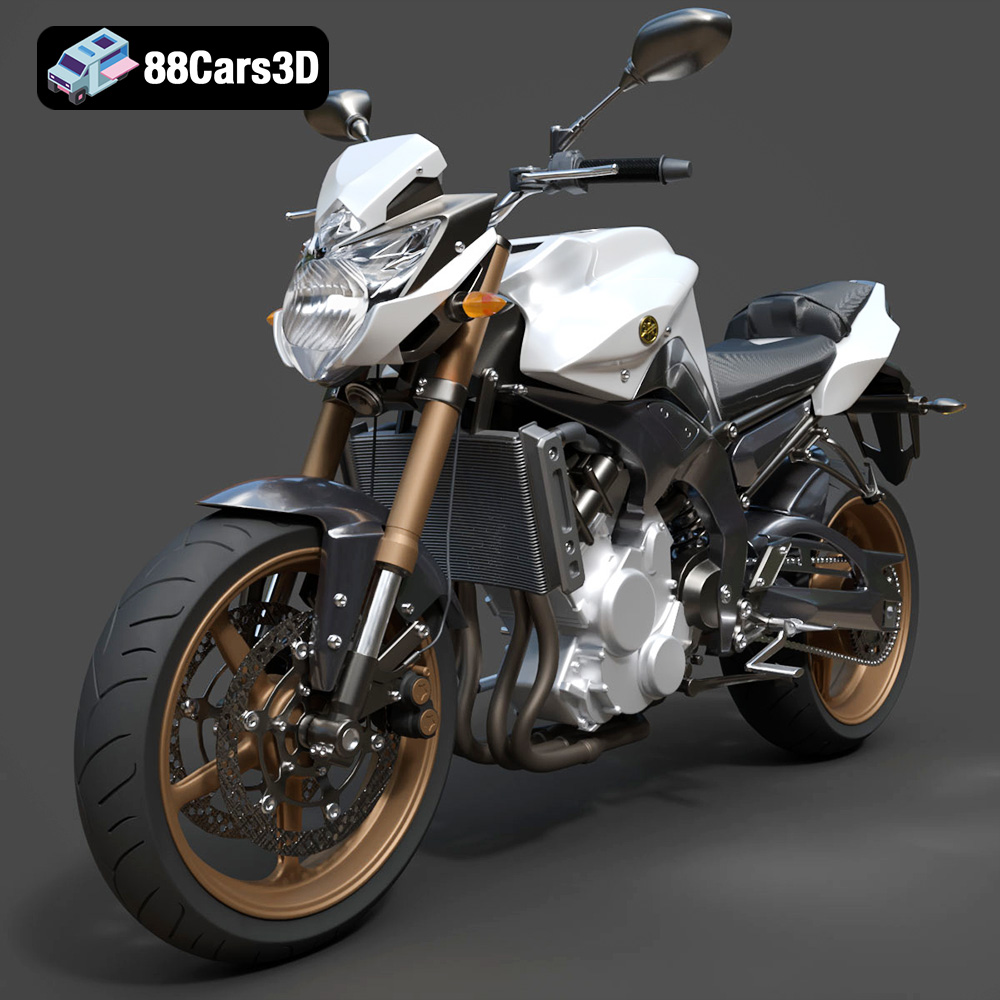
Download the Yamaha FZ8 2011 3D Model featuring clean geometry, realistic detailing, and a fully modeled interior. Includes .blend, .fbx, .obj, .glb, .stl, .ply, .unreal, and .max formats for rendering, simulation, and game development.
Price: $19.99
Texture: Yes
Material: Yes
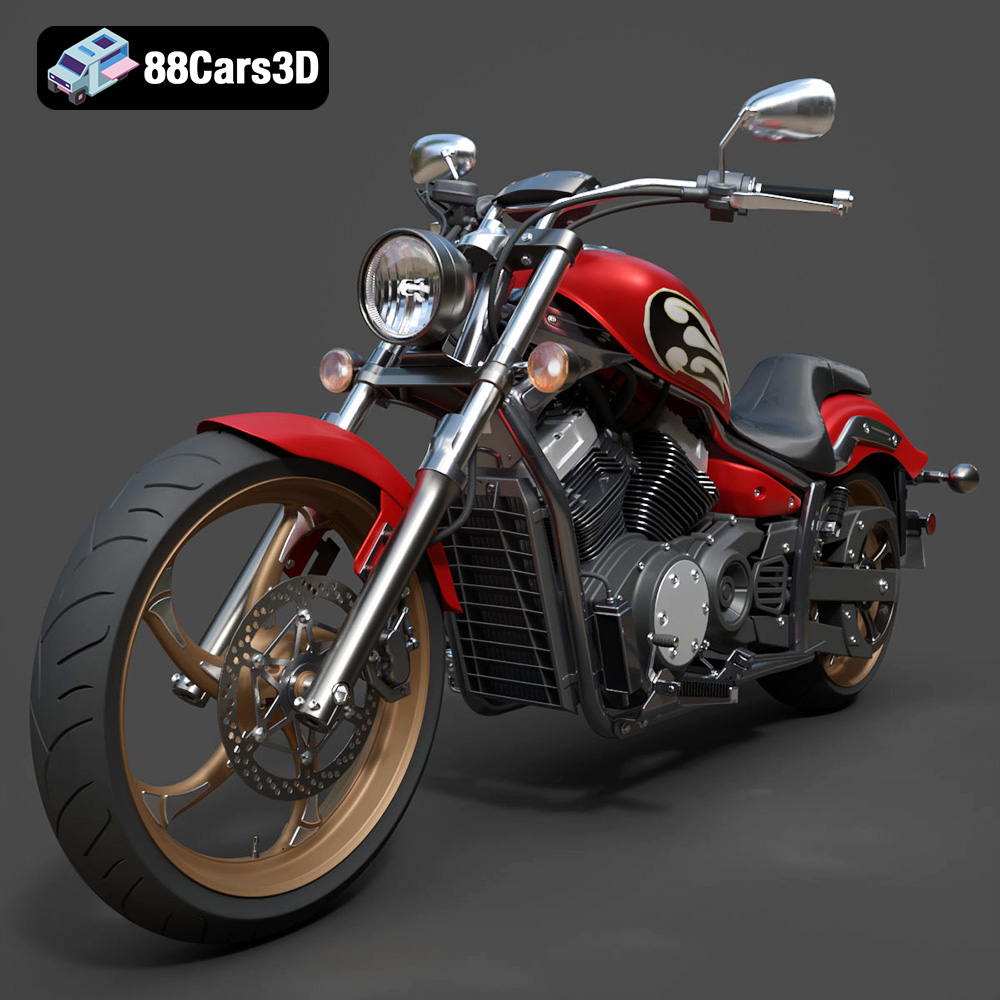
Download the Yamaha Stryker 2012 3D Model featuring clean geometry, realistic detailing, and a fully modeled interior. Includes .blend, .fbx, .obj, .glb, .stl, .ply, .unreal, and .max formats for rendering, simulation, and game development.
Price: $19.99
Texture: Yes
Material: Yes
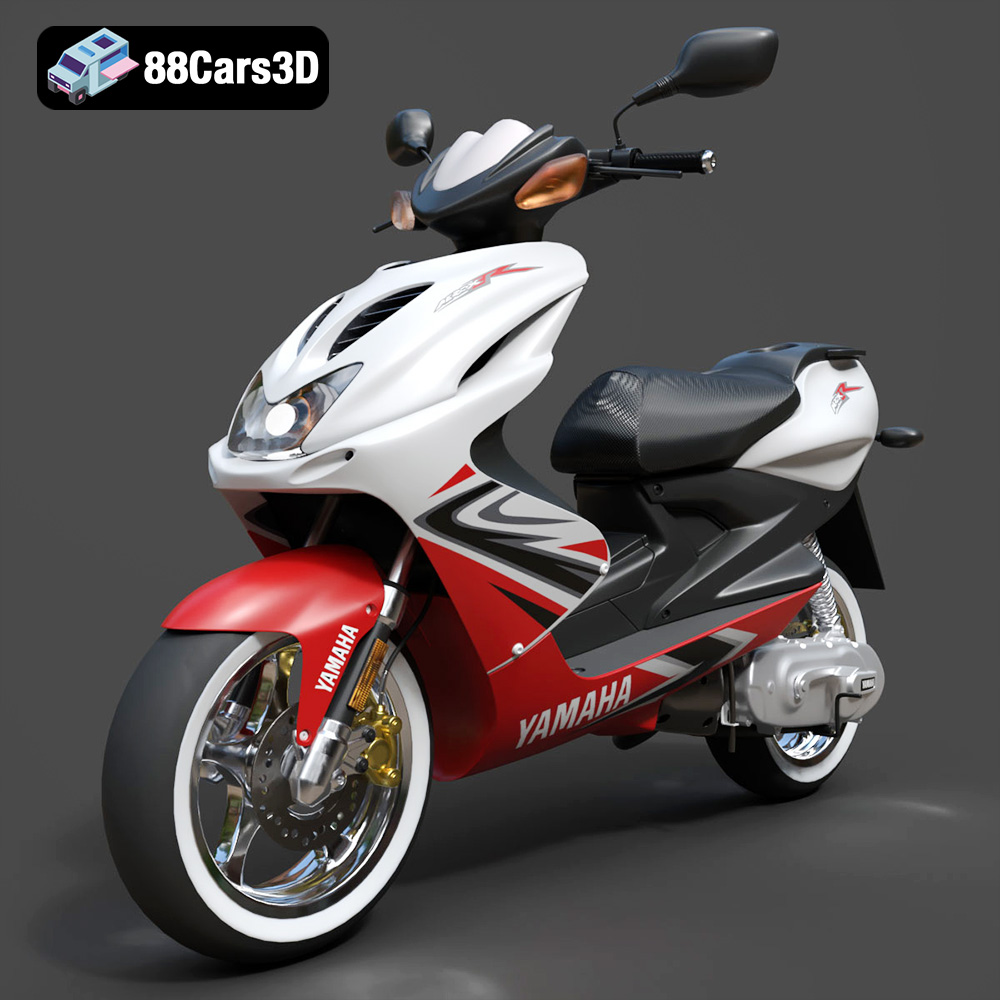
Download the Yamaha Aerox R-002 2024 3D Model featuring clean geometry, realistic detailing, and a fully modeled interior. Includes .blend, .fbx, .obj, .glb, .stl, .ply, .unreal, and .max formats for rendering, simulation, and game development.
Price: $19.99
Texture: Yes
Material: Yes
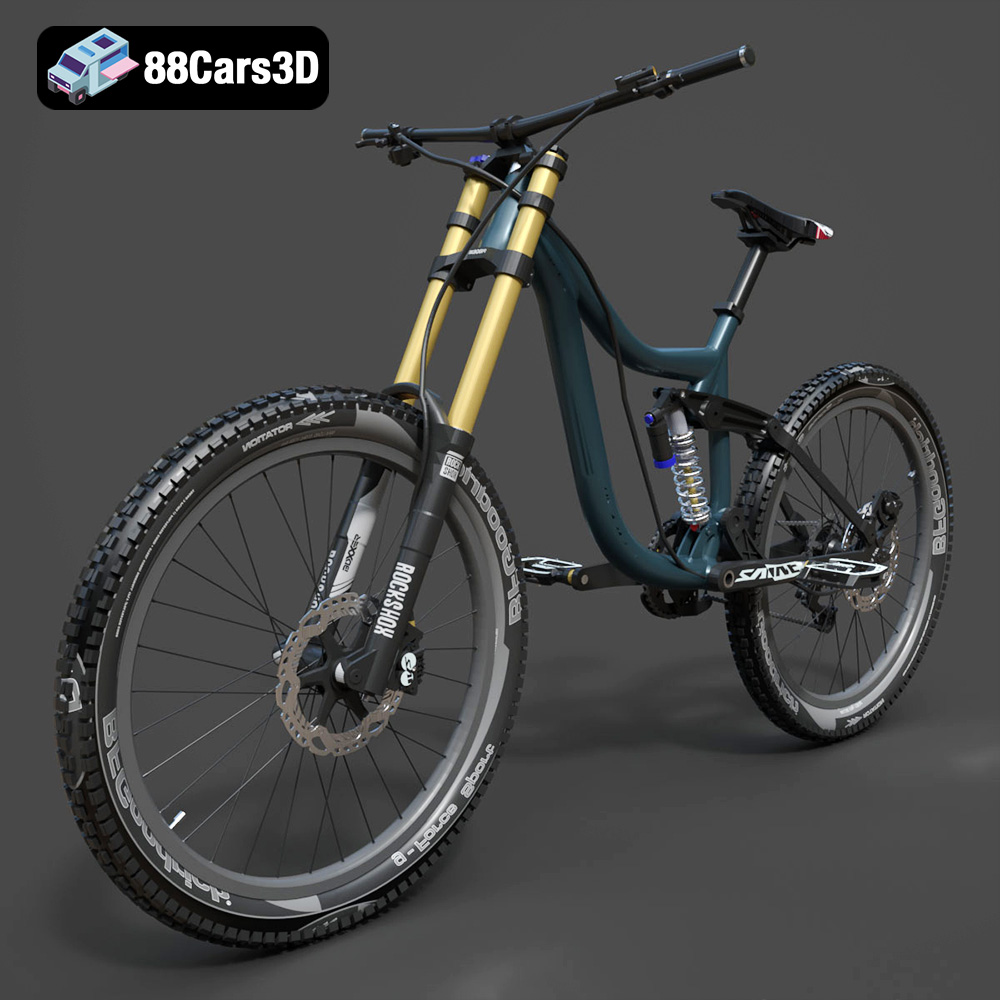
Download the Mototsikly Downhill Bike-002 3D Model featuring clean geometry, realistic detailing, and precise mechanical components. Includes .blend, .fbx, .obj, .glb, .stl, .ply, .unreal, and .max formats for rendering, simulation, and game development.
Price: $19.99
Texture: Yes
Material: Yes
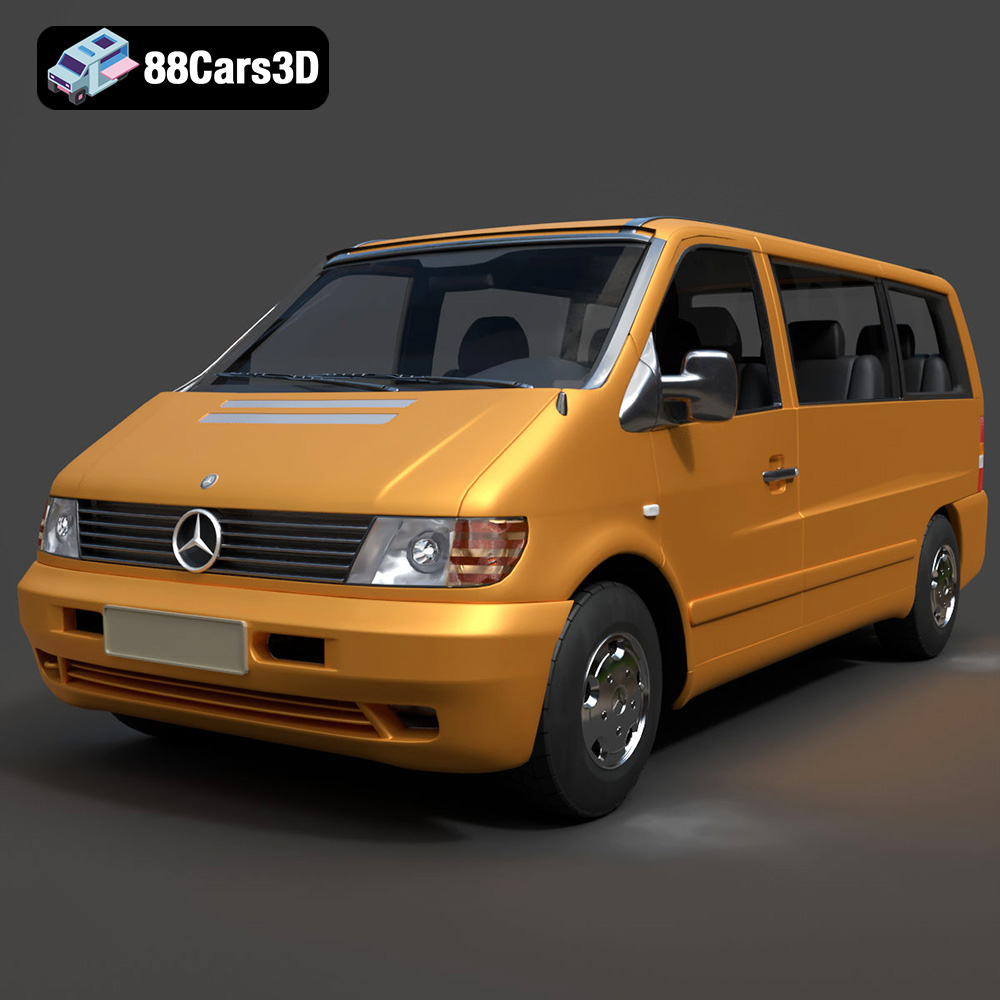
Download the Mercedes-Benz Vito Passenger Van 3D Model featuring clean geometry, realistic detailing, and a fully modeled interior. Includes .blend, .fbx, .obj, .glb, .stl, .ply, .unreal, and .max formats for rendering, simulation, and game development.
Price: $19.99
Texture: Yes
Material: Yes
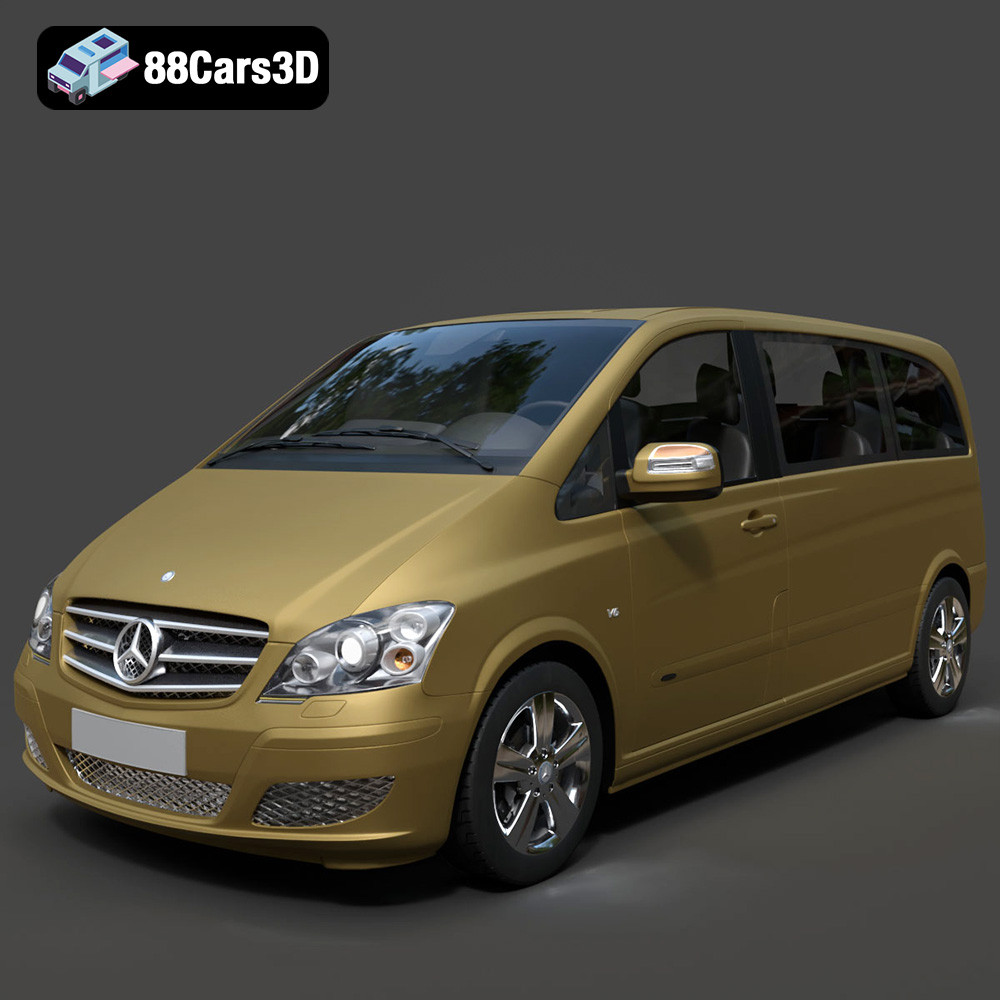
Download the Mercedes-Benz Viano 2010 3D Model featuring clean geometry, realistic detailing, and a fully modeled interior. Includes .blend, .fbx, .obj, .glb, .stl, .ply, .unreal, and .max formats for rendering, simulation, and game development.
Price: $19.99

Texture: Yes
Material: Yes
Download the Emt Avtobus 007 3D Model featuring clean geometry, realistic detailing, and a fully modeled interior. Includes .blend, .fbx, .obj, .glb, .stl, .ply, .unreal, and .max formats for rendering, simulation, and game development.
Price: $19.99
Texture: Yes
Material: Yes
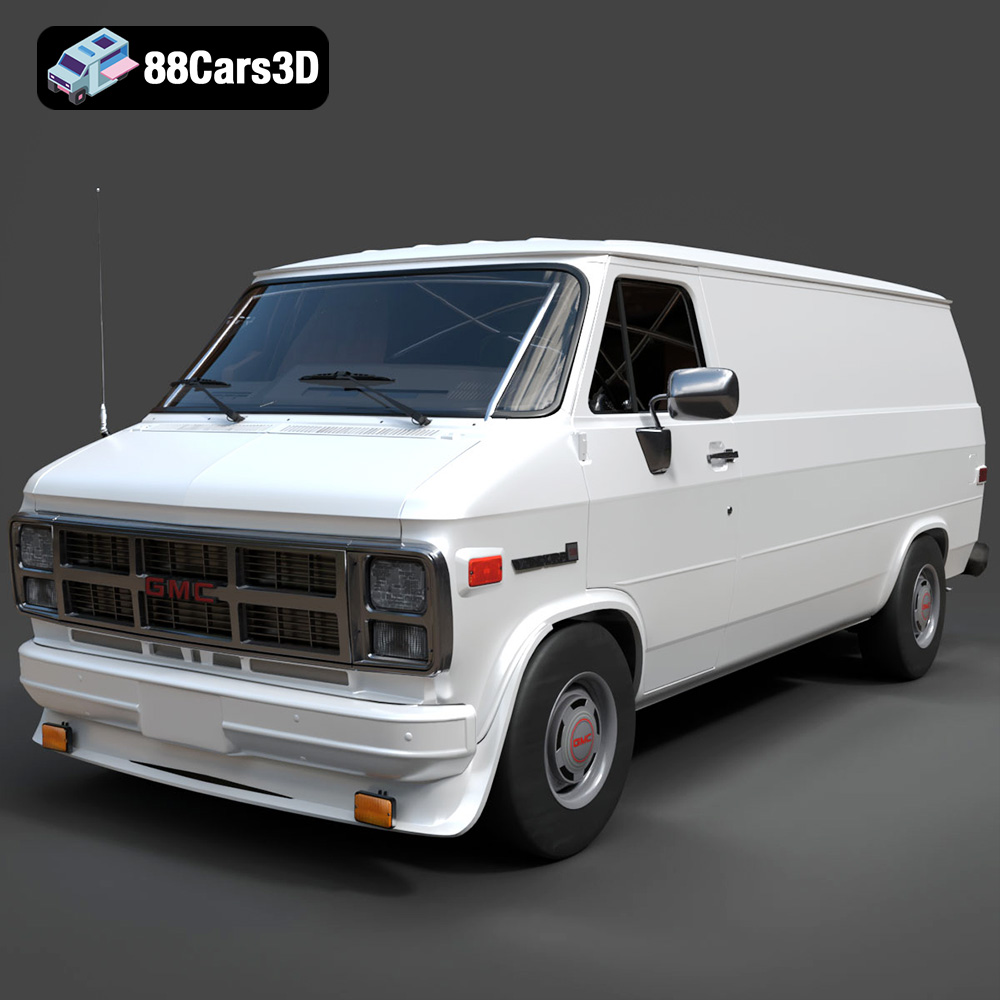
Download the GMC Vandura G-1500 1983 3D Model featuring clean geometry, realistic detailing, and a fully modeled interior. Includes .blend, .fbx, .obj, .glb, .stl, .ply, .unreal, and .max formats for rendering, simulation, and game development.
Price: $19.99
Texture: Yes
Material: Yes
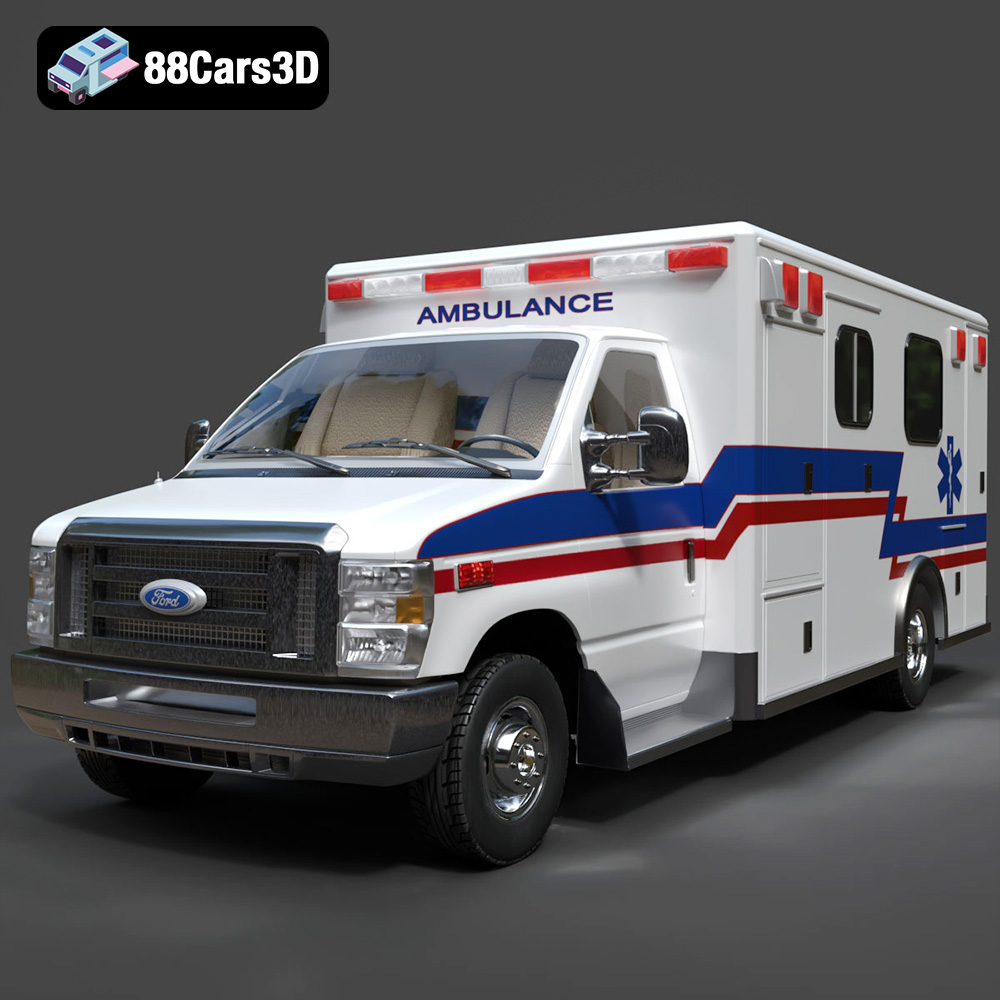
Download the Ford E-450 Ambulance 3D Model featuring clean geometry, realistic detailing, and a fully modeled interior. Includes .blend, .fbx, .obj, .glb, .stl, .ply, .unreal, and .max formats for rendering, simulation, and game development.
Price: $19.99

