Crafting immersive and visually stunning environments is at the heart of any successful real-time project, especially when showcasing high-fidelity automotive models. Whether you’re developing a cutting-edge racing game, an interactive automotive configurator, or a detailed architectural visualization, the quality of your level design in Unreal Engine dictates the impact of your experience. It’s not just about placing assets; it’s about creating a cohesive, performant, and engaging world where your vehicles can truly shine.
For studios and individual artists leveraging high-quality 3D car models, such as those available on marketplaces like 88cars3d.com, the environment serves as the ultimate stage. A meticulously designed level enhances the realism, highlights intricate vehicle details, and provides the context necessary for a compelling user experience. In this comprehensive guide, we’ll delve into the best practices for Unreal Engine level design, focusing on techniques and workflows that ensure your automotive visualizations are not only breathtaking but also optimally performant. From initial project setup and world creation to advanced lighting, optimization, and interactive elements, we’ll cover the essential steps to elevate your automotive projects.
Building the Canvas: Project Setup and World Partition for Automotive Environments
The foundation of any great Unreal Engine level begins with careful planning and configuration. For automotive visualization and game development, the demands on world scale, detail, and performance are particularly high. Establishing the right project settings and leveraging Unreal Engine’s advanced world management tools from the outset will save countless hours down the line and enable you to build expansive, detailed environments efficiently.
Initiating Your Project: Templates and Scalability Settings
When starting a new project in Unreal Engine, the choice of template significantly influences your initial setup. For automotive-centric levels, you’ll often find yourself choosing between the Blank template for maximum control, or the Open World template if you’re building a vast, drivable landscape. The Open World template comes pre-configured with essential components like the Sky Atmosphere, Volumetric Clouds, and a basic Landscape, providing a strong starting point for large-scale environments. Regardless of the template, your first critical step is to configure project settings and scalability to match your target hardware and desired visual fidelity.
Key initial configurations include:
- Default Maps: Set your custom level as the default editor and game startup map.
- Target Hardware: In Project Settings > Platforms, specify your target hardware (e.g., Desktop/Console, Mobile) and quality (e.g., Scalable 3D or Maximum Quality). This informs default scalability settings.
- Rendering Settings: Explore rendering options under Project Settings. For high-fidelity automotive scenes, ensure features like Lumen Global Illumination, Virtual Shadow Maps, and High Precision Normals are enabled if your target hardware supports them. Conversely, for mobile or VR, you’ll need to be more aggressive with performance settings.
- Source Control: Integrate source control (e.g., Git, Perforce) from day one. Level design is a collaborative and iterative process, and source control is indispensable for managing changes and preventing data loss.
Understanding and setting your target frame rate and resolution early on is crucial for making informed decisions about asset density and visual features. For example, aiming for 60 FPS on high-end PCs allows for more complex materials and denser foliage than targeting 30 FPS on a mobile device. Regularly check your performance using Unreal Engine’s built-in profilers (Stat FPS, Stat Unit, GPU Visualizer) as you build out your level.
Mastering World Partition and Data Layers
For large-scale automotive environments—be it a sprawling city, a winding race track, or an expansive natural landscape—Unreal Engine’s World Partition system is an indispensable tool. Introduced in Unreal Engine 5, World Partition fundamentally changes how large worlds are managed by automatically streaming in and out portions of your level based on the player’s proximity. This eliminates the need for manual level streaming volumes and significantly improves performance and development workflow for open-world games and large visualizations.
Setting up World Partition:
- When creating a new level, select the “Open World” map template or convert an existing map to World Partition via “Window > World Partition > Convert Level to World Partition.”
- Configure the World Grid settings in the World Settings panel. The “Loading Range” dictates how far away actors will be loaded, and “Cell Size” defines the size of individual streaming cells. For driving games, a larger loading range might be necessary to ensure distant landmarks and roads are visible.
- Utilize Data Layers to organize your level actors. Data Layers allow you to toggle the visibility and loaded state of groups of actors, independent of their physical location. For instance, you could have Data Layers for “Road Networks,” “City Buildings,” “Foliage,” “Interactive Props,” or even “Day/Night Lighting Presets.” This is incredibly powerful for collaborative work, where different team members can focus on specific aspects of the level without affecting others. It also allows for runtime toggling of features, which is valuable for automotive configurators offering different environment options or for optimizing specific areas.
By effectively using World Partition and Data Layers, you can manage incredibly complex and large automotive environments with greater ease, leading to better performance and a more streamlined development process. For more in-depth documentation, refer to the official Unreal Engine learning resources on dev.epicgames.com/community/unreal-engine/learning, particularly sections on World Partition and Data Layers.
Sculpting the World: Landscapes, Foliage, and Realistic Environments
The environment surrounding your exquisite 3D car models is just as crucial as the models themselves. A well-crafted landscape with believable terrain and rich foliage can elevate the sense of realism and immersion, providing the perfect backdrop for automotive renders, simulations, or driving experiences. Unreal Engine offers powerful tools to sculpt and populate these worlds with high fidelity.
Designing and Sculpting Interactive Terrains
Unreal Engine’s Landscape system is designed for creating vast, detailed, and performant outdoor environments. For automotive applications, the terrain isn’t just a visual element; it’s a dynamic surface that vehicles interact with. Realistic topography, varied surface types, and well-defined pathways are paramount.
Key considerations for automotive landscapes:
- Creation: Start with the Landscape tool in the Modes panel. You can generate a new landscape from scratch, import a heightmap (often generated from GIS data or external sculpting software like World Machine or Gaea), or use a combination. Importing real-world heightmaps can significantly boost realism for specific locations.
- Sculpting: Use the sculpting tools (Erode, Hydro, Noise, Smooth) to create believable natural features like hills, valleys, mountains, and gentle slopes suitable for driving. Pay close attention to the gradient of slopes and the smoothness of transitions to ensure realistic vehicle physics. For instance, excessively steep or bumpy terrain might lead to undesirable vehicle behavior.
- Road Networks: While roads can be static meshes, using the Spline tool within the Landscape mode is often more efficient for creating dynamic, flowing roads that conform to the terrain. Splines allow for easy iteration, provide a collision mesh, and can be used to generate materials along their path. You can set up spline meshes to automatically place road segments, barriers, and even streetlights along your defined path.
- Landscape Materials: Create a sophisticated Landscape Material with multiple layers (e.g., asphalt, dirt, grass, gravel, sand). Use weighted blending based on height, slope, or custom alpha masks to achieve natural transitions. Incorporate PBR textures with high-resolution diffuse, normal, roughness, and displacement maps to capture granular surface details. Ensure different material types provide varied friction properties for realistic vehicle physics.
Remember that the landscape is often the largest single asset in your level. Optimize its components: aim for reasonable component sizes (e.g., 63×63 or 127×127) and appropriate LOD settings to manage performance at varying distances.
Populating the World: Advanced Foliage and Environmental Props
A bare landscape, no matter how well sculpted, lacks life. Populating your environment with dense foliage and relevant props brings the scene to life and adds crucial context for your automotive models. Unreal Engine’s Foliage tool is essential for efficiently scattering vegetation, while carefully placed static meshes create points of interest and define the scene’s character.
Best practices for foliage and props:
- Optimized Assets: Always use optimized 3D models for foliage and props. This means efficient polygon counts, well-managed LODs (Level of Detail), and atlas textures where possible for foliage to reduce draw calls. For example, a distant forest can utilize highly simplified tree models with billboard LODs.
- Foliage Tool: Utilize the Foliage tool for painting large areas of grass, trees, bushes, and rocks. It allows for procedural placement, density control, scaling, and rotation variation. Configure its settings to automatically hide instances at a distance or use different LODs. Consider using a Procedural Foliage Spawner for even more dynamic and complex ecosystems.
- Collision for Foliage: Decide whether your foliage needs collision. For drivable areas, taller grasses or small bushes might need some form of interaction or physics. For large forests, collision can be costly, so consider simplified collision or no collision for distant elements.
- Environmental Props: Integrate a variety of static meshes to define your environment. This could include buildings, streetlights, traffic signs, barriers, fences, and natural elements like large rocks or fallen trees. When sourcing automotive assets from marketplaces such as 88cars3d.com, consider their surrounding environment. For instance, if you’re showcasing a high-performance sports car, an urban environment with sleek modern architecture or a trackside pit garage would be highly appropriate.
- Variety and Repetition: Achieve visual richness by varying asset types, sizes, and orientations. Break up repetitive patterns by hand-placing unique assets in key areas. For instance, a derelict car or an abandoned fuel station can serve as a narrative hook within an open-world driving game.
By blending realistic terrains with a rich tapestry of foliage and carefully chosen props, you can create immersive automotive environments that feel both expansive and intimately detailed.
Illuminating the Drive: Real-time Lighting and Atmospheric Effects
Lighting is the single most powerful tool in a level designer’s arsenal to evoke mood, enhance realism, and guide the player’s eye. For automotive visualization, achieving realistic reflections, accurate shadows, and a believable atmosphere is paramount to showcasing the intricate details and finishes of high-quality car models. Unreal Engine provides a suite of advanced lighting and atmospheric tools that enable breathtaking real-time results.
Dynamic Global Illumination with Lumen
Lumen, Unreal Engine 5’s fully dynamic global illumination and reflections system, represents a significant leap forward for real-time lighting. It simulates the bounce of light in real-time, producing incredibly realistic indirect lighting and reflections without the need for baked lightmaps. This is particularly transformative for automotive scenes, where the interplay of light on metallic paints, glass, and chrome surfaces is critical.
Implementing Lumen for automotive scenes:
- Enable Lumen: In Project Settings > Rendering, ensure “Global Illumination” is set to “Lumen” and “Reflection” is set to “Lumen.” Also, enable “Hardware Ray Tracing” if targeting high-end hardware for even more accurate reflections and shadows.
- Directional Light: Your primary light source, typically a Directional Light representing the sun, will drive much of Lumen’s calculation. Ensure its “Source Angle” is set appropriately to control shadow softness.
- Sky Light: A Sky Light captures the distant environment and contributes crucial ambient light and reflections. With Lumen, the Sky Light typically captures its source in real-time (e.g., the Sky Atmosphere or an HDRI Backdrop), providing realistic ambient bounce.
- Emissive Materials: Lumen accurately propagates light from emissive materials. This is vital for car headlights, taillights, dashboard displays, or neon signs in an urban environment, allowing them to truly light up their surroundings.
- Reflections: Lumen provides high-quality software ray-traced reflections. For highly reflective surfaces like car paint and windows, this drastically improves visual fidelity compared to traditional screen-space reflections. Consider using additional Reflection Captures for static, highly reflective surfaces that Lumen might struggle with at specific angles, though Lumen aims to minimize this need.
Lumen’s dynamic nature means you can implement realistic time-of-day cycles, dynamic weather, or interactive lighting changes without needing to re-bake lighting, making it ideal for interactive automotive configurators or open-world driving games.
Crafting Cinematic Atmospheres
Beyond direct and indirect lighting, the overall atmosphere significantly impacts the realism and mood of your automotive environment. Unreal Engine offers powerful tools to create dynamic skies, volumetric effects, and cinematic post-processing.
Key atmospheric elements:
- Sky Atmosphere: This component generates a physically accurate sky, sun, and aerial perspective. It dynamically updates based on the Directional Light’s position, allowing for seamless day-night cycles and realistic haziness. Tweak its scattering and absorption properties to achieve different looks, from clear blue skies to dusty sunsets.
- Volumetric Clouds: Paired with the Sky Atmosphere, Volumetric Clouds add incredible depth and realism to your skies. They cast dynamic shadows and respond to the scene’s lighting, significantly enhancing exterior scenes. Configure their material and density to create anything from wispy cirrus to dramatic storm clouds.
- Exponential Height Fog: This component adds depth cueing and atmospheric perspective, making distant objects appear lighter and less saturated. It’s crucial for large environments to prevent them from looking flat. For driving games, fog can add a sense of speed and mystery or simulate adverse weather conditions.
- Post-Process Volume: The Post-Process Volume is your ultimate control center for the final look of your scene. Here, you can apply:
- Color Grading: Adjust exposure, contrast, saturation, and color temperature to achieve a specific mood or cinematic look.
- Bloom: Simulate the way light bleeds around bright objects (e.g., headlights, streetlights) for added realism.
- Depth of Field: Create cinematic focus effects, blurring foreground or background elements to draw attention to your car models.
- Lens Flares & Vignette: Add subtle camera lens imperfections for a more realistic, filmic feel.
- HDRI Backdrops: For specific, high-fidelity car renders, especially in a static showroom or studio environment, an HDRI (High Dynamic Range Image) Backdrop can provide incredibly realistic lighting and reflections from a real-world environment. While not fully dynamic like Lumen, it offers unparalleled fidelity for specific shot compositions and is often used in virtual production stages.
By skillfully combining Lumen with these atmospheric and post-processing tools, you can create automotive environments that are not only visually stunning but also dynamically responsive to real-time changes, truly bringing your vehicles to life.
Optimizing for Speed: Ensuring Smooth Performance in Detailed Levels
High-fidelity automotive models and expansive environments inevitably push the boundaries of real-time performance. A beautifully designed level is only effective if it runs smoothly across target hardware. Optimizing your Unreal Engine level is an ongoing process that involves a combination of smart asset management, leveraging engine features, and diligent profiling. For the demanding nature of automotive visualization, maximizing every frame is crucial.
Harnessing Nanite and Level of Detail (LODs)
Nanite, Unreal Engine 5’s virtualized geometry system, is a game-changer for handling incredibly complex static meshes without significant performance overhead. For automotive scenes, this means you can use highly detailed models for buildings, complex props, and even highly tessellated terrain elements without worrying about polygon counts. Nanite automatically streams and scales geometry detail in real-time, ensuring only the necessary triangles are rendered.
Leveraging Nanite effectively:
- Enable Nanite: For any static mesh that you want to benefit from Nanite (e.g., detailed architectural models, large rock formations, highly detailed environmental props), simply open the Static Mesh Editor and enable “Nanite Support” in its build settings. Most models from 88cars3d.com are optimized and can be further processed by Nanite if they are static background elements.
- Strategic Use: While Nanite is powerful, it’s primarily for static meshes. Dynamic objects (vehicles, characters, physics-driven props) still require traditional LODs and careful polygon management. Consider which static elements will most benefit from extreme detail (e.g., a car showroom floor, detailed buildings visible up close).
- Draw Call Reduction: Nanite significantly reduces draw calls, which is a major performance bottleneck in complex scenes. This allows you to place more unique, detailed static assets without overwhelming the CPU.
For non-Nanite meshes and dynamic objects, traditional Level of Detail (LODs) remain essential. LODs are simplified versions of a mesh that are swapped in at varying distances from the camera. Properly configured LODs ensure that distant objects consume fewer resources.
LOD best practices:
- Automatic LOD Generation: Unreal Engine can automatically generate LODs for static meshes within the Static Mesh Editor. Adjust the “Number of LODs” and “Screen Size” settings to create a smooth transition between detail levels.
- Manual LOD Creation: For critical assets or those requiring very specific simplifications (e.g., collapsing certain elements, replacing geometry with billboards), manual LOD creation in a 3D modeling application might be necessary.
- Skeletal Meshes: Vehicles (skeletal meshes) require manual LOD setup. Ensure that each LOD reduces polygon count while maintaining visual integrity, especially for the wheels and chassis.
Advanced Culling and Streaming Techniques
Beyond individual asset optimization, managing what the engine renders and when it loads data is crucial for large-scale performance.
- Occlusion Culling & Frustum Culling: These are automatic processes where Unreal Engine avoids rendering objects that are outside the camera’s view (frustum culling) or hidden behind other objects (occlusion culling). While largely automatic, ensuring your level has good “occluders” (large, static meshes like buildings or terrain features) can improve its effectiveness.
- Streaming Volumes (Legacy) / World Partition (Modern): For World Partitioned levels, the system handles streaming automatically based on cell size and loading range. For older or specific workflows, Unreal Engine documentation on Level Streaming details how to use volumes to load/unload sub-levels manually. For automotive scenarios, this is vital in open-world games to ensure seamless transitions between different parts of the map without loading everything at once.
- Hierarchical Level of Detail (HLODs): HLODs are a higher-level optimization for large outdoor environments. They group clusters of meshes into a single, optimized proxy mesh for very distant views, further reducing draw calls and memory usage. This is particularly effective for large city blocks or distant mountain ranges, providing a coherent silhouette without rendering individual buildings or trees.
- Texture Optimization: Use appropriate texture resolutions (e.g., 2048×2048 for hero assets, 1024×1024 or 512×512 for less prominent objects) and enable texture streaming. Use texture atlases for props and foliage to reduce texture swaps. Consider using Virtual Textures for landscapes to manage vast texture data efficiently.
Proactive optimization from the start, combined with regular profiling (using tools like Stat FPS, Stat Unit, ProfileGPU, and the Session Frontend), will ensure your detailed automotive levels run smoothly and deliver an exceptional user experience.
Designing Interactive Worlds: Blueprint, Physics, and Player Flow
A static environment, no matter how beautiful, can only hold attention for so long. Integrating interactive elements and carefully guiding the player through the level transforms it into an engaging experience. Unreal Engine’s Blueprint visual scripting system, robust physics engine, and thoughtful design principles allow you to create dynamic and immersive automotive worlds, whether for a game, a configurator, or a virtual tour.
Blueprinting Interactive Level Elements
Blueprint is Unreal Engine’s powerful visual scripting system that allows designers to create complex gameplay and interactive functionalities without writing a single line of code. For level designers focused on automotive experiences, Blueprint unlocks a world of dynamic possibilities:
- Environmental Triggers: Use simple Box or Sphere Collision components as triggers to activate events when a vehicle enters them. Examples include:
- Opening garage doors or gates automatically as a car approaches.
- Activating a dynamic weather system (e.g., rain starting) when driving into a specific zone.
- Changing the time of day or lighting scenario for a cinematic moment.
- Triggering a checkpoint in a race track or a narrative event.
- Dynamic Objects: Create Blueprint Actors for interactable props. For example, a traffic light that cycles through colors, a car lift that moves up and down, or a display screen that changes its content. These can be controlled by player input, timers, or other event triggers.
- Vehicle Physics Zones: Define specific areas where vehicle physics properties change. For instance, a “mud zone” that reduces tire friction and slows the vehicle down, or a “jump ramp” that provides a boost. This can be achieved by overriding physics materials or applying forces directly to the vehicle’s physics component.
- Configurator UI Integration: For automotive configurators, Blueprint is essential for connecting UI buttons (e.g., “Change Color,” “Open Door,” “Toggle Interior Lights”) to actions on your 88cars3d.com car model. This allows users to customize the vehicle in real-time within your designed environment.
The beauty of Blueprint is its visual nature, allowing for rapid prototyping and iteration of interactive features within the level without extensive programming knowledge.
Guiding the Driver: Navigation, Pacing, and Visual Storytelling
Effective level design for automotive experiences goes beyond mere interactivity; it’s about crafting a journey and communicating intent through visual cues. Whether it’s a high-stakes race or a serene scenic drive, guiding the driver’s eye and managing their experience is paramount.
- Clear Pathways and Visual Cues:
- Road Markings & Signage: Utilize clear road markings, arrows, and signage to indicate turns, hazards, and directions.
- Lighting: Use dynamic lights (e.g., streetlights, illuminated signs) to draw attention to pathways or points of interest, especially in night scenes.
- Landmarks: Place distinct landmarks (e.g., unique buildings, statues, natural formations) to help players orient themselves in open-world environments.
- Foliage & Terrain: Shape the landscape and strategically place foliage to naturally funnel the player towards the intended path, creating subtle boundaries without resorting to invisible walls.
- Pacing and Flow:
- Variety of Environments: Alternate between open, high-speed sections and tighter, more technical areas to maintain engagement.
- Visual Breaks: Provide moments of visual awe (e.g., a panoramic vista after a winding climb) and periods of calm to prevent sensory overload.
- Challenge Introduction: Introduce new challenges (e.g., complex turns, environmental hazards, AI opponents) gradually and at appropriate points in the level’s progression.
- Visual Storytelling:
- Environmental Details: Use props and environmental damage (e.g., skid marks, worn-out road textures, abandoned vehicles) to hint at the level’s history or ongoing events.
- Thematic Consistency: Ensure all elements of your level—architecture, foliage, lighting—contribute to a consistent theme or narrative, whether it’s a futuristic city, a post-apocalyptic wasteland, or a sun-drenched coastal highway.
- Showcasing Vehicles: Design specific viewpoints or areas where the player’s car, or an AI car, can be dramatically framed against a beautiful backdrop, highlighting the vehicle’s design and presence.
By thoughtfully integrating Blueprint interactions and applying principles of visual guidance, your Unreal Engine levels will not only look spectacular but also provide a dynamic and memorable experience for anyone interacting with your automotive content.
Iteration for Excellence: Playtesting, Profiling, and Polishing Your Levels
Level design is rarely a one-shot process. The journey from initial concept to a polished, performant, and engaging experience is iterative, demanding constant testing, critical analysis, and refinement. This final stage is where your automotive level truly comes into its own, transforming from a collection of assets into a living, breathing environment.
Comprehensive Playtesting and User Feedback
No matter how experienced you are, you can’t foresee every issue from a static editor view. Playing through your level, ideally with the intended vehicle types (perhaps one of the many high-fidelity models from 88cars3d.com), is crucial. This helps identify gameplay flow issues, visual glitches, and performance bottlenecks that are only apparent in motion.
Playtesting best practices:
- Early and Often: Start playtesting as soon as basic drivable paths and environmental blockers are in place. Don’t wait until the level is “finished.”
- Variety of Perspectives: Test with different vehicle types, camera modes (e.g., cockpit view, third-person), and even different skill levels of drivers if applicable.
- Focus on Flow:
- Are the driving lines clear? Do players instinctively know where to go?
- Are there any frustrating bottlenecks or confusing intersections?
- Does the pacing feel right? Are there enough visual rewards or challenges?
- Are there any “dead zones” where nothing interesting happens?
- Gathering Feedback:
- Internal Team: Have fellow developers, artists, and QA testers play the level. Encourage constructive criticism.
- External Testers: If possible, get fresh eyes on the level from individuals who haven’t been involved in its creation. Their unbiased perspective is invaluable.
- Structured Feedback: Provide specific questions or areas of focus for testers (e.g., “Was this turn intuitive?”, “Did you notice any performance drops around the city?”, “How did the car feel on the gravel section?”).
- Record Gameplay: Capture footage of playtests to review performance spikes, visual bugs, or areas where players struggled.
- Act on Feedback: Prioritize and address the most critical feedback. Sometimes this means a minor tweak; other times, it might necessitate a significant redesign of a section. Be open to change.
Profiling and Performance Analysis
While playtesting reveals experiential issues, profiling uncovers the technical culprits behind performance problems. Unreal Engine provides a robust set of tools for diagnosing and addressing bottlenecks.
Key profiling tools and techniques:
- Stat Commands:
Stat FPS: Displays current frames per second.Stat Unit: Shows frame time for Game Thread, Draw Thread, and GPU. Helps pinpoint CPU vs. GPU bottlenecks.Stat RHI: Detailed rendering hardware interface statistics (draw calls, triangles, batches).Stat Engine: General engine statistics.Stat SceneRendering: Breaks down rendering costs by category (e.g., Base Pass, Shadows, Lighting, Post Processing).Stat Lumen, Stat Nanite, Stat VirtualShadowMaps: Specific stats for these advanced features.
- GPU Visualizer (
ProfileGPU): This powerful tool provides a hierarchical breakdown of GPU rendering costs for a single frame. It allows you to see exactly what elements (meshes, materials, post-process effects, lights) are consuming the most GPU time. It’s invaluable for identifying costly shaders, overdrawn areas, or inefficient lighting setups.
- Session Frontend: A more comprehensive profiling suite that can capture and analyze performance over a longer period, showing CPU and GPU usage, memory, and even network activity. This is useful for identifying intermittent spikes or long-term trends.
- Workflow for Optimization:
- Identify the bottleneck (CPU or GPU).
- Use specific stat commands or the GPU Visualizer to pinpoint the exact cause (e.g., too many draw calls, expensive shaders, high triangle count, problematic lighting).
- Implement targeted optimizations (e.g., reduce LODs, simplify materials, optimize lighting, reduce foliage density, utilize HLODs).
- Re-test and re-profile to confirm the improvement.
Polishing also involves meticulous attention to detail: fixing minor visual glitches, ensuring all collision meshes are accurate, refining material settings for maximum realism, and adjusting soundscapes to match the environment. This iterative process of building, testing, profiling, and refining is the hallmark of professional level design and ensures your automotive environments in Unreal Engine reach their full potential.
Conclusion
Creating compelling and performant automotive environments in Unreal Engine is a sophisticated blend of artistic vision and technical mastery. From the initial strategic setup with World Partition and Data Layers to the intricate sculpting of landscapes, the dynamic illumination of Lumen, and the rigorous process of optimization and playtesting, every stage is crucial for delivering a truly immersive experience. The goal is always to create a seamless, believable world that not only showcases the incredible detail of assets, such as the premium 3D car models available at 88cars3d.com, but also performs flawlessly.
By embracing best practices like leveraging Nanite for dense geometry, carefully crafting PBR materials, utilizing Blueprint for interactive elements, and meticulously profiling performance, you empower your projects to stand out. Remember that level design is an iterative journey; continuous refinement based on testing and feedback is the key to transforming good ideas into extraordinary real-time automotive visualizations. Dive in, experiment with Unreal Engine’s powerful toolset, and start building the next generation of breathtaking automotive experiences.
Featured 3D Car Models

Meta Description:
Texture: Yes
Material: Yes
Download the Porsche Cayenne 3D Model featuring realistic exterior styling and detailed interior design. Includes .blend, .fbx, .obj, .glb, .stl, .ply, .unreal, and .max formats for rendering, simulation, AR VR, and game development.
Price: $19.9
View Product
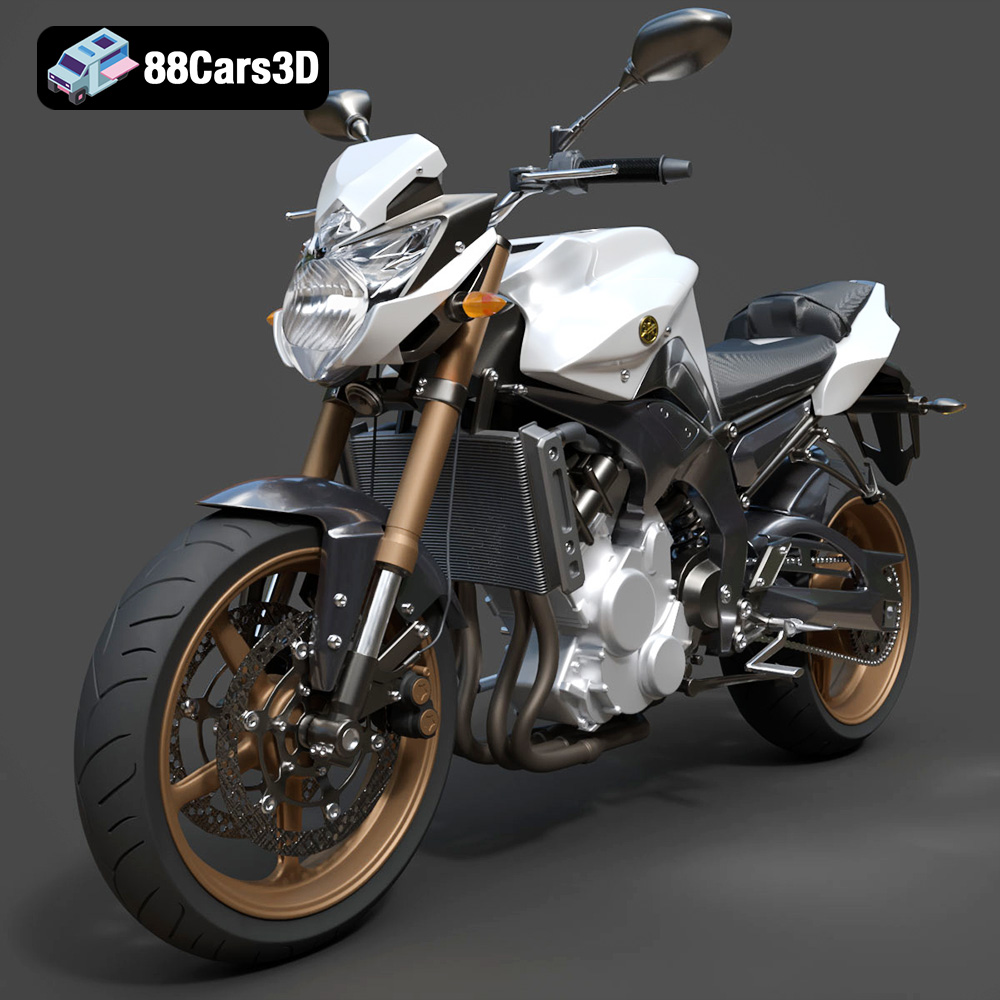
Texture: Yes
Material: Yes
Download the Yamaha FZ8 2011 3D Model featuring clean geometry, realistic detailing, and a fully modeled interior. Includes .blend, .fbx, .obj, .glb, .stl, .ply, .unreal, and .max formats for rendering, simulation, and game development.
Price: $19.99
View Product
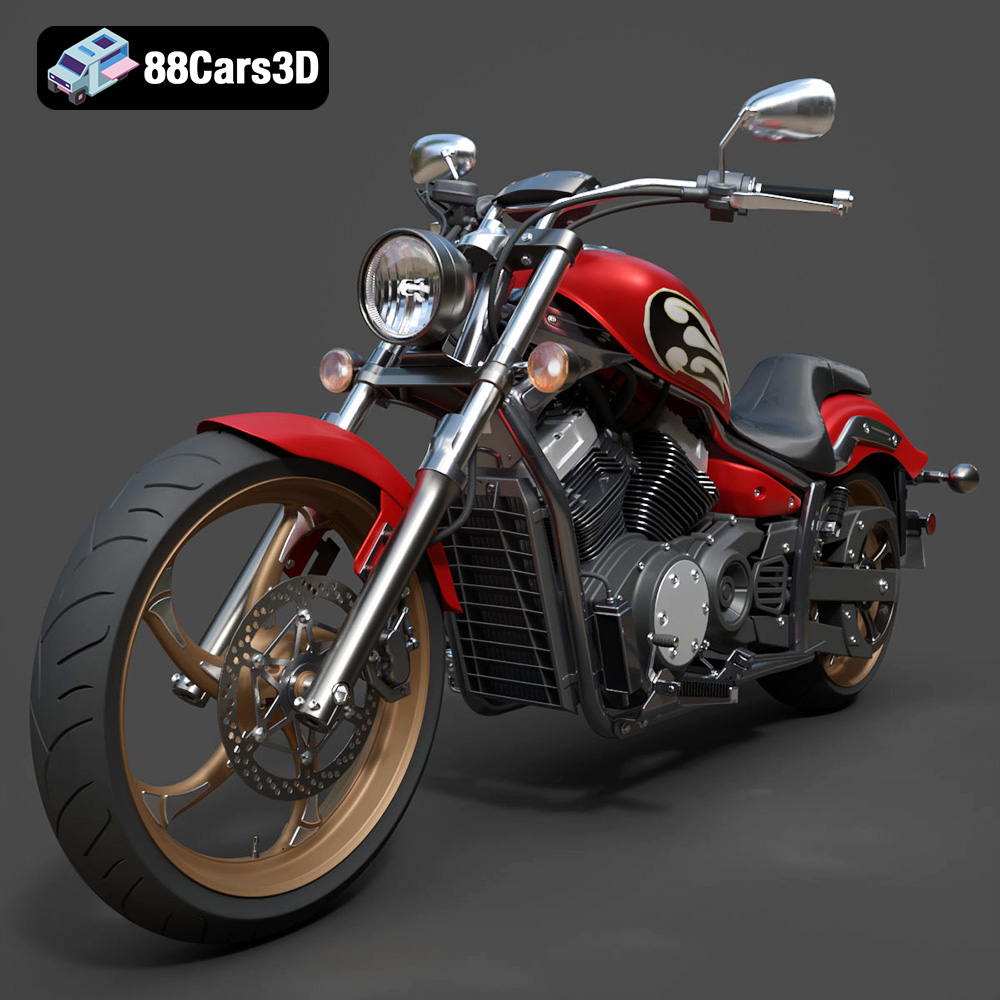
Texture: Yes
Material: Yes
Download the Yamaha Stryker 2012 3D Model featuring clean geometry, realistic detailing, and a fully modeled interior. Includes .blend, .fbx, .obj, .glb, .stl, .ply, .unreal, and .max formats for rendering, simulation, and game development.
Price: $19.99
View Product
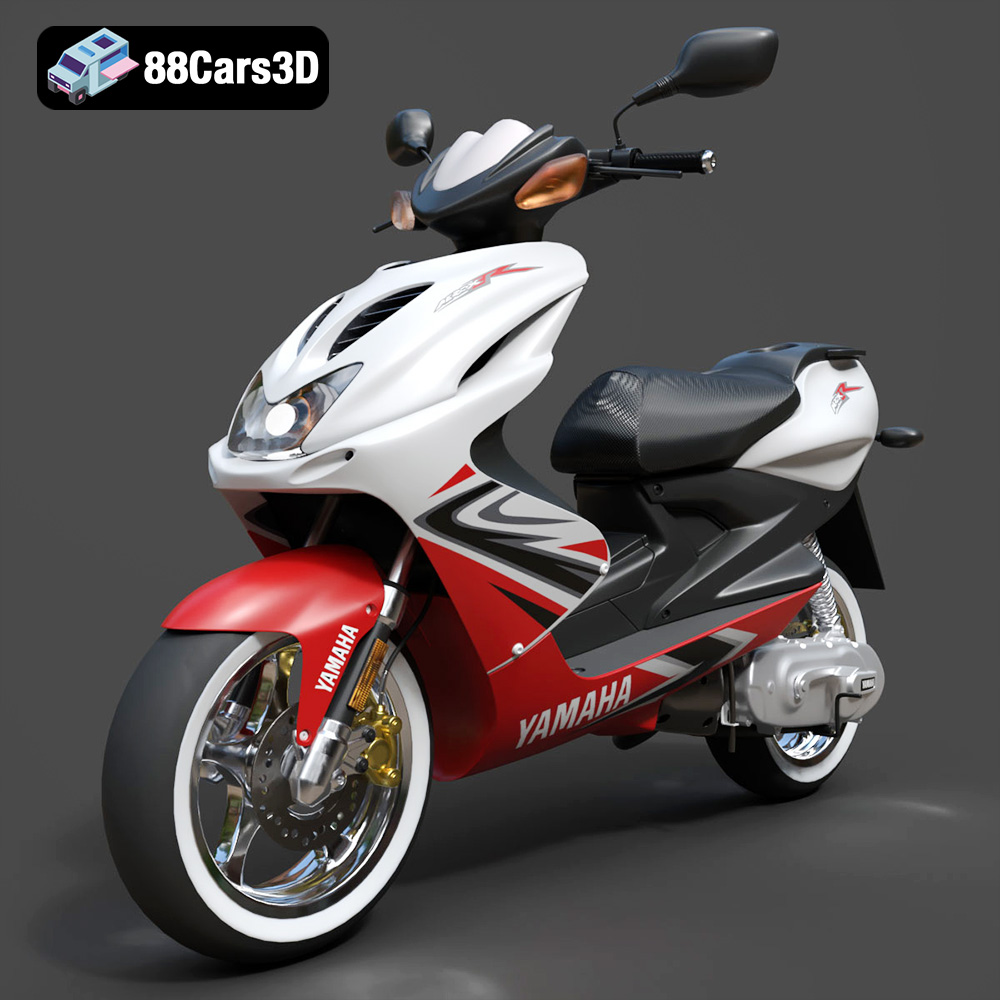
Texture: Yes
Material: Yes
Download the Yamaha Aerox R-002 2024 3D Model featuring clean geometry, realistic detailing, and a fully modeled interior. Includes .blend, .fbx, .obj, .glb, .stl, .ply, .unreal, and .max formats for rendering, simulation, and game development.
Price: $19.99
View Product
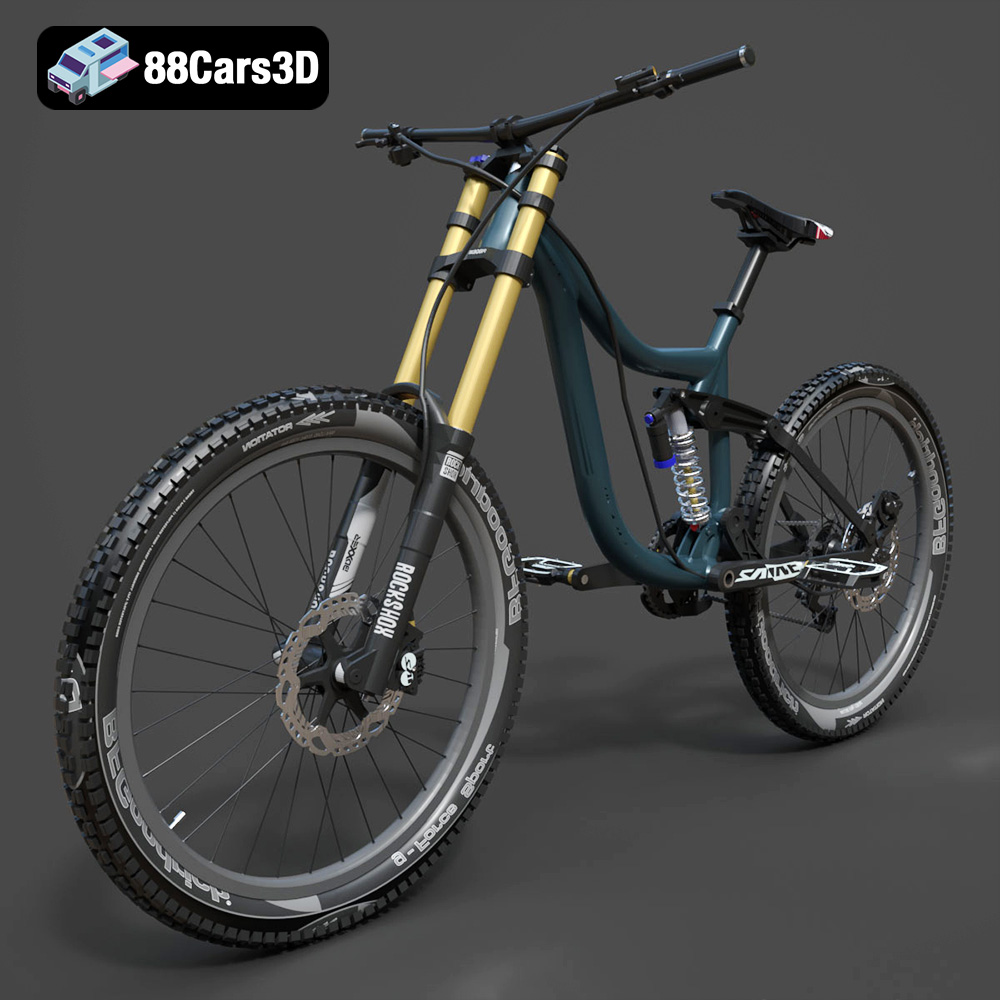
Texture: Yes
Material: Yes
Download the Mototsikly Downhill Bike-002 3D Model featuring clean geometry, realistic detailing, and precise mechanical components. Includes .blend, .fbx, .obj, .glb, .stl, .ply, .unreal, and .max formats for rendering, simulation, and game development.
Price: $19.99
View Product
Texture: Yes
Material: Yes
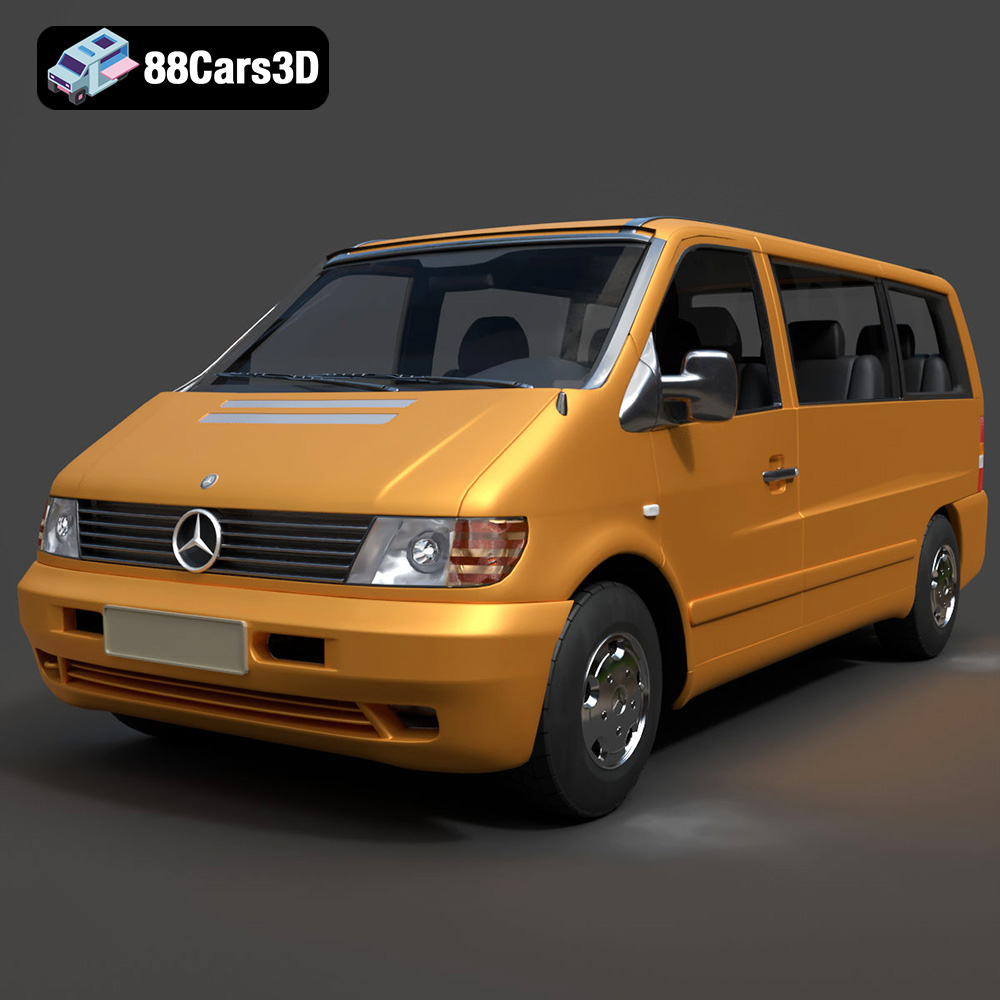
Download the Mercedes-Benz Vito Passenger Van 3D Model featuring clean geometry, realistic detailing, and a fully modeled interior. Includes .blend, .fbx, .obj, .glb, .stl, .ply, .unreal, and .max formats for rendering, simulation, and game development.
Price: $19.99
View Product
Texture: Yes
Material: Yes
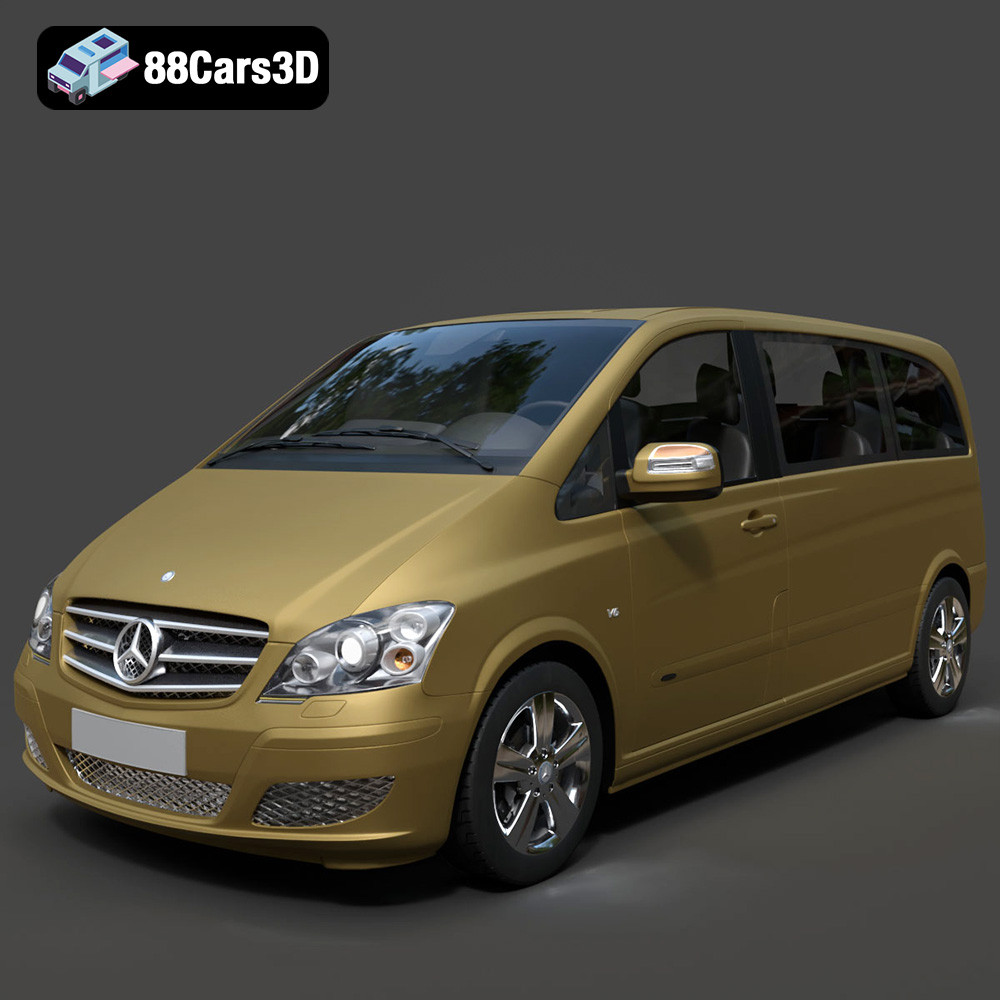
Download the Mercedes-Benz Viano 2010 3D Model featuring clean geometry, realistic detailing, and a fully modeled interior. Includes .blend, .fbx, .obj, .glb, .stl, .ply, .unreal, and .max formats for rendering, simulation, and game development.
Price: $19.99
View Product

Texture: Yes
Material: Yes
Download the Emt Avtobus 007 3D Model featuring clean geometry, realistic detailing, and a fully modeled interior. Includes .blend, .fbx, .obj, .glb, .stl, .ply, .unreal, and .max formats for rendering, simulation, and game development.
Price: $19.99
View Product
Texture: Yes
Material: Yes
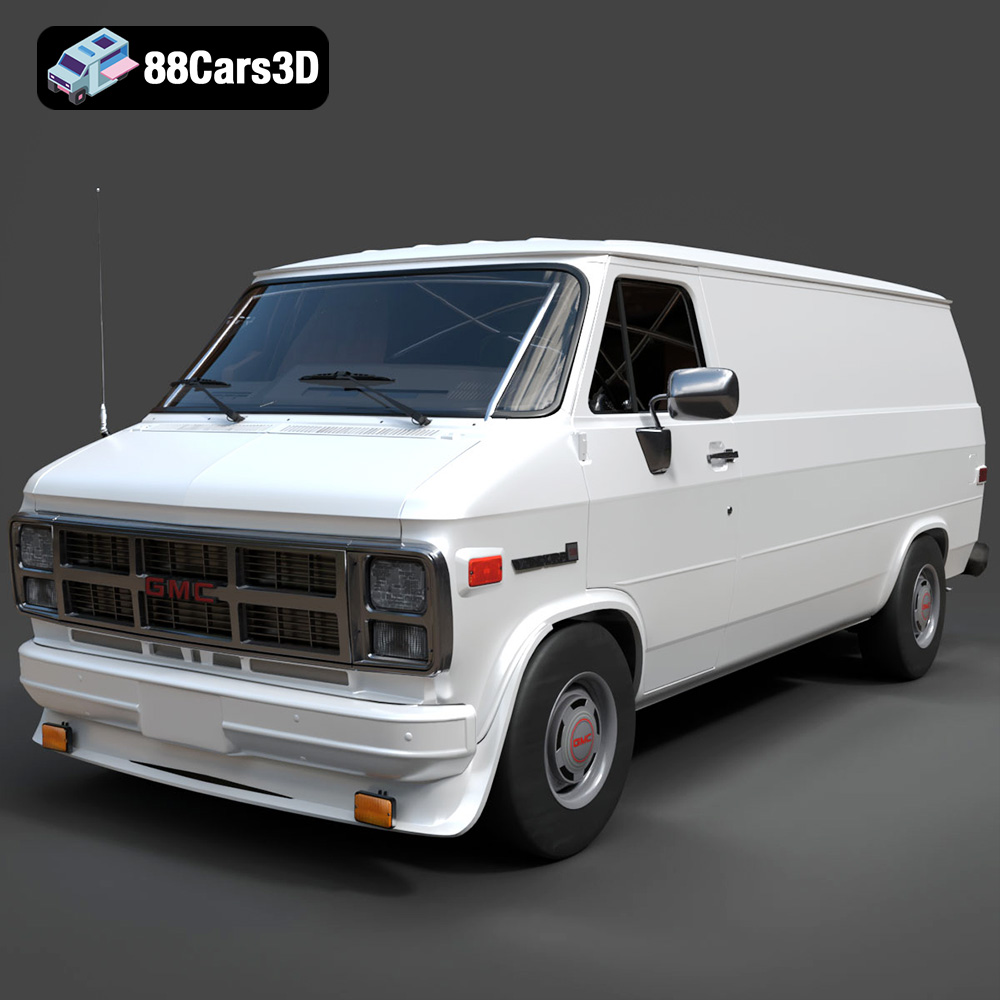
Download the GMC Vandura G-1500 1983 3D Model featuring clean geometry, realistic detailing, and a fully modeled interior. Includes .blend, .fbx, .obj, .glb, .stl, .ply, .unreal, and .max formats for rendering, simulation, and game development.
Price: $19.99
View Product

Texture: Yes
Material: Yes
Download the Ford E-450 Ambulance 3D Model featuring clean geometry, realistic detailing, and a fully modeled interior. Includes .blend, .fbx, .obj, .glb, .stl, .ply, .unreal, and .max formats for rendering, simulation, and game development.
Price: $19.99
View Product


