⚡ FLASH SALE: Get 60% OFF All Premium 3D & STL Models! ⚡

In the dynamic world of 3D modeling, automotive design, and game development, the choice of file format for your 3D car models is far more critical than simply picking a name. It dictates everything from asset fidelity and performance to cross-software compatibility and ease of deployment across various platforms, be it a high-end rendering engine, a real-time game environment, or an immersive AR/VR experience. Understanding the nuances of formats like FBX, OBJ, GLTF/GLB, and USDZ is essential for any professional looking to maximize their workflow efficiency and the impact of their creations.
This comprehensive guide delves deep into the most prevalent 3D car model file formats, breaking down their strengths, limitations, and ideal use cases. We’ll explore the technical intricacies behind each, offer practical advice on optimization, and equip you with the knowledge to make informed decisions for your projects. Whether you’re a seasoned 3D artist, a game developer, or an automotive designer, mastering these formats will empower you to streamline your pipeline, enhance your visualizations, and deliver unparalleled digital automotive experiences.
The FBX (Filmbox) format, developed by Autodesk, stands as an industry-standard format, particularly dominant in animation and game development pipelines. Its proprietary nature, coupled with Autodesk’s widespread software ecosystem (3ds Max, Maya), has cemented its position as a go-to for complex scene interchange. FBX is a binary format, meaning it’s optimized for faster loading and processing, making it highly efficient for projects requiring rich data.
FBX excels in its ability to encapsulate a vast array of 3D data within a single file. Unlike simpler formats, it proficiently handles animated elements, including skeletal animations, blend shapes, and camera movements, which are crucial for dynamic car cinematics or interactive demonstrations. For automotive rendering, FBX retains hierarchical structures, allowing complex car assemblies—chassis, doors, wheels, interior components—to be organized logically. While PBR (Physically Based Rendering) materials often require re-setup or conversion in the target application, FBX can store significant material metadata, aiding in the translation process. Its primary strength lies in its robust interoperability between professional DCC (Digital Content Creation) tools like 3ds Max and Maya, and leading game engines such as Unity and Unreal Engine. This makes it an indispensable format for exporting game assets, character rigs, or complex vehicle simulations where animation and scene data fidelity are paramount. Furthermore, FBX supports detailed metadata, which can be invaluable for asset management and version control in large-scale productions.
Despite its widespread adoption, FBX presents several challenges. Being a proprietary format, versioning can lead to compatibility issues across different software releases or non-Autodesk applications. A file exported from a newer version of Maya might not open seamlessly in an older version of 3ds Max, or vice-versa, without an updated FBX SDK or converter. File sizes for complex scenes, especially those with embedded media like textures, can become quite large, impacting storage and transmission times. Material conversion is frequently a pain point; while FBX carries material information, the exact translation of shader networks, specific PBR parameters (like clear coats or advanced procedural textures), and rendering-specific attributes often requires manual tweaking in the destination software (e.g., from V-Ray in 3ds Max to a standard PBR shader in Unity). For optimal FBX export, it’s generally advised to bake animations to reduce file size, triangulate meshes when targeting game engines to ensure consistent rendering, embed media for self-contained files, and meticulously check scaling to avoid import discrepancies. Properly handling tangent and binormal data is also crucial for accurate normal map display, ensuring realistic surface details on your 3D car models.
The Wavefront OBJ format holds a venerable position in the 3D industry. Introduced by Wavefront Technologies, it’s one of the oldest and most universally supported 3D file formats. Unlike FBX’s binary structure, OBJ is a text-based format, making it human-readable and incredibly straightforward for parsing. This simplicity is both its greatest strength and its most significant limitation.
The primary appeal of OBJ lies in its simplicity and unparalleled compatibility. Almost every 3D software package, from high-end modeling suites to casual viewers, can import and export OBJ files. It excels at storing fundamental mesh data: vertices (points in 3D space), UV coordinates (for texture mapping), vertex normals (for smooth shading), and faces (the polygons that make up the mesh). This makes it an ideal format for exchanging static geometry where animation or complex scene data isn’t required. For 3D car models, OBJ is perfect for exporting clean, “naked” geometry that might be used for sculpting, re-topologizing, or generating high-resolution renders where materials will be set up from scratch in the rendering application. It’s also a go-to for 3D printing, as it provides a robust, unambiguous representation of mesh surfaces. OBJ files are often accompanied by an `.mtl` (Material Template Library) file, which stores basic material properties like diffuse color, ambient color, specular color, and links to diffuse and normal texture maps. This allows for a basic visual representation of the model when loaded, though it falls short of modern PBR standards.
While universally compatible, OBJ’s simplicity comes at a cost. It fundamentally lacks support for advanced scene data such as animation, rigging, cameras, lights, or advanced PBR material definitions. The `.mtl` file only handles very basic material properties, meaning complex shader networks or modern PBR workflows (metallic-roughness, specular-glossiness) will need to be entirely recreated in the target application. This makes OBJ unsuitable for game asset pipelines where animated vehicles or complex PBR materials are a requirement directly from the asset. Furthermore, because it’s text-based, OBJ files can become quite large and inefficient for extremely complex scenes with millions of polygons, especially compared to their binary counterparts. When exporting OBJ, ensuring clean geometry (no N-gons, minimal overlapping vertices) and well-laid-out UVs is paramount, as the format will precisely capture the mesh as-is. For 3D printing, verifying a watertight mesh is critical. Despite these limitations, for simple geometry exchange and situations where maximum compatibility is needed, OBJ remains an invaluable tool in the 3D artist’s arsenal, often used as a baseline for models found on platforms like 88cars3d.com before specific rendering or game engine setups.
GLTF, or Graphics Library Transmission Format, often referred to as the “JPEG of 3D,” is an open-standard specification developed by the Khronos Group. Its binary counterpart, GLB, packages all assets into a single file, making it incredibly efficient for web-based 3D, AR/VR, and real-time applications. GLTF is rapidly gaining traction as the preferred format for delivering interactive 3D content across the internet.
GLTF was specifically designed for efficient transmission and loading of 3D scenes and models, minimizing file sizes while maintaining a rich feature set. It robustly supports modern PBR materials, encompassing both metallic-roughness and specular-glossiness workflows, allowing for highly realistic surface representations of 3D car models directly in web browsers or AR experiences. Beyond materials, GLTF supports comprehensive scene graphs, animations (skeletal and blend shapes), cameras, and lights. The `.glb` format is particularly powerful as it embeds all necessary assets—geometry, textures, animations, and metadata—into a single binary file, simplifying distribution and reducing HTTP requests for web delivery. This makes it an excellent choice for online car configurators, virtual showrooms, and lightweight game assets. As an open standard, GLTF benefits from a growing community, extensive tooling, and broad platform support, including major browsers, mobile devices, and AR/VR platforms. Its efficiency and comprehensive feature set make it ideal for delivering interactive 3D experiences, significantly reducing load times and improving user engagement.
While rapidly evolving, GLTF still has some limitations. Though support in traditional DCC tools is improving, some highly advanced or proprietary shader features, complex procedural textures, or specific rendering attributes found in production renderers might not translate directly into the GLTF format, requiring simplification or baking. Authorship can sometimes be more involved than for simpler formats, particularly when ensuring PBR material compliance across different exporters. For optimal GLTF/GLB export, it’s crucial to bake all textures into standard image formats (PNG, JPG), optimize geometry for real-time performance, and ensure PBR materials are correctly set up (e.g., metallic and roughness values are properly mapped). When working with Blender, for instance, the official Blender 4.4 documentation at https://docs.blender.org/manual/en/4.4/ provides detailed instructions on using its powerful GLTF exporter, covering settings for animations, materials, and custom properties, ensuring your car models are perfectly optimized for web and real-time deployment. Understanding these settings is key to achieving consistent visual quality across platforms.
USDZ is a proprietary file format developed by Pixar and Apple, building upon Pixar’s Universal Scene Description (USD) framework. USD itself is a powerful, extensible scene description language used in high-end film production. USDZ packages these complex USD assets into a single, compressed, unencrypted archive specifically optimized for AR/VR applications within Apple’s ecosystem, primarily for AR Quick Look on iOS, iPadOS, and macOS devices.
USDZ inherits the incredible robustness and scalability of its parent USD framework. It can describe virtually any aspect of a 3D scene, including intricate geometry, advanced PBR materials (often leveraging MaterialX for portability), animations, physics, lighting, and sophisticated variations like Levels of Detail (LODs) and material permutations—all crucial for displaying highly detailed 3D car models. This makes it capable of representing film-quality assets while being optimized for real-time viewing. For automotive visualization, USDZ excels in creating photorealistic AR experiences, such as virtual car showrooms where users can place a full-scale car in their driveway, or digital prototyping where designers can review models in a real-world context. Its tight integration with Apple’s ARKit and its native support across Apple devices provide a seamless, high-performance AR experience that is unparalleled in that ecosystem. This makes USDZ a powerful tool for brands looking to leverage Apple’s vast user base for interactive product visualization.
The primary limitation of USDZ is its strong ties to Apple’s ecosystem. While USD is becoming more widespread, USDZ’s direct utility is predominantly for Apple platforms, making it less universally applicable than GLTF/GLB for cross-platform AR/VR development. Authoring USDZ files can be more complex than other formats, often requiring specialized tools like Apple’s Reality Converter or a deeper understanding of the USD framework, potentially posing a learning curve for artists unfamiliar with its layered, non-destructive workflow. While optimized for Apple devices, USDZ files can sometimes be larger than comparable GLTF assets due to the comprehensive nature of USD’s scene description. For optimal USDZ export, rigorous optimization of geometry is essential, as is ensuring that PBR materials are correctly authored and baked into textures compatible with USD’s rendering pipeline. Proper asset packaging, including all textures and variations, is critical to ensure the USDZ file is self-contained and renders correctly in AR Quick Look. Despite these complexities, for unparalleled fidelity and integration within the Apple ecosystem, USDZ is the definitive choice for premium AR automotive experiences.
Creating high-quality 3D car models involves more than just selecting the right file format; it demands a meticulous approach to modeling, texturing, and optimization. Professional 3D artists and developers adhere to stringent best practices to ensure their automotive assets are not only visually stunning but also performant and versatile across various applications.
The foundation of any great 3D car model lies in its topology and edge flow. Clean, quad-dominant topology is paramount, especially for smooth, reflective surfaces typical of car bodies. Proper edge flow ensures that subdivision surfaces (like those generated by a Subdivision Surface modifier in Blender or a Smooth Mesh in 3ds Max) produce perfectly smooth, artifact-free curves and reflections. This means carefully routing edge loops to define critical areas: sharp creases around door lines, headlight housings, wheel arches, and interior contours. Avoiding N-gons (polygons with more than four sides) and minimizing triangles in areas intended for subdivision is crucial, as they can cause pinching or undesirable shading artifacts. Triangles are generally acceptable and even preferred for game engine export, where meshes are triangulated upon import anyway, but for high-resolution modeling and rendering, quads are king. For detailed insights into mesh modeling, the official Blender 4.4 documentation at https://docs.blender.org/manual/en/4.4/modeling/meshes/editing/edges.html offers extensive guidance on tools like the Loop Cut and Slide (Ctrl+R) and the Knife Tool (K) for precise edge manipulation and clean geometry creation. These tools are indispensable for maintaining perfect edge flow on complex car surfaces.
Effective UV mapping is critical for applying textures accurately and efficiently to 3D car models. The goal is to minimize seams, achieve uniform texel density (ensuring texture resolution is consistent across the model), and avoid stretching or distortion. For complex, organic car surfaces, various unwrapping strategies come into play. Hard-surface elements like car panels might benefit from planar or box mapping, while more intricate areas like headlights or grilles might require more sophisticated techniques. Multi-UDIM (Universal Dimension Identification for Maps) workflows are often employed for extremely high-resolution models, allowing different parts of the car to have their own UV tiles, each with dedicated high-resolution textures (e.g., an 8K texture for the hood, another for a door). For game assets, texture atlasing—combining multiple smaller textures into one larger sheet—is a common optimization technique that reduces draw calls and improves real-time performance. Blender’s robust UV Editor and various unwrapping methods, such as Smart UV Project, Cube Projection, and Follow Active Quads, detailed in the Blender 4.4 documentation at https://docs.blender.org/manual/en/4.4/modeling/meshes/uv/unwrapping.html, provide comprehensive control over this crucial process.
Physically Based Rendering (PBR) materials are fundamental to achieving photorealistic automotive renders. The two main PBR workflows are Metallic-Roughness and Specular-Glossiness, each dictating how material properties are defined through texture maps (Base Color/Albedo, Metallic/Specular, Roughness/Glossiness, Normal, Ambient Occlusion, etc.). Creating realistic car paint is a particular art, often involving layered shaders to simulate a base color, a metallic flake layer, a clear coat for reflections, and even subtle orange peel textures. The importance of consistent texture resolutions (e.g., 2K, 4K, 8K) and formats (PNG, TGA, EXR) cannot be overstated for maintaining visual fidelity. Understanding shader networks in renderers like Corona, V-Ray, Cycles (Blender), and Arnold is essential for constructing complex, physically accurate materials that respond realistically to light.
For game development, performance is paramount. 3D car models must be heavily optimized to run efficiently in real-time engines like Unity and Unreal Engine. Key strategies include implementing LODs (Levels of Detail), where multiple versions of a model with decreasing polygon counts are created and swapped based on distance from the camera. This significantly reduces the computational load for objects further away. Draw call reduction is another critical optimization; techniques like texture atlasing (mentioned above) and mesh combining help minimize the number of calls the engine makes to render objects. Specific considerations also include creating optimized collision meshes (simplified geometry for physics calculations), generating lightmap UVs (a second set of UVs specifically for baked lighting), and adhering to vertex count budgets tailored for the target platform (mobile, PC, console).
If a 3D car model is destined for physical fabrication, preparing it for 3D printing requires specific considerations. The mesh must be “watertight” (no holes or gaps in the surface) and “manifold” (every edge must connect exactly two faces). Common issues like non-manifold geometry, inverted normals, or self-intersecting faces can lead to printing errors. Mesh repair tools found in DCC software or dedicated 3D printing software are essential for identifying and fixing these problems. Wall thickness is another critical factor; ensuring parts of the car model are thick enough to be structurally sound when printed is vital. Exporting to formats like OBJ or STL (Stereolithography), which are widely supported by 3D printing software, is the final step in preparing your digital model for the physical world.
Achieving breathtaking automotive renders goes beyond just the model and materials; it requires mastery of lighting, environment setup, and post-processing. High Dynamic Range Image (HDRI) lighting is a cornerstone, providing realistic global illumination and reflections from real-world environments. Beyond HDRIs, setting up studio lighting with physically accurate light sources (area lights, spot lights) allows for precise control over highlights, shadows, and mood. Environment backplates, often combined with seamless ground planes, integrate the car model into a convincing scene. In post-processing, techniques like color grading, adding depth of field for cinematic blur, and motion blur for dynamic shots, further enhance the visual impact. Software like Photoshop or Nuke are used to refine renders, add lens flares, and composite elements, elevating a raw render into a compelling automotive masterpiece, perfectly suited for showcasing on platforms like 88cars3d.com.
Selecting the optimal file format for your 3D car model is a strategic decision that hinges on your project’s specific requirements, target platforms, and workflow. There’s no single “best” format; rather, it’s about making an informed choice based on the context.
For **High-End Rendering and Visualization**, FBX is often the primary choice for transferring complex scene data, animations, and hierarchical structures between professional DCC applications like 3ds Max, Maya, and renderers like Corona, V-Ray, or Arnold. OBJ still serves a vital role for exporting clean base geometry that can then be extensively detailed and have materials rebuilt in the target renderer. USD is also rapidly emerging as a powerful, future-proof option, especially for large-scale productions due to its robustness and pipeline flexibility.
In **Game Development**, FBX remains the dominant force, especially for exporting rigged, animated car models and entire scenes to Unity and Unreal Engine. Its ability to retain complex data efficiently makes it indispensable. However, GLTF/GLB is rapidly gaining traction as an alternative, particularly for lightweight, web-enabled game assets or mobile game development where its efficiency and PBR support are significant advantages.
For **AR/VR Experiences**, the landscape is a bit more specialized. GLTF/GLB is the clear winner for cross-platform deployment, offering excellent PBR support, animations, and efficient file sizes for web-based AR/VR viewers and various headsets. For projects specifically targeting Apple’s ecosystem (iOS, iPadOS, macOS), USDZ is the unparalleled choice, providing seamless, high-fidelity AR Quick Look experiences directly on Apple devices.
**3D Printing** workflows predominantly rely on OBJ and STL. OBJ is preferred for models that might require further mesh editing or have texture information (even if basic), while STL is a simpler, raw triangulation format that is universally accepted by 3D printing software.
When developing **Web-based 3D applications**, such as online car configurators or interactive product viewers, GLTF/GLB is the undisputed champion due to its optimized design for web delivery, PBR support, and animation capabilities, ensuring fast loading and smooth user experiences.
For **Interoperability** across a wide range of software, OBJ offers the broadest compatibility for basic geometry. FBX provides excellent interoperability between major professional DCC tools and game engines. GLTF, as an open standard, is quickly becoming the most versatile format for sharing rich 3D data across diverse platforms and applications, embodying true interoperability for the modern 3D ecosystem.
It’s important to remember that many high-quality 3D model marketplaces, such as 88cars3d.com, offer their premium 3D car models in multiple formats to cater to the diverse needs of artists and developers. This foresight ensures that you can acquire assets that seamlessly integrate into your specific project pipeline, regardless of your chosen software or target platform.
Navigating the world of 3D car model file formats is a journey that requires both technical understanding and strategic decision-making. We’ve explored the strengths and weaknesses of FBX, the industry workhorse; OBJ, the universal geometry standard; GLTF/GLB, the rising star of web and real-time 3D; and USDZ, Apple’s dedicated format for high-fidelity AR/VR. Each format plays a distinct role, tailored for specific applications ranging from cinematic rendering and immersive game development to interactive AR experiences and physical 3D prints.
The key takeaway is that there is no one-size-fits-all solution. Your choice of file format should always align with your project’s technical demands, the software you’re using, and the ultimate destination of your 3D car model. Understanding the underlying technical details—topology, UV mapping, PBR material workflows, and optimization strategies like LODs and texture atlasing—will empower you to extract maximum value from your chosen format and deliver exceptional results.
By mastering these file formats and adopting best practices in your 3D automotive projects, you position yourself at the forefront of digital creation. Armed with this knowledge, you can confidently acquire, create, and deploy high-quality 3D car models that look stunning and perform flawlessly across any medium. To kickstart your next project with premium assets, explore the extensive collection of meticulously crafted 3D car models available on platforms like 88cars3d.com, now equipped with the expertise to select the perfect format for your needs.

Meta Description:
Texture: Yes
Material: Yes
Download the Porsche Cayenne 3D Model featuring realistic exterior styling and detailed interior design. Includes .blend, .fbx, .obj, .glb, .stl, .ply, .unreal, and .max formats for rendering, simulation, AR VR, and game development.
Price: $19.9
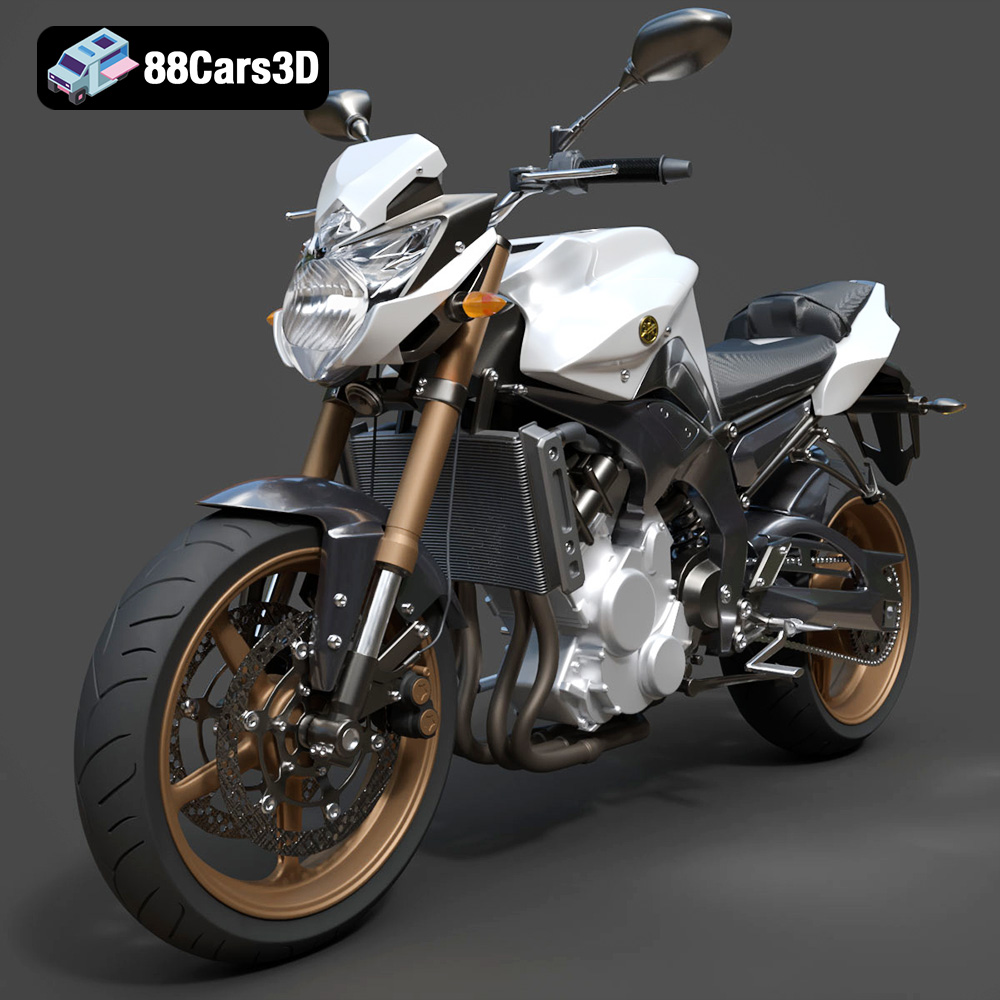
Texture: Yes
Material: Yes
Download the Yamaha FZ8 2011 3D Model featuring clean geometry, realistic detailing, and a fully modeled interior. Includes .blend, .fbx, .obj, .glb, .stl, .ply, .unreal, and .max formats for rendering, simulation, and game development.
Price: $19.99
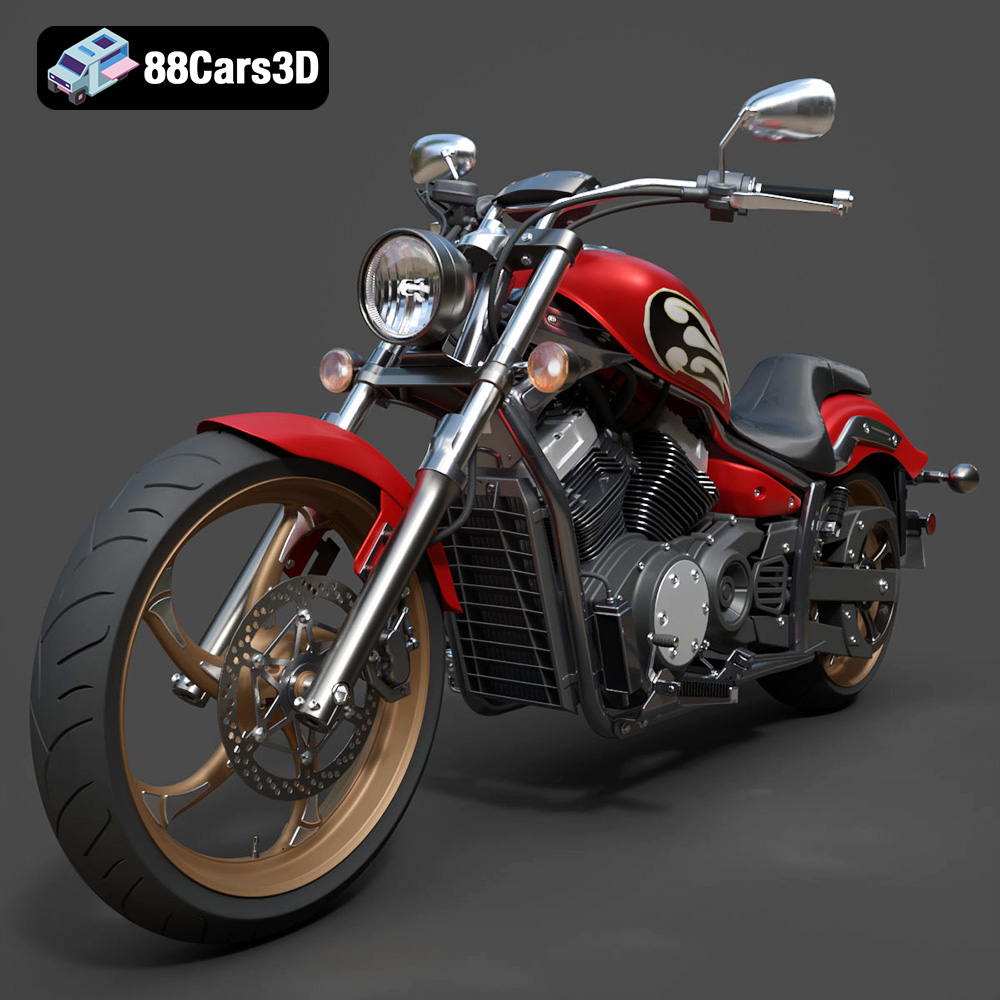
Texture: Yes
Material: Yes
Download the Yamaha Stryker 2012 3D Model featuring clean geometry, realistic detailing, and a fully modeled interior. Includes .blend, .fbx, .obj, .glb, .stl, .ply, .unreal, and .max formats for rendering, simulation, and game development.
Price: $19.99
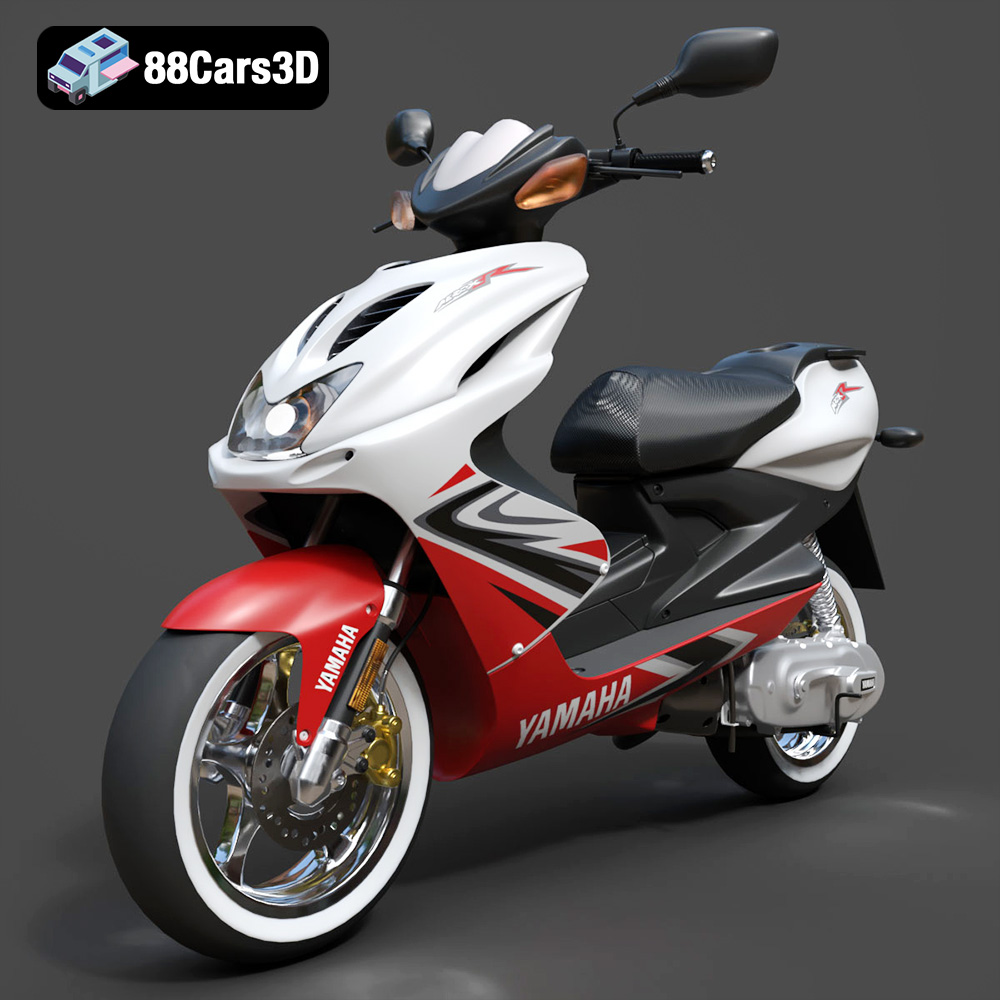
Texture: Yes
Material: Yes
Download the Yamaha Aerox R-002 2024 3D Model featuring clean geometry, realistic detailing, and a fully modeled interior. Includes .blend, .fbx, .obj, .glb, .stl, .ply, .unreal, and .max formats for rendering, simulation, and game development.
Price: $19.99
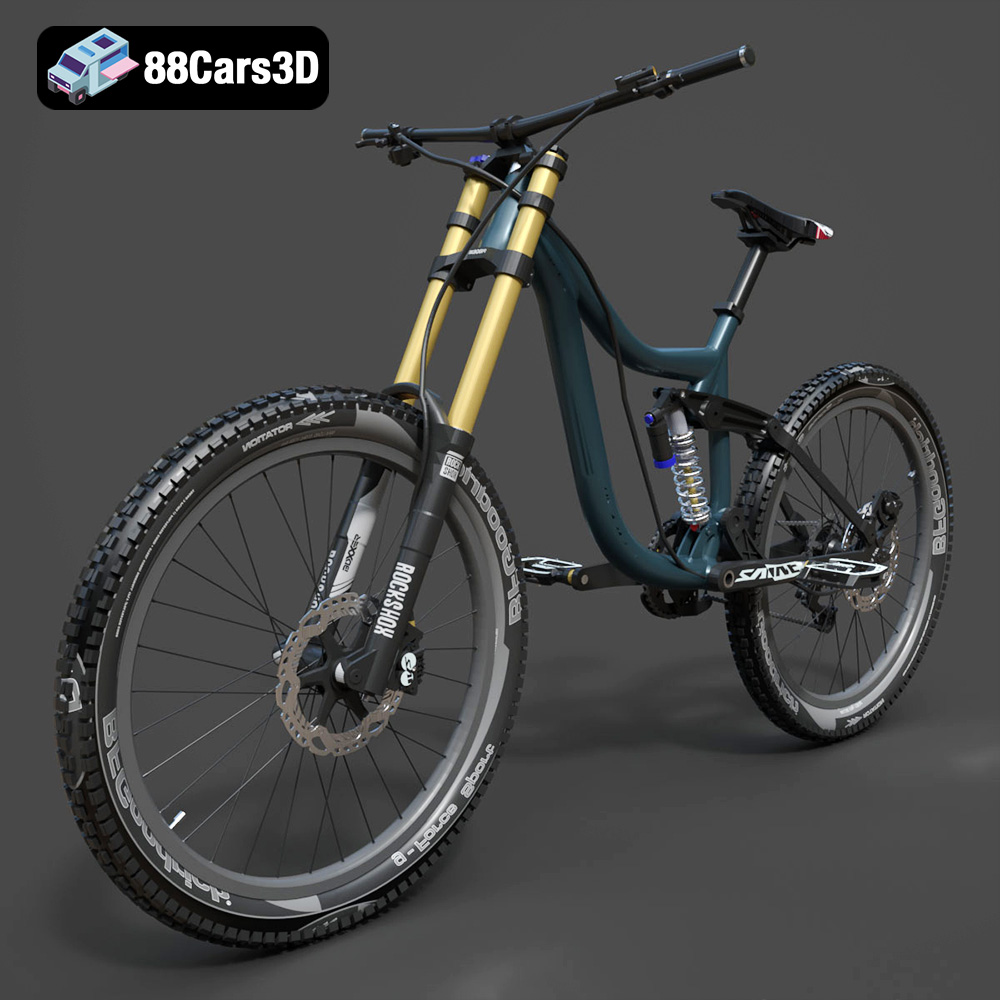
Texture: Yes
Material: Yes
Download the Mototsikly Downhill Bike-002 3D Model featuring clean geometry, realistic detailing, and precise mechanical components. Includes .blend, .fbx, .obj, .glb, .stl, .ply, .unreal, and .max formats for rendering, simulation, and game development.
Price: $19.99
Texture: Yes
Material: Yes
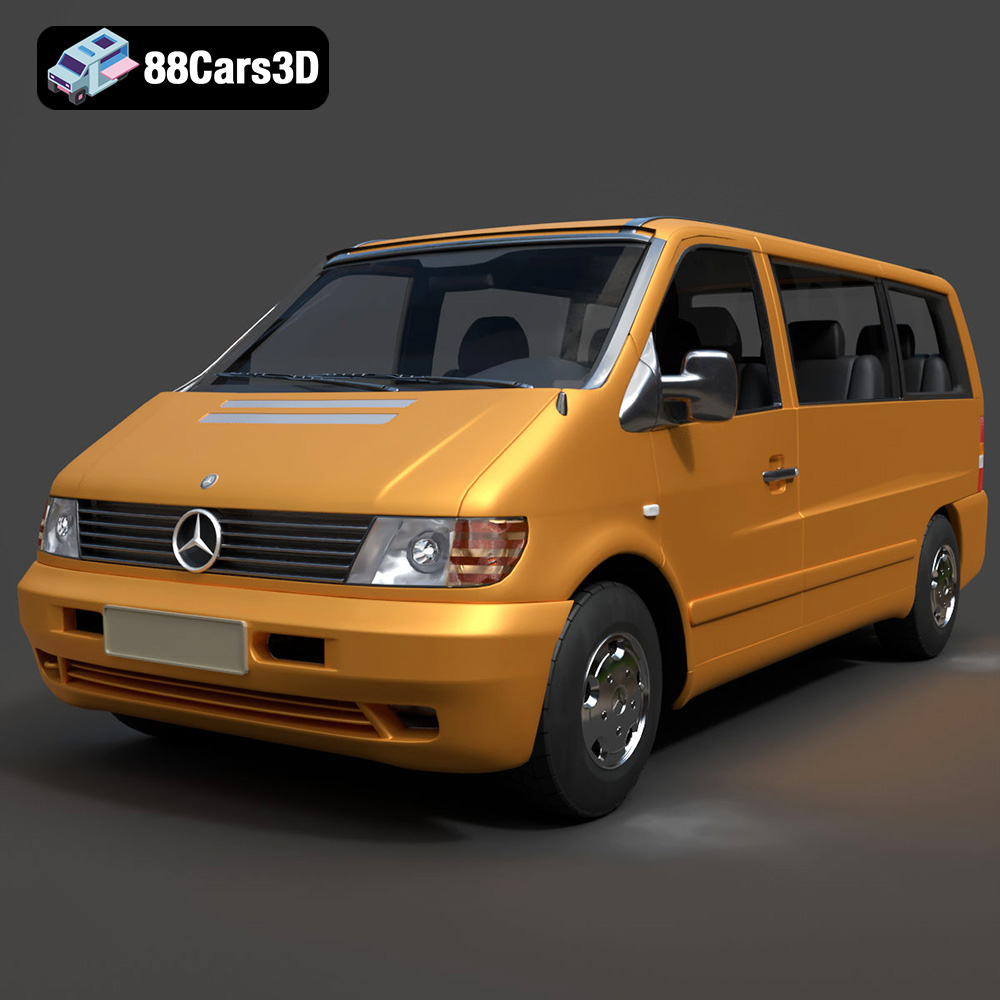
Download the Mercedes-Benz Vito Passenger Van 3D Model featuring clean geometry, realistic detailing, and a fully modeled interior. Includes .blend, .fbx, .obj, .glb, .stl, .ply, .unreal, and .max formats for rendering, simulation, and game development.
Price: $19.99
Texture: Yes
Material: Yes
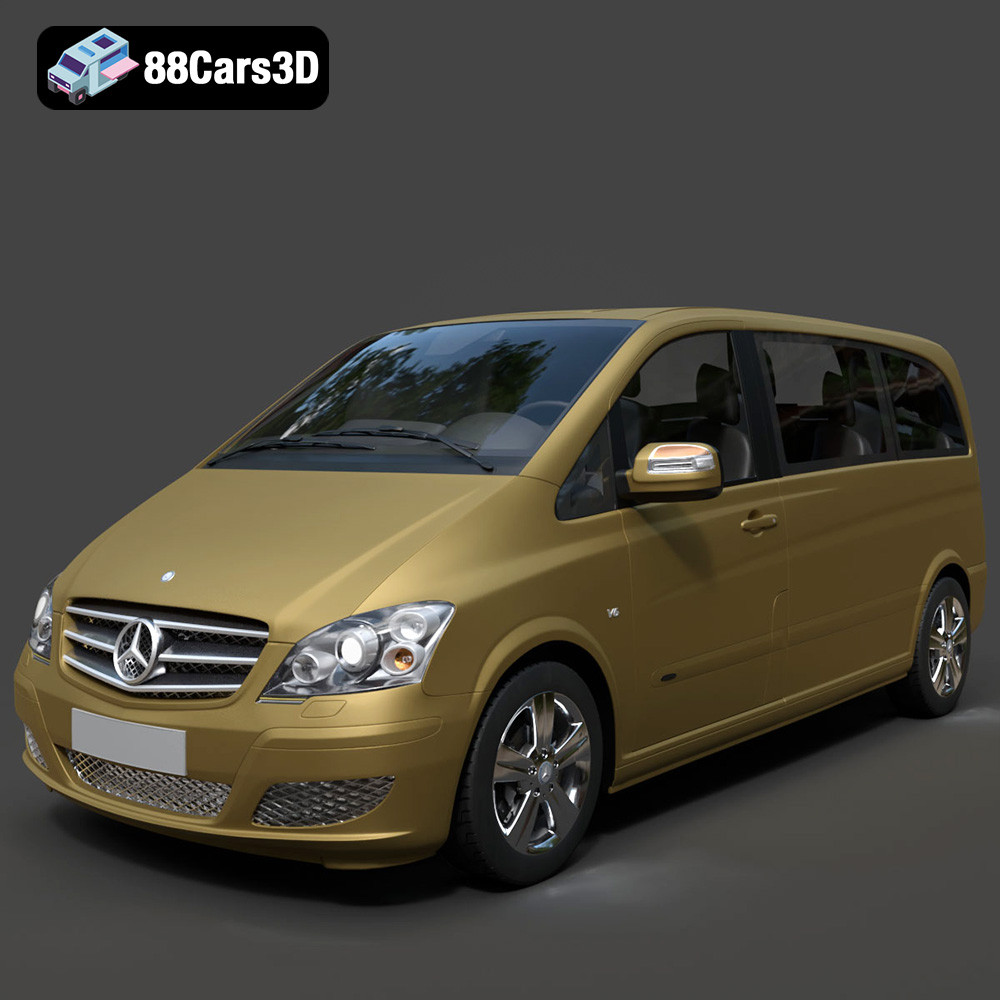
Download the Mercedes-Benz Viano 2010 3D Model featuring clean geometry, realistic detailing, and a fully modeled interior. Includes .blend, .fbx, .obj, .glb, .stl, .ply, .unreal, and .max formats for rendering, simulation, and game development.
Price: $19.99

Texture: Yes
Material: Yes
Download the Emt Avtobus 007 3D Model featuring clean geometry, realistic detailing, and a fully modeled interior. Includes .blend, .fbx, .obj, .glb, .stl, .ply, .unreal, and .max formats for rendering, simulation, and game development.
Price: $19.99
Texture: Yes
Material: Yes
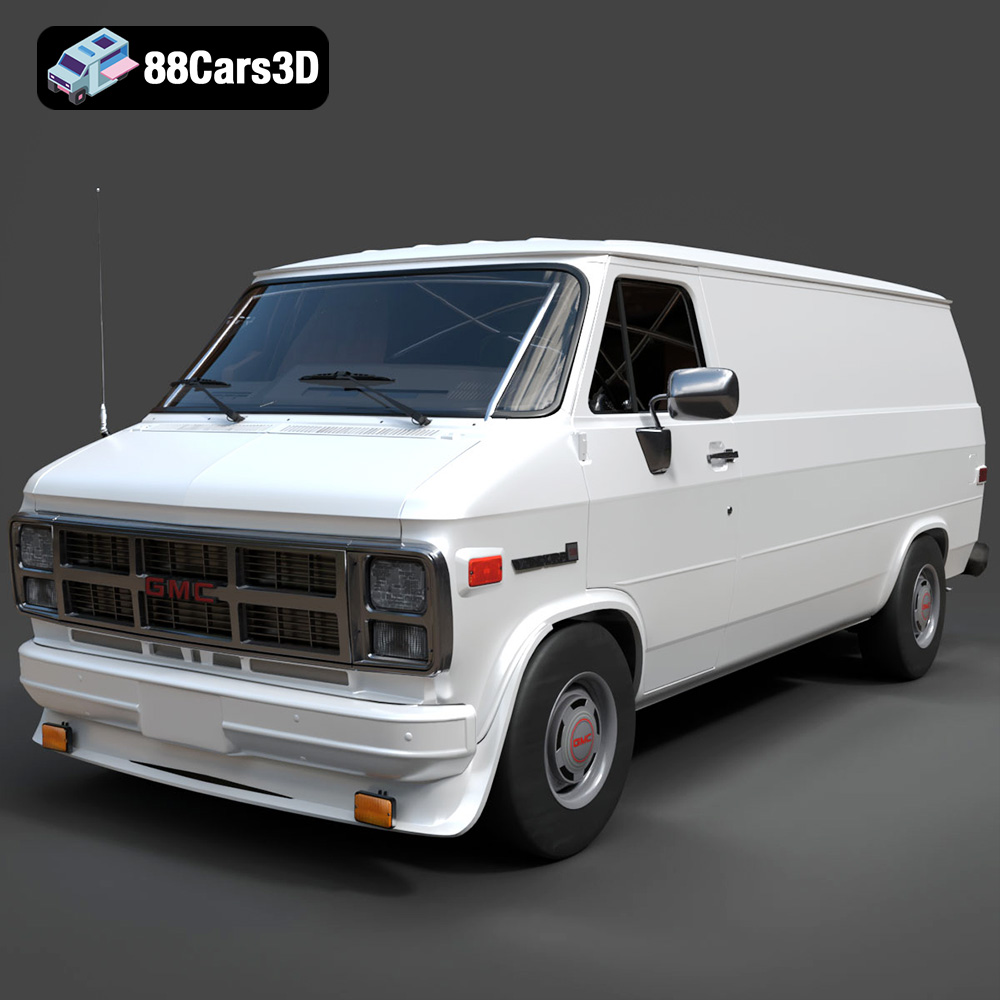
Download the GMC Vandura G-1500 1983 3D Model featuring clean geometry, realistic detailing, and a fully modeled interior. Includes .blend, .fbx, .obj, .glb, .stl, .ply, .unreal, and .max formats for rendering, simulation, and game development.
Price: $19.99
Texture: Yes
Material: Yes
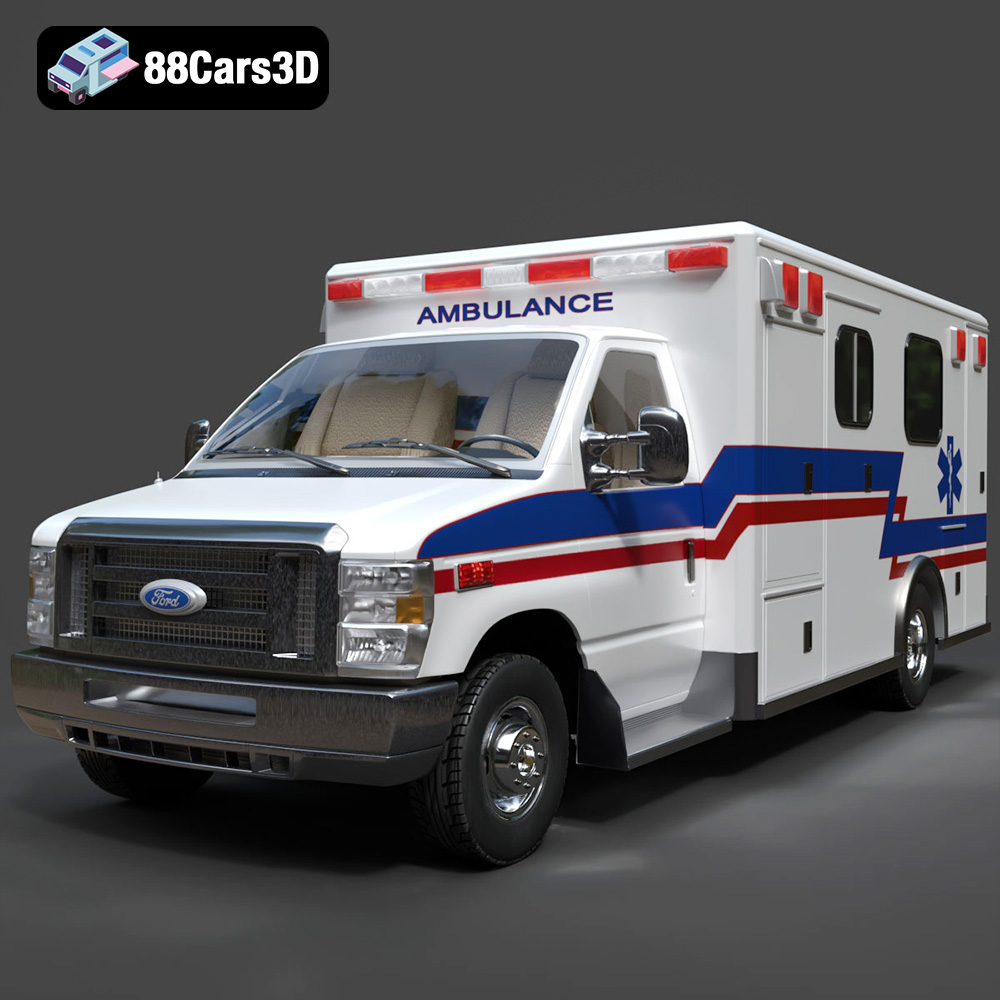
Download the Ford E-450 Ambulance 3D Model featuring clean geometry, realistic detailing, and a fully modeled interior. Includes .blend, .fbx, .obj, .glb, .stl, .ply, .unreal, and .max formats for rendering, simulation, and game development.
Price: $19.99

