⚡ FLASH SALE: Get 60% OFF All Premium 3D & STL Models! ⚡

“`html
Welcome, fellow makers and automotive enthusiasts! At 88cars3d.com, we’re passionate about bringing iconic cars to your workbench through high-quality printable car models. You’ve downloaded a fantastic STL file, perhaps a detailed classic muscle car or a sleek modern supercar, and you’re eager to start printing. But what happens when your slicing software flags errors, or worse, your printer refuses to recognize the file? This often points to issues with the STL file itself – specifically, a broken or non-manifold mesh. These problems can range from tiny holes to completely inverted faces, rendering your model unprintable. Don’t let a corrupted mesh sideline your automotive project! This comprehensive guide will equip you with the knowledge and practical steps to repair these problematic files, ensuring your 3D printing journey is smooth and successful. We’ll explore the common causes of mesh errors, walk through detailed repair workflows using industry-standard software like Meshmixer and Netfabb, and provide actionable tips for preparing your models for flawless slicing and printing.
The STL (Stereolithography) file format is the lingua franca of 3D printing. It describes the surface geometry of a 3D object using a collection of triangular facets. Each triangle is defined by the 3D coordinates of its three vertices and a normal vector, which indicates the outward-facing direction of the triangle. This seemingly simple representation is fundamental, but it relies on a watertight, manifold structure to be interpreted correctly by slicing software and 3D printers. A manifold mesh is essentially a continuous, closed surface with no holes, gaps, or self-intersections, much like the outer shell of a real-world object. When this structure is compromised, we encounter common mesh errors that prevent successful printing.
The most frequent culprits include:
When you download models from reputable sources like 88cars3d.com, these issues are minimized as the files are often pre-checked and optimized. However, even the best models can sometimes encounter minor issues during export or transfer, or you might be working with custom modifications. Understanding these errors is the first step towards fixing them and ensuring your printable car models turn out perfectly.
Imagine trying to fill a bucket with a hole in it. The water will just leak out. Similarly, a 3D printer’s slicing software needs a “watertight” model to accurately calculate how to deposit material layer by layer. A hole means the software doesn’t know where the solid material ends and empty space begins. This ambiguity leads to errors during slicing, potentially resulting in missing sections in your print, incorrect solid areas, or the slicer simply refusing to process the file. A watertight mesh ensures that there is a clear, enclosed volume that the printer can fill with material, defining the exact shape of your 3D printed car.
Most modern slicers, such as Cura, PrusaSlicer, and Simplify3D, have built-in tools to detect mesh errors. When you import an STL file, they will often flag it with a warning or even a detailed report of detected issues. Look for messages indicating “non-manifold edges,” “holes,” or “inverted faces.” While these tools can identify problems, they are often not sophisticated enough to repair them automatically. This is where dedicated mesh editing software becomes indispensable for anyone serious about achieving high-quality FDM printing or resin prints.
Autodesk Meshmixer is a powerful, free 3D modeling and sculpting software that excels at repairing and preparing meshes for 3D printing. Its robust set of tools makes it a favorite among hobbyists and professionals alike. For repairing broken STL files, Meshmixer offers a streamlined workflow that can fix most common issues quickly and effectively.
The typical Meshmixer workflow for STL repair involves importing the model, using automated analysis and repair tools, and then exporting the corrected file. Let’s break down the process:
Meshmixer’s intuitive interface and powerful automated tools make it an excellent starting point for fixing common STL errors. For models downloaded from platforms like 88cars3d.com, a quick run through the Inspector can often ensure they are perfectly prepared for slicing, especially if you plan to scale them or modify them.
Meshmixer’s “Make Solid” tool is incredibly effective for creating watertight meshes from models that have significant holes or are not fully enclosed. It works by offsetting the existing surface inwards and outwards to create a new, solid volume. While it can sometimes slightly alter the original shape or add thickness to thin walls, it’s often the quickest way to achieve a printable model. Experiment with its settings, particularly “Accuracy” and “Smallest component to preserve,” to find the best balance for your specific model.
For advanced users, Meshmixer’s sculpting brushes (found under the “Sculpt” menu) can be used to refine repairs that automated tools couldn’t fully fix. Tools like “Smooth,” “Flatten,” and “Draw” can be used to carefully smooth out artifacts, fill small gaps, or reshape problematic areas. This requires a good understanding of 3D modeling principles but offers ultimate control over the mesh.
Autodesk Netfabb is a professional-grade software suite designed for additive manufacturing, offering advanced capabilities for preparing, repairing, and optimizing parts for 3D printing. While it has a steeper learning curve than Meshmixer and often comes with a cost (though free versions with limited features exist), Netfabb provides unparalleled power and precision for complex mesh repairs, making it ideal for engineers and professional print services. Its automated repair algorithms are among the most sophisticated available.
Here’s a typical workflow in Netfabb:
Netfabb’s strength lies in its advanced algorithms that can often reconstruct complex geometry more accurately than simpler tools. For critical projects or when dealing with highly complex automotive models with intricate details, Netfabb provides a level of assurance and precision that is hard to match. It’s an investment that pays off in significantly reduced print failures and higher quality output for your 3D printed car models.
Unlike simpler tools, Netfabb utilizes advanced algorithms that can intelligently reconstruct missing surfaces and resolve complex topological errors. Its ability to analyze the underlying intent of the mesh, rather than just patching holes, leads to more robust and aesthetically pleasing repairs. This is particularly valuable for intricate parts common in detailed automotive models.
Beyond just fixing meshes, Netfabb offers simulation capabilities. You can analyze your repaired model for potential issues like warping, insufficient wall thickness, or overhangs before you even send it to the slicer. This predictive analysis helps avoid costly print failures and saves valuable printing time and material, ensuring your expensive resin or filament isn’t wasted on a flawed model.
Repairing a broken STL file is only part of the process. Proper preparation ensures that your sliced model translates into a successful physical object. This involves understanding how the repaired mesh interacts with slicing software settings and your 3D printer’s capabilities. For high-quality prints, especially for detailed automotive models, attention to detail in this stage is crucial.
Key preparation steps include:
By focusing on these preparation steps after repairing your STL, you maximize the chances of achieving a flawless print, turning your digital printable car model into a stunning physical replica.
The tradeoff between layer height and print time is significant. For highly detailed automotive models, a lower layer height (e.g., 0.1mm or even 0.08mm for resin) will produce smoother curves and finer details, reducing the visibility of layer lines on the exterior. However, this dramatically increases print time. A compromise might be to print the body at a lower layer height and internal components or less visible parts at a higher layer height (e.g., 0.2mm). Infill density and pattern also play a role. For decorative models, low infill (5-15%) is usually sufficient. For functional parts or models that require strength, increase infill to 20-40% or more. Patterns like gyroid or cubic offer good strength in multiple directions.
Once your 3D printed car is off the build plate, the journey isn’t over. Post-processing is essential for achieving that professional, showroom-quality finish. This typically involves:
Mastering these post-processing techniques elevates your 3D prints from mere prototypes to display-worthy models, making that painstaking STL repair effort entirely worthwhile.
Navigating the world of 3D printing often involves overcoming technical hurdles, and faulty STL files are a common, yet solvable, challenge. By understanding the nature of STL files and the common errors that plague them – holes, non-manifold edges, and inverted faces – you’ve taken a significant step towards mastering your 3D printing workflow. Software like Autodesk Meshmixer offers accessible and powerful tools for quick, automated repairs, making it an invaluable resource for hobbyists. For those requiring ultimate precision and advanced capabilities, Autodesk Netfabb provides a professional-grade solution with sophisticated algorithms and simulation features.
Remember, the goal is a watertight, manifold mesh that your slicing software can interpret flawlessly. After repair, proper preparation—including correct orientation, thoughtful support placement, and ensuring adequate wall thickness—is key to translating that digital model into a successful physical print. Whether you’re downloading immaculate STL files from 88cars3d.com or working with your own creations, the ability to repair and prepare your files ensures a smoother, more rewarding 3D printing experience. Invest the time to learn these repair techniques, and you’ll unlock a new level of confidence and quality in your printable car models, transforming potential frustrations into stunningly accurate replicas.
“`

Meta Description:
Texture: Yes
Material: Yes
Download the Porsche Cayenne 3D Model featuring realistic exterior styling and detailed interior design. Includes .blend, .fbx, .obj, .glb, .stl, .ply, .unreal, and .max formats for rendering, simulation, AR VR, and game development.
Price: $19.9
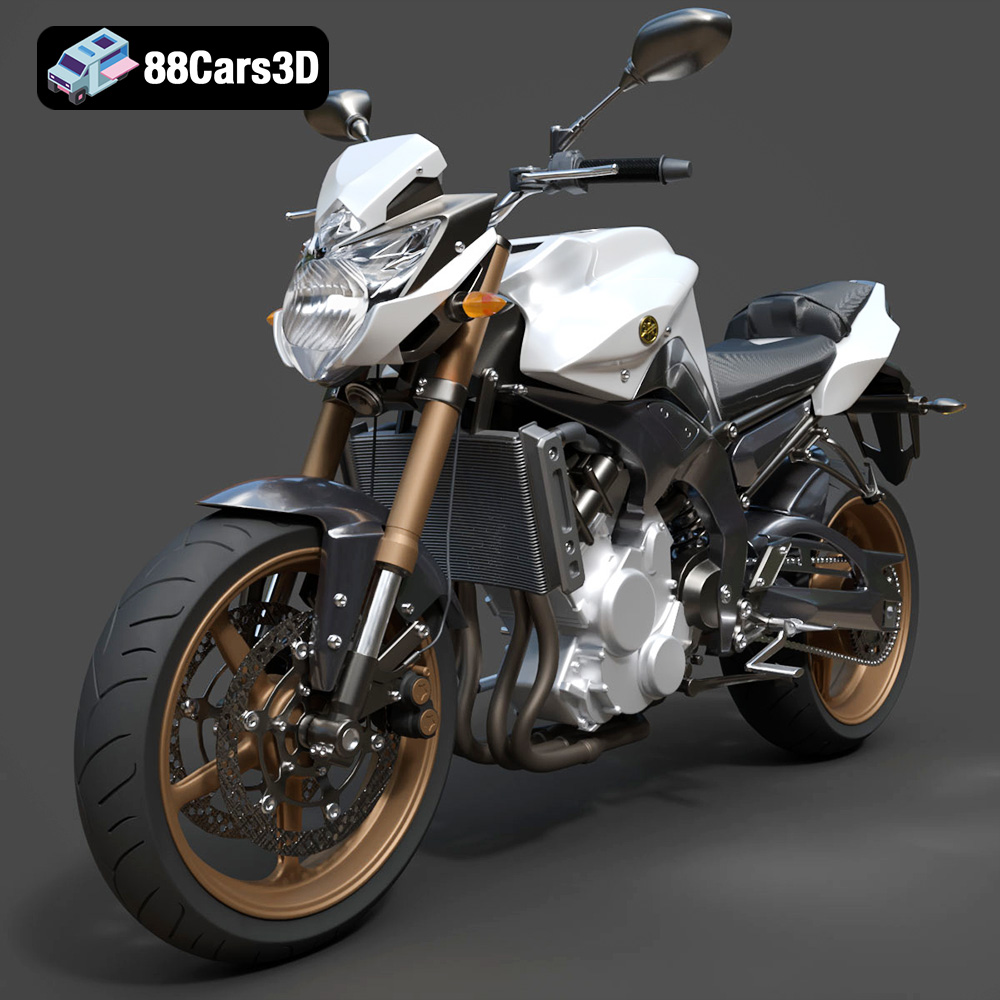
Texture: Yes
Material: Yes
Download the Yamaha FZ8 2011 3D Model featuring clean geometry, realistic detailing, and a fully modeled interior. Includes .blend, .fbx, .obj, .glb, .stl, .ply, .unreal, and .max formats for rendering, simulation, and game development.
Price: $19.99
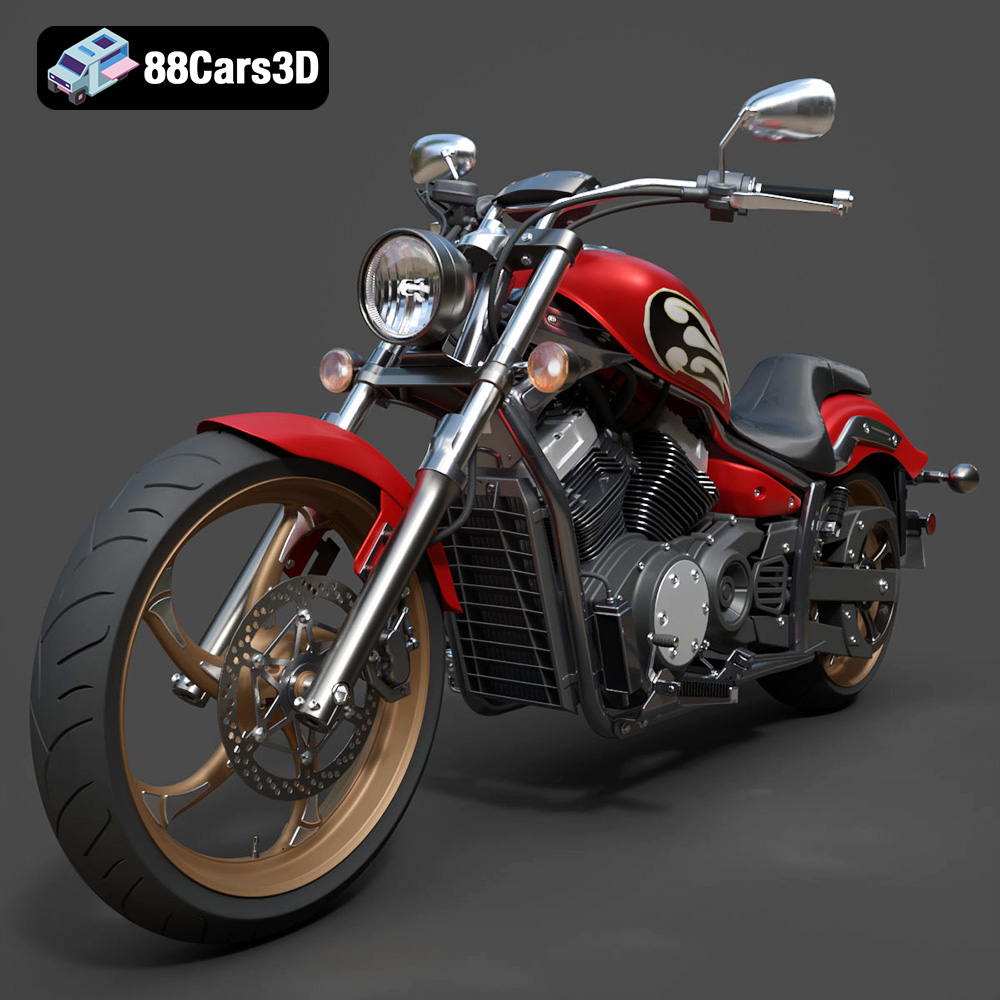
Texture: Yes
Material: Yes
Download the Yamaha Stryker 2012 3D Model featuring clean geometry, realistic detailing, and a fully modeled interior. Includes .blend, .fbx, .obj, .glb, .stl, .ply, .unreal, and .max formats for rendering, simulation, and game development.
Price: $19.99
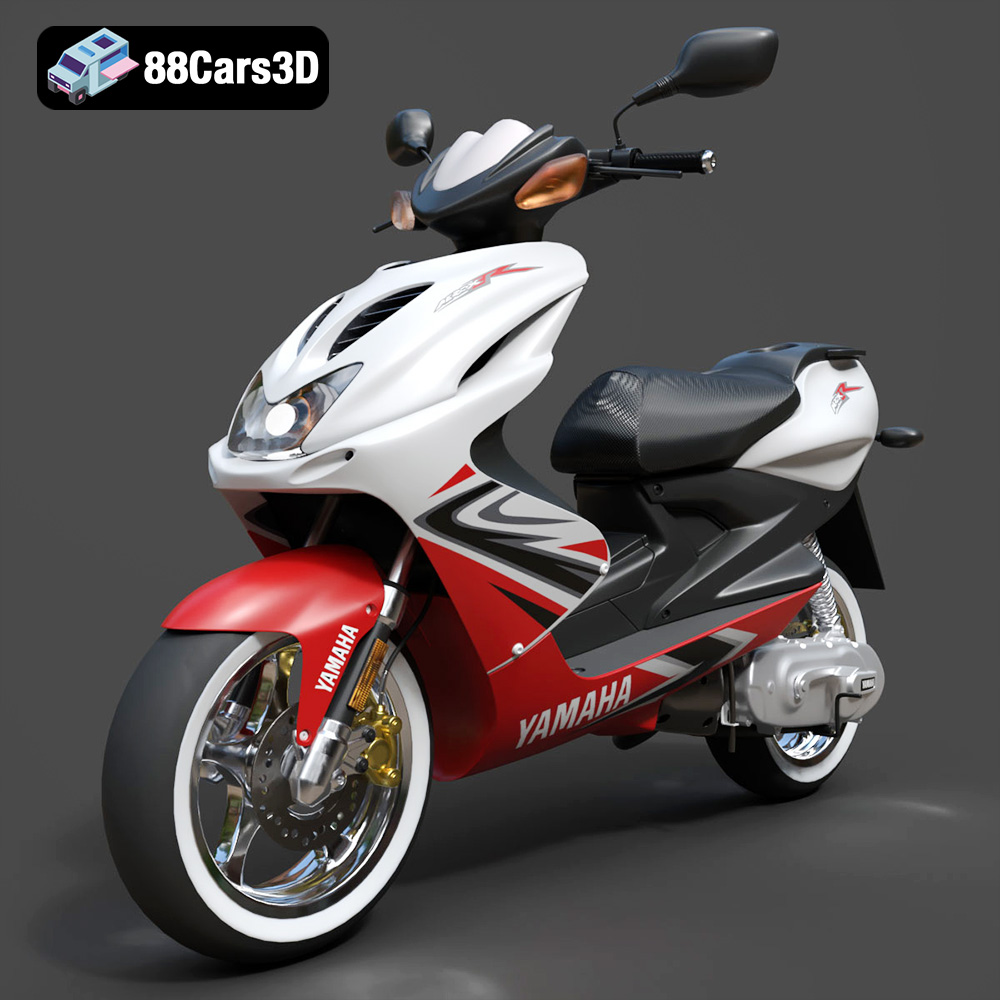
Texture: Yes
Material: Yes
Download the Yamaha Aerox R-002 2024 3D Model featuring clean geometry, realistic detailing, and a fully modeled interior. Includes .blend, .fbx, .obj, .glb, .stl, .ply, .unreal, and .max formats for rendering, simulation, and game development.
Price: $19.99
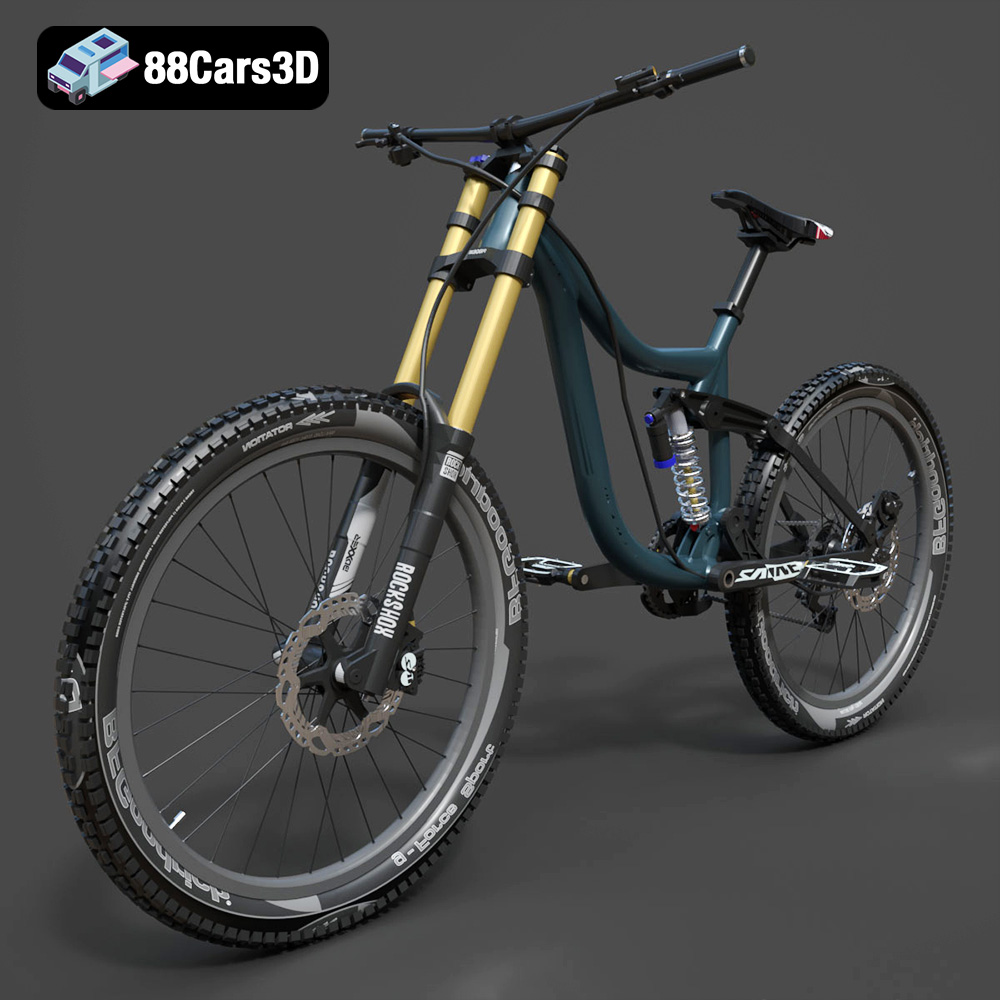
Texture: Yes
Material: Yes
Download the Mototsikly Downhill Bike-002 3D Model featuring clean geometry, realistic detailing, and precise mechanical components. Includes .blend, .fbx, .obj, .glb, .stl, .ply, .unreal, and .max formats for rendering, simulation, and game development.
Price: $19.99
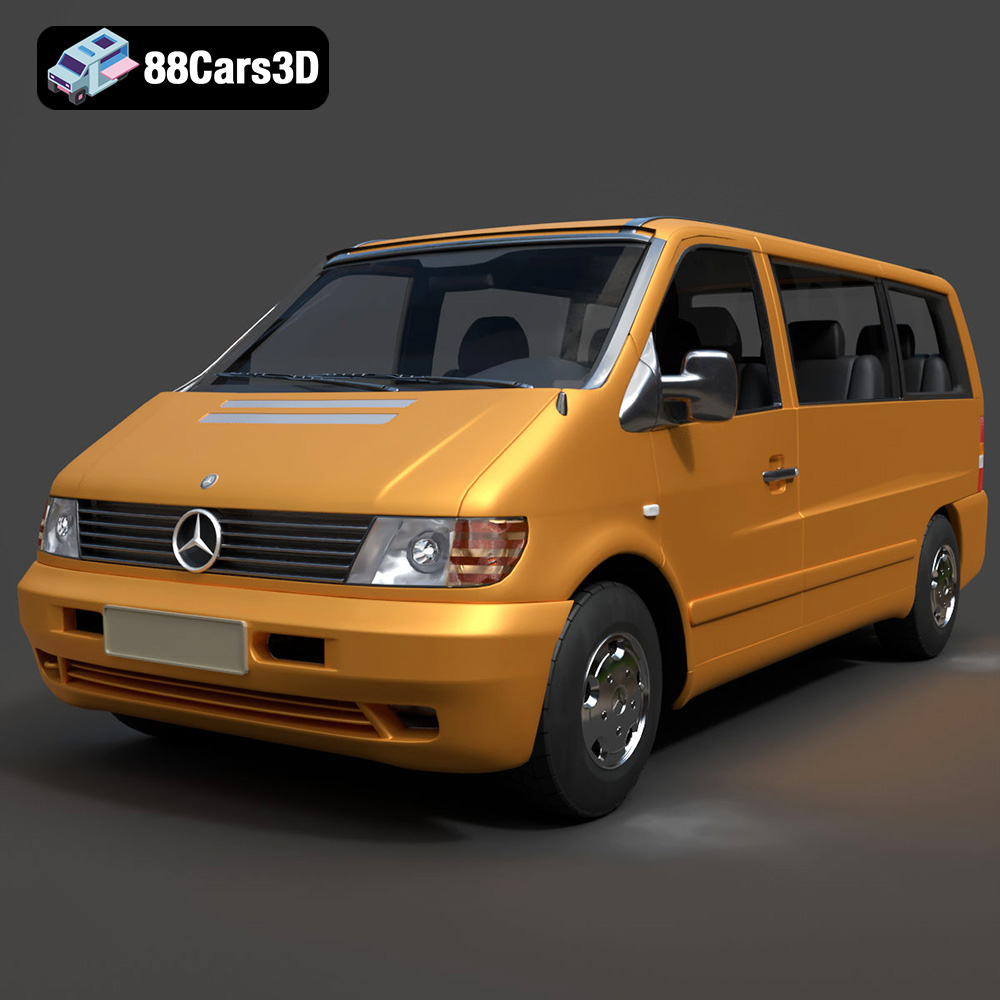
Texture: Yes
Material: Yes
Download the Mercedes-Benz Vito Passenger Van 3D Model featuring clean geometry, realistic detailing, and a fully modeled interior. Includes .blend, .fbx, .obj, .glb, .stl, .ply, .unreal, and .max formats for rendering, simulation, and game development.
Price: $19.99
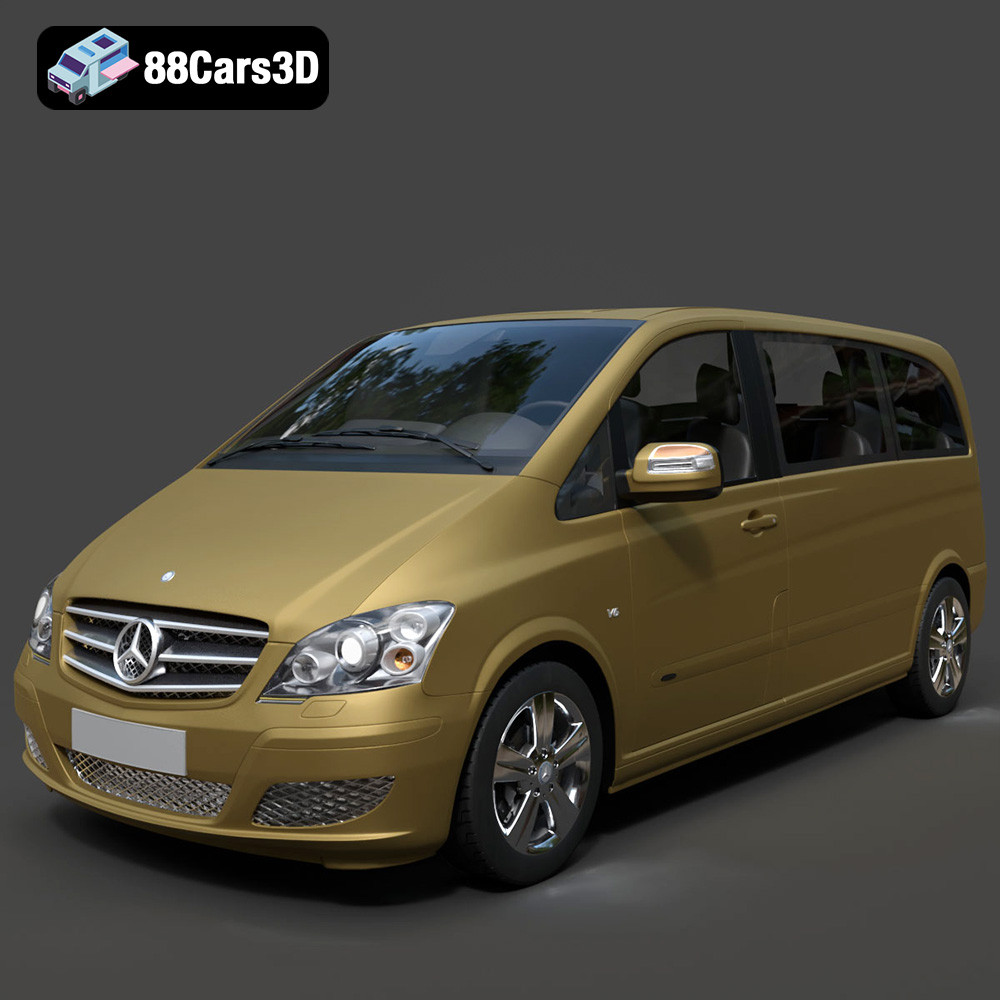
Texture: Yes
Material: Yes
Download the Mercedes-Benz Viano 2010 3D Model featuring clean geometry, realistic detailing, and a fully modeled interior. Includes .blend, .fbx, .obj, .glb, .stl, .ply, .unreal, and .max formats for rendering, simulation, and game development.
Price: $19.99

Texture: Yes
Material: Yes
Download the Emt Avtobus 007 3D Model featuring clean geometry, realistic detailing, and a fully modeled interior. Includes .blend, .fbx, .obj, .glb, .stl, .ply, .unreal, and .max formats for rendering, simulation, and game development.
Price: $19.99
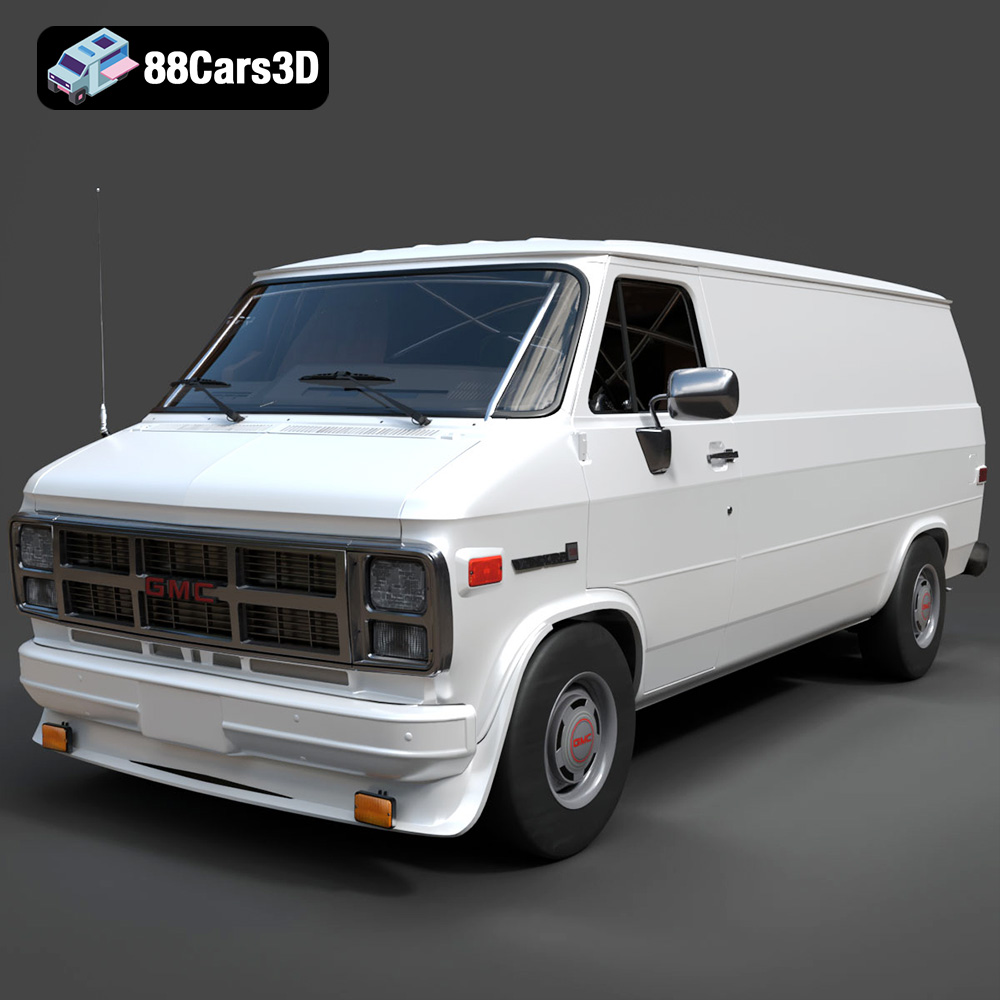
Texture: Yes
Material: Yes
Download the GMC Vandura G-1500 1983 3D Model featuring clean geometry, realistic detailing, and a fully modeled interior. Includes .blend, .fbx, .obj, .glb, .stl, .ply, .unreal, and .max formats for rendering, simulation, and game development.
Price: $19.99
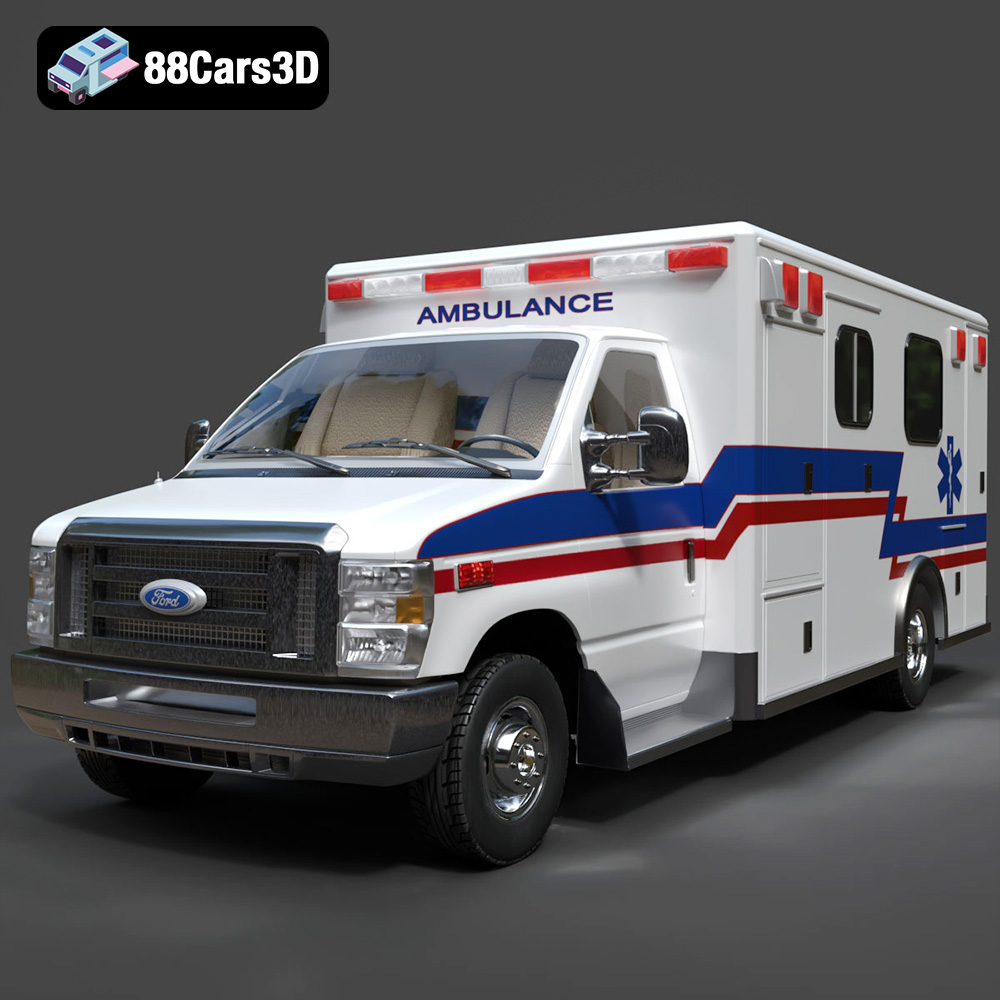
Texture: Yes
Material: Yes
Download the Ford E-450 Ambulance 3D Model featuring clean geometry, realistic detailing, and a fully modeled interior. Includes .blend, .fbx, .obj, .glb, .stl, .ply, .unreal, and .max formats for rendering, simulation, and game development.
Price: $19.99

