⚡ FLASH SALE: Get 60% OFF All Premium 3D & STL Models! ⚡

The digital landscape is constantly evolving, with an ever-increasing demand for personalized experiences, especially within the realms of gaming, virtual reality, and high-fidelity automotive visualization. Whether you’re a game developer striving for dynamic customization options, an automotive designer iterating on concepts, or a visualization artist pushing the boundaries of realism, the ability to rapidly swap and modify components is paramount. This is where the power of modular 3D car parts truly shines. By breaking down complex vehicle models into interchangeable units, artists and developers gain unparalleled flexibility, efficiency, and creative freedom. This comprehensive guide will delve deep into the principles, workflows, and optimization strategies required to master the art of creating modular 3D car assets, ensuring your projects stand out in a crowded digital world. We’ll explore everything from the foundational aspects of topology and UV mapping to advanced PBR material workflows, game engine optimization, and applications across various industries, including AR/VR and 3D printing. Platforms like 88cars3d.com provide an excellent starting point, offering high-quality, pre-built base car models that can serve as perfect canvases for your modular customization efforts.
Modularity in 3D car parts refers to the design philosophy of creating individual components (e.g., bumpers, spoilers, headlights, wheels, side skirts, hoods, and entire body kits) that can be seamlessly interchanged without requiring significant rework of the underlying vehicle mesh or its textures. This approach is crucial for efficiency, allowing for rapid prototyping, extensive customization options in games, and simplified asset management in large projects. The cornerstone of successful modular design lies in meticulously planned topology and edge flow. Without consistent and clean geometry, modular parts will struggle to integrate smoothly, leading to visual artifacts, shading inconsistencies, and difficulties in animation or deformation.
The key to seamless integration is ensuring that connecting parts maintain a consistent polygon density and edge flow at their interfaces. When designing a modular fender that connects to a door or bumper, for instance, the edge loops along the connection seams must align perfectly. This prevents unsightly gaps or overlaps and ensures that subdivision surfaces (if used) produce a smooth, continuous surface across assembled components. Always prioritize quad-based topology, especially in areas with curvature or where deformation might occur. Ngons and triangles should be avoided in critical surface areas as they can introduce pinching and triangulation issues, particularly during subdivision or when exporting to game engines. Proper edge flow guides how light reflects off the surface, how textures are applied, and how the model deforms. For automotive surfaces, this often means creating loops that follow the natural contours and design lines of the vehicle, providing excellent visual fidelity and flexibility for smooth blending between parts. Careful planning of these common connection points is paramount before any modeling begins, ensuring that all potential interchangeable parts can snap together both visually and technically.
Beyond visual alignment, technical attachment points are vital for modular systems, particularly in game engines or interactive applications. These are predetermined locations and orientations where modular parts connect. For example, a spoiler might attach to the trunk lid via specific bolt points, or a headlight assembly might slide into a designated recess in the fender. It’s beneficial to plan for these connection points using ’empties’ or ‘null objects’ within your 3D software (e.g., Blender, 3ds Max, Maya). These empty objects serve as consistent pivot points and alignment guides for each modular component. By naming them consistently (e.g., “ATT_Bumper_Left”, “PIVOT_Wheel_Front_Right”), you create a robust system that can be easily parsed and utilized by game engines or other software for automated assembly. When creating a modular bumper, for instance, you’d design the connection points to mirror those on the chassis or fender, ensuring that any bumper variant can fit precisely. Polygon counts for individual parts vary widely depending on the desired detail and target platform. A high-detail modular door for a cinematic render might be 30,000-50,000 quads, a game-ready wheel with tire around 15,000-25,000, and a smaller accessory like a spoiler 5,000-10,000. These figures are guidelines and should always be balanced with performance requirements.
Efficient and consistent UV mapping is a critical step in creating modular 3D car parts, directly impacting how textures are applied, how materials look, and how well your assets perform in real-time environments. When parts are designed to be swapped, their UV layouts and material assignments must be meticulously planned to ensure visual consistency and minimize rendering overhead.
One of the most common pitfalls in modular asset creation is inconsistent texel density. Texel density refers to the number of texture pixels per unit of 3D space. If not maintained uniformly across all modular parts, textures will appear blurry on some components and overly sharp on others when combined, creating a disjointed look. To achieve uniform texel density, tools within your 3D software (like Blender’s UV editing tools or 3ds Max’s Unwrap UVW modifier) can help visualize and normalize the density. Aim to prevent stretching and distortion by carefully unwrapping curved surfaces and ensuring seams are placed in less visible areas. Another crucial strategy is to group similar materials into distinct UV zones, even within a single texture atlas. For example, all painted surfaces might occupy one area of the UV space, while plastics, rubbers, or metals occupy others. This organization simplifies texturing, allows for easier material instancing in game engines, and can even facilitate the use of UDIMs (a system for using multiple texture tiles for a single mesh, beneficial for extremely high-resolution assets) without sacrificing consistency.
Texture atlasing is an indispensable technique for modular assets, particularly in game development. An atlas combines multiple smaller textures (e.g., diffuse, normal, roughness maps for various modular parts) into a single, larger texture image. The primary benefit is a significant reduction in draw calls – a major performance bottleneck in real-time rendering. Each time a game engine has to switch materials or textures, it incurs a draw call. By using a single atlas for many parts, the engine can render multiple components using one material and one texture, dramatically improving performance.
The process involves careful planning of your texture sheet layout, ensuring efficient packing of UV islands from all your modular components onto a single atlas. Software like Substance Painter excels at baking and atlasing, allowing you to create PBR texture sets for your individual modular parts and then combine them into an optimized atlas. It’s also possible to manually arrange UVs in your 3D software and then bake new textures, but dedicated tools streamline the process. When creating a texture atlas, consider the maximum resolution needed (e.g., a 4K or 8K atlas for a highly detailed car) and ensure sufficient padding between UV islands to prevent texture bleeding. Each modular part, such as a bumper or a headlight, would have its UVs mapped to a specific region of this shared atlas, making them ready to be dynamically assembled while drawing from a consistent texture source.
The visual fidelity of your modular car parts hinges on the quality and consistency of your Physically Based Rendering (PBR) materials. PBR is an approach to rendering that aims to simulate how light interacts with surfaces in a physically accurate way, leading to more realistic and predictable results across different lighting conditions and rendering engines. For modular assets, establishing a standardized PBR workflow is essential to ensure that regardless of which parts are combined, they look cohesive and realistic.
A standardized PBR workflow begins with defining a core set of materials that will be used across all modular components. This typically includes common automotive finishes such as metallic paint, clear coat, chrome, glass, various plastics, rubber, and carbon fiber. For each material, you’ll need a set of PBR texture maps: Albedo (or Base Color), Normal, Roughness, Metallic, and Ambient Occlusion (AO). The key is to ensure that the parameters and ranges for these maps are consistent. For example, if your metallic paint uses a specific range of roughness values, all modular parts with metallic paint should adhere to this. Tools like Substance Designer and Substance Painter are invaluable here, allowing you to create procedural materials and smart materials that can be easily applied and adjusted across multiple assets while maintaining consistency. Naming conventions are also crucial; consistent prefixes (e.g., “MAT_Paint_Metallic”, “TEX_Normal_Bumper”) help in organizing and managing a large library of modular materials. The use of linear color space is also vital for physically accurate lighting and rendering, preventing incorrect gamma application and ensuring colors appear as intended.
While consistent base materials are crucial, advanced shader networks unlock true dynamic customization. Modern game engines (like Unreal Engine and Unity) and rendering software (like Blender with its Cycles/Eevee shader nodes) offer powerful node-based material editors that allow for complex, layered materials and real-time adjustments.
For example, a car paint shader can be designed to include multiple layers: a base metallic layer, a clear coat layer, and even procedural dirt or scratch masks. Within these shader graphs, you can expose parameters for color tinting, metallic flake intensity, clear coat roughness, and even dynamically apply decals or wear-and-tear effects based on in-game conditions or user choices. Using the node-based shader editor in Blender (refer to the official Blender 4.4 documentation for detailed information on nodes: https://docs.blender.org/manual/en/4.4/) you can create highly sophisticated material systems. For instance, you can mix different PBR shaders, use masks to control where each material appears, and even set up custom groups for easy reusability across all your modular parts.
Material instances are another powerful feature. Instead of creating a unique material for every color variation of a car part, you create one master material with exposed parameters. Then, you create instances of that material, allowing artists or even users to change colors, roughness, or other properties on the fly without affecting rendering performance, as they all share the same underlying shader code. This significantly streamlines the customization process and reduces asset size. Physically accurate values for Roughness and Metallic maps are paramount, typically ranging from 0 to 1, where 0 represents perfectly smooth/non-metallic and 1 represents perfectly rough/metallic. HDR (High Dynamic Range) environments are also key for realistic PBR rendering, providing accurate lighting information for your materials to react to.
The inherent flexibility of modular 3D car parts comes with a crucial caveat: performance optimization. While modularity allows for extensive customization, it can also lead to increased draw calls and polygon counts if not managed correctly. Striking a balance between visual fidelity and real-time performance is paramount for game engines and interactive applications.
Level of Detail (LOD) is a technique used to swap out high-polygon models for lower-polygon versions as the camera moves further away. This significantly reduces the computational load on the GPU without a noticeable loss in visual quality from a distance. For modular car parts, implementing a robust LOD strategy for each individual component is crucial. Typically, you’ll create multiple LOD levels (e.g., LOD0 for the highest detail, LOD1, LOD2, LOD3 for progressively lower details).
The process involves generating simplified versions of your mesh. This can be done manually through retopology, by merging vertices, or by using automated decimation tools available in most 3D software (Blender’s Decimate modifier, 3ds Max’s ProOptimizer, Maya’s Reduce tool) or directly within game engines like Unity and Unreal Engine. When creating LODs for modular parts, ensure that the connection points remain consistent across all LOD levels to prevent popping or misalignment during transitions. Polygon count reduction should be aggressive but intelligent; for instance, a dashboard might go from 50,000 polygons at LOD0 to 1,000 at LOD3, prioritizing the preservation of silhouettes and major forms. Setting appropriate screen size transitions for each LOD is also important, dictating at what distance each LOD level will be swapped in.
While texture atlasing (as discussed previously) significantly reduces draw calls related to materials, modularity itself can inherently increase draw calls if each part is a separate mesh with its own material. To combat this, game engines employ various techniques. Batching static meshes is a common optimization where the engine combines multiple separate meshes that share the same material into a single draw call. This is why texture atlases are so important: they enable multiple modular parts to use the same material, making them eligible for batching.
Occlusion culling is another vital optimization. This technique prevents objects that are hidden behind other objects (occluders) from being rendered. For a car, parts like the engine or interior components that are entirely covered by the body would not be rendered if not visible, saving significant performance. Frustum culling, which prevents objects outside the camera’s view frustum from being rendered, also plays a role. When building modular cars, ensure your scene geometry is set up to take advantage of these culling mechanisms. Additionally, optimizing collision meshes is crucial. A complex visual mesh rarely needs an equally complex collision mesh. Create simplified, convex hull collision shapes for each modular part to minimize physics calculations. Target frame rates vary by platform: 60fps for PC gaming, 30fps for consoles, and 90fps or higher for smooth VR experiences. File formats like FBX (FilmBox) are standard for exporting game assets due to their robust support for meshes, materials, animations, and LODs, while GLB is gaining traction for web-based real-time applications.
The benefits of modular 3D car parts extend far beyond traditional game development, offering distinct advantages in emerging fields like Augmented Reality (AR) and Virtual Reality (VR), as well as in professional 3D printing and high-fidelity automotive visualization. The flexibility inherent in a modular design workflow makes these assets highly adaptable to diverse application requirements.
AR and VR applications demand highly optimized assets to ensure smooth performance and a comfortable user experience, especially on mobile devices or standalone headsets. For mobile AR experiences (e.g., viewing a customizable car in your driveway via your smartphone), low-polygon variations of your modular parts are essential. While LODs help, often a dedicated “AR-ready” set of components with drastically reduced polygon counts (e.g., an entire car under 100,000 triangles) and smaller texture resolutions (1K or 2K) is needed. The goal is to ensure minimal latency during interactive customization, allowing users to swap parts instantly without experiencing stutter or lag.
File formats also become critical. USDZ is the standard for Apple’s ARKit, offering efficient asset packaging for iOS devices, while GLB (the binary version of glTF) is widely adopted for WebXR and various VR platforms due to its compact size and comprehensive data support. When optimizing for specific AR/VR platforms like Oculus Quest or Microsoft HoloLens, it’s vital to adhere to their polygon and draw call budgets, which are often stricter than traditional PC VR. Modular car parts enable developers to build a rich customization experience without creating a performance bottleneck, as they can load only the necessary components and textures.
For physical prototyping or model making, preparing modular 3D car parts for 3D printing requires a different set of considerations. The primary concern is ensuring that each modular component is a watertight, manifold mesh. This means every edge must connect to exactly two faces, and there should be no holes, inverted normals, or self-intersecting geometry. 3D printers rely on solid geometry, so any topological flaws will result in printing errors or failed prints.
Wall thickness is another crucial factor. Thin sections of a model may be too fragile or simply not print at all. You must ensure that all structural elements of your modular parts meet the minimum wall thickness requirements of your chosen 3D printing technology and material. Scaling and unit consistency are also paramount; design your parts to real-world scale and ensure your 3D printing software interprets units correctly (e.g., millimeters vs. inches). Common mesh repair tools in software like Meshmixer or Blender’s built-in 3D Print Toolbox addon are invaluable for identifying and fixing these issues before export. By designing modular parts with these principles in mind, you can seamlessly transition from digital customization to physical prototypes.
In the realm of high-fidelity automotive visualization and cinematic rendering, modularity offers immense advantages for rapid design iteration and creative exploration. Automotive studios and rendering professionals frequently use modular systems to quickly assemble different vehicle configurations, test various body kits, or showcase multiple wheel options without having to remodel entire vehicles. This significantly speeds up the design process and allows for a vast library of customizable options.
For rendering in engines like Corona Renderer, V-Ray, Cycles (Blender), or Arnold, leveraging the full potential of your PBR materials is key. This involves setting up realistic lighting environments, often utilizing High Dynamic Range Image (HDRI) maps for ambient light and physical light sources for specific effects (e.g., studio lights, sun studies). Post-processing and compositing in software like Photoshop or Nuke are essential for achieving cinematic quality, adding depth of field, color grading, lens effects, and atmospheric elements. The value of pre-made, high-quality modular 3D car models sourced from marketplaces such as 88cars3d.com becomes evident here, providing artists with a professional foundation to build upon, saving countless hours of modeling and texturing while still allowing for complete creative freedom through customization.
The creation of modular 3D car parts represents a fundamental shift in how we approach asset development for automotive experiences. From the intricate detailing of clean topology and efficient UV mapping to the advanced application of PBR materials and shader networks, every step in the workflow is designed to empower artists and developers with unparalleled flexibility and efficiency. We’ve explored how a meticulous approach to geometry ensures seamless integration, how texture atlasing and LOD strategies optimize performance for demanding real-time applications, and how these versatile assets can transcend traditional gaming to excel in AR/VR, 3D printing, and high-fidelity visualization.
Embracing modular design not only streamlines your production pipeline but also unlocks a world of creative possibilities, allowing for dynamic customization that captivates audiences and meets the ever-growing demand for personalized digital content. By focusing on consistent quality, meticulous planning, and leveraging industry best practices, you can create a library of modular car parts that are robust, versatile, and future-proof. Whether you’re building the next generation of racing games, designing vehicles for immersive VR experiences, or crafting stunning automotive visualizations, the principles outlined in this guide will serve as your blueprint for success. Dive in, experiment with these techniques, and discover the transformative power of modularity. For high-quality base models to kickstart your projects, remember to explore the extensive collection available at 88cars3d.com, providing the perfect foundation for your customizable automotive masterpieces.

Meta Description:
Texture: Yes
Material: Yes
Download the Porsche Cayenne 3D Model featuring realistic exterior styling and detailed interior design. Includes .blend, .fbx, .obj, .glb, .stl, .ply, .unreal, and .max formats for rendering, simulation, AR VR, and game development.
Price: $19.9
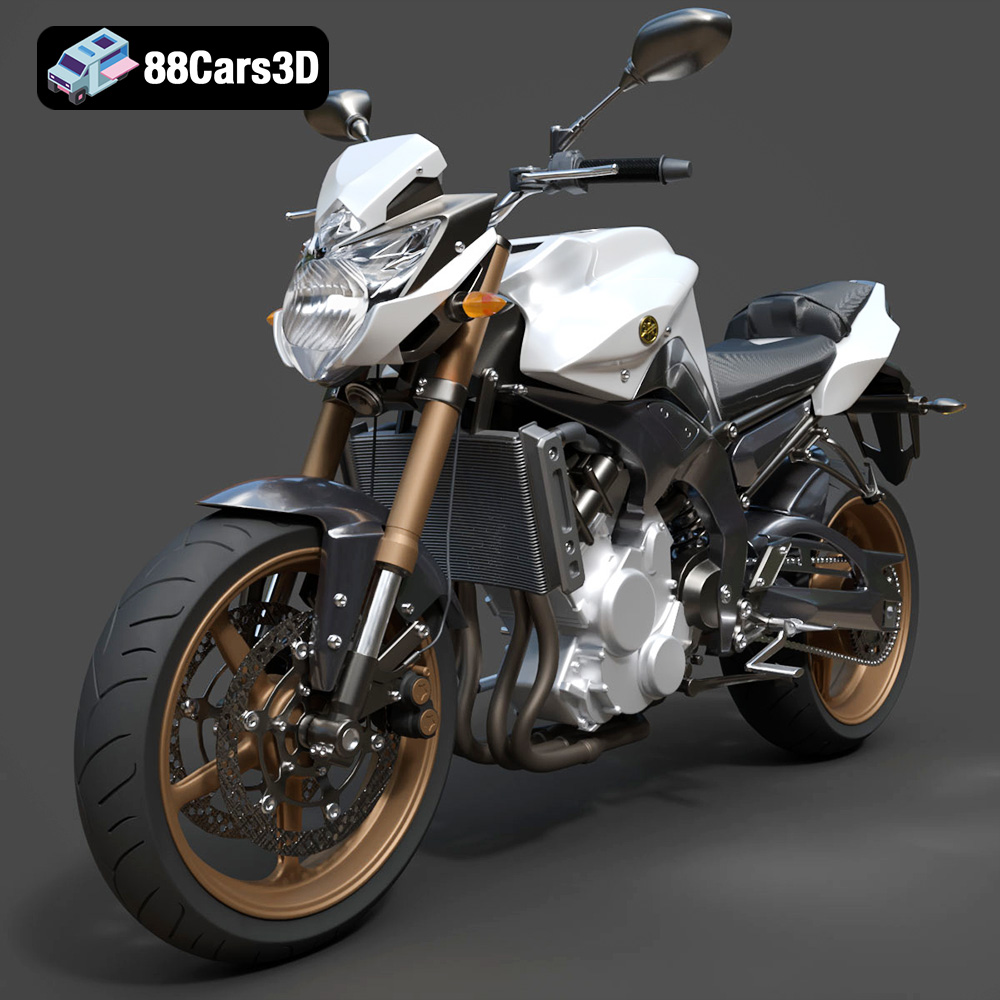
Texture: Yes
Material: Yes
Download the Yamaha FZ8 2011 3D Model featuring clean geometry, realistic detailing, and a fully modeled interior. Includes .blend, .fbx, .obj, .glb, .stl, .ply, .unreal, and .max formats for rendering, simulation, and game development.
Price: $19.99
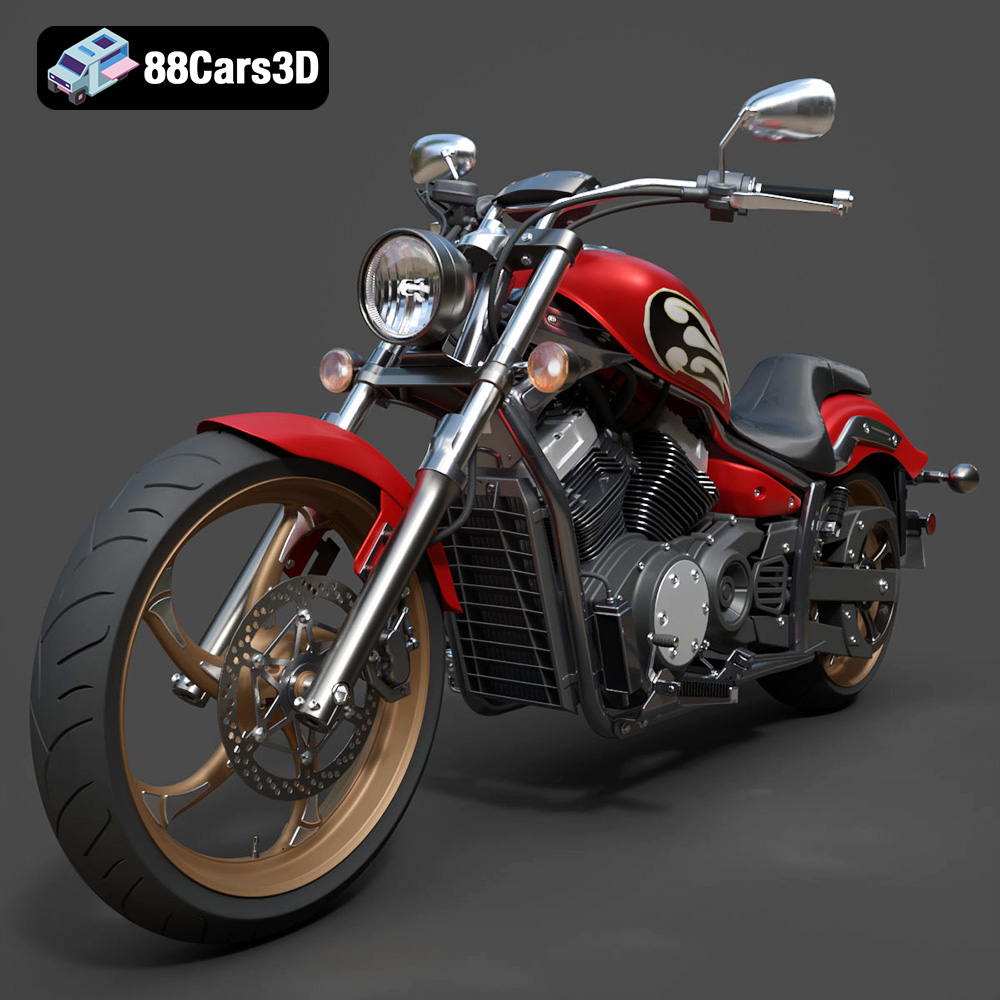
Texture: Yes
Material: Yes
Download the Yamaha Stryker 2012 3D Model featuring clean geometry, realistic detailing, and a fully modeled interior. Includes .blend, .fbx, .obj, .glb, .stl, .ply, .unreal, and .max formats for rendering, simulation, and game development.
Price: $19.99
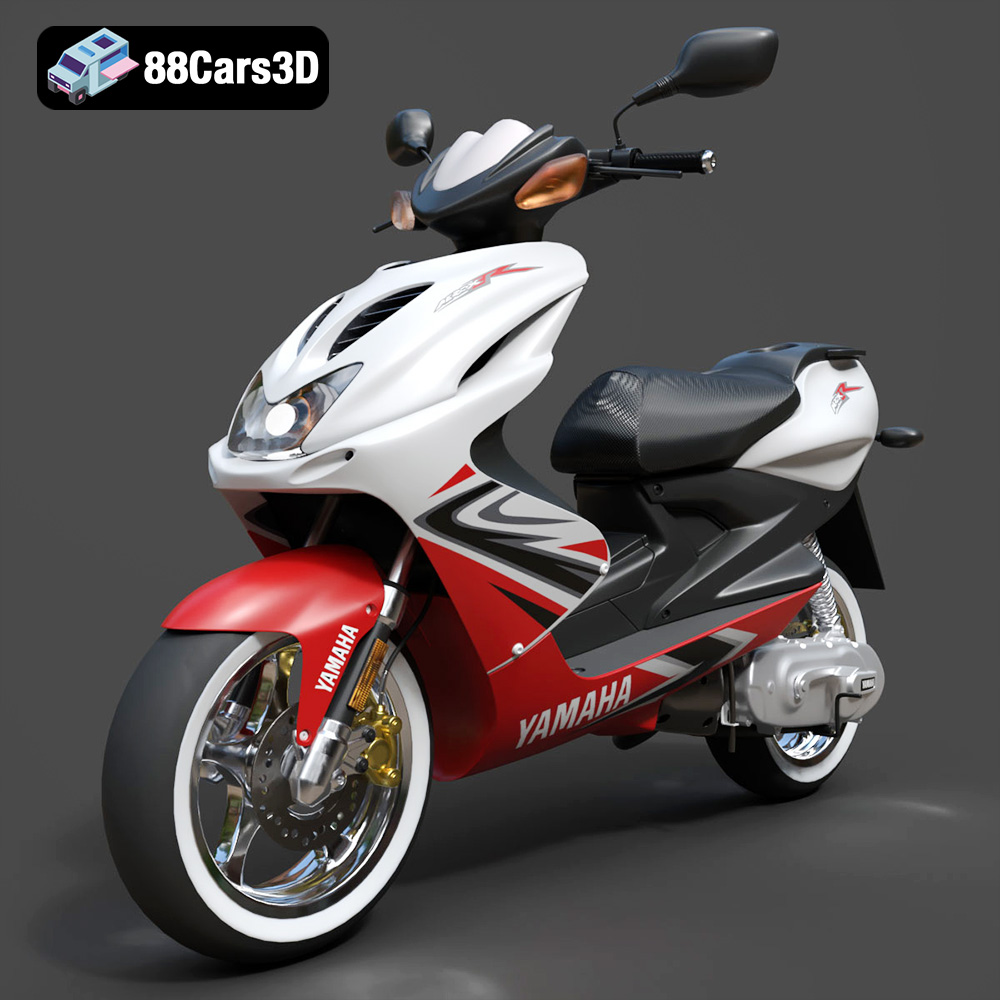
Texture: Yes
Material: Yes
Download the Yamaha Aerox R-002 2024 3D Model featuring clean geometry, realistic detailing, and a fully modeled interior. Includes .blend, .fbx, .obj, .glb, .stl, .ply, .unreal, and .max formats for rendering, simulation, and game development.
Price: $19.99
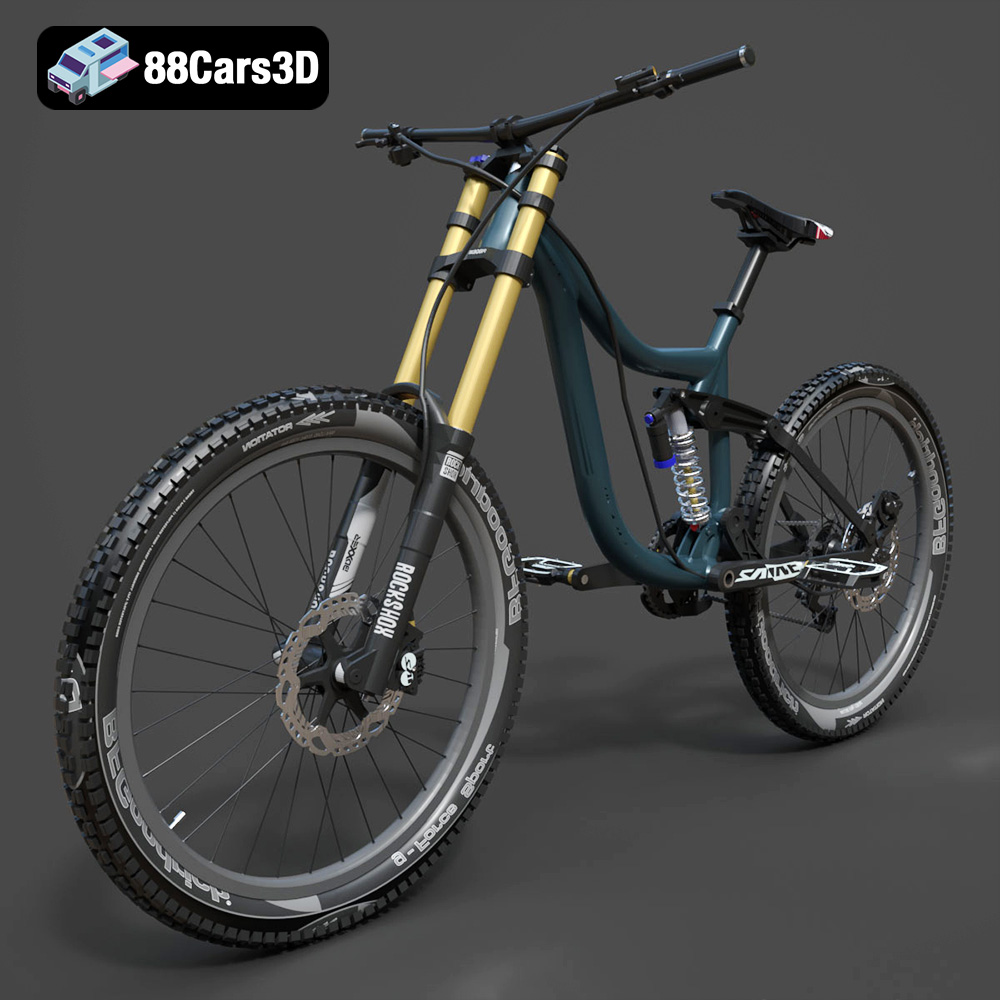
Texture: Yes
Material: Yes
Download the Mototsikly Downhill Bike-002 3D Model featuring clean geometry, realistic detailing, and precise mechanical components. Includes .blend, .fbx, .obj, .glb, .stl, .ply, .unreal, and .max formats for rendering, simulation, and game development.
Price: $19.99
Texture: Yes
Material: Yes
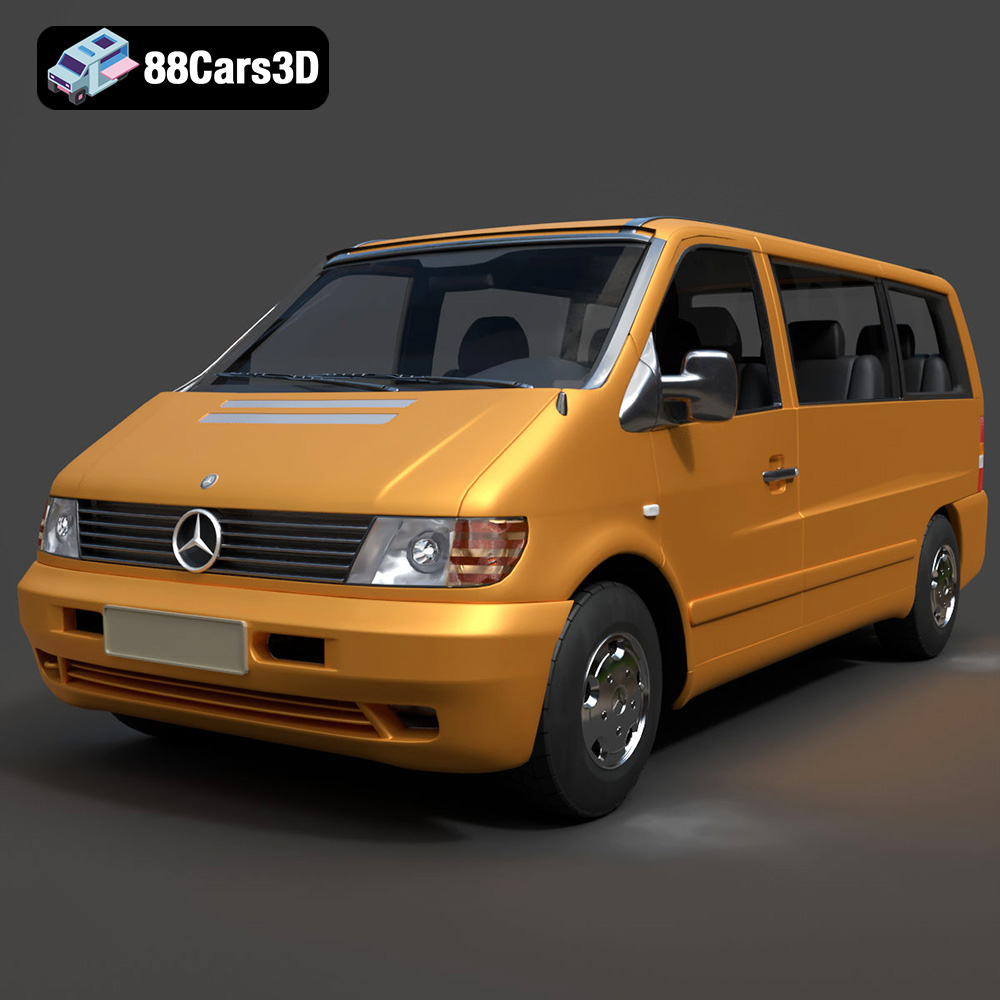
Download the Mercedes-Benz Vito Passenger Van 3D Model featuring clean geometry, realistic detailing, and a fully modeled interior. Includes .blend, .fbx, .obj, .glb, .stl, .ply, .unreal, and .max formats for rendering, simulation, and game development.
Price: $19.99
Texture: Yes
Material: Yes
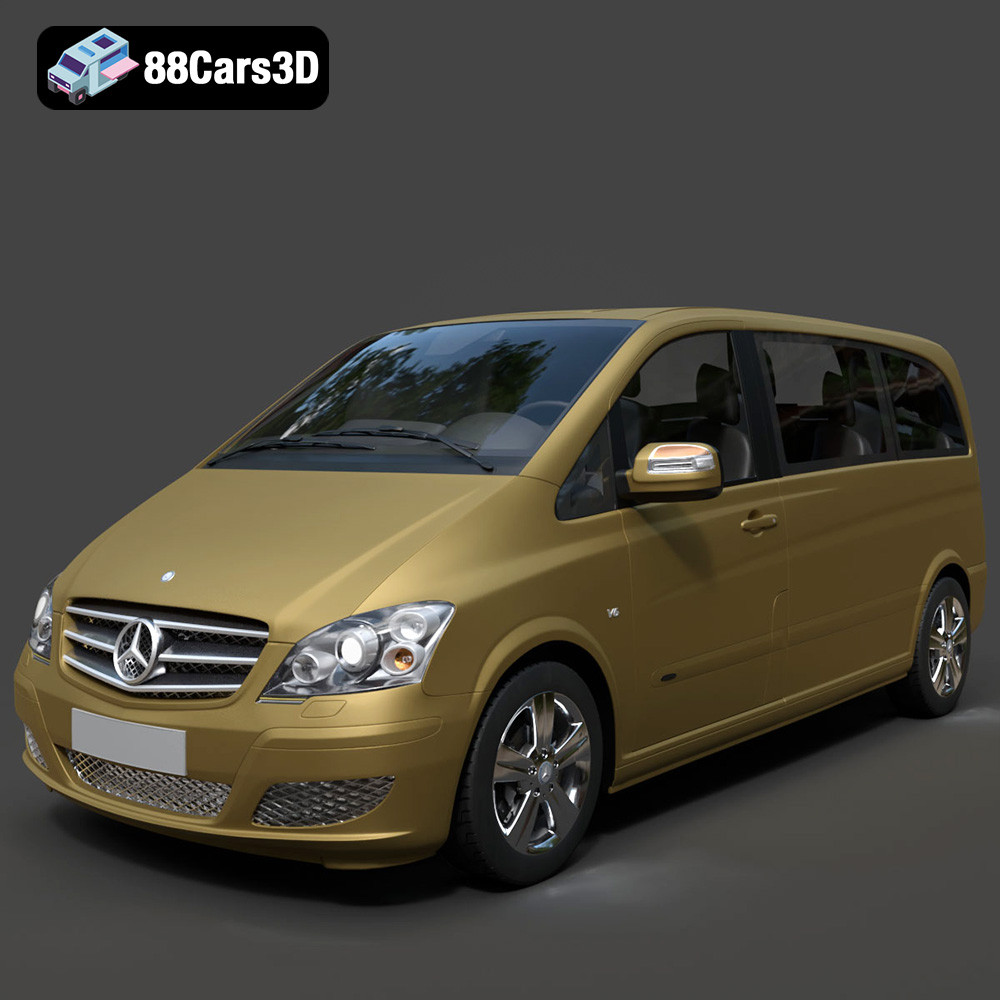
Download the Mercedes-Benz Viano 2010 3D Model featuring clean geometry, realistic detailing, and a fully modeled interior. Includes .blend, .fbx, .obj, .glb, .stl, .ply, .unreal, and .max formats for rendering, simulation, and game development.
Price: $19.99

Texture: Yes
Material: Yes
Download the Emt Avtobus 007 3D Model featuring clean geometry, realistic detailing, and a fully modeled interior. Includes .blend, .fbx, .obj, .glb, .stl, .ply, .unreal, and .max formats for rendering, simulation, and game development.
Price: $19.99
Texture: Yes
Material: Yes
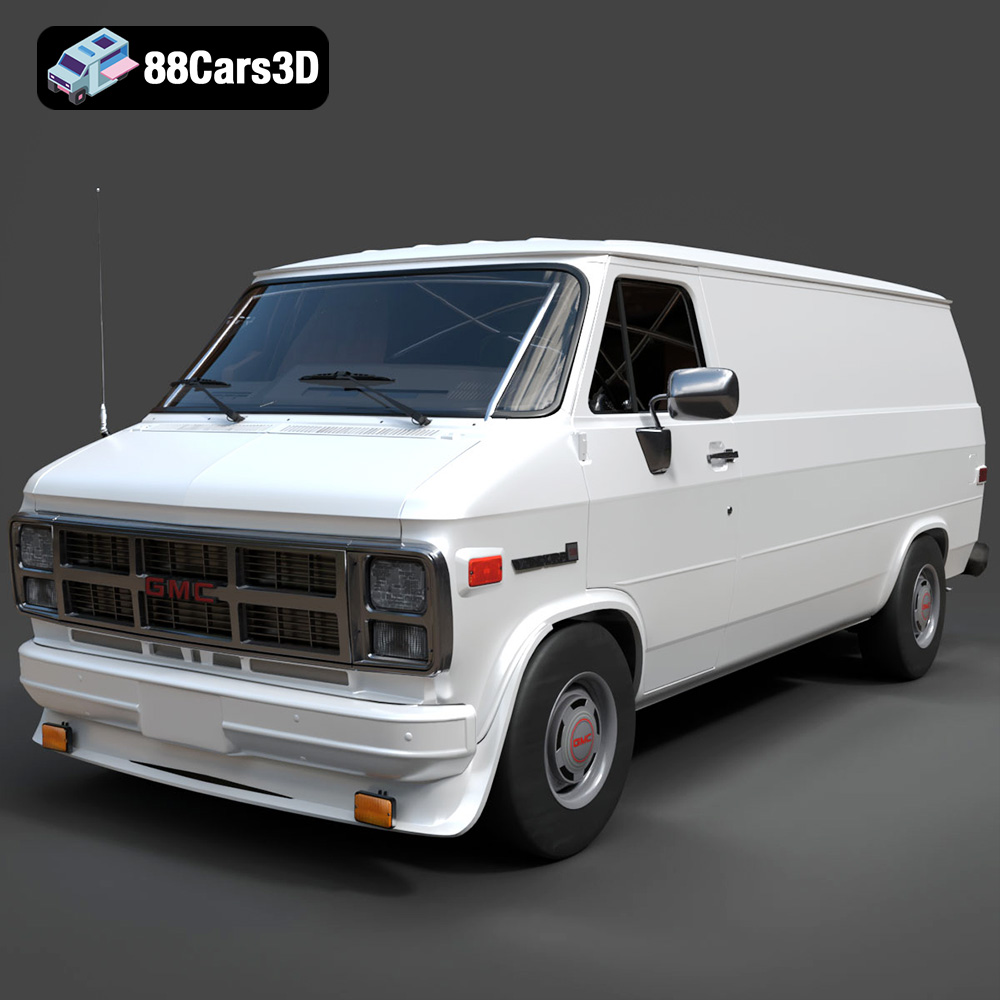
Download the GMC Vandura G-1500 1983 3D Model featuring clean geometry, realistic detailing, and a fully modeled interior. Includes .blend, .fbx, .obj, .glb, .stl, .ply, .unreal, and .max formats for rendering, simulation, and game development.
Price: $19.99
Texture: Yes
Material: Yes
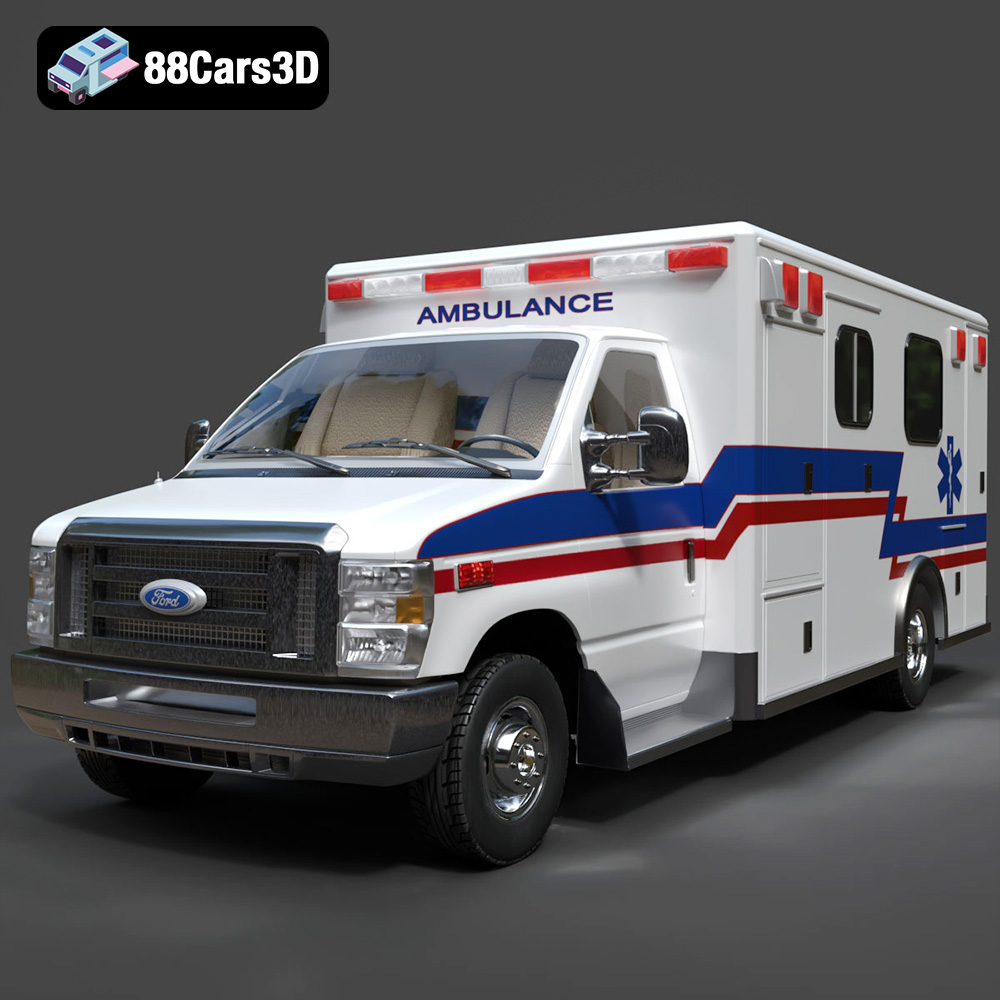
Download the Ford E-450 Ambulance 3D Model featuring clean geometry, realistic detailing, and a fully modeled interior. Includes .blend, .fbx, .obj, .glb, .stl, .ply, .unreal, and .max formats for rendering, simulation, and game development.
Price: $19.99

