⚡ FLASH SALE: Get 60% OFF All Premium 3D & STL Models! ⚡

Unreal Engine has revolutionized how we approach automotive visualization, moving far beyond static renders to deliver breathtaking, interactive experiences. While stunning visuals are paramount, the true magic often lies in bringing those pristine 3D car models to life through animation. For automotive designers, game developers, and visualization professionals, mastering animation in Unreal Engine is key to creating engaging configurators, immersive showrooms, dynamic game environments, and captivating cinematic sequences.
At the heart of Unreal Engine’s animation system, especially for complex and interactive scenarios, lies the **Animation Blueprint**. This powerful visual scripting tool allows you to define intricate animation logic, blend various animation sequences, and drive animation states dynamically based on game logic, user input, or even physics simulations. It’s not just for characters; Animation Blueprints are equally vital for adding realism and interactivity to your high-quality 3D car models, whether it’s opening a door with a click, simulating realistic suspension movement, or watching a steering wheel respond to input.
In this comprehensive guide, we’ll dive deep into the essentials of Animation Blueprints, specifically tailored for automotive applications. We’ll explore how to prepare your assets, build robust animation logic, integrate with physics, and optimize performance, transforming your static car models into dynamic, responsive automotive experiences within Unreal Engine. Get ready to elevate your projects and unlock new levels of realism and interaction!
Before diving into the intricacies of Animation Blueprints, the critical first step is ensuring your 3D car models are properly structured and prepared for animation. Unlike static meshes, animated objects in Unreal Engine rely on skeletal meshes, which are essentially a mesh bound to a hierarchical system of bones, or a “skeleton.” For automotive assets, this means thinking beyond a single, rigid model and identifying components that will move independently.
Even though a car isn’t a bipedal character, components like doors, hoods, trunks, wheels, steering wheels, and suspension elements require their own “bones” to animate them individually. A common mistake is trying to animate static meshes through simple transforms in Blueprint, which becomes cumbersome for coordinated, blended animations. Embracing skeletal meshes for interactive car parts allows for far more sophisticated and performant animation control via Animation Blueprints. High-quality assets, like those found on 88cars3d.com, are often designed with clean topology and separable parts, making them ideal candidates for this process.
The journey begins in your preferred Digital Content Creation (DCC) software such as Blender, Maya, or 3ds Max. Here’s a basic workflow:
Bone_Root, Bone_Door_Front_Left, Bone_Wheel_FL). This vastly improves readability and workflow in Unreal Engine.Once your skeletal mesh is prepared in your DCC application, it’s time to bring it into Unreal Engine:
After a successful import, you’ll have a new Skeletal Mesh Asset, a Skeleton Asset, and potentially an Animation Sequence asset in your Content Browser. Verify that your skeleton hierarchy is correct and that the meshes are correctly bound to their respective bones by opening the Skeletal Mesh Editor. This forms the essential blueprint for your car’s interactive animations.
The Animation Blueprint (AnimBP) in Unreal Engine is a specialized Blueprint class that controls the pose of a Skeletal Mesh Asset over time. It’s a powerful tool that allows for sophisticated animation logic, blending, and state management, making it perfect for driving the dynamic movements of automotive components. Unlike simple animation sequences, an AnimBP provides a framework for creating adaptive and interactive animations.
An AnimBP consists of two primary graphs: the Event Graph and the Anim Graph. Understanding their distinct roles is fundamental to effective animation implementation. This separation allows you to manage the logic (when and why animations play) independently from the animation blending and posing (how animations are played). This modularity is a cornerstone of efficient animation development in Unreal Engine.
The Event Graph of an Animation Blueprint functions much like a standard Blueprint Event Graph, using events and nodes to execute logic. Its primary role is to update variables that the Anim Graph then uses to determine the current animation state and blend weights. Common events include ‘Event Blueprint Update Animation’ (which fires every frame) and ‘Event Blueprint Initialize Animation’ (for initial setup).
In an automotive context, the Event Graph is where you’d typically:
bIsDoorOpen, CurrentSpeed, SteeringAngle). These variables are then exposed to the Anim Graph.The Event Graph acts as the brain, gathering all necessary data to inform the Anim Graph about what animations should be playing and how they should be blended. It’s crucial for tying your interactive automotive features directly to the vehicle’s animation system.
The Anim Graph is where the magic of animation blending and posing happens. It’s a network of nodes that takes input from the Event Graph’s variables, processes animation sequences, applies blending logic, and ultimately outputs the final pose for the skeletal mesh. The final node in every Anim Graph must be the “Output Pose” node.
Key components of the Anim Graph for automotive animation include:
bOpenDoorTriggered is true). State Machines ensure smooth and logical transitions between different animation sequences.SteeringAngle variable. Similarly, you can use these to rotate wheels based on speed, or even simulate subtle engine vibrations by applying small, procedural transforms to the main body bone.The Anim Graph is where you visually construct the animation pipeline, defining how individual animation clips combine and interact to form the final, dynamic look of your animated car model. Its visual nature makes complex blending intuitive and manageable.
Let’s get practical and explore specific workflows for animating common car components using Animation Blueprints. These examples illustrate how to combine animation sequences, state machines, and direct bone manipulation to create interactive and realistic automotive behaviors.
Animating a car door to open and close is a classic example of using a State Machine in an Animation Blueprint. This workflow creates a smooth, controlled transition, driven by player interaction.
You can create these directly within Unreal Engine using the Animation Editor by setting keyframes for your door bone’s rotation.
bShouldOpenDoor, set in the Event Graph.bShouldCloseDoor) and ‘Closing’ to ‘Closed’ (animation finished).bShouldOpenDoor and bShouldCloseDoor. This might involve:
This systematic approach ensures smooth, controlled, and reversible door animations, enhancing the interactive quality of your automotive scene.
Wheels and steering are constantly in motion, requiring dynamic animation based on real-time data.
Bone_Wheel_FL), use a ‘Transform (Modify) Bone’ node.WheelRotationAngle.WheelRotationAngle based on the vehicle’s speed. A simple formula is CurrentSpeed * DeltaSeconds * RotationMultiplier. You’ll need to experiment with RotationMultiplier to get a realistic rotation speed relative to the visual speed of the car. Remember to accumulate this value frame by frame to ensure continuous rotation.SteeringAngle variable.SteeringAngle by getting the steering input or the actual steering angle from your vehicle’s physics system.These dynamic animations, controlled by variables fed from the game logic, are crucial for creating a believable and responsive driving experience within Unreal Engine.
Bringing automotive visualizations to the next level often involves integrating Animation Blueprints with other powerful Unreal Engine systems, such as game logic (Blueprints) and the Chaos Vehicle Physics system. This creates a deeply interactive and physically realistic experience.
The true power of Animation Blueprints for automotive applications shines when they are driven by a parent Vehicle Blueprint. This allows complex game logic to dictate the animation state of your car components.
AnimBPRef->CurrentSpeed = VehicleSpeed).By establishing clear communication channels, your Animation Blueprint becomes a highly responsive part of your vehicle’s overall interactive system, responding dynamically to user actions and environmental conditions.
Unreal Engine’s Chaos Vehicle Physics system provides realistic simulation of vehicle dynamics. Integrating this with your Animation Blueprint can elevate visual realism significantly, especially for elements like suspension and tire deformation.
SuspensionCompression_FL for each wheel.SuspensionCompression variable. You might need to scale the compression value to match your bone’s expected travel.By leveraging the data provided by Chaos Vehicle Physics, your Animation Blueprint can create physically informed animations, making your automotive models behave with impressive realism.
While Animation Blueprints offer incredible flexibility, unoptimized animation can quickly degrade performance, especially in real-time environments like games, AR/VR experiences, or large-scale virtual productions. Efficiently managing your animation assets and logic is crucial for maintaining smooth frame rates and a high-quality user experience.
AR/VR applications demand exceptionally high frame rates to prevent motion sickness and ensure a comfortable user experience. Animation optimization is even more critical here.
By implementing these optimization strategies, you can ensure your automotive animations run smoothly across a range of platforms, from high-end visualization PCs to mobile AR devices, providing a seamless and engaging experience for all users.
While Animation Blueprints excel at real-time interactivity, their capabilities extend significantly into the realm of cinematic storytelling and cutting-edge virtual production. AnimBPs can drive the nuanced movements of vehicles in pre-rendered sequences and even power real-time control on massive LED stages, blurring the lines between digital and physical.
Unreal Engine’s Sequencer is the engine’s powerful non-linear cinematic editor. Animation Blueprints integrate seamlessly with Sequencer, allowing you to direct complex animated vehicle actions for film, broadcast, or marketing materials.
bShouldOpenDoor to trigger a door animation at a specific point in your cinematic timeline. You can also keyframe numeric variables (e.g., SteeringAngle) to precisely control steering wheel movement.The synergy between Animation Blueprints and Sequencer provides unparalleled control over the timing and execution of your automotive animations, essential for producing high-quality cinematic content.
Virtual production, particularly with LED volumes, is transforming filmmaking. Here, Animation Blueprints play a crucial role in bringing virtual vehicles to life in real-time on set.
The ability of Animation Blueprints to process real-time input and output complex blended animations makes them indispensable for the dynamic, on-set adjustments required by virtual production workflows. This allows filmmakers to visualize and refine automotive scenes with unprecedented flexibility and immediacy, truly leveraging the power of high-quality 3D assets from platforms like 88cars3d.com.
The journey from a static 3D car model to a dynamic, interactive automotive experience in Unreal Engine is profoundly shaped by the mastery of Animation Blueprints. We’ve explored how these powerful visual scripting tools, traditionally associated with character animation, are equally indispensable for breathing life into high-quality automotive assets. From preparing your skeletal meshes in DCC software to crafting intricate animation logic within the Event and Anim Graphs, Animation Blueprints offer the precision and flexibility needed to simulate realistic movements, create compelling configurators, and choreograph breathtaking cinematics.
We’ve delved into practical workflows, such as animating interactive doors and dynamic wheels, and examined how to integrate these animations with game logic and Unreal Engine’s powerful Chaos Vehicle Physics. The discussion on performance optimization, including judicious bone counts, LODs, and scalable solutions for AR/VR, underscores the importance of efficiency in real-time rendering. Finally, we touched upon the transformative role of Animation Blueprints in cinematic storytelling with Sequencer and their critical function in cutting-edge virtual production environments.
Whether you’re an automotive designer showcasing your latest concept, a game developer crafting an immersive driving experience, or a visualization artist pushing the boundaries of realism, the Animation Blueprint is a tool you cannot afford to overlook. It’s the conduit through which your exquisite 3D car models transcend their static form and engage your audience on a deeper, more interactive level. Start experimenting, leverage the detailed official Unreal Engine documentation, and watch your automotive projects come alive with unparalleled realism and interactivity. The power to animate is now truly in your hands.

Meta Description:
Texture: Yes
Material: Yes
Download the Porsche Cayenne 3D Model featuring realistic exterior styling and detailed interior design. Includes .blend, .fbx, .obj, .glb, .stl, .ply, .unreal, and .max formats for rendering, simulation, AR VR, and game development.
Price: $19.9
Texture: Yes
Material: Yes
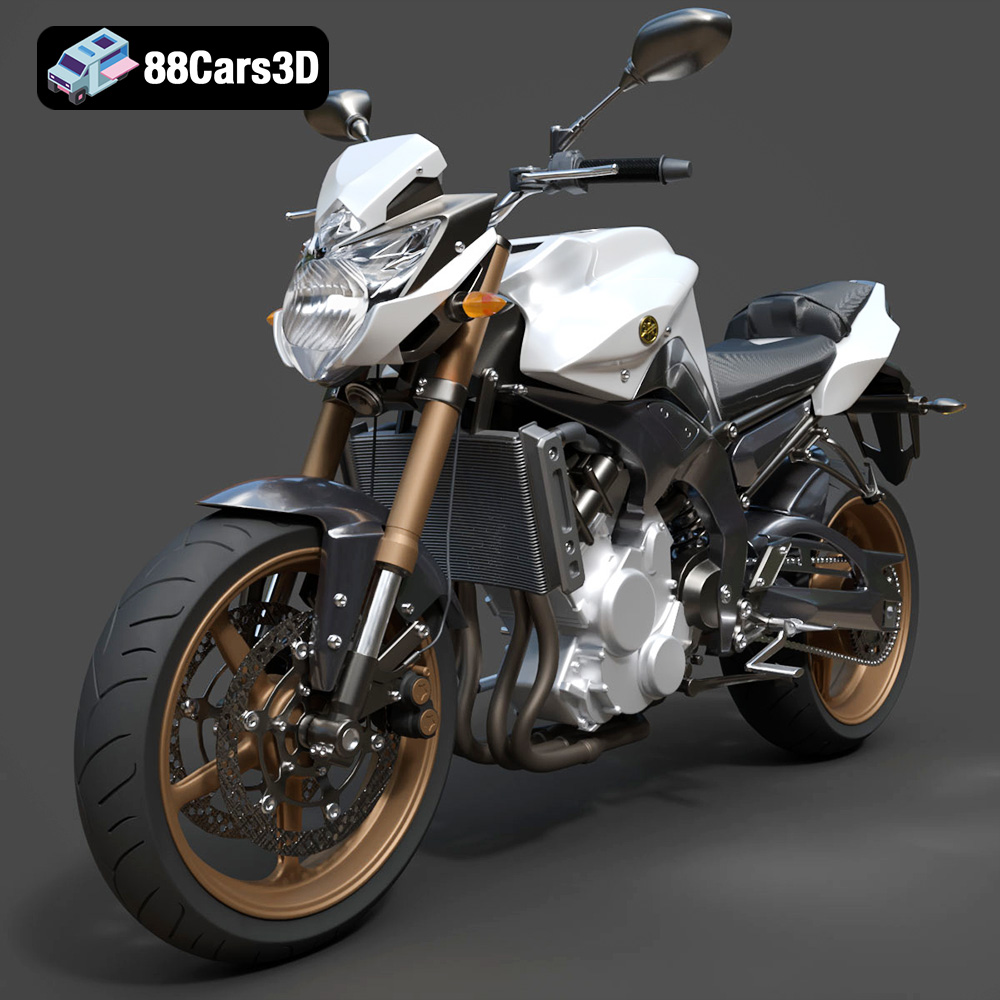
Download the Yamaha FZ8 2011 3D Model featuring clean geometry, realistic detailing, and a fully modeled interior. Includes .blend, .fbx, .obj, .glb, .stl, .ply, .unreal, and .max formats for rendering, simulation, and game development.
Price: $19.99
Texture: Yes
Material: Yes
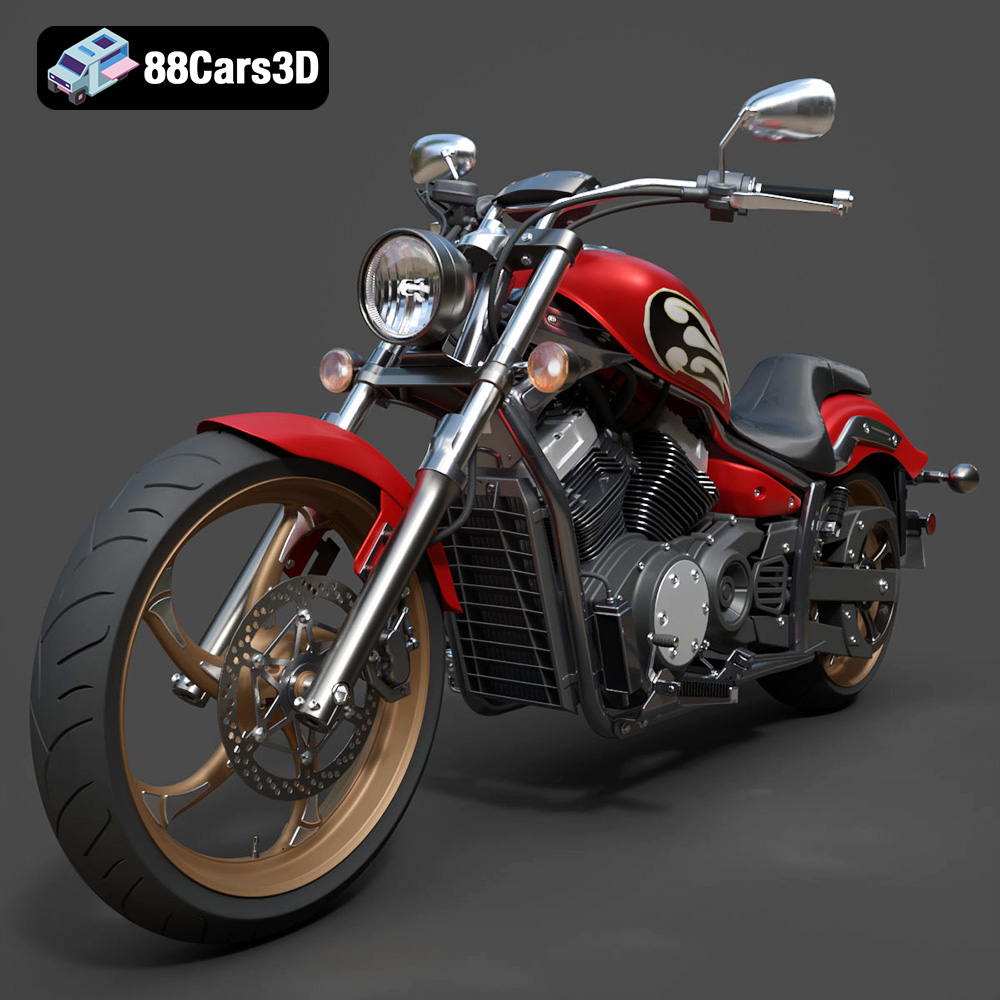
Download the Yamaha Stryker 2012 3D Model featuring clean geometry, realistic detailing, and a fully modeled interior. Includes .blend, .fbx, .obj, .glb, .stl, .ply, .unreal, and .max formats for rendering, simulation, and game development.
Price: $19.99
Texture: Yes
Material: Yes
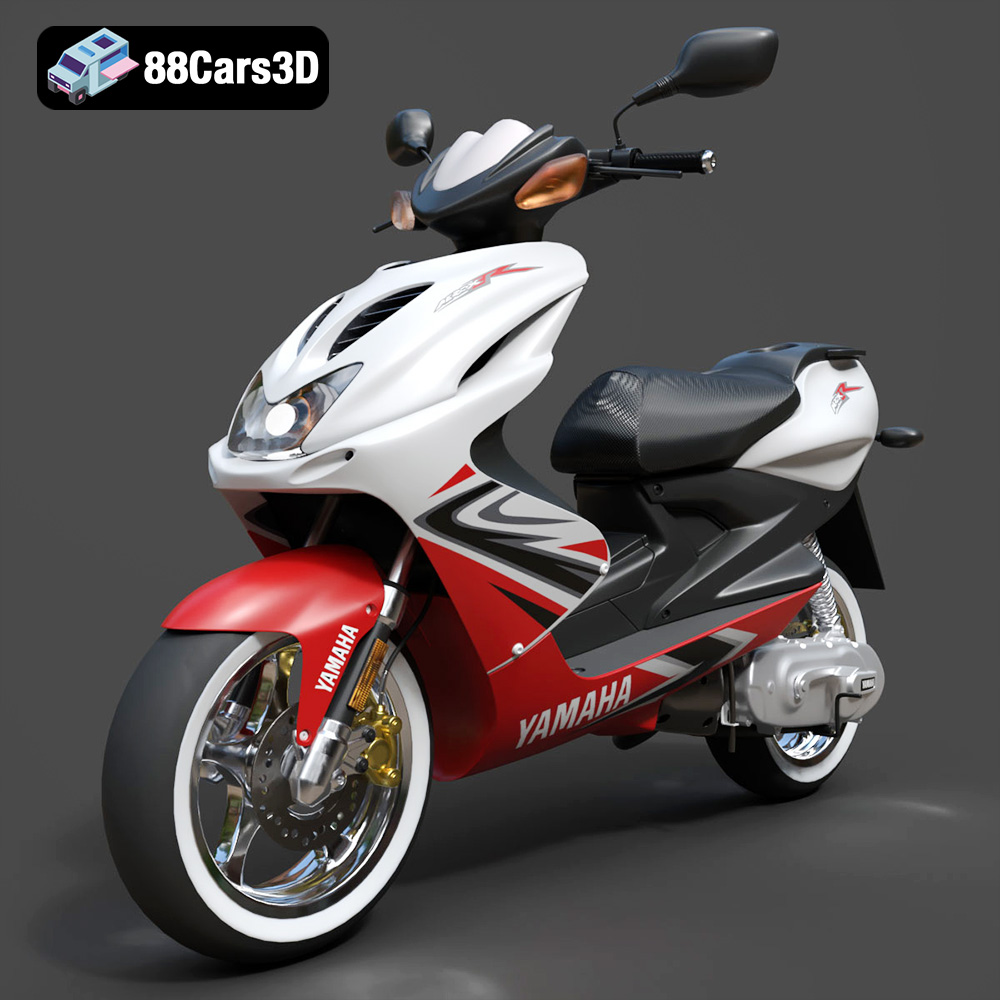
Download the Yamaha Aerox R-002 2024 3D Model featuring clean geometry, realistic detailing, and a fully modeled interior. Includes .blend, .fbx, .obj, .glb, .stl, .ply, .unreal, and .max formats for rendering, simulation, and game development.
Price: $19.99
Texture: Yes
Material: Yes
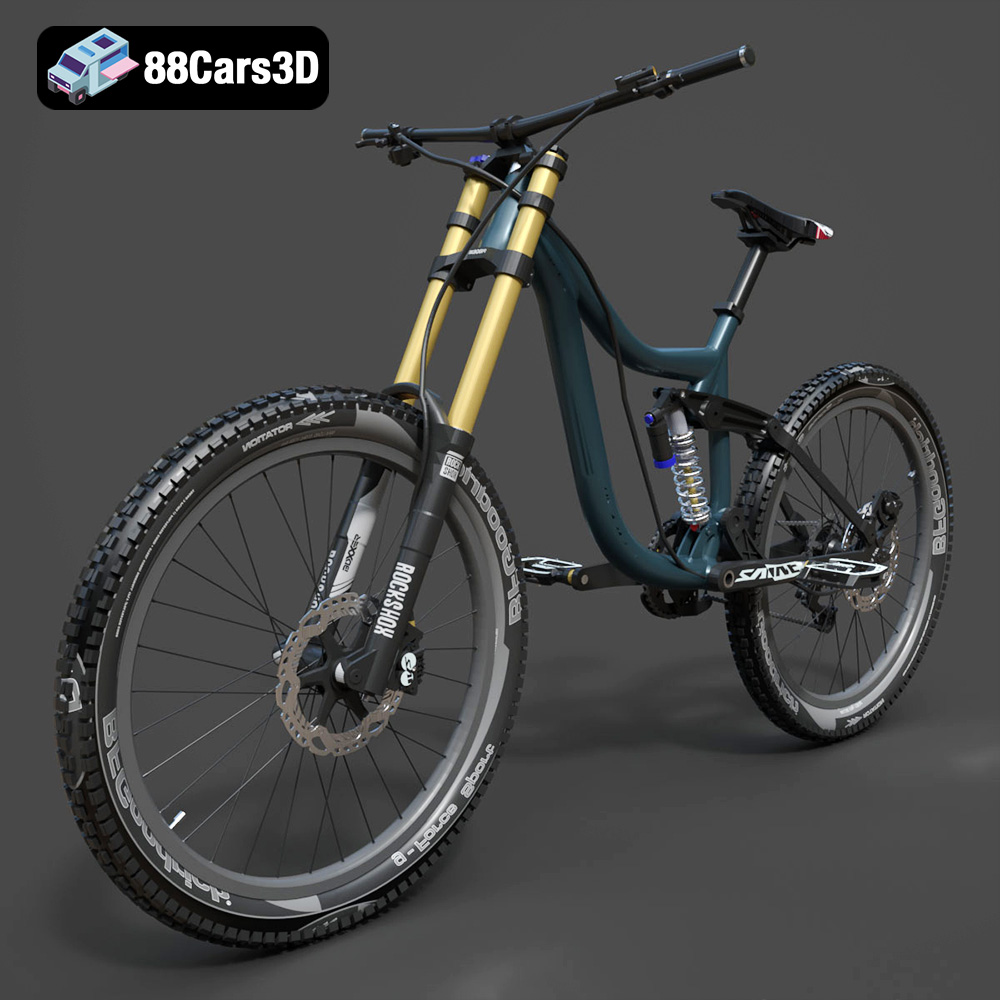
Download the Mototsikly Downhill Bike-002 3D Model featuring clean geometry, realistic detailing, and precise mechanical components. Includes .blend, .fbx, .obj, .glb, .stl, .ply, .unreal, and .max formats for rendering, simulation, and game development.
Price: $19.99
Texture: Yes
Material: Yes
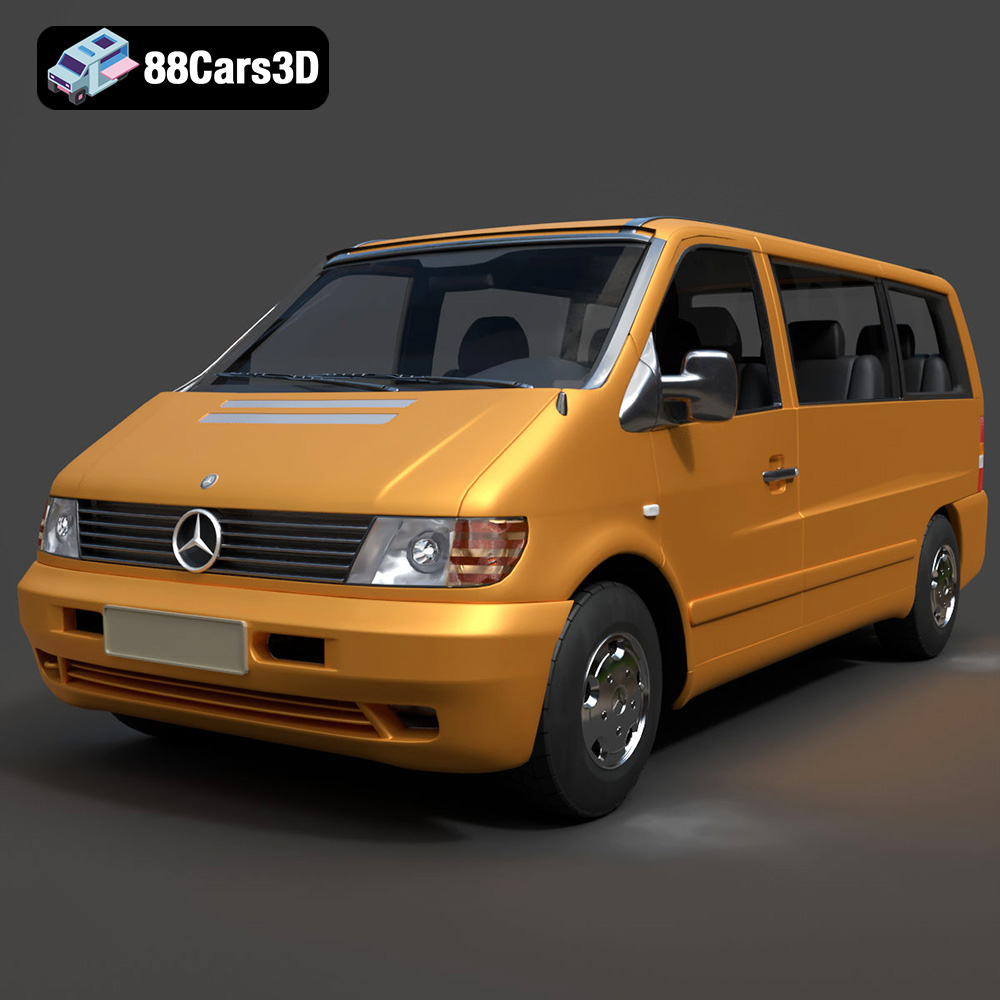
Download the Mercedes-Benz Vito Passenger Van 3D Model featuring clean geometry, realistic detailing, and a fully modeled interior. Includes .blend, .fbx, .obj, .glb, .stl, .ply, .unreal, and .max formats for rendering, simulation, and game development.
Price: $19.99
Texture: Yes
Material: Yes
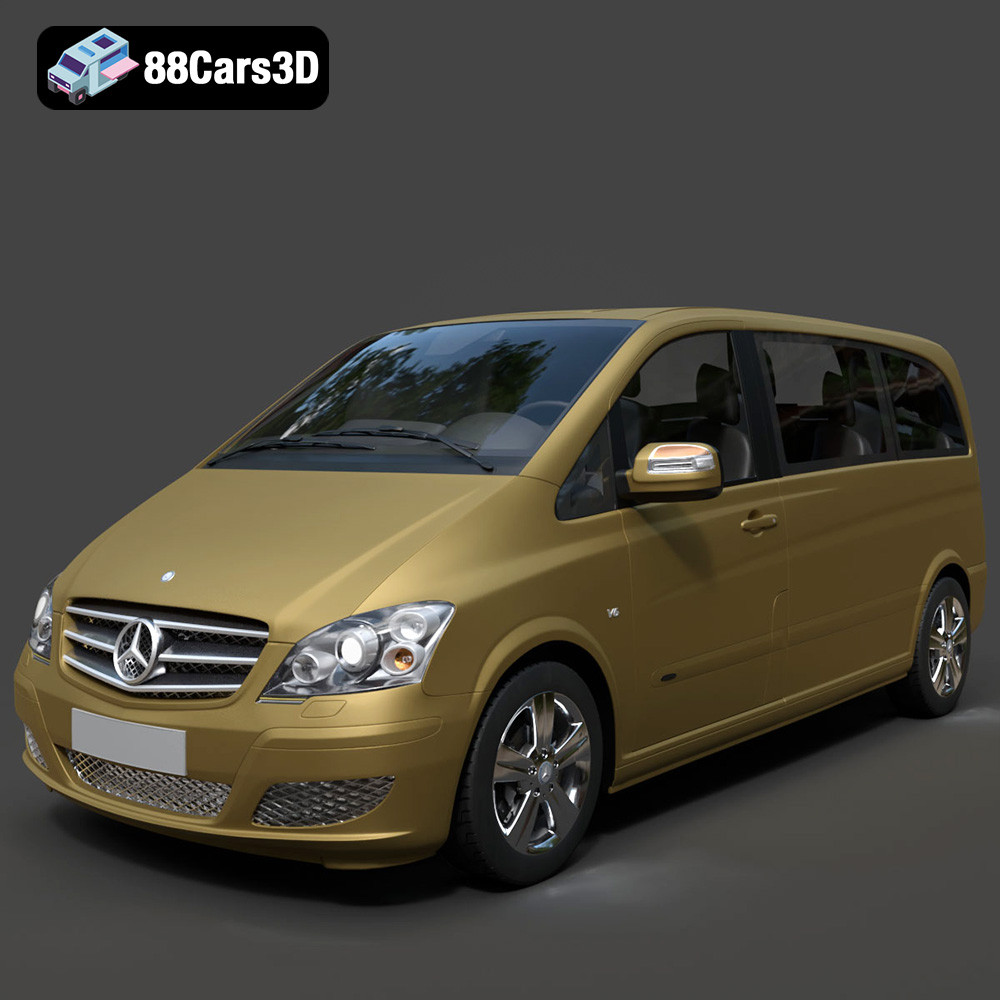
Download the Mercedes-Benz Viano 2010 3D Model featuring clean geometry, realistic detailing, and a fully modeled interior. Includes .blend, .fbx, .obj, .glb, .stl, .ply, .unreal, and .max formats for rendering, simulation, and game development.
Price: $19.99

Texture: Yes
Material: Yes
Download the Emt Avtobus 007 3D Model featuring clean geometry, realistic detailing, and a fully modeled interior. Includes .blend, .fbx, .obj, .glb, .stl, .ply, .unreal, and .max formats for rendering, simulation, and game development.
Price: $19.99
Texture: Yes
Material: Yes
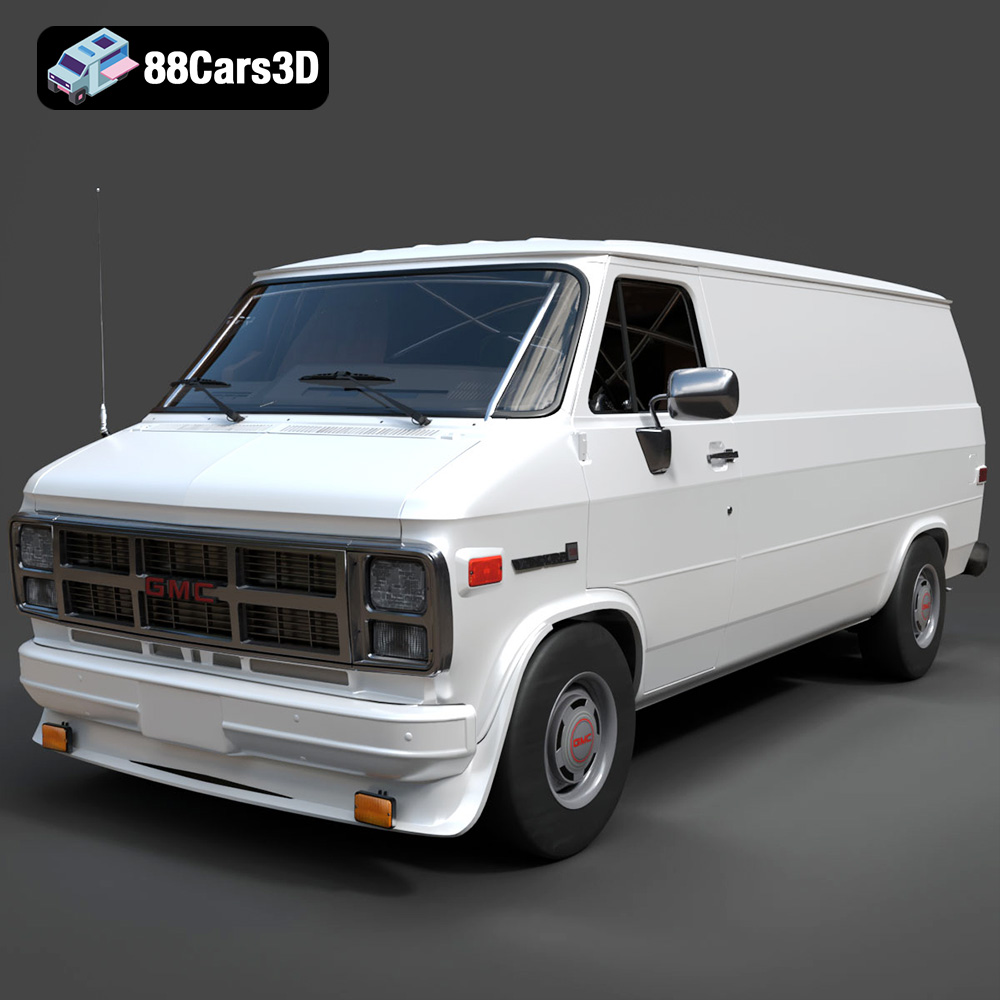
Download the GMC Vandura G-1500 1983 3D Model featuring clean geometry, realistic detailing, and a fully modeled interior. Includes .blend, .fbx, .obj, .glb, .stl, .ply, .unreal, and .max formats for rendering, simulation, and game development.
Price: $19.99
Texture: Yes
Material: Yes
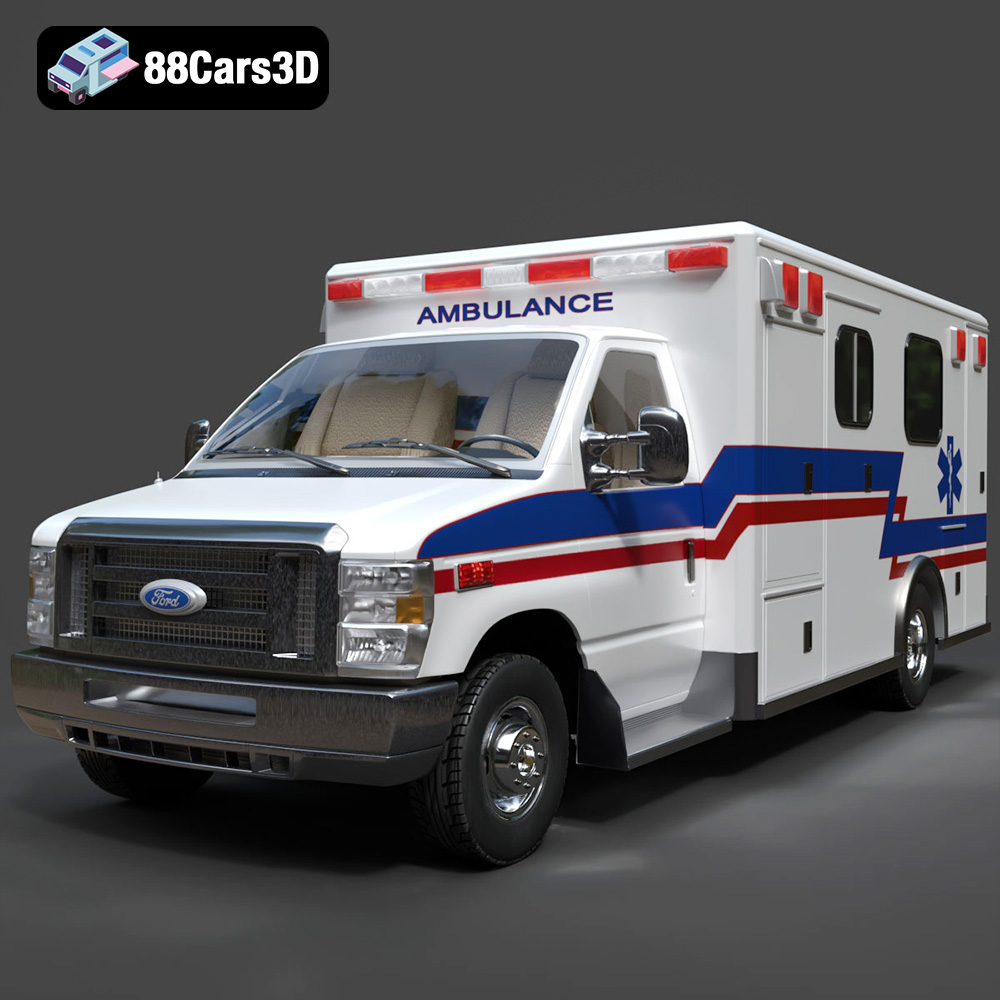
Download the Ford E-450 Ambulance 3D Model featuring clean geometry, realistic detailing, and a fully modeled interior. Includes .blend, .fbx, .obj, .glb, .stl, .ply, .unreal, and .max formats for rendering, simulation, and game development.
Price: $19.99

