⚡ FLASH SALE: Get 60% OFF All Premium 3D & STL Models! ⚡

In the vibrant world of real-time rendering and interactive experiences, visual effects (VFX) are the lifeblood that transforms static scenes into dynamic, immersive realities. For professionals in automotive visualization, game development, and architectural rendering, the ability to craft compelling and performant effects is paramount. Unreal Engine’s Niagara system stands at the forefront of this evolution, offering an unparalleled toolkit for creating everything from subtle environmental nuances to breathtaking cinematic explosions.
Niagara isn’t just an upgrade; it’s a paradigm shift from previous particle systems, empowering artists and developers with a data-driven, modular, and highly scalable framework. Imagine bringing your meticulously crafted 3D car models to life with realistic exhaust fumes, dynamic rain interaction, or spectacular tire smoke effects – all rendered in real-time with stunning fidelity. This deep dive will explore the complete journey of mastering the Niagara VFX system within Unreal Engine, focusing on its practical application for automotive visualization and real-time projects. We’ll cover everything from fundamental concepts and project setup to advanced techniques, optimization strategies, and real-world scenarios, ensuring your automotive assets truly stand out.
Unreal Engine’s Niagara is a powerful, node-based visual effects system designed from the ground up to offer unprecedented control, flexibility, and scalability. Unlike its predecessor, Cascade, Niagara operates on a data-driven architecture, treating particles as data that can be manipulated and transformed through a series of modules. This paradigm allows for highly complex and interactive effects that can respond dynamically to game logic, physics, and environmental changes, making it an indispensable tool for modern real-time rendering.
The core philosophy behind Niagara revolves around modularity. Every aspect of a particle’s life cycle – from its initial spawn to its death – can be controlled by discrete modules. This means you can create reusable effect components and easily modify or extend existing behaviors without rebuilding effects from scratch. This flexibility is a game-changer for iterative design and efficient workflow, especially when working on projects that demand high levels of visual fidelity and frequent adjustments.
To effectively wield Niagara, understanding its fundamental building blocks is crucial. A Niagara System is the top-level asset that encapsulates one or more Emitters. Each Emitter defines the properties and behaviors of a specific group of particles. Within an Emitter, you’ll find a stack of Modules, which are the atomic units of behavior. Modules dictate everything from a particle’s initial velocity and color to its collision response and mesh rendering.
The system also features User Parameters, which allow external data (from Blueprints, C++, or even other Niagara systems) to influence an effect. Scratchpads provide a space for creating custom modules and complex logic using a visual scripting language similar to HLSL, giving artists unparalleled control over particle behavior. This hierarchical and data-driven structure ensures that Niagara can handle effects of immense complexity while maintaining performance and artist-friendly workflows. For a more detailed look into these concepts, the official Unreal Engine documentation provides excellent foundational material at https://dev.epicgames.com/community/unreal-engine/learning.
For automotive visualization and real-time applications, Niagara’s advantages are profound. Its ability to handle vast numbers of particles with high performance, largely due to GPU particle simulation capabilities, means you can create incredibly dense and detailed effects without crippling your frame rate. Imagine realistic dust plumes kicked up by a drifting car, intricate exhaust fumes reacting to engine RPM, or droplets of rain sliding down a vehicle’s windshield with accurate physics – all calculated and rendered in real-time. This level of realism significantly elevates the perceived quality of your 3D car models and immersive scenes.
The data-driven nature also allows for deep interactivity. A car’s speed, tire rotation, braking force, or even external environmental factors like wind speed can all be fed into a Niagara system to dynamically alter effects. This is invaluable for interactive configurators, realistic driving simulations, and cinematic sequences where precise control over every visual element is desired. Whether it’s the subtle shimmer of heat radiating from an engine block or the dramatic burst of smoke during a burnout, Niagara provides the tools to achieve these effects with precision and artistic flair, bringing static renders to vibrant life.
Embarking on your Niagara journey begins with a clear understanding of how to set up a new system and integrate it into your automotive project. The modularity of Niagara encourages experimentation, allowing you to build up complex effects from simple, manageable components. The goal is to create effects that not only look spectacular but also blend seamlessly with your 3D car models and respond realistically within the scene.
Before diving into specific effects, it’s essential to grasp the foundational steps of creating and populating a Niagara system. This process is designed to be intuitive, enabling you to quickly prototype ideas and iterate on designs. The flexibility offered by Niagara’s template-based approach also means you can leverage pre-built emitters or start from a blank canvas, depending on your project’s needs and your comfort level with the system. Getting this setup right is the first critical step towards achieving stunning real-time visual effects for your automotive projects.
To create a new Niagara System, simply right-click in your Content Browser, navigate to FX, and select “Niagara System.” You’ll then be prompted to choose an emitter template or start with an empty system. For most automotive effects, starting with an “Empty” emitter and building up from there gives you maximum control. Once created, double-click the new system to open the Niagara Editor. Here, you’ll see the Emitter Stack, where you add and configure modules.
A typical automotive effect like exhaust smoke might start with a “Spawn Rate” module to define how many particles are emitted per second. Follow this with “Initialize Particle” to set basic attributes like life cycle (e.g., 2-4 seconds), color (e.g., light gray transitioning to transparent over life), and initial size. Add “Set New or Overwrite Initial Velocity” to control the initial direction and speed of the particles, typically away from the exhaust pipe. Experiment with “Add Velocity” for continuous movement and “Scale Color by Life” to make the smoke dissipate gracefully. Regularly referencing the official Unreal Engine documentation https://dev.epicgames.com/community/unreal-engine/learning will provide deeper insights into each module’s capabilities.
Once your basic emitter is functional, the next step is to integrate it with your 3D car model. The most common method is to attach the Niagara system to a socket on the car’s Skeletal Mesh or Static Mesh. For instance, to create exhaust fumes, you would typically add a socket at the end of the exhaust pipe within your 3D modeling software or directly in Unreal Engine’s Static Mesh Editor. In your Blueprint for the car, you can then spawn the Niagara system and attach it to this socket using the “Spawn System Attached” node.
This attachment ensures the effect moves precisely with the car. To make the effect dynamic, you can expose parameters within your Niagara system as “User Parameters.” For example, you might have a “CarSpeed” float parameter that influences the “Spawn Rate” of your exhaust fumes (more speed, more smoke). You can then update this parameter from your car’s Blueprint using a “Set Niagara Float Parameter” node, linking it directly to the car’s current velocity. When sourcing high-quality automotive assets, platforms like 88cars3d.com often provide models with clean topology and pre-defined points that are ideal for attaching such effects, streamlining the integration process considerably.
The true power of Niagara for automotive visualization lies in its capacity to simulate a wide array of realistic effects, adding depth and believability to any scene. From the subtle nuances of engine heat to the dramatic spectacle of tire smoke, Niagara’s modular design allows for granular control over every aspect of an effect. Achieving realism often involves a careful balance of particle properties, material shaders, and responsiveness to environmental and physical inputs. This section delves into creating some of the most impactful automotive effects, providing technical insights into their construction.
When approaching realistic effects, consider the physics and visual characteristics of the real-world phenomenon. For instance, exhaust fumes aren’t just a static puff; they dissipate, react to airflow, and might appear differently based on engine load. Tire smoke has a distinct texture, density, and interaction with the ground. By breaking down these complex behaviors into individual modules and creatively combining them, we can build highly convincing simulations that enhance the visual narrative of our automotive projects.
Crafting realistic exhaust fumes involves more than just a simple particle sprite. Start with a basic emitter as described earlier. For realism, use a custom material for your particles, featuring a soft, translucent smoke texture (e.g., a hand-painted or procedural cloud texture with an alpha channel). Within the Niagara editor, use “Scale Color by Life” to fade the particles out and “Scale Sprite Size by Life” to make them expand slightly, mimicking smoke dissipation. For added realism, introduce subtle turbulence using a “Curl Noise Force” module, which creates a swirling, organic motion. Adjust the strength and frequency of the noise to get natural-looking wisps.
Engine heat shimmer, while not a particle effect in the traditional sense, can be integrated effectively. Create a small, localized Niagara system that spawns transparent particles with a specific material. This material should use a “ScreenPosition” node and a “SceneTexture” node (set to PostProcessInput0 for diffuse color) to create a subtle distortion effect. By offsetting the UVs of the SceneTexture based on a noise texture and time, you can simulate heat waves. Attach this system to the engine bay or exhaust manifold. Keep the particle count low and the material simple to ensure good performance, as overdraw from distortion materials can be costly.
Tire smoke is a dramatic effect that significantly enhances driving dynamics. For this, instead of a continuous spawn rate, you’ll want to use a “Burst Instantaneous” spawn module, triggered by a Blueprint event (e.g., pressing the brake heavily, performing a drift). Particles should inherit velocity from the wheel they are attached to. Use a dense, opaque white or light grey smoke texture for the particle material. “Cylinder Location” or “Sphere Location” can help spread the particles outward. Importantly, add a “Collision” module to your emitter. Configure it to collide with the ground, and use “Ricochet” or “Stop” behavior. Enable “Collision Event” to trigger secondary effects, like a small dust puff where the tire touches the ground.
For skid marks, while Niagara particles can produce transient smoke, permanent marks are usually achieved using a Decal system. When tire smoke is triggered, spawn a persistent decal actor at the tire’s contact point with the ground. This decal should project a skid mark texture. You can then dynamically fade out or remove older decals over time to manage performance. Furthermore, for environmental interactions like rain, you can have a Niagara system spawning raindrops that use a “Collision” module to detect surfaces of the car. Upon collision, they could trigger a “Spawn Burst” of tiny splash particles and modify the car’s material to show wetness, driven by Material Collections or Blueprint parameters passed to the car material. This level of detail makes a huge difference in the overall visual fidelity of your real-time automotive scenes.
Beyond the basics, Niagara offers a wealth of advanced features that unlock incredible potential for sophisticated automotive visualization. These tools allow for deep integration with other Unreal Engine systems and provide artists with fine-grained control over complex particle behaviors. Leveraging these capabilities means moving beyond generic effects to create truly bespoke and dynamic visual elements that respond intelligently to their environment and the underlying game logic. This is where Niagara truly shines, enabling effects that are not only visually stunning but also technically precise and highly interactive.
Mastering these advanced aspects requires a solid understanding of how Niagara interacts with Blueprints, how data flows through the system, and how to create custom behaviors. The ability to control particle systems externally, pass in dynamic data, and even script custom modules directly within Niagara opens up a vast playground for creativity. These techniques are crucial for developing cutting-edge interactive automotive experiences, virtual production workflows, and high-fidelity cinematic renders.
Niagara’s strength lies in its ability to be driven by external data, which is primarily facilitated through Data Interfaces and Blueprint integration. Data Interfaces allow Niagara systems to query information directly from various Unreal Engine components, such as Static Meshes, Skeletal Meshes, or even sound waves (via Audio Spectrum). For automotive applications, a common use case is to sample data from the car’s mesh, like surface normals, to direct particle spawns for dirt or snow accumulation.
Blueprint integration is where real-time interactivity takes center stage. You can expose Niagara parameters as “User Parameters” and update them in real-time from your car’s Blueprint. For instance, to simulate exhaust smoke density increasing with engine RPM: create a float User Parameter called ‘EngineRPM’ in Niagara. In the Emitter Update section, you can use ‘EngineRPM’ to drive the ‘Spawn Rate’ module via an FCurve or a simple ‘Multiply’ node. Then, in your car’s Blueprint, get the current engine RPM (from a physics component or input) and use a “Set Niagara Float Parameter” node to continuously feed this value into your attached Niagara system. This enables highly responsive and realistic effects where the car’s actual performance directly influences its visual output.
While Niagara provides a robust library of pre-built modules, the true power for bespoke effects emerges when you start creating custom modules or utilizing Scratchpads. Custom modules allow you to encapsulate unique particle behaviors into reusable assets. Imagine needing a custom force field that repels particles based on their distance to the car’s chassis – you could create a custom module for this logic using the Niagara Script editor, which offers a node-based interface akin to Material Editor or Blueprint.
Scratchpads take this a step further, providing a dedicated space within an Emitter for complex, bespoke logic that might not fit neatly into a single module. This is invaluable for implementing custom physics, intricate particle-to-particle interactions, or advanced collision responses. For example, if you want particles to “stick” to the car’s surface after collision for a temporary dirt effect, you could use a Scratchpad to calculate the particle’s new velocity to match the car’s surface normal and set its position accordingly. You can also leverage collision events within Niagara to trigger secondary effects, such as small water splashes when a rain particle hits the car’s surface or sparks when a debris particle scrapes along the ground. These advanced scripting capabilities empower artists to push the boundaries of real-time VFX, creating truly unique and physically accurate simulations.
Creating visually stunning effects is only half the battle; ensuring they run efficiently in real-time is equally critical, especially in demanding applications like automotive visualization, interactive experiences, and games. High-fidelity 3D car models, coupled with complex environments and advanced rendering features like Nanite and Lumen, already push the limits of performance. Adding intricate Niagara effects requires careful optimization to maintain a smooth frame rate. A well-optimized Niagara system enhances the user experience without sacrificing visual quality, a balance that is crucial for professional applications.
Poorly optimized VFX can quickly become a performance bottleneck, leading to stuttering and a degraded user experience. Understanding and applying optimization techniques is not just about reducing particle counts; it involves a holistic approach to culling, LODs, material efficiency, and GPU utilization. By proactively planning for performance from the outset, you can ensure your automotive projects remain both visually spectacular and technically robust, delivering a seamless interactive experience.
Effective culling is the first line of defense against performance issues. Niagara systems support various culling methods: distance culling (stopping effects beyond a certain range), frustum culling (not rendering effects outside the camera’s view), and occlusion culling (not rendering effects blocked by other geometry). Within your Niagara System properties, you can adjust “Max Distance” and “Cull Bounds” to define when an effect should stop rendering or when its bounding box should be used for culling calculations. Proper bounding box setup is crucial to avoid culling issues with effects that might appear outside their origin.
Niagara’s Level of Detail (LOD) system allows you to create multiple versions of an emitter, each with varying levels of detail, particle counts, and complexity. For instance, an exhaust smoke effect might have 500 particles when close to the camera, but only 100 particles with simpler materials when viewed from afar. These LODs can be transitioned based on distance, screen percentage, or even custom Blueprint logic. Furthermore, global Scalability settings in Unreal Engine allow users to adjust the overall VFX quality. Within Niagara, you can define how each emitter responds to these scalability settings, ensuring your effects degrade gracefully on lower-end hardware without manual intervention.
Particle materials are often the biggest performance culprits due to overdraw, especially with translucent effects. To optimize, always use the simplest possible material graph for your particles. Avoid complex calculations, extensive texture lookups, or high-resolution textures where lower resolutions suffice. Particle texture atlases are highly recommended: instead of using multiple small textures, combine them into one larger texture and use UV offsets to select different frames. This reduces draw calls and improves cache efficiency.
When working with translucent materials (common for smoke, fire, and mist), ensure you are using pre-multiplied alpha textures. This helps prevent rendering artifacts and allows for more accurate blending. Minimize the amount of screen space covered by translucent particles, as overdraw (where multiple translucent layers are rendered on top of each other) can be extremely expensive. Utilize “Depth Test” on particles where appropriate to prevent them from rendering when occluded. When sourcing high-quality game assets from marketplaces like 88cars3d.com, you often find that their included materials and textures are already optimized for real-time rendering, providing a solid foundation for building performant VFX.
The mastery of Niagara extends beyond simply creating individual effects; it’s about leveraging these effects to craft compelling and immersive experiences across various industry verticals. For automotive professionals, the integration of dynamic VFX can transform static presentations into interactive showcases, elevate marketing materials to cinematic levels, and enhance the realism of virtual production environments. As real-time technology continues its rapid advancement, Niagara stands as a critical tool for pushing the boundaries of visual fidelity and interactive engagement.
The applications are vast, from detailed product configurators that allow potential customers to interact with every facet of a vehicle, to large-scale virtual production sets where cars are seamlessly integrated into digital environments. Understanding how Niagara fits into these broader workflows is essential for any professional aiming to stay at the forefront of real-time automotive visualization. As hardware capabilities grow and Unreal Engine features evolve (such as Nanite for complex geometry and Lumen for global illumination), Niagara continues to play a pivotal role in delivering next-generation visual quality.
Interactive automotive configurators are a prime application for Niagara. Imagine a prospective buyer adjusting vehicle options in real-time: changing wheel sizes could trigger a subtle dust kick-up effect around the tires. Selecting different paint finishes could show a temporary “wet paint” shimmer, or engaging a “sport mode” might visually enhance exhaust fumes and engine heat. Niagara enables these micro-interactions that significantly boost realism and engagement. For marketing cinematics, Niagara can be used to create stunning sequences: a car accelerating with a powerful exhaust trail, driving through dynamic rain and puddles, or having dirt and debris dynamically accumulate and shed from its surface. These effects, precisely choreographed with Unreal Engine’s Sequencer, deliver unparalleled visual storytelling, making a profound impact on viewers. Virtual production pipelines, where vehicles are often composited into LED wall environments, also benefit from Niagara’s real-time capabilities, ensuring consistent and believable interactions between physical and digital elements.
Augmented Reality (AR) and Virtual Reality (VR) represent a rapidly growing frontier for automotive visualization, offering truly immersive experiences. However, AR/VR presents unique performance challenges due to the strict frame rate requirements (typically 90 FPS or higher to prevent motion sickness) and the need for rendering two slightly different views for each eye. Niagara effects must be exceptionally optimized for these platforms. This means aggressive LODs, minimal overdraw, efficient material usage, and careful culling are paramount. For instance, a subtle rain effect might be acceptable, but a dense, volumetric smoke plume could easily tank performance in VR. Developers often rely on techniques like baked fluid simulations converted to flipbooks on simple particles to achieve complex volumetric effects at a lower cost. Leveraging Unreal Engine’s Nanite virtualized geometry system allows for incredibly detailed car models without the traditional polygon budget constraints, freeing up some GPU resources for Niagara effects. Similarly, Lumen provides real-time global illumination, which, while resource-intensive, enhances the realism of effects by allowing them to cast and receive light dynamically. The synergy between Nanite, Lumen, and an optimized Niagara system is key to delivering next-generation AR/VR automotive experiences.
The Unreal Engine Niagara VFX system is an incredibly powerful and versatile tool that has revolutionized how artists and developers approach real-time visual effects. For anyone working with high-quality 3D car models in automotive visualization, game development, or interactive experiences, mastering Niagara is no longer an option but a necessity. Its data-driven architecture, modular design, and unparalleled control empower you to transform static scenes into dynamic, believable, and utterly captivating realities.
From crafting the subtle nuances of engine heat shimmer and intricate exhaust fumes to simulating the dramatic burst of tire smoke and realistic environmental interactions like rain, Niagara provides the framework to bring your automotive visions to life with stunning fidelity. By integrating with Blueprints, leveraging advanced data interfaces, and optimizing your effects for performance, you can create immersive experiences that truly resonate with your audience. As real-time technology continues to advance, Niagara remains at the forefront, ready to tackle the challenges and opportunities of next-generation visual effects.
We encourage you to experiment with Niagara, explore its deep feature set, and push the boundaries of what’s possible in real-time rendering. Begin your next project by sourcing premium, optimized 3D car models from a trusted marketplace like 88cars3d.com, and then unleash the full power of Niagara to infuse them with life. The journey into advanced real-time VFX is continuous, and with Niagara in your toolkit, you’re well-equipped to create truly unforgettable automotive experiences.

Meta Description:
Texture: Yes
Material: Yes
Download the Porsche Cayenne 3D Model featuring realistic exterior styling and detailed interior design. Includes .blend, .fbx, .obj, .glb, .stl, .ply, .unreal, and .max formats for rendering, simulation, AR VR, and game development.
Price: $19.9
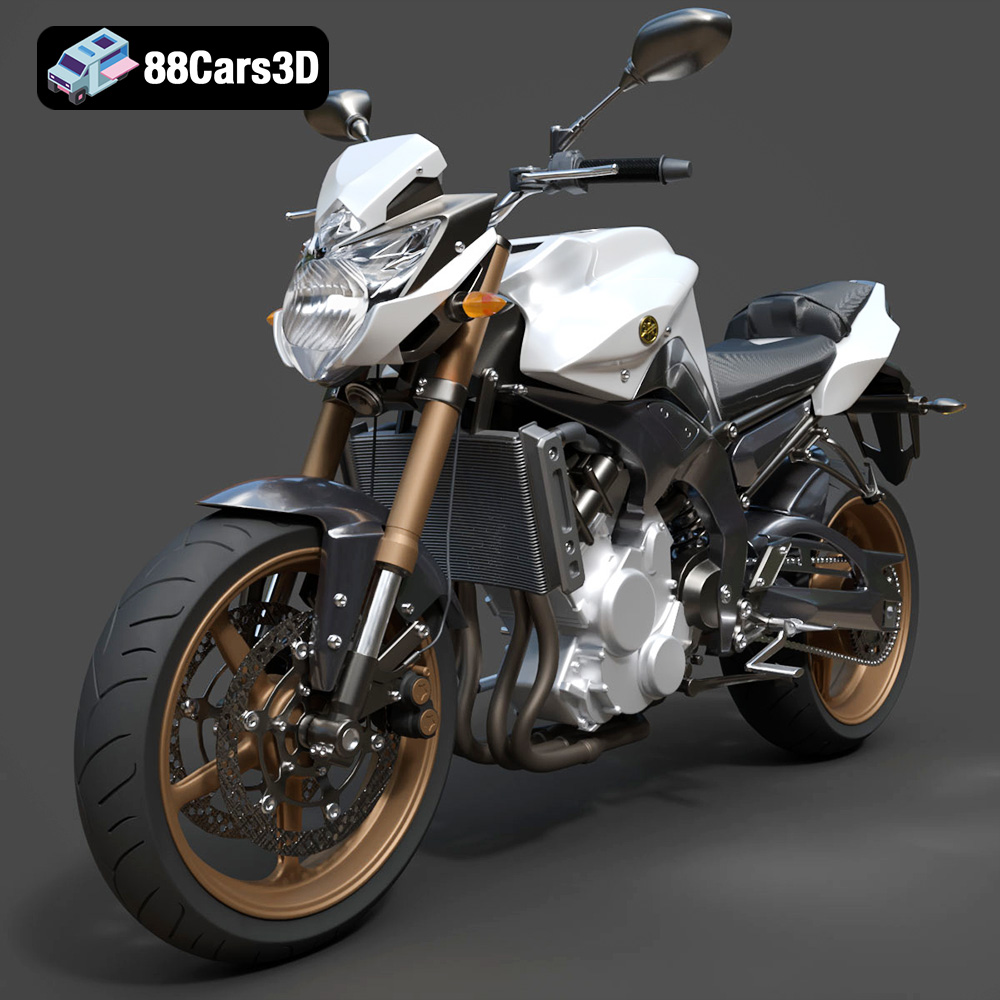
Texture: Yes
Material: Yes
Download the Yamaha FZ8 2011 3D Model featuring clean geometry, realistic detailing, and a fully modeled interior. Includes .blend, .fbx, .obj, .glb, .stl, .ply, .unreal, and .max formats for rendering, simulation, and game development.
Price: $19.99
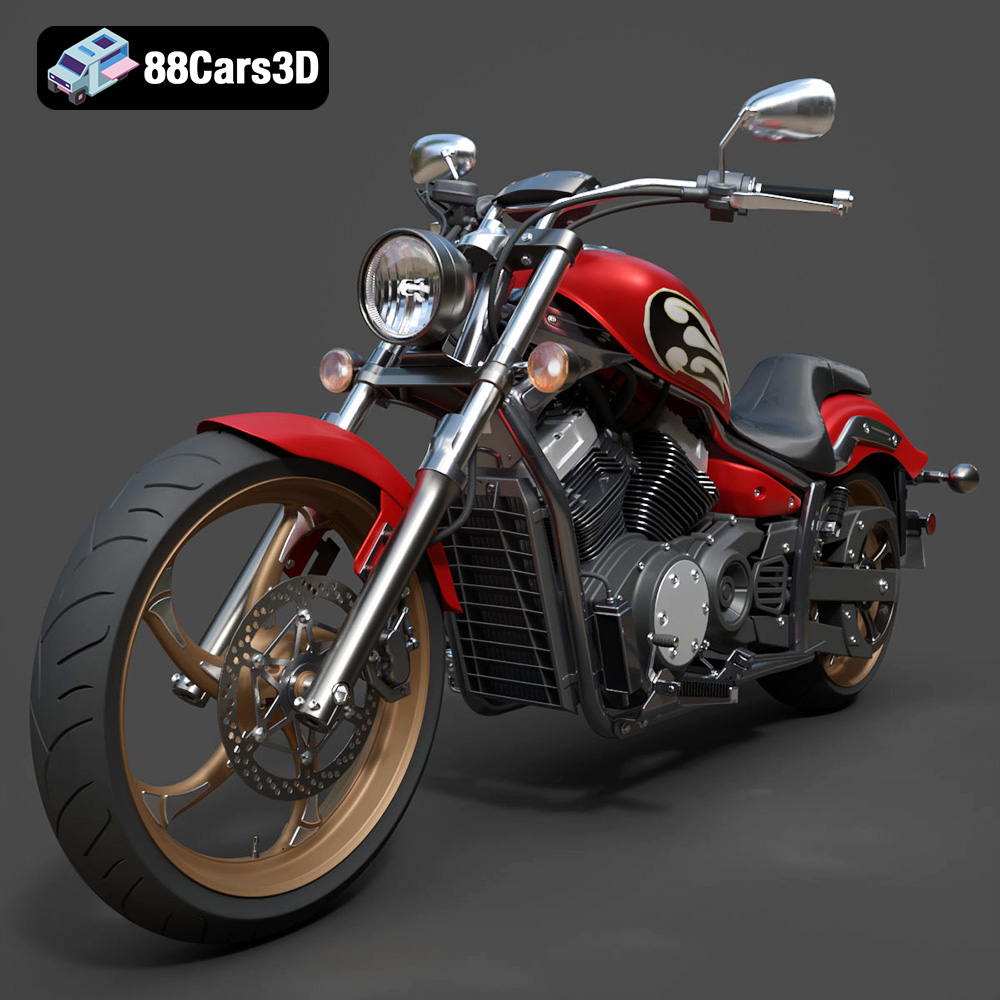
Texture: Yes
Material: Yes
Download the Yamaha Stryker 2012 3D Model featuring clean geometry, realistic detailing, and a fully modeled interior. Includes .blend, .fbx, .obj, .glb, .stl, .ply, .unreal, and .max formats for rendering, simulation, and game development.
Price: $19.99
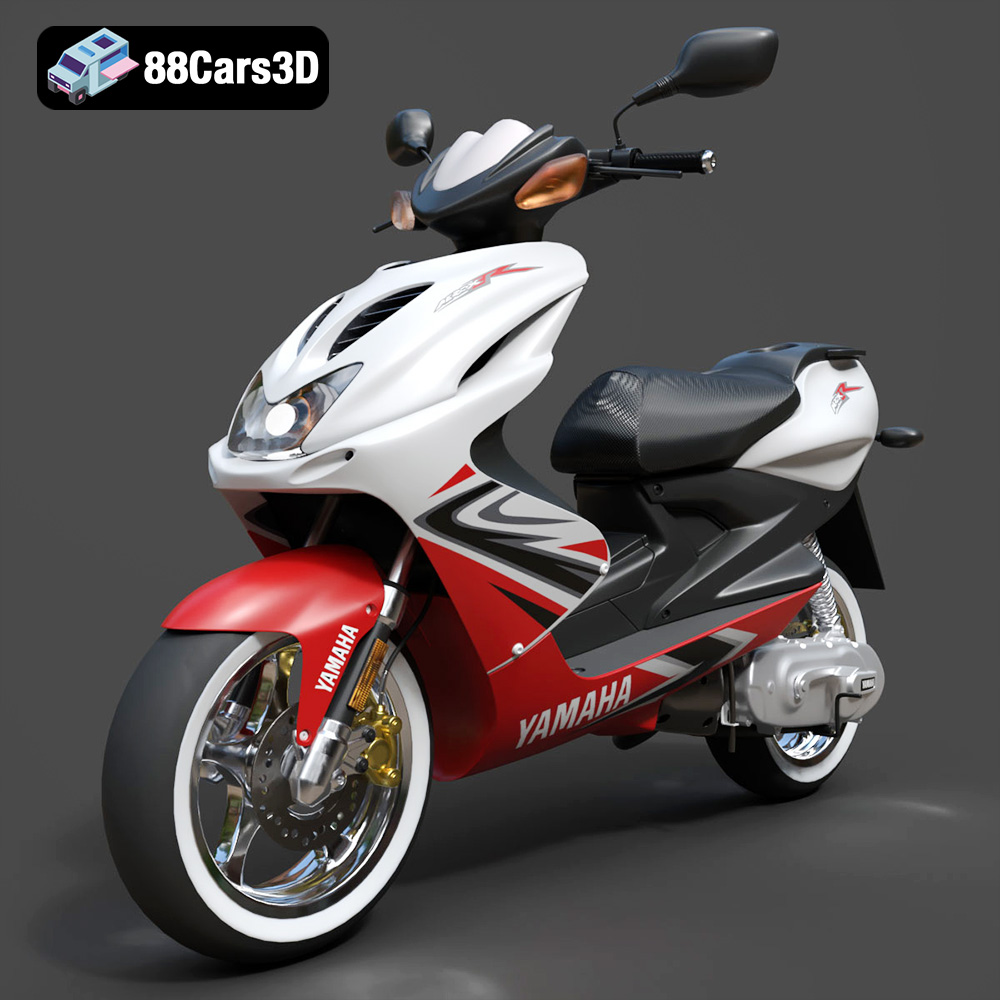
Texture: Yes
Material: Yes
Download the Yamaha Aerox R-002 2024 3D Model featuring clean geometry, realistic detailing, and a fully modeled interior. Includes .blend, .fbx, .obj, .glb, .stl, .ply, .unreal, and .max formats for rendering, simulation, and game development.
Price: $19.99
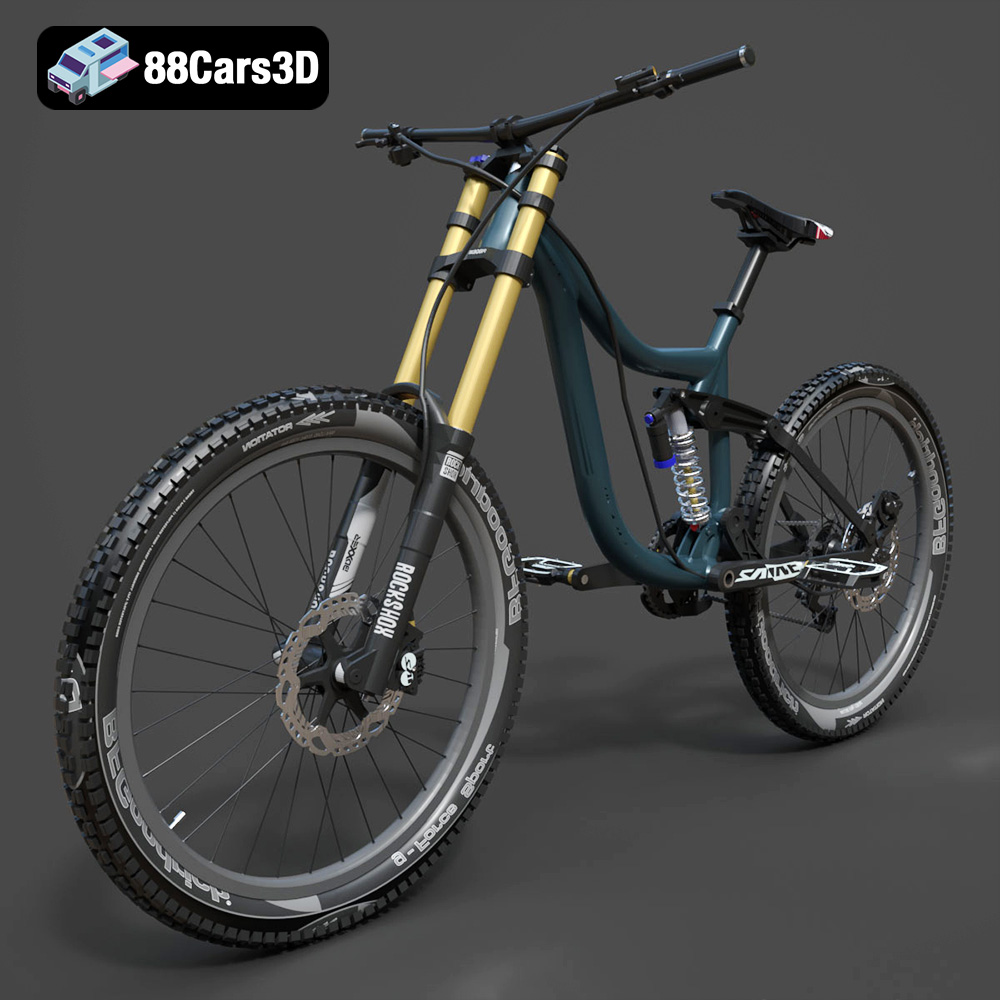
Texture: Yes
Material: Yes
Download the Mototsikly Downhill Bike-002 3D Model featuring clean geometry, realistic detailing, and precise mechanical components. Includes .blend, .fbx, .obj, .glb, .stl, .ply, .unreal, and .max formats for rendering, simulation, and game development.
Price: $19.99
Texture: Yes
Material: Yes
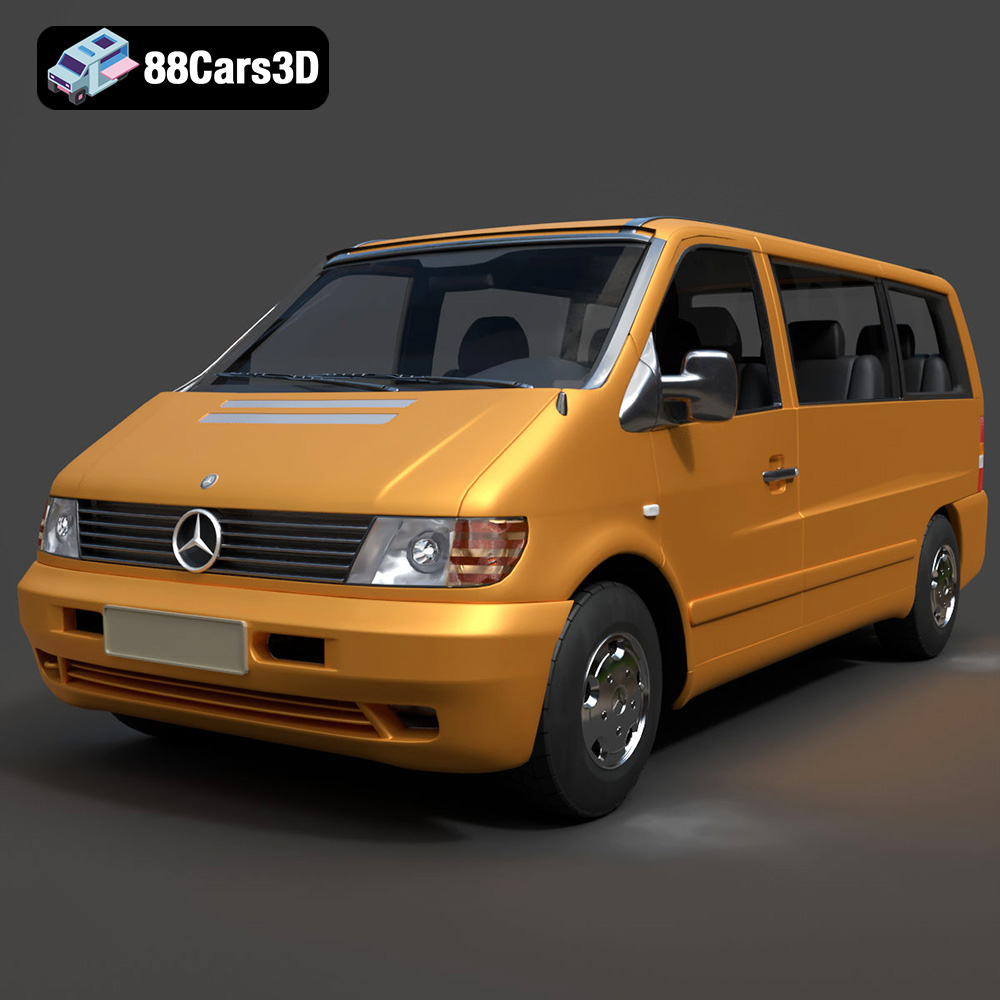
Download the Mercedes-Benz Vito Passenger Van 3D Model featuring clean geometry, realistic detailing, and a fully modeled interior. Includes .blend, .fbx, .obj, .glb, .stl, .ply, .unreal, and .max formats for rendering, simulation, and game development.
Price: $19.99
Texture: Yes
Material: Yes
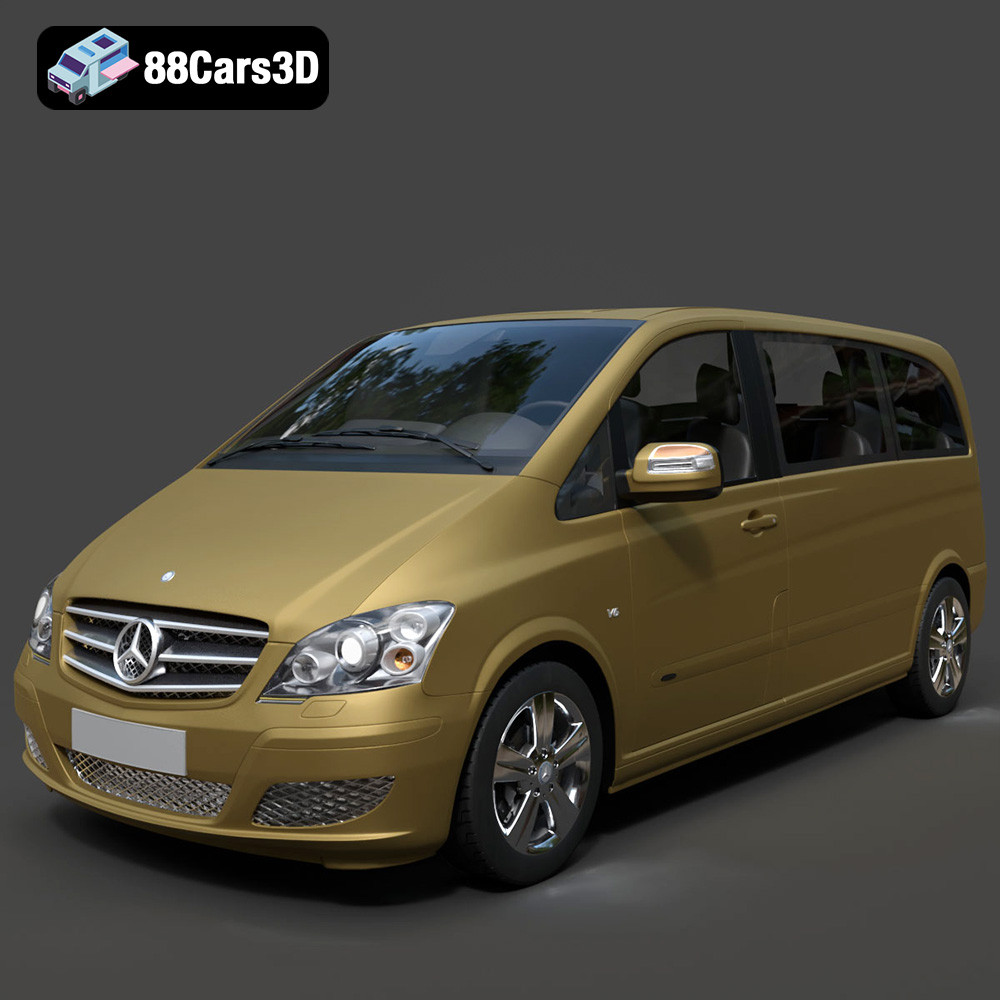
Download the Mercedes-Benz Viano 2010 3D Model featuring clean geometry, realistic detailing, and a fully modeled interior. Includes .blend, .fbx, .obj, .glb, .stl, .ply, .unreal, and .max formats for rendering, simulation, and game development.
Price: $19.99

Texture: Yes
Material: Yes
Download the Emt Avtobus 007 3D Model featuring clean geometry, realistic detailing, and a fully modeled interior. Includes .blend, .fbx, .obj, .glb, .stl, .ply, .unreal, and .max formats for rendering, simulation, and game development.
Price: $19.99
Texture: Yes
Material: Yes
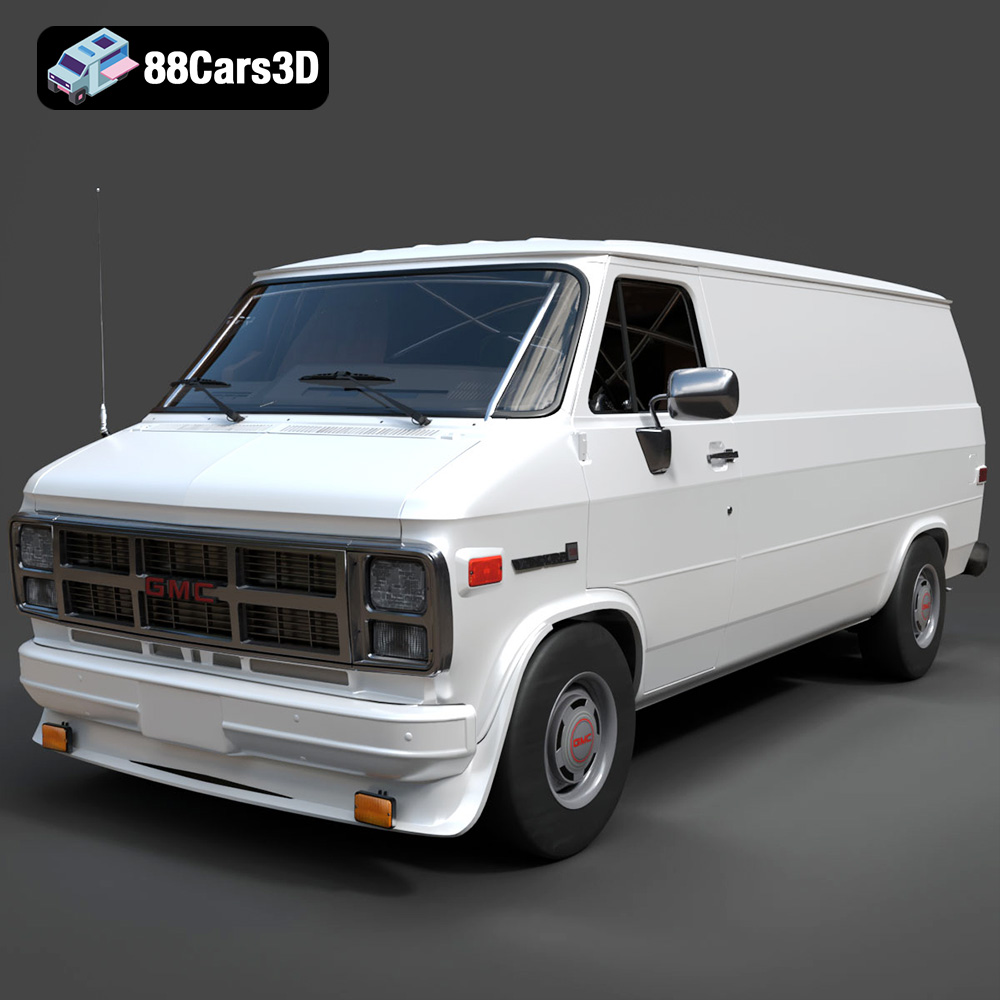
Download the GMC Vandura G-1500 1983 3D Model featuring clean geometry, realistic detailing, and a fully modeled interior. Includes .blend, .fbx, .obj, .glb, .stl, .ply, .unreal, and .max formats for rendering, simulation, and game development.
Price: $19.99
Texture: Yes
Material: Yes
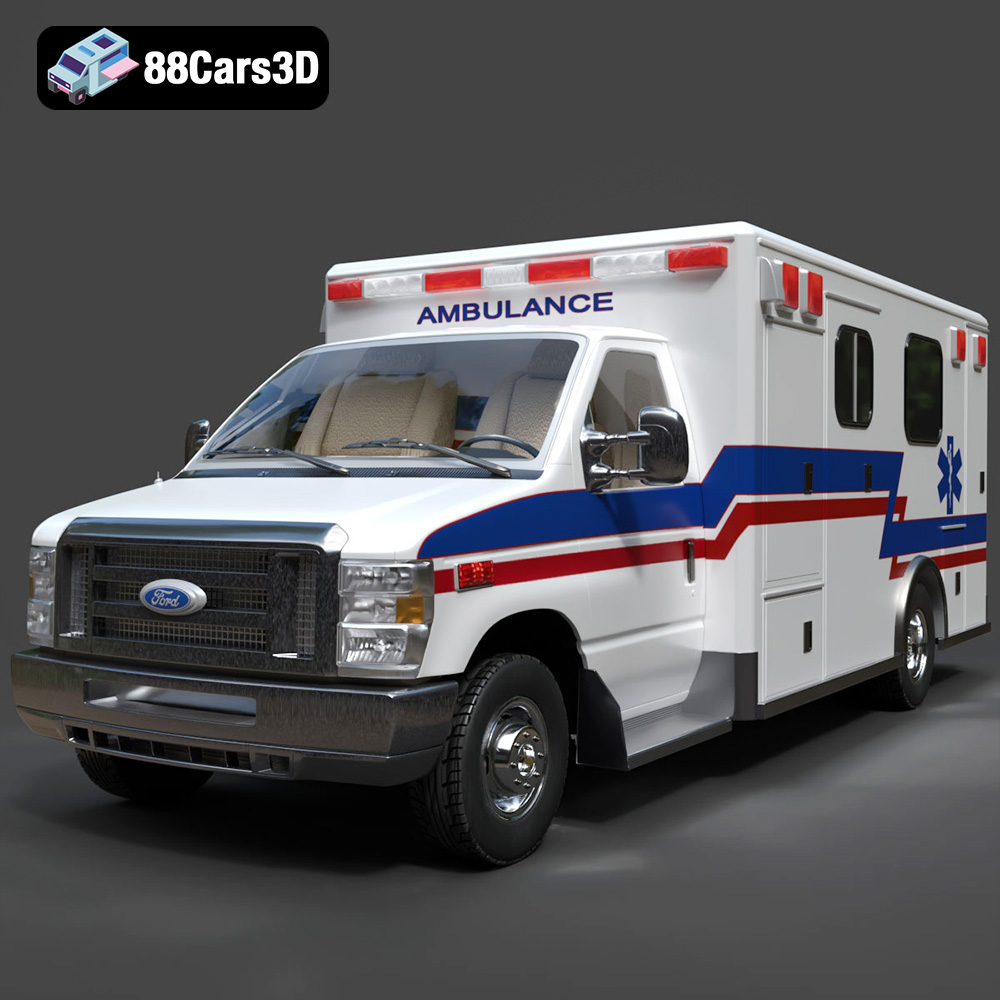
Download the Ford E-450 Ambulance 3D Model featuring clean geometry, realistic detailing, and a fully modeled interior. Includes .blend, .fbx, .obj, .glb, .stl, .ply, .unreal, and .max formats for rendering, simulation, and game development.
Price: $19.99

