⚡ FLASH SALE: Get 60% OFF All Premium 3D & STL Models! ⚡

Unreal Engine has long been revered for its unparalleled capabilities in real-time rendering, empowering creators across diverse industries, from architectural visualization to blockbuster game development. At the heart of creating dynamic, responsive, and complex interactive experiences within Unreal Engine lies a robust framework known as the Gameplay Ability System (GAS). While often associated with character-centric combat mechanics in RPGs and action titles, GAS is a versatile, scalable, and network-ready system that can elevate the interactivity and sophistication of virtually any Unreal Engine project. Imagine not just a character with a sword, but a high-performance vehicle with a “turbo boost” ability, an “energy shield,” or a “repair kit” that dynamically affects its performance and appearance. This article delves into the intricate world of Unreal Engine’s Gameplay Ability System, exploring its core components and demonstrating how this advanced framework can be harnessed to create complex, interactive mechanics, even in contexts beyond traditional character combat, such as advanced automotive experiences and sophisticated vehicle-driven games, where high-quality 3D car models are paramount. We’ll uncover how GAS provides the structure to define, activate, and manage a vast array of actions and attributes, ensuring your projects are not only visually stunning but also deeply engaging and performant.
The Gameplay Ability System is not just a feature; it’s a comprehensive architectural pattern for designing and implementing gameplay mechanics in a modular, scalable, and network-friendly manner. Its power lies in abstracting gameplay actions (abilities) and their effects (gameplay effects) from the underlying systems, allowing for robust design and easier iteration. For projects involving sophisticated vehicles, like those built with 3D car models from platforms such as 88cars3d.com, GAS offers an unparalleled way to manage vehicle-specific actions, states, and upgrades, moving beyond simple physics interactions to a rich, ability-driven experience.
At the foundation of GAS are the Ability System Component (ASC) and Gameplay Abilities (GA). The ASC is a specialized component that can be added to any Actor (e.g., a character, an NPC, or critically, a vehicle pawn) that needs to possess abilities and attributes. It acts as the central hub, managing all abilities, gameplay effects, and attribute sets for its owner. A Gameplay Ability, on the other hand, represents a specific action or skill. This could be anything from a character swinging a sword to a race car activating a “Nitrous Boost” or deploying an “Oil Slick” trap. GAs are self-contained Blueprint or C++ classes that define the logic for activation, execution, and termination. They can have associated costs (e.g., “fuel” or “energy” attributes), cooldowns, and specific activation conditions. When building a vehicle-centric game, each unique action your car can perform—beyond basic driving—becomes a candidate for a Gameplay Ability. This modularity means you can easily add new car functionalities or modify existing ones without rewriting core vehicle logic.
While Gameplay Abilities define *what* happens, Gameplay Effects (GEs) define *how* abilities modify the target. GEs are transient or persistent modifiers to Gameplay Attributes. Gameplay Attributes (GAs, not to be confused with Gameplay Abilities) are numerical properties that describe the state of an actor, such as Health, Stamina, Speed, Fuel, or even “Armor Durability.” In the context of a vehicle, attributes might include Top Speed, Acceleration Factor, Handling, Shield Strength, or Boost Fuel Level. A “Nitrous Boost” ability, for instance, might apply a GE that temporarily increases the “Speed” attribute and continuously drains the “Boost Fuel” attribute. GEs can be instant (e.g., a one-time repair) or duration-based (e.g., a temporary shield). They can also stack, apply periodic effects (DOTs/HOTs), and remove other effects. This powerful system allows for incredibly nuanced interactions. For example, a “Repair Kit” ability could apply an instant GE that adds to the “Durability” attribute of a damaged 3D car model, while a “Hacking Device” ability might apply a duration GE that reduces an enemy car’s “Handling” attribute over time.
One of GAS’s most significant strengths is its inherent event-driven architecture and robust support for network replication. All attribute changes, ability activations, and GE applications can be easily replicated across a network, making GAS ideal for multiplayer games. This is critical for competitive car combat games or cooperative racing experiences where precise synchronization of vehicle states and ability usage is essential. GAS leverages RPCs (Remote Procedure Calls) and Gameplay Tags for efficient communication, ensuring that all clients and the server have a consistent view of the game state. For example, when a player activates a “Force Field” ability on their high-fidelity 3D car model, the server validates the action, applies the appropriate GE, and replicates the effect to all relevant clients, so everyone sees the visual effect and knows the car is protected. This reliable replication is vital for maintaining a fair and consistent experience, especially when dealing with fast-paced vehicle interactions where latency can significantly impact gameplay.
Applying the Gameplay Ability System to vehicles opens up a world of possibilities beyond simple movement and collision. Instead of hardcoding every special action directly into your vehicle Blueprint, GAS provides a clean, extensible framework. This approach is particularly beneficial when working with diverse 3D car models, perhaps sourced from 88cars3d.com, each intended for unique gameplay roles or interactive demonstrations.
Let’s consider an example: creating a “Turbo Boost” ability for a car. First, your vehicle’s Pawn Blueprint needs an Ability System Component. Once attached, you’ll define a new Gameplay Ability Blueprint (e.g., GA_Vehicle_TurboBoost).
TryActivateAbility function would check conditions like having enough “Boost Fuel” (an attribute) and not being on cooldown.This structured approach ensures that all aspects of the boost—logic, costs, effects, and visuals—are managed centrally by the GAS.
To integrate GAS with your vehicle, you’ll typically follow these steps:
AbilitySystemComponent. In its details panel, make sure to set up the default Ability System Component and Attribute Set.BeginPlay event (or a similar initialization point), make sure to call AbilitySystemComponent->InitAbilityActorInfo(this, this) to properly set up the ASC with its owner and avatar actor.GA_Vehicle_TurboBoost) using GiveAbility.AbilitySystemComponent->TryActivateAbilityByTag or AbilitySystemComponent->AbilityInputTagPressed. This connects player input directly to the ability system, allowing for seamless activation of car functionalities.This setup ensures that any 3D car model you integrate, whether a sports car, a utility vehicle, or a futuristic racer, can immediately leverage a rich set of predefined or custom abilities, allowing for dynamic and exciting gameplay variations.
The visual and auditory feedback of abilities is crucial for player immersion. With GAS, connecting ability activation to visual effects (VFX), sound effects (SFX), and animations is streamlined. When a Gameplay Ability begins execution, it can easily spawn Niagara particle systems, play sound cues, or trigger skeletal mesh animations directly on the vehicle’s 3D car model. For instance, a “Force Field” ability might instantiate a transparent, shimmering material effect over the car’s chassis, accompanied by a low hum. A “Rocket Launch” ability could spawn a projectile mesh, initiate a fiery exhaust trail (Niagara), and play a loud whoosh sound. Integrating these elements directly into the ability’s logic ensures that visual and audio cues are tightly synchronized with the gameplay state, providing immediate and satisfying feedback to the player. Furthermore, dynamic material instances can be created on the fly to change PBR material parameters of the car model, for example, making parts of the car glow when certain abilities are active, adding another layer of visual polish to 88cars3d.com’s highly detailed assets.
Beyond simple health bars, GAS empowers developers to manage a myriad of complex attributes that dictate gameplay dynamics. For vehicle-centric projects, this translates into granular control over performance characteristics, resource management, and reactive visual feedback, greatly enhancing the interactivity of 3D car models.
A core concept in GAS is the Attribute Set. These are data-only UObject classes that hold collections of Gameplay Attributes. For vehicles, you would create custom Attribute Sets like UA_VehiclePerformance (containing attributes like MaxSpeed, AccelerationFactor, Handling, BrakingPower) and UA_VehicleResources (containing BoostFuel, ShieldStrength, WeaponAmmo, Durability). Each attribute can have a BaseValue and a CurrentValue, allowing Gameplay Effects to modify them without directly altering the base. For example, a “Heavy Chassis” upgrade (a passive Gameplay Effect) might reduce MaxSpeed but increase Durability, reflecting the trade-offs of vehicle customization. This modular attribute design ensures that any Gameplay Ability or external factor can interact with the vehicle’s properties in a predictable and controlled manner. Sourcing high-quality 3D car models from marketplaces like 88cars3d.com provides the visual foundation, and GAS provides the functional depth to make these vehicles truly interactive.
Providing players with real-time feedback on their vehicle’s status is crucial. GAS facilitates this through Attribute Change Delegates. Any UI element (e.g., a speedometer, a boost gauge, a shield integrity meter, or a fuel indicator) can subscribe to specific attribute changes on the vehicle’s Ability System Component. When the BoostFuel attribute changes (e.g., due to an active boost ability or a fuel pickup), the subscribed UI widget immediately updates. This ensures that the user interface is always synchronized with the underlying gameplay mechanics, providing accurate and responsive feedback without needing to poll attributes every frame. This is essential for a fluid driving experience, allowing players to make informed decisions based on their car’s current state. For automotive visualization projects, this could also extend to interactive dashboards, where gauges and readouts dynamically reflect simulated performance data, making the viewing experience significantly more engaging than static renders.
The visual fidelity of 3D car models, especially those optimized for real-time rendering and featuring meticulous PBR materials, can be dynamically enhanced through GAS. Gameplay Effects aren’t limited to numerical changes; they can also trigger visual alterations. Imagine a “Damaged” Gameplay Effect that, when applied to a car, modifies its PBR material parameters to show dents, scratches, or even broken lights, using texture masks and material functions. A “Shield” ability could activate a glowing, transparent material overlay on the car’s body. A “Turbo Boost” might not just have exhaust flames but also temporarily make the car’s paint job appear more vibrant or metallic, simulating energy surges. By creating Dynamic Material Instances within a Gameplay Ability or an Attribute Change Delegate, you can control various aspects of the car’s appearance in real-time. This level of dynamic visual response, combined with the detailed assets available on 88cars3d.com, allows for incredibly immersive and reactive automotive experiences, where the vehicle’s visual state directly communicates its gameplay status.
Performance optimization is paramount in real-time rendering, particularly for games and interactive experiences that feature multiple detailed 3D car models and complex ability interactions. While GAS provides a robust framework, understanding its performance implications and best practices is crucial for maintaining smooth frame rates and efficient network communication.
As discussed, GAS is built with networking in mind, but efficient replication requires careful consideration. Every Gameplay Effect, Attribute change, and Ability activation needs to be replicated across the network, consuming bandwidth. For games with many players or AI-controlled vehicles, each with its own Ability System Component and a plethora of abilities and attributes, this can add up.
By being mindful of replication, developers can ensure that even large-scale car combat or racing games using GAS remain responsive and performant, minimizing lag and desynchronization.
Unreal Engine 5’s groundbreaking technologies, Nanite virtualized geometry and Lumen global illumination, significantly enhance the visual fidelity of 3D car models and their associated ability effects without incurring prohibitive performance costs.
Together, Nanite and Lumen allow GAS-driven visual effects to be rendered with unprecedented detail and realism, ensuring that your powerful abilities are as visually stunning as they are mechanically engaging, all while maintaining excellent performance even with multiple vehicles in complex environments.
While Nanite handles geometry LODs for the car models, complex visual effects associated with abilities (Niagara particles, dynamic lights, material parameters) still require careful optimization.
By smartly managing the visual complexity of ability effects, alongside the geometric efficiency of Nanite-enabled 3D car models, developers can ensure that the game remains performant even during intense action sequences with multiple active abilities.
While GAS excels at managing complex combat mechanics, its underlying principles of modularity, attribute management, and event-driven logic make it incredibly powerful for non-combat applications. For professionals in automotive visualization, product configurators, and training simulations, GAS can elevate static experiences into dynamic, interactive showcases for high-fidelity 3D car models.
Imagine a virtual car configurator where selecting different options dynamically alters the vehicle’s appearance and hypothetical performance specifications. GAS is an ideal fit for managing this complex interaction:
This system allows for highly flexible and extensible configurators. When sourcing meticulously crafted 3D car models from marketplaces like 88cars3d.com, you get assets ready for such dynamic transformations, allowing clients to virtually explore every customization option with immediate visual and data feedback, enhancing the overall automotive visualization experience.
In virtual production workflows, where realistic 3D car models are often featured on LED walls, or in advanced training simulations, GAS can manage complex scenarios and vehicle behaviors.
This robust control over events and attributes makes GAS an invaluable tool for creating highly realistic and responsive interactive narratives and educational experiences centered around vehicles.
Developing immersive AR/VR experiences with 3D car models demands stringent optimization and seamless interactivity. GAS, with its efficient replication and modular design, contributes significantly to meeting these demands.
Leveraging GAS for these interactive elements, combined with optimized 3D car models from sources like 88cars3d.com, enables the creation of cutting-edge AR/VR automotive showcases and training modules that are both visually stunning and functionally rich, pushing the boundaries of real-time automotive visualization.
The Unreal Engine Gameplay Ability System, far from being confined to traditional character combat, stands as a versatile and incredibly powerful framework for building complex, scalable, and network-ready gameplay mechanics across a wide spectrum of applications. As we’ve explored, its modular nature, robust attribute management, and native replication support make it an ideal solution for developing sophisticated vehicle-centric games, highly interactive automotive visualization tools, dynamic configurators, and immersive AR/VR experiences. By abstracting actions into Gameplay Abilities and their consequences into Gameplay Effects, developers gain unparalleled control and flexibility, ensuring that even the most intricate interactions with high-fidelity 3D car models are managed with precision and efficiency.
Integrating GAS into your Unreal Engine projects, whether you’re creating a high-octane car combat game or a photorealistic interactive car showroom, provides a structured approach to development that saves time, enhances performance, and elevates the user experience. The future of interactive design hinges on such advanced systems, allowing creators to push boundaries without compromising on stability or scalability. When you combine the power of GAS with meticulously optimized assets, such as the premium 3D car models available on 88cars3d.com, you unlock the full potential of Unreal Engine’s real-time capabilities. Begin your journey with GAS today, and transform your ordinary vehicle assets into extraordinary, interactive masterpieces.

Meta Description:
Texture: Yes
Material: Yes
Download the Porsche Cayenne 3D Model featuring realistic exterior styling and detailed interior design. Includes .blend, .fbx, .obj, .glb, .stl, .ply, .unreal, and .max formats for rendering, simulation, AR VR, and game development.
Price: $19.9
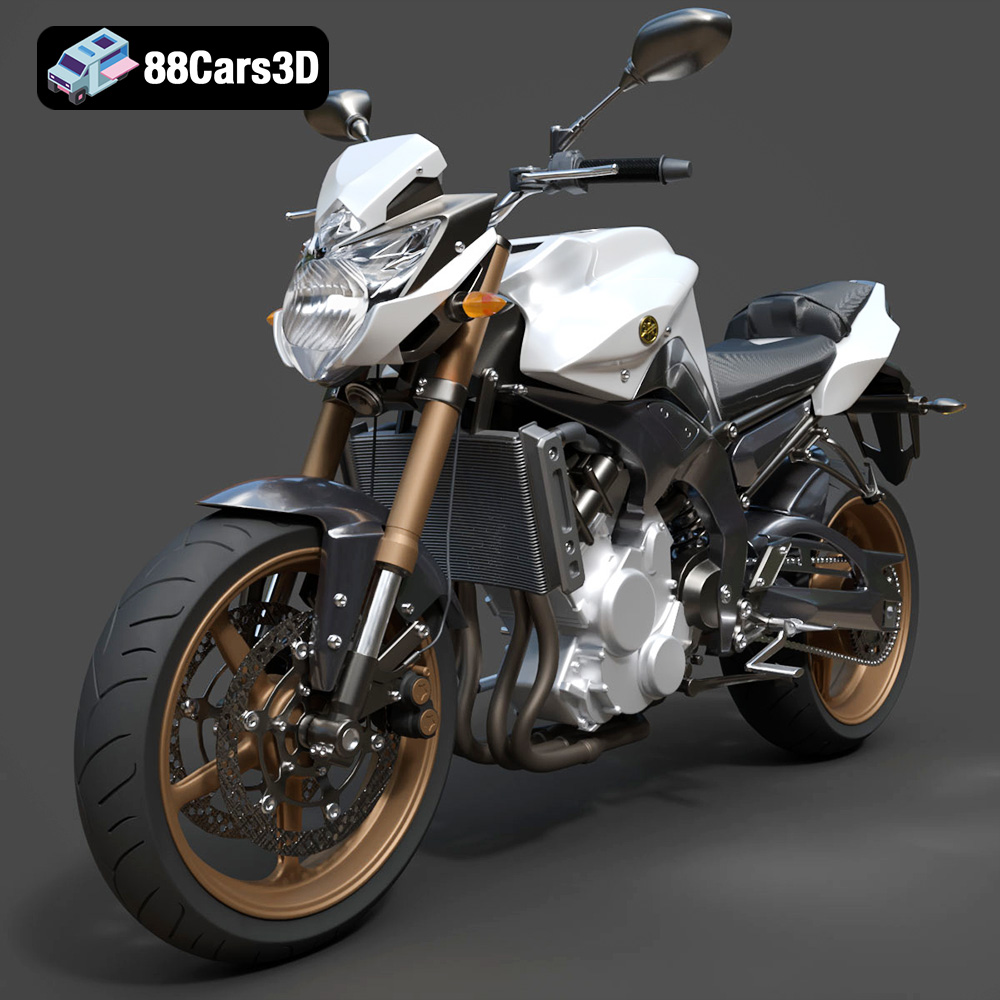
Texture: Yes
Material: Yes
Download the Yamaha FZ8 2011 3D Model featuring clean geometry, realistic detailing, and a fully modeled interior. Includes .blend, .fbx, .obj, .glb, .stl, .ply, .unreal, and .max formats for rendering, simulation, and game development.
Price: $19.99
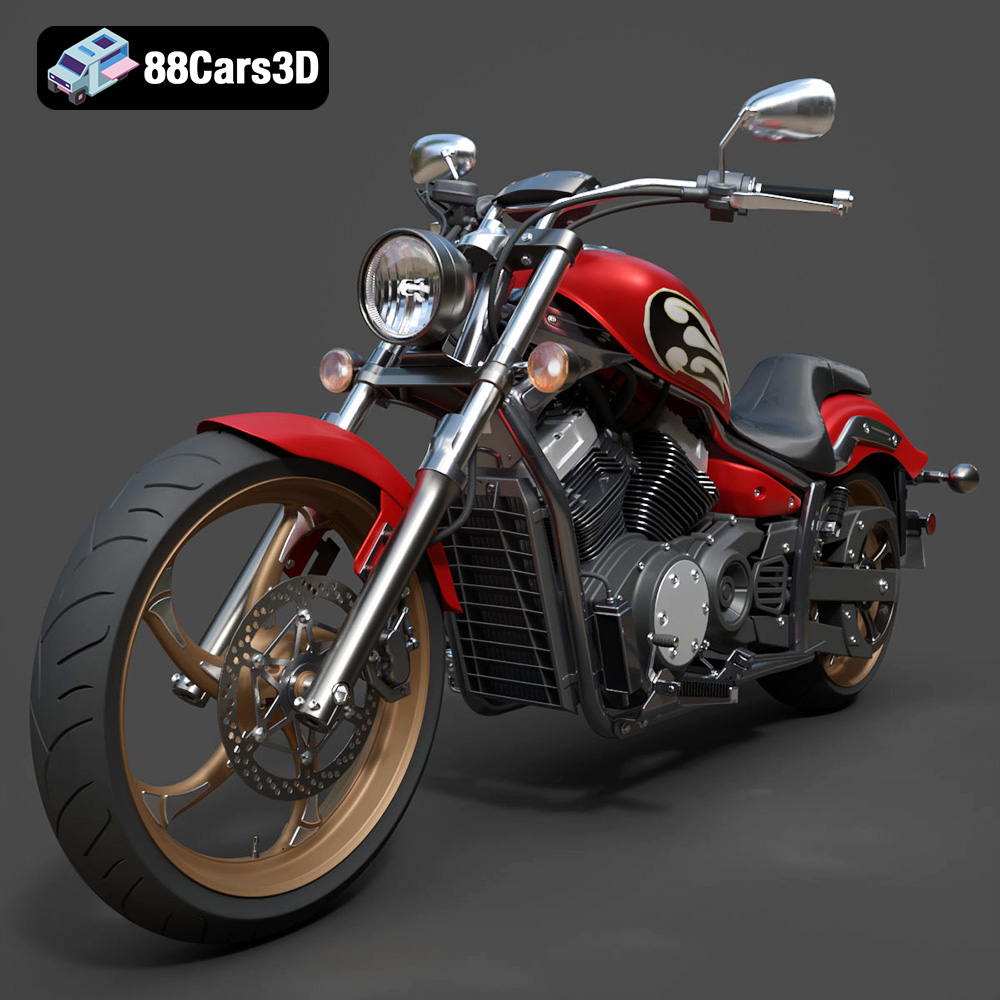
Texture: Yes
Material: Yes
Download the Yamaha Stryker 2012 3D Model featuring clean geometry, realistic detailing, and a fully modeled interior. Includes .blend, .fbx, .obj, .glb, .stl, .ply, .unreal, and .max formats for rendering, simulation, and game development.
Price: $19.99
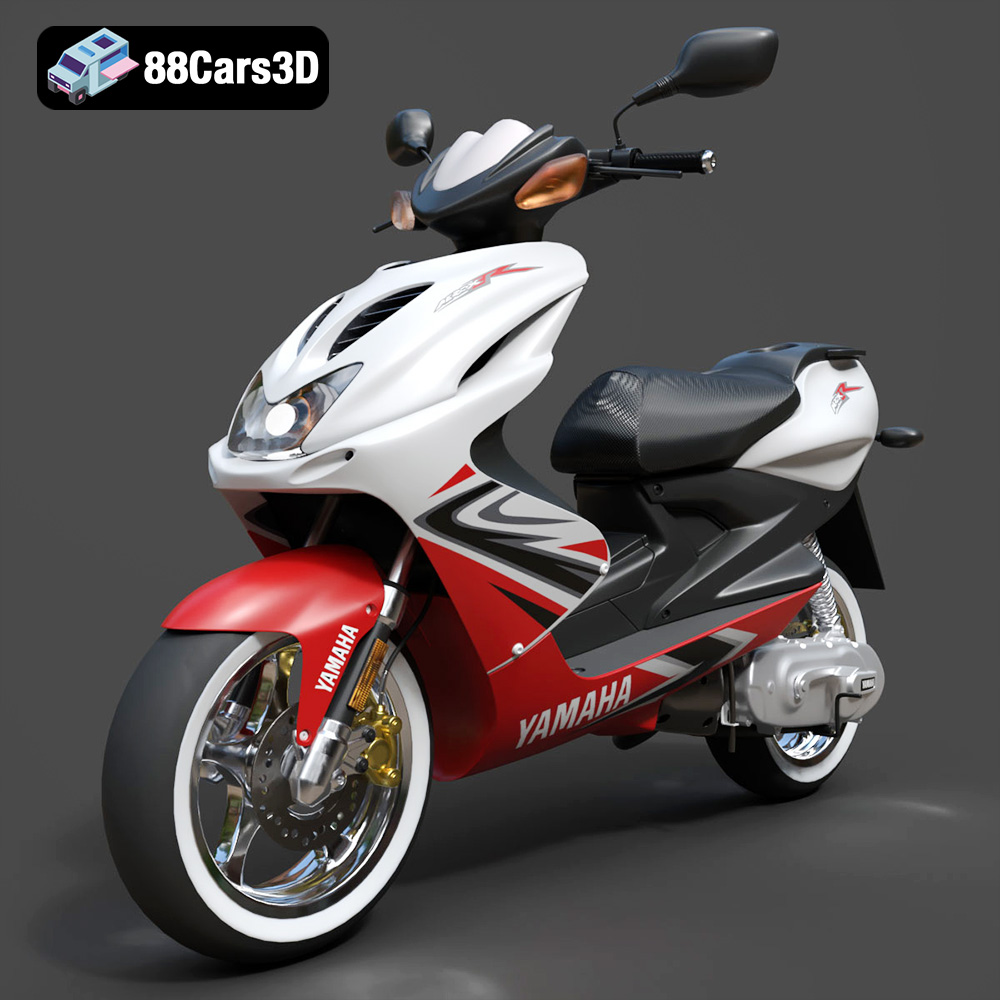
Texture: Yes
Material: Yes
Download the Yamaha Aerox R-002 2024 3D Model featuring clean geometry, realistic detailing, and a fully modeled interior. Includes .blend, .fbx, .obj, .glb, .stl, .ply, .unreal, and .max formats for rendering, simulation, and game development.
Price: $19.99
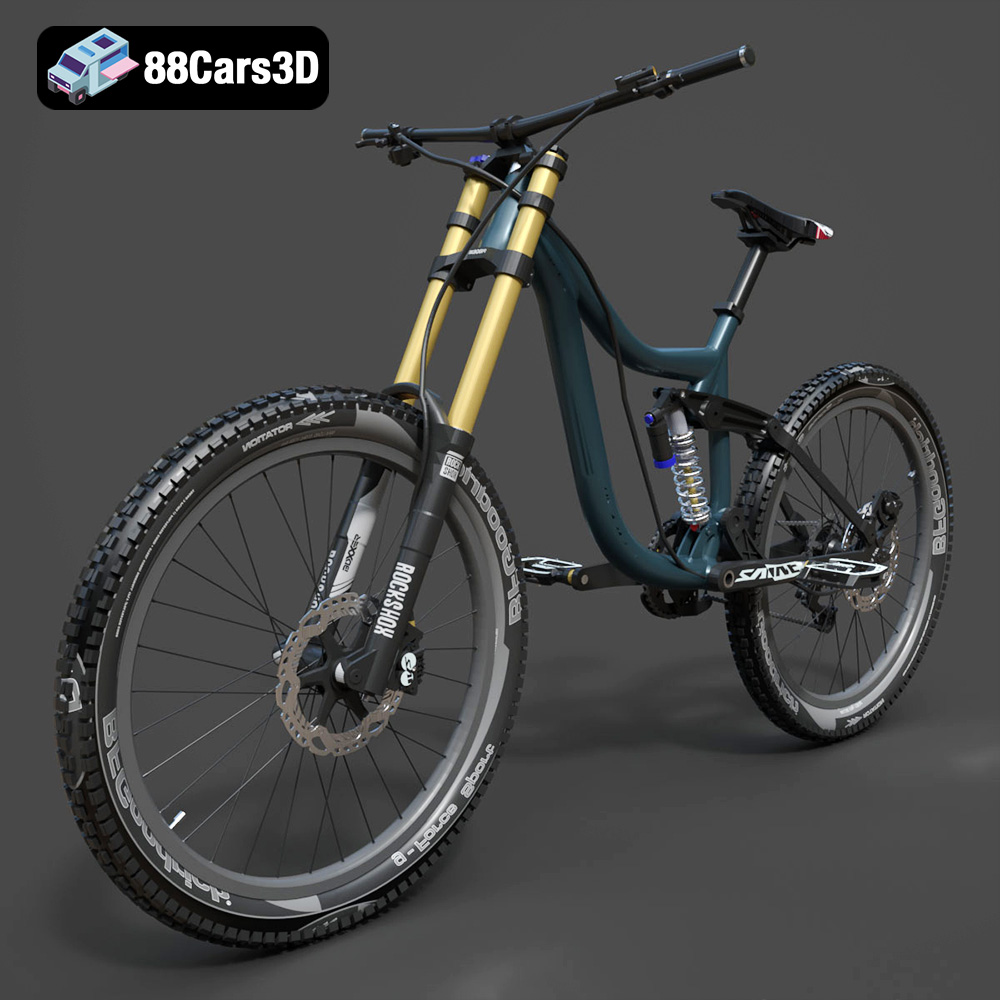
Texture: Yes
Material: Yes
Download the Mototsikly Downhill Bike-002 3D Model featuring clean geometry, realistic detailing, and precise mechanical components. Includes .blend, .fbx, .obj, .glb, .stl, .ply, .unreal, and .max formats for rendering, simulation, and game development.
Price: $19.99
Texture: Yes
Material: Yes
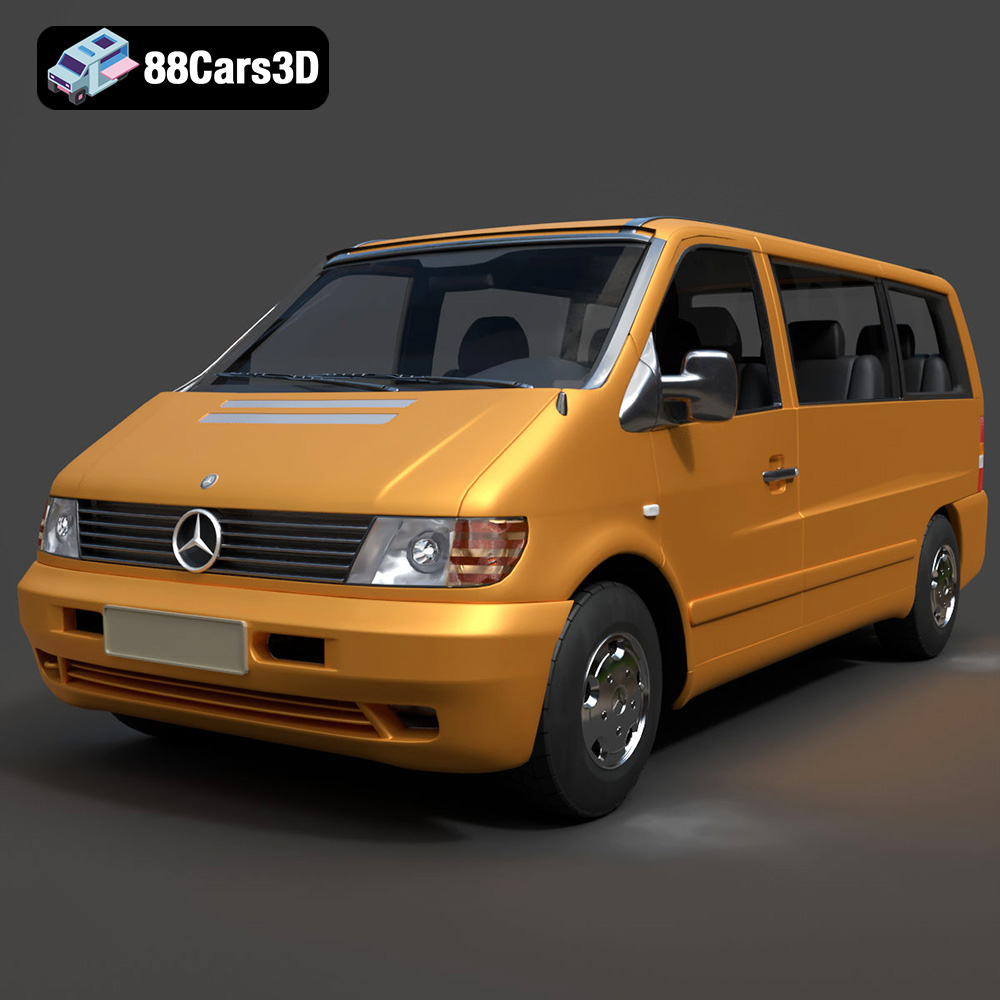
Download the Mercedes-Benz Vito Passenger Van 3D Model featuring clean geometry, realistic detailing, and a fully modeled interior. Includes .blend, .fbx, .obj, .glb, .stl, .ply, .unreal, and .max formats for rendering, simulation, and game development.
Price: $19.99
Texture: Yes
Material: Yes
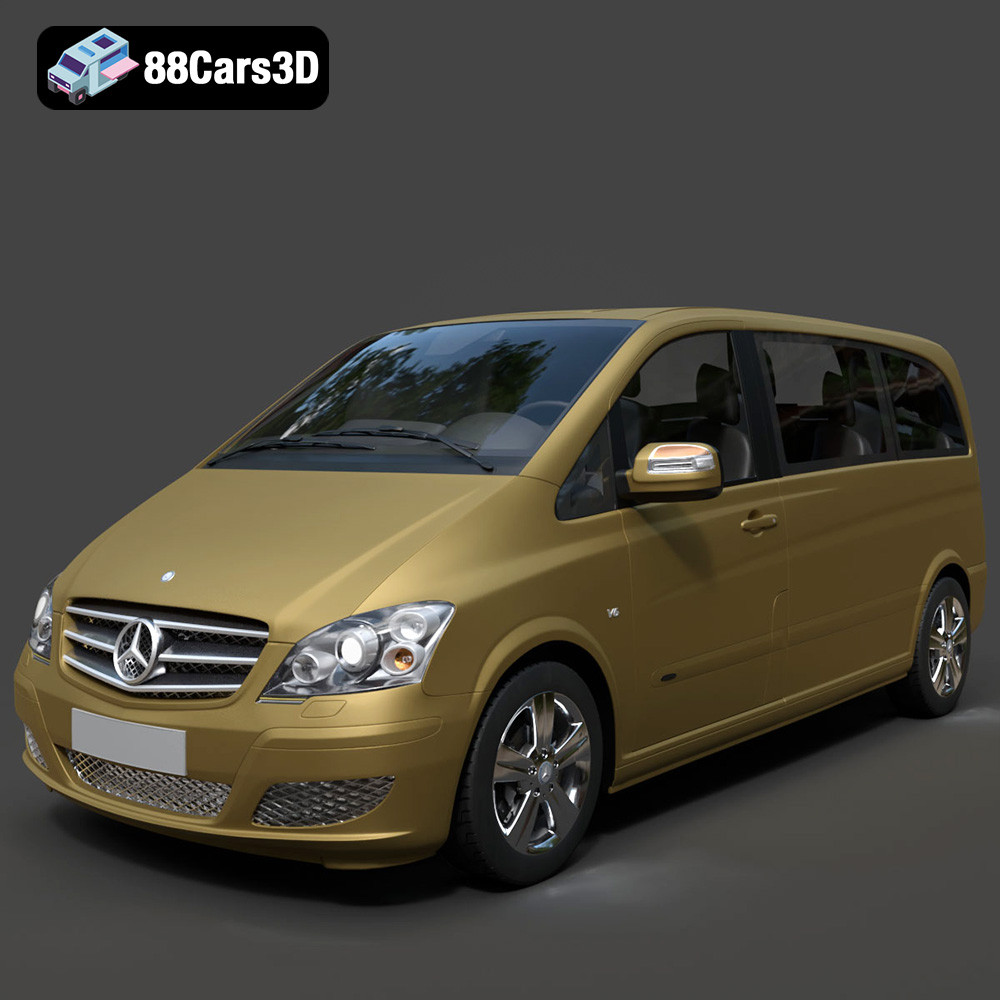
Download the Mercedes-Benz Viano 2010 3D Model featuring clean geometry, realistic detailing, and a fully modeled interior. Includes .blend, .fbx, .obj, .glb, .stl, .ply, .unreal, and .max formats for rendering, simulation, and game development.
Price: $19.99

Texture: Yes
Material: Yes
Download the Emt Avtobus 007 3D Model featuring clean geometry, realistic detailing, and a fully modeled interior. Includes .blend, .fbx, .obj, .glb, .stl, .ply, .unreal, and .max formats for rendering, simulation, and game development.
Price: $19.99
Texture: Yes
Material: Yes
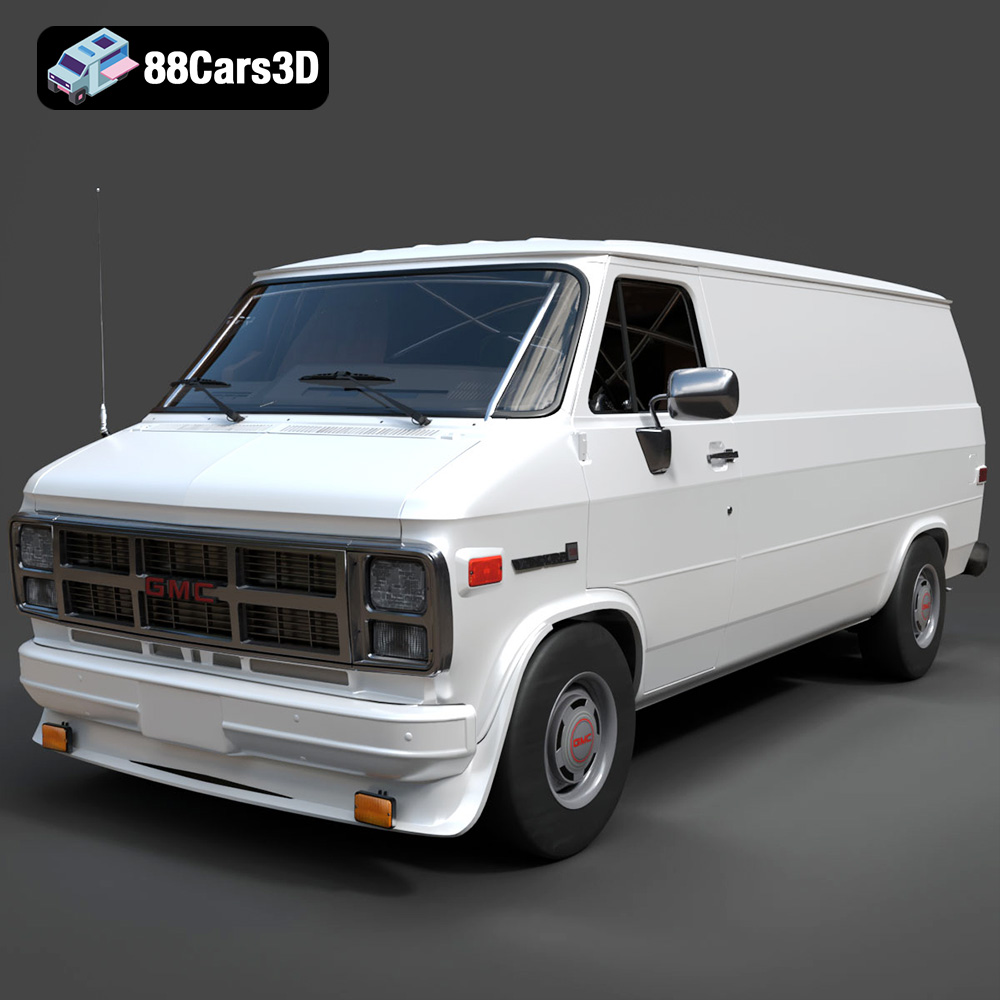
Download the GMC Vandura G-1500 1983 3D Model featuring clean geometry, realistic detailing, and a fully modeled interior. Includes .blend, .fbx, .obj, .glb, .stl, .ply, .unreal, and .max formats for rendering, simulation, and game development.
Price: $19.99

Texture: Yes
Material: Yes
Download the Ford E-450 Ambulance 3D Model featuring clean geometry, realistic detailing, and a fully modeled interior. Includes .blend, .fbx, .obj, .glb, .stl, .ply, .unreal, and .max formats for rendering, simulation, and game development.
Price: $19.99

