⚡ FLASH SALE: Get 60% OFF All Premium 3D & STL Models! ⚡

Creating believable and immersive environments is paramount for any high-fidelity real-time project, whether you’re developing a cutting-edge game, producing cinematic automotive visualizations, or crafting interactive AR/VR experiences. Water, in particular, presents a unique challenge due to its complex interplay of reflections, refractions, foam, and dynamic movement. Fortunately, Unreal Engine’s robust Water System provides an incredibly powerful and accessible toolkit to achieve stunningly realistic water bodies, transforming your scenes from static backdrops into vibrant, living worlds.
For professionals leveraging high-quality 3D car models from platforms like 88cars3d.com, integrating realistic water elements can dramatically elevate the presentation of their vehicles. Imagine showcasing a sleek sports car reflecting perfectly on a tranquil lake at sunset, or a rugged off-roader kicking up dramatic splashes as it navigates a challenging riverbed. This long-form technical guide will deep dive into the Unreal Engine Water System, offering step-by-step workflows, optimization strategies, and best practices to help you create breathtaking water scenes that truly make your automotive assets, and indeed any scene, come alive. You’ll learn how to set up different water bodies, customize their appearance, integrate dynamic effects, and ensure optimal performance for real-time rendering.
The Unreal Engine Water System, introduced as a plugin, represents a significant leap forward in generating realistic water surfaces with relative ease. It’s a comprehensive solution designed to handle everything from vast oceans to meandering rivers and serene lakes. At its core, the system leverages a combination of specialized actors, material functions, and integration with Unreal Engine’s advanced rendering features like Nanite, Lumen, and Niagara to deliver highly convincing results. Understanding its architecture is the first step towards mastering its potential.
The system is built around several key components. Specialized Water Body actors – WaterBodyOcean, WaterBodyLake, WaterBodyRiver, and WaterBodyIsland – allow artists to quickly define and shape different types of water bodies. Each actor comes with a default setup tailored to its specific use case, providing a strong starting point for customization. For instance, a WaterBodyOcean will automatically generate an expansive, deep-water surface with appropriate wave simulations, while a WaterBodyRiver offers tools to sculpt riverbeds and control water flow along a spline. These actors inherently handle complex tasks such as mesh generation, material application, and foam simulation, greatly simplifying the creation process. For more in-depth information on each Water Body type, consult the official Unreal Engine documentation at dev.epicgames.com/community/unreal-engine/learning.
Beyond the primary actors, the Water System integrates deeply with other Unreal Engine technologies. It utilizes a sophisticated material pipeline, often involving Gerstner waves for realistic surface deformation, and advanced PBR (Physically Based Rendering) principles to simulate light interaction. The foam generation, a critical element for realism, is often handled through a combination of material-driven effects and potentially Niagara particle systems for dynamic splashes and interactions. The system also includes a Water Mesh component that generates and tessellates the water surface, supporting features like Nanite for incredibly detailed geometry without crippling performance, especially useful when viewing vast oceans or intricate river sections up close. This allows for immense visual fidelity, showcasing the stunning detail of your 3D car models as they interact with or are viewed against these realistic water bodies.
Before you can begin sculpting your watery landscapes, you need to enable the Water System plugin in your Unreal Engine project. This is a straightforward process:
Once enabled, you can add a Water Body actor to your scene. Navigate to the Modes panel (Shift+1) and under the Volumes section, you’ll find the Water Body actors. Drag and drop a WaterBodyOcean, WaterBodyLake, or WaterBodyRiver into your viewport. Upon adding a Water Body, Unreal Engine will often prompt you to add the required “Water Zone” to your level. This zone helps manage the water’s interaction with the environment and ensures correct rendering. For optimal results, especially in projects featuring high-fidelity assets like those from 88cars3d.com, ensure your project is configured for high-end rendering. This includes enabling Lumen for global illumination and reflections, and potentially Nanite for static meshes surrounding the water, as their interplay significantly enhances the overall realism.
The visual fidelity of your water relies heavily on its material and shader properties. The Unreal Engine Water System provides a highly customizable default water material instance, allowing artists to tweak a vast array of parameters without diving into complex shader code. Understanding how these parameters relate to real-world physics and PBR principles is key to achieving truly believable results. When showcasing a high-quality 3D car model, the water surrounding it must hold up to scrutiny, reflecting the car with accurate color and distortion, and presenting a surface that looks genuinely wet and dynamic.
The water material encompasses properties like surface color, refraction depth, absorption, foam, and wave characteristics. Each of these plays a crucial role. For instance, the Depth Color parameter controls how the water appears darker or more vibrant as it gets deeper, simulating light absorption. Scattering parameters define how light scatters within the water, affecting its overall appearance. The foam, generated at wave crests and shorelines, adds essential visual detail and breaks up the monotony of the surface. You can adjust foam textures, opacity, and intensity to suit different environments – from the gentle lapping of a lake to the aggressive whitecaps of a storm-tossed ocean. This level of granular control is what allows artists to create a diverse range of water types, perfectly complementing the diverse environments that 88cars3d.com models might be placed within, from serene coastal drives to high-octane racing tracks.
Physically Based Rendering (PBR) is fundamental to the Water System’s realism. For water, PBR translates to accurately simulating how light interacts with the surface and subsurface. Key PBR parameters for water include:
The default water material instance in Unreal Engine exposes these parameters and many more, allowing you to fine-tune reflections, refractions, and absorption rates. Experimenting with these values is essential to achieve the desired look, whether it’s crystal-clear tropical water or murky, churning river rapids.
The Water System offers extensive customization for its visual appearance through the details panel of each Water Body actor. Here’s a breakdown of some critical parameters:
When working with these settings, consider the context of your scene. A racing game track might need dynamic, splashy water, whereas a serene architectural visualization of a car by a lake would benefit from calm, highly reflective surfaces. The level of detail in these customizations is vital for making your high-quality game assets appear truly integrated into the environment.
Even the most meticulously crafted water material will fall flat without proper lighting and accurate reflections. In Unreal Engine, modern rendering features like Lumen and Sky Atmosphere are indispensable for achieving photorealistic water. These systems work in concert with the Water System to ensure that your water not only looks physically accurate but also seamlessly integrates into your scene, reflecting its surroundings with stunning fidelity. This is especially crucial when your goal is to showcase the immaculate surfaces and intricate designs of 3D car models, where every reflection tells a story of craftsmanship and detail.
A car’s finish, its metallic gleam, and its intricate details are often best highlighted through the reflections they cast and receive. Water acts as a dynamic mirror, and its ability to reflect the environment, including your carefully placed automotive model, is a powerful tool in visualization. Without Lumen, water reflections would rely on less dynamic screen-space reflections (SSR) or static reflection captures, both of which have limitations. Lumen, however, captures the entire scene’s indirect lighting and reflections, providing a far more convincing and cohesive look that significantly elevates the perceived quality of both the water and the objects around it, such as your premium 88cars3d.com vehicles.
Lumen is Unreal Engine’s powerful Global Illumination and Reflections system, and it is a game-changer for water realism. Lumen accurately propagates light throughout the scene, calculating both direct and indirect illumination. For water, this means:
To leverage Lumen with your Water System, ensure Lumen Global Illumination and Lumen Reflections are enabled in your Project Settings under Engine > Rendering. While Lumen provides incredible visual fidelity, it does come with a performance cost. For optimal real-time rendering, especially in performance-sensitive applications like VR or interactive configurators, fine-tune Lumen’s quality settings and consider its impact on the target platform. You can find detailed optimization tips for Lumen in the Unreal Engine documentation.
The appearance of water is heavily influenced by the sky and environmental lighting. Unreal Engine’s Sky Atmosphere and Volumetric Clouds, combined with HDRI (High Dynamic Range Image) textures, provide the necessary environmental context for realistic reflections:
The interplay between these elements is crucial. A beautiful sunset in the Sky Atmosphere will be perfectly mirrored on the water, creating stunning visual moments for showcasing a vehicle. Adjusting the sun’s position and intensity, or cycling through different HDRI environments, will dynamically change the water’s appearance, offering diverse presentation options for your 88cars3d.com car models.
Beyond surface reflections, realistic water also requires convincing underwater effects. Caustics – the shimmering light patterns projected onto surfaces beneath water – are essential for shallow water realism. While not always physically simulated in real-time without significant performance cost, the Unreal Engine Water System provides a way to achieve this effect:
For deeper water, managing underwater visibility and fog is key. The water material allows you to control the density and color of volumetric fog that appears when the camera dips below the surface. This helps convey depth and murkiness. You can also adjust the “refraction depth” to control how clearly objects underwater are seen, contributing to the illusion of depth and transparency. When animating a car model driving through a shallow ford, these caustic and underwater effects become critical for a believable and immersive experience.
Static water, no matter how realistic, can only go so far. To truly bring your environments to life, especially in interactive experiences or cinematics featuring automotive action, dynamic interactions and visual effects are essential. The Unreal Engine Water System, combined with powerful tools like Niagara and Blueprint, empowers artists to create compelling real-time water effects that react to objects, vehicles, and user input. Imagine a high-performance vehicle from 88cars3d.com leaving a wake as it speeds across a flooded surface, or a tire splash as it drives through a puddle – these are the details that elevate a good scene to a great one.
Integrating these dynamic elements requires a bit more technical setup but yields immensely rewarding results. The Water System provides a foundation for interaction through its mesh generation and material parameters. However, for truly dynamic splashes, ripples, and object buoyancy, you’ll be leaning into Unreal Engine’s versatile VFX and scripting capabilities. This allows for a granular level of control, from the size and duration of a splash to the realistic bobbing of an object on the water’s surface, contributing to an overall sense of realism and immersion that is crucial for professional automotive visualizations and interactive games.
Niagara, Unreal Engine’s next-generation particle system, is the go-to tool for creating dynamic water effects like splashes, ripples, and transient foam. While the Water System handles large-scale foam generation, Niagara is perfect for localized, interactive effects:
Creating these effects involves designing custom Niagara systems with appropriate particle materials (often using translucent shaders with soft alpha and normal maps), velocity fields, and lifetime parameters. Blueprint scripting is then used to trigger and position these emitters dynamically based on game logic or cinematic events. For example, a car driving at high speed might trigger larger, more chaotic splashes than one moving slowly.
Making objects genuinely interact with water involves physics simulation. For floating objects, Unreal Engine offers several approaches:
While making an entire 3D car model from 88cars3d.com float might be a niche application, understanding buoyancy is crucial for any project featuring objects interacting with large bodies of water. For example, debris in a flood scene or a boat in a racing game.
Blueprint visual scripting is invaluable for orchestrating complex water interactions and dynamic scene changes. Here are some examples of how Blueprint can enhance your water scenes:
By combining Blueprint with the Water System, artists and developers gain immense control over the dynamic behavior of water, transforming it from a static background element into an interactive and expressive component of their real-time environments.
While the Unreal Engine Water System offers unparalleled realism, achieving high visual fidelity in real-time always comes with performance considerations. This is especially true when combining complex water simulations with other high-poly assets, such as the detailed 3D car models available on 88cars3d.com, in demanding applications like automotive visualization or VR. Optimizing your water scenes is not just about reducing frame rates; it’s about making smart choices that maintain visual quality while ensuring a smooth and responsive experience across various target platforms.
A poorly optimized water body can quickly become a frame rate killer due to its complex material calculations, tessellation, and dynamic elements. Understanding where performance bottlenecks might occur and implementing best practices is crucial for delivering professional-grade projects. From strategically managing Level of Detail (LODs) to adjusting engine scalability settings, a thoughtful approach to optimization will ensure your stunning water environments run efficiently, allowing the focus to remain on the star of your scene – often a meticulously crafted vehicle.
Level of Detail (LODs) are fundamental for performance optimization, and the Water System is designed with this in mind:
Carefully balancing visual quality with performance using LODs ensures that users experience high detail where it matters most, without sacrificing overall frame rate due to over-rendering distant or less critical elements. This allows your detailed 88cars3d.com car models to maintain their visual integrity within a performance-friendly environment.
Unreal Engine’s scalability settings provide a powerful way to manage performance across different hardware configurations. For water, these settings can have a significant impact:
When developing for AR/VR, every millisecond counts. Prioritize stable frame rates above all else. This might mean sacrificing some visual nuances for water to ensure the highly detailed 88cars3d.com car models are rendered smoothly and comfortably for the user.
Even with the best practices, you might encounter issues. Here are some common pitfalls and how to troubleshoot them:
Remember to always test your optimizations and changes thoroughly across your target hardware and configurations. A systematic approach to troubleshooting will help you resolve issues efficiently and maintain a high standard of visual quality and performance for your projects, ensuring your high-quality car models shine in their aquatic environments.
The Unreal Engine Water System is an extraordinary tool that empowers artists and developers to create breathtakingly realistic water environments, elevating the visual fidelity of any project. From tranquil lakes reflecting the intricate details of a high-end vehicle to stormy oceans adding dramatic tension to a game scene, mastering this system unlocks a new dimension of environmental storytelling and immersion. We’ve explored everything from the fundamental setup and intricate material customizations to dynamic interactions with Niagara and Blueprint, culminating in critical performance optimization strategies.
For professionals working with high-quality 3D car models, like those meticulously crafted and optimized for Unreal Engine available on 88cars3d.com, the Water System becomes an indispensable asset. It provides the perfect stage to showcase these models in contexts that demand the highest levels of realism – be it for automotive configurators, cinematic renders, or engaging real-time simulations. By diligently applying the techniques outlined in this guide – leveraging Lumen for superior reflections, fine-tuning PBR materials, integrating dynamic splashes, and meticulously optimizing for performance – you can ensure your water environments not only look stunning but also run efficiently, letting the brilliance of your automotive assets truly stand out.
Don’t hesitate to experiment with the vast array of parameters and possibilities the Water System offers. The journey to creating realistic water is one of continuous learning and refinement, but with Unreal Engine’s powerful tools at your disposal, the results can be truly spectacular. Dive in, get creative, and transform your Unreal Engine projects into visually captivating experiences that leave a lasting impression.

Meta Description:
Texture: Yes
Material: Yes
Download the Porsche Cayenne 3D Model featuring realistic exterior styling and detailed interior design. Includes .blend, .fbx, .obj, .glb, .stl, .ply, .unreal, and .max formats for rendering, simulation, AR VR, and game development.
Price: $19.9
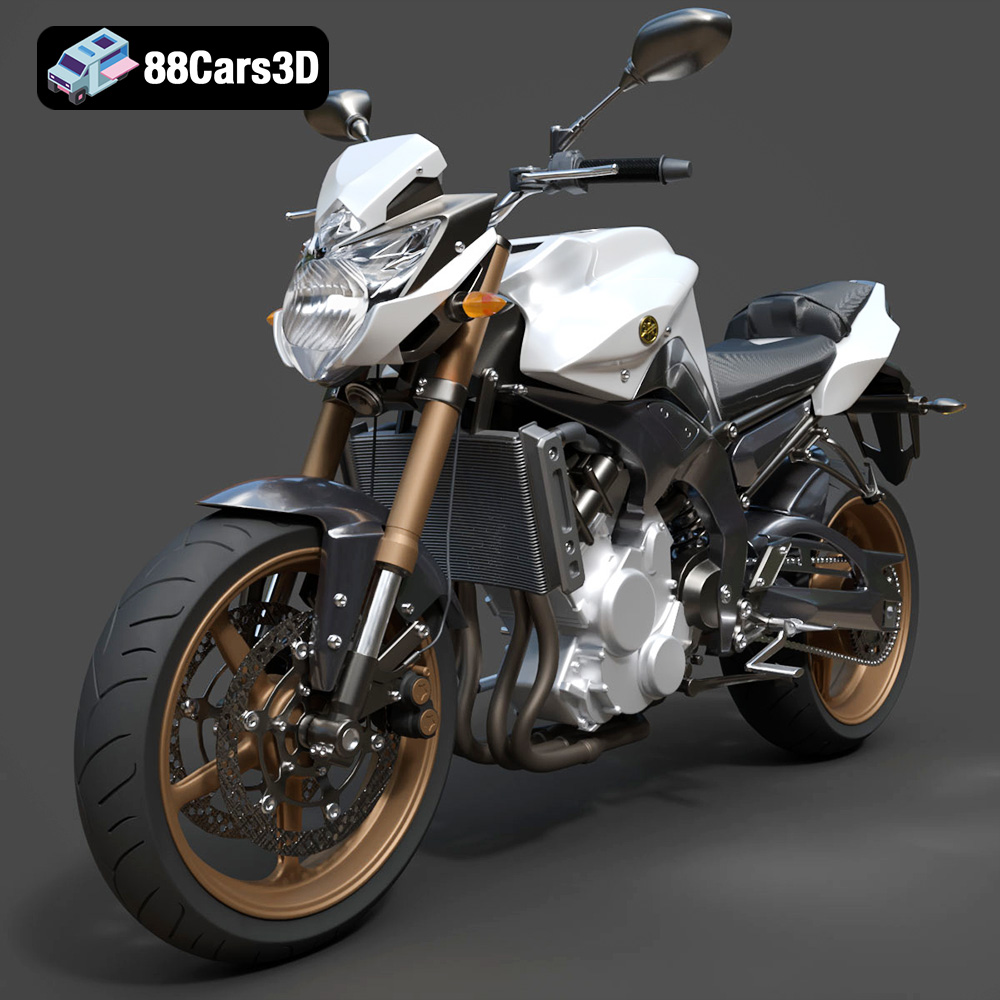
Texture: Yes
Material: Yes
Download the Yamaha FZ8 2011 3D Model featuring clean geometry, realistic detailing, and a fully modeled interior. Includes .blend, .fbx, .obj, .glb, .stl, .ply, .unreal, and .max formats for rendering, simulation, and game development.
Price: $19.99
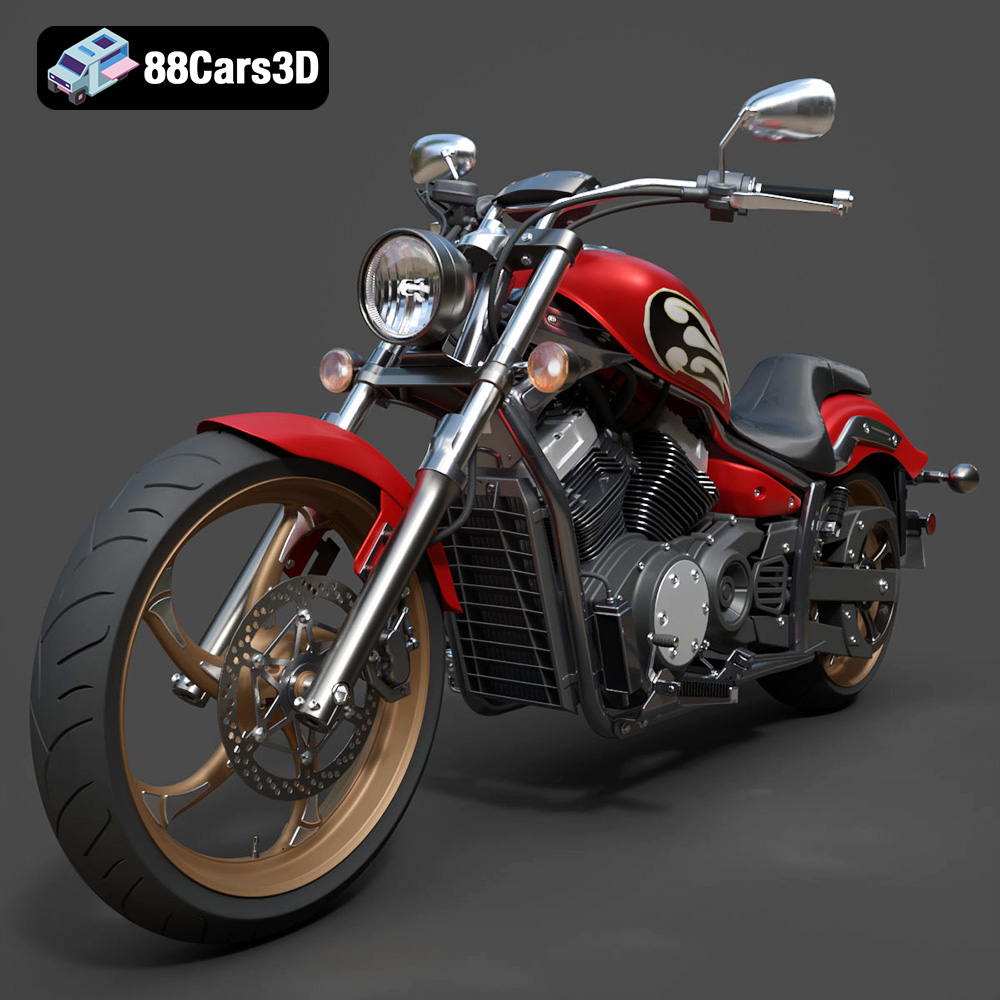
Texture: Yes
Material: Yes
Download the Yamaha Stryker 2012 3D Model featuring clean geometry, realistic detailing, and a fully modeled interior. Includes .blend, .fbx, .obj, .glb, .stl, .ply, .unreal, and .max formats for rendering, simulation, and game development.
Price: $19.99
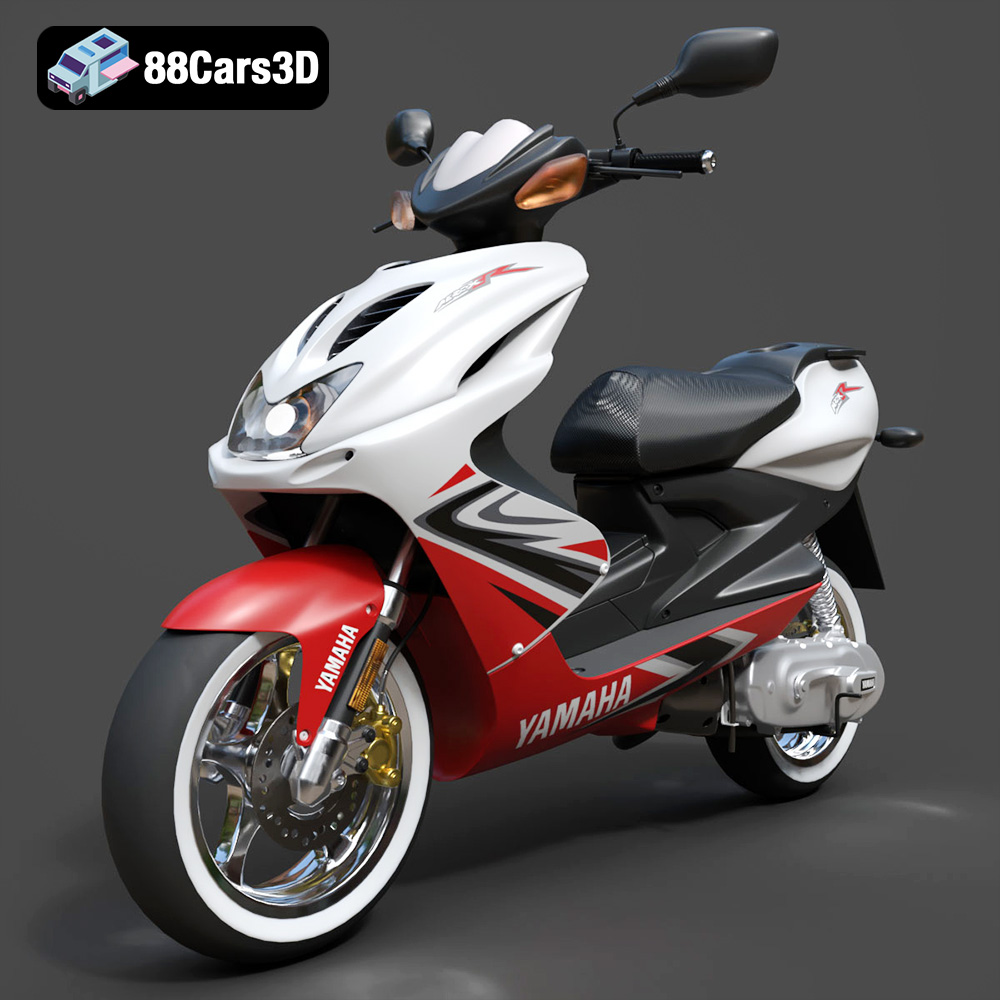
Texture: Yes
Material: Yes
Download the Yamaha Aerox R-002 2024 3D Model featuring clean geometry, realistic detailing, and a fully modeled interior. Includes .blend, .fbx, .obj, .glb, .stl, .ply, .unreal, and .max formats for rendering, simulation, and game development.
Price: $19.99
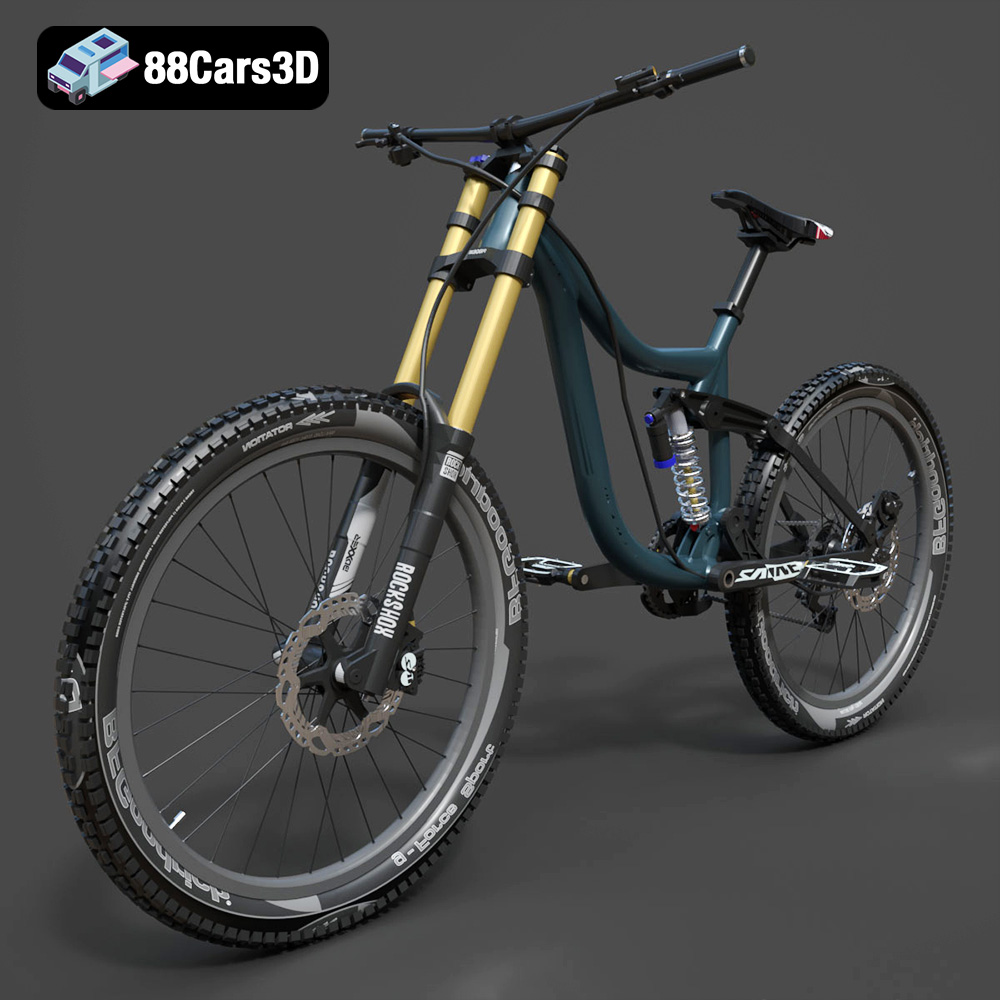
Texture: Yes
Material: Yes
Download the Mototsikly Downhill Bike-002 3D Model featuring clean geometry, realistic detailing, and precise mechanical components. Includes .blend, .fbx, .obj, .glb, .stl, .ply, .unreal, and .max formats for rendering, simulation, and game development.
Price: $19.99
Texture: Yes
Material: Yes
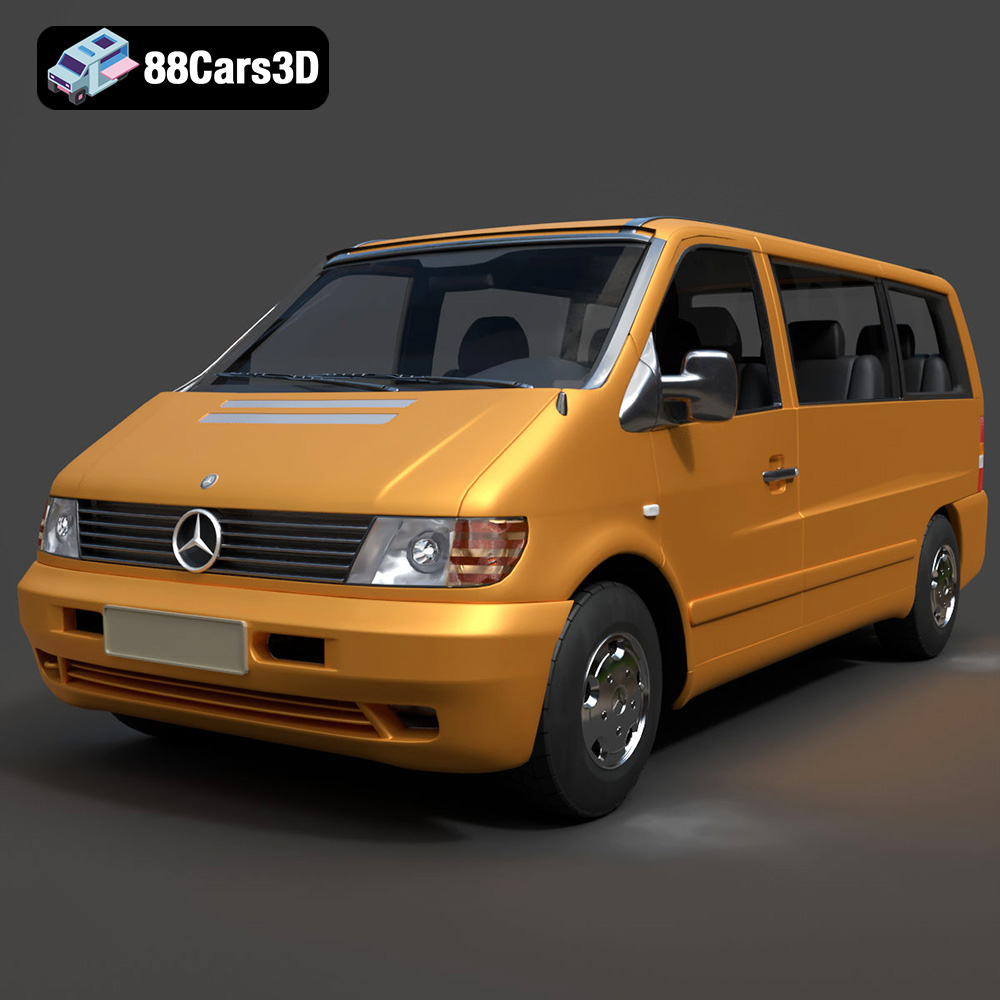
Download the Mercedes-Benz Vito Passenger Van 3D Model featuring clean geometry, realistic detailing, and a fully modeled interior. Includes .blend, .fbx, .obj, .glb, .stl, .ply, .unreal, and .max formats for rendering, simulation, and game development.
Price: $19.99
Texture: Yes
Material: Yes
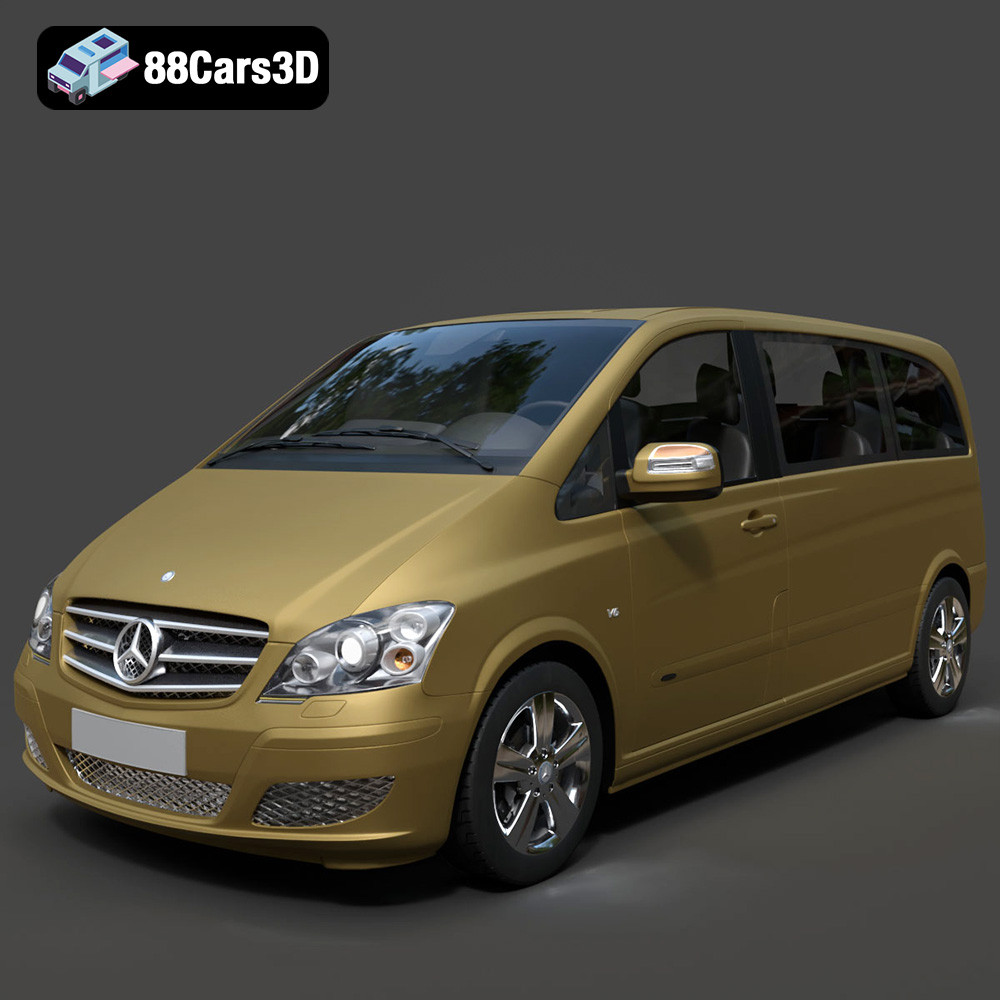
Download the Mercedes-Benz Viano 2010 3D Model featuring clean geometry, realistic detailing, and a fully modeled interior. Includes .blend, .fbx, .obj, .glb, .stl, .ply, .unreal, and .max formats for rendering, simulation, and game development.
Price: $19.99

Texture: Yes
Material: Yes
Download the Emt Avtobus 007 3D Model featuring clean geometry, realistic detailing, and a fully modeled interior. Includes .blend, .fbx, .obj, .glb, .stl, .ply, .unreal, and .max formats for rendering, simulation, and game development.
Price: $19.99
Texture: Yes
Material: Yes
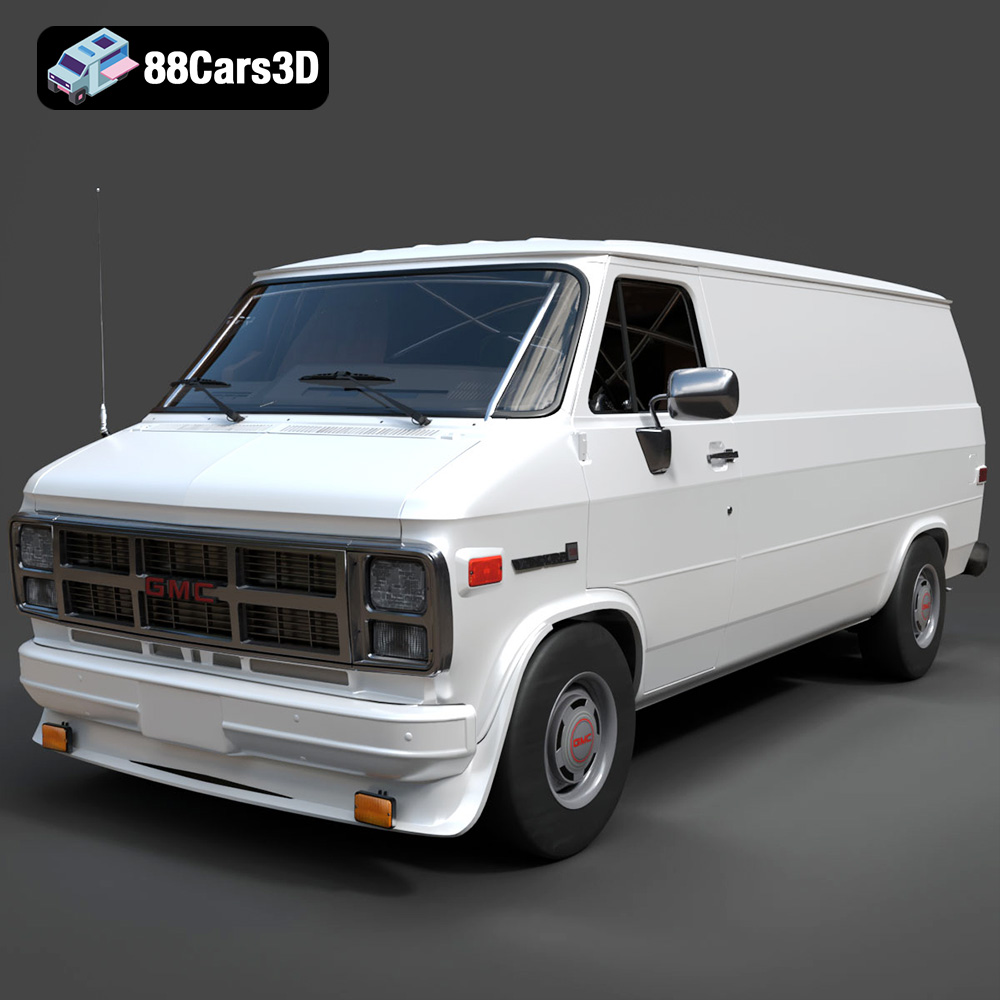
Download the GMC Vandura G-1500 1983 3D Model featuring clean geometry, realistic detailing, and a fully modeled interior. Includes .blend, .fbx, .obj, .glb, .stl, .ply, .unreal, and .max formats for rendering, simulation, and game development.
Price: $19.99

Texture: Yes
Material: Yes
Download the Ford E-450 Ambulance 3D Model featuring clean geometry, realistic detailing, and a fully modeled interior. Includes .blend, .fbx, .obj, .glb, .stl, .ply, .unreal, and .max formats for rendering, simulation, and game development.
Price: $19.99

