⚡ FLASH SALE: Get 60% OFF All Premium 3D & STL Models! ⚡

The world of automotive visualization and game development demands an ever-increasing level of realism and interactivity. For years, creators have strived to simulate the complex dynamics of vehicles, from their handling characteristics to the spectacular deformation that occurs during impact. Unreal Engine’s Chaos Physics System represents a monumental leap forward in achieving these ambitious goals, offering artists and developers unparalleled control over destruction, rigid body dynamics, and vehicle simulation.
No longer confined to static models, the automotive assets you painstakingly craft or source can now truly come to life, reacting to their environment with physical accuracy and breathtaking visual fidelity. Imagine a car model from 88cars3d.com, renowned for its clean topology and realistic materials, not just driving smoothly but also crumpling convincingly upon impact, shedding components, and reacting dynamically to every force. This deep dive will explore how to harness the power of Unreal Engine’s Chaos Physics System to integrate realistic destruction and sophisticated vehicle dynamics into your projects, whether you’re building next-gen games, cutting-edge automotive configurators, or high-fidelity virtual production scenes. We’ll cover everything from preparing your models to optimizing performance, ensuring your interactive experiences are both stunning and robust.
The quest for photorealism in real-time applications has always pushed the boundaries of technology. In the realm of automotive visualization, this quest extends beyond stunning visuals to encompass believable physical interactions. Unreal Engine’s Chaos Physics System is Epic Games’ answer to this demand, offering a high-performance, multithreaded physics solution that empowers developers to create dynamic, destructible environments and sophisticated simulations.
Chaos replaces the legacy PhysX system, providing a robust, scalable framework built from the ground up to support modern hardware and complex scenarios. For automotive projects, this means the ability to simulate everything from subtle suspension movements to catastrophic vehicle deformations with an unprecedented level of detail and stability. Its modular architecture allows for immense flexibility, integrating seamlessly with other Unreal Engine features like Niagara for particle effects, Blueprint for interactivity, and Sequencer for cinematic precision. Understanding Chaos is fundamental for anyone looking to push the boundaries of automotive realism in Unreal Engine, enabling experiences where vehicles don’t just look real, but feel real too.
Prior to Chaos, Unreal Engine relied on NVIDIA’s PhysX system, which, while capable, had limitations in scalability and fine-grained control for complex destruction and highly detailed simulations. Chaos, developed in-house by Epic Games, addresses these challenges directly. One of its core strengths is its ability to handle a massive number of rigid bodies and collisions efficiently, making it ideal for large-scale destruction events where hundreds or thousands of fractured pieces might be generated. Unlike PhysX, Chaos operates natively within Unreal Engine, allowing for tighter integration with rendering, animation, and editor tools. This shift provides developers with a more cohesive ecosystem, better performance scaling on multi-core processors, and greater flexibility to customize physics behaviors to suit specific project needs, especially crucial for specialized vehicle dynamics. For detailed technical information and deeper dives into the system, developers are encouraged to consult the official Unreal Engine documentation at https://dev.epicgames.com/community/unreal-engine/learning.
At the heart of Chaos destruction lies the Geometry Collection. This asset type is essentially a pre-fractured mesh that defines how an object will break apart. Instead of the older Destructible Mesh system, Geometry Collections are more flexible, supporting complex fracture patterns, varying material strengths, and dynamic re-fracturing. You create a Geometry Collection from a static mesh using the Fracture Editor, defining parameters like the minimum and maximum number of chunks, internal collision properties, and initial damage thresholds. For automotive models, this means a car can be pre-fractured into logical components like panels, windows, and internal structures, allowing for highly specific and visually accurate damage.
Complementing Geometry Collections are Field Systems, which provide an incredibly powerful way to influence physics objects dynamically. Fields can apply forces, disable collisions, modify material properties, or even trigger fractures within a defined volume. Imagine a radial force field emanating from an impact point, dynamically fracturing and propelling car debris outwards, or a linear field pushing a vehicle along a specific path. Field Systems allow for complex, procedural destruction and interaction without needing to manually animate every piece, making them indispensable for sophisticated automotive crash simulations or interactive scenarios.
Integrating realistic destruction into your automotive projects using Chaos Physics can elevate the immersive quality of your experiences significantly. It’s not just about things breaking; it’s about things breaking believably, with visually consistent materials and responsive physics. The process begins with carefully preparing your 3D car models to be compatible with Chaos, then leveraging the powerful Fracture Editor to define how these models will deform and shatter. This meticulous preparation ensures that when a vehicle from 88cars3d.com, known for its high-quality construction, collides or receives impact, the resulting damage looks authentic and enhances the overall realism of your scene.
From fine-tuning fracture patterns to setting up complex trigger mechanisms, every step is crucial for achieving convincing automotive destruction. This section will guide you through the practical workflow, detailing how to transform a static car model into a dynamically destructible asset, capable of reacting to forces with compelling realism. We’ll explore the technical specifications and best practices for creating Geometry Collections that maintain visual integrity while being performant enough for real-time interaction.
Before you can fracture a car model, it needs to be optimized and set up correctly. High-quality 3D car models from marketplaces like 88cars3d.com are an excellent starting point, as they typically feature clean topology, proper UV mapping, and PBR materials. For Chaos destruction, a model’s topology is key. Ideally, your mesh should be reasonably tessellated in areas where you expect fractures to occur, as Chaos fractures along existing mesh edges. Avoid overly complex or overly simple areas without sufficient geometric detail.
Steps for Preparation:
Once prepared, these static meshes become the foundation for your Geometry Collections. For example, a single car body mesh might be fractured into door panels, hood, trunk, and fenders, each with its own internal material settings.
The Fracture Editor is the primary tool within Unreal Engine for creating and refining Geometry Collections. It allows you to define how an object will break and behave. To access it, right-click on your Static Mesh in the Content Browser and select Create Geometry Collection. This will generate a new Geometry Collection asset and open the Fracture Editor.
Key Workflow Steps and Parameters:
Experiment with different fracture types and damage thresholds. For automotive models, using Clustered Voronoi for body panels and simple Voronoi for glass often yields the best results. Set sensible damage thresholds so that impacts correctly trigger destruction without the entire car exploding prematurely.
Once you have a Geometry Collection, you need to tell Chaos when and how to break it. There are several primary methods for triggering destruction:
Radial Falloff field around an impact point to cause damage and fracture specifically within that radius. Fields can also apply forces to shattered pieces, making debris scatter realistically. For instance, a Chaos Radial Impulse Field can be placed at the point of impact to simulate an explosion or a high-force collision, causing surrounding pieces to fracture and be propelled outwards.Apply Damage or Break Geometry Collection. This is useful for scripted events, interactive buttons, or game logic.Combining these methods allows for highly dynamic and believable destruction. Imagine a car hitting a wall: the initial impulse fractures the front bumper (low threshold), then a radial field from the engine block impact shatters more internal components, and finally, a Blueprint script could trigger a specific “explosion” fracture on the fuel tank if certain damage criteria are met. This layered approach creates truly cinematic and interactive destruction scenarios.
While spectacular destruction is a powerful visual feature, the core of automotive interaction in Unreal Engine often revolves around realistic vehicle dynamics. Chaos Physics doesn’t just handle destruction; it provides a robust framework for simulating the complex behaviors of vehicles, from intricate suspension movements to nuanced tire friction. This level of detail is essential for creating immersive driving simulators, realistic car configurators, or even cinematic sequences where a vehicle’s motion needs to be utterly convincing.
Integrating Chaos with Unreal Engine’s Vehicle Blueprint class allows developers to meticulously control every aspect of a car’s behavior. This includes fine-tuning engine power, transmission ratios, and brake response, all while ensuring that the vehicle interacts physically with its environment. The goal is not merely to move a model, but to convey the feeling of weight, inertia, and responsiveness that defines a true driving experience. Achieving this requires a deep dive into the physics constraints, material properties, and scripting techniques that make vehicles feel alive.
A vehicle’s feeling of authenticity largely stems from its suspension and how its tires interact with surfaces. Chaos provides extensive parameters within the Vehicle Movement Component to control these aspects:
Suspension Max Raise/Drop: Defines the maximum extension and compression.Suspension Damping Rate: Controls how quickly oscillations are reduced (like shock absorbers). Higher values mean less bounce.Suspension Stiffness: Determines how much the spring resists compression.Suspension Max Force: The maximum force the spring can exert.Adjusting these parameters allows you to simulate anything from a soft, comfortable ride to a stiff, performance-oriented setup.
Tire Frictions: How much lateral and longitudinal friction a tire generates against a surface.Slip Multipliers: Control how much the tire slips before losing grip.Brake Force: The stopping power of the brakes.Careful calibration here creates a compelling driving experience, ensuring wheels don’t slide unrealistically and braking feels responsive.
Angular Damping: Reduces rotational velocity, preventing endless spinning.Linear Damping: Reduces linear velocity, simulating air resistance or drag.These subtle forces contribute significantly to stability and realism, especially at high speeds or during complex maneuvers.
Each of these parameters needs careful adjustment and testing to achieve the desired vehicle behavior, often requiring iterative tweaking and real-time previewing.
Unreal Engine’s Vehicle Blueprint class (specifically, the Chaos Vehicle component) is the hub for tying all these physics parameters together with user input and game logic. This Blueprint acts as the brain of your car, translating player commands into physical forces and reactions.
Key Integration Points:
Add Input For Steering, Set Throttle Input, and Set Brake Input nodes to connect player input directly to the Chaos Vehicle component.Get Chaos Vehicle Movement Component node to access and modify any physics parameters at runtime, allowing for dynamic adjustments like temporary boosts or damaged steering.By leveraging Blueprint, you can create a complete, interactive driving experience that feels fluid and responsive, allowing users to intuitively control the nuanced physics of your vehicle models.
Beyond basic friction, Chaos enables more sophisticated tire simulation, crucial for high-fidelity driving experiences. This involves considering the physics material of the ground surface as well as the properties of the tires themselves.
By combining these elements, you can achieve a truly authentic tire simulation that reacts convincingly to varying surfaces and driving conditions, providing a critical layer of realism for any automotive project. This is especially impactful when showcasing the detailed materials and textures of models from 88cars3d.com.
While Chaos Physics offers unparalleled realism, managing its computational demands is crucial for maintaining real-time performance. Simulating hundreds or thousands of rigid bodies, especially those with complex collision geometries, can quickly bog down even powerful hardware. For automotive visualization, where high frame rates and visual fidelity are paramount, strategic optimization of your Chaos setup is not just recommended, but essential. This section focuses on the techniques and best practices to ensure your destructible vehicles and dynamic simulations run smoothly, without compromising the immersive experience you’re striving to create.
From managing the level of detail for fractured pieces to fine-tuning physics sub-stepping, every optimization strategy contributes to a stable and performant real-time environment. We’ll explore methods to reduce the computational overhead of Chaos, allowing your meticulously detailed 3D car models to deform and interact without introducing noticeable lag or instability, ensuring your project meets the demanding performance targets of modern real-time applications.
The number of active rigid bodies is the primary performance bottleneck for Chaos. Reducing this count smartly is key:
Damage Thresholds and Cull Distance per level of the Geometry Collection, ensuring that only relevant destruction is simulated.Cluster Min/Max Ratio and Min/Max Number of Chunks within the Fracture Editor to control how aggressively pieces are merged. Activating Enable Clustered Collisions can also optimize collision detection among clustered pieces.By strategically applying these techniques, you can ensure that detailed destruction is rendered only where it matters, allowing your scene to maintain high frame rates even during chaotic events.
Physics simulations, especially complex ones like vehicle dynamics and destruction, can become unstable if the simulation timestep is too large or if it’s not handled carefully. Chaos offers features to enhance stability and smooth execution:
Project Settings > Physics > Chaos. Be mindful that more sub-steps consume more CPU time, so find a balance between stability and performance. A common value for demanding physics is 2-4 sub-steps per frame.Properly configured sub-stepping is paramount for vehicle stability, preventing wheels from clipping through the ground or severe jittering during high-speed impacts. It ensures the integrity of your simulation, which is crucial for believable automotive experiences.
Optimization is an iterative process, and effective profiling is essential to identify where performance bottlenecks lie within your Chaos simulations. Unreal Engine provides powerful profiling tools:
stat physics: Provides an overview of physics CPU time, including Chaos specific stats.stat chaos: Offers more granular data specific to Chaos, breaking down time spent on collision detection, broad phase, narrow phase, solving, and integration.stat chaosfields: If you’re using Field Systems extensively, this will show their performance impact.stat unitgraph: A visual graph showing CPU, GPU, and frame time. Look for spikes in physics or game thread time.show collision), physics bounds, and even fracture patterns (r.Chaos.DebugDraw.Enabled 1). This helps you identify overly complex collision geometry or unexpected fracturing that might be contributing to performance issues.When profiling, look for:
stat chaos shows a very high number of active bodies, revisit your LODs, cull distances, and Cluster Union settings.By systematically profiling and addressing bottlenecks, you can achieve a highly performant and visually impressive Chaos simulation for your automotive projects, making the most of the detailed assets from 88cars3d.com.
The true power of Chaos Physics is realized when it’s integrated into interactive experiences. Simply watching a car break apart is one thing; allowing a user to trigger, control, or even design the destruction and vehicle behavior is another entirely. Unreal Engine’s Blueprint visual scripting system provides the perfect bridge between the raw physics capabilities of Chaos and compelling, user-driven interactions. This enables developers to create dynamic automotive configurators, immersive driving simulators, or cinematic sequences where every crash and car movement is a spectacle.
By leveraging Blueprint, you can create intricate logic that responds to player input, environmental triggers, or specific game events, dictating how your vehicles and their surroundings behave physically. This section delves into the practical application of Blueprint for controlling Chaos, from building configurable damage systems to orchestrating breathtaking cinematic moments, ensuring your automotive experiences are not just visually rich but also highly engaging and interactive.
Automotive configurators are a prime example of where Chaos Physics can elevate interactivity beyond mere aesthetic choices. Imagine a configurator where users can not only change paint colors and rims but also test the vehicle’s durability or performance dynamically.
These interactive configurator features provide a deeper, more engaging experience, moving beyond static presentations to dynamic, physics-driven showcases of automotive engineering.
For cinematic content, such as trailers, commercials, or in-game cutscenes, combining Chaos Physics with Unreal Engine’s Sequencer offers unparalleled control over dynamic destruction and vehicle stunts. You can choreograph entire sequences of events with frame-perfect precision.
This is invaluable for virtual production where consistency is critical.
By leveraging Sequencer, you gain the ability to create highly polished, repeatable, and visually stunning cinematic sequences featuring Chaos Physics, perfect for showcasing the dynamic capabilities of your 88cars3d.com assets.
AR and VR experiences demand a high level of immersion, and physics-driven feedback is a crucial component. While performance is a key concern for AR/VR, careful optimization allows Chaos Physics to significantly enhance these applications, particularly for automotive contexts.
Implementing Chaos Physics in AR/VR automotive projects can transform passive viewing into active, sensory-rich experiences, making virtual vehicles feel truly present and reactive.
The applications of Unreal Engine’s Chaos Physics System extend far beyond traditional game development, offering profound benefits for professional automotive visualization and virtual production workflows. Industries that once relied on costly physical prototypes, destructive testing, or lengthy pre-computation now have the power of real-time, physically accurate simulation at their fingertips. This shift empowers designers, engineers, and filmmakers to iterate faster, visualize complex scenarios more effectively, and produce highly engaging content with unprecedented realism.
From simulating realistic crash scenarios for safety analysis to pre-visualizing complex vehicle stunts for film, Chaos enables a new era of dynamic interaction with 3D car models. It provides the tools to create not just beautiful static renders, but living, breathing simulations that can be manipulated and experienced in real-time. This section explores how Chaos is making a tangible difference in various professional fields, leveraging the detailed assets and capabilities we’ve discussed, such as those found on 88cars3d.com.
Automotive manufacturers invest heavily in crash testing, a costly and time-consuming process. While Chaos Physics is not a certified engineering tool for regulatory compliance, it serves as an incredibly powerful and cost-effective solution for pre-visualization and conceptual design of crash scenarios.
The ability to rapidly prototype and visualize these scenarios with high-quality 3D car models from sources like 88cars3d.com dramatically improves efficiency in the automotive design and safety analysis pipeline.
Film and television production often involves elaborate vehicle stunts that are expensive, dangerous, and difficult to choreograph. Chaos Physics, combined with Unreal Engine’s virtual production capabilities (especially with LED walls), revolutionizes how these stunts are planned and executed.
Chaos provides the dynamic core for these virtual production workflows, making the impossible possible and the dangerous safe in the realm of cinematic automotive action.
Beyond entertainment, accurate vehicle dynamics are critical for professional driving simulators used in training, research, and development. Chaos Physics provides the necessary fidelity for these demanding applications.
The robust and scalable nature of Chaos Physics makes it an invaluable tool for professional simulation, providing a foundation for highly accurate and immersive training and research platforms, ensuring that the visual excellence of 3D car models from 88cars3d.com is matched by their dynamic performance.
The Unreal Engine Chaos Physics System is a transformative technology for anyone working with automotive assets in real-time. From crafting spectacular, believable destruction sequences to simulating the nuanced dynamics of a high-performance vehicle, Chaos offers the tools and flexibility needed to push the boundaries of realism and interactivity. We’ve journeyed through preparing your 3D car models, creating intricate Geometry Collections, fine-tuning vehicle dynamics with Blueprint, and optimizing your scenes to maintain crucial real-time performance. We also explored its profound impact on professional fields like automotive visualization and virtual production, demonstrating how it facilitates safer, more efficient, and more creative workflows.
Embracing Chaos Physics means moving beyond static representations and into a world where your automotive assets truly come alive, reacting to their environment with physical accuracy and breathtaking visual fidelity. Whether you are building the next generation of games, developing cutting-edge configurators, or pioneering virtual production techniques, mastering Chaos will be a cornerstone of your success. Start experimenting with these techniques today, perhaps by sourcing high-quality, clean topology 3D car models from 88cars3d.com, which are ideally suited for these advanced physics integrations. The future of real-time automotive experiences is dynamic, destructible, and driven by Chaos.

Meta Description:
Texture: Yes
Material: Yes
Download the Porsche Cayenne 3D Model featuring realistic exterior styling and detailed interior design. Includes .blend, .fbx, .obj, .glb, .stl, .ply, .unreal, and .max formats for rendering, simulation, AR VR, and game development.
Price: $19.9
Texture: Yes
Material: Yes
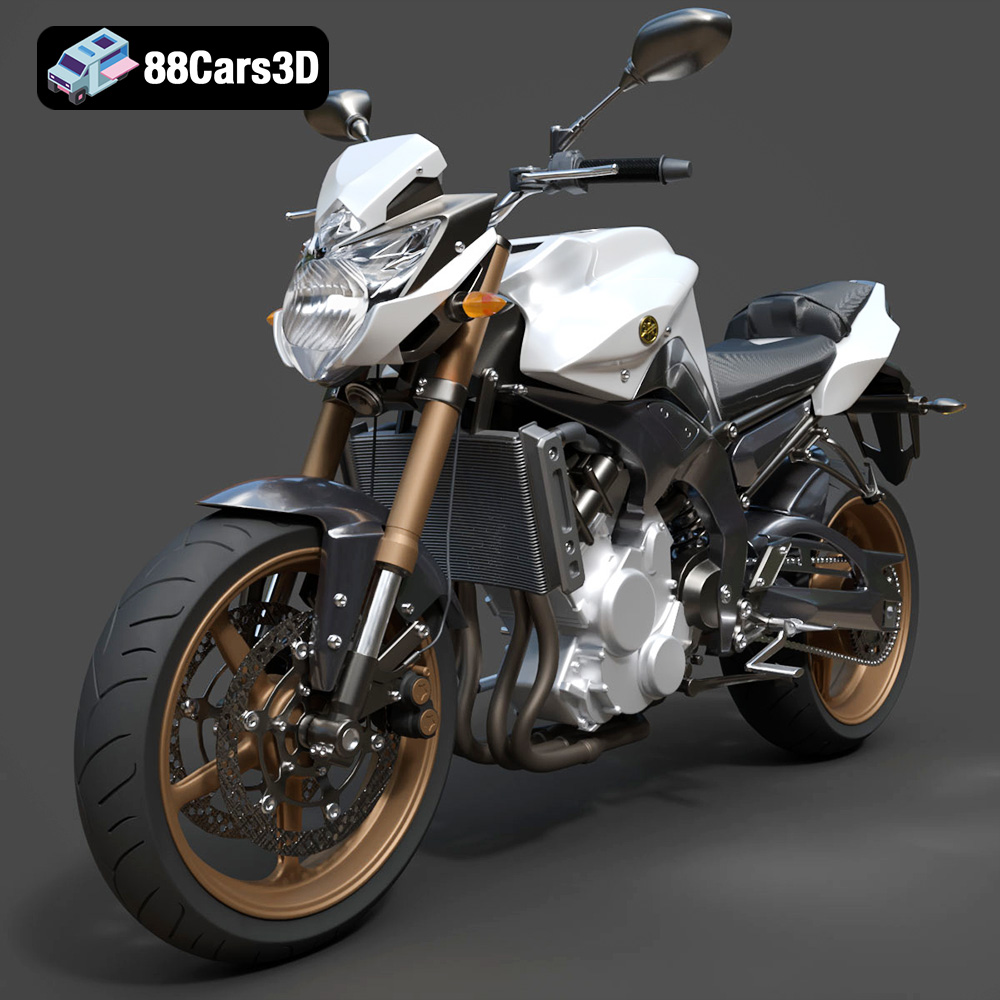
Download the Yamaha FZ8 2011 3D Model featuring clean geometry, realistic detailing, and a fully modeled interior. Includes .blend, .fbx, .obj, .glb, .stl, .ply, .unreal, and .max formats for rendering, simulation, and game development.
Price: $19.99
Texture: Yes
Material: Yes
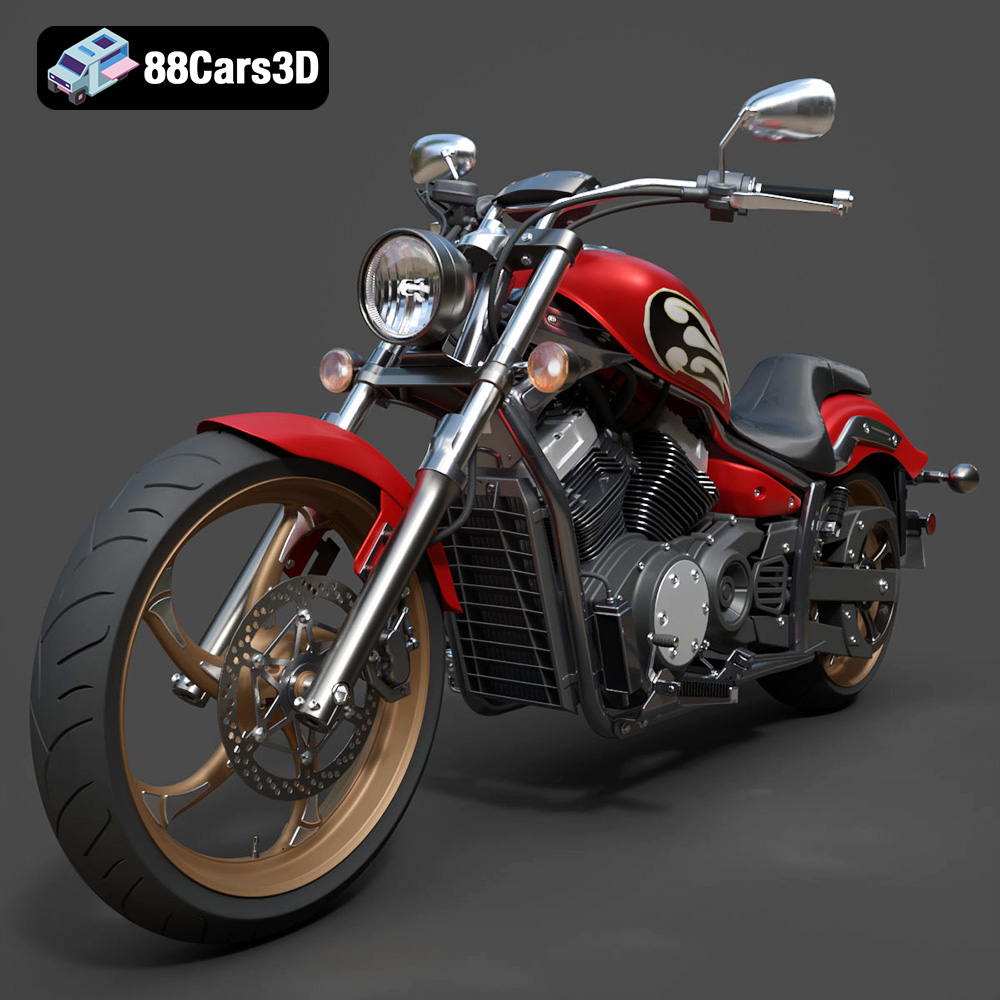
Download the Yamaha Stryker 2012 3D Model featuring clean geometry, realistic detailing, and a fully modeled interior. Includes .blend, .fbx, .obj, .glb, .stl, .ply, .unreal, and .max formats for rendering, simulation, and game development.
Price: $19.99
Texture: Yes
Material: Yes
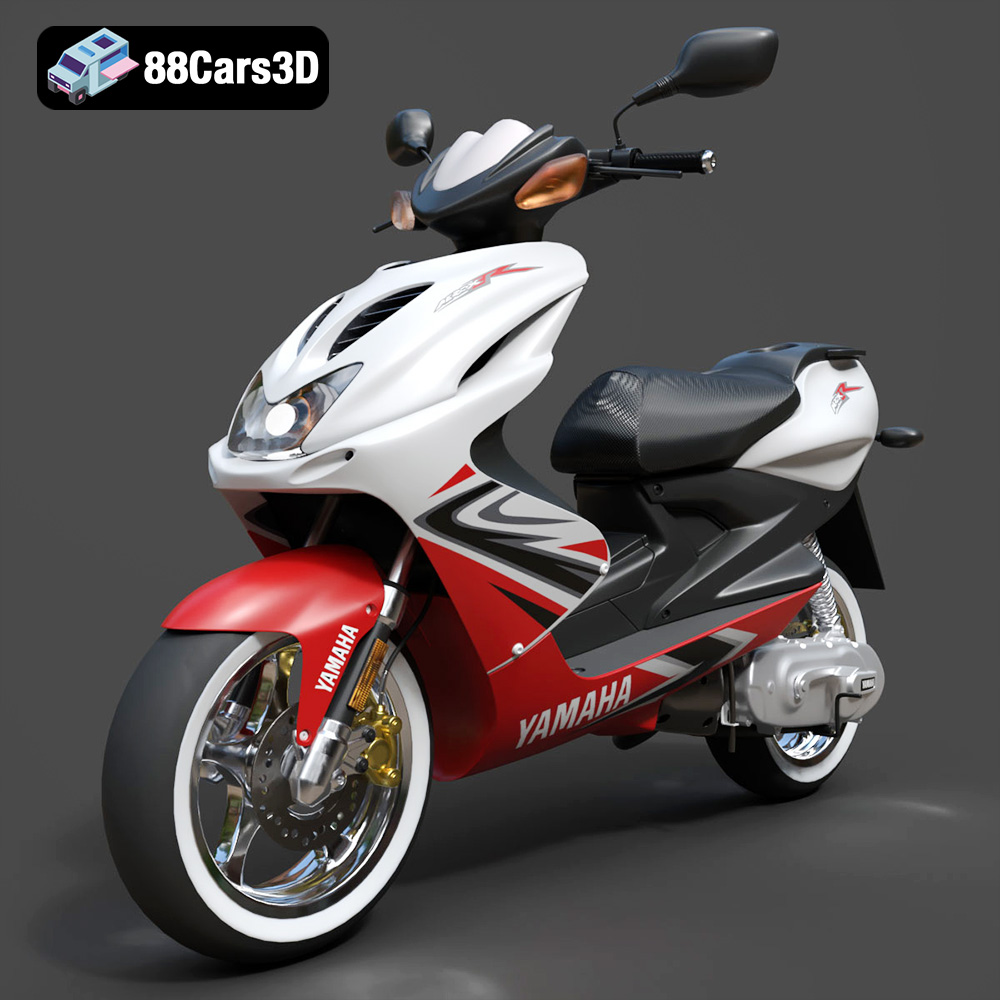
Download the Yamaha Aerox R-002 2024 3D Model featuring clean geometry, realistic detailing, and a fully modeled interior. Includes .blend, .fbx, .obj, .glb, .stl, .ply, .unreal, and .max formats for rendering, simulation, and game development.
Price: $19.99
Texture: Yes
Material: Yes
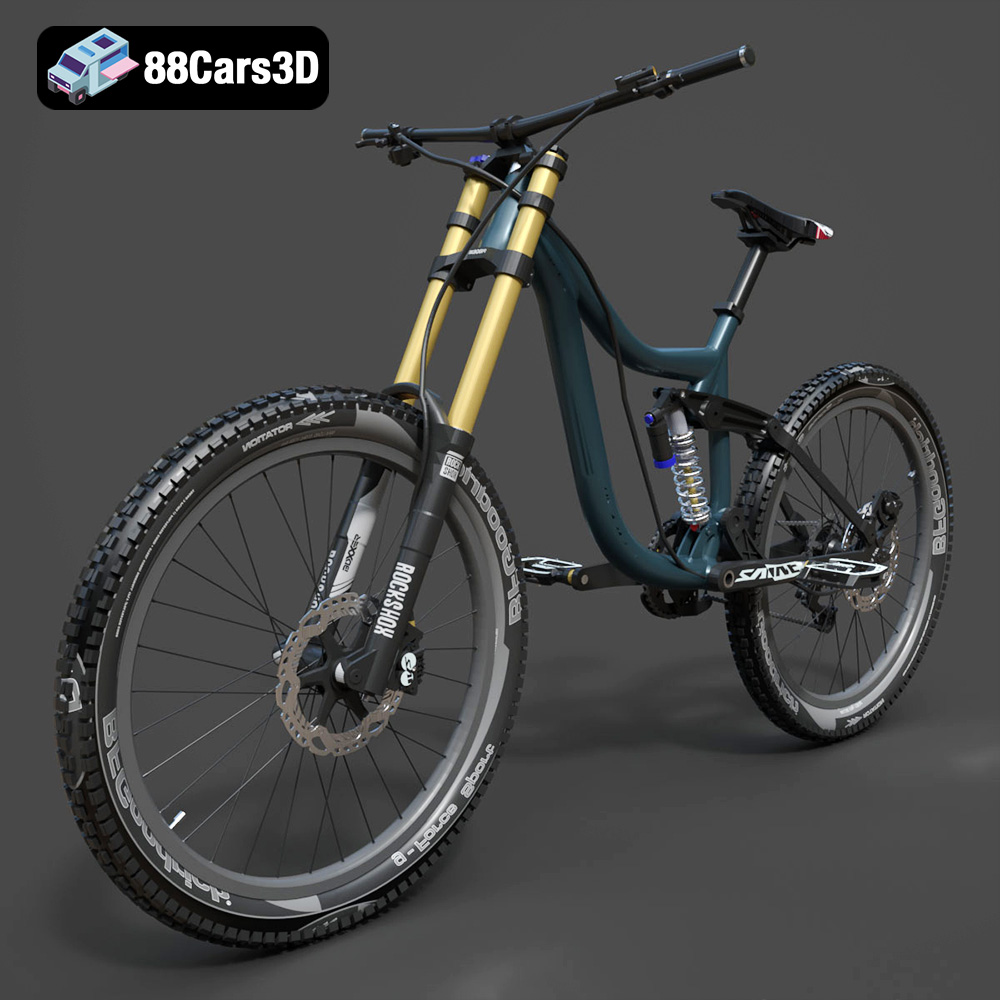
Download the Mototsikly Downhill Bike-002 3D Model featuring clean geometry, realistic detailing, and precise mechanical components. Includes .blend, .fbx, .obj, .glb, .stl, .ply, .unreal, and .max formats for rendering, simulation, and game development.
Price: $19.99
Texture: Yes
Material: Yes
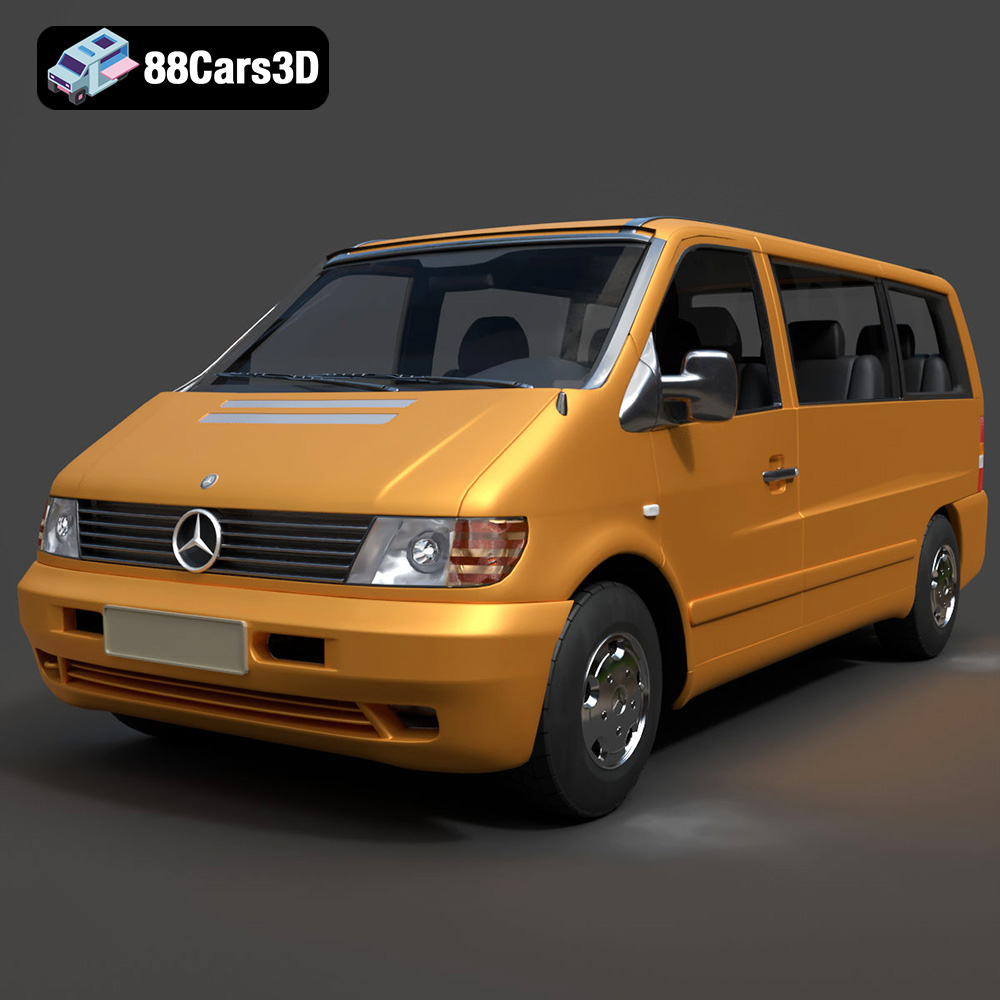
Download the Mercedes-Benz Vito Passenger Van 3D Model featuring clean geometry, realistic detailing, and a fully modeled interior. Includes .blend, .fbx, .obj, .glb, .stl, .ply, .unreal, and .max formats for rendering, simulation, and game development.
Price: $19.99
Texture: Yes
Material: Yes
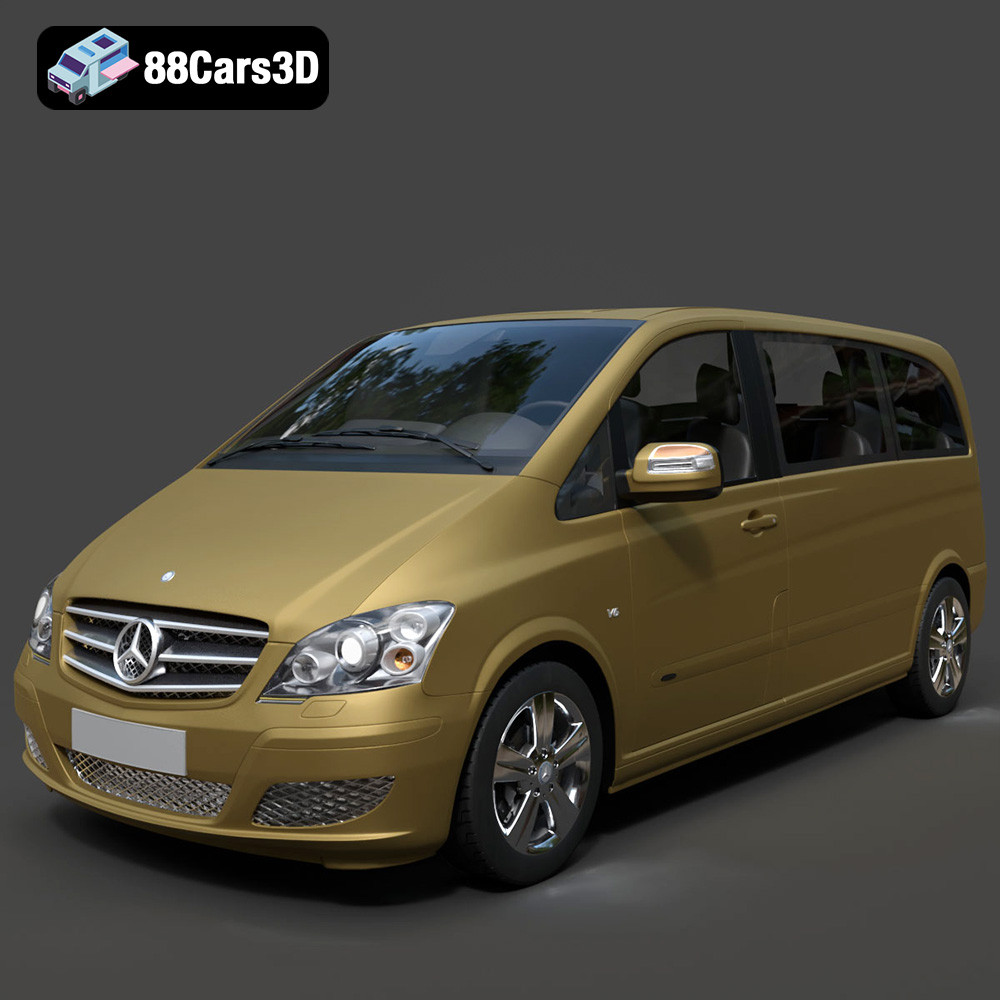
Download the Mercedes-Benz Viano 2010 3D Model featuring clean geometry, realistic detailing, and a fully modeled interior. Includes .blend, .fbx, .obj, .glb, .stl, .ply, .unreal, and .max formats for rendering, simulation, and game development.
Price: $19.99

Texture: Yes
Material: Yes
Download the Emt Avtobus 007 3D Model featuring clean geometry, realistic detailing, and a fully modeled interior. Includes .blend, .fbx, .obj, .glb, .stl, .ply, .unreal, and .max formats for rendering, simulation, and game development.
Price: $19.99
Texture: Yes
Material: Yes
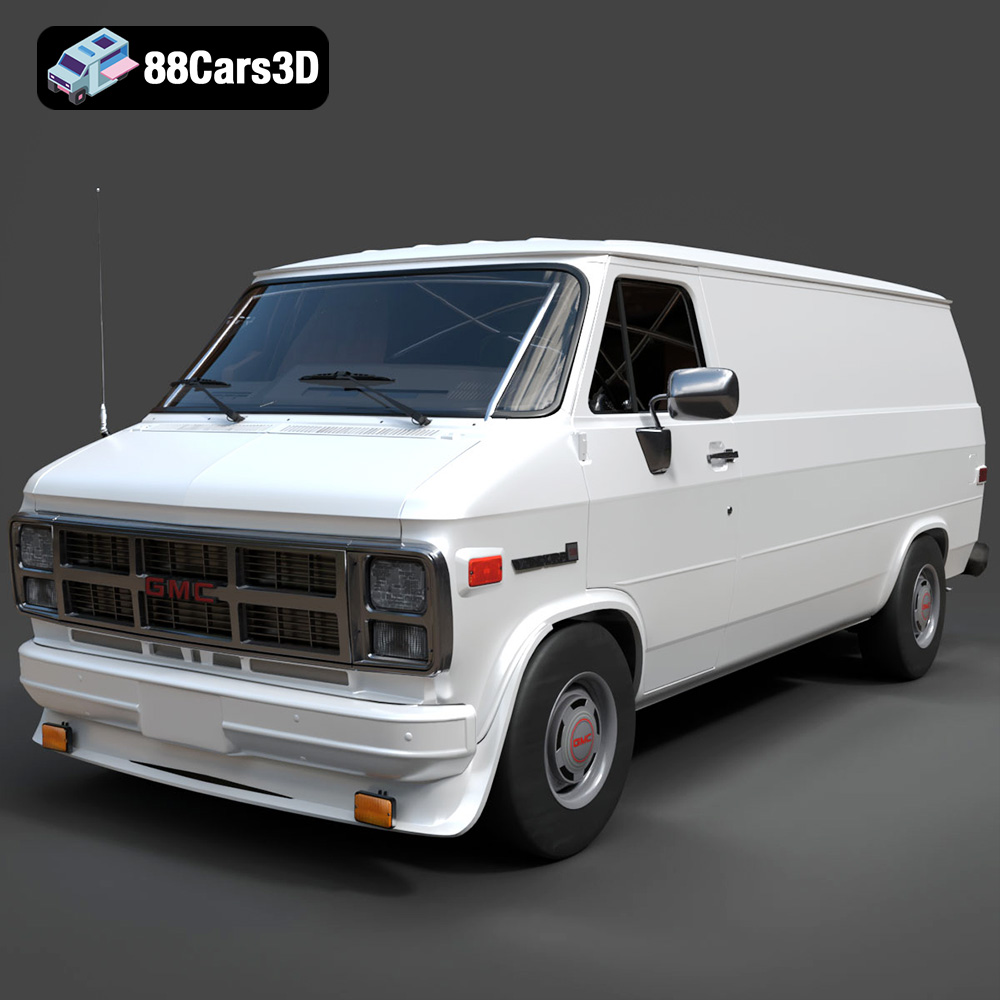
Download the GMC Vandura G-1500 1983 3D Model featuring clean geometry, realistic detailing, and a fully modeled interior. Includes .blend, .fbx, .obj, .glb, .stl, .ply, .unreal, and .max formats for rendering, simulation, and game development.
Price: $19.99

Texture: Yes
Material: Yes
Download the Ford E-450 Ambulance 3D Model featuring clean geometry, realistic detailing, and a fully modeled interior. Includes .blend, .fbx, .obj, .glb, .stl, .ply, .unreal, and .max formats for rendering, simulation, and game development.
Price: $19.99

