⚡ FLASH SALE: Get 60% OFF All Premium 3D & STL Models! ⚡

In the dynamic world of real-time rendering, achieving photorealistic visuals is the ultimate pursuit. For automotive visualization and game development, the difference between a good image and a truly breathtaking one often hinges on how light behaves in a scene. Enter Lumen Global Illumination in Unreal Engine – a revolutionary system that has fundamentally transformed how artists and developers approach real-time lighting. Gone are the days of baking static lightmaps or faking bounced light; Lumen provides fully dynamic, software-driven global illumination and reflections, adapting instantly to scene changes. This capability is paramount for showcasing high-quality 3D car models, like those found on platforms such as 88cars3d.com, in environments that feel genuinely alive.
This comprehensive guide will take you on a technical journey through Lumen, exploring its core principles, integration into your Unreal Engine projects, and advanced techniques for creating stunning automotive experiences. We’ll delve into optimizing Lumen for performance, leveraging it with PBR materials, and combining it with other powerful Unreal Engine features like Nanite and Sequencer to craft interactive configurators, cinematic renders, and immersive virtual production scenes. Whether you’re an Unreal Engine developer, a 3D artist, or an automotive designer, mastering Lumen is key to elevating your real-time visualizations to an unprecedented level of realism and interactivity.
Lumen is Unreal Engine’s groundbreaking fully dynamic global illumination and reflections system, designed to deliver immediate diffuse interreflection with infinite bounces and specular reflections, across massive, detailed environments. Unlike traditional methods that rely on pre-computed lightmaps or expensive ray tracing, Lumen leverages a software ray tracing approach that operates primarily on Signed Distance Fields (SDFs) and Mesh Distance Fields, combined with a Final Gather pass for intricate detail. This hybrid methodology allows it to react instantly to direct lighting changes, material property adjustments, and even geometry modifications, making it an indispensable tool for interactive experiences and virtual production.
The core strength of Lumen lies in its ability to simulate how light bounces off surfaces, illuminating darker areas with color bleed and creating soft, realistic shadows that traditional direct lighting alone cannot achieve. Imagine a highly reflective car body parked inside a vibrant showroom; Lumen accurately calculates how the car’s paint reflects the environment, and how ambient light from windows and artificial sources gently wraps around its contours. This level of dynamic realism is what sets Lumen apart, making every surface a potential light source or reflector, and providing a cohesive, natural lighting solution that significantly enhances visual fidelity, especially for complex automotive geometry. For detailed information on Lumen’s capabilities and implementation, always refer to the official Unreal Engine documentation.
At its heart, Lumen operates using two main components: a Scene Representation and a Final Gather. The Scene Representation involves converting all relevant scene geometry into a simplified format – primarily Signed Distance Fields (SDFs) and Mesh Distance Fields. These distance fields provide a compact way to represent scene geometry, enabling efficient software ray tracing queries. Lumen then casts rays from camera and light positions into these distance fields to determine light bounces.
The Final Gather phase refines this initial coarse global illumination data. It uses screen-space information, combined with the distance field data, to provide high-frequency detail and combat potential artifacts from the lower-resolution distance field representation. This two-stage approach allows Lumen to strike a balance between performance and visual quality. It’s important to understand that Lumen primarily provides diffuse global illumination and reflections, and while it interacts beautifully with traditional ray tracing, it’s a distinct system optimized for dynamic, real-time performance without the extreme hardware demands of full path tracing. This makes it incredibly efficient for rendering complex 3D car models in diverse environments.
The advantages of Lumen are particularly pronounced in automotive visualization:
* Dynamic Realism: No more baked lighting. Light sources, materials, and geometry can be moved, changed, or even spawned at runtime, and Lumen will instantly update the global illumination. This is crucial for interactive car configurators where users might change paint colors, environments, or even open car doors.
* Faster Iteration: Artists can make lighting adjustments and see the immediate impact without long bake times, drastically speeding up development workflows. This allows for more experimentation and refinement in lighting design.
* Infinite Bounces: Lumen calculates multiple light bounces, creating incredibly soft and realistic indirect lighting, light bleed, and ambient occlusion, which are vital for capturing the subtle nuances of car paint and interior materials.
* Unified System: It handles both diffuse global illumination and reflections (via Lumen Reflections, which uses the same scene representation), providing a consistent and physically accurate lighting model across the scene. This consistency helps to ground vehicles realistically within their environments.
Integrating Lumen into your Unreal Engine project is a straightforward process, but it requires specific project settings and an understanding of how to configure your scene for optimal results. Before diving into the specifics of automotive assets, ensure your project is set up correctly to leverage Lumen’s full capabilities. This includes enabling the necessary rendering features and adjusting engine scalability settings to match your target hardware and desired visual quality.
A well-configured project provides the foundation for stunning automotive renders, allowing the high-fidelity 3D car models from marketplaces like 88cars3d.com to shine. By default, new Unreal Engine projects (from version 5.0 onwards) often come with Lumen enabled, but it’s always good practice to verify and understand the settings. Preparing your project environment is the critical first step to harnessing Lumen’s dynamic global illumination for truly immersive and interactive automotive experiences.
To enable Lumen, navigate to your Project Settings (Edit > Project Settings). Under the Engine section, go to Rendering.
Scroll down to the “Global Illumination” category and set “Dynamic Global Illumination Method” to Lumen.
Similarly, under the “Reflections” category, set “Reflection Method” to Lumen.
Restarting the editor might be required after making these changes.
Once enabled, you’ll immediately notice a difference in your scene’s lighting. However, for fine-tuning, you’ll primarily interact with a Post Process Volume. Place a Post Process Volume in your level and ensure its “Infinite Extent (Unbound)” property is checked, or size it to encompass your entire scene. Within the Post Process Volume, under the “Lumen” section, you’ll find numerous parameters to control Lumen’s behavior:
* Lumen Global Illumination: Controls the overall intensity and quality of the GI.
* Lumen Reflections: Controls reflection quality and distance.
* Lumen Scene Lighting Quality: Affects the fidelity of the indirect light.
* Lumen Max Trace Distance: Determines how far Lumen rays will trace for GI and reflections. Adjusting this is crucial for large environments.
* Emissive Lighting: Controls how emissive materials contribute to Lumen GI. This is vital for car headlights, taillights, or interior screens acting as light sources.
Experiment with these settings to find the balance between visual quality and performance for your specific automotive scene. Remember that higher quality settings will demand more GPU resources.
For Lumen to function effectively, certain scene elements and lighting types are critical:
1. Lights: Lumen primarily works with dynamic lights. Ensure your Directional Lights, Point Lights, Spot Lights, and Rect Lights are set to “Movable” mobility. Stationary lights will use baked lighting for direct illumination and Lumen for indirect, but fully dynamic “Movable” lights offer the full benefits.
2. Sky Light: A “Movable” Sky Light is essential for providing ambient light and contributing to Lumen’s GI. Lumen dynamically updates the Sky Light’s contribution based on the environment, providing realistic outdoor and indoor lighting scenarios. Make sure “Source Type” is set to “SLS Captured Scene” for most cases, allowing it to capture the environment’s bounced light.
3. Environment Lighting: Consider using an HDRI Backdrop actor for exterior scenes or to provide a base ambient lighting. Lumen will interact with the captured light from the HDRI, casting accurate global illumination into your scene.
4. Geometry and Distance Fields: Lumen relies on generating Mesh Distance Fields for static meshes. Ensure your meshes are correctly set up for this. In the mesh’s details panel, you can view and adjust “Generate Mesh Distance Fields” under the Build Settings. For optimal performance, complex meshes (like detailed car models) benefit from having accurate distance fields. Learn more about Mesh Distance Fields and their visualization in the official Unreal Engine documentation.
5. World Partition: For extremely large automotive environments, World Partition can help manage memory and streaming. Lumen integrates with World Partition, ensuring that only relevant parts of the scene are processed, further optimizing performance for vast open-world car experiences.
The synergy between Lumen and physically based rendering (PBR) materials is where true realism for 3D car models comes to life. PBR materials accurately simulate how light interacts with surfaces in the real world, and Lumen takes this a step further by propagating that light dynamically throughout the environment. High-quality 3D car models, such as those optimized for Unreal Engine available on 88cars3d.com, are built with PBR textures and clean UV mapping, making them ideal candidates for showcasing Lumen’s capabilities. Understanding how to author materials to complement Lumen is crucial for achieving photorealistic automotive renders.
Every component of a car, from the metallic flakes in the paint to the subtle reflections on the dashboard, relies on accurate material properties. Lumen processes these properties – base color, metallic, roughness, and emissive – to calculate how light bounces and interacts. A highly metallic surface will reflect more light directly, while a rough surface will scatter it more, influencing the diffuse GI. Mastering this interaction allows artists to create visually stunning automotive scenes where cars look and feel genuinely integrated into their surroundings.
When authoring PBR materials for use with Lumen, focus on accuracy:
* Base Color (Albedo): This map defines the fundamental color of the surface without any lighting information. Ensure it’s neutral and represents the actual color of the car part. For car paint, this means a clean, desaturated color before any metallic or clear coat effects are applied.
* Metallic: A grayscale map (0-1) where 1 is fully metallic and 0 is non-metallic. Car body panels, chrome trim, and wheel rims should be metallic (values close to 1). Interior plastics and rubber will be non-metallic (0).
* Roughness: A grayscale map (0-1) where 0 is perfectly smooth (mirror-like) and 1 is completely rough (matte). Car paint typically has very low roughness, leading to sharp reflections, while tires or interior fabric will have higher roughness. Lumen uses roughness to determine how specular reflections scatter and contribute to indirect lighting.
* Normal Map: Provides surface detail without adding geometry, crucial for intricate details on car parts. Lumen’s software ray tracing can utilize normal map information to improve the accuracy of reflections and GI.
* Emissive: For headlights, taillights, or illuminated dashboard elements, connect an emissive texture or color to the material’s Emissive Color input. Crucially, enable “Use Emissive for Static Lighting” in the material properties. Lumen will then treat these emissive surfaces as dynamic light sources, contributing to the global illumination and casting colored light onto surrounding geometry. This is incredibly powerful for realistic night scenes.
While Lumen handles high-poly geometry well, especially when combined with Nanite, certain practices optimize 3D car models for the best Lumen performance and visual quality:
* Clean Topology: Models from 88cars3d.com are known for their clean, quad-based topology. This is vital for accurate mesh distance field generation, which Lumen relies on. Poor topology can lead to artifacts or less accurate GI calculations.
* Consistent UVs: Ensure proper UV mapping for all textures. While Lumen doesn’t directly use lightmap UVs for GI, accurate texture UVs are crucial for the PBR materials that feed into Lumen’s calculations.
* Nanite Integration: For extremely high-polygon car models (millions of triangles), enable Nanite. Nanite virtualized geometry allows you to import cinematic-quality assets directly into Unreal Engine without performance penalties. Lumen fully supports Nanite meshes, deriving its scene representation from the simplified Nanite data. This is a game-changer for automotive visualization, allowing incredible detail without complex LOD setups for static geometry.
* To enable Nanite, select your static mesh asset in the Content Browser, right-click, and choose “Nanite > Enable Nanite”. You can then adjust settings like “Preserve Area” and “Fallback Relative Error” in the mesh editor.
* Proxy Meshes for Small Details: For very small, complex details on a car (e.g., fine grilles, badges), consider using simpler proxy meshes for distance field generation, if the detailed mesh causes performance issues with Lumen’s distance field tracing. This is a niche optimization, but can be helpful.
While Lumen delivers incredible visual fidelity, it’s a computationally intensive system. Achieving smooth real-time performance, especially for demanding automotive visualization scenarios like interactive configurators or AR/VR experiences, requires careful optimization. Understanding Lumen’s scalability settings, console variables, and how they impact performance is crucial. The goal is to balance visual quality with the desired frame rate, ensuring your high-quality 3D car models are presented flawlessly without bogging down the system.
Performance optimization is an ongoing process that involves monitoring GPU and CPU usage, identifying bottlenecks, and making informed adjustments. With automotive projects often featuring complex geometry, highly detailed materials, and dynamic lighting, Lumen’s settings need to be tuned precisely. By leveraging Unreal Engine’s profiling tools and implementing best practices, you can unlock Lumen’s potential while maintaining a fluid user experience.
Unreal Engine provides several ways to control Lumen’s performance:
1. **Engine Scalability Settings:** These are high-level presets that affect multiple rendering features, including Lumen. Navigate to Settings > Engine Scalability Settings. Changing “Global Illumination” and “Reflections” quality levels (e.g., from Cinematic to High or Medium) will significantly impact Lumen’s performance.
2. **Post Process Volume Settings:** As mentioned earlier, the Lumen section in your Post Process Volume offers specific quality controls. Lowering “Lumen Scene Lighting Quality” or “Lumen Max Trace Distance” will reduce the computational load.
3. **Console Variables (CVars):** For granular control, you can use console commands. Some essential Lumen CVars include:
* `r.Lumen.DiffuseIndirect.MaxBounces`: Controls the number of diffuse light bounces. Reducing this can save performance at the cost of less soft indirect lighting.
* `r.Lumen.Reflections.HardwareRayTracing`: Set to 0 to force software ray tracing for Lumen reflections, even if hardware ray tracing is available. This can be useful for broader compatibility.
* `r.Lumen.ScreenProbeGather.MaxRayDistance`: Adjusts the maximum distance for screen probe gather rays.
* `r.Lumen.Settings.DistanceFieldResolution`: Affects the resolution of the distance fields used by Lumen. Lowering this can improve performance but may introduce artifacts.
* `r.Lumen.Visualize.DistanceField` / `r.Lumen.Visualize.SurfaceCache`: Use these to debug Lumen’s scene representation and identify potential issues.
* You can set these in the console (`~` key) or in `DefaultEngine.ini` for persistent changes.
* **LODs (Level of Detail):** While Nanite reduces the need for manual LODs for static meshes, for non-Nanite meshes (e.g., deformable parts, animated geometry, or older assets), implementing efficient LODs is crucial. Ensure your car models have appropriate LODs that swap in simpler geometry at a distance.
* **Material Complexity:** Complex materials with many instructions or expensive functions can impact performance. Profile your materials using the “Shader Complexity” view mode (Alt+8) to identify bottlenecks. Simplify materials where possible without sacrificing visual quality.
* **Light Count:** While Lumen handles dynamic lights well, having an excessive number of very bright, small lights can still add overhead. Consolidate lights where possible or use carefully placed fill lights.
* **Volumetric Fog/Clouds:** These effects can be beautiful but are performance-intensive. Optimize their settings or selectively disable them for performance-critical scenarios.
* **Hardware Ray Tracing:** If targeting high-end systems, enabling hardware ray tracing (Project Settings > Rendering > Ray Tracing) can provide higher quality Lumen reflections, but comes with a significant performance cost. Test thoroughly to see if it meets your performance targets.
* **Screen Space Global Illumination (SSGI):** As an alternative or complement, you can enable SSGI in the Post Process Volume. While less accurate than Lumen, it’s faster and can provide a subtle boost to indirect lighting. However, for true next-gen realism, Lumen is generally preferred.
* **Profiling Tools:** Utilize Unreal Engine’s built-in profiling tools like the GPU Visualizer (`stat gpu`) and Session Frontend to analyze performance bottlenecks. These tools will pinpoint exactly where GPU time is being spent, allowing you to target your optimizations effectively.
Lumen’s dynamic nature makes it an unparalleled tool for creating not just static beauty shots, but also compelling automotive cinematics and highly interactive experiences. Integrating Lumen with Unreal Engine’s powerful Sequencer for pre-rendered content or Blueprint for real-time user interaction opens up a world of possibilities for virtual showrooms, car configurators, and marketing materials. The ability to react instantly to changes in lighting, materials, and even geometry unlocks a new paradigm for presenting 3D car models with unprecedented realism and engagement.
Imagine a user interacting with a virtual car, changing its paint color, opening doors, or even driving it through a dynamically lit environment – Lumen ensures that all these changes are reflected accurately and immediately in the global illumination and reflections. This dynamic feedback is essential for creating immersive and believable automotive experiences that captivate the audience.
Sequencer, Unreal Engine’s powerful non-linear cinematic editor, pairs perfectly with Lumen. For creating high-fidelity automotive cinematics:
1. Dynamic Lighting: Animate your lights (movement, intensity, color) in Sequencer. Lumen will automatically update the GI and reflections in real-time as the lights change, creating dynamic and dramatic lighting transitions for your vehicle. Think of a car driving through a tunnel or under changing weather conditions.
2. Camera Movement: Sequencer allows for sophisticated camera movements. Lumen’s dynamic nature ensures that as the camera moves, the global illumination and reflections correctly update, providing consistent and realistic lighting from every angle.
3. Material Parameter Changes: Drive material parameters (e.g., metallic, roughness, base color for car paint) directly from Sequencer tracks. This enables stunning effects like a car changing color mid-shot, or a metallic finish becoming more matte, all while Lumen accurately re-calculates the bounced light and reflections.
4. Post-Process Volume Animation: Animate properties within a Post Process Volume to change Lumen’s overall quality, exposure, or color grading over time, allowing for artistic control over the final look of your cinematic.
5. Virtual Production Workflows: For LED wall virtual production, Lumen is indispensable. Its real-time GI ensures that the car model in the foreground, shot against an LED wall displaying a virtual environment, receives accurate bounced light and reflections from the virtual background, seamlessly blending the physical and digital worlds. This creates an incredibly convincing illusion for in-camera visual effects, reducing the need for extensive post-production.
Blueprint visual scripting empowers developers to create interactive elements that deeply integrate with Lumen:
* Interactive Car Configurator: Use Blueprint to change car paint colors, rim designs, interior trims, or even open doors and hoods. Each change to a material’s properties (like Base Color or Metallic) will instantly be reflected by Lumen’s global illumination, showcasing how light plays on the new material. This provides instant, realistic visual feedback to the user.
* Example: A Blueprint script could swap out static mesh components for different wheel types or modify a Material Instance Dynamic (MID) to change the car’s paint color.
* Dynamic Environments: Create interactive elements in your environment that affect lighting. A Blueprint could trigger the opening of garage doors, changing the time of day, or switching between different showroom lighting presets. Lumen will handle the real-time GI updates, making the environment feel truly responsive.
* Light Fixture Control: For interior visualization, Blueprints can be used to switch individual light fixtures on or off, or adjust their intensity. Lumen will propagate these lighting changes throughout the car’s interior, creating realistic ambiance shifts.
* Physics Simulation (Briefly): While Lumen doesn’t directly handle physics, it reacts to physics-driven changes. If a car model experiences dynamic damage or deformation driven by physics, Lumen will ensure the lighting realistically adapts to the altered geometry and material surfaces, enhancing the visual impact of such simulations. For realistic vehicle dynamics and driving simulations, consider plugins or custom Blueprint implementations that ensure the physical properties of the car interact believably within the Lumen-lit environment.
While Lumen is incredibly powerful, like any cutting-edge technology, it comes with its own set of challenges and nuances. Understanding these and knowing how to troubleshoot them is key to maximizing its effectiveness for automotive visualization. From dealing with potential light leaks to optimizing for specific rendering paths like AR/VR, leveraging Lumen to its full potential requires a deeper understanding of its interactions with other Unreal Engine systems and strategic decision-making.
The pursuit of photorealism in real-time is an iterative process, and Lumen provides the tools to achieve it, but only with careful implementation. By anticipating common issues and employing advanced techniques, artists and developers can push the boundaries of what’s possible in rendering high-quality 3D car models within dynamic, interactive environments.
* Light Leaks: This is one of the most frequent issues. Light leaks occur when Lumen’s distance field representation of geometry isn’t accurate enough, allowing light to “bleed” through thin walls or tight crevices.
* *Solution:* Increase the “Lumen Scene Lighting Quality” in the Post Process Volume. Check the “Generate Mesh Distance Fields” for the problematic meshes and ensure they are accurate. For thin geometry, sometimes increasing its thickness slightly in the 3D modeling software can help. Visualize Lumen’s distance field representation using `r.Lumen.Visualize.DistanceField 1` to identify problematic areas.
* Performance Drops: As discussed in the optimization section, too many complex lights, high quality settings, or unoptimized geometry can cause frame rate issues.
* *Solution:* Systematically reduce Lumen quality settings in the Post Process Volume, adjust console variables, and profile your scene using `stat gpu` and `stat Lumen` to pinpoint bottlenecks.
* Missing GI/Reflections: If parts of your scene don’t seem to be receiving Lumen’s GI or reflections:
* *Solution:* Ensure all relevant lights are set to “Movable.” Verify that Lumen is enabled in Project Settings and in the Post Process Volume. Check if the affected meshes have “Generate Mesh Distance Fields” enabled. Ensure materials have appropriate metallic and roughness values.
* Temporal Artifacts: Jittering or ghosting in motion.
* *Solution:* Lumen heavily relies on temporal accumulation. Ensure your project’s TAA (Temporal Anti-Aliasing) settings are well-tuned. High camera speeds or rapidly moving objects can sometimes exacerbate this. Adjusting `r.Lumen.Reflections.Temporal` or `r.Lumen.DiffuseIndirect.Temporal` (though generally not recommended unless debugging) can sometimes help, but often the solution lies in optimizing scene elements or improving TAA quality.
* Lumen and Large Worlds (World Partition): While Lumen supports World Partition, ensure that streaming settings are configured to load relevant geometry sufficiently far ahead of the player to maintain consistent GI.
* Nanite Integration: Nanite is a perfect partner for Lumen. By allowing artists to import incredibly high-detail geometry (like those found on 88cars3d.com) without traditional LOD constraints, Nanite provides Lumen with a rich and detailed scene representation to generate highly accurate global illumination. This combination is a cornerstone for cinematic-quality automotive visualization.
* Path Tracing: For ultimate offline rendering quality, Unreal Engine’s Path Tracer (available in the Movie Render Queue) provides ground truth reference. Lumen, being a real-time system, can be used to set up and preview lighting, and then the Path Tracer can be used to render final, perfectly accurate frames for high-end marketing collateral.
* AR/VR Optimization: For AR/VR automotive experiences, performance is paramount. While Lumen can be demanding, it’s possible to scale it down. Prioritize lower “Lumen Scene Lighting Quality” settings, reduce “Lumen Max Trace Distance”, and minimize light bounces. For mobile AR/VR, consider Mobile Lumen (a separate, more lightweight system) or baked lighting if dynamism isn’t strictly necessary. However, for tethered PC VR, Lumen can deliver stunning results with careful optimization.
* Niagara for VFX: Integrate Lumen with Niagara particle effects. If your car scene includes dynamic smoke, dust, or sparks from Niagara, Lumen will react to emissive particles, contributing to the overall illumination and creating more physically plausible visual effects around your vehicle.
Lumen Global Illumination represents a monumental leap forward in real-time rendering, fundamentally transforming how we approach lighting in Unreal Engine. For automotive visualization, it’s nothing short of a game-changer, enabling artists and developers to create breathtakingly realistic and dynamically lit environments for high-quality 3D car models. From the subtle color bounces within a car’s interior to the gleaming reflections on its exterior paintwork, Lumen ensures every detail is illuminated with physical accuracy and artistic control.
By understanding Lumen’s core principles, meticulously setting up your Unreal Engine project, and optimizing your PBR materials and car models, you can harness its full power. The combination of Lumen with features like Nanite, Sequencer, and Blueprint scripting opens up endless possibilities for interactive configurators, immersive virtual showrooms, stunning cinematics, and cutting-edge virtual production. While challenges like performance optimization and light leaks require attention, the tools and strategies outlined in this guide provide a robust framework for overcoming them. Embrace Lumen, and elevate your automotive projects to an unprecedented level of realism and engagement. Start experimenting today, and explore the vast collection of optimized 3D car models available on 88cars3d.com to bring your visions to life with Unreal Engine’s revolutionary real-time global illumination.

Meta Description:
Texture: Yes
Material: Yes
Download the Porsche Cayenne 3D Model featuring realistic exterior styling and detailed interior design. Includes .blend, .fbx, .obj, .glb, .stl, .ply, .unreal, and .max formats for rendering, simulation, AR VR, and game development.
Price: $19.9
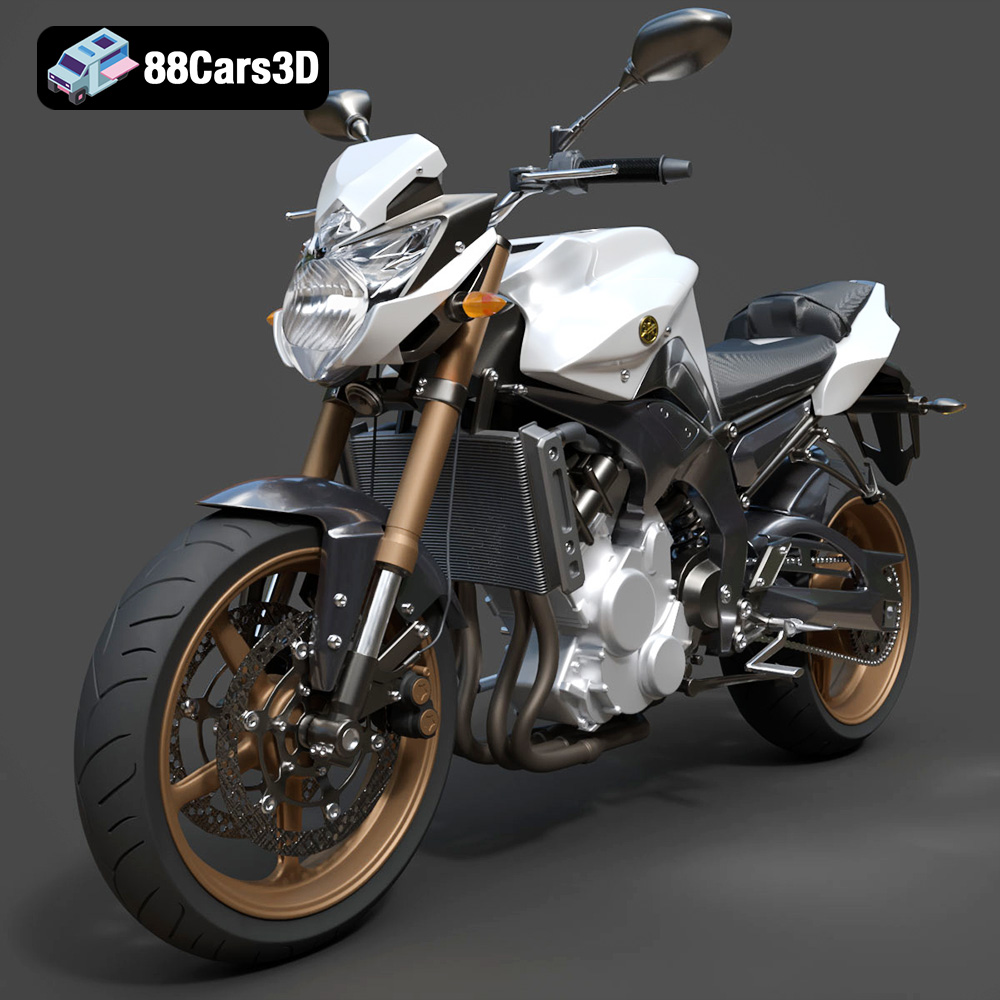
Texture: Yes
Material: Yes
Download the Yamaha FZ8 2011 3D Model featuring clean geometry, realistic detailing, and a fully modeled interior. Includes .blend, .fbx, .obj, .glb, .stl, .ply, .unreal, and .max formats for rendering, simulation, and game development.
Price: $19.99
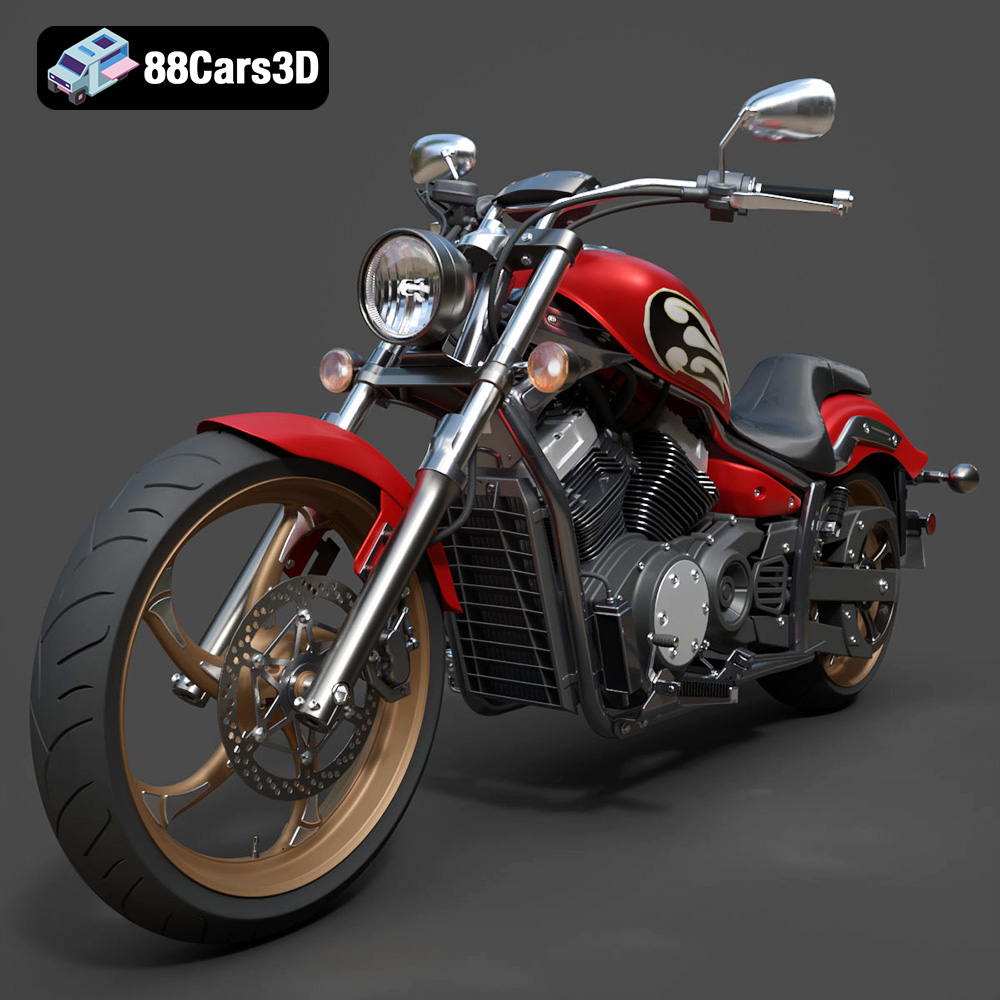
Texture: Yes
Material: Yes
Download the Yamaha Stryker 2012 3D Model featuring clean geometry, realistic detailing, and a fully modeled interior. Includes .blend, .fbx, .obj, .glb, .stl, .ply, .unreal, and .max formats for rendering, simulation, and game development.
Price: $19.99
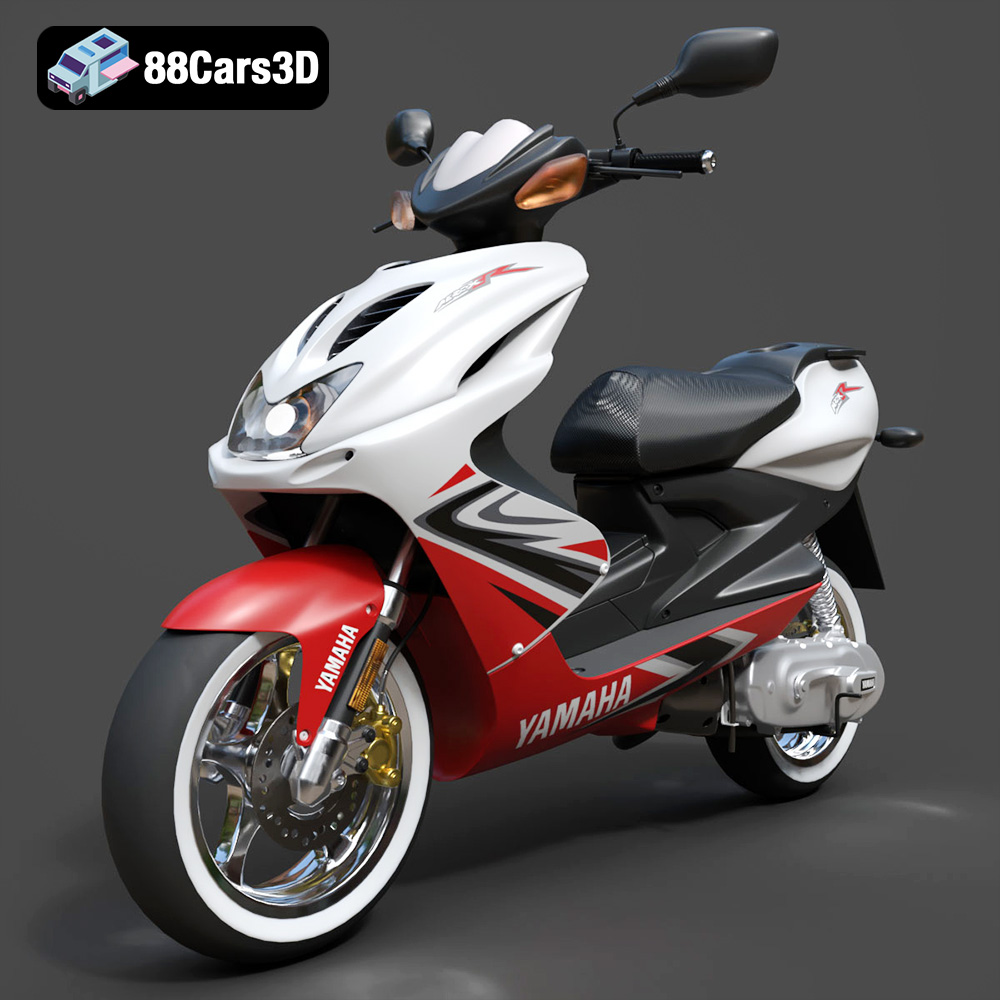
Texture: Yes
Material: Yes
Download the Yamaha Aerox R-002 2024 3D Model featuring clean geometry, realistic detailing, and a fully modeled interior. Includes .blend, .fbx, .obj, .glb, .stl, .ply, .unreal, and .max formats for rendering, simulation, and game development.
Price: $19.99
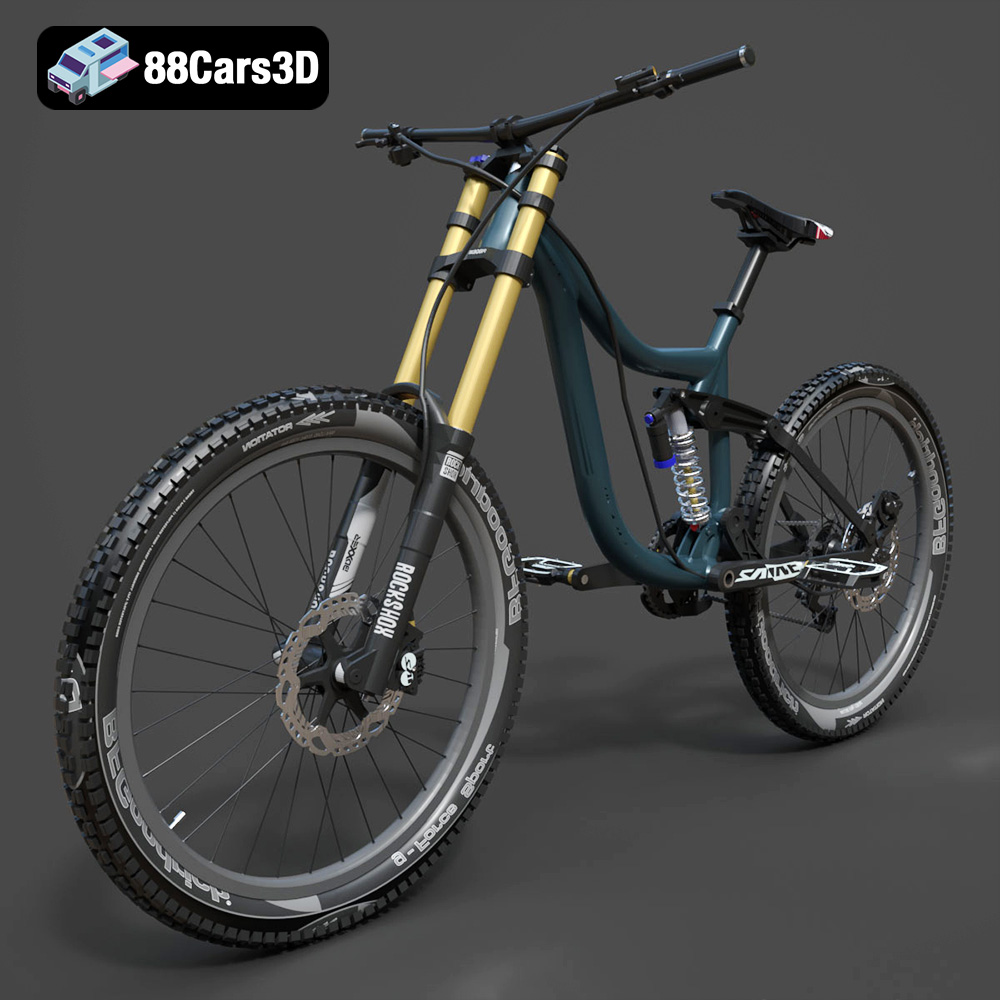
Texture: Yes
Material: Yes
Download the Mototsikly Downhill Bike-002 3D Model featuring clean geometry, realistic detailing, and precise mechanical components. Includes .blend, .fbx, .obj, .glb, .stl, .ply, .unreal, and .max formats for rendering, simulation, and game development.
Price: $19.99
Texture: Yes
Material: Yes
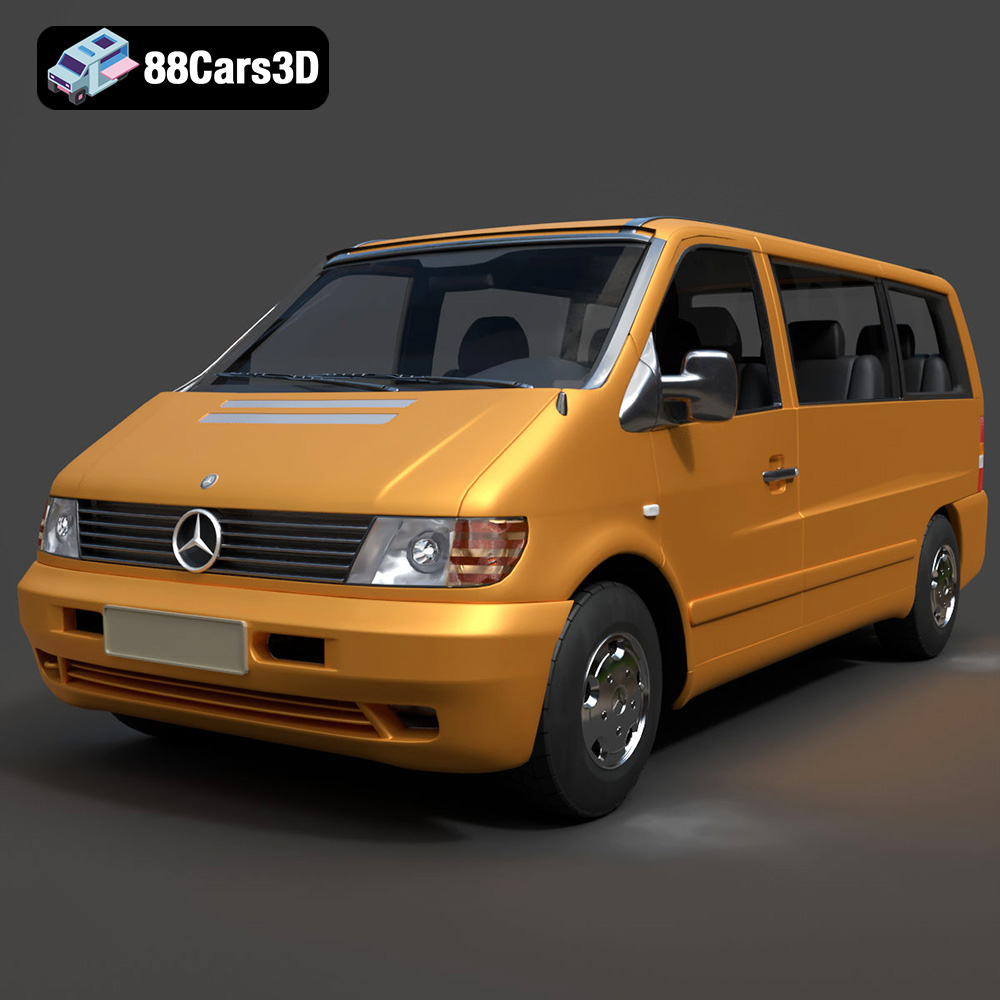
Download the Mercedes-Benz Vito Passenger Van 3D Model featuring clean geometry, realistic detailing, and a fully modeled interior. Includes .blend, .fbx, .obj, .glb, .stl, .ply, .unreal, and .max formats for rendering, simulation, and game development.
Price: $19.99
Texture: Yes
Material: Yes
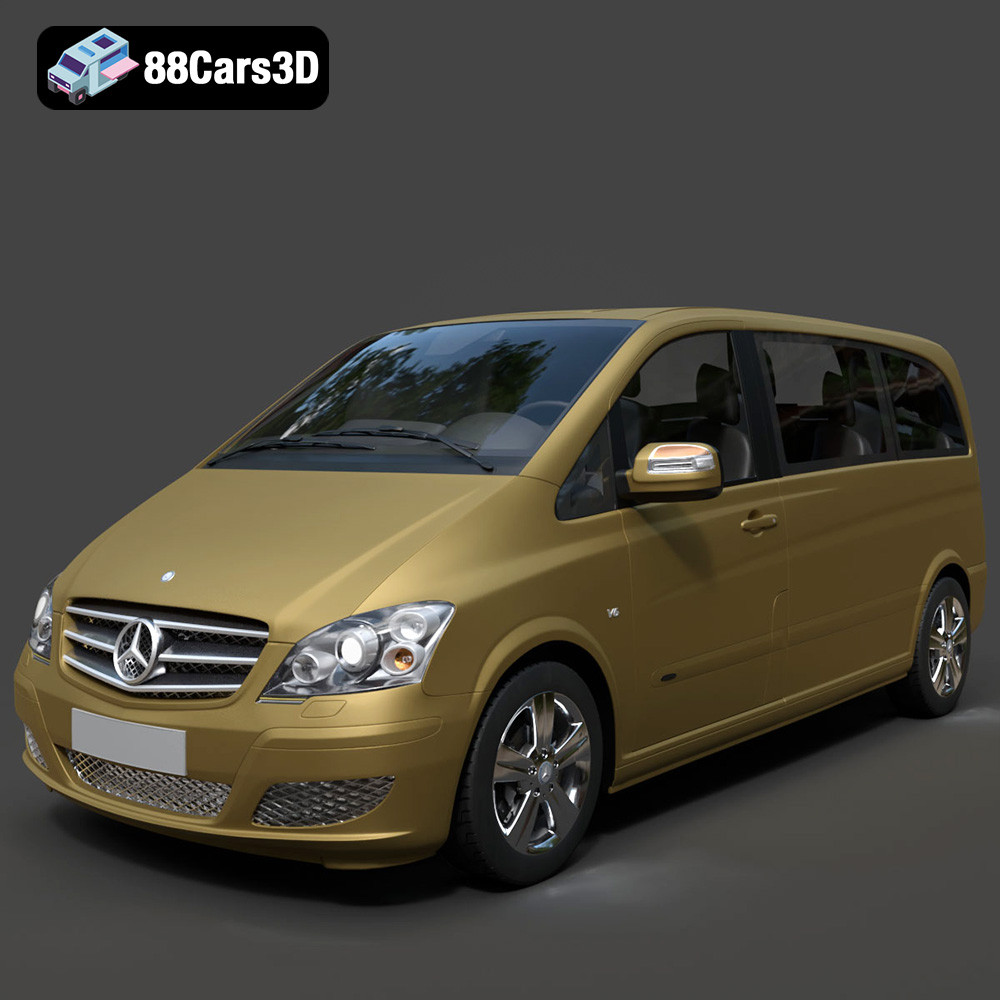
Download the Mercedes-Benz Viano 2010 3D Model featuring clean geometry, realistic detailing, and a fully modeled interior. Includes .blend, .fbx, .obj, .glb, .stl, .ply, .unreal, and .max formats for rendering, simulation, and game development.
Price: $19.99

Texture: Yes
Material: Yes
Download the Emt Avtobus 007 3D Model featuring clean geometry, realistic detailing, and a fully modeled interior. Includes .blend, .fbx, .obj, .glb, .stl, .ply, .unreal, and .max formats for rendering, simulation, and game development.
Price: $19.99
Texture: Yes
Material: Yes
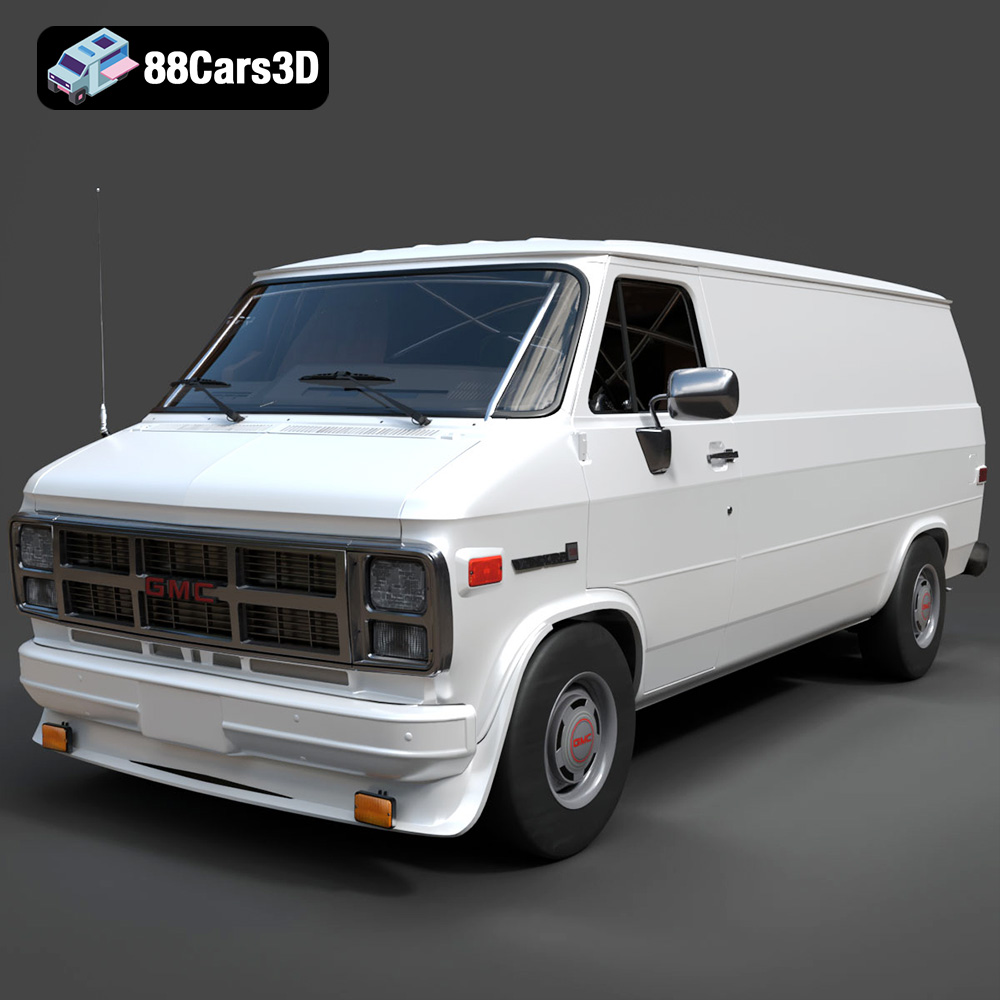
Download the GMC Vandura G-1500 1983 3D Model featuring clean geometry, realistic detailing, and a fully modeled interior. Includes .blend, .fbx, .obj, .glb, .stl, .ply, .unreal, and .max formats for rendering, simulation, and game development.
Price: $19.99
Texture: Yes
Material: Yes
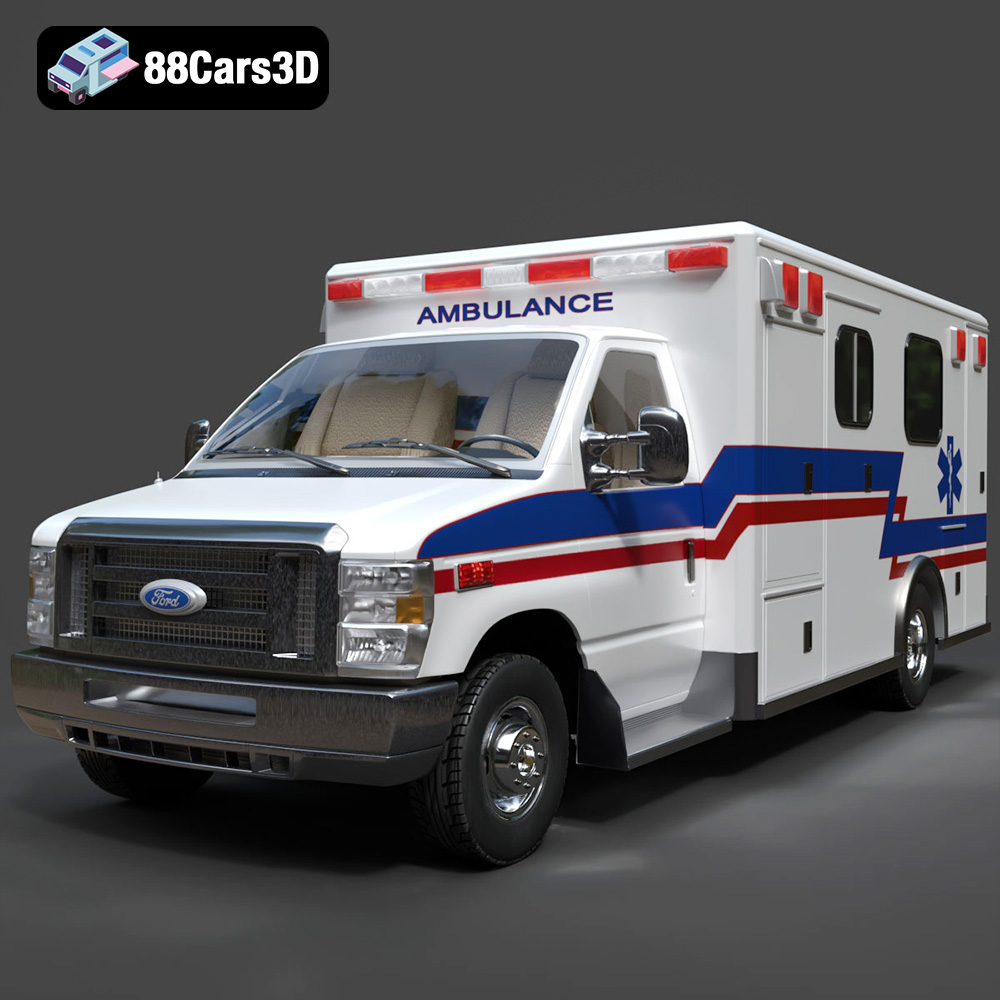
Download the Ford E-450 Ambulance 3D Model featuring clean geometry, realistic detailing, and a fully modeled interior. Includes .blend, .fbx, .obj, .glb, .stl, .ply, .unreal, and .max formats for rendering, simulation, and game development.
Price: $19.99

