⚡ FLASH SALE: Get 60% OFF All Premium 3D & STL Models! ⚡

The pursuit of photorealism in real-time rendering has never been more intense, especially in fields like automotive visualization, game development, and virtual production. For Unreal Engine developers and 3D artists, bringing highly detailed 3D car models to life within an interactive environment presents a unique set of challenges. These vehicles, often the star of the show, demand intricate detail, realistic materials, and complex geometries, which can quickly overwhelm even the most powerful hardware if not managed correctly.
This comprehensive guide delves deep into the critical strategies for optimizing 3D car models in Unreal Engine, with a strong focus on Level of Detail (LOD) management. We’ll explore why thoughtful optimization is non-negotiable for achieving smooth frame rates, responsive interactions, and immersive experiences without compromising visual fidelity. From initial asset import to advanced engine features like Nanite and sophisticated profiling techniques, we’ll equip you with the knowledge and actionable steps to ensure your automotive projects run flawlessly. Whether you’re building a cutting-edge car configurator, a next-gen racing game, or a stunning cinematic, mastering these optimization techniques is key to pushing the boundaries of real-time rendering.
In the world of real-time rendering, performance is paramount. Every frame counts, and a smooth user experience hinges on maintaining a consistent frame rate. For 3D car models, which are inherently complex due to their smooth surfaces, intricate interiors, and numerous individual components, optimization is not merely an afterthought—it’s a foundational requirement. Without proper management, high-polygon car models can quickly lead to GPU bottlenecks, excessive draw calls, and ultimately, a stuttering, unsatisfactory experience. This is where Level of Detail (LOD) systems become indispensable.
LODs are a technique used to reduce the complexity of 3D models as they move further away from the camera or become less critical to the scene’s visual focus. Instead of rendering a full-detail model at all times, the engine dynamically swaps it with a simpler version, saving significant rendering resources. For automotive assets, which often feature millions of polygons for a single vehicle, intelligently implemented LODs are the difference between a high-fidelity showcase and a slideshow. They allow you to maintain visual quality where it matters most—up close—while aggressively optimizing performance for distant views. The goal is to create a seamless visual transition between these detail levels, making the process imperceptible to the end-user. Effective LOD strategies directly contribute to lower memory usage, reduced CPU overhead, and fewer GPU draw calls, all of which are crucial for achieving stable frame rates across various hardware specifications.
High-polygon count models, while visually appealing, come with significant performance costs. Each polygon, vertex, and normal must be processed by the GPU, contributing to increased rendering time. When you have multiple high-poly car models in a scene, perhaps in a showroom or a bustling city, these costs multiply rapidly. Furthermore, complex models often mean more advanced material setups and higher-resolution textures, adding to VRAM consumption and shading complexity. Without LODs, the engine is forced to render every minute detail of every car, regardless of its screen space size. This leads to wasted rendering cycles on details that are too small to be seen, directly impacting frame rate and responsiveness. Identifying and mitigating these performance hogs through smart asset management is critical for any real-time Unreal Engine project involving detailed vehicles.
The art of optimization lies in striking the perfect balance between visual fidelity and real-time performance. For automotive visualization, clients and users expect near-photorealistic quality. This means that while we need to aggressively optimize, we cannot compromise the perceived quality of the vehicle, especially when viewed up close. LODs enable this balance by providing a graded approach to detail. At LOD0 (the highest detail), the model is pristine, showcasing every curve and panel gap. As the camera moves away, subsequent LODs simplify the mesh, remove small details, and even reduce texture resolution for minor components. The key is to determine the optimal screen space thresholds for these transitions, ensuring that the drop in detail is imperceptible at the point of transition. Tools within Unreal Engine allow artists to visualize these transitions and fine-tune them, ensuring that the visual integrity of the automotive asset is maintained across all viewing distances.
Before diving into asset-specific optimizations, establishing a solid foundation within your Unreal Engine project is crucial. Proper project setup can significantly impact overall performance and streamline your optimization efforts. This involves configuring engine scalability, project settings, and understanding the target hardware, which together create an efficient rendering pipeline for your automotive scenes. A well-configured project acts as the bedrock for all subsequent optimizations, allowing you to get the most out of your high-quality 3D car models.
Unreal Engine provides a robust set of tools and settings designed to manage performance across different hardware specifications. Leveraging these from the outset can prevent many common performance pitfalls. For instance, understanding the trade-offs between rendering quality and frame rate, and configuring your project accordingly, will ensure that your beautiful car models are displayed optimally for your target audience. This proactive approach not only saves time during development but also sets the stage for a smoother, more stable final product.
Unreal Engine’s Scalability Settings (found under Settings > Engine Scalability) are a powerful mechanism to manage global rendering quality and performance. These settings control various aspects like View Distance, Anti-Aliasing, Post Processing, Shadows, Textures, Effects, and Global Illumination. For automotive projects, it’s essential to understand how each impacts the visual fidelity of your vehicles and the overall scene. For example, high shadow quality can greatly enhance the realism of a car, but it comes at a significant performance cost.
When preparing your project, consider your target hardware. Are you aiming for high-end PCs, consoles, or mobile devices for AR/VR applications? This will dictate the default scalability settings you should aim for. For instance, mobile VR automotive experiences will require much more aggressive settings than a high-fidelity PC visualization. You can set default values in the `DefaultScalability.ini` file or programmatically adjust them via Blueprint or C++ based on user preferences or detected hardware. Regularly testing your project on your target hardware throughout development is crucial for identifying bottlenecks early.
Beyond scalability, several Project Settings (Edit > Project Settings) can significantly impact performance, especially for projects involving many complex assets like cars.
* Rendering Settings:
* Frame Rate: Consider capping the frame rate (e.g., 60 FPS) to prevent unnecessary GPU usage and ensure a consistent experience.
* Occlusion Culling: Ensure this is enabled (usually by default). It prevents rendering objects hidden by others, a massive win for enclosed environments or scenes with many overlapping cars.
* Distance Field Ambient Occlusion/Shadows: These can add significant realism but come with performance costs. Evaluate if they are essential for your specific visual goals or if less expensive alternatives suffice.
* Lumen/Nanite: Enable these in Project Settings under Rendering if you plan to leverage them. Lumen provides stunning real-time global illumination, while Nanite radically changes how high-poly meshes are handled, both of which are transformative for automotive visualization. More on these later.
* World Settings:
* Large Worlds: For expansive automotive environments, consider enabling Large World Coordinates to avoid precision issues.
* World Partition: For extremely large open-world car environments, World Partition (enabled under Project Settings > World Partition) allows for more efficient streaming of levels and assets, greatly reducing memory footprint and load times.
Careful configuration of these settings helps establish an efficient rendering baseline, allowing your expensive automotive assets to shine without crippling performance. For further details on these project settings, refer to the official Unreal Engine documentation at https://dev.epicgames.com/community/unreal-engine/learning.
The journey of optimizing a 3D car model for Unreal Engine begins long before it ever touches the engine’s viewport. The quality and structure of your source asset, as well as the way it’s imported, lay the groundwork for all subsequent optimization efforts. Sourcing high-quality, pre-optimized models from marketplaces like 88cars3d.com can provide a significant head start, but understanding the underlying principles of initial optimization is crucial regardless of your asset source. Clean topology, correct scaling, and appropriate material setup during import are non-negotiable for achieving peak performance and visual fidelity.
Importing complex assets like car models requires attention to detail. Incorrect import settings can lead to visual artifacts, broken materials, or inflated file sizes, all of which contribute to performance degradation. By adopting best practices from the very first step, you can save countless hours of troubleshooting down the line and ensure your automotive assets are production-ready.
Before bringing any 3D car model into Unreal Engine, a thorough cleanup and preparation phase in your preferred DCC software (e.g., Blender, Maya, 3ds Max) is highly recommended. This pre-import optimization can drastically improve performance and simplify the Unreal Engine workflow.
* Clean Topology and Mesh Structure: Ensure the model has clean, quad-based topology. Remove any non-manifold geometry, isolated vertices, or overlapping faces. A well-constructed mesh is easier for Unreal Engine to process and more efficient for LOD generation.
* Optimize Polygon Count: While Nanite has revolutionized high-poly asset handling, for non-Nanite meshes (like skeletal meshes or specific translucent parts), intelligently reducing the polygon count where detail isn’t critical is still vital. Use decimation tools (e.g., Blender’s Decimate modifier, Maya’s Reduce) to simplify areas like the underside of the car or hidden interior components.
* UV Mapping: Verify that all meshes have clean, non-overlapping UVs across at least one UV channel. This is essential for proper texture application, lightmapping, and general material rendering. Ensure UV islands are appropriately padded to prevent texture bleeding.
* Correct Scale and Orientation: Export your model with real-world scale (e.g., 1 unit = 1 cm, matching Unreal Engine’s default). Ensure it’s oriented correctly (typically Z-up, X-forward) to avoid needing manual rotation or scaling in Unreal Engine, which can sometimes introduce subtle issues.
* Material Grouping: Group meshes by material ID. This reduces the number of draw calls by allowing Unreal Engine to batch render objects sharing the same material. For example, all window glass could be one mesh, all chrome parts another, and the car body yet another.
* File Format: FBX is the most common and robust format for static meshes and skeletal meshes in Unreal Engine. USD (Universal Scene Description) is gaining traction, especially for virtual production and collaborative workflows, offering a rich interchange format.
Once your 3D car model is prepped, importing it into Unreal Engine requires careful attention to the import dialogue settings.
* Import Options:
* Combine Meshes: Generally, keep car components separate for flexibility (e.g., doors, wheels, body) if you intend to animate them or apply different materials. If the car is a static prop with one material, combining can reduce draw calls.
* Generate Missing Collision: For static meshes, let Unreal generate simple collision, or import custom collision meshes from your DCC tool (named `UCX_YourMeshName`).
* Import Materials/Textures: Ensure these are checked if you want Unreal Engine to create basic materials and import textures. However, you’ll often want to rebuild PBR materials in the Material Editor for optimal quality and flexibility.
* LODs: Deselect “Generate Missing LODs” at this stage if you plan to manually configure or regenerate them later.
* Normal Import Method: Choose “Import Normals” if your DCC has correct normals, or “Compute Normals” if you suspect issues.
* Build Nanite: For high-poly static meshes that benefit from Nanite, ensure this is checked during import or enable it later in the Static Mesh Editor.
* Post-Import Verification:
* Mesh Editor: Open the imported Static Mesh asset. Verify UVs, normals, and tangents are correct. Check for any visual artifacts.
* Materials: Replace or refine auto-generated materials with properly constructed PBR materials using the Material Editor. Ensure textures are assigned correctly and have appropriate compression settings (e.g., BC7 for high quality, BC5 for normal maps).
* Scale: Place the car in a scene and verify its scale against known objects or characters. Adjust the `Import Uniform Scale` in the Static Mesh editor if necessary.
By meticulously handling these import steps, you ensure your 3D car models are efficient, visually correct, and ready for advanced optimization within Unreal Engine.
After importing your carefully prepared 3D car models, the next critical step for performance optimization is setting up Levels of Detail (LODs). Unreal Engine offers powerful tools for both automatic LOD generation and precise manual control, allowing you to tailor the optimization strategy to the specific needs of your automotive assets. Effective LOD implementation is crucial for rendering complex car models efficiently across varying distances without a noticeable drop in visual quality.
The goal with LODs is to make the transition between detail levels imperceptible to the end-user. This requires careful configuration of screen size thresholds, reduction settings, and, in some cases, manual intervention to ensure critical details are preserved at appropriate distances. A well-managed LOD setup ensures that your high-fidelity car models contribute to a smooth, immersive experience rather than becoming a performance bottleneck.
Unreal Engine provides a robust built-in system for automatically generating LODs for static meshes. This feature significantly accelerates the optimization workflow, especially for assets with consistent topology. To access and configure LODs:
1. Open the Static Mesh Editor: Double-click your 3D car model in the Content Browser.
2. LOD Settings Panel: In the Details panel, navigate to the “LOD Settings” section.
3. Number of LODs: Typically, 3 to 5 LODs are sufficient for car models, depending on their complexity and the viewing distances in your scene. For example, a car that will only be seen up close might need fewer, while one in an open-world environment might need more.
4. Auto Compute LODs: Click the “Auto Generate LODs” button. Unreal Engine will analyze the base mesh (LOD0) and create simplified versions based on the default reduction settings.
5. Reduction Settings: For each LOD, you can customize the reduction percentage.
* Triangle Percentage: This is the most common setting, specifying the percentage of triangles to keep relative to the previous LOD. For instance, LOD1 might be 70% of LOD0, LOD2 might be 40% of LOD0, and so on.
* Screen Size: This defines the screen percentage at which an LOD will transition. For car models, typical values might be 1.0 (LOD0 always shown when filling the screen), 0.5 (LOD1 at half screen size), 0.25 (LOD2 at quarter screen size), and 0.1 (LOD3 at 10% screen size).
* Silhouette/Texture/Hard Edge Importance: These settings guide the reduction algorithm to prioritize certain features. For cars, preserving the silhouette is crucial, so setting “Silhouette Importance” to a higher value is often beneficial.
* Max Edge Length/Max Strips: These can further control the mesh simplification but are generally less critical than triangle percentage and screen size.
After generation, you can preview each LOD within the Static Mesh Editor. Use the “LODs” dropdown to cycle through them and observe the geometry changes. Visualizing the screen size thresholds in the viewport (using the “View” menu in the editor and enabling “Show > LOD Coloration”) helps identify popping and ensures smooth transitions.
While automatic LOD generation is a great starting point, complex car models often require manual refinement to maintain visual integrity and prevent “LOD popping”—the jarring visual transition between LODs.
* Manual Mesh Import: For critical LODs (especially LOD1 and LOD2), you might export specific simplified versions from your DCC tool and import them manually into the Static Mesh Editor. To do this, in the LOD Settings panel, select “Import LOD” for the desired LOD slot and choose your pre-made mesh. This offers the highest degree of control over mesh simplification.
* Preserving Critical Details: When simplifying, ensure that defining features of the car, such as headlights, grilles, and distinct body lines, are preserved, especially in LOD1 and LOD2. Automatic reduction can sometimes aggressively simplify these areas, leading to an unsightly appearance. Manual tweaking or mask creation in your DCC tool can help preserve these details during automatic reduction.
* Material Reduction: For very distant LODs (LOD3, LOD4), consider simplifying the material complexity. This could involve removing intricate normal maps, using lower-resolution textures, or even swapping complex multi-layered materials for simpler ones. Unreal Engine allows you to assign specific materials per LOD.
* Dissolve Mesh LOD: To smooth LOD transitions, enable “LOD Fade” in the mesh’s details panel. This setting makes LOD transitions less abrupt by fading between meshes rather than instant swapping, which can mask minor popping. You can control the fade duration per LOD.
* Per-Section LODs: For complex assemblies like a car, consider breaking down the mesh into logical components (e.g., body, wheels, interior) and applying separate LOD settings to each. This provides finer control and can be more efficient than a single monolithic LOD for the entire vehicle. For instance, the wheels might require more aggressive LODs than the main body if they spin and become blurry at distance anyway.
By combining the power of Unreal Engine’s automatic LOD tools with strategic manual refinement, you can achieve optimal performance for your 3D car models without sacrificing the visual quality that automotive visualization demands.
Nanite, Unreal Engine’s virtualized geometry system, is arguably one of the most transformative technologies for handling high-fidelity assets, especially complex 3D car models. Before Nanite, artists faced constant battles with polygon budgets, baking normal maps, and meticulously creating LODs for every detailed asset. Nanite significantly alleviates these constraints, allowing developers to import and render cinematic-quality geometry with unprecedented efficiency. For automotive visualization, where models often boast millions of polygons and intricate details, Nanite is a game-changer.
Understanding how Nanite works and its optimal application is key to unlocking its full potential. It enables the use of source meshes that are many times more complex than what was previously feasible in real-time, drastically reducing the need for traditional manual LOD creation for static meshes. This allows artists to focus on creating detail, rather than optimizing it, leading to richer, more immersive automotive environments.
Nanite works by intelligently streaming and rendering only the necessary detail of a mesh, based on its screen space size. Instead of processing an entire mesh, Nanite breaks down high-polygon models into a hierarchical structure of tiny, self-contained clusters of triangles. At render time, it dynamically culls and streams these clusters, ensuring that only the relevant geometric detail for each pixel on the screen is processed. This virtualized geometry means:
* **Massive Polygon Counts:** You can import car models with millions of polygons directly into Unreal Engine without performance penalties. This virtually eliminates the need for manual polygon reduction for the main body and complex components.
* **Automatic LODs:** Nanite effectively generates its own, highly efficient internal LOD system, often eliminating the need for artists to manually create multiple LODs for static meshes. It automatically handles the optimal detail level.
* **Reduced Draw Calls:** Nanite batches geometry more efficiently, leading to significantly fewer draw calls compared to traditional meshes, even with higher polygon counts.
* **High Geometric Fidelity:** Enables cinematic-quality detail at runtime, preserving every curve, panel gap, and intricate vent on a car model. This is crucial for automotive configurators and high-end visualization where close-ups are frequent.
* **Improved Performance:** Despite the increased geometric complexity, Nanite can often render scenes faster than traditional methods with lower polygon counts, due to its efficient culling and streaming.
For a 3D car model from a platform like 88cars3d.com, designed with clean, high-detail topology, Nanite means you can drop it into your scene and often bypass much of the traditional LOD setup for the core mesh.
Enabling Nanite for your static mesh assets is straightforward:
1. **Project Settings:** Ensure Nanite is enabled in your Project Settings under “Rendering > Nanite.”
2. **Import Time:** When importing a new static mesh (FBX, USD), check the “Build Nanite” option in the import dialogue.
3. **Post-Import:** For existing static meshes, open the Static Mesh Editor, navigate to the “Details” panel, and under “Nanite Settings,” simply check “Enable Nanite.”
4. **Visualize Nanite:** In the viewport, you can use the “Visualize > Nanite” modes (e.g., Triangles, Clusters, Overdraw) to see how Nanite is processing your mesh and verify its efficiency.
While Nanite is incredibly powerful, it does have some limitations to be aware of:
* **Static Meshes Only:** Nanite currently only supports static meshes. Skeletal meshes (for character animation) and instanced static meshes (like foliage or crowds) do not support Nanite.
* **No Deformations:** Meshes with complex runtime deformations (e.g., cloth simulation, soft body physics) are not ideal for Nanite.
* **Materials with Opacity Masks/Translucency:** While Nanite supports these, there can be performance considerations or visual artifacts if not handled carefully. For complex transparent car windows, you might need to use traditional meshes or specific material setups.
* **Virtual Textures:** Nanite works best with Virtual Textures for optimal performance with large texture sets.
For parts of a car model that fall under these limitations (e.g., a car character rigged for deformation, or complex transparent glass with dynamic effects), you will still need to rely on traditional LODs and optimization techniques. However, for the main body, chassis, and most interior components, Nanite liberates you to work with incredibly detailed assets without the performance overhead. Refer to the official Unreal Engine documentation at https://dev.epicgames.com/community/unreal-engine/learning for the latest updates on Nanite capabilities and best practices.
While Level of Detail (LOD) management for meshes is fundamental, optimizing 3D car models in Unreal Engine extends far beyond geometry. A truly performant and visually stunning automotive project requires a holistic approach, encompassing material optimization, lighting strategies, efficient Blueprint scripting, and intelligent culling techniques. Each of these areas offers significant opportunities to fine-tune your scene, reduce overhead, and maximize frame rates, ensuring your high-fidelity vehicles perform flawlessly in real-time.
Ignoring these advanced techniques can negate the benefits of even the most meticulously prepared LODs or Nanite assets. A powerful car model can still be bogged down by inefficient materials, overly complex lighting, or unnecessary calculations. By strategically addressing these aspects, you create a robust optimization pipeline that supports both visual quality and superior performance.
Materials are often a major performance bottleneck, especially for realistic automotive shaders. Physically Based Rendering (PBR) materials, while visually rich, can be computationally expensive if not optimized.
* Material Instances: Always use Material Instances where possible. A master material defines the complex shader logic, and instances allow you to change parameters (colors, textures, roughness values) without recompiling the shader, saving CPU time and memory. For car paints, create a master car paint material and then instance it for different colors and finishes.
* Texture Resolutions and Streaming: Use appropriate texture resolutions (powers of two: 512, 1024, 2048, 4096). Avoid excessively large textures where fine detail isn’t visible. Enable “Texture Streaming” for all large textures (which is typically on by default). This ensures only necessary mip levels are loaded into VRAM, reducing memory footprint.
* Texture Compression: Use correct compression settings. DXT1/BC1 for opaque color, DXT5/BC3 for color with alpha, BC5 for normal maps (optimized for two channels). Use BC7 for high-quality opaque color or when alpha is needed with better quality than BC3.
* Shader Complexity: Use the “Shader Complexity” view mode (Alt+8 in the viewport) to visualize the cost of your materials. Aim for green/blue areas; red/pink indicates very expensive shaders that need simplification.
* Material Functions: Modularize complex material graphs using Material Functions. This improves readability and allows for reuse, making optimization easier.
Lighting is critical for automotive realism but can be a performance hog.
* Lumen: Unreal Engine 5’s Lumen Global Illumination and Reflections system provides stunning real-time lighting. For high-end automotive visualization, enable Lumen (Project Settings > Rendering).
* **Lumen Settings:** Optimize Lumen by adjusting settings in the Post Process Volume (e.g., Final Gather Quality, Trace Distance). For performance, consider reducing the “Maximum Trace Distance” if your scene is not overly expansive. Lowering “Reflections > Max Roughness” can also save performance by limiting ray tracing for very rough surfaces.
* **Hardware Ray Tracing:** If targeting high-end hardware, enable Hardware Ray Tracing for Lumen and Reflections for even higher quality, but be mindful of the significant performance cost.
* Baked Lighting (Lightmass): For static elements in pre-rendered cinematics or less interactive configurators, baked lighting with Lightmass (or GPU Lightmass) offers the highest quality at minimal runtime cost. It pre-calculates global illumination into lightmaps. However, it’s not dynamic, so changes to lighting or car position won’t be reflected in real-time GI.
* Light Types and Shadows: Use a minimal number of dynamic lights. Directional Lights are inexpensive for sun/sky. Point and Spot Lights are more expensive, especially with shadows. Use static or stationary lights where possible, as their shadows can be pre-calculated. Reduce “Shadow Map Resolution” for less critical lights.
* Occlusion and Frustum Culling: These are automatic by Unreal Engine. Occlusion culling prevents rendering objects behind others, while frustum culling prevents rendering objects outside the camera’s view. Ensure they are working effectively.
* Distance Culling: For non-Nanite meshes, you can set “Max Draw Distance” in the Static Mesh Component’s details. This manually hides objects beyond a certain range, complementing LODs.
* Instancing: For multiple identical objects (e.g., repetitive parts on a car, or multiple cars of the same model), use Hierarchical Instanced Static Meshes (HISMs) or Instanced Static Meshes (ISMs). This dramatically reduces draw calls and improves CPU performance.
* Level Streaming: For large open-world car environments or complex showrooms, use Level Streaming (or World Partition in UE5) to load and unload portions of the scene dynamically based on the player’s proximity. This keeps memory usage low and loading times manageable.
By implementing these advanced optimization strategies alongside robust LOD management and Nanite for your 3D car models, you can achieve a truly high-performance and visually stunning real-time experience in Unreal Engine.
Optimization is an iterative process, and without proper tools to identify bottlenecks, it becomes a shot in the dark. Unreal Engine provides a comprehensive suite of profiling and debugging tools that allow you to analyze every aspect of your project’s performance, from CPU and GPU utilization to memory consumption and draw calls. For complex 3D car models and intricate automotive scenes, mastering these tools is non-negotiable for achieving and maintaining optimal frame rates.
Profiling helps you answer critical questions: Is the CPU overloaded by game logic or physics? Is the GPU struggling with too many pixels or expensive shaders? Are there too many draw calls? Pinpointing the exact cause of performance issues enables targeted optimization, saving valuable development time and ensuring your automotive visualizations run smoothly across your target hardware.
Unreal Engine offers several powerful profiling tools, each providing unique insights into different aspects of performance:
* **Stat Commands (Console):** The quickest way to get real-time performance data.
* `stat fps`: Displays current frame rate and frame time.
* `stat unit`: Shows CPU game thread, render thread, and GPU times. This is your first stop to determine if you’re CPU or GPU bound.
* `stat rhi`: Provides detailed low-level rendering hardware interface (RHI) statistics, including draw calls, primitives, and texture memory.
* `stat gpu`: Gives a breakdown of GPU rendering passes, helping identify expensive post-processing, lighting, or shadow passes.
* `stat scenerendering`: Detailed breakdown of rendering passes (Base Pass, Shadow Depths, Translucency).
* `stat d3d11rhi` (or `stat vulkanrhi`, `stat dx12rhi`): Specific RHI stats for the current graphics API.
* `stat streaming`: Shows texture streaming statistics (loaded textures, pool memory).
* `stat memory`: Provides overall memory usage statistics.
* `stat None`: Hides all stats.
* **GPU Visualizer (Ctrl+Shift+, or `ProfileGPU` command):** This is an invaluable tool for GPU-bound projects. It shows a hierarchical breakdown of GPU rendering time for each pass (e.g., base pass, shadow maps, post-processing, Lumen, Nanite). You can see exactly which meshes, materials, and lighting features are consuming the most GPU time. For automotive scenes, this often reveals expensive materials, excessive dynamic lights, or complex global illumination calculations.
* **Session Frontend (Window > Developer Tools > Session Frontend):** A robust tool for capturing and analyzing performance data over time. You can launch profilers (CPU, Memory, File I/O) and visualize the data in graphs. This is excellent for identifying spikes, memory leaks, and long-running operations.
* **Unreal Insights (Separate Application):** For deep-level CPU and GPU analysis. Launch Unreal Insights from your Unreal Engine installation folder (`Engine\Binaries\Win64\UnrealInsights.exe`). You can connect to a running editor or packaged game and capture highly detailed traces of engine events, thread activity, and rendering commands. It’s incredibly powerful for diagnosing complex performance issues that `stat` commands or GPU Visualizer might miss.
* **Draw Call Analysis:** Use `stat rhi` or `stat d3d11rhi` to monitor draw calls. High draw call counts (thousands for a single frame) usually indicate a CPU bottleneck, where the CPU is spending too much time telling the GPU what to render. Instancing, culling, and combining meshes (where appropriate) are key strategies here.
Once you’ve gathered data using the profiling tools, the next step is to interpret it and identify the primary bottlenecks.
* **CPU-Bound vs. GPU-Bound:**
* If `stat unit` shows a higher “Game Thread” or “Render Thread” time than “GPU” time, you are CPU-bound.
* **Game Thread:** Look for complex Blueprint logic, excessive physics simulations (e.g., for too many individual car parts), or inefficient AI. Debug with `stat game`.
* **Render Thread:** Often related to too many draw calls (objects, materials). Optimize by using instancing, combining meshes, culling, and reducing dynamic lights.
* If `stat unit` shows a higher “GPU” time, you are GPU-bound.
* **GPU Visualizer:** This is your primary tool. Look for expensive passes like “Base Pass” (complex materials, high pixel counts, too many lights), “Shadow Depths” (too many shadow-casting lights, high shadow map resolutions), “Post Processing,” or “Lumen.”
* **Overdraw:** Use “Shader Complexity” view mode to visualize overdraw. Transparent materials (car windows, headlights) can cause significant overdraw.
* **Texture Memory:** `stat streaming` and `stat gpu` can help identify if VRAM is an issue. Reduce texture resolutions or enable streaming aggressively.
* **Memory Issues:** `stat memory` and the Memory Profiler in Session Frontend help identify excessive RAM or VRAM usage. Large unstreamed textures, too many unique static meshes, or inefficient asset loading can be culprits.
* **LOD Popping Analysis:** Use “LOD Coloration” view mode (Alt+0) in the viewport to visualize LOD transitions. If you see rapid color changes, it indicates popping. Adjust screen size thresholds, enable LOD fade, or manually refine meshes.
By systematically profiling and debugging your Unreal Engine automotive projects, you can make informed optimization decisions, ensuring your stunning 3D car models run with exceptional performance. Always test your optimizations on your target hardware, as results can vary significantly across different configurations.
Bringing high-fidelity 3D car models to life in Unreal Engine demands a meticulous approach to optimization. As we’ve explored, achieving photorealism at real-time speeds is not just about raw polygon count or cutting-edge graphics features; it’s about intelligent asset management, strategic engine configuration, and a deep understanding of performance bottlenecks. From the foundational importance of Level of Detail (LOD) management to the revolutionary capabilities of Nanite, every technique discussed in this guide plays a vital role in ensuring your automotive projects not only look stunning but also perform flawlessly.
Mastering LODs ensures that your detailed car models scale gracefully with distance, providing visual integrity up close while maintaining efficiency from afar. Nanite liberates artists from traditional polygon budgets, allowing for unprecedented geometric detail, which is transformative for automotive visualization. Beyond geometry, optimizing PBR materials, refining lighting strategies with Lumen, and leveraging robust profiling tools are all crucial steps in a holistic optimization pipeline. Remember, sourcing high-quality, pre-optimized assets from marketplaces such as 88cars3d.com provides a strong starting point, but the true power lies in understanding and applying these advanced Unreal Engine techniques yourself.
By consistently applying these best practices—from pre-import preparation in your DCC tools to rigorous in-engine profiling and debugging—you empower yourself to create truly immersive and performant automotive experiences. The journey of optimization is continuous, but with the comprehensive knowledge outlined here, you are well-equipped to drive excellence in every real-time automotive visualization project you undertake within Unreal Engine. Keep pushing the boundaries of what’s possible, one optimized polygon and shader at a time.

Meta Description:
Texture: Yes
Material: Yes
Download the Porsche Cayenne 3D Model featuring realistic exterior styling and detailed interior design. Includes .blend, .fbx, .obj, .glb, .stl, .ply, .unreal, and .max formats for rendering, simulation, AR VR, and game development.
Price: $19.9
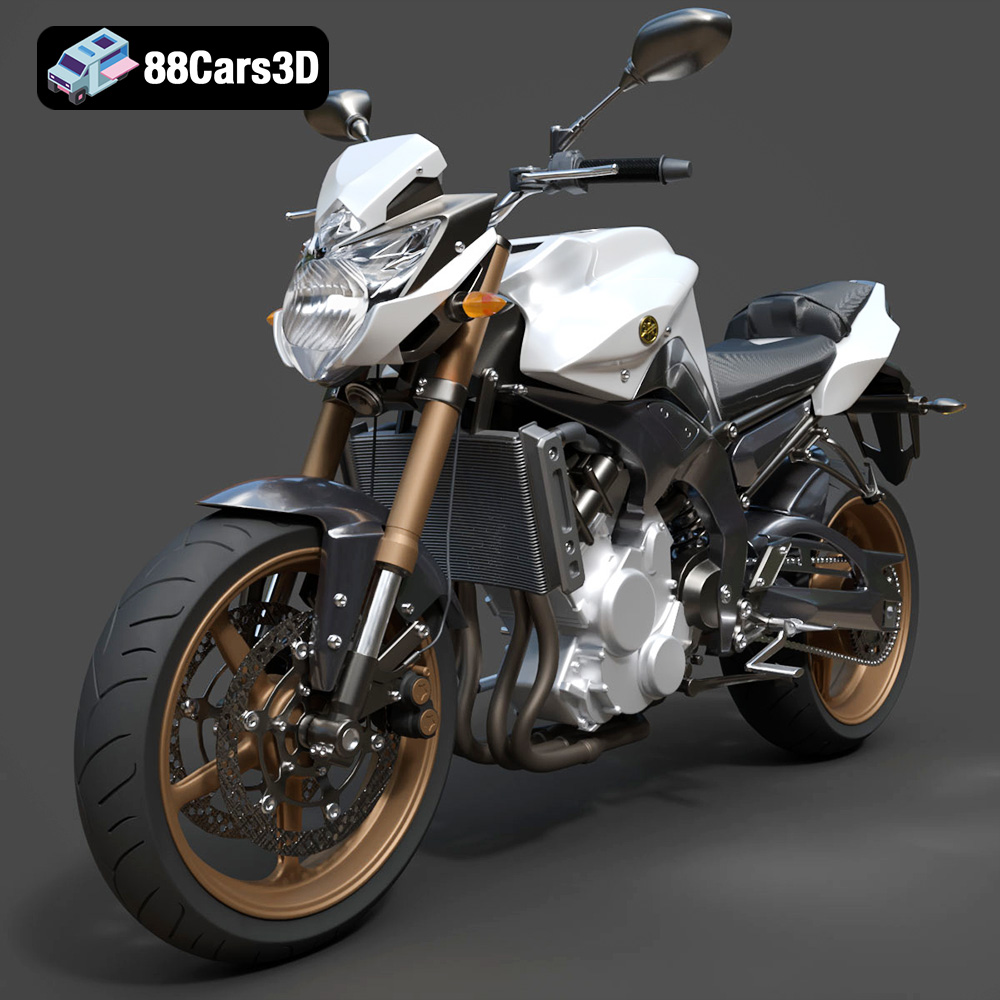
Texture: Yes
Material: Yes
Download the Yamaha FZ8 2011 3D Model featuring clean geometry, realistic detailing, and a fully modeled interior. Includes .blend, .fbx, .obj, .glb, .stl, .ply, .unreal, and .max formats for rendering, simulation, and game development.
Price: $19.99
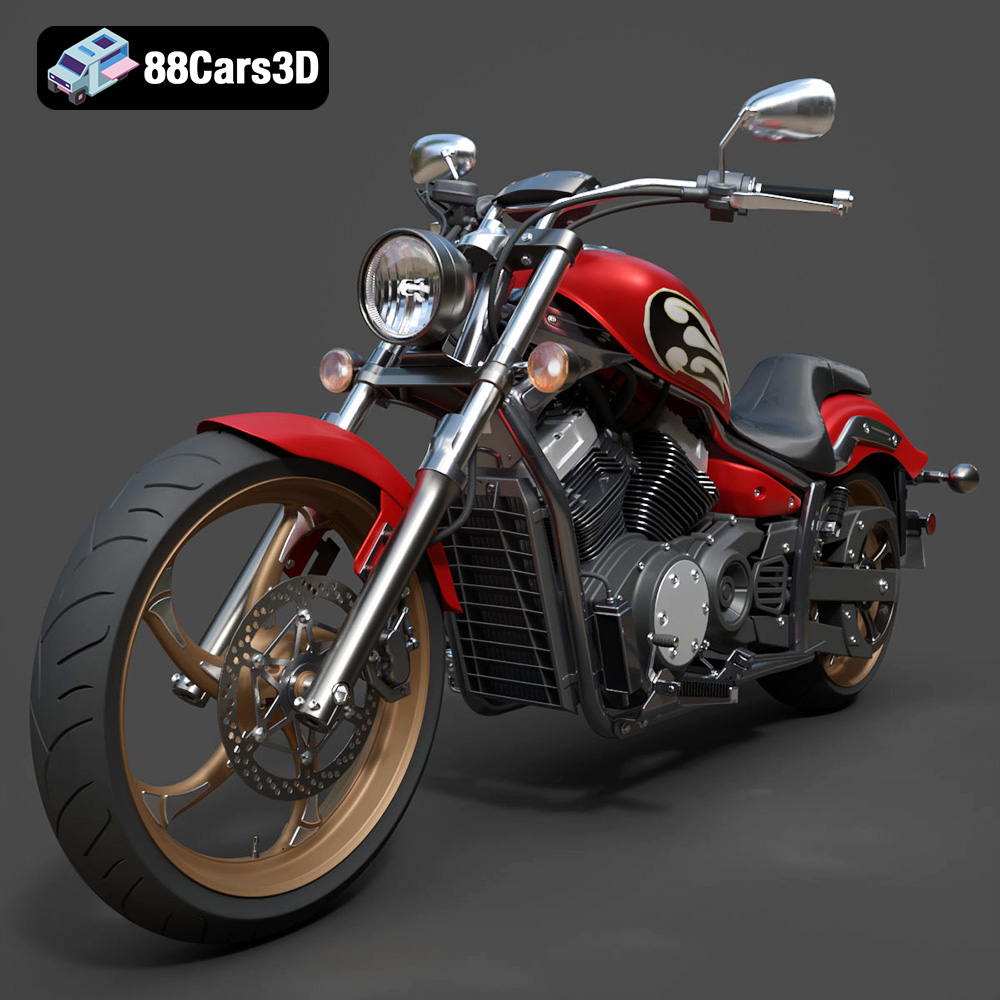
Texture: Yes
Material: Yes
Download the Yamaha Stryker 2012 3D Model featuring clean geometry, realistic detailing, and a fully modeled interior. Includes .blend, .fbx, .obj, .glb, .stl, .ply, .unreal, and .max formats for rendering, simulation, and game development.
Price: $19.99
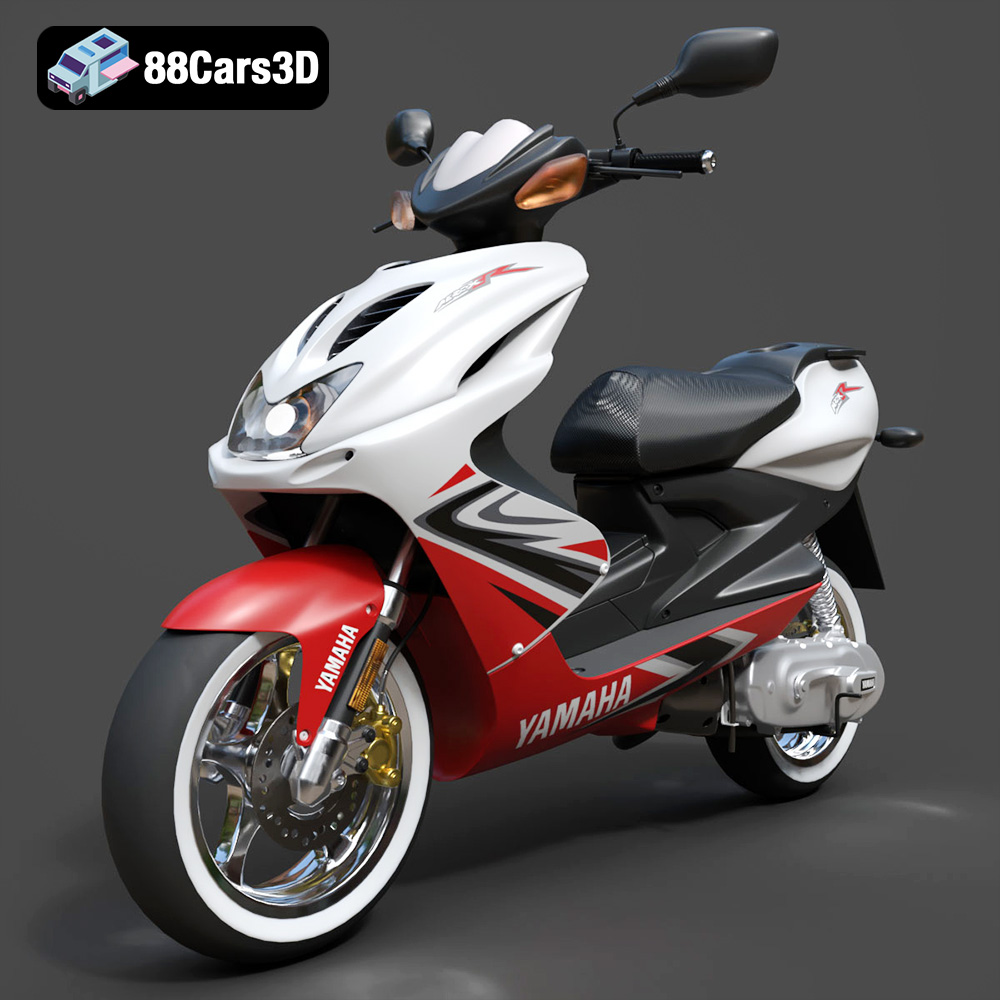
Texture: Yes
Material: Yes
Download the Yamaha Aerox R-002 2024 3D Model featuring clean geometry, realistic detailing, and a fully modeled interior. Includes .blend, .fbx, .obj, .glb, .stl, .ply, .unreal, and .max formats for rendering, simulation, and game development.
Price: $19.99
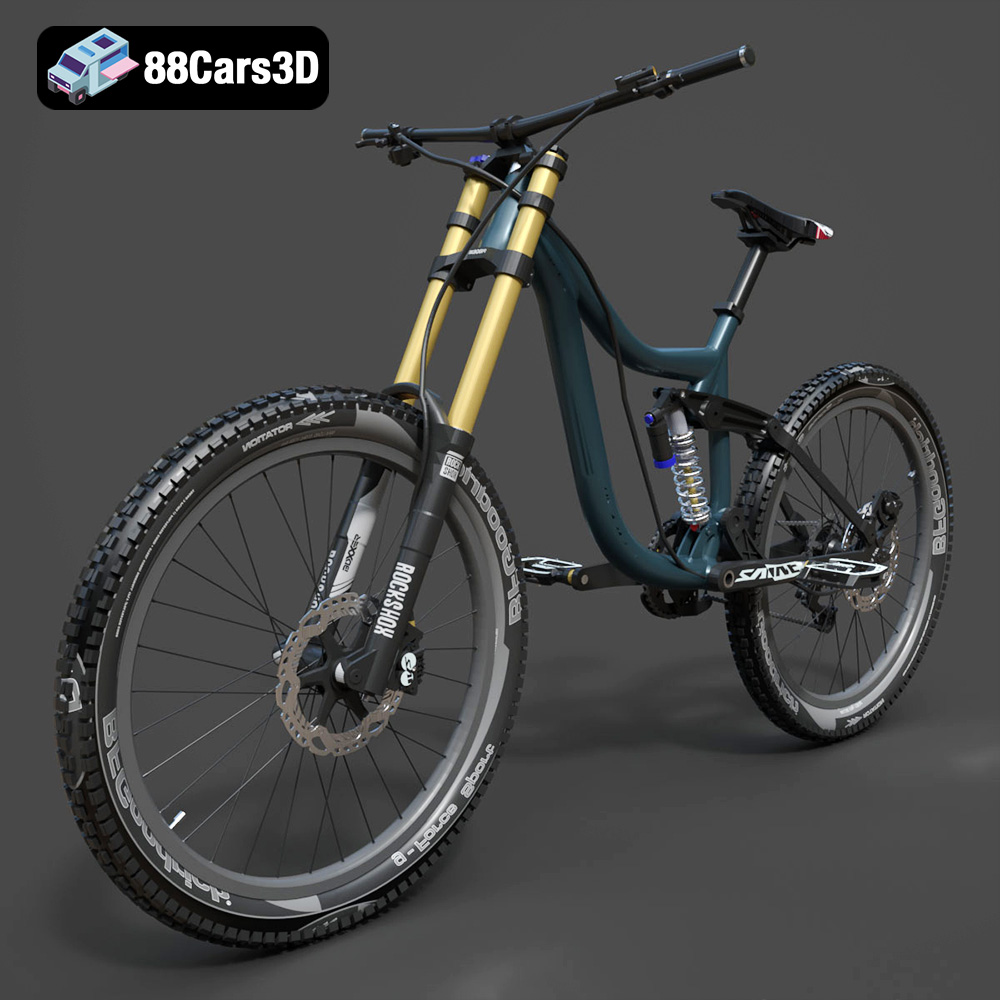
Texture: Yes
Material: Yes
Download the Mototsikly Downhill Bike-002 3D Model featuring clean geometry, realistic detailing, and precise mechanical components. Includes .blend, .fbx, .obj, .glb, .stl, .ply, .unreal, and .max formats for rendering, simulation, and game development.
Price: $19.99
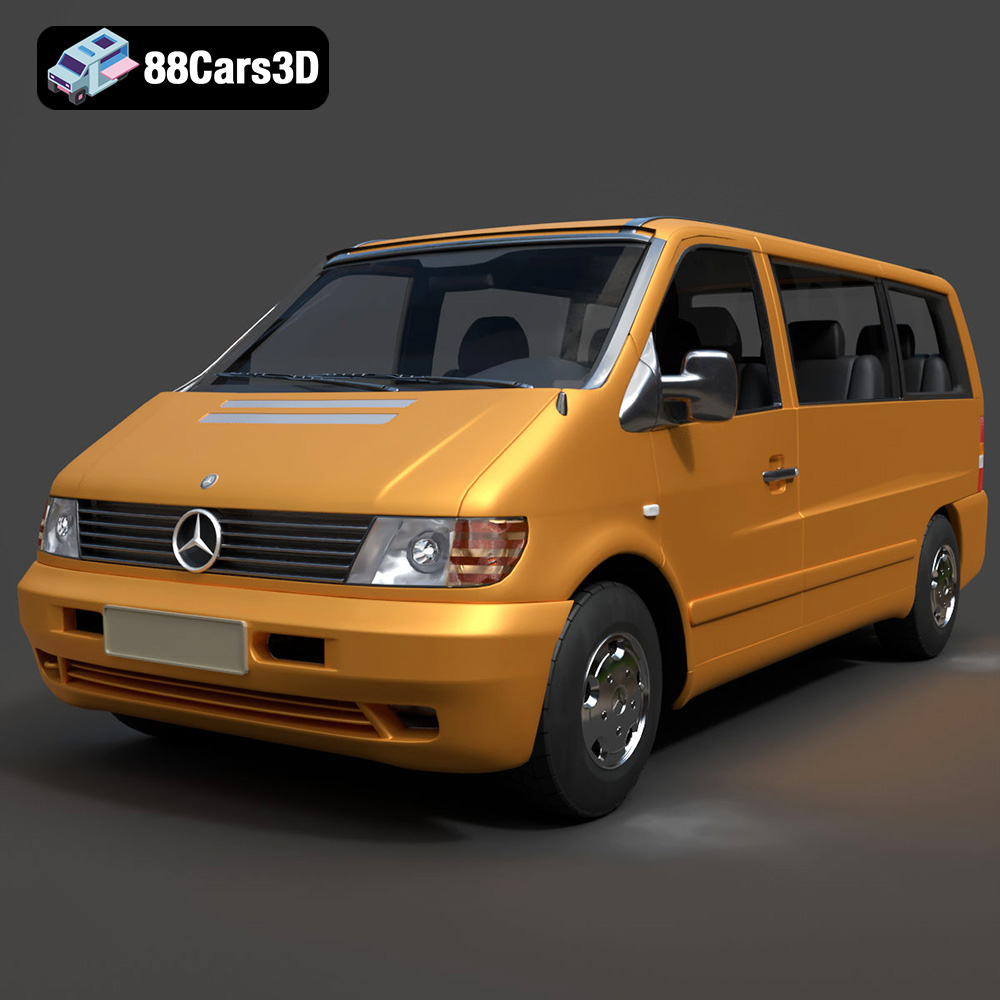
Texture: Yes
Material: Yes
Download the Mercedes-Benz Vito Passenger Van 3D Model featuring clean geometry, realistic detailing, and a fully modeled interior. Includes .blend, .fbx, .obj, .glb, .stl, .ply, .unreal, and .max formats for rendering, simulation, and game development.
Price: $19.99
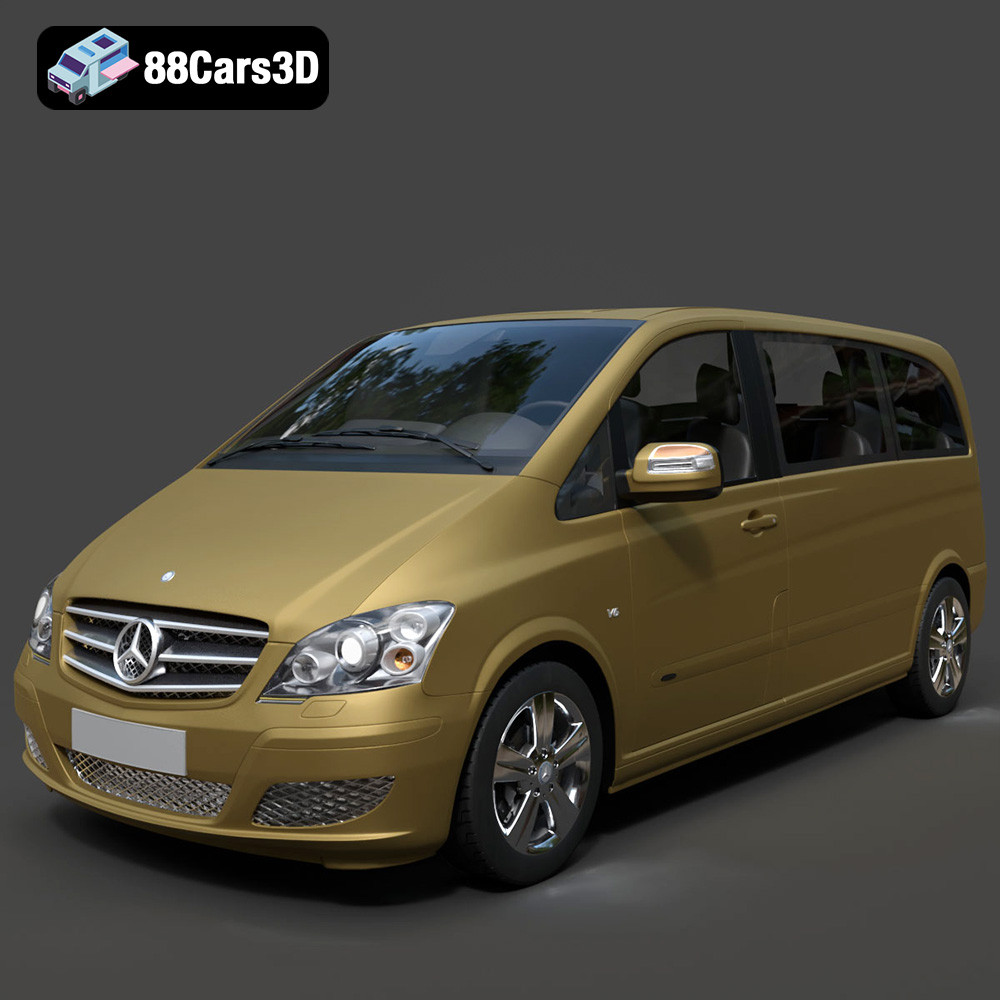
Texture: Yes
Material: Yes
Download the Mercedes-Benz Viano 2010 3D Model featuring clean geometry, realistic detailing, and a fully modeled interior. Includes .blend, .fbx, .obj, .glb, .stl, .ply, .unreal, and .max formats for rendering, simulation, and game development.
Price: $19.99

Texture: Yes
Material: Yes
Download the Emt Avtobus 007 3D Model featuring clean geometry, realistic detailing, and a fully modeled interior. Includes .blend, .fbx, .obj, .glb, .stl, .ply, .unreal, and .max formats for rendering, simulation, and game development.
Price: $19.99
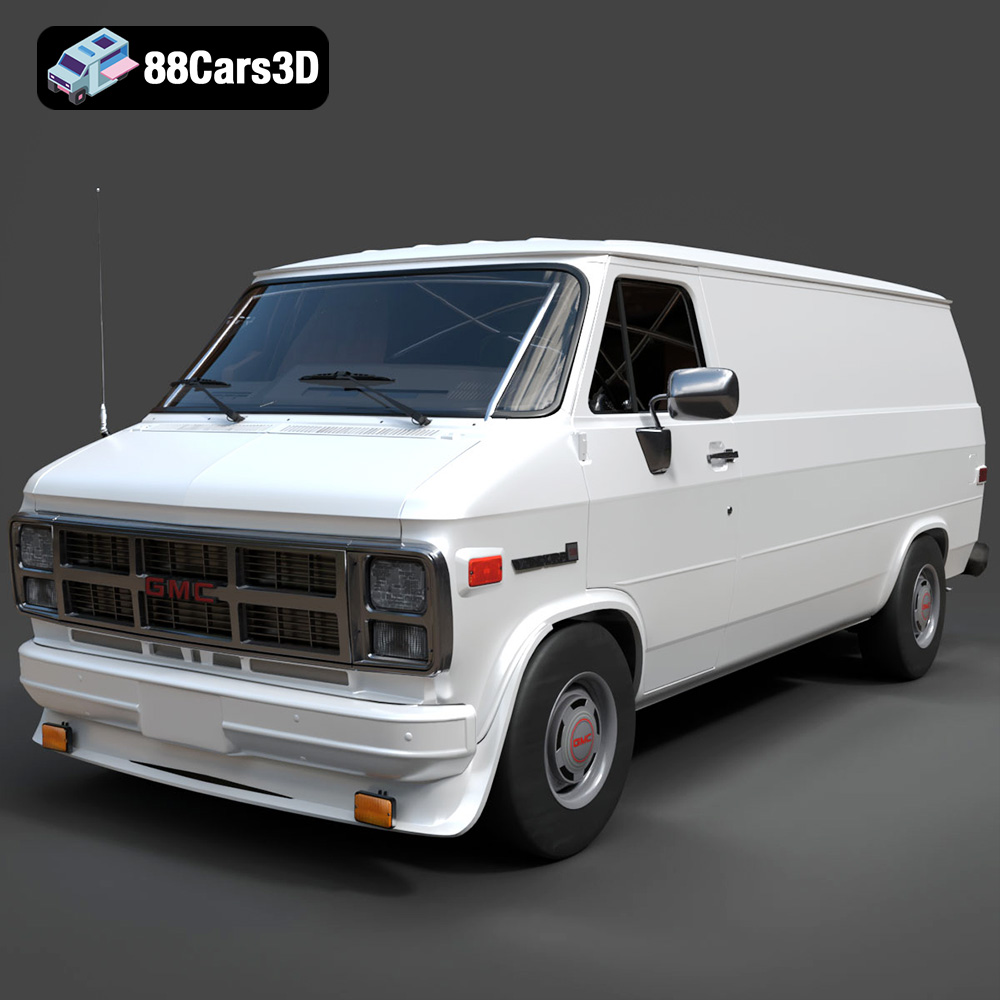
Texture: Yes
Material: Yes
Download the GMC Vandura G-1500 1983 3D Model featuring clean geometry, realistic detailing, and a fully modeled interior. Includes .blend, .fbx, .obj, .glb, .stl, .ply, .unreal, and .max formats for rendering, simulation, and game development.
Price: $19.99
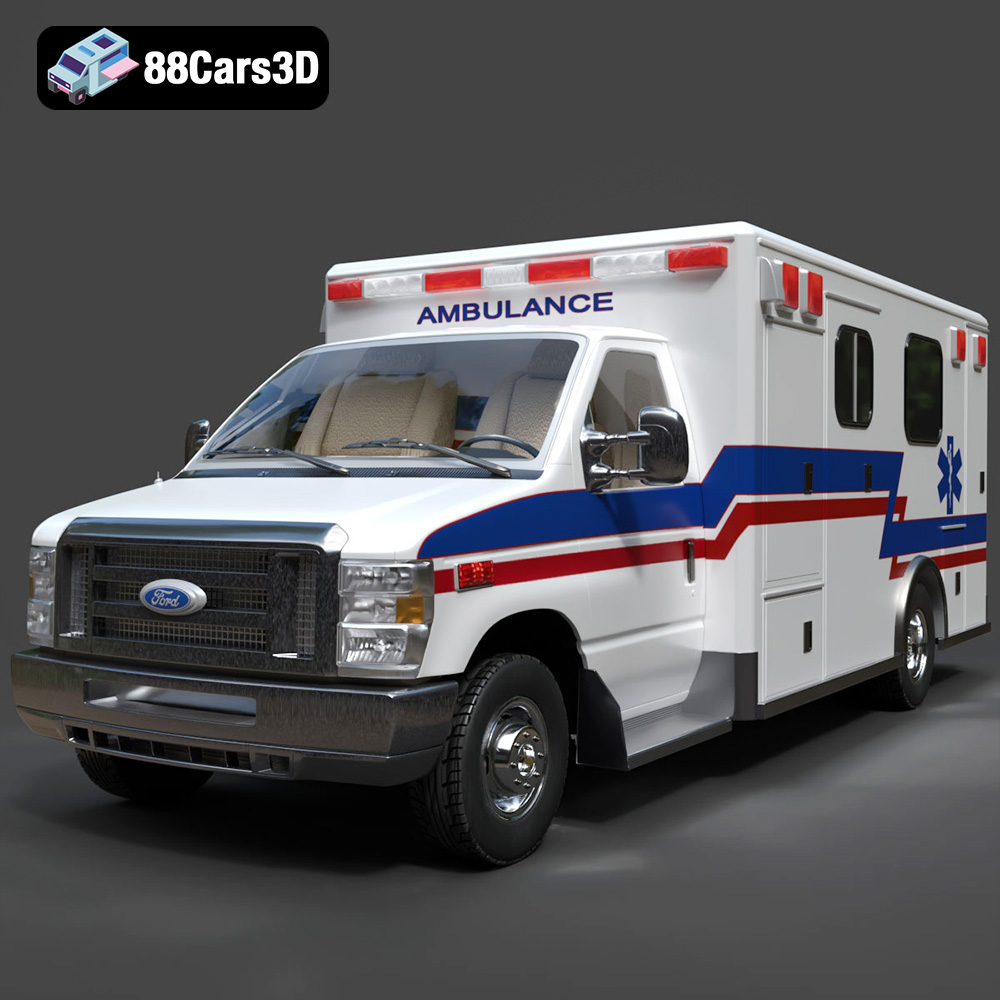
Texture: Yes
Material: Yes
Download the Ford E-450 Ambulance 3D Model featuring clean geometry, realistic detailing, and a fully modeled interior. Includes .blend, .fbx, .obj, .glb, .stl, .ply, .unreal, and .max formats for rendering, simulation, and game development.
Price: $19.99

