⚡ FLASH SALE: Get 60% OFF All Premium 3D & STL Models! ⚡

“`html
The world of 3D printing is vibrant, exciting, and at its core, relies on a fundamental file format: STL. Whether you’re a seasoned maker looking to expand your fleet of meticulously crafted 3D printable car models or a complete novice stepping into the realm of additive manufacturing, understanding STL files is paramount. This guide will demystify the STL format, breaking down its structure, its role in the 3D printing workflow, and how to prepare and print these essential digital blueprints. We’ll delve into everything from mesh topology and slicing intricacies to the crucial aspects of support structures and post-processing. Get ready to transform digital designs into tangible realities, starting with the humble STL file!
At its heart, an STL (STereoLithography or Standard Tessellation Language) file is a simple yet powerful way to represent the 3D geometry of an object. Unlike more complex 3D modeling formats that store intricate details like color, texture, or material properties, STL files focus solely on the surface geometry. They achieve this by breaking down the complex curves and surfaces of a 3D model into a collection of interconnected triangles. This collection, often referred to as a mesh or tessellation, forms a watertight, contiguous surface that defines the boundaries of the object. Each triangle is defined by three vertices (points in 3D space) and a normal vector, which indicates the outward-facing direction of the triangle’s surface. This normal vector is crucial for determining the “inside” and “outside” of the model, ensuring that your 3D printer knows how to build the object correctly. For collectors of detailed printable car models, the quality of this tessellation directly impacts the final print’s accuracy and aesthetic. A well-constructed STL file will have a dense enough mesh to capture fine details without becoming excessively large in file size.
Every triangle in an STL file is defined by three vertices. These vertices are essentially coordinates (X, Y, Z) in 3D space that form the corners of each triangular facet. The order in which these vertices are listed is important; it dictates the orientation of the triangle. The normal vector, a perpendicular line extending from the triangle’s surface, is calculated based on this vertex order. Typically, the right-hand rule is used: if you curl the fingers of your right hand from the first vertex to the second, your thumb points in the direction of the normal. This ensures consistency across the entire mesh. 3D printer settings and slicing software rely heavily on these normal vectors to understand the shell of the model, preventing errors during the slicing process. Inaccurate normals can lead to “inverted” surfaces or gaps in the mesh, causing printing failures.
STL files can exist in two primary formats: ASCII and Binary. The ASCII format is human-readable; you can open an ASCII STL file in a text editor and see the vertices, normals, and triangle definitions. This makes it useful for debugging or understanding the basic structure. However, ASCII files are typically much larger in file size and slower to parse. The Binary format, on the other hand, is more compact and efficient. It stores the same geometric information but in a machine-readable binary code. For most 3D printing applications, especially when dealing with complex models like detailed automotive designs, the Binary STL format is preferred due to its smaller file size and faster processing times. When downloading STL files from marketplaces such as 88cars3d.com, they are almost always provided in the more efficient Binary format.
The journey from a 3D model to a successful print begins long before you hit the “print” button. For STL files, particularly those intended for intricate models like vintage cars or modern sports cars, meticulous preparation is key. This involves ensuring the model is “watertight,” meaning it has no holes or gaps in its surface, and that all its components are properly manifolded. A manifold mesh is essentially a continuous, closed surface without any self-intersections or dangling edges. Many 3D modeling software packages can create non-manifold geometries by accident, especially during complex modeling operations or Boolean operations. Fortunately, several powerful tools exist to repair and prepare STL files, making them print-ready. Platforms like 88cars3d.com often provide models that have already undergone this crucial preparation, but understanding the process is vital for troubleshooting or working with custom designs.
A common issue with STL files is the presence of holes. These can occur where two separate surfaces meet but don’t form a continuous boundary, or where geometry has been deleted and not properly rejoined. Slicing software interprets these holes as openings, leading to failed prints where the infill might pour out or the outer shell isn’t formed correctly. Tools like Meshmixer, Blender (using its 3D-Print Toolbox addon), or Autodesk Netfabb offer automated and manual mesh repair functionalities. These tools can detect holes, often automatically fill them, and also identify and fix other common issues such as inverted normals, non-manifold edges, and self-intersecting faces. For complex car models with many interlocking parts, ensuring each part is watertight before assembly and slicing is crucial. A quick check in your preferred slicer or a dedicated repair tool can save hours of printing time.
Manifold geometry is essential for 3D printing. Think of it as a perfectly sealed container. A non-manifold edge, for instance, is an edge that connects more than two faces. This can happen where multiple surfaces meet at a single edge, creating ambiguity for the slicer. Similarly, faces intersecting themselves can create impossible geometry for a printer to interpret. Many slicers will flag these issues, but some might try to guess the intended geometry, leading to unpredictable results. Professional software like Netfabb excels at identifying and resolving these complex mesh errors. For advanced users, understanding how to check for manifold errors in Blender using its “3D-Print Toolbox” can be invaluable for ensuring a clean print, especially when merging multiple components of a complex car model.
Before slicing, consider the scale and orientation of your STL file. Ensure the model is scaled to the desired dimensions. Most slicers allow scaling, but it’s good practice to have the model at the correct scale before importing. Orientation is even more critical. The way an object is positioned on the print bed significantly affects print quality, strength, and the need for support structures. For car models, consider the orientation that best preserves detail (e.g., avoiding overhangs on delicate spoilers or wheel spokes) and minimizes visible layer lines on key surfaces. For example, printing a car body upright might require extensive supports for the undercarriage, while printing it upside down might introduce issues with the roofline. Experimenting with different orientations in your slicer (like Cura or PrusaSlicer) is a fundamental step in optimizing the print.
The STL file, once prepared, is fed into a piece of software called a “slicer.” Popular slicers include Ultimaker Cura, PrusaSlicer, and Simplify3D. The slicer’s job is to “slice” the 3D model into hundreds or thousands of horizontal layers and generate the toolpath instructions (G-code) that your 3D printer will follow to build the object layer by layer. This process involves defining numerous 3D printer settings that directly influence the quality, strength, and print time of your final object. For intricate printable car models, selecting the right slicing parameters is crucial for capturing fine details like panel gaps, headlights, and intricate grilles.
Several parameters within your slicer software are paramount:
The tradeoff between detail and print time is nowhere more apparent than in layer height selection. A typical car model might have complex curves, sharp edges, and small features. Using a 0.1mm layer height will capture these details much better than a 0.3mm layer height. However, a model that takes 5 hours at 0.3mm might take 15-20 hours at 0.1mm. For critical viewing surfaces or small-scale models, investing the extra time for a finer layer height is usually worthwhile. Always consider the scale of the STL file and the printer’s capabilities. Some printers achieve better results at finer layer heights than others.
The infill pattern and density are crucial for the structural integrity and weight of your print. For static display models, like many car models found on 88cars3d.com, a low infill percentage (10-20%) with a simple pattern like Grid or Lines is often sufficient. This saves material and print time. If the model needs to withstand some handling or if you’re printing larger scale components, increasing the infill density to 30-50% and using a stronger pattern like Cubic or Gyroid can provide better support and durability. The Gyroid pattern is particularly effective as it distributes stress evenly in all directions and is self-supporting to some extent.
One of the most critical aspects of 3D printing, especially for complex geometries like car models with overhangs and bridges, is the generation and management of support structures. These are temporary structures printed alongside the model to provide a foundation for overhanging parts that would otherwise print in mid-air, leading to sagging, warping, or complete print failure. Effective support generation requires a balance: enough support to ensure a successful print, but not so much that it becomes difficult to remove or damages the delicate details of the model. Understanding the different types of supports and how to configure them in your slicer is essential for high-quality FDM printing and resin printing alike.
Slicers typically offer several types of supports:
When printing car models, consider where supports will have the least visual impact. Supports under the chassis or inside wheel wells are less problematic than those directly on the body panels or roof.
Configuring support settings in your slicer involves several key parameters:
Support removal often requires tools like pliers, flush cutters, hobby knives, and sometimes gentle sanding. For resin prints, supports are typically much finer and require careful removal using a hobby knife or specialized tools after washing and curing. Patience is key to avoid damaging the print.
The approach to supports differs significantly between resin printing (SLA/DLP/MSLA) and FDM printing. FDM supports are printed with the same filament and nozzle, essentially acting as temporary scaffolding. Resin supports are usually thin rods or rafts printed directly from the same resin vat, adhering to the model’s surface. They are designed to hold the model securely against the build plate against the pull of the curing resin and to support overhangs. Resin supports tend to be finer and more numerous, often needing careful detachment with a blade. The orientation is critical in resin printing, with the goal of minimizing the cross-sectional area of each layer being cured to reduce peel forces.
The choice of printing material and the type of 3D printer (FDM or resin) you’re using will profoundly influence the outcome of your 3D printed car models. Each material has unique properties, and different printers excel at rendering different levels of detail and achieving specific finishes. Understanding these differences is crucial for selecting the right approach for your project, whether you’re aiming for a display-quality replica or a functional prototype.
For hobbyists, especially those using FDM printers, PLA (Polylactic Acid) is the most popular choice. It’s easy to print, comes in a vast array of colors, and has low warping tendencies. It’s ideal for many display models. PETG (Polyethylene Terephthalate Glycol) offers greater strength, durability, and temperature resistance than PLA, making it suitable for parts that might need to withstand more stress. ABS (Acrylonitrile Butadiene Styrene) is known for its toughness and impact resistance but requires higher print temperatures, often needs an enclosure to prevent warping, and emits fumes. For detailed car models, PLA or PETG are often preferred for their ease of use and good detail reproduction on standard FDM printers. Advanced users might opt for ABS for its superior mechanical properties.
Resin printing, using technologies like Stereolithography (SLA) or Masked Stereolithography (MSLA), excels at producing incredibly high-detail prints. The liquid photopolymer resin is cured layer by layer using a UV light source. This process allows for extremely fine details, smooth surfaces, and sharp edges, making it the go-to choice for highly detailed miniatures, including intricate printable car models. Standard resins are suitable for most applications, but specialized resins offer properties like increased toughness, flexibility, or high-temperature resistance. The primary drawback is the post-processing required (washing in isopropyl alcohol and a final UV cure) and the potential mess involved with liquid resins.
The choice between an FDM printer and a resin printer for car models depends on your priorities. If you need larger scale models, want a wider variety of material colors straight off the printer, or prioritize ease of use and less mess, an FDM printer is likely your best bet. You can achieve excellent results with careful calibration and slicing. However, if your goal is the absolute highest level of detail – think intricate engine bays, delicate spoilers, or perfectly rendered grilles on a miniature scale – a resin printer will typically deliver superior results. Many enthusiasts use both: FDM for larger body components and resin for smaller, highly detailed parts like wheels, engines, or interior elements, which are then assembled.
The printing process is only part of the journey to a finished 3D printed car model. Post-processing is where you transform a raw print into a polished, display-worthy object. This stage involves removing support structures, smoothing surfaces, and potentially assembling multiple printed parts. The extent of post-processing required varies greatly depending on the printing technology, material, and desired final appearance. For intricate printable car models, skillful post-processing can elevate a good print to an exceptional one.
As discussed earlier, carefully removing support structures is the first step. After removal, you’ll often be left with small blemishes or marks where the supports were attached. For FDM prints, sanding is the most common method for smoothing surfaces and removing these imperfections. Start with a coarser grit sandpaper (e.g., 120-220 grit) to remove major marks and layer lines, then progressively move to finer grits (400, 800, 1000, and even higher) for a smooth finish. For resin prints, sanding is also effective, but the smoother base surface often requires less aggressive sanding. Tools like hobby knives and files can also be used for precise removal of support remnants. Some materials, like ABS, can be vapor-smoothed using acetone for an exceptionally smooth finish, though this requires caution and proper ventilation.
If your model consists of multiple parts that need to be joined, or if there are minor imperfections or gaps from the printing process, using a filler is often necessary. Modeling putty, epoxy putty, or even a filler primer can be used to fill these areas. Apply the filler, let it cure, and then sand it smooth to blend seamlessly with the surrounding model. Once the surface is smooth and all imperfections are addressed, applying a primer is a crucial step before painting. Primer not only provides a uniform base color but also helps reveal any remaining imperfections that you might have missed. A light sanding after priming can further enhance the surface finish.
With the model smoothed, filled, and primed, you’re ready for painting. Acrylic model paints are a popular choice for both FDM and resin prints, available in spray cans or for brush application. Airbrushing can provide the most professional finish, especially for achieving smooth gradients and detailed paint jobs. Pay attention to the specific paint recommendations for the material you’ve used (e.g., using paints designed for plastics). Finally, assemble the various components of your car model. Cyanoacrylate (super glue), epoxy adhesives, or plastic cement are common choices for bonding 3D printed parts. For larger or more complex assemblies, consider designing in alignment pins or slots into your STL files during the modeling phase to ensure accurate alignment during assembly.
Even with the best preparation and 3D printer settings, printing failures can occur. Understanding common issues and their potential causes is part of mastering the 3D printing process. For complex objects like detailed car models, a single failed print can be frustrating, so knowing how to diagnose and fix problems quickly is invaluable. Many issues stem from fundamental factors like bed adhesion, temperature control, or filament quality.
Prints failing to stick to the build plate is one of the most frequent problems. This can manifest as the first layer peeling up, curling, or the entire print detaching mid-print. Causes include:
For car models with large base areas, ensuring excellent first-layer adhesion is critical.
These issues relate to the amount of filament being extruded.
Layer shifting occurs when one layer is misaligned with the previous ones, creating a distinct “step” or offset in the print. This is typically caused by mechanical issues: the print head or build plate encountering resistance and skipping steps on the motors. Check for loose belts, tight axis movement, or the print head snagging on a part of the print or a stray piece of filament. Other quality defects like “zits” or “blobs” can often be improved by adjusting retraction settings and coasting parameters in the slicer. Regularly calibrating your printer, including E-steps and PID tuning, is fundamental to consistent print quality.
Mastering the STL file format and the associated 3D printing workflow opens up a universe of possibilities for creating stunning printable car models and countless other objects. From understanding the fundamental triangle-based structure of STL files to preparing them with mesh repair tools, meticulously configuring slicing parameters, effectively managing supports, and employing skillful post-processing techniques, each step contributes to the final quality of your print. Whether you’re using FDM or resin technology, the principles of good digital preparation and thoughtful print execution remain the same. By leveraging resources and high-quality STL files from platforms like 88cars3d.com, combined with a solid understanding of these technical aspects, you’re well-equipped to bring your automotive visions to life in stunning three-dimensional detail. Happy printing!
“`

Meta Description:
Texture: Yes
Material: Yes
Download the Porsche Cayenne 3D Model featuring realistic exterior styling and detailed interior design. Includes .blend, .fbx, .obj, .glb, .stl, .ply, .unreal, and .max formats for rendering, simulation, AR VR, and game development.
Price: $19.9
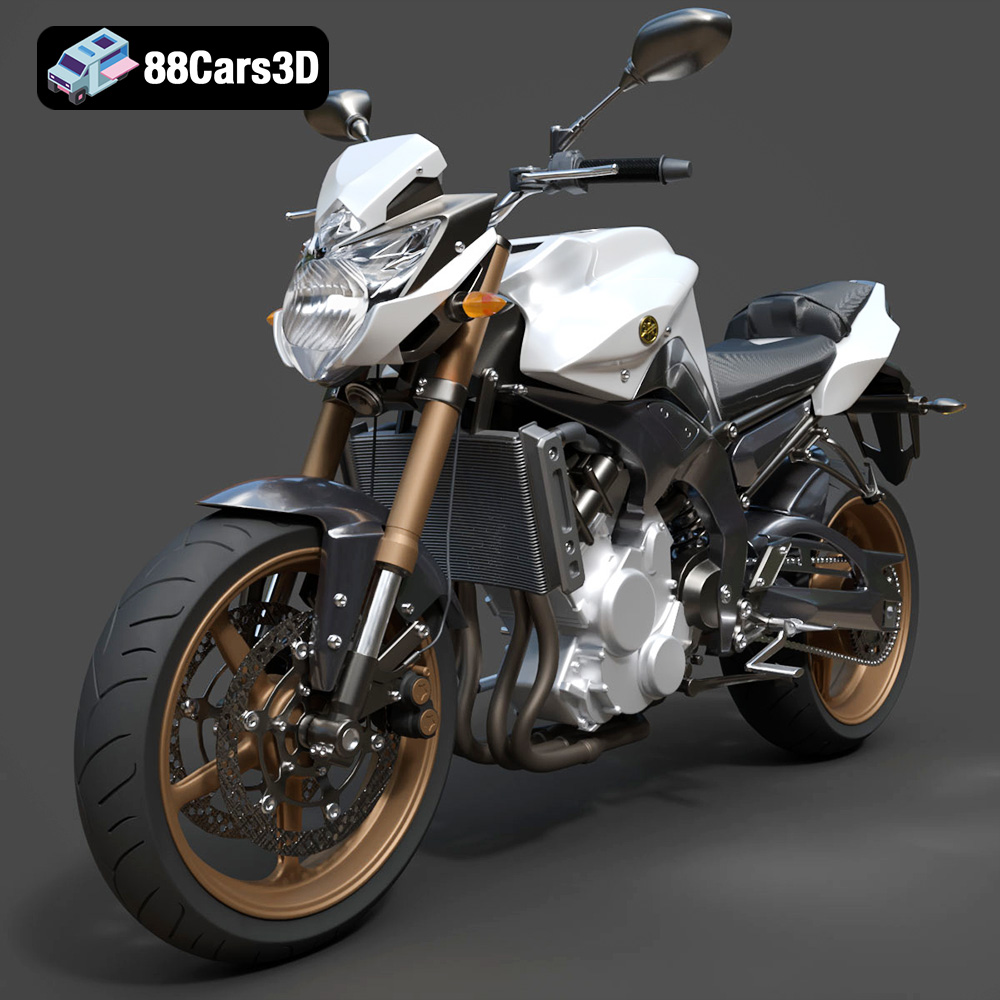
Texture: Yes
Material: Yes
Download the Yamaha FZ8 2011 3D Model featuring clean geometry, realistic detailing, and a fully modeled interior. Includes .blend, .fbx, .obj, .glb, .stl, .ply, .unreal, and .max formats for rendering, simulation, and game development.
Price: $19.99
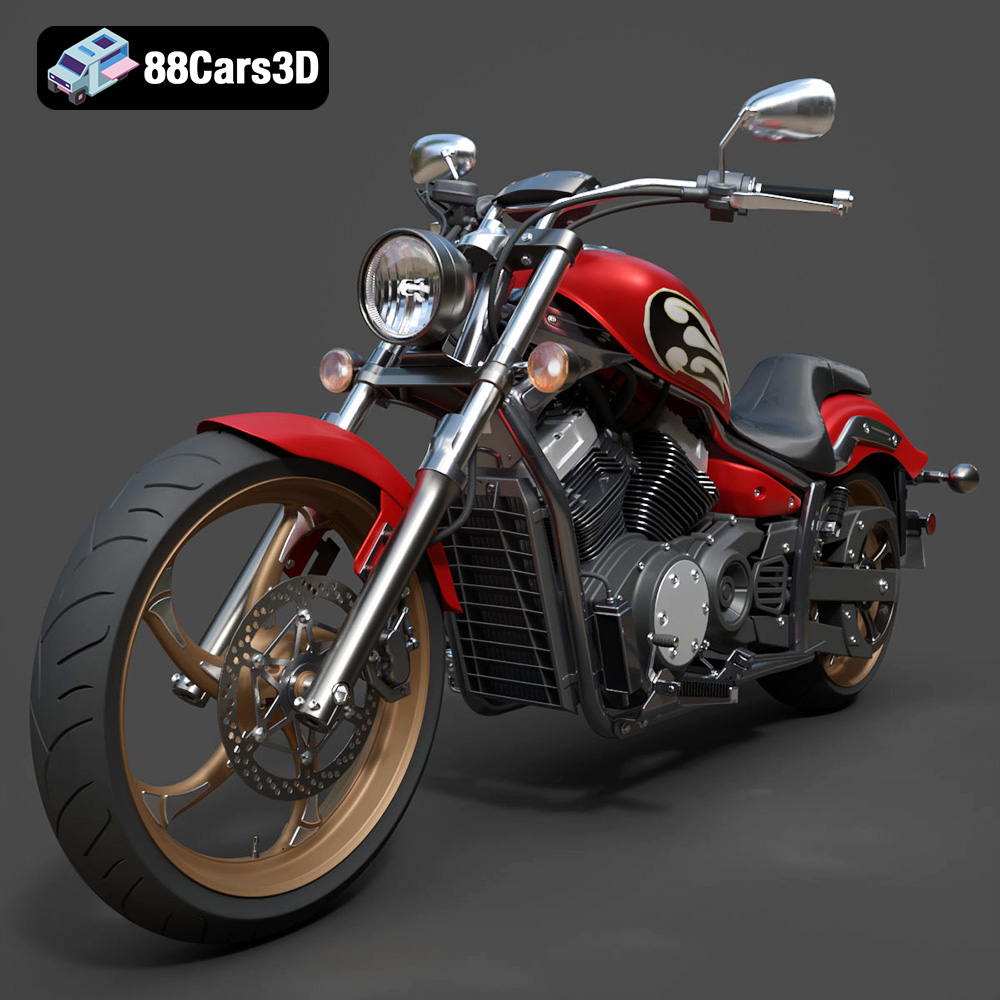
Texture: Yes
Material: Yes
Download the Yamaha Stryker 2012 3D Model featuring clean geometry, realistic detailing, and a fully modeled interior. Includes .blend, .fbx, .obj, .glb, .stl, .ply, .unreal, and .max formats for rendering, simulation, and game development.
Price: $19.99
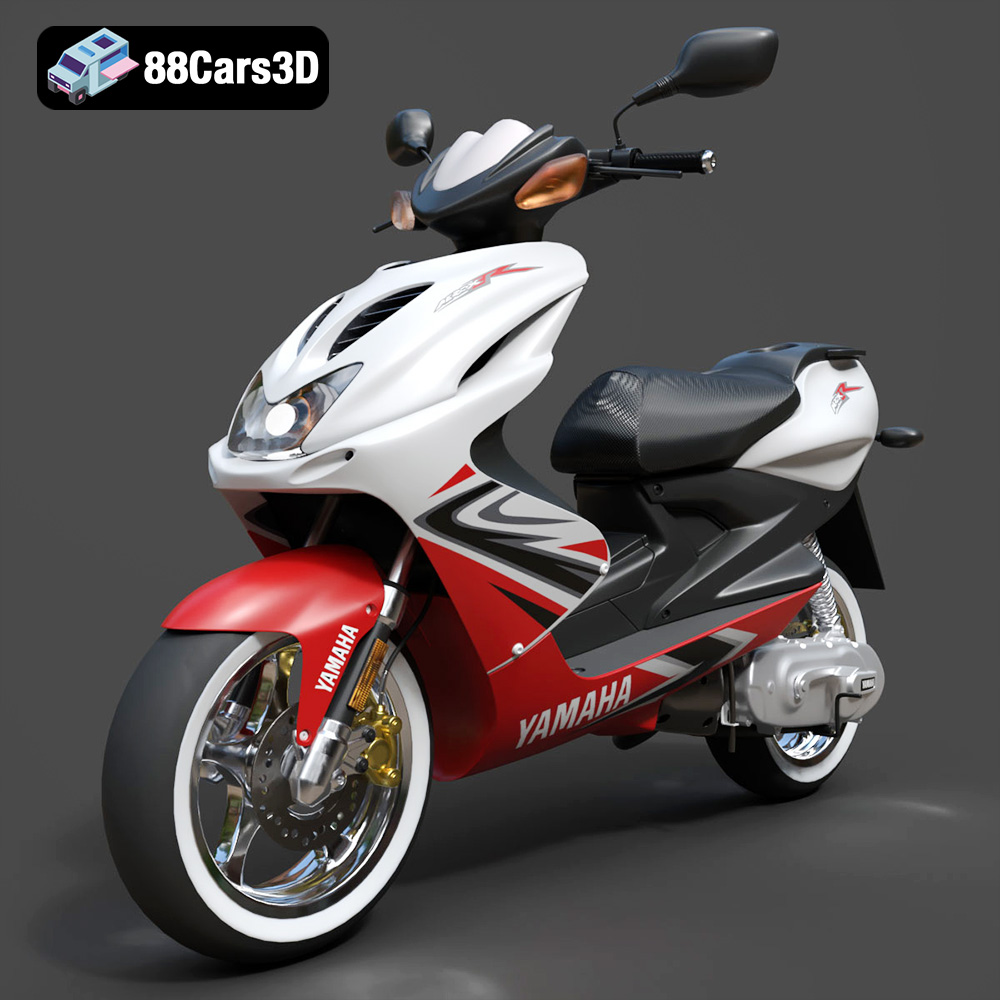
Texture: Yes
Material: Yes
Download the Yamaha Aerox R-002 2024 3D Model featuring clean geometry, realistic detailing, and a fully modeled interior. Includes .blend, .fbx, .obj, .glb, .stl, .ply, .unreal, and .max formats for rendering, simulation, and game development.
Price: $19.99
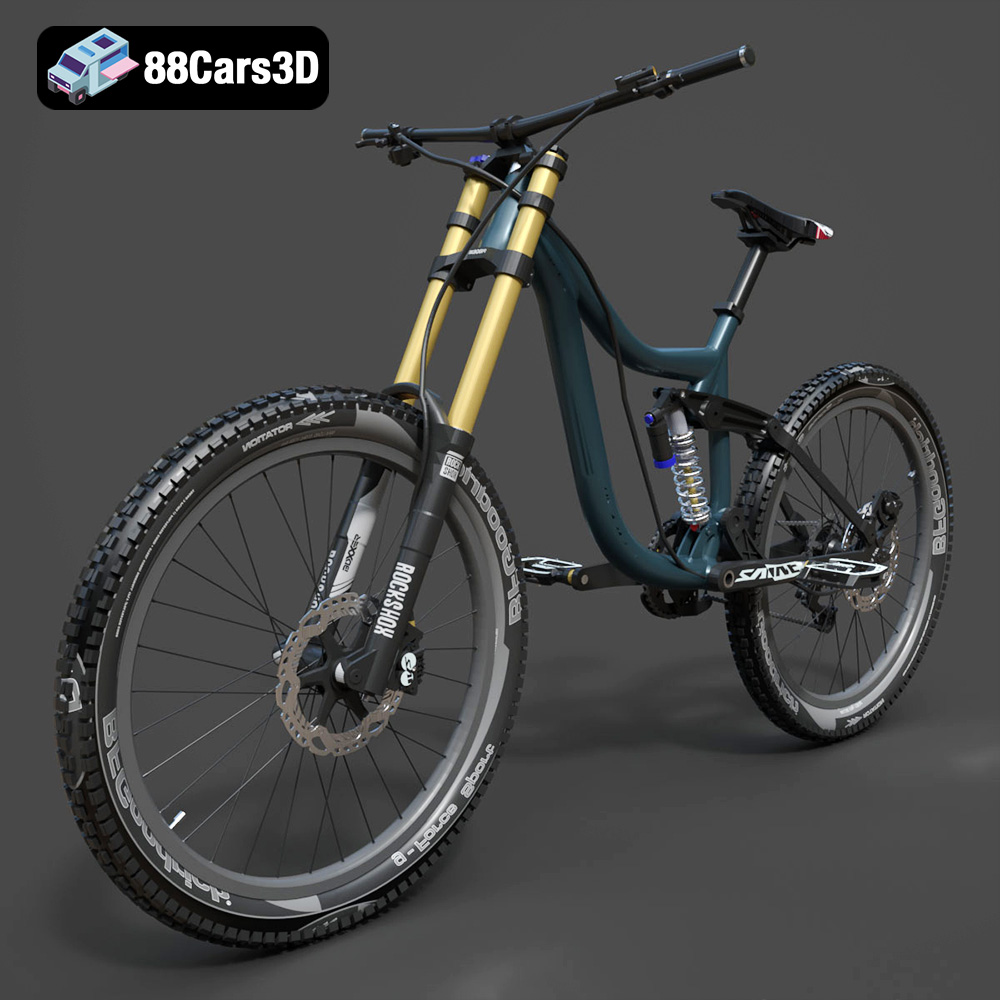
Texture: Yes
Material: Yes
Download the Mototsikly Downhill Bike-002 3D Model featuring clean geometry, realistic detailing, and precise mechanical components. Includes .blend, .fbx, .obj, .glb, .stl, .ply, .unreal, and .max formats for rendering, simulation, and game development.
Price: $19.99
Texture: Yes
Material: Yes
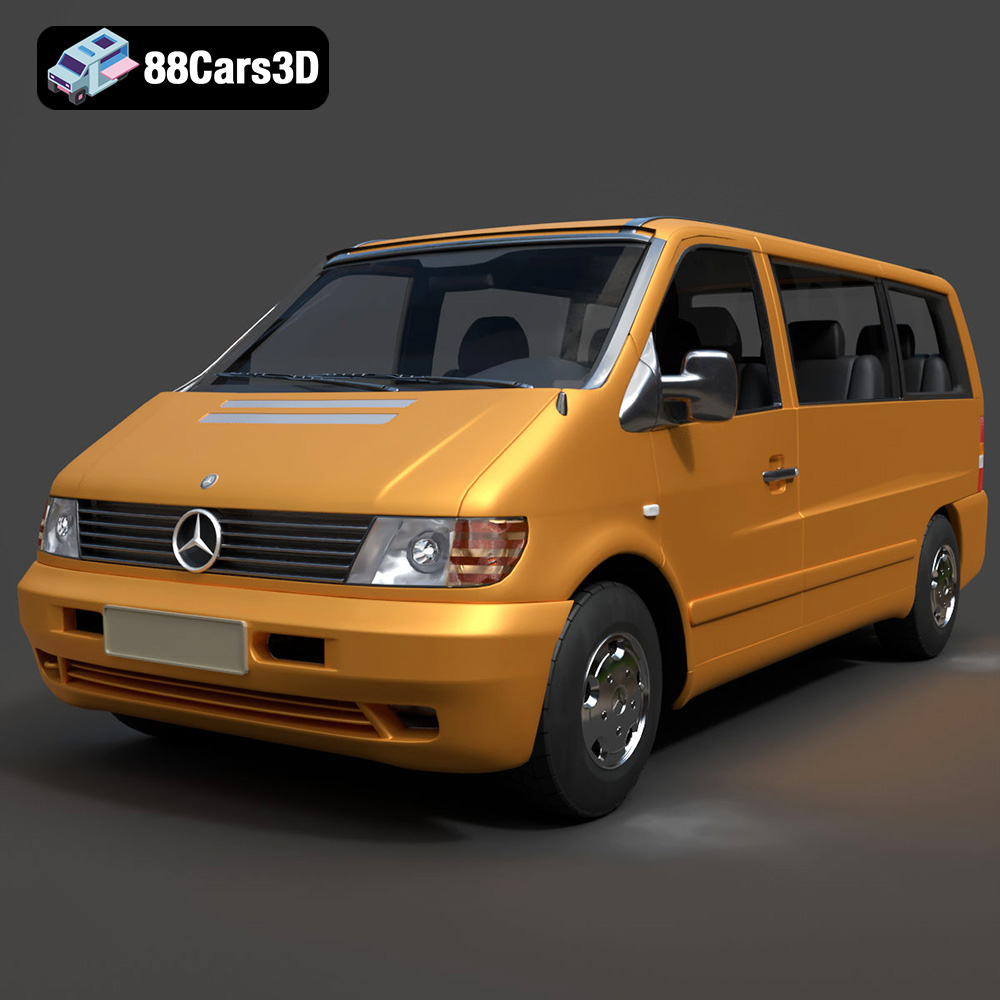
Download the Mercedes-Benz Vito Passenger Van 3D Model featuring clean geometry, realistic detailing, and a fully modeled interior. Includes .blend, .fbx, .obj, .glb, .stl, .ply, .unreal, and .max formats for rendering, simulation, and game development.
Price: $19.99
Texture: Yes
Material: Yes
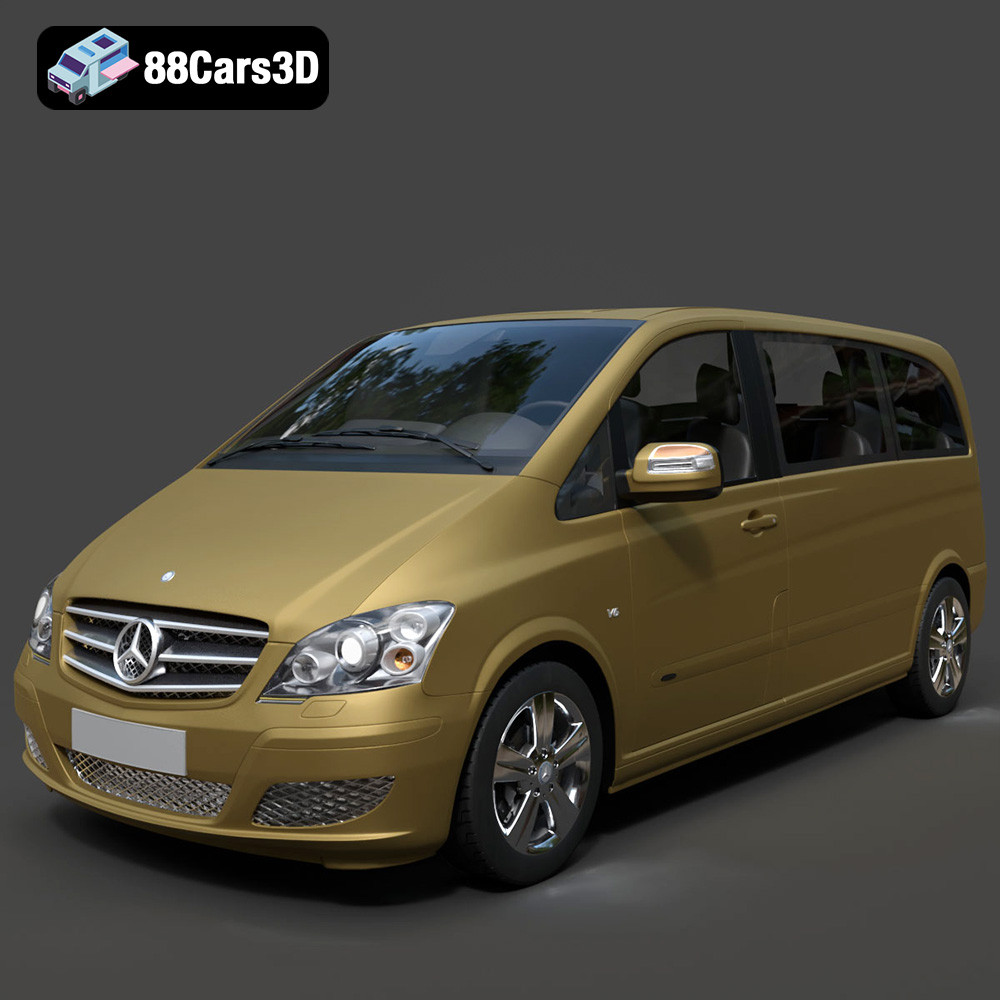
Download the Mercedes-Benz Viano 2010 3D Model featuring clean geometry, realistic detailing, and a fully modeled interior. Includes .blend, .fbx, .obj, .glb, .stl, .ply, .unreal, and .max formats for rendering, simulation, and game development.
Price: $19.99

Texture: Yes
Material: Yes
Download the Emt Avtobus 007 3D Model featuring clean geometry, realistic detailing, and a fully modeled interior. Includes .blend, .fbx, .obj, .glb, .stl, .ply, .unreal, and .max formats for rendering, simulation, and game development.
Price: $19.99
Texture: Yes
Material: Yes
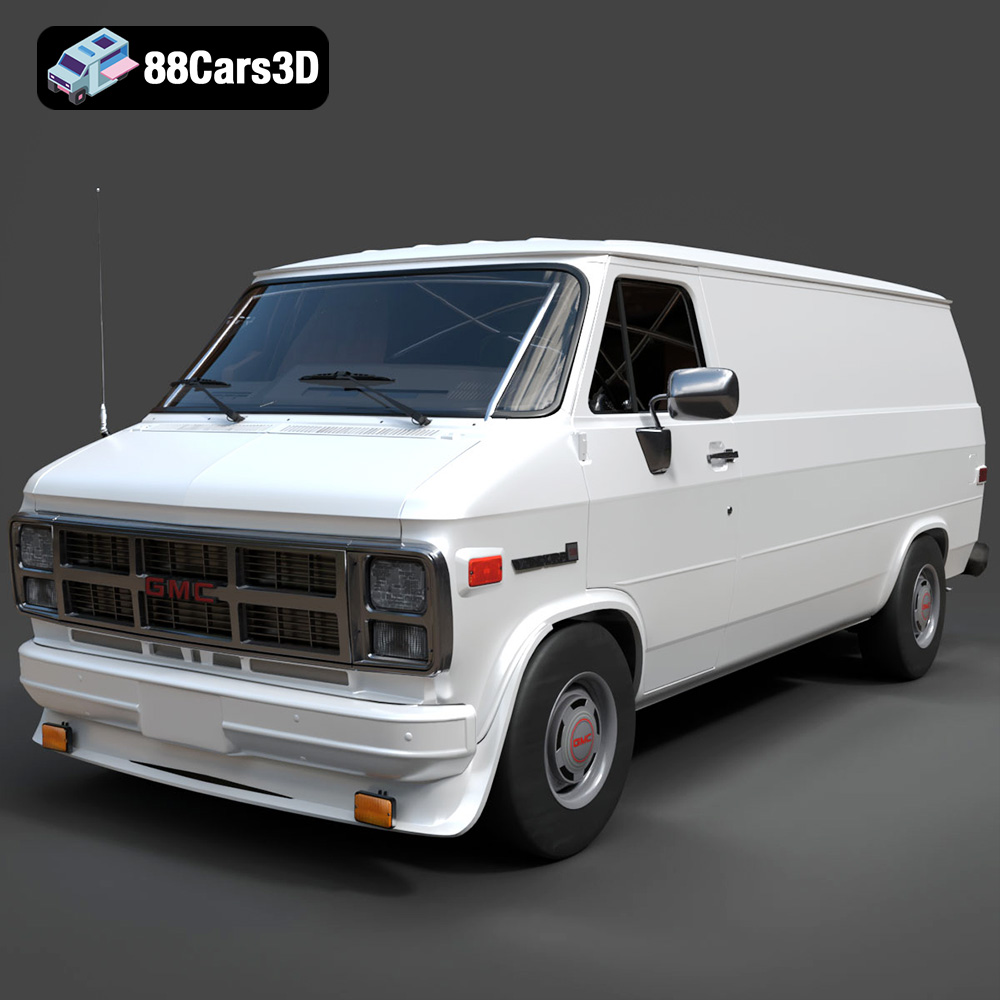
Download the GMC Vandura G-1500 1983 3D Model featuring clean geometry, realistic detailing, and a fully modeled interior. Includes .blend, .fbx, .obj, .glb, .stl, .ply, .unreal, and .max formats for rendering, simulation, and game development.
Price: $19.99
Texture: Yes
Material: Yes
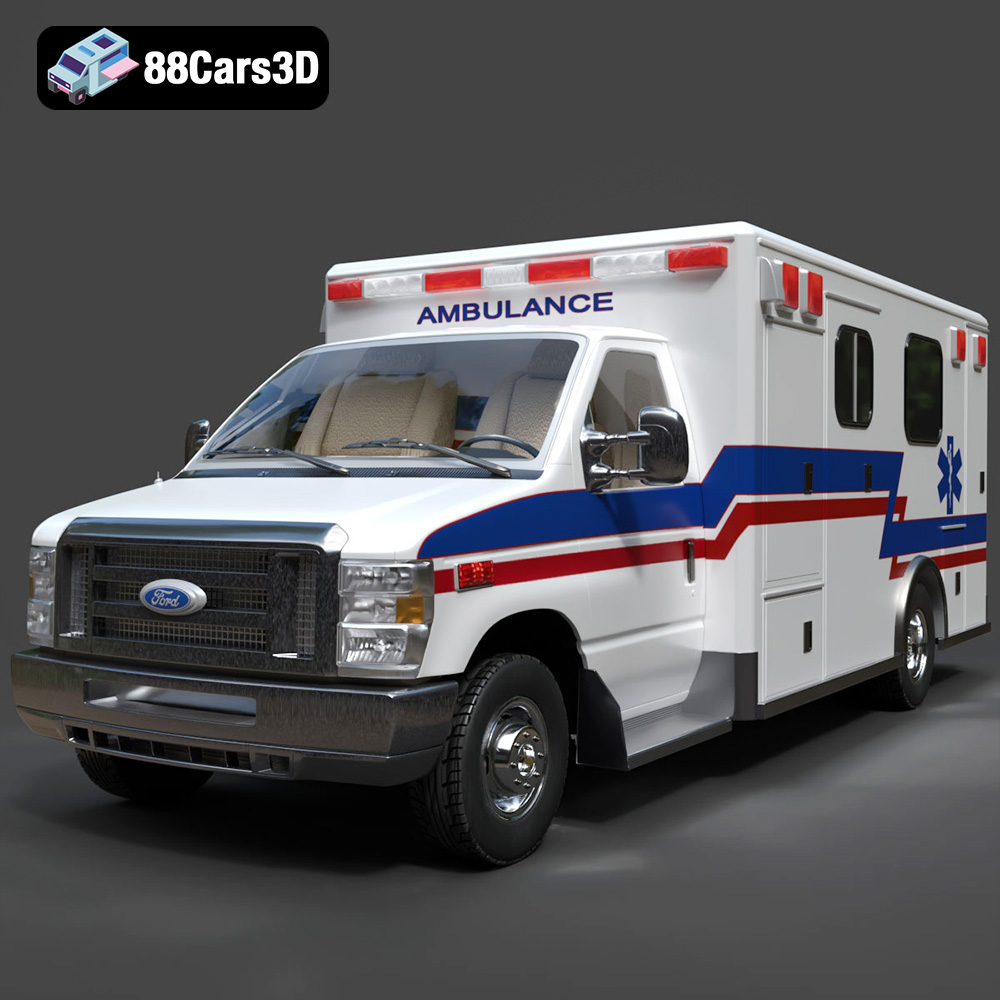
Download the Ford E-450 Ambulance 3D Model featuring clean geometry, realistic detailing, and a fully modeled interior. Includes .blend, .fbx, .obj, .glb, .stl, .ply, .unreal, and .max formats for rendering, simulation, and game development.
Price: $19.99

