⚡ FLASH SALE: Get 60% OFF All Premium 3D & STL Models! ⚡

In the dynamic world of 3D design, the demand for exceptionally detailed and production-ready assets is ceaseless. Whether you’re crafting the next blockbuster game, producing a captivating architectural visualization, or developing an immersive AR/VR experience, the quality of your 3D models forms the bedrock of your project’s success. Substandard assets can lead to frustrating technical hurdles, wasted time, and ultimately, a compromise on your creative vision.
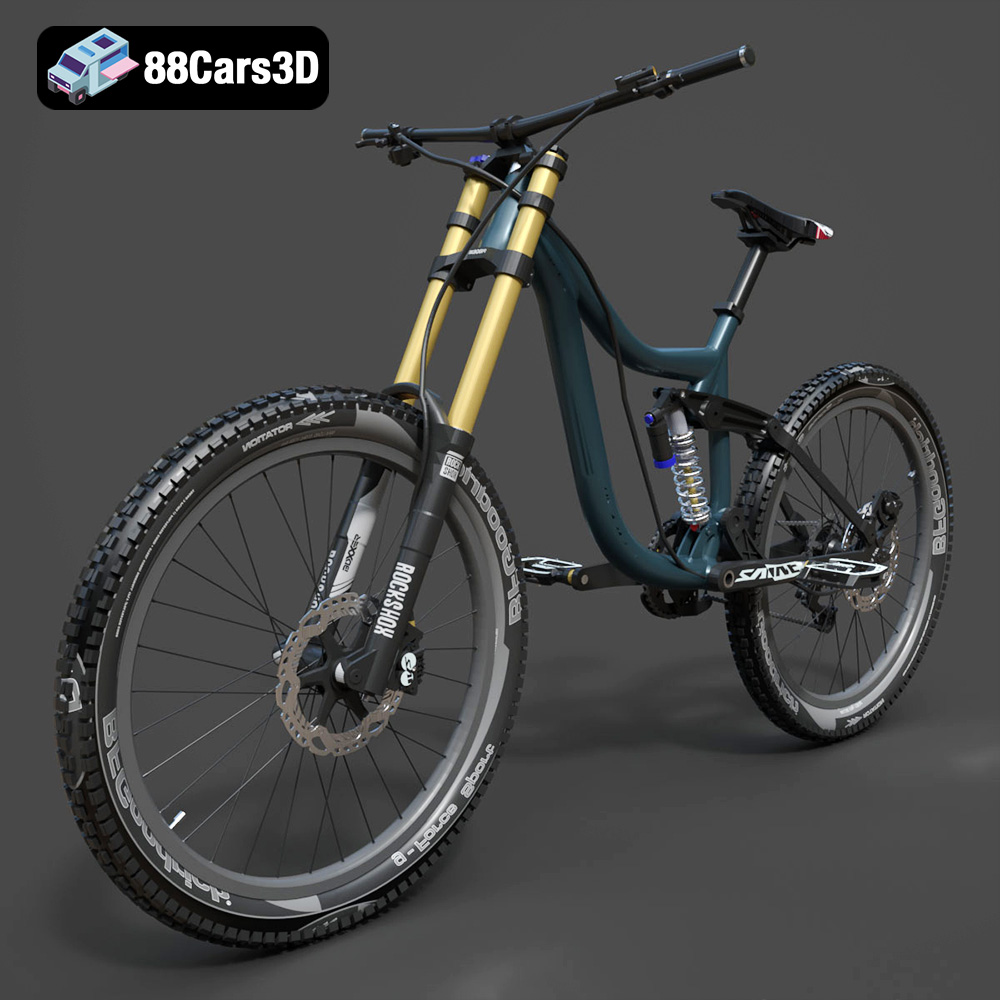
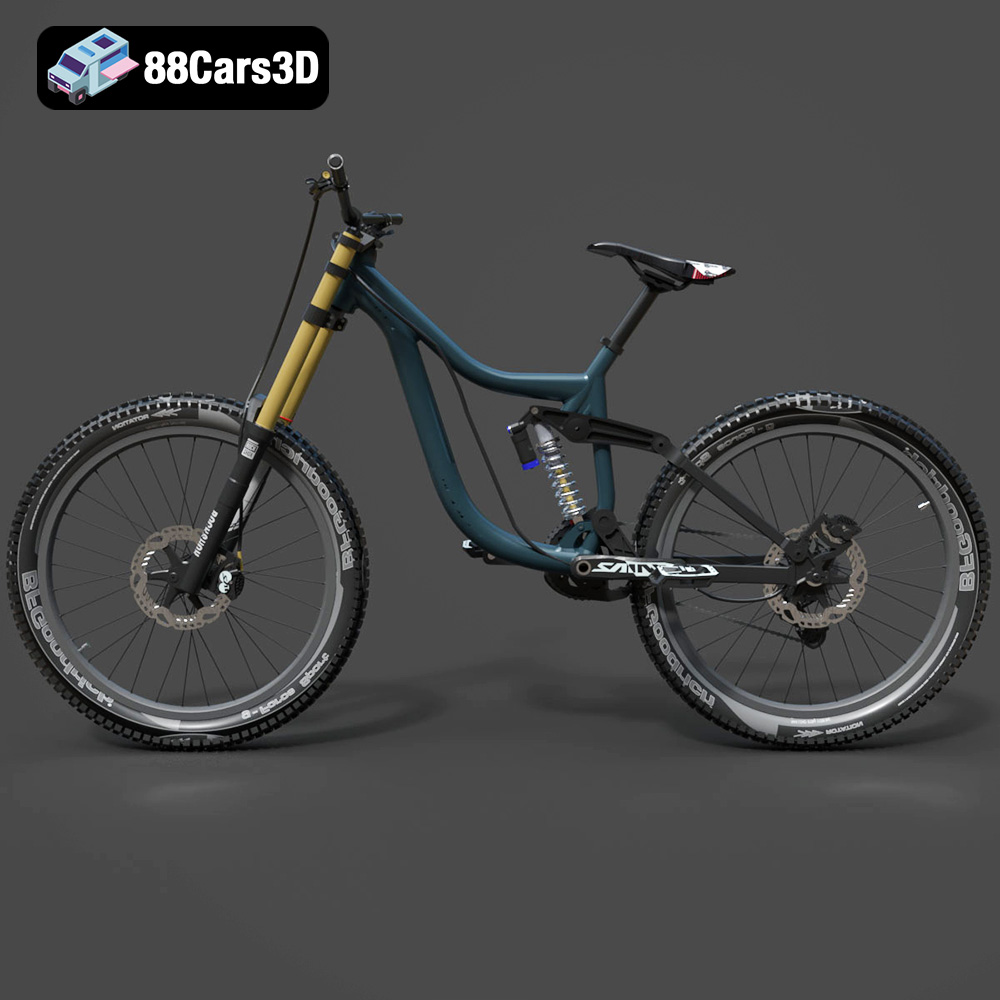
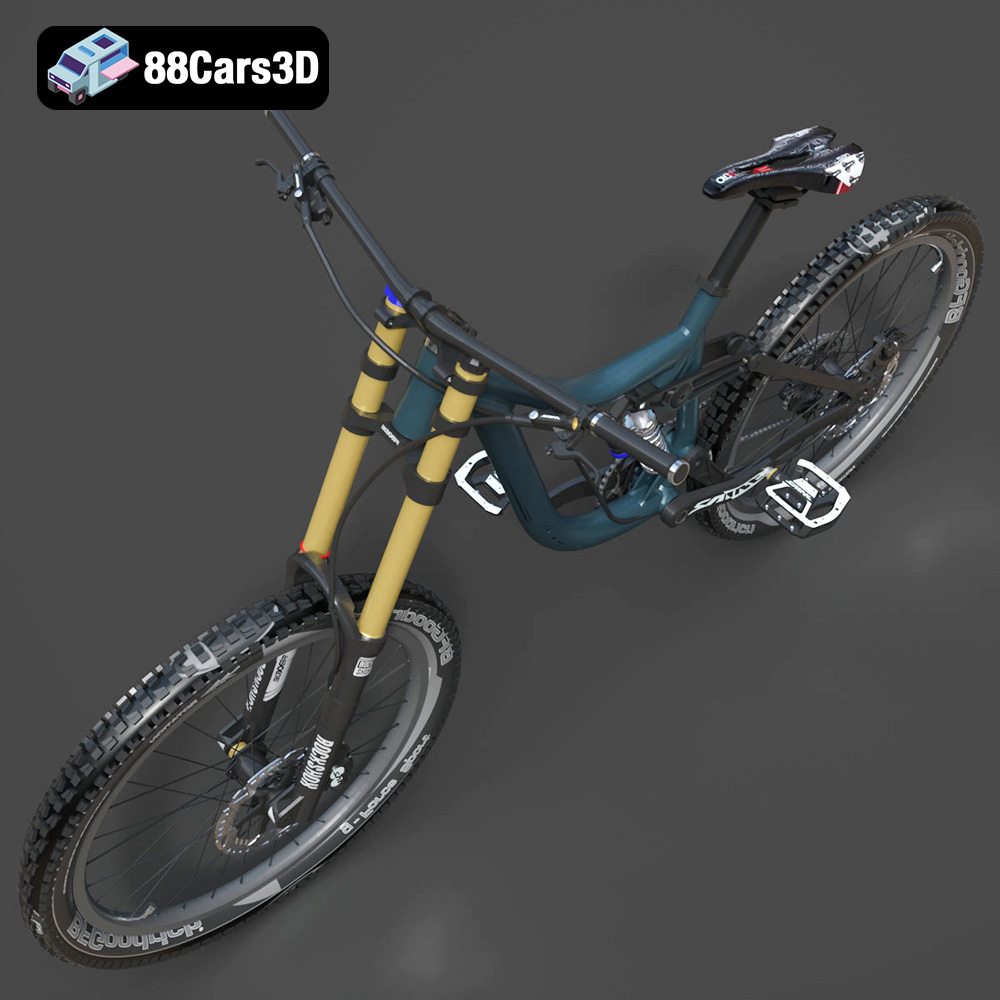
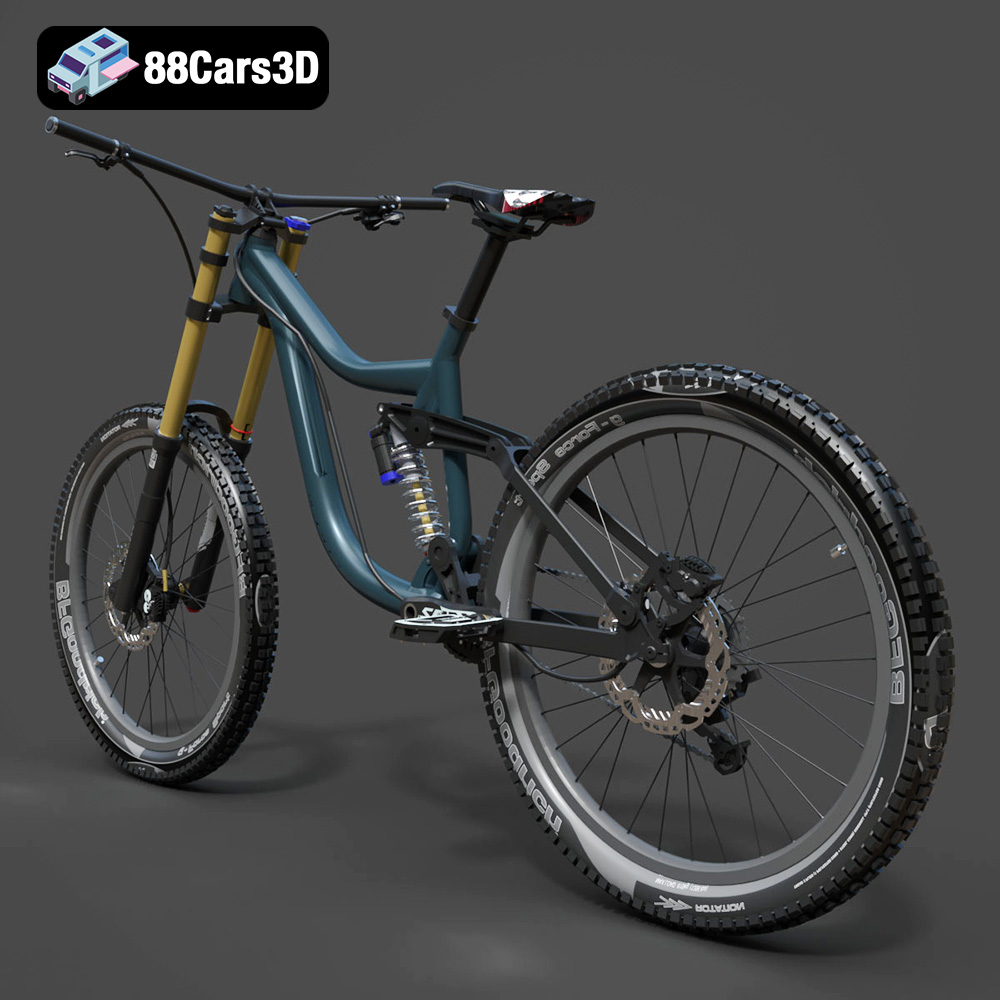
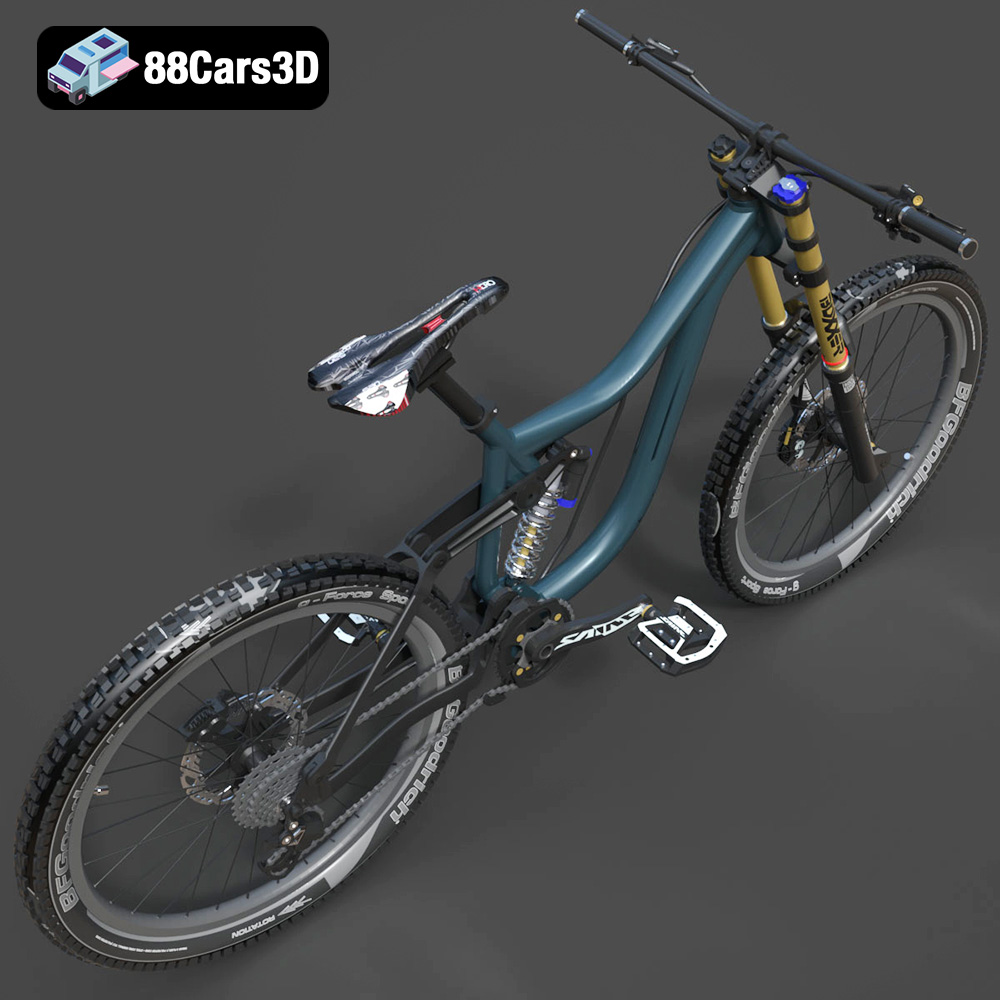
Today, we delve into the intricate world of professional-grade 3D assets, exploring what makes a model truly stand out and how it integrates seamlessly into diverse creative pipelines. We’ll examine the technical underpinnings, practical applications, and the strategic advantages of investing in meticulously crafted digital content. To illustrate these principles, we’ll feature a prime example: the Mototsikly Downhill Bike-002 3D Model, a testament to precision engineering and visual fidelity, available at 88cars3d.com.
One of the most crucial aspects of working with 3D models is understanding the various file formats available. Each format serves a specific purpose, excelling in different scenarios, software environments, and end-user applications. The Mototsikly Downhill Bike-002 3D Model exemplifies versatility by being offered in a comprehensive range of formats, ensuring compatibility across virtually any professional workflow.
The .blend format is native to Blender, a powerful open-source 3D creation suite. When you acquire a .blend file like that for the Mototsikly Downhill Bike-002, you’re not just getting a model; you’re receiving a complete, editable scene. This includes the bike’s geometry, all materials (often set up with advanced PBR shaders), textures, lighting, and sometimes even camera setups. It offers unparalleled flexibility for artists who use Blender, allowing for direct modifications, animation, and custom rendering with Cycles or Eevee. Technical details typically include clean modifier stacks, proper rigging (if animated), and organized collections for easy scene management.
.fbx (Filmbox) is a proprietary file format owned by Autodesk, but it has become an unofficial industry standard for 3D asset exchange, especially between different software packages and for real-time engines like Unreal Engine and Unity. Its strength lies in its ability to store a wide range of data, including geometry, materials, textures, animation, and even skeletal deformation. For the Mototsikly Downhill Bike-002, the .fbx version is optimized for game development, ensuring proper scaling, triangulated meshes for performance, and baked animations or PBR material setups ready for direct import.
The .obj (Wavefront OBJ) format is one of the oldest and most widely supported 3D formats. It primarily stores geometry (vertices, normals, texture coordinates, and faces) and can link to an accompanying .mtl (material) file. While it doesn’t support animation or complex scene data like .fbx, its universality makes it an excellent choice for cross-software compatibility. If you need to import the Mototsikly Downhill Bike-002 into a less common 3D application or simply require a clean mesh for sculpting or re-topology, .obj is a reliable fallback.
.glb (GL Transmission Format Binary) is an increasingly vital format, particularly for augmented reality (AR), virtual reality (VR), and web-based 3D applications. It’s a binary version of glTF, designed to be compact and efficient for quick loading and rendering across various platforms. A single .glb file can encapsulate all model data, including geometry, PBR materials, textures, and animations, making it a “delivery format.” The .glb version of the Mototsikly Downhill Bike-002 would be perfect for embedding into a website showcasing the bike, or deploying in a mobile AR app for interactive viewing.
.stl (Stereolithography) is the de facto standard for 3D printing. It represents a 3D model as a collection of unconnected triangles, defining only the surface geometry without color, texture, or material information. The accuracy of an .stl file is crucial for successful 3D prints, requiring watertight meshes and appropriate scale. While the Mototsikly Downhill Bike-002 is a highly detailed model, its .stl version would be carefully prepared to be manifold and suitable for physical fabrication, perhaps for rapid prototyping or collectible miniatures.
The .ply (Polygon File Format or Stanford Triangle Format) is another format for storing 3D data, particularly useful for scanned data, CAD applications, and scientific visualization. It can store various properties beyond just geometry, such as color, transparency, and even properties per vertex or face. For the Mototsikly Downhill Bike-002, a .ply file might be used in engineering analysis software to study its structural integrity or for high-precision visualization where detailed mesh data is paramount.
The .unreal format, or more accurately, assets packaged and configured specifically for Unreal Engine, represents a significant time-saver. This isn’t a single file format in the traditional sense, but rather a set of files and configurations (often including .fbx and associated texture maps) that are pre-setup within an Unreal project or content package. For the Mototsikly Downhill Bike-002, this means the model comes with materials correctly applied, collision meshes generated, LODs (Levels of Detail) configured, and possibly even basic blueprints for interactive elements – ready to be dropped into an Unreal scene with minimal fuss, significantly accelerating game development and virtual production workflows.
Finally, the .max format is native to Autodesk 3ds Max, a leading software for 3D modeling, animation, and rendering. Similar to .blend, a .max file for the Mototsikly Downhill Bike-002 provides a fully editable scene. This includes all geometry, complex PBR materials, V-Ray or Corona render settings, lighting setups, and any animation rigs. It’s the go-to for artists and studios heavily reliant on 3ds Max for high-end cinematic rendering, architectural visualization, or detailed product advertising, offering maximum control and customization.
The foundation of any outstanding 3D asset lies in its meticulous construction and visual fidelity. For models like the Mototsikly Downhill Bike-002, this means every curve, every bolt, and every component is brought to life with an unwavering commitment to realism. This level of quality is crucial for professional applications where visual integrity is non-negotiable.
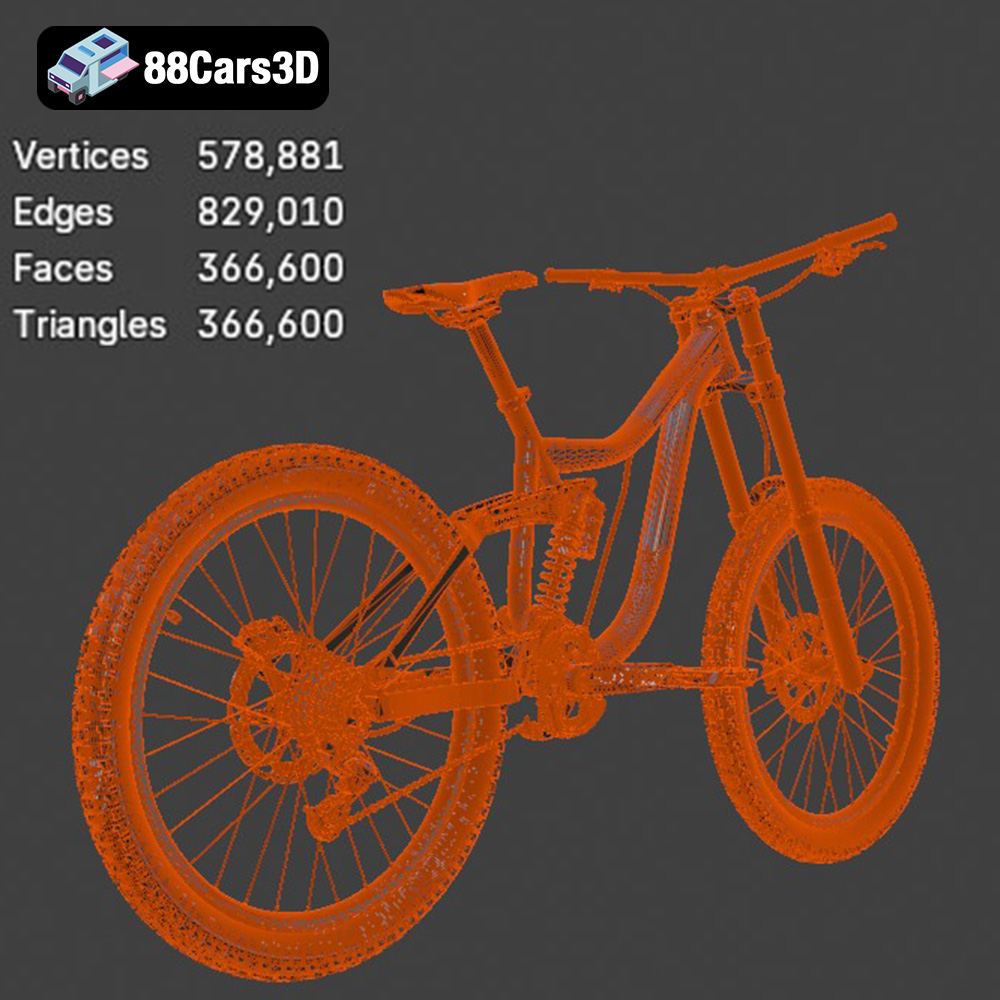
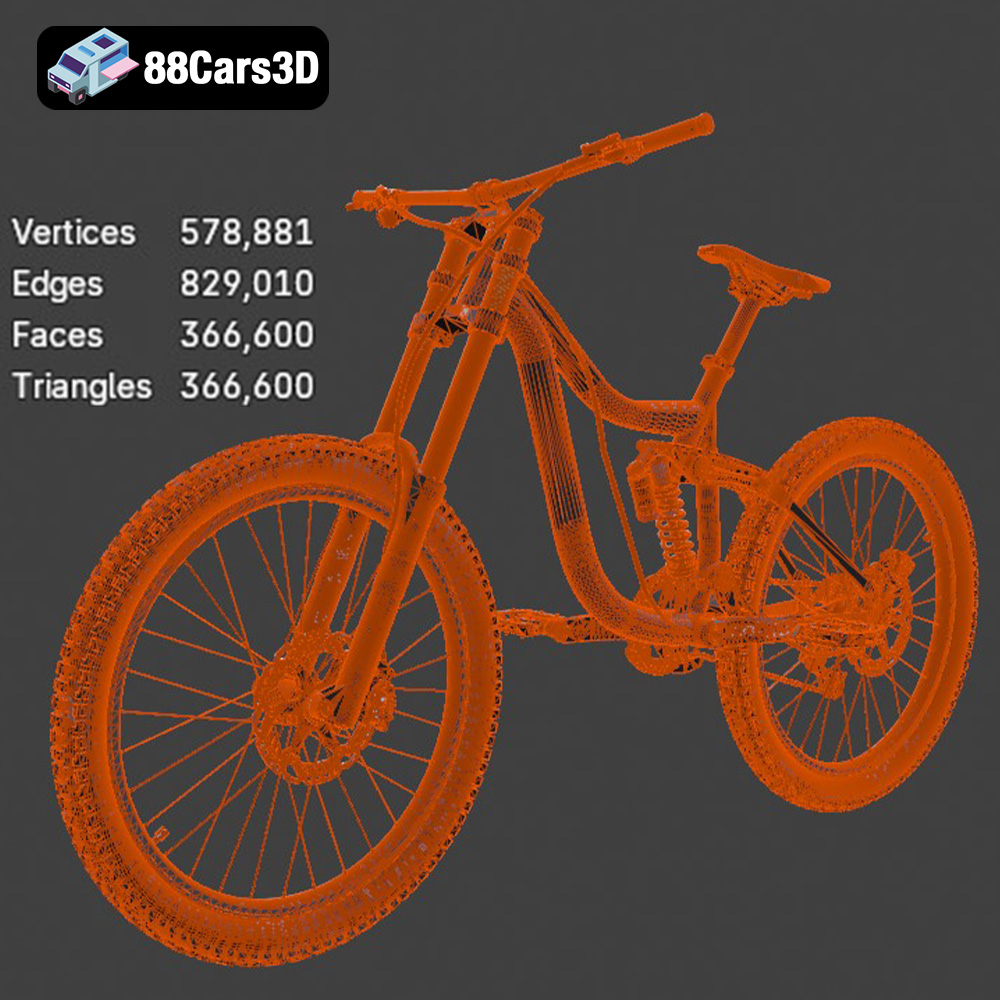
One of the hallmarks of a professional 3D model is its clean, optimized geometry. This isn’t just about looking good; it’s about performance and flexibility. The Mototsikly Downhill Bike-002 boasts clean mesh topology, meaning the polygon count is balanced between detail and efficiency, and the polygons themselves are well-formed (quads predominantly, where appropriate). This allows for:
Beyond geometry, the magic of realism happens with materials and textures. The Mototsikly Downhill Bike-002 utilizes Physically Based Rendering (PBR) materials. PBR is a modern shading paradigm that aims to accurately simulate how light interacts with surfaces in the real world. This means:
The combination of clean topology and high-quality PBR materials ensures that the Mototsikly Downhill Bike-002 3D Model not only looks stunning but also performs optimally across a spectrum of professional applications, from high-fidelity rendering to real-time interactive experiences.
Game development demands a unique blend of visual fidelity and technical optimization. Assets need to look incredible while running smoothly on target hardware. High-quality vehicle models, like the Mototsikly Downhill Bike-002, are invaluable for racing games, open-world adventures, and realistic simulations.
For game developers, the availability of formats like .fbx and pre-configured .unreal assets for the Mototsikly Downhill Bike-002 streamlines the integration process significantly. In both Unreal Engine and Unity, importing an .fbx file with embedded PBR textures or linked material maps is a straightforward process. The clean geometry of this model minimizes issues with normal smoothing or collision generation. Furthermore, for Unreal Engine users, a pre-configured .unreal asset means the heavy lifting of material setup, LOD creation, and even basic collision geometry is often already handled, allowing developers to focus on gameplay mechanics and environmental design rather than asset preparation.
For example, imagine a downhill mountain biking game. A team could quickly drop the Mototsikly Downhill Bike-002 into their Unreal environment, attach player controls, and immediately have a visually stunning, performance-optimized vehicle ready for prototyping. This significantly reduces development time and resources, letting artists and programmers dedicate their efforts to core gameplay loops and unique features.
While the Mototsikly Downhill Bike-002 is designed with optimized geometry, real-time performance often requires further considerations:
These technical considerations, baked into a well-designed asset like the Mototsikly Downhill Bike-002, are critical for delivering a smooth, immersive experience in any game or simulation.
Beyond interactive experiences, the Mototsikly Downhill Bike-002 3D Model truly shines in the realm of high-fidelity rendering for advertising, film, and product visualization. Here, every detail matters, and the goal is to create images so realistic they are indistinguishable from photographs.
When working with 3ds Max or Blender, artists have granular control over every aspect of the rendering process. The .max and .blend files for the Mototsikly Downhill Bike-002 provide an excellent starting point. Artists can:
Imagine using this model for a commercial advertisement for a bike manufacturer. The ability to render the Mototsikly Downhill Bike-002 in countless virtual environments, from rugged mountain trails to sleek urban settings, with flawless realism, offers limitless creative possibilities without the logistical costs of physical photography.
The robust construction and clean topology of the Mototsikly Downhill Bike-002 also make it ideal for animation. In film, commercials, or product walkthroughs, animating the bike allows for dynamic presentations. This could involve:
For studios producing animated content, starting with a pre-built, high-quality asset like this saves weeks of modeling and texturing, allowing animators and directors to focus on storytelling and dynamic camera work.
The versatility of professional 3D models extends beyond traditional rendering and game development, venturing into cutting-edge applications like Augmented Reality (AR), Virtual Reality (VR), and even physical fabrication through 3D printing.
AR and VR are transforming how we interact with digital content, offering immersive experiences that blur the lines between the real and virtual. The Mototsikly Downhill Bike-002, particularly its .glb format, is perfectly suited for these environments:
The balance of visual quality and performance optimization in the Mototsikly Downhill Bike-002 makes it an ideal candidate for these forward-thinking applications.
The inclusion of an .stl format for the Mototsikly Downhill Bike-002 opens up avenues for physical creation through 3D printing. While 3D printing a full-scale, functional downhill bike might be impractical, the detailed .stl model allows for:
The precision required for 3D printing means the underlying mesh must be “watertight” (manifold) and free of errors, a characteristic of professionally prepared models like this one. This bridges the gap between the digital design space and tangible reality, offering a unique dimension of utility.
The decision to utilize pre-made 3D assets, especially those of high quality, can profoundly impact the efficiency and success of creative projects. It’s a strategic choice that many professionals make to optimize their workflow and achieve superior results.
Creating a highly detailed 3D model like the Mototsikly Downhill Bike-002 from scratch is an incredibly time-consuming process. It involves extensive research, meticulous modeling, complex UV mapping, and intricate texture painting. By leveraging a ready-to-use asset, you gain:
Beyond efficiency, the quality of your 3D assets directly reflects on the perceived professionalism and polish of your final output. High-quality assets from reputable sources like 88cars3d.com ensure:
Investing in assets like the Mototsikly Downhill Bike-002 is not just about convenience; it’s about making a strategic decision to elevate your project’s standards, save valuable resources, and ultimately deliver a more compelling and polished final product.
In the evolving landscape of 3D production, the demand for excellence is paramount. From the intricate details of game assets to the photorealistic demands of automotive rendering and product visualization, the quality of your 3D models dictates the success of your creative endeavors. As we’ve explored through the lens of the Mototsikly Downhill Bike-002 3D Model, a truly professional asset is characterized by clean topology, meticulous PBR material work, and versatile file format compatibility.
Whether you’re developing the next big title in Unreal Engine, composing a breathtaking advertisement in 3ds Max, or creating an interactive AR experience, integrating a high-fidelity model like the Mototsikly Downhill Bike-002 dramatically streamlines your workflow, ensures technical reliability, and elevates the overall visual appeal of your project. This level of quality and adaptability underscores the value that premium 3D assets bring to any professional pipeline.
To explore this exceptional model and a wide range of other high-quality 3D car models and vehicle assets, visit 88cars3d.com. Equip your projects with the best, and watch your creative visions come to life with unparalleled detail and realism.
The Mototsikly Downhill Bike-002 3D Model offers an extremely accurate and photorealistic digital replica of a modern downhill racing bicycle. Every component, from the high-travel suspension system to the complex drivetrain and specialized tires, has been modeled with meticulous attention to scale and mechanical integrity. This model is engineered for immediate use in professional environments where detail and performance are critical.
Key Features & Professional Quality:
This asset features clean, optimized geometry suitable for performance-intensive applications like real-time game engines. Realistic PBR (Physically Based Rendering) materials ensure that the bike renders accurately under various lighting conditions, providing stunning visual results in film, advertising, and architectural visualization projects. The clean mesh topology allows for easy subdivision and modification if required.
Applications:
This versatile 3D asset is ready for deployment across numerous creative industries. It is perfectly suited for realistic game development (Unreal Engine, Unity), virtual reality (VR) and augmented reality (AR) experiences, engineering visualization, detailed product rendering, and dynamic simulation environments.
Provided File Formats:
$19.99
.arvr
.bicycle
.bike
.blend
.car3dmodel
.downhill
.downhillbike
.fbx
.gameasset
.glb
.max
.mototsikly
.obj
.ply
.rendering
.simulation
.stl
.transport
.unreal
.vehicle